Bizarre Natural Phenomena Seen Across Antarctica
Antarctica feels like another planet. The continent exists so far outside ordinary experience that when something truly strange happens there, it seems almost expected.
Yet even against this backdrop of endless white and crushing cold, certain phenomena stand out as genuinely bizarre — events that catch scientists off guard and remind everyone that nature still keeps secrets worth discovering.
Blood Falls
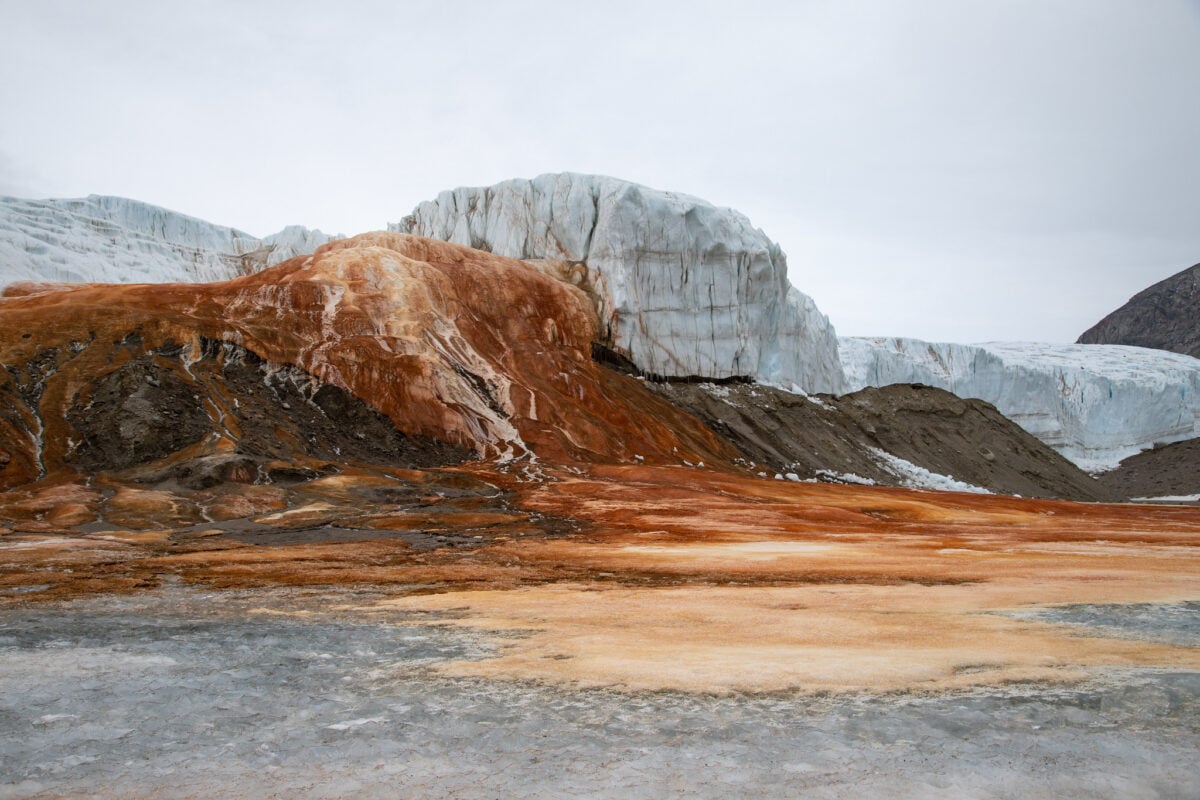
Blood Falls looks exactly like what the name suggests. A vivid crimson outflow of deep red liquid seeps from a crack in Taylor Glacier into West Lake Bonney across a cliff face roughly five stories tall.
No theatrics needed. Scientists spent decades trying to explain it.
Turns out the “blood” is actually iron-rich brine that’s been trapped under the glacier for over two million years. The iron oxidizes when it hits air and creates that vivid crimson color that makes the whole thing look like a crime scene.
Antarctic Oasis
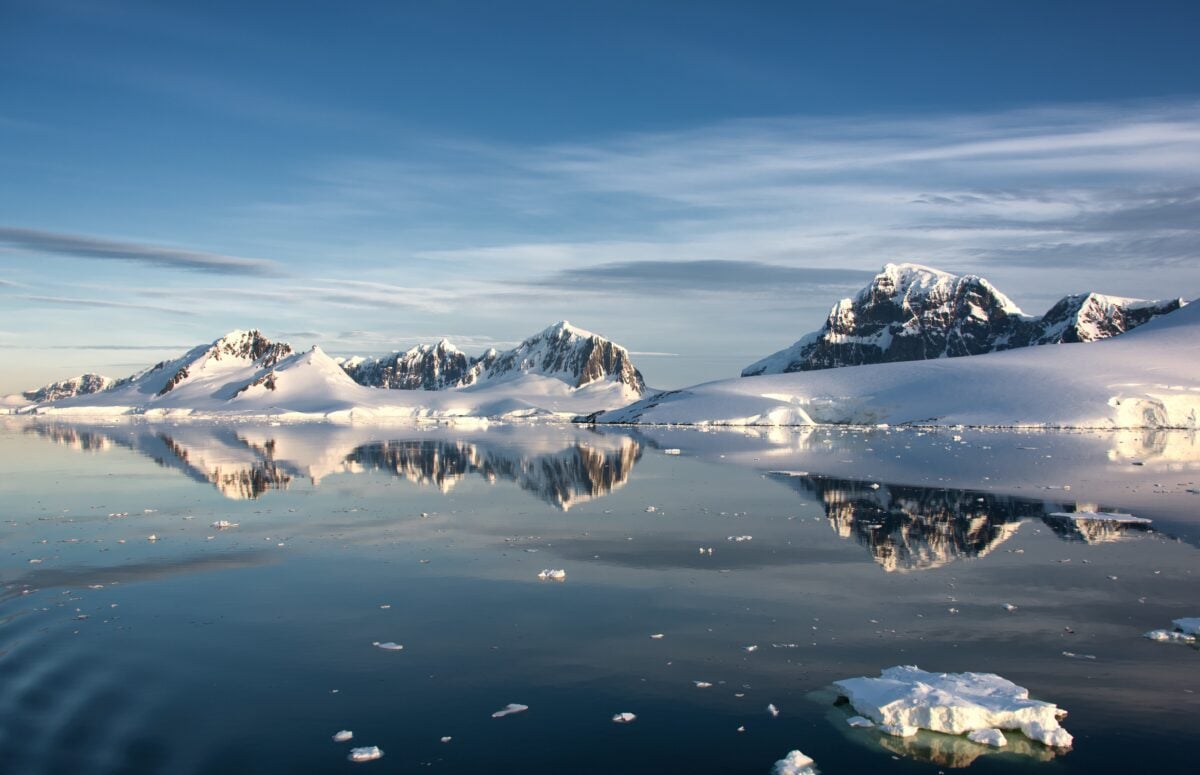
Hidden within the most desolate landscape on Earth lies something that shouldn’t exist: the McMurdo Dry Valleys, where pockets of liquid water persist year-round despite temperatures that would freeze most substances solid (and this is Antarctica, so that’s saying something). These valleys, carved by ancient glaciers and scoured by katabatic winds that can reach up to 200 km/h (about 125 mph), contain no snow or ice — which seems almost offensive given their location — and yet they harbor microbial life in hypersaline lakes that never freeze completely.
Scientists who study these oases often describe feeling disoriented, as if they’ve stumbled through a portal into some parallel version of Mars where the rules of physics operate under slightly different management. But here’s what makes it genuinely strange: these valleys are so dry that mummified seals from centuries ago remain perfectly preserved, lying scattered across the valley floors like forgotten props from a nature documentary that never finished filming.
The air is so arid that it can actually pull moisture from living tissue faster than most biological processes can compensate.
Ice Flowers
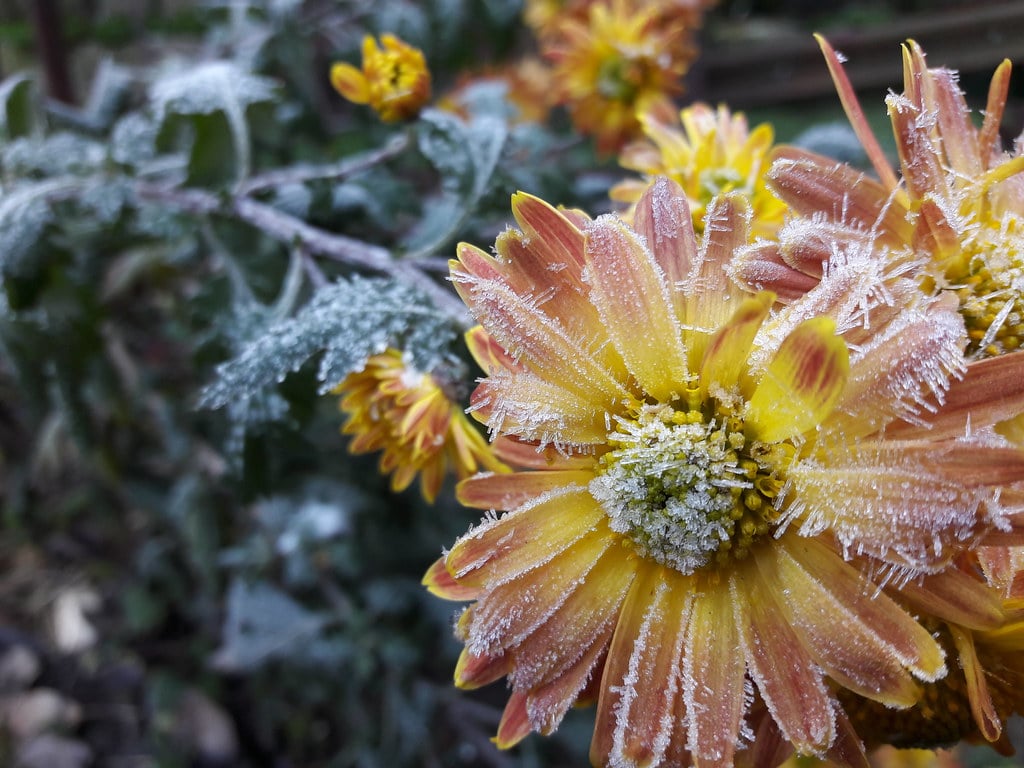
Picture flowers made entirely of frost, blooming across the sea ice in delicate, impossible formations. Each crystal structure branches outward like organic growth frozen mid-gesture.
These formations appear when specific atmospheric conditions align — calm winds, extreme cold, and just the right humidity levels. The ice crystals build upon themselves following patterns that seem almost deliberate, creating sculptures that wouldn’t look out of place in an art gallery.
They’re fragile enough that a single breath can destroy them. Most people never see ice flowers because they form in conditions that make observation nearly impossible.
The same weather that creates them keeps humans indoors.
Singing Ice
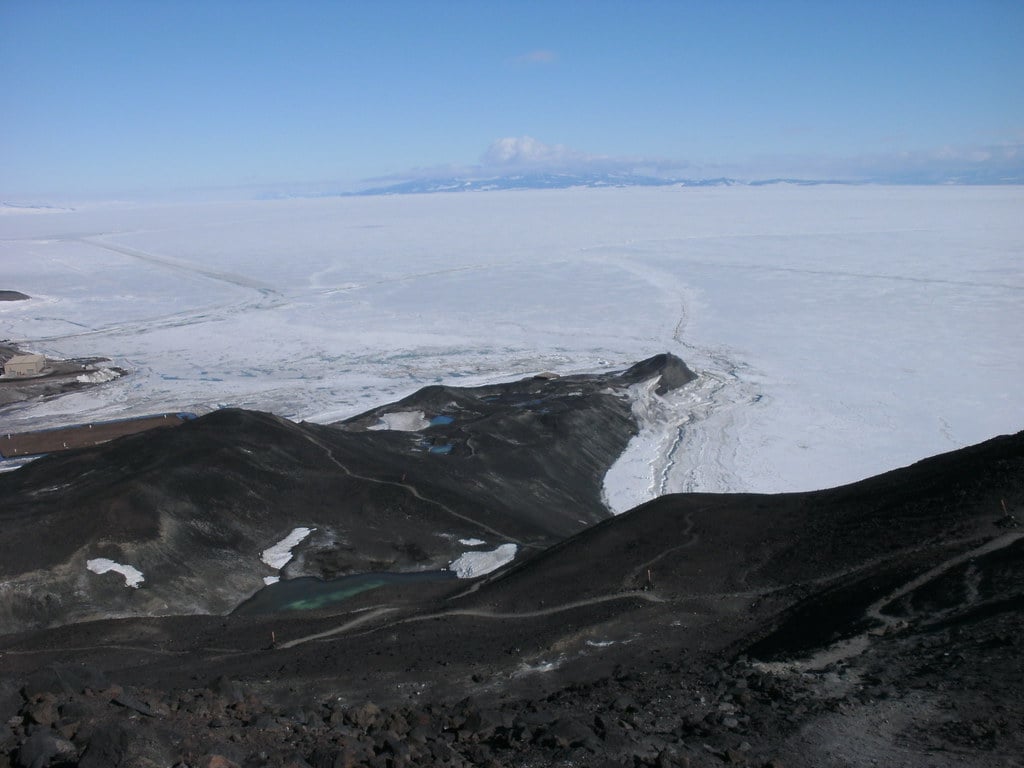
The Ross Ice Shelf produces sounds that belong in a science fiction movie. The ice sings, hums, and vibrates in frequencies that travel for miles across the frozen landscape.
These aren’t random noises. The ice shelf acts like a massive musical instrument, responding to wind, temperature changes, and seismic activity with a complex symphony of tones.
Some of the sounds are too low for human ears to detect, while others create haunting melodies that researchers describe as otherworldly. Recording equipment has captured ice songs that last for hours, with harmonics and rhythmic patterns that seem almost composed.
The shelf essentially performs concerts for an audience of penguins and the occasional bewildered scientist.
Inverted Lightning
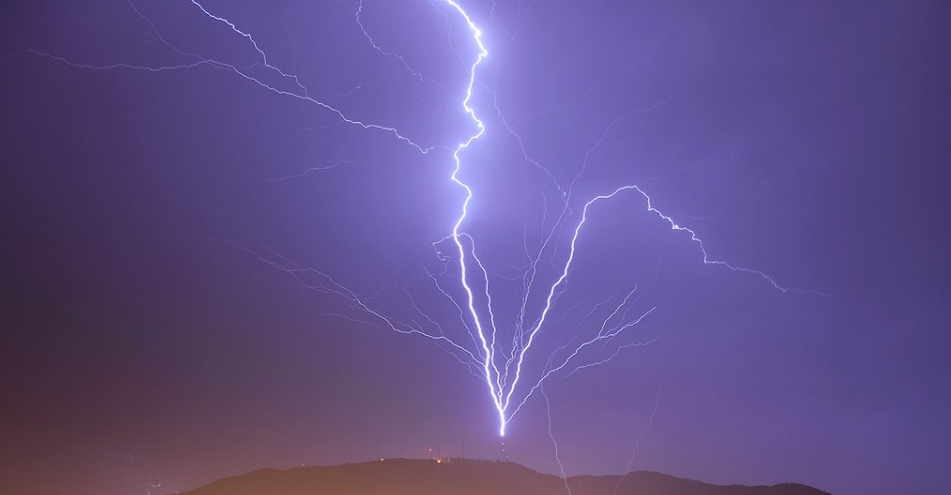
Lightning that strikes upward defies basic expectations about how electricity behaves, yet Antarctica regularly hosts displays of positive lightning that originates from elevated points and reaches toward storm clouds overhead like luminous fingers grasping at something just beyond reach. These upward strikes occur during blizzards when ice particles create unusual electrical charges in the atmosphere, and the resulting bolts often appear blue or purple rather than the familiar white-yellow of conventional lightning.
What makes this particularly unsettling is the silence that often accompanies these displays — the thunder arrives so delayed, if at all, that watching upward lightning can feel like witnessing some kind of supernatural event rather than a meteorological one (though the distinction becomes academic when you’re standing in the middle of an Antarctic storm). The phenomenon is rare enough that many Antarctic researchers work entire seasons without witnessing it, but common enough that most stations keep lightning rods designed specifically for inverted strikes.
And yet the most disturbing aspect isn’t the reversed direction or unusual colors: it’s the eerie visual quality of these bolts against the polar darkness, as if the extreme environment has rewritten the familiar grammar of a thunderstorm entirely.
Watermelon Snow
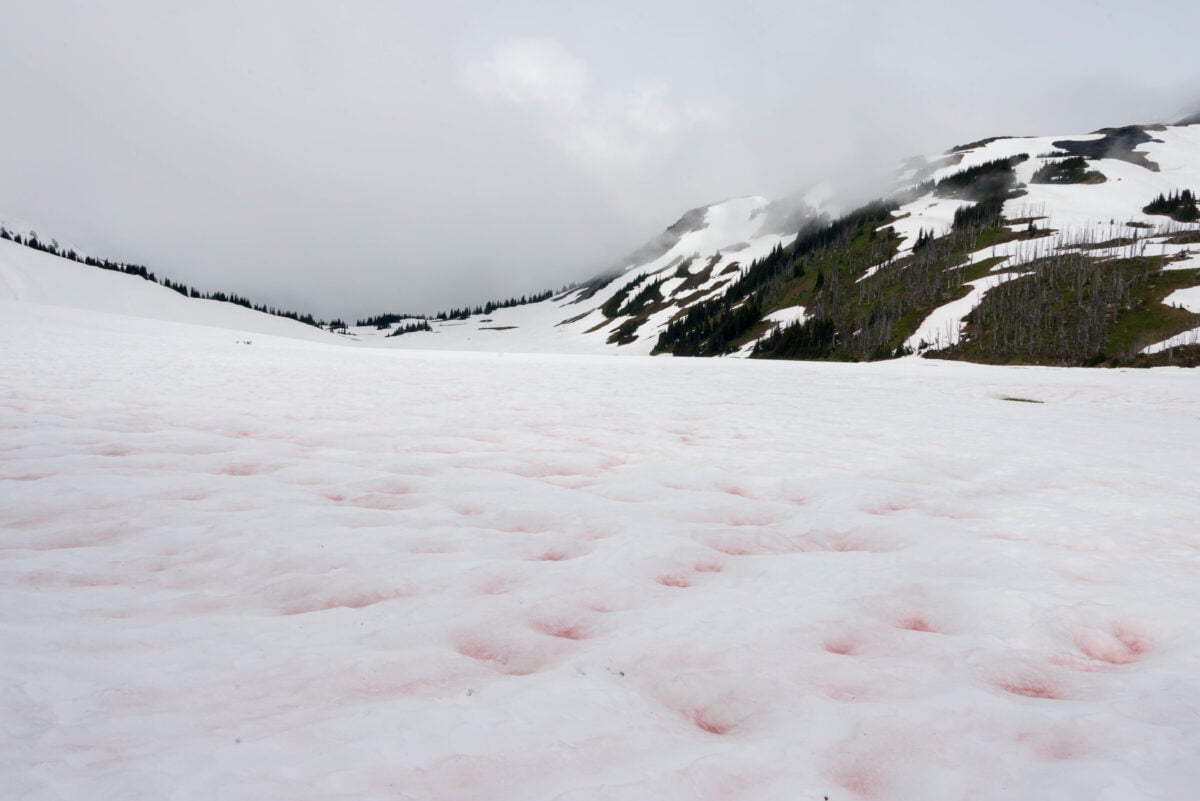
Pink snow tastes terrible and means trouble. This rosy-colored precipitation gets its hue from algae that thrives in freezing conditions — specifically Chlamydomonas nivalis, which produces a red pigment to protect itself from UV radiation.
The algae spreads rapidly across snowfields, creating patches of what looks like fruit punch or watermelon juice scattered across the white landscape. Early explorers actually tried eating it, which was a mistake.
The stuff has a distinctly unpleasant flavor and can cause digestive issues. Watermelon snow represents one of nature’s more stubborn life forms.
This algae doesn’t just survive Antarctic conditions — it flourishes in them, proving that life finds ways to establish itself in places where logic suggests nothing should grow.
Katabatic Wind Sculptures
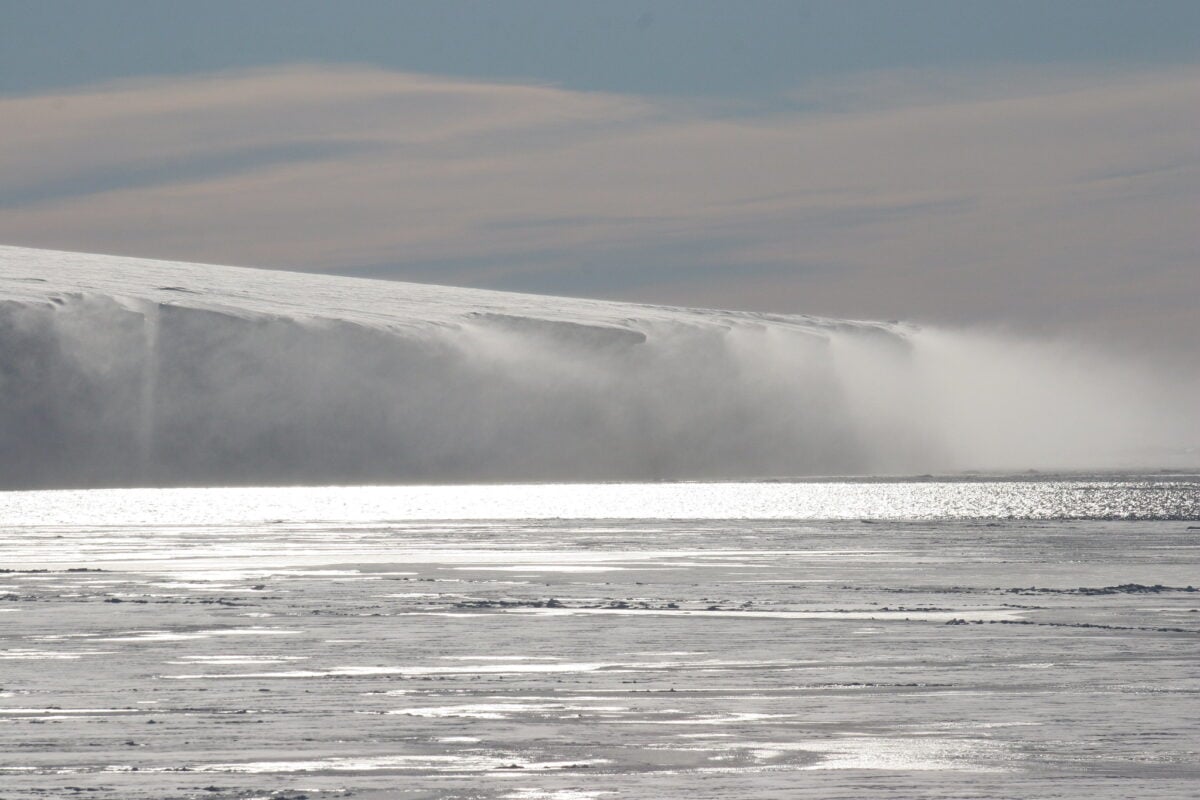
Wind in Antarctica doesn’t just blow — it carves, shapes, and creates art installations that would make human sculptors weep with envy. Katabatic winds, which pour down from the polar plateau like invisible waterfalls of air reaching speeds that can knock a grown person flat, work on ice and snow with the patience and precision of someone who has all the time in the world and a very specific vision.
These winds create formations called sastrugi: wave-like ridges and furrows carved into the snow surface that can stretch for miles in geometric patterns so regular they appear almost manufactured. Some sastrugi formations stand several feet tall and form intricate mazes that can trap travelers who venture into them without proper navigation equipment.
The most bizarre aspect isn’t the formations themselves but how they seem to anticipate weather patterns: sastrugi ridges align with prevailing winds weeks or months before those wind patterns actually establish themselves, as if the ice possesses some kind of meteorological foresight.
Phantom Islands
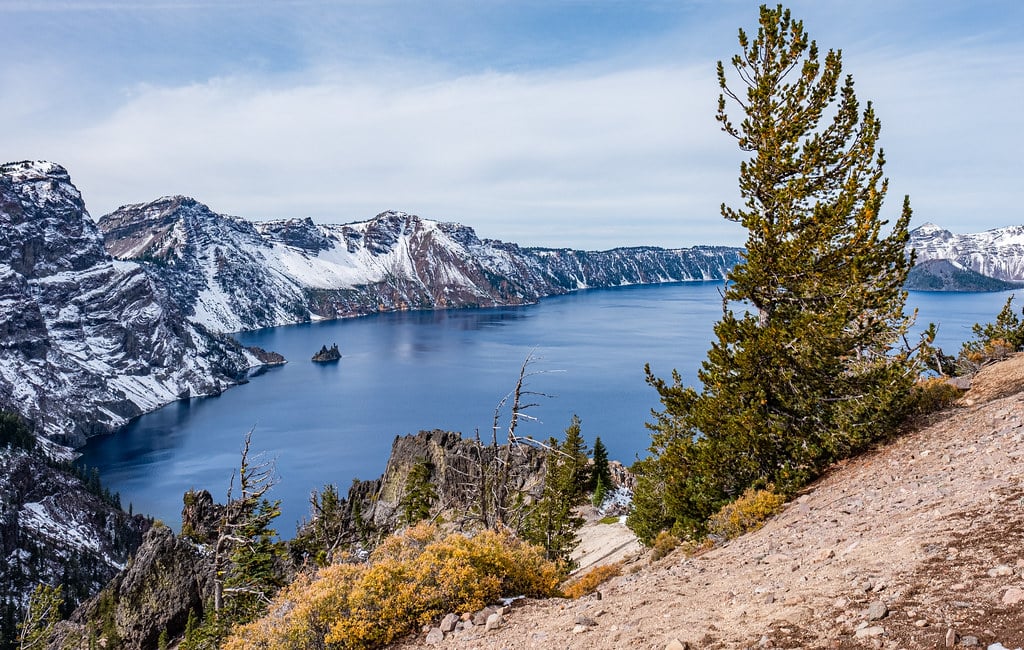
Antarctica has a geography problem. Islands appear and disappear from maps with suspicious frequency, not because of poor navigation but because the landscape literally changes shape as ice shifts, melts, and reforms.
Phantom islands show up on satellite imagery for months or years before vanishing completely. Sometimes what appears to be solid land turns out to be a massive ice formation that has temporarily grounded itself.
Other times, actual rocky islands become buried under ice sheets and effectively cease to exist until the ice retreats. Cartographers working in Antarctic regions have developed a healthy skepticism about their own maps.
The continent essentially redraws itself on a regular basis, making long-term geographic planning an exercise in educated guessing.
Brinicles
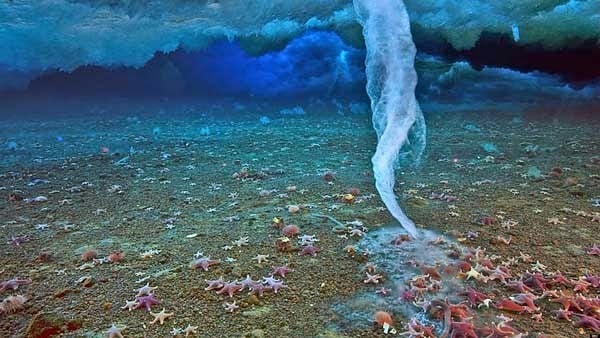
Underwater icicles that kill everything they touch sound like something from a fantasy novel, but brinicles are real and they’re genuinely terrifying to observe in action. These “icicles of death” form when extremely cold, salty water sinks toward the ocean floor, freezing everything in its path.
The brinicle grows downward like a frozen stalactite, creating a tube of ice that continues extending until it reaches the seafloor. Anything caught in its path — starfish, sea urchins, other marine life — gets frozen solid instantly.
Time-lapse photography of brinicle formation reveals something that looks distinctly predatory, as if the ice is actively hunting. The entire process unfolds in slow motion over several hours, but the end result is always the same: a trail of frozen corpses marking the brinicle’s path to the bottom.
Polar Stratospheric Clouds
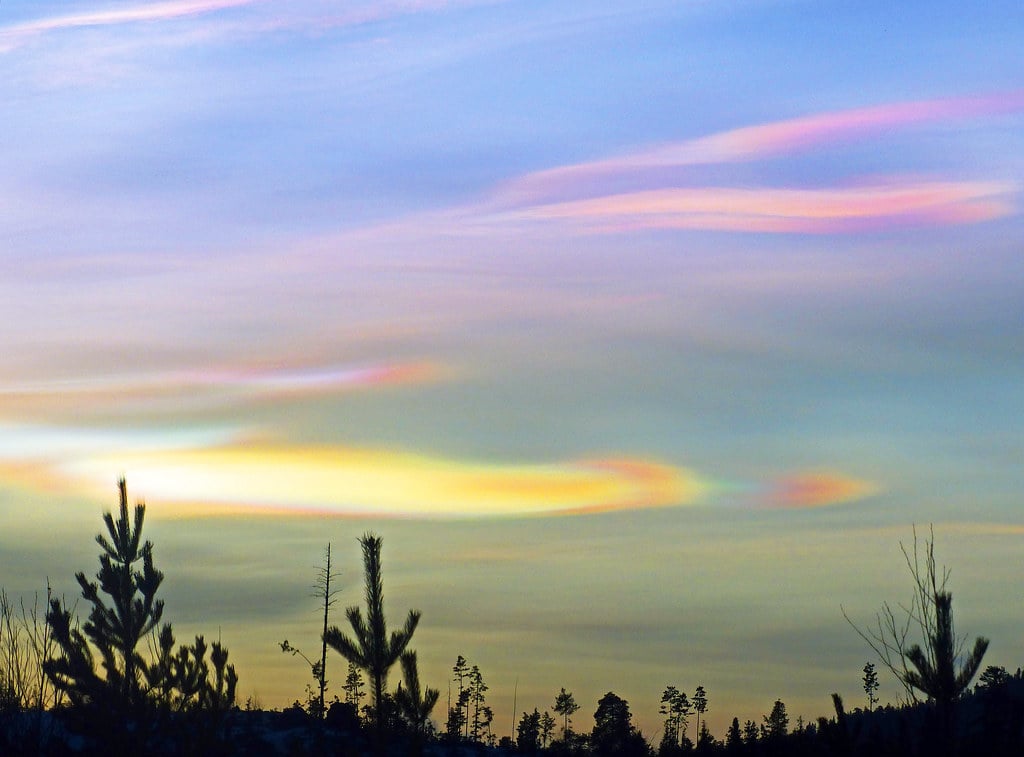
These clouds exist in atmospheric layers where clouds aren’t supposed to form, creating displays that look more like aurora than weather phenomena, with iridescent colors that shift and flow across the Antarctic sky in patterns that seem to follow their own internal logic rather than responding to wind or pressure systems. Mother-of-pearl clouds, as they’re sometimes called, form only in the extreme cold of polar stratospheres and contain ice crystals that act like tiny prisms, breaking sunlight into component colors that dance across their surfaces.
But here’s what makes them genuinely unsettling: these clouds are beautiful harbingers of atmospheric destruction, playing a crucial role in ozone depletion by providing surfaces where chemical reactions can strip ozone molecules from the stratosphere. So watching these gorgeous, shimmering displays means witnessing the slow dissolution of the planet’s protective atmospheric layers — nature’s way of making ecological catastrophe aesthetically pleasing.
The clouds appear most often during the Antarctic winter, when the stratosphere reaches temperatures cold enough to freeze water vapor that would normally remain gaseous at such altitudes.
Green Flash Sunsets
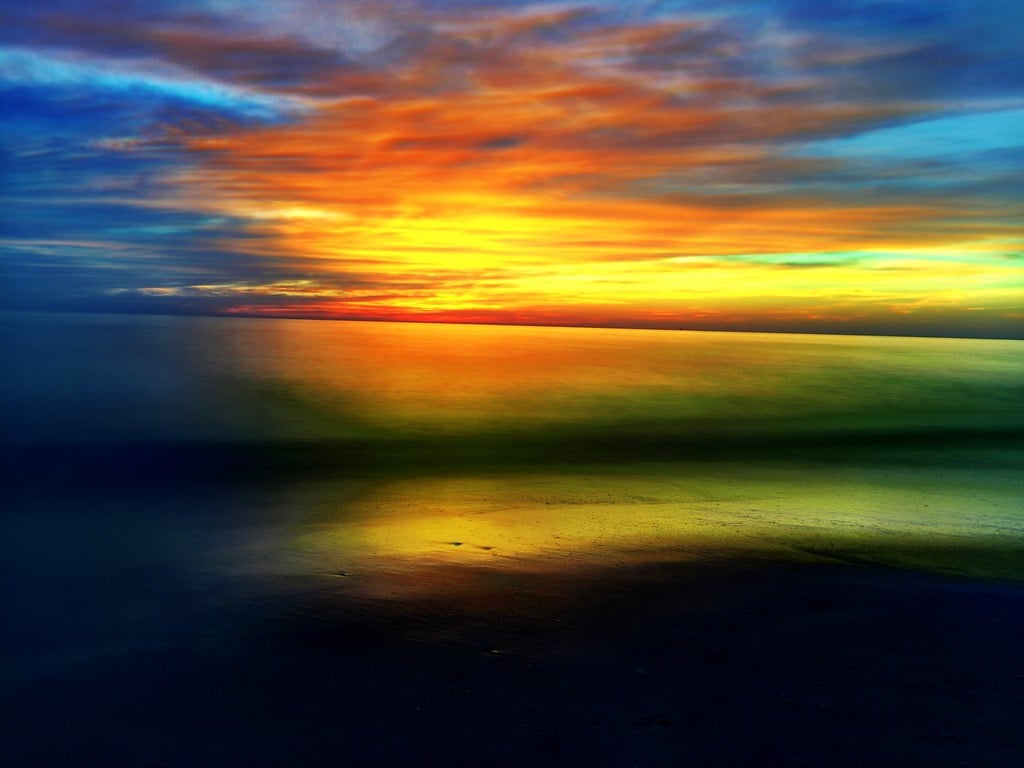
The final moments of Antarctic sunsets sometimes produce a phenomenon that borders on magical realism. Green flashes appear just as the sun disappears below the horizon, creating brief bursts of emerald light that last only seconds but remain vivid in memory for years.
This happens because of atmospheric refraction and dispersion — sunlight bends as it passes through layers of air at different densities, and the shorter green wavelengths separate and become briefly visible at the horizon. Antarctic air is often clear enough and stable enough to allow these optical effects to develop fully.
Most green flashes occur too quickly for photography to capture adequately. They exist primarily as shared experiences among the small community of people who spend extended time in one of the most isolated places on Earth.
Which seems fitting for a phenomenon that feels more like a secret than a scientific occurrence.
Wind-Polished Boulders
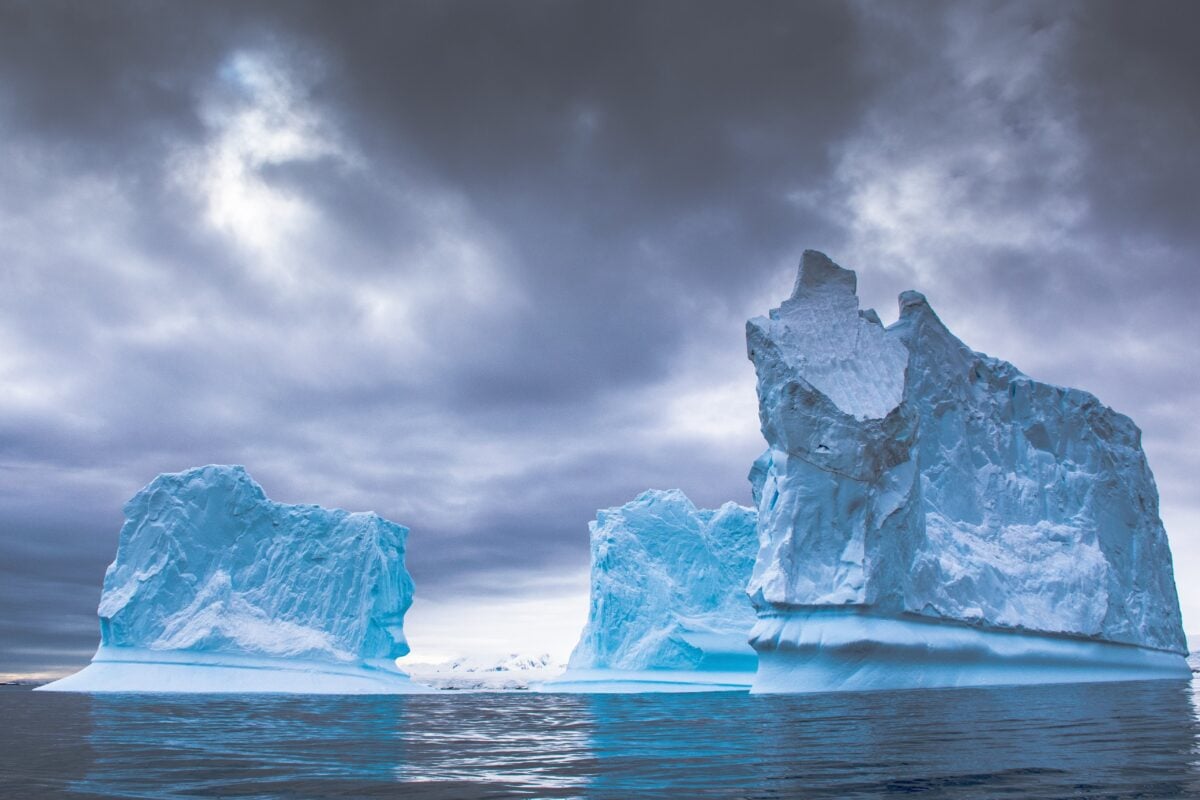
Rocks that look like they’ve been professionally polished by jewelers sit scattered across Antarctic valleys, their surfaces smooth enough to serve as mirrors and shaped by wind-blown ice particles into forms so geometrically perfect they appear artificial.
These ventifacts, as geologists call them, result from thousands of years of constant sandblasting by ice crystals carried on katabatic winds. The process creates stones with faceted surfaces and razor-sharp edges that reflect sunlight in ways that can be seen from miles away.
Some ventifacts have been polished so thoroughly that their surfaces show no trace of their original texture or composition. They’ve been transformed into something entirely new — rocks that have essentially been redesigned by weather into sculptural objects that wouldn’t look out of place in a modern art museum.
The Living Landscape

Antarctica breathes, shifts, and moves in ways that make the continent feel less like static geography and more like a sleeping giant that occasionally stirs in its dreams. The ice sheets expand and contract with seasonal rhythms that can be felt as vibrations transmitted through bedrock, while glaciers surge forward in sudden bursts of movement that can advance miles in a matter of days after remaining stationary for decades.
This movement creates sounds — groaning, cracking, grinding noises that carry for miles across the ice and serve as constant reminders that the landscape is alive in ways that solid ground elsewhere simply isn’t. Researchers describe sleeping in Antarctic camps as an exercise in adjusting to an environment that never stops talking to itself.
The most unsettling aspect isn’t the movement itself but the unpredictability: massive ice formations that appear stable can suddenly shift or collapse without warning, while seemingly precarious structures remain unchanged for years despite constant bombardment by wind and weather.
Where Wonder Meets Warning
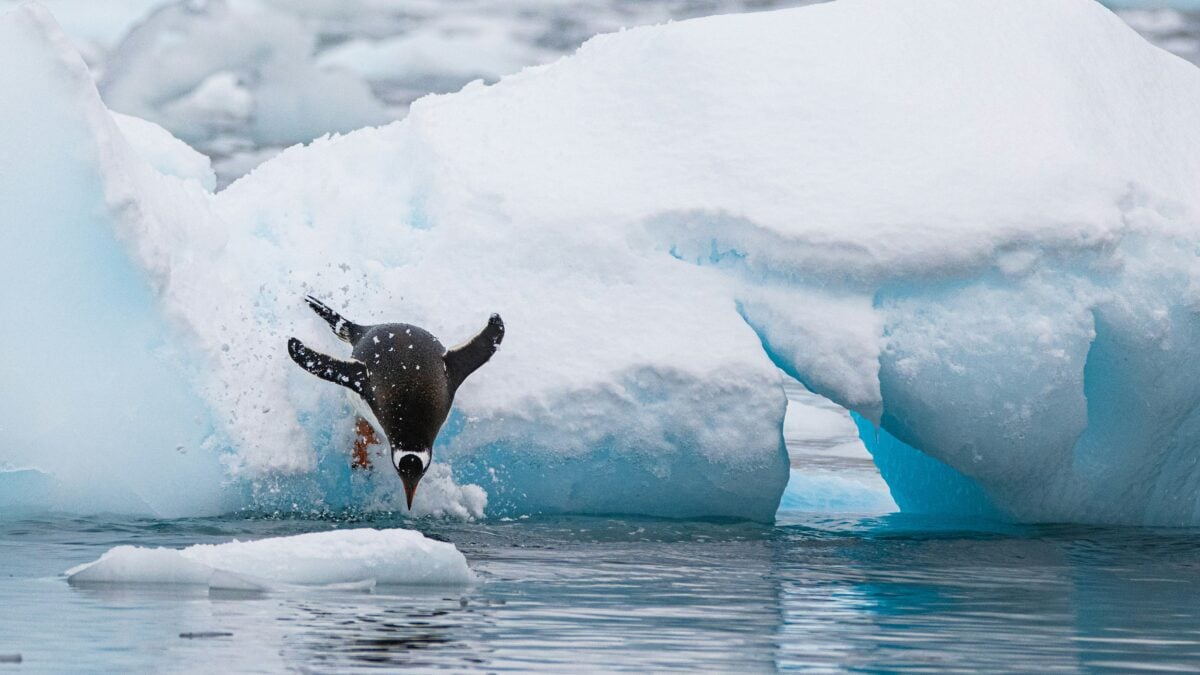
Standing at the edge of the world’s most extreme environment reveals something profound about the planet’s capacity for both beauty and strangeness. These phenomena exist not as curiosities to be collected but as reminders that Earth still operates according to principles that science is only beginning to understand.
Antarctica serves as a laboratory where the usual rules don’t apply and the impossible happens with surprising regularity, suggesting that the natural world contains far more mysteries than most people suspect.
More from Go2Tutors!

- The Romanov Crown Jewels and Their Tragic Fate
- 13 Historical Mysteries That Science Still Can’t Solve
- Famous Hoaxes That Fooled the World for Years
- 15 Child Stars with Tragic Adult Lives
- 16 Famous Jewelry Pieces in History
Like Go2Tutors’s content? Follow us on MSN.