26 Traditional Crafts Nearly Lost
Before mass production, entire trades existed to make a single category of object by hand, refined over generations of apprenticeship. Most of those trades have shrunk to a handful of practitioners worldwide, kept alive by museums, heritage programs, and a small number of stubborn artisans.
These are crafts that once employed entire town guilds and now survive mostly in specialty workshops and cultural preservation programs.
Dry Stone Walling

Built without mortar, dry stone walls rely entirely on the careful selection and stacking of stones so that gravity and friction hold the structure together, a skill requiring an intuitive understanding of how irregular shapes interlock. The technique produced field boundaries across the British Isles that have stood for centuries, and while heritage organizations now run certification courses to preserve it, the number of full-time professional wallers has declined sharply since agricultural mechanization reduced demand for hand-built boundaries.
Coopering
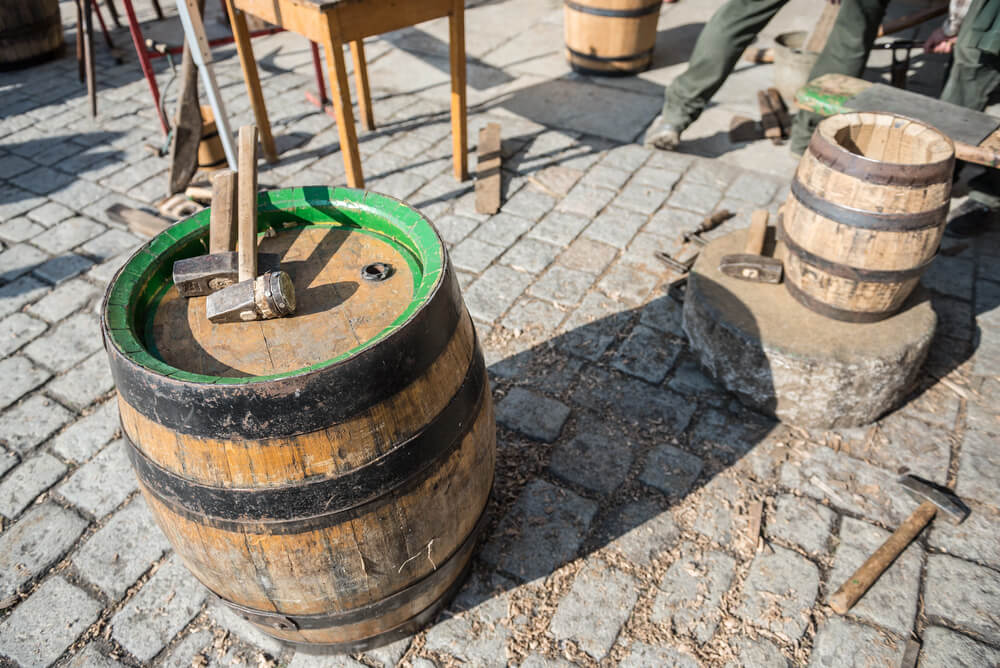
Barrel makers, known as coopers, shaped wooden staves and bound them with metal hoops to create watertight containers essential to shipping, brewing, and wine production for centuries. Industrial steel drums and plastic containers eliminated most commercial demand for hand-coopered barrels, and today the craft survives mainly within the wine and whiskey industries, where oak barrel aging remains a required step that machines have not fully replicated.
Thatching

Layering bundled straw, reed, or palm fronds into a weatherproof roof is a skill that varies significantly by region, with different bundling and pinning techniques developed to suit local climates and available materials. In parts of rural England and Ireland, thatching survives as a specialized heritage trade largely because certain historic buildings are legally required to maintain their original roofing style, keeping a small number of trained thatchers in steady work.
Hand Bookbinding
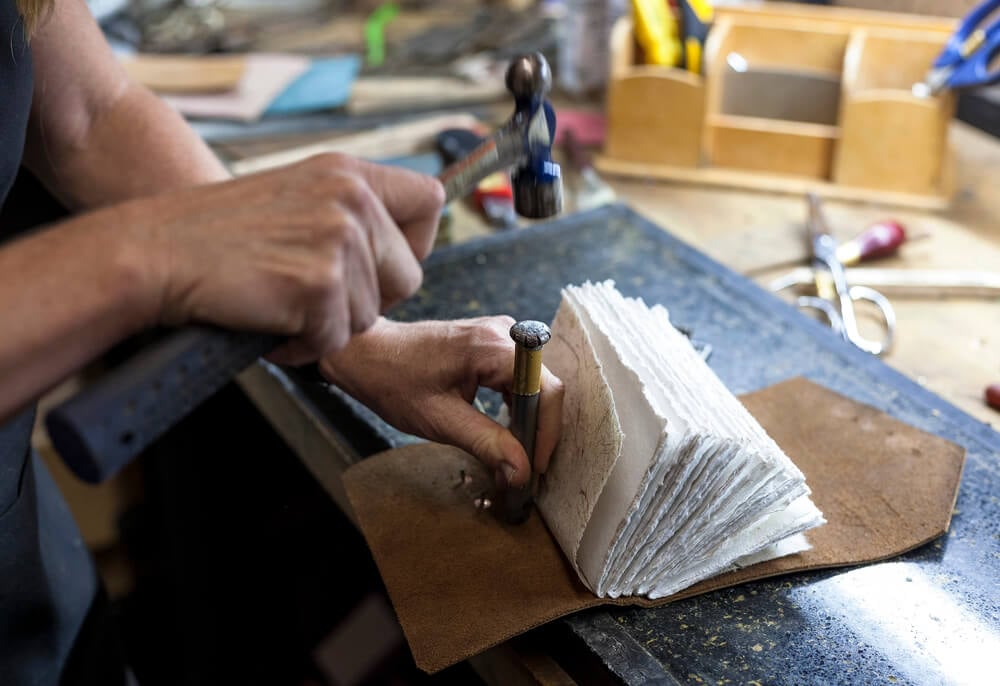
Before industrial binding machines, every book was assembled by hand: folding printed sheets into sections, sewing them together, and attaching covers using techniques that varied by region and era. Hand bookbinding now survives mainly among conservators repairing historic volumes and a small community of craftspeople producing limited-edition or custom books, a fraction of the trade that once supported entire print districts in cities like London and Paris.
Traditional Blacksmithing
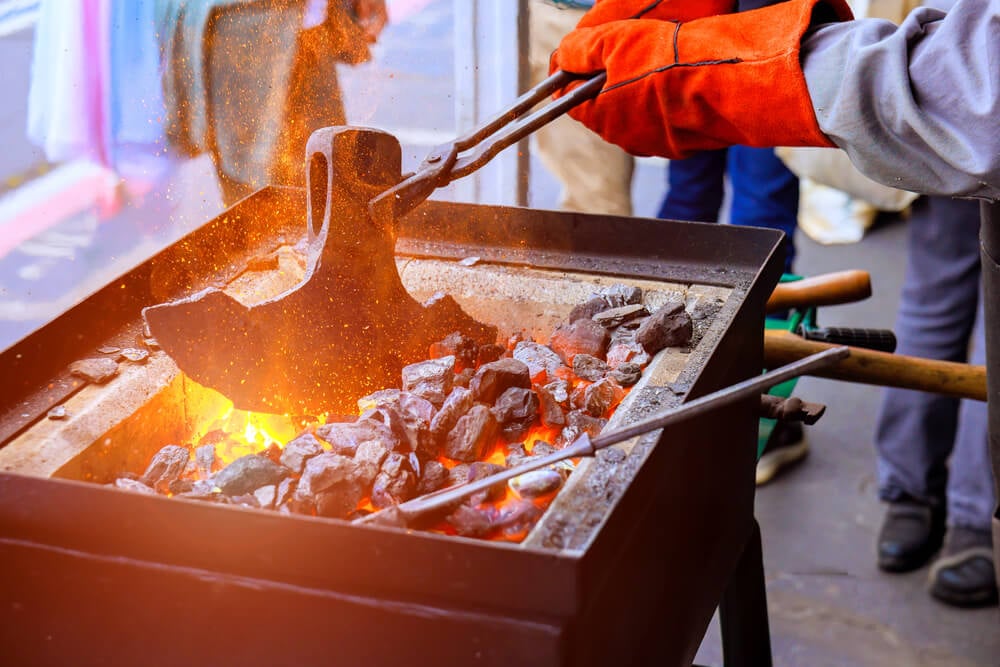
Working iron at a forge with hammer, anvil, and fire to produce tools, hardware, and architectural ironwork was once one of the most essential trades in any town, since nearly every metal object required a smith’s labor. Industrial metal fabrication replaced most of that demand by the twentieth century, and traditional blacksmithing now persists mainly through artistic ironwork, historical reenactment, and a resurgence of interest from hobbyists learning the craft through workshops rather than trade apprenticeships.
Wheelwrighting
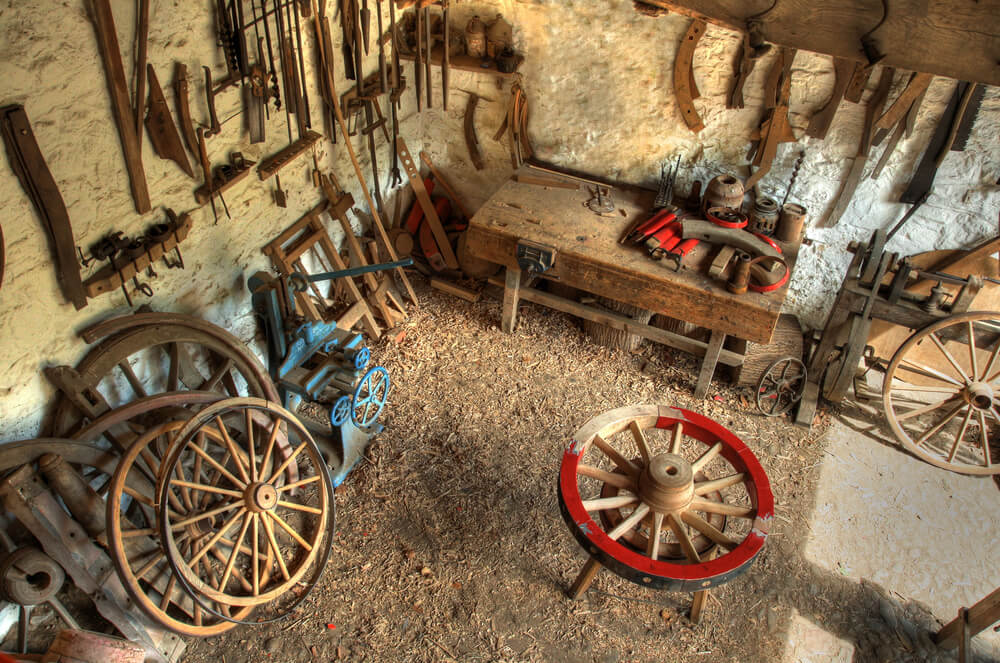
Building wooden wheels for carts and carriages required precise joinery to fit spokes into a hub and bend a wooden or metal rim, known as a tire, tightly around the assembled structure while it was still hot enough to shrink into place upon cooling. The automobile essentially eliminated demand for wheelwrights within a couple of generations, and the craft now survives almost exclusively among a small number of specialists who restore historic carriages and wagons for museums and collectors.
Traditional Tanning
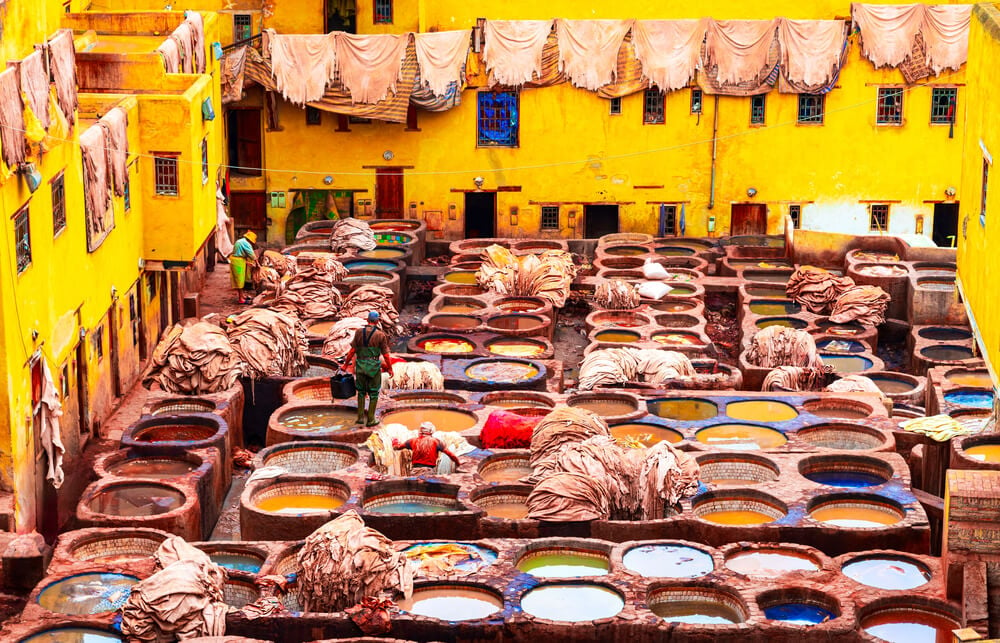
Converting raw animal hide into usable leather using natural materials like tree bark and plant tannins, rather than the chromium-based chemical processes that dominate modern industry, once supported entire tanning districts in cities across Europe and North Africa. The famous tannery pits of Fez, Morocco, remain one of the few places where the traditional process is still practiced at scale, largely as both a working industry and a tourist attraction that draws visitors curious to see a nearly vanished trade in action.
Hand Loom Weaving
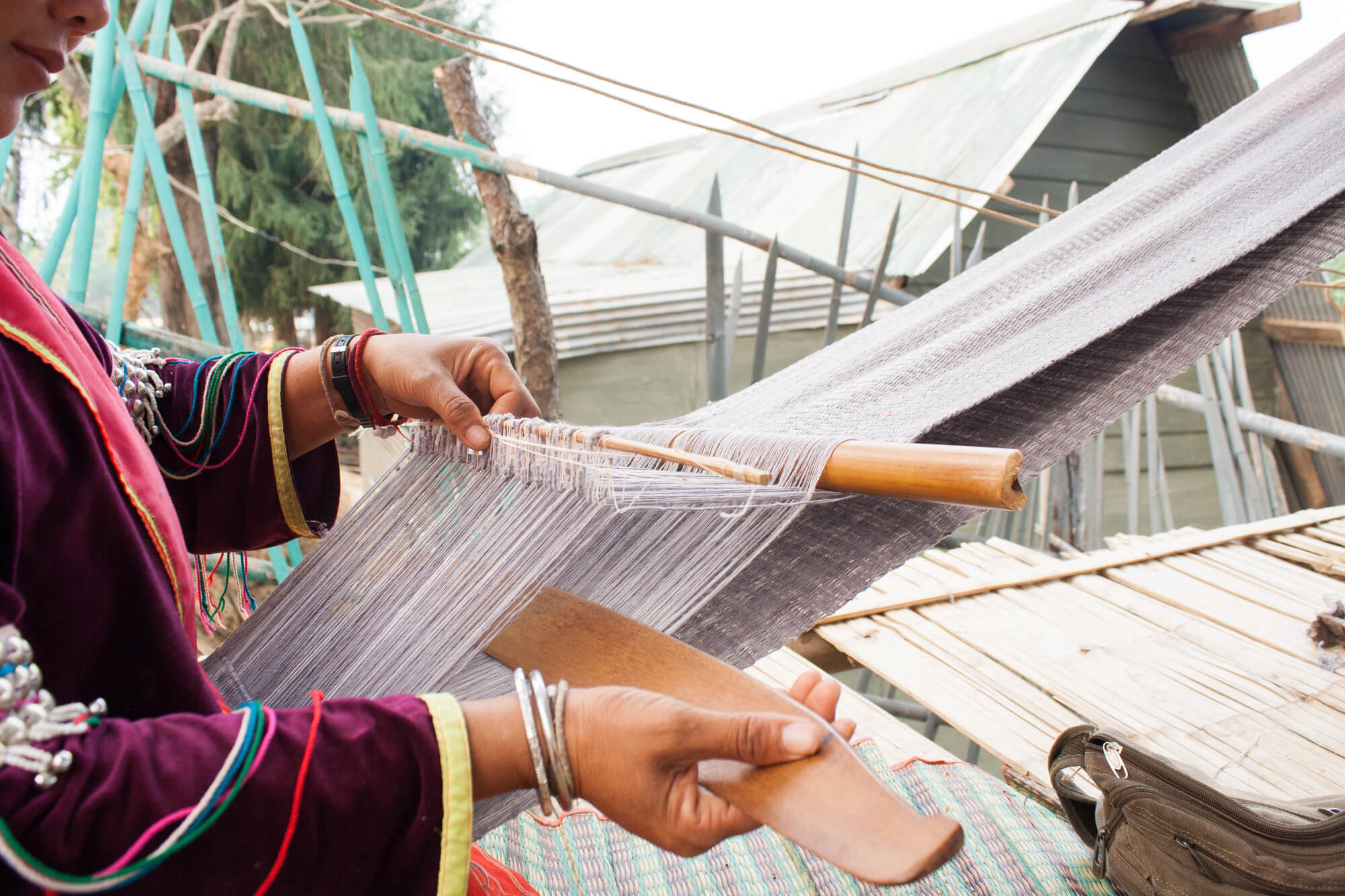
Operating a manually powered loom to interlace thread into cloth was once a universal household or village-level skill before mechanized power looms took over textile production during the Industrial Revolution. Certain regional weaving traditions, including handloom silk weaving in parts of India and traditional tartan weaving in Scotland, survive today largely through government cultural preservation programs and niche luxury textile markets rather than everyday commercial demand.
Woodblock Printing

Carving an image or text in reverse into a block of wood, then inking and pressing it onto paper or fabric, was the dominant printing method across East Asia for over a thousand years before movable type and later industrial printing replaced it commercially. Traditional Japanese ukiyo-e woodblock printing survives today mainly through a small number of workshops dedicated to preserving historic techniques, since each print traditionally required a separate carver, printer, and publisher working together.
Hand Papermaking
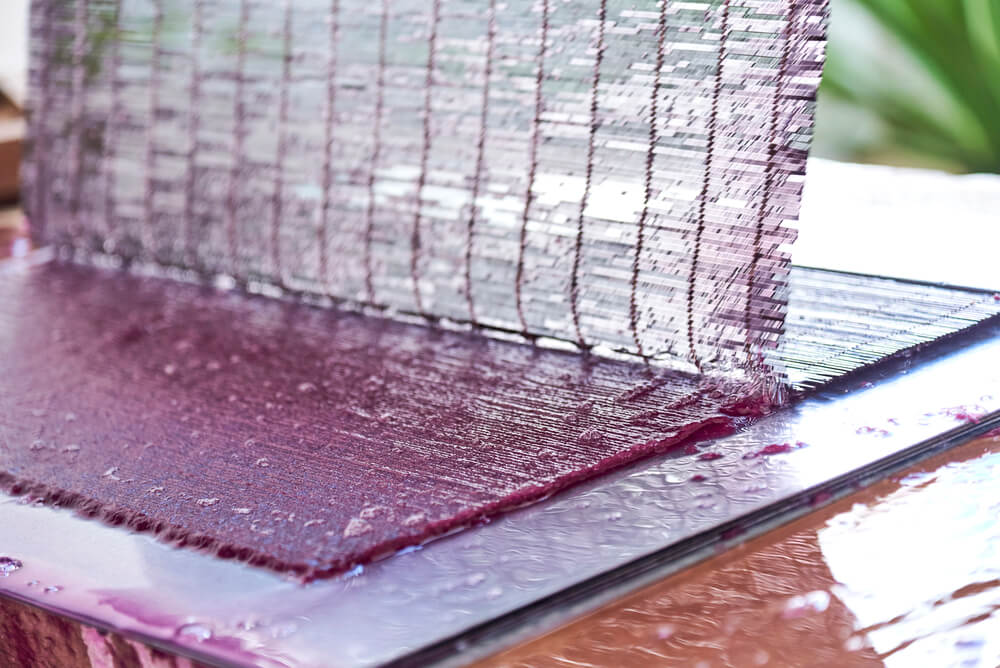
Pulping plant fiber and forming it into sheets using a mesh screen and frame produced paper by hand for centuries before industrial paper mills mechanized the process entirely. Traditional hand papermaking survives today mainly through artisanal paper studios and heritage crafts like Japanese washi, valued specifically because handmade sheets have a texture and fiber structure that machine-made paper cannot replicate.
Natural Dyeing

Extracting color from plants, minerals, and insects to dye textiles was standard practice everywhere until synthetic aniline dyes were developed in the mid-nineteenth century and rapidly displaced the far more labor-intensive natural process. Interest in natural dyeing has seen a modest revival among small-batch textile artisans, but the specialized knowledge of which plants, mordants, and timing produce specific colors was nearly lost within a couple of generations once synthetic dye became cheap and widely available.
Lace Making
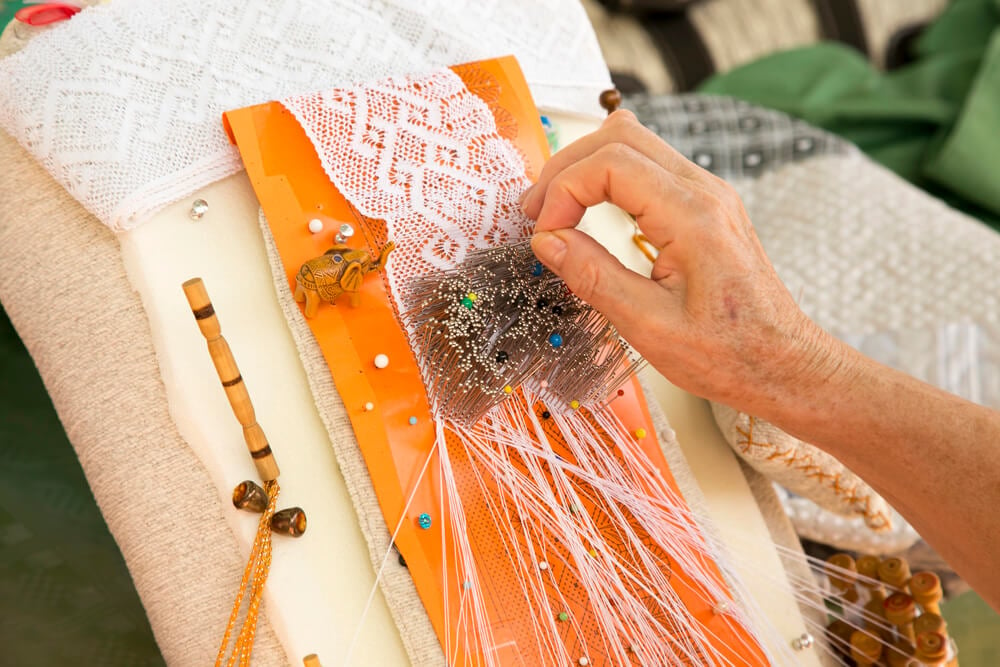
Whether created with bobbins or a needle, hand lace making is extraordinarily time-consuming, with a single small piece sometimes requiring dozens of hours of work to complete. Machine-made lace became commercially dominant by the late nineteenth century, and regional lace-making traditions in places like Belgium and northern France now survive mainly through cultural heritage schools rather than as commercially viable trades.
Traditional Glassblowing
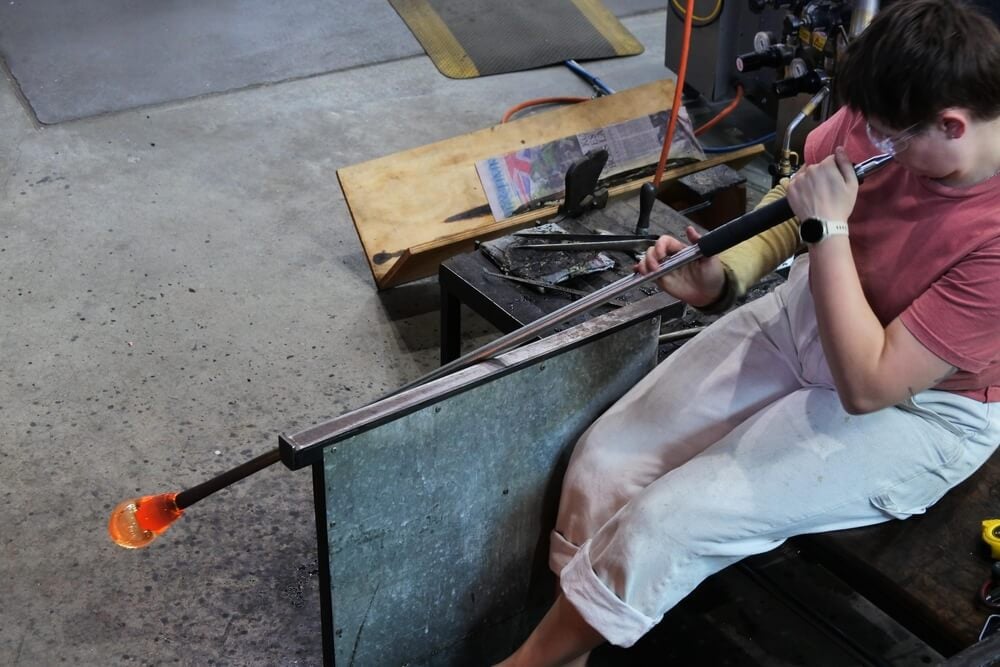
Shaping molten glass by breath and hand tools around a blowpipe is a skill that takes years to master and was once essential to producing virtually every glass vessel in daily use. Automated glass manufacturing now produces the vast majority of bottles and glassware, and traditional hand glassblowing survives mainly in artistic studios and a few historic centers, most famously the island of Murano near Venice, where guild traditions dating back centuries are actively maintained as both craft and cultural identity.
Cordwaining

Handcrafting shoes entirely from leather using traditional lasts and stitching techniques, rather than assembling mass-produced components, was once a standard trade found in nearly every town. Bespoke shoemaking survives today as a luxury specialty rather than a common trade, with a small number of workshops in cities like London and Florence maintaining techniques that were once universal.
Millinery Hat Blocking

Shaping felt or straw over a wooden hat block using steam and hand pressure to form a custom hat shape was once central to a thriving millinery trade that outfitted most of the adult population. Changing fashion trends through the twentieth century sharply reduced everyday hat-wearing, and traditional hat blocking now survives mainly among a small number of specialty milliners serving costume, fashion, and formal event markets.
Rope Making
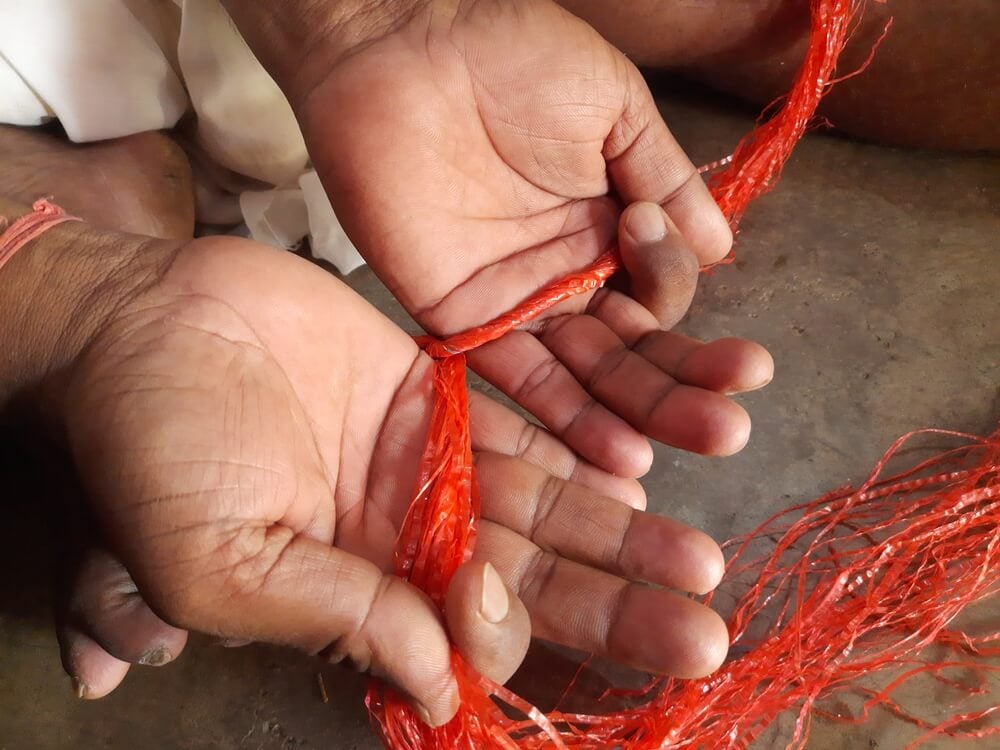
Twisting plant fiber, typically hemp or sisal, into rope using a rope walk, a long outdoor track where strands were stretched and twisted together, was essential to shipping and agriculture for centuries. Synthetic fibers and industrial rope-making machinery replaced most hand production by the mid-twentieth century, leaving traditional rope walks as historical curiosities preserved mainly at maritime museums.
Net Making
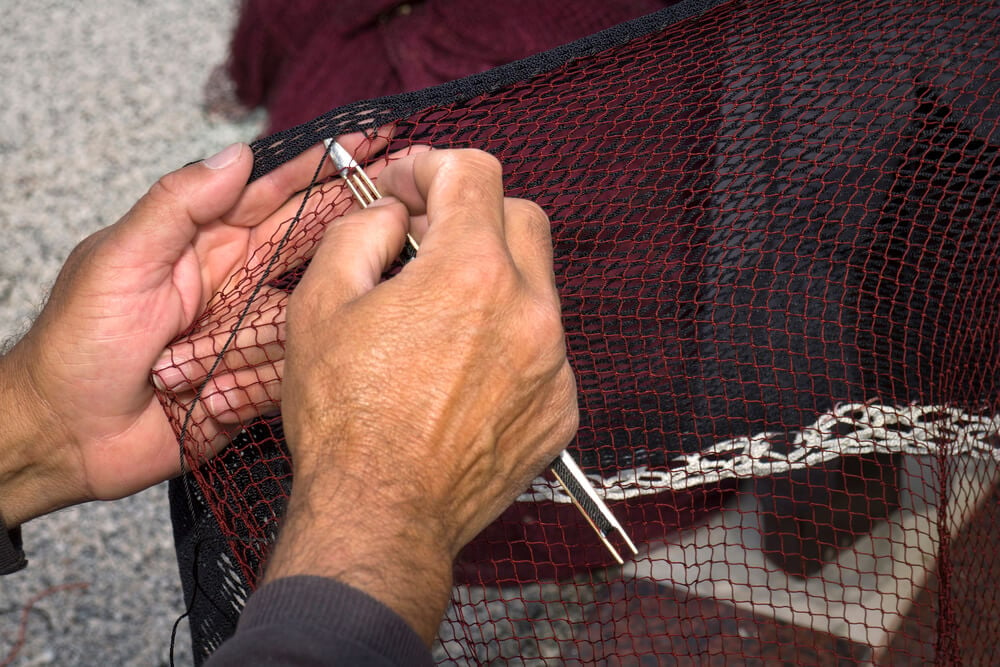
Knotting fishing nets by hand using a needle and specific traditional knots was once a skill practiced widely in coastal fishing communities, often passed down within families who supplied their own gear. Machine-manufactured synthetic netting has replaced hand-tied nets in nearly all commercial fishing operations, and hand net making now survives mostly as a demonstrated heritage skill in fishing museums rather than active daily practice.
Tinsmithing

Shaping sheets of tin-plated iron into household items like lanterns, cookware, and storage containers was a common trade in towns without access to more expensive metalworking. Mass-produced metal and plastic housewares eliminated most demand for hand-formed tinware by the mid-twentieth century, and traditional tinsmithing now survives mainly through historical reenactment sites and a small number of artisans producing decorative reproduction pieces.
Traditional Silversmithing

Hand-raising silver sheet into vessels using specialized hammers, and hand-engraving decorative detail, was once the standard method for producing fine tableware and ceremonial objects. Industrial stamping and casting techniques now produce most silverware commercially, and traditional hand-raised silversmithing survives mainly in a small number of workshops producing high-end custom or restoration pieces.
Saddlery

Cutting, stitching, and shaping leather into saddles, harnesses, and tack required precise fitting knowledge specific to the animal being outfitted, a trade that supported entire town economies before motorized transport reduced everyday reliance on horses. Saddlery survives today mainly through the equestrian sport and ranching industries, a fraction of the trade that once supplied every farm and stable.
Candle Dipping

Repeatedly dipping wicks into melted tallow or beeswax to build up layers of wax by hand was, before industrial molding and paraffin production, the standard way candles were made for everyday household lighting. The craft survives today mainly as a decorative or hobbyist activity rather than a necessity, since electric lighting eliminated the practical demand for candles that once sustained full-time chandlers.
Wooden Boat Building
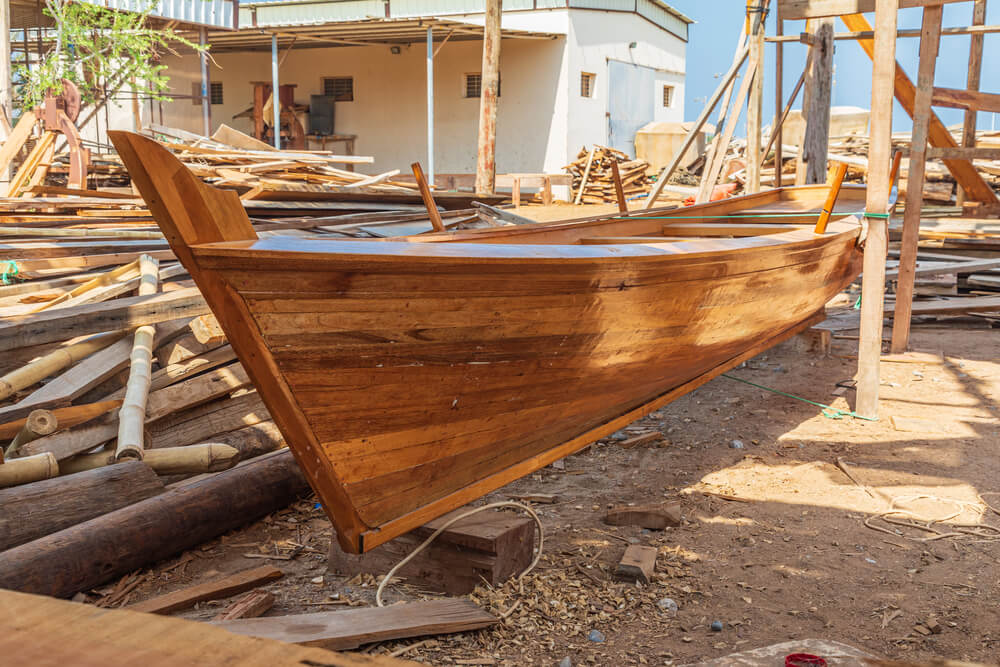
Constructing hulls from individually shaped wooden planks fitted and caulked by hand, rather than molded fiberglass or welded metal, was the standard method of boatbuilding for most of human history. Traditional wooden boatbuilding survives today mainly through small regional shipyards specializing in restoration and a handful of apprenticeship programs specifically established to keep the knowledge from disappearing entirely as fiberglass and aluminum construction dominate the modern industry.
Traditional Clockmaking

Hand-cutting gears and assembling mechanical movements entirely by hand, without computer-guided machining, was the standard method of clock and watch production for centuries before industrial manufacturing took over. A small number of independent watchmakers, concentrated particularly in parts of Switzerland, still produce mechanical movements largely by hand, but they represent a tiny fraction of an industry now dominated by machine-assembled and electronic timepieces.
Quilting by Hand
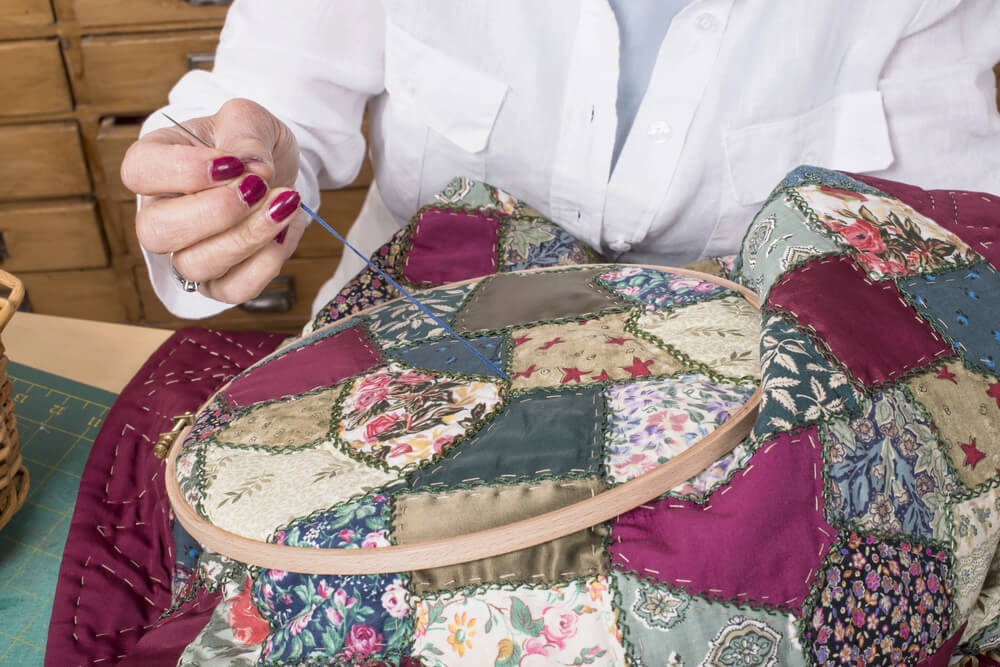
Stitching layered fabric together entirely by hand, often in coordinated community quilting circles, produced bedding that also served as a form of shared social and artistic tradition in many rural communities. Industrial sewing machines and mass-produced bedding sharply reduced the practical necessity of hand quilting, and while hobbyist quilting remains popular, the specific technique of fully hand-stitched, community-made quilts has become far less common than machine-assisted methods.
Regional Embroidery

Distinctive hand embroidery styles developed independently across cultures, from Hungarian folk embroidery to Chinese silk needlework, each carrying patterns and techniques specific to a particular region or even individual village. Industrial embroidery machines can now replicate many traditional patterns at a fraction of the time, and hand-executed regional embroidery survives mainly through cultural preservation programs and a shrinking number of artisans who learned directly from older family members.
Pottery Wheel Throwing
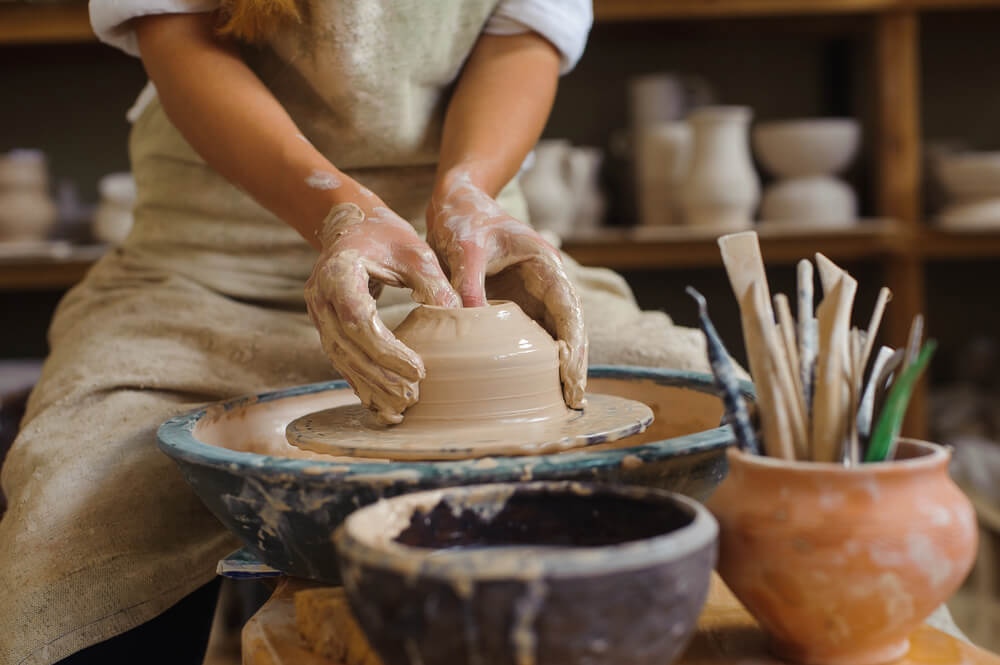
Shaping clay by hand on a spinning wheel, using pressure and water to draw the material upward into a symmetrical form, was the standard method of producing everyday ceramic vessels for thousands of years across nearly every culture. Industrial slip-casting and mold-based production now account for the vast majority of commercial ceramics, and traditional wheel-thrown pottery survives mainly through studio potters and small workshops rather than as the primary method of producing household goods.
The Hands That Remember
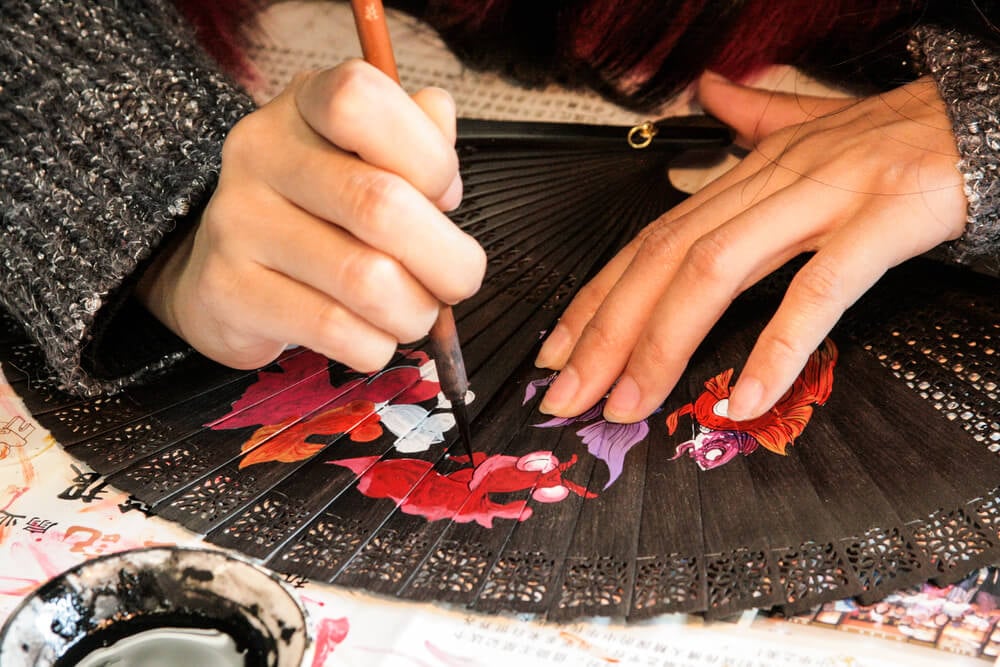
What unites these crafts is not nostalgia but precision, the kind that only comes from repetition measured in years rather than hours. A cooper who can judge a stave’s curve by eye, a thatcher who reads a roof’s pitch before laying a single reed, these are forms of knowledge that resist being written down completely, because so much of the skill lives in the hands rather than the instructions.
Machines replaced these trades because they could do the job faster and cheaper, not necessarily better. What is lost when a craft disappears is not just the finished object but an entire accumulated body of judgment, the thousand small decisions an experienced maker learns to make without thinking, decisions no manual has ever fully captured.
More from Go2Tutors!

- The Romanov Crown Jewels and Their Tragic Fate
- 13 Historical Mysteries That Science Still Can’t Solve
- Famous Hoaxes That Fooled the World for Years
- 15 Child Stars with Tragic Adult Lives
- 16 Famous Jewelry Pieces in History
Like Go2Tutors’s content? Follow us on MSN.