Companies That Own More Brands Than You Think
Walk through any supermarket, scroll through an online store, or flip through ads on TV, and you’ll notice dozens of brands competing for your attention. But what most people don’t realize is that many of those rivals belong to the same parent company.
A handful of global corporations quietly own hundreds of familiar names — from breakfast cereal and luxury handbags to ice cream and toothpaste. These business empires shape what we eat, wear, and use every day.
Here is a list of 15 companies that own far more brands than you think.
Unilever

Unilever is the company behind some of the most common products in homes around the world. Headquartered in London and Rotterdam, it manages more than 400 brands spanning food, cleaning, and personal care.
Think Dove soap, Axe deodorant, Lipton tea, Hellmann’s mayonnaise, and Vaseline — all under the same roof. Unilever began as a merger between a soap maker and a margarine producer, and that practical mix of hygiene and food still defines it today.
The company’s vast reach shows how one corporate umbrella can quietly dominate entire aisles of a supermarket.
PepsiCo

Everyone knows Pepsi as Coca-Cola’s rival, but PepsiCo’s portfolio goes far beyond soda. The company owns Lay’s, Doritos, Cheetos, Quaker Oats, and Gatorade, making it a powerhouse in both drinks and snacks.
Its success stems from smart diversification — PepsiCo realized long ago that people often pair chips with cola. Acquiring brands like Tropicana and SodaStream helped it stay relevant as health trends shifted.
From sports drinks to breakfast oats, PepsiCo’s empire proves that when it comes to snack time, the competition might still lead back to the same boardroom.
The Coca-Cola Company

Coca-Cola may be the most recognizable brand in the world, but the company’s reach extends well past the iconic red can. It owns Sprite, Fanta, Minute Maid, Powerade, Dasani, and Costa Coffee, among others.
Every time you pick up an energy drink or a bottle of flavored water, there’s a good chance Coca-Cola profits. Founded in 1886, the company built its dominance by acquiring regional favorites and expanding globally.
Even when you think you’re avoiding soda, you might still be supporting the same beverage giant.
Procter & Gamble

Procter & Gamble, or P&G, is the quiet powerhouse of household products. It owns Tide, Pampers, Gillette, Oral-B, Olay, Crest, and Head & Shoulders — products that practically define the modern bathroom cabinet.
Founded in Cincinnati in 1837, P&G built its empire on everyday essentials. Its strategy is simple: dominate small daily moments, from brushing teeth to washing clothes.
You might not see its logo often, but you’ll find its brands in almost every home on earth. Few companies have mastered invisibility quite like P&G.
Nestlé

Nestlé is the largest food and beverage company in the world, with a brand list so long it reads like a grocery receipt. The Swiss giant owns Nescafé, KitKat, Purina, Gerber, and Perrier, to name a few.
It also holds stakes in dozens of regional favorites and health brands. Founded in 1866, Nestlé started with baby formula and grew into a global empire spanning more than 180 countries.
Whether you’re making coffee, opening a chocolate bar, or feeding a pet, there’s a good chance Nestlé is behind it.
Mars, Incorporated

Mars is famous for its candy bars, but chocolate is only half its story. Alongside M&M’s, Snickers, and Twix, Mars owns pet food brands like Pedigree, Whiskas, and Royal Canin, as well as gum and snack companies.
Privately owned and family-run since its founding, Mars operates across six business segments, making it one of the largest privately held corporations in the world.
The next time you see a child eating a Mars Bar while walking a dog, remember — both snacks might come from the same company.
Kraft Heinz Company

When Kraft Foods and Heinz merged in 2015, they created one of the world’s biggest food manufacturers. Together, they own Kraft Mac & Cheese, Jell-O, Velveeta, Lunchables, and Oscar Mayer.
Their products fill kitchen cupboards across North America and beyond. While the company has faced challenges adapting to modern tastes, its brands remain nostalgic staples.
The Kraft Heinz logo may not appear on your dining table, but its sauces, spreads, and snacks almost certainly do.
Mondelēz International

If you’ve ever had an Oreo, Cadbury chocolate, or a Ritz cracker, you’ve met Mondelēz International — even if the name doesn’t ring a bell. The company was formed when Kraft split its global snack division into a separate business.
Today, it oversees more than 150 brands sold in over 150 countries. From Milka to Toblerone, it owns many of the treats people reach for when they need comfort food.
Mondelēz is proof that a corporate spin-off can build its own sweet success.
Danone

Danone is the French food giant best known for yogurt, bottled water, and baby formula. Its brands include Activia, Evian, Alpro, and Nutricia.
While some of its products feel local and wholesome, they’re part of an international operation spanning more than 120 markets. Danone’s focus on health and sustainability has helped it grow beyond dairy into plant-based drinks and medical nutrition.
In many ways, Danone represents the modern face of big food — global, green-minded, and quietly everywhere.
LVMH Moët Hennessy Louis Vuitton
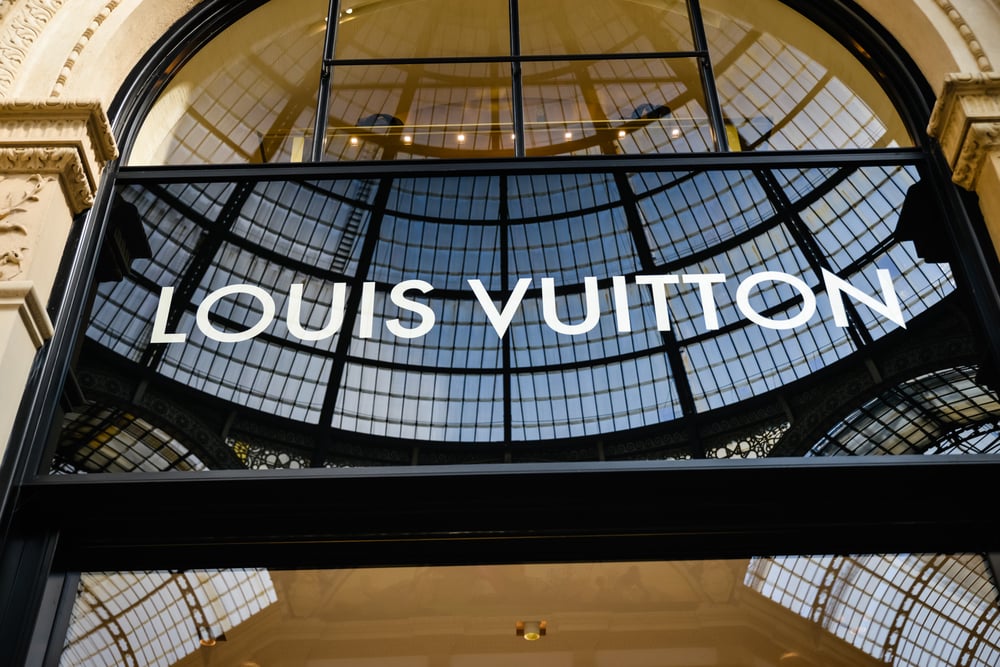
Luxury isn’t just about handbags and champagne; it’s also about consolidation. LVMH is the French conglomerate that owns more than 70 high-end brands, from Louis Vuitton and Dior to Dom Pérignon, Sephora, and Tiffany & Co.
Each label retains its identity, but behind the scenes, LVMH handles the business muscle. Under CEO Bernard Arnault, now one of the richest people in the world, the group has turned exclusivity into an industry.
When you see a celebrity wearing designer clothes or sipping luxury champagne, chances are LVMH profits either way.
Kering

If LVMH has a rival, it’s Kering. This French luxury group owns Gucci, Saint Laurent, Bottega Veneta, Balenciaga, and Alexander McQueen.
Originally a timber and retail company, Kering rebranded and focused entirely on fashion. Its success story shows how reinvention can reshape an old business into a cultural powerhouse.
Kering emphasizes sustainability and craftsmanship while keeping its brands distinct. Even so, their ownership often surprises shoppers who assume Gucci and Saint Laurent are fierce competitors — when in reality, they share the same parent.
Associated British Foods

Associated British Foods (ABF) may sound like a local supplier, but it’s a multinational empire with operations spanning groceries, agriculture, and retail. It owns household brands like Twinings tea, Ovaltine, and Kingsmill bread, as well as the clothing retailer Primark.
ABF’s mix of fashion and food might seem odd, but it reflects a strategy of steady, diversified growth. In the U.K., its brands are woven into everyday life, from morning coffee to affordable jeans.
Few conglomerates manage such a varied portfolio so quietly.
General Mills

General Mills is a cornerstone of the American pantry. Its brand list includes Cheerios, Wheaties, Betty Crocker, Pillsbury, Nature Valley, and Häagen-Dazs.
Founded in 1928, it built its reputation on cereal but expanded into snacks, frozen meals, and baking products. General Mills also owns pet food companies, adding another layer to its empire.
Even as eating habits shift, its brands maintain loyalty through nostalgia and innovation. The company’s history mirrors that of American breakfast itself — dependable, familiar, and surprisingly vast.
The Kellogg Company

Kellogg’s may have started with cornflakes, but its reach goes far beyond cereal boxes. The company owns Pringles, Pop-Tarts, Eggo waffles, and Cheez-It crackers.
It’s also split into two new entities — WK Kellogg Co for cereals and Kellanova for snacks — to sharpen focus on different markets. Kellogg’s success comes from consistency: it built trust at breakfast and expanded into every snack break that followed.
Whether you’re pouring cereal or opening a can of chips, Kellogg’s fingerprints are there.
Yum! Brands

Fast-food fans might be surprised to learn that KFC, Taco Bell, and Pizza Hut all belong to the same company: Yum! Brands. Spun off from PepsiCo in the 1990s, Yum! now operates more than 50,000 restaurants worldwide.
Each chain has its own identity — one sells chicken, one tacos, one pizza — yet they share supply chains, tech systems, and global marketing reach. Yum! also owns smaller ventures like The Habit Burger Grill.
Whether you’re craving wings or burritos, chances are one company is serving them all.
One Logo, Many Labels

From ice cream and cereal to designer handbags and tacos, a small circle of corporations shapes much of what we buy. These companies rely on brand diversity to reach every kind of customer, building loyalty from childhood snacks to adult luxuries.
The logos on packages may differ, but the profits often lead to the same headquarters.
In some ways, that’s comforting — familiar brands backed by stable companies. In others, it’s a reminder of how interconnected the modern marketplace has become.
Competition can be an illusion; choice, a shared menu. The next time you fill your cart, take a closer look.
You might be shopping with fewer companies than you think — just more logos.
More from Go2Tutors!

- The Romanov Crown Jewels and Their Tragic Fate
- 13 Historical Mysteries That Science Still Can’t Solve
- Famous Hoaxes That Fooled the World for Years
- 15 Child Stars with Tragic Adult Lives
- 16 Famous Jewelry Pieces in History
Like Go2Tutors’s content? Follow us on MSN.