26 Trials in History That Changed the Law Afterward
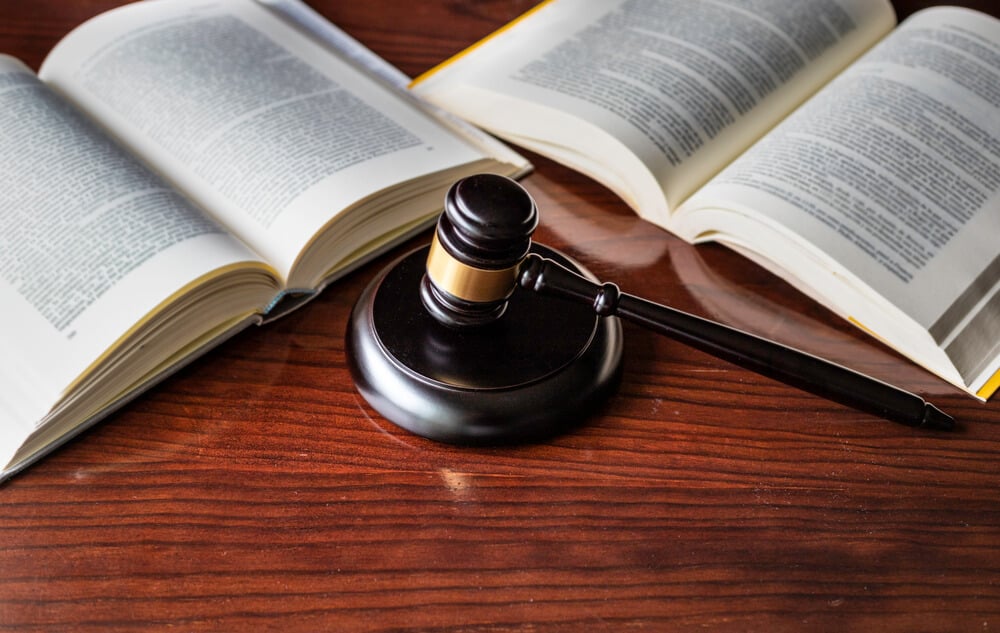
A courtroom is where a single case gets decided, but every so often the verdict does more than resolve the dispute in front of it. These trials each left the legal system that produced them measurably different than it had been before the gavel came down.
The Salem Witch Trials
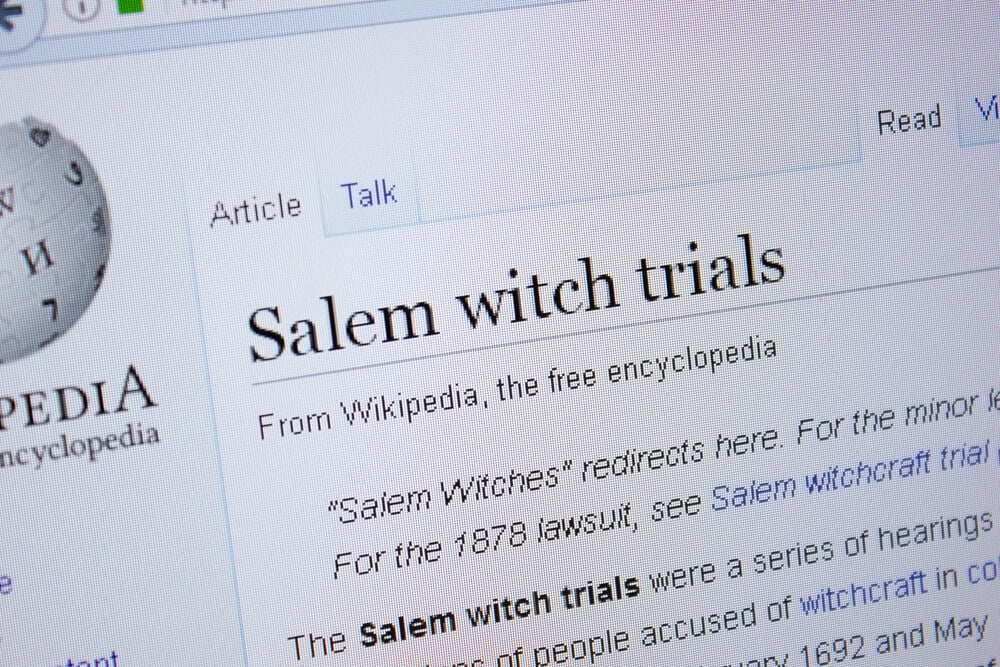
Massachusetts convicted and executed twenty people in 1692 based largely on so-called spectral evidence, testimony describing visions and dreams that would meet no modern evidentiary standard. The colony’s own later reversal of the convictions and formal apology helped push English and colonial law away from accepting unverifiable supernatural testimony in criminal proceedings.
Marbury v. Madison
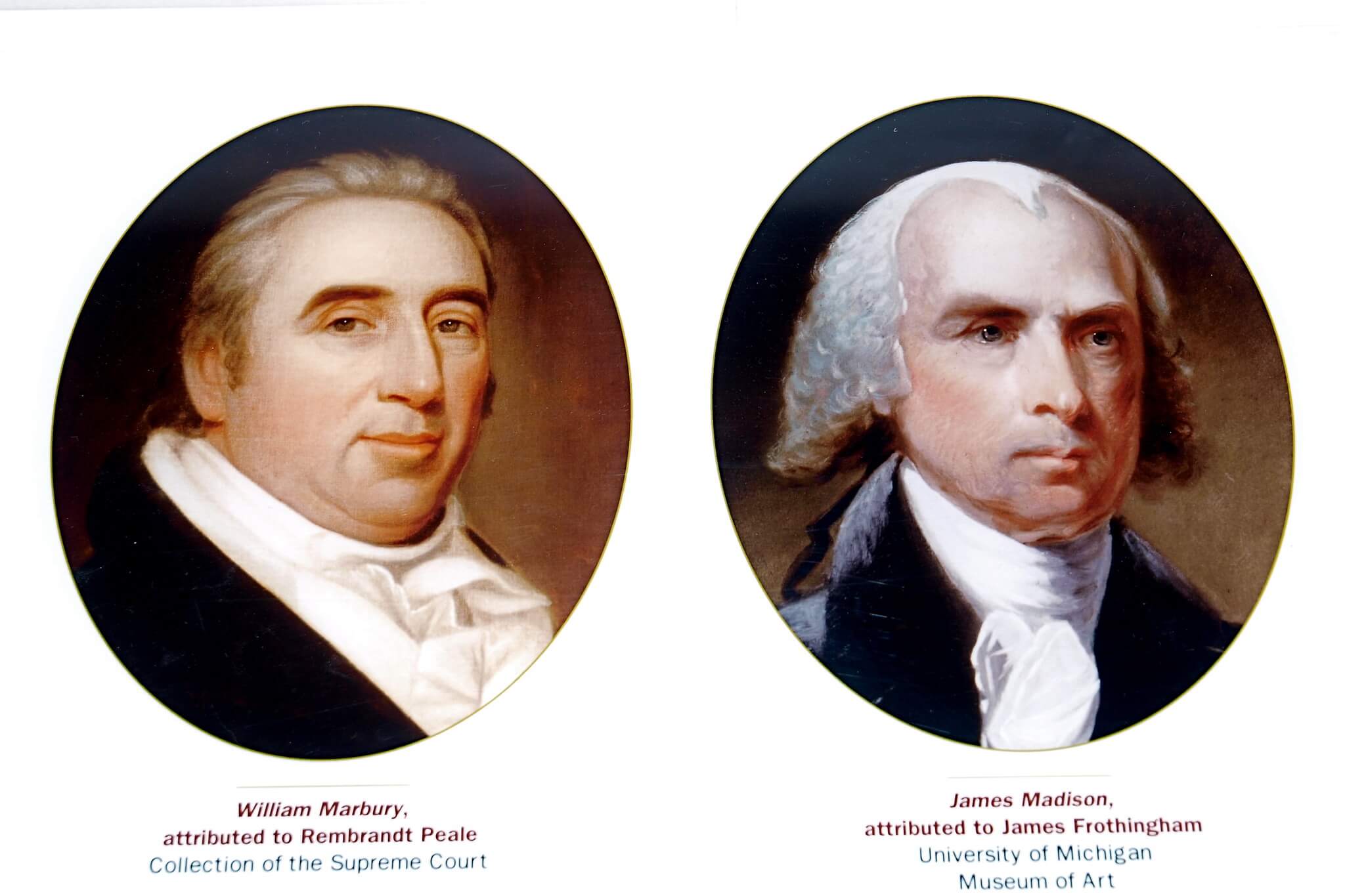
The 1803 Supreme Court case established the principle of judicial review, giving federal courts the power to strike down laws they find unconstitutional, a power not explicitly written into the Constitution itself. The doctrine it created remains the foundation of how American courts check the other branches of government to this day.
Plessy v. Ferguson
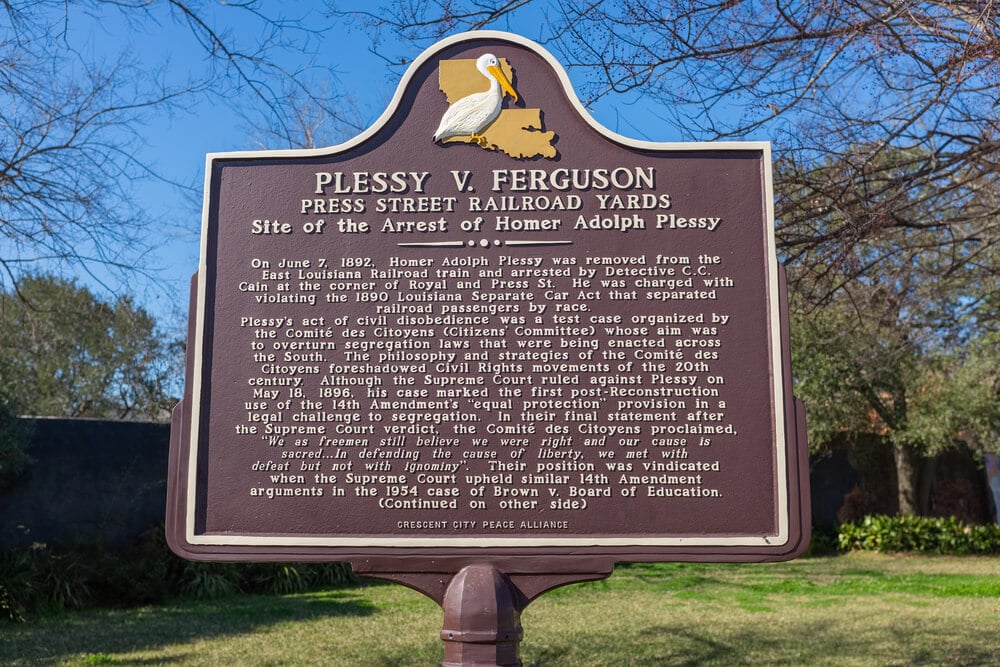
The Supreme Court upheld racial segregation under the doctrine of separate but equal in an 1896 ruling that provided legal cover for Jim Crow laws across the American South for nearly six decades. Its own eventual reversal in Brown v. Board of Education stands as one of the most consequential legal corrections in American history.
Brown v. Board of Education
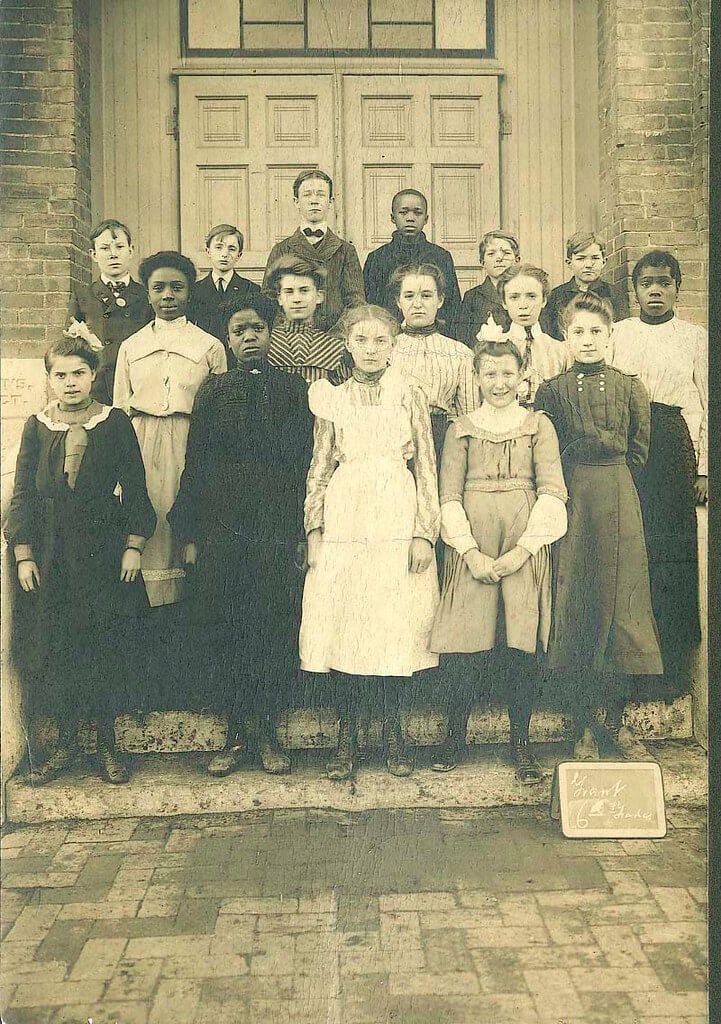
The 1954 Supreme Court decision declared racially segregated public schools unconstitutional, directly overturning the separate but equal doctrine established almost sixty years earlier. The ruling did not end school segregation immediately, but it provided the legal foundation for the broader civil rights legal strategy that followed.
The Dreyfus Affair
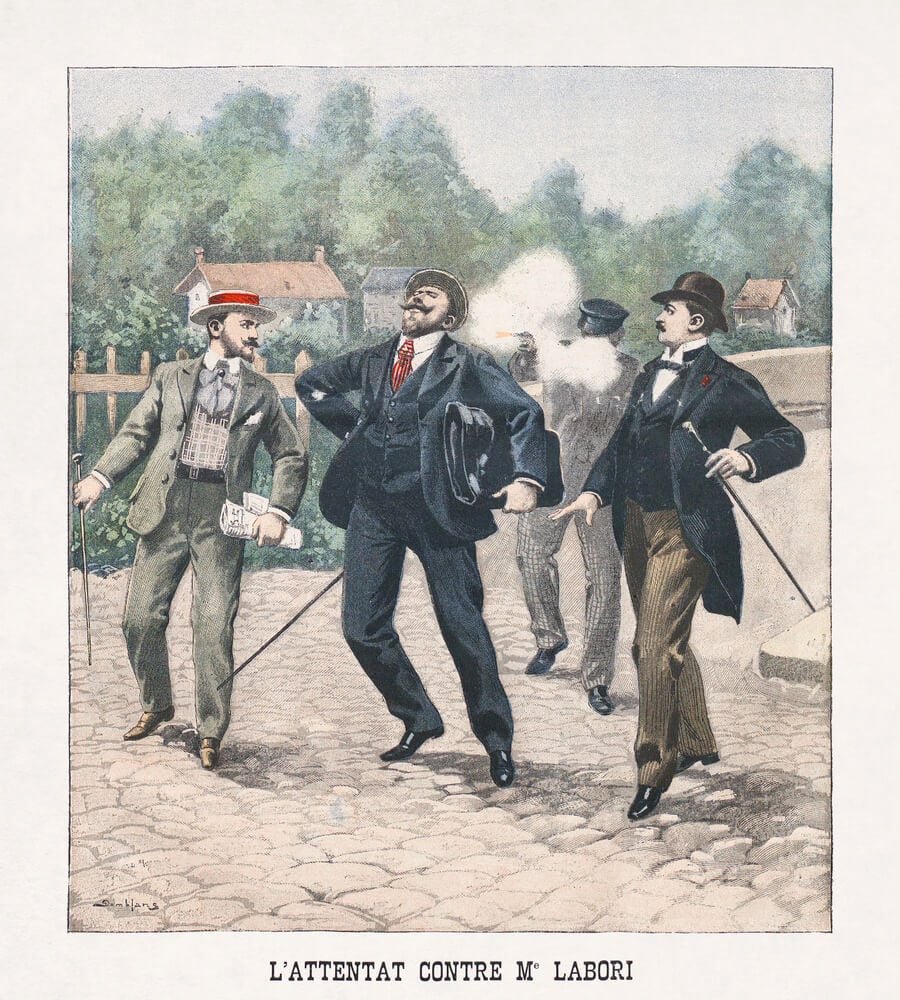
French army captain Alfred Dreyfus was wrongly convicted of treason in 1894 in a case later shown to involve forged evidence and antisemitic prejudice within the military justice system. His eventual exoneration exposed deep flaws in French military courts and prompted lasting reforms to how the country’s military justice system reviewed evidence.
Miranda v. Arizona
The 1966 Supreme Court ruling required police to inform suspects of their right to remain silent and their right to an attorney before questioning, creating the now-familiar warning read during arrests across the United States. The decision fundamentally changed how American law enforcement is required to conduct interrogations.
Gideon v. Wainwright
A 1963 Supreme Court case established that states must provide legal counsel to criminal defendants who cannot afford their own attorney, a right previously guaranteed only in federal cases. The ruling led directly to the creation of public defender systems across the country.
The Nuremberg Trials
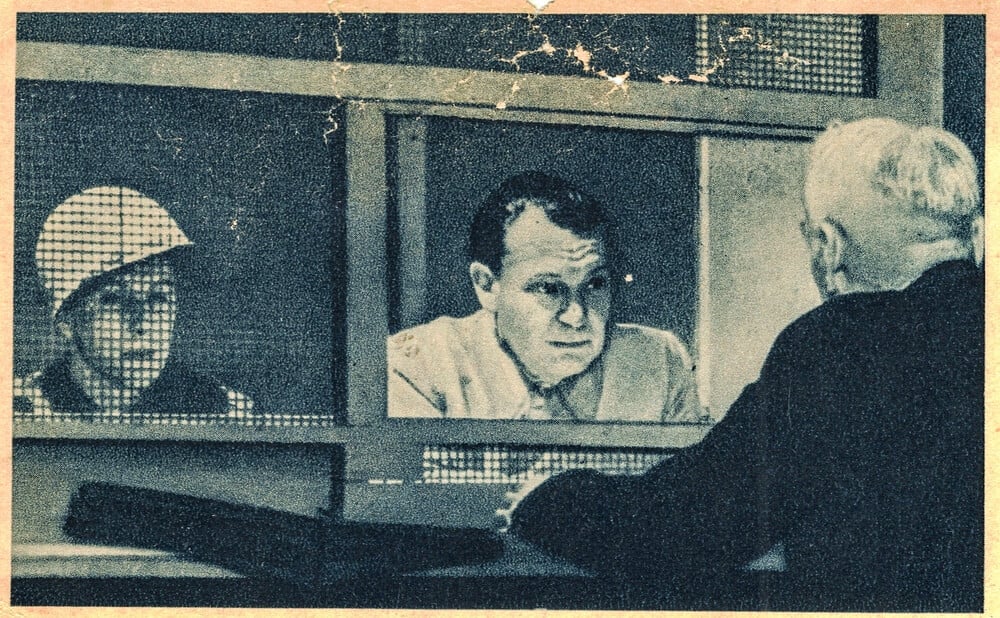
Allied powers prosecuted senior Nazi officials after the Second World War for crimes including waging aggressive war and crimes against humanity, establishing legal categories that had barely existed in international law before. The trials created precedents still cited in international criminal law and directly influenced the later creation of permanent international courts.
The Scopes Trial

A Tennessee teacher was prosecuted in 1925 for teaching evolution in violation of state law, in a case that drew national attention to the conflict between religious doctrine and science education. Although the teacher was convicted, the surrounding public debate shaped decades of later legal battles over curriculum and the separation of church and state.
The Amistad Case
Africans who had seized control of the slave ship Amistad were tried in United States courts beginning in 1839, and the Supreme Court ultimately ruled in 1841 that they had been illegally enslaved and were free to return home. The case became an early and significant legal precedent cited in the broader antislavery legal movement.
Roe v. Wade
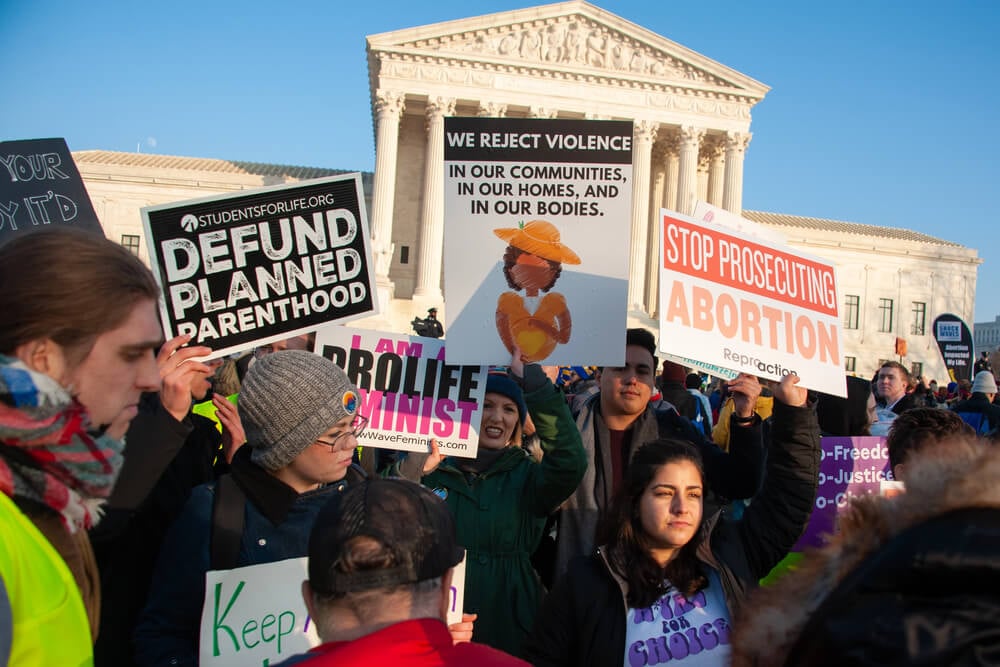
The 1973 Supreme Court decision established a constitutional right to abortion access, reshaping American reproductive law for nearly five decades until it was overturned by the Court’s 2022 Dobbs decision. Both rulings remain central reference points in ongoing legal and political debate over reproductive rights.
The Eichmann Trial
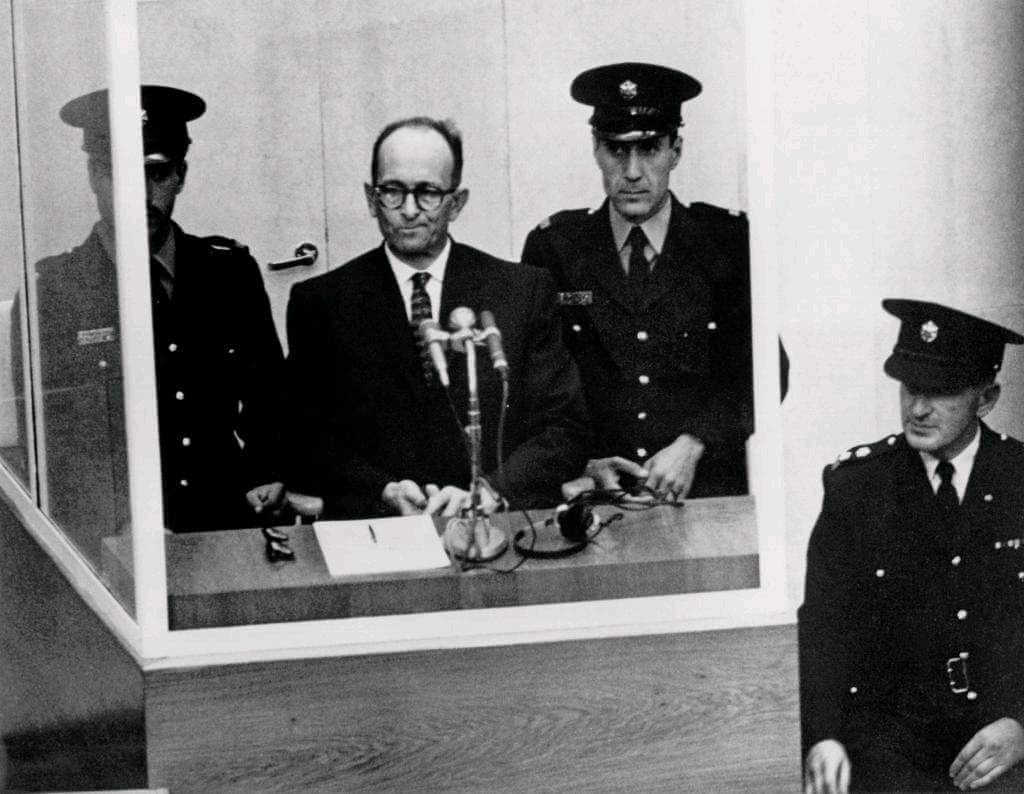
Israel tried former Nazi official Adolf Eichmann in 1961 for his role organizing deportations to concentration camps, applying its own domestic law to crimes committed abroad before the state itself existed. The trial helped establish legal principles around a nation’s authority to prosecute crimes against humanity regardless of where they occurred.
The Chicago Seven Trial
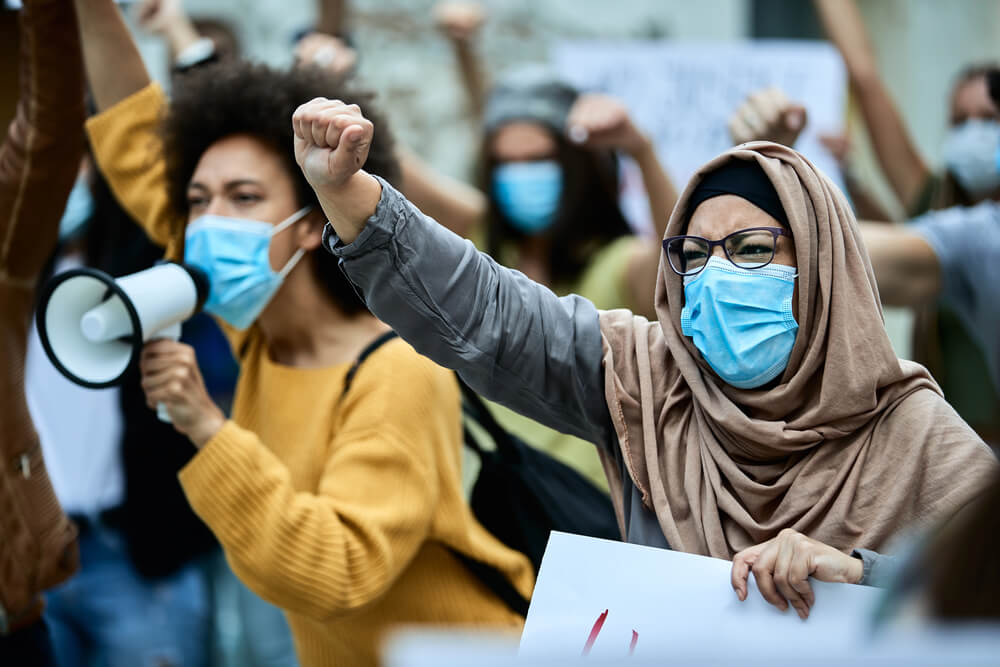
Several activists were tried in 1969 on conspiracy charges connected to protests at the 1968 Democratic National Convention, in proceedings marked by open conflict between the defendants and the presiding judge. The trial’s chaotic conduct became a widely cited example in later legal reform discussions of courtroom decorum and defendants’ rights.
The Rosenberg Trial
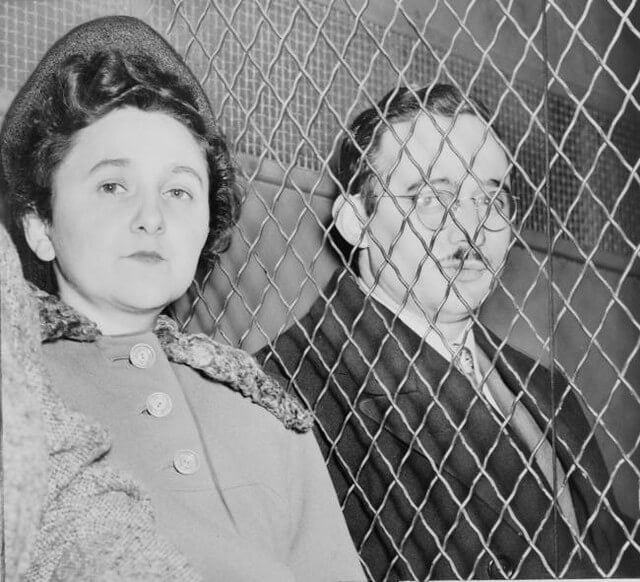
Julius and Ethel Rosenberg were convicted in 1951 of conspiracy to commit espionage related to nuclear weapons secrets, and their execution two years later remains one of the most debated capital cases in American legal history. Later document declassification confirmed guilt in Julius Rosenberg’s case while raising lasting questions about the trial’s fairness toward his wife, questions that continue to inform debate over espionage prosecutions.
The Nuremberg Doctors’ Trial
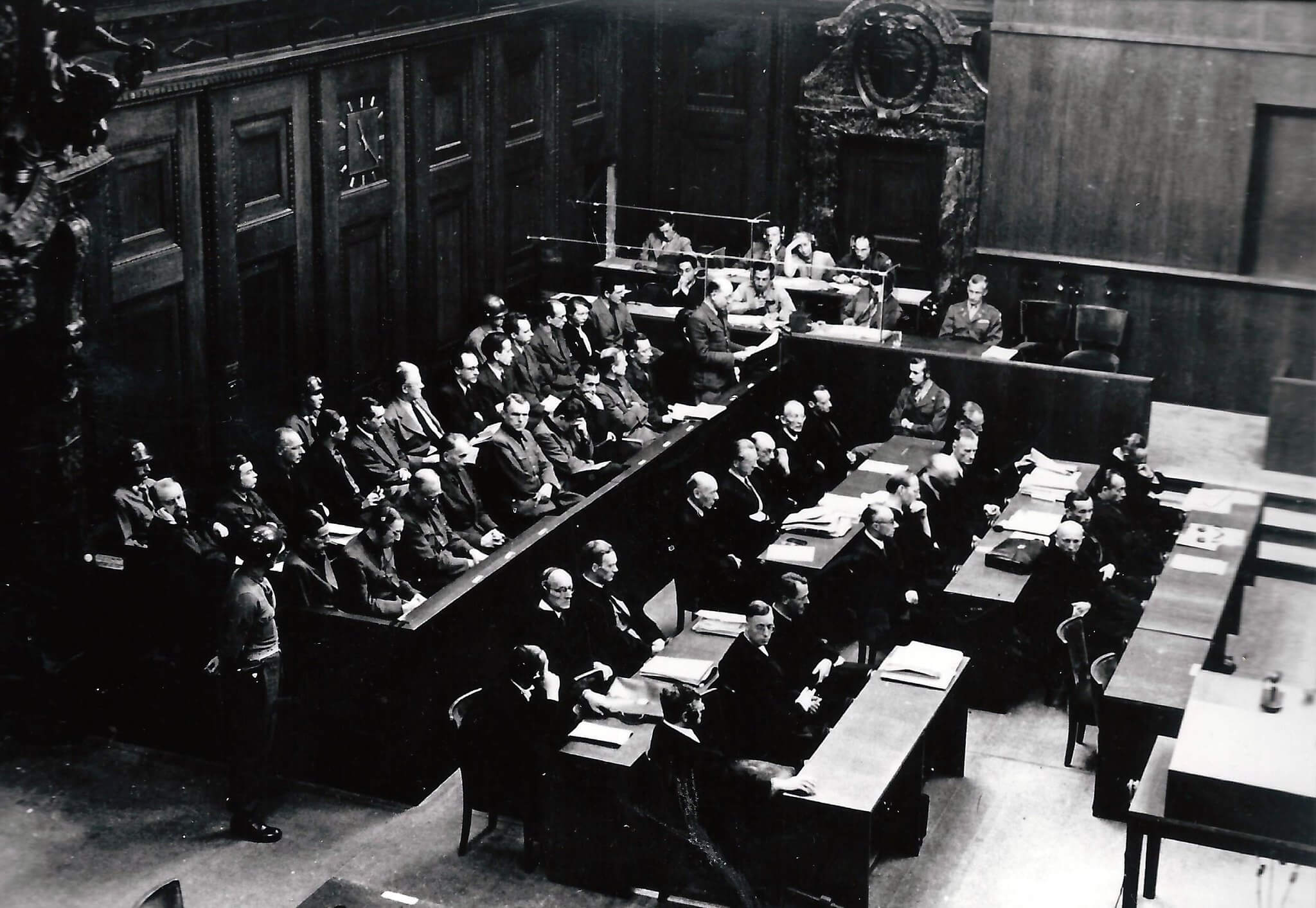
A separate set of Nuremberg proceedings specifically prosecuted Nazi physicians for medical experiments conducted on concentration camp prisoners without consent. The resulting Nuremberg Code, a set of ethical principles requiring informed consent in medical research, became the foundation for modern medical research ethics standards worldwide.
Loving v. Virginia
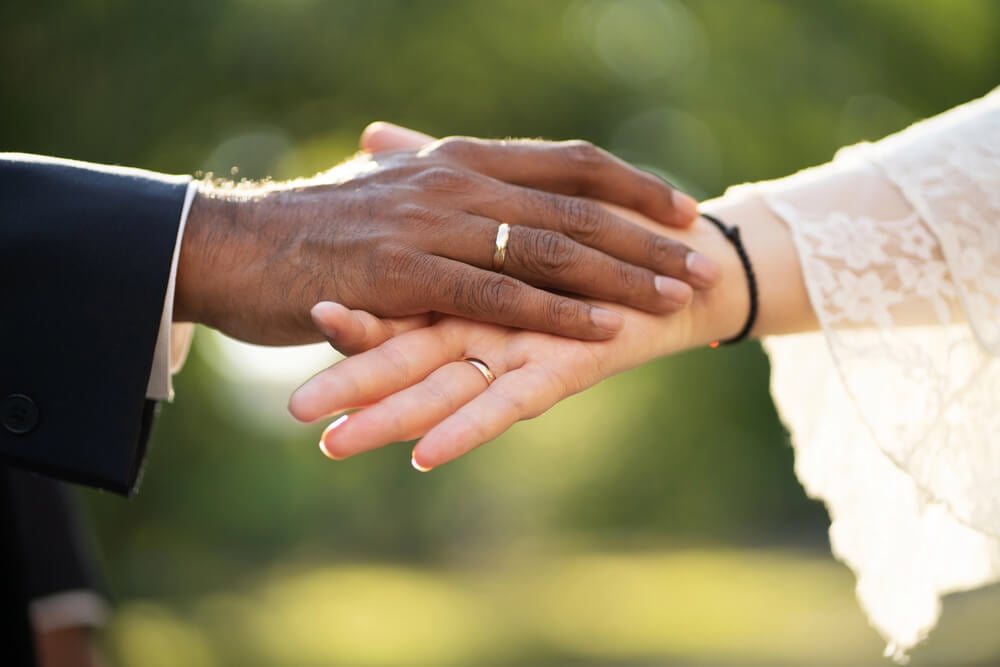
The 1967 Supreme Court decision struck down state laws banning interracial marriage, ruling them unconstitutional under the Fourteenth Amendment. The case’s name has since become widely used shorthand in later legal debates over marriage rights more broadly.
The Trial of Susan B. Anthony
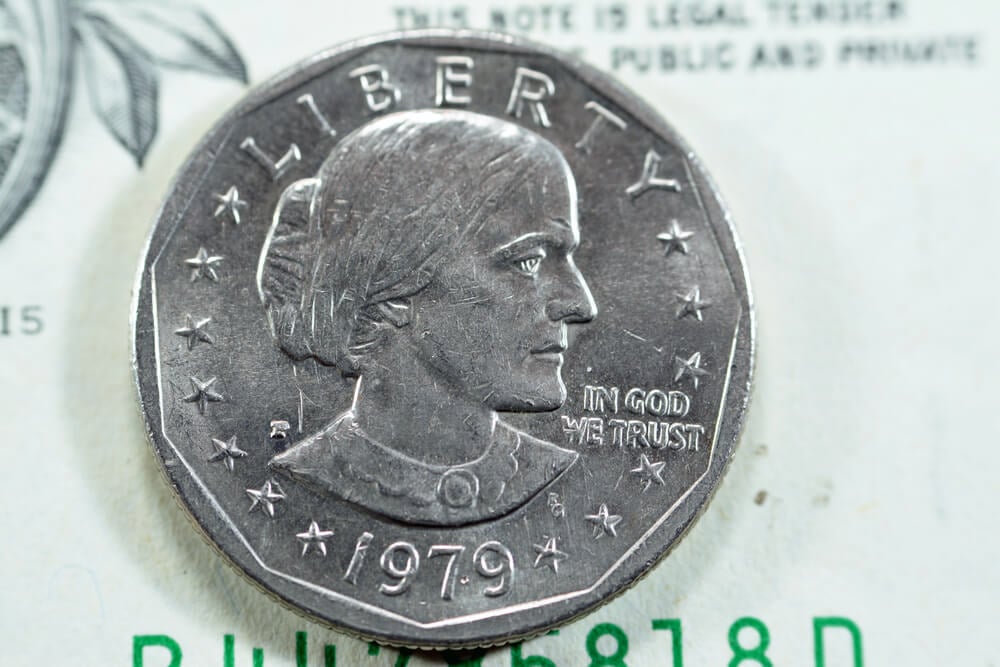
Suffragist Susan B. Anthony was tried and convicted in 1873 for voting in a presidential election in violation of laws restricting the vote to men, in a case that drew national attention to the women’s suffrage movement. Her conviction, and her refusal to pay the resulting fine, became a rallying point that helped sustain the decades-long legal campaign leading to women’s voting rights.
The Trial of Oscar Wilde
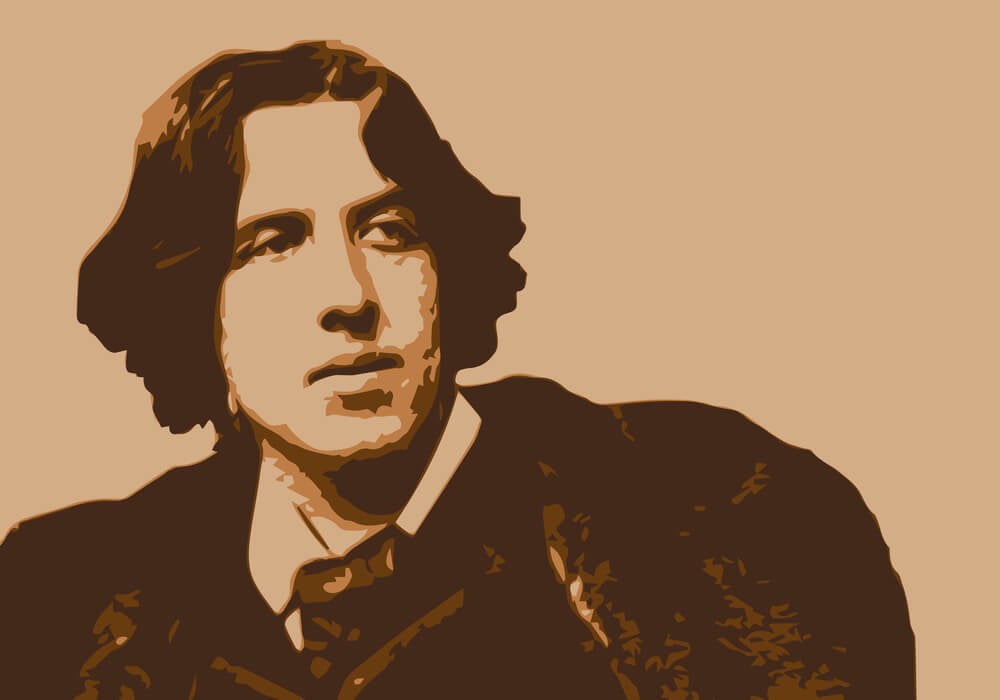
Playwright Oscar Wilde was prosecuted in 1895 under British indecency laws targeting relationships between men, resulting in a two-year prison sentence that effectively ended his literary career. The case remains a frequently cited historical reference point in later legal reform debates that eventually decriminalized such relationships in Britain decades afterward.
Powell v. Alabama
Also known as the first Scottsboro case, this 1932 Supreme Court decision overturned convictions of Black defendants who had been denied adequate legal representation, establishing that defendants in capital cases have a right to effective counsel. The ruling laid important groundwork for the broader right-to-counsel protections later established in Gideon v. Wainwright.
The Haymarket Trial
Following a deadly 1886 bombing during a Chicago labor rally, eight labor organizers were tried and convicted largely on the basis of their political beliefs rather than direct evidence connecting them to the bombing itself. The widely criticized proceedings became a defining grievance for the international labor movement and influenced later legal standards around evidence and political prosecution.
The Trial of Galileo
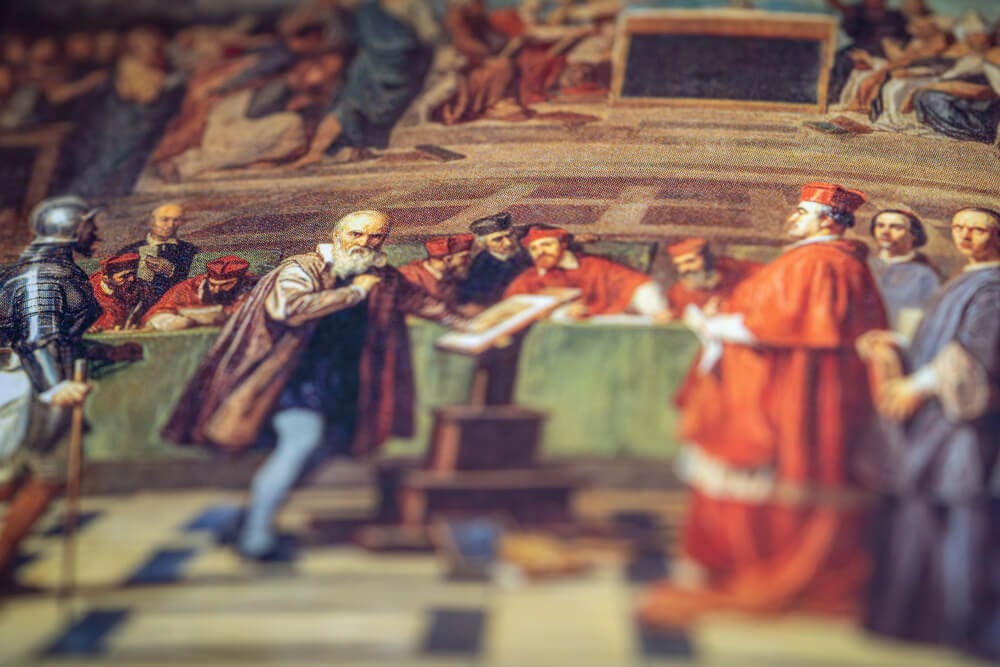
The Catholic Church tried astronomer Galileo Galilei in 1633 for supporting the idea that the Earth orbits the sun, forcing him to recant under threat of severe punishment. The case remains a foundational reference point in later legal and philosophical debates over the boundary between religious authority and scientific inquiry.
The McMartin Preschool Case

A lengthy and highly publicized 1980s California case involving allegations of abuse at a preschool ended without any convictions after years of proceedings, amid growing evidence that investigative interview techniques had produced unreliable testimony from young witnesses. The case prompted lasting reforms to how investigators are trained to interview child witnesses in legal proceedings across the country.
The O.J. Simpson Trial
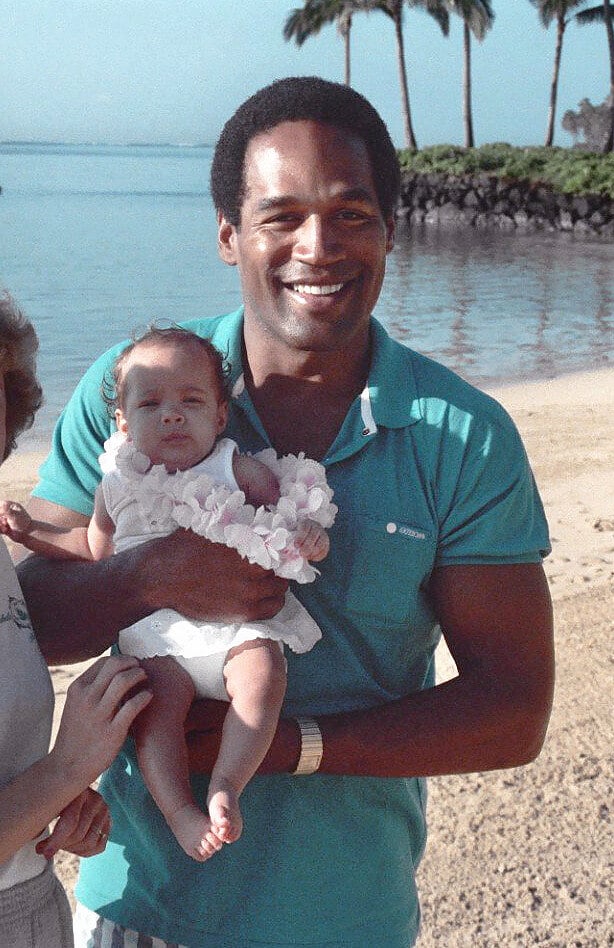
The highly publicized 1995 murder trial of former professional athlete O.J. Simpson, which ended in acquittal, brought intense public scrutiny to forensic evidence handling and DNA testing procedures used by law enforcement. The case’s scrutiny of laboratory practices influenced later reforms in how police departments document and preserve forensic evidence.
The Trial of the Chicago Anarchists
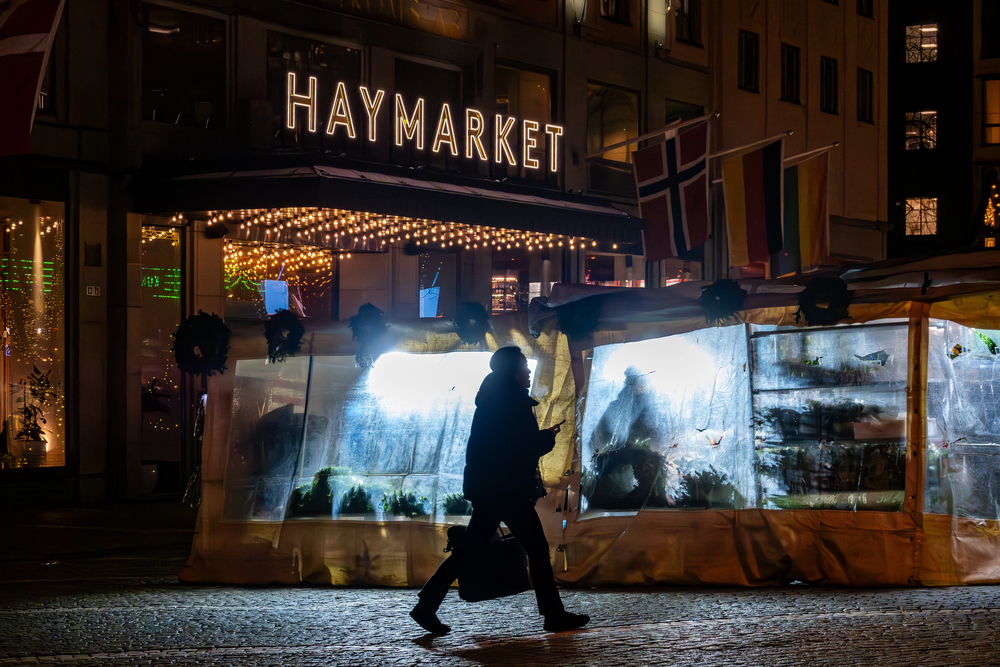
— Photo by Alexander2323
Beyond the Haymarket case itself, related prosecutions of labor organizers in the same era relied heavily on association with radical political groups as evidence of criminal intent. The pattern drew sustained legal criticism that later fed into broader free speech and free association protections developed over the following decades.
The Scottsboro Boys Retrials
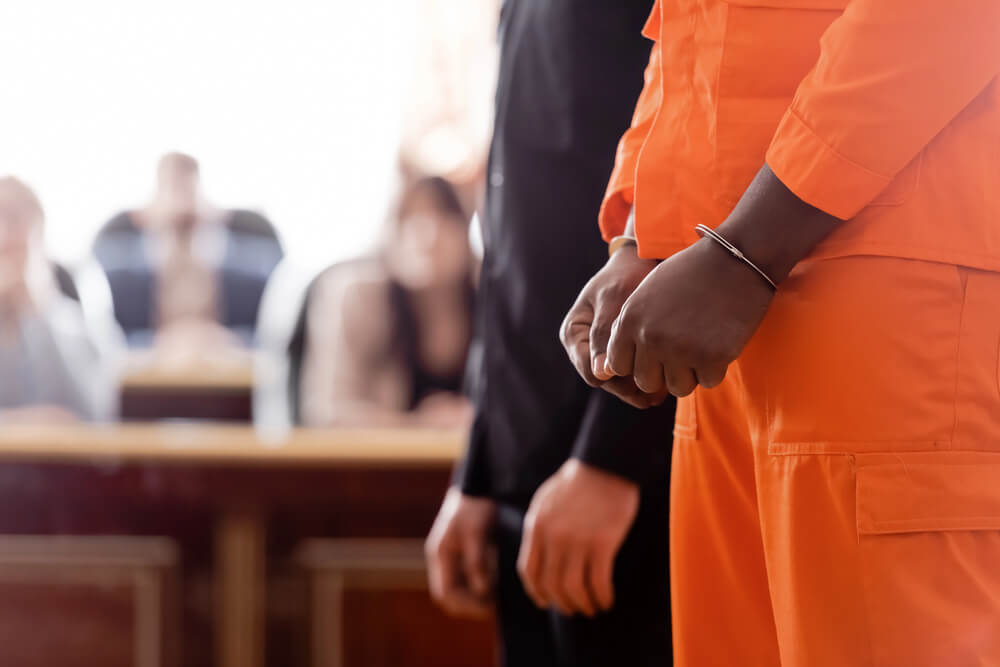
After the initial Scottsboro convictions were overturned, a second set of trials produced a further Supreme Court case, Norris v. Alabama, in 1935, which established that the systematic exclusion of Black citizens from jury pools violated the Constitution. The ruling became a foundational precedent in later legal challenges to discriminatory jury selection practices.
The Trial of Timothy McVeigh
The 1997 federal trial of Timothy McVeigh for the 1995 Oklahoma City bombing, which killed 168 people, was among the first major federal terrorism prosecutions of its scale and led to significant changes in how federal courts handled security, evidence, and victim testimony in terrorism cases. The proceedings shaped courtroom security and evidentiary procedures used in numerous federal terrorism trials that followed.
The Verdict That Outlives the Case
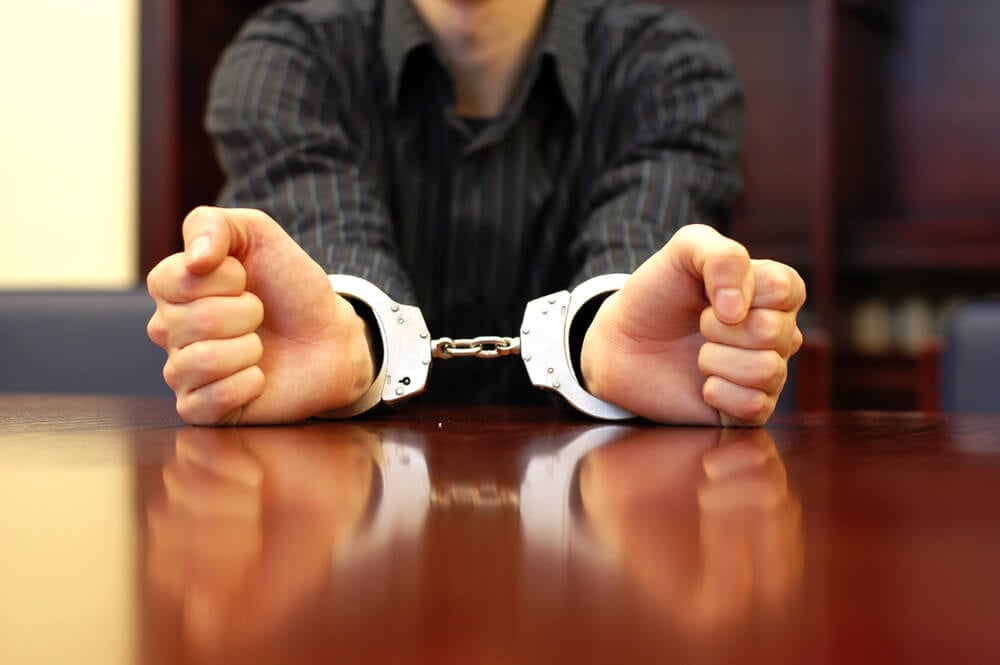
A trial exists to answer one narrow question about one defendant, and most of them do exactly that and nothing more. The cases on this list are the exceptions, the ones where a judge’s or jury’s reasoning got picked up, cited, and eventually written directly into how the law itself operates going forward.
That afterlife is rarely predictable from the courtroom itself. Several of these trials looked, at the time, like a single contained dispute rather than a turning point.
The law changed anyway, sometimes decades later, because someone finally reread the reasoning and decided the old rule could not survive it.
More from Go2Tutors!

- The Romanov Crown Jewels and Their Tragic Fate
- 13 Historical Mysteries That Science Still Can’t Solve
- Famous Hoaxes That Fooled the World for Years
- 15 Child Stars with Tragic Adult Lives
- 16 Famous Jewelry Pieces in History
Like Go2Tutors’s content? Follow us on MSN.