Coconut Facts From Around The World
Coconuts aren’t just beachside props or tropical drinks—they’ve shaped cultures, diets, and even trade routes for centuries. Their story isn’t confined to one place, either. Here’s a list of coconut facts from around the world that reveal how this fruit keeps surprising people far beyond the shoreline.
Philippines

The Philippines is one of the world’s largest producers, harvesting millions each year. Coconut oil, dried copra, and husks end up in industries as far removed as cosmetics and furniture. It’s hard to imagine life there without them.
India
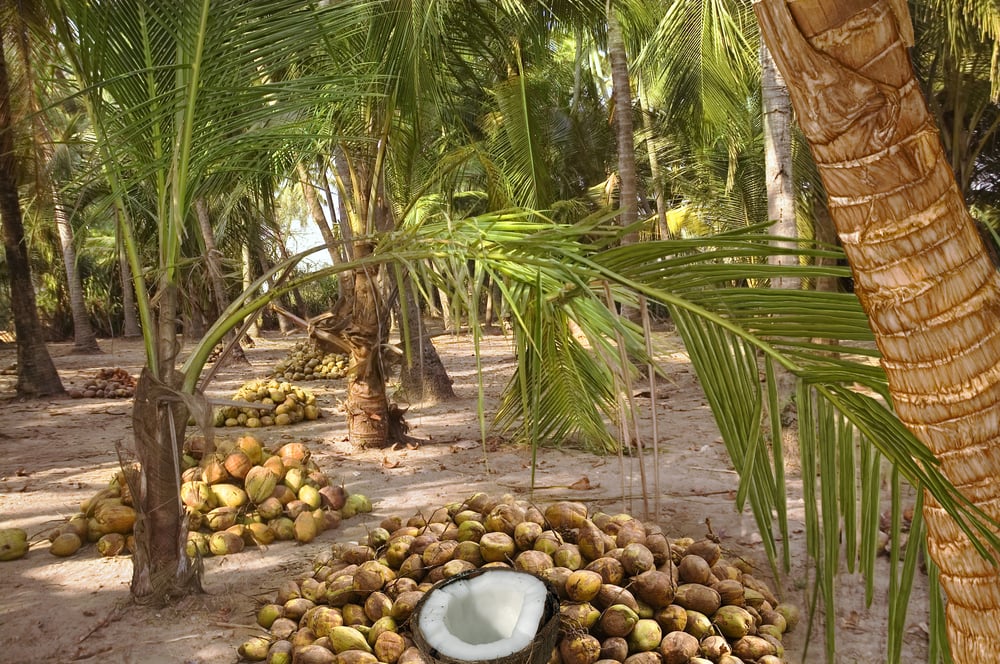
Coconuts play a symbolic role in Indian rituals. Breaking one apart during a ceremony represents purity revealed beneath a hard exterior. And still, India is also a global heavyweight in actual production, sending coconuts into kitchens and factories alike.
Sri Lanka

Sri Lanka has long been called the “Land of the Coconut.” Every part is put to use: husks spun into rope, shells carved into bowls, leaves turned into roofing. An entire toolkit from a single tree. Handy, isn’t it?
Maldives
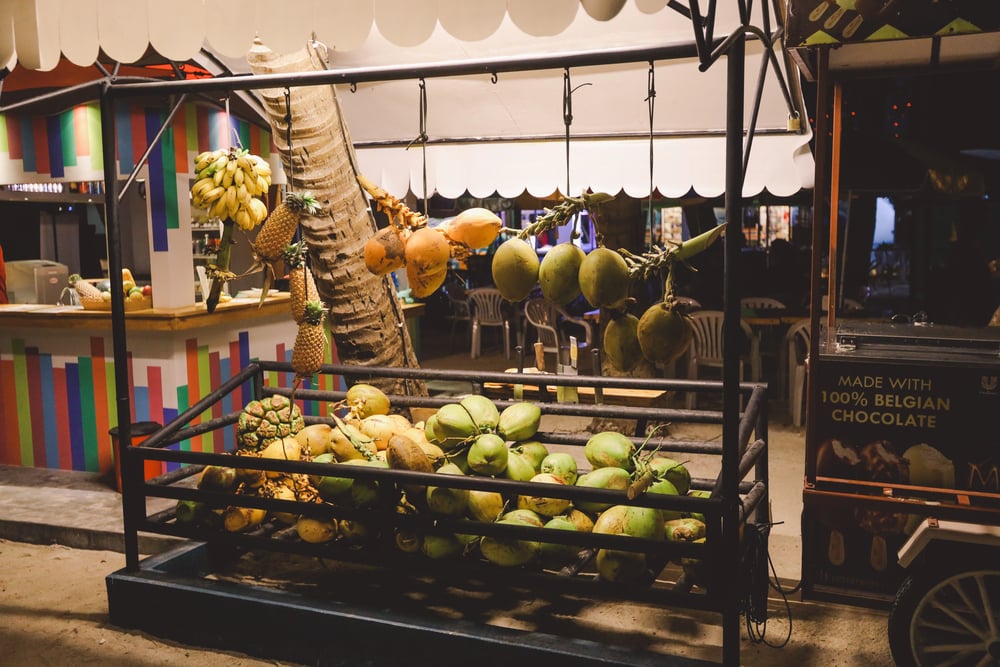
— Photo by DavePrimov
Coconuts once served as currency across the Maldives. Islanders carried them from atoll to atoll, and rulers even accepted them for taxes. Picture modern banking, but with stacks of fruit on a counter. Strange, but true.
Zanzibar

Along the Swahili coast, coconuts became tied to bustling trade routes. Spice farms, ocean breezes, palms swaying above sandy soil—classic island life. And coconuts, of course, right in the middle of it all.
Thailand
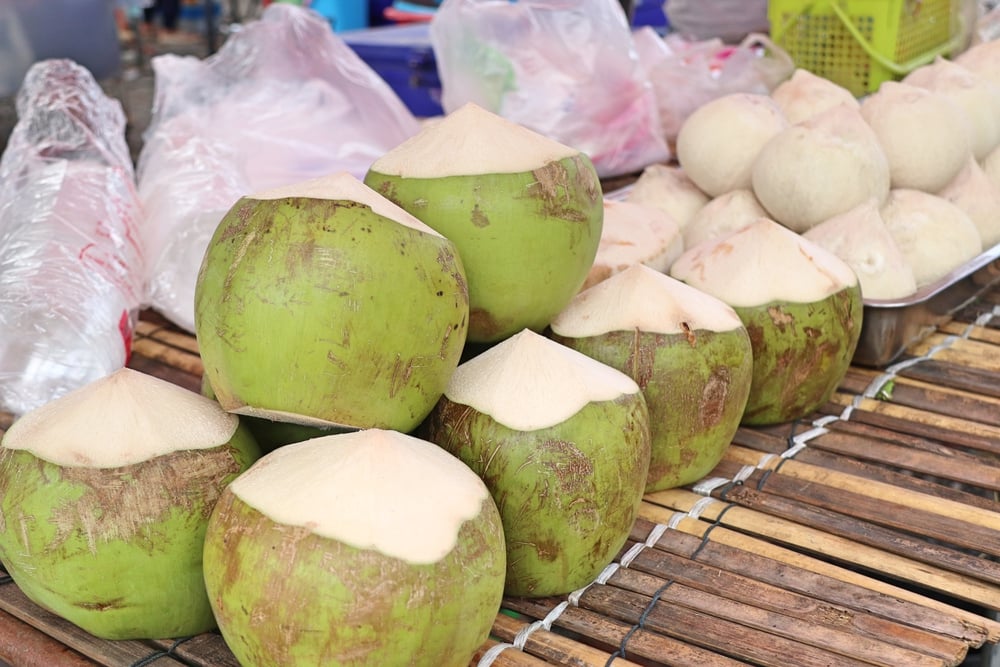
Thailand is known for young coconuts sold ice-cold at roadside stalls. The flesh is sweet and tender, the water naturally refreshing. Coconut cream also finds its way into curries, smoothing the fire of chili. Not too hot, not too mild—just right.
Brazil
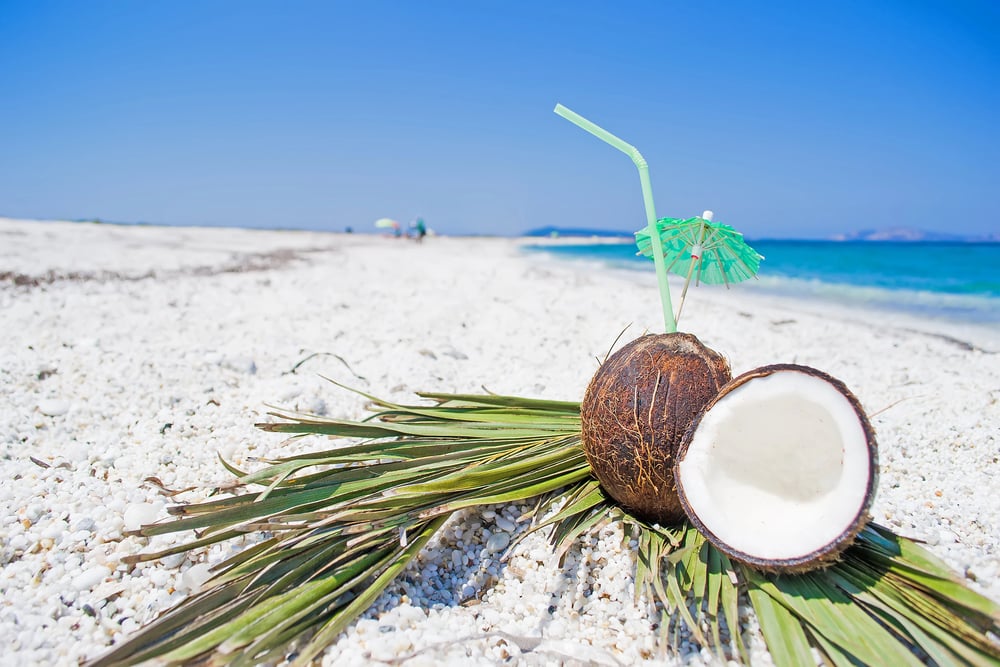
In Brazil, coconut water borders on obsession. Vendors hack open green coconuts on beaches and hand out straws. The taste? Clean, slightly floral, always cooling. On a scorching afternoon in Rio, there may be nothing better.
Indonesia

Indonesia produces billions each year. Farmers climb staggering heights to harvest them, carrying fruits down with casual skill. Beyond food and oil, the country experiments with biofuel made from coconuts. Cars powered by palm fruit—odd but real.
Polynesia

For Polynesian voyagers, coconuts were survival kits. They offered food, drink, and planting stock for new islands. Without them, the spread across the Pacific might have faltered. In many ways, the coconut was the first travel companion.
Hawaii

Coconuts weren’t native here but arrived with early settlers. Today they’re woven into Hawaiian culture, featured in luaus and dances. And let’s be honest: few postcard images beat a cracked coconut at sunset.
Papua New Guinea

Daily life in Papua New Guinea often includes coconuts. Grated flesh enriches stews, shells become tools, husks serve as fire starters. Not great for variety, perhaps, but brilliant for utility.
Tanzania

Coconut palms line much of Tanzania’s coast. Farmers sell them fresh or process them into copra for trade. And on the side, children use husks as makeshift orbs. A resource and a toy rolled into one.
Mexico

On both coasts of Mexico, coconuts thrive. Markets overflow with coconut candies, drinks, and snacks. Wrapped in colorful paper, sweet and sticky, they’re more festival indulgence than pantry staple.
Vietnam

In Vietnam’s Mekong Delta, coconuts appear everywhere—candies, milk, even a local wine. Small roadside stalls often advertise:
- Fresh coconuts
- Coconut ice cream
- Bottled coconut water
A whole mini-menu pulled from one fruit.
Coconut Frontiers

From currency to candy, coconuts have crossed oceans and cultures with ease. They’re food, drink, shelter, ritual, and sometimes even fuel. Few fruits travel so well—or tell so many stories.
More from Go2Tutors!

- The Romanov Crown Jewels and Their Tragic Fate
- 13 Historical Mysteries That Science Still Can’t Solve
- Famous Hoaxes That Fooled the World for Years
- 15 Child Stars with Tragic Adult Lives
- 16 Famous Jewelry Pieces in History
Like Go2Tutors’s content? Follow us on MSN.