26 Two-Dollar Bills and Old Currency Worth Keeping
Most paper money is worth exactly what it says on the front. A small fraction is worth more, and the difference usually comes down to age, a printing quirk, or a serial number that caught someone’s eye.
The two-dollar bill is the gateway for most people, because it is the one denomination Americans are told not to spend.
Grading drives everything in this field, and a crisp uncirculated note can be worth dozens of times a folded, stained example of the same issue. The notes below are the ones worth checking before they go back into a wallet.
1976 Two-Dollar Bills With First-Day Postmarks
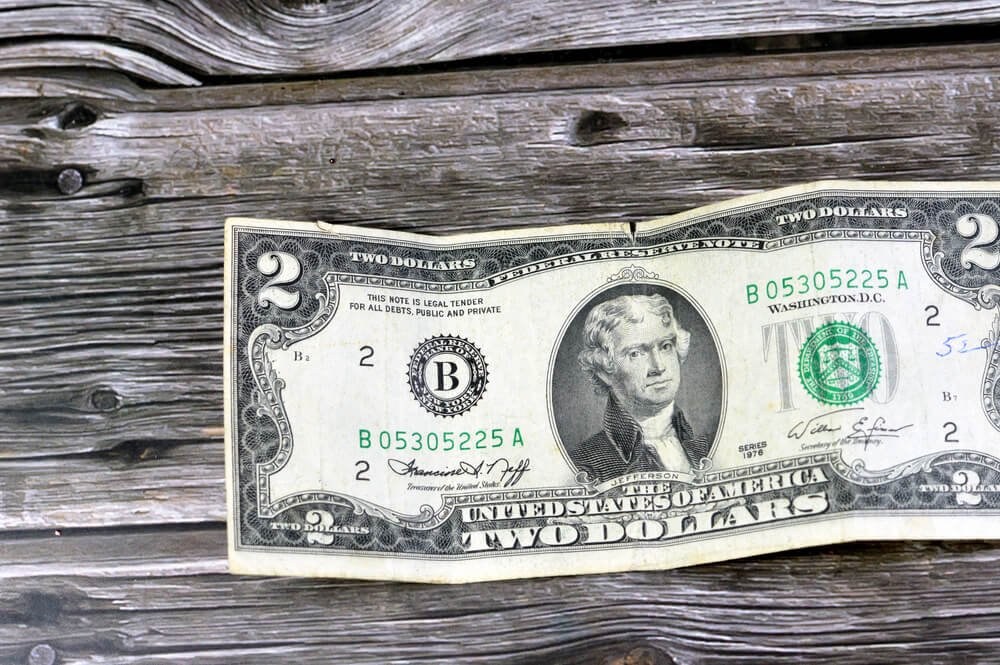
When the Treasury reissued the two-dollar bill on April 13, 1976, thousands of people took new notes to the post office and had them stamped with a first-day postmark. These postmarked notes were a fad, and they are now a modest collectible, usually bringing a small premium over face value.
The premium rises when the postmark is from an unusual or small-town post office.
1976 Star Notes
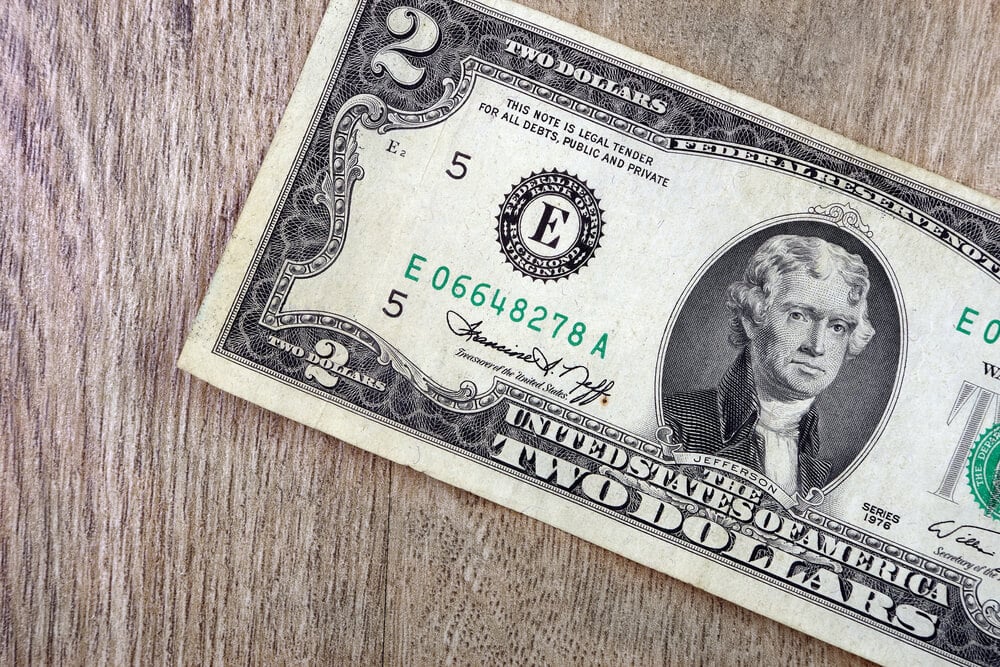
Star notes replace misprinted sheets and carry a star next to the serial number. The 1976 two-dollar star notes were printed in smaller quantities for certain Federal Reserve districts, and the scarce districts bring real premiums in uncirculated condition.
A worn star note is worth little more than face, which is why condition is the first check.
1953 and 1963 Red Seal Two-Dollar Notes
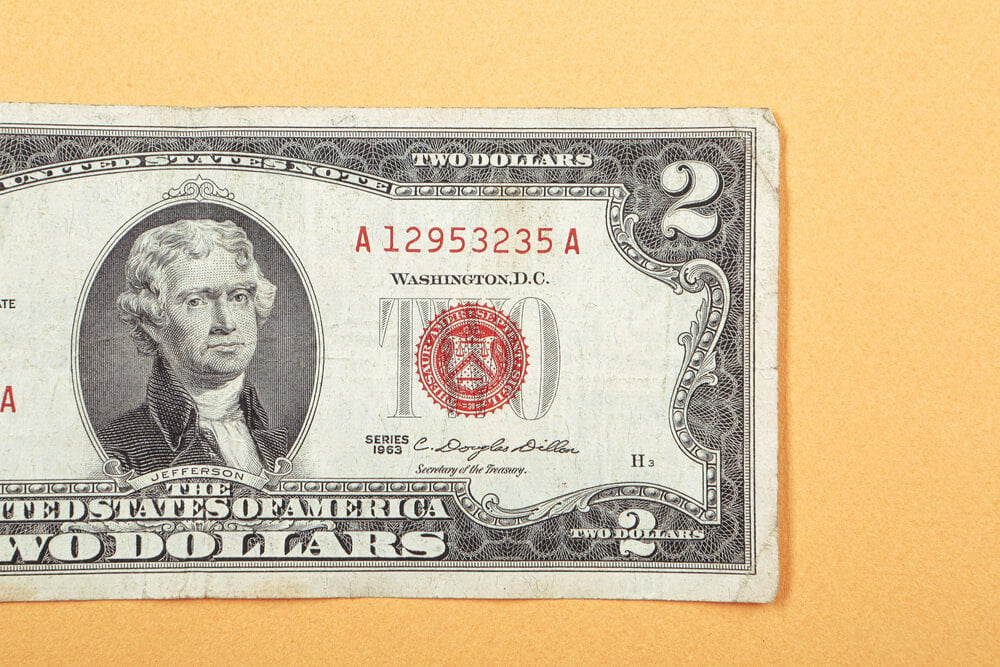
Before 1976, two-dollar bills were United States Notes with red seals and serial numbers, and the 1953 and 1963 series are the ones most often found in old envelopes. Circulated examples bring a few dollars over face, but crisp uncirculated notes and the star varieties are worth considerably more.
The 1963 series was the last red seal two before the denomination was discontinued in 1966.
1928 Red Seal Two-Dollar Notes
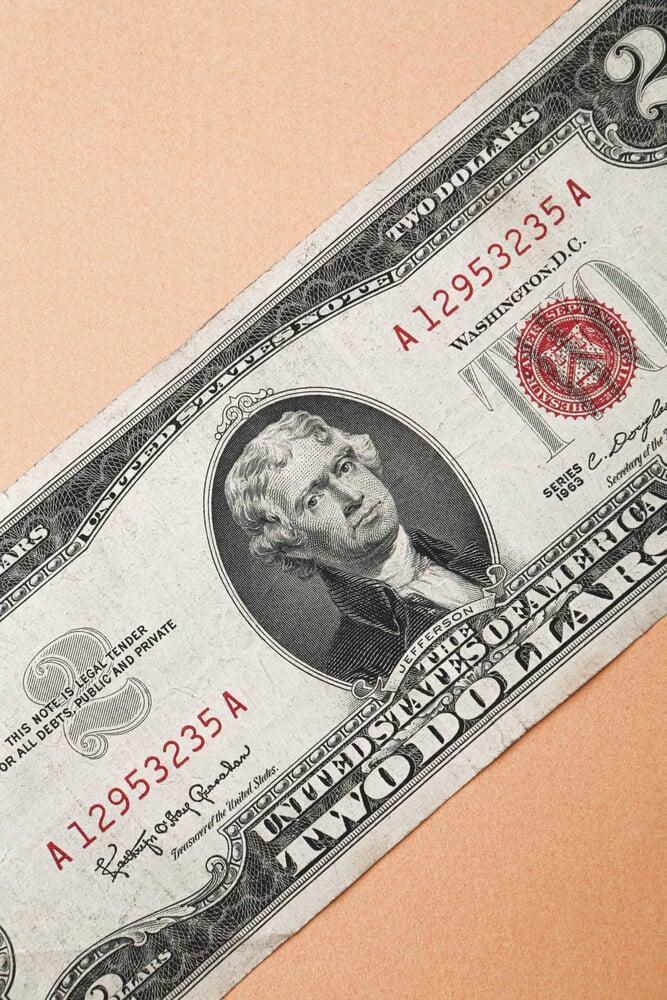
The 1928 series was the first small-size two-dollar bill, and it carries Jefferson’s portrait with Monticello on the back. Several signature combinations exist, and the earlier ones are scarcer.
Uncirculated 1928 twos are solid three-figure notes, and the star notes from the series are hard to find in any condition.
1917 Large-Size Two-Dollar Legal Tender
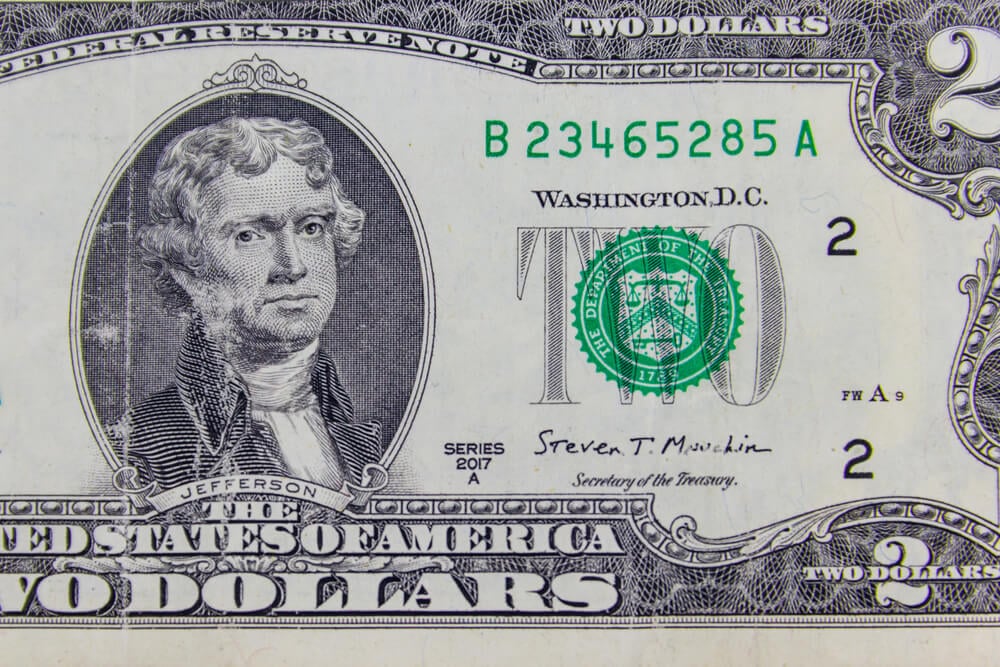
The 1917 two-dollar Legal Tender note is a large-size bill with a portrait of Jefferson and an ornate red seal, and it was the last large-size two printed in quantity. It is common enough that circulated examples are affordable, which makes it the usual first large-size note for new collectors.
Uncirculated examples with bright red seals are worth several hundred dollars.
1899 Two-Dollar Silver Certificate
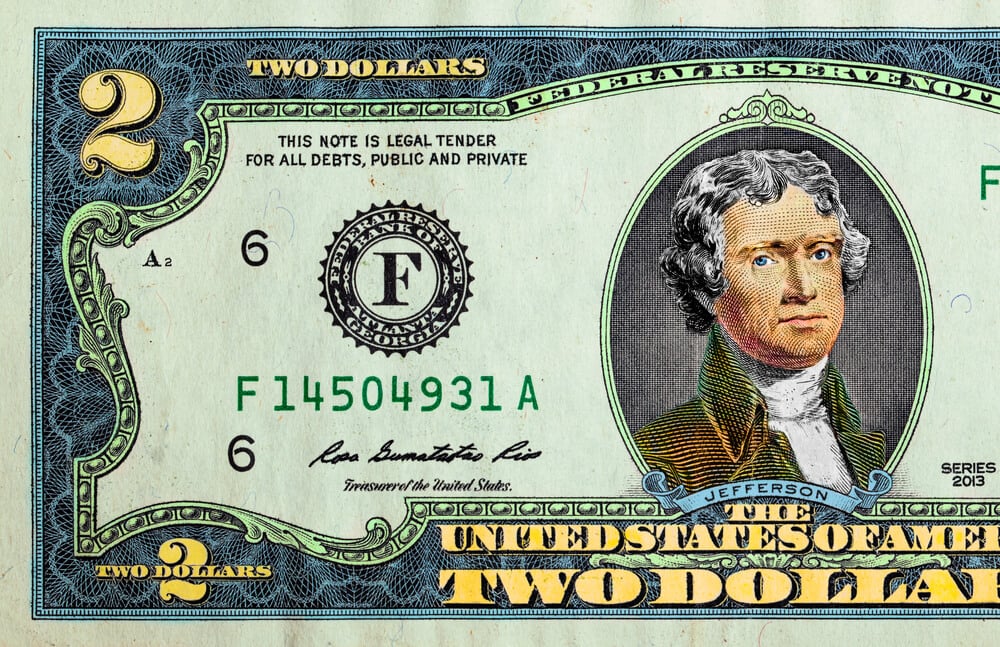
The 1899 two-dollar Silver Certificate shows George Washington flanked by figures representing Mechanics and Agriculture, and it is one of the most elegant small-denomination notes ever printed. Collectors have given the design a nickname based on its circular portrait frame.
Clean examples bring several hundred dollars, and uncirculated notes reach into four figures.
1896 Two-Dollar Educational Note
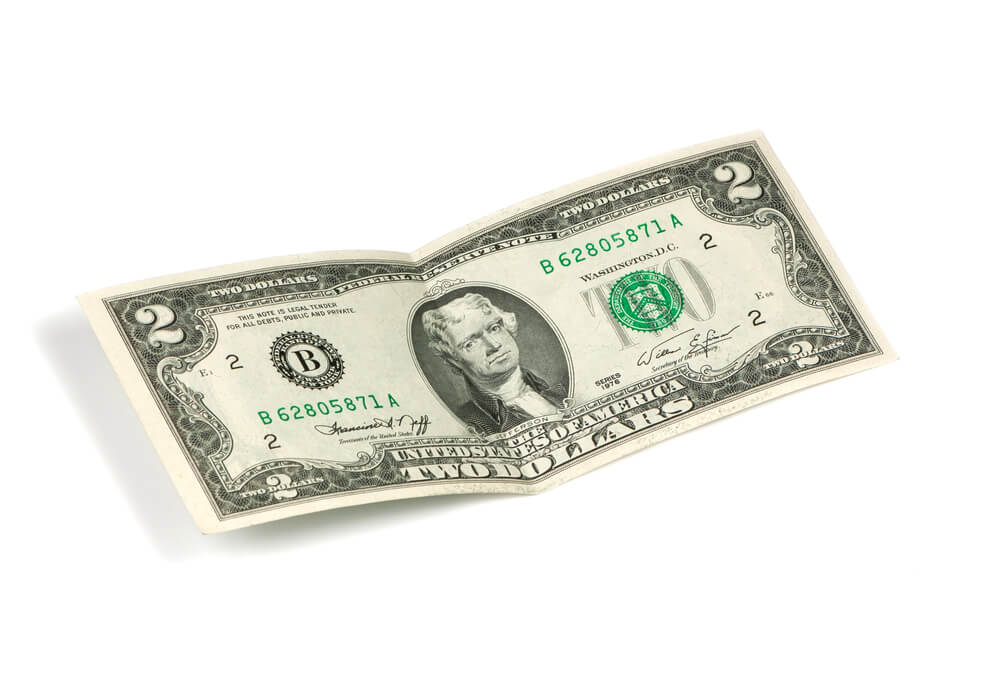
The Educational Series of 1896 is widely considered the high point of American currency design, and the two-dollar note, titled Science Presenting Steam and Electricity to Commerce and Manufacture, is the middle of the three. It was pulled from circulation after only a few years.
Any example is valuable, and uncirculated notes bring thousands.
1886 Two-Dollar Silver Certificate
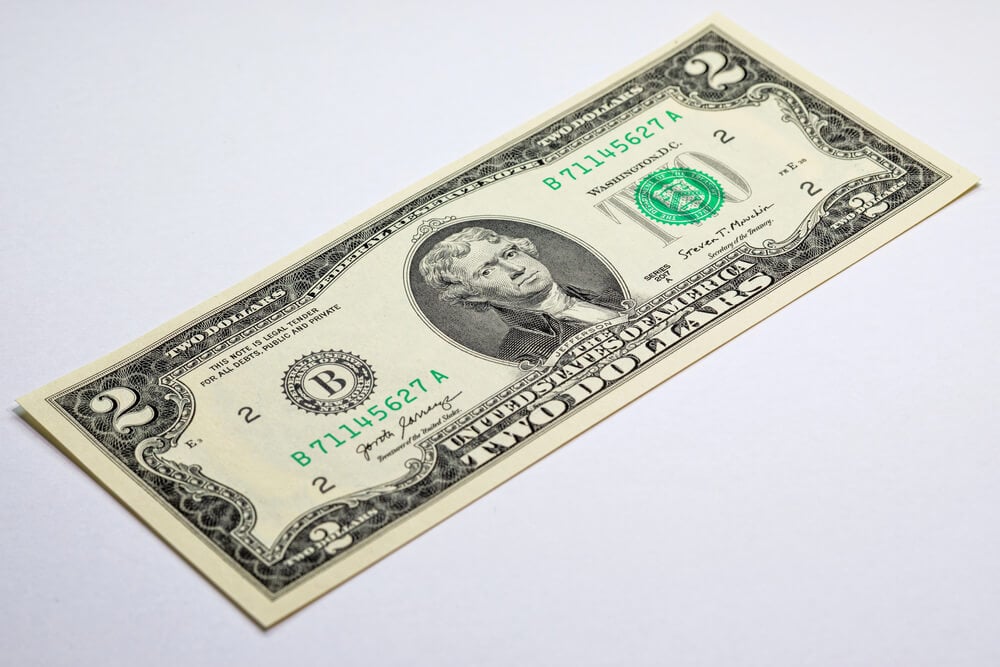
The 1886 two-dollar Silver Certificate carries a portrait of General Winfield Scott Hancock and a large ornate back. It was printed in modest quantities and is scarce in high grades.
Even circulated examples are three-figure notes, and the series is sought by collectors assembling a run of early two-dollar designs.
1890 Two-Dollar Treasury Note
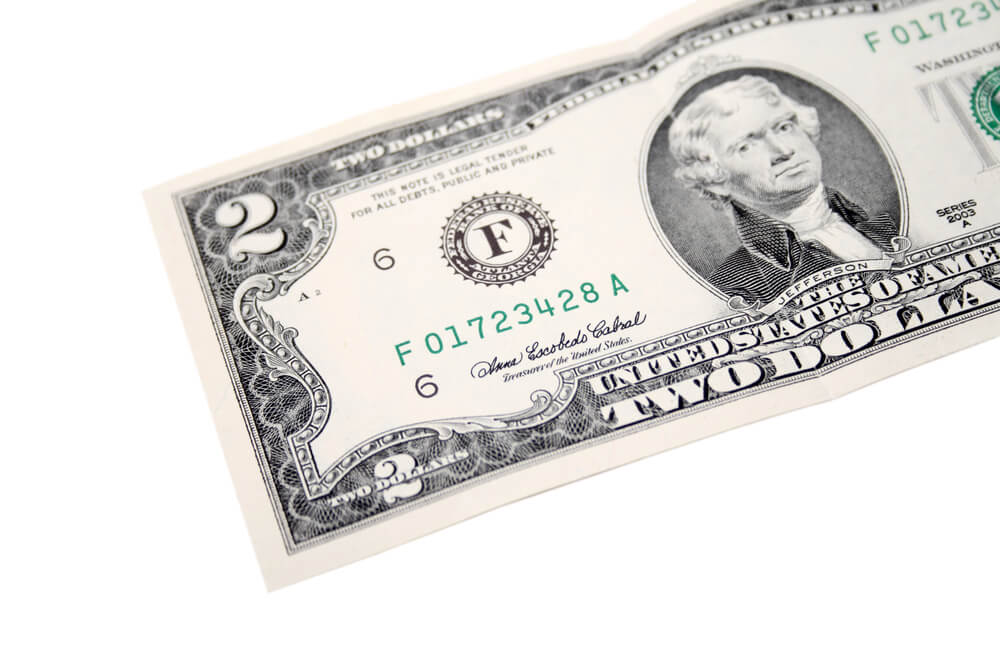
The Treasury Notes of 1890, also called Coin Notes, were issued under the Sherman Silver Purchase Act and redeemable in gold or silver coin. The two-dollar note shows General James McPherson and has an ornate back that collectors prize.
The 1890 series is scarcer than the 1891 series that replaced it, and high-grade examples bring thousands.
1862 Two-Dollar Legal Tender
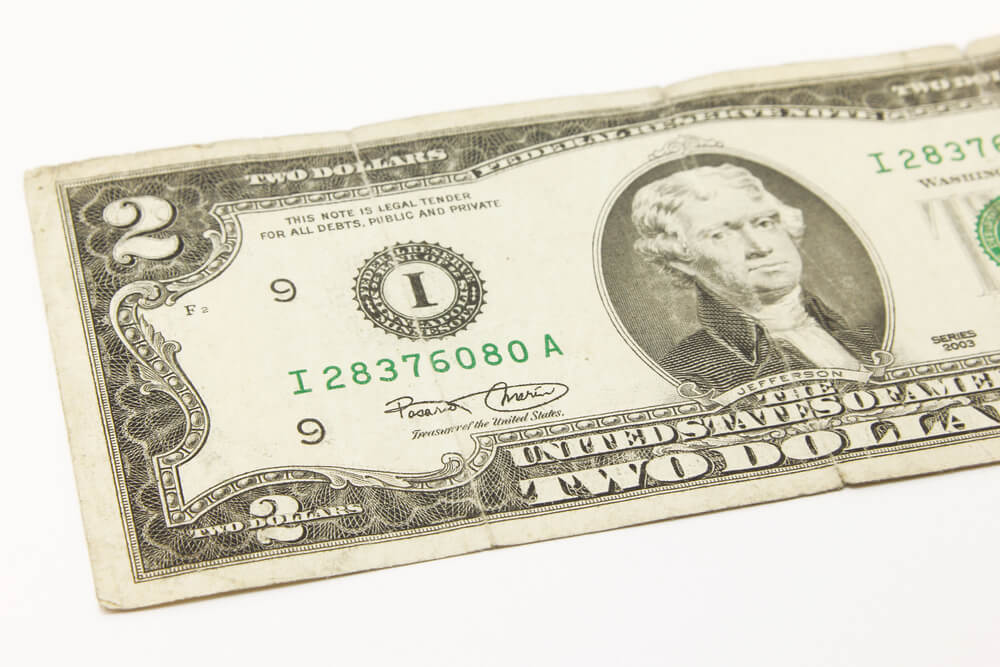
The first two-dollar bill was issued in 1862 during the Civil War, with a portrait of Alexander Hamilton. It is the beginning of the denomination’s history, and demand from type collectors keeps prices firm.
Circulated examples are three-figure notes, and crisp ones are worth far more.
Lazy Deuce National Bank Notes
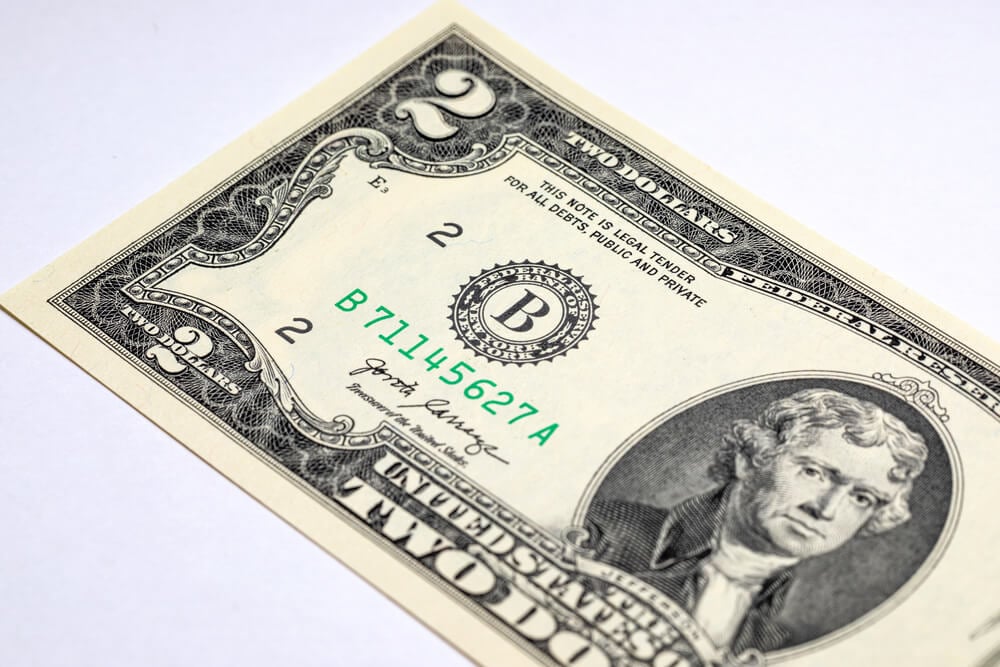
The original and 1875 series two-dollar National Bank Notes are known as Lazy Deuces because the large numeral 2 on the face lies on its side. They were issued by individual national banks, and value depends heavily on the bank and the state.
Notes from small or short-lived banks are rare and bring four figures or more.
Fancy Serial Numbers
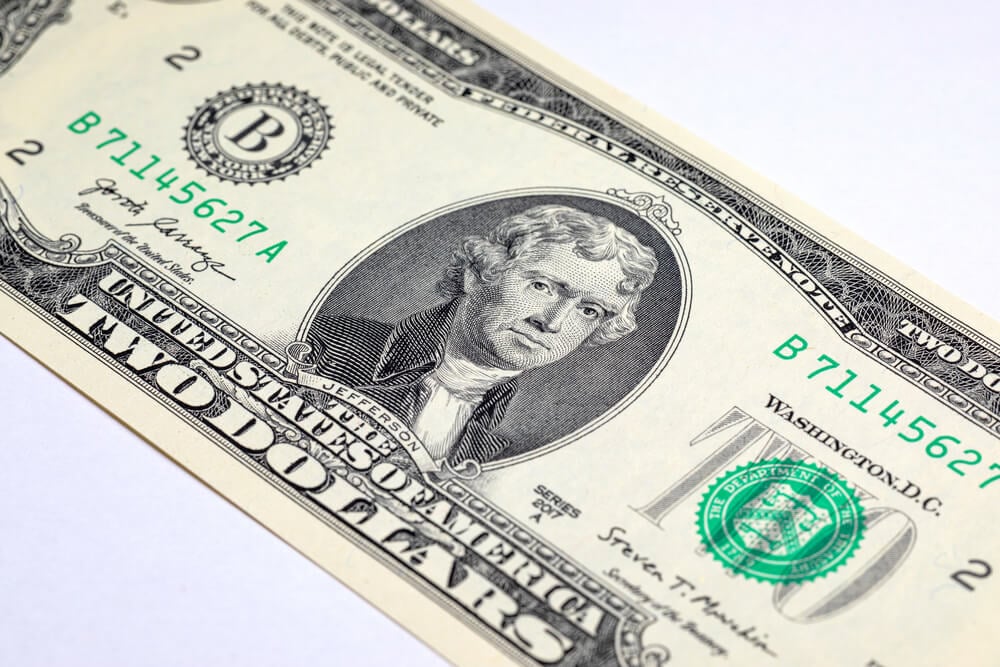
Any note, including a modern two, can be worth a premium if the serial number is unusual: all the same digit, a sequence like 12345678, a palindrome, a very low number, or a repeating pattern. Serial number collecting is one of the fastest-growing corners of the hobby.
A solid serial on a crisp two-dollar bill can bring several hundred dollars.
The Grand Watermelon Note
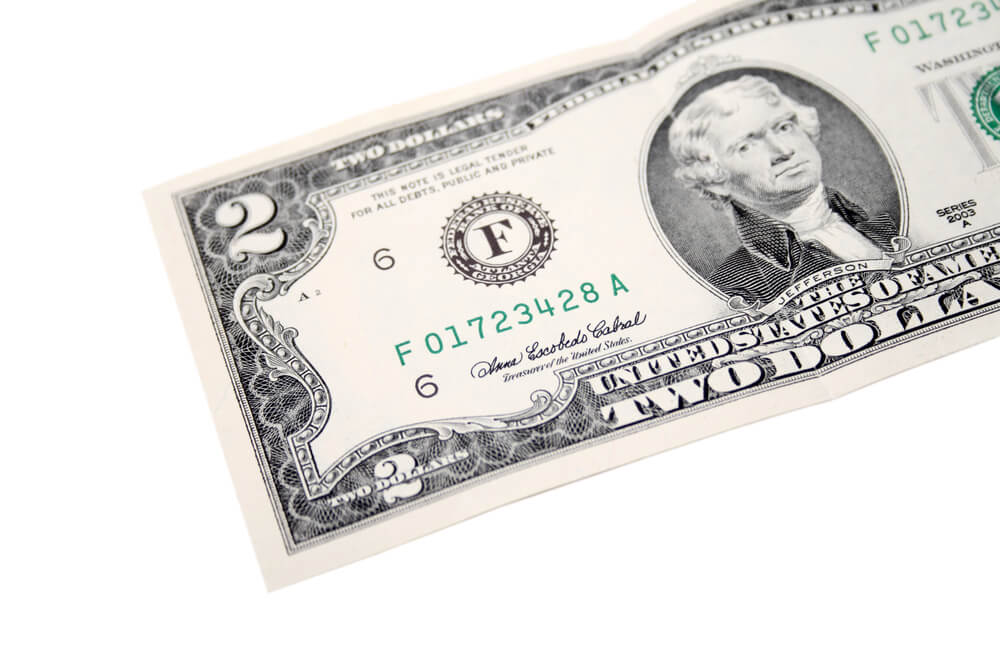
The 1890 one-thousand-dollar Treasury Note is nicknamed the Grand Watermelon for the three large green zeros on its back. The only example in private hands sold for $3.29 million at Heritage Auctions in January 2014, a world record for a banknote at the time.
It is the single most famous piece of American paper money and the ceiling against which everything else is measured.
1899 Black Eagle Silver Certificate
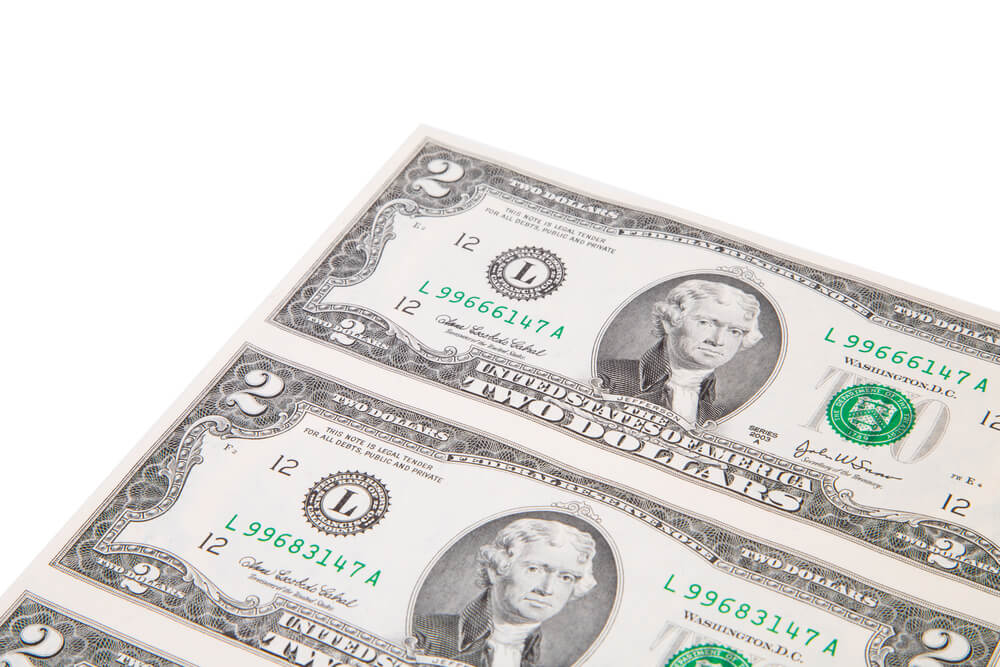
The 1899 one-dollar Silver Certificate with a large eagle above small portraits of Lincoln and Grant is known as the Black Eagle. It was printed in enormous numbers and is the most affordable large-size note, which makes it the most common gateway into the hobby.
Uncirculated examples bring a few hundred dollars, and the many signature varieties keep collectors busy.
1896 One- and Five-Dollar Educational Notes
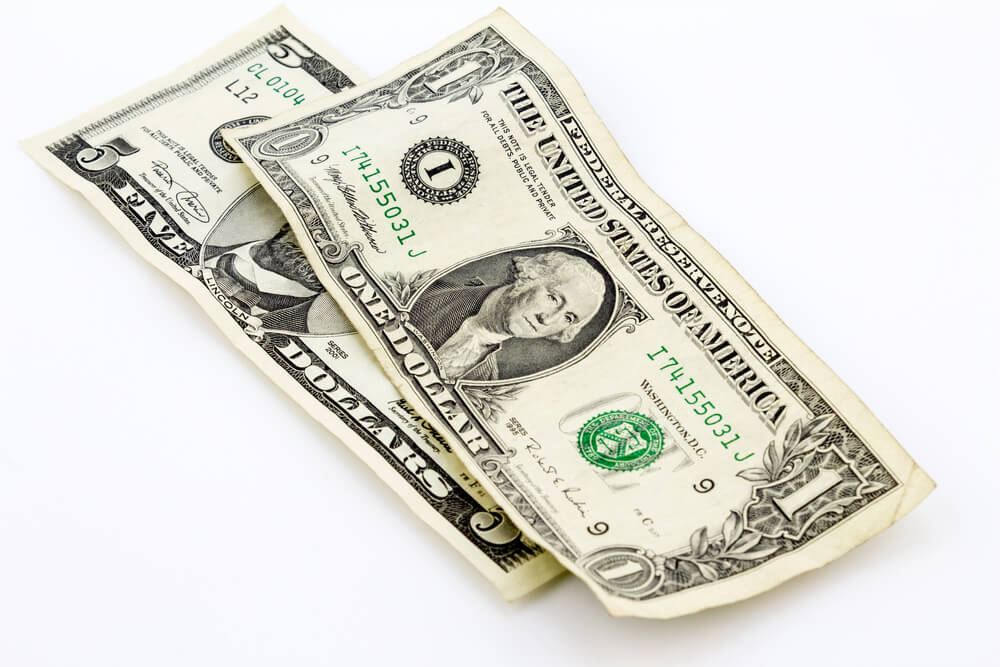
The companions to the two-dollar Educational note are the one-dollar, titled History Instructing Youth, and the five-dollar, titled Electricity as the Dominant Force in the World. The five was the most controversial when issued and is the most valuable today.
A complete set of the three Educational notes is a landmark of any collection.
1899 Five-Dollar Indian Chief Note
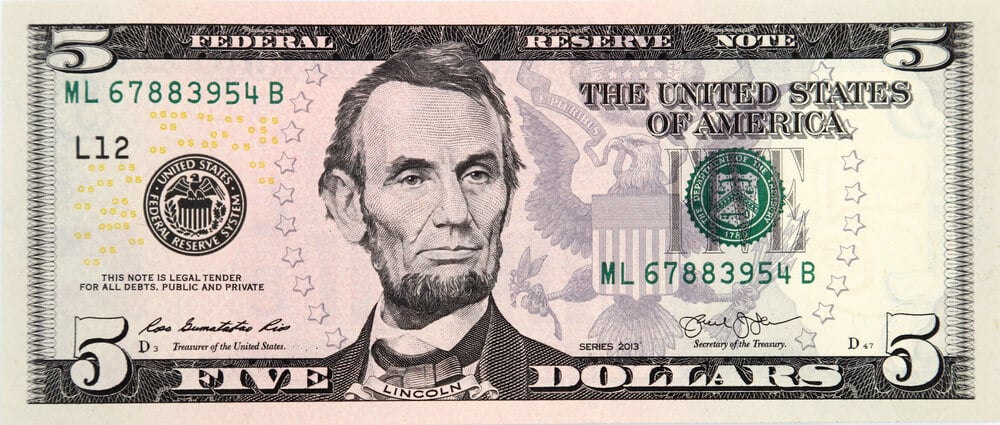
The 1899 five-dollar Silver Certificate carries a portrait of Running Antelope, a Hunkpapa Lakota leader, and is the only American note to feature a Native American as the central portrait. The portrait was drawn with a headdress that was not historically accurate for him, a detail that has been discussed since.
The note is in strong demand and clean examples bring four figures.
1901 Ten-Dollar Bison Note
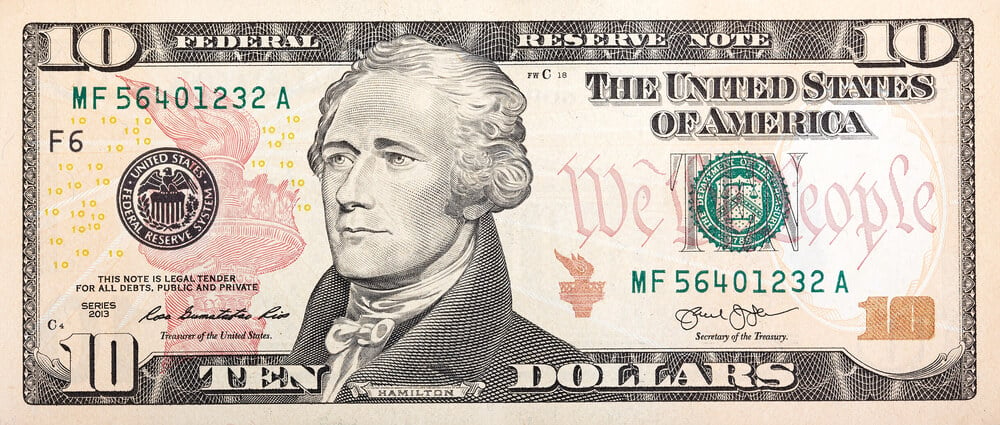
The 1901 ten-dollar Legal Tender note shows a bison between portraits of Lewis and Clark, and it is among the most popular designs with collectors. It was printed for two decades with many signature combinations.
Even heavily circulated examples bring several hundred dollars, and uncirculated notes are worth thousands.
1928 Gold Certificates
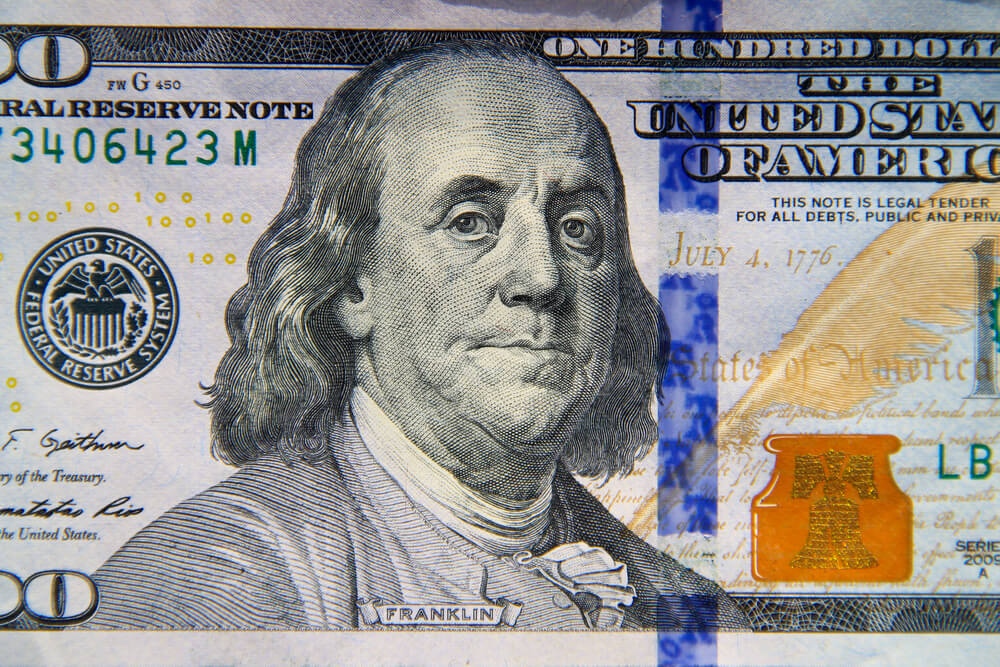
The 1928 Gold Certificates, with their gold seals and serial numbers, were the last gold certificates issued to the public before the 1933 recall. They were printed in denominations from ten to ten thousand dollars, and the lower denominations are collectible in any condition.
Uncirculated 1928 gold certificates in the twenty- and fifty-dollar denominations are three- and four-figure notes.
1934 High-Denomination Federal Reserve Notes
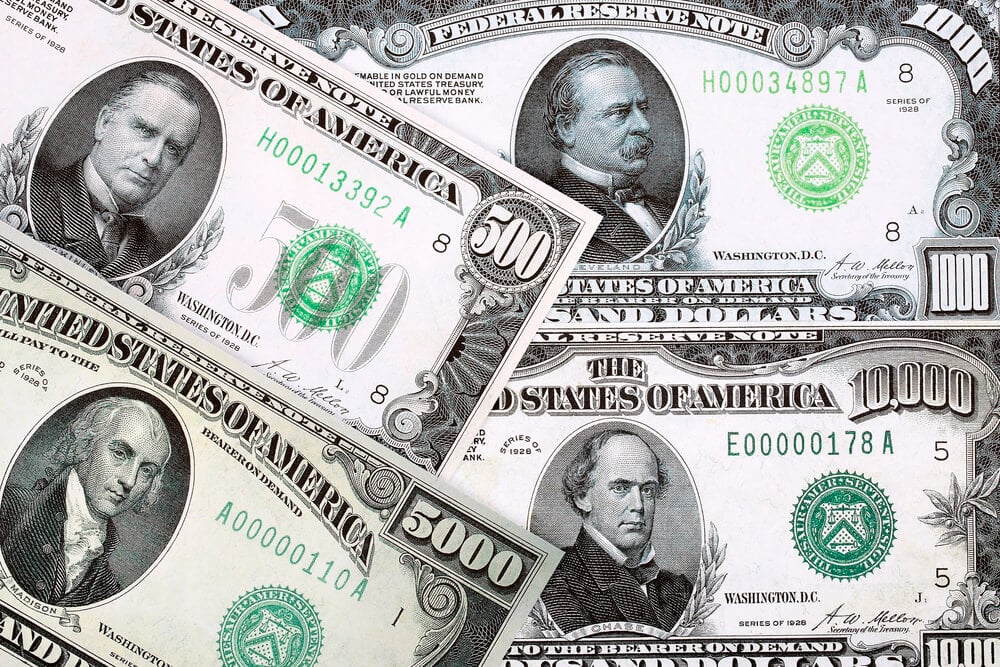
Five-hundred- and one-thousand-dollar bills from the 1934 series were printed for bank transfers and were last issued in 1945, with circulation ended in 1969. They are worth well above face in any condition, and uncirculated examples from scarce districts bring multiples of face.
The five-thousand- and ten-thousand-dollar notes are rarities seen mainly in museums.
Hawaii Overprint Notes
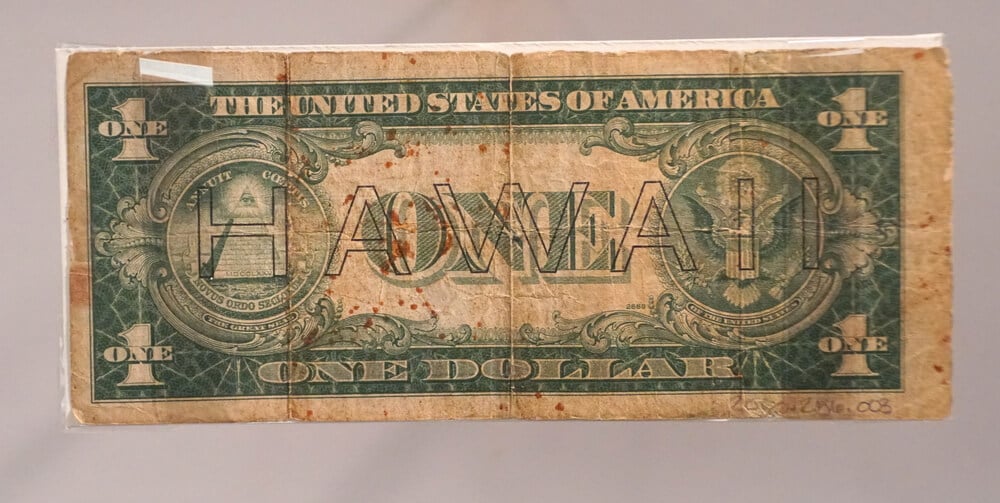
After Pearl Harbor, the government issued notes for Hawaii with brown seals and a large HAWAII overprint on the back, so they could be demonetized if the islands fell. The overprints were issued in one-, five-, ten-, and twenty-dollar denominations.
The twenty is the scarcest, and uncirculated examples of any denomination are collectible.
North Africa Yellow-Seal Notes
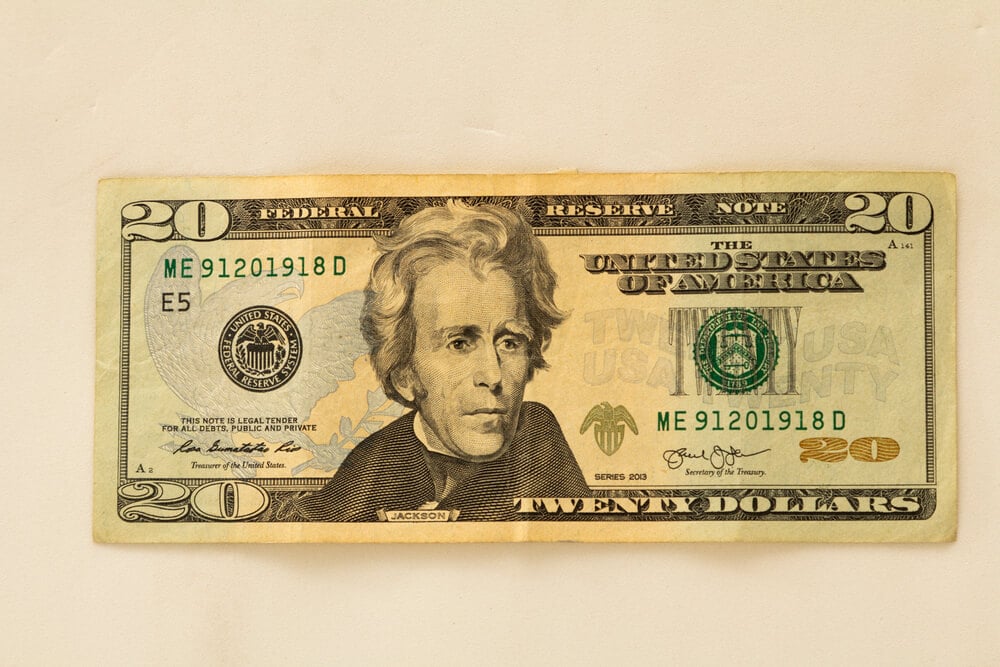
For the 1942 landings in North Africa, the United States issued Silver Certificates with yellow seals, for the same reason as the Hawaii notes. The yellow-seal notes were issued in one-, five-, and ten-dollar denominations, and the star notes are scarce.
They are collected alongside the Hawaii notes as the wartime emergency issues.
1957 Silver Certificates
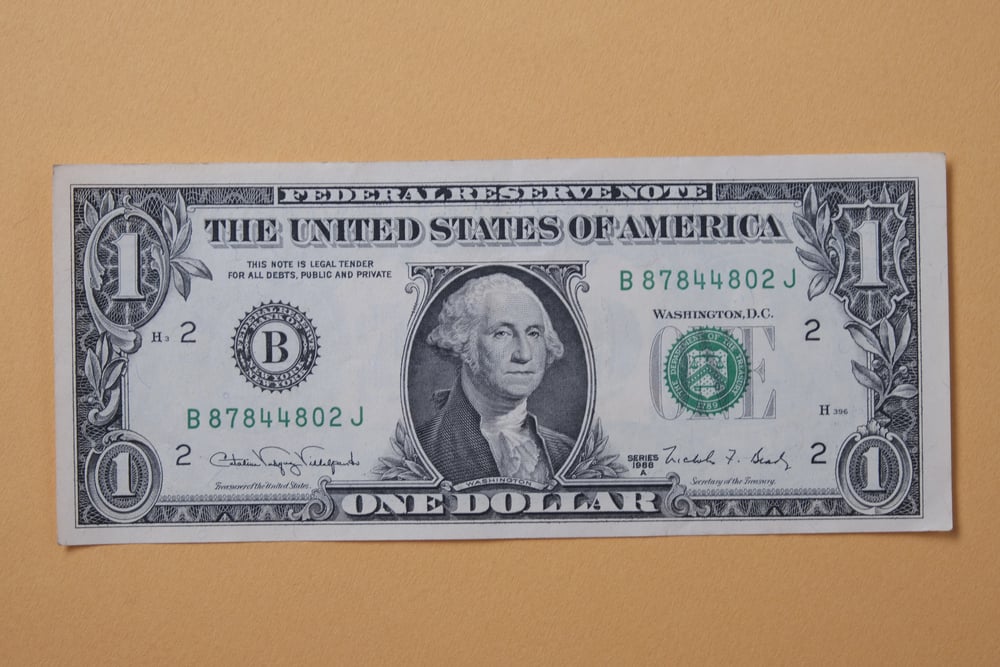
The 1957 one-dollar Silver Certificate was the last series of silver certificates, with the familiar blue seal. It was printed in such quantity that circulated examples are worth only slightly above face, but it is the note most often found in a grandparent’s drawer and the one most people ask about.
Uncirculated packs and star notes are the only versions with meaningful premiums.
Fractional Currency
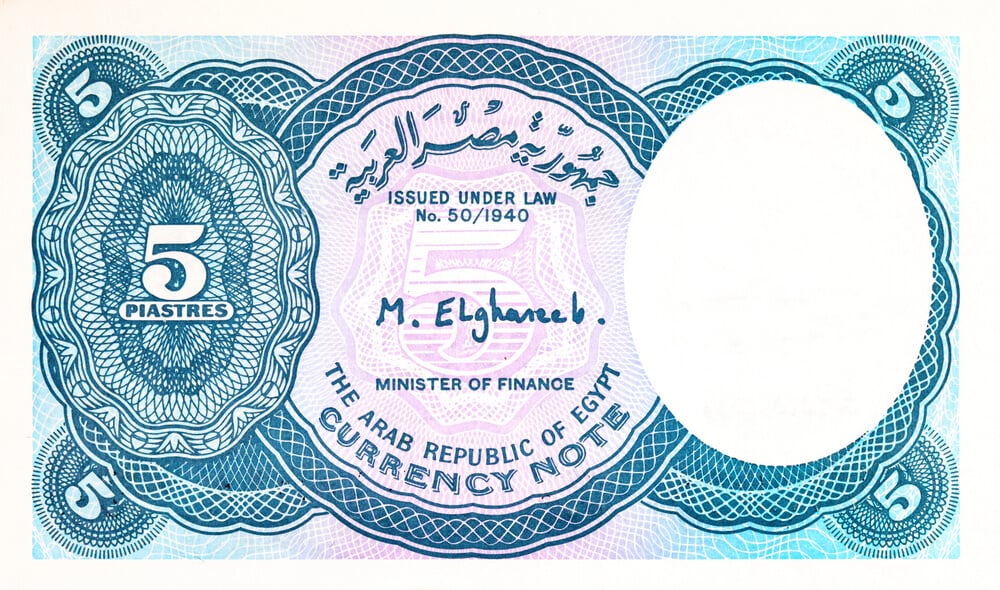
During the Civil War the government issued paper notes in denominations as small as three cents because coins were being hoarded. Fractional currency was printed in five issues between 1862 and 1876, and the later issues with portraits are the most collected.
Many fractional notes are affordable, and a type set is a popular project.
1918 Green Eagle Notes
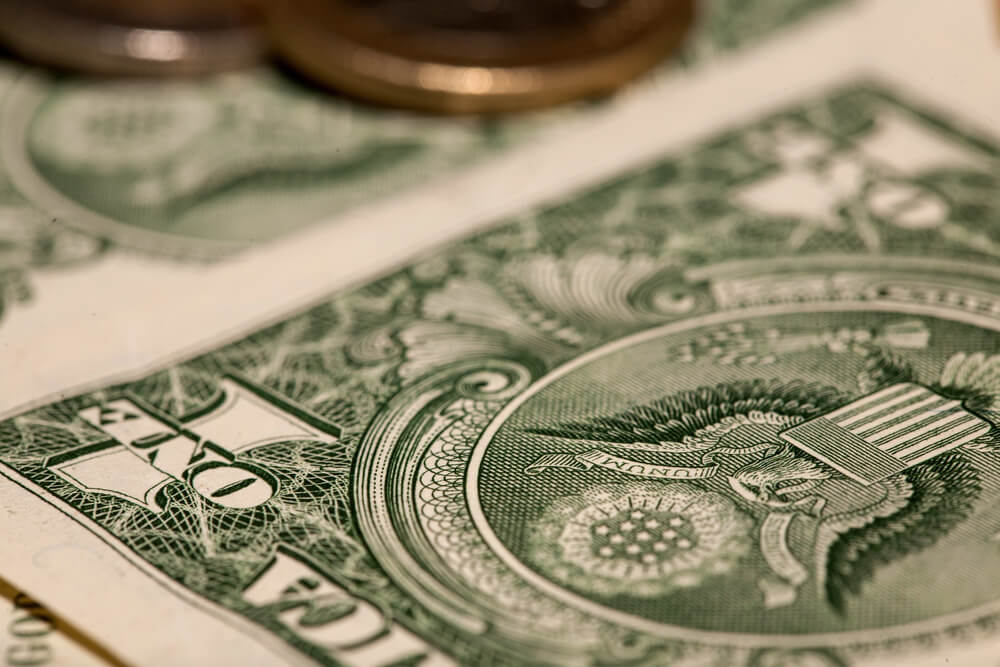
The 1918 one-dollar Federal Reserve Bank Note features a large eagle on the back and is known as the Green Eagle. It was issued through the regional Federal Reserve Banks, and the notes from the smaller districts are scarce.
It is a popular large-size type note that remains attainable in circulated grades.
1869 Rainbow Notes
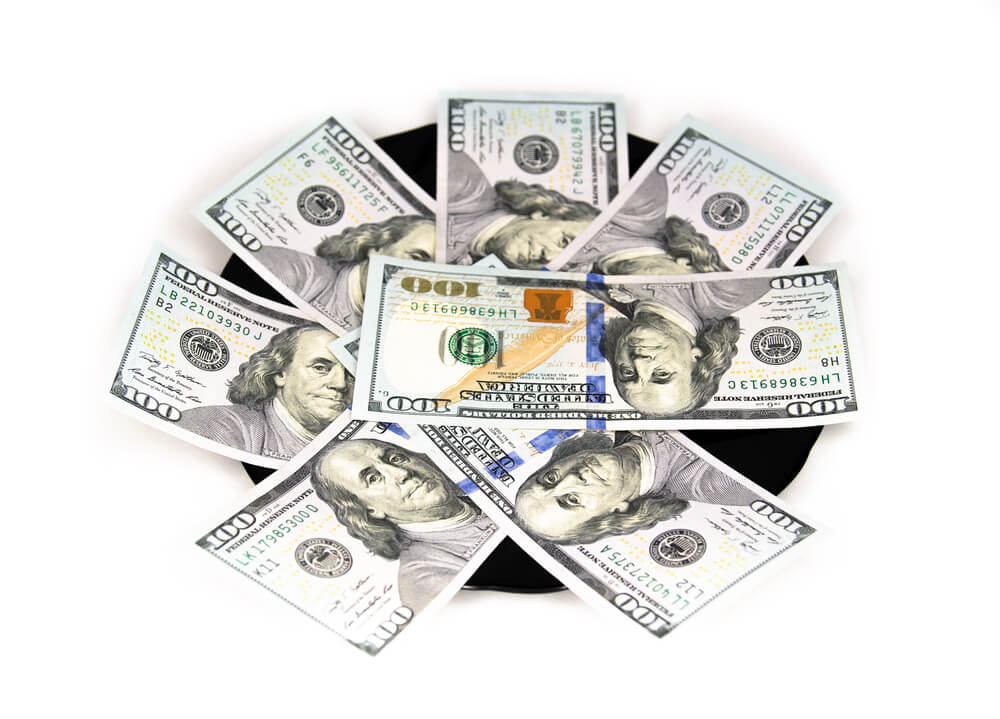
The 1869 Legal Tender series was printed with bright blue and red tints and is nicknamed the Rainbow series. The one-dollar note with Washington and the two-dollar note with Jefferson are the most attainable, while the higher denominations are rare.
Rainbow notes in high grade with their colors intact are among the most striking American currency.
Confederate Currency
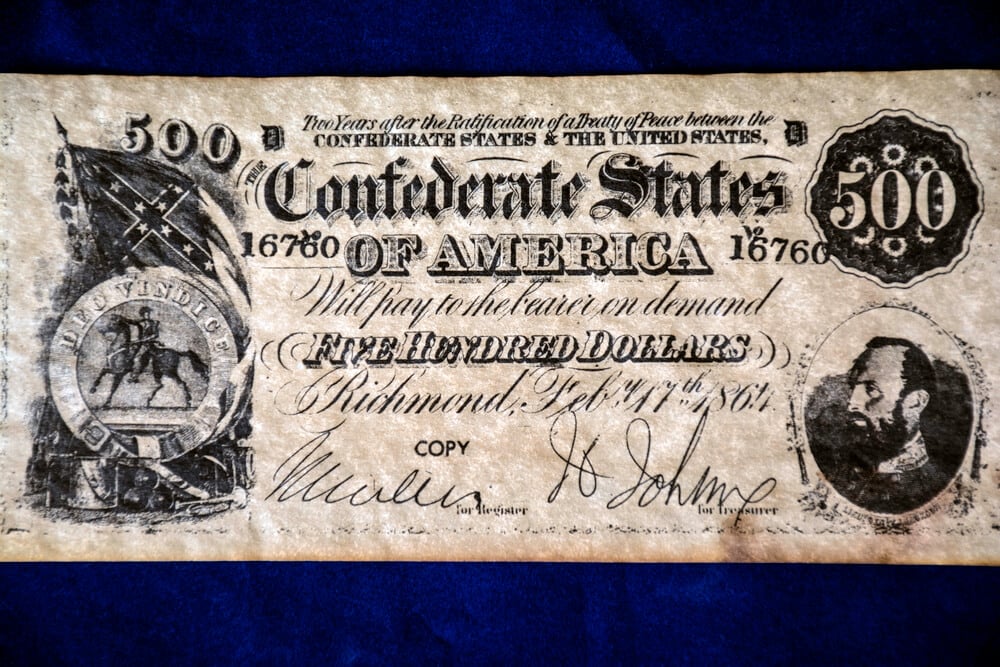
The Confederate States issued paper money from 1861 to 1864, and most of it is common and inexpensive because so much was printed and never redeemed. The exceptions are the early 1861 issues, especially the Montgomery notes printed before the capital moved to Richmond, which bring thousands.
Confederate currency is heavily counterfeited, including period counterfeits, so authentication matters.
The Promise on the Paper
Every note on this list was a promise, and the promises have long expired. Silver certificates no longer bring silver, gold certificates no longer bring gold, and the Grand Watermelon has not been redeemable at a Treasury window for more than a century.
What remains is paper, ink, and the strange authority of a design.
That is what collectors are buying. A Bison note or a Lazy Deuce is worth more than its face because the face was printed by a government that no longer prints anything like it.
The denomination stays the same; the value belongs to the moment it was made.
More from Go2Tutors!

- The Romanov Crown Jewels and Their Tragic Fate
- 13 Historical Mysteries That Science Still Can’t Solve
- Famous Hoaxes That Fooled the World for Years
- 15 Child Stars with Tragic Adult Lives
- 16 Famous Jewelry Pieces in History
Like Go2Tutors’s content? Follow us on MSN.