15 Most Stolen Paintings in History
Art theft has captivated the public imagination for centuries, combining high-stakes crime with priceless cultural treasures. From brazen daylight heists to elaborate schemes involving fake identities, these thefts represent some of the most audacious crimes in history. While some stolen masterpieces have been recovered, others remain missing decades later, leaving investigators and art lovers wondering about their fate.
The world of art theft is far more complex than Hollywood portrayals suggest, involving organized crime, insider knowledge, and sometimes surprisingly simple methods. Here is a list of 15 of the most stolen paintings that have made headlines around the world.
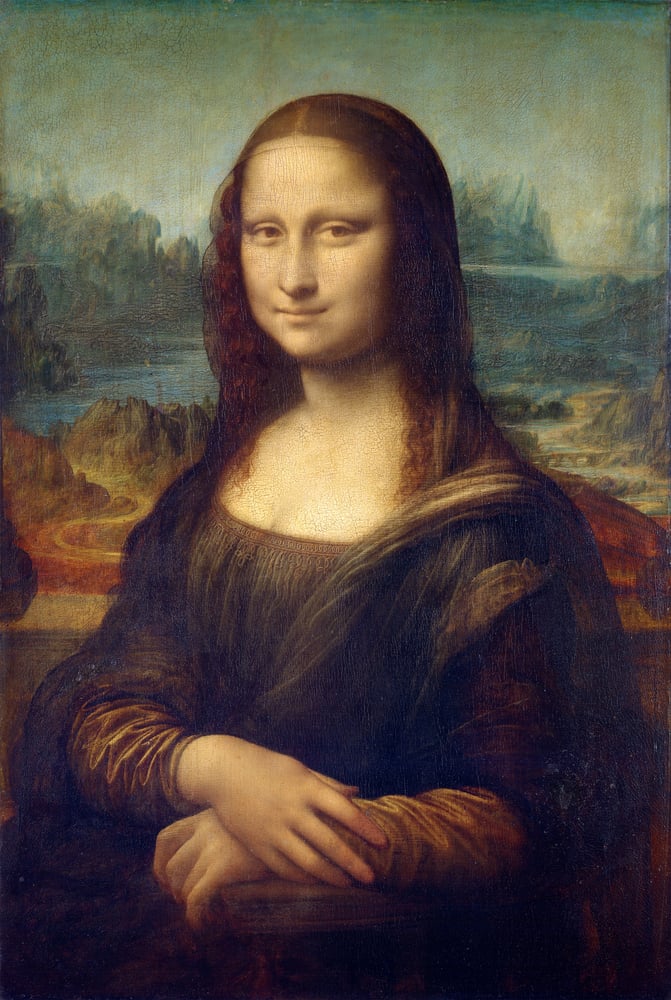
The Mona Lisa by Leonardo da Vinci
— Illustration by BreizhAtao
Leonardo da Vinci’s masterpiece disappeared from the Louvre on August 21, 1911, when Italian handyman Vincenzo Peruggia simply walked out with the painting hidden under his work clothes. Peruggia believed he was patriotically returning the painting to Italy, mistakenly thinking Napoleon had stolen it from Florence. The theft wasn’t discovered until the next day when a visitor asked a guard about the missing painting. The theft turned the Mona Lisa into a media sensation, with newspapers covering the international police hunt for over two years until Peruggia was caught trying to sell it in Florence.
Jacob de Gheyn III by Rembrandt
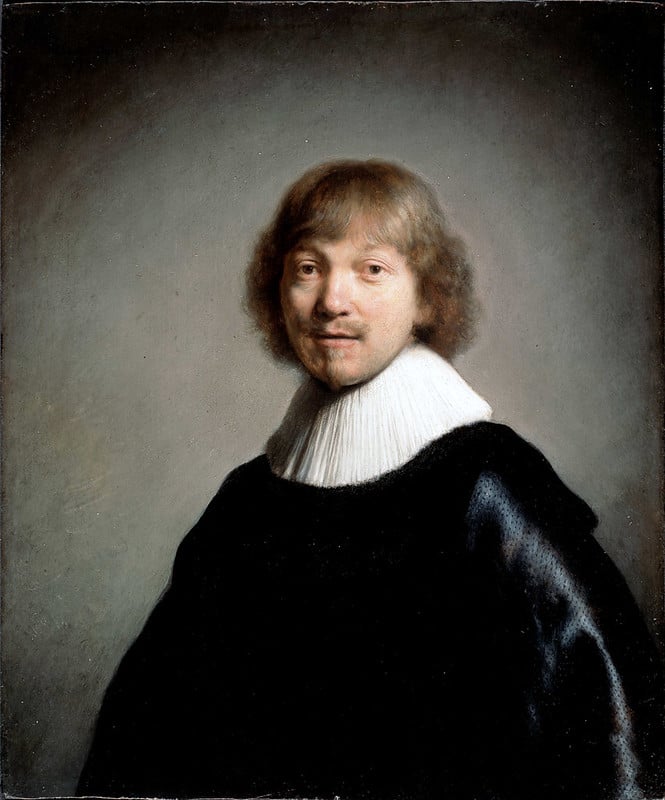
This small Rembrandt portrait holds the Guinness World Record as the most stolen painting, earning the nickname ‘Takeaway Rembrandt’ after being stolen four times between 1966 and 1983. At just 11.8 by 9.8 inches, its compact size makes it easy for thieves to conceal. The painting has been found in remarkably odd places over the years, including underneath a bench in a Streatham graveyard and on the back of a bicycle. Each theft from London’s Dulwich Picture Gallery involved different methods, from drilling through doors to smashing skylights.
The Concert by Johannes Vermeer
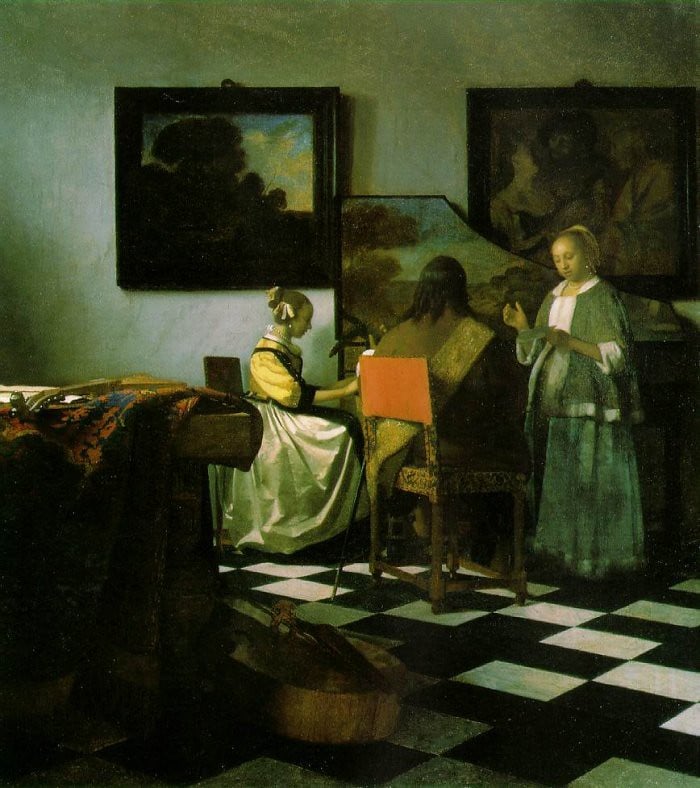
Stolen from Boston’s Isabella Stewart Gardner Museum in 1990, this work is one of only 34 known paintings by Vermeer and accounts for half of the theft’s estimated $500 million value. Experts believe The Concert may be the most valuable stolen object in the world. The painting was taken along with 12 other works in what remains the largest unsolved art theft in American history. Two thieves dressed as police officers convinced security guards to let them in, then spent 81 minutes selecting their targets.
The Storm on the Sea of Galilee by Rembrandt
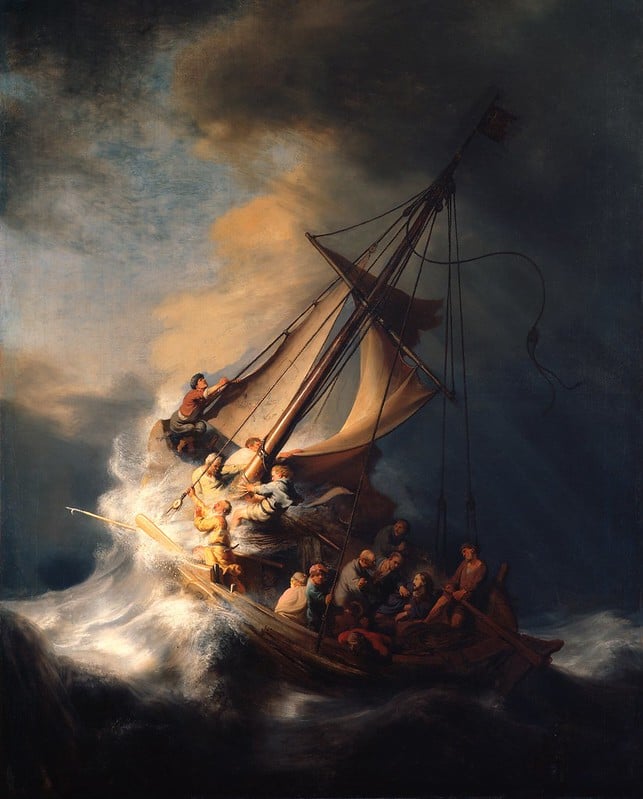
Also stolen from the Gardner Museum, this seascape is unique among Rembrandt’s works as his only known maritime painting, with an estimated value of $140 million. The large canvas depicts Christ calming the stormy waters, showcasing Rembrandt’s mastery of dramatic lighting and movement. The painting represents a significant loss to art history, as it was Rembrandt’s sole exploration of this particular subject matter. Like the other Gardner works, it remains missing more than three decades after the theft.
The Scream by Edvard Munch
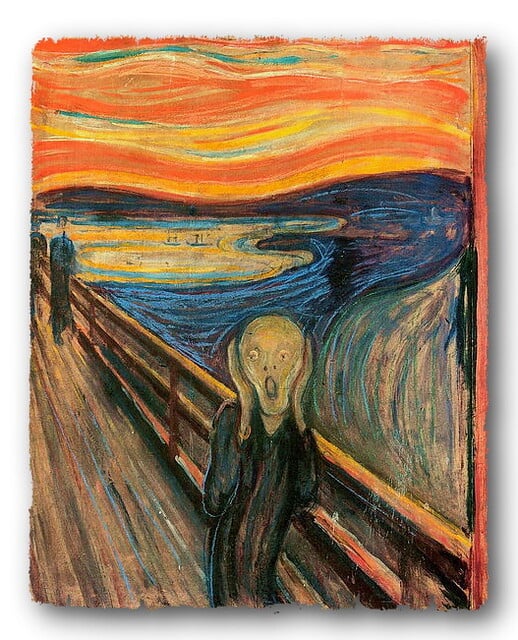
Two different versions of Munch’s iconic masterpiece have been stolen from Norwegian museums – once in 1994 from the National Gallery in Oslo and again in 2004 from the Munch Museum. The 1994 thieves left a mocking note reading ‘Thousand thanks for the bad security!’ and the theft coincidentally occurred on the opening day of the Winter Olympics. Both versions were eventually recovered through police operations, with the 1994 theft solved through a sting operation involving Norwegian and British police working with the Getty Museum.
The Ghent Altarpiece Panels by Jan van Eyck
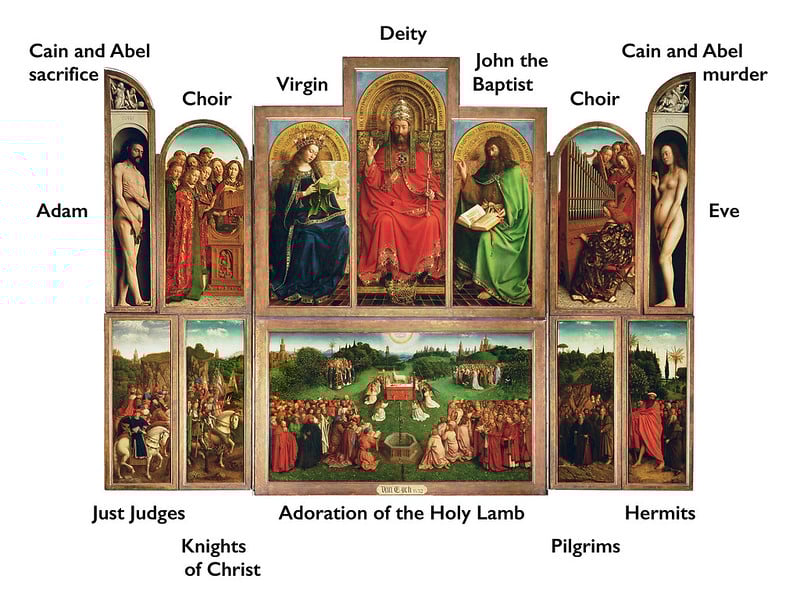
The Adoration of the Mystic Lamb, completed in 1432, holds the distinction of being the most stolen artwork in history, having been taken seven times by various groups including Napoleon and Hitler. In 1934, the panel featuring the Just Judges was stolen from St. Bavo Cathedral in Ghent, and despite ransom demands, it has never been recovered. The thief returned only the back side of the panel showing Saint John the Baptist as a gesture of goodwill, but the front side depicting the judges remains lost. The cathedral has been searched six times and its floor X-rayed to a depth of 33 feet in attempts to locate the missing panel.
Poppy Flowers by Vincent van Gogh
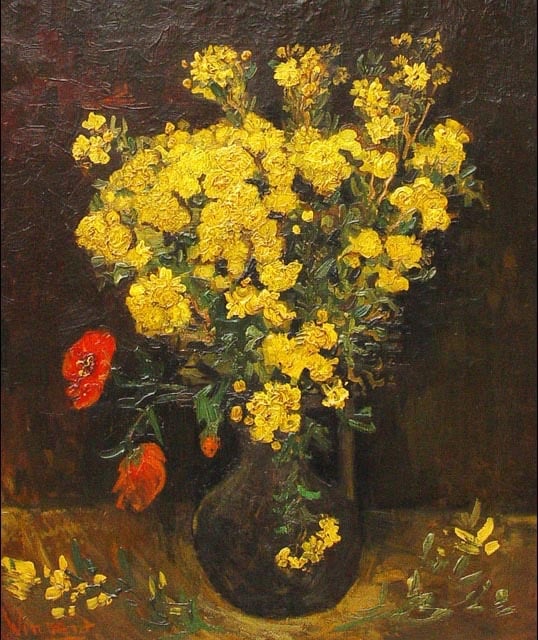
This 1887 Van Gogh painting has the unfortunate distinction of being stolen twice – first in 1977 and then again in 2010 from Cairo’s Mohamed Khalil Museum. During the second theft, the thief pushed a couch against the wall to cut the painting from its frame and walked out of the museum in broad daylight. Egyptian billionaire Naguib Sawiris has offered a $175,000 reward for information leading to the painting’s recovery. The work remains missing, representing one of the few Van Gogh paintings whose whereabouts are completely unknown.
Le Pigeon aux Petits Pois by Pablo Picasso
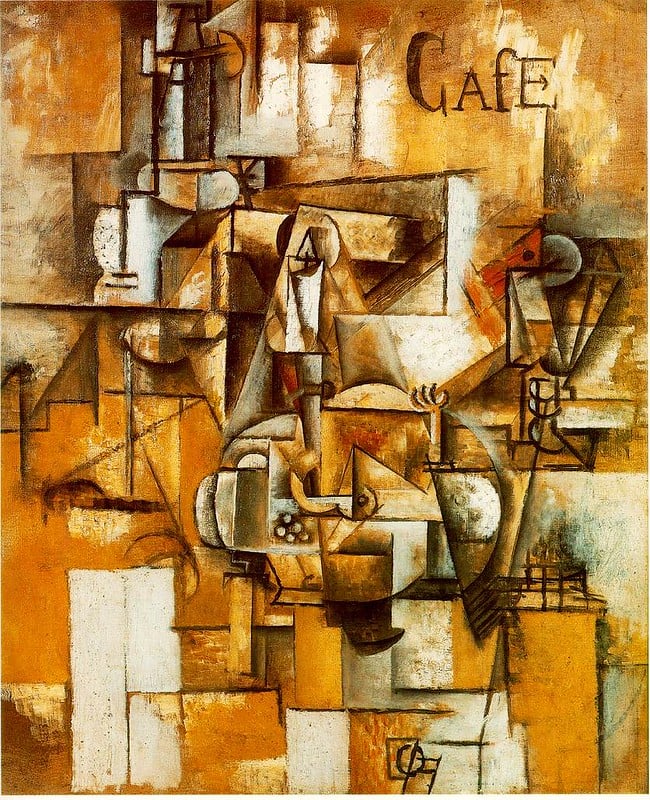
This 1911 Picasso work, also known as ‘The Pigeon with Green Peas,’ was stolen in May 2010 from the Musée d’Art Moderne de la Ville de Paris along with four other masterpieces. The heist was executed by a single person who left only a broken window, smashed padlock, and empty frames as evidence. The arrested thief later claimed he threw the Picasso into a trash can, though this hasn’t been verified. Pablo Picasso holds the record for the artist with the most stolen artworks worldwide, with more than 1,000 of his works reported missing.
View of Auvers-sur-Oise by Paul Cézanne
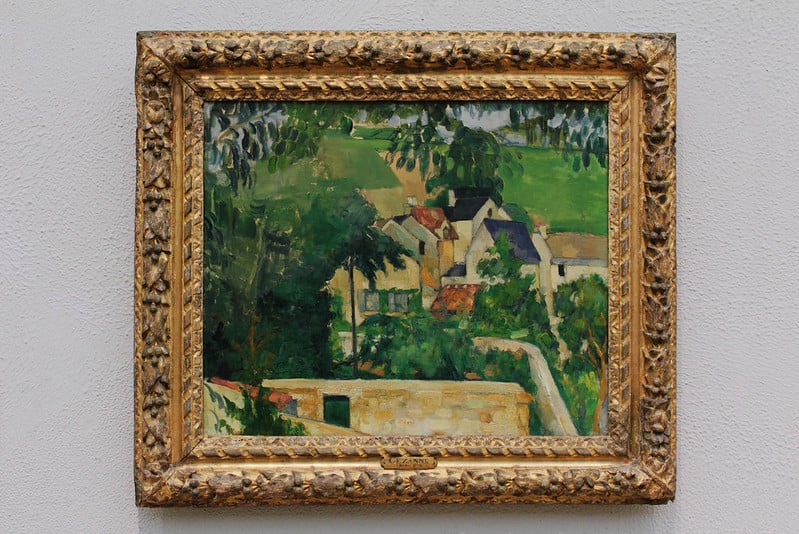
This 1875 painting was stolen from Oxford’s Ashmolean Museum on New Year’s Day 2000 in a dramatic heist that resembled a Hollywood movie. The thief smashed through a skylight, rappelled down a rope, and threw a smoke canister to obscure security cameras before walking out with the $4.8 million painting in under ten minutes. The theft occurred while New Year’s celebrations were taking place throughout the city, providing perfect cover for the operation. The painting has never been recovered, and the thief’s identity remains unknown.
Harlequin Head by Pablo Picasso
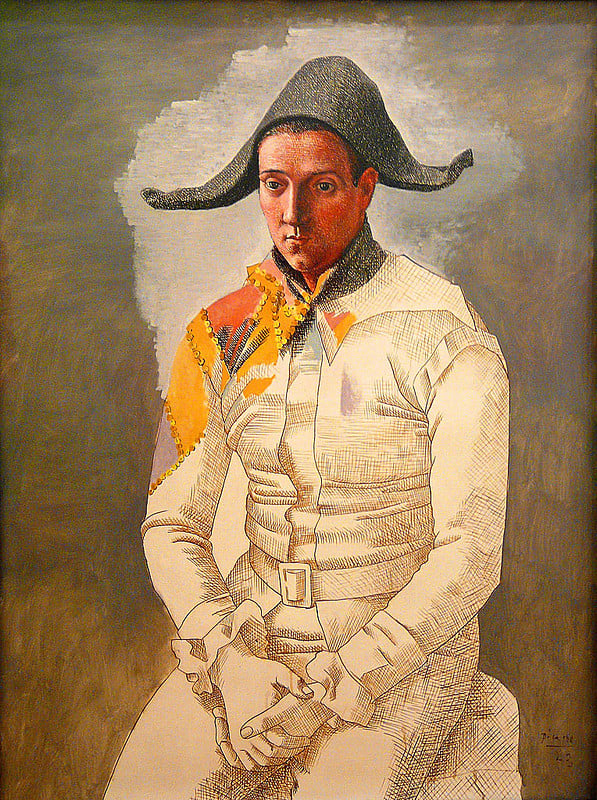
This work featuring Picasso’s distinctive portrayal of a theatrical harlequin was stolen from Rotterdam’s Kunsthal Museum in 2012 alongside other avant-garde masterpieces by Matisse, Monet, and Gauguin. Despite the museum’s state-of-the-art security system, two thieves managed to escape with the paintings before police arrived. In 2013, alleged thieves were arrested in Romania, and the mother of one suspect confessed to burning the paintings in her fireplace to destroy evidence of her son’s crime. If true, this represents one of the most devastating losses of 20th-century art.
Portrait of a Lady by Gustav Klimt

This 1916-17 work by the Austrian master effectively disappeared for over two decades after going missing in 1997 during preparations for an exhibition at Italy’s Galleria d’Arte Moderna in Piacenza. The painting is considered crucial by art scholars because it was the only known work where Klimt painted over an existing composition midway through creating it. The mystery surrounding its disappearance deepened as years passed without any ransom demands or leads. The $60 million painting remarkably resurfaced in December 2019, though the circumstances of its recovery remain unclear.
The Parsonage Garden at Nuenen in Spring by Vincent van Gogh
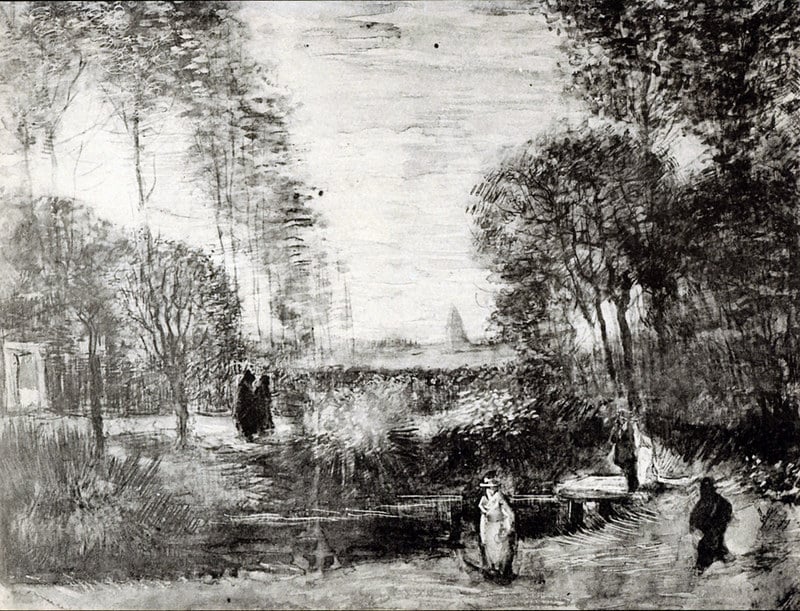
This 1884 Van Gogh was stolen during the COVID-19 pandemic from the Singer Laren Museum in the Netherlands by a thief who used a sledgehammer to break in and bypassed multiple security layers. The timing of the theft during pandemic lockdowns seemed to suggest thieves were taking advantage of the unsettled global situation. The painting had been on loan from the Groninger Museum, making its loss even more significant for Dutch cultural institutions. As of recent reports, Van Gogh remains missing despite ongoing investigations.
Woman Reading a Letter by Gabriel Metsu
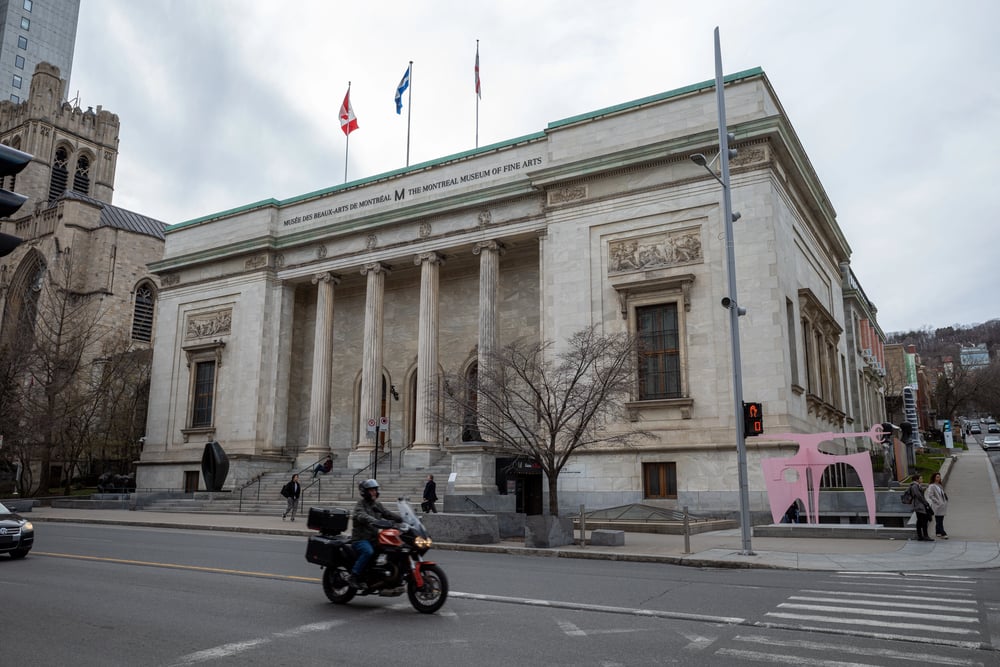
— Photo by KarlssonPhoto
This 17th-century Dutch Golden Age painting was among the works stolen during the massive Montreal Museum of Fine Arts heist in 1972. Thieves entered through a skylight at 2 a.m., bound and gagged three guards, and made off with 39 jewelry objects and 18 paintings worth $2 million at the time. The heist took just 30 minutes, and none of the 57 stolen items have ever been recovered, making it the largest art theft in Canadian history. By 2003, experts estimated the stolen Rembrandt alone was worth 20 times its 1972 value, suggesting the total haul could now be worth hundreds of millions.
Young Girl at a Window by Rembrandt
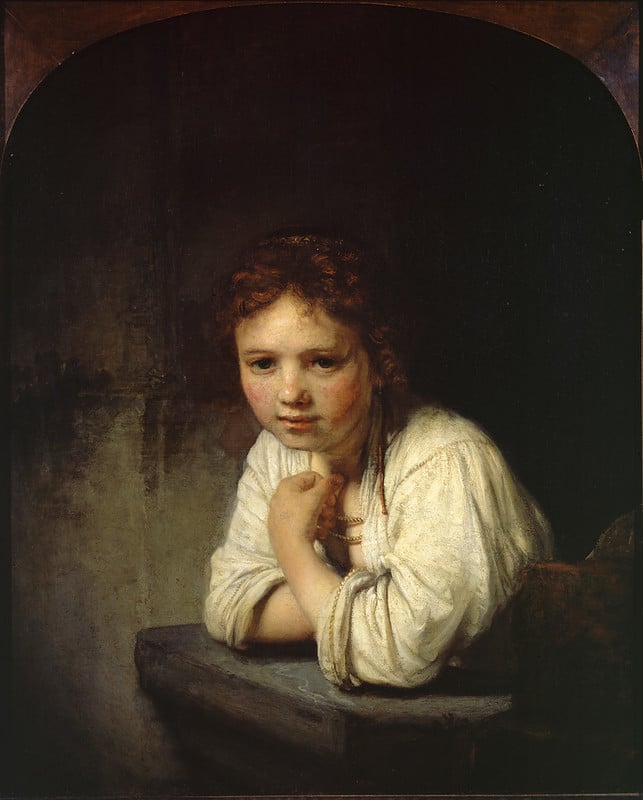
This 1645 Rembrandt was among eight paintings stolen from London’s Dulwich Picture Gallery on New Year’s Eve 1966, when thieves drilled through a rarely used 30×60 cm door to avoid the alarm system. The small door size limited what could be stolen, forcing thieves to select only smaller works or remove paintings from their frames. At the time, the stolen artworks had a combined value of at least £7 million. While this painting was eventually recovered along with the others from that heist, the incident demonstrated how even world-class museums could be vulnerable to determined criminals.
Three Graces by Peter Paul Rubens
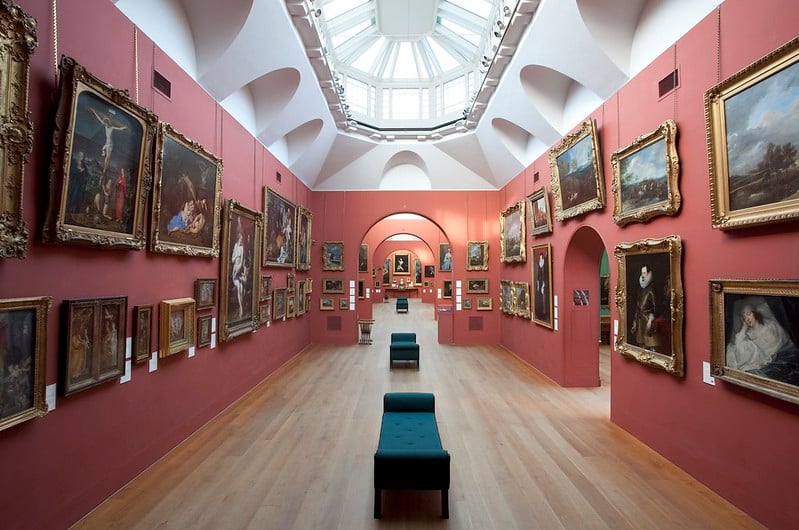
This baroque masterpiece depicting the mythological three graces was also taken during the infamous 1966 Dulwich Picture Gallery heist. The thieves showed remarkable art knowledge in their selection, choosing works by masters including Rubens, Rembrandt, Gerrit Dou, and Adam Elsheimer. Detective Superintendent Charles Hewett led the investigation that eventually recovered the paintings. The theft highlighted the vulnerability of even prestigious institutions and led to significant security upgrades at museums worldwide.
The Enduring Mystery

Art theft continues to fascinate because it represents the collision between priceless culture and criminal ambition. Only about 10% of stolen art is ever recovered, meaning hundreds of masterpieces remain lost to the world. These thefts don’t just rob institutions of valuable objects – they deprive humanity of irreplaceable cultural treasures that took centuries to create but can disappear in minutes. While security technology has advanced dramatically since the early heists, determined criminals continue to find new ways to target the world’s artistic heritage, ensuring that the cat-and-mouse game between thieves and guardians will continue for generations to come.
More from Go2Tutors!

- 16 Historical Figures Who Were Nothing Like You Think
- 12 Things Sold in the 80s That Are Now Illegal
- 15 VHS Tapes That Could Be Worth Thousands
- 17 Historical “What Ifs” That Would Have Changed Everything
- 18 TV Shows That Vanished Without a Finale
Like Go2Tutors’s content? Follow us on MSN.



