28 Board Games Families Played Nightly Before Screens Took Over
A family game night used to mean clearing the dining table, unfolding a cardboard board, and settling in for an hour or two with no plug, no login, and no way to pause. The games themselves ranged from pure luck to genuine strategy, but nearly all of them demanded that everyone sit in the same room at the same time, which is the part modern entertainment quietly gave up.
Monopoly
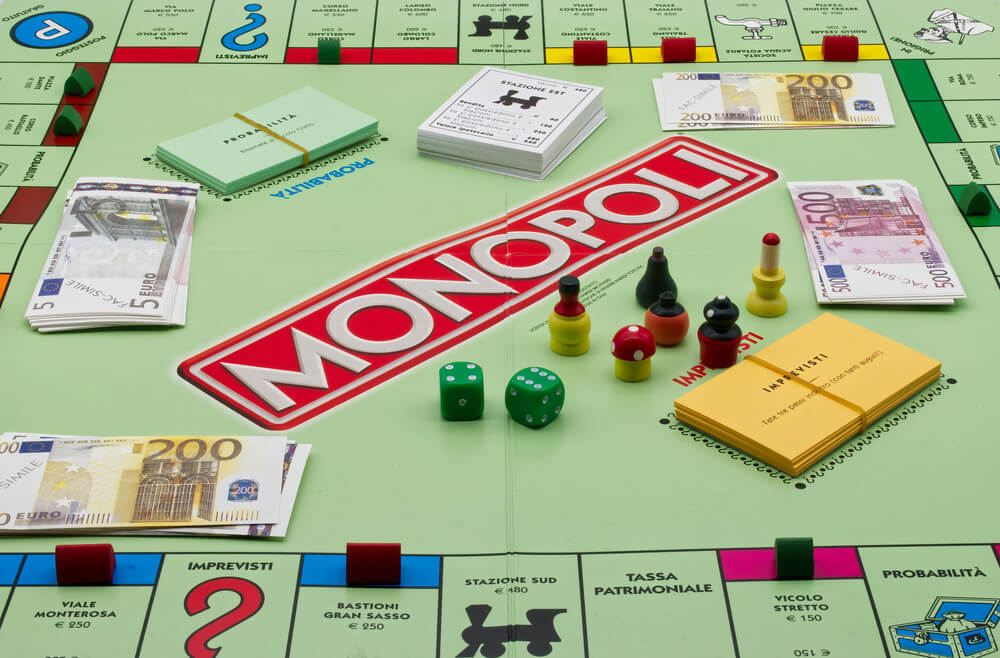
Parker Brothers began mass-marketing this property-trading game in 1935, and it became the dominant American board game for decades, teaching generations of kids the basics of buying, selling, and going broke. Games routinely stretched past two hours, and arguments over house rules, particularly the unofficial “free parking jackpot,” became as much a tradition as the game itself.
The Game of Life
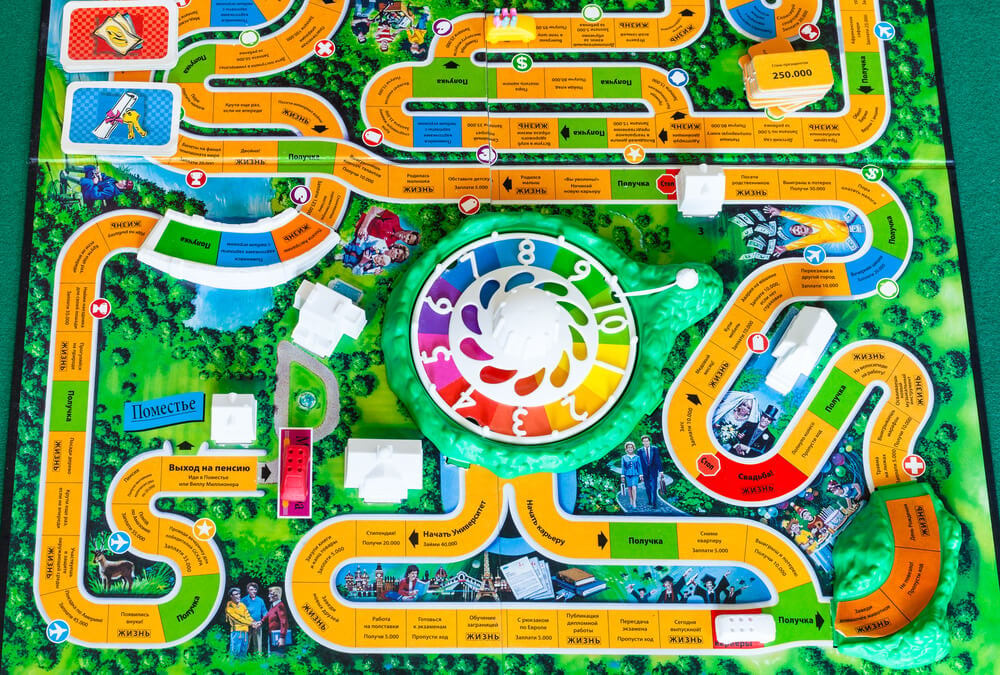
Milton Bradley released a modern version of this game in 1960, sending plastic peg-people cars along a spinner-driven path through college, careers, marriage, and retirement. Its simulation of major life milestones, including mortgages and children, made it a rare board game built explicitly around long-term decision-making rather than direct competition.
Risk
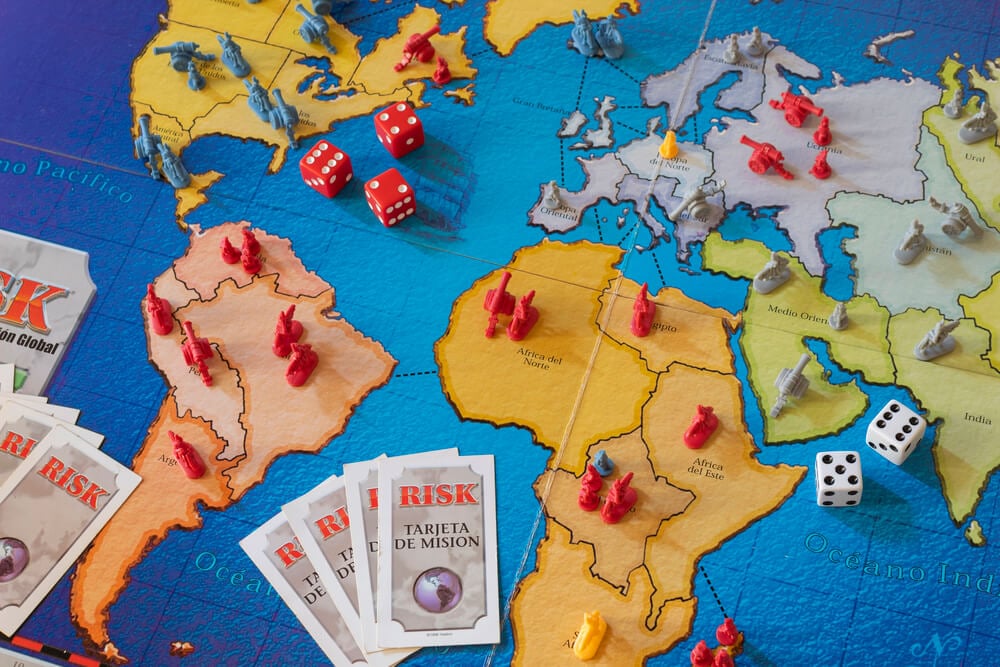
Parker Brothers published this world-conquest strategy game in 1959, giving players armies to move across a map divided into continents and territories. A single game could run for hours, since eliminating an opponent required grinding through dice-based territory battles rather than a quick win condition.
Clue
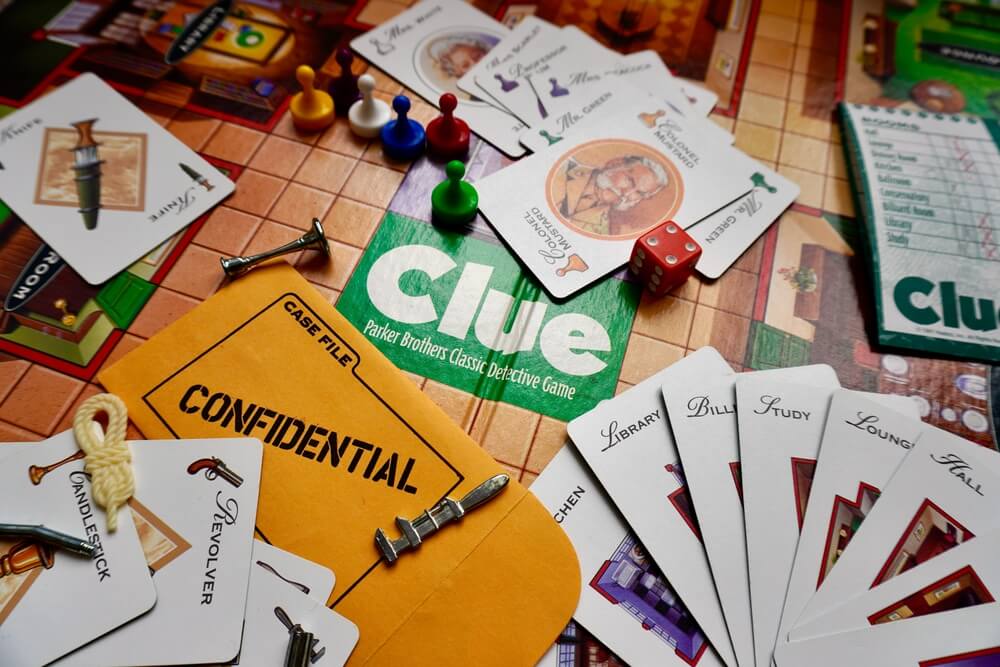
Waddingtons first published this murder-mystery deduction game in England in 1949, later bringing it to the United States as Clue. Players moved through rooms of a mansion collecting clues to eliminate suspects, weapons, and locations until only one combination remained possible.
Trouble
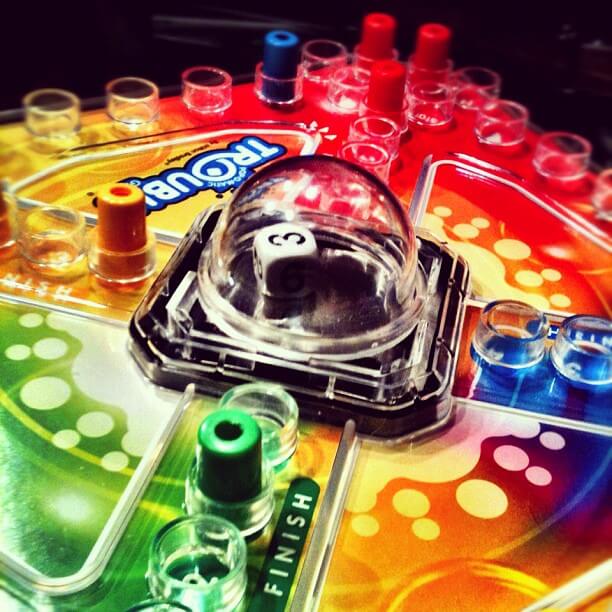
Kohner Bros. introduced this racing game built around the Pop-O-Matic, a plastic dome that let players roll a die by pressing down on it rather than shaking dice by hand. The mechanism’s distinctive popping sound became as recognizable as any gameplay element in the box.
Operation
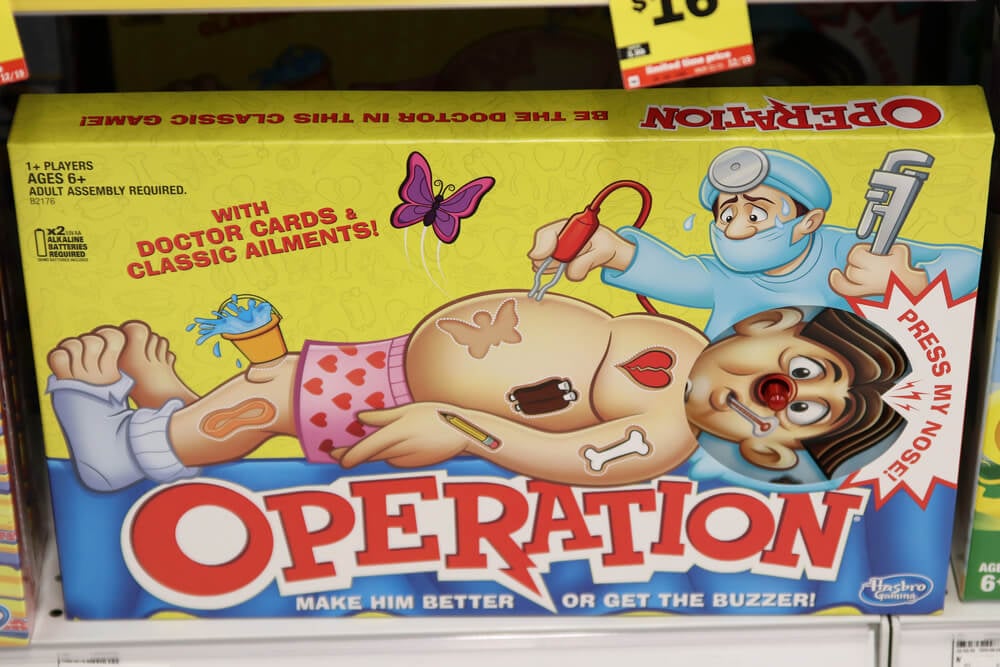
Milton Bradley released this game in 1965, challenging players to remove plastic ailments from a cartoon patient using tweezers without touching the metal edges of the cavity. Touching the sides triggered a buzzer and lit the patient’s nose, a jarring jolt of feedback that made it one of the more physically tense games on any family’s shelf.
Connect Four

Milton Bradley trademarked the name Connect Four in 1974, turning a vertical grid and dropped colored discs into a fast two-player strategy game. Unlike most games on this list, a single round could finish in minutes, making it a common quick-play option between longer game sessions.
Trivial Pursuit
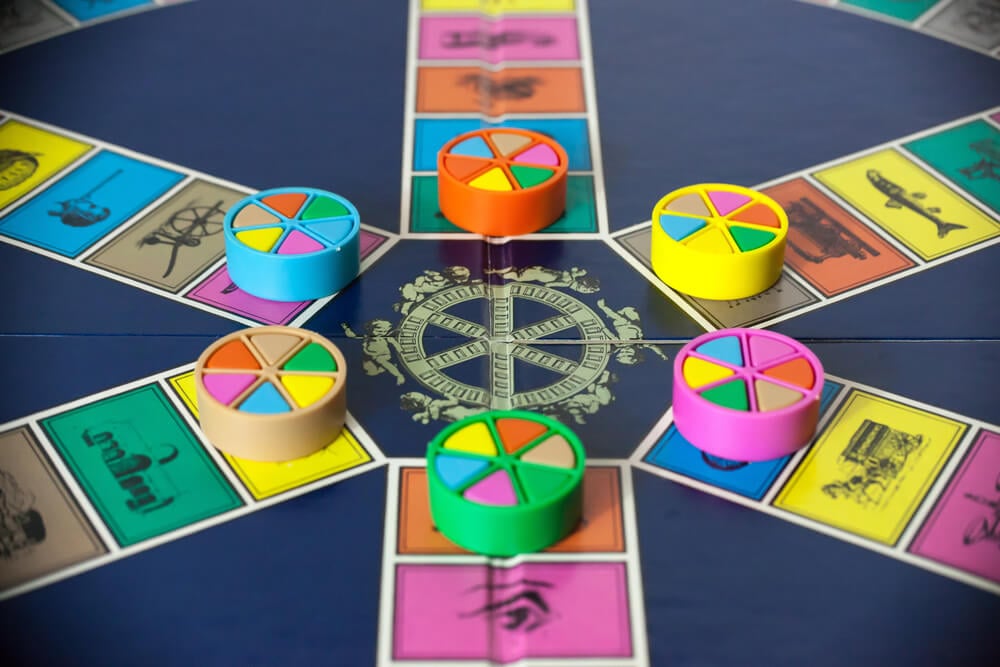
Canadian creators Chris Haney and Scott Abbott developed this trivia game, and it became a massive hit in the United States after its 1982 release, with the Genus Edition alone selling tens of millions of copies through the decade. Its six-category wedge system made it one of the first mainstream games built for mixed-age adult and teen play rather than primarily children.
Scrabble
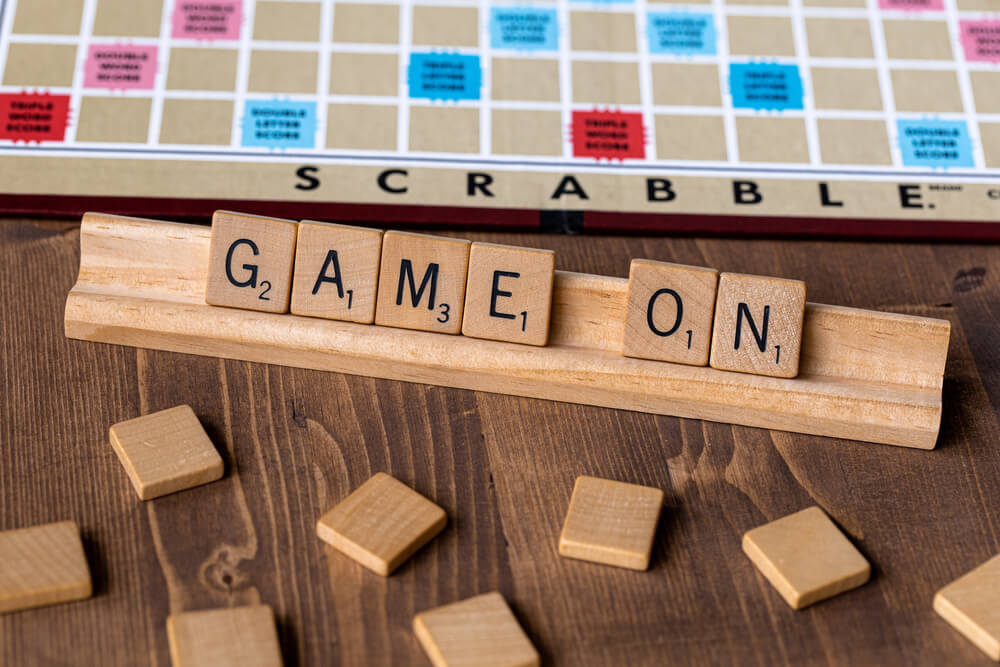
Architect Alfred Mosher Butts developed the word-tile game originally called Criss-Cross in 1931, and it was renamed Scrabble and commercially marketed by James Brunot starting in 1948. Its combination of vocabulary and strategic tile placement made it one of the few games on this list still commonly credited with genuine educational value.
Chutes and Ladders
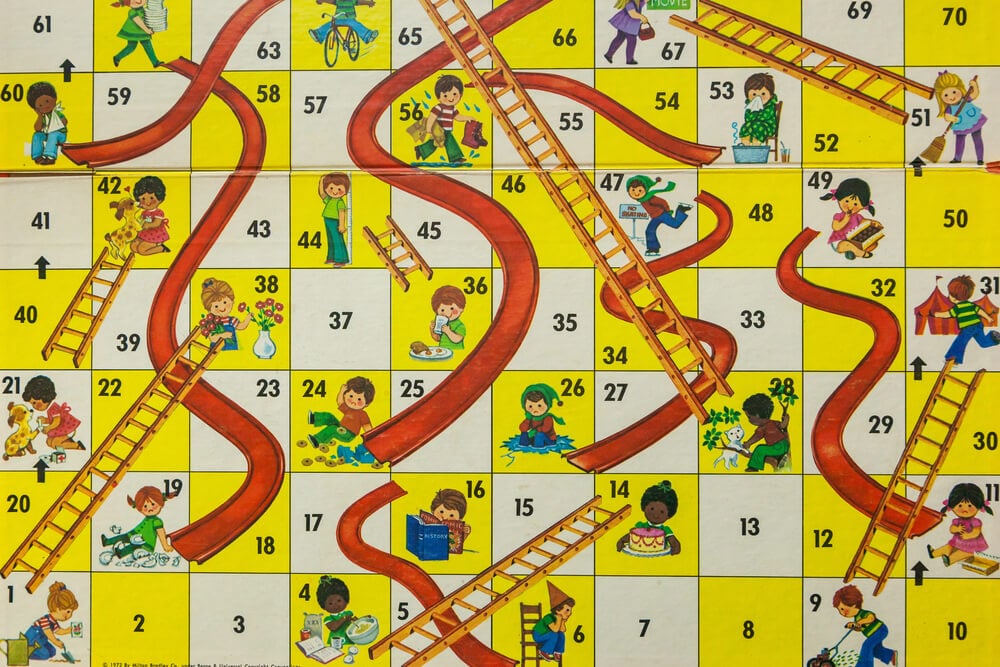
Milton Bradley published the American version of this game in 1943, adapting it from a much older Indian game called Snakes and Ladders. Its pure reliance on spinner luck, with no strategic decisions at all, made it one of the earliest board games young children could play competitively against adults.
Perfection
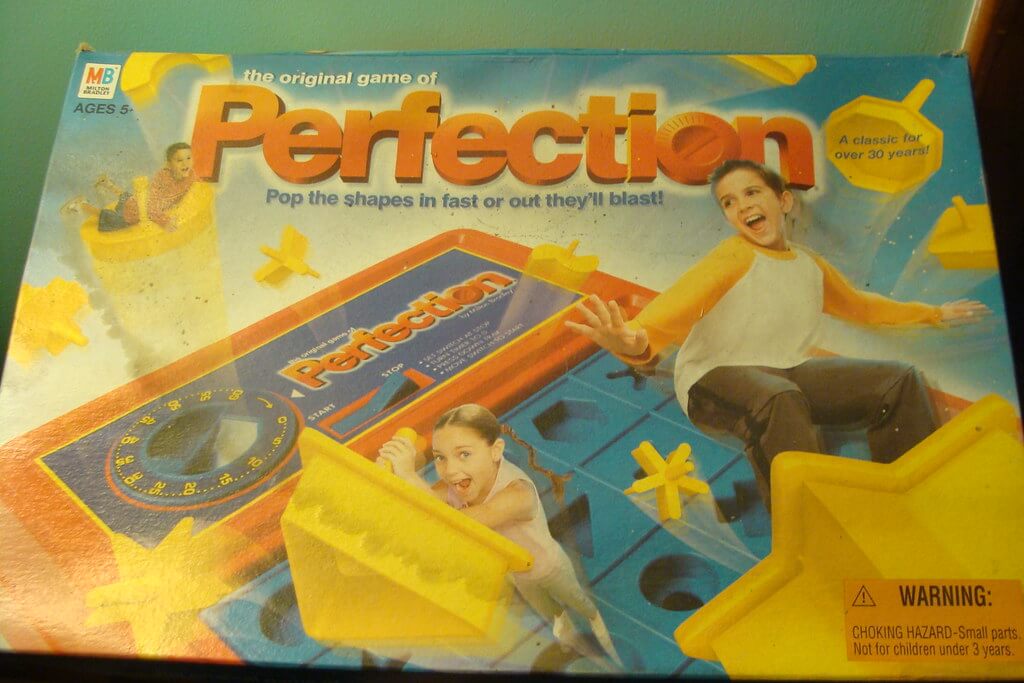
Lakeside released this game in 1970, giving players a strict time limit to fit twenty-five oddly shaped plastic pieces into matching board slots before a spring-loaded mechanism popped them all back out. The looming pop made it one of the few board games built around induced anxiety as its central mechanic.
Sorry!
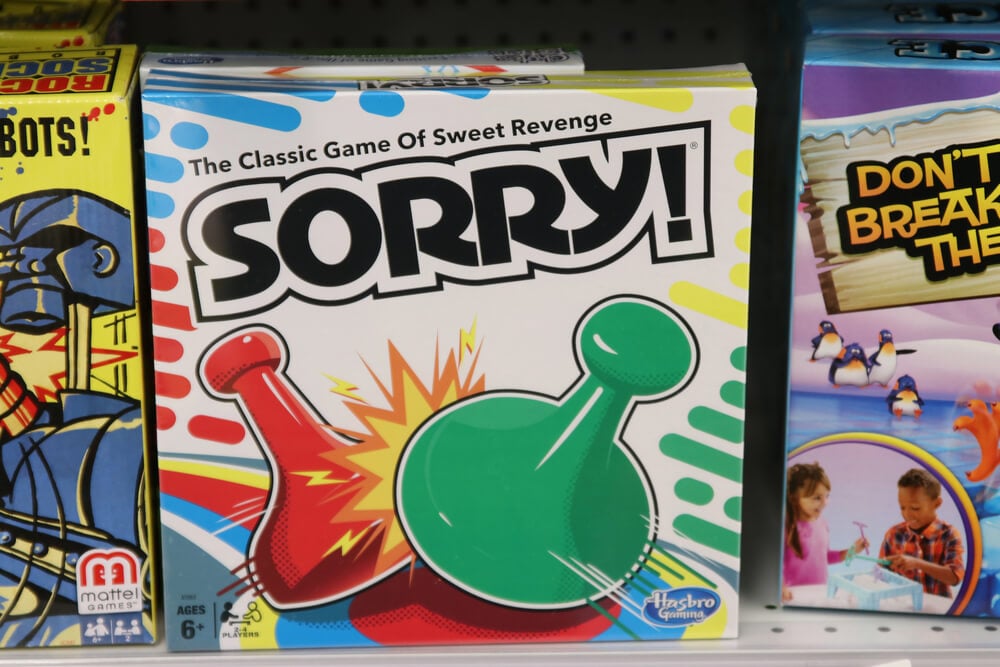
Parker Brothers published this pursuit-style racing game, sending pawns around a track using cards instead of dice, with the ability to send opponents’ pieces back to start. The card-based movement, rather than dice rolls, distinguished it from similar racing games of the era.
Battleship
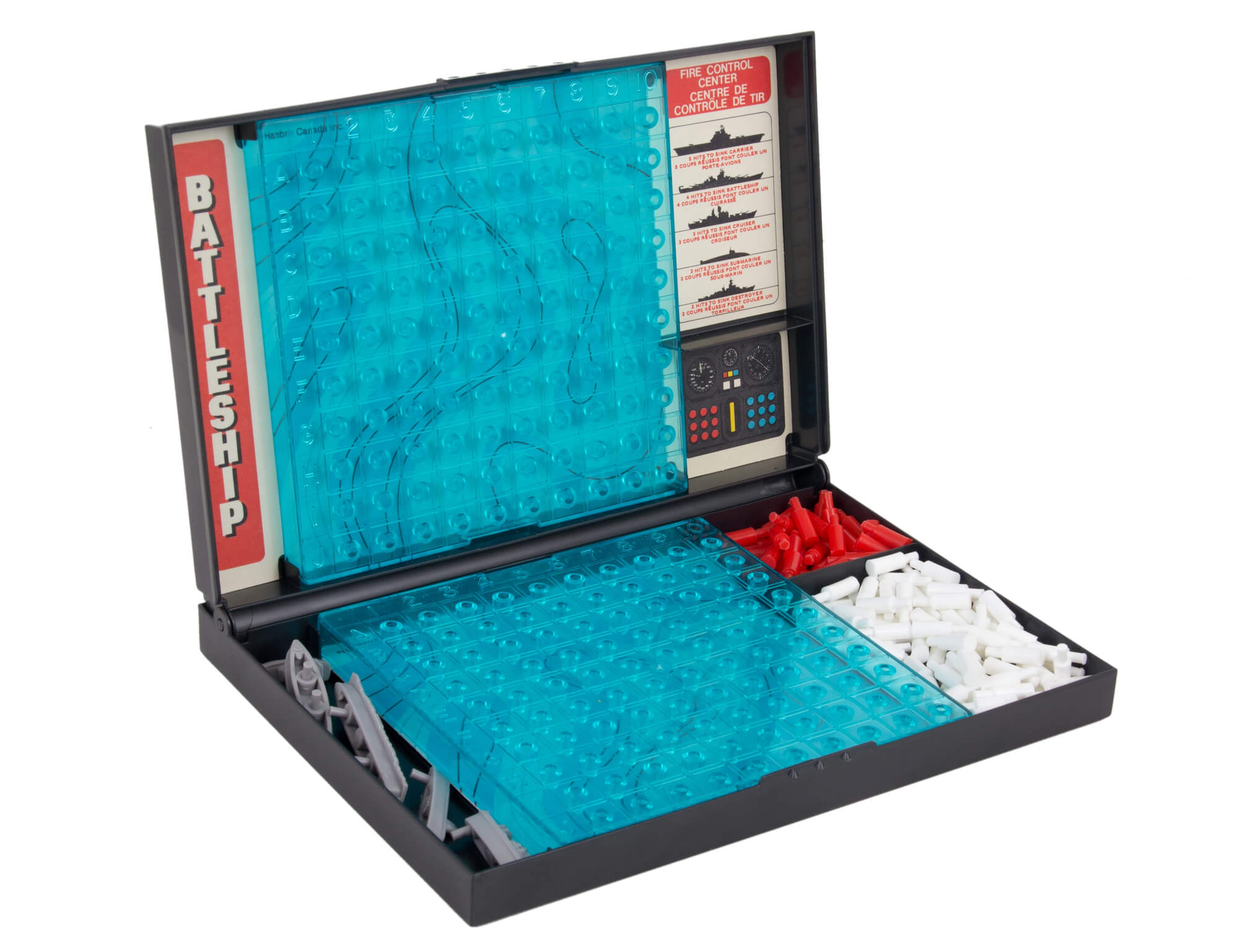
Milton Bradley released the plastic grid version of this naval guessing game in 1967, based on a paper-and-pencil game with roots going back decades earlier. Each player hid a fleet on a hidden grid and called coordinates blind, a format that later directly influenced early video game adaptations.
Candy Land
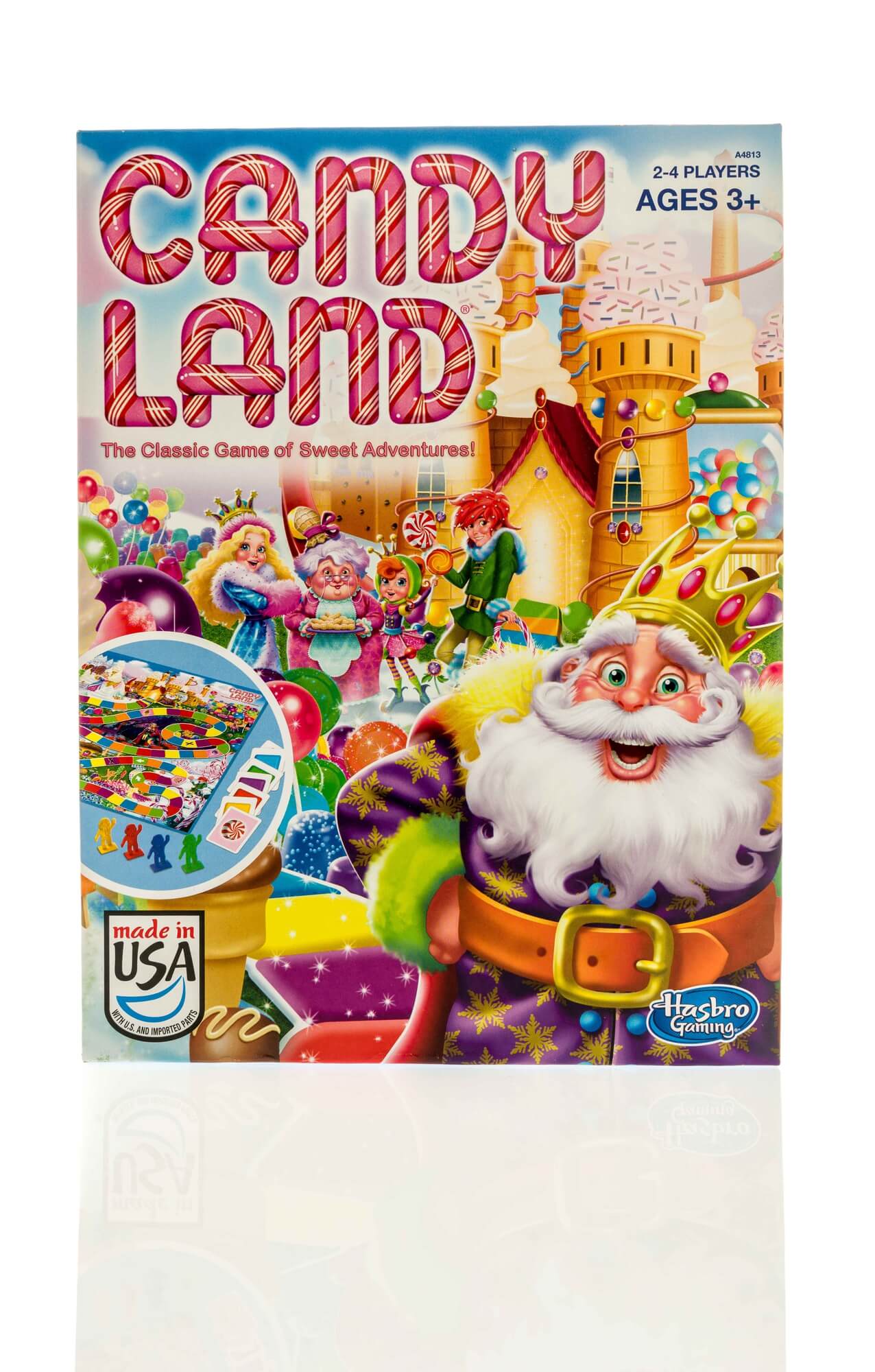
Milton Bradley published this game in 1949, designed originally by Eleanor Abbott for children recovering in polio wards who needed a game requiring no reading ability. Its reliance purely on drawing colored cards made it one of the first board games playable by preschoolers without adult help.
Yahtzee
E.S. Lowe acquired and began marketing this dice game in 1956, based on a private game reportedly invented by a Canadian couple for friends aboard their yacht. Its simple five-dice scoring system made it a common late-night game for adults after kids had gone to bed.
Mouse Trap
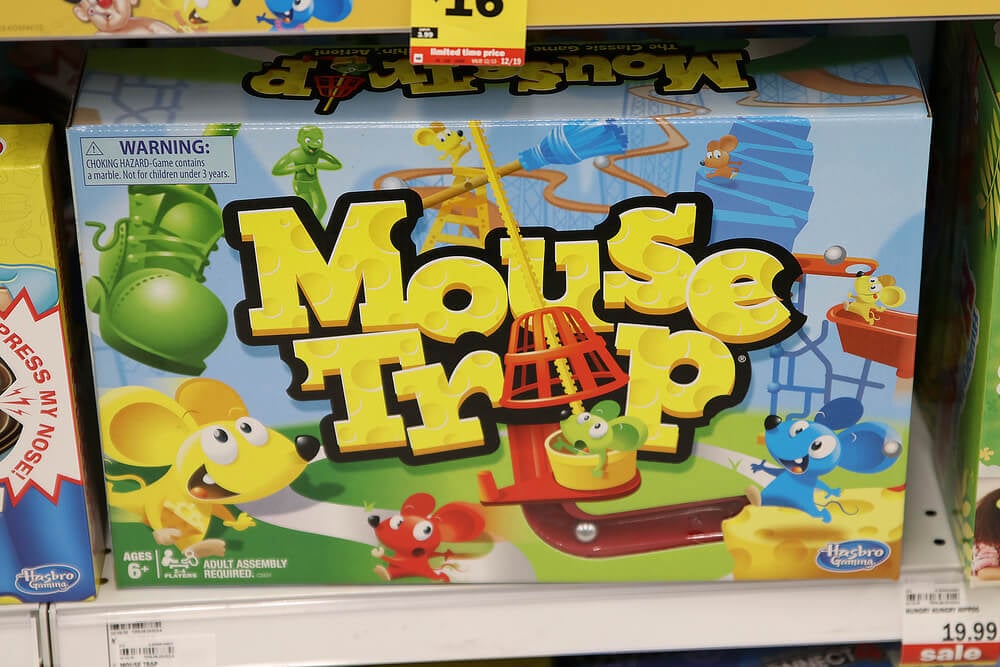
Ideal Toy Company released this game in 1963, built around a working Rube Goldberg-style contraption players assembled piece by piece over the course of the game. Once completed, the trap itself rarely worked reliably, which became part of the game’s appeal rather than a flaw.
Mystery Date
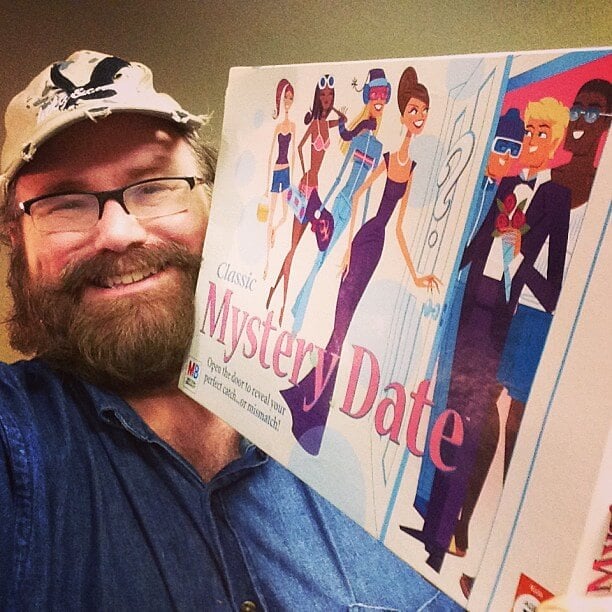
Milton Bradley released this game in 1965, centering on a plastic door that revealed either a desirable date or an embarrassing “dud” when opened. Its explicitly dating-themed premise made it a clear product of its era, and it fell out of production as its central concept aged poorly with changing social norms.
Guess Who?
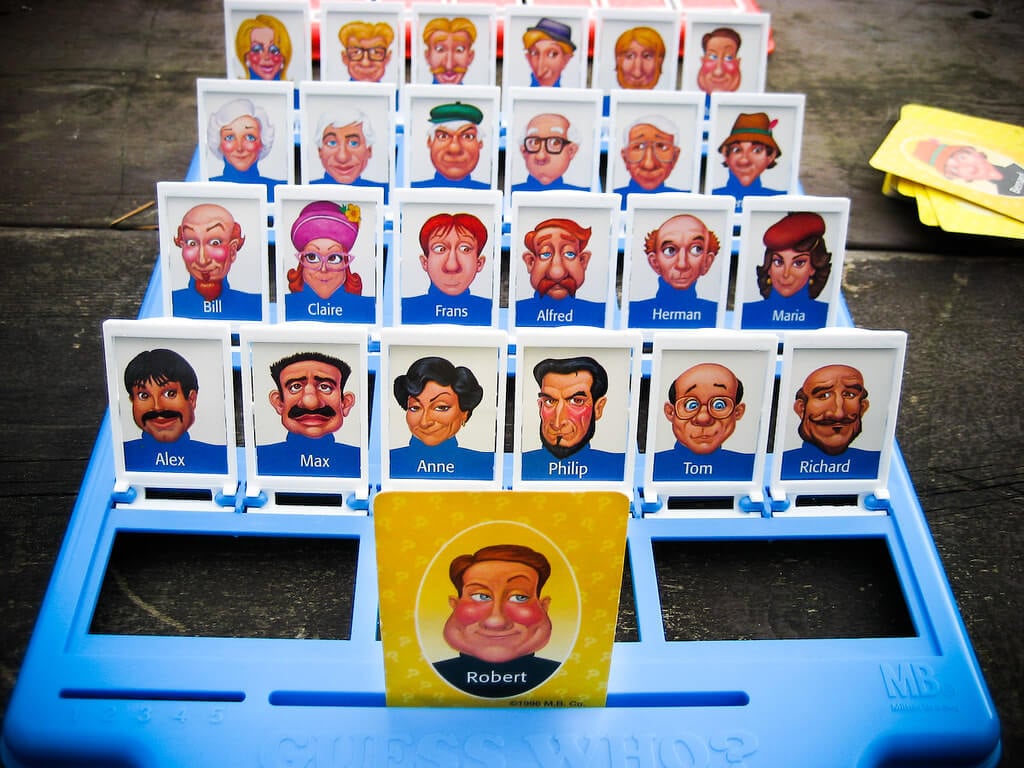
Milton Bradley released this two-player guessing game in 1979, having players eliminate character cards by asking yes-or-no questions about physical features until only one remained. Its simple deduction format made it accessible to much younger players than most strategy games of the same period.
Aggravation
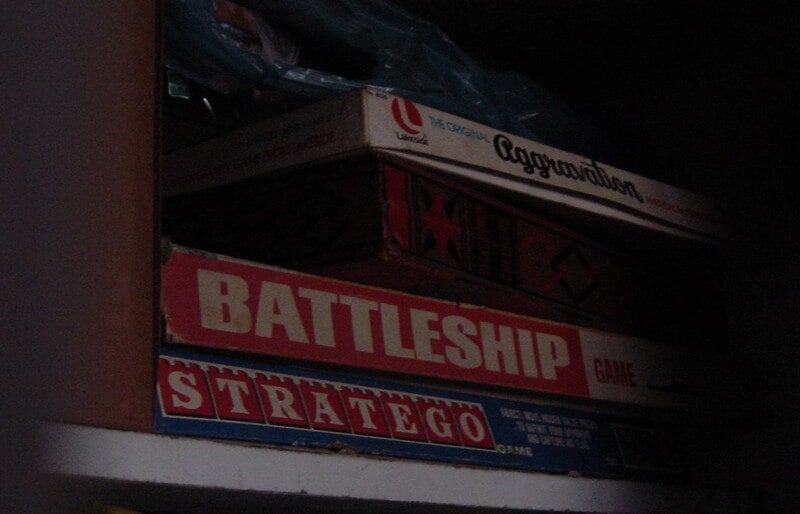
Lou Toy Company introduced this marble-racing game in 1962, combining elements of Parcheesi with a star-shaped board and dice rolls. Its four-to-six player format made it a common choice for larger extended-family gatherings rather than smaller weeknight games.
Boggle
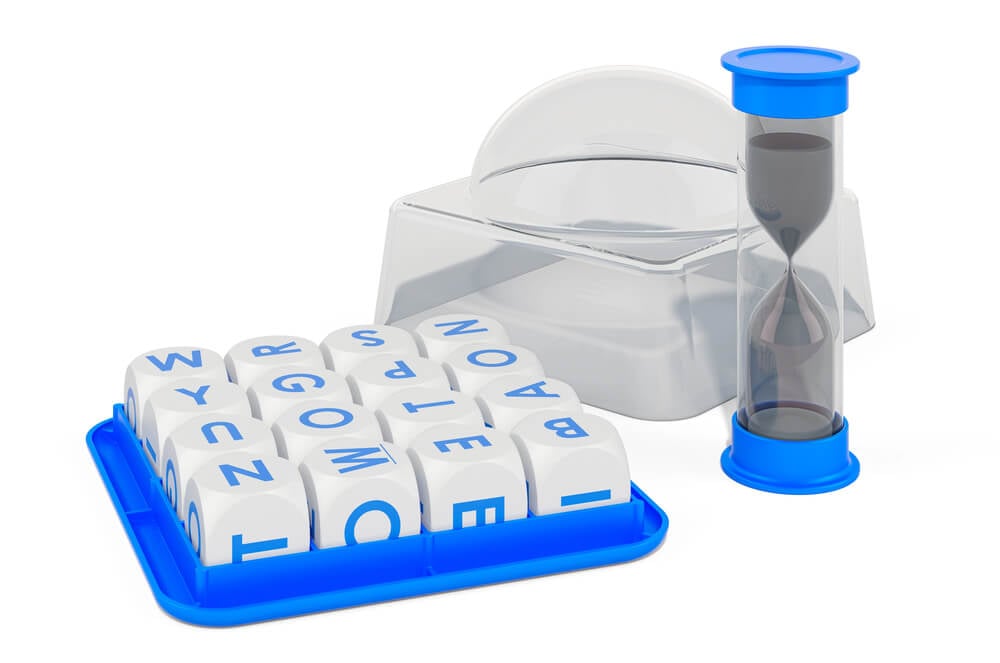
Parker Brothers released this word-finding game in 1972, using a shaken grid of lettered dice under a timed sand-timer to force players to spot words in a scrambled layout. Its short, timed rounds made it a common filler game played multiple times back-to-back in a single sitting.
Masterpiece
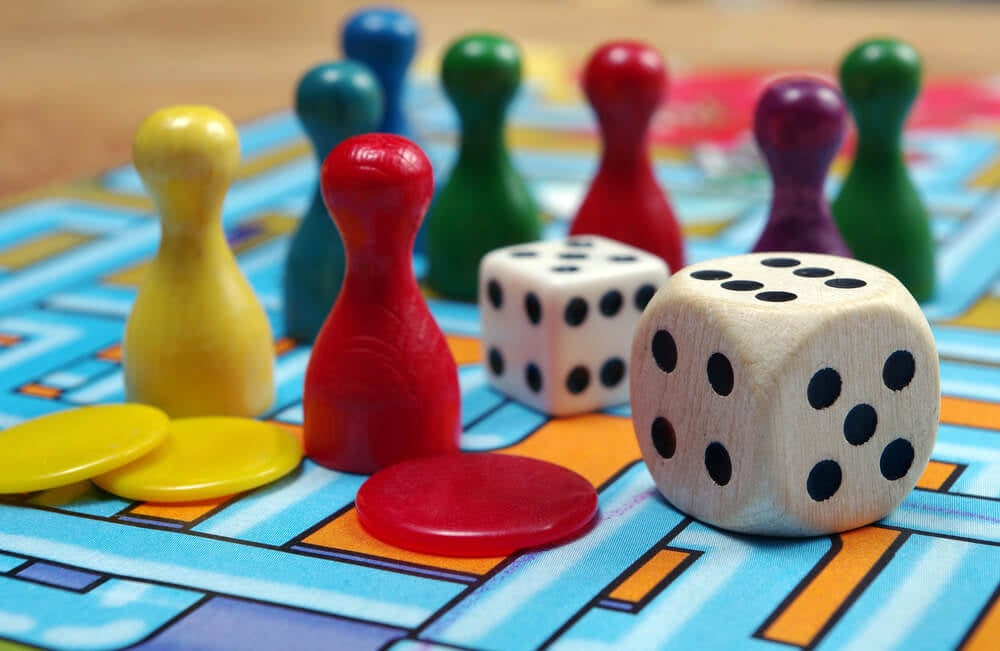
Parker Brothers published this art-auction game in 1970, having players bid on reproductions of famous paintings, some of which were secretly forgeries revealed only at the end. It stood out among family games for centering its entire mechanic on bluffing and market speculation rather than dice or cards.
Stratego
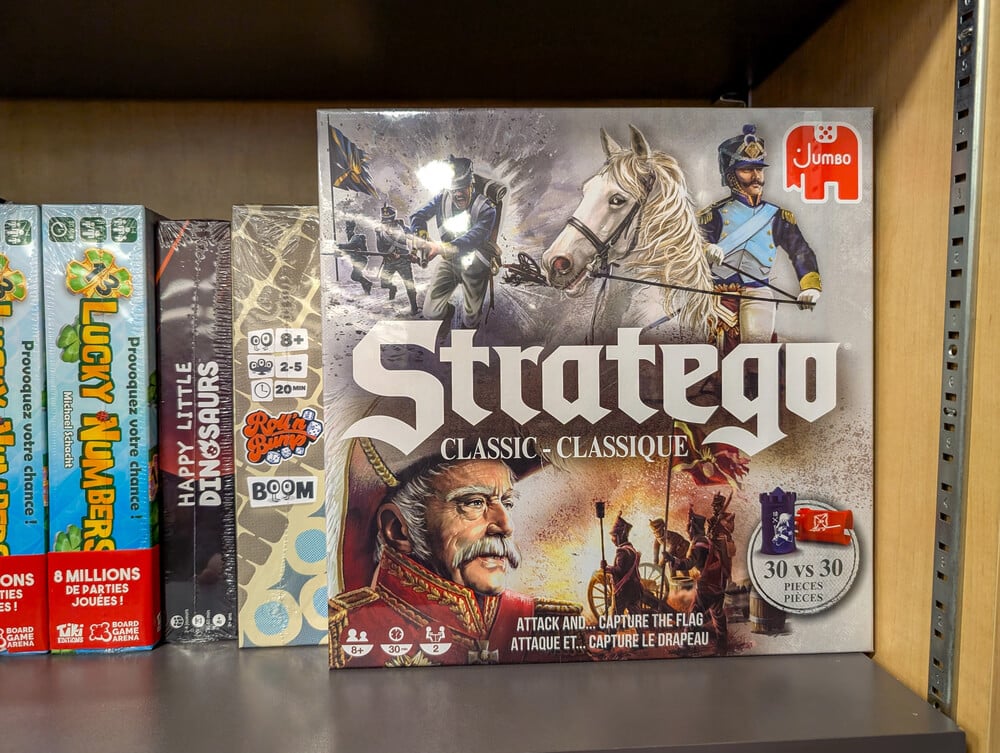
Milton Bradley began marketing the American version of this game in 1961, giving each player a hidden army of ranked pieces to maneuver and capture across a board with no dice involved at all. Its reliance on memory, bluffing, and strategic deployment made it one of the more demanding games commonly found in family game closets.
Mystery Mansion

A 1983 board game built its play around a modular, expandable mansion layout that players physically assembled differently each round while searching for a hidden treasure. The changing board configuration was considered ahead of its time for a mainstream family game of that decade.
Payday
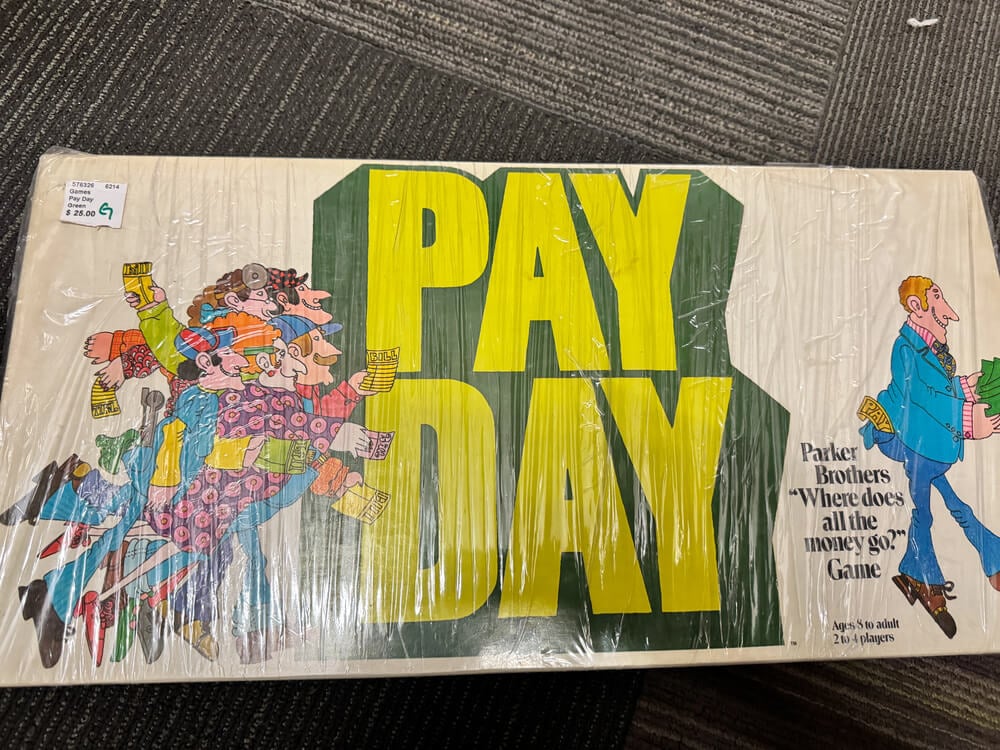
Parker Brothers released this game in 1975, simulating a monthly household budget as players managed bills, mail, and unexpected expenses across a calendar-shaped board. Its explicit focus on budgeting mechanics gave it a more grounded, less fantastical premise than most competing games of the era.
Rack-O
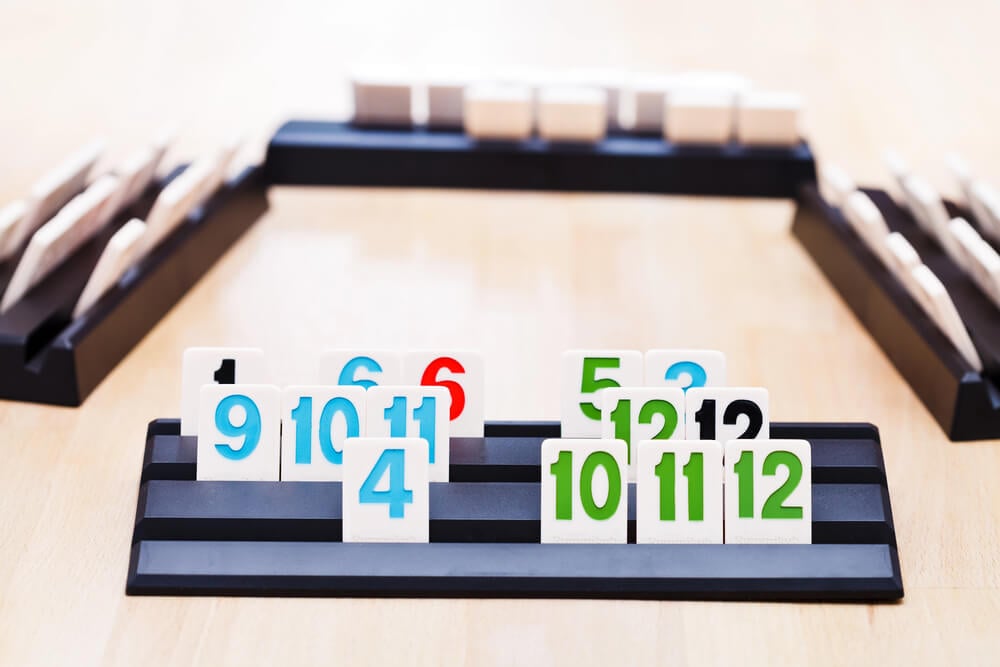
Milton Bradley published this numbered-card game in 1956, challenging players to arrange cards in ascending order in a plastic rack faster than their opponents. Its quick round length made it a common choice for filling short gaps between other, longer games during a family game night.
Careers

Parker Brothers released this game in 1955, letting players define their own version of success by choosing a personal mix of fame, wealth, and happiness points to pursue before the game even began. That built-in customization made it unusual among period board games for not defining a single fixed win condition.
Password
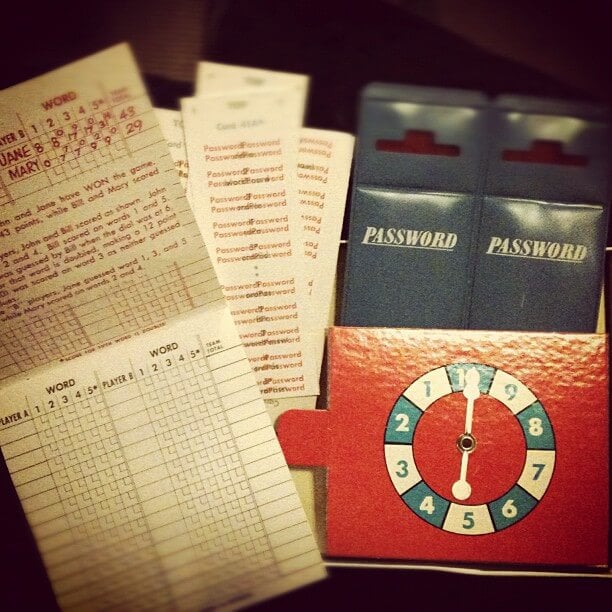
Based on the television game show of the same name, a home board game version let players give one-word clues to help a partner guess a secret word before the opposing team did. Its direct tie to a widely watched TV format made it one of several games in this era explicitly designed to extend a broadcast show into the living room.
Pictionary
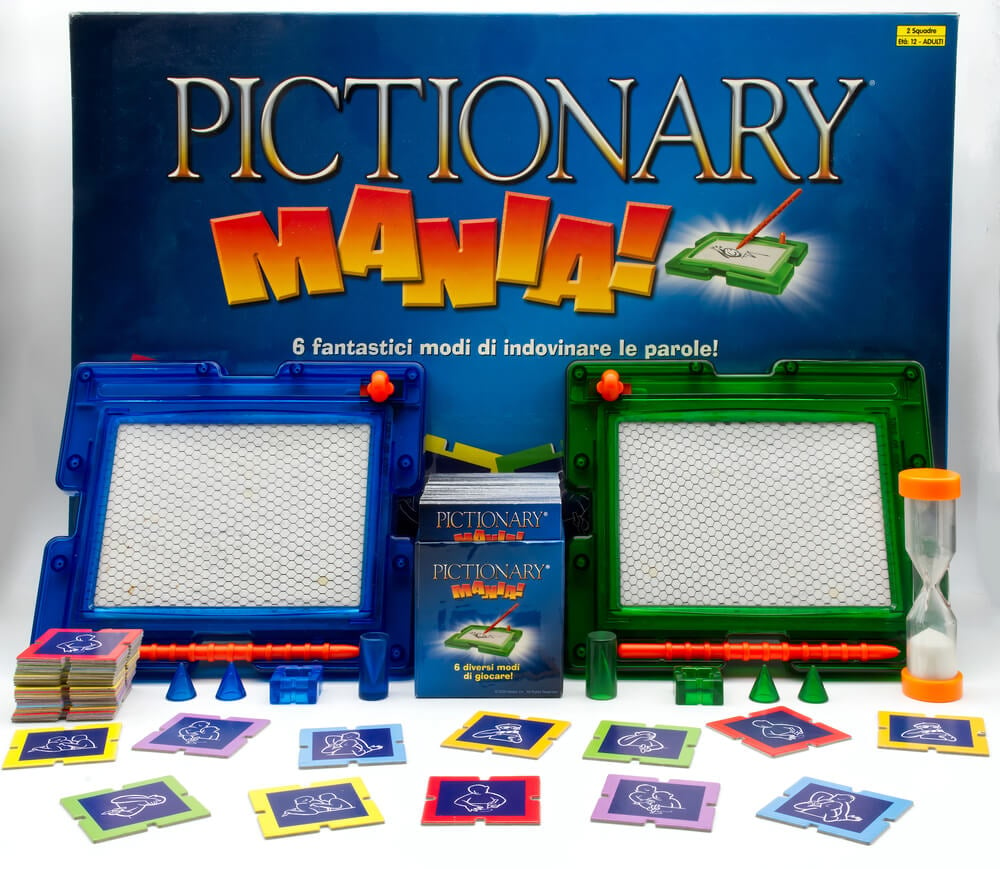
Games Gang Ltd. released this drawing-and-guessing game in 1985, and it quickly became a bestseller by combining team play with fast, chaotic sketching under a timer. Its combination of physical drawing and constant laughter made it one of the last major hits in this style of game before video game consoles began dominating family entertainment budgets.
The Furniture Rearranged for a Winner Take All Night
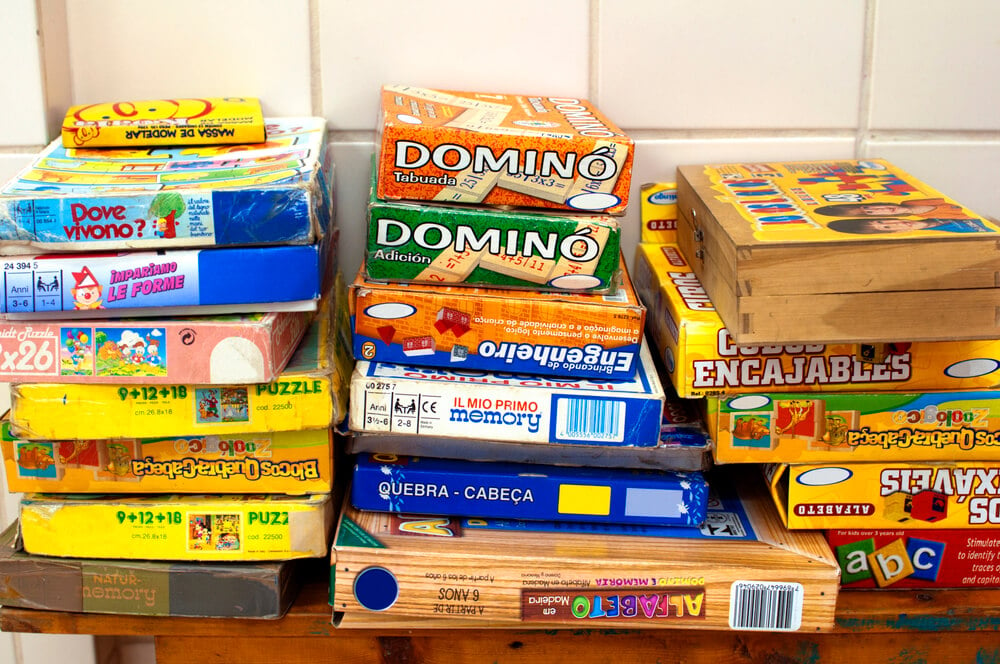
None of these games required anything beyond a table, a few hours, and enough people willing to sit still. That constraint, more than any single rule set, is what made game night function as a family ritual rather than just another form of entertainment; everyone had to show up and stay for the whole thing, with no way to step away and rejoin later without losing their spot.
What replaced them wasn’t necessarily better entertainment, just entertainment that didn’t require coordination. A video game or a streaming show doesn’t need four family members to agree on a night, sit through someone’s slow turn, or argue over whether landing exactly on Free Parking earns a jackpot.
That argument, as much as any actual gameplay, was the point.
More from Go2Tutors!

- The Romanov Crown Jewels and Their Tragic Fate
- 13 Historical Mysteries That Science Still Can’t Solve
- Famous Hoaxes That Fooled the World for Years
- 15 Child Stars with Tragic Adult Lives
- 16 Famous Jewelry Pieces in History
Like Go2Tutors’s content? Follow us on MSN.