26 Vintage Kitchen Items Resellers Grab First
A kitchen box at an estate sale usually gets picked through fast, and most of what disappears first is not the obvious cookware. Resellers who know this category are working through mixing bowls and utensils looking for specific brands, specific finishes, and specific mechanisms that a casual shopper walks right past.
Enamelware Canister Sets in Complete Runs
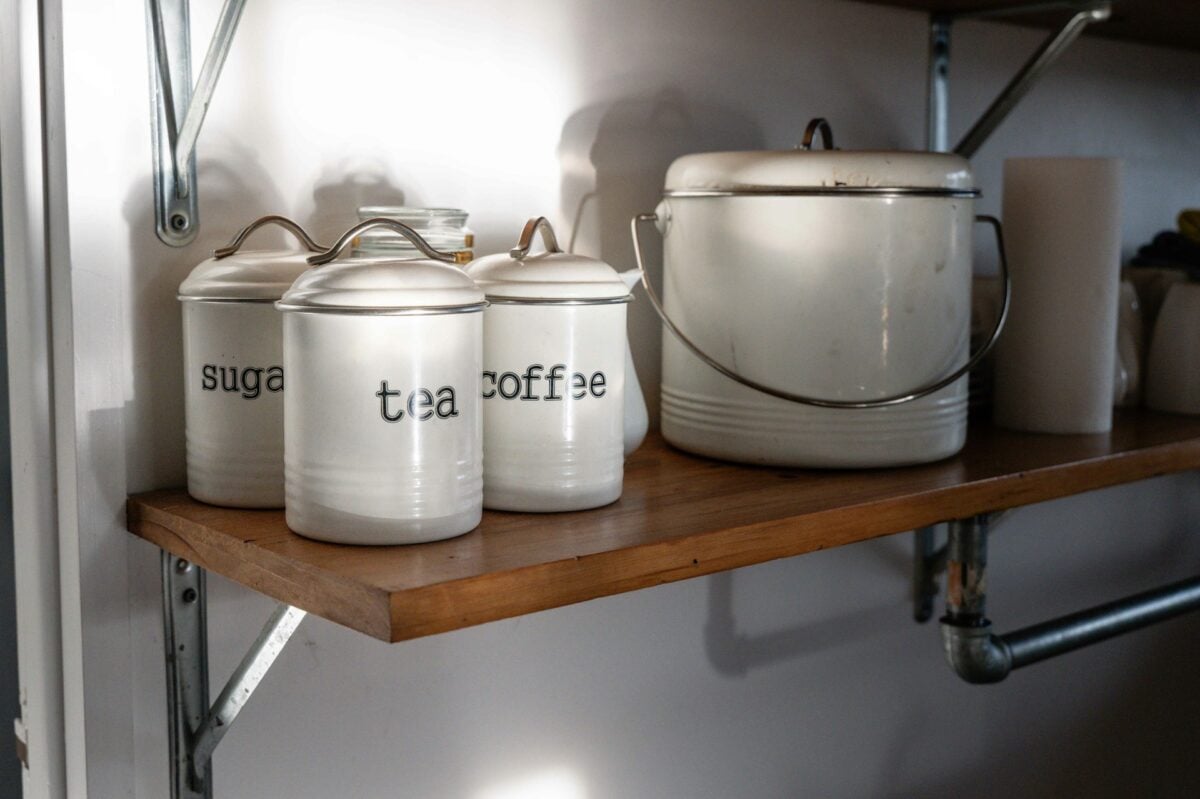
Painted metal canister sets from the early to mid twentieth century, typically labeled for flour, sugar, coffee, and tea, are worth considerably more as a complete matched set than as individual pieces, since sets were frequently broken up over decades of use.
A set with the original stenciled lettering still legible and enamel free of major chipping is the target condition, and resellers check the lid seals for rust that suggests moisture damage rather than just surface wear.
Hand-Crank Coffee Grinders With Original Drawers
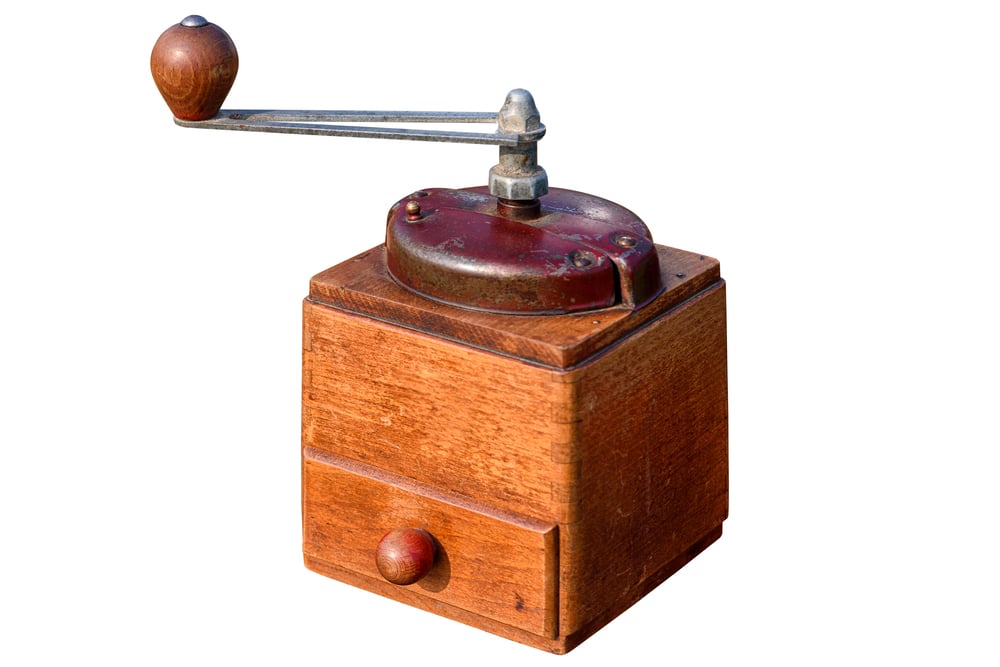
Wall-mounted and countertop hand-crank coffee grinders, built with a small drawer to catch the ground coffee, are searched for both by kitchen collectors and by coffee enthusiasts who still use them for genuine hand-ground coffee. A grinder missing its original drawer loses considerable value, since replacement drawers are rarely a correct fit.
A smoothly turning crank mechanism without excessive play in the grinding burrs is the functional check that matters most.
Kitchen Scales With Original Weight Sets
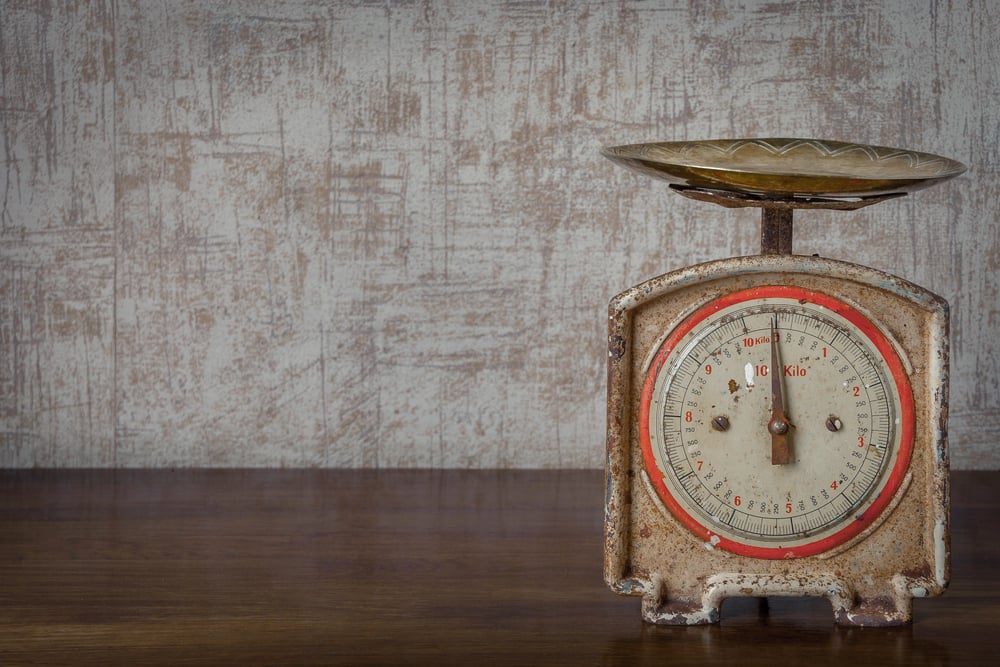
Balance and spring scales built for kitchen use, particularly ones that came with a matched set of small weights for precise measurement, are searched for by both collectors and bakers who prefer the tactile accuracy of a mechanical scale over a digital one.
A scale missing its weight set is judged far more harshly than one with the full set intact, and rust on the weighing pan is a common but manageable defect.
Cookie Cutters in Complete Themed Sets
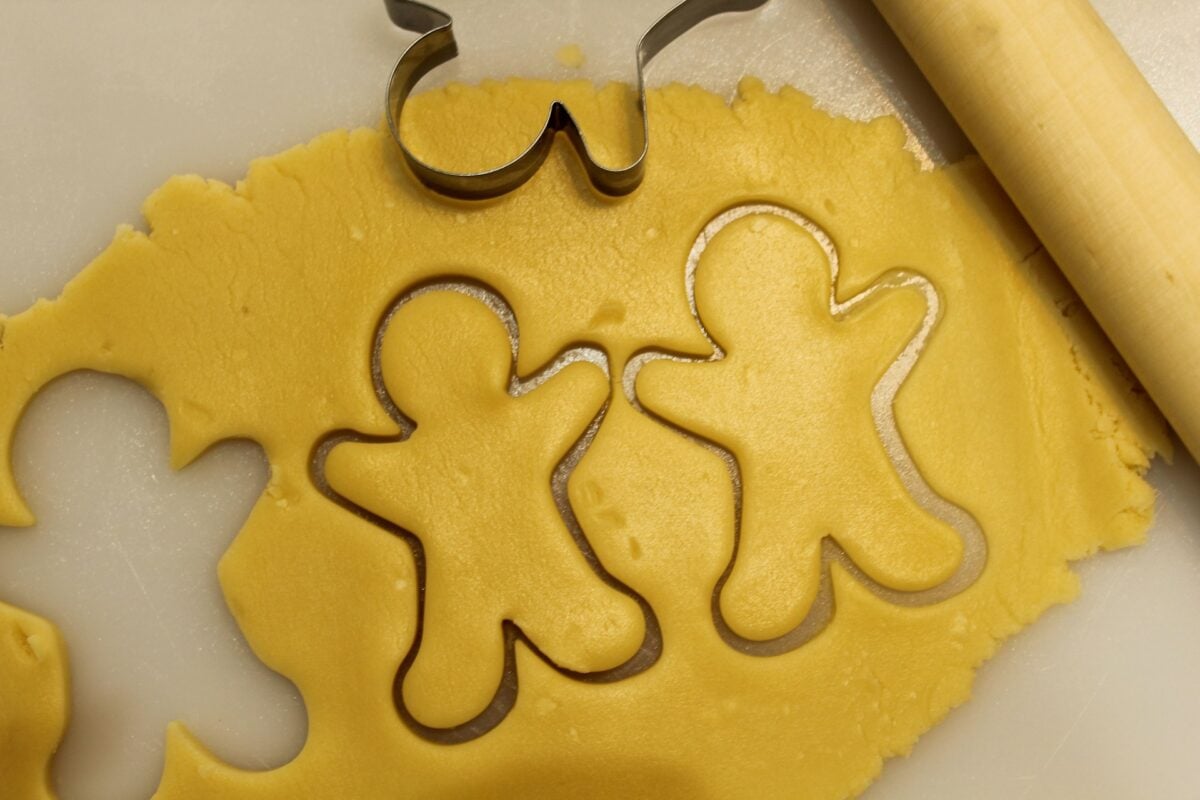
Metal cookie cutters sold as complete themed sets in their original box, rather than as loose individual pieces, hold considerably more value than the same cutters sold separately, since sets scattered into general kitchen drawers over the decades rarely survive intact. A set still housed in its original printed box, even a worn one, is worth pursuing specifically over loose cutters of the same design.
Wooden Rolling Pins With Roller-Bearing Handles
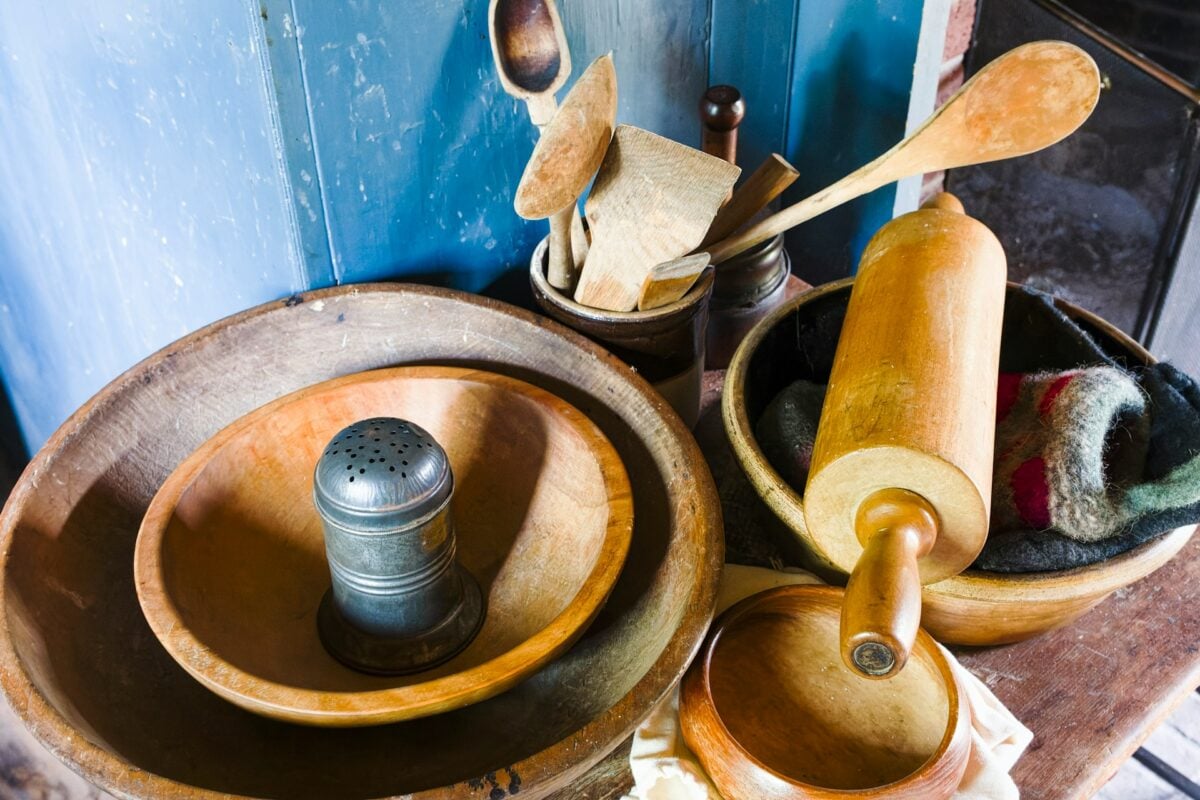
Rolling pins built with roller bearings inside the handles rather than a fixed dowel, a mechanical improvement that let the pin spin smoothly against a stationary handle, represent a specific manufacturing advance collectors look for over simpler fixed rolling pins. A pin with the bearing mechanism still spinning freely, rather than seized with age, is the functional distinction that separates a working tool from a display piece.
Egg-Related Kitchen Tools as a Category
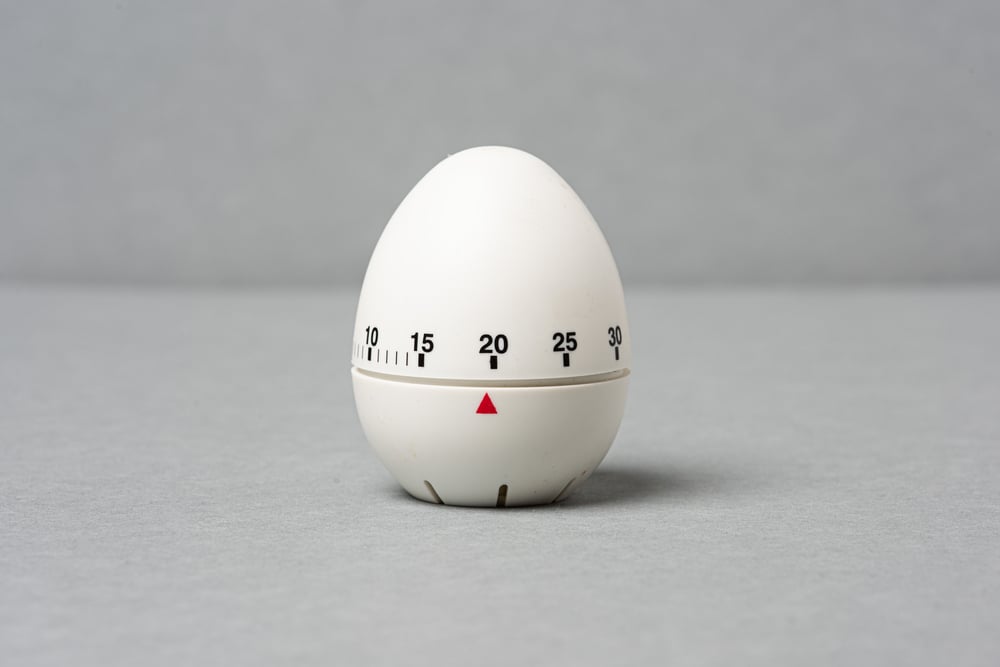
Specialized tools built around a single task involving eggs, including timers, separators, and slicing devices with multiple parallel wires, form a genuinely collected micro-category on their own, distinct from general kitchen gadgets.
A complete run of related egg tools from a single manufacturer’s product line is worth more assembled than scattered individually, and collectors specifically track which tools a given manufacturer produced as a coordinated set.
Percolator Coffee Pots With Glass Knob Lids
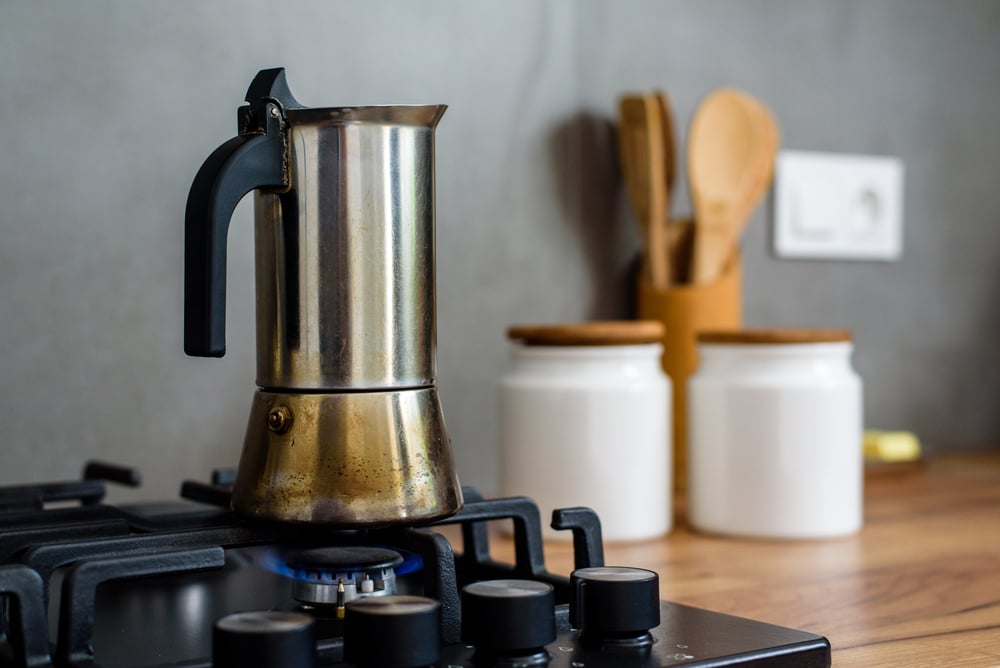
Stovetop percolators with a small glass knob set into the lid, allowing the brewer to watch the coffee color as it perked, were a common design feature across many manufacturers and remain functional coffee-making equipment today rather than purely decorative objects.
A percolator with an intact glass knob and no cracking in the internal brewing stem is a practical purchase, and resellers specifically check that the percolating tube is present, since it is frequently missing.
Bread Boxes With Roll-Top Mechanisms
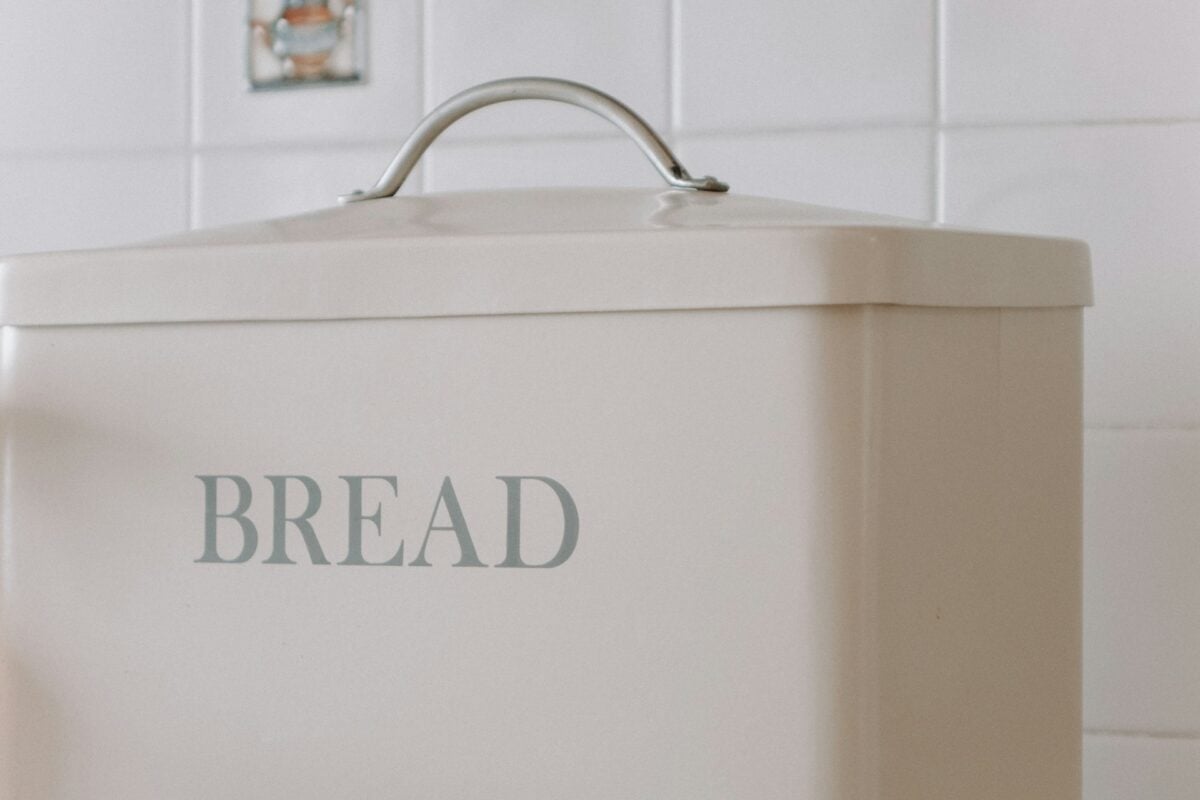
Countertop bread boxes with a curved roll-top lid that slides open on a track, rather than a simple hinged lid, are a specific mechanical design that collectors and kitchen decorators both search for over the more common flat-lid version.
A roll-top that still slides smoothly on its track, without the mechanism binding, is the functional check, and enamel or paint condition on the exterior drives most of the remaining value.
Kitchen Wall Clocks With Advertising Branding
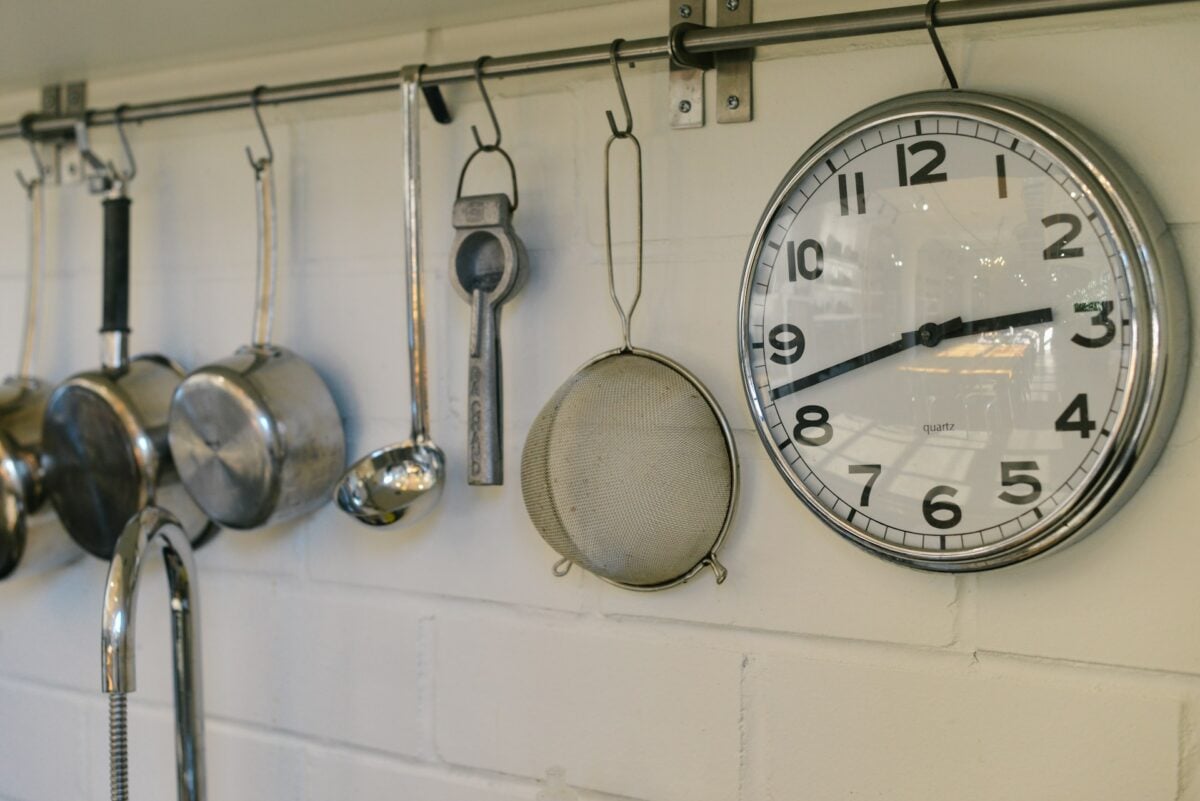
Wall clocks manufactured for kitchen use and branded with a food or appliance company’s name as a promotional item, rather than sold as standalone clocks, are collected as advertising items as much as functional timepieces.
A clock that still keeps time accurately, with its original branded face intact rather than a generic replacement, is worth searching for specifically, since many surviving examples have had their movements swapped out over the years.
Spice Racks With Matching Labeled Jars
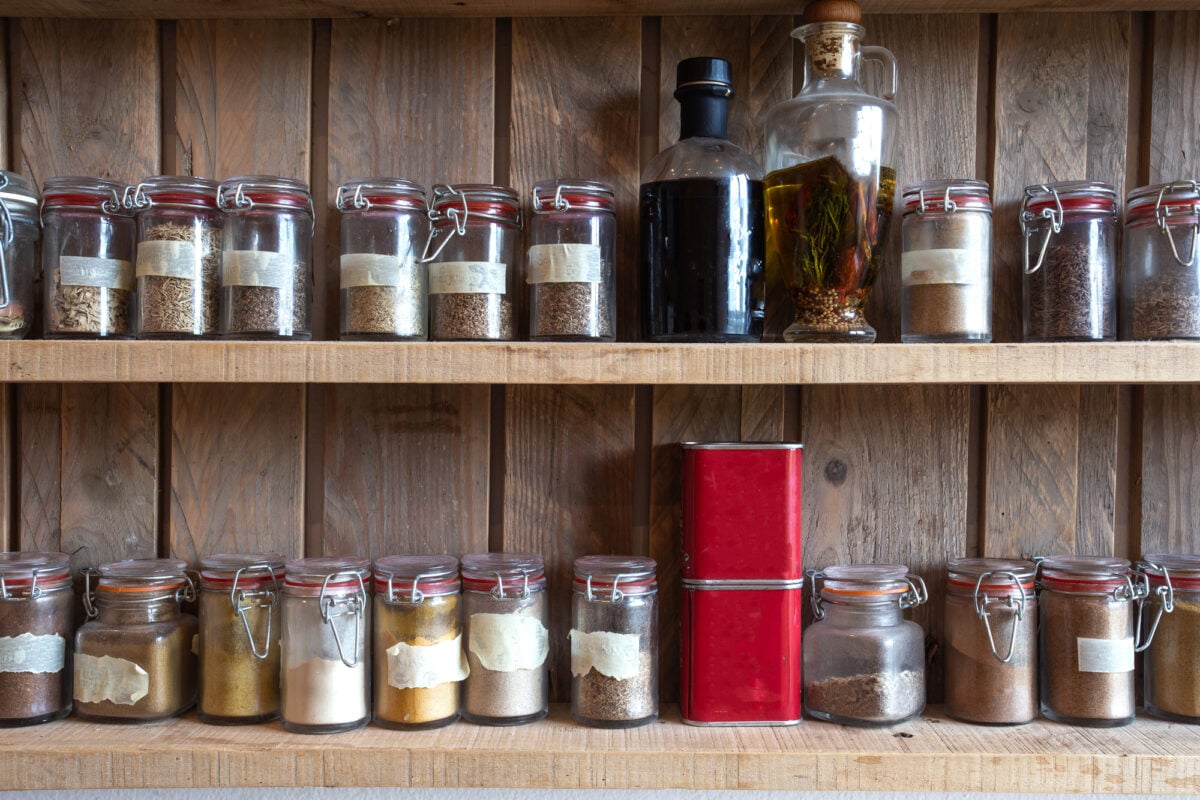
Wall-mounted or countertop spice racks sold as a complete unit with matching labeled glass jars, rather than jars accumulated separately over time, hold their strongest value as an intact matched set. A rack with every jar present and labels still legible, rather than worn away from handling, is considerably scarcer than a partial set, since jars were easily broken or misplaced during moves.
Cast Aluminum Cookware With Hammered Finish
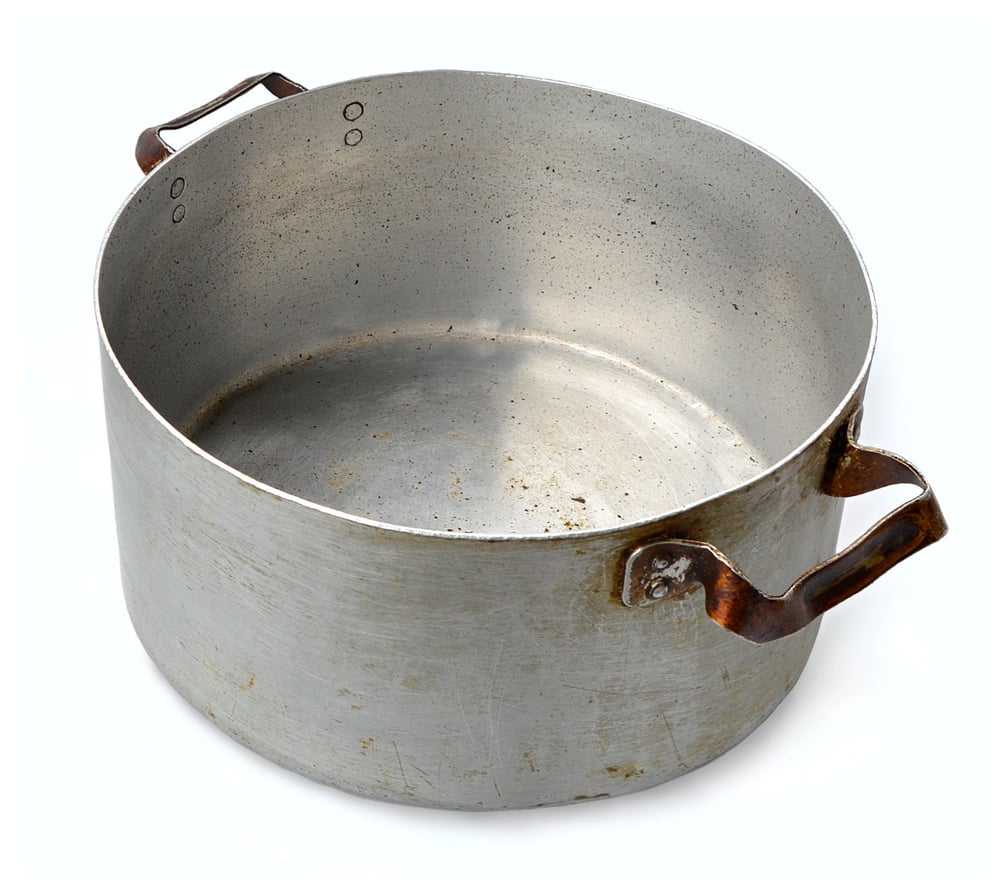
Cast aluminum cookware finished with a distinctive hammered surface texture, a specific mid-century manufacturing style distinct from smooth cast aluminum, is collected for both its appearance and its genuinely good heat distribution properties.
A piece with the hammered texture still crisp, rather than worn smooth from decades of scouring, is the condition target, and a matched set of serving pieces in the same finish is worth more than any single piece.
Ice Cream Scoops With Mechanical Release Levers

Metal ice cream scoops built with a spring-loaded release lever that pushes the scooped portion free without a second utensil, a specific mechanical design predating simpler solid scoops, are searched for both by kitchen tool collectors and by people who genuinely prefer the mechanism for practical use. A lever mechanism that still springs back cleanly, without seizing, is the functional test that determines whether a piece is a working tool or a display-only find.
Butter Churns Scaled for Home Kitchen Use
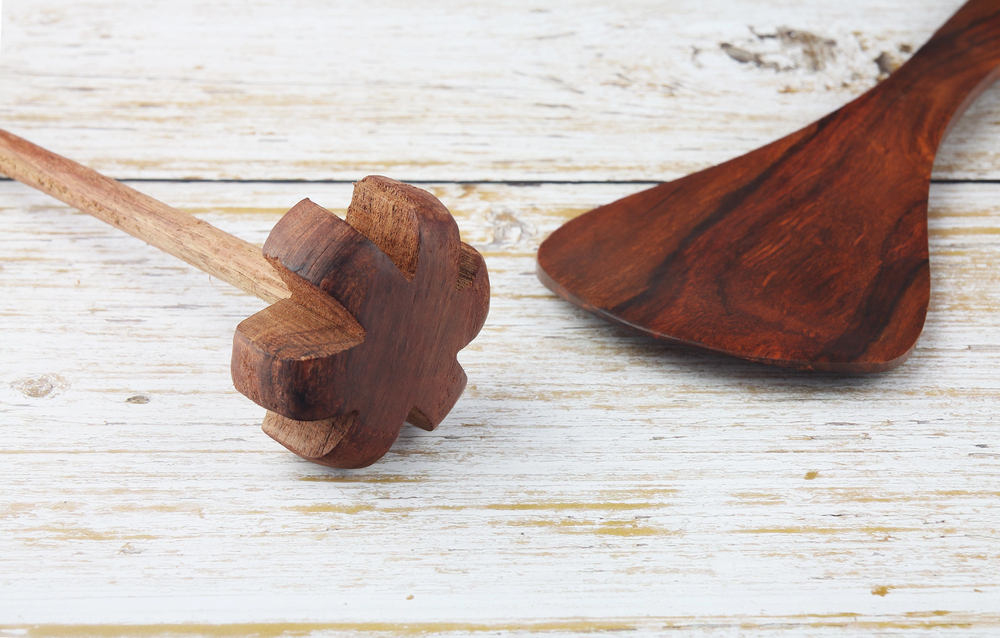
Small countertop butter churns, scaled for home use rather than the larger barrel churns used on farms, are a specific category collectors distinguish from farm equipment by their size and construction. A churn with its internal paddle mechanism intact and turning freely is worth considerably more than one with the paddle missing or broken, and this is a category where working condition genuinely matters to a portion of buyers who still make butter at home.
Kitchen Timers Shaped as Novelty Objects
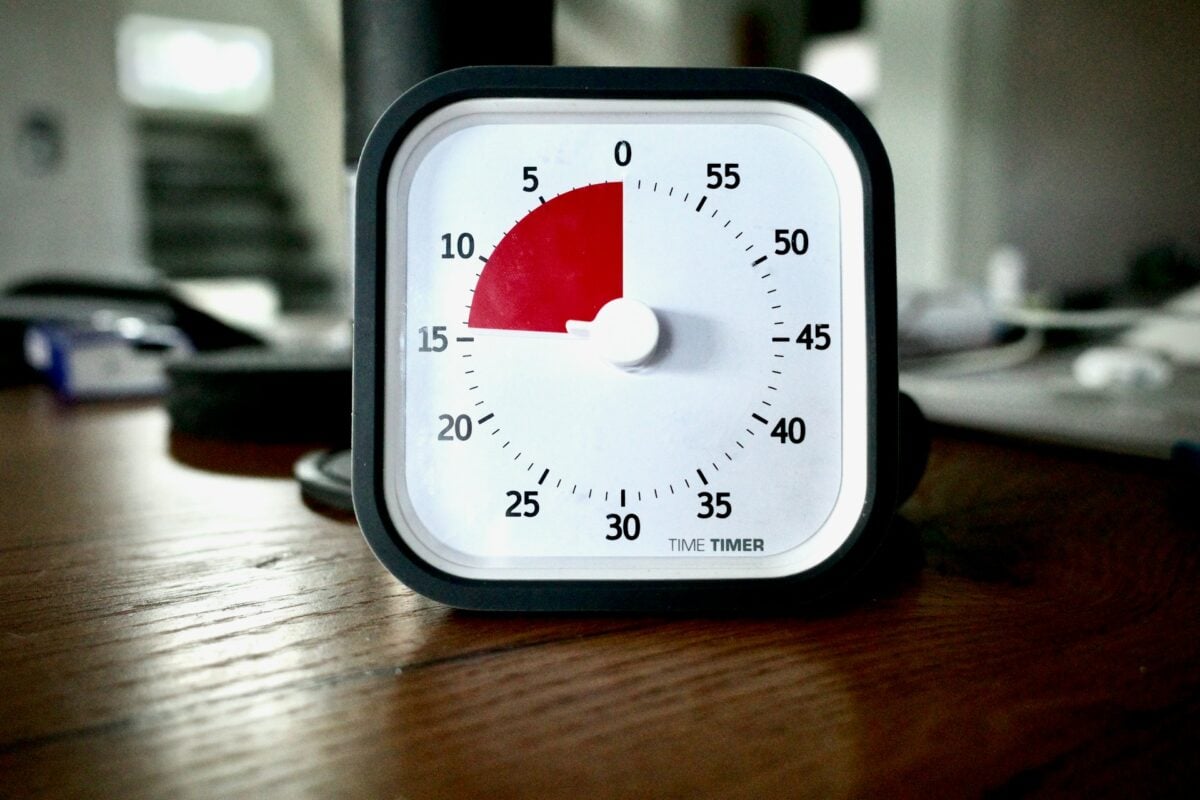
Mechanical kitchen timers built into a novelty shape, rather than a plain round dial, were a common promotional and decorative item across several decades and are collected as much for the sculptural form as for function. A timer that still winds and counts down accurately is worth more than an identical shape that no longer functions, though even non-working examples hold decorative interest if the shape itself is a sought-after design.
Meat Grinders With Complete Attachment Sets
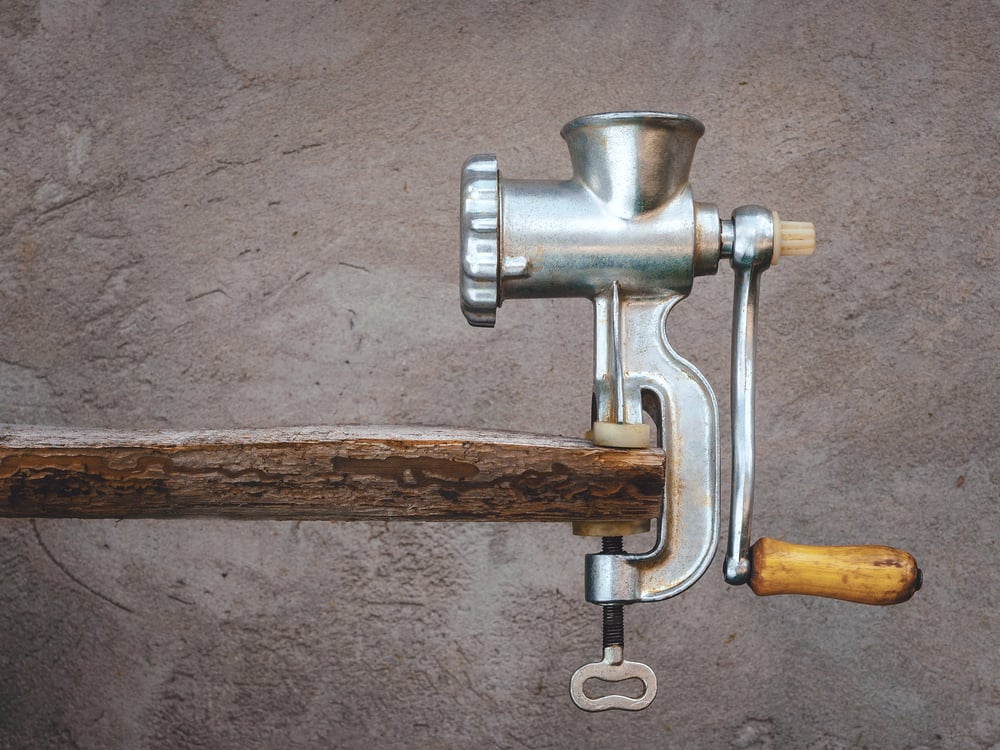
Hand-crank meat grinders sold with a full set of interchangeable cutting plates and attachments for different grinds, rather than the base grinder alone, are considerably more valuable as a complete kit than the grinder sold without its plates. A grinder with its clamp mechanism still gripping securely and all original plates present is a working kitchen tool searched for by people who still process meat at home, not just a collectible.
Pie Birds and Vented Pastry Vents
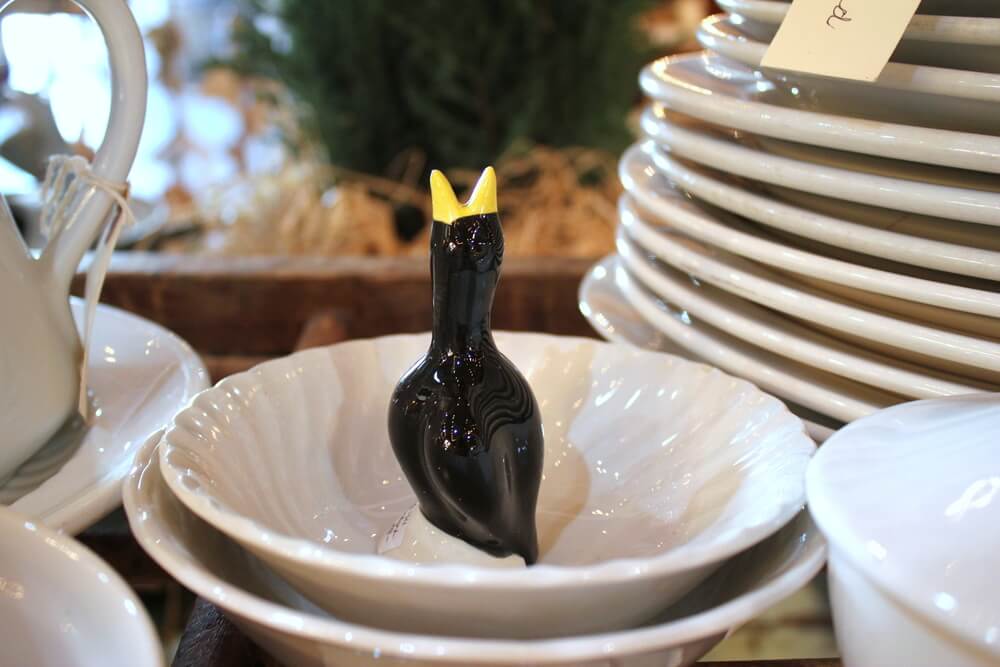
Small ceramic figures placed inside a pie to vent steam during baking, molded into decorative shapes specific to a manufacturer or era, are a genuinely dedicated collecting category with active clubs and reference guides of their own. A pie bird from a specific well-documented manufacturer, in undamaged condition with its original glaze intact, holds meaningfully more interest than an unmarked or generic example.
Waffle Irons With Interchangeable Grid Plates
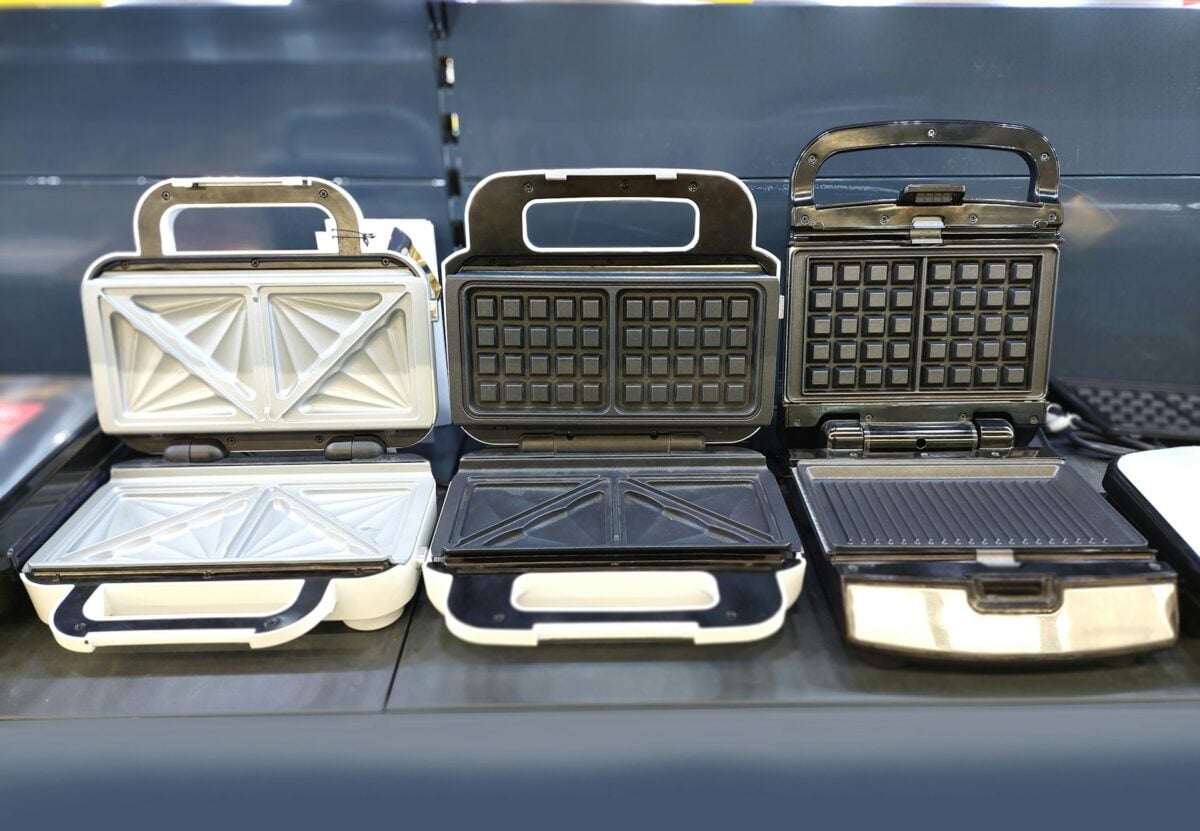
Electric and stovetop waffle irons built with interchangeable grid plates, allowing the same base unit to produce different patterns or even flat griddle surfaces, represent a specific manufacturing feature collectors search for over fixed single-pattern irons. A complete set of plates matched correctly to the base unit is worth more than the iron alone, and resellers check that the plates lock in securely rather than rattling loose.
Kitchen Radios Built Into Appliance Housings
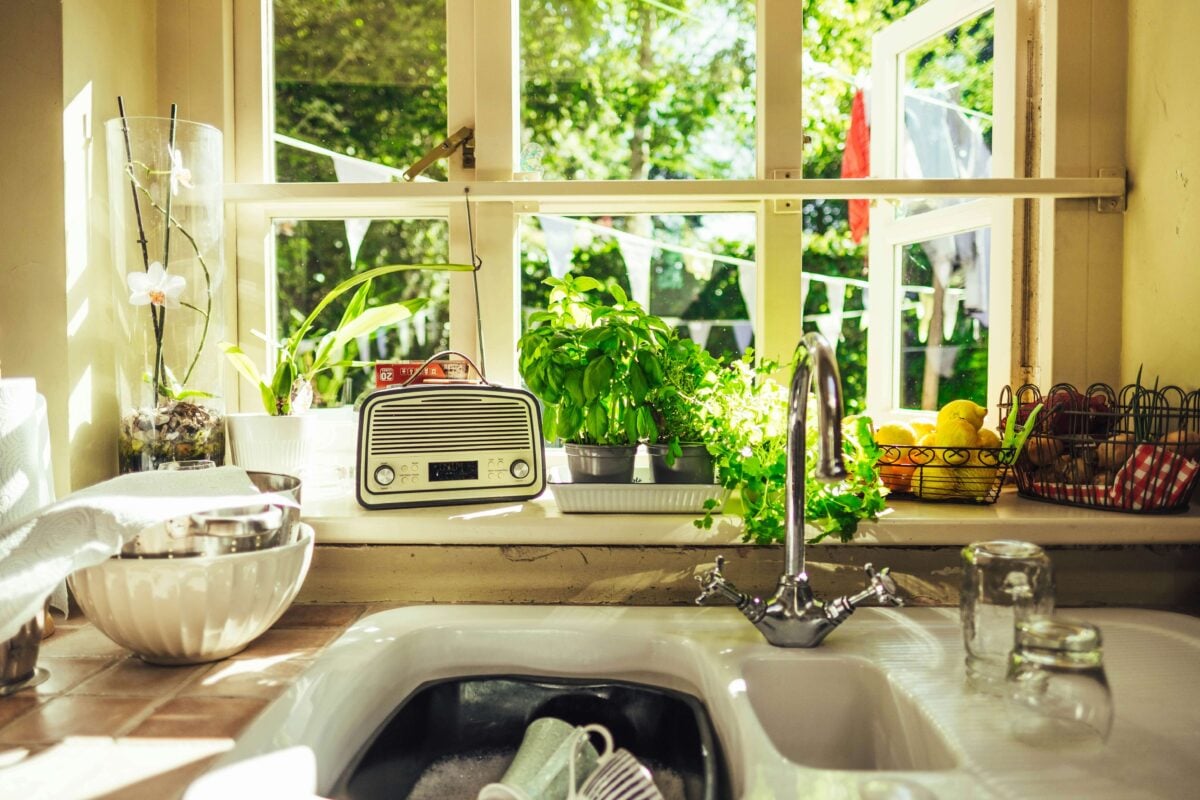
Small radios manufactured to sit on a kitchen counter or built directly into another appliance’s housing, designed specifically for kitchen use rather than as a general household radio, are collected both by kitchen decor enthusiasts and by vintage radio collectors working a specific niche. A radio that still receives a signal, tested with fresh batteries or through its original power cord, is worth considerably more than a non-functioning example, even though the housing design carries most of the decorative appeal either way.
Nested Mixing Bowl Sets in Complete Graduated Runs
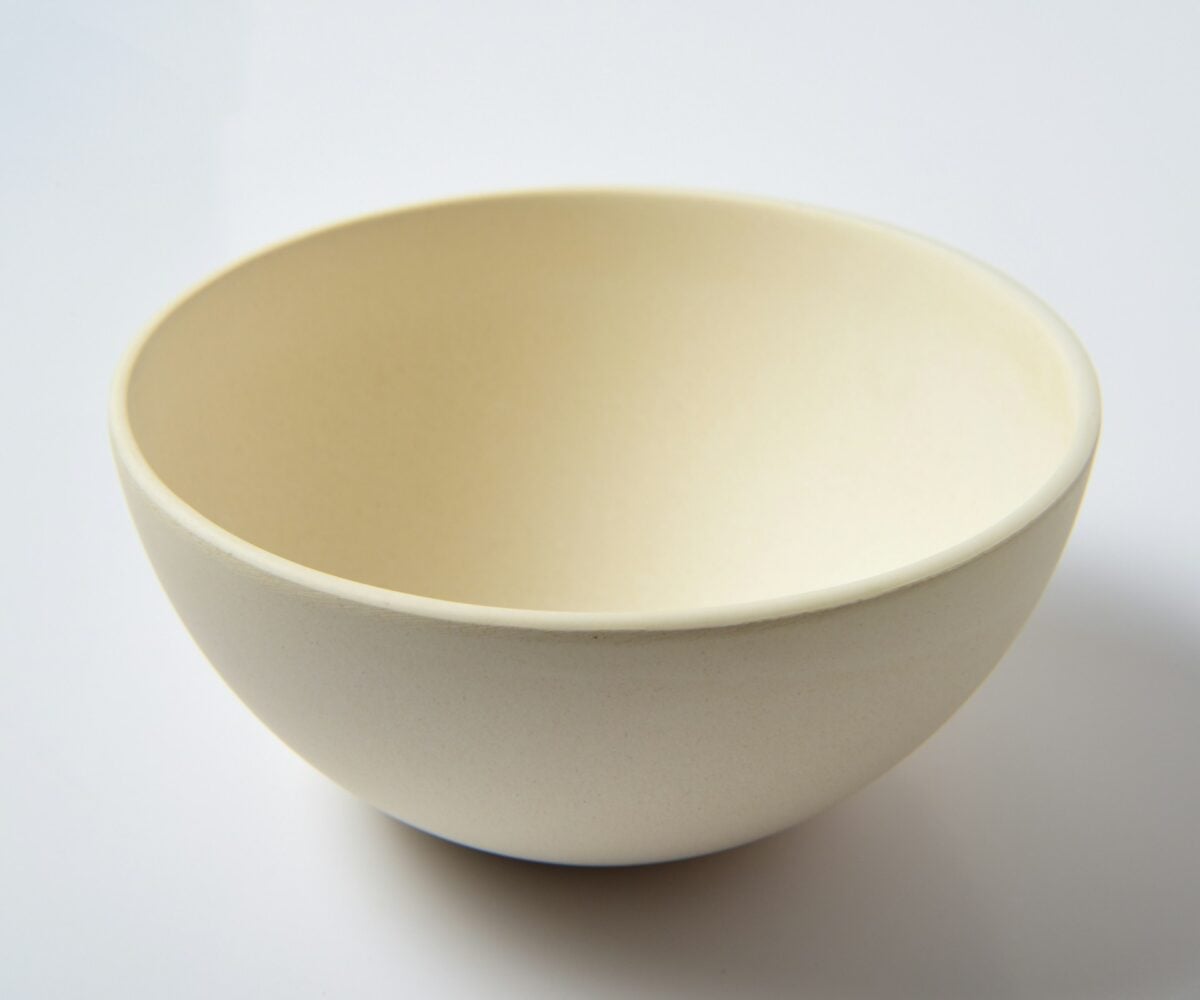
Mixing bowls sold as a graduated nested set, from smallest to largest, hold their strongest value only when the complete run survives together, since individual bowls from a broken set are common finds while a complete matched run is not. A set with consistent glaze color and no chips across every bowl in the run is worth pursuing as a unit, and resellers specifically verify that no bowl in the sequence is a mismatched later replacement.
Kitchen Scales Disguised as Decorative Objects
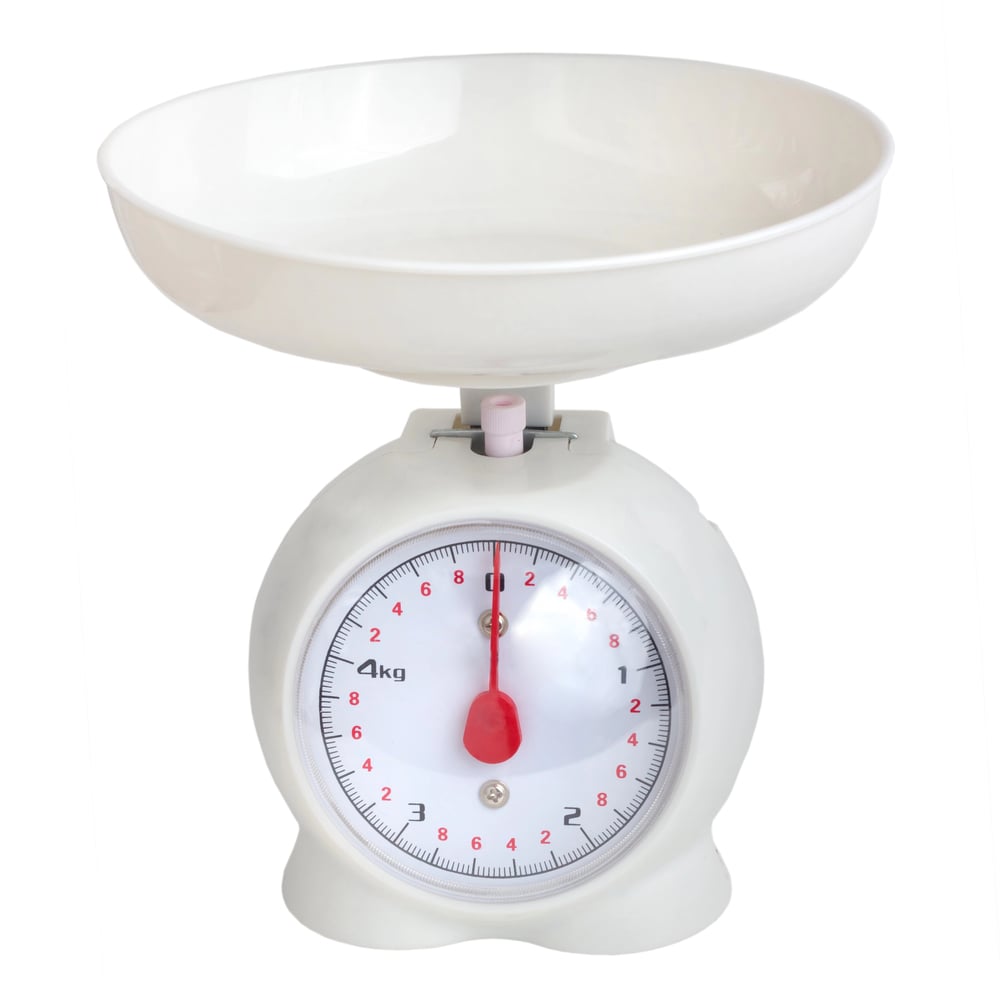
Novelty kitchen scales built into a decorative form rather than a plain utilitarian shape, sometimes shaped as an animal or a stylized figure with the weighing mechanism concealed inside, are searched for specifically as a design category separate from standard kitchen scales. A mechanism that still weighs accurately when checked against a known weight adds real value over a decorative piece that no longer functions.
Canning and Preserving Funnels in Graduated Sizes
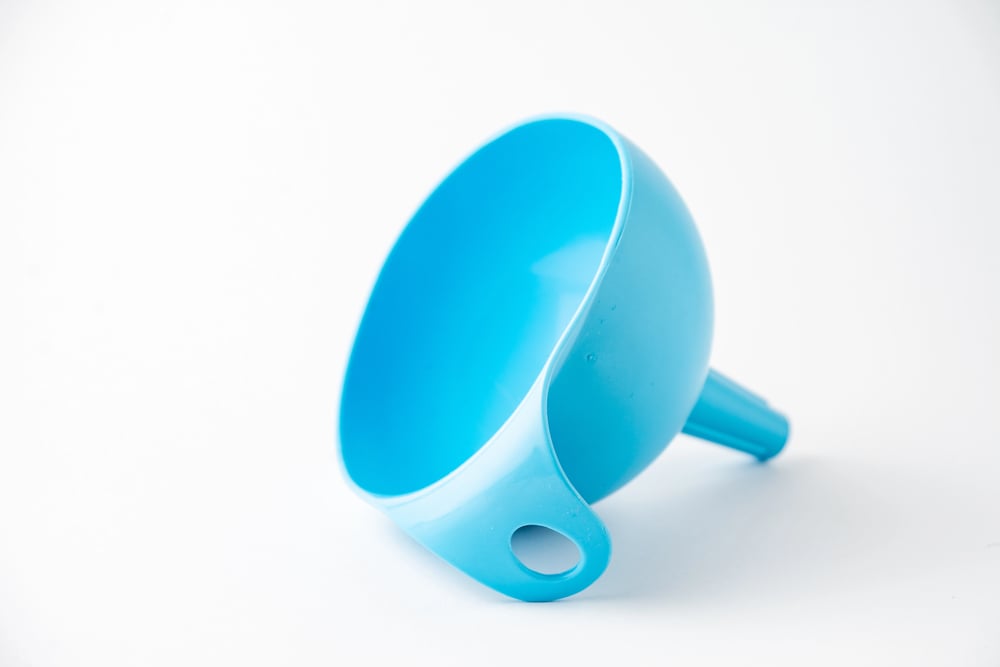
Wide-mouth funnels built specifically for canning and preserving work, sized to fit standard jar openings precisely, are searched for by people who still can and preserve food at home rather than by decorative collectors alone. A funnel set covering multiple graduated sizes, rather than a single funnel, is worth more to this practical buyer, and dents around the pouring edge are the main condition issue to check.
Cookbook Holders With Page-Weight Mechanisms
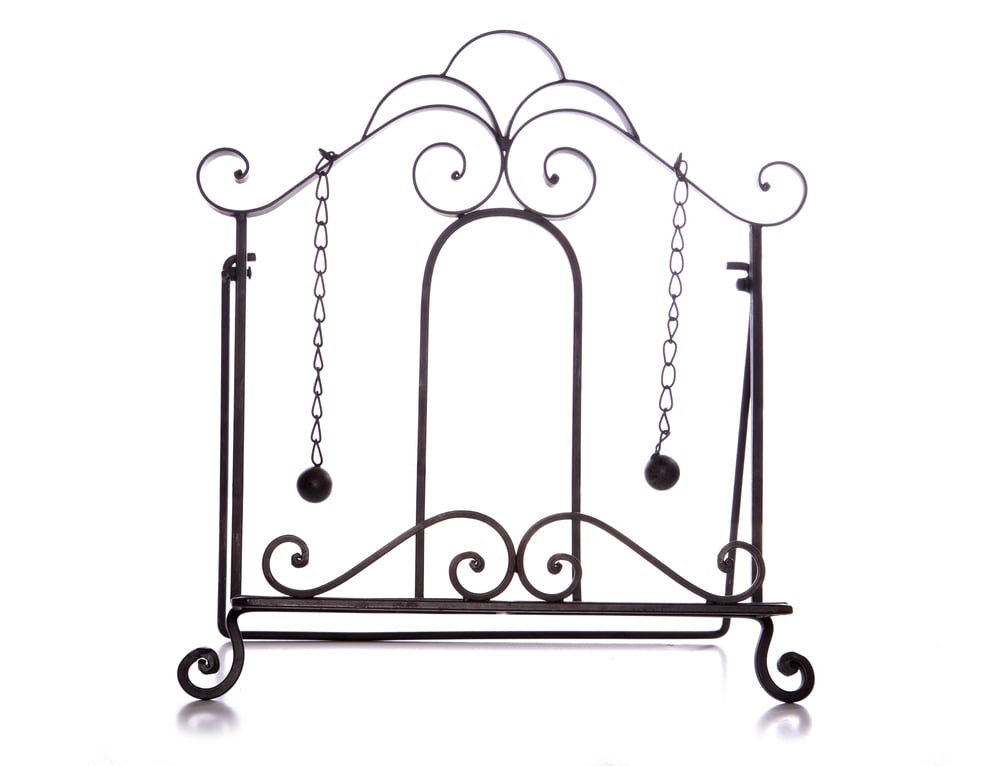
Countertop cookbook holders built with a mechanism to hold a page open and weighted against splashes and flour dust, distinct from a simple stand without moving parts, are collected as a specific kitchen accessory category. A holder with its page-weight mechanism still functioning smoothly is worth searching for over a static stand, and the material, whether wood, wire, or enamel-coated metal, drives collector interest by era and style.
Sink Strainers and Drain Baskets With Decorative Finishes
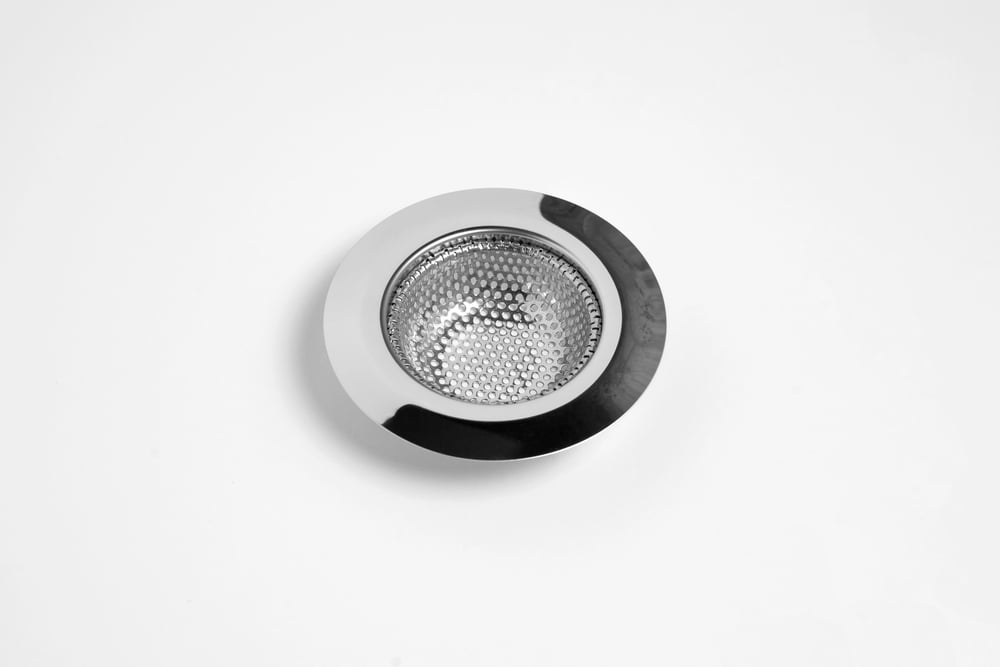
Kitchen sink strainers and drain baskets manufactured with a decorative finish rather than plain utilitarian metal, sometimes matched to a specific enamelware or appliance color line, are a small but genuinely collected accessory category tied to complete period kitchen restorations. A strainer matched correctly to a documented color or finish line from a specific era is worth pursuing by restorers assembling a period-accurate kitchen rather than by general kitchenware collectors.
Trivets Cast in Figural and Advertising Shapes
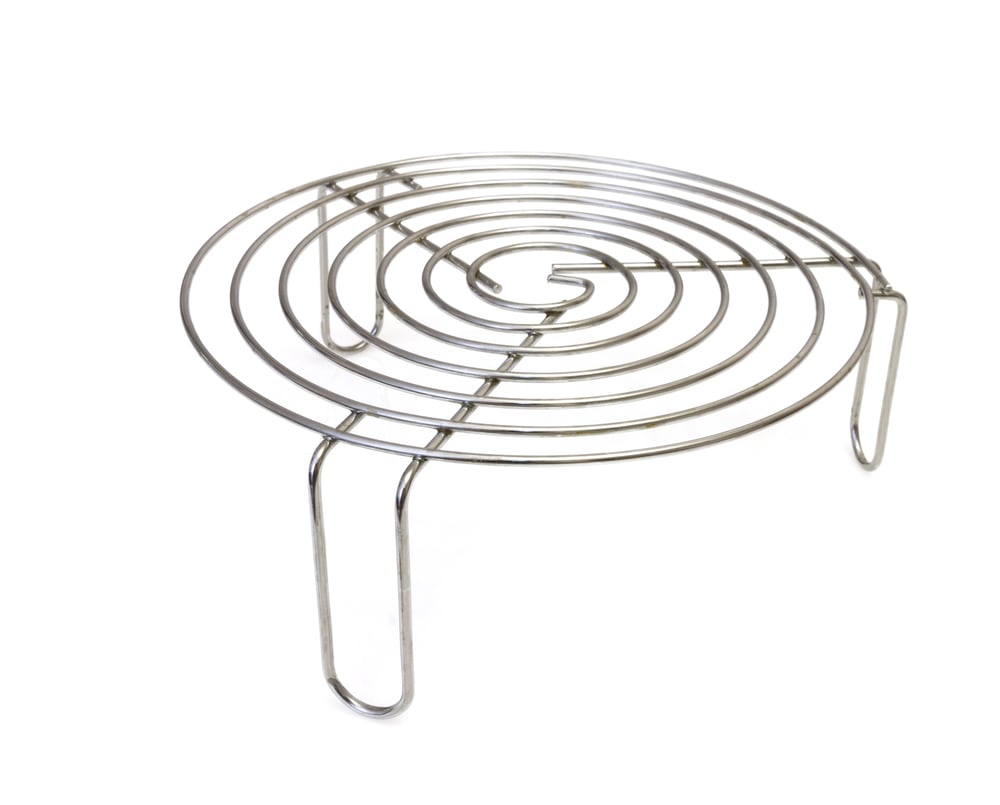
Cast iron and metal trivets shaped into figural designs or stamped with an advertising message, rather than simple geometric patterns, are collected both as kitchen tools and as a standalone decorative category with active specialist interest. A trivet in a documented, sought design with legible casting detail is worth considerably more than a common geometric pattern trivet, and rust that has pitted the casting detail reduces value more than surface rust alone.
Recipe Card Boxes With Matching Card Sets
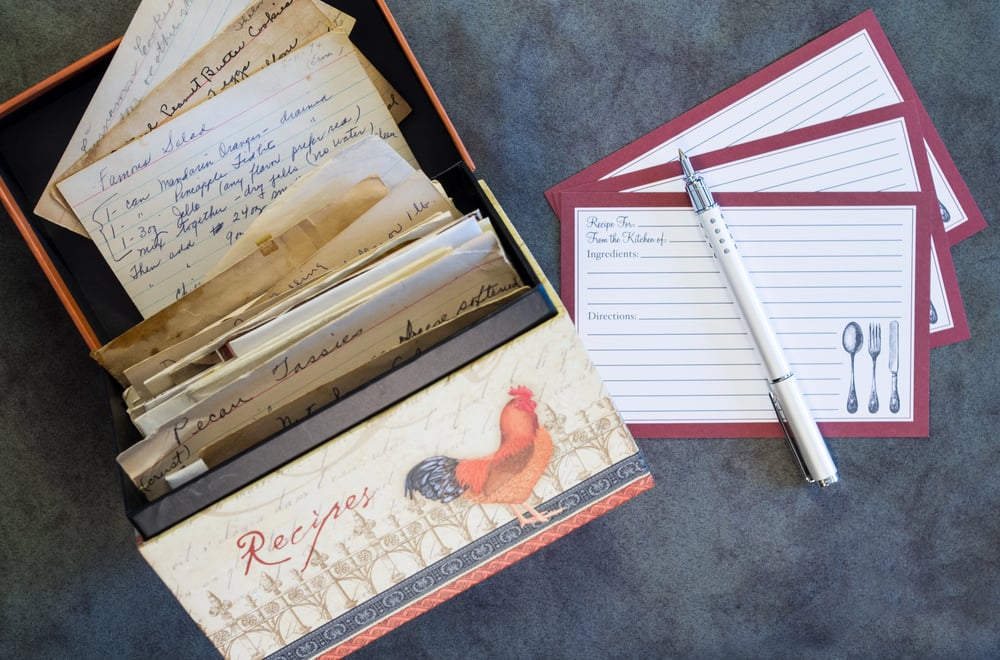
Small metal or wooden recipe card boxes sold with a matching set of blank or preprinted recipe cards, rather than accumulated later, hold more value as an original matched set than the box alone. A box retaining its original card dividers and a portion of period recipe cards, especially handwritten ones from the original owner, carries genealogical and decorative interest beyond the box’s material value alone.
Ice Boxes Predating Electric Refrigeration
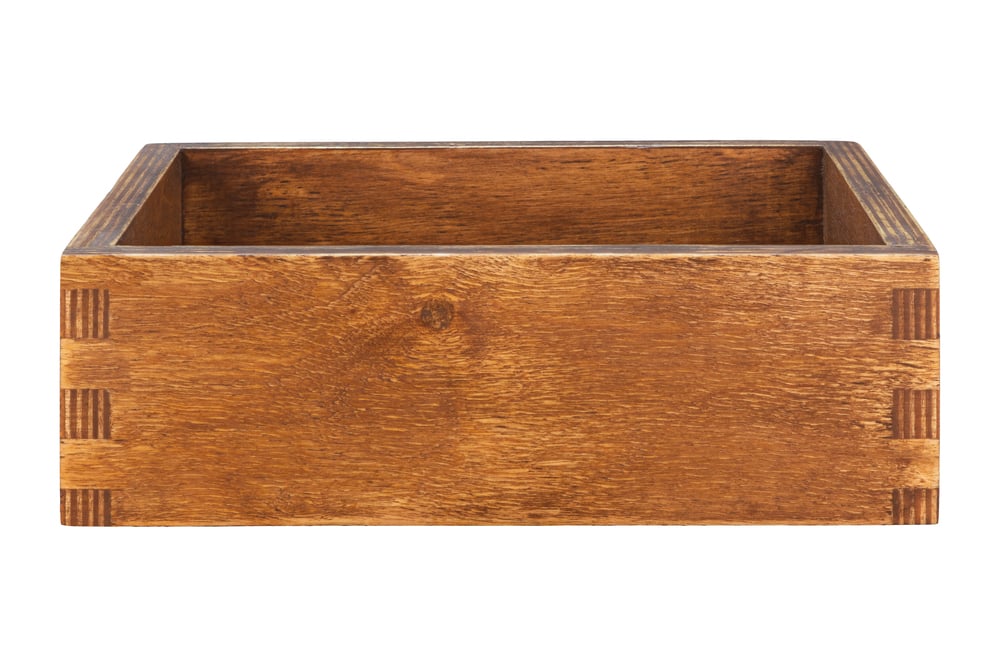
Wooden ice boxes, cooled by a block of ice held in an insulated compartment rather than any electric mechanism, predate household refrigeration and are collected both as furniture and as functional kitchen history. A box with its original hardware, insulation, and drainage mechanism intact is worth considerably more than one that has been gutted and repurposed as a cabinet, and resellers check specifically whether the interior tin lining survives.
What the Drawer Never Advertises

None of these categories announce themselves as valuable, which is exactly why an estate sale kitchen box moves so fast among people who know what to check. A complete set, a working mechanism, and a documented maker are worth more together than any single piece could suggest on its own.
The kitchens these objects came from ran on tools built to be used daily and replaced eventually, not preserved. What survived complete, working, and matched did so by accident more often than intention, and that accident is precisely what a reseller is paying for.
More from Go2Tutors!

- The Romanov Crown Jewels and Their Tragic Fate
- 13 Historical Mysteries That Science Still Can’t Solve
- Famous Hoaxes That Fooled the World for Years
- 15 Child Stars with Tragic Adult Lives
- 16 Famous Jewelry Pieces in History
Like Go2Tutors’s content? Follow us on MSN.



