10 Surprising Presidential Habits
When we think of presidents, we picture them making grand speeches, signing important legislation, or hosting foreign dignitaries. But behind those formal portraits and official ceremonies, America’s commanders-in-chief have been surprisingly human—complete with bizarre daily routines, unusual hobbies, and downright weird personal quirks that would make even your eccentric uncle seem normal.
From skinny-dipping in the Potomac to conducting meetings from the bathroom, these presidential habits reveal a side of our leaders that history books tend to gloss over. Here is a list of 10 surprising presidential habits that show even the most powerful people in the world have their oddities.
John Quincy Adams’ Dawn Swimming

John Quincy Adams started every single day at 5 a.m. by walking two miles to the Potomac River and jumping in completely undressed. This wasn’t just an occasional summer dip—Adams made this his year-round morning routine, believing the cold water gave him the energy he needed for presidential duties.
The habit became so well-known around Washington that journalist Anne Royall famously sat on his clothes and refused to return them until he granted her an interview.
Calvin Coolidge’s Petroleum Jelly Ritual

Silent Cal had one of the greasiest presidential routines in history—he insisted on having petroleum jelly rubbed into his scalp every morning while eating breakfast. Coolidge believed this daily Vaseline massage would help with his sinus problems, though he never fully explained the logic behind it.
White House staff found the habit strange but dutifully followed orders, giving America’s 30th president his slippery start to each day.
Abraham Lincoln’s Wrestling Career

Before he became known for freeing enslaved people and preserving the Union, Lincoln was a legendary wrestler who reportedly lost only one match out of more than 300. The 6-foot-4 future president was known for trash-talking his opponents and using his long reach to dominate the competition.
Lincoln’s wrestling reputation was so impressive that he was posthumously inducted into the Wrestling Hall of Fame in 1992 as an ‘Outstanding American’ in the sport.
Lyndon Johnson’s Bathroom Meetings

LBJ took multitasking to uncomfortable new levels by regularly holding official meetings while sitting on the toilet. This was part of his famous ‘Johnson Treatment’—a method of political persuasion that relied on making people as uncomfortable as possible.
He even had telephones installed in multiple White House bathrooms and would instruct aides to continue conversations while he bathed or showered.
William Taft’s Massive Breakfast

President Taft began each day with a doctor-prescribed workout, then sat down to a breakfast that would make most people feel sick just thinking about it. His daily meal consisted of a 12-ounce steak, plenty of buttered toast, and coffee loaded with massive amounts of cream and sugar.
Interestingly, eggs were one of the few foods Taft absolutely despised and would never touch, even though they might have been healthier than his preferred morning meat feast.
Ronald Reagan’s Jelly Bean Obsession

Reagan’s desk always had jars of jelly beans within arm’s reach, but this wasn’t just a sweet tooth—it was part of his strategy to quit pipe puffing. He was so devoted to these candies that he ordered 720 bags every month to be distributed throughout government buildings in Washington.
For his 1981 inauguration, the Goelitz company sent a 3.5-ton shipment of special red, white, and blue jelly beans to celebrate Reagan’s victory over his former habit.
Theodore Roosevelt’s Stilt Walking

The Roosevelt family turned stilt walking into their favorite group activity, with every family member owning their own pair for use around the White House grounds. Roosevelt believed in staying physically active and turned this unusual hobby into quality family time.
Visitors to the White House would often see the entire first family wandering the grounds on stilts like some kind of presidential circus act.
Harry Truman’s Speed Walking

Truman’s morning constitutional wasn’t a leisurely stroll—it was a military-style march that left Secret Service agents struggling to keep up. Every day at 5 a.m., he’d put on a suit and tie and power-walk two miles at exactly 120 steps per minute, the pace of an Army quick march.
After returning to the White House, he’d follow his doctor’s advice and drink a shot of bourbon before breakfast to start his presidential duties.
Franklin Roosevelt’s Stamp Collection

While leading the nation through the Great Depression and World War II, FDR found peace in his massive stamp collection that he’d been building since childhood. Roosevelt would spend hours organizing and studying stamps from around the world, using this hobby as a mental escape from the enormous pressures of his presidency.
His passion for philately coincidentally helped spark a nationwide trend in stamp collecting during the 1930s.
Calvin Coolidge’s Mechanical Horse

Coolidge installed a mechanical horse in the White House and rode it three times daily, believing it would help him lose weight and improve his liver function. When the press discovered his unusual exercise routine, politicians and journalists around the world mocked him mercilessly—one Canadian reporter wrote that it was hard to think of the president as ‘a 100 percent he-man’ when he got his exercise from a hobbyhorse.
The ridicule didn’t stop Coolidge, who took the mechanical horse with him when he left office.
The Human Side of Power
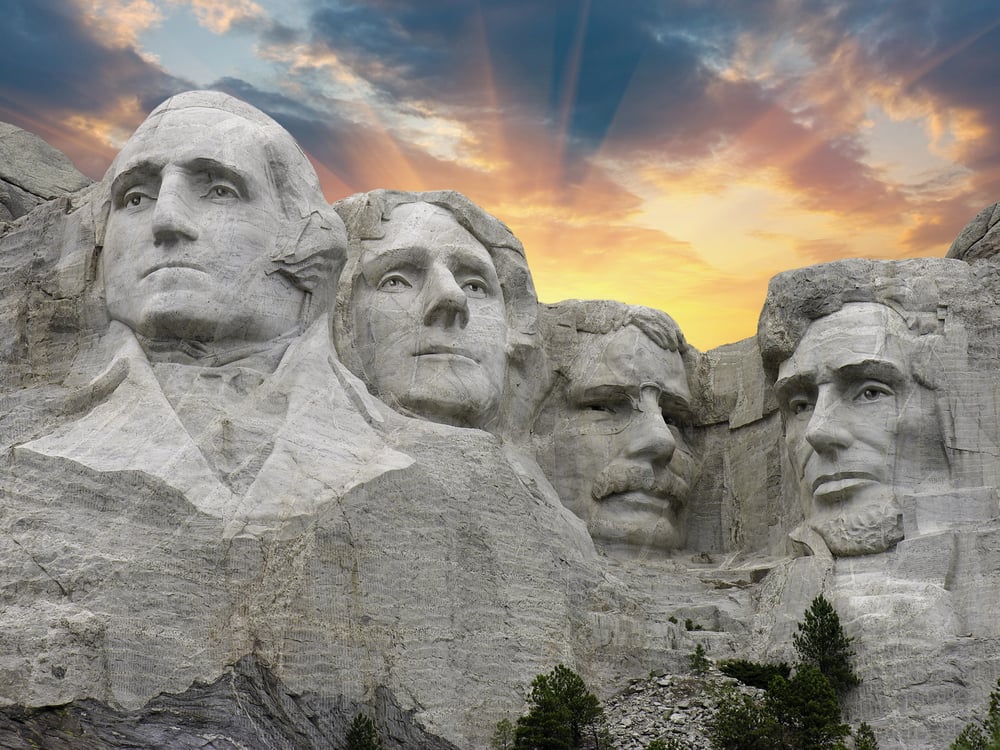
These quirky habits remind us that even the most influential people in American history were fundamentally human, complete with the same odd routines and personal peculiarities that make all of us unique. Whether they were seeking stress relief, maintaining their health, or just indulging their personal interests, these presidents found ways to stay true to themselves despite the enormous pressures of leading a nation.
Their willingness to embrace their quirks—even when it led to public ridicule—perhaps made them more relatable leaders than the polished figures we see in official portraits.
More from Go2Tutors!

- The Romanov Crown Jewels and Their Tragic Fate
- 13 Historical Mysteries That Science Still Can’t Solve
- Famous Hoaxes That Fooled the World for Years
- 15 Child Stars with Tragic Adult Lives
- 16 Famous Jewelry Pieces in History
Like Go2Tutors’s content? Follow us on MSN.