27 Antique Farm Tools That May Be Worth Money
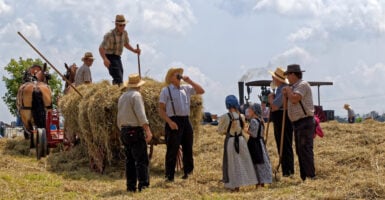
The rusty thing hanging in the barn rafters might not be junk. Tools that once earned their keep behind horses and oxen now attract collectors at auctions, flea markets and antique malls, although prices vary widely.
Value swings wildly from one example to the next. Condition, completeness, maker and originality all influence value, and a repainted or reassembled piece usually has less appeal to collectors seeking original examples.
Cream Separators From the Dairy Revolution
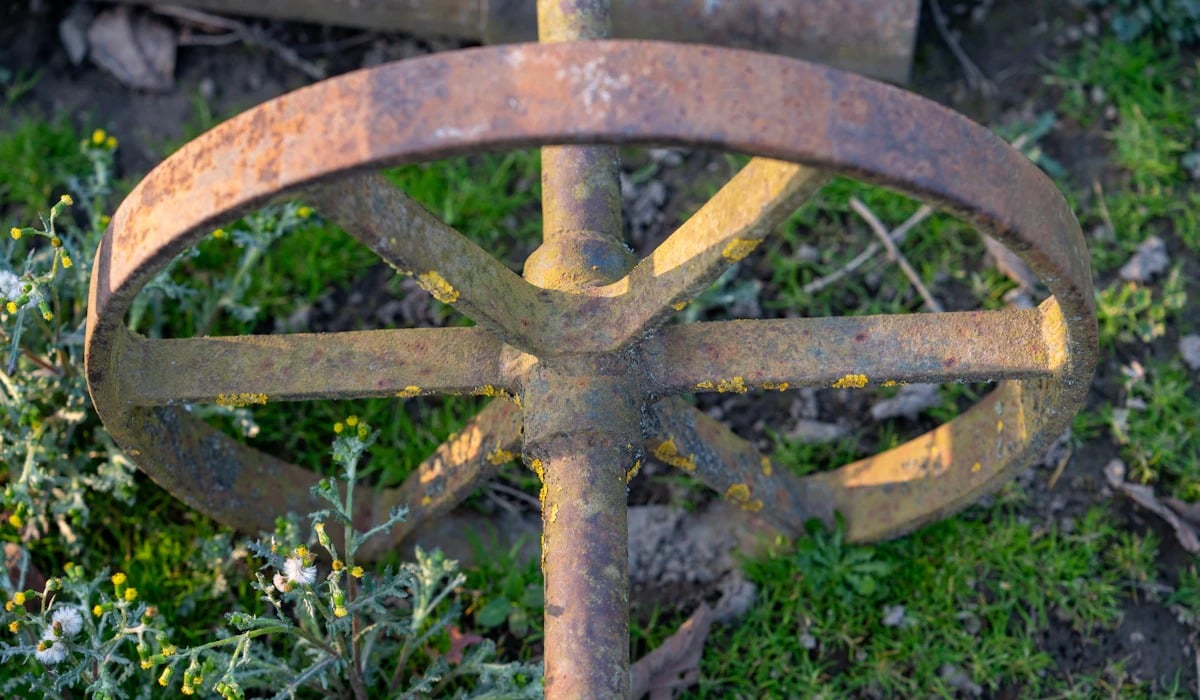
Gustaf de Laval’s centrifugal cream separator changed dairying by spinning cream out of milk instead of waiting for it to rise. Antique hand-crank models from De Laval and Sharples can attract collector interest, especially with original decals and the full set of bowl parts.
A machine with missing discs or a replaced bowl may be less desirable. Original factory decals can help with identification and appeal.
Cast Iron Hand Corn Shellers
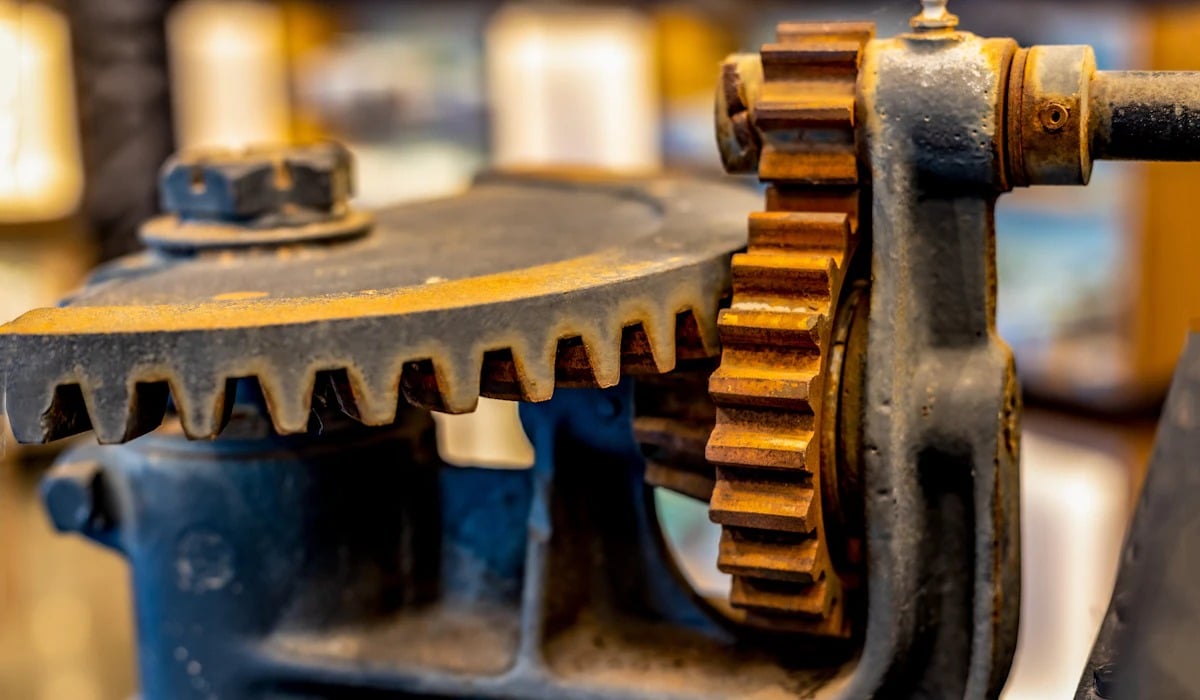
A crank turned a spiked wheel that stripped kernels from the cob, then ejected the bare cob out the far end. Collectors may look for the maker’s name cast into the frame and original paint, since a bare, scrubbed casting can be harder to authenticate as an untouched example.
Models with unusual frames or clamp-on mounts may appeal to collectors more than common bench types. Many were made by small foundries, so regional names can add historical interest.
Pierced Cast Iron Implement Seats
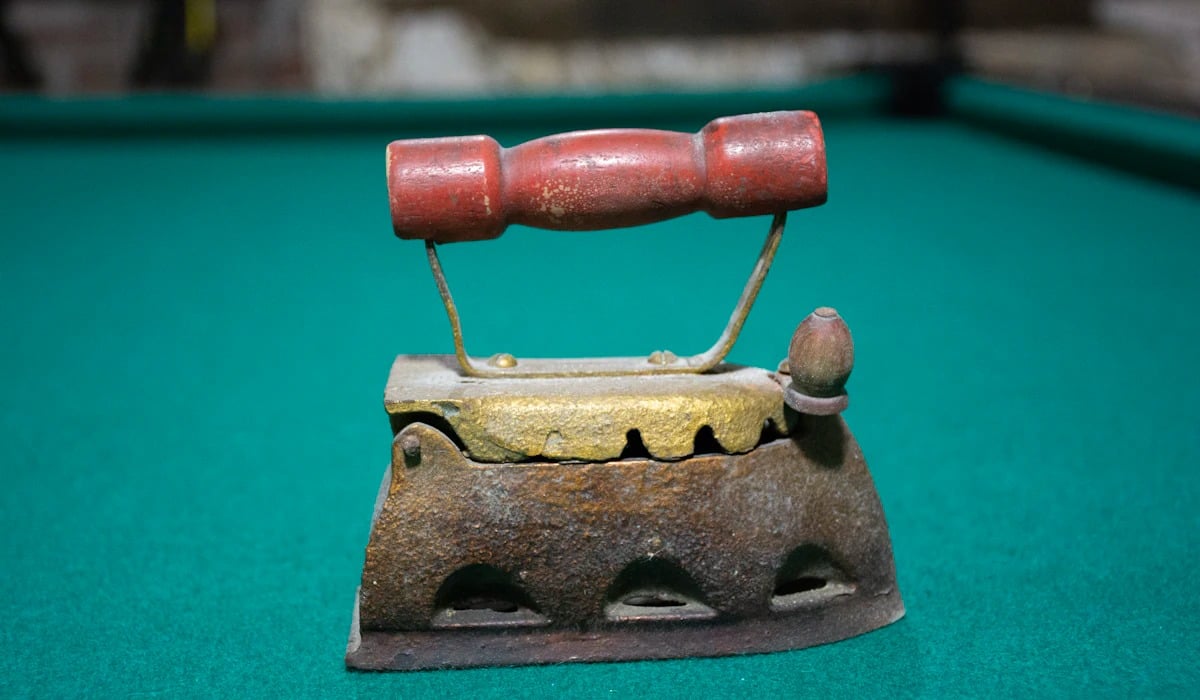
Mowers, cultivators and rakes all needed a place for the driver to sit, and foundries turned that need into small works of art. Seats with intricate pierced patterns can be attractive to collectors.
Those cast with a company name in raised letters are easier to identify and connect to a specific manufacturer. Reproductions exist, so surface wear, casting details and provenance can help establish authenticity.
Louden Hay Carriers and Barn Track
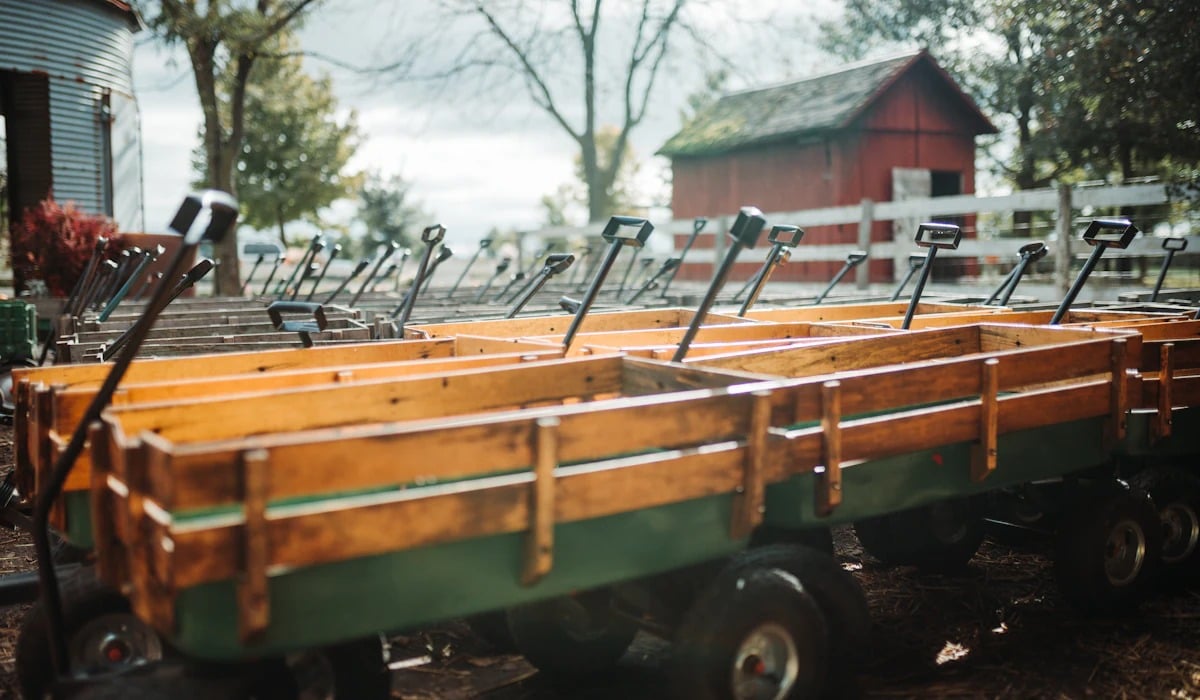
William Louden built an Iowa barn equipment business, and the Louden Machinery Company name still turns up on hay carriers, track and pulleys. A carrier rode along a rail beneath the roof peak, hauling loose hay up from a wagon and dropping it into the mow.
Collectors may prefer complete units with original rope pulleys and trip mechanisms. A carrier with its maker’s name legible on the casting is easier to identify and research.
Cyclone Broadcast Seed Spinners
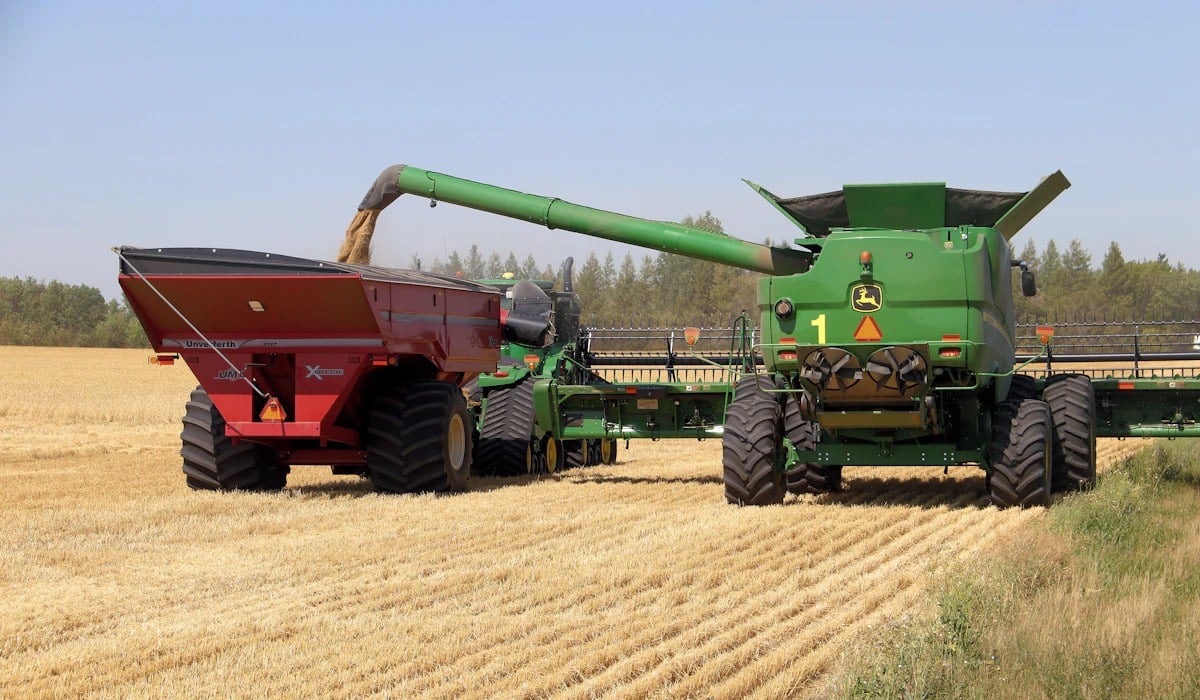
The Cyclone seed sower, associated with the Cyclone Manufacturing Company of Urbana, Indiana, scattered grass seed or grain when the operator turned a hand crank. Its canvas bag held the seed while the crank did the throwing.
Collectors may look for models with original decals and a working crank, since rust and wear can affect the mechanism after years in storage. A complete example with its canvas sling intact may be more appealing than one with only the metal body remaining.
Weighted Egg Scales and Graders
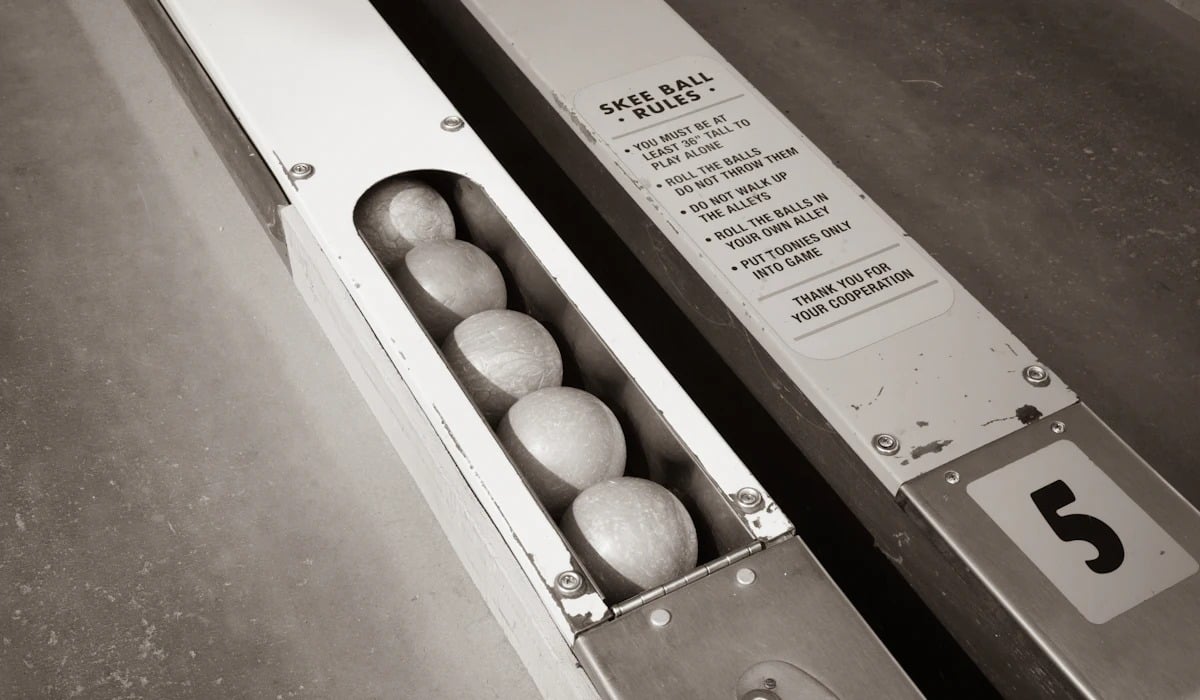
Farm households sorted eggs by weight before selling them, and a small pivoting scale made the job quick. Some simple mechanical graders used a weighted arm to sort eggs by size or weight.
Examples with legible lettering and well-preserved paint may attract more interest than bare metal. Scales missing their original weights or pans may be less valuable, depending on the model and availability of replacement parts.
Grain Cradle Scythes
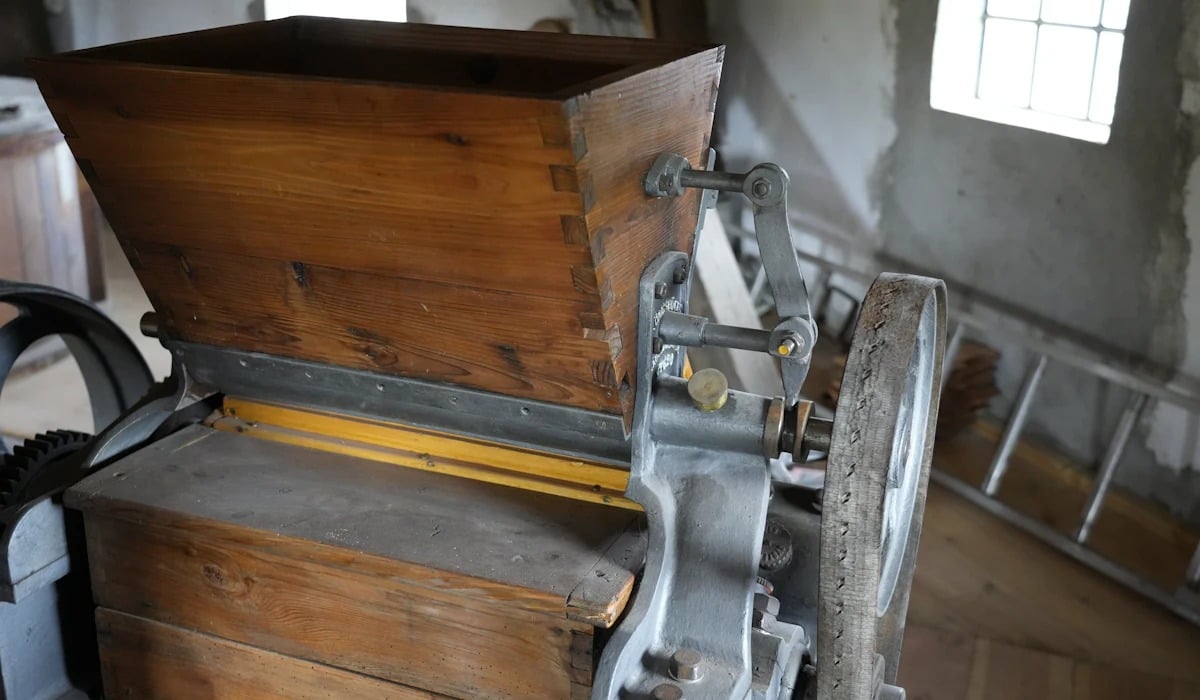
Before mechanical reapers, a farmer swung a cradle scythe that had a row of curved wooden fingers above the blade. The fingers caught the cut grain and laid it down in a neat swath for binding.
A cradle with all its fingers, a sound snath and a matching blade is a desirable find, and a broken finger can affect its appeal. Their graceful curves also make them popular as decor.
Hand-Forged Bow Sheep Shears
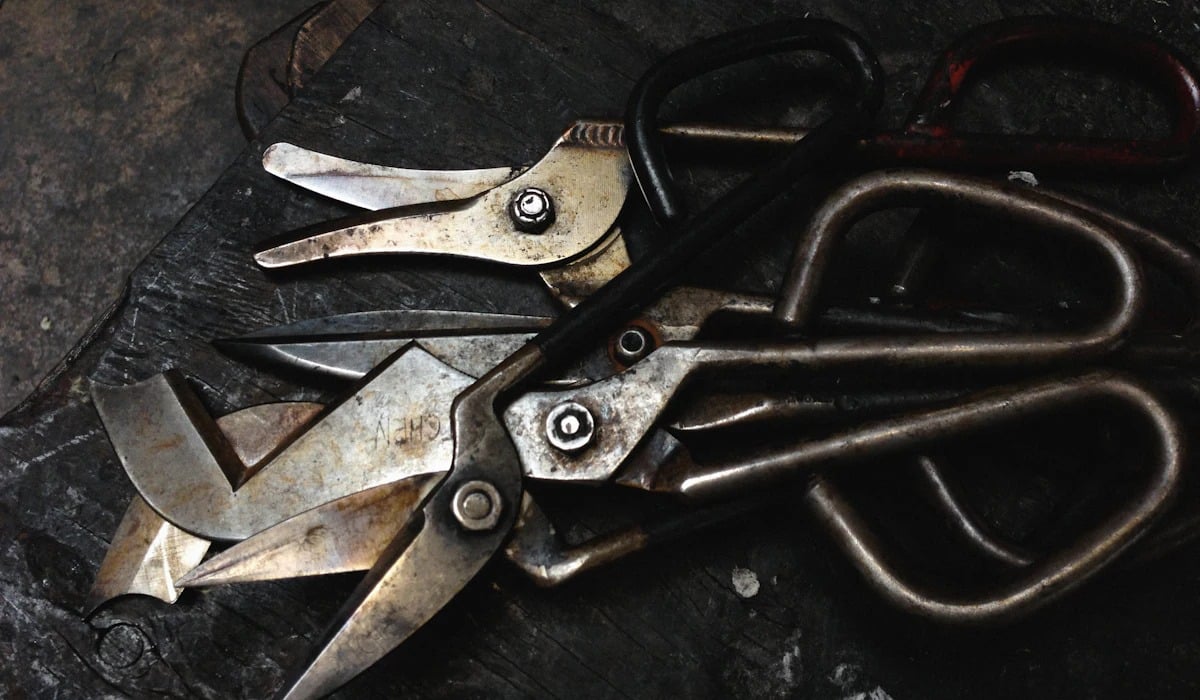
Shearers once clipped fleece with a single U-shaped piece of spring steel that opened by its own tension and closed by a squeeze. The design needed no pivot screw at all, which makes it a distinctive example of a simple hand tool.
Older hand-forged examples with maker marks can be of interest to collectors of traditional tools. A set with an unpitted blade and a sound spring may be more desirable than a heavily corroded pair.
Dazey Glass Jar Butter Churns
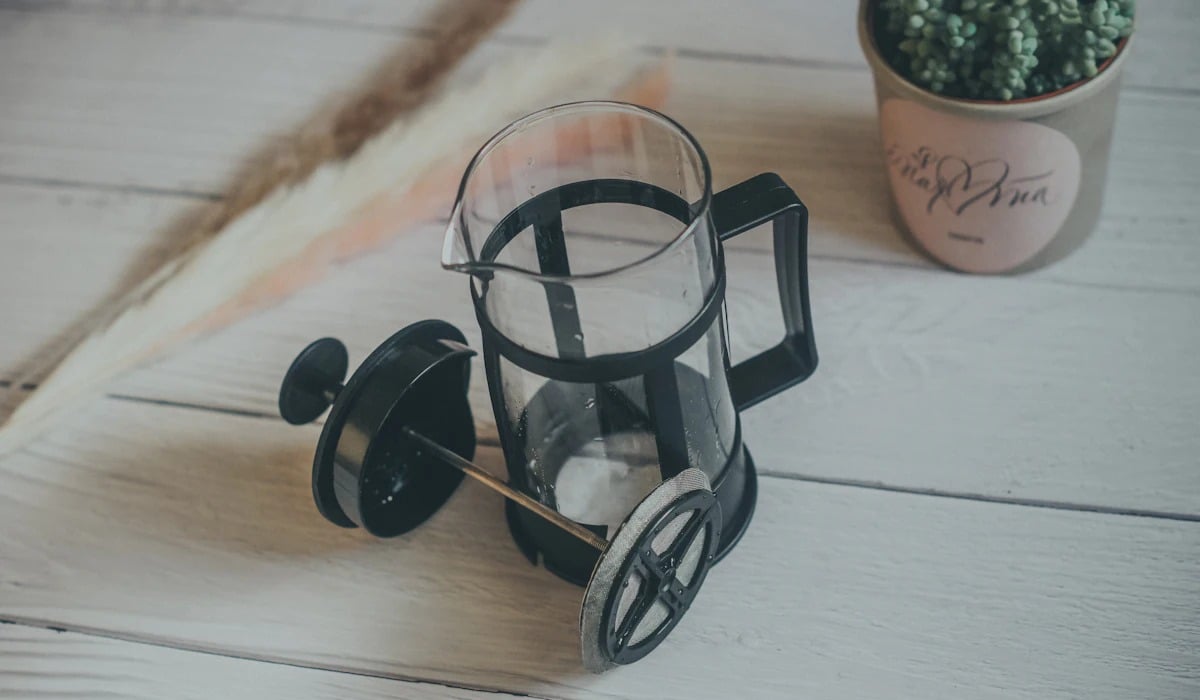
The Dazey Churn and Manufacturing Company became known for its glass-jar butter churns, which often bear the company name and St. Louis, Missouri, on the glass.
The tabletop design let a household churn a small batch at the kitchen table. Collectors often look for jars with legible lettering, original metal lids and the handle assembly intact.
Chipped glass, replaced lids and missing parts can reduce a piece’s appeal and value.
Cast Iron Enterprise Coffee and Meat Grinders
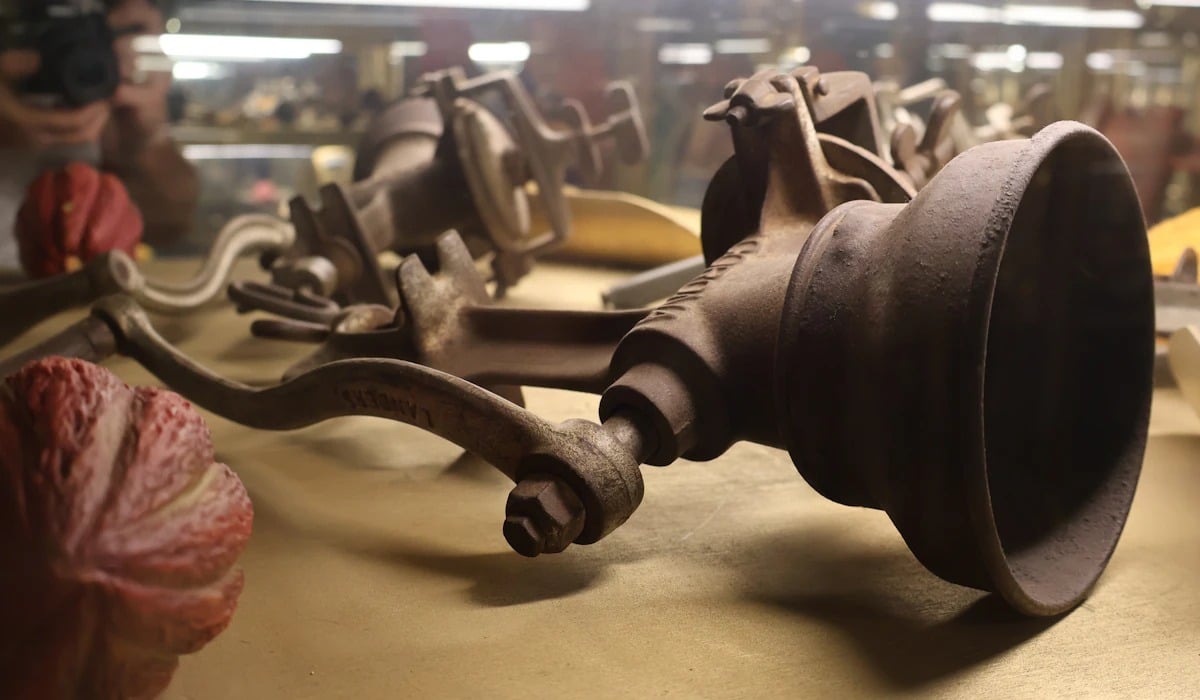
Enterprise Manufacturing Company of Philadelphia made hand-cranked coffee mills and meat choppers that suited farm kitchens. Its coffee mills, often topped with a cast eagle, remain recognizable among antique kitchen collectibles.
Complete pieces with the original hopper, drawer and crank may be more desirable than mismatched assemblies. A grinder that still turns smoothly can be easier to demonstrate and use than one with seized parts.
Carved Wooden Ox Yokes
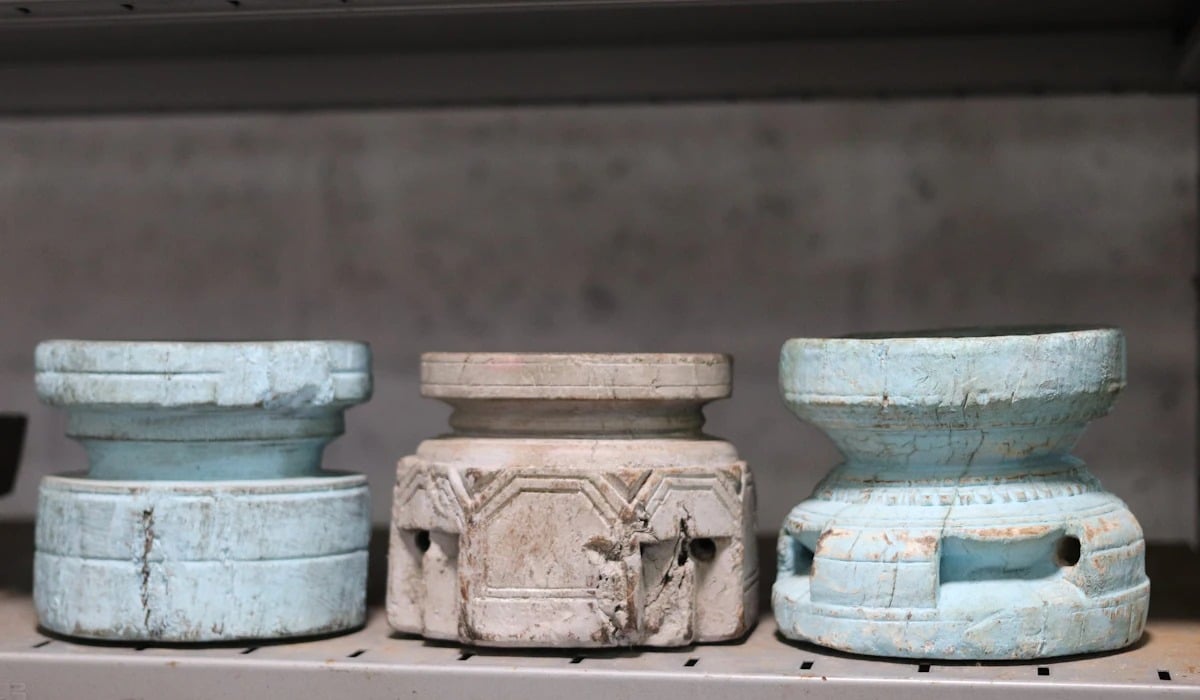
An ox yoke spread the pulling load across a pair of animals, and each one was fitted to the team that wore it. Hand-carved yokes with smooth, worn surfaces from years of use have an appeal that factory pieces cannot match.
Regional styles differ, and a yoke with known local history can be more interesting to collectors than an unattributed one. Cracks and heavy rot can significantly affect condition and value.
Brass and Copper Bull Rings and Lead Staffs
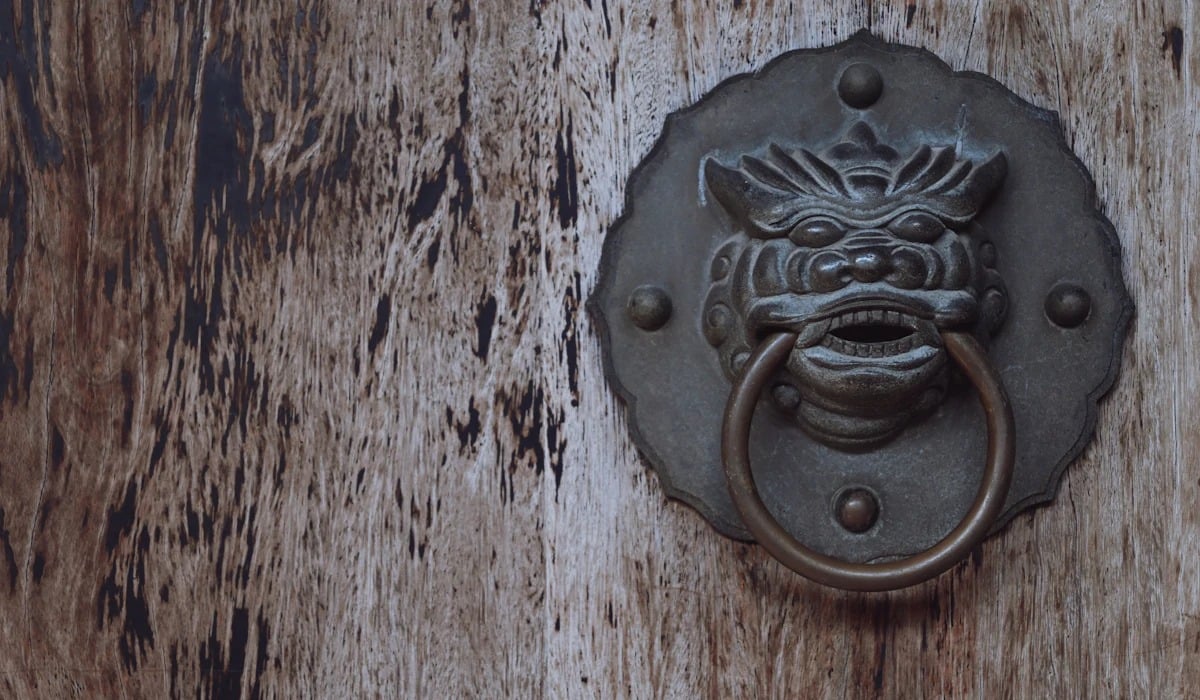
A ring through a bull’s nose gave handlers a way to guide an animal that outweighed them many times over. Collectors may seek rings of copper or brass with their original screw or clasp mechanisms, along with the long staffs that attached to them for leading.
The staff kept a handler at a respectful distance, which was the entire point. Matched sets with ring and staff together may be harder to find than individual pieces.
One-Piece Wooden Grain Shovels
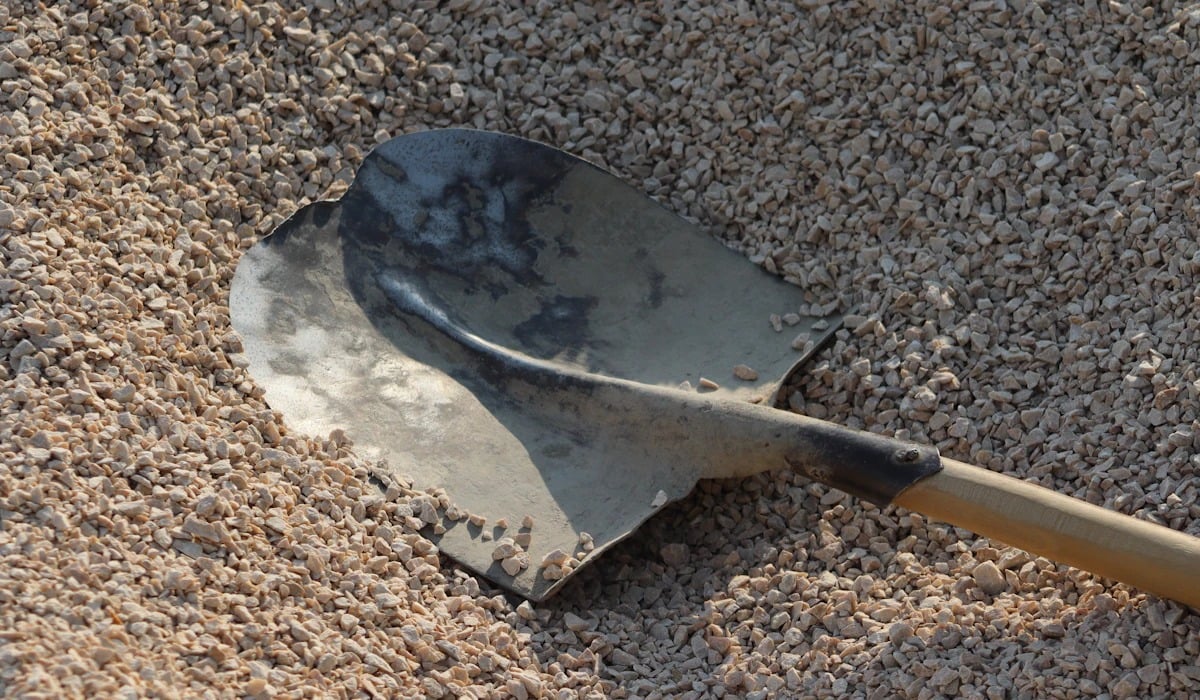
A good grain scoop was carved or shaped from a single board, with a long handle and a wide blade for moving oats and wheat from bin to wagon. Examples still wearing old red, green or blue paint may appeal to collectors of antique tools and folk art.
Folk art collectors like them for their clean silhouettes. A shovel with a cracked blade or a replaced handle may be less desirable than an intact example.
Serrated Hay Knives
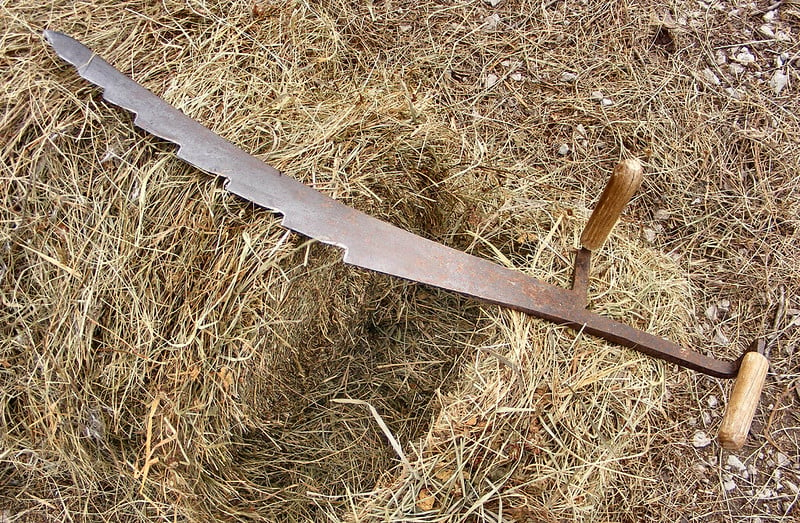
Hay packed tightly in a mow could be as dense as a mattress, and a hay knife cut it into manageable blocks. The long, saw-toothed blade with a T-shaped handle slid down through the stack with a sawing motion.
Examples bearing a maker’s stamp or blacksmith signature can be easier to identify and may interest tool collectors. Heavy pitting along the cutting edge can reduce both condition and appeal.
Hand-Carved Wooden Hay Forks
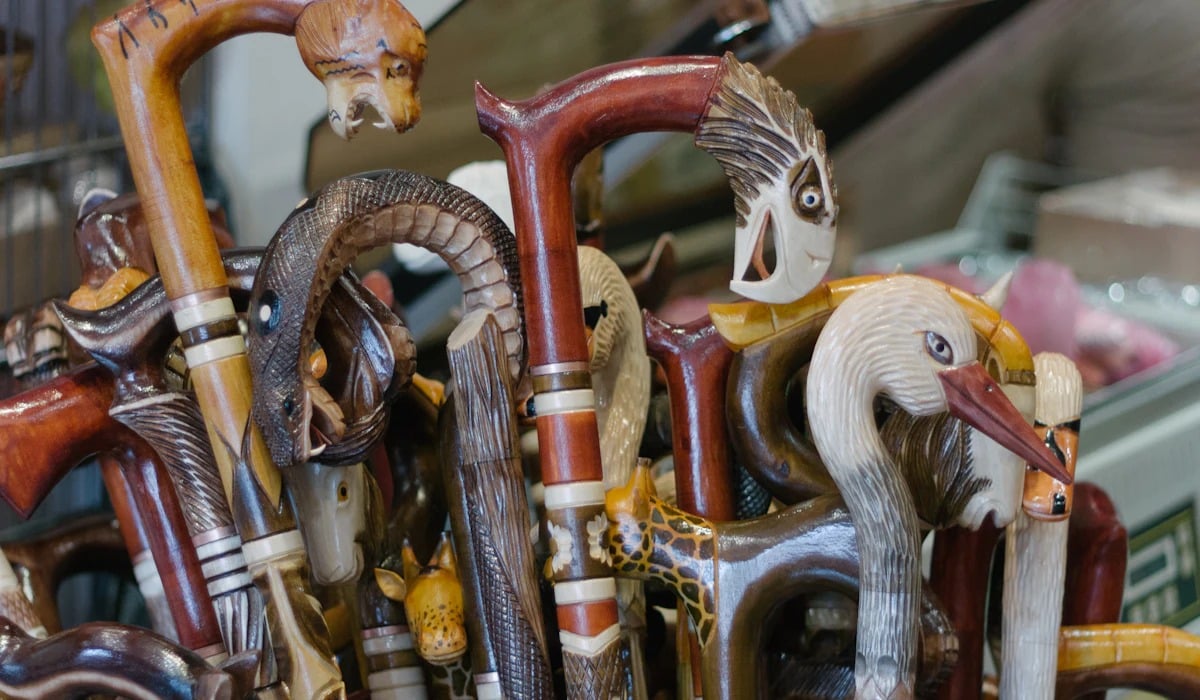
Some old pitchforks were shaped from a tree limb that grew naturally in a forked pattern. The tines on these wooden forks were then trimmed and smoothed, producing a tool that was light and surprisingly strong.
A fork with intact tines and a polished handle from long use can be an appealing survivor. Wooden forks are fragile, so surviving ones with all their tines may be harder to find in good condition than damaged examples.
Three-Legged Milking Stools

Three legs sit solidly on uneven barn floors, which is why the design was practical for milking stools. Hand-made versions with dished seats worn smooth by generations of farmers can appeal to collectors of primitive furniture and farm antiques.
Original paint, dovetailed construction or a branded owner’s mark may add interest. Stools that wobble because of replaced legs may be less desirable, particularly if the repairs are poorly done.
John Deere Early Steel Plows
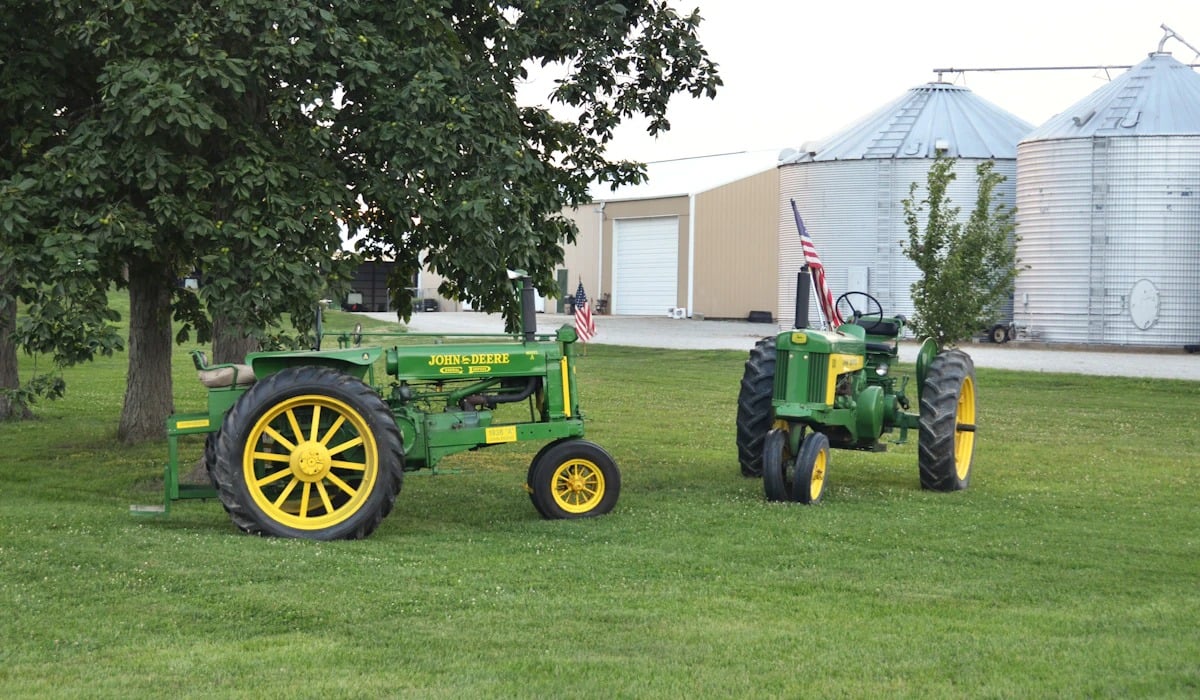
John Deere made his first steel plow in 1837, and the polished steel surface was meant to shed the sticky soil that clung to older plows. Collectors may be interested in early Deere plows because of their connection to the company’s founding history.
Examples with original stamping and unrepaired moldboards can be harder to find than later models. Later walking plows are far more common, but prices still depend on condition, model and local demand.
Horse Hames and Brass-Knobbed Harness Fittings
Hames are the curved supports that fit around a horse collar and anchor the traces that pull a load. Pairs with brass knobs, decorative caps or original paint may attract more interest than plain examples.
Complete matched sets are often more convenient for collectors to display and identify. A single hame without its mate may be harder to sell as a complete set.
Hand-Forged Cow and Sheep Bells
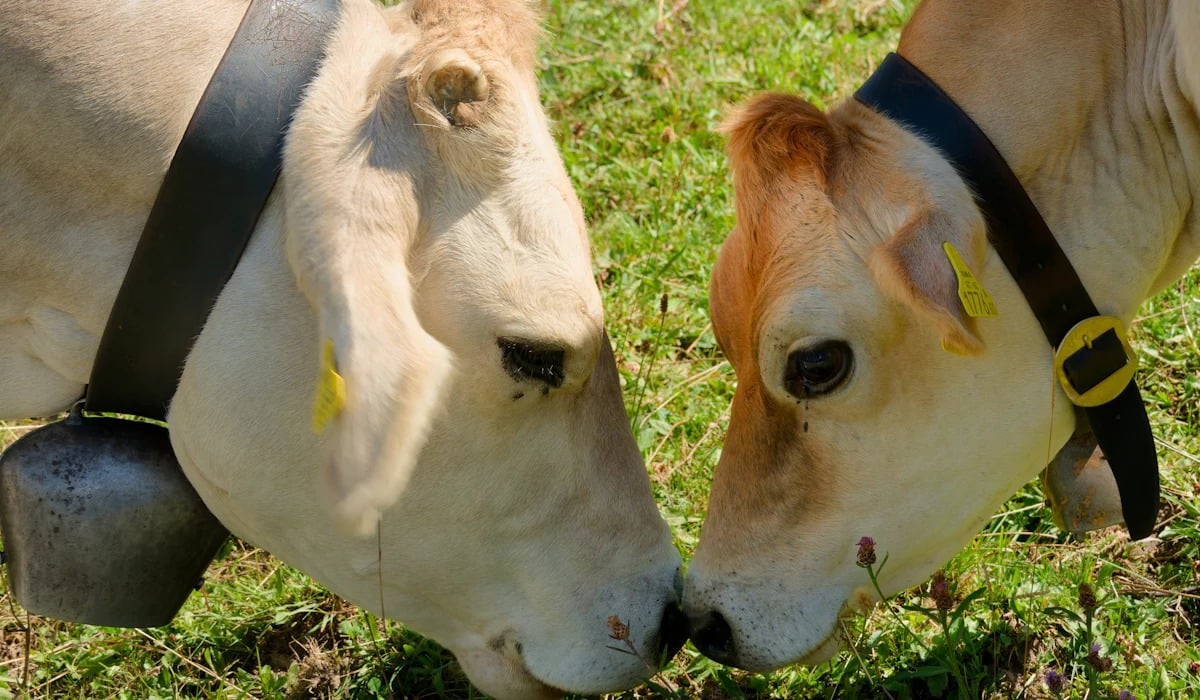
Farmers hung bells around the necks of grazing animals so a wandering cow could be found by sound. Many were hammered from sheet iron and riveted, then finished with brass or bronze plating or coating for a distinctive appearance.
Collectors may examine the tone and condition of the clapper, which is often missing. Bells with a maker’s stamp or a decorated strap can have added appeal, depending on rarity and condition.
Goodell Turn-Table Apple Parers
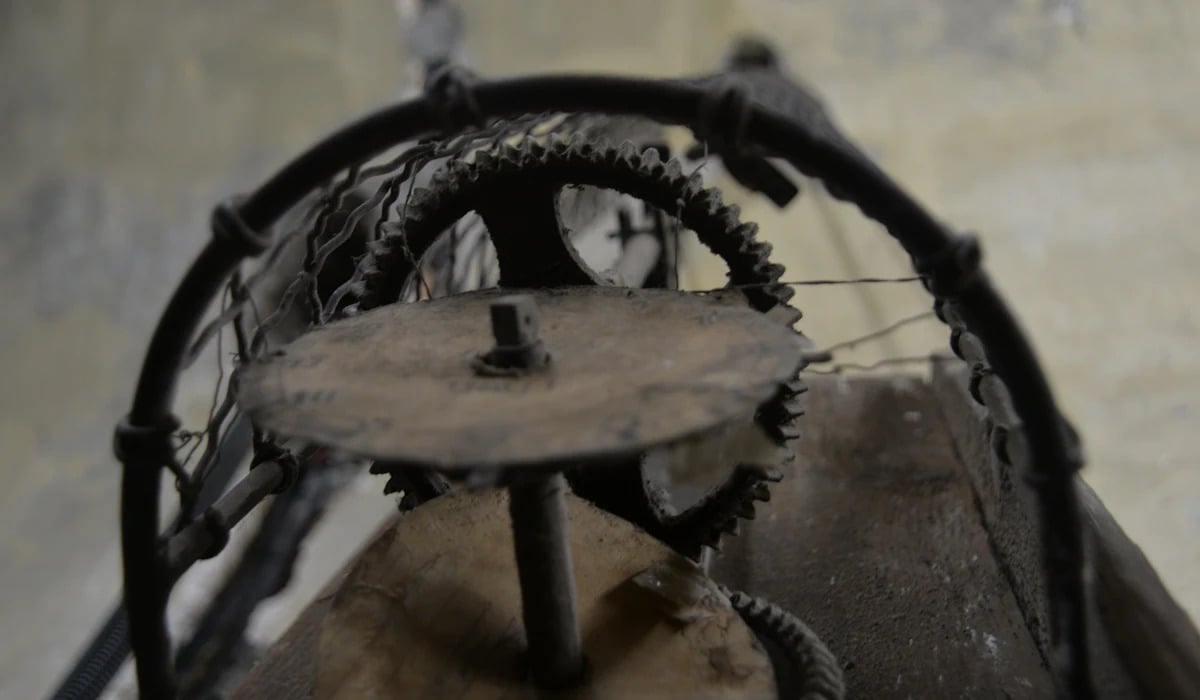
The Goodell Company of Antrim, New Hampshire, made cast iron apple parers, and its Turn Table models are among the best known. A hand crank drove the gears that spun the fruit against the blade.
Collectors may appreciate the clever mechanics, and a working parer with its original parts can be more desirable than an incomplete one. Missing prongs, cracked frames or seized gears can reduce its appeal.
Cast Iron Lard and Sausage Presses
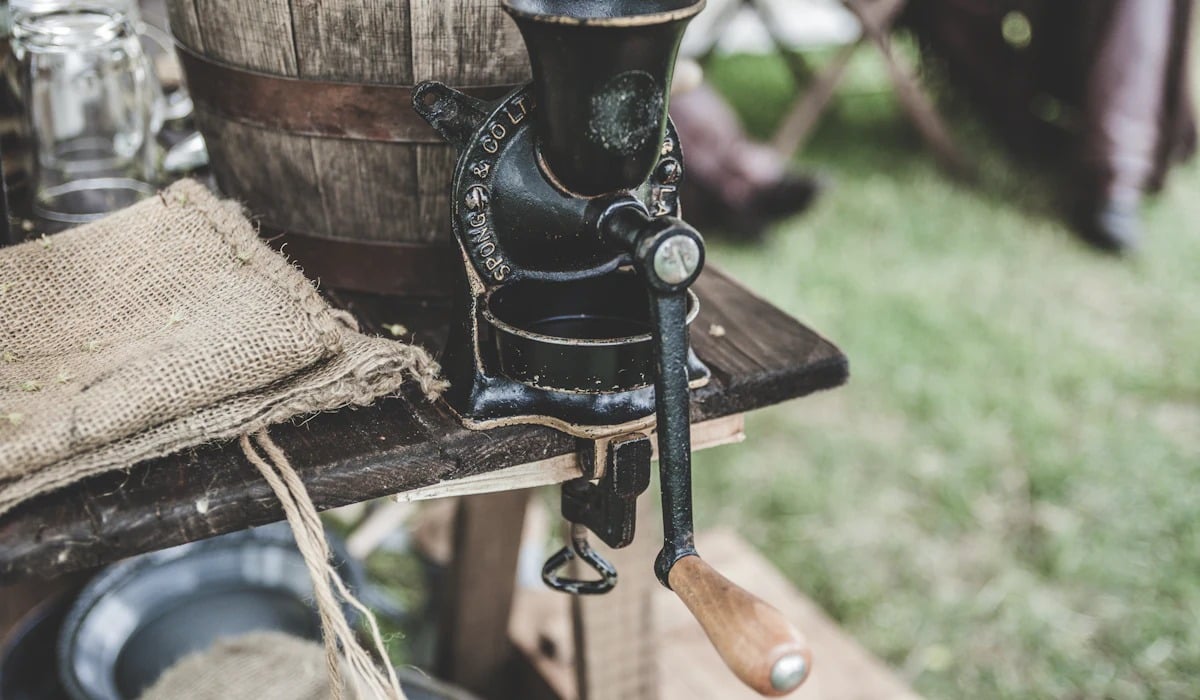
Hog butchering day meant rendering fat and packing meat into casings, and cast iron presses handled both. A screw-driven plunger squeezed lard from cracklings or forced sausage meat through a tube.
Presses with maker’s names cast into the cylinder or base can be easier to identify. Complete units with plates and fittings intact may attract more interest than incomplete assemblies.
Wooden Hand Corn Jab Planters
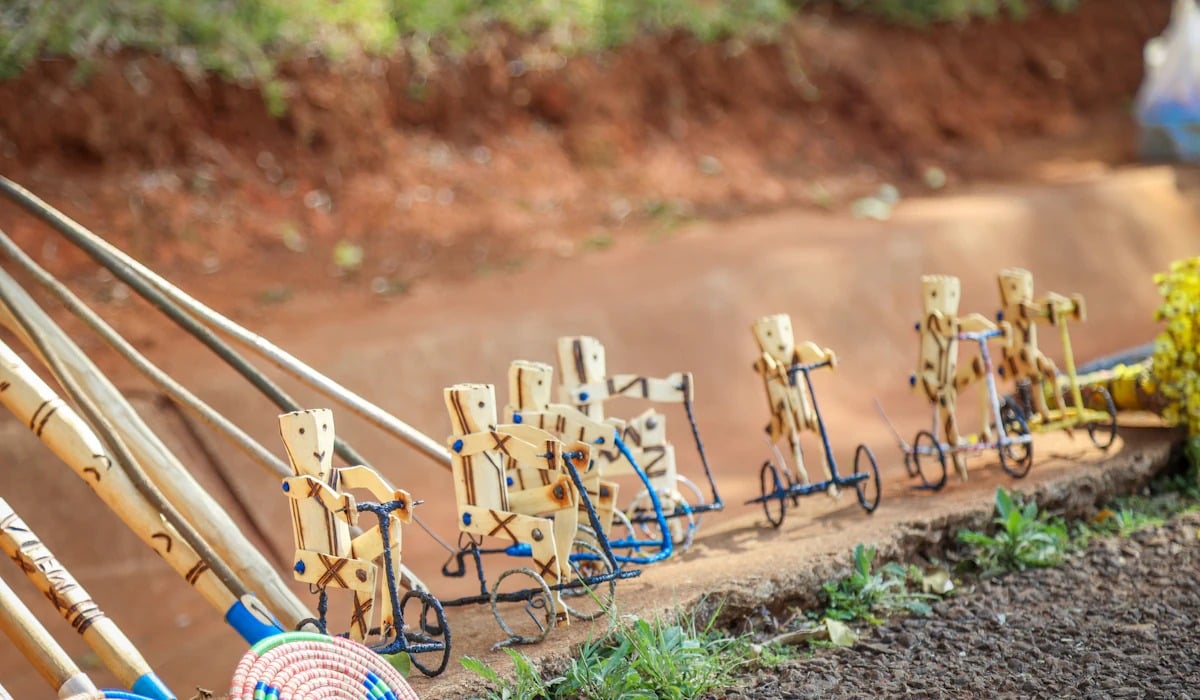
A jab planter held a few seeds in a hopper and dropped them into the soil when the farmer stabbed it into the ground and released a spring-loaded jaw. Wooden examples with iron fittings were common before mechanical planters took over.
Collectors may be interested in early handmade versions and examples marked by regional makers. A working mechanism and an unsplit body can improve a planter’s appeal.
Wooden Flax Breaks and Hetchels
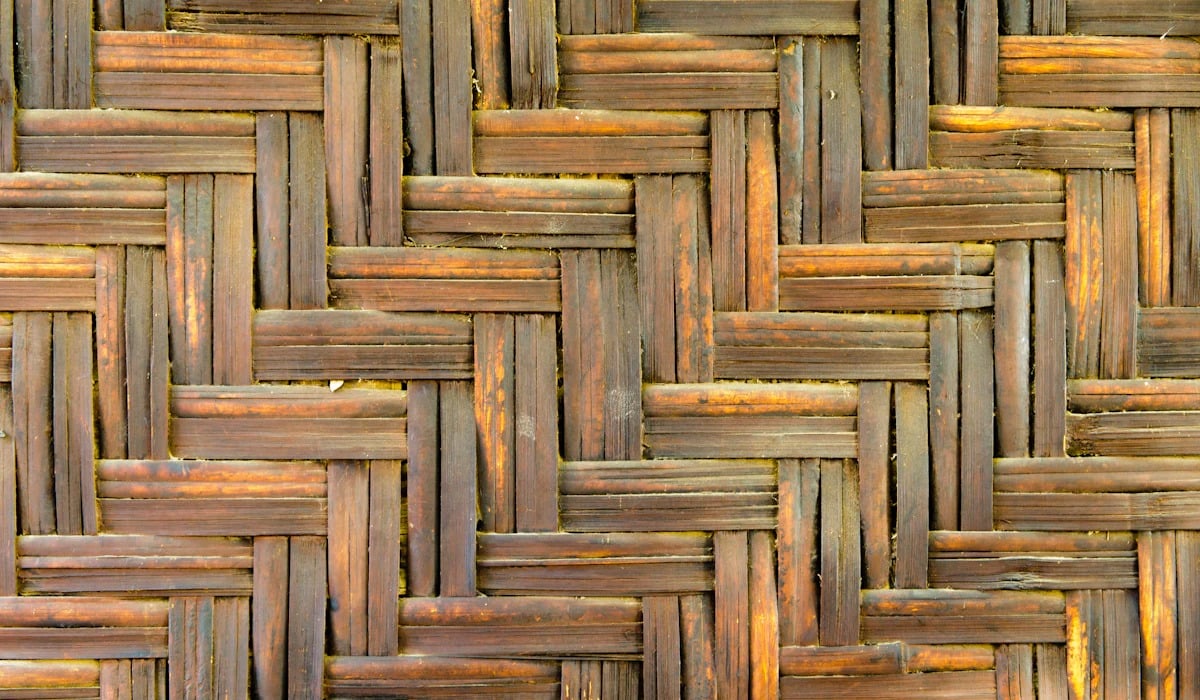
Turning flax stalks into linen thread took several stages, and the flax break crushed the woody stem so the fibers could be freed. A hetchel, a board bristling with iron spikes, then combed the fibers clean.
Both tools can appeal to collectors of antique textile and rural craft equipment, and handmade examples with worn surfaces may be especially interesting. The sharp points on a hetchel make a complete, undamaged one a striking display piece.
Ice Harvesting Saws and Tongs
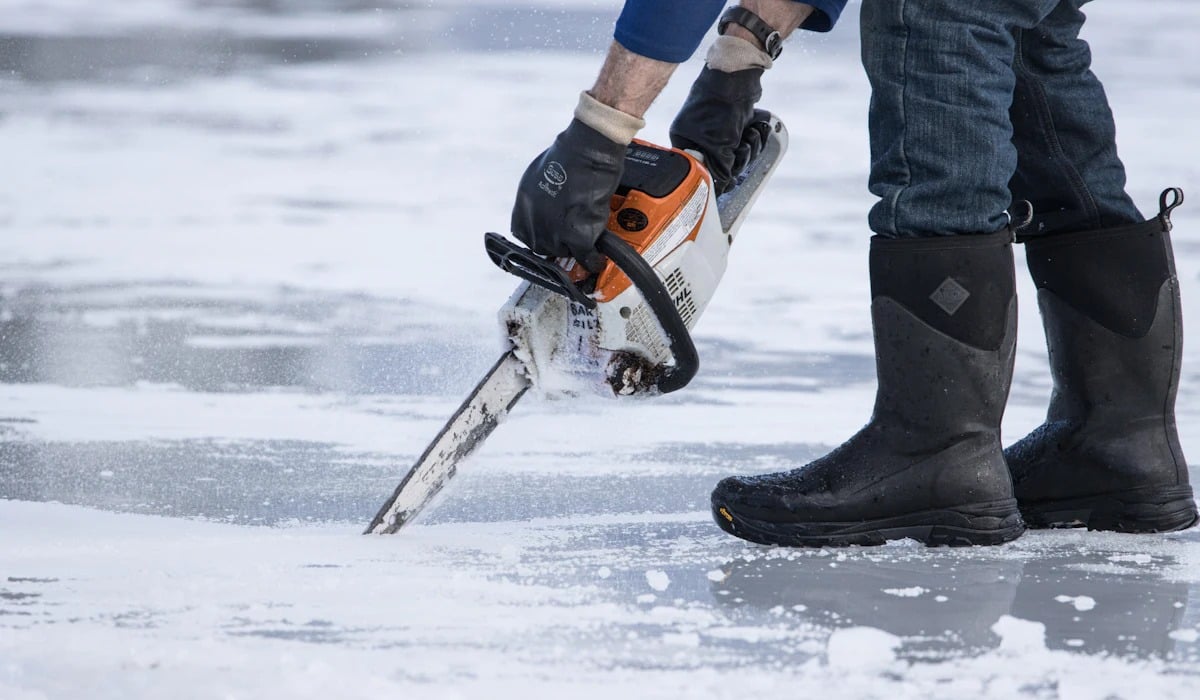
Before electric refrigeration, farmers cut blocks of ice from frozen ponds and stored them in sawdust-packed icehouses. Long-bladed ice saws, grappling tongs and pike poles did the work.
Collectors may prefer pieces with maker stamps from dedicated ice tool companies and clean, unpitted steel. Complete sets can be appealing display groups, although value depends on condition, rarity and demand.
Bell-Shaped Cast Iron Hog Scrapers
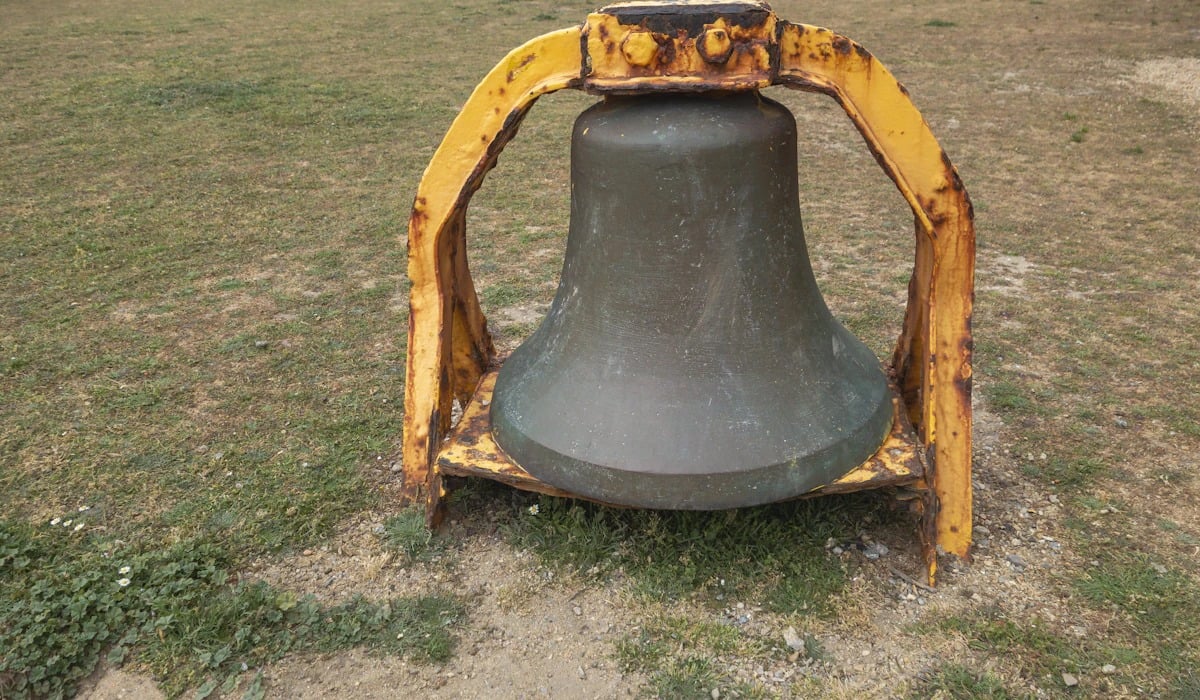
After a hog was scalded, workers scraped the bristles from its hide with a small cast iron scraper shaped like a bell. A short handle fit in one hand while the wide edge did the work.
Some carry foundry names or patterns cast into the body. They are generally smaller and easier to display than many large farm tools, but clean, well-marked examples may attract interest from collectors of agricultural and butchering equipment.
Maple Sap Spiles and Buckets
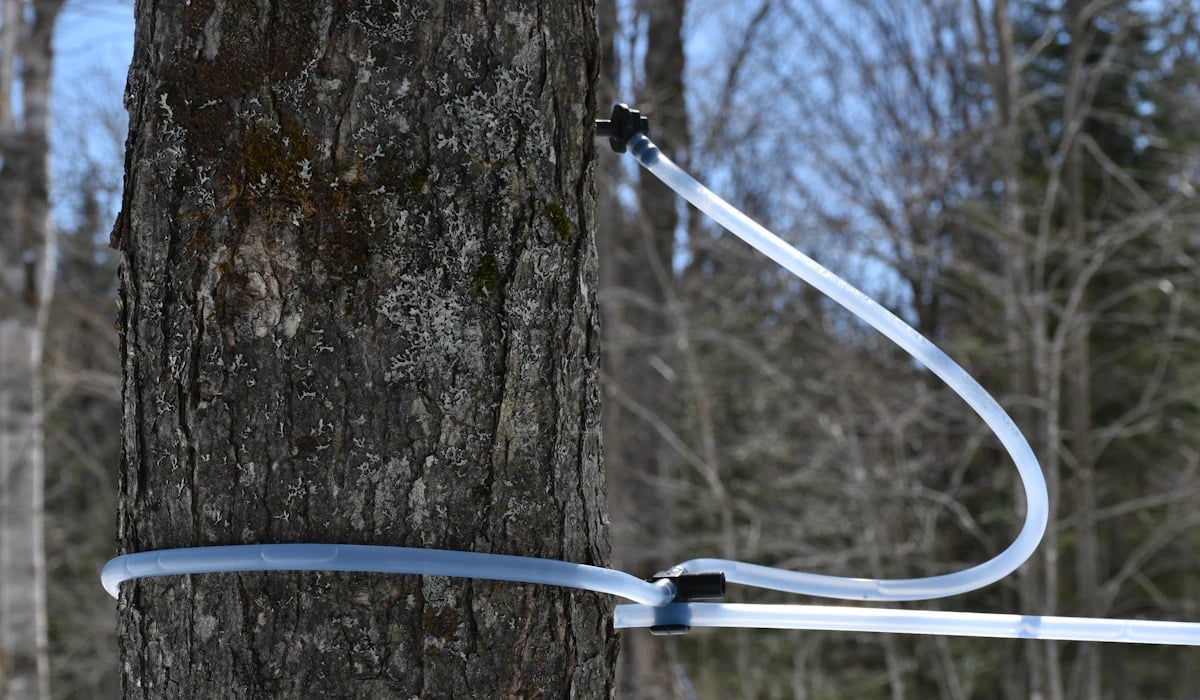
Maple sugaring depended on small metal or wooden spouts, called spiles, driven into a tapped tree to guide sap into a bucket. Early hand-turned wooden spiles and tin sap buckets with their original lids can appeal to collectors of maple-sugaring equipment.
Examples with makers’ marks or buckets still wearing a faded painted label may be easier to identify and more attractive to buyers. Dented, rusted-through buckets are generally in poorer condition and may have limited value.
Red Jacket and Other Cast Iron Hand Pumps
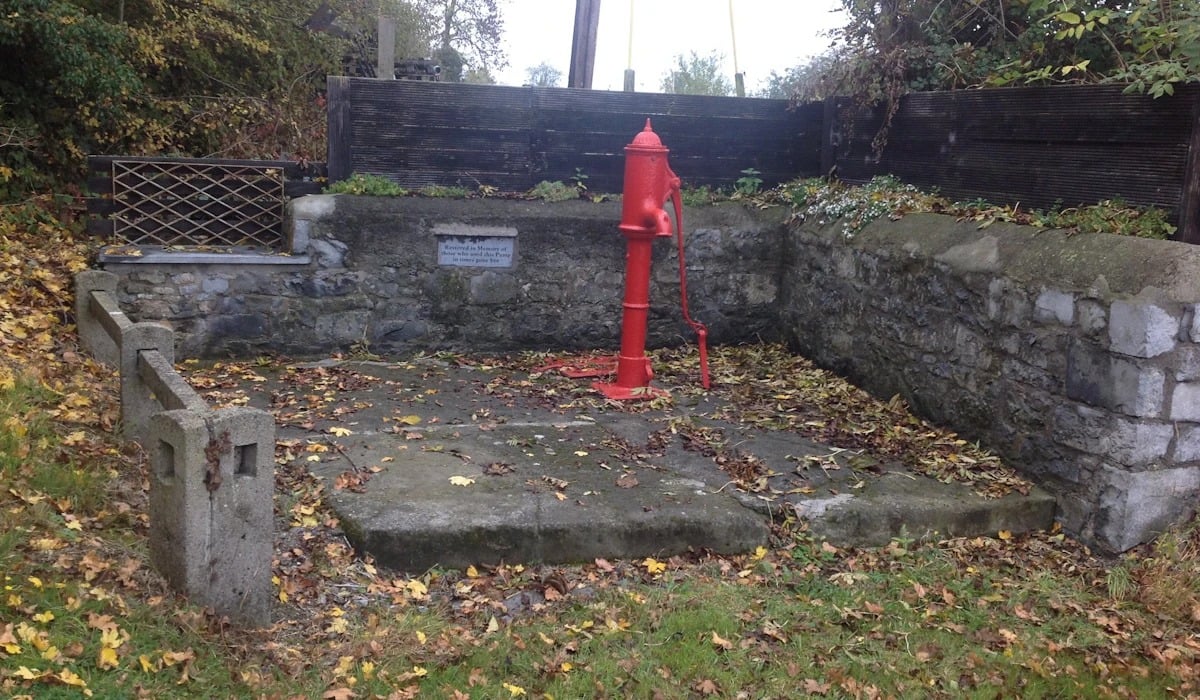
The Red Jacket Pump Company was associated with Davenport, Iowa, and manufactured pumps for farm and other uses. A lever handle and spout on a heavy iron body made them sturdy fixtures of the farmyard.
Collectors may look for pumps with original paint, intact handles and maker marks. Pumps that are cracked from freezing can be difficult or impractical to restore and may have substantially lower value.
Why Old Tools Keep Finding New Buyers
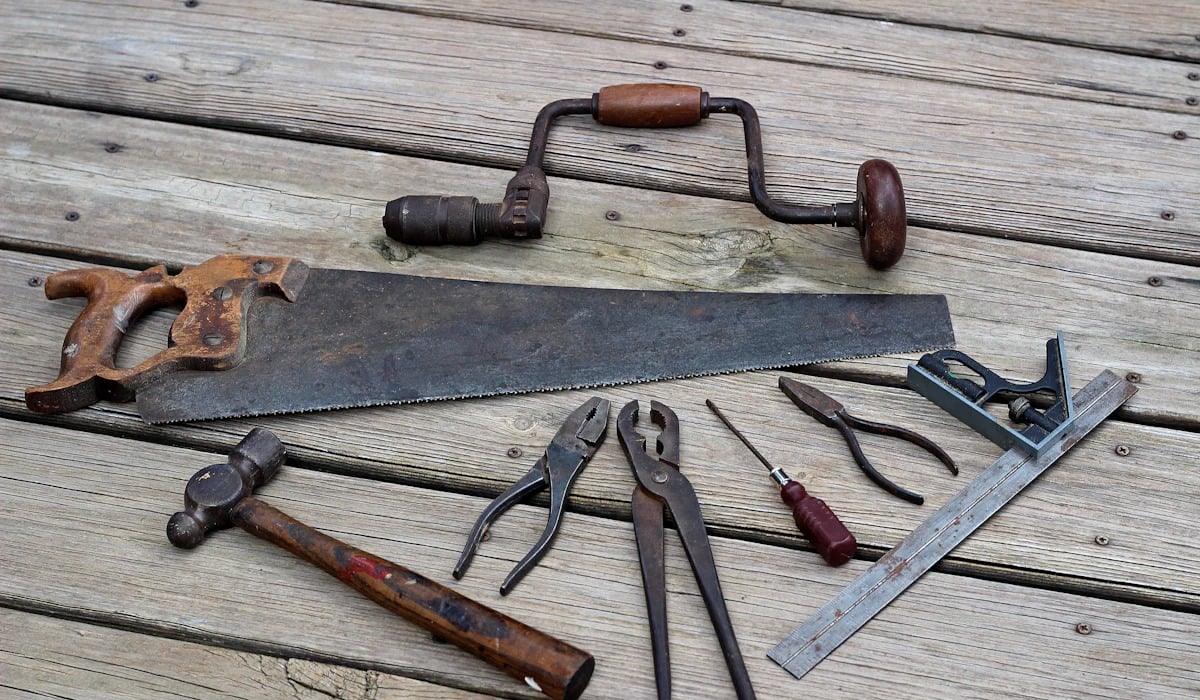
Each of these tools solved a problem that now seems far away, and that distance is exactly what makes them appealing. A cradle scythe or a bull staff tells a story that a modern machine cannot, and handling one feels like touching a working day from another century.
Buyers who once wanted only functional objects now look for evidence of the hands that made and used them.
The market still rewards patience and a sharp eye. Original paint, matching parts and a maker’s name can change a piece from ordinary to desirable, but none guarantees a high price.
A heavy hand with a wire brush can erase historical finishes in an afternoon. The tool leaning in a corner of the barn may be worth saving exactly as it is, at least until its maker, age, condition and comparable sold prices have been checked.
MORE FROM GO2TUTORS!

- The Romanov Crown Jewels and Their Tragic Fate
- 13 Historical Mysteries That Science Still Can’t Solve
- Famous Hoaxes That Fooled the World for Years
- 15 Child Stars with Tragic Adult Lives
- 16 Famous Jewelry Pieces in History
Like Go2Tutors’s content? Follow us on MSN.