Rarest Designer Handbags Ranked By Price
The world of luxury handbags exists in a realm where craftsmanship meets obsession, where waiting lists stretch for years, and where a single bag can cost more than most people’s cars. These aren’t just accessories — they’re artifacts of desire, status symbols that whisper rather than shout, and investments that often appreciate faster than traditional portfolios.
Some handbags transcend their functional purpose entirely, becoming almost mythical objects that collectors pursue with the intensity of treasure hunters.
What makes a handbag truly rare goes beyond limited production numbers. It’s the convergence of exceptional materials, legendary craftsmanship, celebrity provenance, and that indefinable quality that transforms an object into an icon.
These bags don’t just carry belongings — they carry stories, prestige, and the kind of exclusivity that money alone can’t always buy.
Hermès Birkin Faubourg
The Faubourg Birkin commands $400,000 and represents everything audacious about luxury handbag design. Created to celebrate Hermès’ flagship store address, this piece transforms architecture into accessories.
The bag’s front literally depicts the storefront at 24 Rue du Faubourg Saint-Honoré.
Three craftsmen work for two years on each bag. Each window detail gets hand-painted.
The precision required borders on microscopic.
Mouawad 1001 Nights Diamond Purse
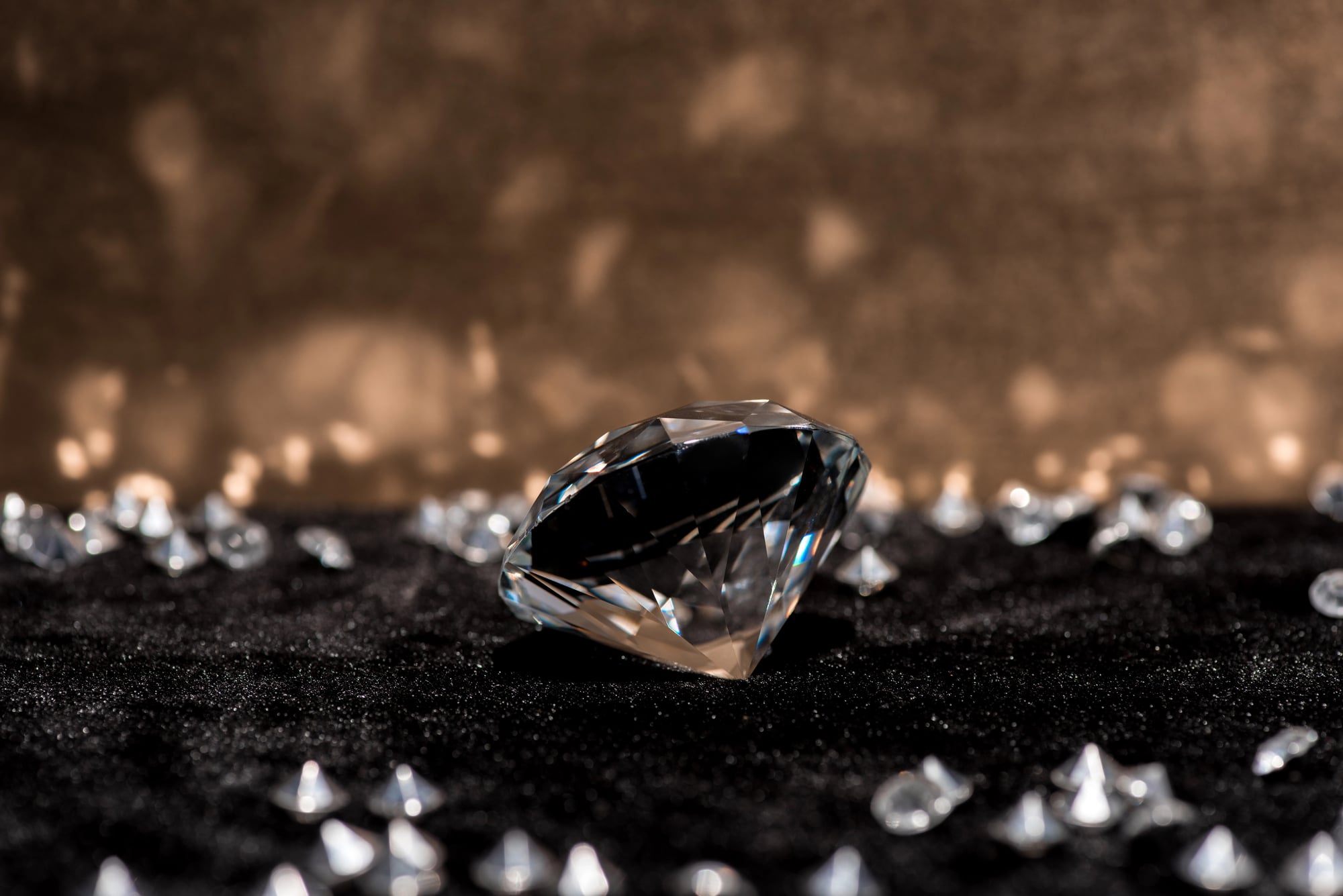
At $3.8 million, the 1001 Nights Diamond Purse exists more as a statement than a functional bag (though it technically functions, which somehow makes it more remarkable than if it were purely sculptural). The piece incorporates 4,517 diamonds — 105 yellow, 56 pink, and 4,356 colorless — set into 18-karat gold, and while the mathematics of luxury rarely make emotional sense, there’s something almost stubborn about creating an object this excessive.
So much craftsmanship invested in something that will likely spend most of its existence in a climate-controlled vault. And yet the fact that it could be carried — that someone, somewhere, might actually take this diamond-encrusted marvel to lunch — speaks to a kind of beautiful human absurdity that transcends mere wealth.
Hermès Diamond Himalaya Birkin
Some objects seem to absorb light rather than reflect it, and the Diamond Himalaya Birkin achieves this through what can only be described as material alchemy. Priced at $500,000, this bag transforms Niloticus crocodile skin through a gradual dying process that mimics the Himalayan mountain range — darker at the base, fading to pristine white at the peaks.
The diamonds aren’t decoration; they’re punctuation marks in a longer conversation about what skin and metal and human hands can accomplish together.
The dying process alone takes months. Each bag requires the hide of two crocodiles.
The waiting list doesn’t exist because Hermès doesn’t maintain one for pieces this rare.
Chanel Diamond Forever Classic
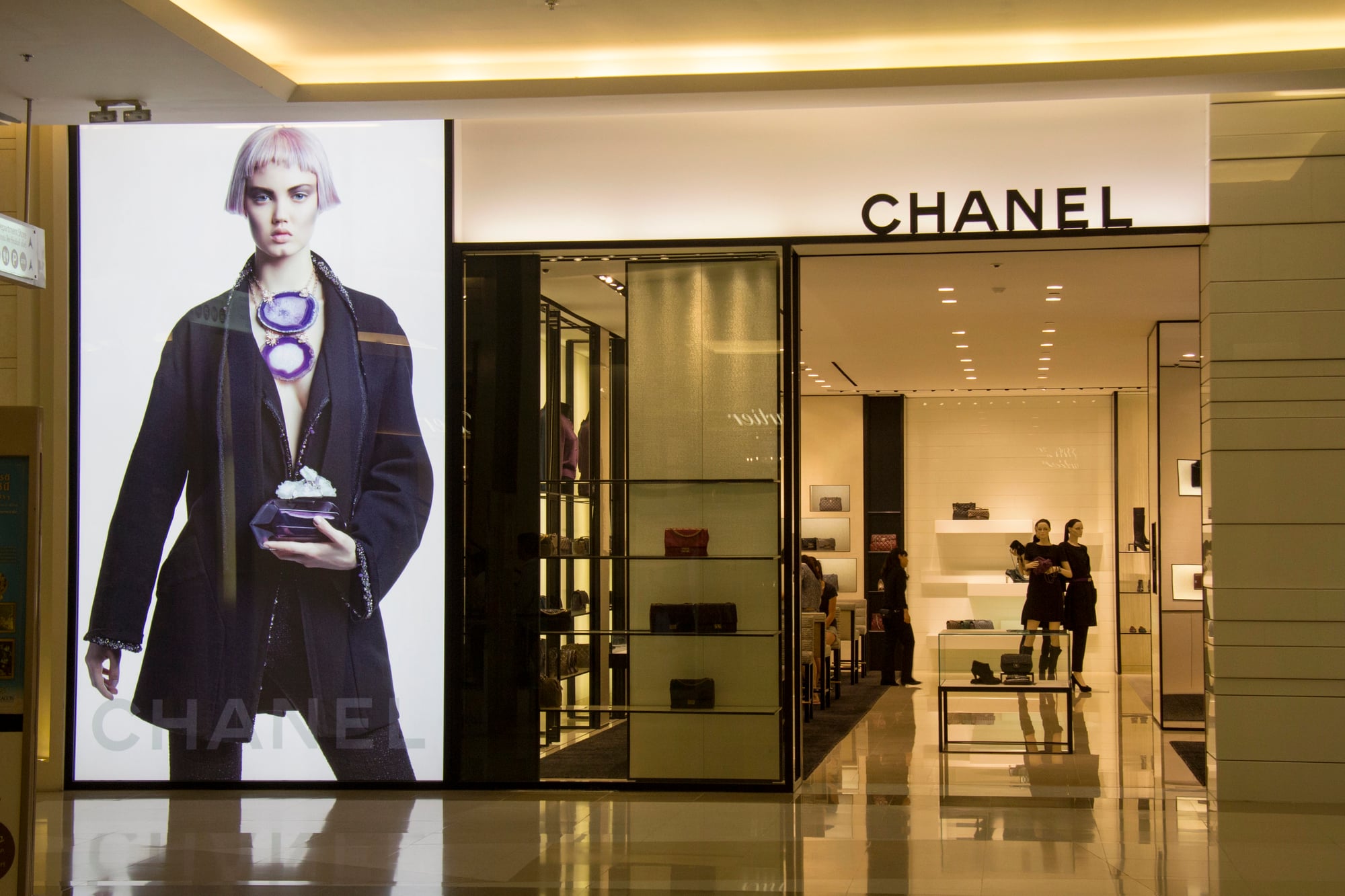
Chanel’s Diamond Forever Classic costs $261,000 and proves that minimalism can be just as expensive as excess. The bag maintains Chanel’s signature quilted pattern while incorporating 334 diamonds into the design.
What makes this piece remarkable isn’t the diamonds themselves but how they integrate seamlessly into Gabrielle Chanel’s original vision.
The diamonds are set so precisely that the quilted pattern remains uninterrupted. Each bag requires 160 hours of work.
Only thirteen have ever been made.
Hermès Exceptional Collection Shiny Rouge Birkin
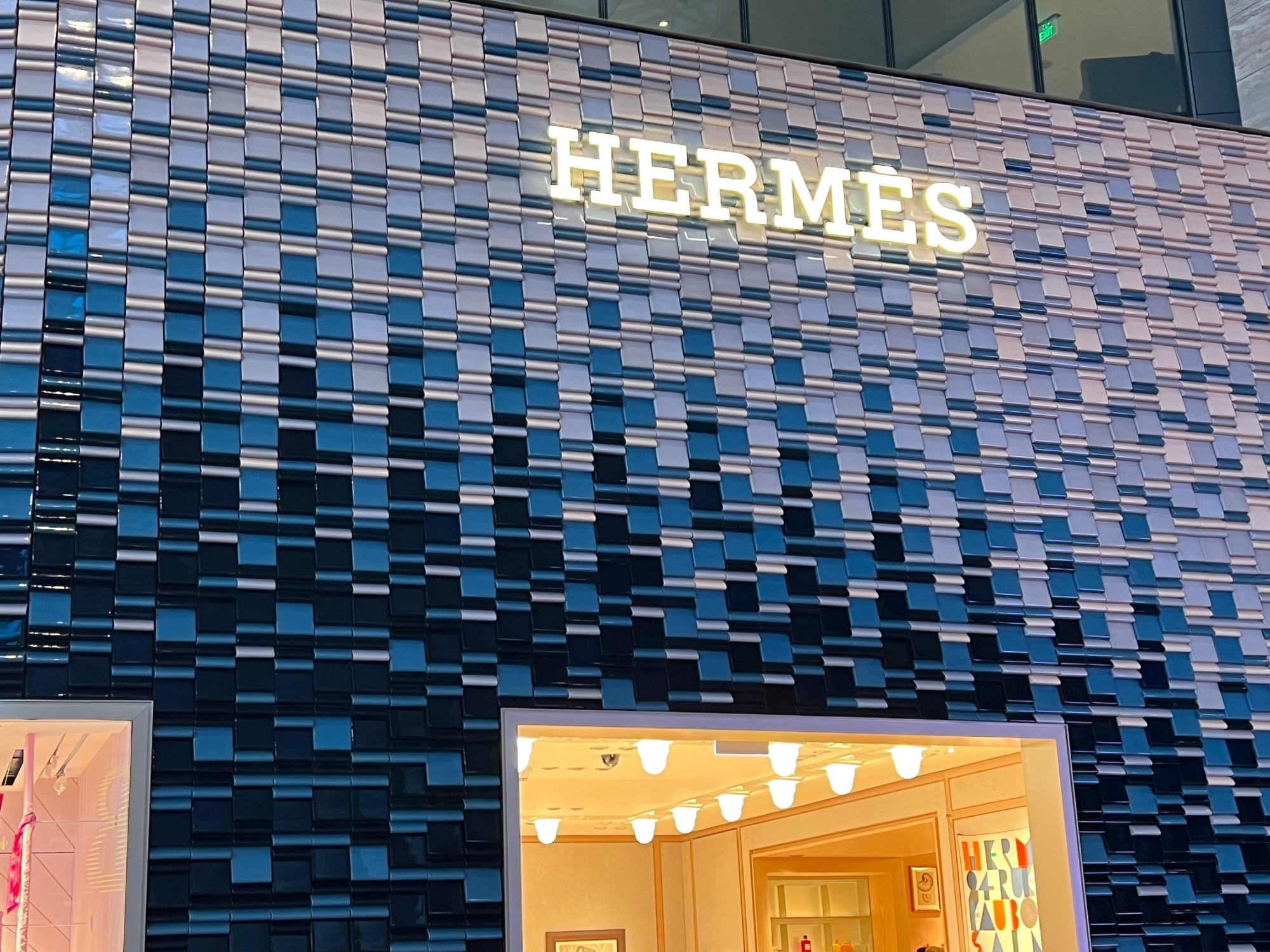
The Shiny Rouge Birkin occupies a peculiar space in luxury retail: it costs $298,000, exists in extremely limited quantities, and yet maintains an almost casual elegance that belies its astronomical price point. The “Shiny” designation refers to the Porosus crocodile skin’s finish, which achieves a lustrous quality that seems to glow from within rather than simply reflecting external light.
And while the bag functions exactly like any other Birkin (which is to say, with the kind of mechanical perfection that makes everyday purses feel like amateur construction projects), there’s something almost defiant about spending this much money on what is, functionally speaking, a very sophisticated way to carry car keys and lip balm.
But then again, people don’t buy art because they need something to cover wall space.
Goldvish Le Million
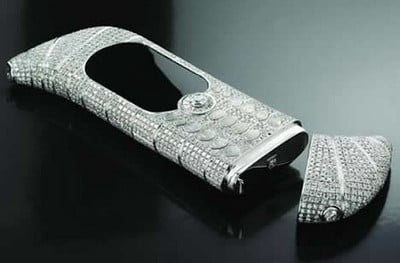
The Goldvish Le Million handbag represents Swiss precision applied to fashion. At $1.9 million, this piece incorporates 2,182 diamonds set in 18-karat white gold.
The bag functions as both accessory and jewelry, blurring the traditional boundaries between categories.
Swiss watchmakers crafted the hardware. Each diamond underwent individual selection.
The waiting period extends beyond two years.
Hermès Matte White Himalaya Niloticus Crocodile Diamond Birkin
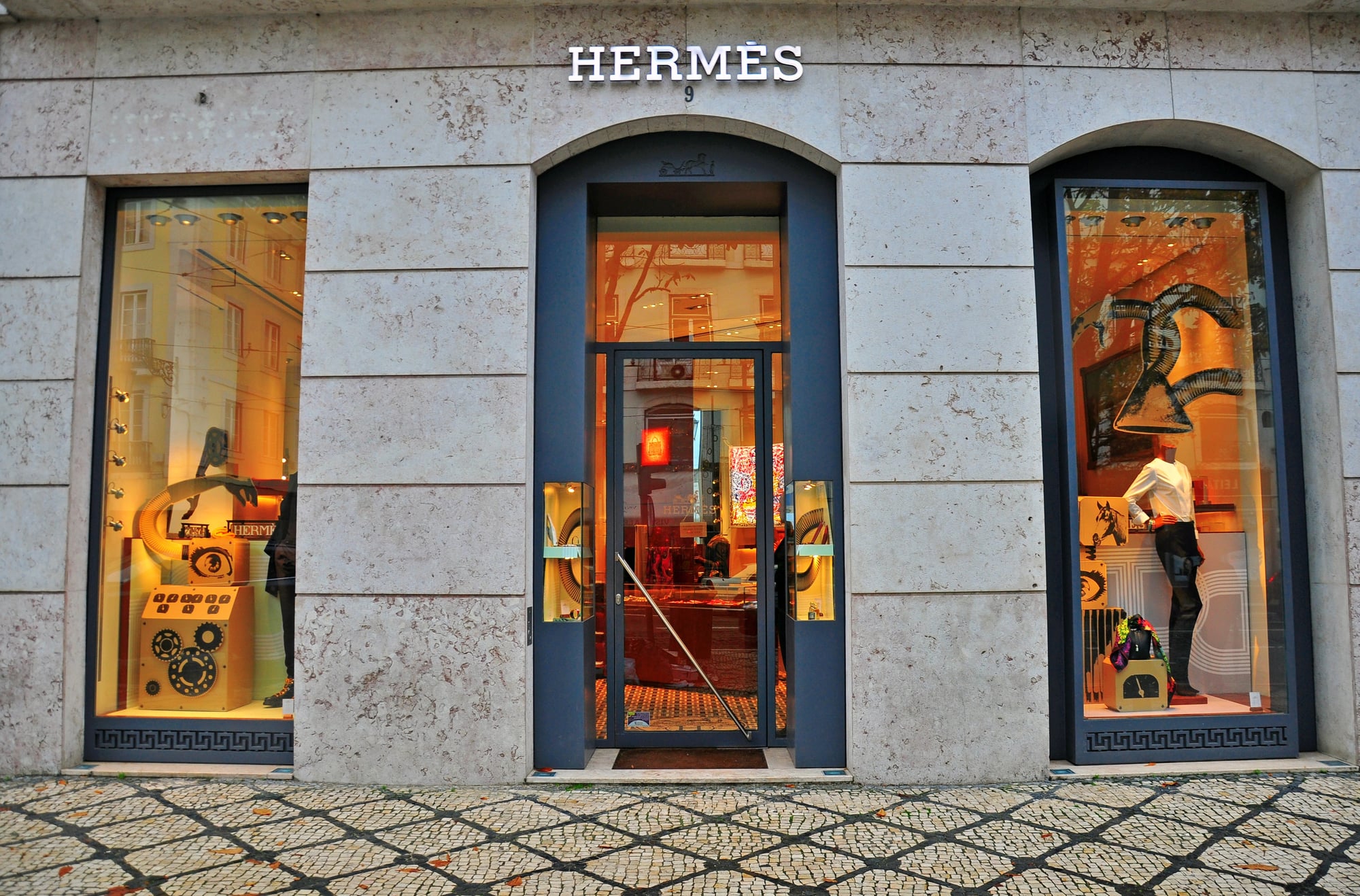
Like watching snow fall in slow motion, the Matte White Himalaya Birkin achieves something that feels almost meditative in its perfection. Priced at $432,000, this bag represents the intersection of natural beauty and human craftsmanship in ways that make the final object seem inevitable rather than constructed.
The Niloticus crocodile skin undergoes a gradual bleaching process that creates the signature Himalayan gradient, while the matte finish gives the entire piece an almost powdery softness that invites touch.
The white gold hardware whispers rather than announces itself. Diamond accents punctuate rather than dominate the design.
Standing near one of these bags feels like being in the presence of something that shouldn’t exist but absolutely does.
Lana Marks Cleopatra Clutch
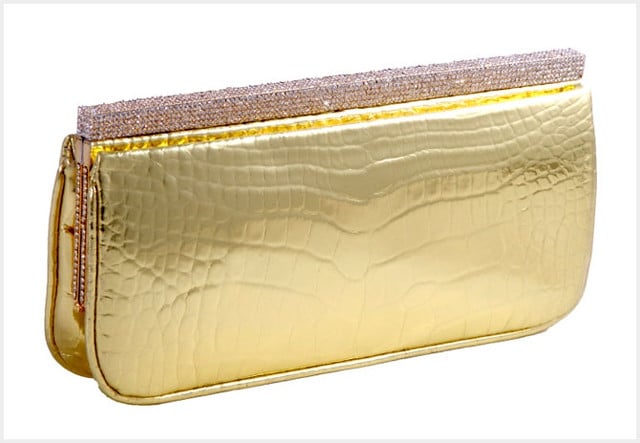
The Cleopatra Clutch costs $400,000 and gets produced exactly once per year. Lana Marks creates each piece using rare materials — alligator, crocodile, lizard, or ostrich — and allows customers to customize every detail.
The exclusivity isn’t manufactured; it’s structural.
Each bag requires eight months of work. Only one craftsman handles each piece from start to finish.
The waiting list remains permanently closed to new customers.
Hermès Birkin Bag By Ginza Tanaka

Japanese craftsmanship meets French luxury in this $1.9 million creation. Ginza Tanaka covered an Hermès Birkin entirely in platinum and set it with over 2,000 diamonds.
The bag weighs significantly more than a traditional Birkin but maintains the same proportions and functionality.
The platinum coating required completely reimagining the construction process. Each diamond placement was mapped digitally before setting.
The bag takes three years to complete.
Hermes Chaine d’Ancre Punk Birkin
At $120,000, the Chaine d’Ancre Punk Birkin proves that even rebellion can be expensive when executed with sufficient craftsmanship. This bag takes Hermès’ traditional anchor chain motif and transforms it into something that wouldn’t look out of place in a high-end motorcycle shop (though it would certainly be the most expensive item there by a considerable margin).
The punk aesthetic shouldn’t work with Hermès’ typically restrained approach to luxury, but somehow the combination creates something that feels both subversive and entirely logical.
So much for assumptions about what luxury should look like. The waiting list for this particular contradiction spans eighteen months, which suggests that plenty of people understand the appeal of expensive rebellion.
Chanel Alligator Chanel 19 Flap Bag
Chanel’s Alligator 19 Flap Bag costs $35,000 and updates Gabrielle Chanel’s original vision for contemporary luxury. The alligator skin undergoes a specialized tanning process that enhances durability while maintaining flexibility.
Each bag requires the complete hide of one alligator.
The signature chain strap incorporates both leather and metal links. Construction takes six months per bag.
Chanel produces fewer than fifty annually.
Hermès Rose Gold Birkin
The Rose Gold Birkin occupies that strange territory where function and art converge so completely that discussing practical utility feels almost beside the point. At $2 million, this bag incorporates actual rose gold hardware — not plating, not accents, but solid rose gold components that add both weight and warmth to the piece.
The Swift leather maintains Hermès’ signature suppleness while providing the perfect backdrop for the metallic elements.
Carrying this bag transforms routine errands into performance art. The rose gold catches light differently throughout the day, creating subtle variations in appearance that make the same bag look different in morning versus afternoon light.
Louis Vuitton Urban Satchel
Louis Vuitton’s Urban Satchel costs $150,000 and represents the house’s attempt to translate street culture into luxury materials. The bag uses rare crocodile skin and incorporates subtle graffiti-inspired elements that feel authentic rather than appropriated.
Each piece requires approval from multiple departments before production begins.
The construction process takes eight months. Each bag undergoes individual quality testing.
Production remains limited to twenty pieces annually.
Keeping Perspective On Rarity
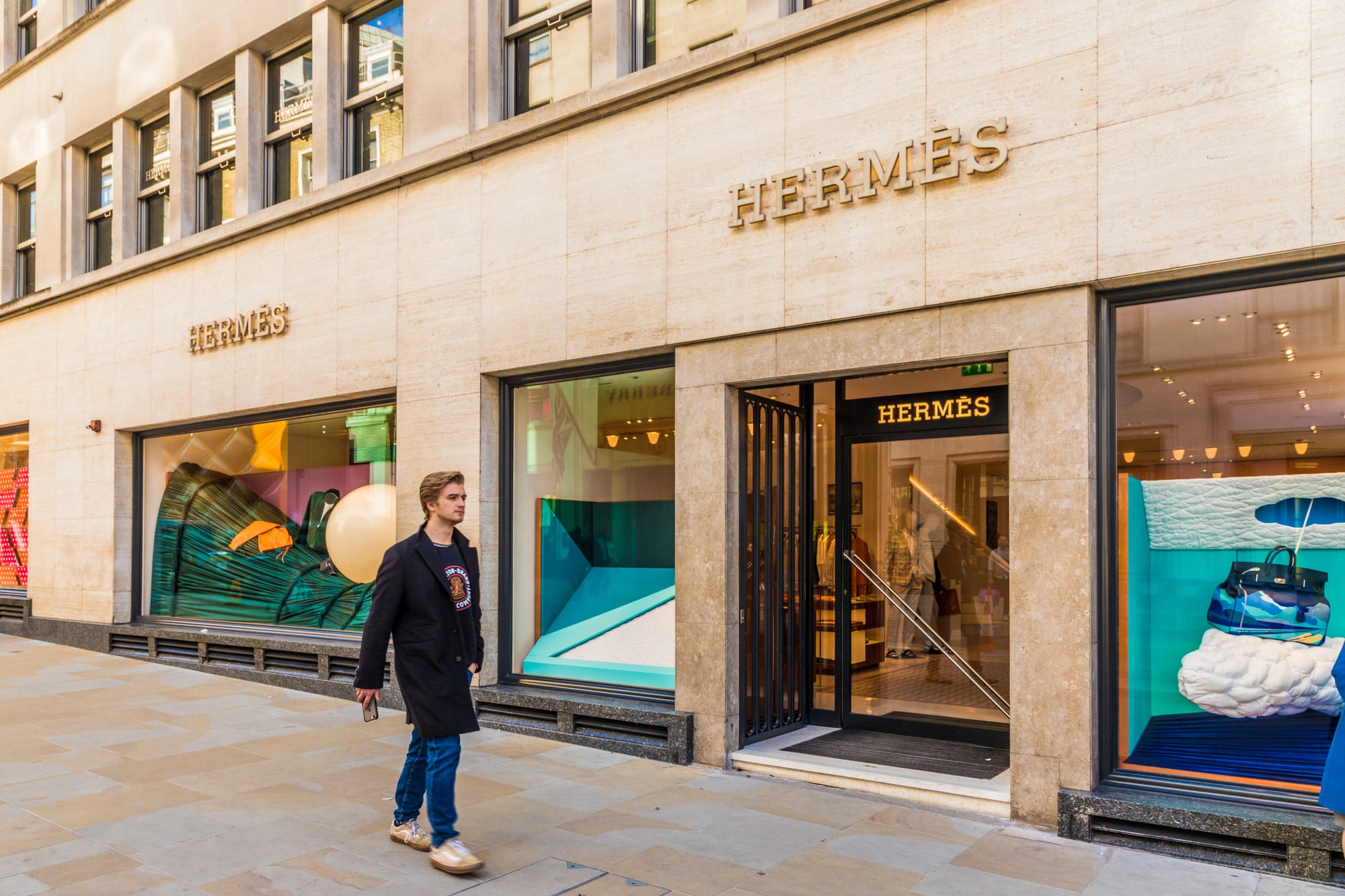
These astronomical prices reflect more than mere exclusivity or material costs. They represent the outer boundaries of what human hands can create when skill, time, and resources converge without compromise.
Each bag carries the accumulated knowledge of craftspeople who’ve spent decades perfecting techniques that machines can’t replicate. Whether that justifies the expense depends entirely on how you value the intersection of art, function, and human achievement.
But their existence proves that in a world increasingly dominated by mass production, the appetite for true craftsmanship — no matter the cost — remains remarkably persistent.
More from Go2Tutors!

- The Romanov Crown Jewels and Their Tragic Fate
- 13 Historical Mysteries That Science Still Can’t Solve
- Famous Hoaxes That Fooled the World for Years
- 15 Child Stars with Tragic Adult Lives
- 16 Famous Jewelry Pieces in History
Like Go2Tutors’s content? Follow us on MSN.