Holiday Traditions From the ’60s That Towns Took Part In
There’s something about the 1960s holiday season that feels less like nostalgia and more like a missing instruction manual — one that told entire communities how to show up for each other without being asked twice. Before streaming queues and ring doorbells, before everyone retreated into their own private celebrations, towns across America had a different understanding of what the holidays were supposed to look like.
And it looked like everyone, together, doing the same thing at the same time, often in the cold, usually with terrible but sincere musical accompaniment. These are the traditions that whole towns once shared — the kind that left marks on people for decades after they’d grown up and moved away.
Community Carol Singing on the Town Square
— Photo by istetsen2
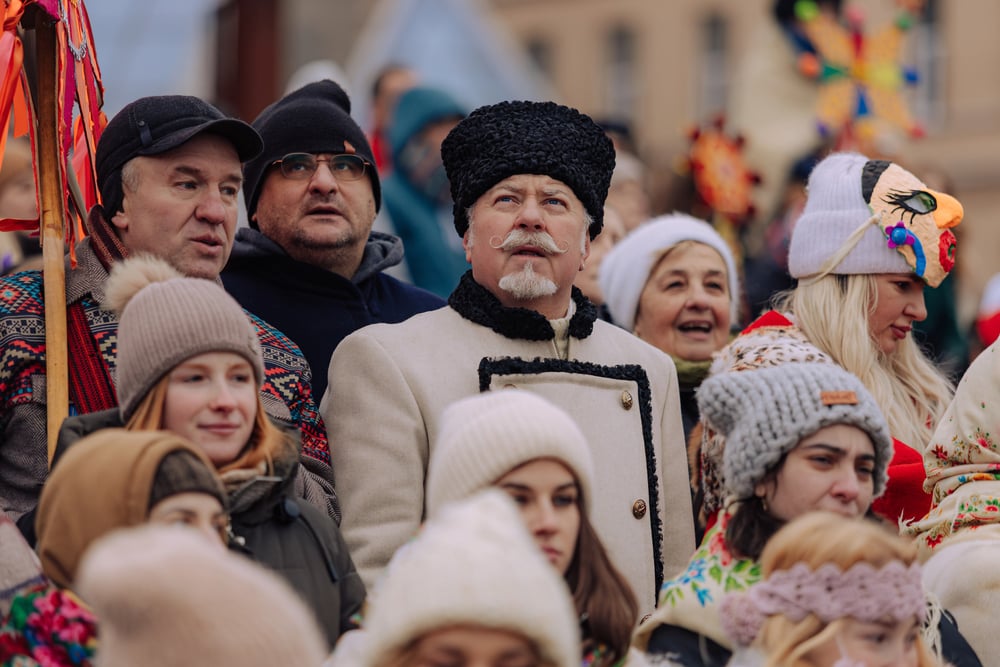
Every December, town squares across America filled up with people who showed up not because they were good singers, but because everyone else was going. The cold was part of it — breath rising in small clouds, coats buttoned to the chin, children perched on fathers’ shoulders to see above the crowd.
So you went. And you sang. And nobody cared if you were flat.
The Christmas Parade Down Main Street
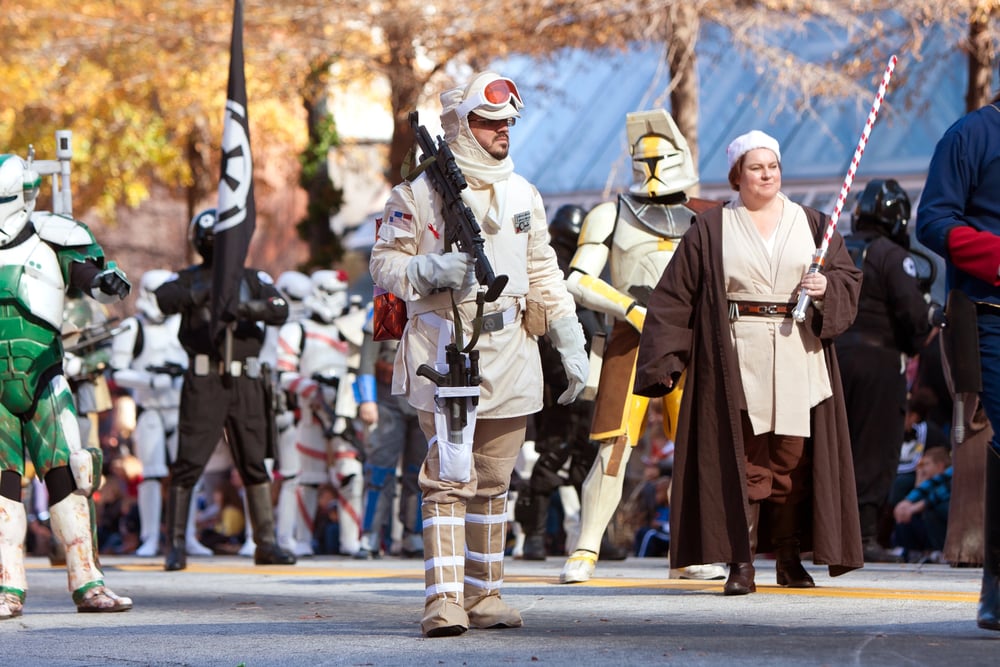
— Photo by BluIz60
The Christmas parade was the event that measured a town’s ambition against its actual budget, and the result was almost always charming. High school marching bands led the way, their timing slightly off and their enthusiasm completely unearned — which is saying something, considering it was usually below freezing.
Floats built by local businesses sat on flatbed trucks dressed up with tinsel and plywood, and the whole thing moved at a pace that let every single person on the sidewalk see every single float. It was slow, loud, and completely wonderful.
Carolers Going Door to Door
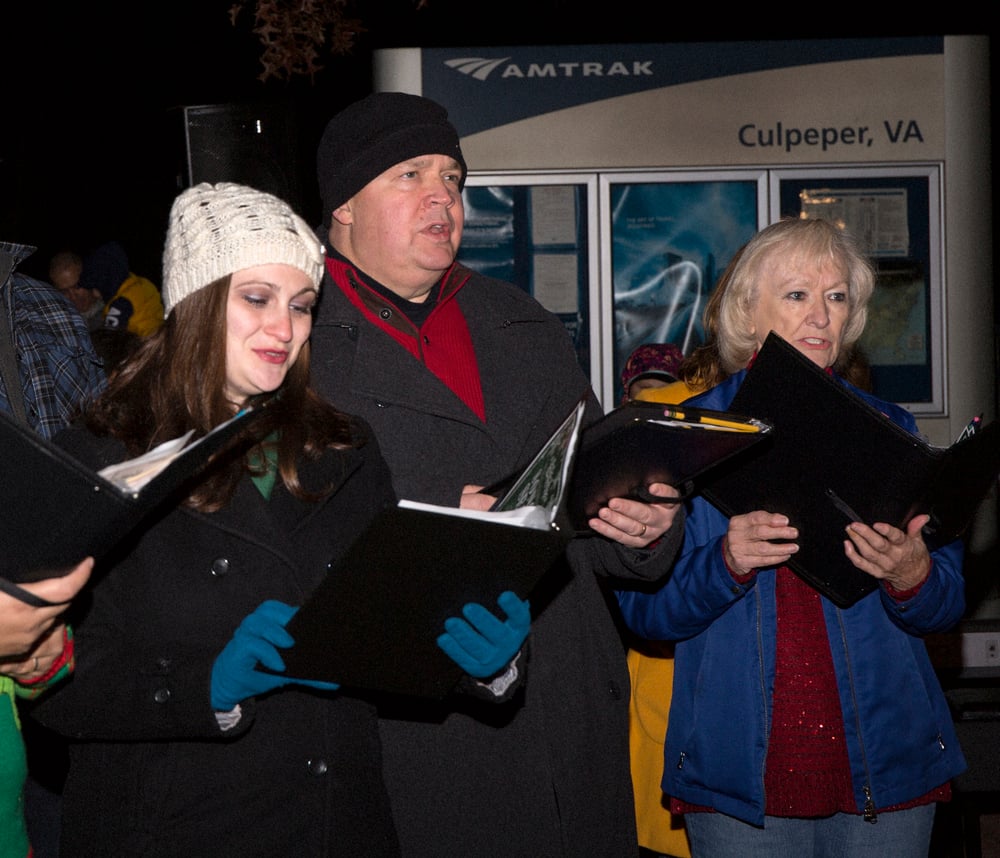
— Photo by cindygoff
This one required a particular kind of social confidence that seems to have gone extinct somewhere around 1978. Groups of neighbors — actual neighbors, not organized choirs — would walk street by street, stop at a front door, and sing directly at whoever answered.
The homeowner was expected to stand there, listen, and receive it graciously, which most people did, even when the rendition of “O Holy Night” took some liberties with the melody.
The Town Christmas Tree Lighting Ceremony
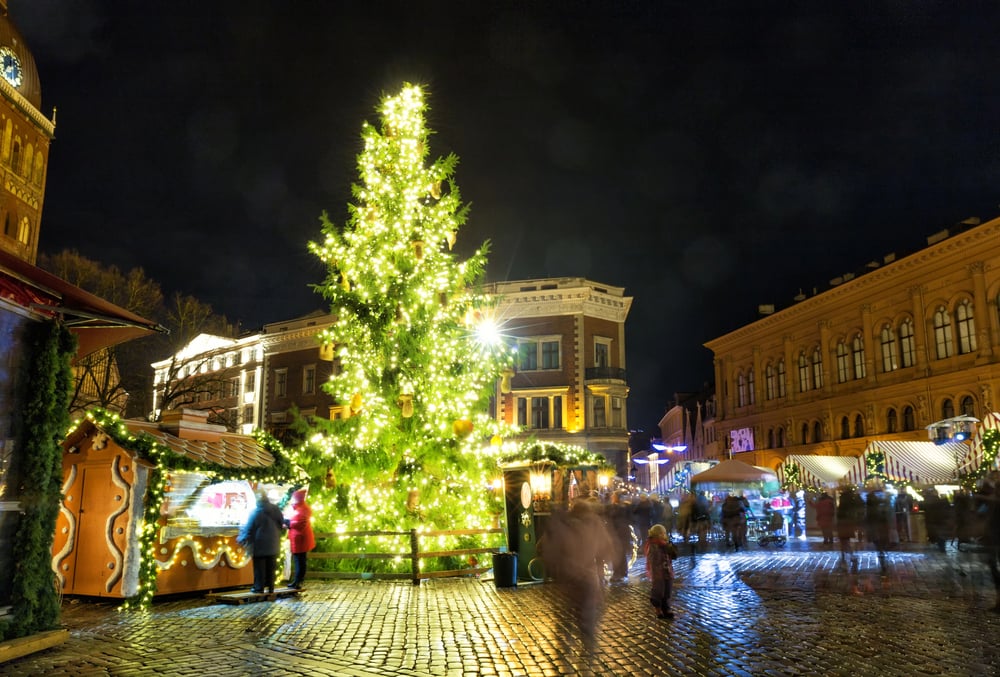
The tree lighting was the moment that made December feel official — not Christmas Eve, not the first snowfall, but this. Mayors gave short speeches that nobody fully listened to, the countdown happened at least twice because someone missed it the first time, and then the lights came on and the crowd made a sound that had nothing to do with the tree and everything to do with the shared relief of being somewhere together in the dark.
Towns treated the ceremony like it mattered, because it did.
Nativity Pageants at the Local Church
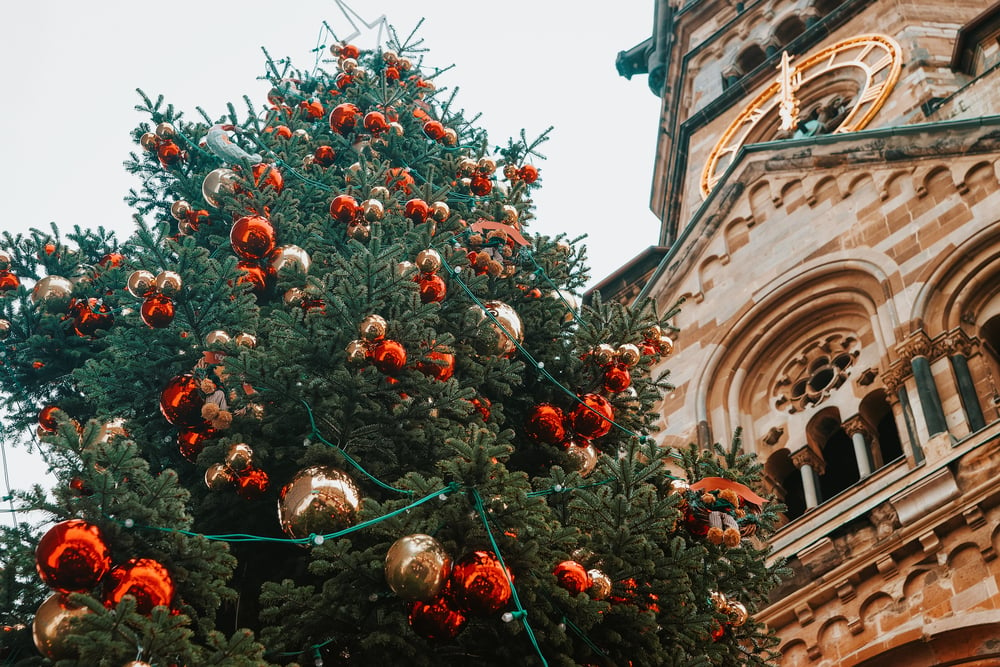
Live nativity scenes were a fixture of small-town December life, staged in church parking lots and on courthouse lawns with varying degrees of theatrical polish. Local children played the holy family with an earnestness that was both completely sincere and somewhat accidental, wearing dish towels on their heads and squinting against the lights.
The animals — when real ones were involved, which was often — added an unpredictability that no director could script and no audience could resist.
Holiday Window Displays Along Main Street
— Photo by HenryStJohn
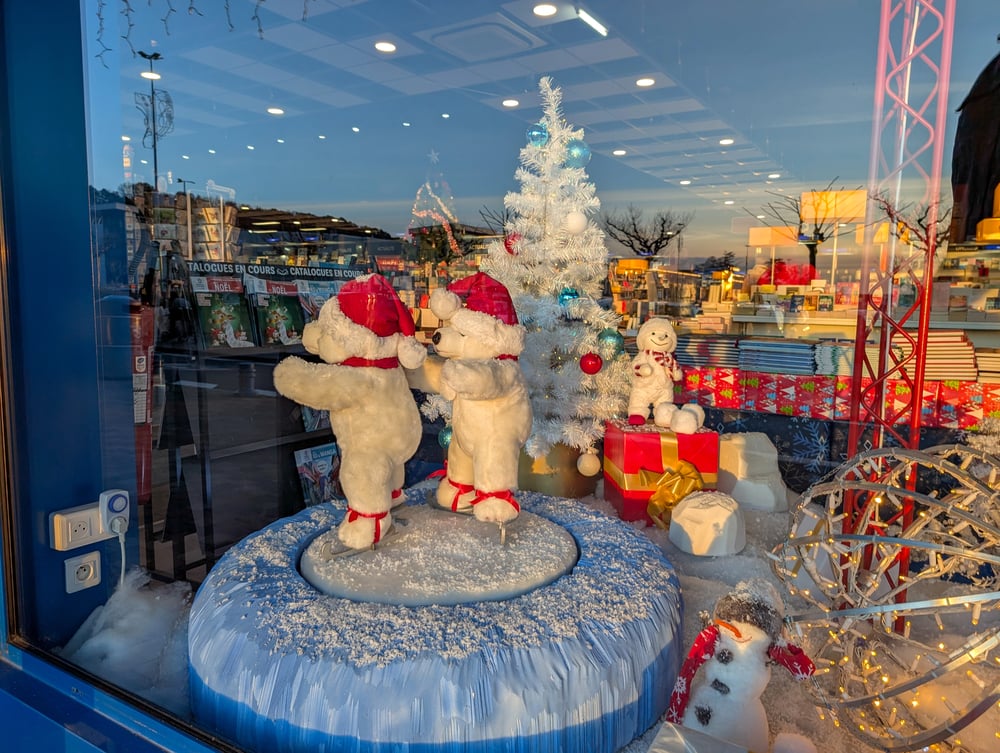
Before mall culture displaced the downtown shopping district, local store owners competed — sometimes fiercely — to put the most impressive holiday display in their front windows. A hardware store might spend two weekends building a winter scene out of cotton batting and old tools; a five-and-dime would arrange its entire toy inventory behind the glass in configurations that children pressed their faces against for long minutes.
These windows functioned as a kind of civic art gallery that nobody had to pay admission to enter.
The Annual Christmas Bazaar
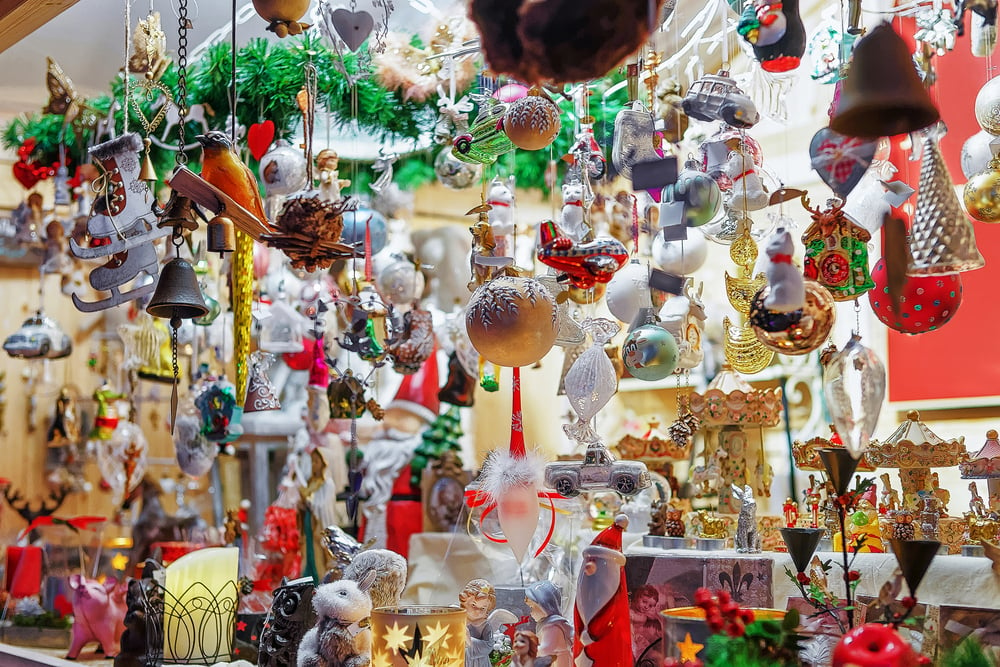
Church basements and school gymnasiums hosted Christmas bazaars that served as the town’s unofficial gift market — the place where you bought things made by people you actually knew, which gave everything a weight that a department store purchase couldn’t replicate. Homemade fudge sat next to hand-stitched ornaments, and the woman who made the jam had her name on the label.
The bazaar ran on a barter economy of goodwill, and somehow everyone went home with exactly what they needed.
Neighborhood Luminaria Nights
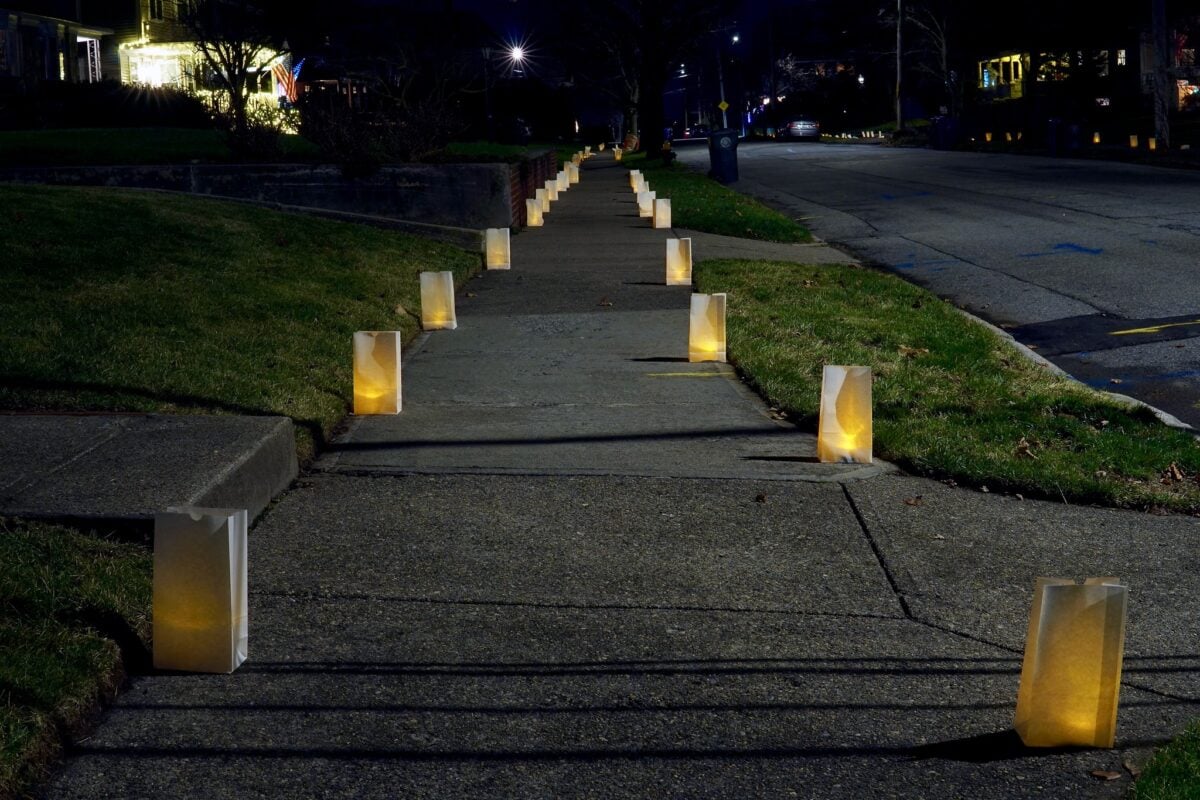
In towns across the Southwest — and eventually beyond — families spent the evening before Christmas placing paper bags weighted with sand and lit by small candles along every sidewalk and driveway on the block. When an entire neighborhood did it simultaneously, the effect was something quiet and almost disorienting: the ordinary streets that everyone drove down without noticing them suddenly looked ancient, like a procession route that had been there long before the houses were built.
Nobody coordinated it with a committee. People just knew.
Town-Wide Christmas Eve Services
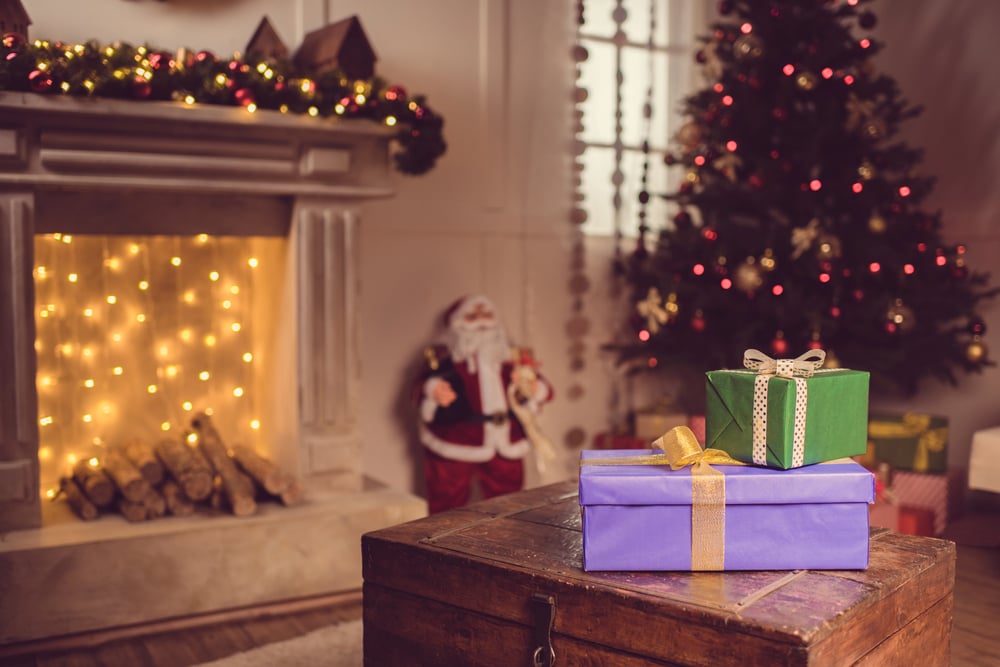
In smaller towns, it wasn’t unusual for the majority of residents to share the same Christmas Eve experience — different churches, maybe, but the same bells ringing at midnight, the same sense of ceremony landing on the same few hours. The walk home afterward, through streets that were almost completely empty, had its own specific feeling: that particular quiet that only arrives when a large number of people are all inside somewhere doing the same thing. Cold air. Light in windows.
The town to yourself for exactly a minute.
Holiday Concerts at the School Auditorium
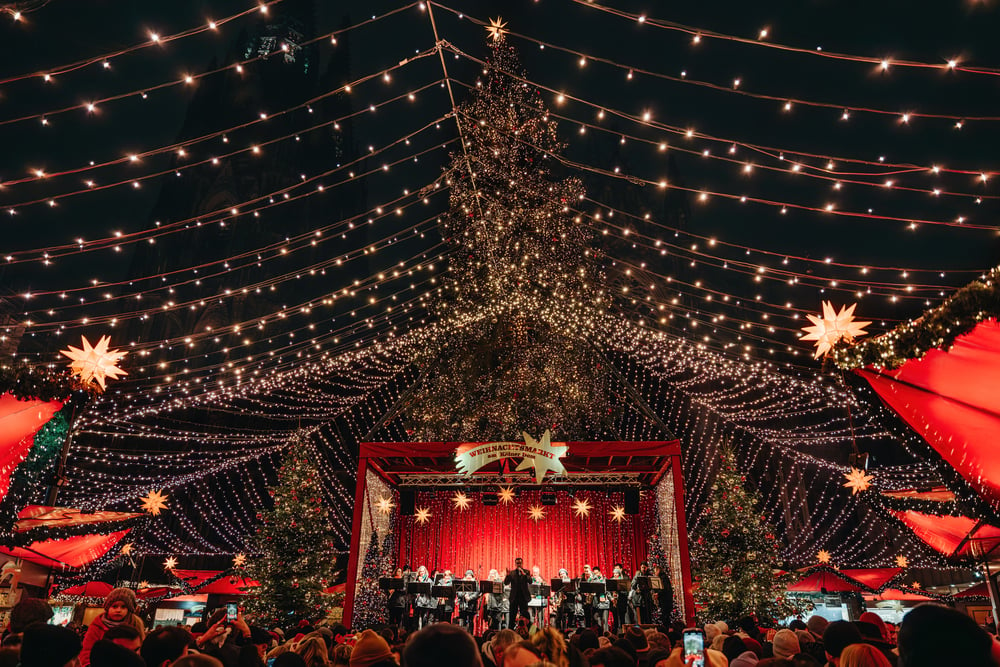
The school holiday concert was an institution with a completely predictable format and absolutely no less excitement for it. Elementary students performed in their best clothes, forgot their words, recovered admirably, and took bows with the kind of uncomplicated pride that adults spend years trying to reconstruct.
The auditorium filled with parents and grandparents and neighbors who had no direct connection to any child on the stage — they came because the town did things together, and this was one of the things.
Decorating the Courthouse or Town Hall
— Photo by SinaEttmer
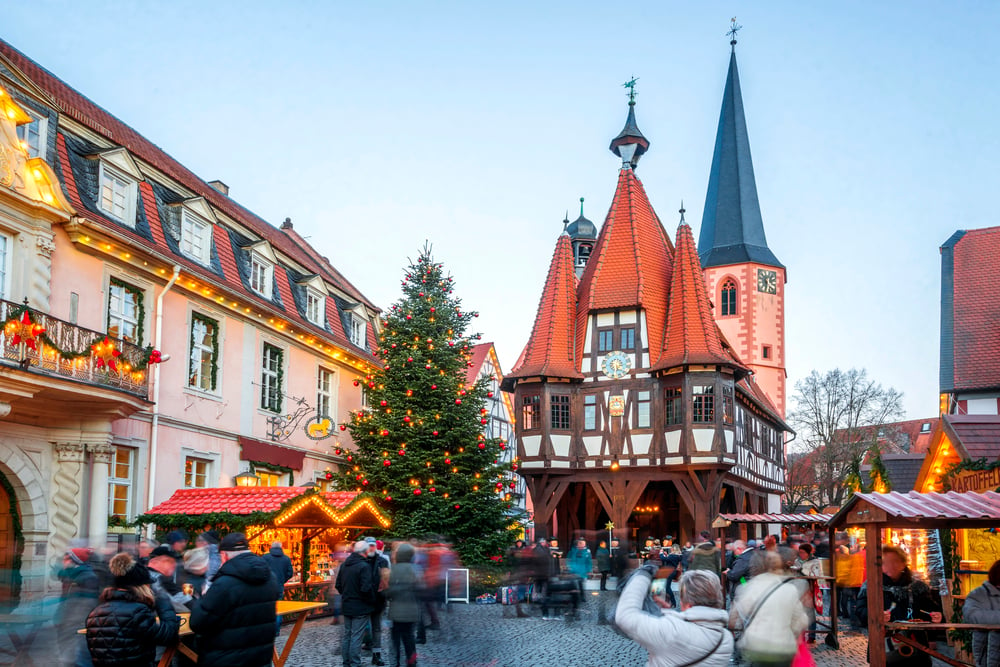
Some towns had an unspoken understanding that public buildings were communal property in December, and decorating them was a shared responsibility — not a city government project, but a volunteer effort that anyone could show up to. Ladders went up, garlands went across the portico, and whatever lights had survived from the previous year went on the bushes in front.
The result was often imperfect in ways that felt deliberate, like a place that knew how to be festive without being precious about it.
The Holiday Train Display at the Local Shop
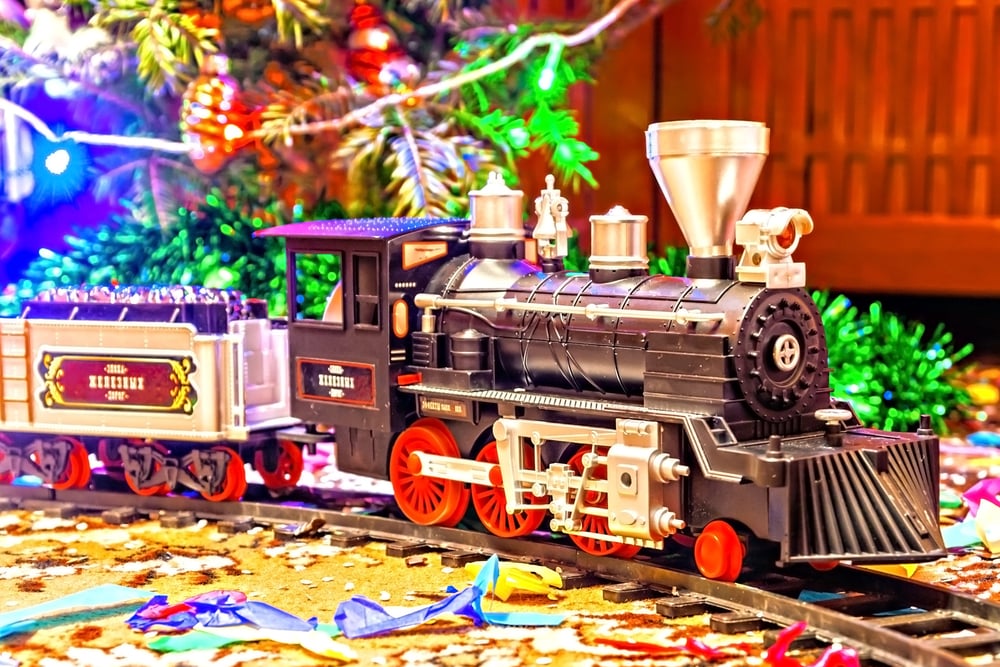
Hobby stores and hardware stores in the ’60s frequently kept elaborate electric train layouts running in their windows or back rooms throughout December, and children treated visiting them as a genuine destination — not a waiting room, not a distraction, but the actual point of the trip. The trains ran on tracks that looped through miniature towns with tiny lit windows and snow made of something white and unconvincing, and nobody cared about the unconvincing part.
The scale of it was the thing: a whole world, small enough to see all at once.
Caroling Hayrides
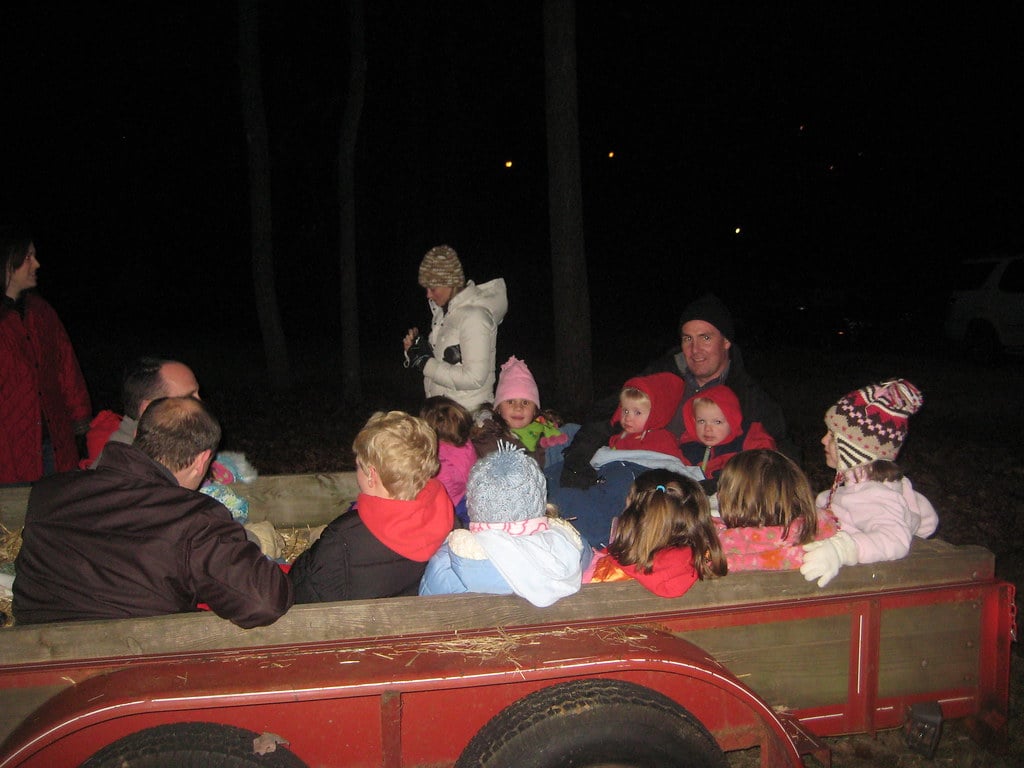
Rural towns and small farming communities turned the hay wagon into a delivery vehicle for holiday noise, loading it up with neighbors and driving slowly through streets while someone played guitar or accordion badly and everyone else compensated with volume. The cold was never a deterrent — it was practically part of the appeal, something to push against, a reason to sit closer together than you normally would.
Turns out a flatbed wagon moves at exactly the right speed for a town to hear you coming from three blocks away.
Community Gift Drives for Families in Need

Before food banks were widespread, towns organized their own December gift and food drives through churches, schools, and local businesses — and the organizing was visible in a way that made participation feel personal rather than transactional. A barrel at the hardware store, a box at the post office, a pile growing in the church foyer that everyone watched get larger over the course of three weeks.
The collection was communal and the delivery was local, and most people knew at least approximately where the items were going.
The Living Christmas Tree
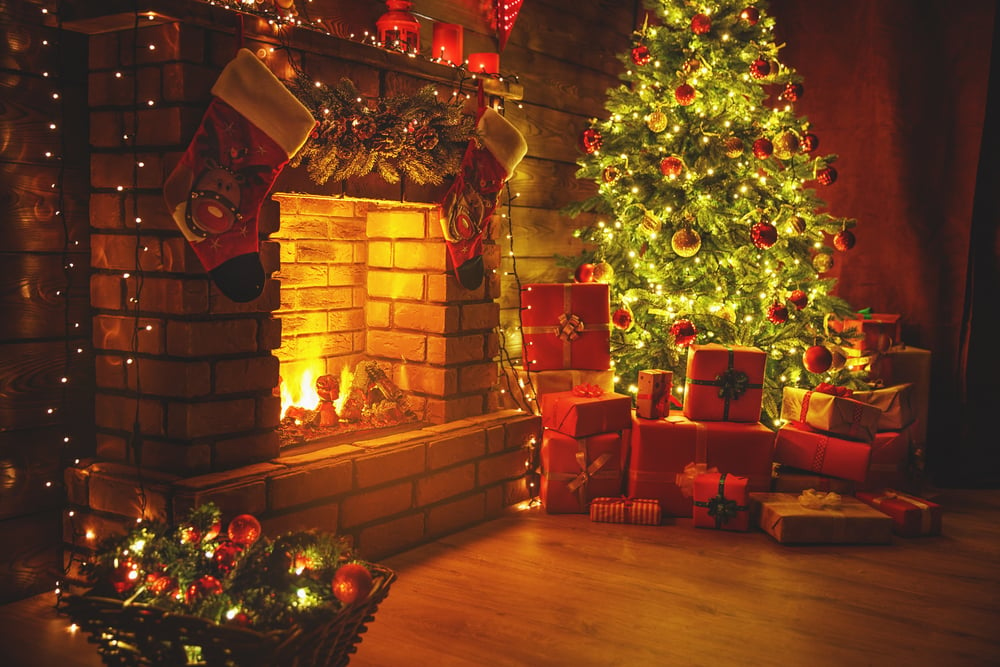
Some churches assembled their entire choir into the shape of a Christmas tree for their December concert — risers stacked in a triangular formation, robes in green, a star somewhere at the top — and performed the whole program without moving. It sounds like a novelty, but the effect in a packed sanctuary was genuinely striking: a hundred human beings holding still together, producing something that filled every corner of the room.
Towns showed up for it the same way they showed up for everything else that December — because the thing being attempted deserved an audience.
Ice Skating on the Town Pond

In northern towns with a reliable freeze, the local pond became common property from roughly Thanksgiving to February, and December turned it into something closer to a public park than a body of water. Families arrived with thermoses and borrowed skates, children fell and got up without much ceremony, and older residents skated in long, unhurried ovals that they’d been tracing since childhood.
The ice had its own social geography — a center for the confident, edges for the learning, and benches where people sat and watched and called out to people they recognized, which in a small town was nearly everyone.
The Holiday Talent Show

Small towns in the ’60s ran on the assumption that if you had a talent — any talent, however modest — December was your moment. Community centers and church halls hosted talent shows where a fifteen-year-old playing a passable “Silent Night” on a trumpet shared a bill with a barbershop quartet of retired postal workers and a ventriloquist whose dummy had seen better decades.
The audience received all of it with the same warmth, which wasn’t indifference to quality — it was something better than that.
Sending Cards to Every House on the Block
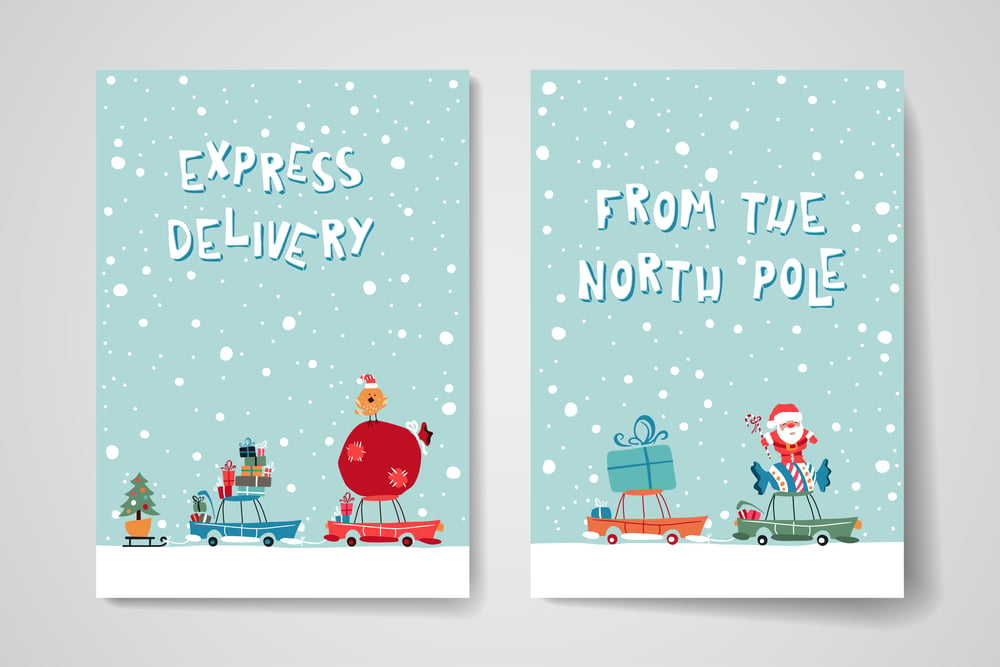
The scale of Christmas card sending in the 1960s is difficult to convey to anyone who didn’t live through it — this wasn’t a casual gesture, it was a project. Families sent cards to every neighbor on the street, to every person they’d met in the past year, to cousins twice removed and former coworkers from three jobs ago.
The mailbox in December became a kind of daily event, a measure of how thoroughly your family was woven into the social fabric of a place. Cards went up on string across the mantelpiece, proof of something.
The Church Cookie Exchange

The cookie exchange operated on a logic so straightforward it’s almost suspicious: everyone bakes one kind of cookie, everyone brings dozens, everyone leaves with a variety. What made it a town tradition rather than a recipe swap was the performance element — the presentation, the compliments, the gentle competition between women who had been baking the same recipe since their own mothers showed them how.
The cookies were good. The point wasn’t the cookies.
The Magic of December
The thing about these traditions — what runs through all of them like a single thread — is that they require presence. Not a donation, not a click, not a streamed performance watched from a couch. Showing up, in person, to a specific place, at a specific time, with the specific people who happened to live near you.
That’s what made them communal rather than just concurrent. Towns in the ’60s understood, perhaps without articulating it, that a holiday tradition only becomes a tradition when a critical mass of people decide it belongs to all of them.
The decorations came down in January. The belonging didn’t.
More from Go2Tutors!

- The Romanov Crown Jewels and Their Tragic Fate
- 13 Historical Mysteries That Science Still Can’t Solve
- Famous Hoaxes That Fooled the World for Years
- 15 Child Stars with Tragic Adult Lives
- 16 Famous Jewelry Pieces in History
Like Go2Tutors’s content? Follow us on MSN.