27 Cartoon Toys That Can Sell for Hundreds
Somewhere in a parent’s attic sits a cardboard box that used to hold a Saturday morning dream. The plastic inside was played with, lost in the yard and chewed on by the dog, which is exactly why some surviving examples can now be worth serious money.
Collectors have turned cartoon merchandise into a serious market. The rule is the same across every line below: the value of any toy depends heavily on its condition and completeness, and a sealed or boxed example is a different animal from a loose one with missing accessories.
Only rare, exceptionally preserved or complete examples are likely to reach the highest prices; common loose toys may sell for much less.
Masters of the Universe Castle Grayskull
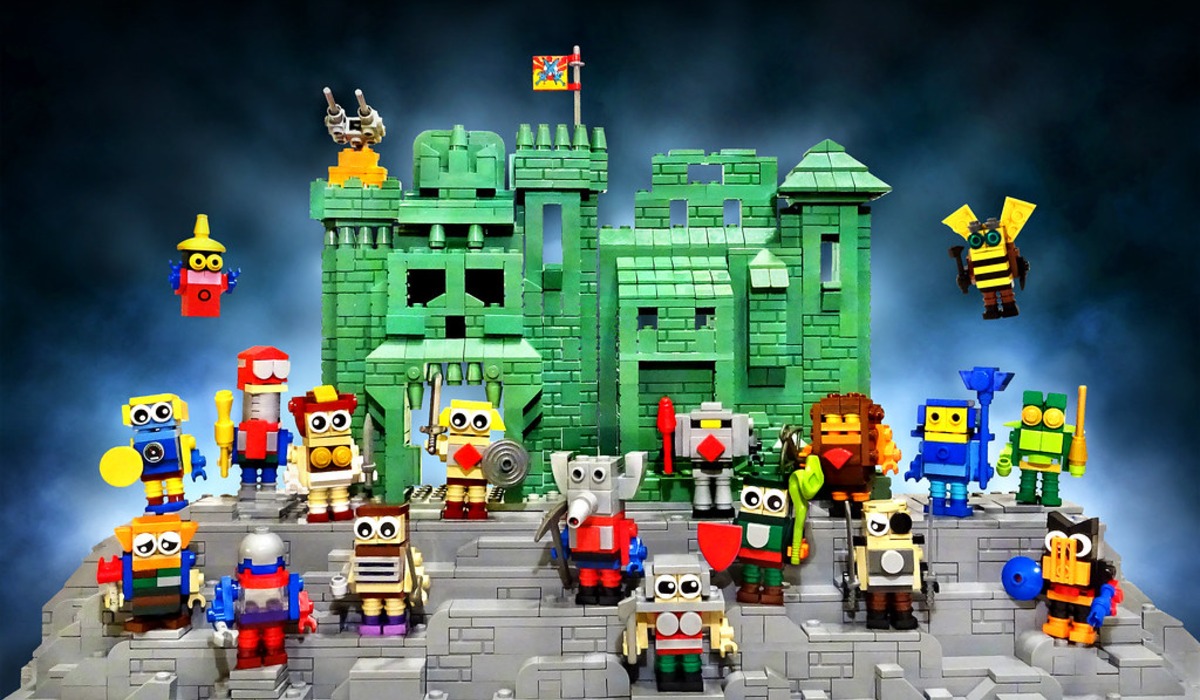
Mattel launched the Masters of the Universe line in 1982, and the Filmation cartoon followed in 1983, so the toys came first and the story was built around them. The muscular look of the heroes is often traced to a Conan the Barbarian toy line that Mattel planned and then dropped.
Castle Grayskull, the fortress playset, is the line’s centerpiece, and its price depends on condition and completeness: an intact fortress with its original box, trap door and stickers sits in a different league from a faded shell with missing parts. Exceptionally graded examples can sell for thousands of dollars, but that is not the norm for an ordinary used playset.
ThunderCats Lion-O Figures
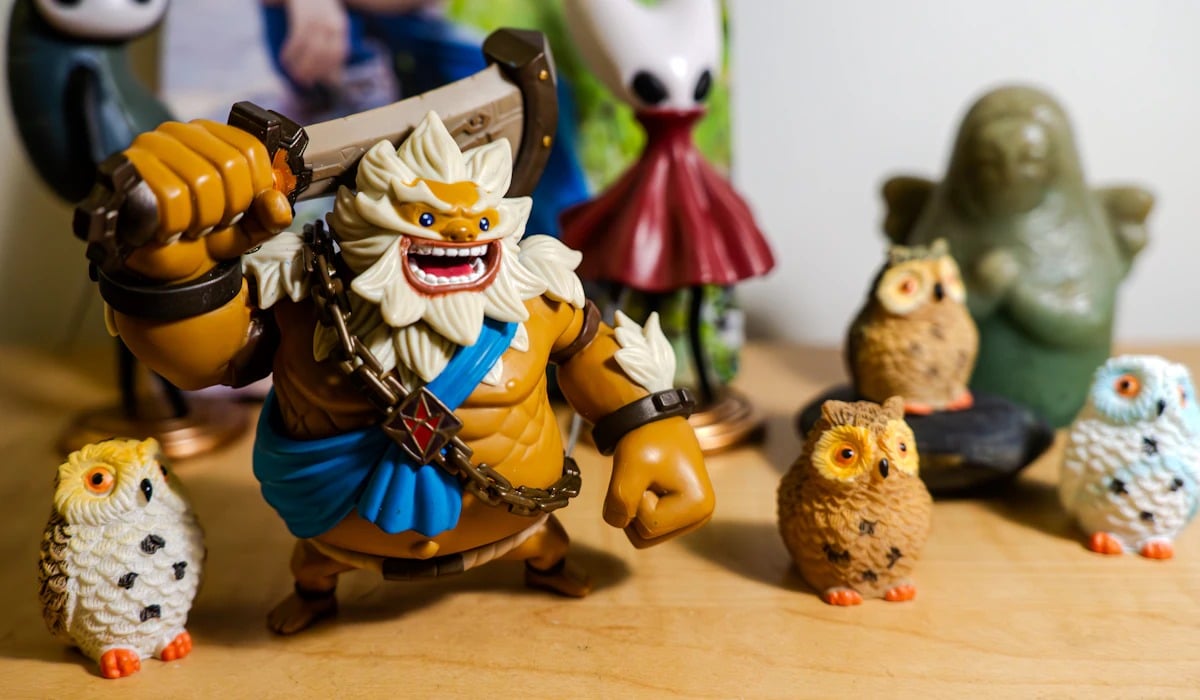
LJN began selling ThunderCats figures in 1985, the same year the Rankin/Bass cartoon premiered. The fur-clad Lion-O, with his Sword of Omens, anchors the line.
Overseas versions are especially prized, and an auction listing at Hake’s described a 1987 Thunderwings Lion-O Deluxe from the European line as the single highest-graded example. That particular figure sold for $24,273.90 in July 2024, illustrating how rare, professionally graded examples can command extraordinary prices.
Sealed or professionally graded pieces can fetch far more than loose figures, and a loose Lion-O without his accessories is a much more modest find.
Teenage Mutant Ninja Turtles First-Wave Figures
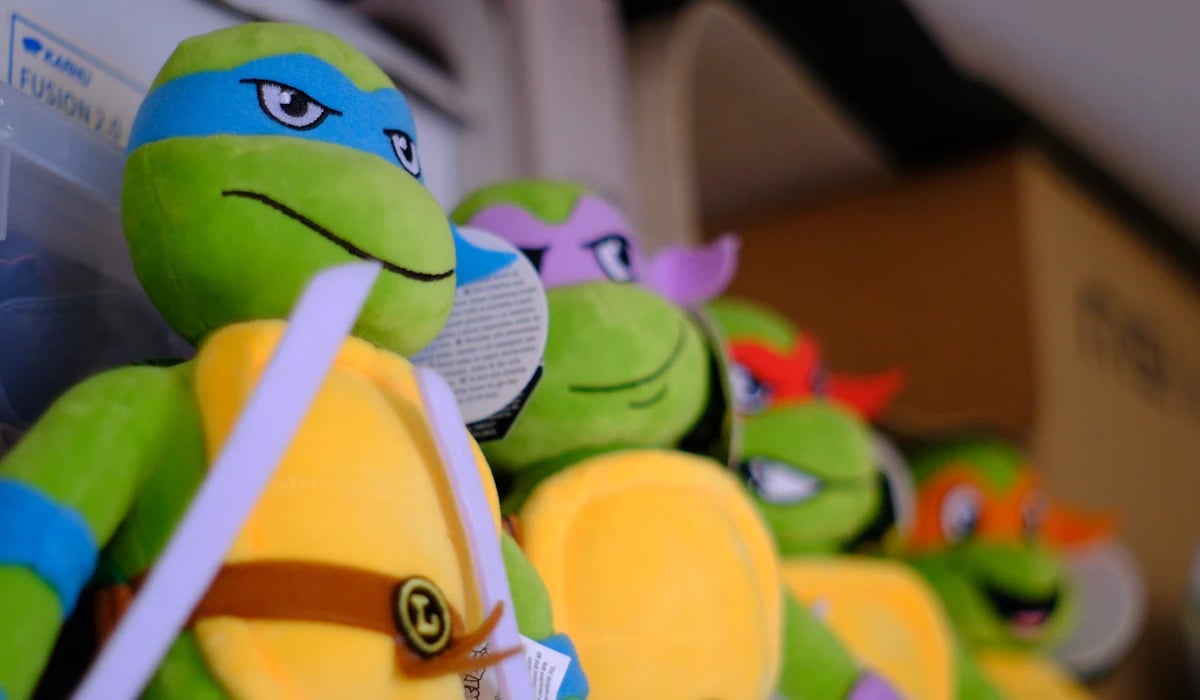
Playmates released its Teenage Mutant Ninja Turtles figures in 1988, a few months after the cartoon aired in December 1987 as a five-part miniseries. The turtles themselves began as a 1984 black-and-white comic by Kevin Eastman and Peter Laird.
First-wave figures on their original cards, with the early card art intact, are what collectors chase. Loose turtles missing weapons and bandanas are common and typically worth far less than well-preserved carded examples.
Transformers Autobot Optimus Prime
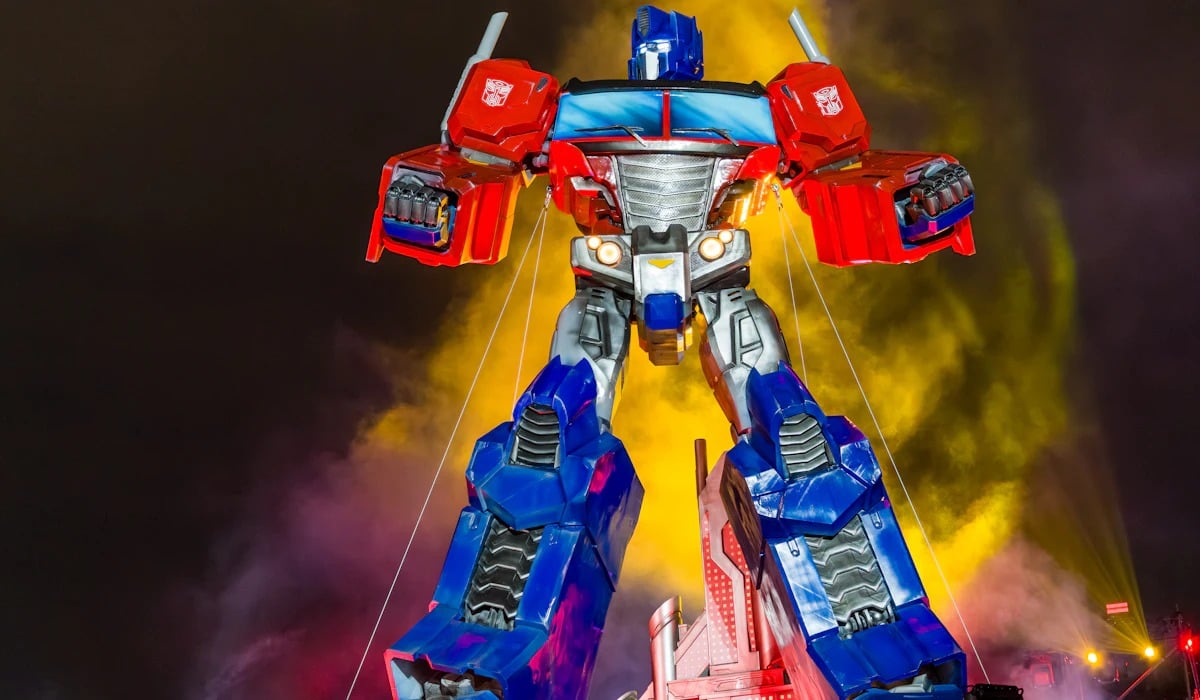
Hasbro introduced the Transformers in 1984, and many of the first toys were licensed from Takara’s Diaclone and Micro Change lines in Japan. Optimus Prime, the red-and-blue truck leader, began as a Diaclone robot whose cab design Hasbro adapted for American shelves.
The original 1984 Prime is judged on the condition of its stickers, the trailer and the accessories. Examples with the box and the bundled tech specs are worth far more than a worn loose figure with peeling decals.
Complete and boxed examples can reach hundreds of dollars, while rare, exceptionally preserved examples may sell for much more.
G.I. Joe: A Real American Hero Cobra Commander
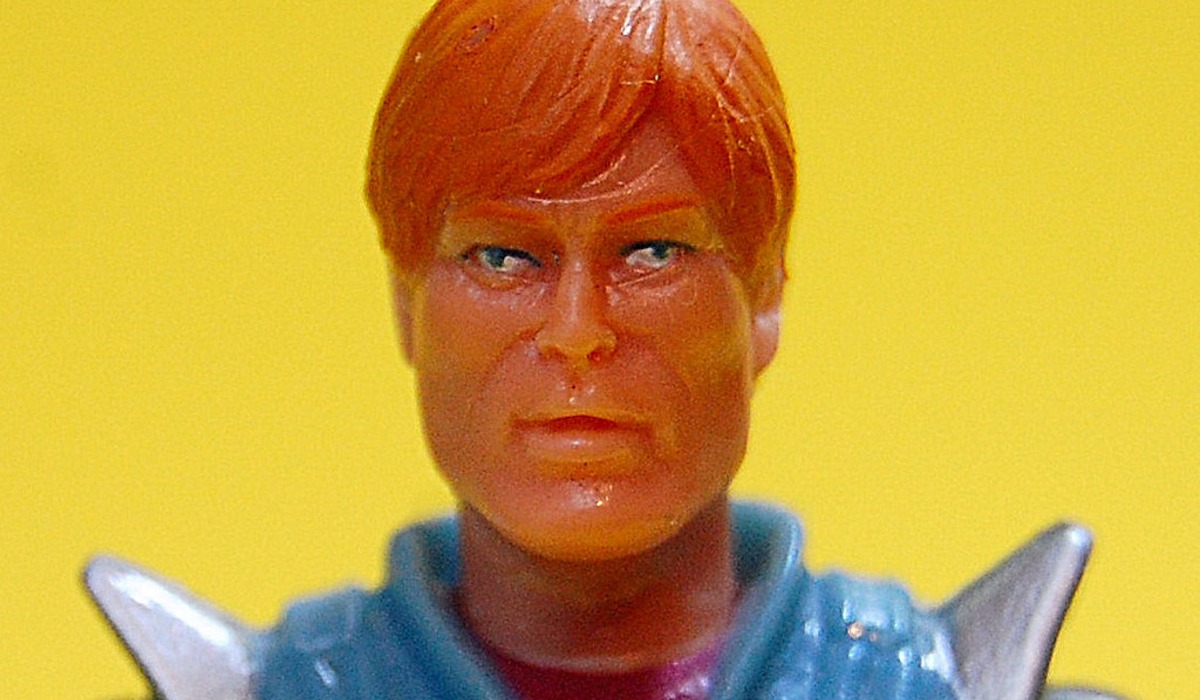
Hasbro revived G.I. Joe in 1982 with 3¾-inch figures after the old 12-inch soldier faded from shelves.
The cartoon, produced by Sunbow, arrived in miniseries form in 1983. Each figure came with a file card whose character biography was written by Larry Hama, the same writer who steered the Marvel comic.
Early Cobra Commander figures still carded are the version collectors prize, while loose ones without their original accessories are worth less. Prices depend on the specific release, card condition and whether the packaging remains unopened.
M.A.S.K. Thunderhawk
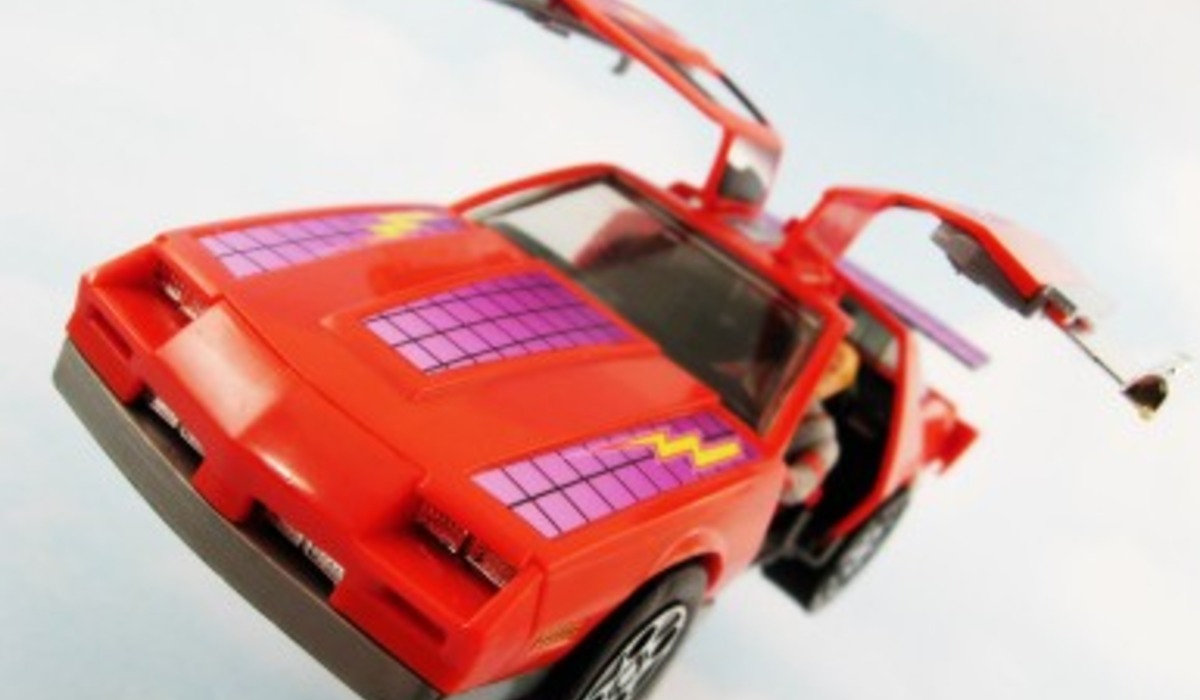
Kenner released M.A.S.K. in 1985, with a DIC cartoon backing the cars that transformed into weaponized machines. The Thunderhawk was a Chevrolet Camaro that converted into a gunship, and Rhino was a semi-truck at the opposite end of the size scale.
Boxed vehicles with the original masks and missiles command far higher prices than loose ones because the tiny accessories were almost always lost. Complete examples with clean original packaging are the ones most likely to reach the higher end of the market.
Centurions Max Ray Action Set
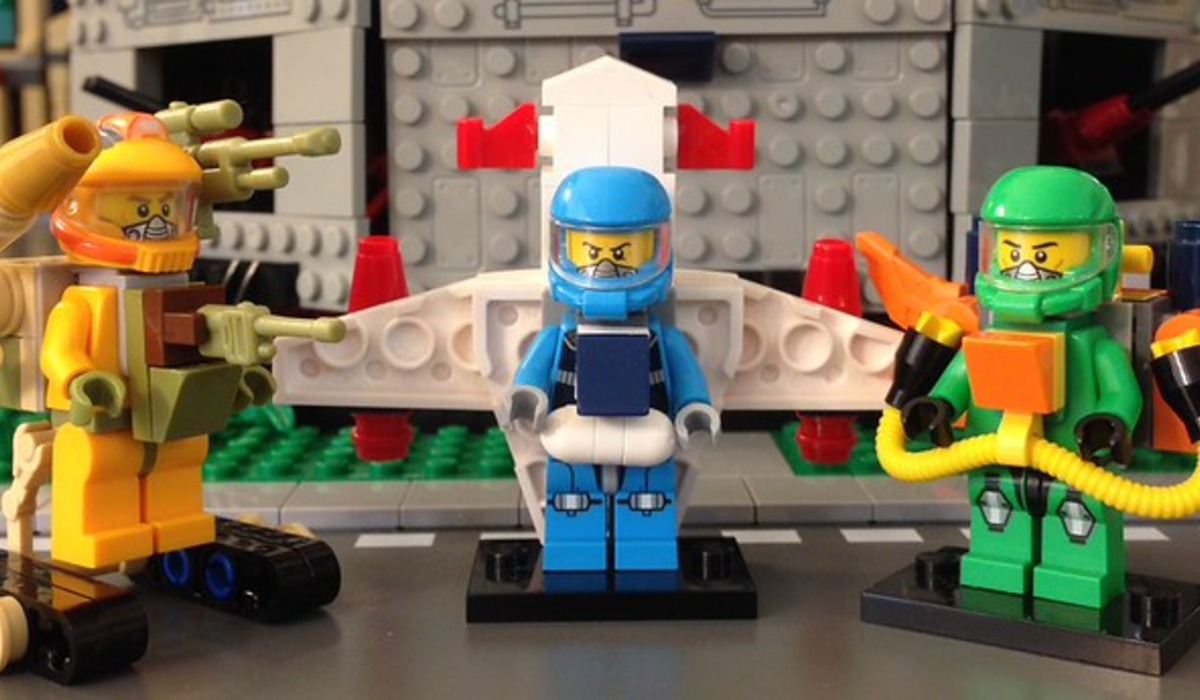
Kenner paired its Centurions line in 1986 with a Ruby-Spears cartoon about cyborg heroes Max Ray, Jake Rockwell and Ace McCloud battling Doc Terror. The gimmick was that each hero snapped on weapon systems that changed him into a heavily armed warrior.
Complete sets with every snap-on piece are harder to find than incomplete ones, and condition and completeness matter more here than on many simpler figures. A sealed box is a collector’s prize; a loose torso with no gear is not.
Visionaries: Knights of the Magical Light Leoric
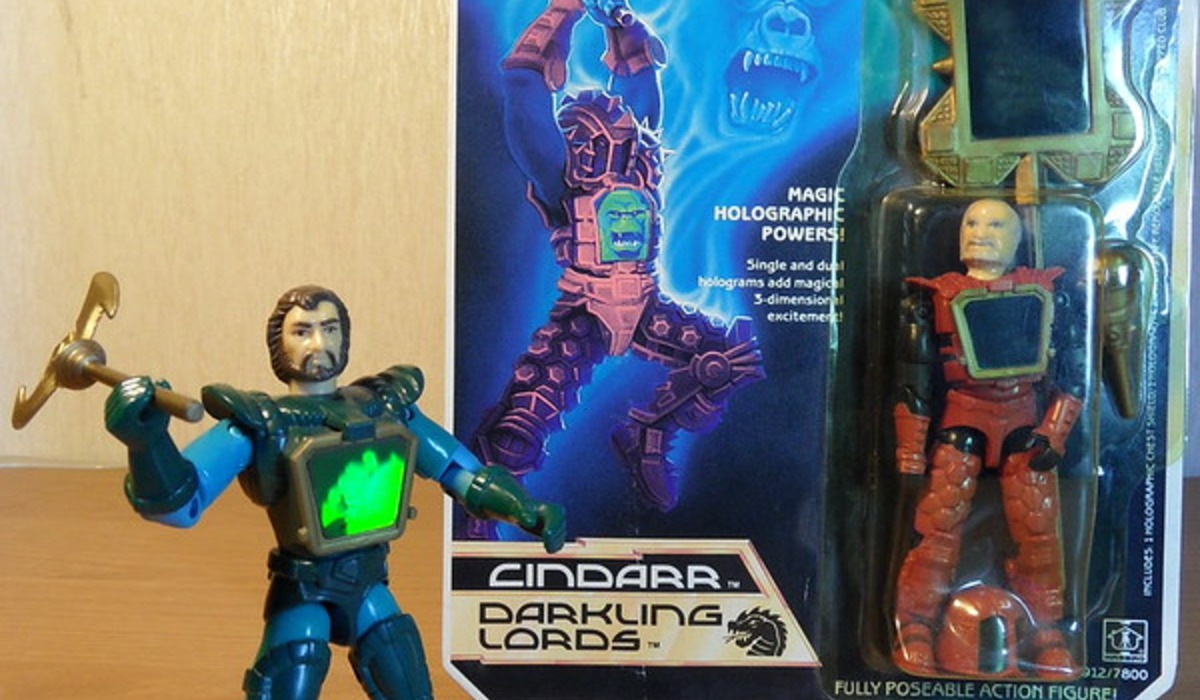
Hasbro and Sunbow launched Visionaries in 1987 as a fantasy line in which every hero wore a holographic emblem on his chest. The cartoon ran just 13 episodes, which helps explain why complete figures can be harder to find than their toy-aisle presence suggested.
Staffs, vehicles and animal companions all raise prices on complete examples, and carded figures cost far more than loose ones with scuffed holograms. High prices depend on the specific figure and its condition, rather than the short cartoon run alone.
Super Powers Hall of Doom
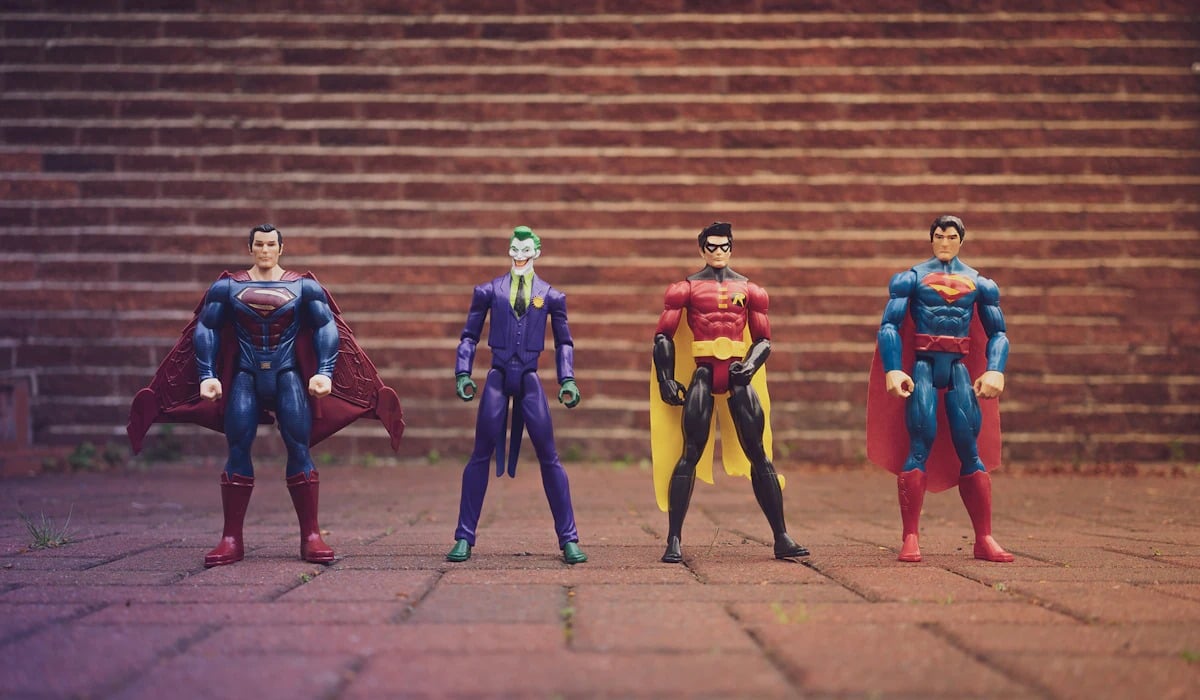
Kenner introduced its Super Powers Collection of DC Comics figures in 1984, and the cartoon was renamed The Super Powers Team: Galactic Guardians the following year. The Hall of Doom, the villains’ headquarters, was one of the line’s big playsets.
Condition and completeness drive the price: an unbroken playset in its original box with all stickers is rare, and boxes were frequently crushed or discarded. A complete, well-preserved set can be considerably more desirable than a loose playset with missing parts.
The Real Ghostbusters Firehouse Headquarters
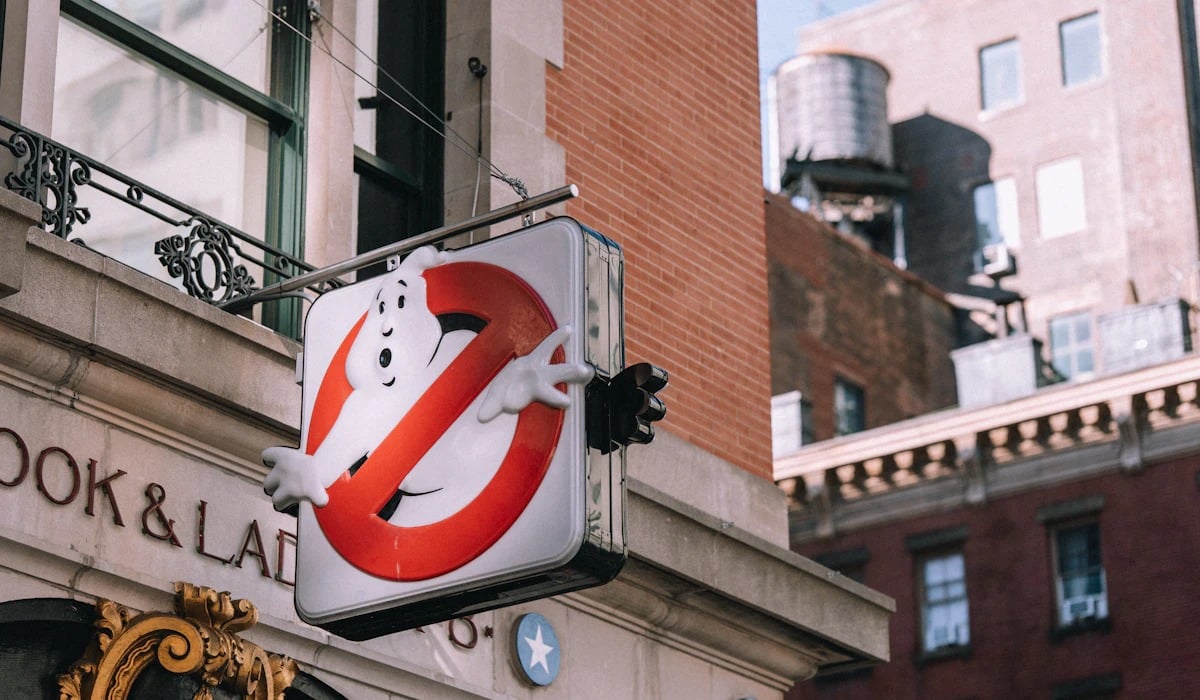
Kenner launched The Real Ghostbusters toys in 1986 alongside the ABC cartoon. The show carried the word Real in its title because a separate Filmation series had already used the Ghostbusters name.
The Firehouse Headquarters playset is the line’s showpiece, and its price depends on condition and completeness: a complete example with the original box, ghost containment unit and stickers can sell for much more than a loose one. The highest prices generally require excellent condition and a substantial amount of the original packaging and accessories.
Care Bears Kenner Plush
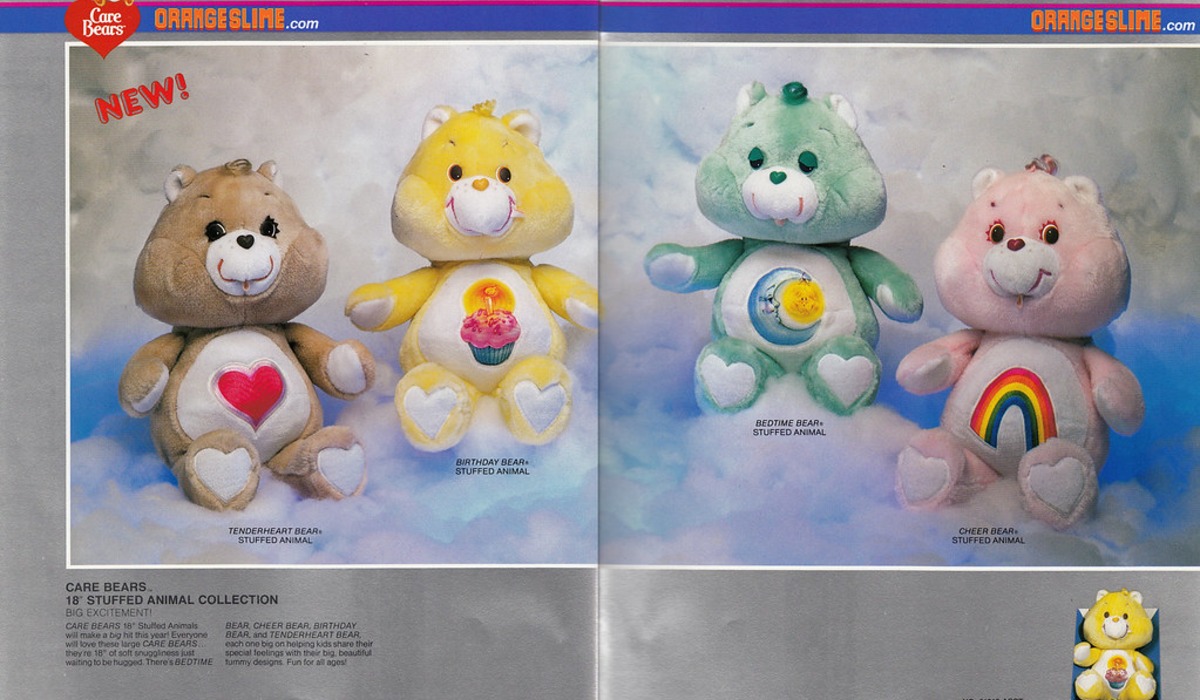
Kenner began selling Care Bears in 1983, a few years after American Greetings first developed the characters for greeting cards, and the animated TV specials followed. Original artwork by Elena Kucharik helped define the bears’ look.
First-generation plush with the tush tag and heart-shaped button intact is what collectors want, and condition matters: matted fur, missing tags or stains cut the value sharply compared with a tagged, clean example. Rare characters and especially well-preserved examples are more likely to command premium prices than common, playworn bears.
My Little Pony Generation One Ponies
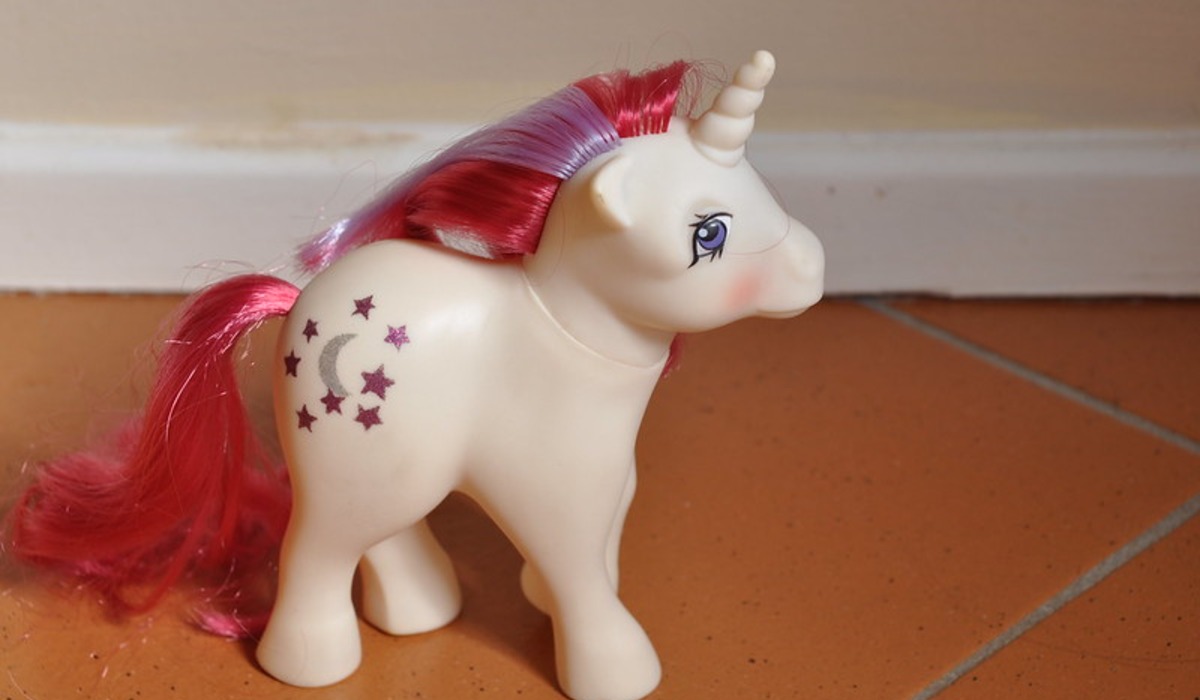
Hasbro released My Little Pony in 1983 based on designs by Bonnie Zacherle, who had first created a toy called My Pretty Pony in 1981. The line grew into an animated movie in 1986.
Early ponies in sealed packaging or with their original accessories, brush and comb are worth substantially more than loose ones, whose hair is often tangled, chewed or marked by a child’s pen. Rarity, color variations and condition can make a major difference, so age alone does not guarantee a high value.
Strawberry Shortcake Scented Dolls
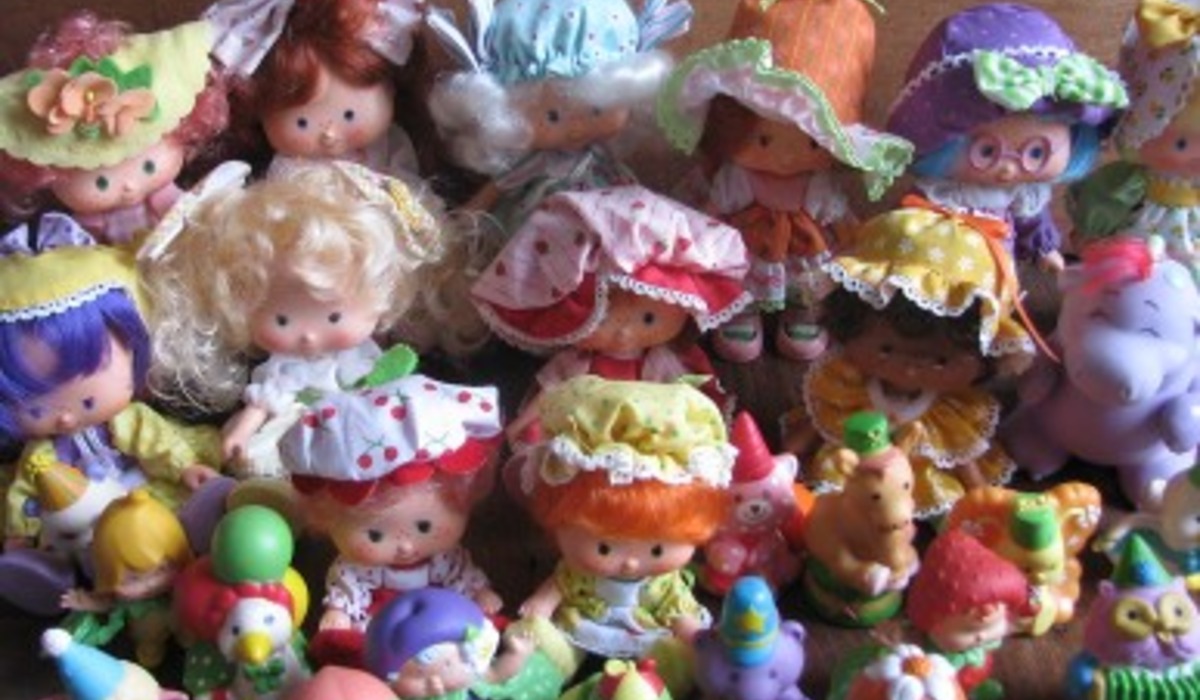
Kenner launched the scented Strawberry Shortcake dolls around 1980, and a cartoon special arrived the same year. Each doll was infused with a fragrance tied to her name, and that detail is part of the collector fascination.
Dolls in original packaging with their pets are the valuable ones, while loose dolls with faded scent, faded outfits or no accessories sell for a fraction. Some rare or exceptionally preserved examples can command high prices, but ordinary loose dolls are not automatically worth hundreds.
Smurfs Schleich Figures
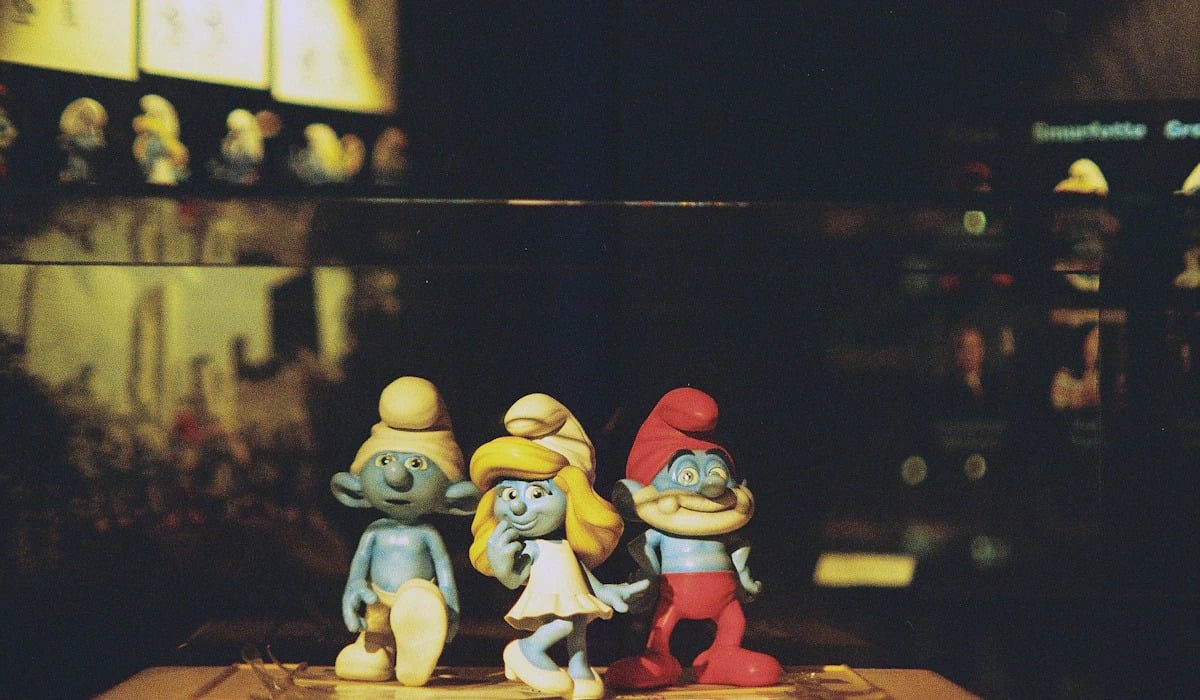
Peyo’s Smurfs debuted in a Belgian comic in 1958, and Hanna-Barbera’s cartoon brought them to American television in 1981. Schleich, the German maker, produced the small hard PVC figures that kids lined up on shelves.
Prices depend on condition and completeness: rare variants in clean shape with intact paint outsell scuffed common figures, and a sealed bag of the smaller sets is worth considerably more than the same figures loose. Because many Smurfs figures were mass-produced, collectors need to identify the exact model or variant before assuming it is valuable.
Jem and the Holograms Dolls
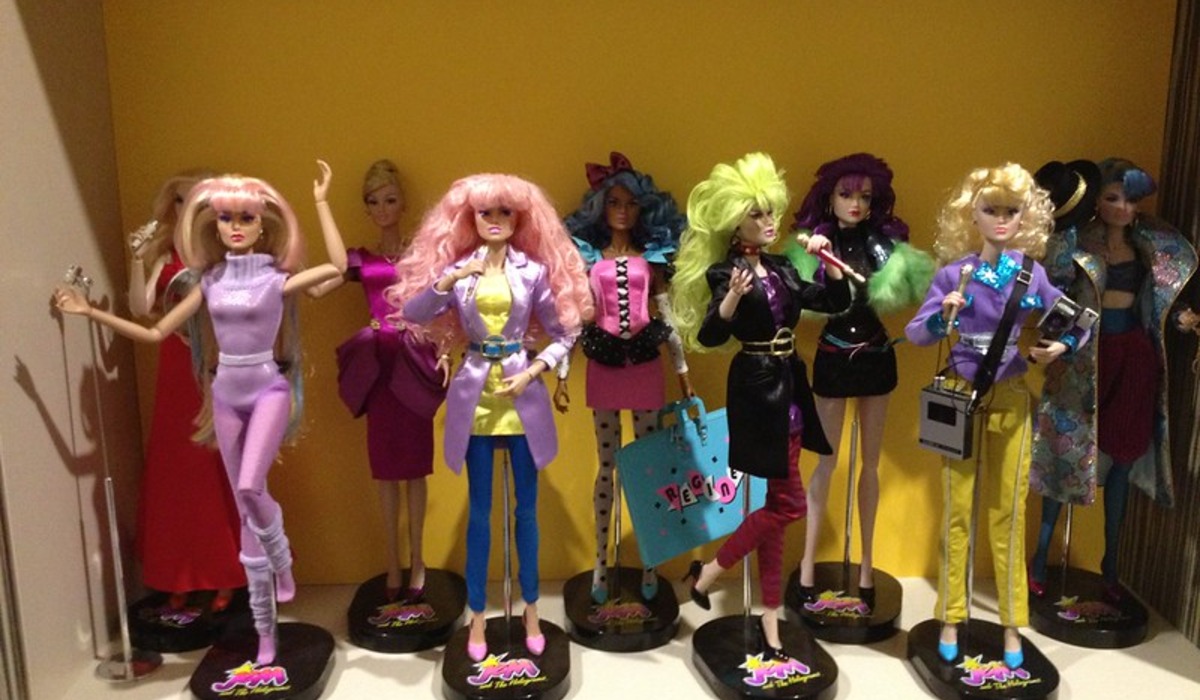
Hasbro launched Jem in 1985 with a Sunbow cartoon that ran 65 episodes, but the doll line lasted only a few years on shelves. That brief run makes some dolls, with their glittery outfits and tiny accessories, harder to find than the show’s popularity might suggest.
Boxed dolls with the original outfits and instruments are the sought-after items, while loose ones with missing earrings and guitars are priced lower. Rare characters and complete outfits are more important to value than the brand name alone.
Rainbow Brite and Starlite
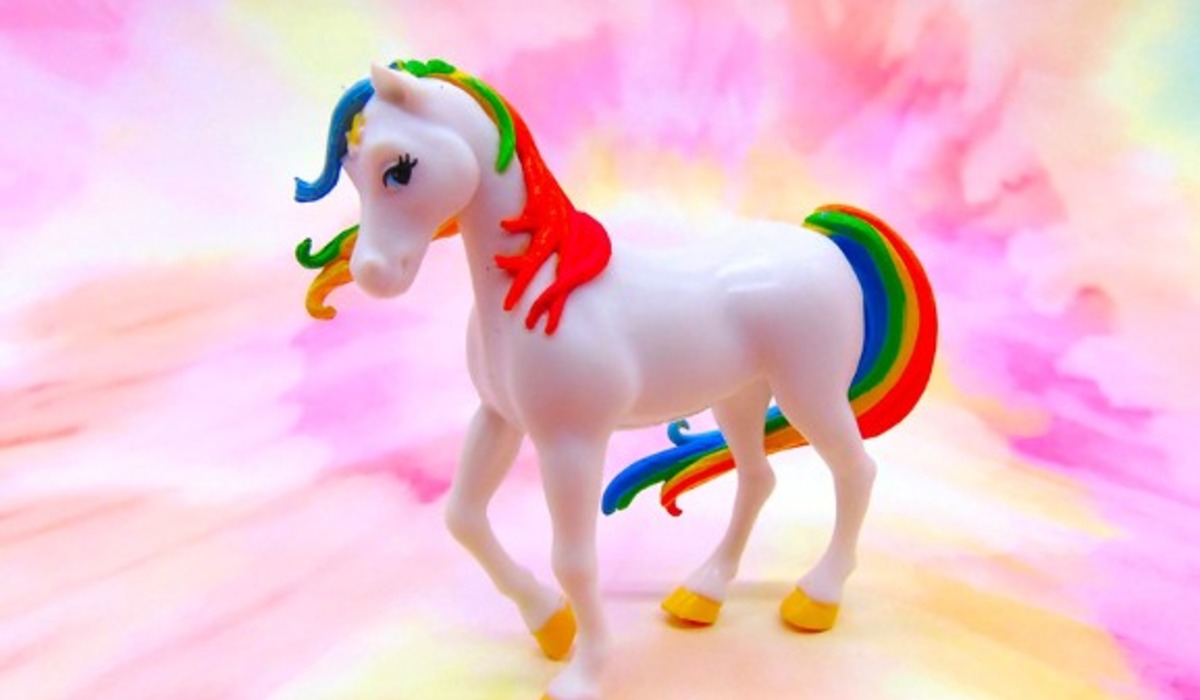
Hallmark created Rainbow Brite in 1983, with Mattel handling the dolls and an animated movie, Rainbow Brite and the Star Stealer, arriving in 1985. Starlite, the flying white horse, is the character most associated with the toy line.
Dolls with their tags, original clothing and boxes are worth more than playworn examples with stained fabric or missing hair ribbons. Condition and the exact version determine whether a particular toy reaches a premium price.
Robotech Matchbox Valkyrie
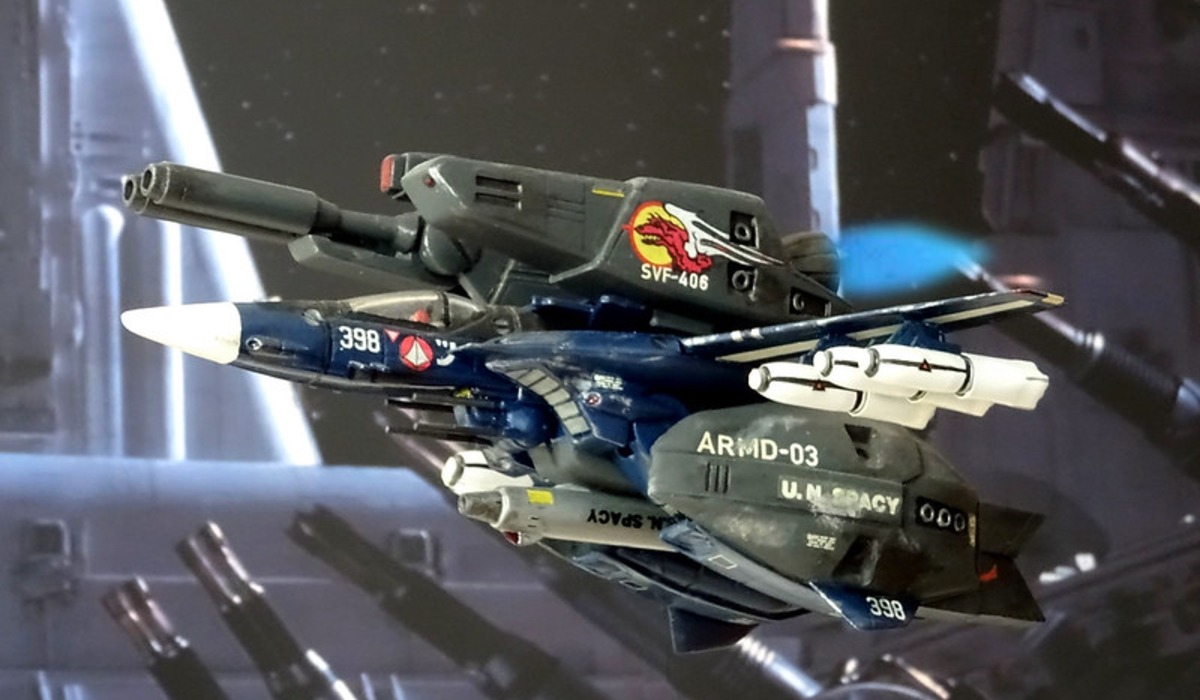
Matchbox sold Robotech toys in 1985 as the TV series reached American syndication. Many of the toys were repackaged versions of Japanese Macross products, and the show itself was assembled by Harmony Gold from three separate Japanese series.
The Valkyrie transforming fighters, in their original boxes with intact decals, are the more collectible examples, while loose jets with sticker damage or missing missiles are less desirable. Collectors should distinguish between specific releases because not every Valkyrie toy has the same rarity or market value.
GoBots Cy-Kill
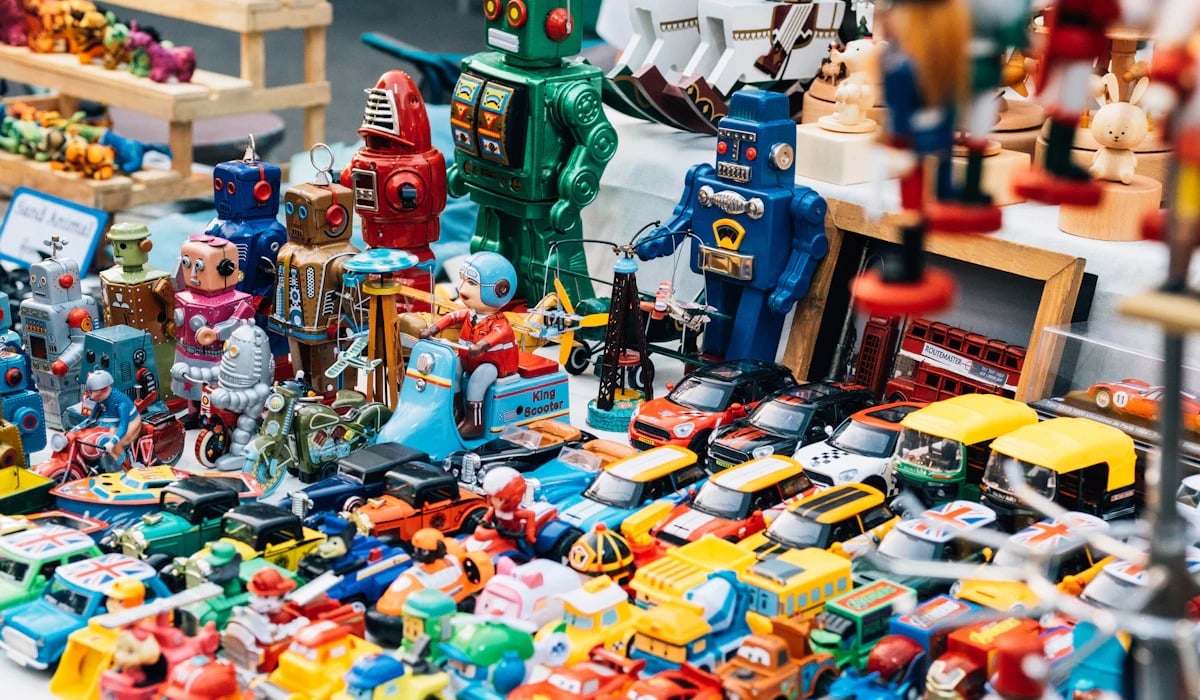
Tonka launched the GoBots in 1983, and the Hanna-Barbera cartoon Challenge of the GoBots premiered in 1984. The toys originated as Bandai’s Machine Robo line in Japan.
Cy-Kill, leader of the Renegades, transformed into a motorcycle and became one of the line’s recognizable villains. Condition and completeness govern the price: a boxed Cy-Kill with all of his accessories can outsell a loose one, and the metal parts may corrode if stored badly.
A high price usually requires a particularly desirable release or unusually good condition.
SilverHawks Quicksilver
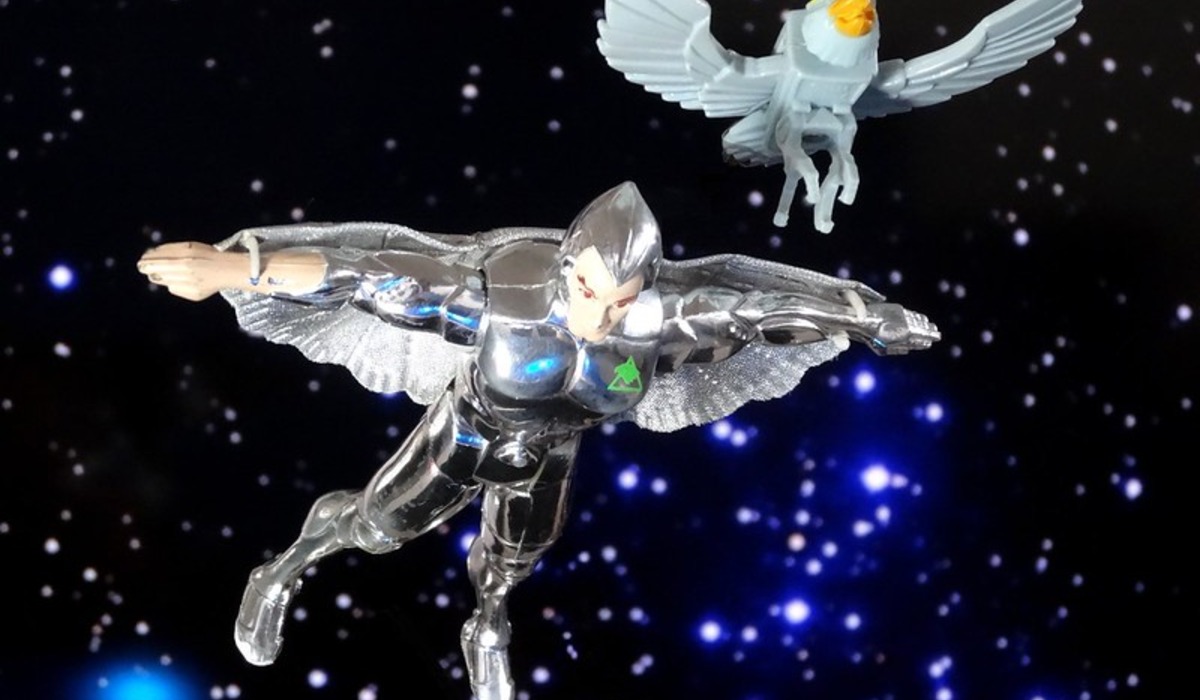
Kenner followed ThunderCats with SilverHawks in 1986, a Rankin/Bass series set in space about the SilverHawks’ battle against Mon*Star and his allies. Quicksilver, the team leader, is the best-known figure.
The toys had metallic-looking bodies, and that finish wears easily on loose figures. Carded figures with unbent packaging and intact accessories are worth far more than scuffed ones from the bottom of a toy bin.
The exact release and condition still determine whether a figure reaches hundreds of dollars.
Dino-Riders Tyco Tyrannosaurus
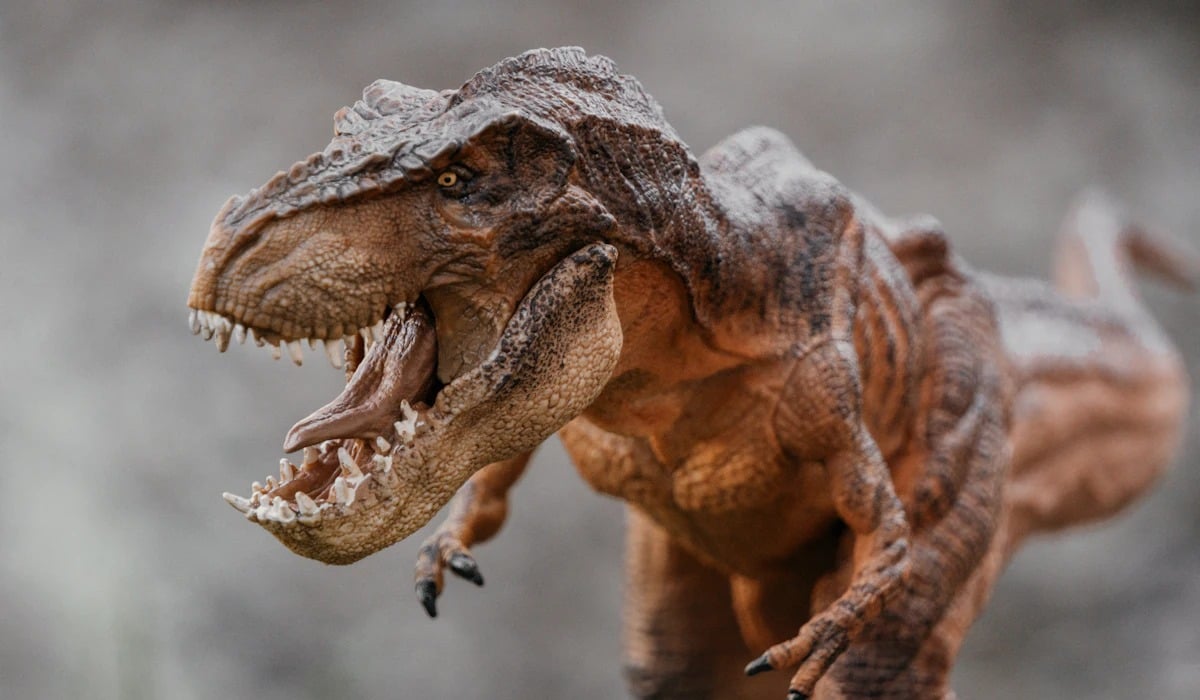
Tyco launched Dino-Riders in 1987 with a short-lived cartoon about warriors who ride dinosaurs fitted with weapons. The dinosaurs were large and detailed for the time, and the lasers and saddles were small and easily lost.
A boxed dinosaur with every piece of weaponry intact sells for much more than a loose one because the accessories were what vanished first. Complete examples with their original packaging are the strongest candidates for premium prices.
Bucky O’Hare Hasbro Figures
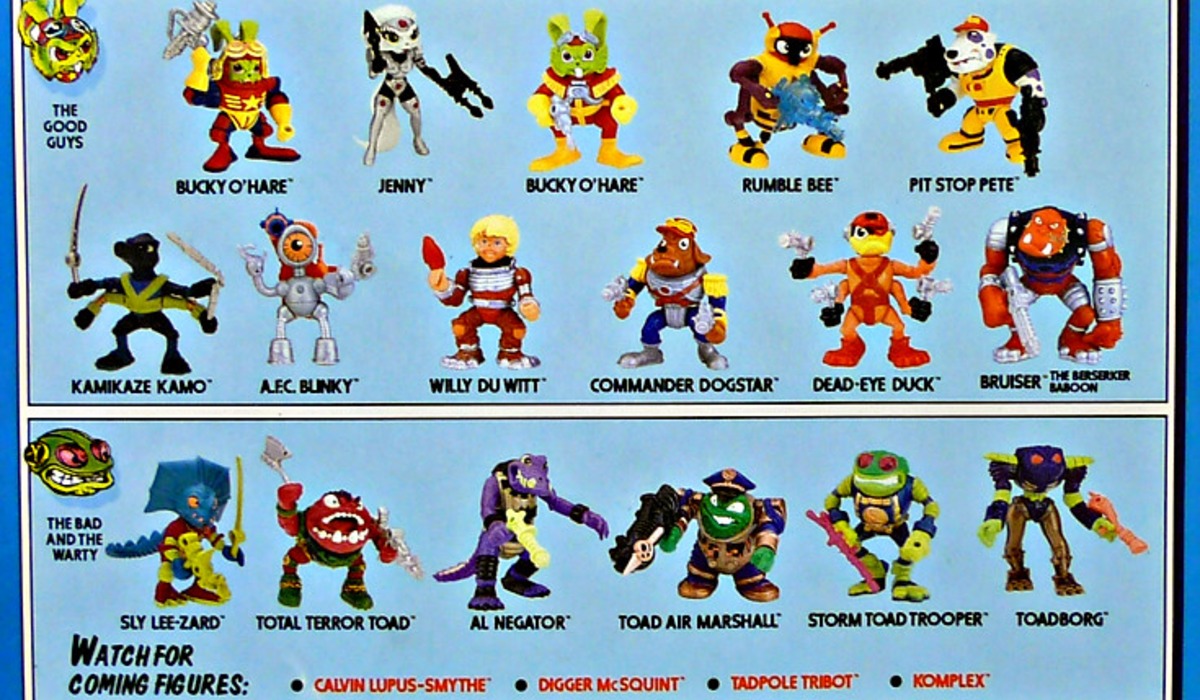
Bucky O’Hare began as a comic concept created by Larry Hama and Michael Golden in the late 1970s, with the comic appearing in print in the 1980s. A 13-episode cartoon arrived in 1991 with a Hasbro toy line.
The title hero is a green rabbit captain battling the Toad Empire. Carded figures in clean packaging bring noticeably more than loose figures, and the short run of the line limited what retailers stocked.
Prices still depend on the character, condition and completeness of each figure.
Captain Planet and the Planeteers Kenner Figures
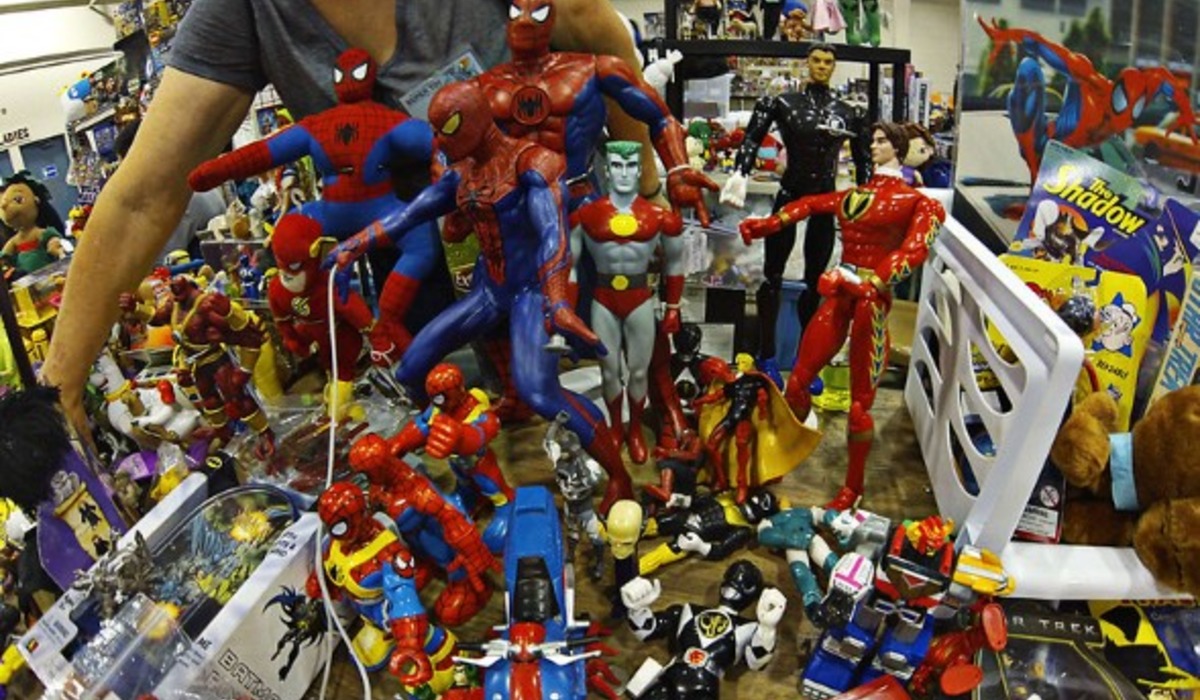
Captain Planet debuted in 1990 and was conceived by Ted Turner, with Kenner toys arriving in 1991. The five Planeteers, Kwame, Wheeler, Linka, Gi and Ma-Ti, each wore a power ring tied to Earth, Fire, Wind, Water or Heart.
Complete carded sets with all five Planeteers are what collectors look for, while a loose Captain Planet with scuffed blue skin is common and inexpensive. Complete, well-preserved sets are more desirable than ordinary loose figures, but not every example commands hundreds.
Biker Mice from Mars Galoob Figures
Galoob, better known for its Micro Machines, released Biker Mice from Mars toys in 1993 alongside the Fox Kids cartoon. Throttle, Modo and Vinnie were the heroes, and their motorcycles were an essential part of the line.
Figures still on the card with their vehicles and clean packaging sell for more than loose mice, since the bikes and accessories were easily separated and lost. The market value varies by character and version, so the presence of original packaging alone does not guarantee a high price.
Batman: The Animated Series Kenner Figures
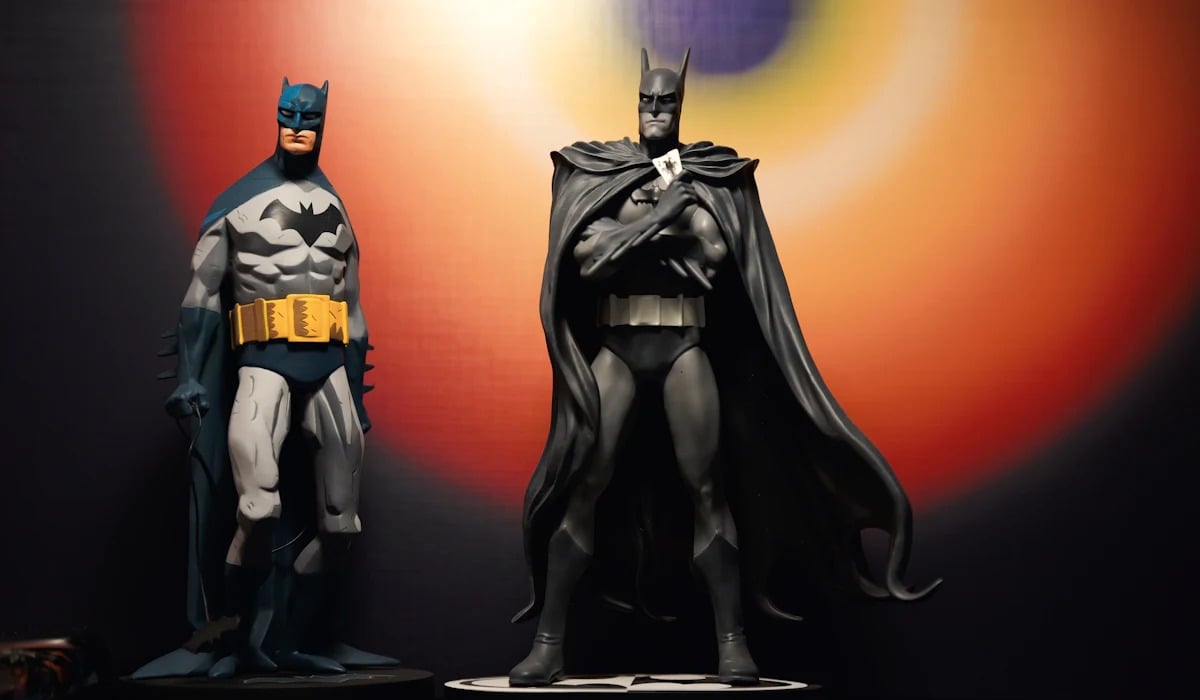
Batman: The Animated Series premiered in 1992, shaped by the production design of Bruce Timm and Eric Radomski, and Kenner’s figure line arrived in 1993. The Joker and Batman were the stars, but the supporting villains can be harder to find in certain releases.
Carded figures with unbent bubbles outsell loose ones, and rarer later-wave characters can bring a premium over first-wave heroes. Specific variants and packaging condition matter more than assuming every figure from the series is rare.
X-Men Toy Biz Figures
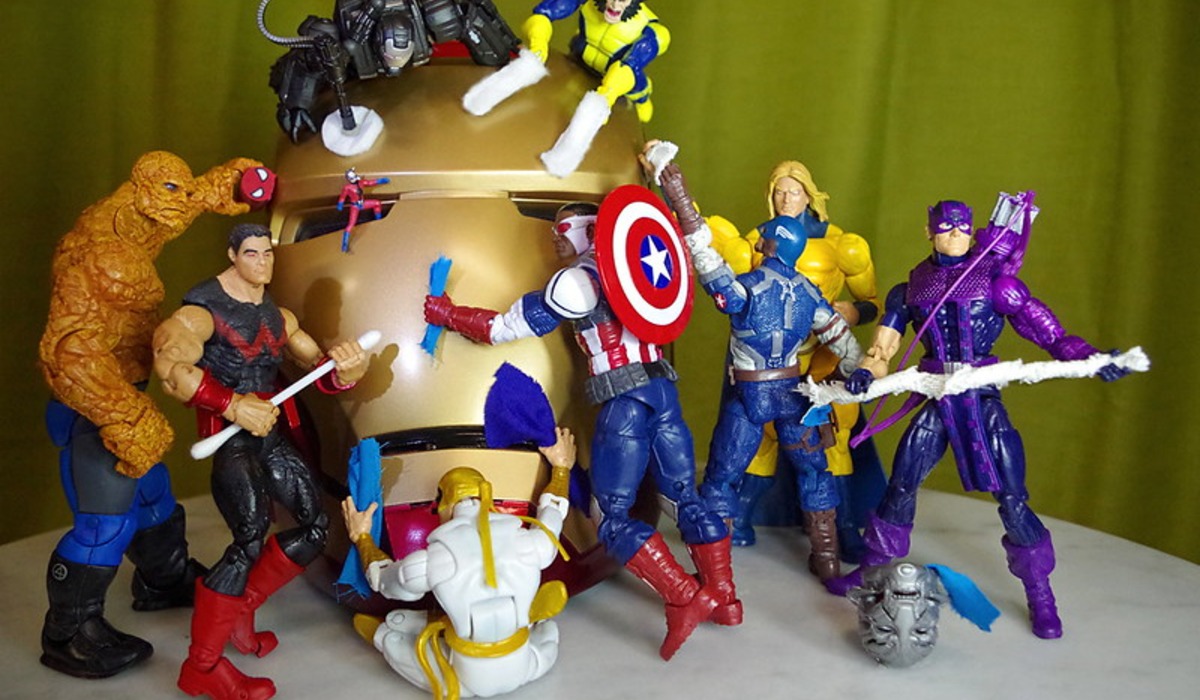
Toy Biz launched its X-Men line in 1991, and the Fox cartoon followed in 1992 and gave the toys a huge boost. Figures such as Wolverine and Cyclops came with spring-loaded gimmicks, and the sheer volume of production made common versions relatively inexpensive.
Price depends on condition and completeness, and sealed examples from rarer waves and variants bring far more than loose figures. Collectors should check the exact release and variant rather than assuming a familiar character is automatically valuable.
She-Ra: Princess of Power Mattel Dolls
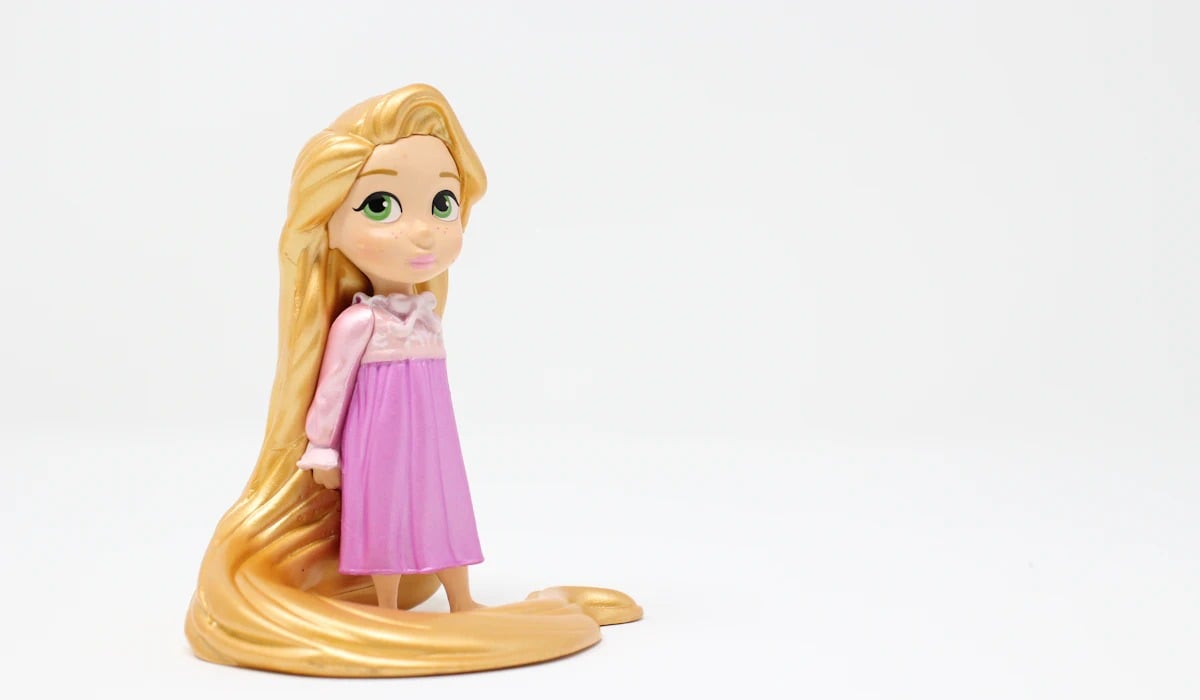
Mattel launched She-Ra in 1985 as a companion to Masters of the Universe, and the Filmation cartoon debuted the same year with Adora as the heroine and Swift Wind as her winged horse. The toy line ended in 1987.
Dolls and horses in sealed boxes can be highly valued, while loose figures without their swords, capes and combs bring only a fraction of the price. Rare versions and exceptionally preserved packaging are the main reasons some examples reach premium prices.
The Shelf Life of Childhood

The pattern across these toys is remarkably consistent. Almost all of them began as products designed to sell a cartoon, or cartoons designed to sell a product, and the millions made were treated as disposable.
Kids opened them, lost the accessories and moved on, which is how a mass-market plastic figure could turn into a scarce object.
Prices now track one thing above all: how much of the original survives. A pristine sealed toy and a battered loose one with the same name can sit in completely different price ranges, and the gap is a measure of how few parents resisted the urge to throw the packaging away.
Still, a toy’s age and nostalgia factor alone do not guarantee a big payday. Before selling, collectors should identify the exact release and compare completed sales for examples in similar condition.
MORE FROM GO2TUTORS!

- The Romanov Crown Jewels and Their Tragic Fate
- 13 Historical Mysteries That Science Still Can’t Solve
- Famous Hoaxes That Fooled the World for Years
- 15 Child Stars with Tragic Adult Lives
- 16 Famous Jewelry Pieces in History
Like Go2Tutors’s content? Follow us on MSN.