Strange Truths About Fool’s Gold
There’s something almost embarrassing about fool’s gold. The very name suggests you’d have to be a fool to be tricked by it — and yet, for centuries, experienced prospectors, trained geologists, and sharp-eyed traders have all been caught out by this glittering mineral.
The story of fool’s gold turns out to be far stranger, and far richer, than the insult buried in its nickname.
It’s Not Just One Mineral
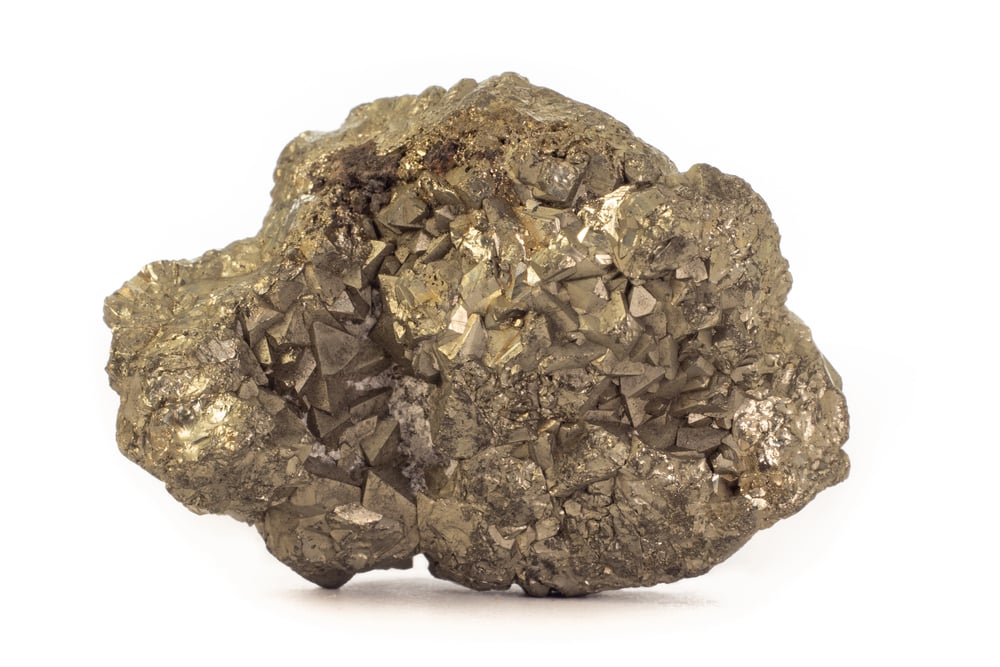
Most people picture one thing when they hear “fool’s gold” — the brassy, metallic cubes that litter gift shops near national parks. That’s pyrite. But pyrite isn’t the only mineral that earns the nickname.
Chalcopyrite, a copper-iron sulfide, also gets called fool’s gold because of its golden sheen. So does mica, which produces flat, glittery flakes that catch the light in ways that look genuinely promising to untrained eyes.
The term is less a scientific classification and more a category of humiliation.
The Cubes Are Not a Coincidence
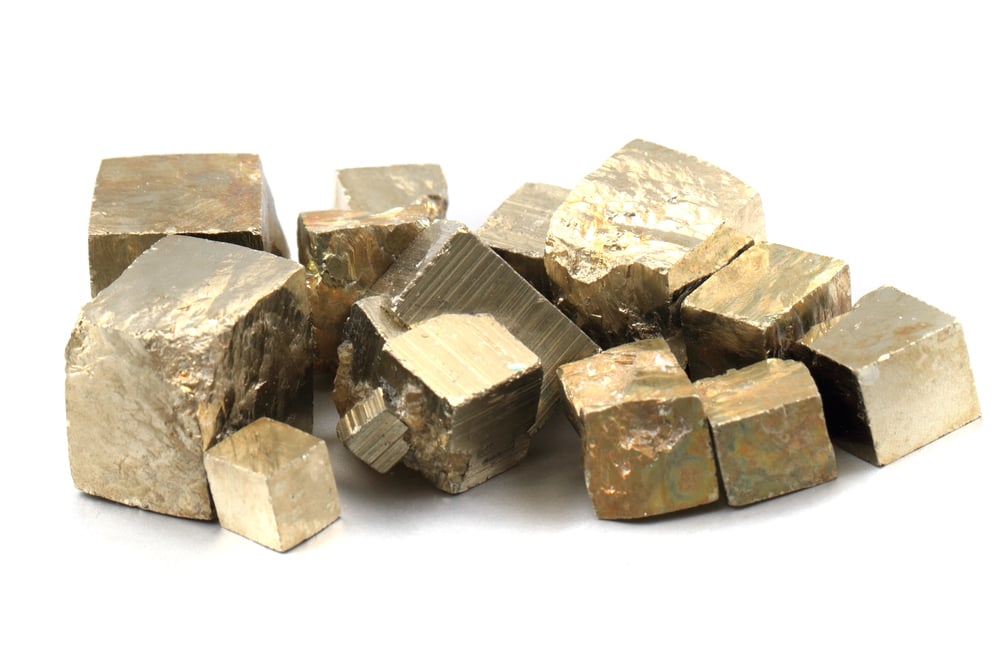
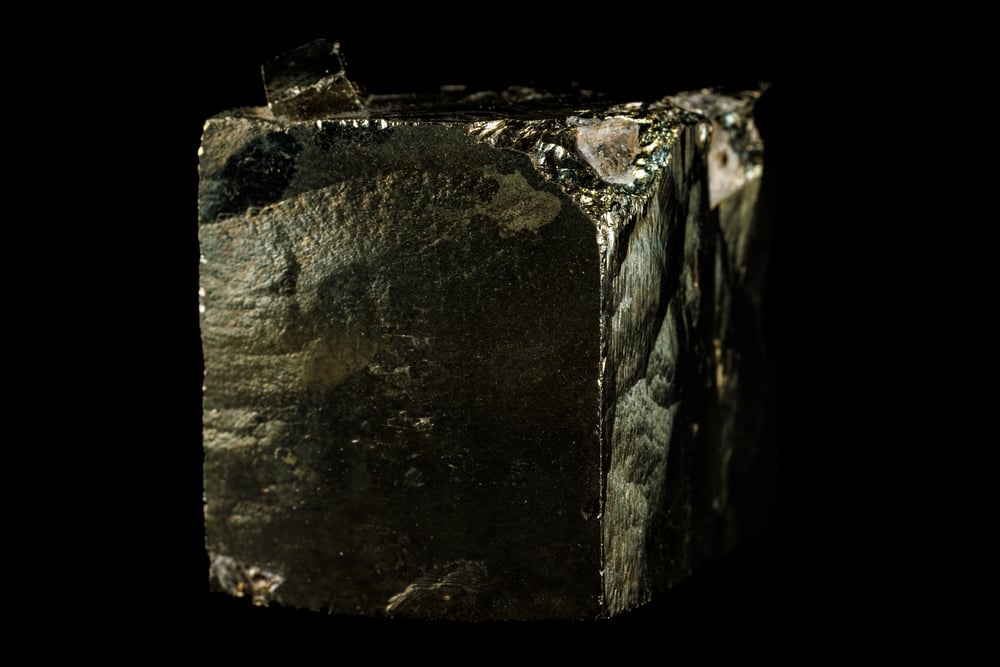
Pyrite has a habit of forming near-perfect cubes. This happens because of its crystal structure — the iron and sulfur atoms arrange themselves in a cubic pattern at the atomic level, and the mineral grows outward along that same geometry.
The result is something that looks almost manufactured. You can find chunks of pyrite in the wild that look like they were cut by a machine, with sharp right angles and flat, mirror-like faces.
It’s one of the more surreal things nature produces without any help.
Real Gold Hides Inside It
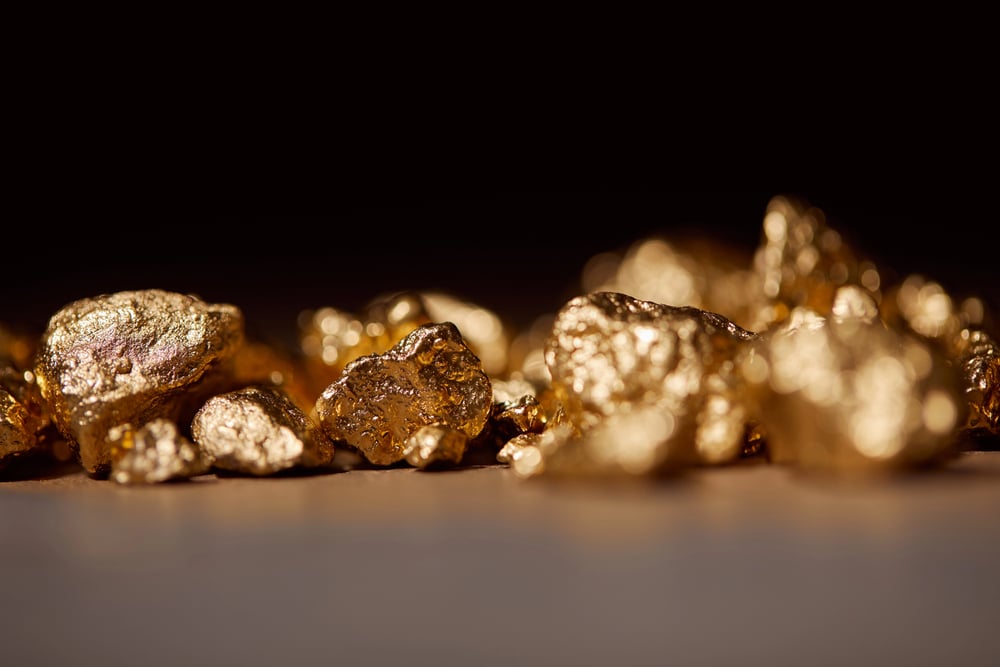
Here’s the part that makes the “fool” label feel a little unfair. Pyrite frequently contains trace amounts of actual gold — sometimes in quantities that are economically worth extracting.
This type is called “invisible gold” or “refractory gold” because it’s locked inside the crystal structure of the pyrite and can’t be seen or separated by ordinary means. Some of the most productive gold mines in the world, including operations in Nevada’s Carlin Trend, pull most of their gold not from nuggets or veins but from processing pyrite.
The fool’s gold was hiding real gold the whole time.
It Fooled People for Thousands of Years

The Spanish conquistadors famously shipped boatloads of pyrite back to Europe in the 1500s, convinced they had struck it rich in the Americas. By the time assayers tested the material, the ships had already made the Atlantic crossing.
This wasn’t a quick glance and a mistake — these were men whose livelihoods depended on identifying valuable ore. Pyrite is genuinely convincing.
It has the density of something valuable, a color that reads as gold in poor lighting, and a surface that polishes to a metallic glow.
You Can Test It With Your Hands
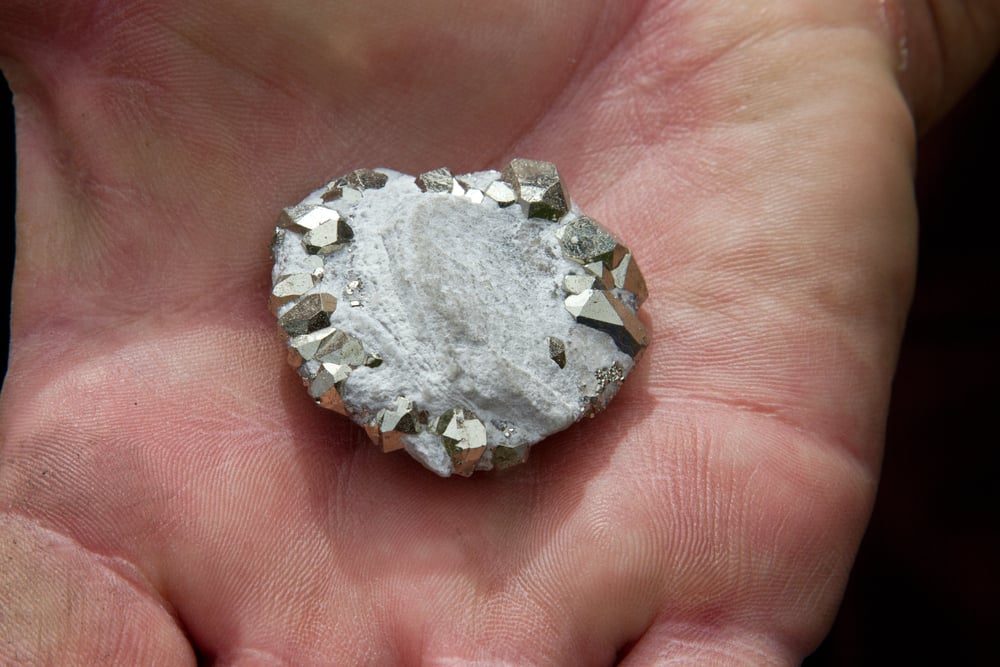
The simplest way to tell pyrite from gold is to scratch it. Real gold is soft — you can mark it with a fingernail.
Pyrite is brittle and hard, and if you try to scratch it against a hard surface, it tends to crumble or shatter rather than bend. There’s also the streak test, where you drag the mineral across a piece of unglazed porcelain.
Gold leaves a yellow streak. Pyrite leaves a greenish-black one.
These tests take about ten seconds. And yet, for most of human history, people didn’t know about them, or didn’t bother.
It Makes Fire
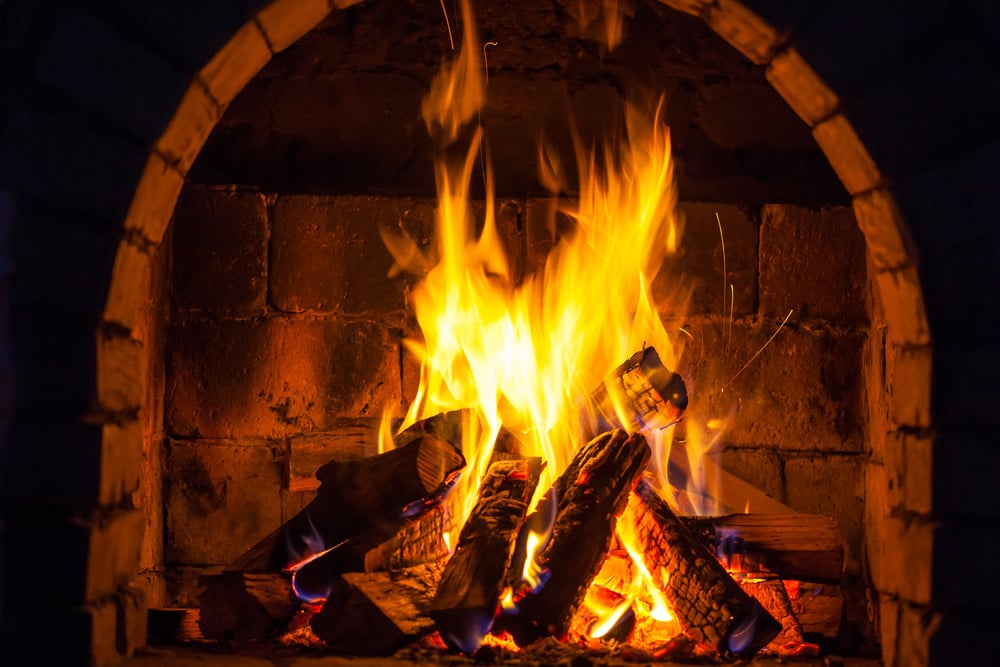
Before matches existed, pyrite was a fire-starter. When struck against flint or iron, it throws hot sparks with enough reliability to ignite dry tinder.
Indigenous peoples across North America, Europe, and Asia all used pyrite this way. The word “pyrite” actually comes from the Greek word for fire — pyr — because the ancients knew it would spark when struck.
For much of human history, a good piece of pyrite was worth carrying specifically because it could keep you warm and alive. The association with fire is older than the association with gold.
Flintlock Firearms Depended on It

The early versions of the flintlock mechanism — the firing system that dominated European warfare and hunting from the 1600s through the early 1800s — sometimes used pyrite instead of flint. The pyrite wheel-lock was the predecessor to the flintlock, and it worked by spinning a serrated wheel against a piece of pyrite to generate sparks.
These weapons were expensive and fiddly, but they worked well enough to change the nature of war. Fool’s gold helped fire a lot of bullets before the age of modern ammunition.
It Smells Wrong

If you’re ever uncertain whether what you’re looking at is pyrite or gold, you can try scratching it and smelling it. Pyrite contains sulfur, and when disturbed, it releases a faint but distinct rotten-egg odor.
Gold, being chemically inert, smells like nothing at all. This is a less elegant test than the streak method, but it’s memorable.
Miners who spent enough time around or learned to trust their noses as much as their eyes.
It Can Destroy Buildings
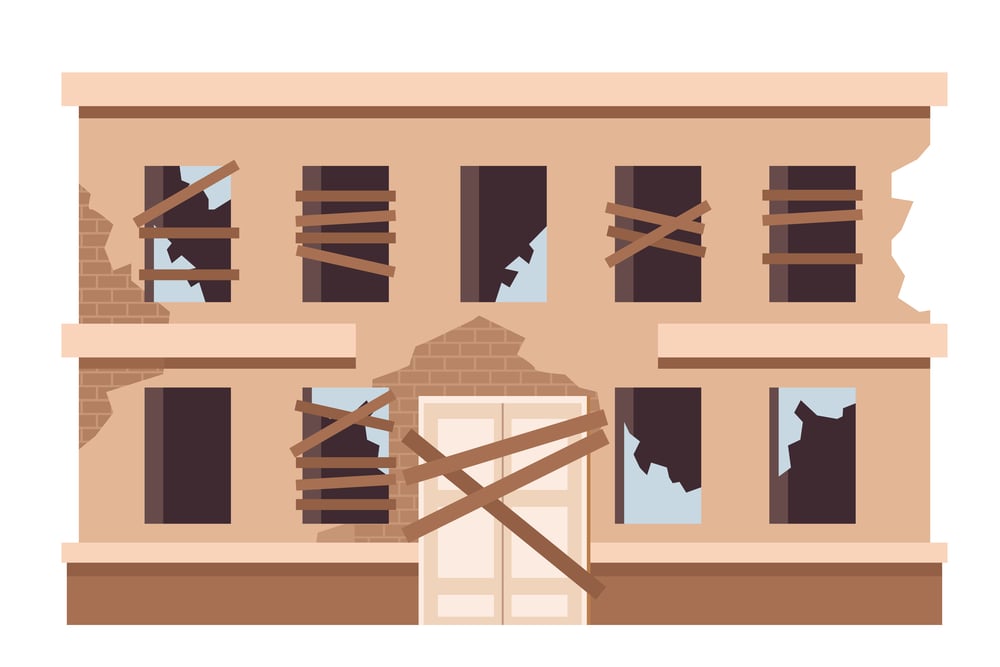
Pyrite’s sulfur content makes it reactive in ways that cause real damage. When pyrite is present in the aggregate used to make concrete — as happened in parts of Ireland and the United States in the late 20th century — it can oxidize over time as moisture gets in, expanding and cracking the concrete from within.
Foundations crumble. Floors heave.
Walls crack. Thousands of homes in Ireland had to be partially demolished and rebuilt because the stone fill beneath their foundations contained enough pyrite to slowly destroy them.
The damage ran into the billions of euros.
It Forms on the Ocean Floor

A lot of pyrite doesn’t form underground in the way most people imagine. It forms on the seafloor, where bacteria break down organic matter and release hydrogen sulfide, which then reacts with iron in the sediment.
The result is pyrite — built by microbial activity, not geological pressure. Deep-sea mining operations have found enormous deposits of it around hydrothermal vents.
Some of the pyrite in your local rock shop might have once sat on the bottom of an ancient ocean, assembled by organisms too small to see.
Ancient Peoples Used It as a Mirror
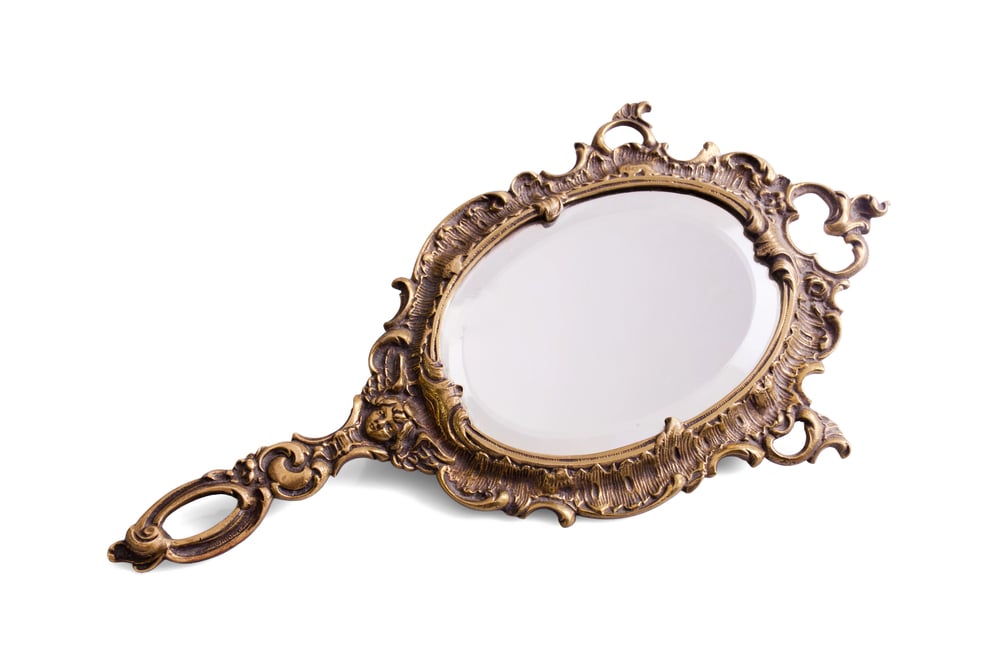
Before polished metal mirrors became common, pyrite served the purpose. Some specimens can be polished to a reflective sheen good enough to see a rough image of your face.
Archaeological sites in North and South America have turned up polished pyrite mirrors that are thousands of years old. The Aztecs used them in religious ceremonies.
European archaeologists initially assumed the polished discs were some kind of decorative object before figuring out what they actually were. The fool’s gold was showing people their own reflections.
It Changes When Exposed to Air and Water
Fresh pyrite is stable, but leave it in a humid environment long enough and it starts to break down. The process is called pyrite oxidation, and the result is sulfuric acid and iron oxide — which is to say, rust and acid.
In abandoned mines, this is a serious environmental problem. Rainwater seeping through old workings picks up the acid and carries it into nearby streams, where it kills fish and turns the water a distinct orange-brown color.
The phenomenon has a name: acid mine drainage. Fool’s gold, left to its own devices, can poison a river.
Museum Specimens Keep Degrading
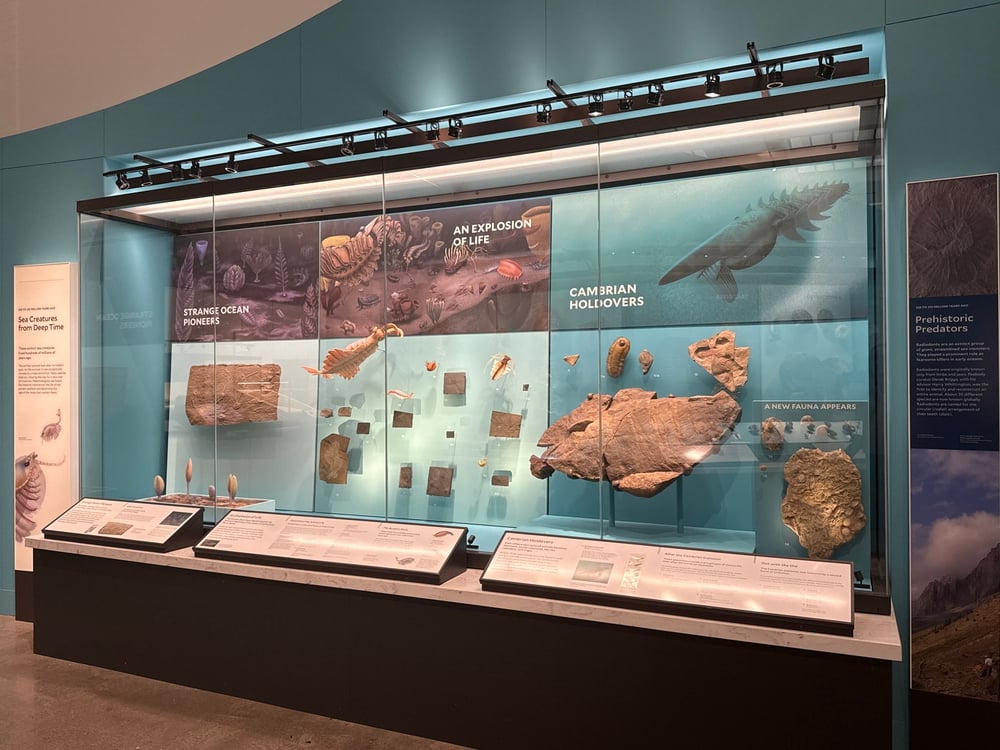
Pyrite is notoriously unstable in museum storage conditions. A specimen that looks perfect when collected can start deteriorating within decades if kept in the wrong humidity.
The mineral breaks down into a white powder of iron sulfate and sulfuric acid, destroying both the specimen and anything stored near it. Conservators call this “pyrite disease.”
Natural history museums around the world have lost irreplaceable fossil specimens because pyrite in the matrix around the bones began to oxidize, and no one caught it in time. The fool’s gold ate the dinosaur.
It Shows Up in Space

Pyrite has been detected in meteorites and is thought to form in the interstellar medium under the right chemical conditions. Some researchers studying the origins of life on Earth have proposed that pyrite surfaces may have played a role in the chemistry that led to self-replicating molecules — the first tentative steps toward biology.
The mineral’s ability to catalyze certain chemical reactions makes it an interesting candidate. The idea is still speculative, but if it holds up, fool’s gold would be implicated not just in the history of mining but in the history of life itself.
The Name Is the Biggest Lie
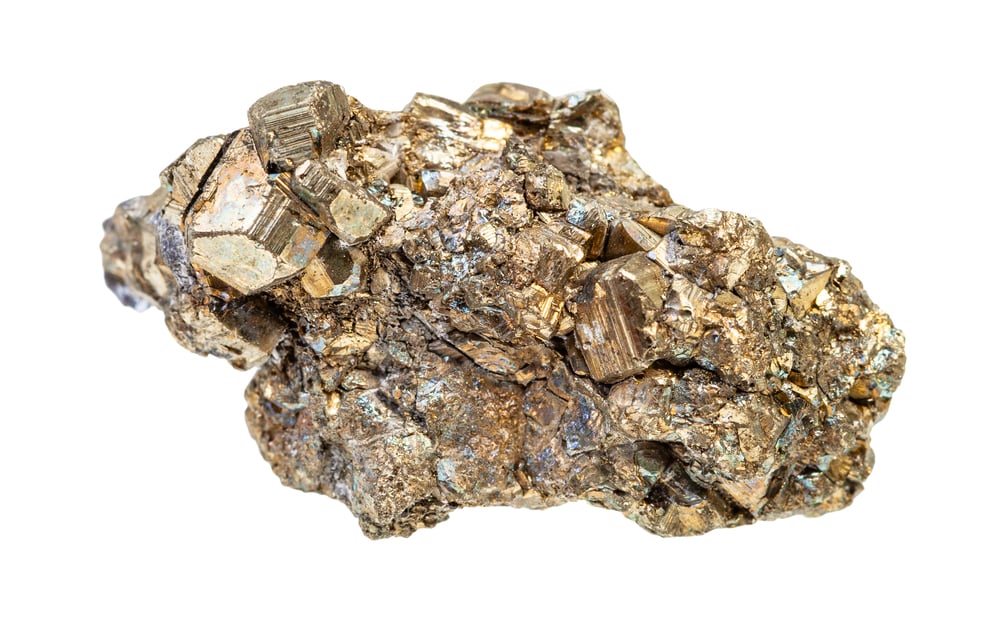
Call it what people always have — fool’s gold — and you’re buying into a story about gullibility. But the mineral that earned that name sparked fires, ignited weapons, built mirrors, helped process real gold, contributed to the chemistry of the early Earth, and still manages to collapse buildings and ruin rivers.
It’s reactive, structurally fascinating, historically significant, and genuinely beautiful in a way that metallic cubes shouldn’t quite be. The fool, it turns out, wasn’t the person who picked it up and thought it was worth something.
The fool was anyone who assumed it wasn’t.
More from Go2Tutors!

- The Romanov Crown Jewels and Their Tragic Fate
- 13 Historical Mysteries That Science Still Can’t Solve
- Famous Hoaxes That Fooled the World for Years
- 15 Child Stars with Tragic Adult Lives
- 16 Famous Jewelry Pieces in History
Like Go2Tutors’s content? Follow us on MSN.