27 Famous Streets Before Their Signature Buildings Existed
Every great street has a landmark that people picture first. A theater, a tower, a gate, or a hotel tends to become the shorthand for the entire address, and visitors assume the street was built around it.
The reverse is usually true. Most of these streets began as paths, fields, towpaths, marshes, or lines on a surveyor’s map, and the buildings that made them famous arrived years or even centuries later.
Wall Street
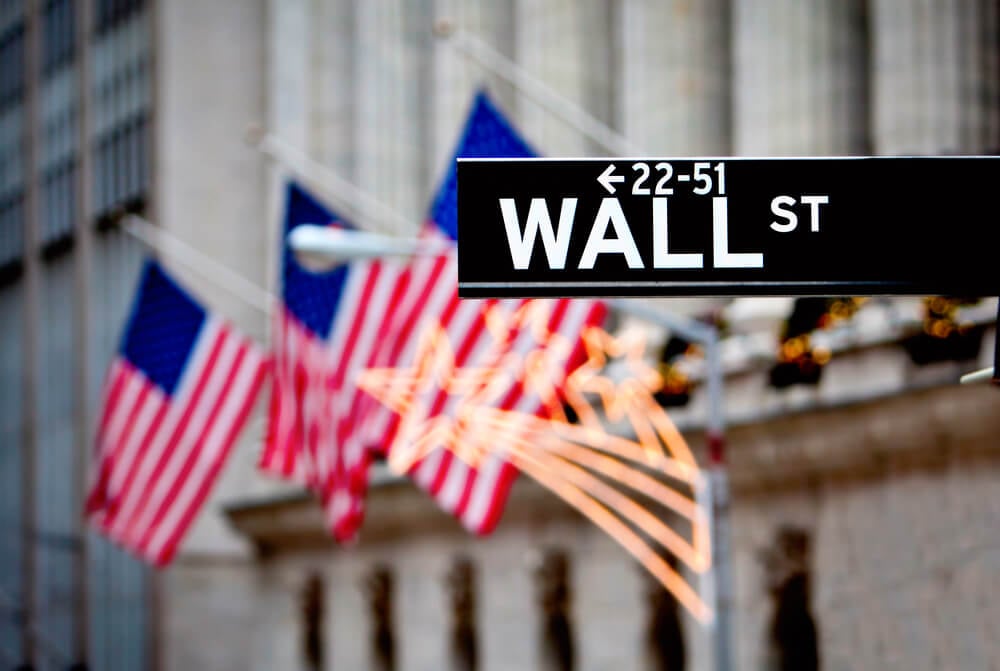
Wall Street takes its name from a defensive wall the Dutch built in the 1650s, and the street spent its early life as a modest lane in a small colonial town. The financial identity came later.
By tradition, a group of 24 brokers signed the Buttonwood Agreement in 1792 under a tree at what is now 68 Wall Street, and the New York Stock Exchange did not move into its columned Broad Street building until 1903.
Fifth Avenue
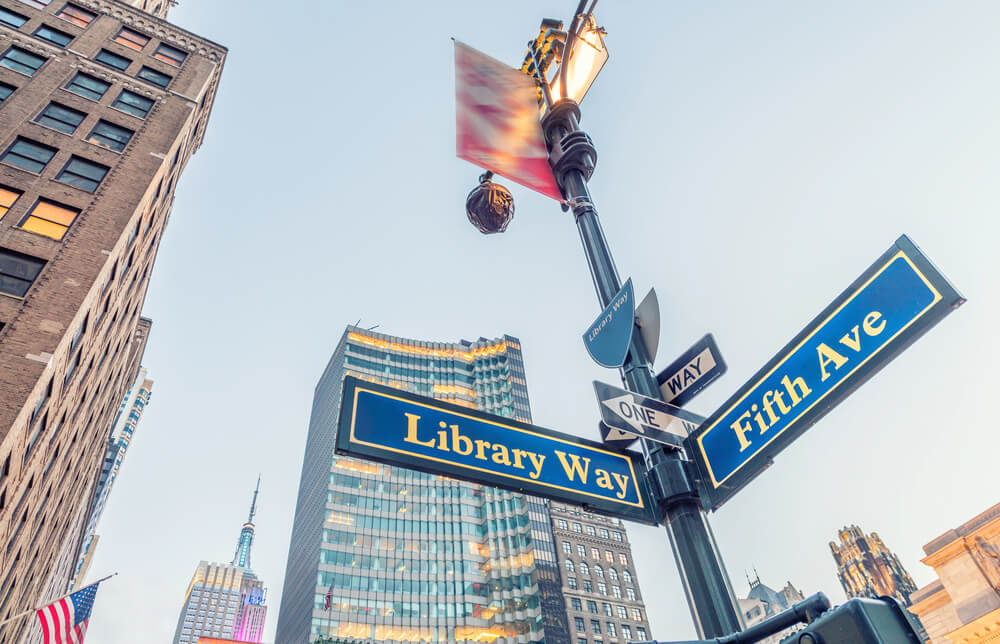
Fifth Avenue was a line on the Commissioners’ Plan of 1811, laid across farmland and rocky hills long before it was lined with anything grand. By the 1890s the Waldorf Hotel stood at 34th Street on land that had belonged to the Astor family.
The Empire State Building replaced the Waldorf-Astoria on that site and opened in 1931.
Times Square
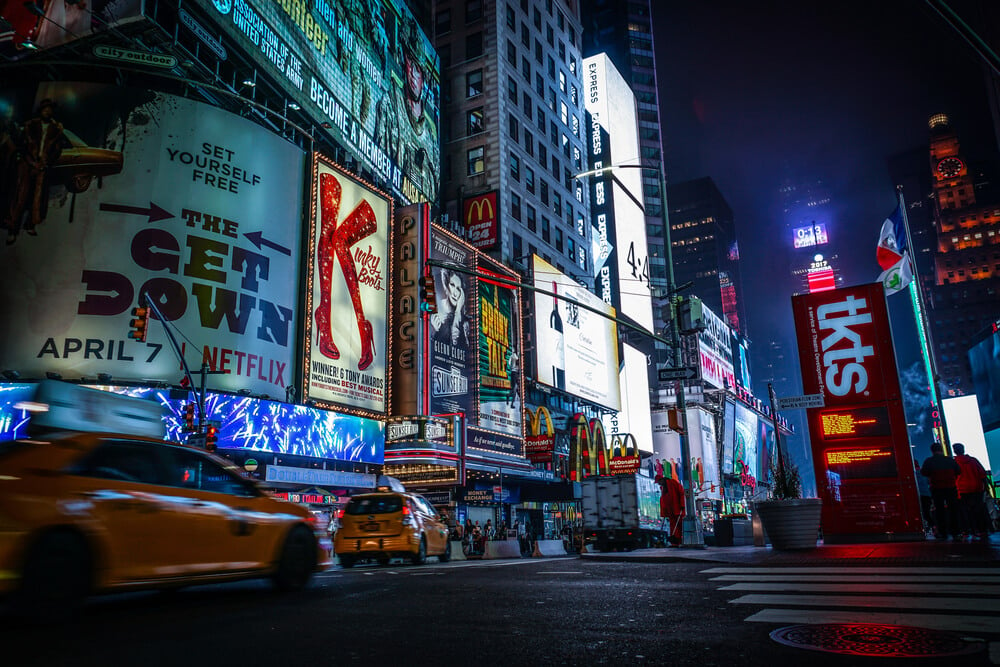
Until 1904 the junction at Broadway and 42nd Street was called Longacre Square, and it was known for carriage makers and horse dealers rather than for lights. The name changed when the New York Times moved into its new tower there, and the city even approved a subway station to match.
The New Year’s Eve tradition of lowering an illuminated globe from that tower did not begin until the end of 1907.
Park Avenue
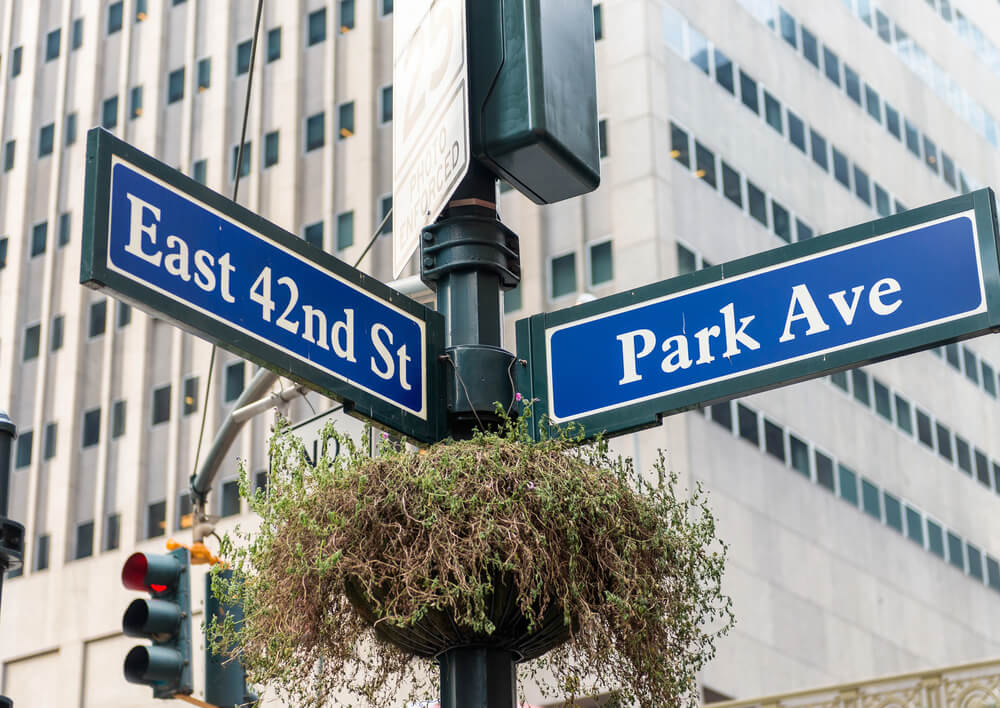
For decades Park Avenue was less an avenue than a railroad corridor, with New York and Harlem Railroad tracks running through an open cut that carried noise and soot through the neighborhood. Covering the tracks and electrifying the line around Grand Central opened the way for apartment buildings along the strip.
The Waldorf-Astoria moved to Park Avenue in 1931, and the Seagram Building followed in 1958.
Michigan Avenue
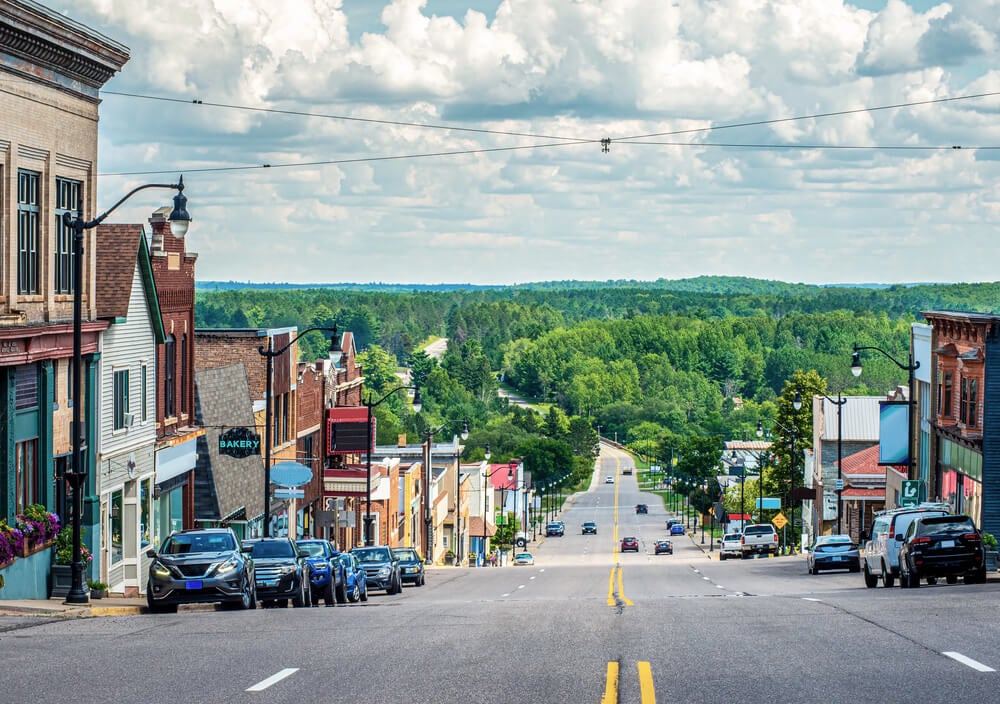
North of the Chicago River, the street that became Michigan Avenue was once a narrow road called Pine Street, lined with industrial buildings and lacking the grand frontage of its southern stretch. The Michigan Avenue Bridge opened in 1920 and tied the two halves together.
The Wrigley Building rose beside it in 1921, and Tribune Tower followed in 1925.
Champs-Élysées
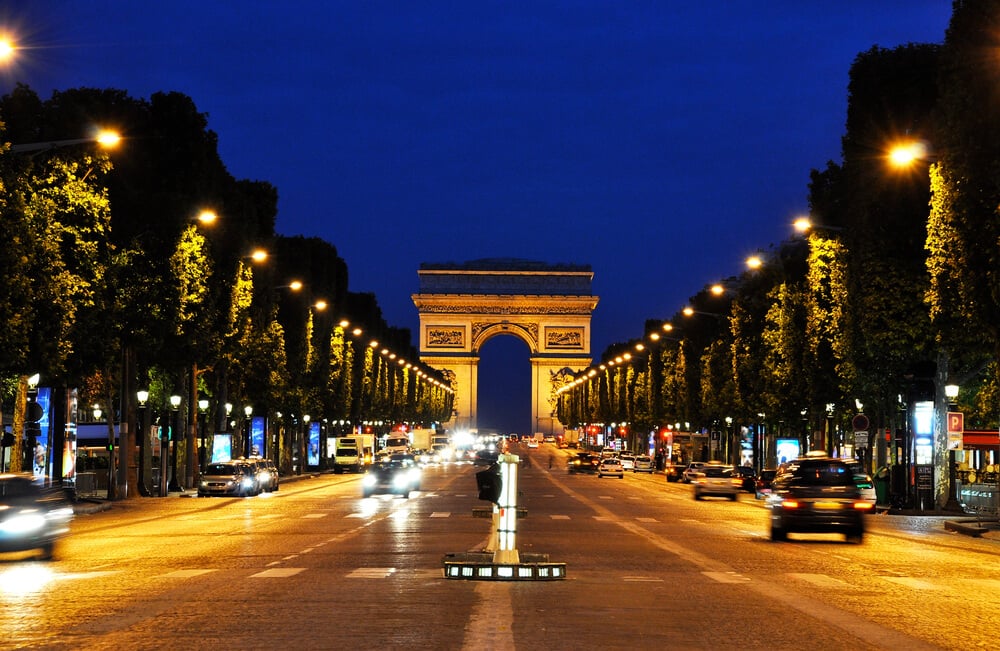
In 1667 the landscape designer André Le Nôtre extended the central axis of the Tuileries Garden westward, and the Champs-Élysées began as a tree-lined route through fields and market gardens. The street gained length gradually, and the Place de l’Étoile at its far end was a hilltop crossroads.
Construction of the Arc de Triomphe there began in 1806, and the monument was finished only in 1836.
Unter den Linden
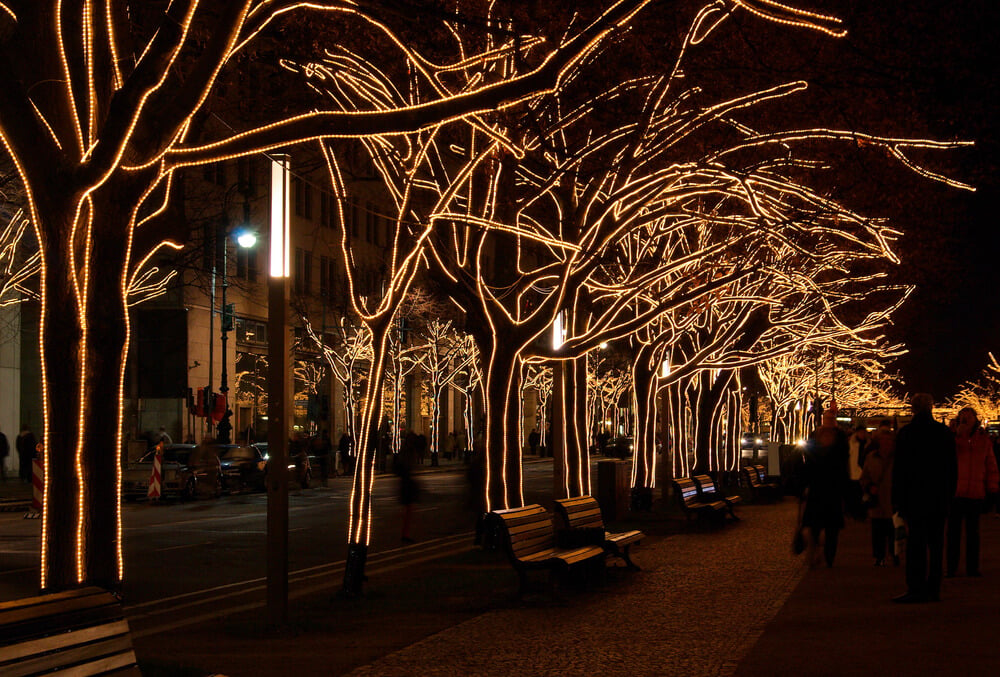
In 1647 the Elector Frederick William ordered linden trees planted along a path leading from the Berlin palace toward the hunting grounds of the Tiergarten. The street took its name from those trees and slowly acquired palaces and public buildings.
The Brandenburg Gate that now closes the western end was completed in 1791, well over a century after the first trees went in.
The Vienna Ringstrasse
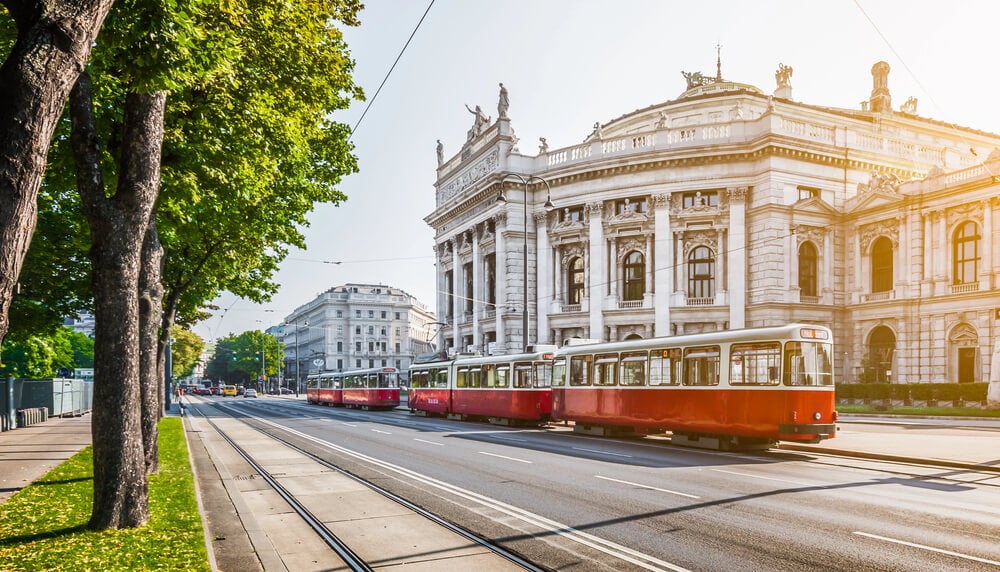
Vienna’s grand circular boulevard exists because of a decision about walls. On December 20, 1857, Emperor Franz Joseph ordered the old city fortifications torn down, and the open ground became a ring of building plots.
The Vienna State Opera opened there in 1869, and the Parliament, Town Hall, and university followed over the next decades.
Hollywood Boulevard
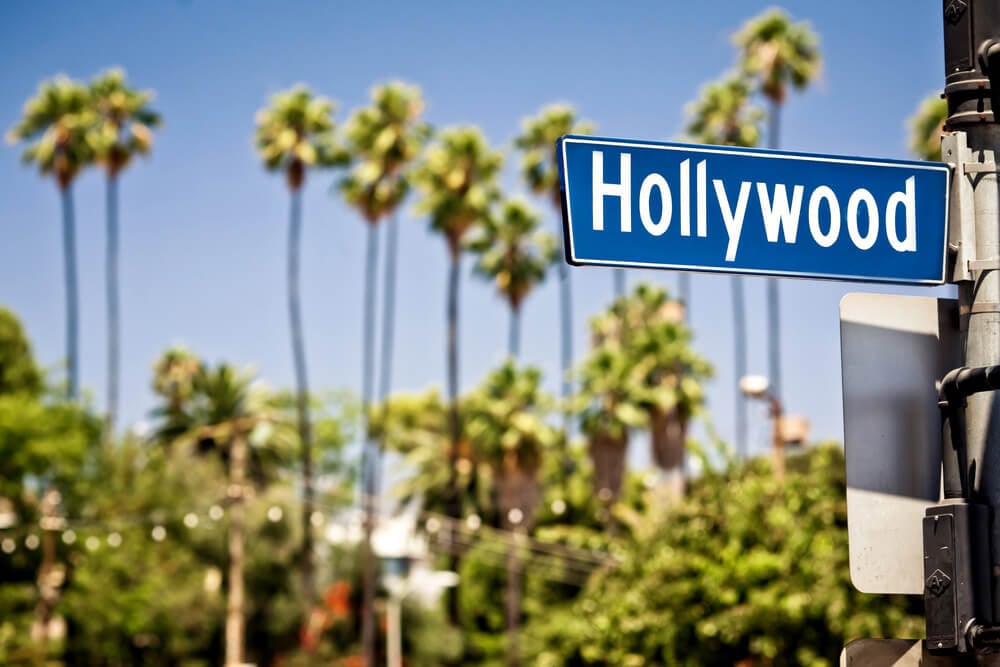
Hollywood Boulevard was called Prospect Avenue when Hollywood was a small community of ranches and citrus groves. The area joined Los Angeles in 1910, and the street was renamed that year.
Grauman’s Chinese Theatre, the building most associated with the boulevard, did not open until 1927.
The Las Vegas Strip
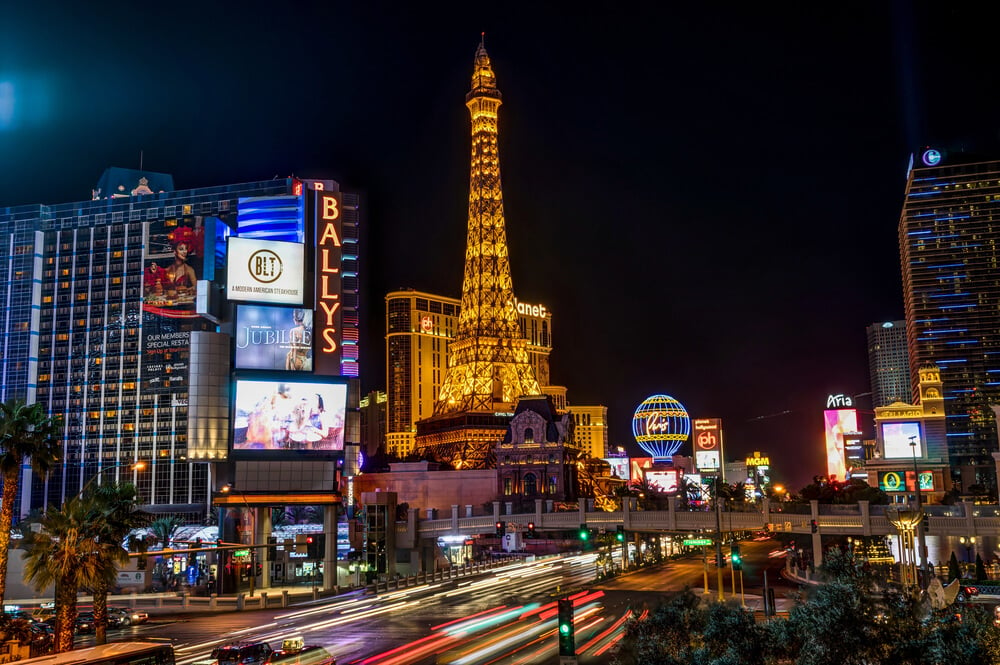
The road that became the Strip was a stretch of highway outside Las Vegas city limits when the El Rancho Vegas resort opened along it in 1941. The Flamingo followed in 1946, and the casinos that now define the street arrived one after another through the 1950s and later.
Before any of them, the land was desert along the route to Los Angeles.
Kurfürstendamm
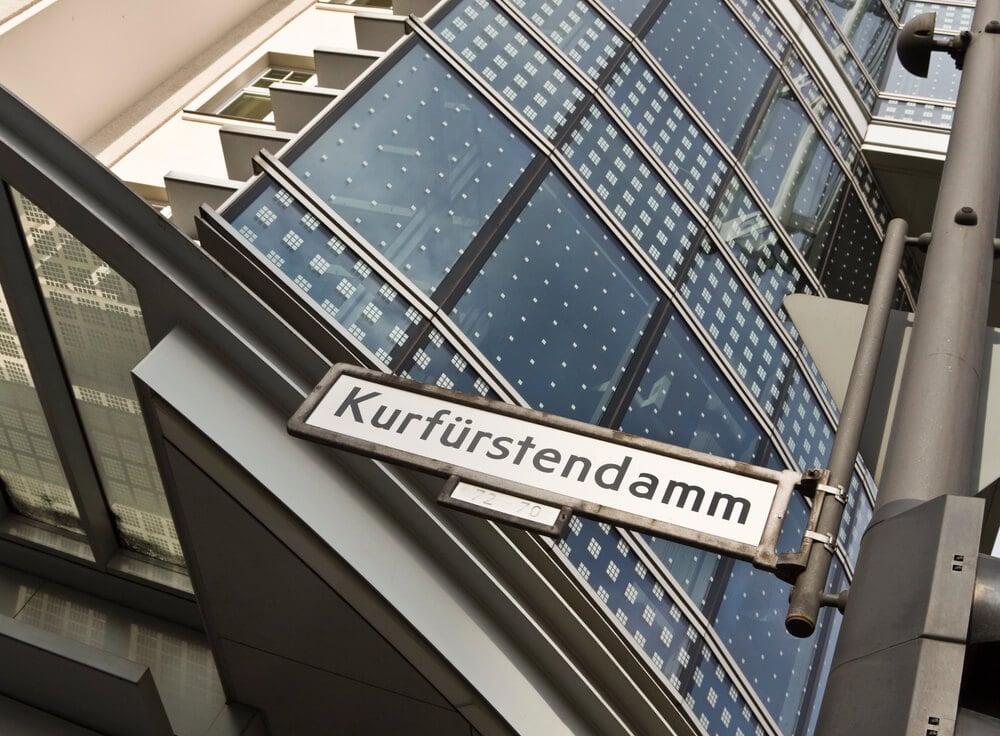
The Kurfürstendamm began as a riding path that connected Berlin with the hunting lodge in the Grunewald forest. Bismarck pushed in the 1870s to turn it into a showpiece boulevard, a deliberate rival to the Champs-Élysées.
The Kaiser Wilhelm Memorial Church, whose ruined tower still stands near its eastern end, was completed in 1895.
Paseo de la Reforma
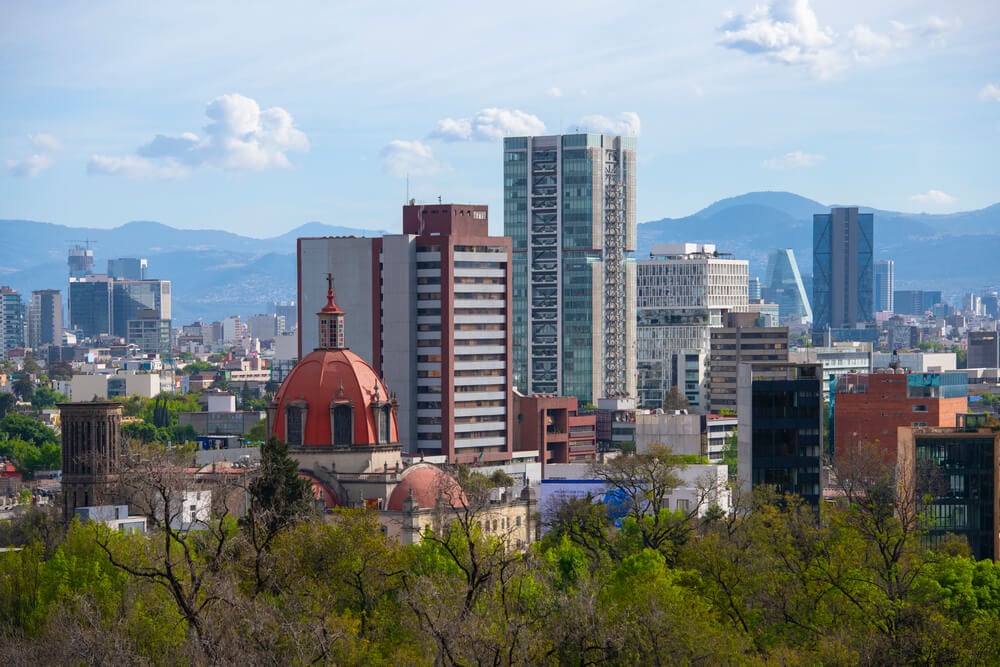
Emperor Maximilian ordered the creation of a broad avenue in Mexico City in the 1860s so he could travel directly from Chapultepec Castle toward the center of the capital. Much of its early length ran through open land.
The Angel of Independence, now the avenue’s best-known monument, was inaugurated in 1910 for the centennial of Mexico’s independence movement.
Oxford Street
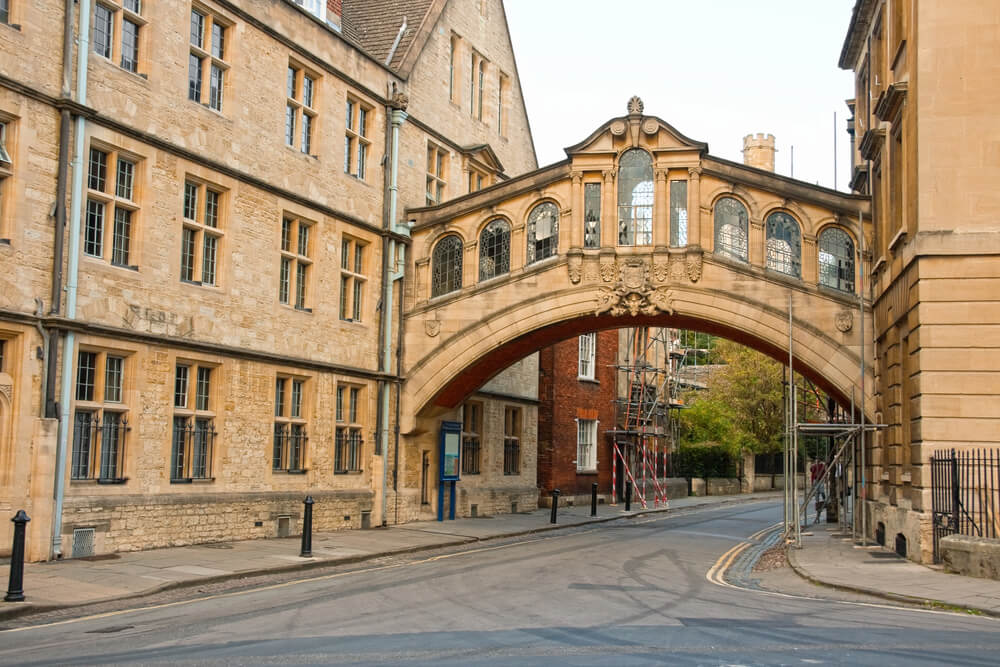
Oxford Street follows the line of a Roman road, and for centuries it was known as the Tyburn Road, a route that carried condemned prisoners west toward the gallows. It slowly turned into a shopping street in the 19th century.
Selfridges, the department store that made it a global retail address, opened in 1909.
Orchard Road
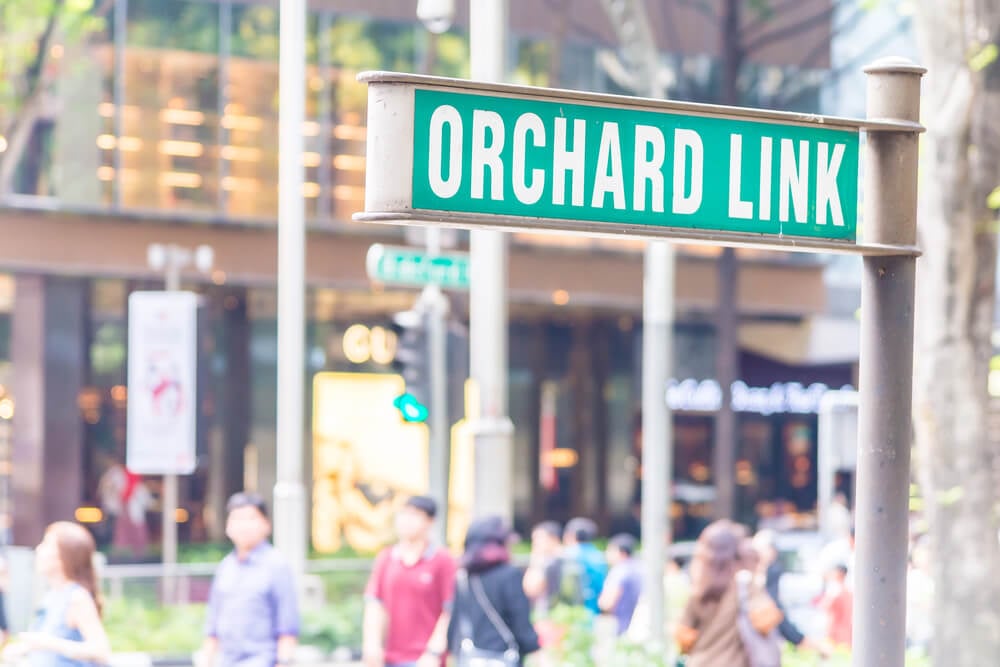
Orchard Road in Singapore was named for the fruit orchards and plantations that lined it in the 19th century, including nutmeg and pepper. It was a rural lane on the edge of the colonial town and seemed an unlikely candidate for a shopping district.
The malls and department stores that now define it came mostly in the 20th century, and its tree-lined sidewalks are the legacy of the original name.
Nathan Road
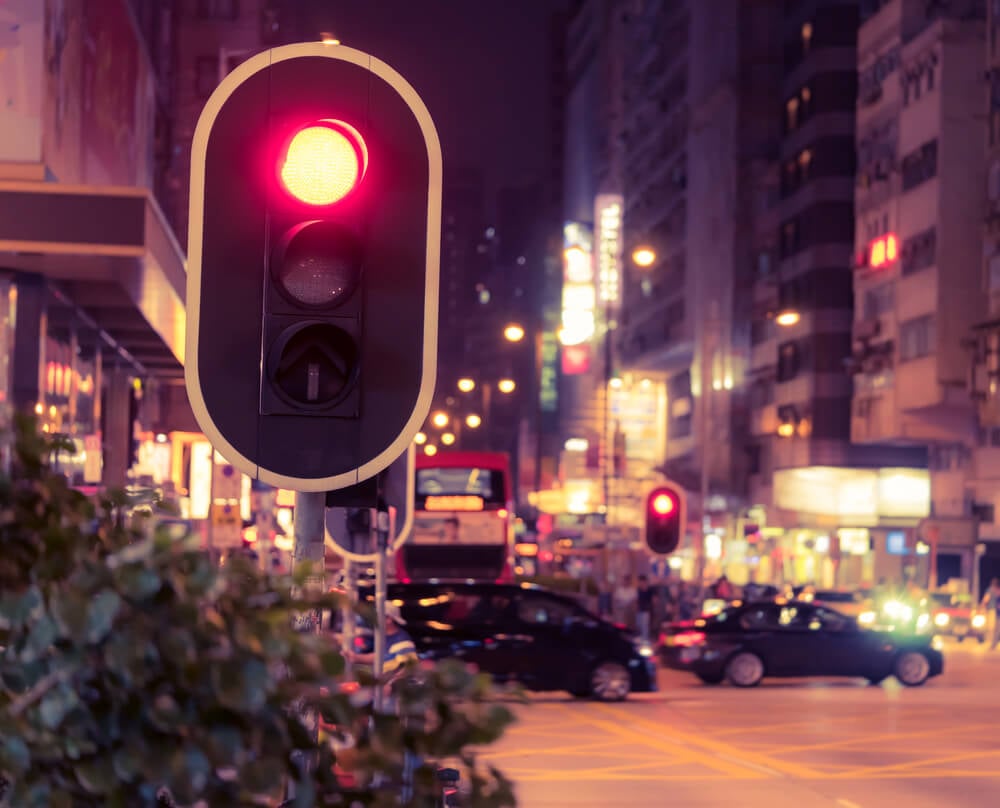
Nathan Road in Kowloon was laid out at the end of the 19th century through scrubland and hills and was first named Robinson Road. It was renamed in 1909 for Governor Sir Matthew Nathan.
The Peninsula Hotel, the grande dame at its southern end, opened in 1928, and the neon-covered shops that earned the road the nickname Golden Mile came decades later.
The Bund
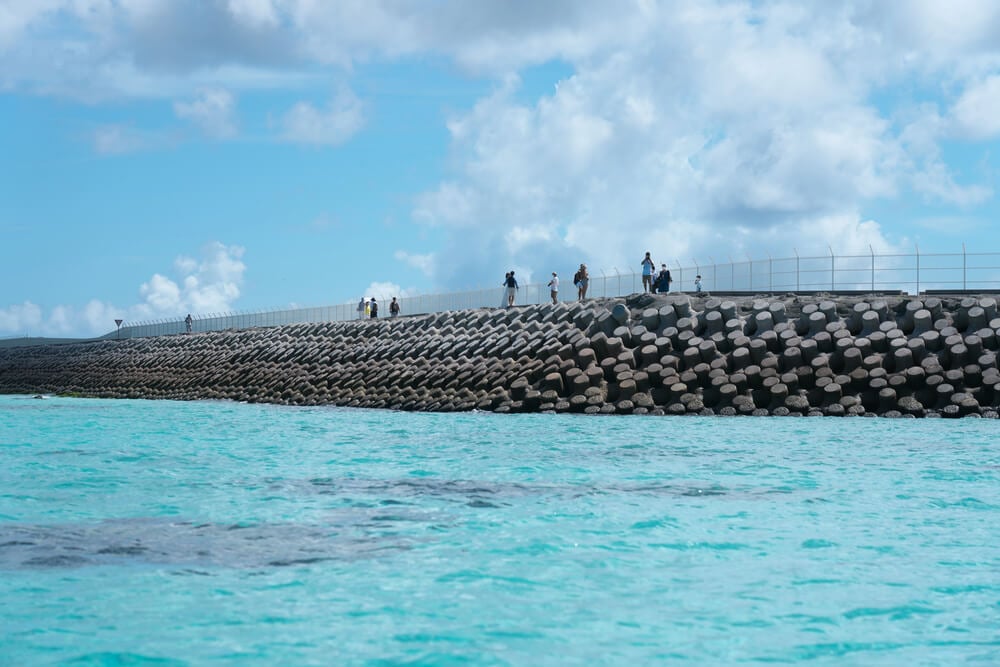
The Bund in Shanghai began as a muddy towpath along the Huangpu River, where laborers hauled boats and cargo. The name comes from an Anglo-Indian word for an embankment.
The line of classical banks and trading houses that defines it today rose in the 1900s and 1920s, with the HSBC building finished in 1923 and the Customs House in 1927.
Boylston Street
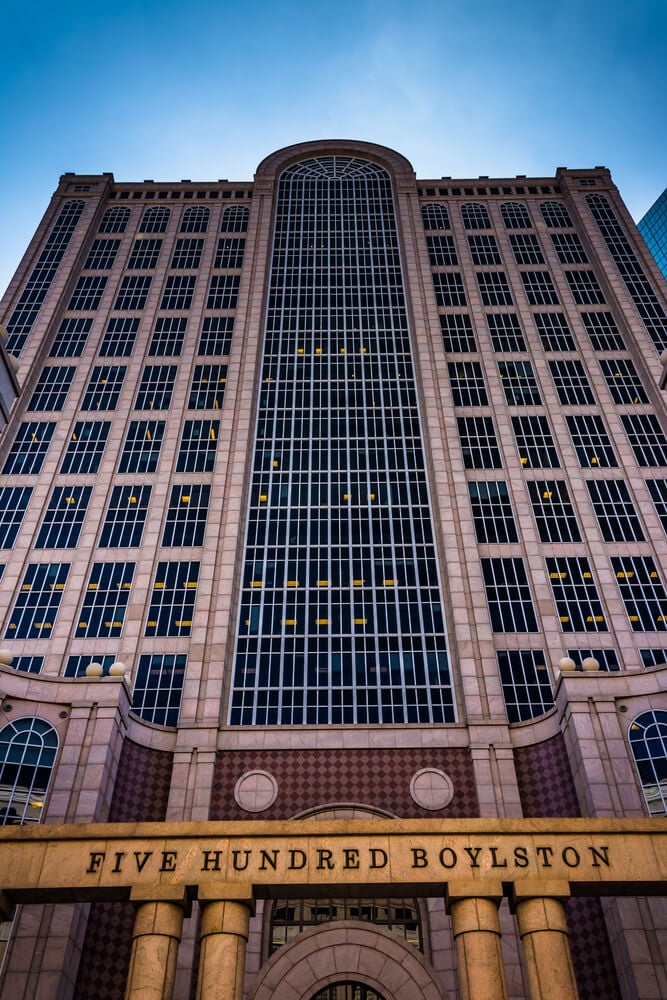
When Boston’s Back Bay was a tidal basin, Boylston Street was a line on a plan for land that had not yet been made. Filling of the bay began in 1857 and went on for decades, using gravel hauled in from nearby towns.
Trinity Church was consecrated in 1877 on the new ground, and the Boston Public Library’s McKim building opened across the square in 1895.
Collins Avenue
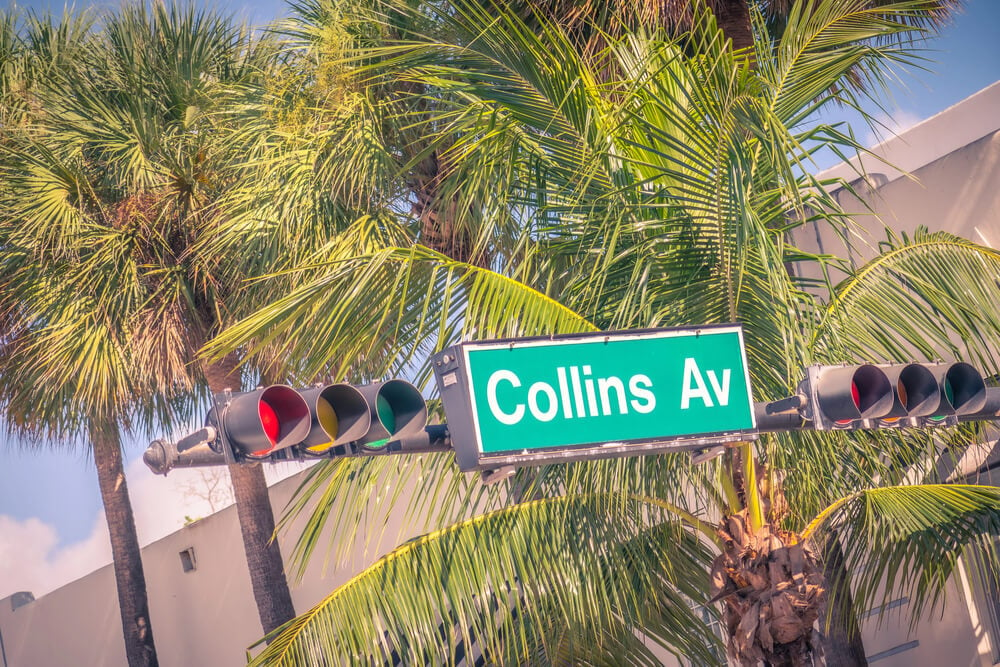
On Miami Beach, Collins Avenue grew from the farm road of John Collins, who built a wooden bridge to the barrier island in 1913 to reach his avocado groves. The road passed through mangrove and scrub before it became a hotel strip.
The Fontainebleau, designed by Morris Lapidus, opened in 1954 and helped define the look of the street.
Princes Street
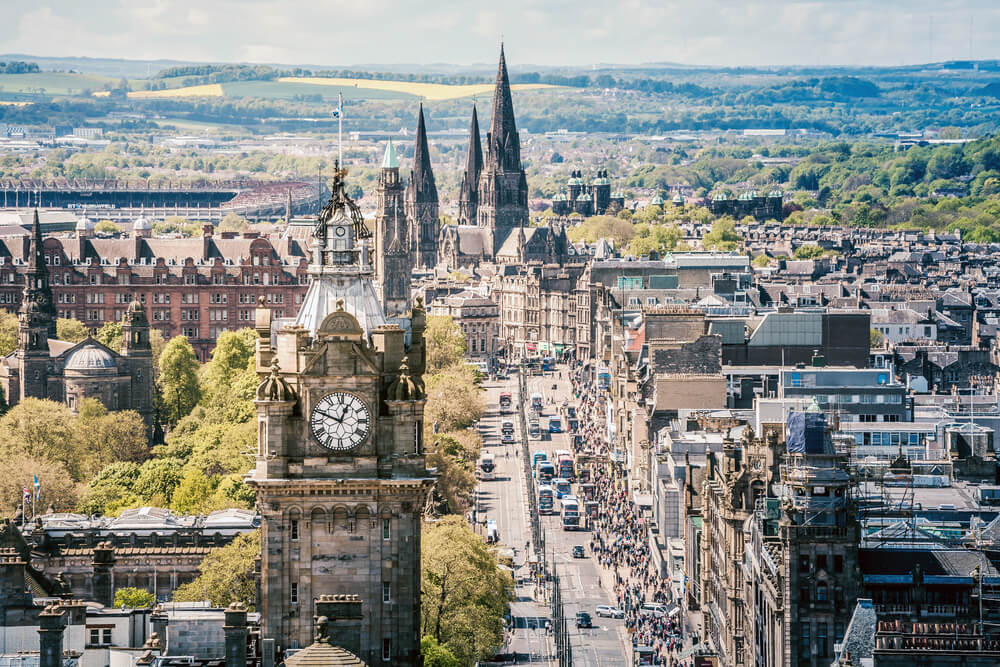
Princes Street in Edinburgh was laid out as part of the 18th-century New Town, facing the Old Town across a valley once filled by the Nor’ Loch, a stagnant body of water that was gradually drained. For years the street had buildings on one side only.
The Scott Monument, the Gothic spire that dominates the view, was completed in 1844.
Market Street
Surveyor Jasper O’Farrell laid out Market Street in San Francisco in 1847 as a wide diagonal slicing through the city’s street grid, and the sand dunes and scrub beyond it were nearly empty. The Ferry Building at its eastern end was completed in 1898, giving the street a destination.
The 1906 earthquake and fire destroyed much of what had been built along it.
Wilshire Boulevard
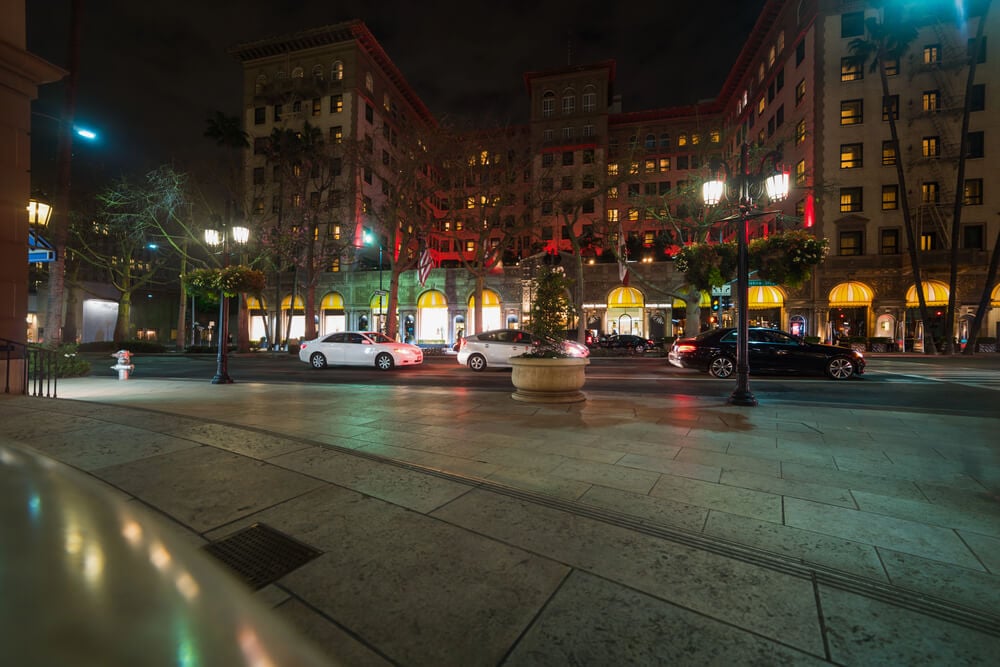
Wilshire Boulevard was named for Wilshire, a developer and socialist who subdivided bean fields west of Los Angeles in the 1890s. For years the road was a bumpy route through farmland, far from downtown.
Bullocks Wilshire, the department store that helped establish the Miracle Mile as a shopping district, opened in 1929.
Ginza
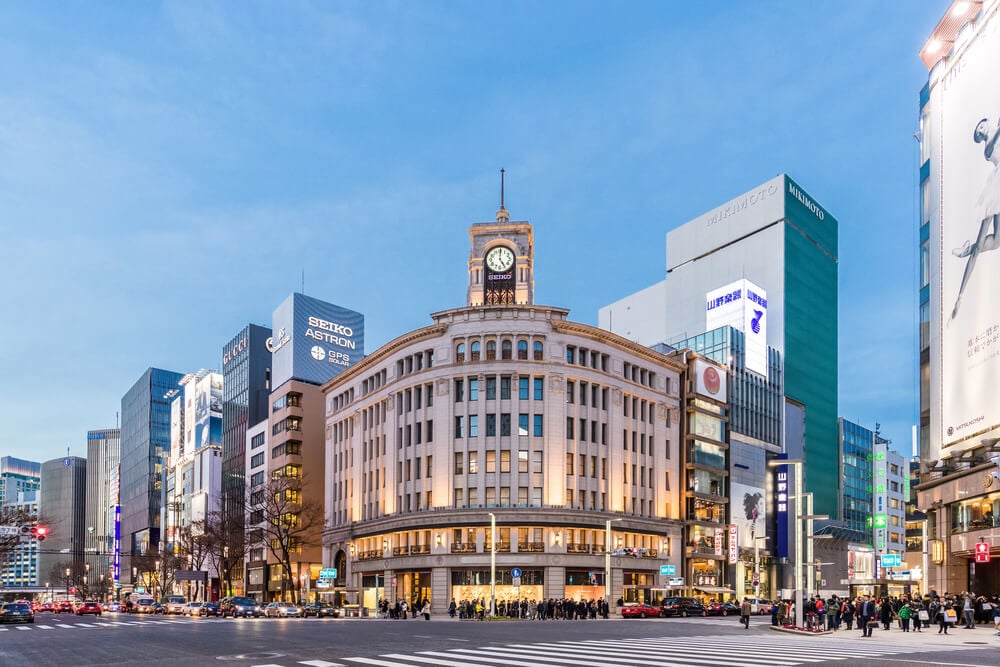
The name Ginza refers to a silver mint established there in 1612. In 1872 a fire swept through the district, and the government rebuilt it as a showcase of brick buildings with gas lamps.
The Wako building, with the clock tower that has become the intersection’s best-known feature, was completed in 1932.
Congress Avenue
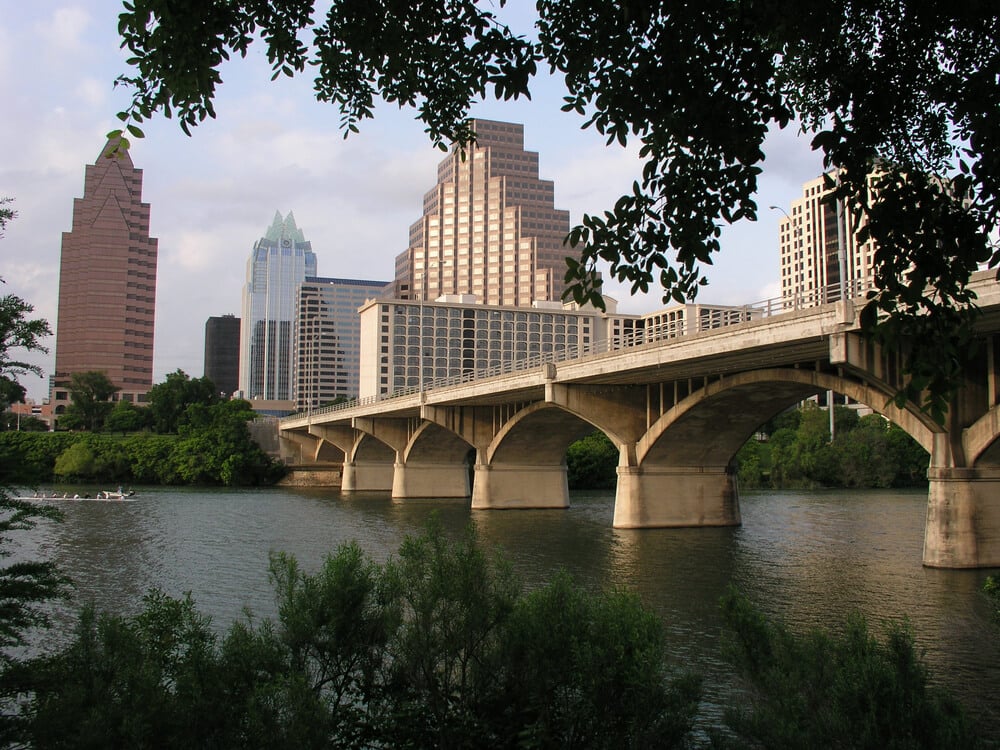
Congress Avenue was part of the plan Edwin Waller laid out in 1839 for the new capital of the Republic of Texas, a grid on the Colorado River that ended at a hill reserved for the capitol. The hill stayed empty of any great building for decades.
The granite Texas State Capitol at its head was completed in 1888.
Andrássy Avenue
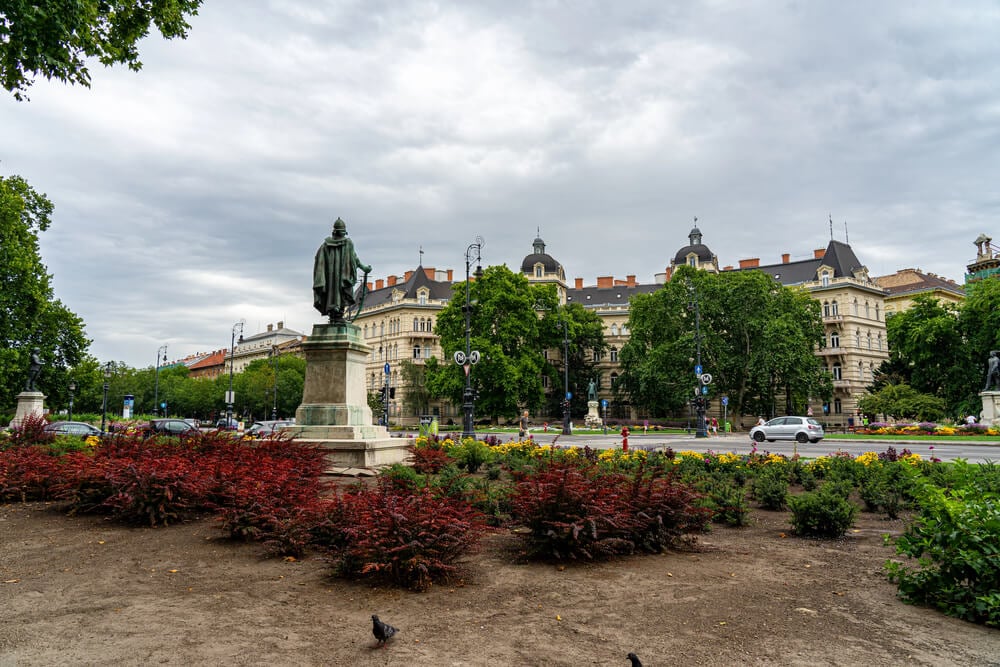
The creation of Budapest’s Andrássy Avenue was authorized in 1870, and the boulevard opened in 1876. It was cut through the city to connect the center with City Park and to relieve crowding in older streets.
The Hungarian State Opera House, the street’s most celebrated building, opened in 1884.
Rothschild Boulevard
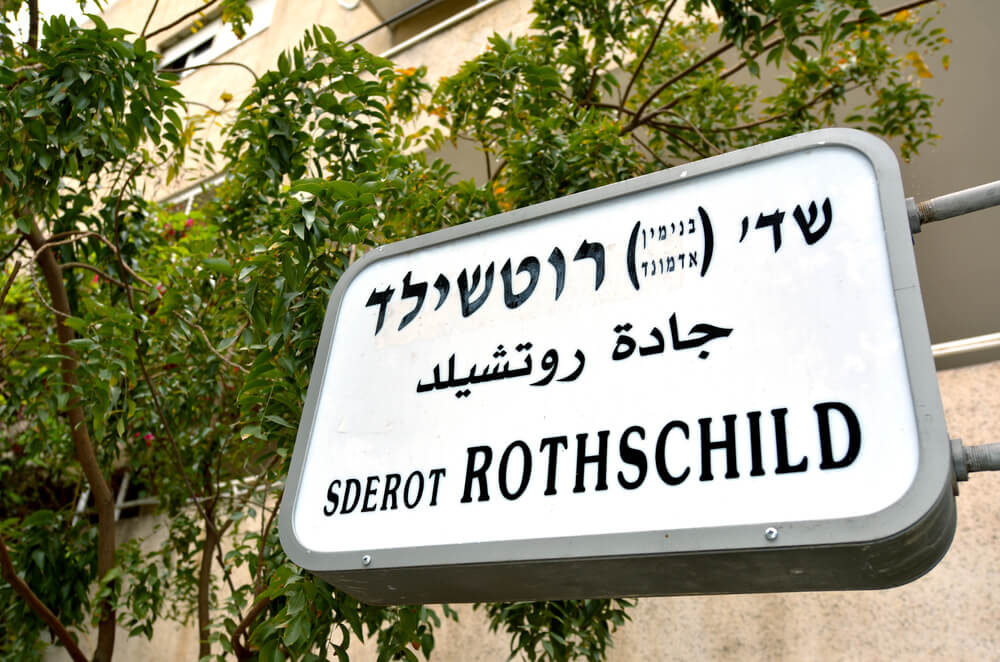
Tel Aviv was founded in 1909 on sand dunes north of Jaffa, and Rothschild Boulevard was among its first streets. Early homes were modest, and the boulevard’s trees were planted as residents tried to make a garden city out of the dunes.
In 1948 David Ben-Gurion read Israel’s declaration of independence at a building on the street that had been the home of Tel Aviv’s first mayor.
Avenida Paulista
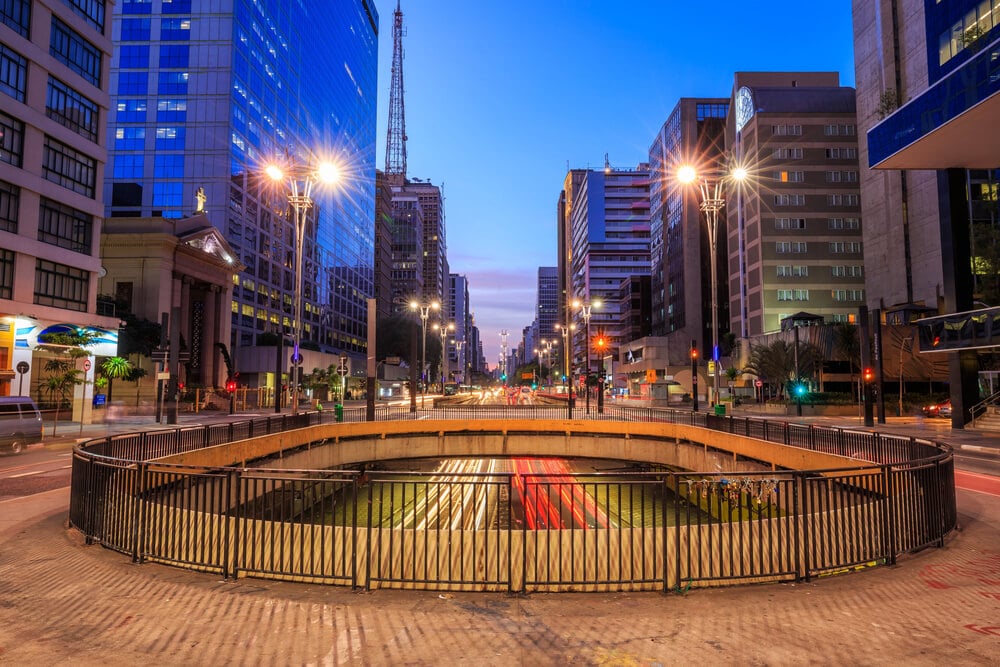
Avenida Paulista in São Paulo opened on December 8, 1891, laid out by an engineer named Joaquim Eugênio de Almeida on a ridge above the city. Coffee barons built mansions along it, and the avenue was for decades a residential street.
The glass-and-concrete art museum known as MASP, with its famous open span, was completed in 1968.
Rajpath
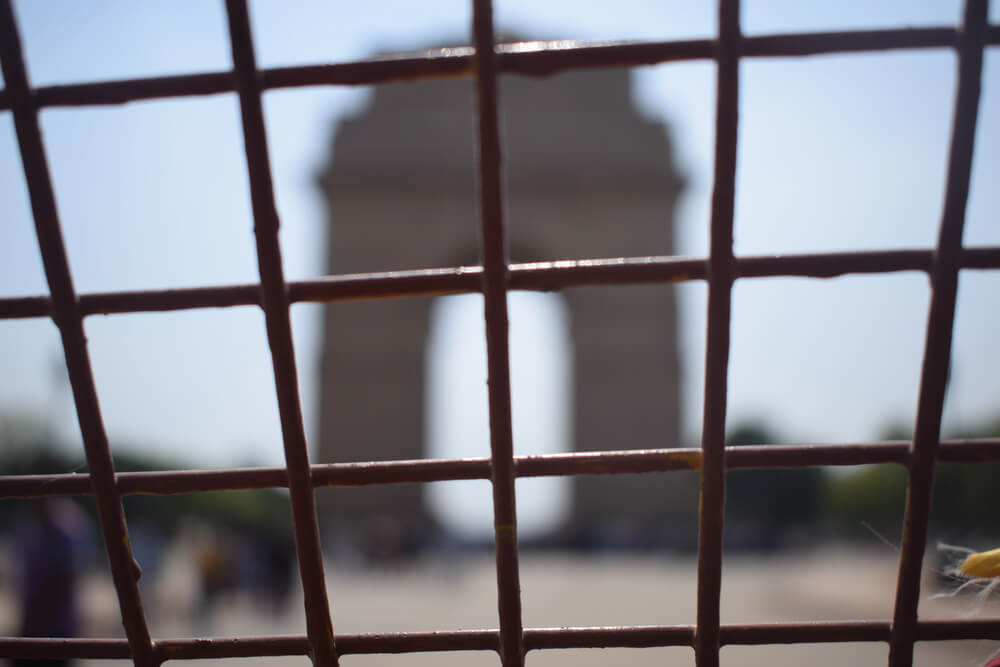
The ceremonial avenue in New Delhi was called Kingsway when it was planned as the axis of the new imperial capital in the 1910s and 1920s. It ran through open ground between the Viceroy’s House and a site reserved for a war memorial.
India Gate was completed in 1931, and the avenue was renamed Kartavya Path in 2022.
Plans Before Landmarks
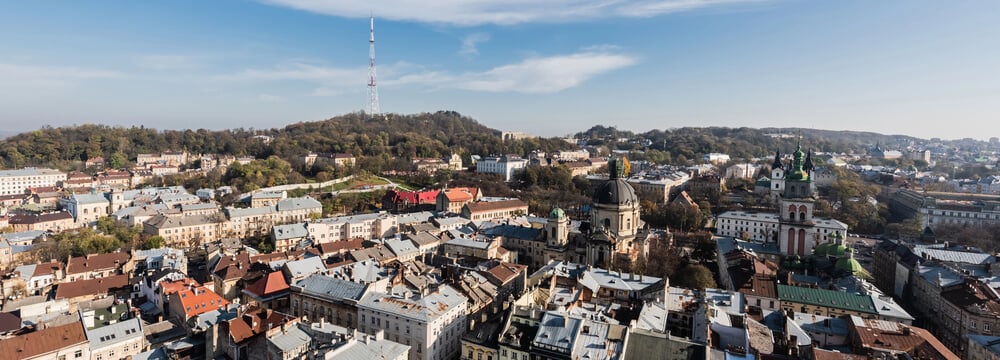
The pattern repeats across continents. A street begins as a line of intent, whether a royal axis, a surveyor’s diagonal, or a path through fields, and it takes years before the buildings that define it appear.
The Arc de Triomphe, the Brandenburg Gate, and the Scott Monument all arrived long after the roads that now seem to lead to them.
That delay is easy to forget when a skyline is already in place. The buildings give a street its photograph, but the plan gave it a place to exist.
Looking back at these addresses shows how often the setting came first and the famous structure was a late addition to a story already underway.
More from Go2Tutors!

- 27 Silver Dollars and Half Dollars Worth Keeping
- 28 Restaurant Menu Items Nobody Orders Anymore
- 17 Places Built in Seemingly Impossible Spots
- 27 Vintage Rings Worth More Than They Look
- 25 Restricted Sites Tourists Can’t Enter
Like Go2Tutors’s content? Follow us on MSN.