27 Things Americans Once Bought From Doorstep Salespeople
For generations, a knock at the door could mean a sales call, and a surprising amount of the American household was assembled that way. Brushes, perfume, dishes, and even family Bibles arrived on the porch rather than on a store shelf.
The salesperson was often a familiar face who came back every few weeks, and trust mattered as much as the product. Many of the companies behind these visits became household names, and a few are still around.
Household Brushes
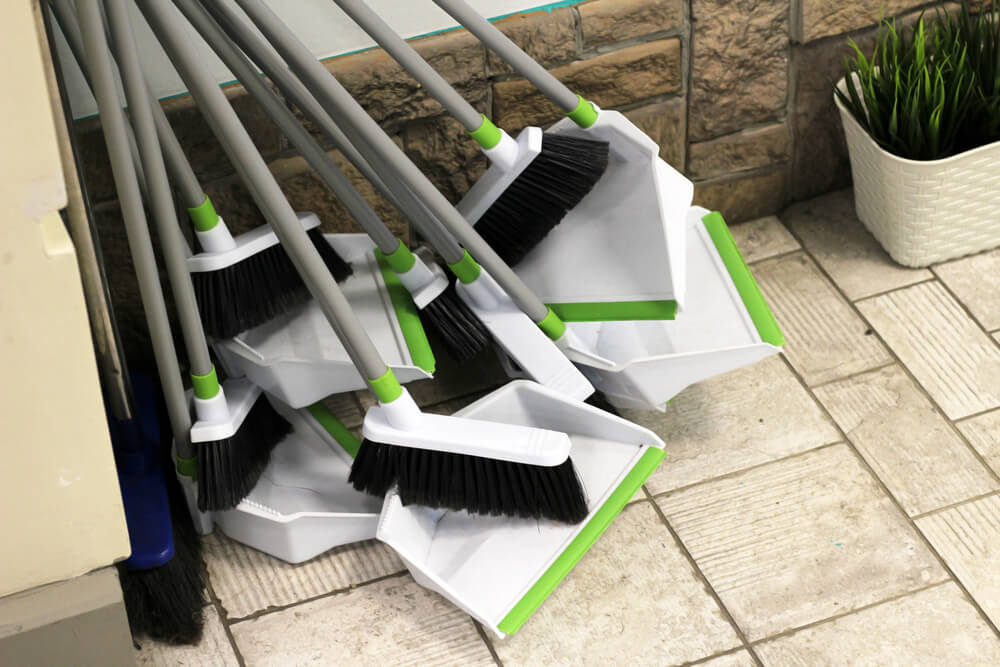
Alfred Fuller founded the Fuller Brush Company in Hartford, Connecticut, in 1906, making brushes in his sister’s basement and selling them door to door. His salesmen became so famous that “the Fuller Brush Man” turned into a figure of speech.
The full money-back guarantee helped overcome a customer’s hesitation on the doorstep.
Perfume and Cosmetics

David H. McConnell began by selling books in 1886 and handed out small perfumes as a gift to encourage sales. Customers liked the fragrances more than the books, so he changed course and built a business around them, selling through a network of women representatives.
The company officially became Avon Products in 1939.
Red Liniment

J. R. Watkins began selling a liniment from a wagon in southeastern Minnesota in 1868, mixing it at home in Plainview. A year later he introduced a trial-mark bottle, with a line molded into the glass showing how much a customer could use and still get a refund.
The business moved to Winona in 1885.
Vanilla and Baking Spices

Watkins added baking products, including pepper and vanilla extract, to the line in 1895. A household could stock its pantry from the wagon, and the same salesman who sold the liniment also took orders for flavorings.
The company later claimed thousands of horse-drawn wagons on the road around the turn of the century.
Coffee, Tea, and Dishes
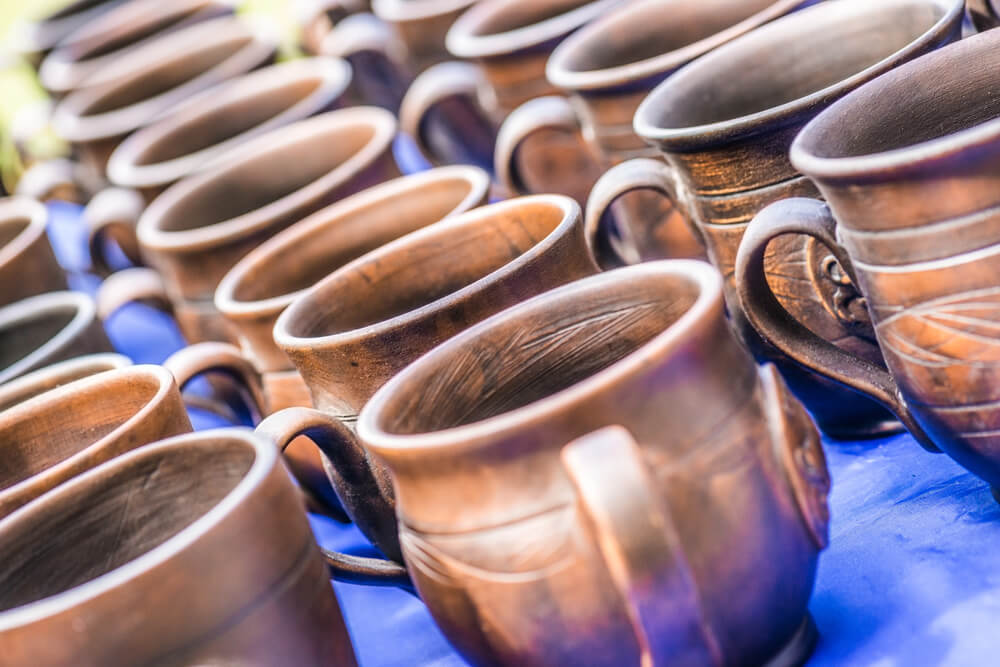
Frank Skiff and Frank Ross began the Jewel Tea Company in 1899, delivering coffee and tea door to door in Chicago from a horse and buggy. By the 1930s the company was offering Hall China’s Autumn Leaf pattern as a premium, a piece at a time.
Customers collected the dishes gradually, since the company never sold complete sets.
Cleaning Supplies at Home Parties

Frank Stanley Beveridge, a former Fuller Brush salesman, founded Stanley Home Products in Massachusetts in 1931. He learned that one of his salesmen was setting records by demonstrating products in the living rooms of volunteer hostesses.
The idea of the home party spread, and Tupperware later hired a Stanley alumna to adopt it.
Vacuum Cleaners

A salesperson would arrive with a machine and offer to clean a patch of the family’s own carpet, to show what it could pull out. The demonstration was the sales pitch, and many households bought on installment payments.
The big brands trained their sales forces in demonstrations that could last an hour.
Encyclopedia Sets

Salespeople carried sample volumes with a gilt-edged cover and a pitch aimed at parents worried about their children’s education. Sets were often sold on monthly payments, and some came with a matching bookcase.
The promise was that a well-read child would be a successful one.
Family Bibles

Illustrated Bibles with pages for recording births, marriages, and deaths were a staple of traveling agents. The record pages made the book a keepsake as well as a text, and families guarded them for generations.
Many of these volumes now sit in historical society collections.
Sewing Machines
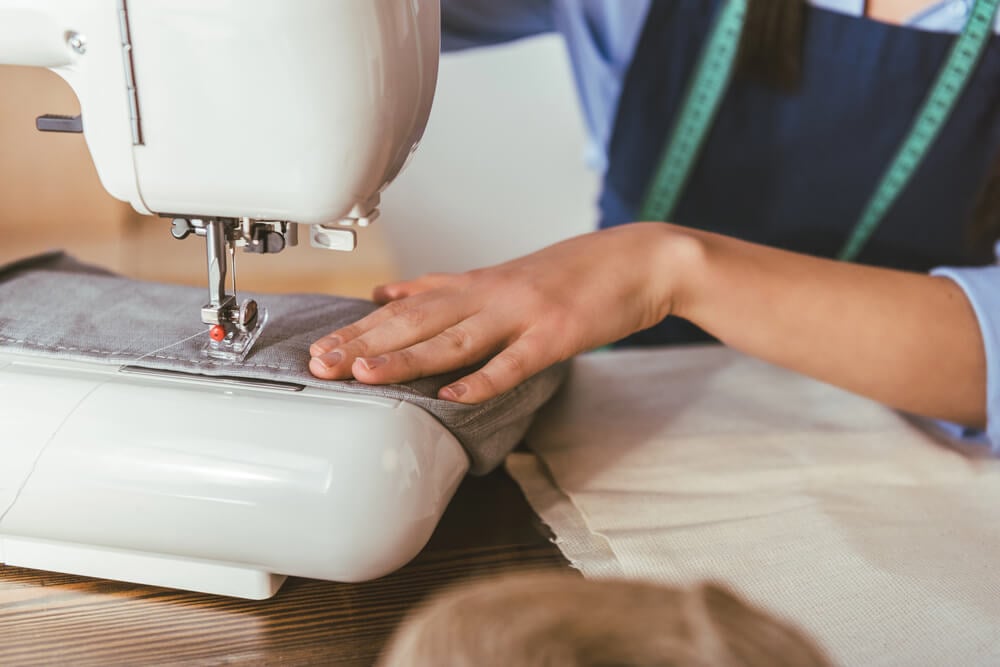
Sewing machine companies pioneered installment buying, which let a family pay for a machine over time rather than all at once. A salesman would often demonstrate in the home and teach the buyer to use it.
A machine could mean extra income for a household that took in sewing.
Kitchen Cutlery
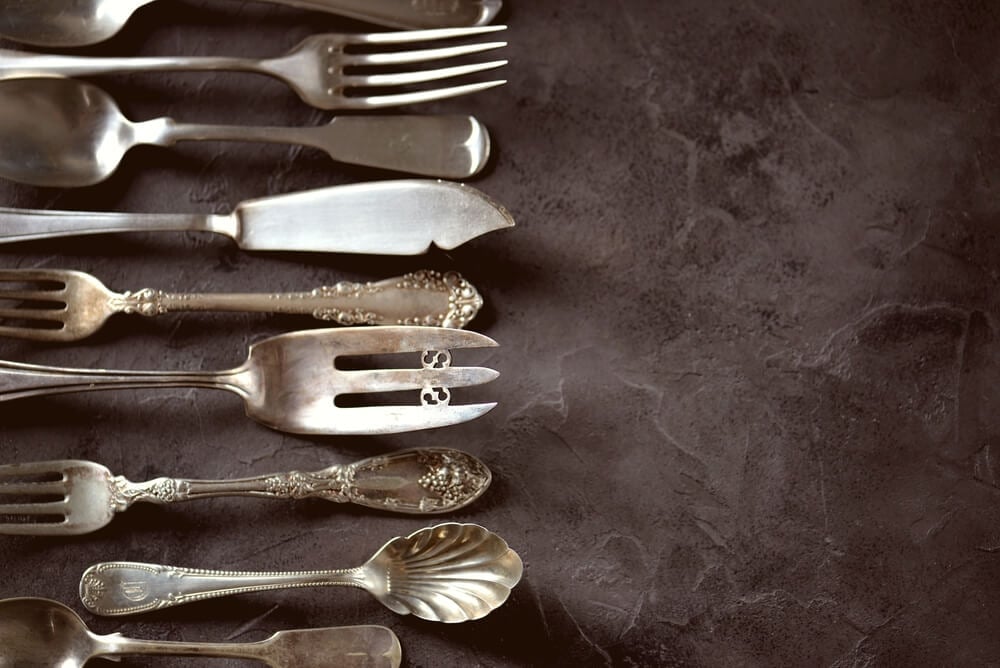
Demonstration was the heart of the cutlery pitch, with the salesperson slicing rope or a shoe to show how sharp a blade stayed. A set could be an expensive purchase, but guarantees were sold along with it.
Many sales were made to friends and family of a young representative looking to earn college money.
Cookware Sets
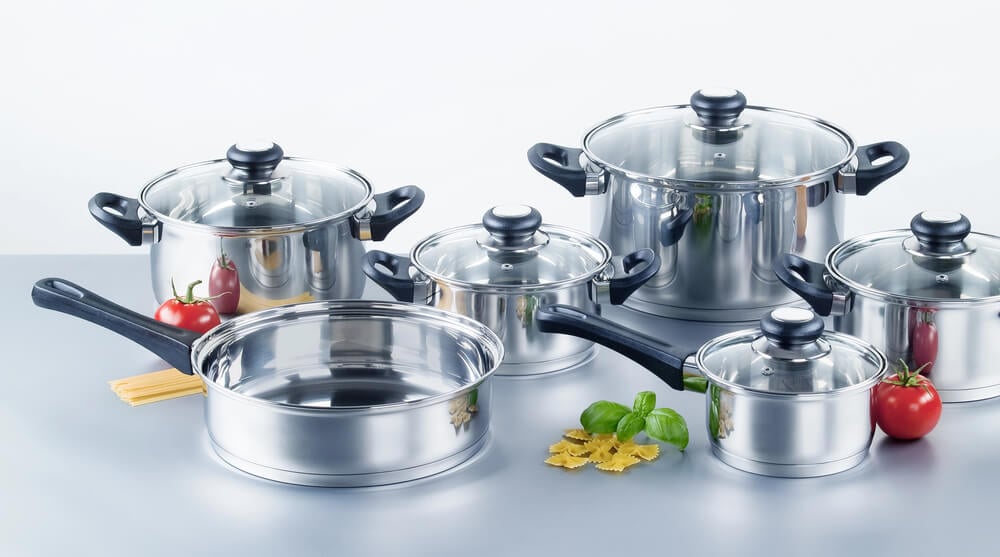
Heavy pots and pans were sold through demonstration dinners, where a salesperson cooked a meal in the customer’s kitchen or at a hostess’s home. The pitch centered on cooking with little water and preserving nutrients.
A full set was a major expense, and buyers often paid over time.
Magazine Subscriptions

Door-to-door magazine sellers were a fixture of mid-century neighborhoods, and many were students working toward scholarships or prizes. A customer could subscribe to several titles on one visit.
The salesperson carried an order book and a sheet of premiums.
Silk Hosiery
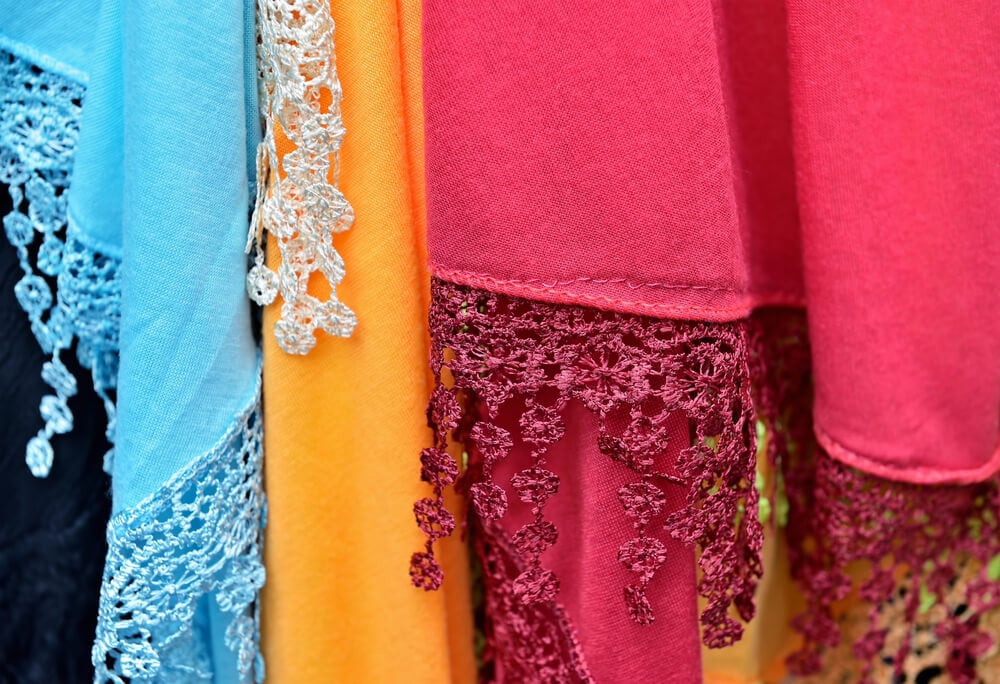
Real Silk Hosiery Mills of Indianapolis built a large business on door-to-door sales, with agents calling on women at home with sample cases. Women could order stockings in specific sizes and colors without a trip downtown.
The convenience helped sales through the years when silk was a luxury.
Industrial Life Insurance

Insurance agents made weekly rounds, collecting small premiums in cash from working-class households and marking each payment in a book. The policies were small and meant to cover burial costs.
The collector became a regular presence, almost like a member of the neighborhood.
Enlarged Family Portraits
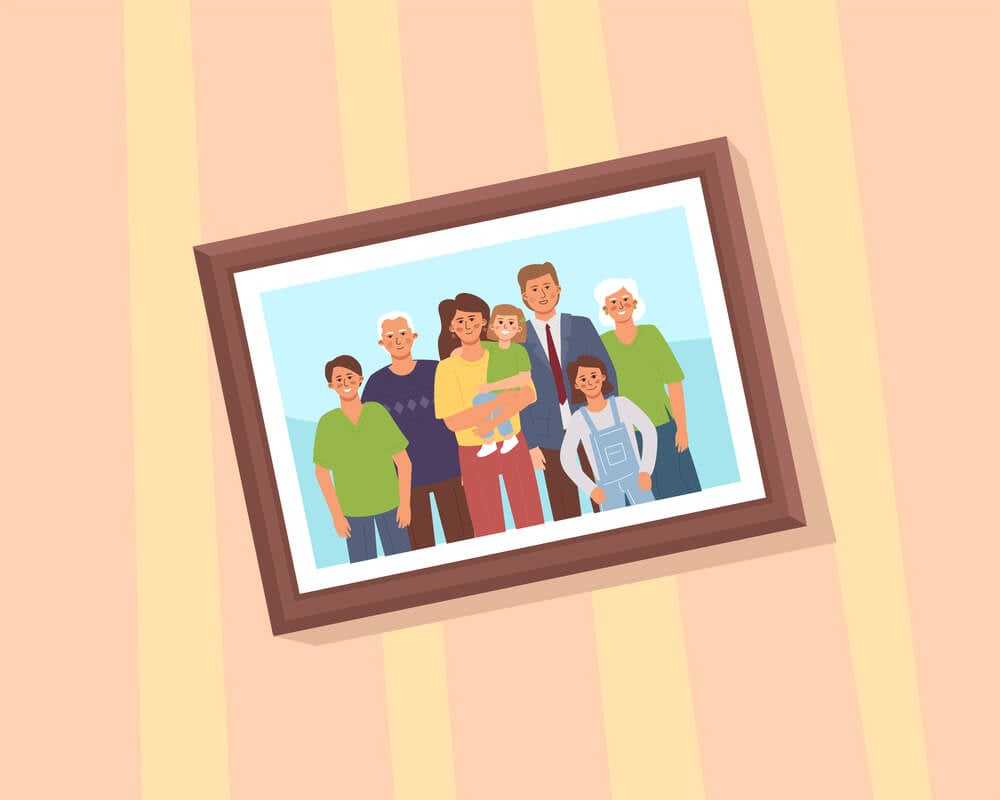
Traveling photographers offered to turn a small snapshot into a large framed portrait. Buyers often handed over a treasured photo, then waited weeks for the result.
The business drew plenty of complaints, and some of the agents were running outright scams.
Seeds and Nursery Stock
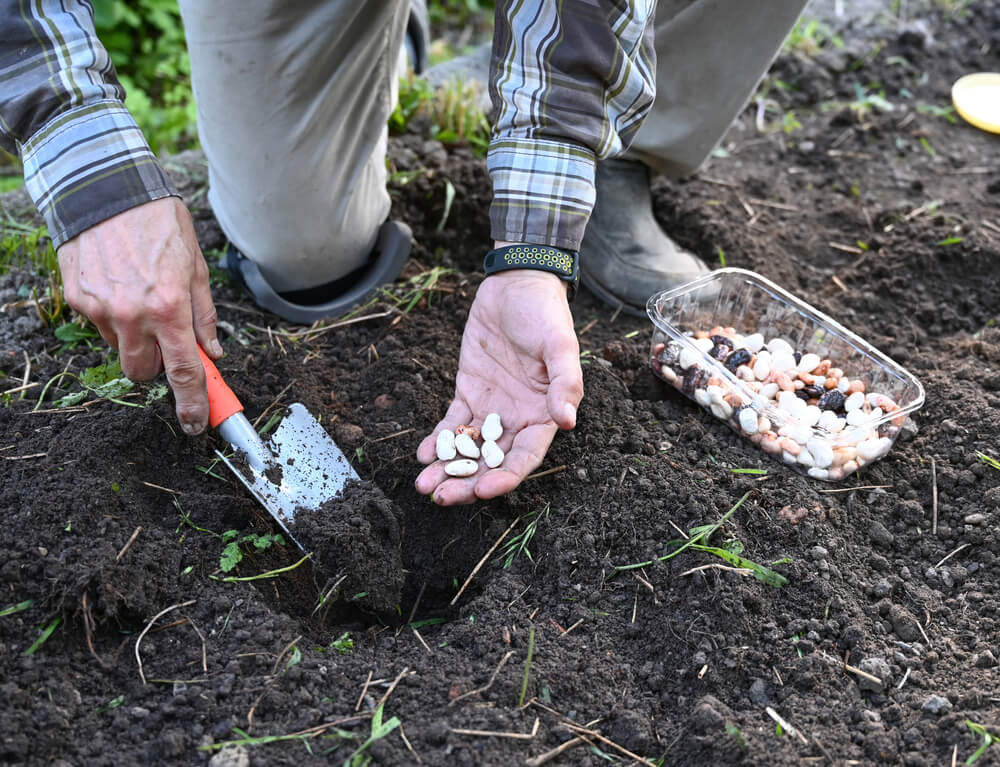
Salesmen carried illustrated sample books and color plates showing fruit trees, rose bushes, and ornamental shrubs. Orders were placed on the porch and filled from a nursery in the fall or spring.
Customers sometimes waited a year to see whether the tree resembled the picture.
Stereoscope Views
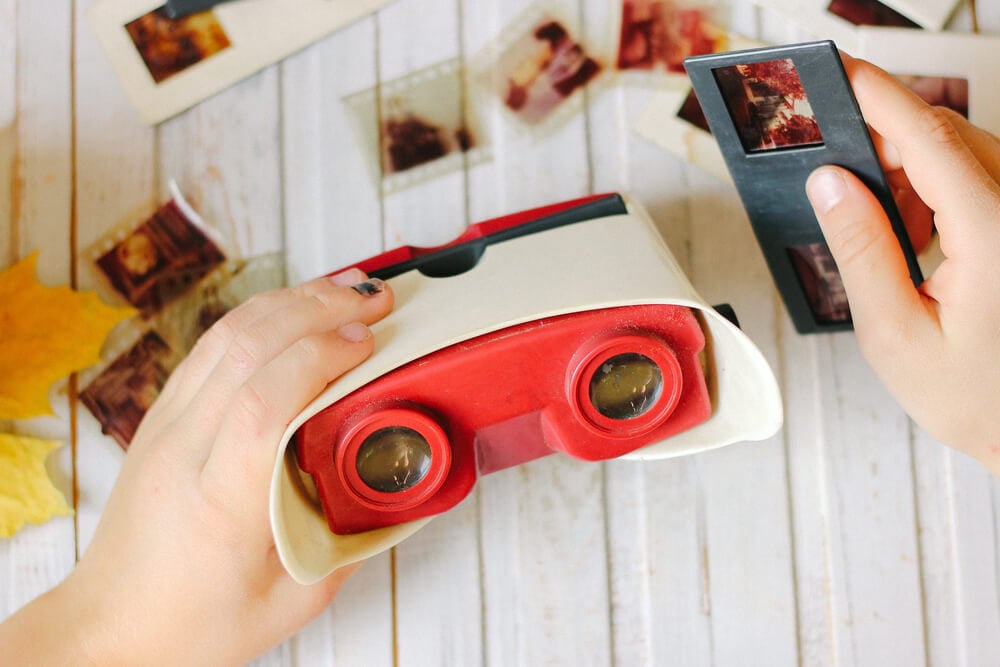
Boxed sets of stereoscope cards, which produced a three-dimensional effect when viewed through a handheld viewer, were sold by traveling agents. The cards depicted foreign lands and famous landmarks.
For many families, they were the closest thing to a window on the world before television.
Lightning Rods

Salesmen in the nineteenth century went from farm to farm promising protection from storms, and they gained a reputation for overcharging. Stories of rods installed without being grounded circulated widely.
The lightning rod seller became a stock figure of rural distrust.
Aluminum Siding and Storm Windows

After World War II, home improvement salespeople offered to cover a wooden house in maintenance-free metal. The pitch was an end to repainting.
Salespeople used sample panels and before-and-after photographs to make the case.
Water Softeners

Households with hard water were targeted by salespeople who tested a glass of tap water to demonstrate the problem. A softener was installed in the basement and serviced regularly.
The sales call usually began with a free water test.
Fire Extinguishers

Salespeople demonstrated small extinguishers by putting out a small fire in a pan or bucket. Households bought them for the kitchen or the car.
The sales pitch relied on vivid stories of homes lost to fire.
Brooms and Mops

Brooms were sold from the porch, the salesperson carrying several over a shoulder. Quality was easy to demonstrate, since a buyer could feel the bristles and the weight.
Local broom makers supplied rural routes for decades.
Greeting Cards and Stationery

Personalized holiday cards and printed stationery were sold from sample books, with the customer’s name imprinted. A representative would call in the fall to take orders for the coming season.
Cards arrived weeks later in a boxed set.
Cemetery Plots and Monuments

Sales representatives for memorial parks approached families directly, offering plots and markers in advance of need. The sales approach emphasized sparing relatives from making hurried choices at a painful time.
Customers could pay in installments, and sales visits were often scheduled by appointment.
Rugs and Linoleum

Salesmen brought swatches of carpet and rolls of linoleum in sample books, and customers chose patterns at the kitchen table. The goods were delivered and installed later.
Bold patterns in bright colors were popular choices for kitchens.
Home Medical Guides

Thick illustrated volumes promising advice on common ailments were sold by agents carrying sample pages and a pitch about being prepared. A family far from a doctor might keep one on the shelf beside the Bible.
The books were usually sold on installment payments.
The Vanishing Knock

The doorstep sale thrived because it solved a real problem: stores were far away, mail order was slow, and trust was built face to face. A salesperson who showed up regularly could sell to a household that never set foot in a shop.
The best of them became part of the rhythm of a neighborhood. Catalogs, big-box stores, and later the internet made those visits unnecessary, and growing wariness about strangers at the door sped the decline.
But the legacy remains in the brands that began on the porch and in the home party, which turned a sales call into a social event.
More from Go2Tutors!

- 27 Silver Dollars and Half Dollars Worth Keeping
- 28 Restaurant Menu Items Nobody Orders Anymore
- 17 Places Built in Seemingly Impossible Spots
- 27 Vintage Rings Worth More Than They Look
- 25 Restricted Sites Tourists Can’t Enter
Like Go2Tutors’s content? Follow us on MSN.