26 Famous Landmarks With Dark Histories Most Visitors Never Hear About
There’s something strange about standing in front of a monument, a palace, or a famous square and feeling only awe. The postcards don’t prepare you for what actually happened there.
The gift shops certainly don’t. Most of the world’s most visited landmarks wear their beauty like a coat over something older and uglier — and the guides who walk you through them tend to stick to the architecture, the dates, the kings and queens.
The blood gets edited out. What follows are 26 of the most celebrated landmarks on earth, each carrying a history that the brochures reliably skip.
The Eiffel Tower
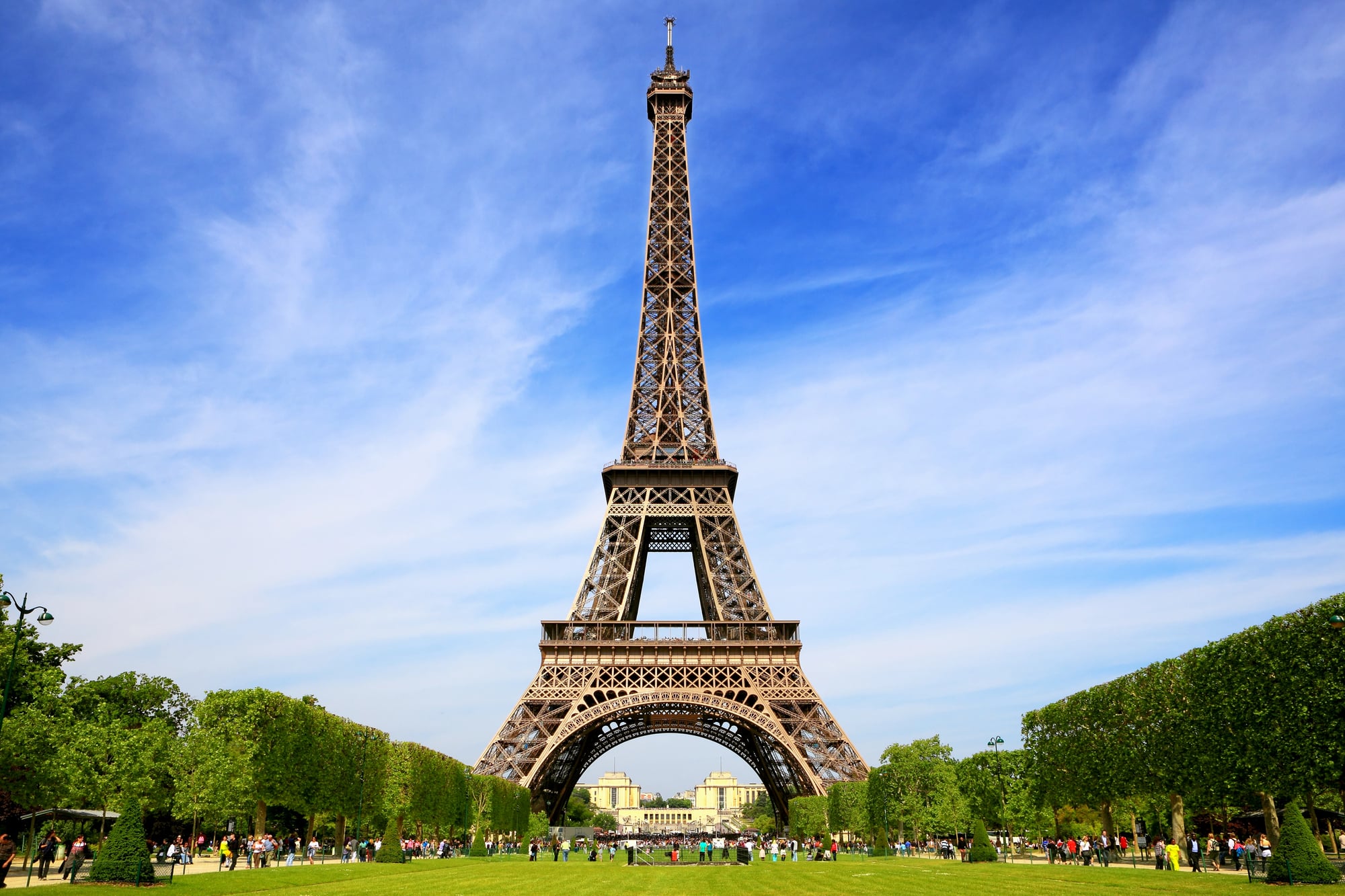
The Eiffel Tower was almost torn down — and most Parisians wanted it gone. When Gustave Eiffel completed it in 1889, critics called it a “metal asparagus” and an eyesore disfiguring the city, and it was legally required to be dismantled after 20 years.
It survived only because its antenna proved useful for military radio transmissions during World War I, which is a deeply unglamorous reason for the world’s most romantic landmark to exist.
The Colosseum
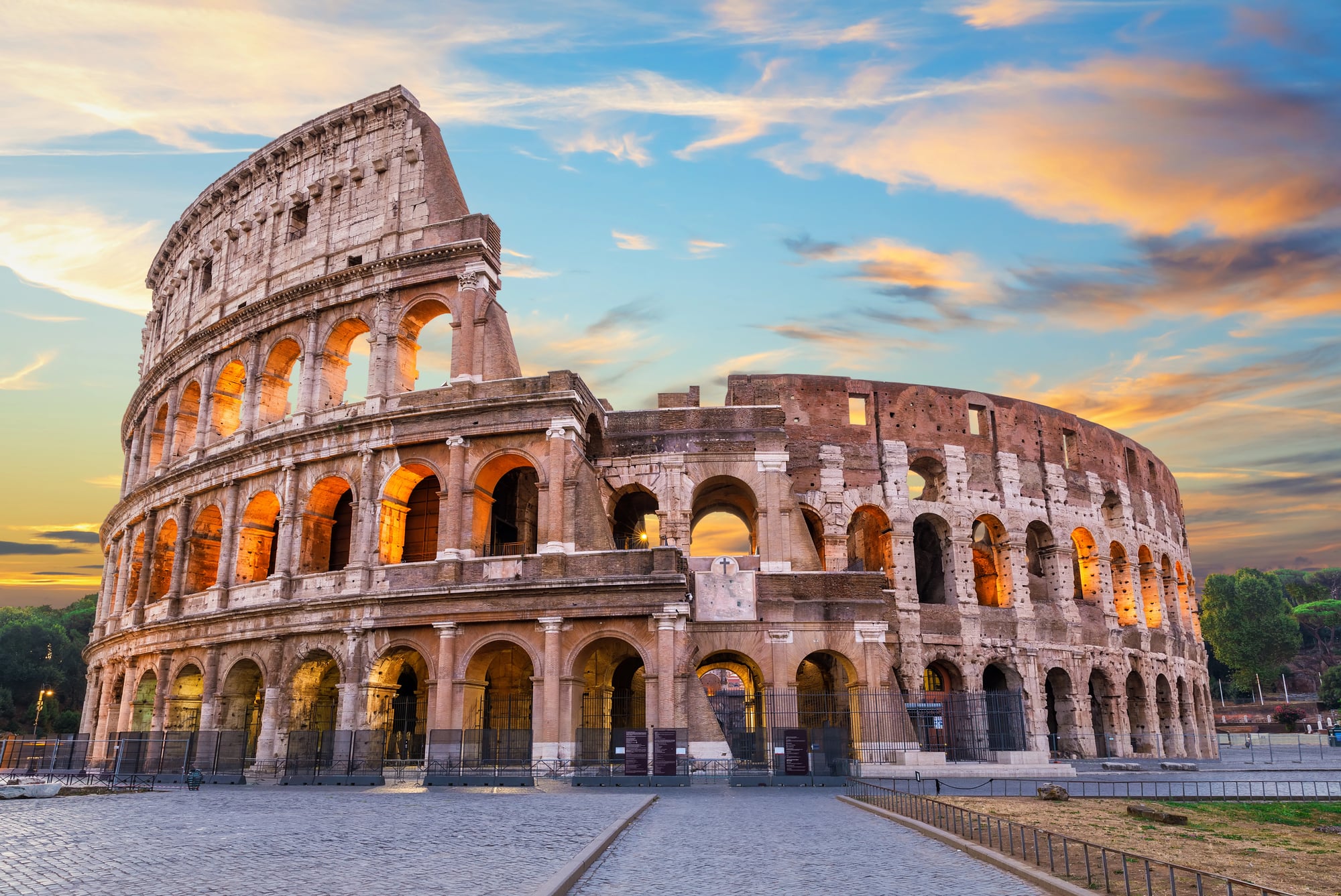
The Colosseum is essentially a monument to organized slaughter dressed up in extraordinary stonework. Estimates suggest that over 400,000 people died within its walls across the centuries it operated — not counting the animals, which numbered in the millions.
The trapdoors beneath the arena floor, called hypogea, were used to spring wild animals directly into the arena mid-fight, a detail that tends to get glossed over on most tours.
The Taj Mahal
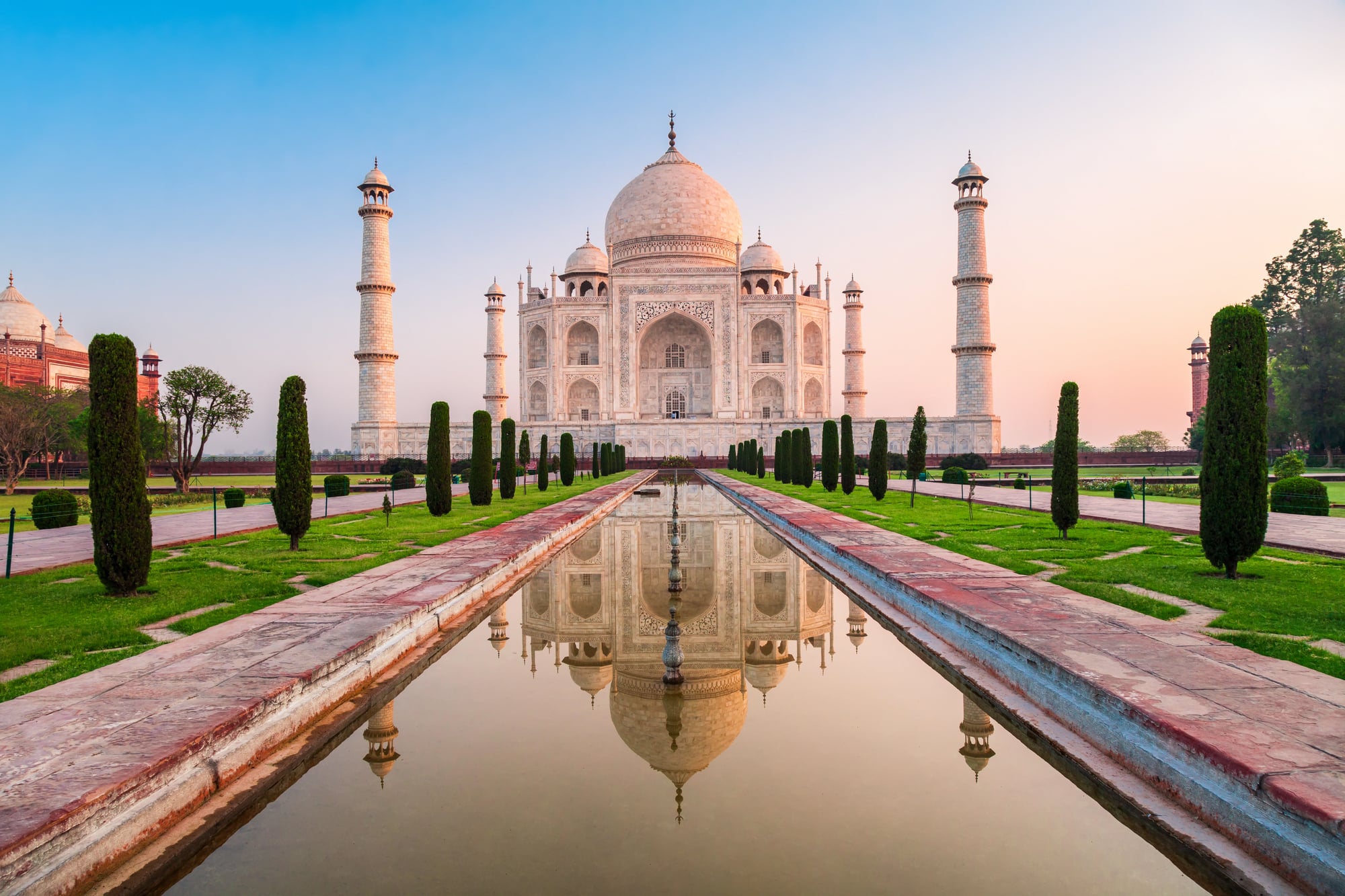
There’s a story the Taj Mahal doesn’t advertise: the tens of thousands of laborers who built it were allegedly forbidden from ever working on another structure of such grandeur — with accounts suggesting Shah Jahan ordered the hands of certain master craftsmen severed to protect his monument’s exclusivity. The historical evidence for the most extreme versions of this story is contested, but what’s not contested is that the workers who built one of the world’s most beautiful structures left no monuments of their own.
The Taj Mahal is a love letter written entirely in other people’s suffering.
The Tower of London
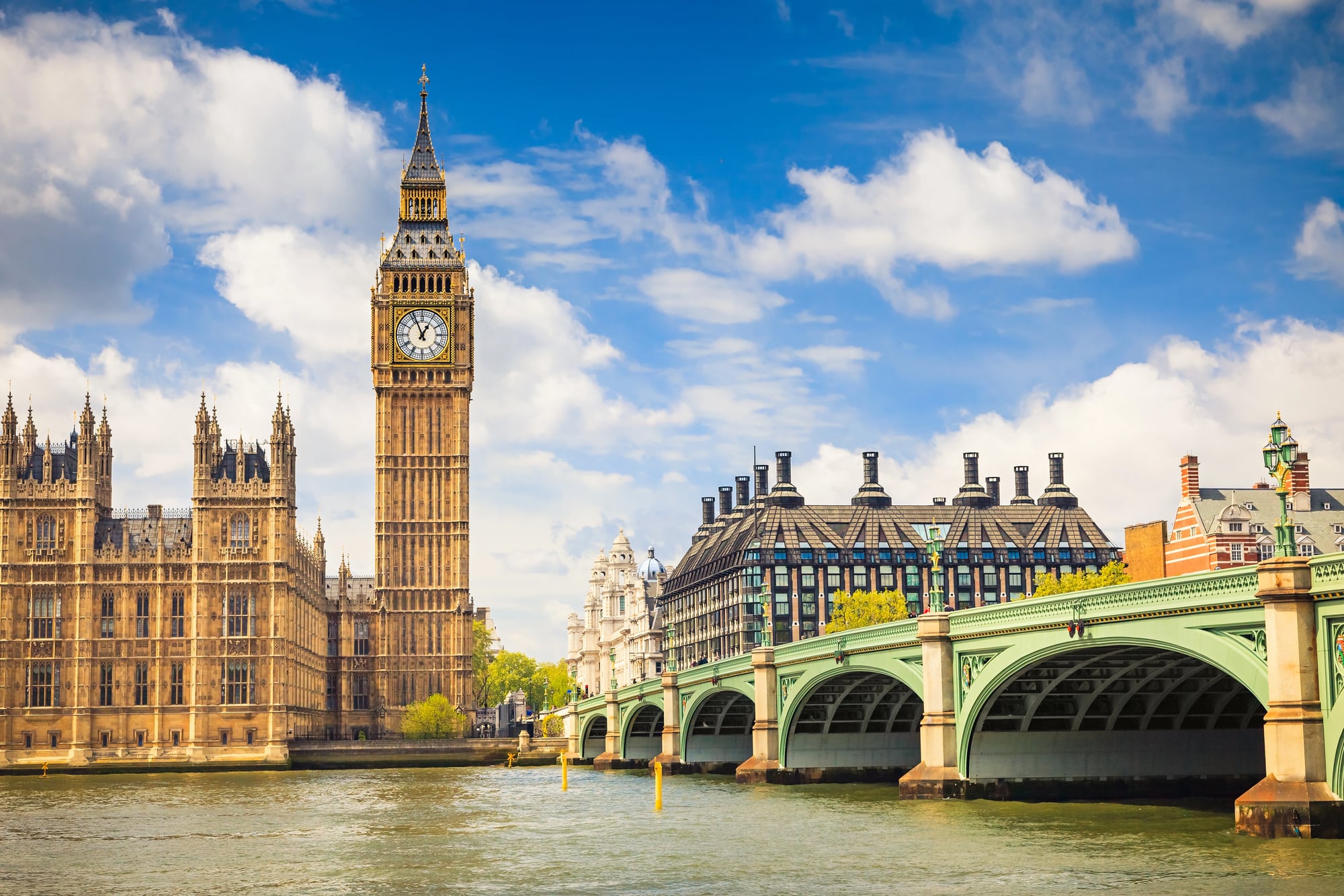
The Tower of London is one of those places where the weight of what happened there has soaked into the stone. Anne Boleyn was executed inside it on Tower Green, two young princes likely murdered inside it — the so-called Princes in the Tower, Richard III’s nephews, who vanished around 1483 and were never credibly accounted for again — and the whole place spent centuries functioning less as a castle and more as a holding pen for people the crown had decided to be done with.
Even the ravens that live there now are legally required to stay, because legend holds that the kingdom falls if they leave, which tells you something about the kind of place this is.
Machu Picchu
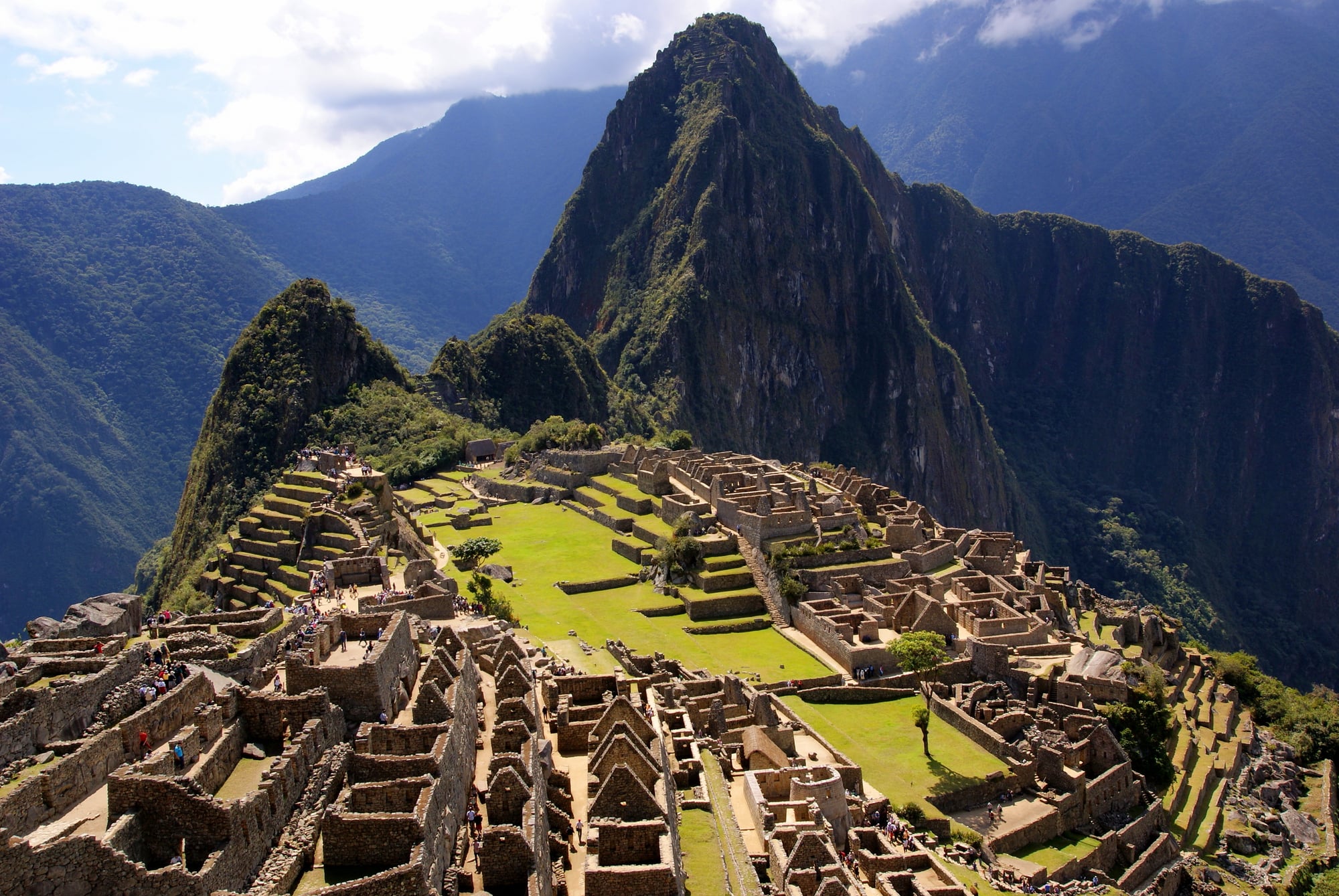
Machu Picchu was abandoned and left to the jungle, which sounds romantic until you consider what the abandonment meant. The Inca who built it likely fled Spanish colonizers in the 16th century, and the site was essentially unknown to the outside world until Hiram Bingham III “rediscovered” it in 1911 — a discovery that involved Bingham shipping thousands of artifacts back to Yale University, artifacts that Peru spent decades fighting to recover and largely succeeded in doing only in 2011.
The site itself sits on a seismic fault line and is visibly sinking and cracking under the weight of over a million annual visitors.
Alcatraz Island
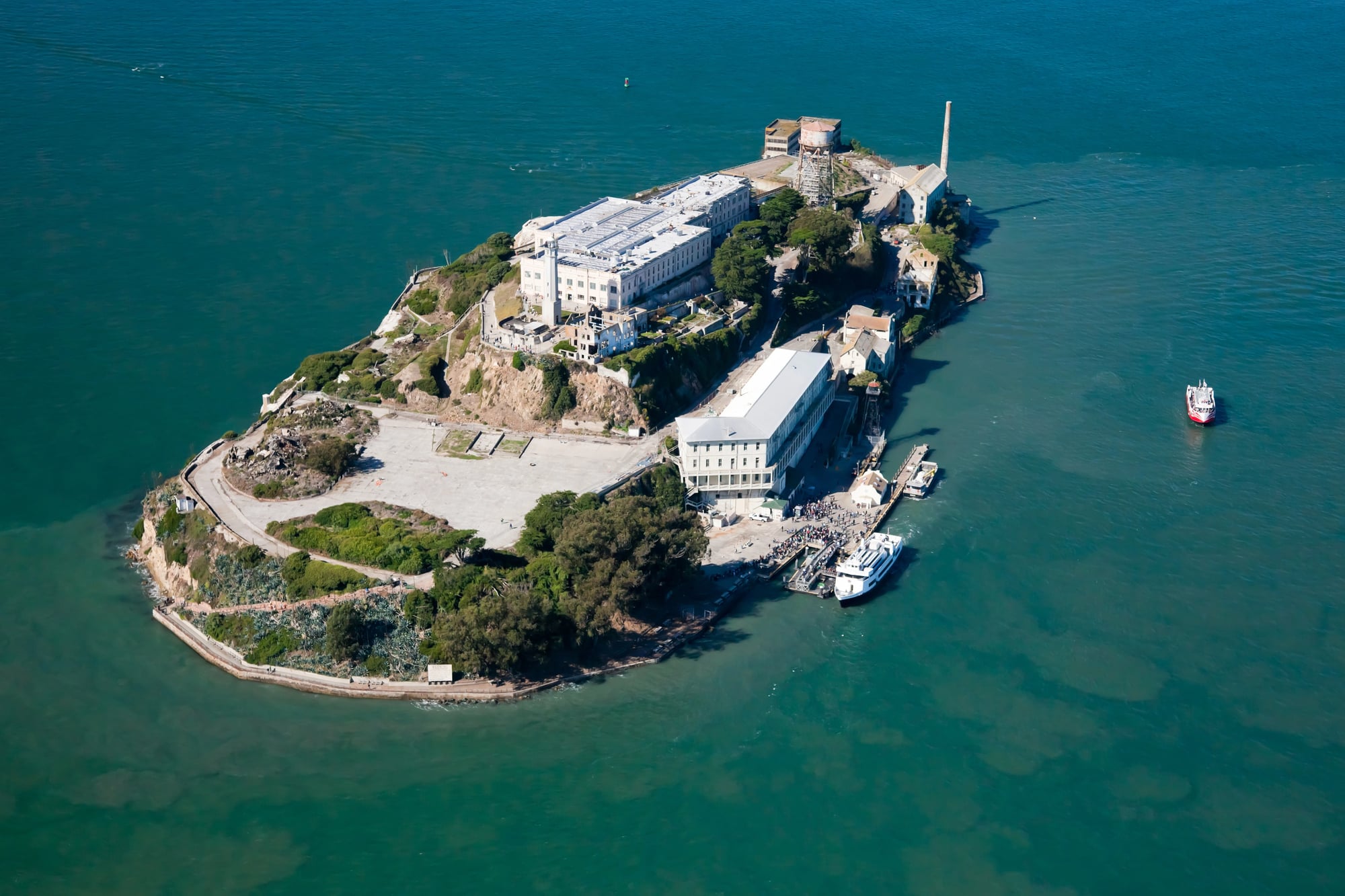
Alcatraz is famously brutal and doesn’t hide it. What it does hide, slightly, is its earlier chapter as a military prison where indigenous people were incarcerated, and its history as a site occupied by Native American activists from 1969 to 1971, who claimed the island under an 1868 treaty granting unused federal land to Native peoples.
The occupation lasted 19 months, ended when the government cut off electricity and water, and is almost never mentioned on the standard tour.
The Acropolis
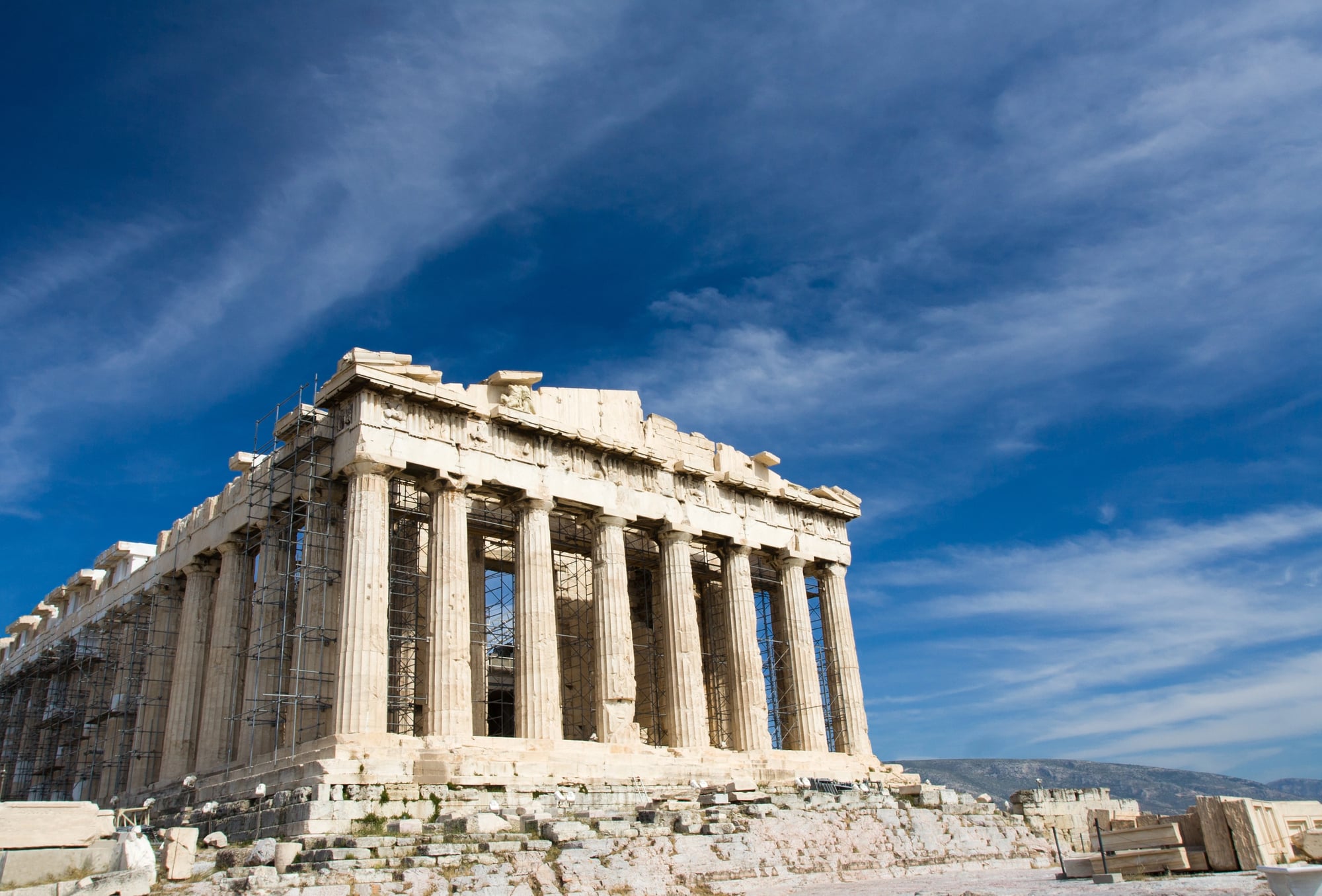
The Parthenon crowning the Acropolis looks like a ruin because it was blown up — specifically in 1687, when Venetian forces bombarded Athens and hit the Ottoman powder magazine that was being stored inside it. A building that had stood for over 2,000 years was partially destroyed in a single explosion during a military campaign most visitors have never heard of.
And then, about a century later, Lord Elgin arrived and chiseled off what remained of the decorative sculptures, shipping them to London, where they’ve been argued over ever since.
The Palace of Versailles
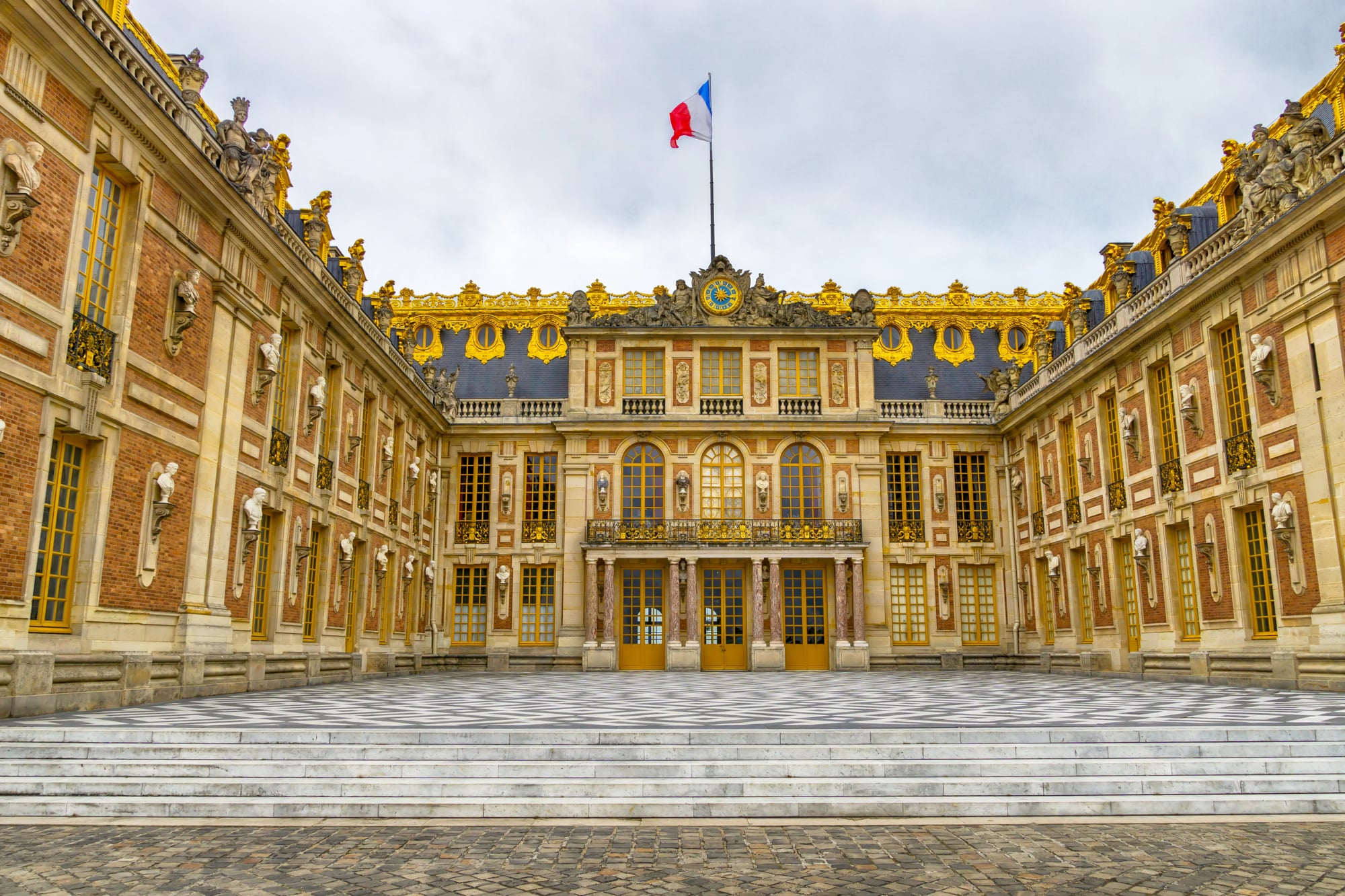
Versailles is a masterpiece of excess built on the backs of laborers who died constructing it in enormous numbers, with contemporary estimates suggesting thousands perished during its construction in the marshy, malarial land Louis XIV chose specifically because it was far from Paris and its rebellious population. The irony being — and it is a good one — that Louis built the most opulent palace in Europe partly to keep the French nobility close enough to watch, turning them into gilded hostages distracted by etiquette and parties while he consolidated absolute power.
Versailles is, at its core, a very expensive cage.
Easter Island
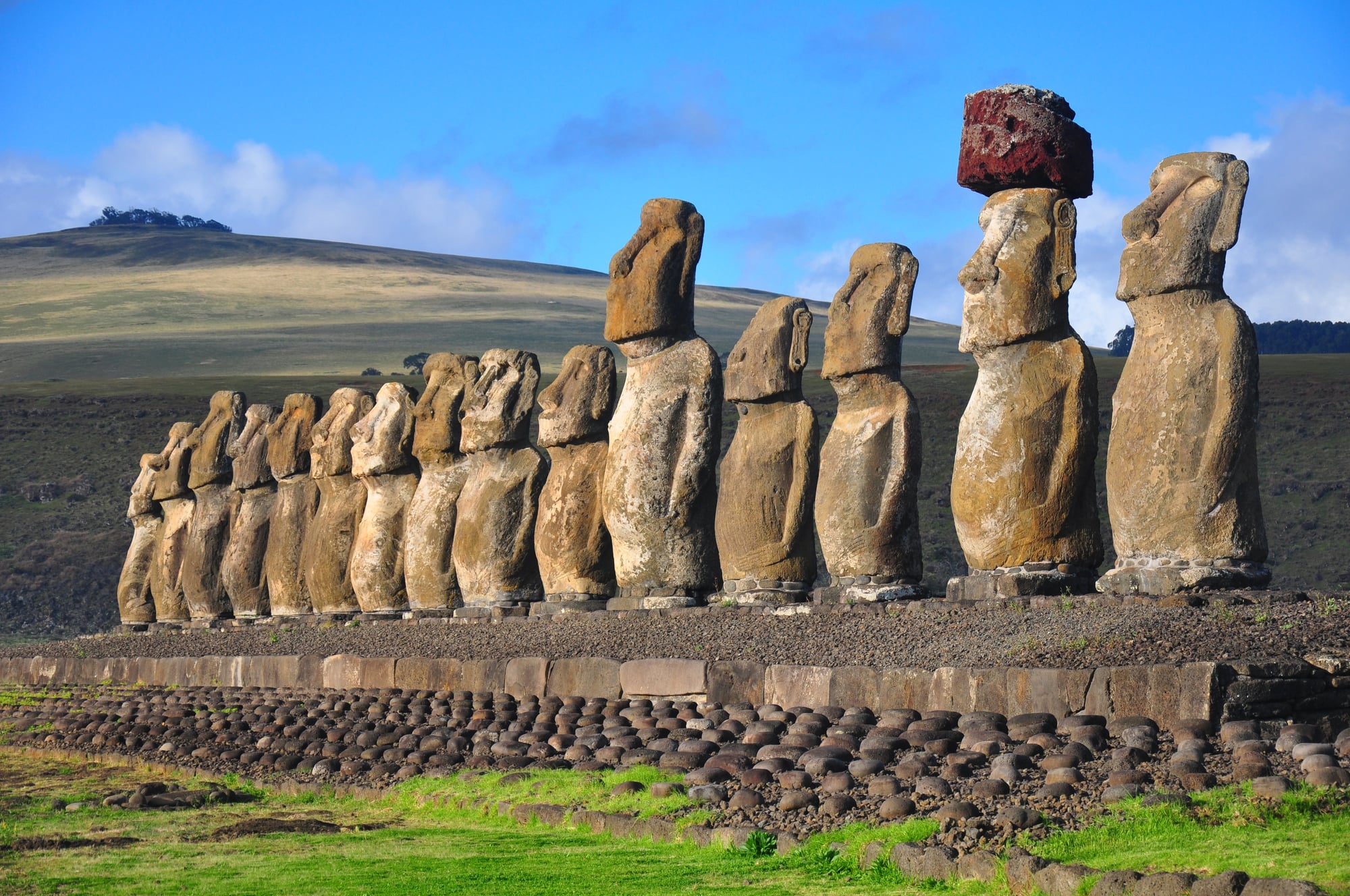
Easter Island’s famous moai statues are striking enough to draw visitors from everywhere, but the civilization that built them essentially destroyed itself doing so. The Rapa Nui people, competing clan by clan to erect ever-larger statues, stripped the island of its forests to use as rollers for moving the stones — leading to soil erosion, crop failure, and a population collapse that reduced thousands of people to a fraction of their original number.
The statues are what’s left after the culture that made them consumed itself.
The Hagia Sophia
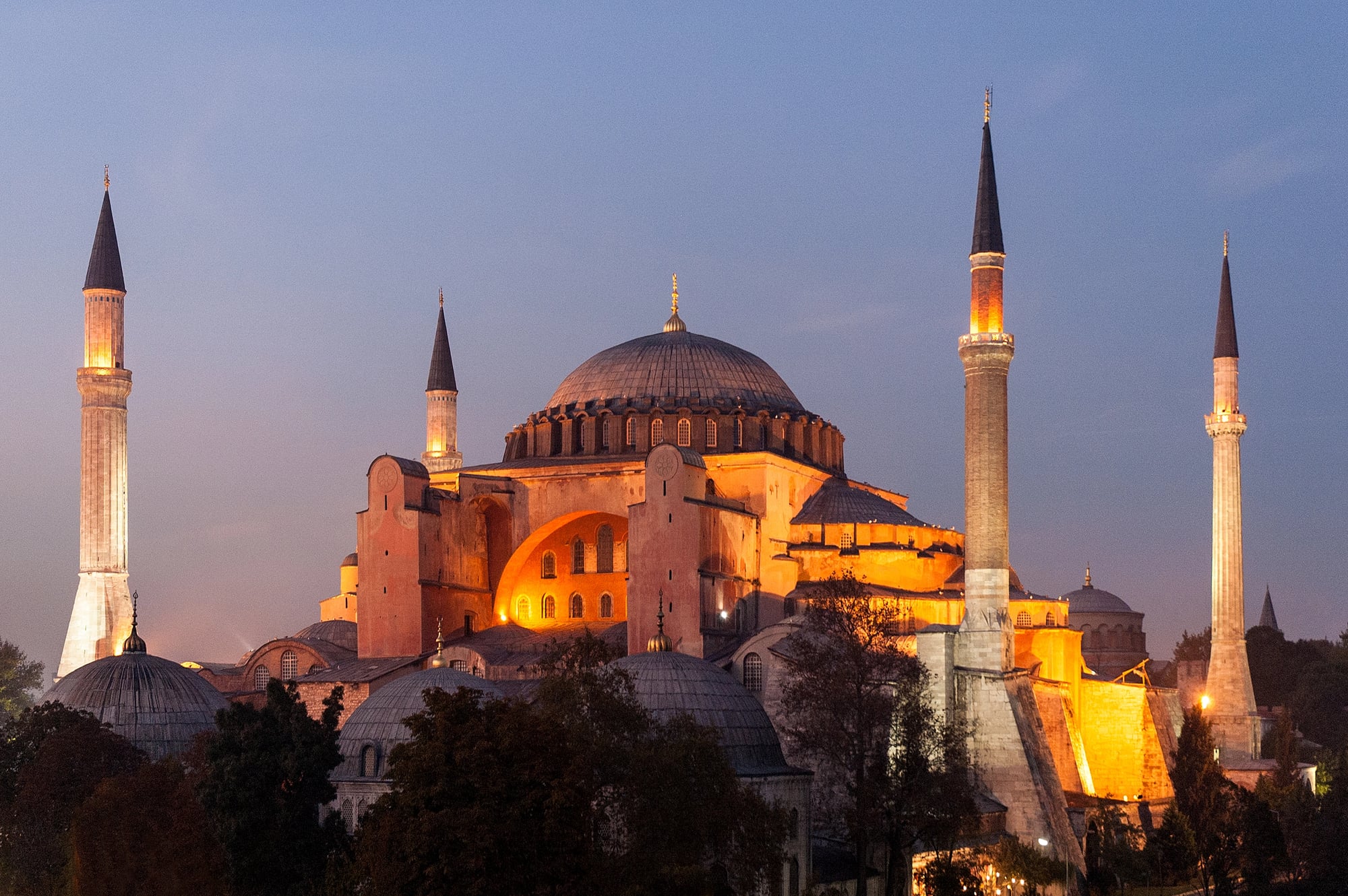
The Hagia Sophia has been, over its 1,500-year life, a Christian cathedral, an Eastern Orthodox patriarchate, a Roman Catholic cathedral during the Crusades, a mosque under the Ottomans, a secular museum under Atatürk, and then a mosque again as of 2020 — each conversion involving the covering, defacing, or plastering over of the previous occupant’s sacred art. The golden Byzantine mosaics are still there, hidden under centuries of whitewash, which is one of those details that makes the place feel less like a landmark and more like a palimpsest of competing empires all insisting they were the right ones.
Auschwitz-Birkenau
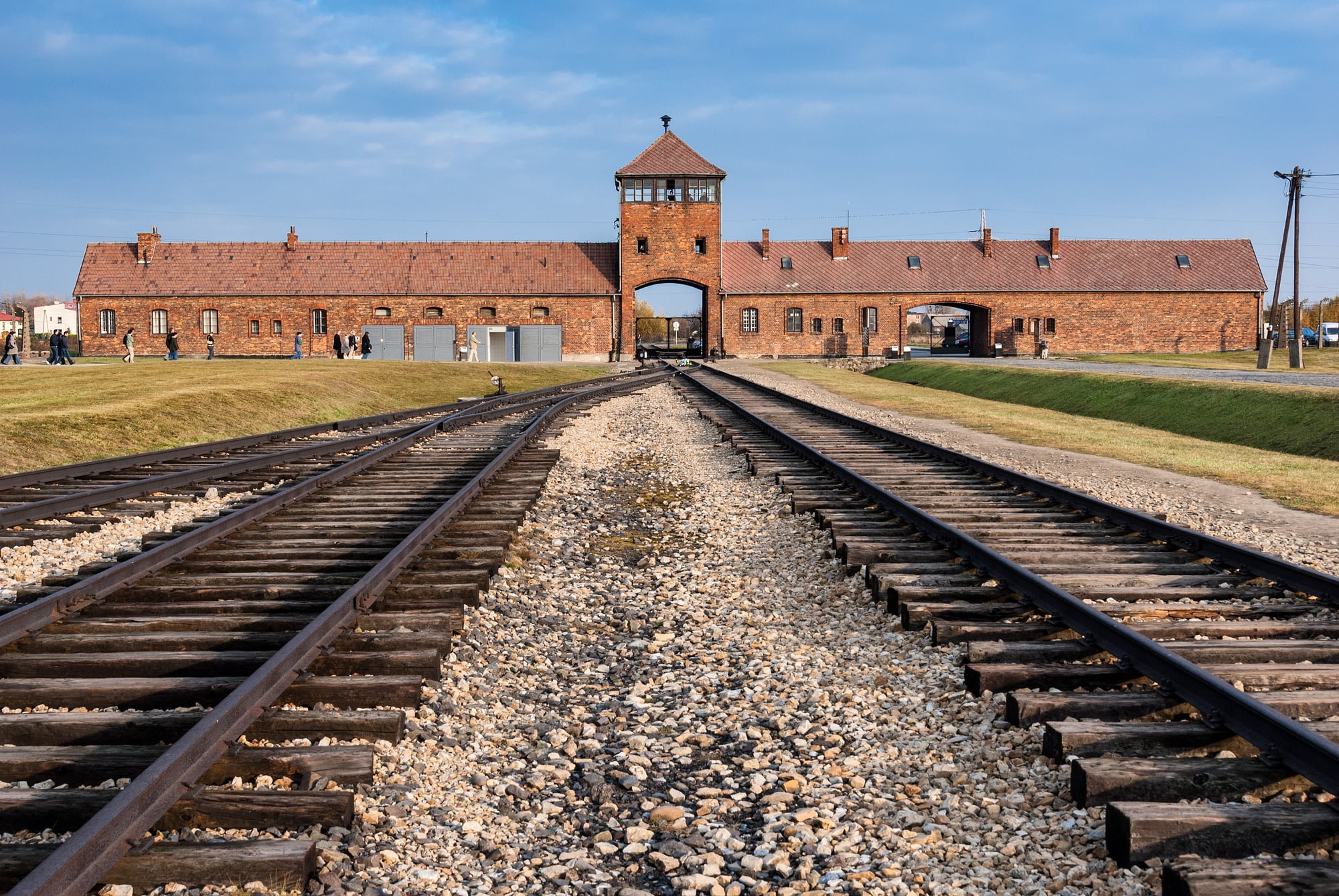
Auschwitz is the most somberly visited landmark on this list, and to its credit, it doesn’t pretend to be anything other than what it is. What surprises many visitors is the sheer scale — Auschwitz-Birkenau, the larger adjacent camp, stretched across nearly 430 acres, and the train tracks that brought prisoners directly into the camp remain intact.
The mundane infrastructure of it — the railway, the administration buildings, the meticulous record-keeping — is often what strikes people hardest: that industrialized atrocity requires ordinary logistics.
The Statue of Liberty
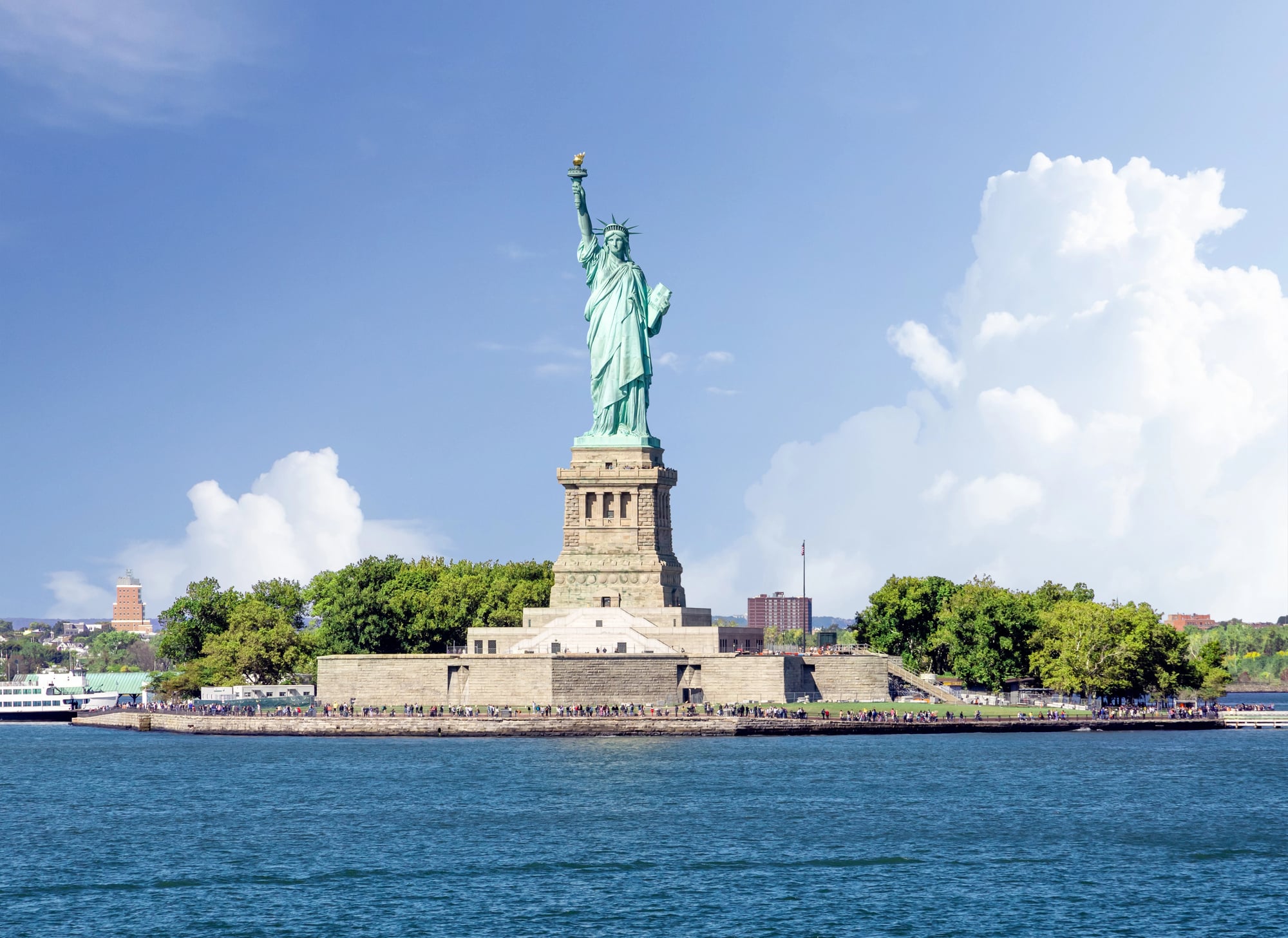
The Statue of Liberty was a gift from France, but it arrived without a pedestal and nearly without a home. The U.S. government refused to fund the base, and the project stalled until Joseph Pulitzer used his newspaper to shame wealthy Americans into donating — more than 120,000 people gave small amounts, which is how the pedestal got built.
What the tourist literature skips is that the statue was dedicated in 1886 in a country where Black Americans were being systematically stripped of the rights the statue was supposedly celebrating, a contradiction that Frederick Douglass noted with characteristic precision at the time.
The Great Wall of China
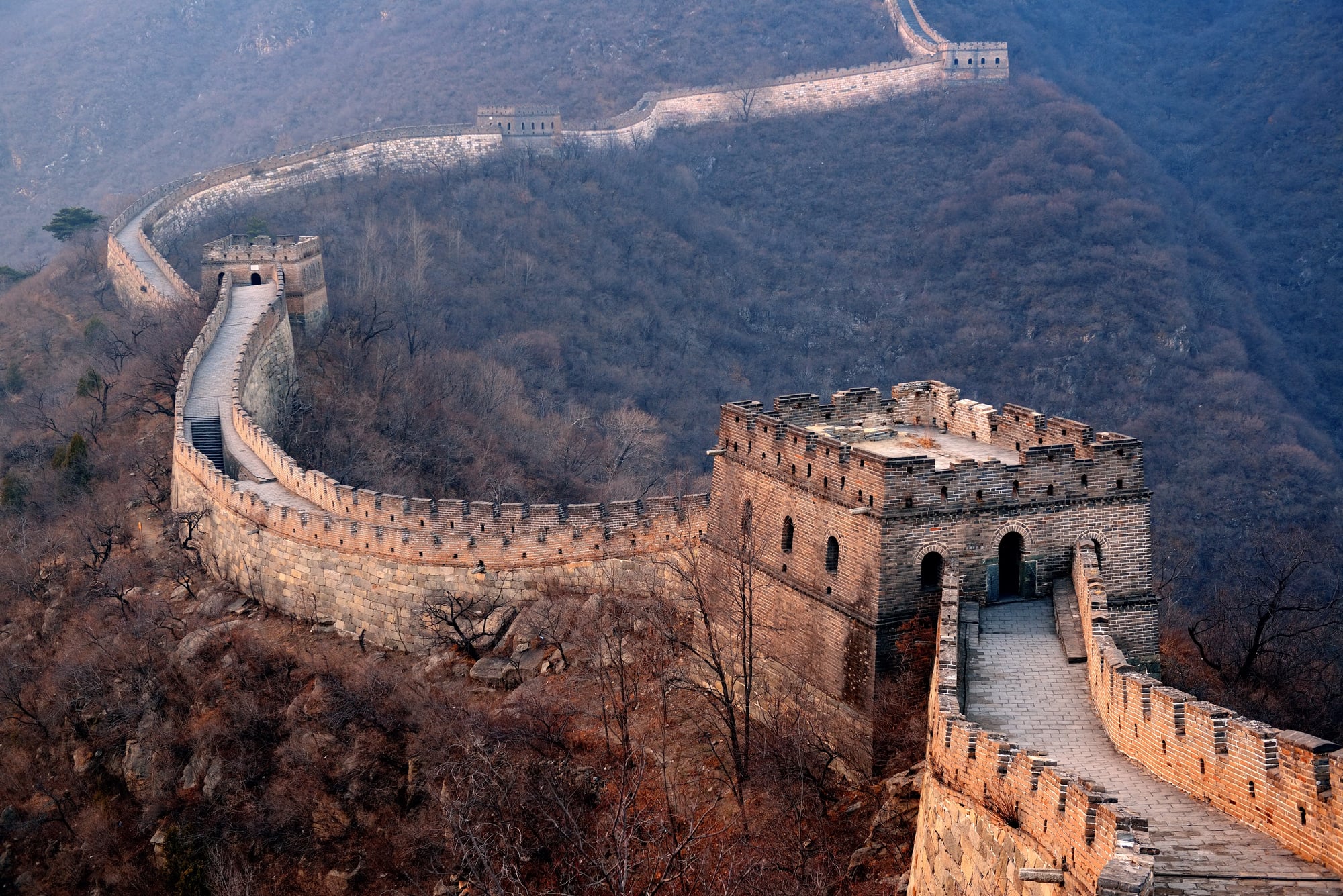
The Great Wall is one of those structures that impresses most when you stop thinking about how it got built. Estimates suggest that hundreds of thousands — some historians say up to a million — workers died during various construction phases spanning centuries, many of them conscripted laborers, prisoners, or soldiers with no choice in the matter.
The bodies of many were reportedly buried within the wall itself, which is why it’s sometimes called “the longest cemetery on earth,” a description that tends not to appear on the official signage.
Stonehenge
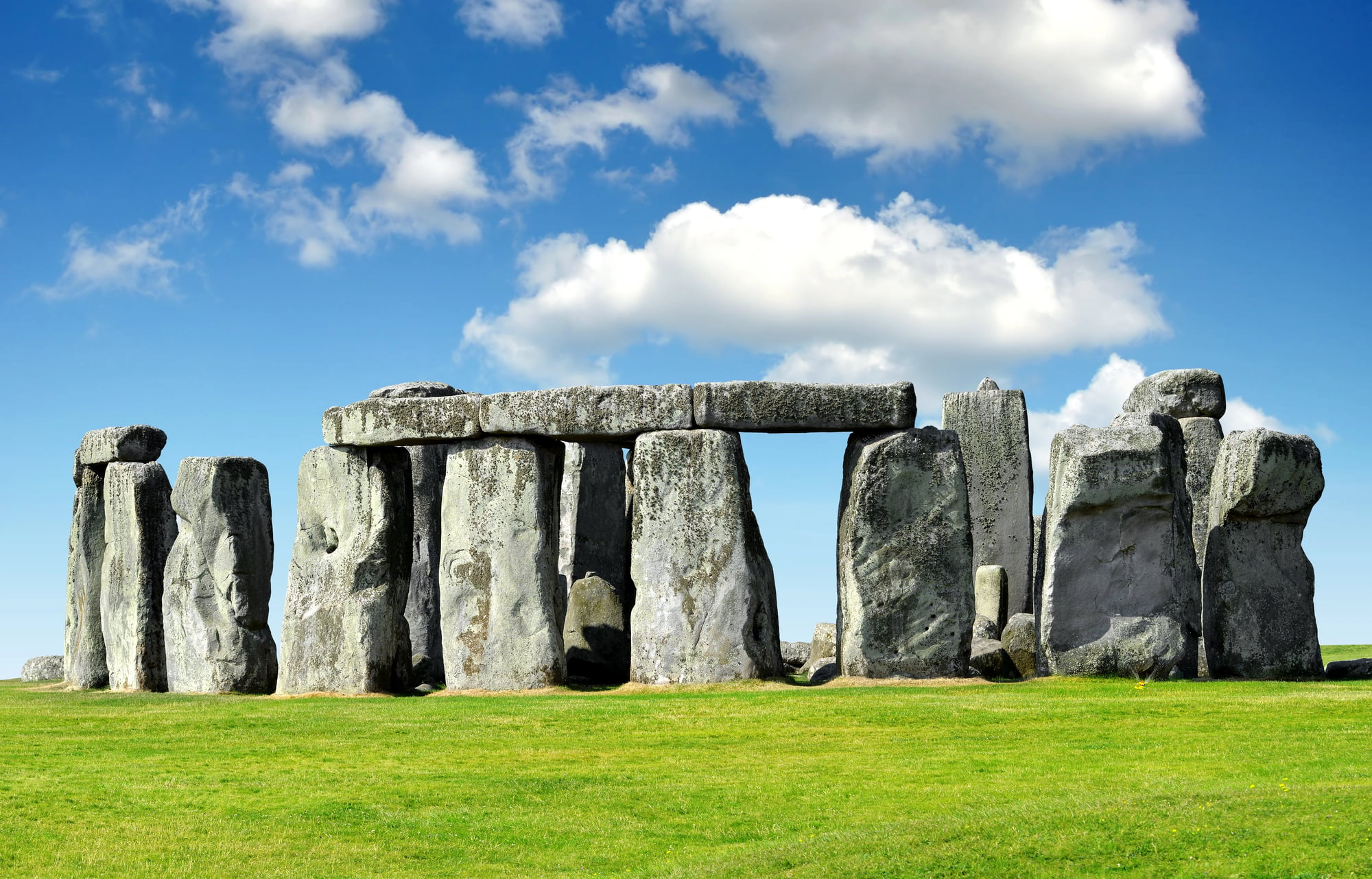
Stonehenge is surrounded by the visible ghosts of what it used to be. The site was, for centuries, accessible to anyone — visitors could wander among the stones, picnic there, even chip off souvenirs — until the damage became undeniable and fencing went up in 1977.
But the darker history involves what was already gone: hundreds of burial mounds surrounding the site were excavated in the 18th and 19th centuries by antiquarians who kept the interesting bits and threw away everything else, destroying archaeological context that’s now irretrievable. What’s left is extraordinary.
What was lost is probably more so.
The Vatican
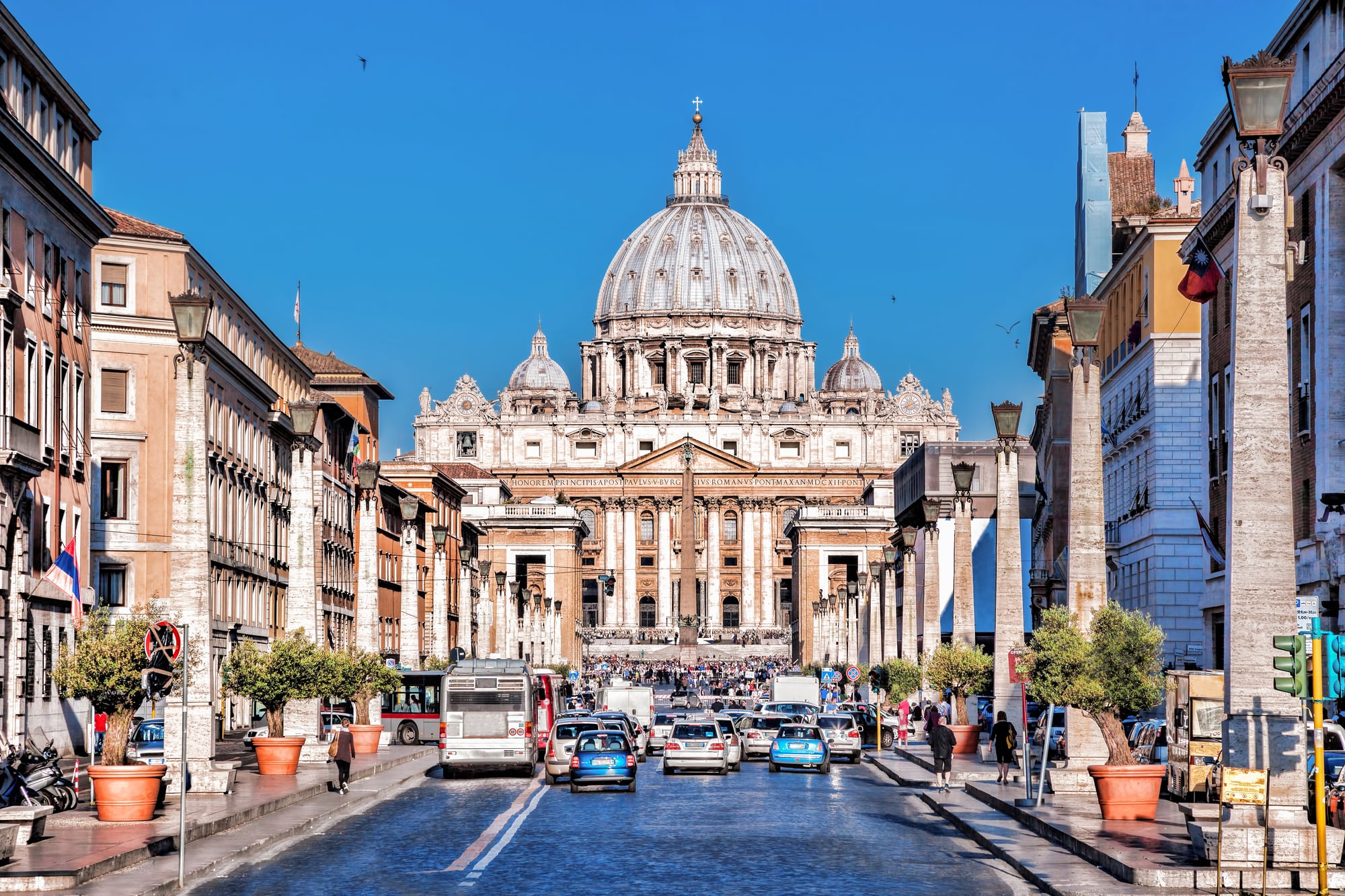
The Vatican’s history of institutional violence and exploitation runs so deep it’s almost impossible to summarize in a paragraph. The Papal States conducted the Inquisition from here, the Church accumulated its staggering art collection partly through coercion and seizure, and the Vatican Bank has been implicated in money laundering scandals serious enough that Italian authorities literally arrested Vatican employees at the border.
The Sistine Chapel ceiling is genuinely one of humanity’s greatest achievements. The organization that commissioned it has a more complicated record.
The Brandenburg Gate
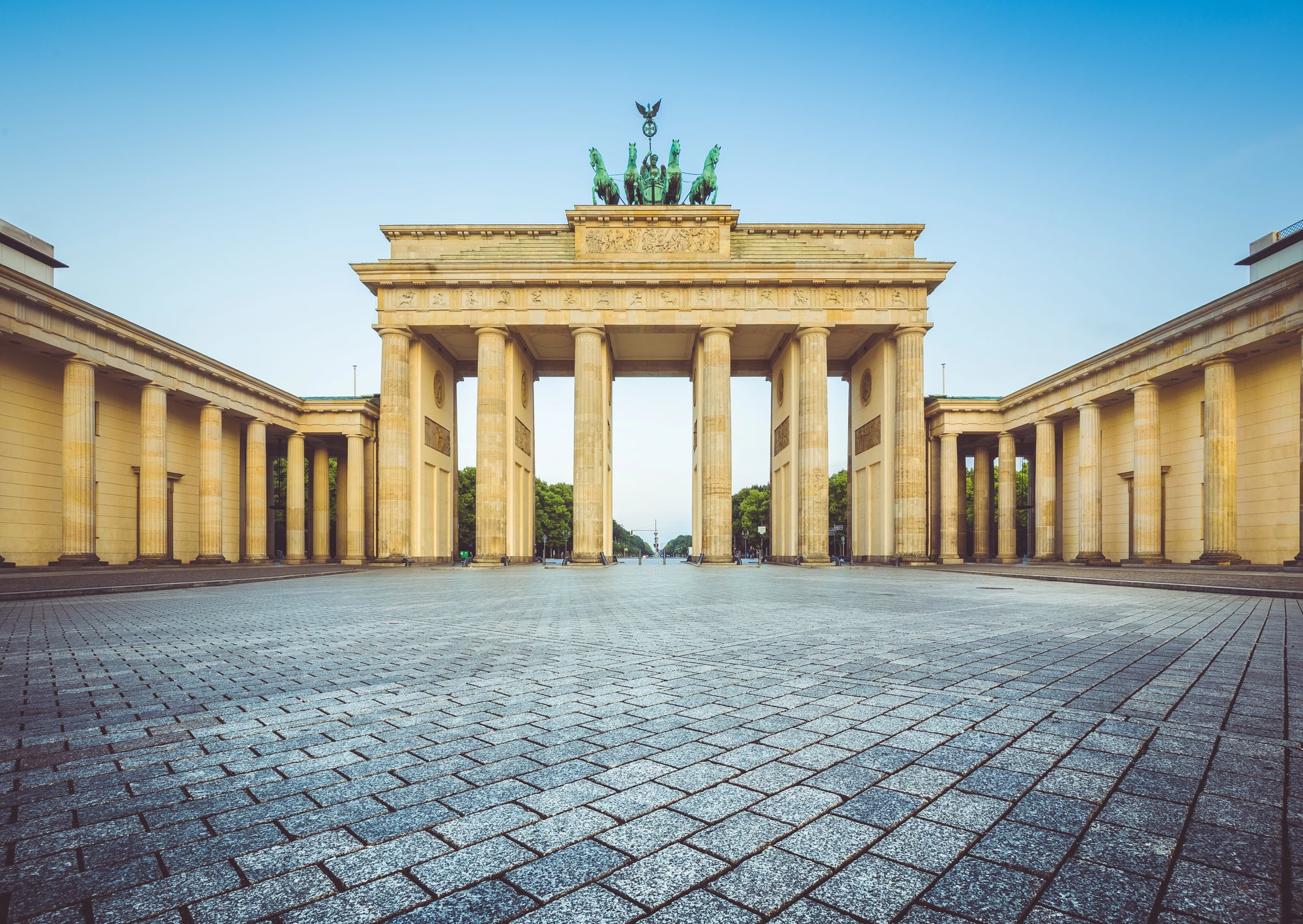
The Brandenburg Gate spent 28 years inaccessible, sitting in the no-man’s land between East and West Berlin, which is a peculiar fate for something that was originally built as a symbol of peace. The Nazis used it as a backdrop for their propaganda, it was badly damaged in World War II, and it stood as a symbol of division throughout the Cold War — which means the same arch has represented Prussian imperial ambition, Nazi triumphalism, Cold War imprisonment, and eventual reunification, all without moving an inch.
Mount Rushmore
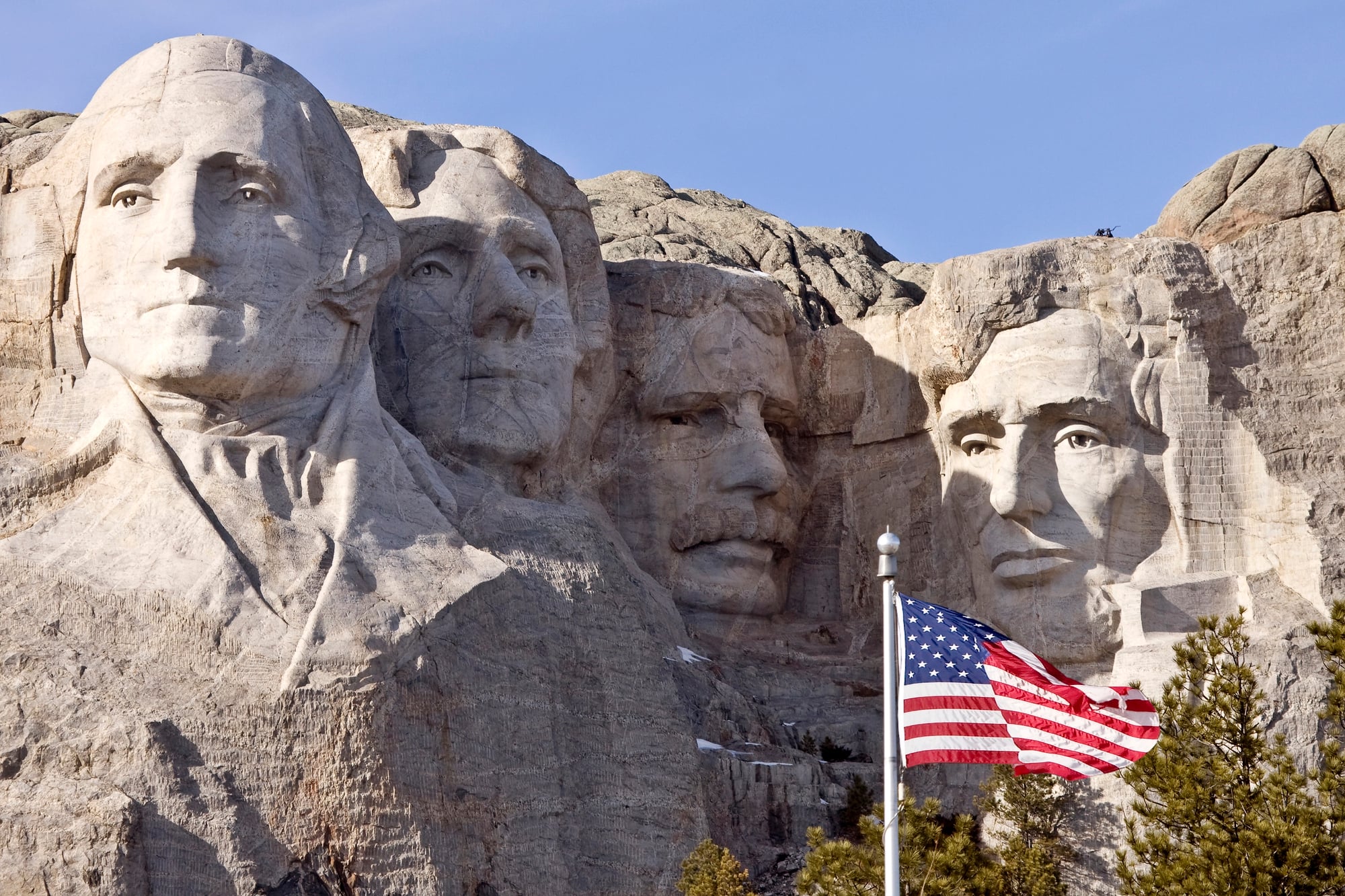
Mount Rushmore is carved into land that the U.S. government took from the Lakota Sioux in violation of the 1868 Treaty of Fort Laramie, which had guaranteed the Black Hills to the Lakota “in perpetuity.” The Supreme Court ruled in 1980 that the land had been taken illegally and awarded the Lakota over $100 million in compensation.
The Lakota refused the money and have refused every payment since, because they want the land back — not the money — and that refusal has held for over 40 years.
The Louvre
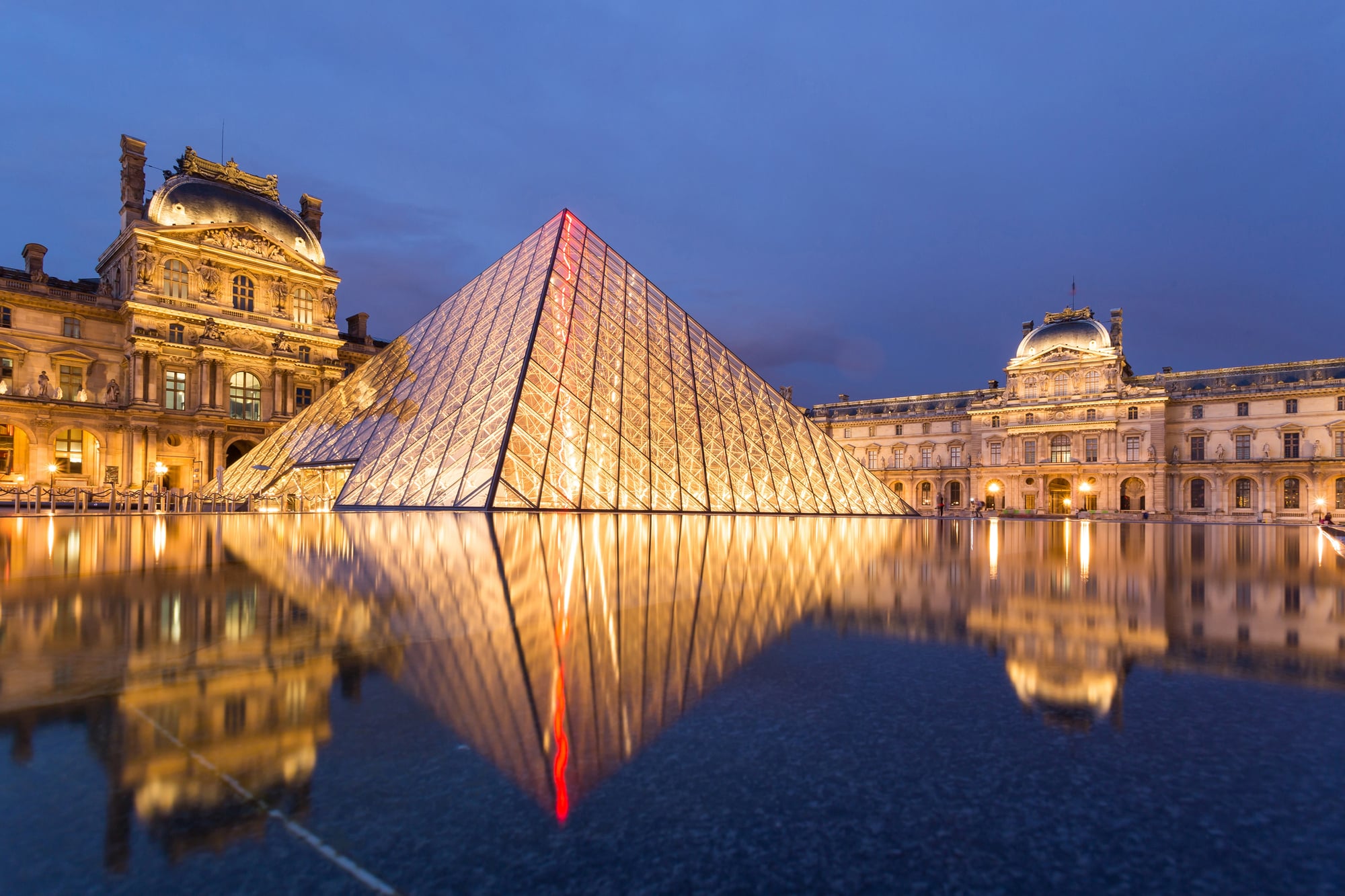
The Louvre’s collection is extraordinary and also, to a meaningful degree, the product of Napoleonic looting. Napoleon’s armies systematically stripped conquered territories of their greatest artworks — Italy, Egypt, Spain, the Netherlands — and shipped them to Paris, where many have stayed ever since.
The museum publishes provenance research on many works, but the question of what “belongs” in Paris versus where it came from remains a live argument, and the museum’s own origins as a royal palace that briefly became a prison during the Revolution adds another layer to its complicated biography.
Angkor Wat
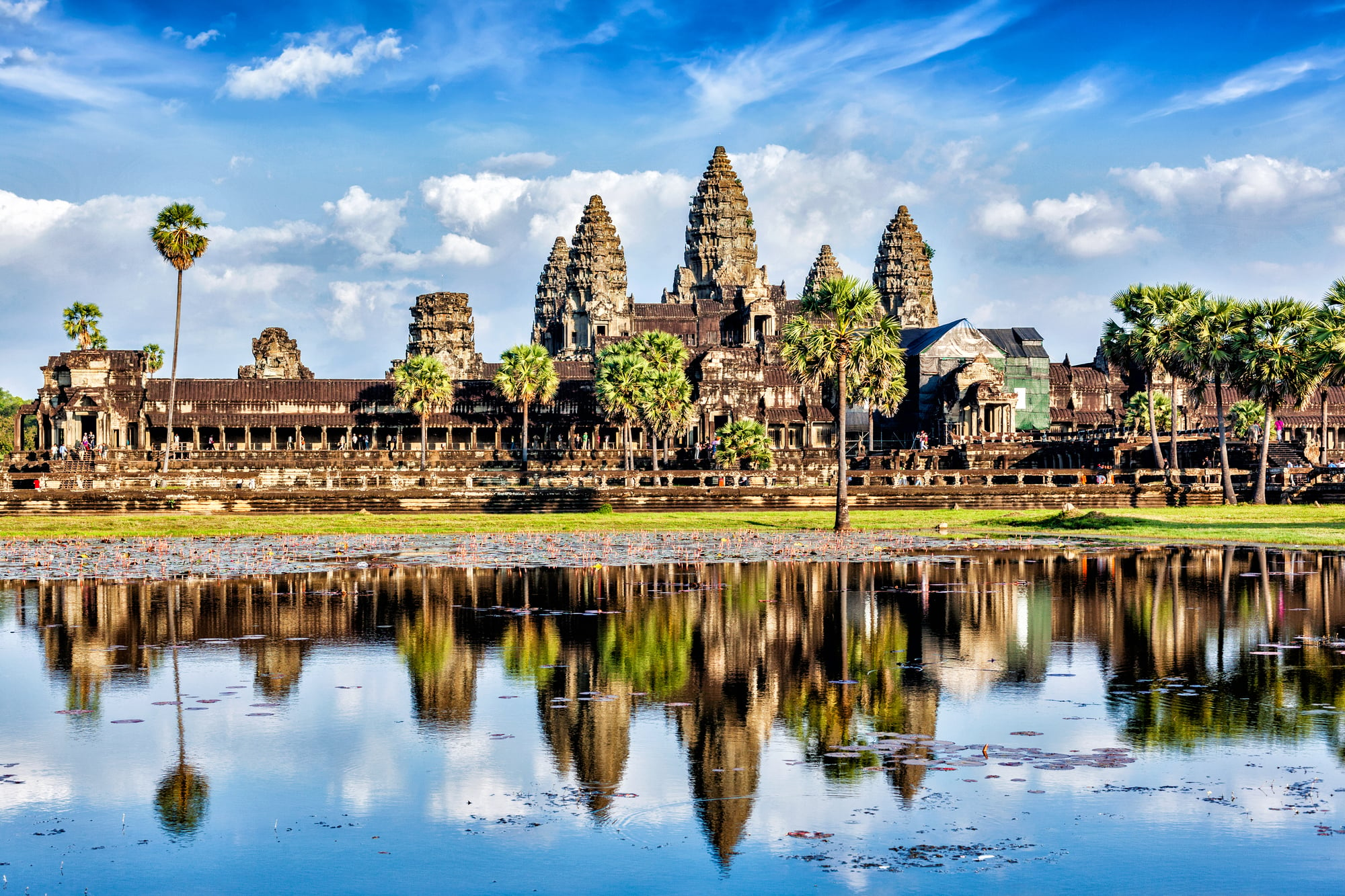
Angkor Wat was never truly lost — local people knew it was there, and had been worshipping there for centuries — but French colonialists in the 19th century “rediscovered” it anyway and promptly began removing its decorative elements for European museums. The temple complex was also used as a military stronghold by the Khmer Rouge in the 1970s, with fighting directly damaging sections of it, and landmines planted in the surrounding jungle during that period are still being cleared today.
Visitors are strongly advised to stay on marked paths, which is a sentence that carries a different weight once you know why.
Chichen Itza
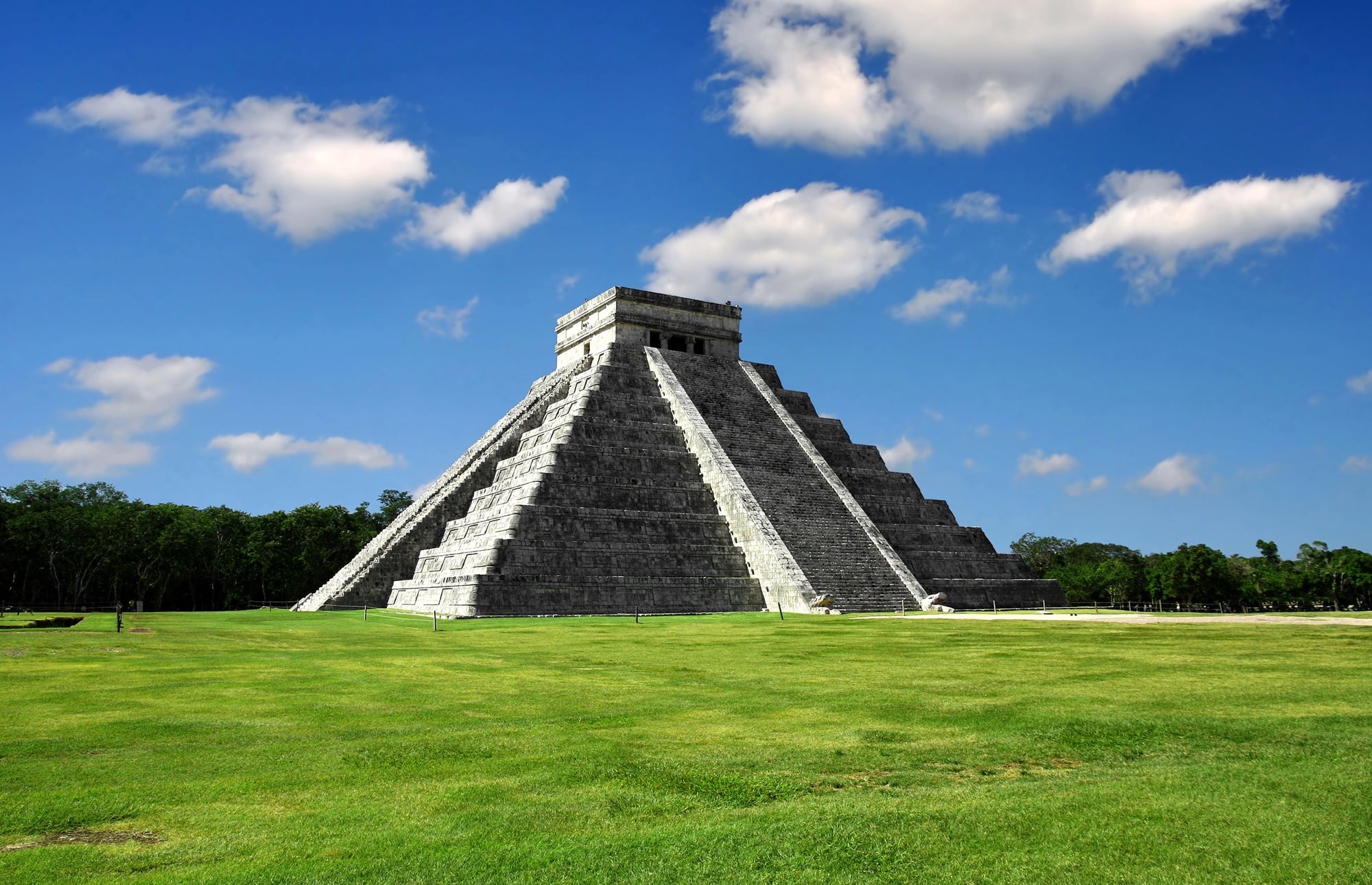
The cenote at Chichen Itza — a deep natural sinkhole the Maya called the “Sacred Cenote” — was a site of ritual offerings that included, according to both archaeological excavation and historical accounts, the deliberate drowning of human beings. American archaeologist American archaeologist Edward Herbert Thompson dredged the cenote between 1904 and 1911 and found the skeletal remains of dozens of people along with gold, jade, and carved objects — most of which he shipped back to Harvard’s Peabody Museum without the Mexican government’s knowledge or consent, sparking a legal dispute that took decades to partially resolve.
The Sydney Opera House
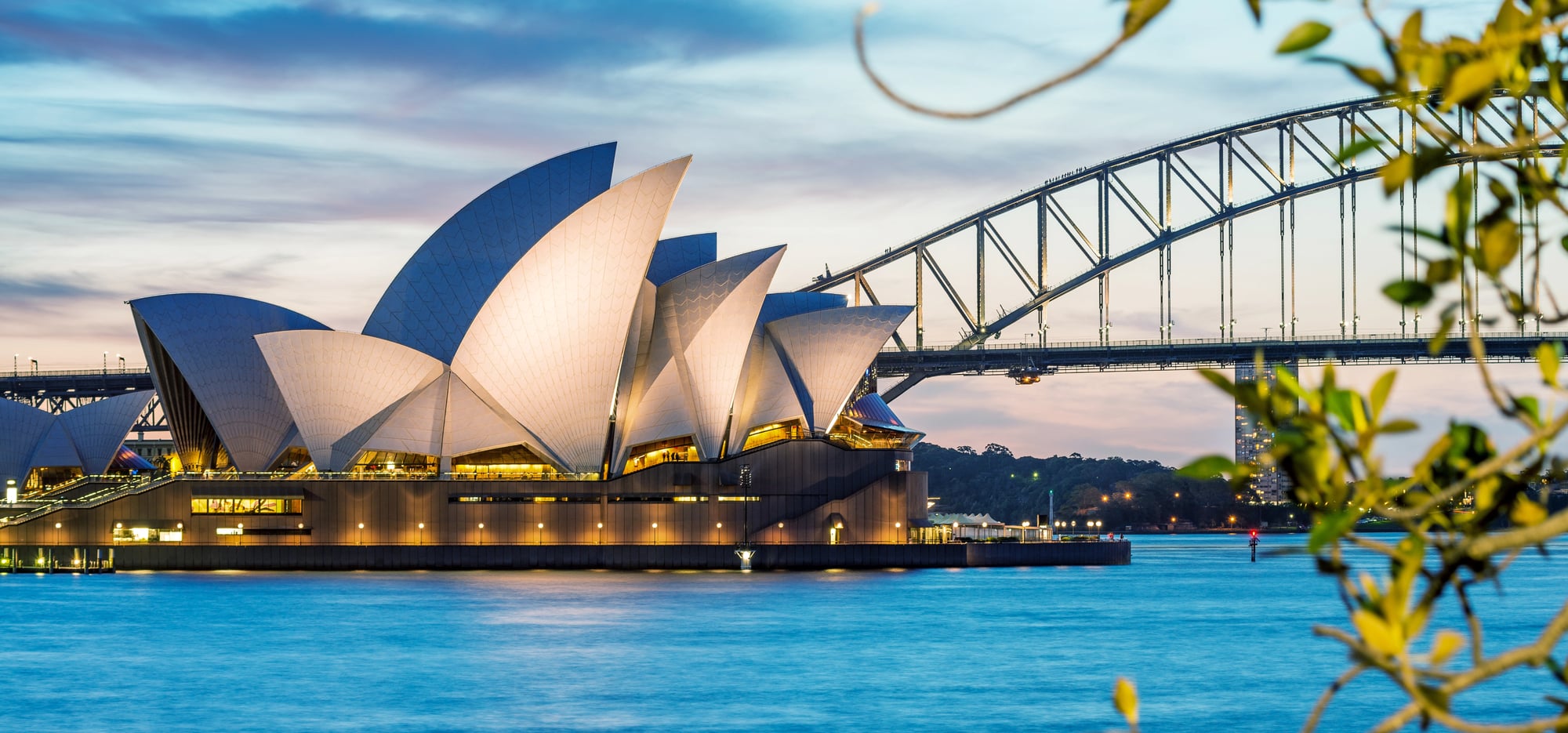
The Sydney Opera House’s real dark history isn’t dramatic — it’s bureaucratic and very human. Danish architect Jørn Utzon won the design competition in 1957, spent years building something genuinely unprecedented, and was then so relentlessly undermined by the New South Wales government — with his budget cut, his authority stripped, and his decisions reversed — that he resigned in 1966 and never returned to Australia, never saw the finished building.
He died in 2008 without ever stepping inside the structure that made his name. The building is considered one of the 20th century’s greatest architectural achievements, and its architect wasn’t there for the opening.
The Kremlin
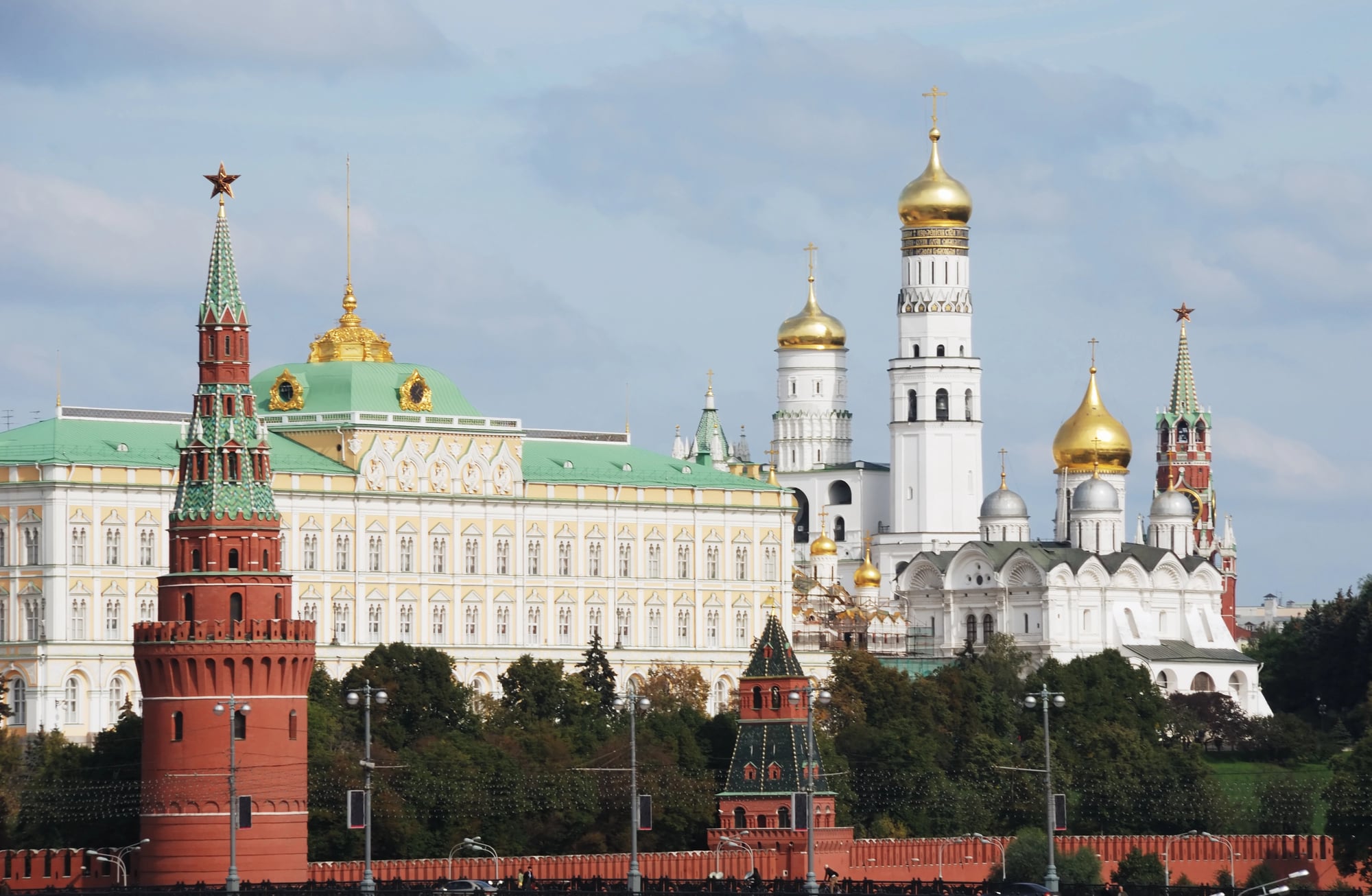
The Kremlin’s walls have absorbed enough history to make almost any other landmark look provincial. Ivan the Terrible had people tortured and executed within its grounds, Stalin used it as his base for purges that killed millions, and the complex has functioned for centuries less as a seat of government and more as a fortress from which power was concentrated and defended against the people it theoretically served.
The cathedrals inside are genuinely beautiful; the history of who built them and under what conditions is less so.
Pompeii
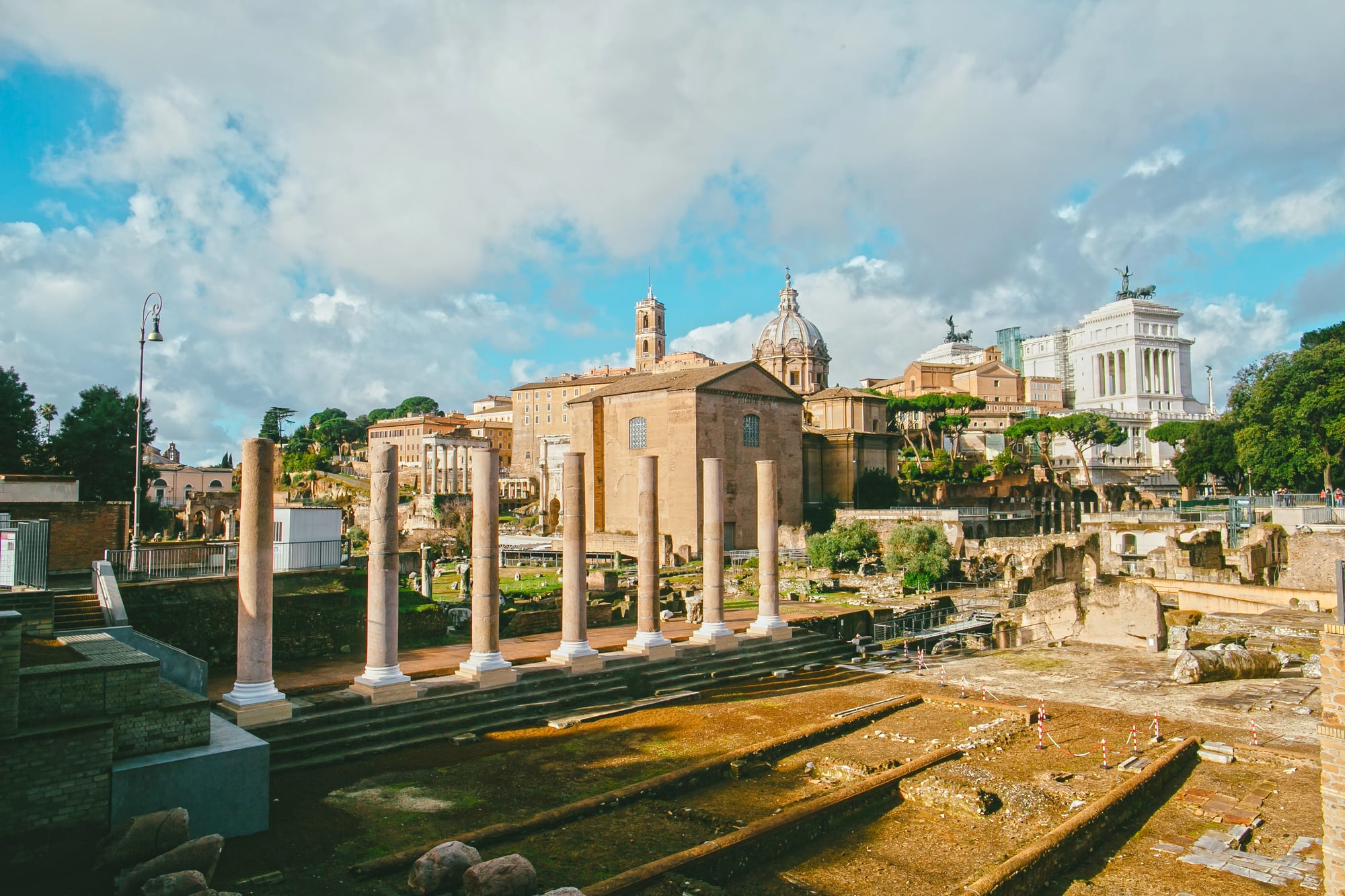
Pompeii is often framed as a tragedy — a city frozen in time by Vesuvius in 79 A.D. — and the tragedy part is accurate enough. What gets softer treatment is the fact that modern excavations have repeatedly been halted, botched, or abandoned due to funding cuts, mismanagement, and corruption within the Italian cultural heritage bureaucracy.
Freshly excavated frescoes have been exposed to rain and left to deteriorate, tunnels dug by looters have weakened entire city blocks, and a 2010 report found that dozens of structures were in danger of imminent collapse — some of which have since collapsed. The real threat to Pompeii isn’t the volcano.
The Lincoln Memorial
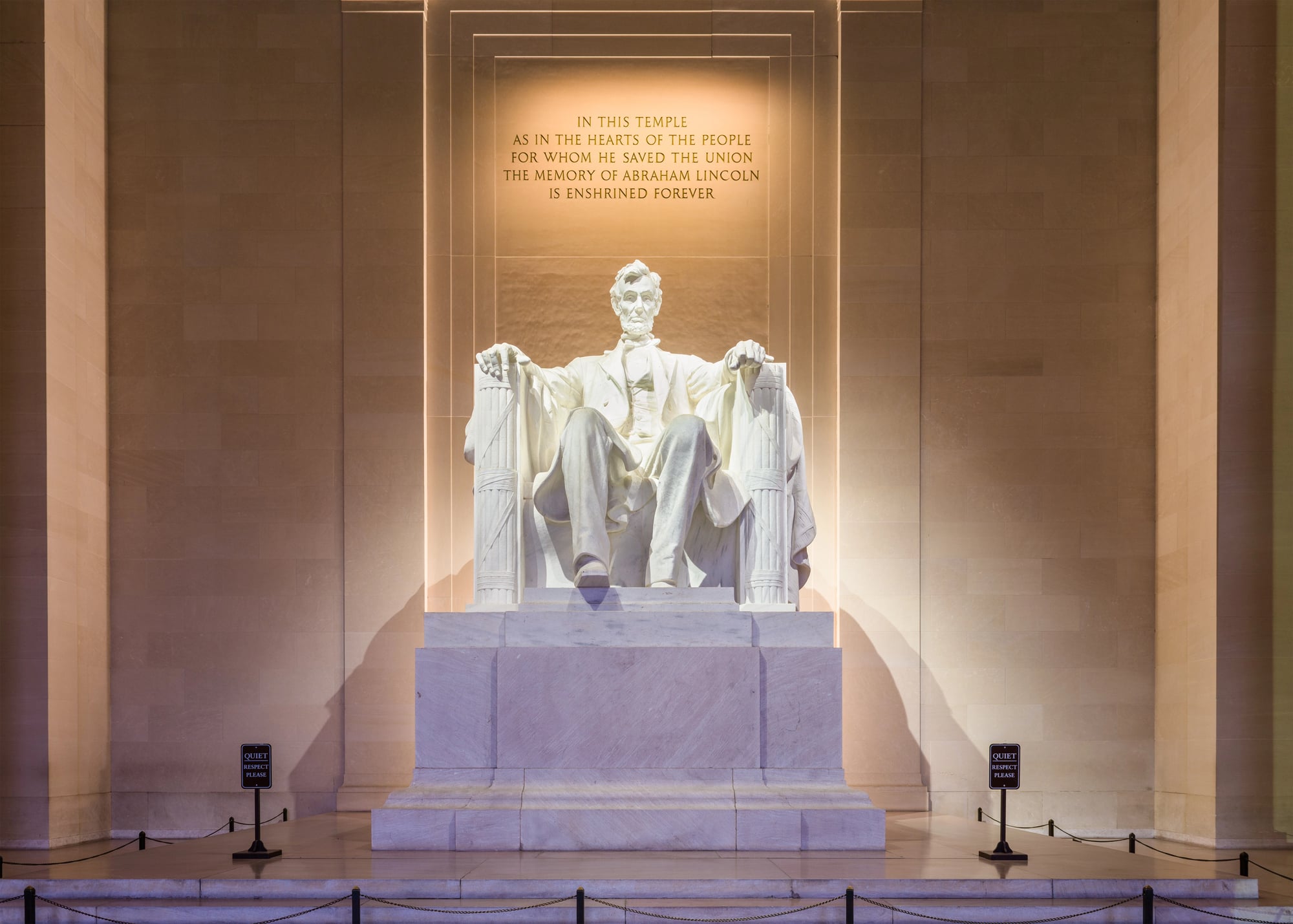
The Lincoln Memorial opened in 1922 in a ceremony that was segregated — Black attendees were directed to a separate section, roped off from the white audience, at the dedication of a monument to the president who signed the Emancipation Proclamation. The architect, Henry Bacon, apparently objected and was overruled.
Marian Anderson sang “My Country, ‘Tis of Thee” on the memorial’s steps in 1939 after being barred from Constitution Hall by the Daughters of the American Revolution, and Martin Luther King Jr. delivered his most famous speech there in 1963 — so the site has an afterlife that redeems some of the original insult, but the 1922 ceremony is rarely part of what gets told.
The Panthéon
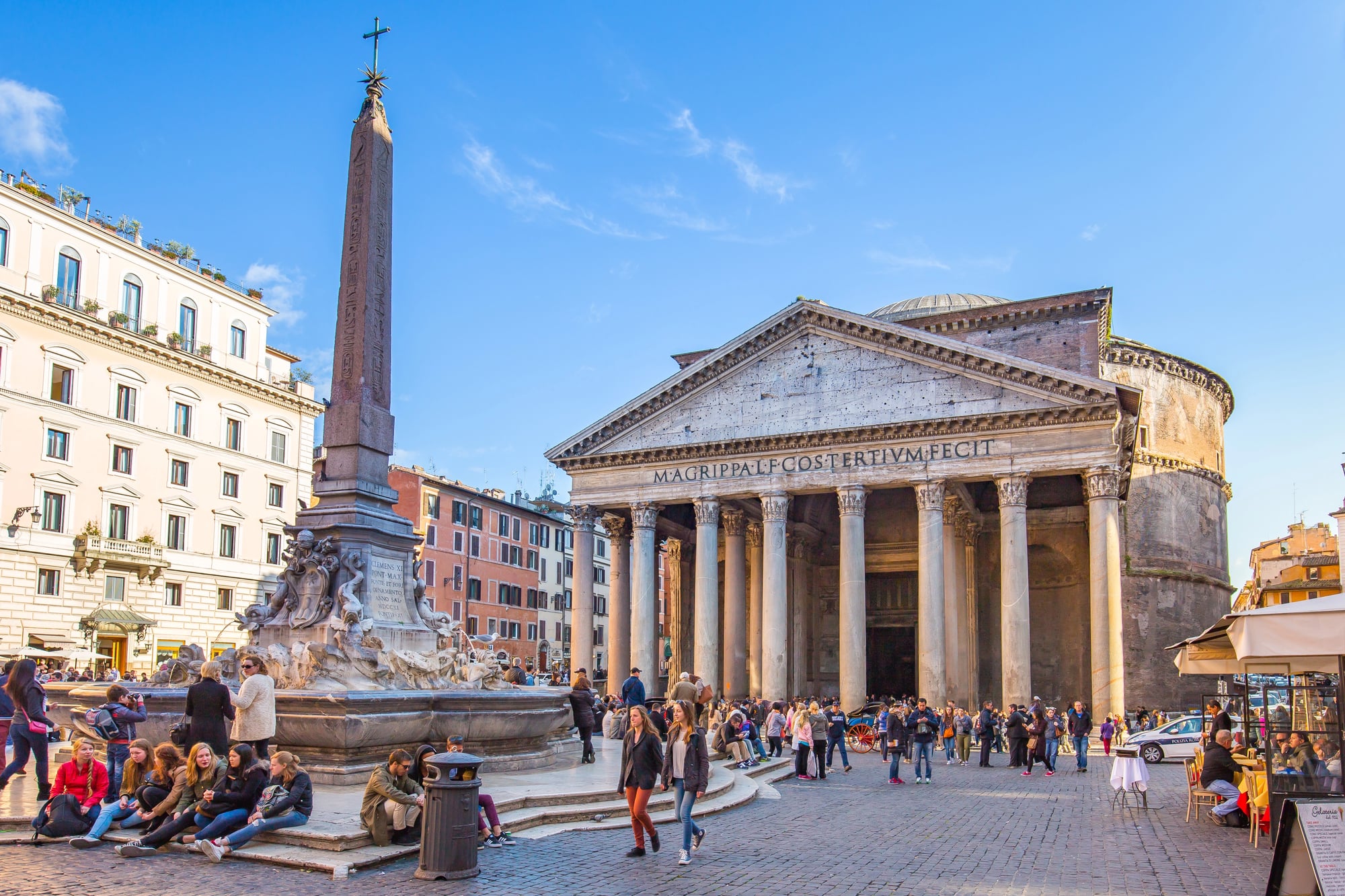
The Panthéon in Paris entombs France’s greatest citizens and has done so since the Revolution redirected it from a church to a secular mausoleum. Marie Curie was interred there in 1995, the first woman admitted on her own merits — and she was only the second woman total, which seems like something Paris might want to update more urgently given the 70-plus men already inside.
The building itself was built partly with labor extracted from already-struggling parish resources, and its transformation from sacred to secular happened with the kind of brisk revolutionary violence that the French have always been good at.
The Forbidden City
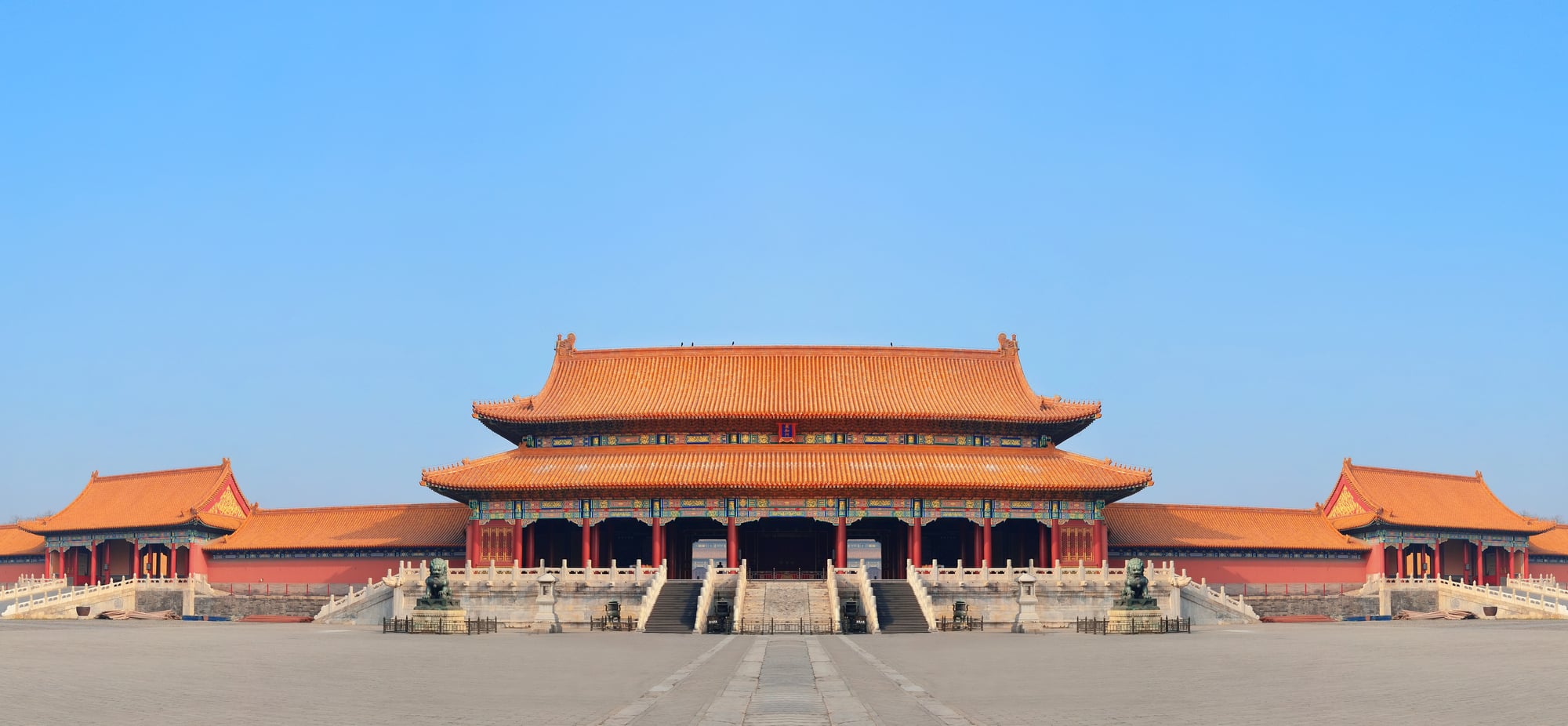
The Forbidden City was built between 1406 and 1420 using the labor of roughly a million workers, many conscripted, and an estimated 100,000 skilled artisans — and by most accounts the conditions were lethal enough that deaths during construction were simply absorbed as a cost of the project. The city within a city then became, for the emperors who lived there, something closer to a prison than a palace: rarely permitted to leave, surrounded by a court of eunuchs and officials whose entire purpose was to mediate between the emperor and reality, many emperors died having seen almost nothing of the country they ruled.
The walls kept the world out. They kept the emperor in.
What the Postcards Leave Out
Every one of these places was built, fought over, looted, repurposed, or survived by human beings whose names the plaques don’t mention. That’s not an argument against visiting them — standing in front of something ancient and irreplaceable is one of the more clarifying experiences available to a person.
But the gap between the brochure version and the real history is almost always where the most interesting story lives. The beauty is real.
So is everything underneath it. The landmarks that have survived long enough to become famous tend to have survived precisely because they were entangled with power, and power rarely leaves clean marks.
You can still take the photograph. Just maybe know what you’re standing on.
More from Go2Tutors!

- The Romanov Crown Jewels and Their Tragic Fate
- 13 Historical Mysteries That Science Still Can’t Solve
- Famous Hoaxes That Fooled the World for Years
- 15 Child Stars with Tragic Adult Lives
- 16 Famous Jewelry Pieces in History
Like Go2Tutors’s content? Follow us on MSN.