15 Casino Games Banned for Being Too Easy
Casinos exist to make money, not to hand it out like candy on Halloween. When a game gives players too much of an edge or can be beaten consistently by skilled players, casino operators don’t hesitate to pull the plug.
Throughout gambling history, dozens of games have been banned from casino floors because they were simply too favorable to players who knew what they were doing. These weren’t games with obvious flaws that any amateur could exploit. Here are 15 casino games that got banned for being too easy to beat.
Faro
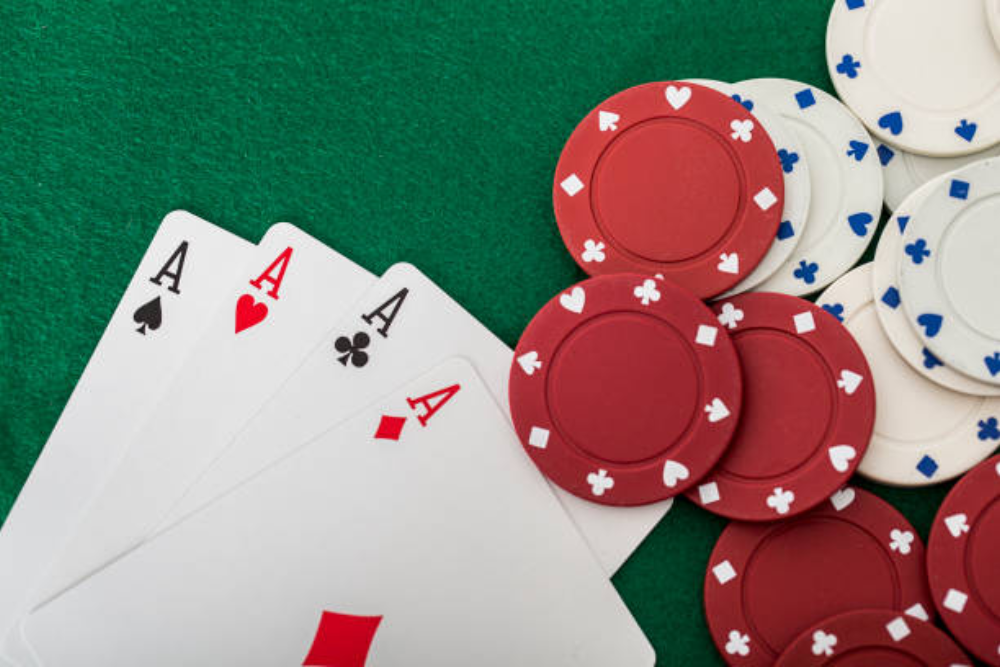
Faro was once the most popular card game in American casinos, but it disappeared because skilled players could track cards and gain a significant advantage. The game involved betting on which cards would appear from a dealing box, and experienced players learned to count cards and calculate odds with deadly accuracy.
By the early 1900s, most casinos had removed Faro tables because too many players were walking away winners.
French Roulette with La Partage

This version of roulette gave players their money back on even-money bets when the ball landed on zero. The rule cuts the house edge nearly in half compared to American roulette, making it much easier for players to stay ahead over long sessions.
Most American casinos quickly banned this variant and stuck with the double-zero wheel that gave them a better edge.
Like Go2Tutors’s content? Follow us on MSN.
Single-Deck Blackjack with Liberal Rules

Early blackjack games used just one deck and allowed players to double down on any two cards, split any pair, and surrender bad hands. Card counters had a field day with these conditions, turning blackjack into a game where skilled players could actually make a living.
Casinos responded by adding more decks, restricting doubling and splitting options, and eventually banning known card counters.
Chuck-a-Luck with Honest Dice
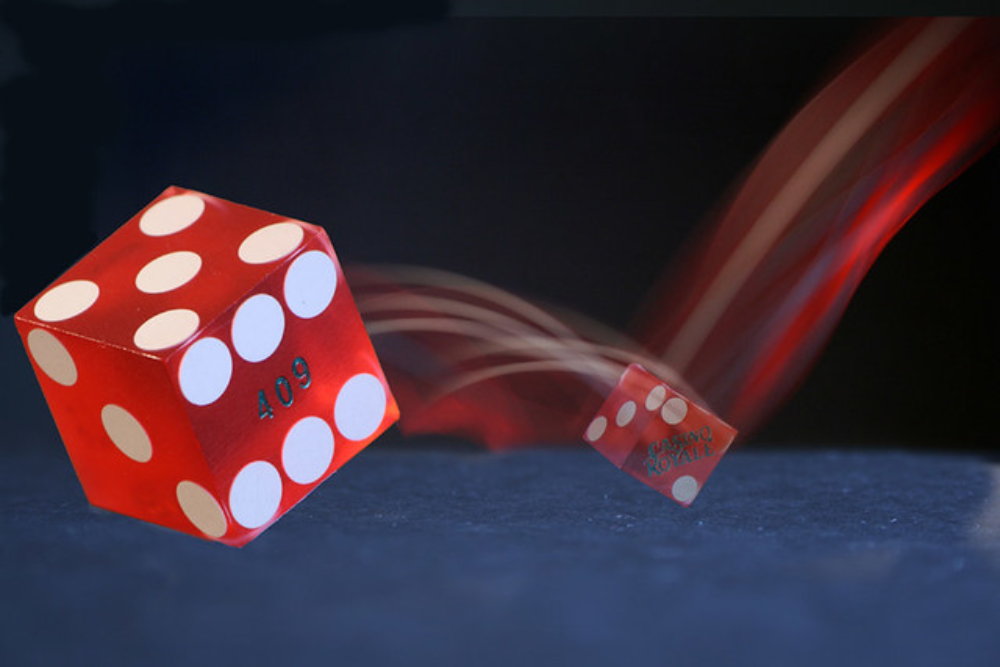
Chuck-a-luck was a simple dice game where players bet on numbers that would appear when three dice were rolled. The problem was that when casinos used fair dice and honest dealing, the game had one of the lowest house edges on the floor.
Players who understood the odds could make consistent small profits, so most casinos either rigged the game or removed it entirely.
Honest Wheel of Fortune

The original Wheel of Fortune games used perfectly balanced wheels with fair payouts that reflected the true odds of each outcome. Smart players realized they could make steady money by betting on the most frequent numbers and avoiding the long-shot bets.
Casinos solved this problem by adjusting the payouts to increase their edge or using wheels that weren’t quite as balanced as they appeared.
Like Go2Tutors’s content? Follow us on MSN.
Red Dog Poker

Red Dog was a card game where players bet on whether a third card would fall between the ranks of two dealt cards. The game seemed simple enough, but players who memorized basic strategy could reduce the house edge to less than 3%.
Casinos found that too many players were winning consistently, so they either changed the rules dramatically or removed the game from their floors.
Acey-Deucey

This card game was similar to Red Dog but with even more favorable odds for players who knew the optimal betting strategy. Players would bet on whether a third card would fall between two cards, and skilled players could get the house edge down to around 2%.
The combination of simple rules and low house edge made it too dangerous for casinos to offer.
Honest Three-Card Monte
When Three-Card Monte was played fairly with legitimate shuffling and no sleight of hand, it was actually a pretty even game. Players who could track the cards and avoid the psychological tricks had nearly a 50-50 chance of winning each round.
Street hustlers kept the game alive with cheating, but honest casino versions disappeared because they didn’t generate enough profit.
Like Go2Tutors’s content? Follow us on MSN.
Bank Craps with Full Odds
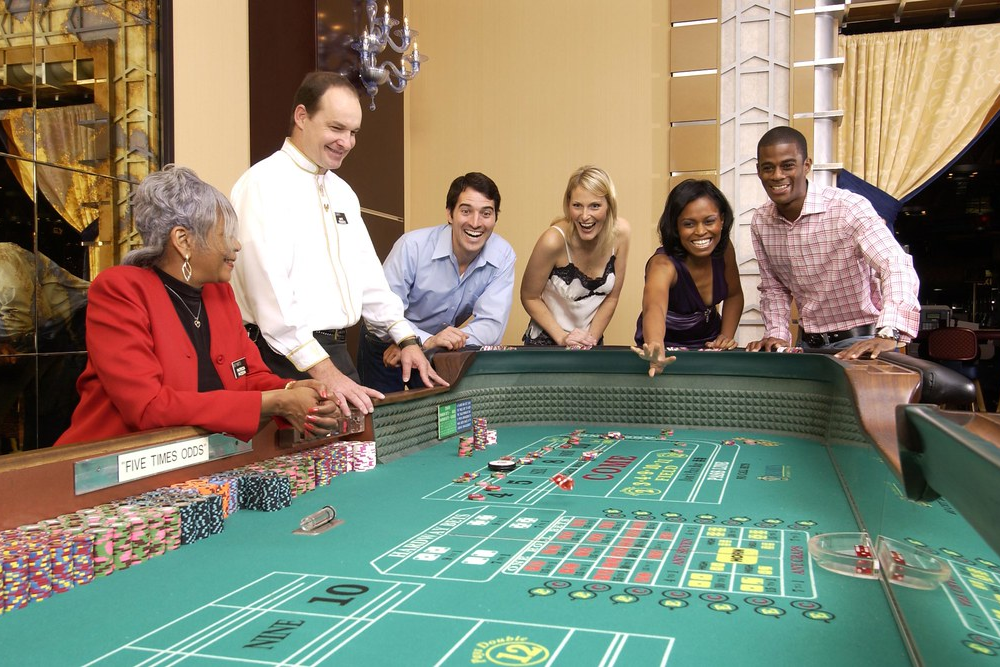
Early craps games allowed players to take much higher odds bets than modern versions, sometimes up to 100 times their original wager. Since odds bets have no house edge, skilled players could minimize the casino’s advantage to almost nothing by making large odds bets behind small pass line wagers.
Modern casinos limit odds bets to prevent this strategy from being too effective.
Spanish 21 with Original Rules

The original Spanish 21 used a 48-card deck with the tens removed, but it compensated with extremely player-friendly rules like bonus payouts and liberal doubling options. Basic strategy players could actually gain a slight edge over the house, which obviously didn’t last long.
Casinos either modified the rules significantly or dropped the game in favor of regular blackjack.
Pai Gow Poker with Banking
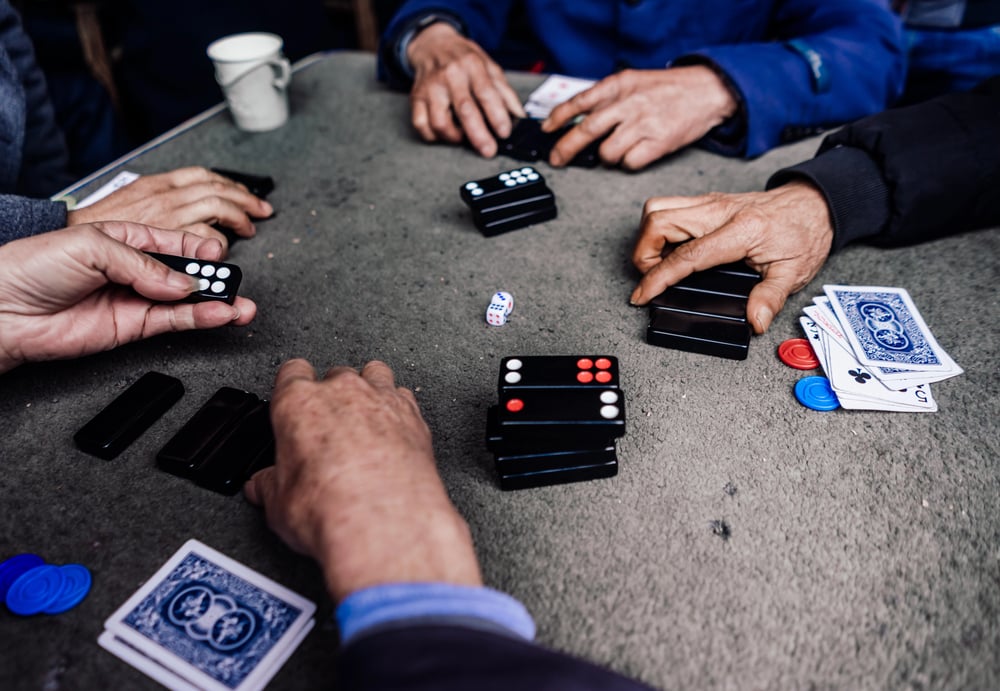
In the original Pai Gow Poker, players could choose to bank the game and play against other players instead of the house. Skilled players who understood the banking rotation could gain a mathematical edge by playing conservatively when they weren’t banking and aggressively when they were.
Most casinos eliminated player banking or severely restricted it to protect their profits.
Like Go2Tutors’s content? Follow us on MSN.
Casino War with Tie Betting
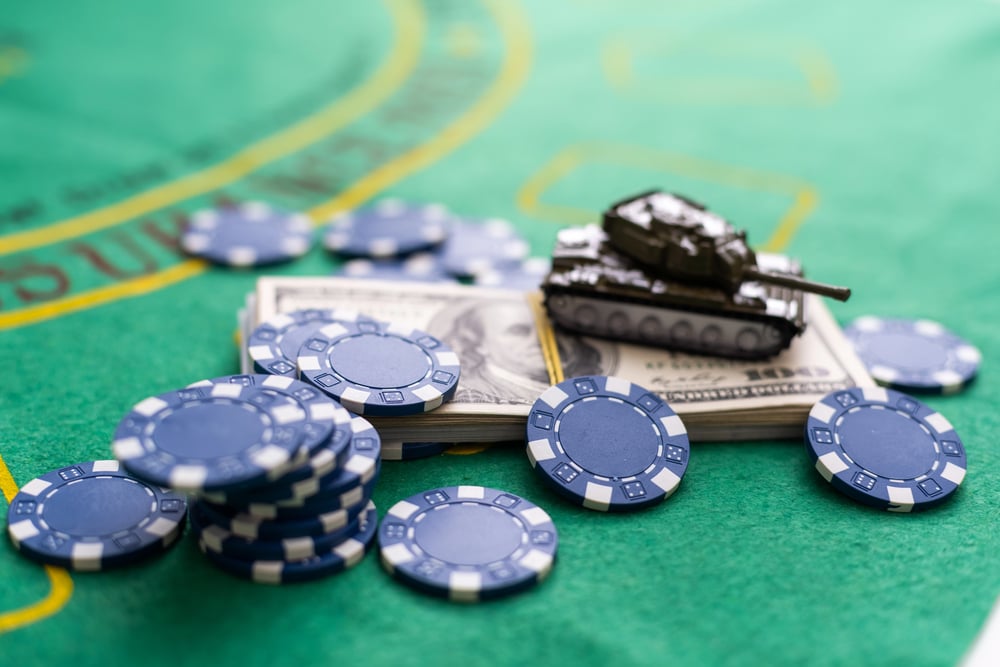
Casino War is normally a terrible game for players, but the original version had tie bets that paid even money instead of the current 10-to-1. Since ties happen about 7% of the time, players who bet on ties exclusively could make steady profits.
Casinos quickly changed the tie bet payout to create a much larger house edge.
Let It Ride with Full Pay Tables
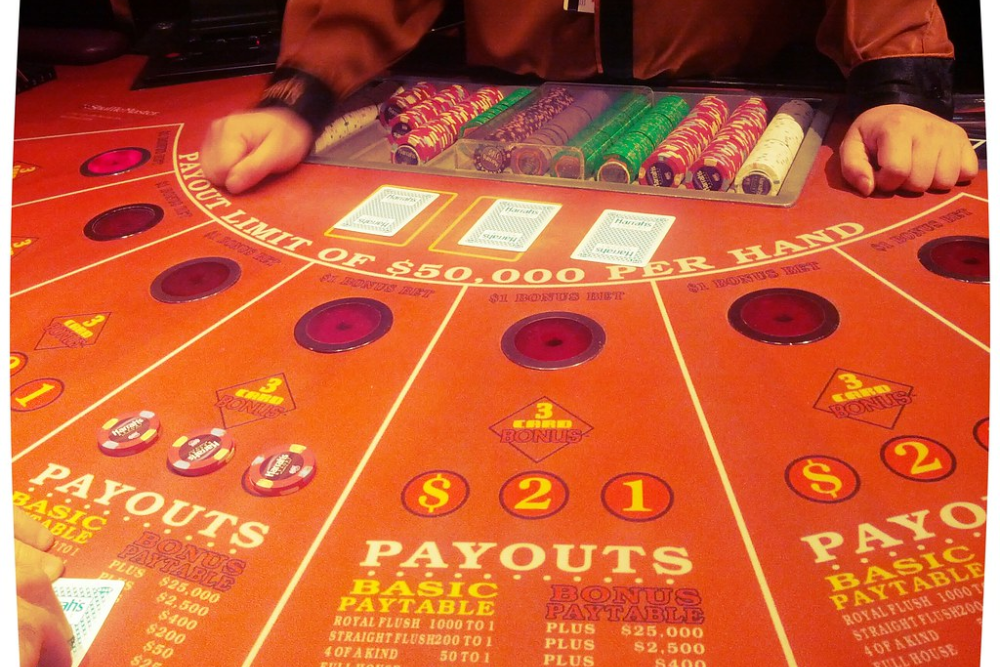
Early Let It Ride games had bonus pay tables that were much more generous than current versions. Players who memorized a perfect strategy could reduce the house edge to around 2%, and the game’s slow pace meant they could play for hours without losing much money.
Casinos responded by reducing the bonus payouts and speeding up the dealing.
Caribbean Stud with Progressive Side Bets

Caribbean Stud poker originally offered progressive jackpots that could grow large enough to make the side bet mathematically profitable. When the jackpot reached certain levels, skilled players would flood the tables to take advantage of the positive expectation bet.
Casinos now reset progressive jackpots more frequently or set maximum payouts to prevent this from happening.
Like Go2Tutors’s content? Follow us on MSN.
Honest Keno with Fair Payouts
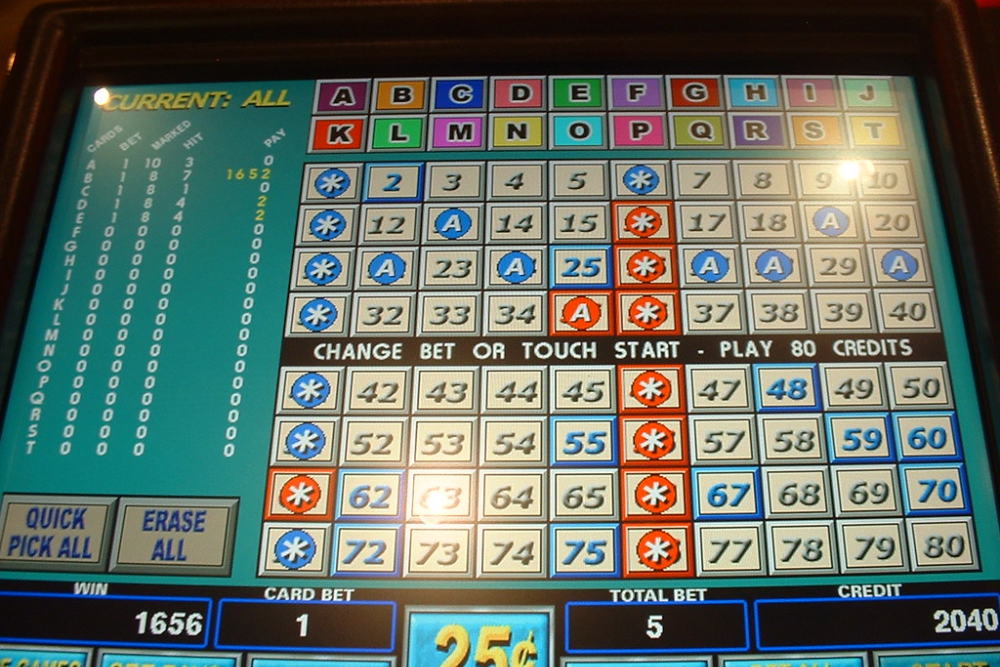
Traditional Keno games paid out at rates that closely matched the true odds of hitting various numbers. Players who understood probability could make small but consistent profits by sticking to certain number combinations and avoiding the worst bets.
Modern Keno has much lower payout rates and higher house edges to prevent this kind of steady grinding.
When the House Edge Disappears
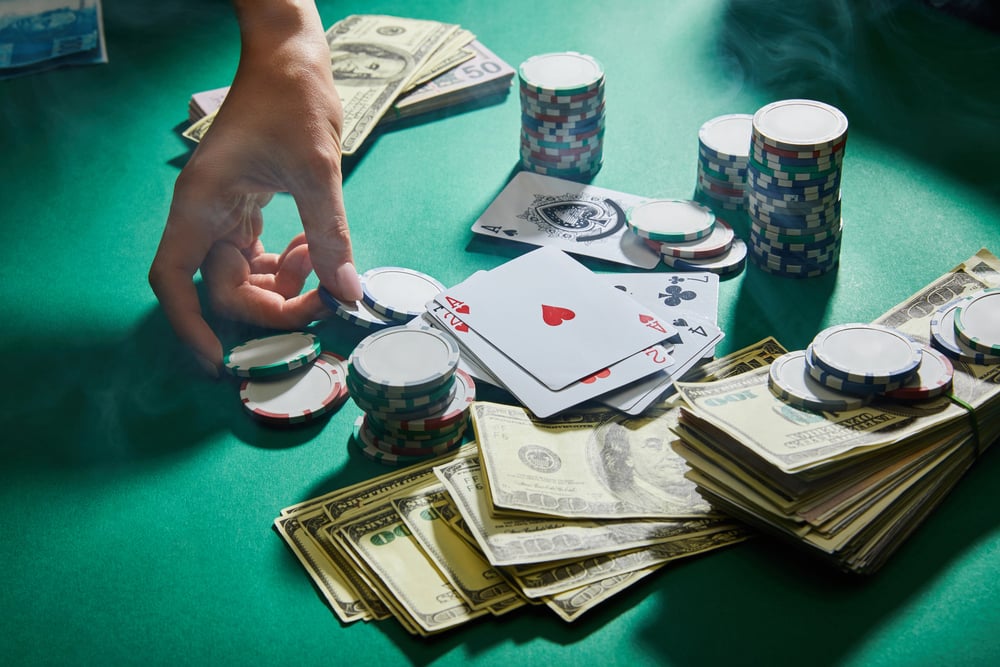
These banned games reveal a fundamental truth about casino gambling – the house always needs an edge to stay in business. When games become too favorable to skilled players, they simply vanish from casino floors, replaced by versions with higher house advantages or eliminated entirely.
The casinos that survived learned to balance player entertainment with mathematical certainty, ensuring that while players might win in the short term, the house always wins in the end. Today’s casino games are carefully designed to prevent the kind of player advantages that made these 15 games too dangerous to offer.
More from Go2Tutors!

- 16 Restaurant Chains That Went Too Fast
- 12 Things Sold in the 80s That Are Now Illegal
- 15 Strange Things People Have Tried to Ban (And Failed)
- 16 Collectibles People Tossed Out Too Soon
- 17 Myths from Your Childhood That Were Actually Based on Real Things
Like Go2Tutors’s content? Follow us on MSN.



