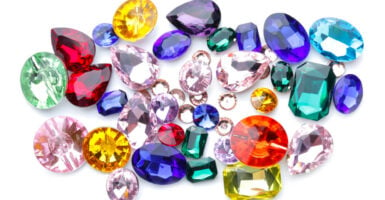
27 Gemstone Cuts Seen in Estate Jewelry
A stone’s cut is a time stamp that no appraiser has to invent. The shape of the facets reveals whether a gem was cleaved by hand, polished by candlelight, or finished on a machine.
The cuts below turn up in estate jewelry cases with surprising regularity. Some are centuries old, and several are easy to mistake for one another.
Table Cut
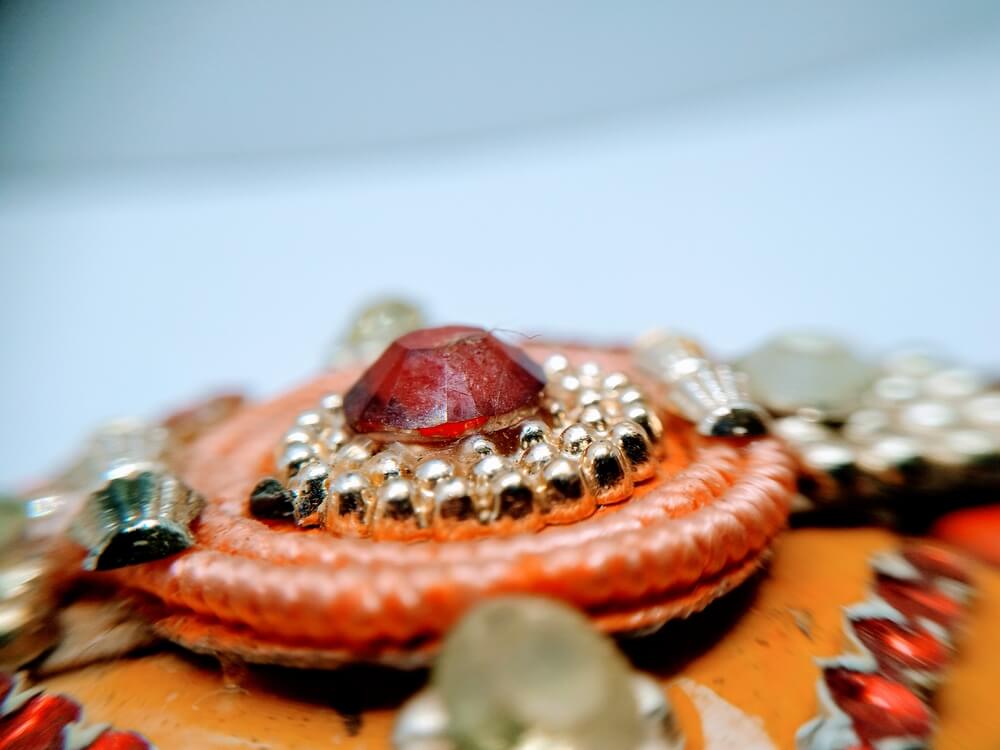
The table cut is the earliest diamond cut in history, and the very first examples had only nine rudimentary facets. Early cutters used another diamond to cleave along the natural planes of the crystal.
The result was a flat-topped stone that looks more like a square of glass than a sparkler.
Single Cut
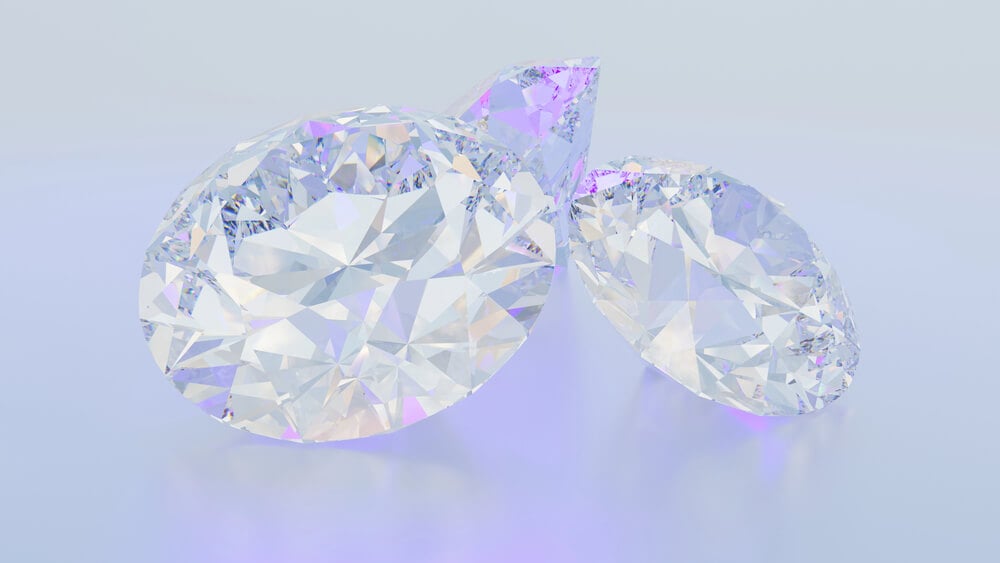
Single cut diamonds date back as far as the 1300s, and they are round with far fewer facets than the old mine, old European, or modern round brilliant cuts. Jewelers often used them as small accent stones around larger gems.
The gentle, plain sparkle makes them easy to overlook.
Rose Cut
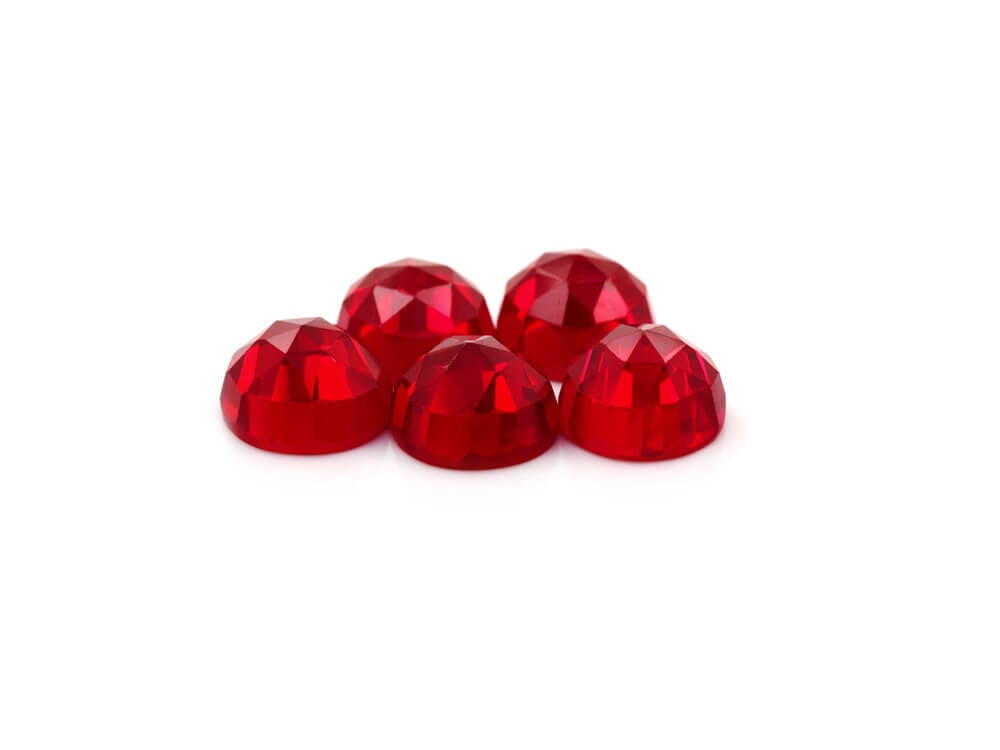
The rose cut was invented in the 16th century and features a flat base with a dome of triangular facets that resembles an opening rosebud. The number of facets ranges from three to 24.
Antique rose cuts are always slightly out of round, which separates them from modern copies.
Dutch Rose Cut
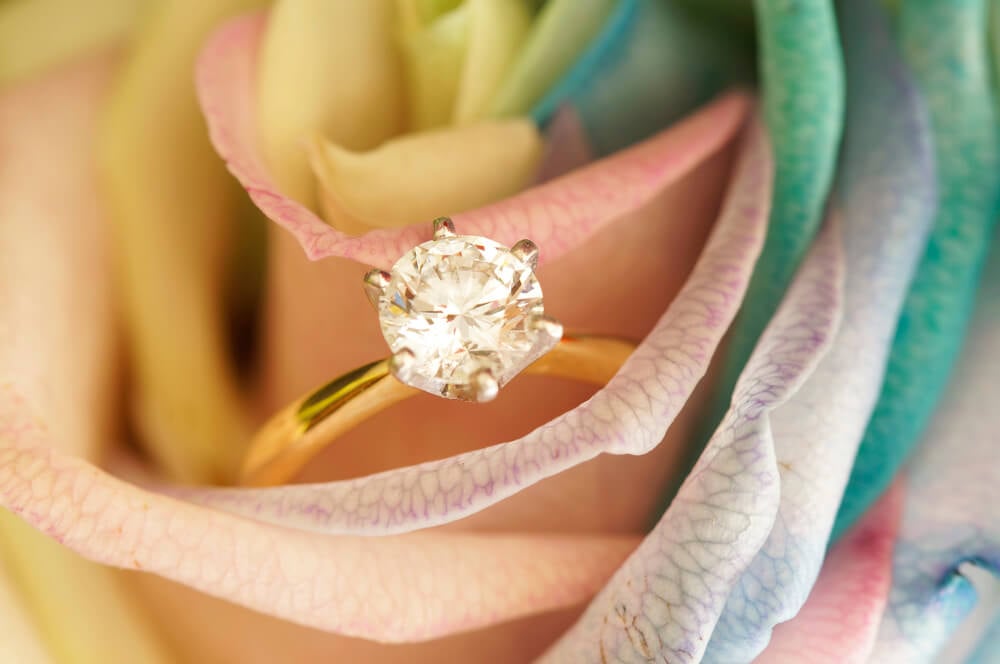
Some double rose cuts are known as Dutch rose cuts, and they tend to be very high, with two or even three rows of horizontal facets. The depth gives the stone a dome-like profile rather than a flat one.
A Dutch rose in an old setting looks heavy and architectural.
Old Mine Cut
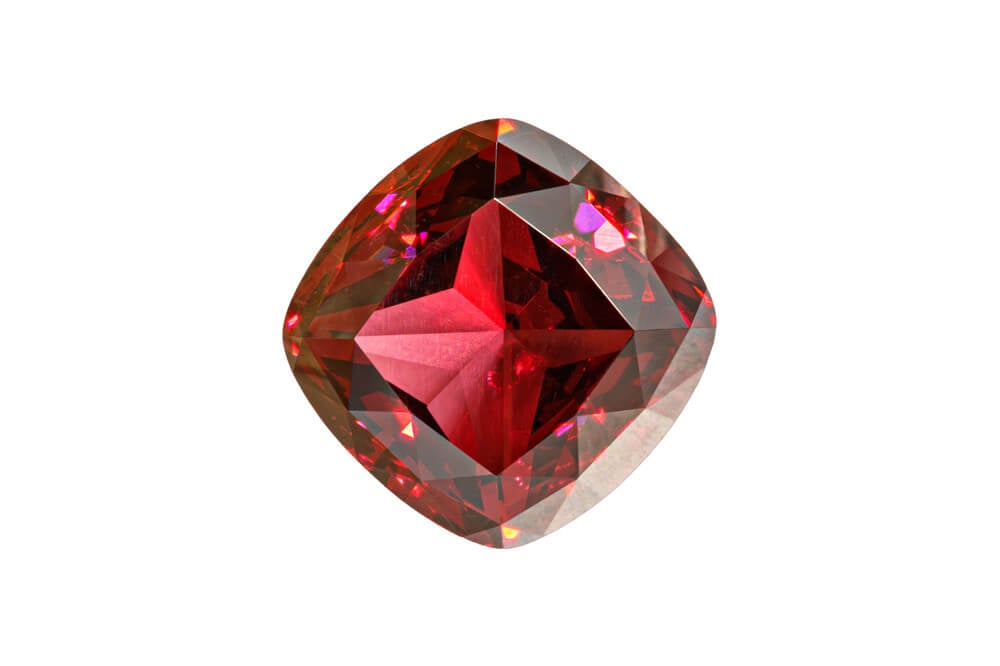
The old mine cut became popular during the early 18th century and has a cushion-shaped outline, a high crown, a small table, and large facets. The name once indicated that the diamond came from mines in Brazil or India.
Its soft sparkle was designed for candlelight, which is why it can look dim under modern showroom lighting.
Peruzzi Cut
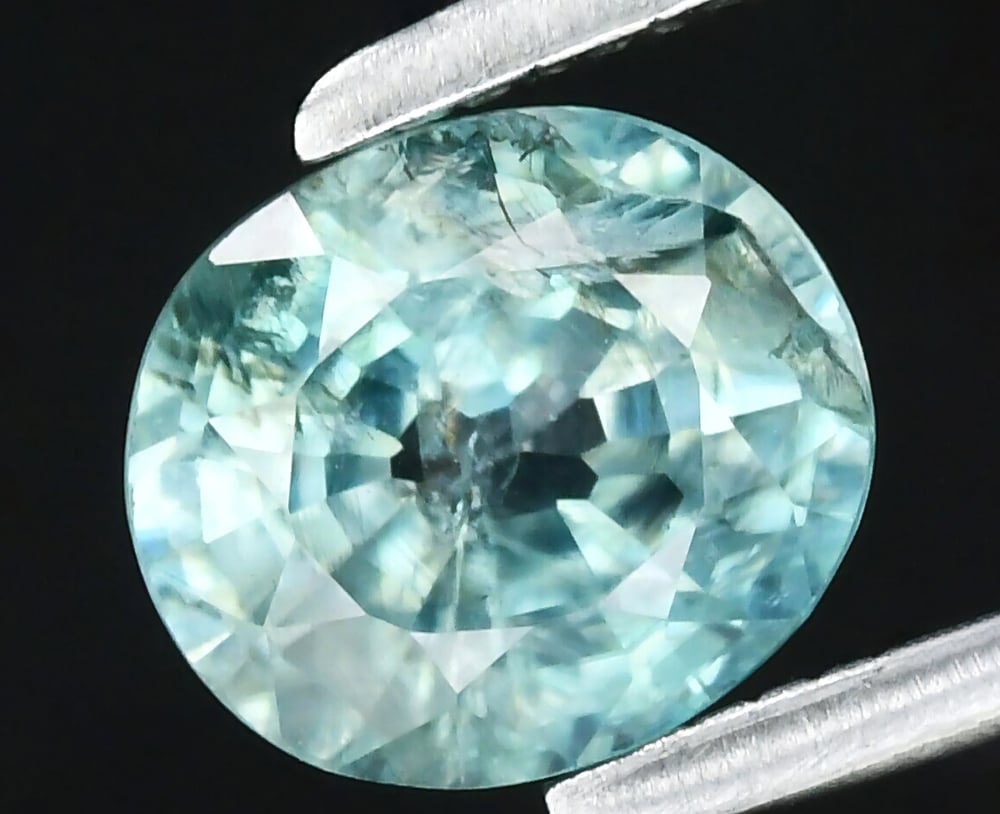
The Peruzzi cut is attributed to Vincenzo Peruzzi of Venice in the 17th century and is regarded as an idealized version of the old mine cut. Commonly cited descriptions credit it with about 33 facets.
True Peruzzi stones with sharp corners and precise symmetry are very rare.
Old European Cut
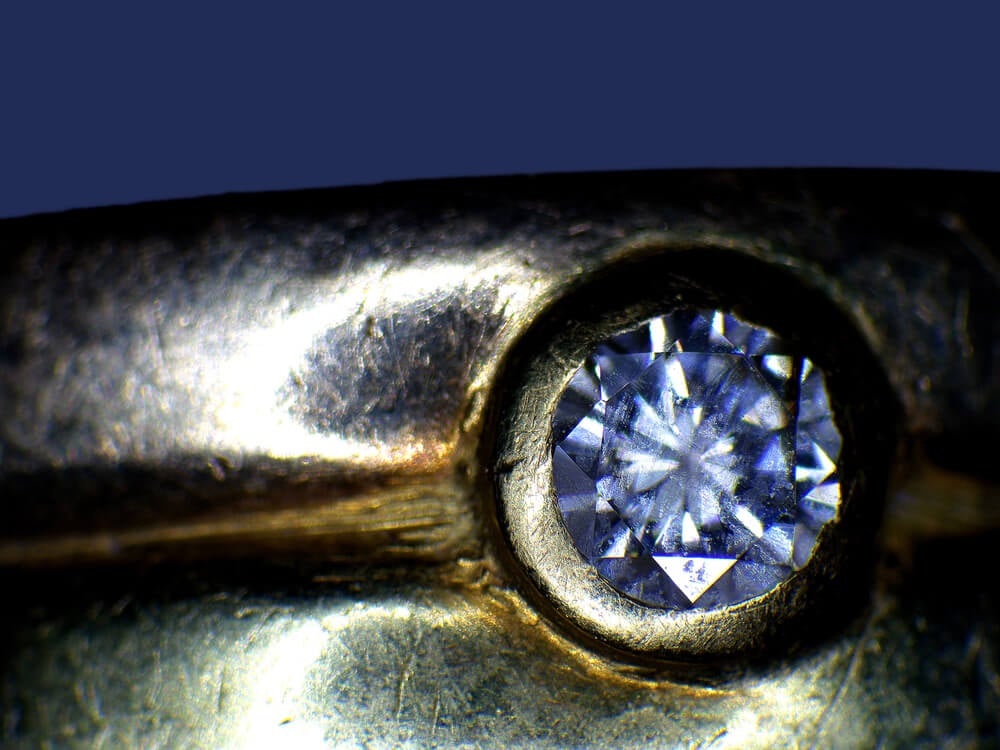
The old European cut evolved from the old mine cut in the 1870s, helped by a steam-driven bruting machine invented in 1874 that could shape a diamond’s outline into a circle. Compared with the old mine cut, it has a round girdle and a smaller culet.
That round outline is the quickest way to tell the two apart.
Antique Cushion Cut
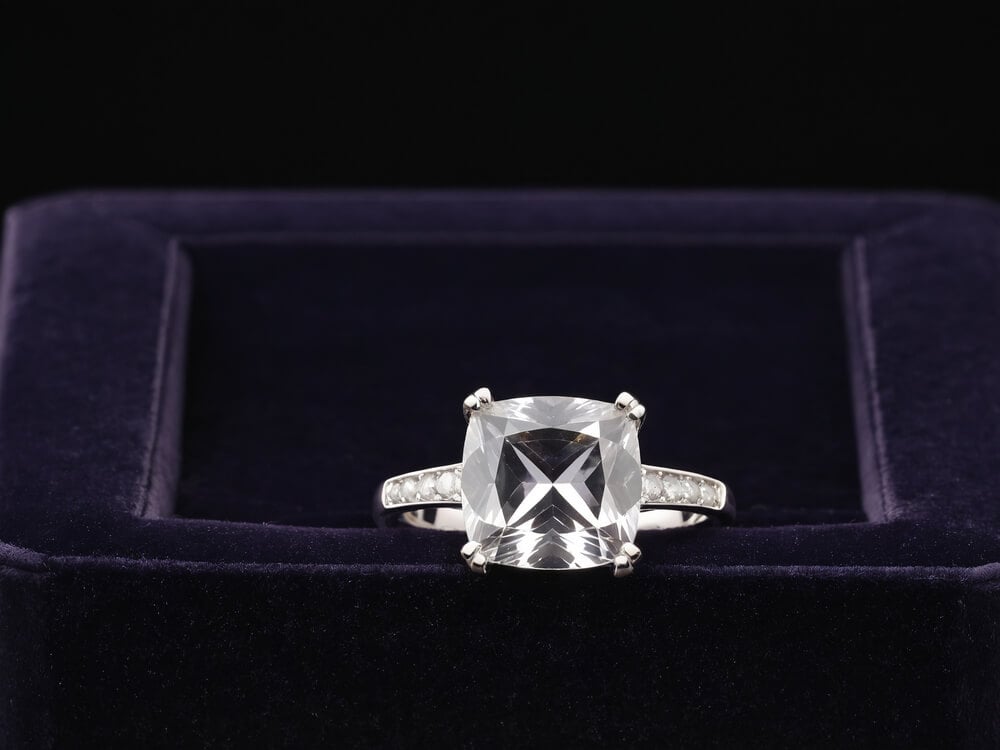
The antique cushion cut is an evolution of the old mine cut and the ancestor of today’s modern cushion. It has a square shape with softened corners, like a pillow.
The facets are broad and the sparkle is gentle, so the stone looks warm rather than icy.
French Cut
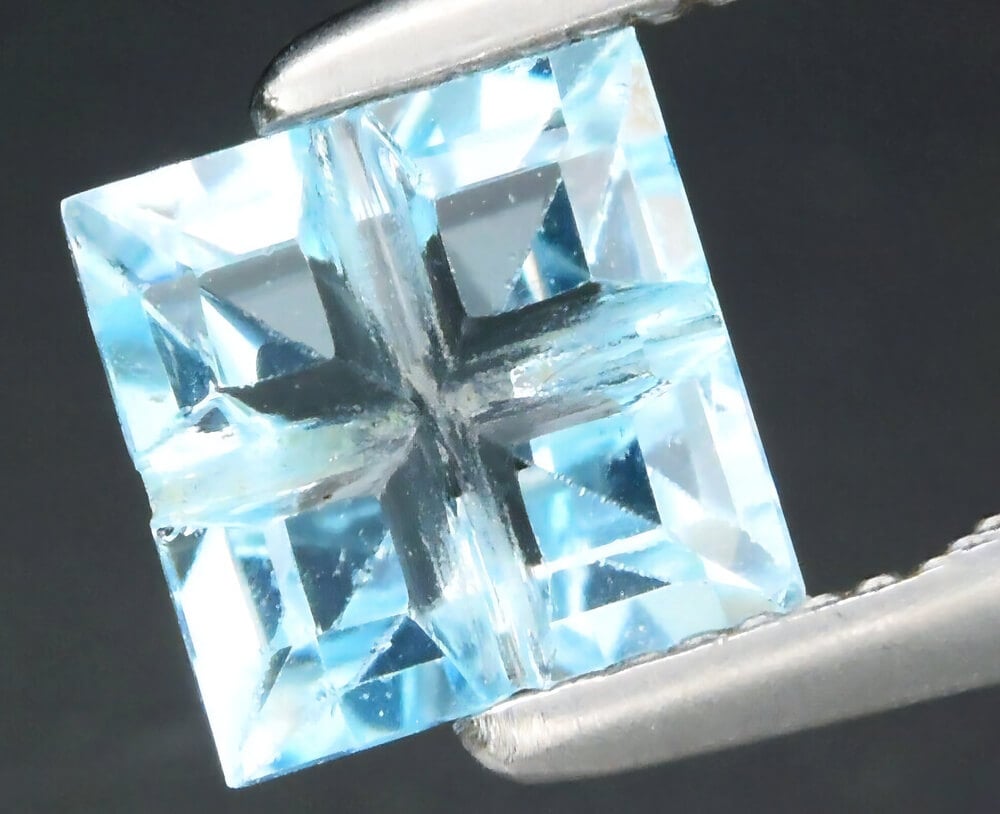
The French cut is a progression from the table cut, which makes it one of the older diamond cuts to turn up in estate jewelry. The facet pattern is simple and geometric.
A stone like this belongs to a different era from modern brilliants and is best judged on its own terms.
Pear Cut and Pendeloque
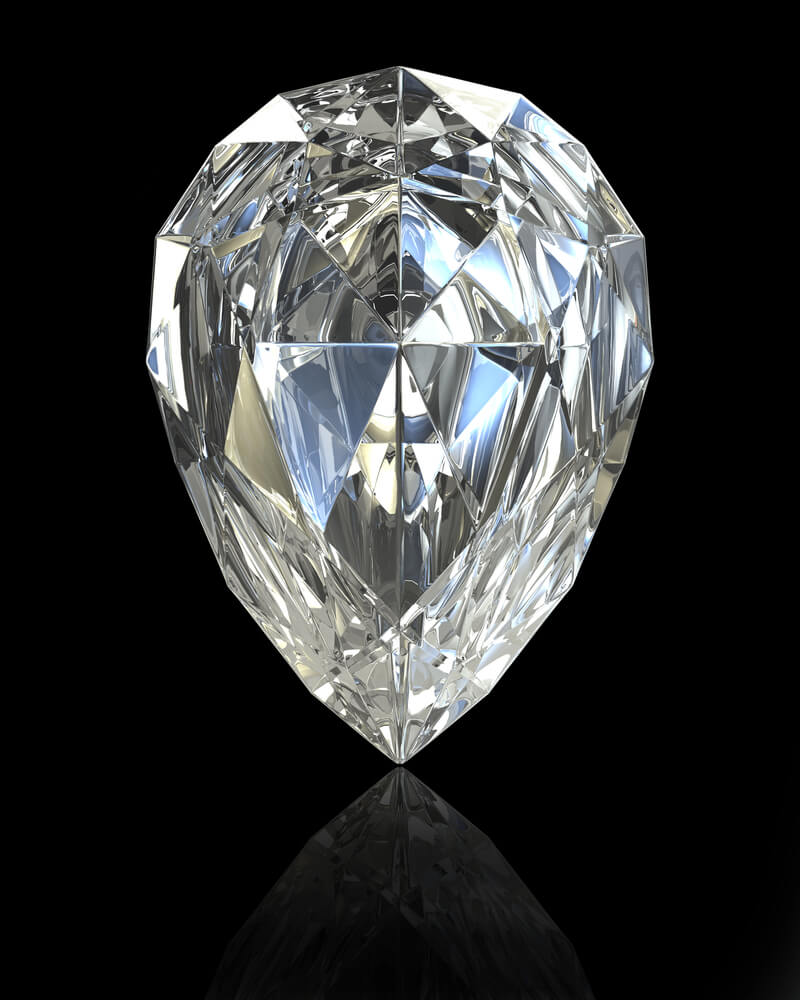
The pear cut is a teardrop with a rounded end and a single point, and the pendeloque is an older name for the same drop shape. It is common in earrings and pendants, where the point faces down.
A well-cut pear shows a symmetrical outline, while a lopsided one makes the entire piece look off.
Briolette
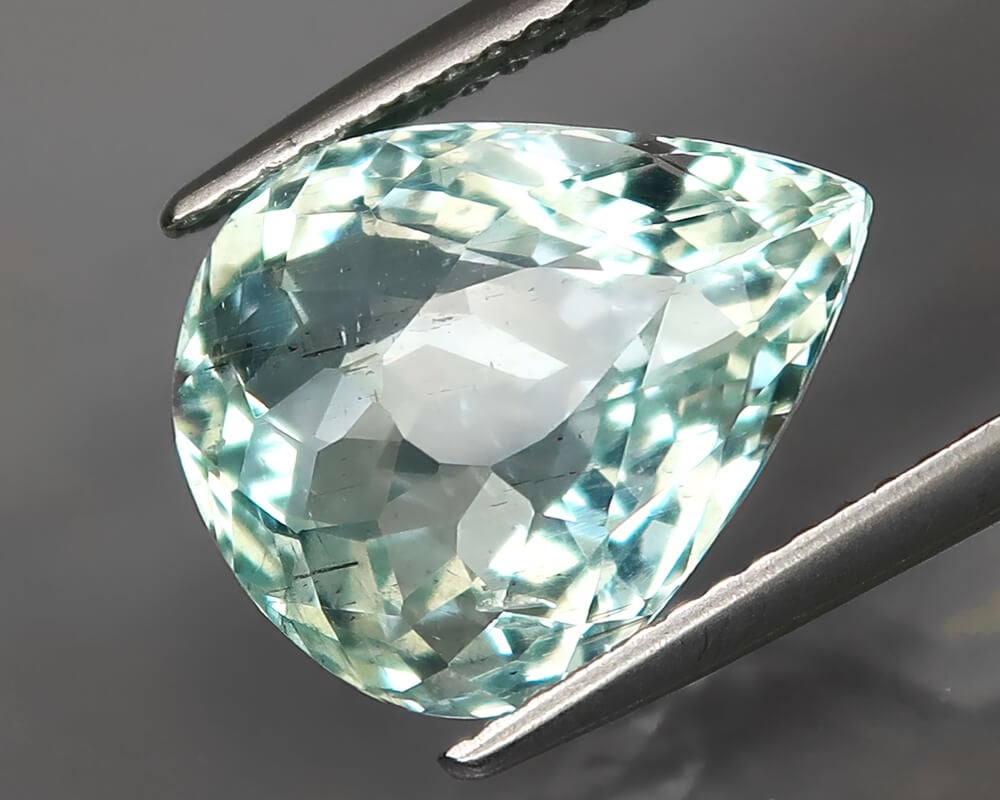
A briolette is a teardrop covered entirely in small triangular facets with no flat table, and it is usually drilled across the top so that it can hang. Because it has no table, light bounces around inside rather than passing straight through.
It is a favorite for dangling earrings and long necklaces.
Cabochon
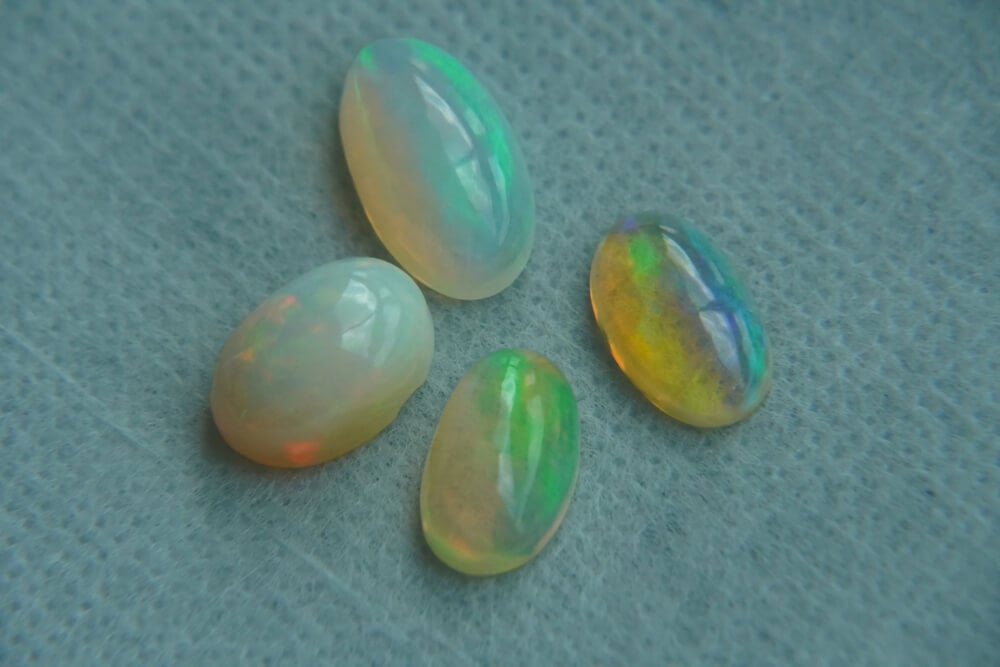
A cabochon has a smooth, polished dome and no facets at all. It is the cut of choice for opaque stones and for gems that show star or cat’s-eye effects, since those optical features only appear on a curved surface.
The word comes from an old French term for a head, which describes the rounded shape.
Mixed Cut
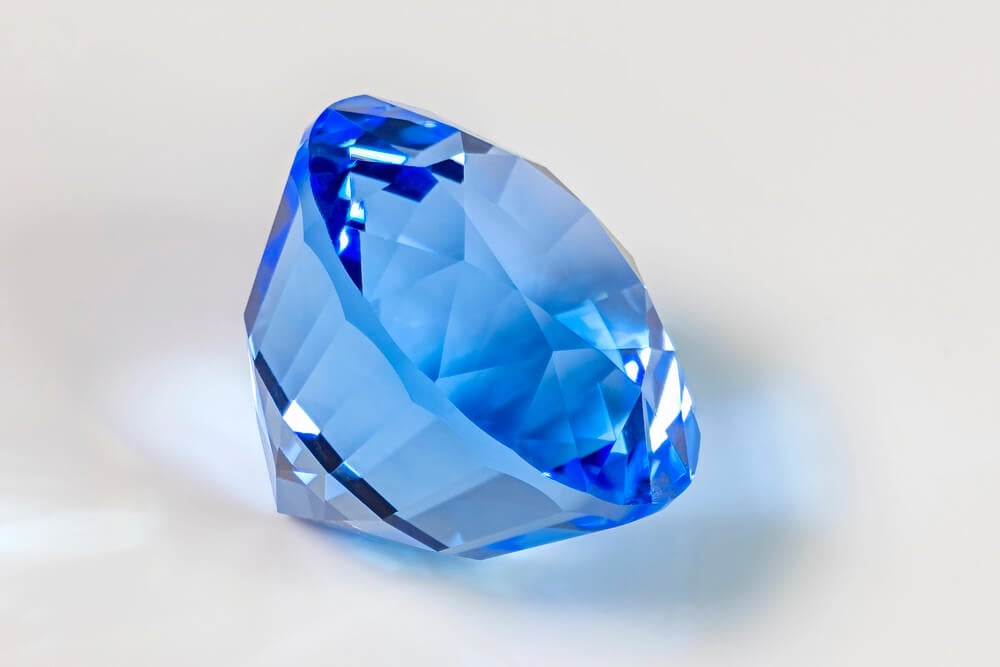
A mixed cut combines a brilliant-style crown with step-cut facets on the pavilion, and it is common for colored stones such as sapphires and rubies. The hybrid design is meant to balance sparkle with color depth.
It appears often in rings from the mid-twentieth century.
Asscher Cut
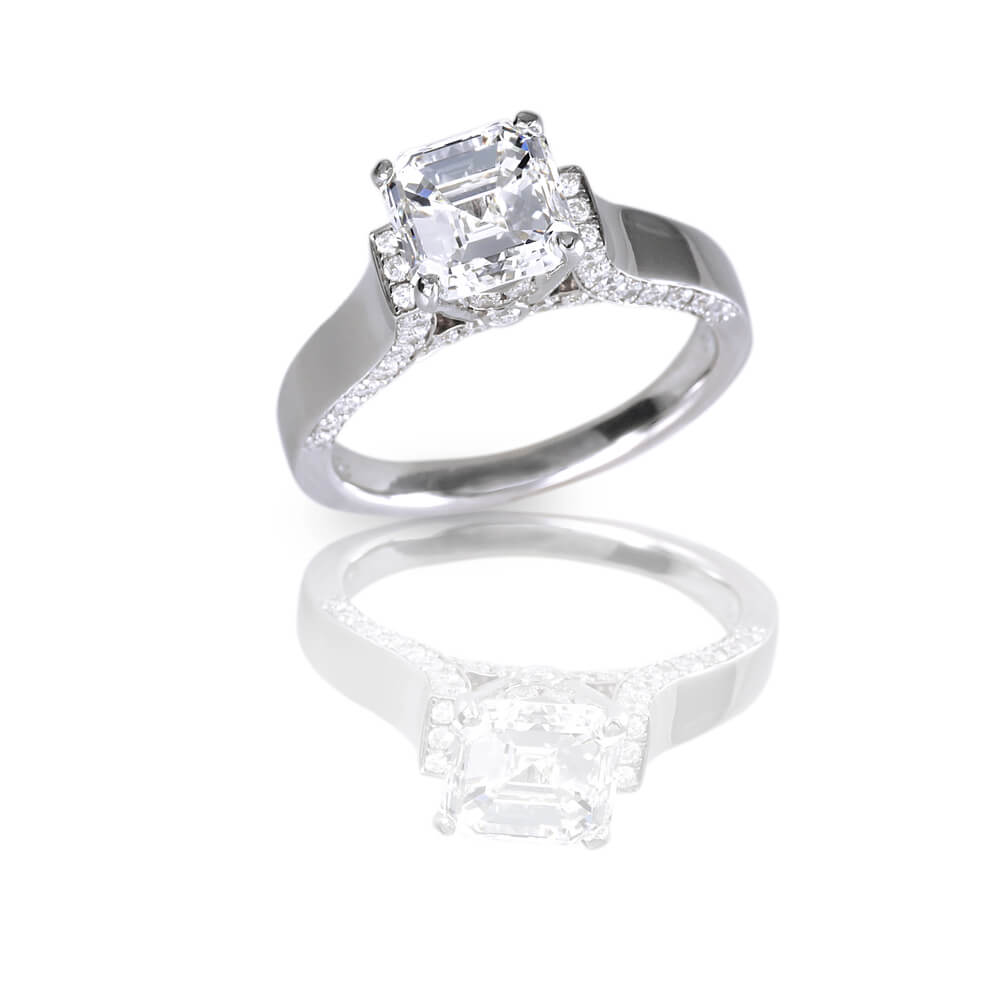
Joseph Asscher developed this cut in Amsterdam in 1902, and it is considered the world’s first patented diamond cut. His firm also cleaved the 3,106-carat Cullinan diamond in 1908.
The stone is a square step cut with deeply cropped corners that give it an almost octagonal outline and a hall-of-mirrors effect.
Emerald Cut
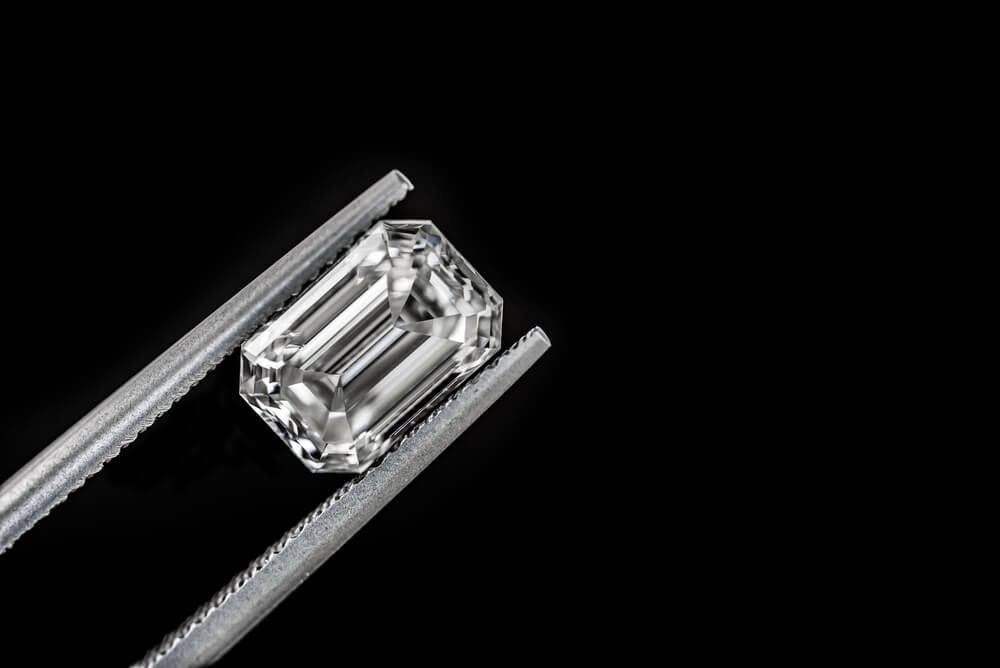
An emerald cut is a rectangular step cut with long, parallel facets and truncated corners. Because the facets are flat, it shows inclusions more easily than brilliant cuts do, so clarity matters.
It appears in Art Deco rings and still looks modern.
Baguette
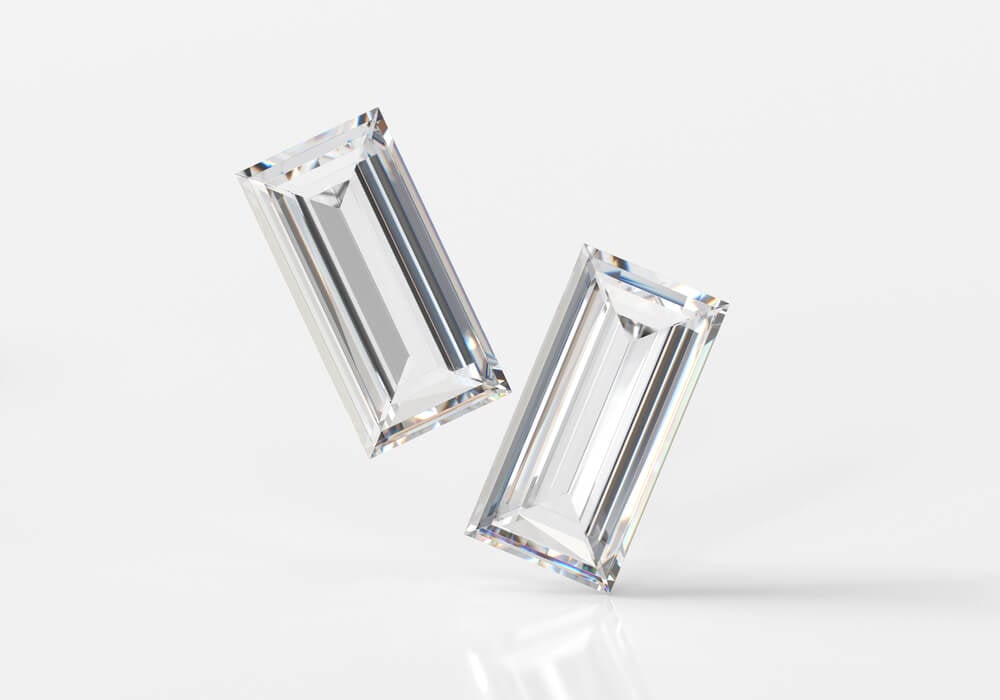
A baguette is a small, narrow rectangular step cut, and the name comes from the French word for a long loaf of bread. Jewelers set them as side stones or lined them up in bands, which gave Art Deco rings their geometric look.
Several chipped baguettes can lower a ring’s value significantly.
Marquise
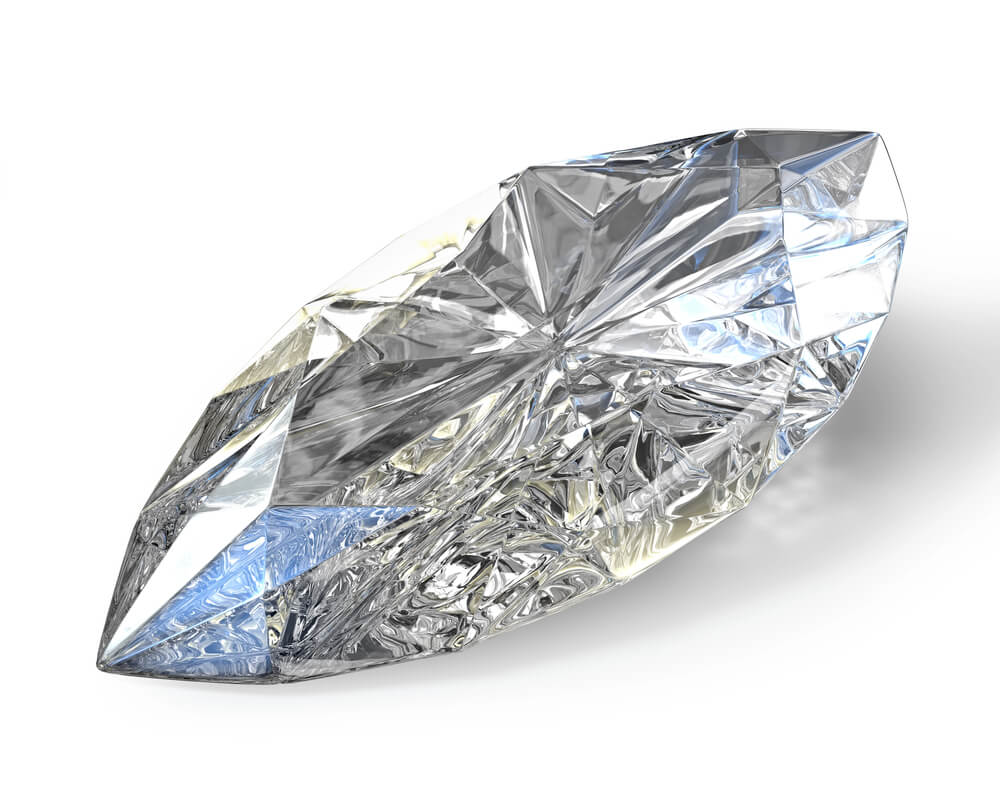
The marquise is a long, pointed oval with two sharp ends, sometimes called a navette, which means little boat. It makes a finger look longer, which explains its popularity in rings.
The points are vulnerable, so check them for chips.
Oval Cut
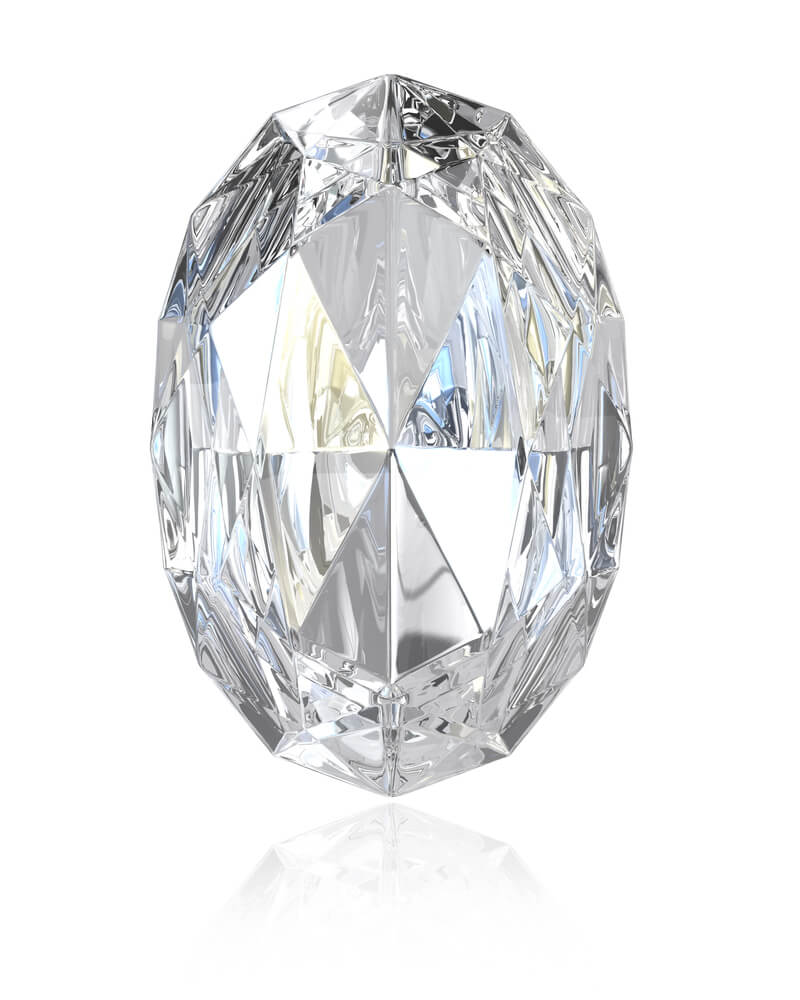
An oval cut is an elongated version of the round brilliant, and many examples show a dark band across the center known as a bow-tie. A shallow bow-tie is typical, but a heavy one reduces the sparkle.
The shape flatters long fingers and also fits neatly into a halo setting.
Heart Cut
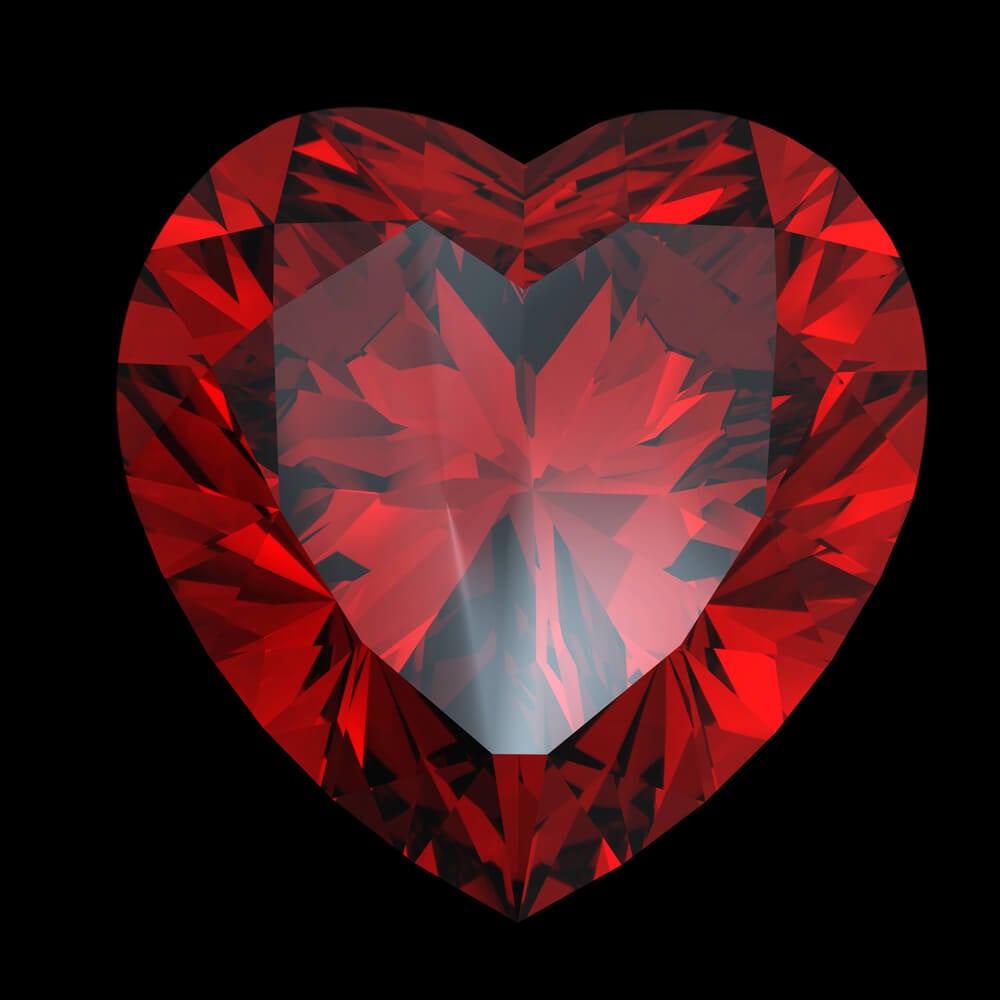
A heart-shaped stone has a cleft where the two lobes meet, and cutting it symmetrically is among the hardest challenges in gem cutting. Victorian jewelry treated the heart as a signature motif, so heart-shaped stones appear in period rings and lockets.
A lopsided heart is easy to spot.
Trillion Cut
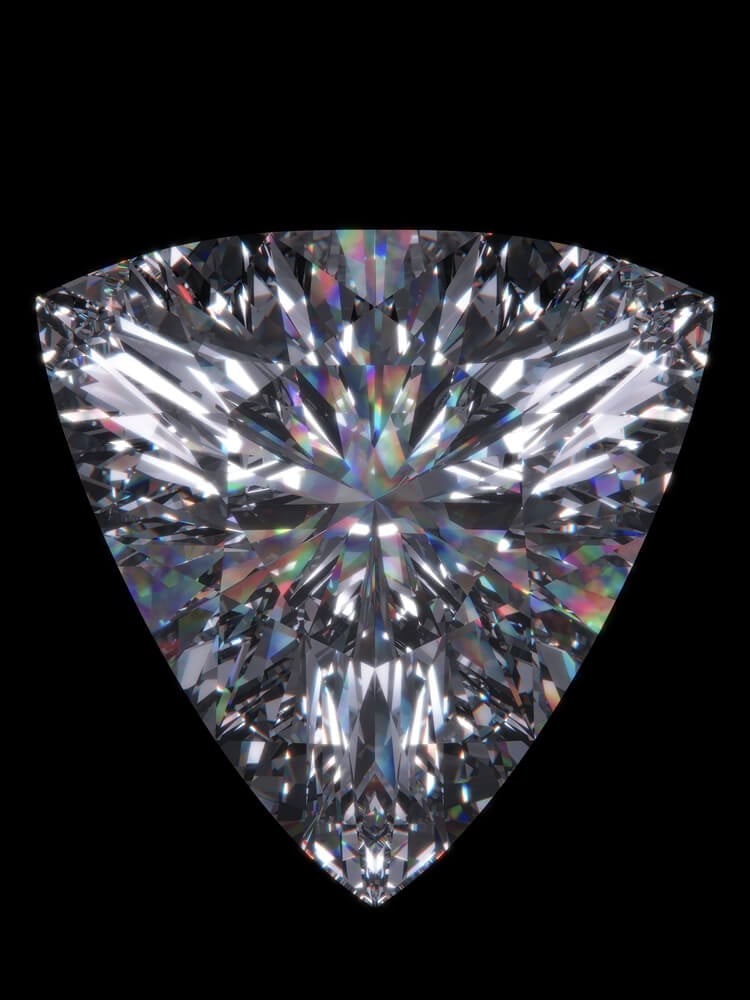
A trillion is a triangular cut with brilliant-style facets, often used as side stones flanking a larger center gem. The three points are exposed, which makes them prone to chipping.
A matched pair on either side of a diamond is a typical sign of a 1970s ring.
Radiant Cut
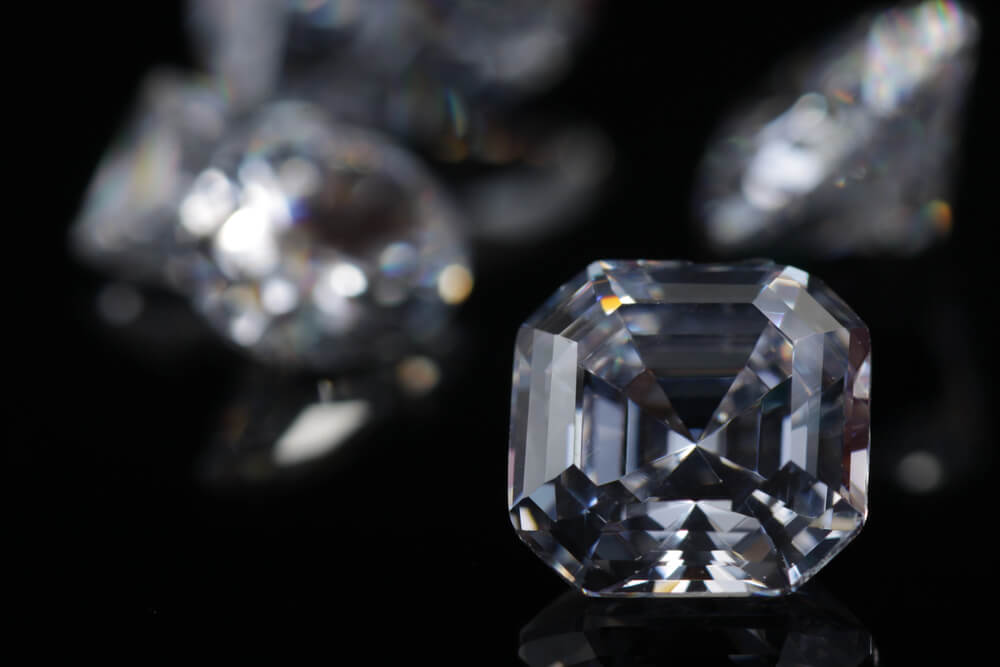
Henry Grossbard introduced the radiant cut in 1977, aiming to combine the shape of an emerald cut with the sparkle of a round brilliant. It has truncated corners and 62 to 70 facets, and the name is patented.
It resists chipping better than a pointed cut.
Princess Cut
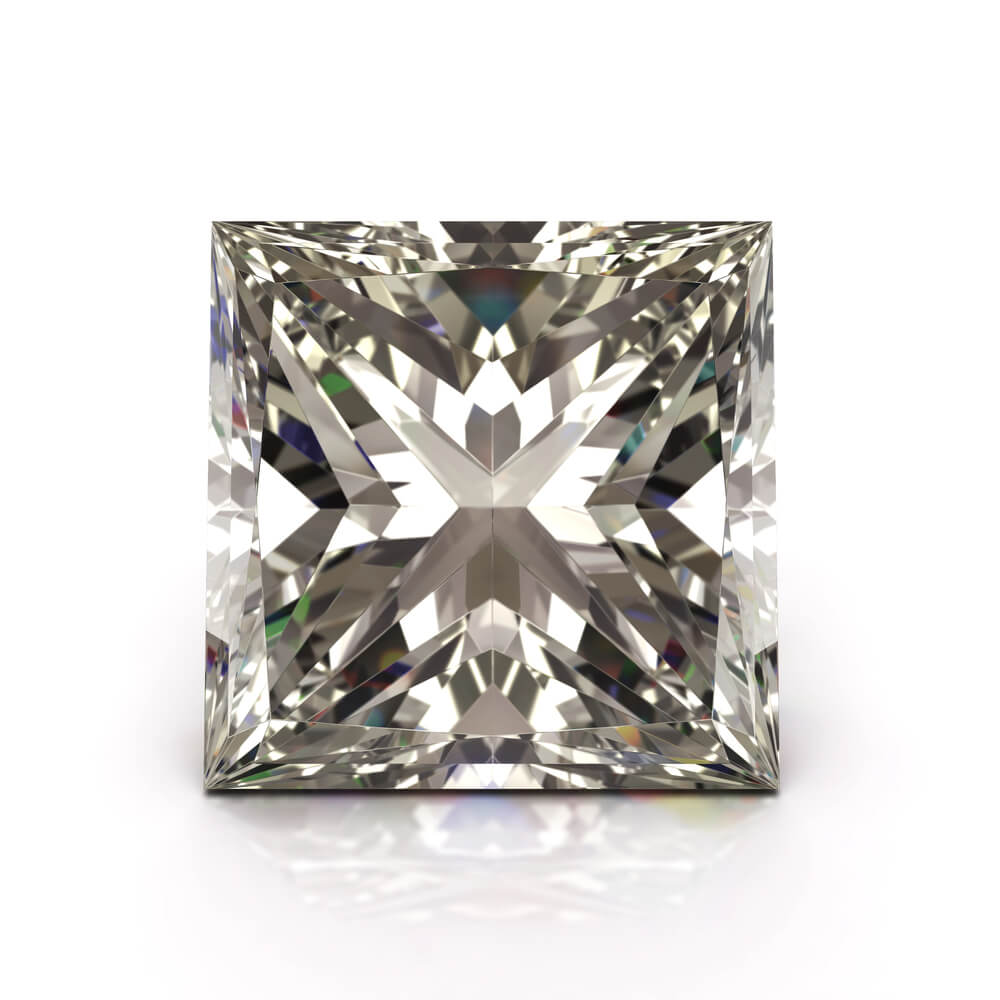
The princess cut is a square brilliant with pointed corners and is always square, unlike the radiant, whose corners are trimmed. By most estimates it is the most popular fancy cut today.
Its sharp corners need protection from prongs.
Round Brilliant
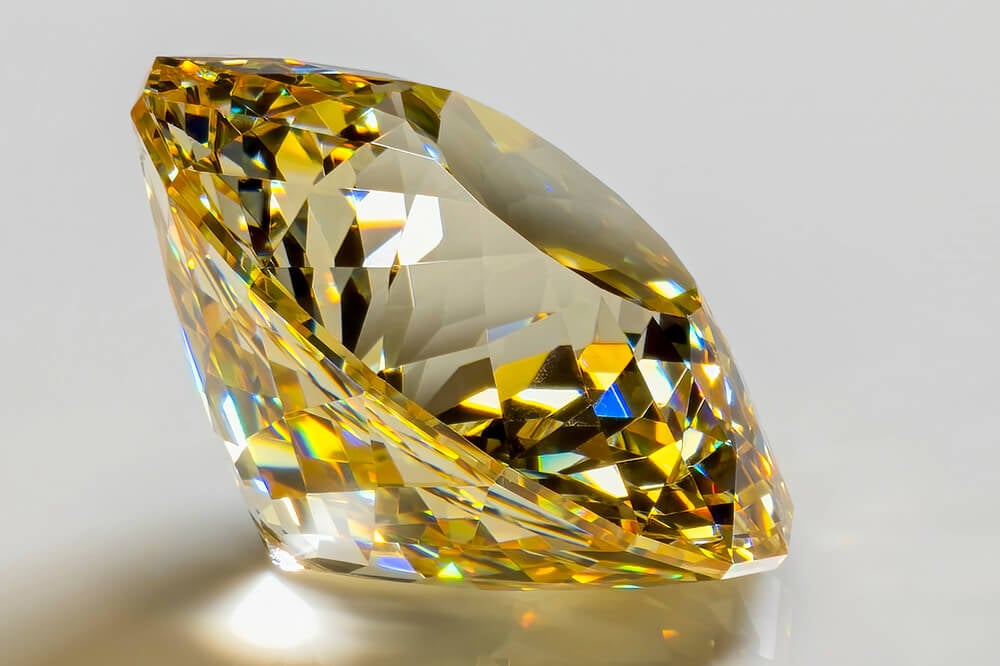
The modern round brilliant has 57 facets, or 58 if a culet is included, and is the standard against which other cuts are compared. Estate pieces often include brilliants of different proportions, since cutting standards evolved over the decades.
A stone with a very large table usually points to a later era.
Calibré Cut
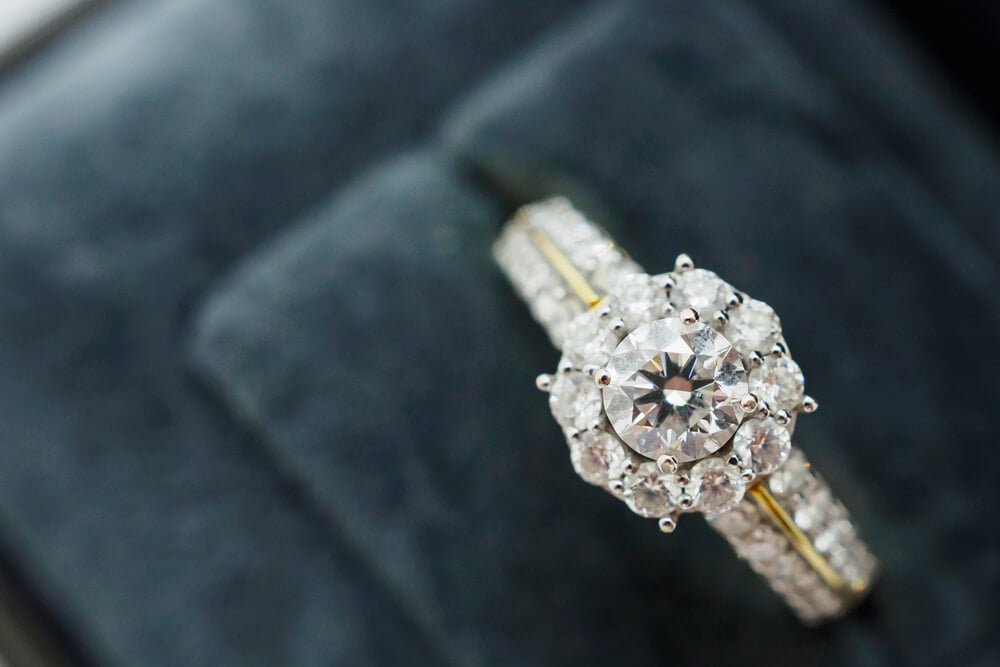
Calibré cuts are small stones shaped to precise sizes so that they fit tightly into a channel or a custom pattern. The technique was central to Art Deco jewelry, where bands of colored stones formed geometric designs.
Each stone had to match its neighbors, and a single replacement can look noticeably different.
Cameo
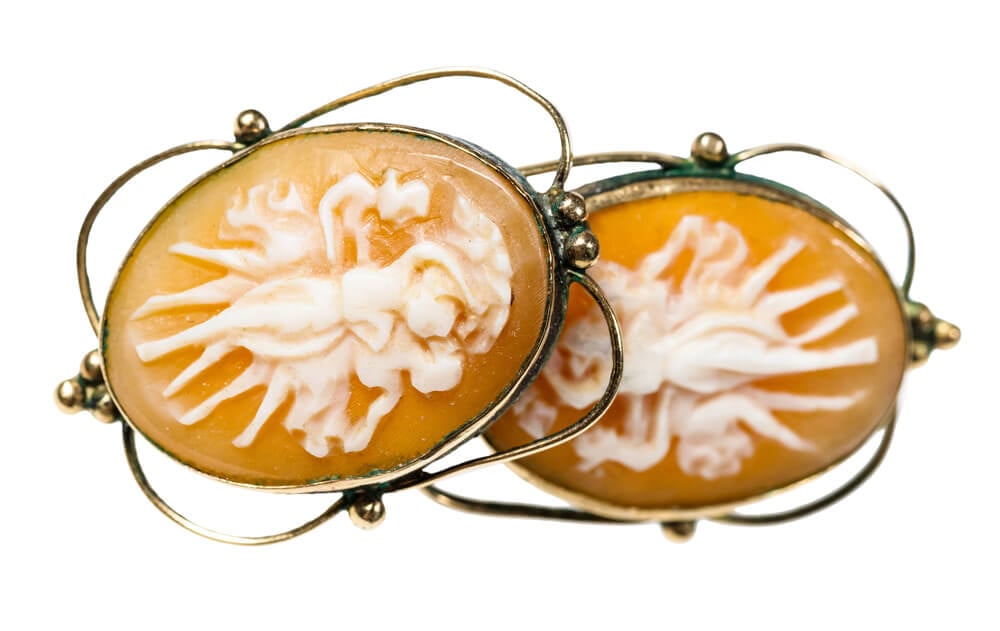
A cameo is carved from layered material such as shell or stone, so the raised figure stands out in a contrasting color. Portraits of women in profile are the most common subject.
Cracks and thinning along the edges lower the value more than surface wear.
Intaglio
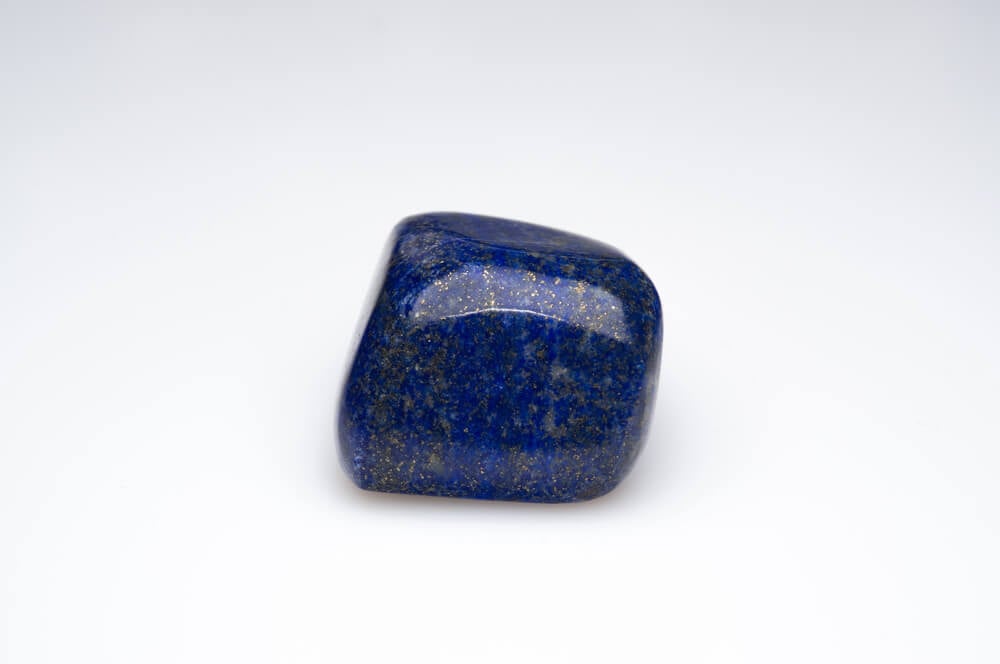
An intaglio is the reverse of a cameo, carved into the surface of the stone instead of raised from it. Signet rings used them so that the design would press into wax as a seal.
The cut is easy to overlook until a light shines across the surface at an angle.
Rondelle
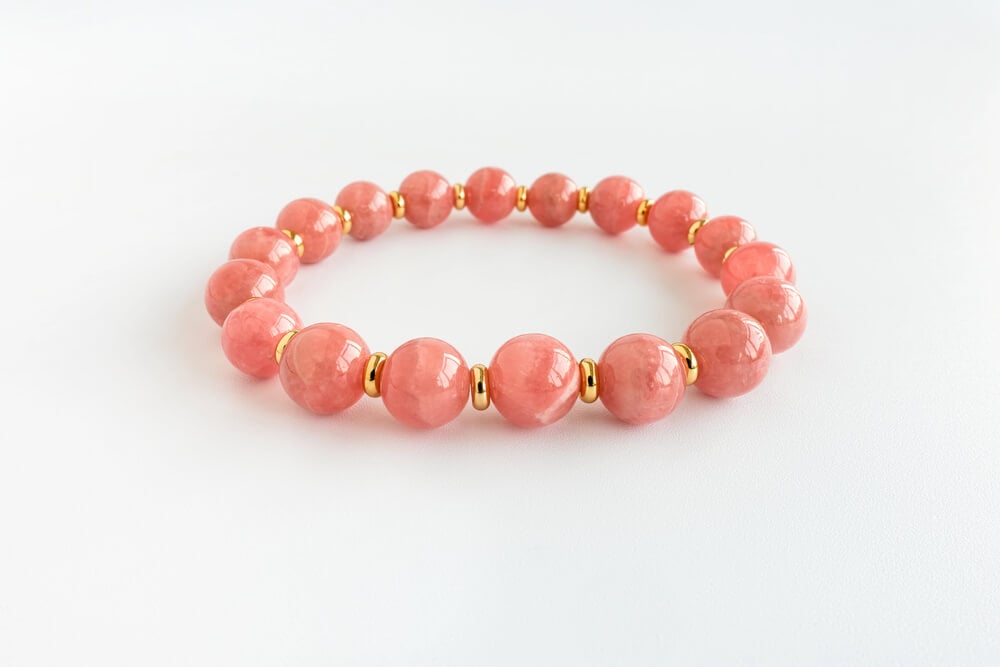
A rondelle is a flattened, ring-shaped bead, often faceted, that sits between larger stones in a necklace. It adds sparkle without adding bulk.
Rondelles in a vintage strand should be even in size and free of chips.
Reading a Stone Like a Date Stamp
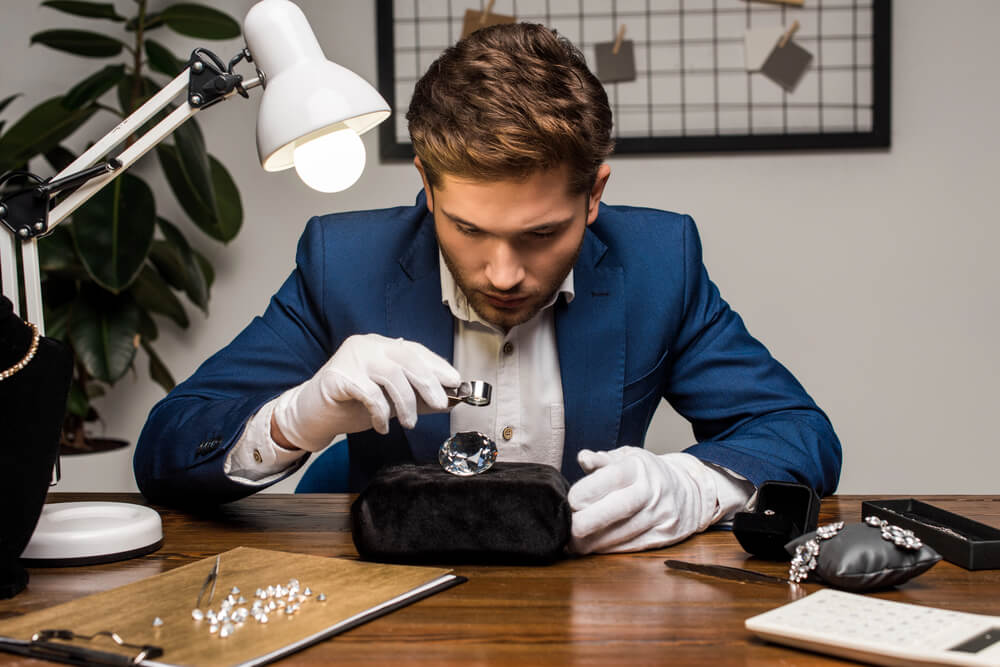
Each cut in this list reflects a technology and a taste. A table cut speaks of hand cleaving, an old European cut of a bruting machine, and a radiant cut of a late twentieth century patent.
Learning to recognize them is the fastest way to date an estate piece, even without a hallmark. The facets are a record that a setting cannot hide.
More from Go2Tutors!

- 27 Silver Dollars and Half Dollars Worth Keeping
- 28 Restaurant Menu Items Nobody Orders Anymore
- 17 Places Built in Seemingly Impossible Spots
- 27 Vintage Rings Worth More Than They Look
- 25 Restricted Sites Tourists Can’t Enter
Like Go2Tutors’s content? Follow us on MSN.