18 Great Athletes Who Retired More Than Once
A few players hang up their shoes for good, done without drama. Yet some fold their jerseys into bags, speak softly at microphones with red eyes, only to reappear where it all started – months gone, faces unchanged.
That itch to race, to fight under lights – it makes no sense unless you’ve lived it. For these ones, though, the game keeps calling, quiet but firm, pulling back every time they try to leave.
Picture this: 18 top athletes, each stepping away from their sport only to circle back again. Staying retired turned out tougher than they thought.
Some left once, then twice, still couldn’t stay gone. The quiet life? It didn’t hold them long.
Not every comeback made headlines. But the pattern stayed clear.
Bodies may slow, yet minds kept revving. Retirement felt like closing a door that wouldn’t latch.
Each tried walking away on their terms. Yet something always pulled them back into motion.
Michael Jordan

Peak performance behind him, Michael Jordan stepped away from the NBA in October 1993, saying he no longer felt driven following his father’s death. Back on court by March 1995, he jumped into play and later guided the Chicago Bulls to another trio of titles.
A second farewell arrived in January 1999, though not the last – by 2001 he was suiting up for the Washington Wizards. His final exit unfolded in 2003.
Three separate goodbyes from someone many see as the game’s best ever? Sounds unreal. Yet every word holds true.
Brett Favre
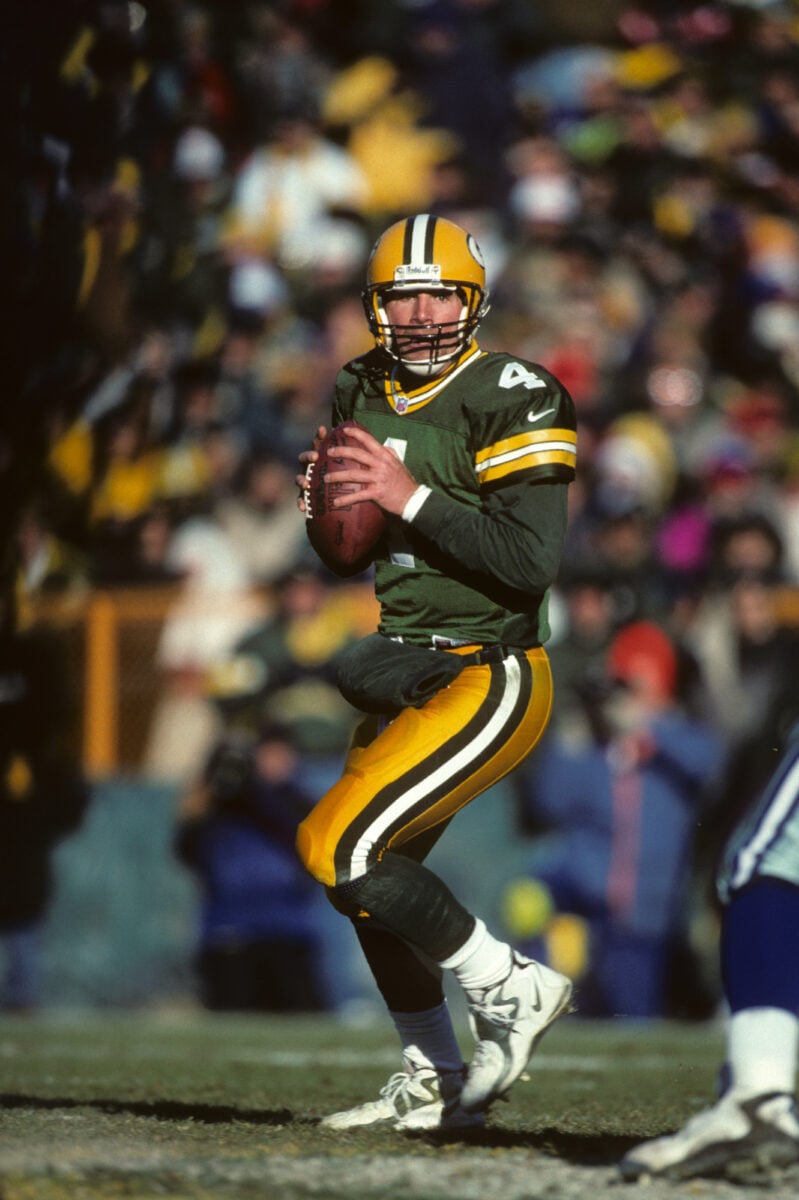
Retirement became a yearly ritual for Brett Favre near the end of his time in the NFL. In March 2008, he walked away following 16 years with the Green Bay Packers – only to return weeks later with the New York Jets.
That didn’t stick either; another farewell followed, then another surprise comeback, this one wearing Minnesota Vikings colors. His second run up north even reached the NFC Championship Game in 2010, giving his indecision a thin coat of meaning.
After that chapter closed, he stepped out for good once the 2010 season ended, leaving behind a story full of awe and fatigue in equal measure.
Roger Federer

Federer played with quiet brilliance for years, delighting crowds until he closed the chapter in September 2022 at the Laver Cup. It wasn’t fading passion but stubborn injuries that shifted his exit date again and again.
Knee operations pulled him off court several times, yet back he came – each return capped with another major title. By the time goodbyes arrived, they settled like calm dusk, fitting somehow for someone who never chased noise.
Lance Armstrong

After winning seven straight Tour de France races, Lance Armstrong stepped away from pro cycling in 2005. He came back in 2009, landing on the third step of the podium at that year’s Tour.
Racing continued through 2011, though eyes stayed fixed on him more than before. What followed wasn’t just a return – it stirred questions, doubts, growing skepticism.
Years later, when doping truths emerged, everything shifted. A legacy once seen as triumphant now tangled in debate.
More layers got stitched into a tale already hard to follow. Not so much redemption as reopening old seams.
Sugar Ray Leonard

A flash of brilliance in the ring, Sugar Ray Leonard danced between fame and farewell like few others. After beating Wilfred Benítez in 1979, he walked away – only to reverse course months later.
Vision blurred by a torn retina, retirement followed once more, yet silence never held him long. Back he stepped into the spotlight, chasing rounds and rivals beyond reason.
When Terry Norris handed him defeat in 1991, another exit seemed certain. But time bent again; at forty, against Héctor Camacho, he laced up gloves one final stretch too far, falling short.
His journey whispers a truth often ignored: peak glory rarely lines up with wise endings.
Evander Holyfield

Fighting past forty, Evander Holyfield stepped away and came back so often it felt like counting waves. Officially done in 1994, yet boxing pulled him forward – championships claimed again despite slowing legs.
Age pressed hard, but desire pushed harder, carrying him beyond reason. At fifty-eight, under lights once more, he boxed in a match many hoped would stay unwritten.
What stands out isn’t just glory – it’s how he stayed on stage long after silence should have settled.
Martina Navratilova

When Martina Navratilova stepped away from singles tennis in 1994, she already held 18 Grand Slam singles trophies. By 2000, she was back – this time shifting her attention to doubles play.
Still sharp, still fast, she kept performing well past what most expect from athletes in their forties. Not driven by sentiment or fame, her return thrived on raw desire to compete.
Victory followed her comeback; major doubles titles landed in her hands once again. Few have ever walked away then returned with such purpose – she proved some fires never fully fade.
Manny Pacquiao

Manny Pacquiao has retired from boxing at least three times, and each announcement seemed sincere until the next fight got announced. He declared retirement after losing to Juan Manuel Márquez in 2012, came back to fight Floyd Mayweather Jr. in 2015, retired again, then returned to win the WBA welterweight title in 2019.
He entered the Philippines presidential race in 2021 and seemed to have truly moved on, but then came back to fight in 2021 before an actual retirement that most people are still watching carefully. Pacquiao’s story shows that when fighting is all you have known since childhood, walking away is genuinely hard.
Kim Clijsters
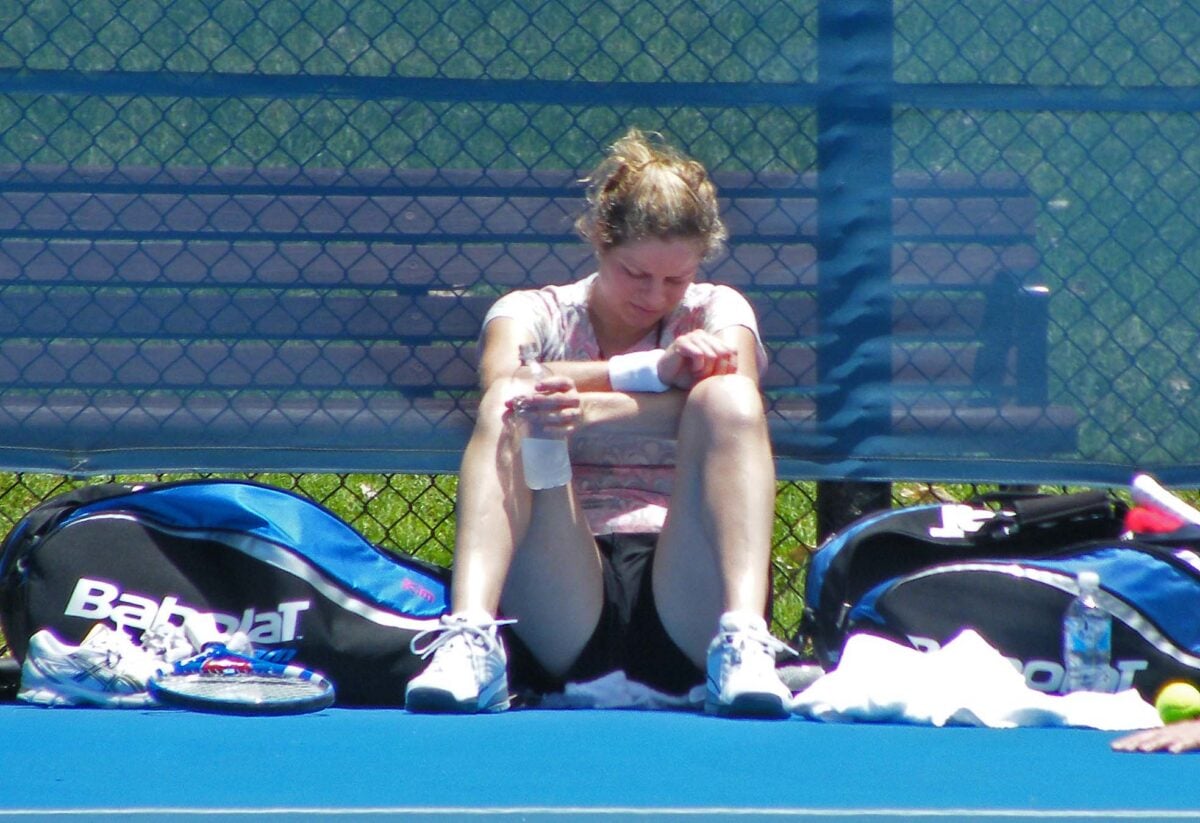
Kim Clijsters is one of the few athletes on this list who retired twice and looked good doing it both times. She first retired in 2007 at age 23 to start a family, returned in 2009 as an unseeded wildcard, and promptly won the U.S. Open.
She retired again in 2012 and then returned for a second comeback in 2020, this time in her late 30s. Her first comeback in particular remains one of the most impressive things any athlete has ever done after stepping away from the sport.
Mario Lemieux

Mario Lemieux retired from professional hockey in 1997 due to injuries and health concerns, having already survived Hodgkin lymphoma during his playing career. He returned to the NHL in 2000 at age 35 and played until 2006, adding more points to a career that was already considered one of the greatest in the sport’s history.
Lemieux was also the owner of the Pittsburgh Penguins during his comeback, meaning he was literally his own boss on the ice. That particular arrangement has not been replicated since.
Bjorn Borg
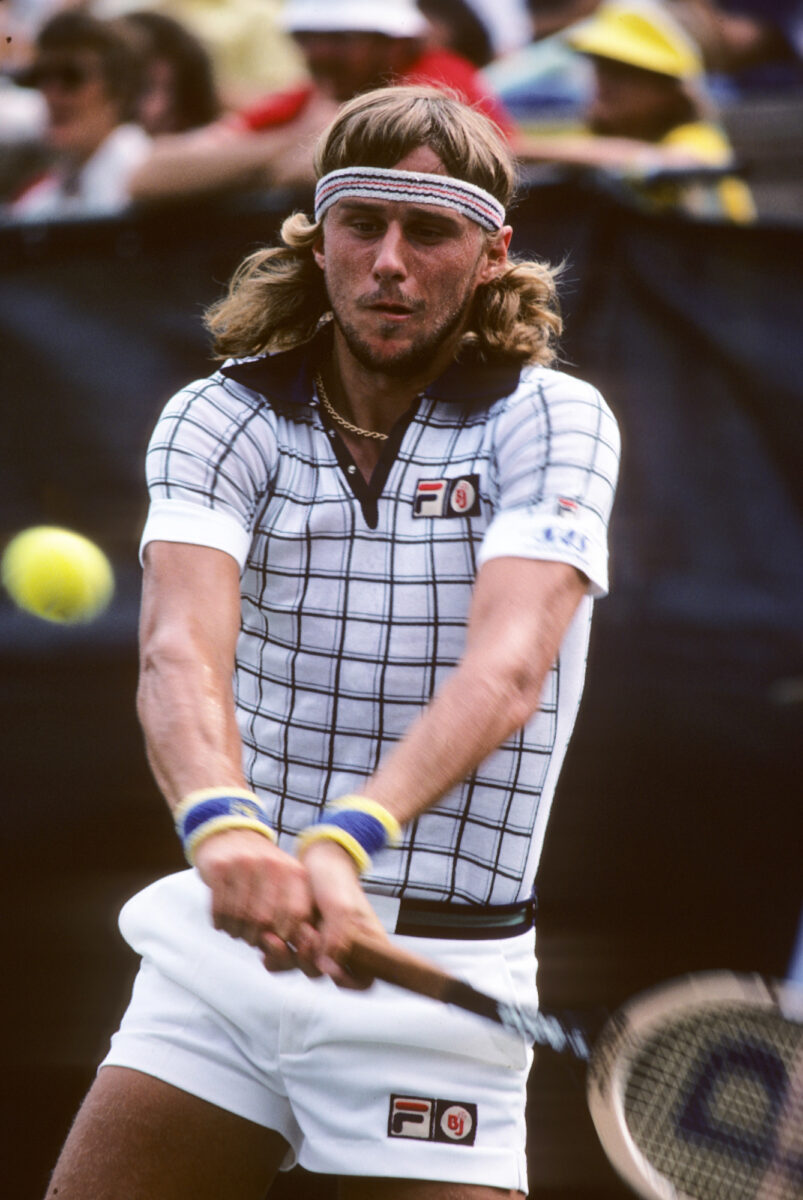
Bjorn Borg shocked the tennis world in 1983 when he retired at just 26 years old, walking away from the sport with five Wimbledon titles and six French Open crowns. He attempted a comeback in 1991 but played with a vintage wooden racket instead of the modern graphite equipment everyone else used, which went about as well as expected.
The comeback lasted only a handful of matches, and Borg lost all of them without winning a single set. It stands as one of sports history’s most puzzling re-entries.
Debi Thomas

Debi Thomas won a bronze medal in figure skating at the 1988 Winter Olympics and retired from competitive skating soon after. She returned to amateur competition years later, though her comeback did not produce results that matched her earlier success.
Thomas later pursued a medical career and her story took turns that had nothing to do with skating. Her case is a reminder that athletic comebacks do not always follow a simple narrative arc.
George Foreman

George Foreman retired from boxing in 1977 after losing to Jimmy Young, spent a decade as a preacher, and then made one of the most unlikely comebacks in sports history, returning to the ring in 1987 at age 38. He went on to win the IBF and WBA heavyweight titles in 1994 at age 45 by knocking out Michael Moorer, becoming the oldest heavyweight champion ever.
Foreman finally retired in 1997, and this time it stuck. His second career proved that athletic greatness does not always expire on the usual schedule.
Ricky Williams
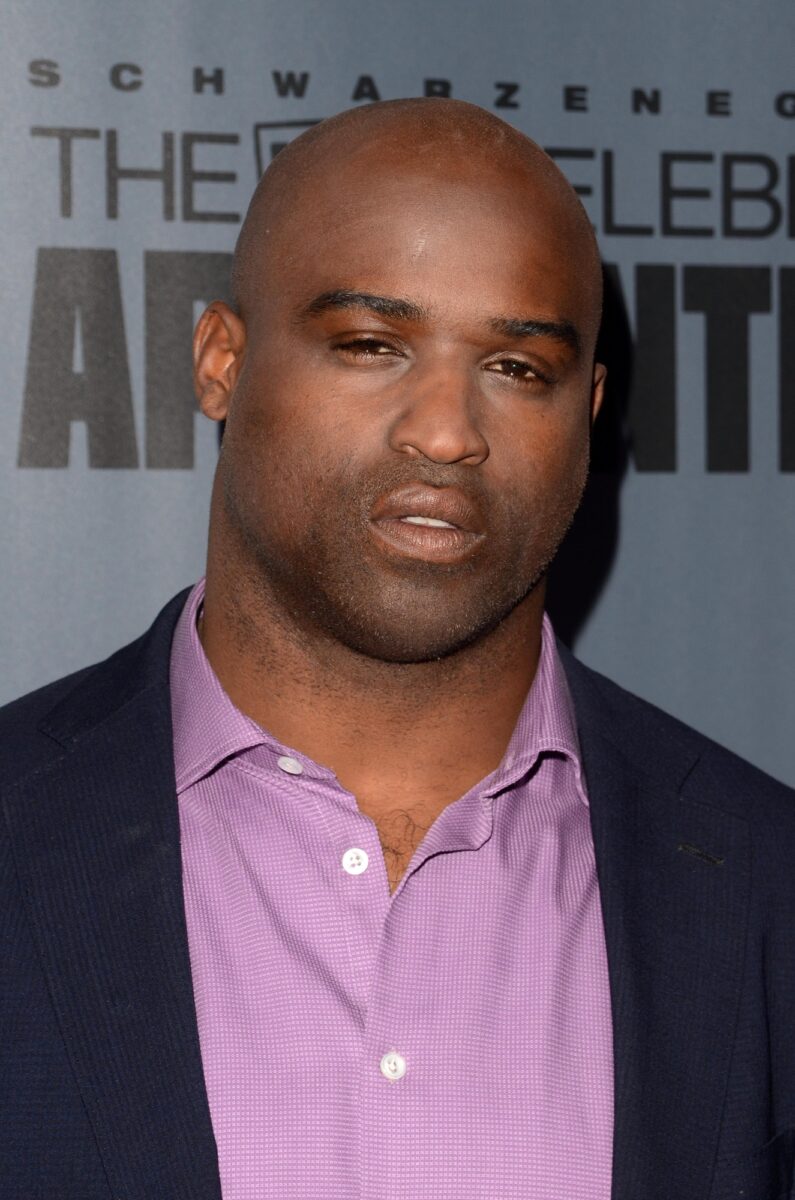
Ricky Williams was one of the NFL’s most dynamic running backs before he retired abruptly in 2004, shocking the Miami Dolphins mid-season to pursue other interests. He returned to professional football in 2005 with the Dolphins, stepped away again for a period to play in the Canadian Football League, and eventually returned to Miami for good until his final retirement in 2011.
Williams was candid about his mental health and personal motivations throughout, which was unusual for professional athletes at the time. His career was less a series of retirements and more a long conversation between a man and a sport he had complicated feelings about.
Oscar De La Hoya

Oscar De La Hoya retired from boxing in 2009 after a loss to Manny Pacquiao, moved into boxing promotion, and built one of the most successful promotional companies in the sport. He announced a return to the ring in 2020 and eventually fought in an exhibition bout in 2021 against Vitor Belfort, losing by technical knockout.
De La Hoya had been one of the most technically gifted fighters of his generation, which made the comeback difficult to watch for fans who remembered him at his best. His case illustrates how promoters, more than almost anyone else, struggle to fully separate from the thrill of competition.
Eric Dickerson

Eric Dickerson retired from the NFL in 1993 after a career in which he set the single-season rushing record with 2,105 yards in 1984, a record that still stands. He made a brief and largely quiet attempt to return to the league in 1994, working out for teams but not making a roster.
His comeback attempt barely registered compared to his original career, which is often how it goes when the legacy is already secure. Dickerson’s place in football history was never in doubt, but the itch to play again was clearly still there.
Niki Lauda

Niki Lauda retired from Formula One in 1979 at the end of a season with Ferrari, walked away cleanly, and went on to build his Lauda Air airline. He returned to F1 in 1982 with McLaren, driving at age 33 in a sport that tends to favour younger reflexes, and won his third World Championship in 1984.
He retired for the final time in 1985. Lauda’s comeback produced a world title, which puts him in a very short list of athletes who left, came back, and reached the absolute top again.
Michael Schumacher

Michael Schumacher retired from Formula One in 2006 after winning seven World Championships with Ferrari, a record that defined an era of the sport. He returned in 2010 with Mercedes at age 41, a time when most drivers his age had long since moved to commentary boxes or board meetings.
His three-season comeback produced no wins and mixed results, though his qualifying pace occasionally reminded everyone watching that the talent was still present. Schumacher’s original career is one of the greatest in motorsport history, and his return, while not triumphant, showed that the competitive fire takes a long time to cool.
When The Final Whistle Is Harder To Hear
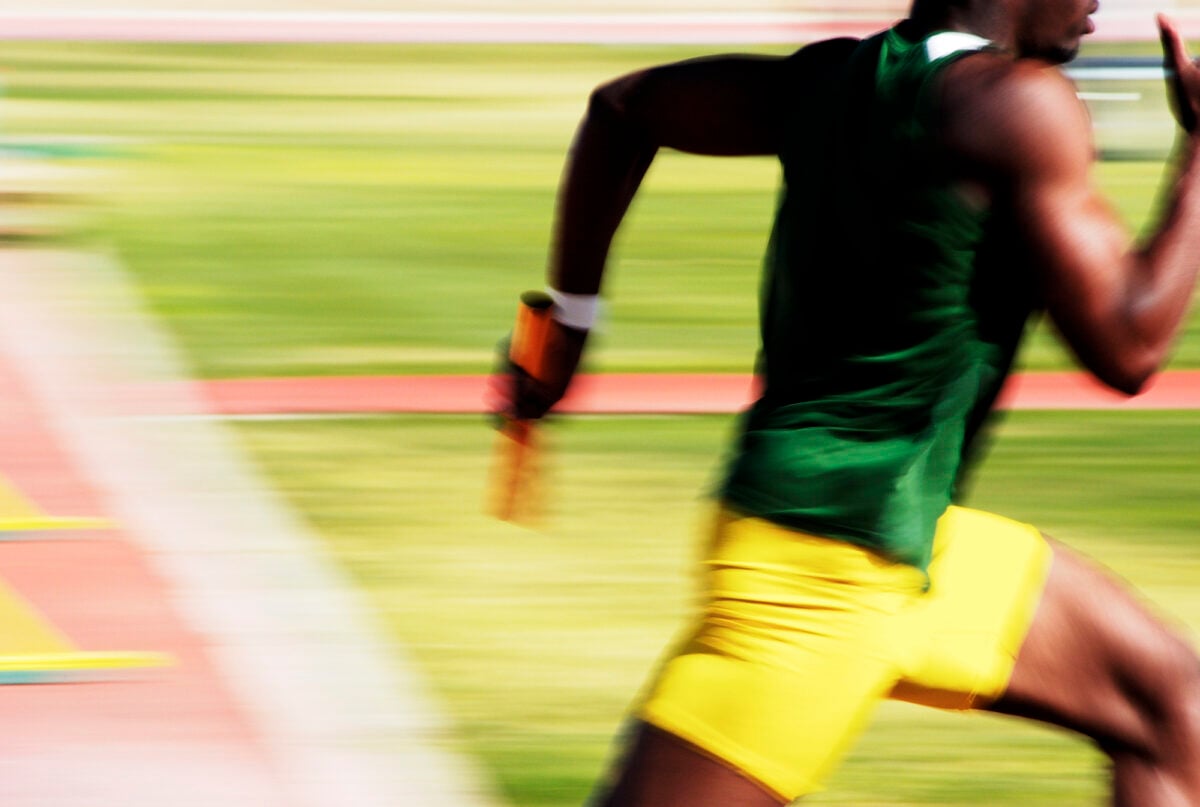
Great athletes retire more than once because the skills that make them great, the drive, the competitiveness, the refusal to accept defeat, are the exact same traits that drag them back to the arena. The sport is not just what they do.
It is, in many ways, who they are. Some comebacks produce titles, some produce losses, and some produce moments that loyal fans quietly wish they could un-watch.
But every single one of them tells the same honest story: walking away from something that has defined your entire life is genuinely one of the hardest things a person can do.
More from Go2Tutors!

- The Romanov Crown Jewels and Their Tragic Fate
- 13 Historical Mysteries That Science Still Can’t Solve
- Famous Hoaxes That Fooled the World for Years
- 15 Child Stars with Tragic Adult Lives
- 16 Famous Jewelry Pieces in History
Like Go2Tutors’s content? Follow us on MSN



