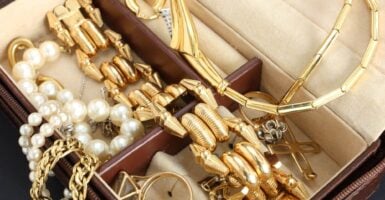
27 Gold and Pearl Necklaces Dealers Want
Jewelry boxes hold more money than most people realize, and much of it sits in tangled chains and pearl strands nobody has worn in years. Some pieces are worth their weight in gold and little more.
Others carry a maker’s name, a historic technique or a rare pearl type that pushes the price far higher. Dealers know the difference at a glance, which is exactly why it pays for owners to learn it too.
The necklaces below are the ones that make buyers lean in for a closer look.
Mikimoto Akoya Pearl Strands
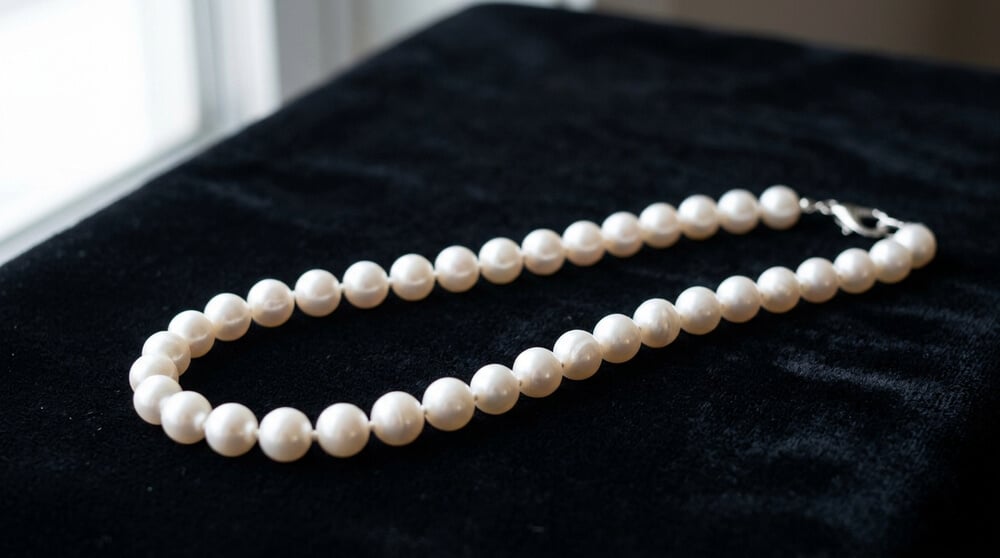
Kokichi Mikimoto produced his first cultured pearls in Japan in 1893, and the company bearing his name became the best-known pearl brand in the world. Genuine Mikimoto strands use Akoya pearls with a sharp, mirror-like luster and usually close with a gold clasp stamped with the company’s mark.
Dealers check that the clasp matches the strand, since swapped clasps on lesser pearls are a known trick. Resale prices often run from several hundred dollars to several thousand, depending on pearl size, luster and whether the strand needs restringing.
Original boxes and paperwork add confidence for buyers.
South Sea Pearl Necklaces
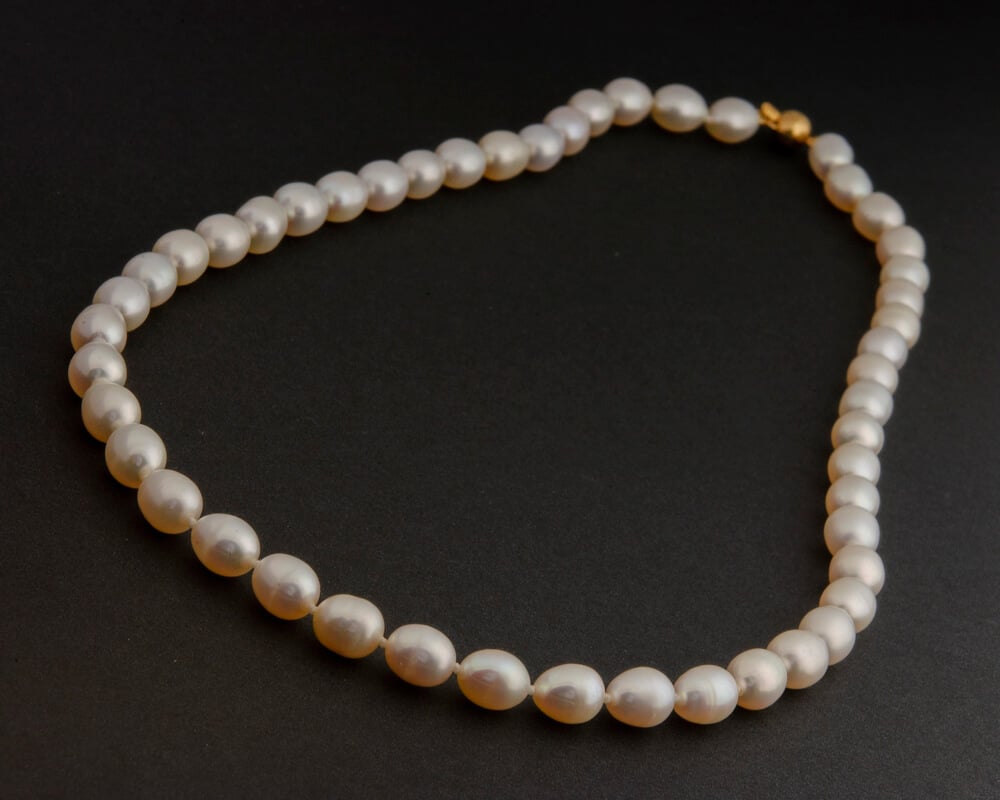
South Sea pearls come from the large Pinctada maxima oyster, farmed mainly in Australia, Indonesia and the Philippines, and they often measure 10 to 15 millimeters or more. Their thick nacre gives them a soft, satiny glow that smaller pearls cannot match.
A strand of well-matched white South Sea pearls can be worth many thousands of dollars, which makes them a top target for estate buyers. Value drops quickly with blemishes, dull spots or poorly matched sizes.
A gemological lab report helps confirm the pearls are cultured saltwater pearls and not convincing imitations.
Tahitian Black Pearl Strands
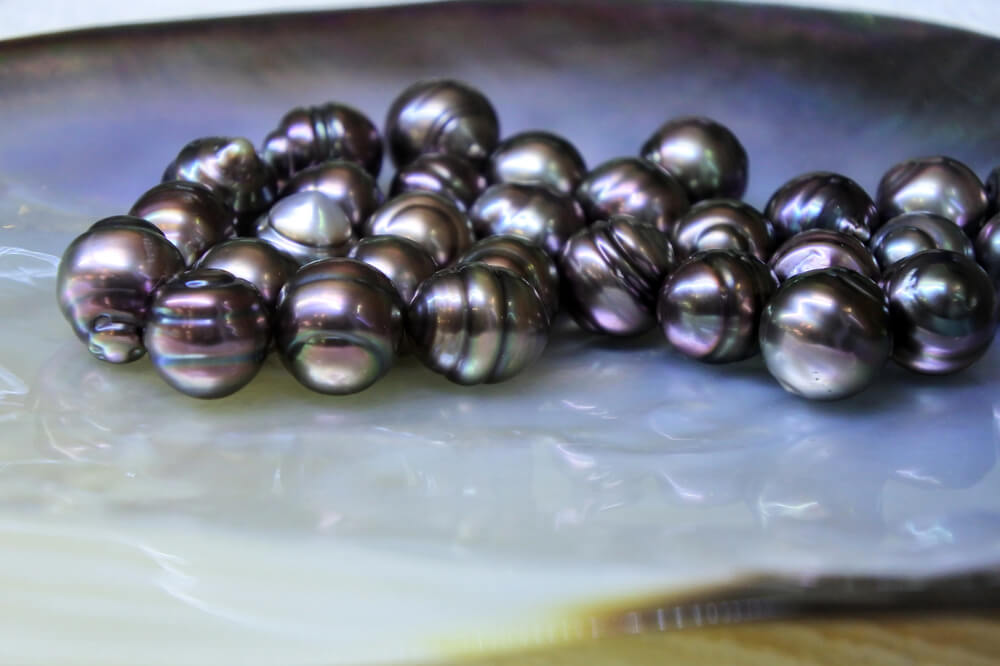
Tahitian pearls grow in the black-lip oyster, Pinctada margaritifera, in the lagoons of French Polynesia. Despite the name, they range from silver gray to deep charcoal, often with peacock overtones of green, blue and purple that buyers prize.
Strands of round, evenly matched pearls are much harder to assemble than single pendants, so full necklaces often sell for thousands of dollars. Dyed freshwater pearls sometimes pose as Tahitian, so dealers peer into the drilled openings for concentrated color.
Surface spots and uneven shapes lower the price considerably.
Natural Pearl Necklaces
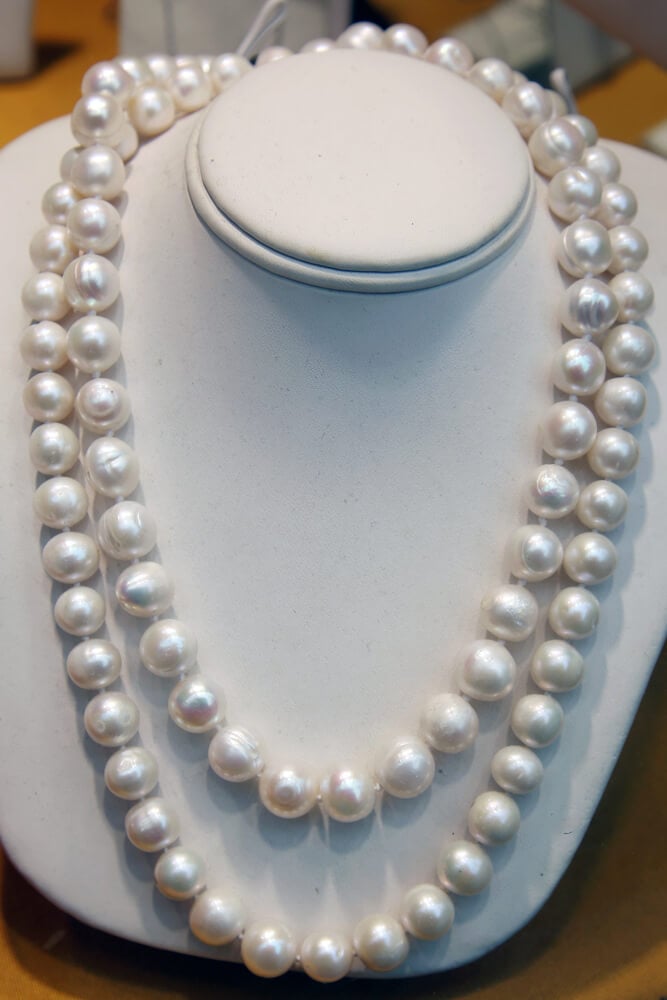
Before cultured pearls flooded the market in the 1920s and 1930s, every pearl came from a wild oyster, and strands took years to assemble. In 1917, Pierre Cartier famously acquired a Fifth Avenue mansion from Morton Plant in exchange for a double strand of natural pearls plus a small cash payment.
The building still serves as Cartier’s New York flagship. Natural pearl necklaces surface in older estates and can be worth far more than cultured strands of similar size.
Only an X-ray test from a gemological lab can confirm a pearl is natural.
Golden South Sea Pearls
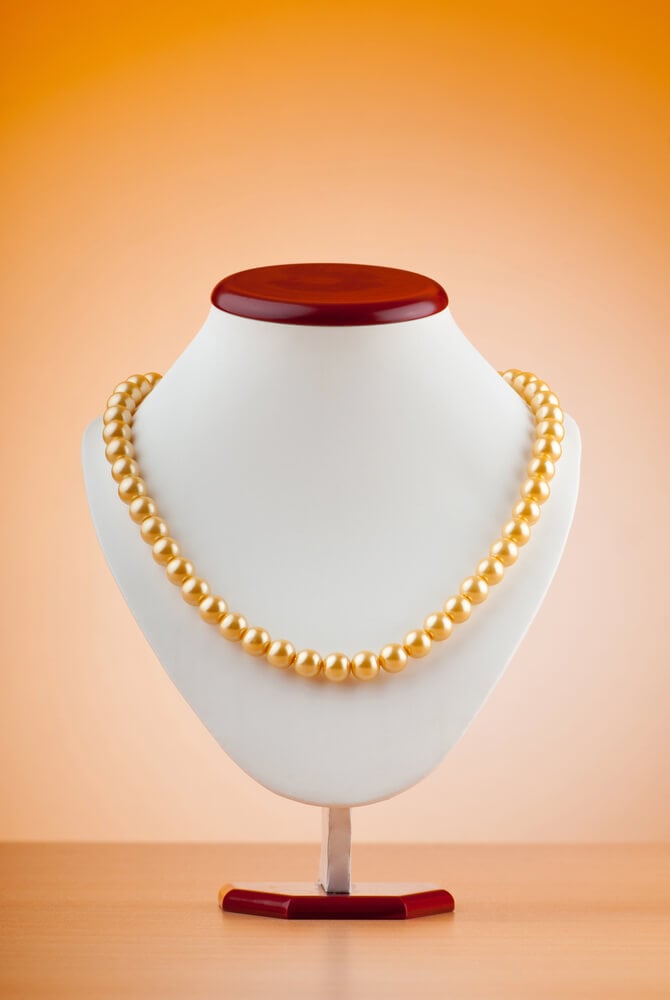
Golden South Sea pearls come from the gold-lip variety of Pinctada maxima, farmed mainly in the Philippines and Indonesia. The Philippines named the South Sea pearl its national gem in 1996.
Deep, natural gold colors are the most valuable, while pale champagne tones sell for less. Because some golden pearls are color-enhanced, dealers often request lab reports before paying top prices.
A well-matched strand with strong luster typically sells for thousands, while scratched or mismatched pearls bring far less. A matching gold clasp signed by a known jeweler can add a final push to the price.
Opera-Length Pearl Strands
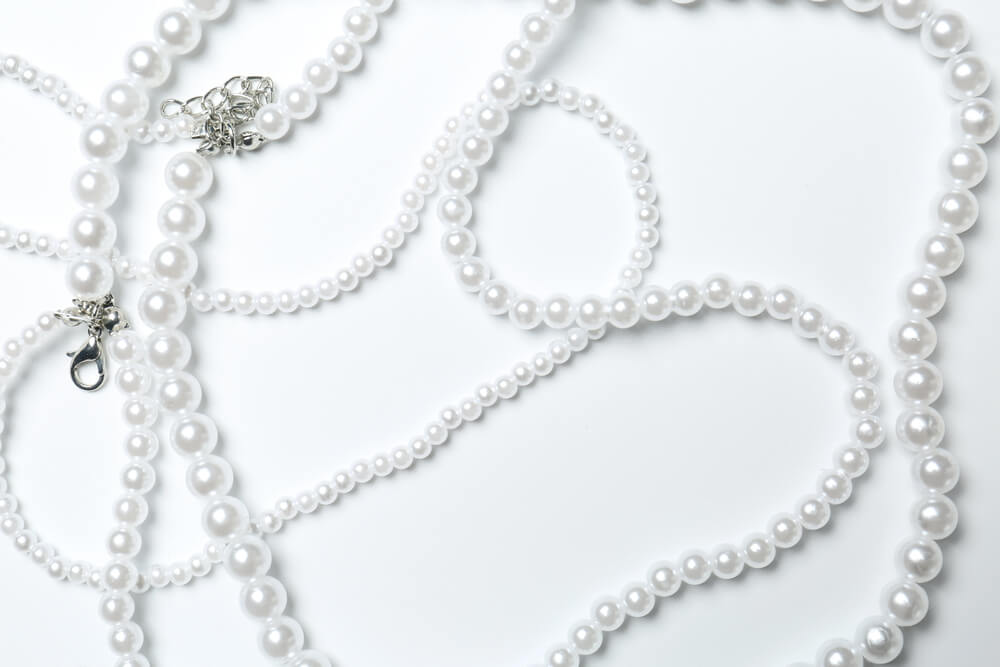
Opera-length strands run roughly 28 to 36 inches, long enough to wear as a single drape or doubled into a two-row choker. Their versatility makes them popular with buyers, and the sheer number of pearls involved raises their value well above shorter princess-length strands.
Dealers look for consistent luster and size along the entire length, since mismatched pearls stand out on a long strand. Many vintage opera strands need restringing, a modest cost that can make a noticeable difference in resale appeal.
Knots between pearls protect them from rubbing.
Elsa Peretti Pieces for Tiffany
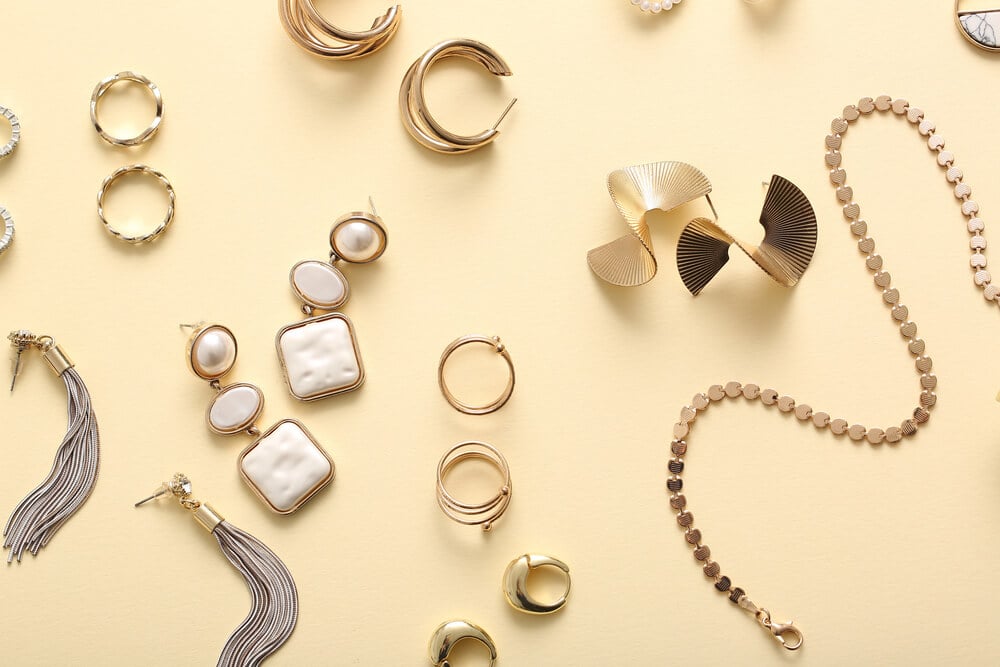
Elsa Peretti joined Tiffany and Co. in 1974 and introduced designs such as Diamonds by the Yard and Pearls by the Yard, which spaced single gems along delicate chains. Her Bean, Open Heart and Teardrop pendants in 18-karat gold remain popular on the resale market.
Signed pieces stamped with her name and Tiffany’s mark typically sell for well above their gold weight, especially when the original pouch or box survives. Scratches, worn stamps or replaced clasps lower the price.
Vintage examples from the 1970s and 1980s are especially sought after.
Van Cleef and Arpels Alhambra Necklaces
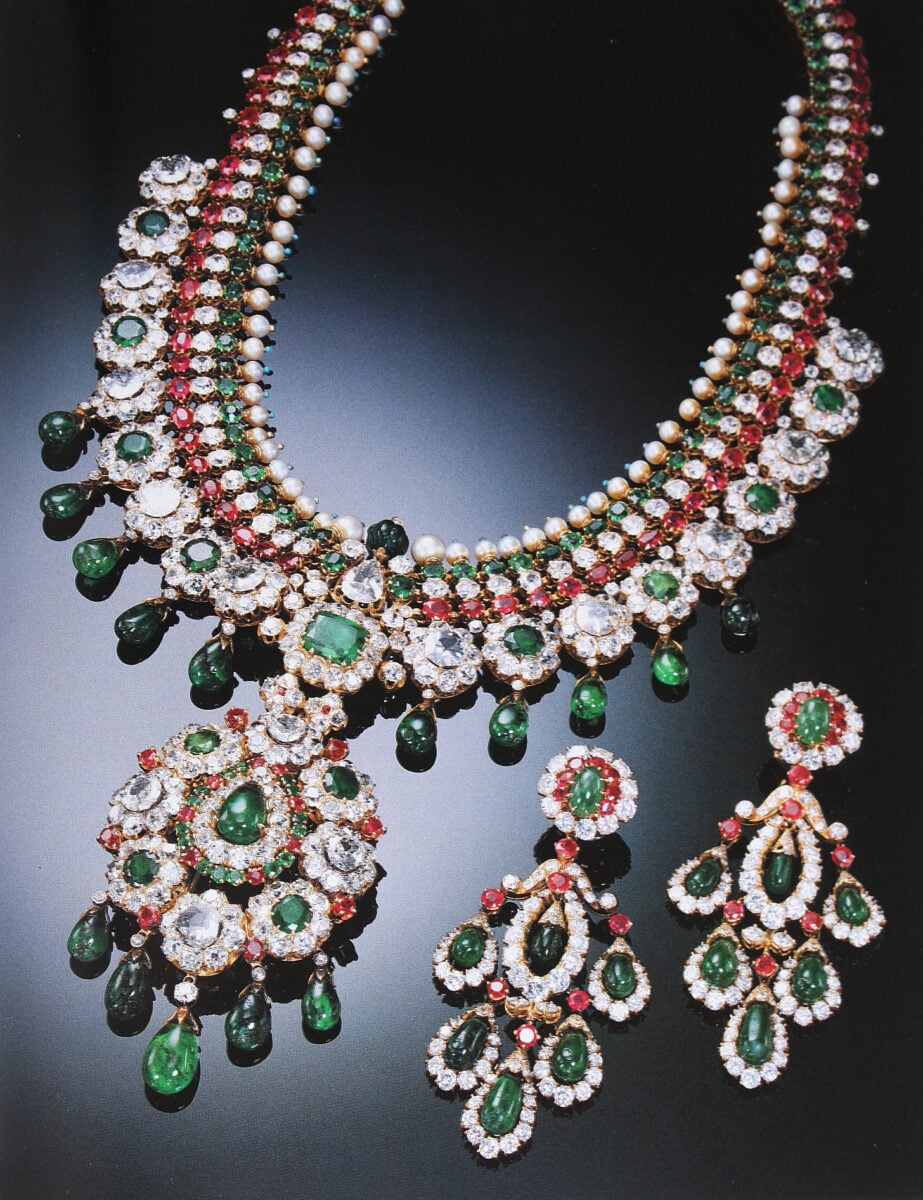
Van Cleef and Arpels introduced its four-leaf clover Alhambra design in 1968, and it remains one of the most recognizable motifs in fine jewelry. Necklaces set clovers of mother of pearl, onyx or other stones in gold frames edged with tiny beading.
Resale demand stays strong, and long versions with 20 motifs often sell for many thousands of dollars. Dealers check serial numbers, hallmarks and the precise edging, because counterfeits are widespread.
Chips or cracks in the stone inlays reduce the price, so condition is critical.
Bulgari Tubogas Necklaces
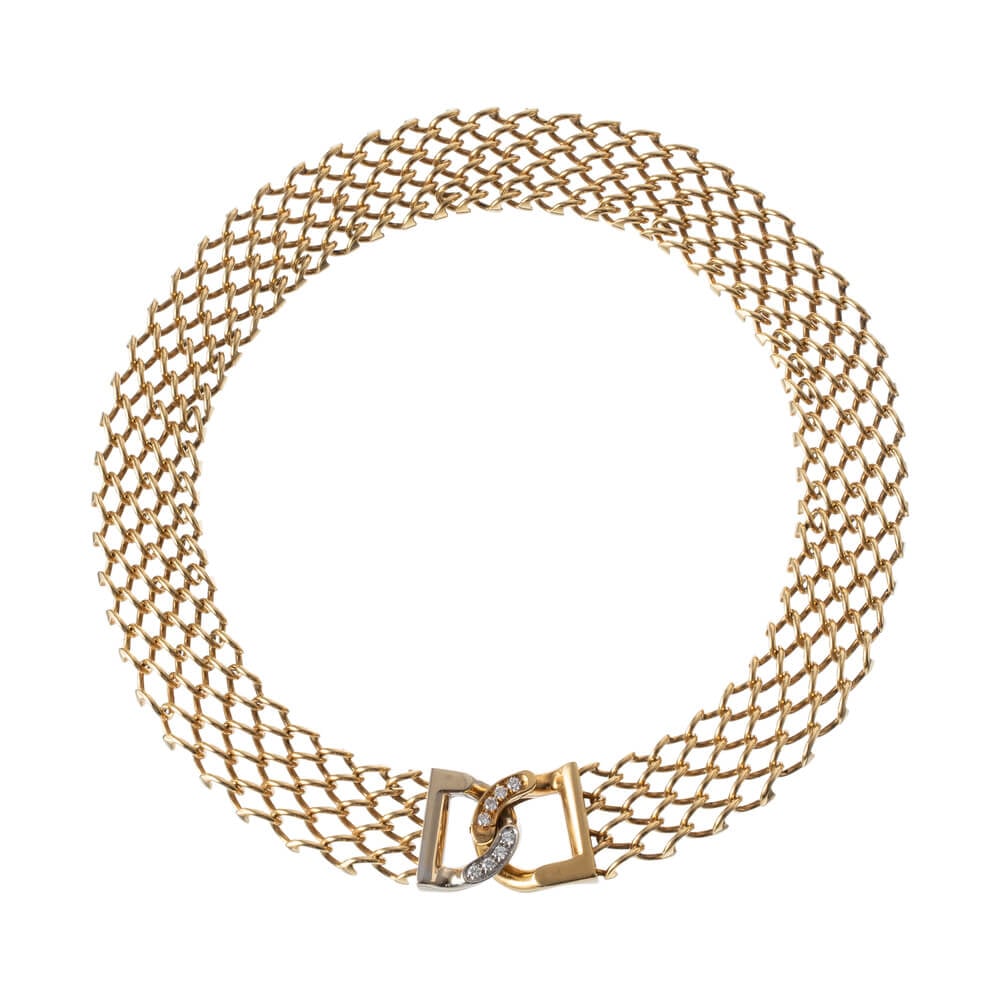
Bulgari’s Tubogas technique wraps flexible bands of gold into a coiled tube that resembles industrial piping, and the house used it widely from the 1940s onward. Vintage Tubogas necklaces, sometimes set with ancient coins in the Monete style, have strong collector followings.
Prices for signed examples run well above gold value, often into the thousands. Dealers check for stretched or kinked coils, which are difficult to repair.
Original Bulgari stamps and documentation help confirm authenticity in a market crowded with lookalikes. Heavier vintage pieces from the 1970s tend to draw the strongest bids.
Buccellati Engraved Gold Necklaces
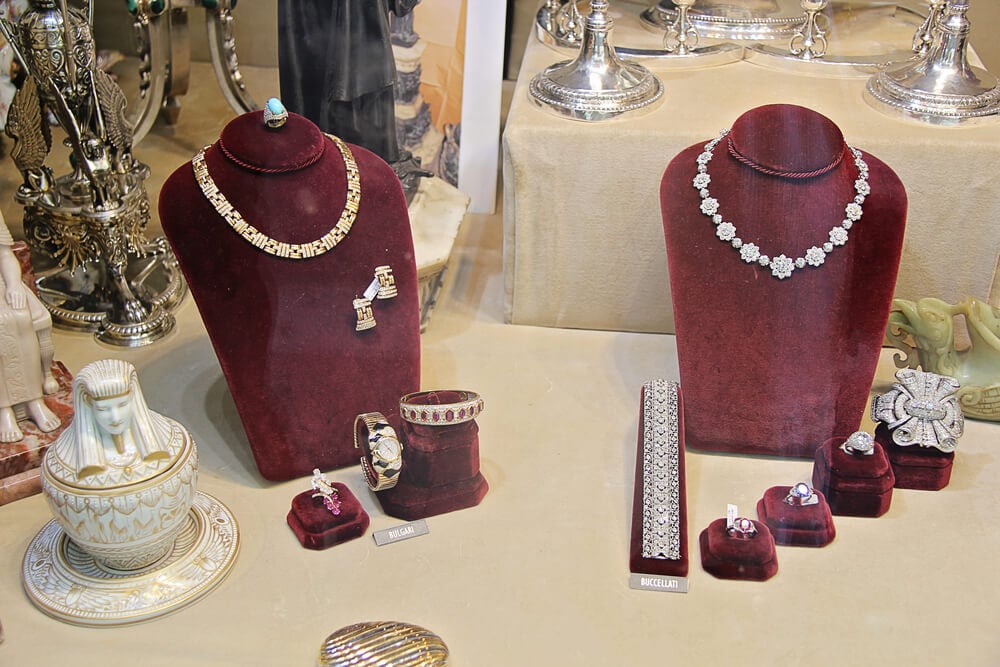
Mario Buccellati opened his first shop in Milan in 1919, and the family firm became known for hand-engraved gold surfaces that mimic textures such as silk, lace and linen. Necklaces from the brand show tiny, intricate patterns that machine-made pieces cannot copy.
Signed Buccellati pieces sell for well above melt value, often several thousand dollars or more for substantial necklaces. Dealers inspect the engraving for wear, since heavy polishing softens the detail that gives these pieces their value.
Original boxes add to buyer confidence. Even small Buccellati pendants attract attention because the engraving is impossible to fake convincingly.
Cartier Trinity Necklaces

Louis Cartier designed the Trinity motif in 1924, combining three interlocking bands of yellow, white and rose gold. Necklaces with Trinity pendants or rings strung on chains remain a staple of the brand and sell steadily on the secondhand market.
Signed pieces with serial numbers typically bring well above their gold value, often a few thousand dollars depending on size. Dents and heavy scratches reduce the price, and missing paperwork can slow a sale.
Counterfeits are common, so dealers check hallmarks, serial numbers and the weight of the bands carefully before making any offer.
Herringbone Chains
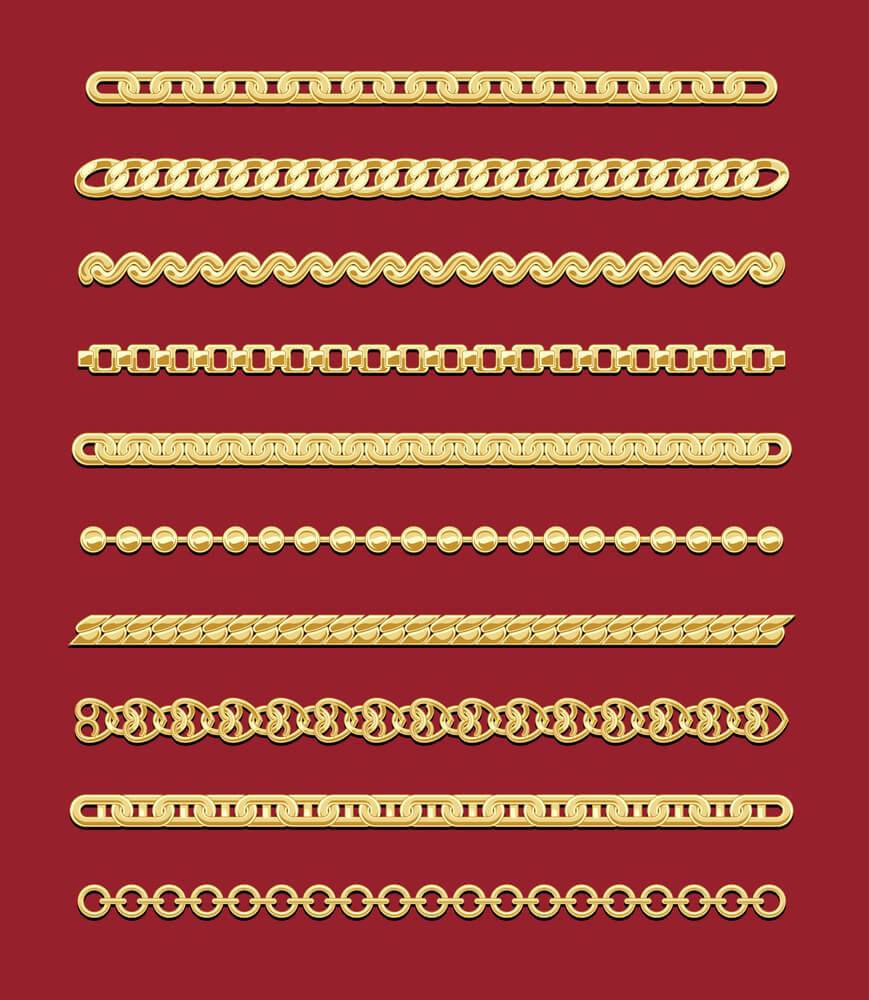
Herringbone chains use tightly arranged, slanted links that lie flat and catch light like liquid metal, and they were especially popular in the 1980s. Solid 14-karat and 18-karat examples sell well, typically priced close to their gold weight with a premium for wider styles.
Their biggest weakness is kinking, since a sharp bend permanently damages the links and cannot be fully repaired. Dealers inspect the entire length for creases before making an offer.
A smooth, unkinked chain is worth noticeably more than one with even a single bend.
Rope Chains
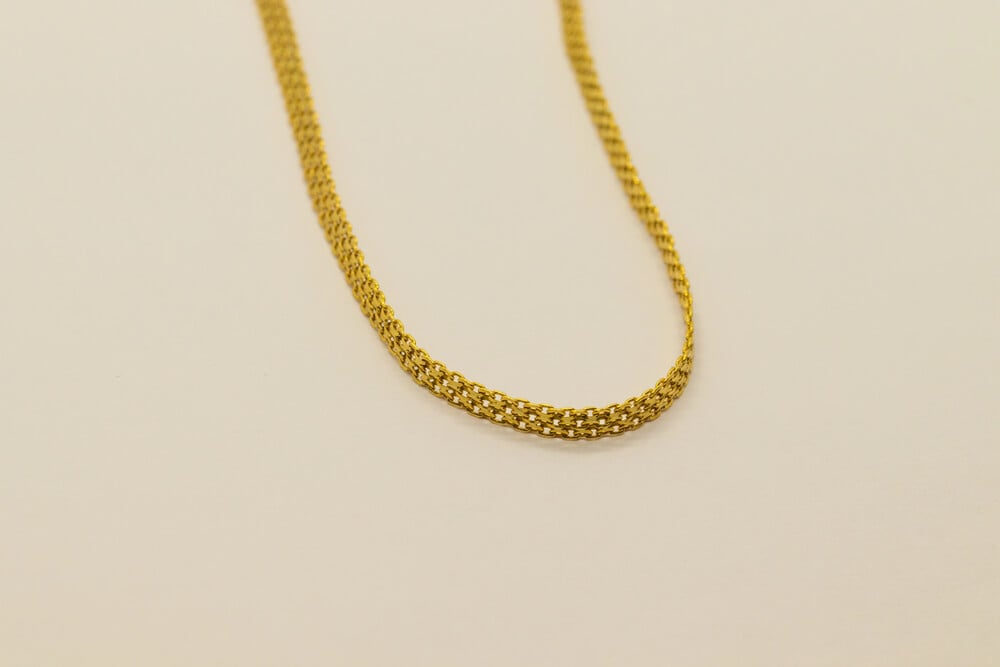
Rope chains twist small links into a spiral pattern that resembles braided cord, and thick gold versions became a signature accessory in 1980s hip-hop. Solid gold rope chains are heavy and valuable, while hollow versions contain far less gold and dent easily.
Dealers check the weight and stamp, typically 10K, 14K or 18K, to judge value. Many vintage rope chains were made in Italy, and stamps from Italian makers add credibility.
Crushed or flattened sections lower the price. Thick solid ropes from the 1980s often weigh enough to bring offers in the thousands at current gold prices.
Cuban Link Chains
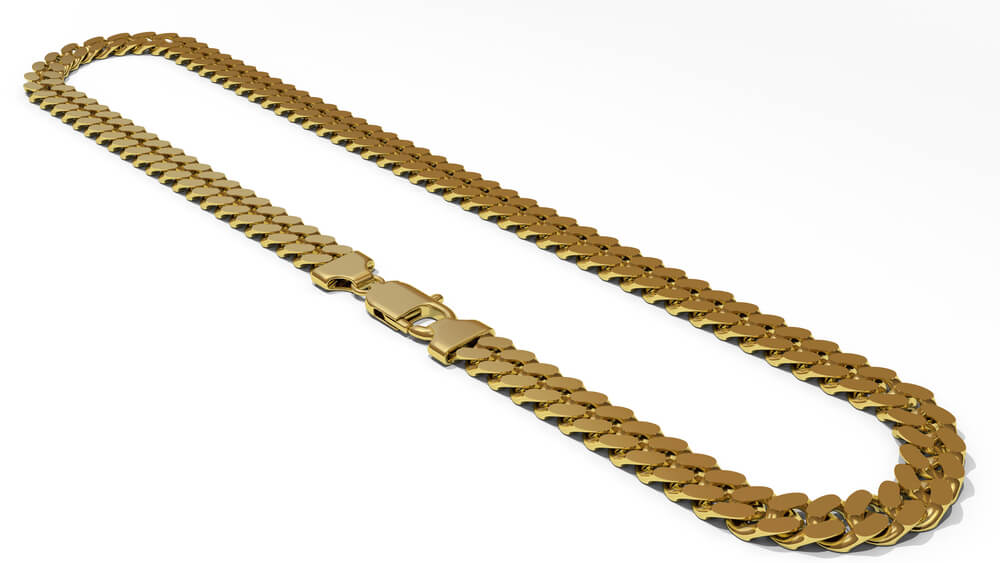
Cuban link chains use thick, interlocking oval links that lie flat, and they became popular in Miami during the 1970s and 1980s before spreading worldwide. Solid gold versions are heavy, often weighing several ounces, which makes them valuable for their metal alone.
Dealers test for hollow links and plated base metal, since fakes are common. Original clasps and clear karat stamps help support higher offers.
Loose links or stretched sections reduce the price but rarely eliminate the melt value. A worn but solid chain is still a serious piece of gold.
Figaro Chains
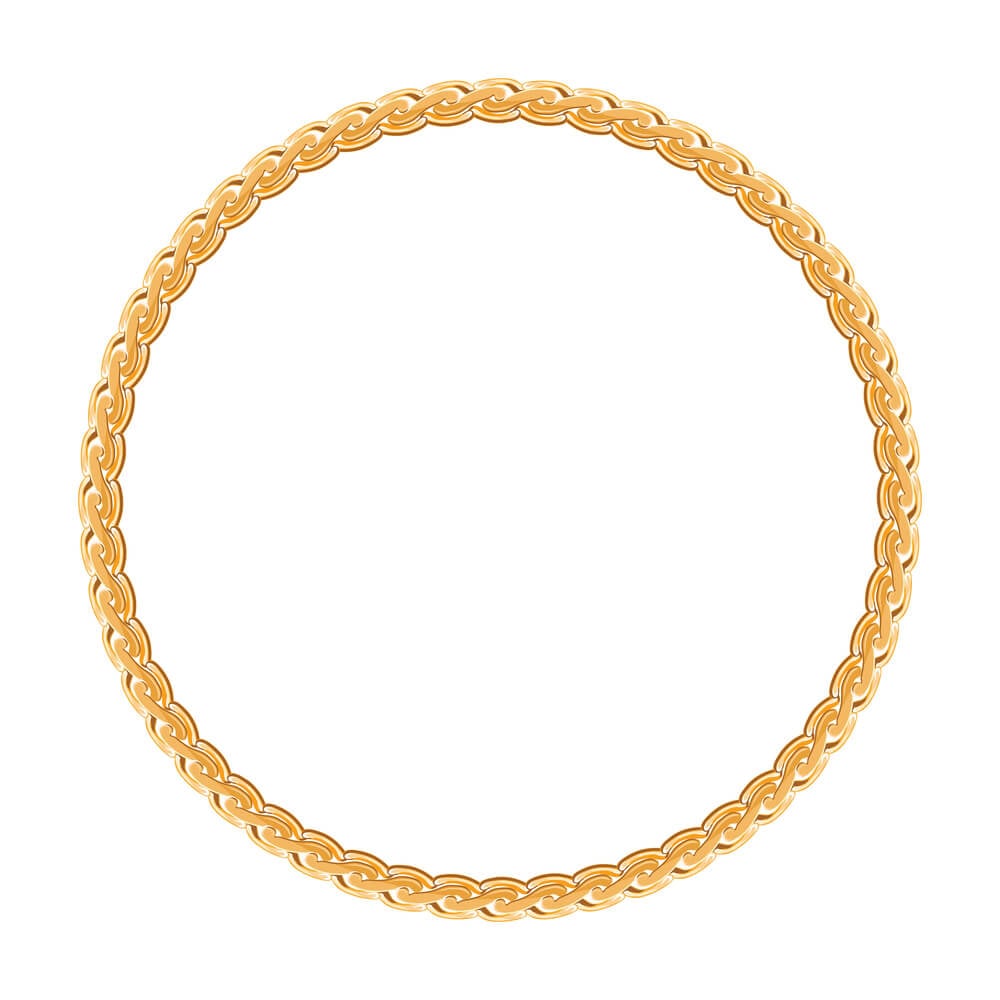
Figaro chains alternate several short, flat links with one longer link, a pattern that originated in Italy. Solid gold Figaro chains typically sell close to gold value, with a premium for heavier weights and recognized makers.
They remain popular because the pattern works for both men and women. Dealers check clasps and links carefully, since stretched or broken links are common on chains worn daily for years.
Clean, unstretched examples earn the best offers. Bracelet and necklace sets in matching Figaro patterns sell especially well, since buyers like a complete look.
A quick weigh on a jeweler’s scale tells most of the story.
Omega Collar Necklaces
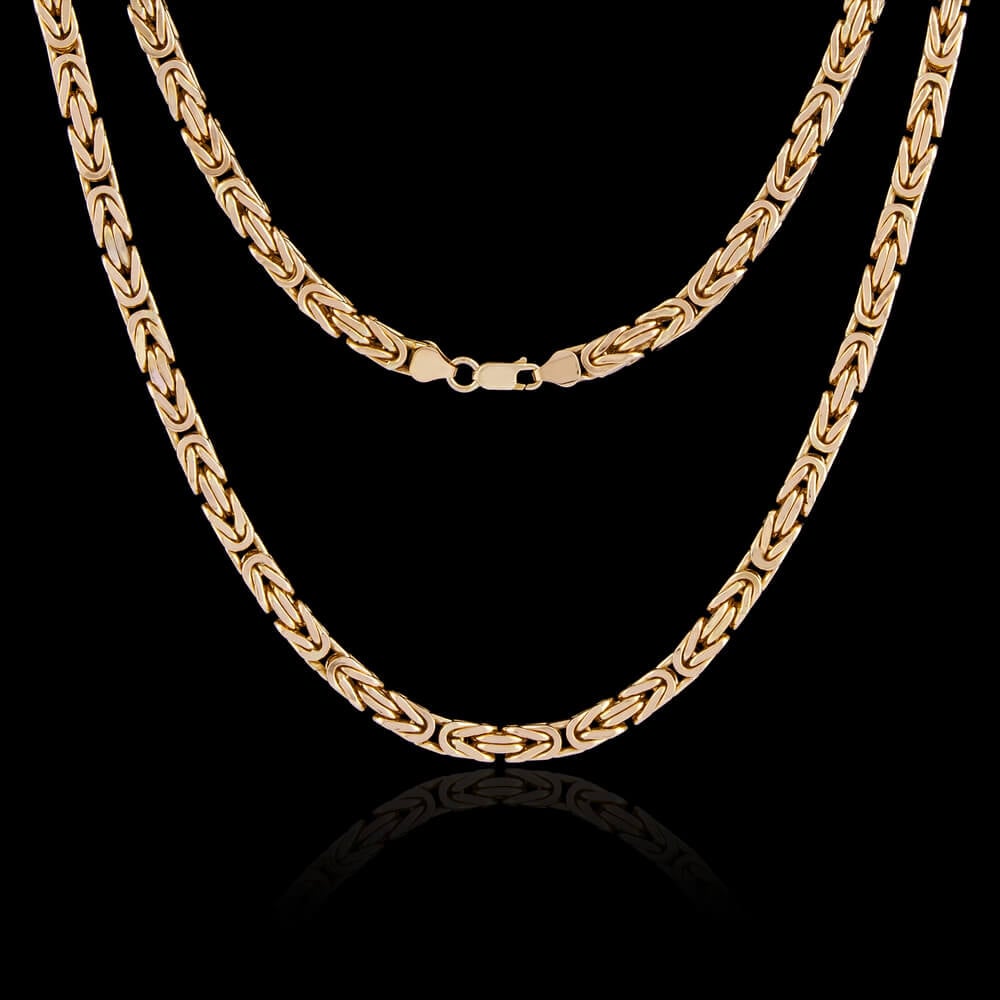
Omega necklaces are made of flat, overlapping gold plates on a wire core, creating a smooth, collar-like look that was especially popular in the 1980s. Solid gold versions are prized for their weight and sleek shape.
Once an omega chain kinks, the damage is permanent and highly visible, so condition matters even more than usual. Dealers look for heavy 14-karat and 18-karat examples with intact plates and secure clasps.
Many omega necklaces were made in Italy and carry maker stamps. Storing one flat in its box instead of coiled in a drawer is the best way to protect its value.
Victorian Gold Lockets
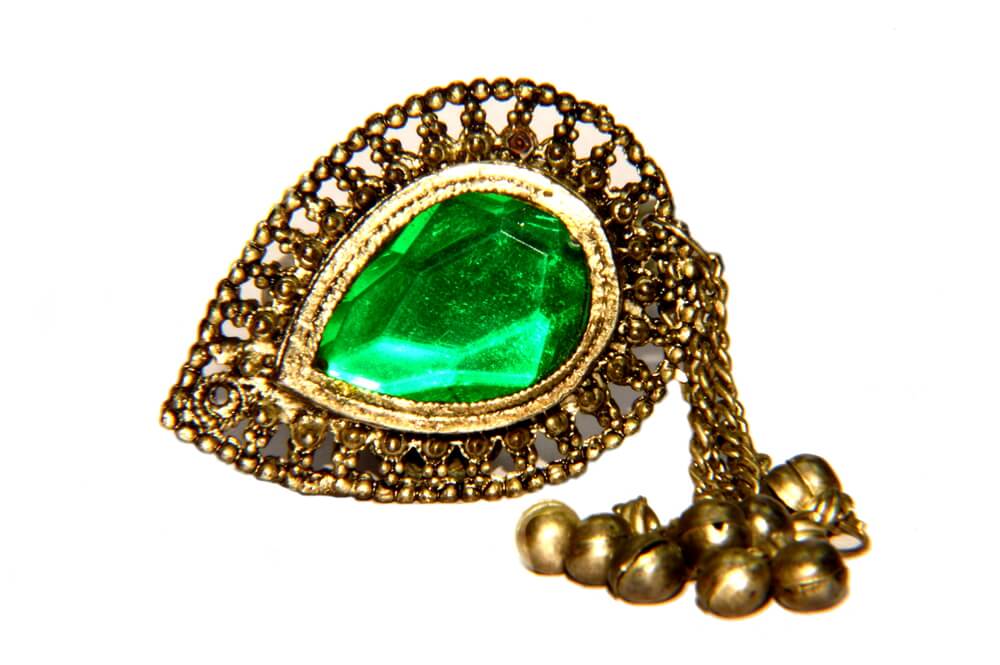
Victorian lockets often held photographs, portraits or locks of hair behind glass, and many were worn on long chains. After Prince Albert’s death in 1861, Queen Victoria’s extended mourning made sentimental and mourning jewelry fashionable across the British Empire and beyond.
Solid gold examples with fine engraving, enamel or original contents command strong prices. Dealers distinguish solid gold from gold-filled or rolled gold, which sell for much less.
Dents, worn engraving and missing glass reduce value. Lockets that still hold their original photographs or hair carry extra appeal for collectors of sentimental jewelry.
Victorian Book Chains
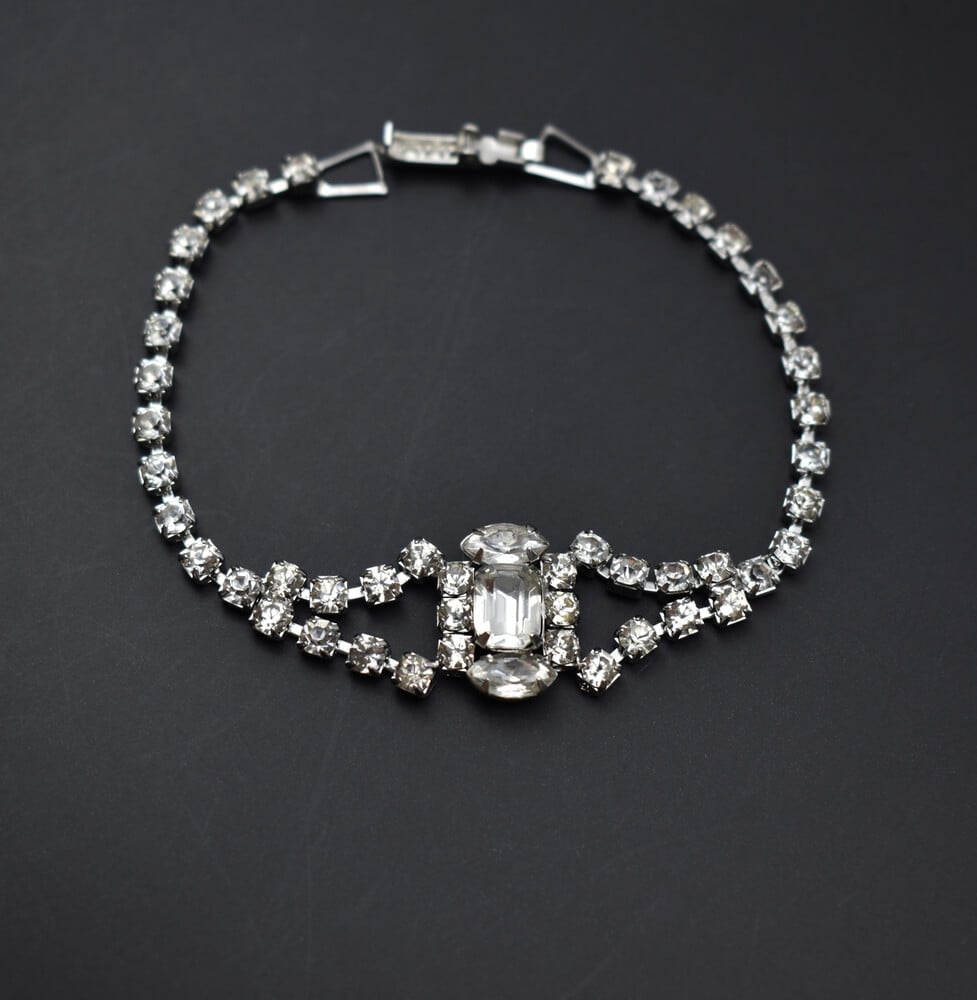
Book chains feature large, rectangular gold links that fold over like small books, and they were especially popular in the mid to late 1800s. Many were made in solid gold with engraved or textured surfaces, sometimes paired with a locket or pendant.
They are sought after for their bold design and historical appeal. Dealers check that each link is intact and that the chain has not been repaired with mismatched links.
Heavy engraving and original clasps add value. Strong examples often bring well over 1,000 dollars, especially in 15-karat or 18-karat gold.
Victorian Slide Chains
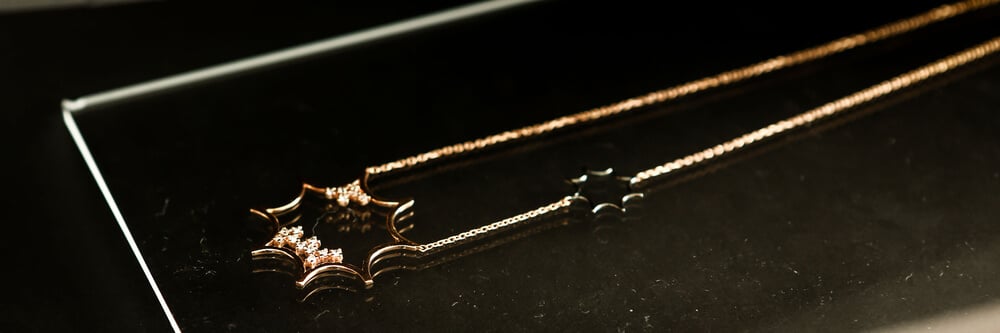
Slide chains are long, thin chains fitted with a decorative slide that could be moved to adjust the length, often set with seed pearls, garnets or turquoise. They were commonly worn with pocket watches or lorgnettes in the late 1800s.
Many were later cut and repurposed into slide bracelets, so intact necklaces are scarcer. Solid gold examples with original slides sell well, often for several hundred dollars or more.
Missing stones or replacement slides reduce the price. Chains that still carry several original slides are the ones dealers chase.
Gold Coin Pendants
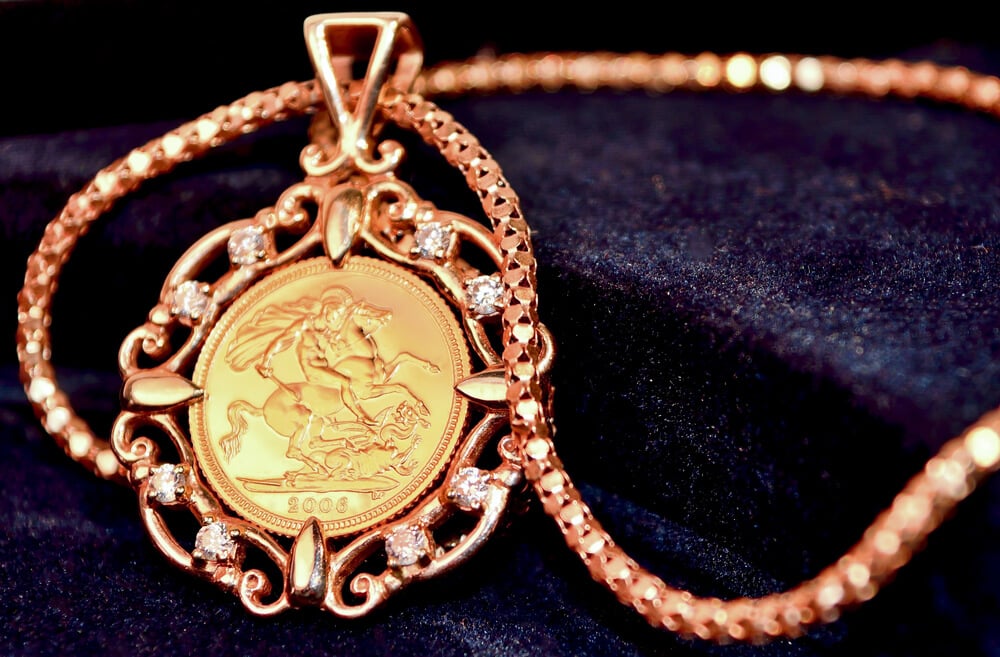
Coin pendants set a gold coin, such as a South African Krugerrand or a Mexican 50 peso coin, in a gold bezel and hang it from a chain. Their value depends on the coin’s gold content, which can be substantial, plus the bezel and chain.
A Mexican 50 peso coin, for example, contains 37.5 grams of pure gold. Dealers check whether the coin is genuine and whether the bezel has scratched or damaged it.
Removing a coin from a bezel can sometimes increase its value to coin collectors.
Seed Pearl Necklaces
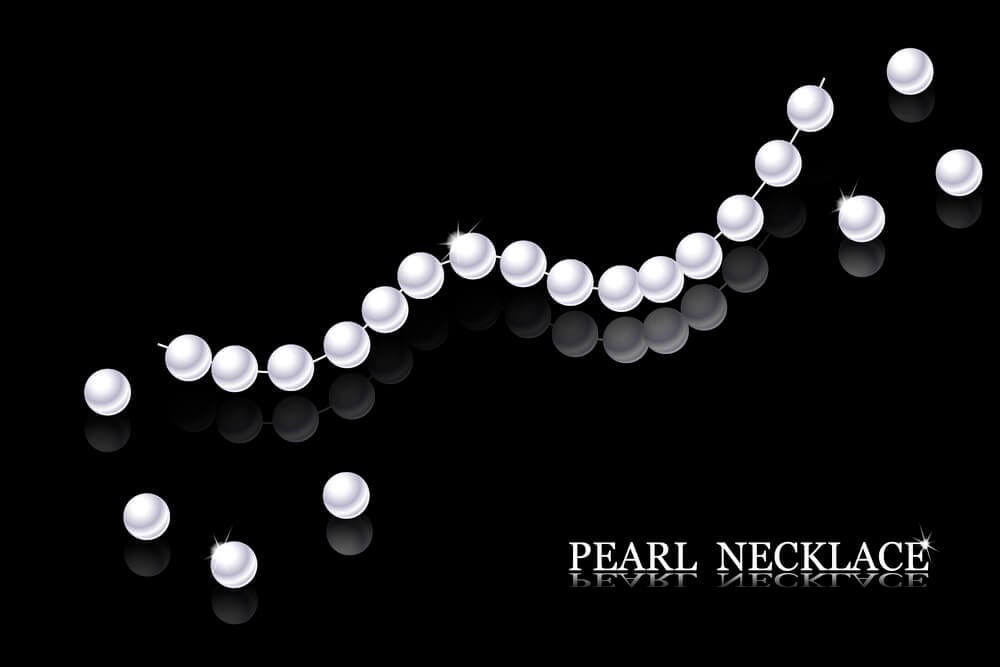
Seed pearls are tiny natural pearls, often only a few millimeters across, that Georgian and Victorian jewelers strung with horsehair or silk onto mother of pearl frames. The resulting necklaces are delicate and intricate, often featuring floral or geometric designs.
Intact examples are scarce, since the threads tend to break over time. Dealers look for complete designs with few missing pearls and original clasps.
Repairs require specialists, so condition significantly affects value. Pieces in original fitted boxes are especially prized, since the boxes protected the threads for more than a century.
Even damaged examples interest restorers.
Edwardian Lavaliere Necklaces
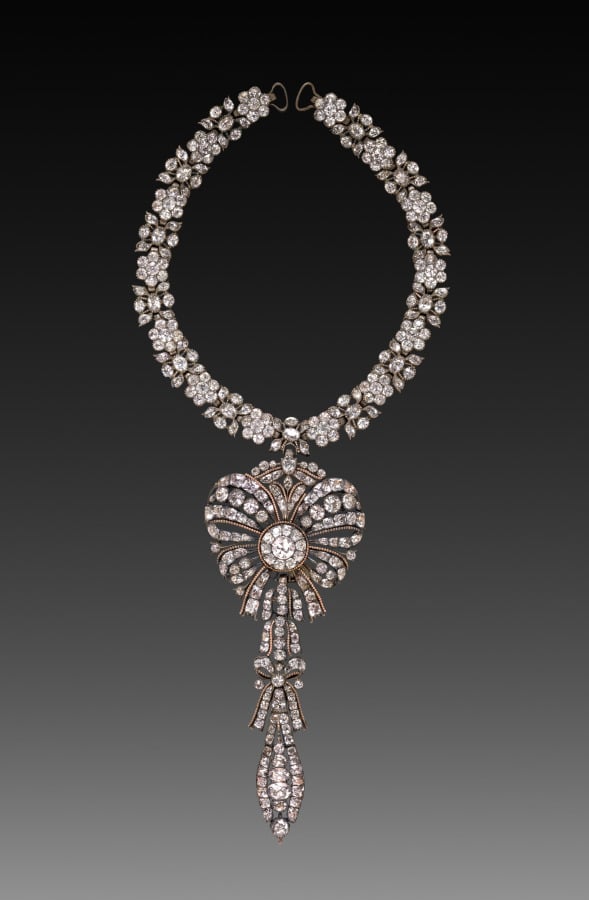
Lavalieres feature a pendant hanging from a fine chain, often with a dangling drop, and they were popular between about 1900 and 1915. Edwardian examples often combine platinum, gold and seed pearls or diamonds in delicate, lacy designs.
The name comes from the Duchesse de La Valliere, a figure of the French court in the 1600s. Original pieces with intact pearls and stones sell for several hundred to several thousand dollars.
Bent settings or missing stones lower the price. Platinum-topped gold, a hallmark of the era, is a good clue that a piece is genuinely Edwardian.
Baroque Pearl Pendants
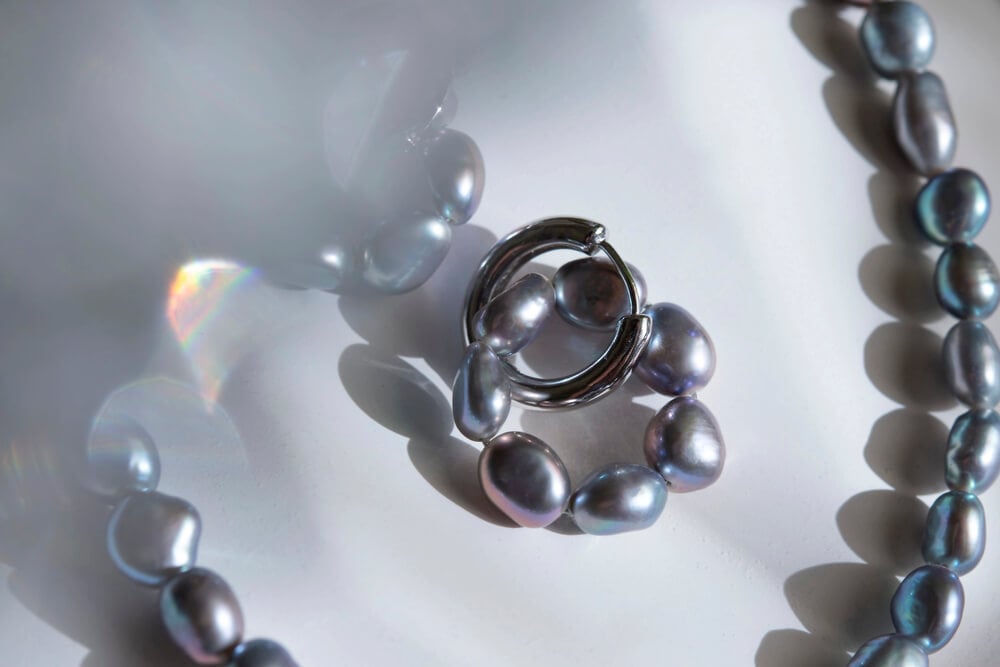
Baroque pearls have irregular, organic shapes, and Renaissance jewelers used them to form the bodies of mermaids, animals and figures in enameled gold settings. Nineteenth-century revival pieces copied the style, and both original and revival pendants are prized.
Value depends on the pearl’s luster, the craftsmanship and the age of the piece. Dealers check enamel for chips and the pearl for cracks or peeling nacre.
Authentic Renaissance examples are museum quality and rarely appear on the open market. Revival pieces from the 1800s are far more likely to turn up in an estate.
Keshi Pearl Strands
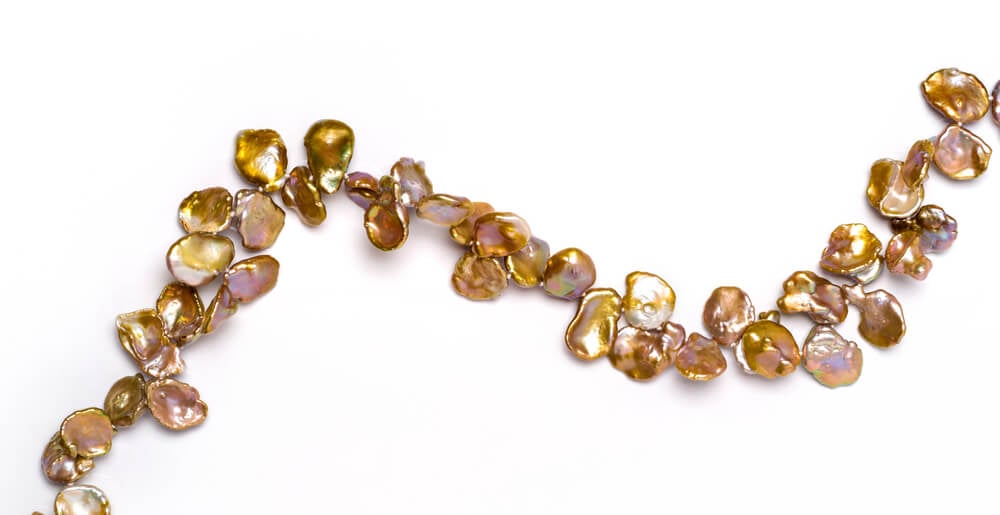
Keshi pearls form by accident when an oyster rejects the implanted nucleus but continues to produce nacre, leaving a pearl made entirely of nacre. The name comes from a Japanese word for poppy seed, a reference to the tiny size of many early examples.
Their irregular shapes and intense luster appeal to designers and collectors. Strands of larger keshi pearls, particularly from South Sea or Tahitian farms, sell well.
Dull or damaged pearls reduce the price. Because keshi pearls are now produced in smaller numbers on many farms, older strands of large ones have grown more desirable.
Strong luster matters more than shape.
Pearl Torsade Necklaces
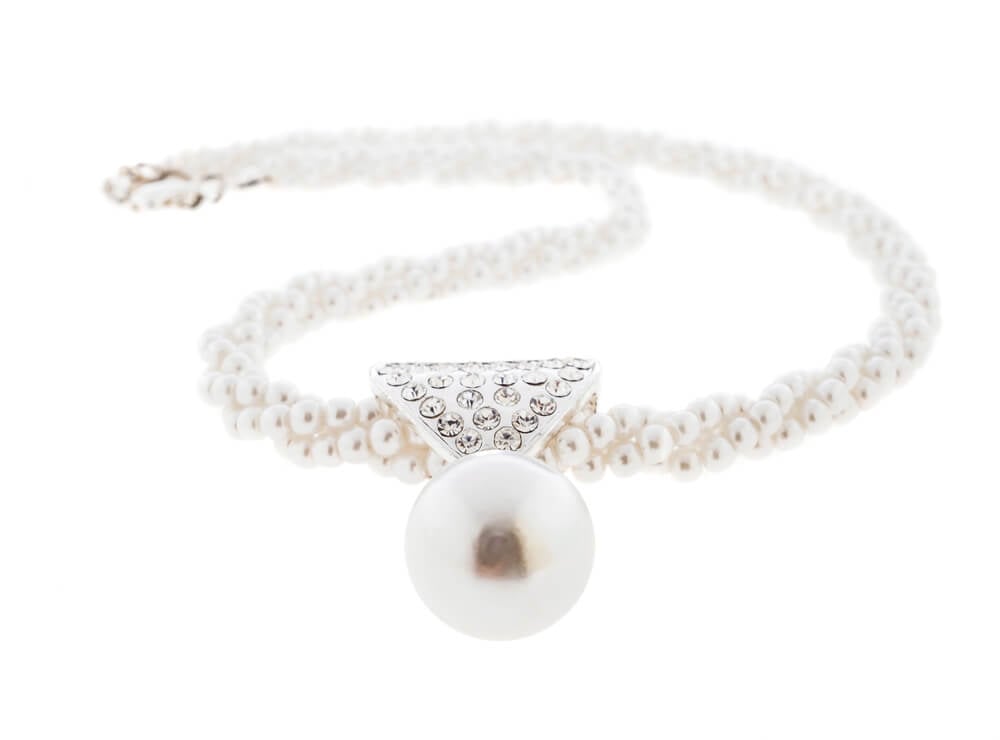
Torsade necklaces twist several strands of pearls together into a thick rope, often finished with a decorative clasp. The style was popular in the mid-twentieth century and remains elegant today.
Value depends on the quality and number of pearls, as well as the clasp. Dealers check that all strands are intact and evenly twisted.
Restringing a torsade is complex and costly, so tangled or broken strands lower the offer. Torsades made from fine Akoya or South Sea pearls can be worth thousands.
A signed jeweled clasp sometimes carries nearly as much value as the pearls, and dealers examine it separately.
Italian 18-Karat Chains
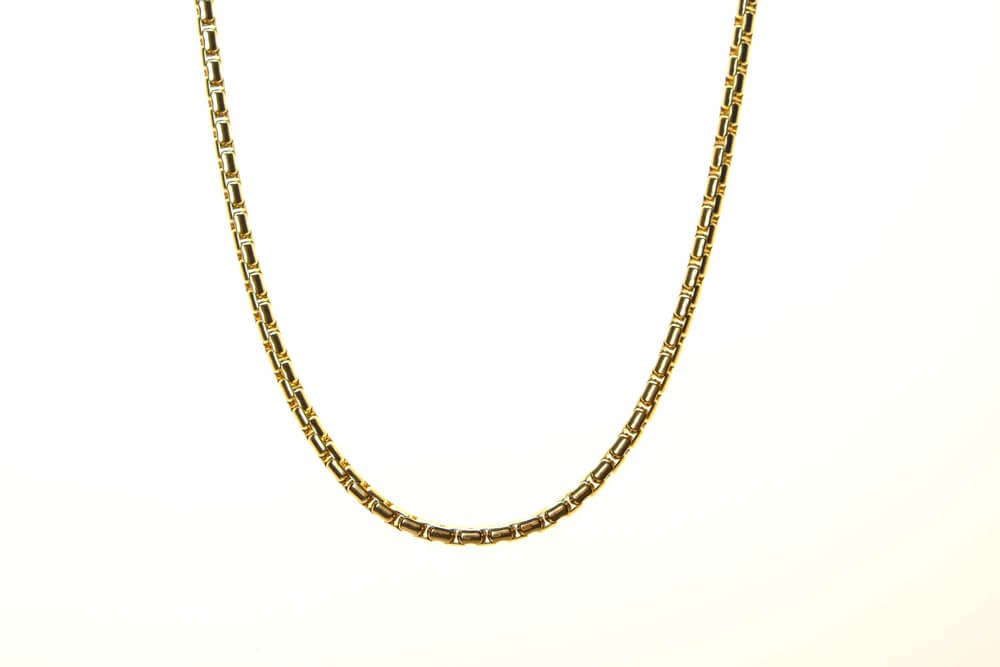
Italy has long been a center of gold chain making, with Arezzo and Vicenza home to major manufacturers. UnoAErre, founded in Arezzo in 1926, became one of the best-known names.
Italian 18-karat chains are typically stamped 750, indicating 75 percent gold content. They sell well for their gold weight and quality craftsmanship.
Dealers check the stamp, clasp and link integrity before making an offer. Many Italian chains also carry a star-shaped registration mark with a number and province code, which identifies the exact maker.
That mark helps buyers trust the karat stamp. Lighter, hollow chains bring less than solid ones of similar length.
Art Nouveau Pearl Pendants
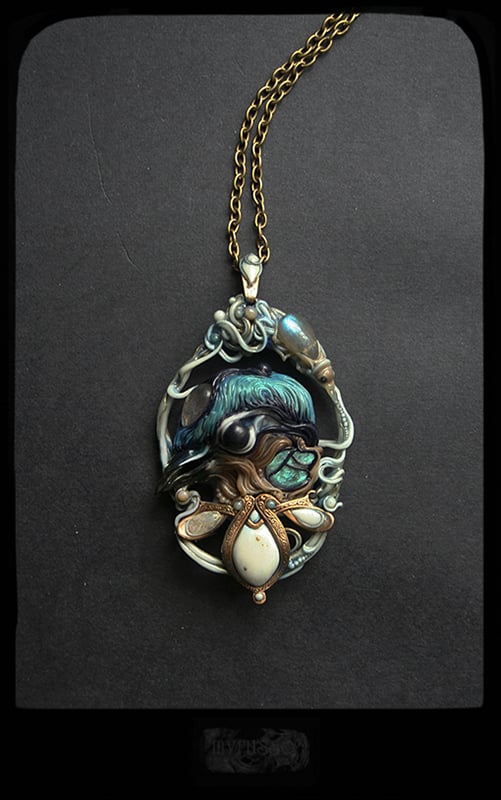
Art Nouveau jewelry, popular between about 1890 and 1910, featured flowing lines, enameled flowers, insects and female profiles, often with baroque pearl drops. Designers such as Rene Lalique made the style famous.
Signed pieces are highly valuable, while unsigned examples still sell well for their craftsmanship. Dealers inspect enamel for cracks and pearls for damage.
Original condition is essential for top prices. Plique-a-jour enamel, which lets light pass through like stained glass, is especially prized and especially fragile.
Signed Lalique pendants can sell for tens of thousands of dollars, while quality unsigned pieces often bring hundreds to a few thousand. Gold quality varies widely in this period.
Luster That Survives the Jewelry Box
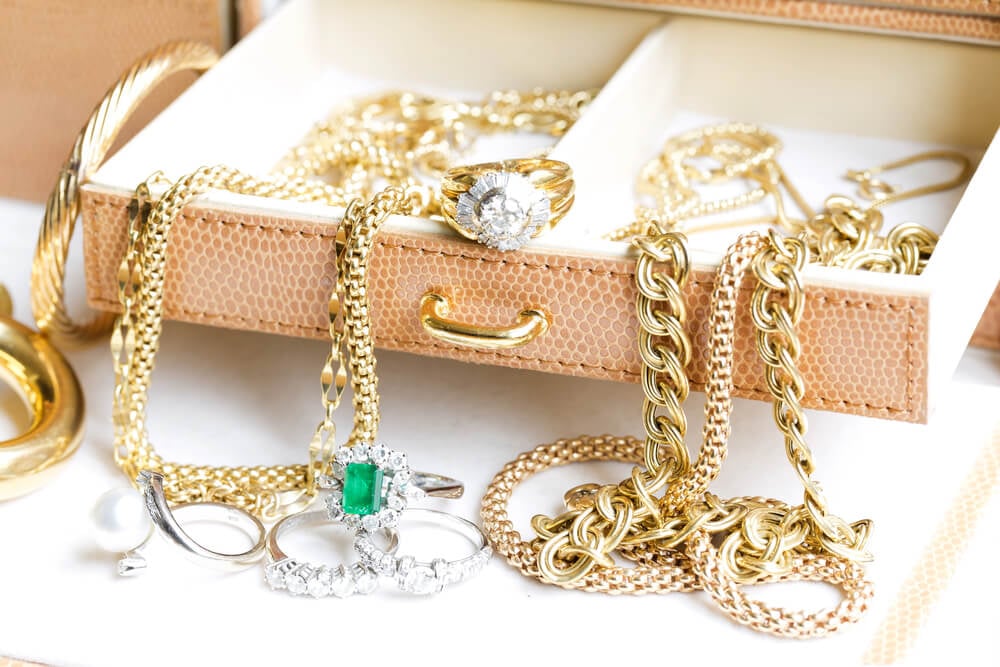
Gold and pearls hold value for different reasons. Gold carries a floor set by the metal itself, while pearls depend on luster, matching and history, which makes them harder for owners to judge on their own.
A good dealer weighs both at once. Many valuable necklaces sit unworn because their owners assume they are costume jewelry or out of style.
A few minutes with a loupe, a stamp check and an honest appraisal can change that assumption. Some of the best finds turn out to be the pieces nobody bothered to look at twice.
More from Go2Tutors!

- The Romanov Crown Jewels and Their Tragic Fate
- 13 Historical Mysteries That Science Still Can’t Solve
- Famous Hoaxes That Fooled the World for Years
- 15 Child Stars with Tragic Adult Lives
- 16 Famous Jewelry Pieces in History
Like Go2Tutors’s content? Follow us on MSN.