American Places That Changed Names After Independence
Declaring independence took one summer. Erasing the Crown from the map took decades, and some of the work was still underway when the nineteenth century arrived.
Legislatures, city councils, and college trustees all went through the same exercise, hunting for kings, queens, royal governors, and loyalist officials stamped on the landscape. What replaced those names reveals what Americans wanted to celebrate once the monarchy was gone.
Charles Town Became Charleston
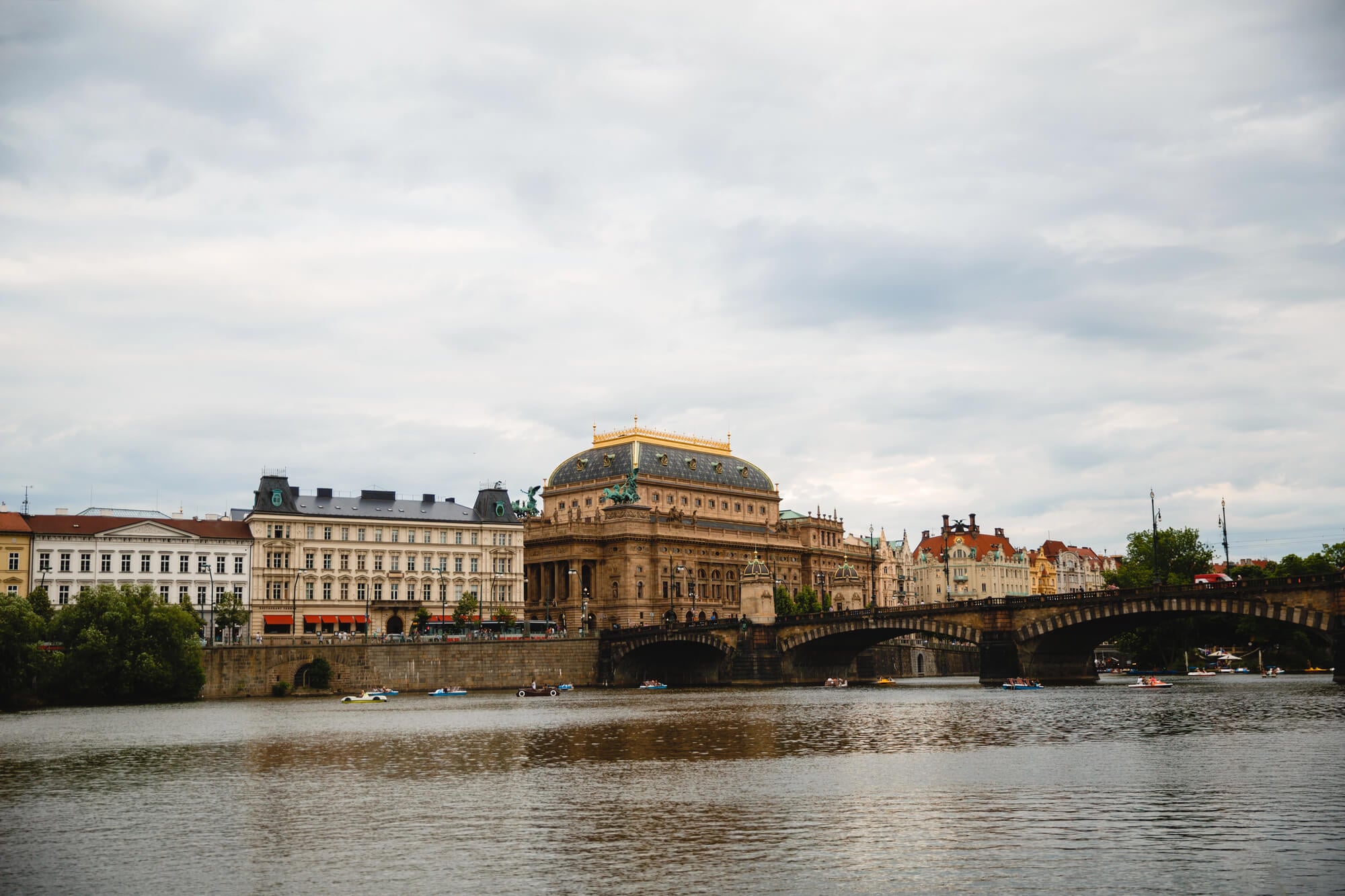
South Carolina’s great port was called Charles Town for more than a century, honoring King Charles II. British forces evacuated in December 1782, and in August 1783 the legislature incorporated the settlement as the city of Charleston.
The change dropped the royal spelling and gave the place a fresh civic identity under state law. The charter also created a city government headed by an official called the intendant, a title used in place of mayor for decades.
Few renamings so neatly mark the moment a colonial town became an American city.
King’s College Became Columbia College
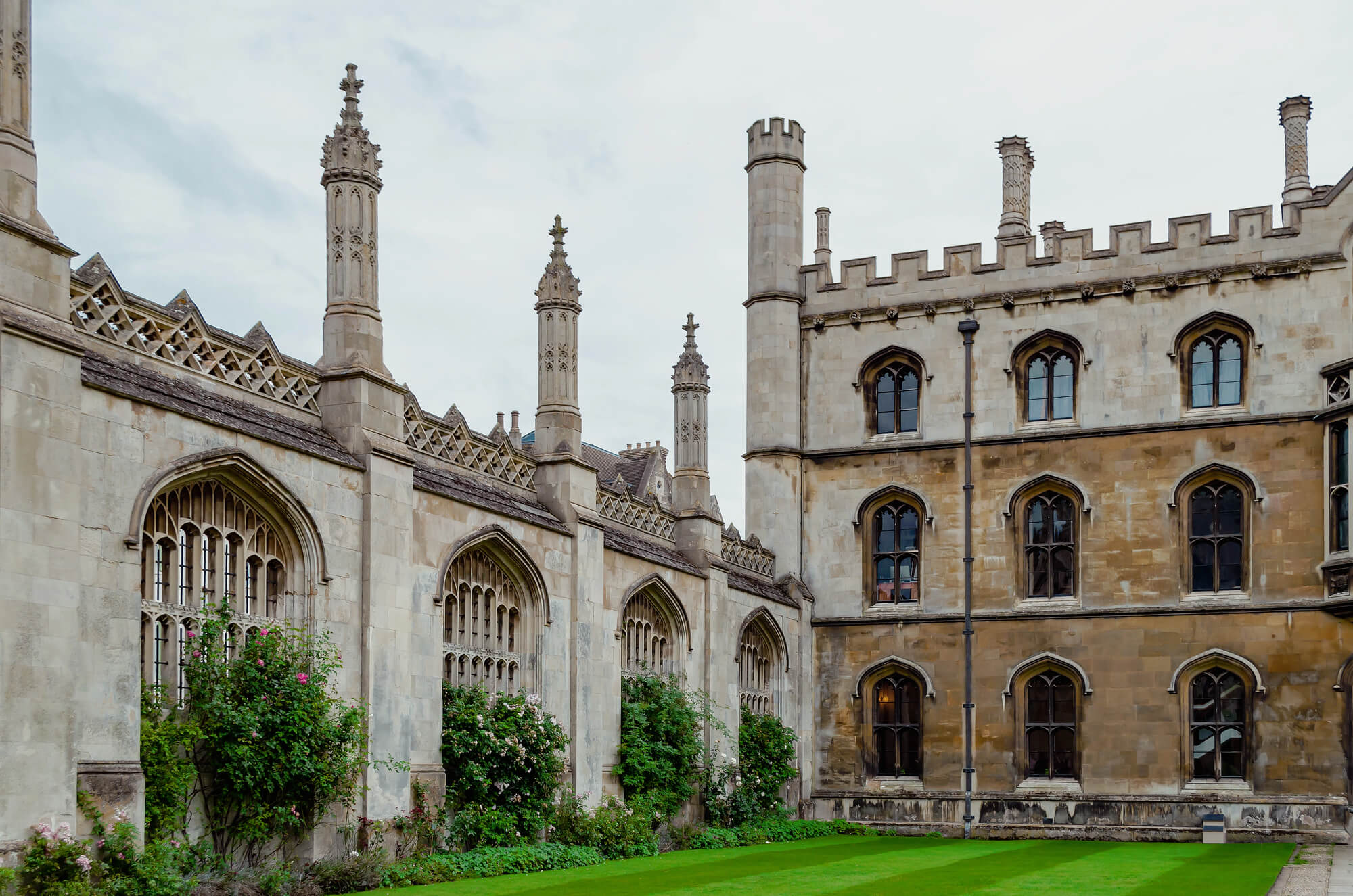
Founded in 1754 by royal charter in New York City, King’s College was disrupted by the war, and its building served as a military hospital. After the fighting ended, New York reorganized higher education under a state board of Regents, and in 1784 the institution was renamed Columbia College.
Columbia was a poetic name for America, popular in patriotic verse of the era, and the new title replaced the king with the nation itself. The school grew into Columbia University, which still carries that patriotic coinage of the 1780s.
King Street Became State Street
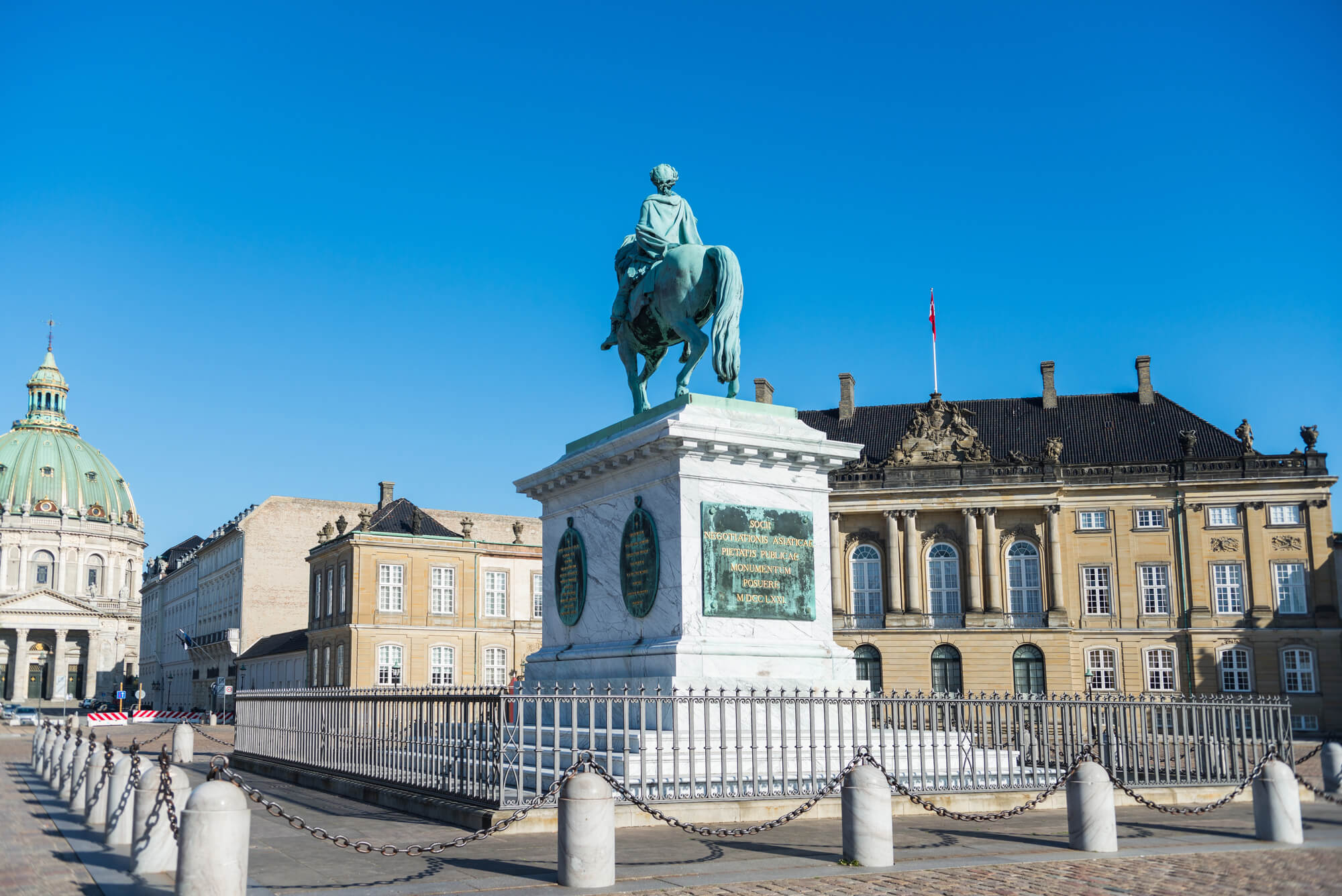
The Boston street where British soldiers fired on a crowd in March 1770 was called King Street, running from the waterfront up to the Town House. In 1784 the city renamed it State Street, swapping a royal title for the language of the new Commonwealth.
The Town House at its head eventually became known as the Old State House, so the building and the street ended up sharing the same republican label. Today State Street is a financial artery, and nothing in its name hints at the monarch it once saluted.
Queen Street Became Court Street

Boston’s Queen Street led to the county courthouse, and in 1784 it was renamed Court Street, the same year King Street turned into State Street. The new name described what actually happened along the road instead of flattering a distant sovereign.
Residents of the 1780s clearly saw the swap as an improvement, trading a queen for a courthouse. The pairing of State and Court streets gave downtown Boston a pair of plain, functional names that have survived every wave of rebuilding since, long after most of the original buildings disappeared.
Dunmore County Became Shenandoah County

Dunmore County was created in 1772 and named for John Murray, Earl of Dunmore, Virginia’s last royal governor. Dunmore fled Williamsburg in 1775 and issued a proclamation offering freedom to enslaved people who joined British forces, which made his name unwelcome across the colony.
In 1778 the Virginia legislature renamed the county Shenandoah, after the river and valley running through it. The seat remained at Woodstock, so only the label on the courthouse door changed, and a governor was traded for a landscape.
Locals today know the name mainly as a valley, rarely guessing that it once honored a fugitive earl.
Tryon County Became Montgomery County

Tryon County in New York was created in 1772 and named for William Tryon, the royal governor. In 1784 the legislature renamed it Montgomery County, honoring General Richard Montgomery, who was killed leading the American assault on Quebec on December 31, 1775.
The renaming turned the memory of a hated governor into a monument to a fallen Continental officer. Tryon also had served as governor of North Carolina, so his name was being scrubbed from the maps of two separate states at roughly the same time.
Charlotte County Became Washington County
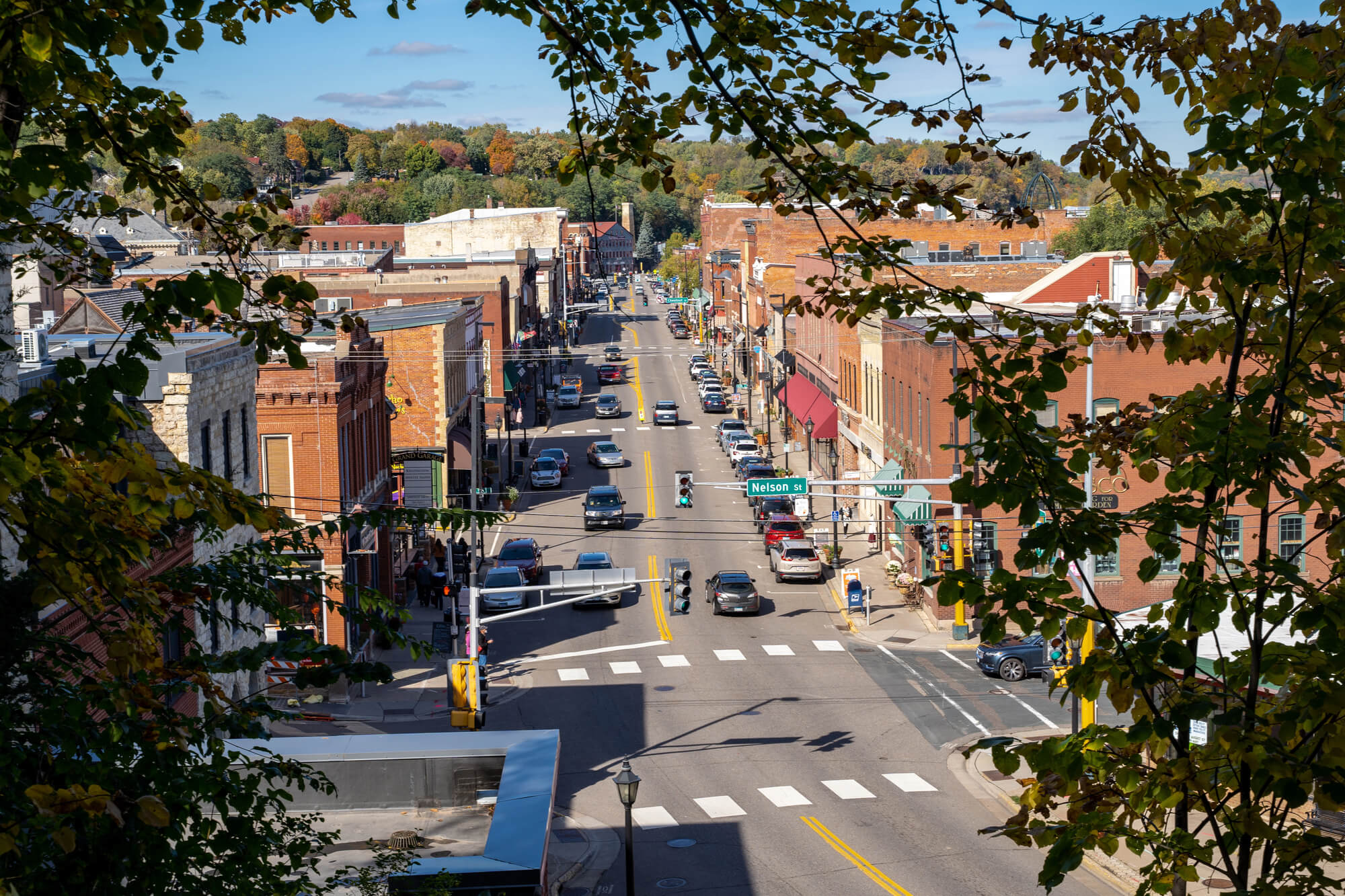
New York created Charlotte County in 1772, honoring Queen Charlotte, the wife of George III, and it covered a large stretch of land north of Albany toward Lake George and Lake Champlain. The legislature renamed it Washington County in 1784, the same year Tryon County became Montgomery.
The queen’s name did not vanish everywhere, since Charlotte, North Carolina, kept the title it had been given for her. Washington County is a reminder that renaming was uneven, with each state deciding which royal names were too much to keep.
Kings County Became Washington County in Rhode Island
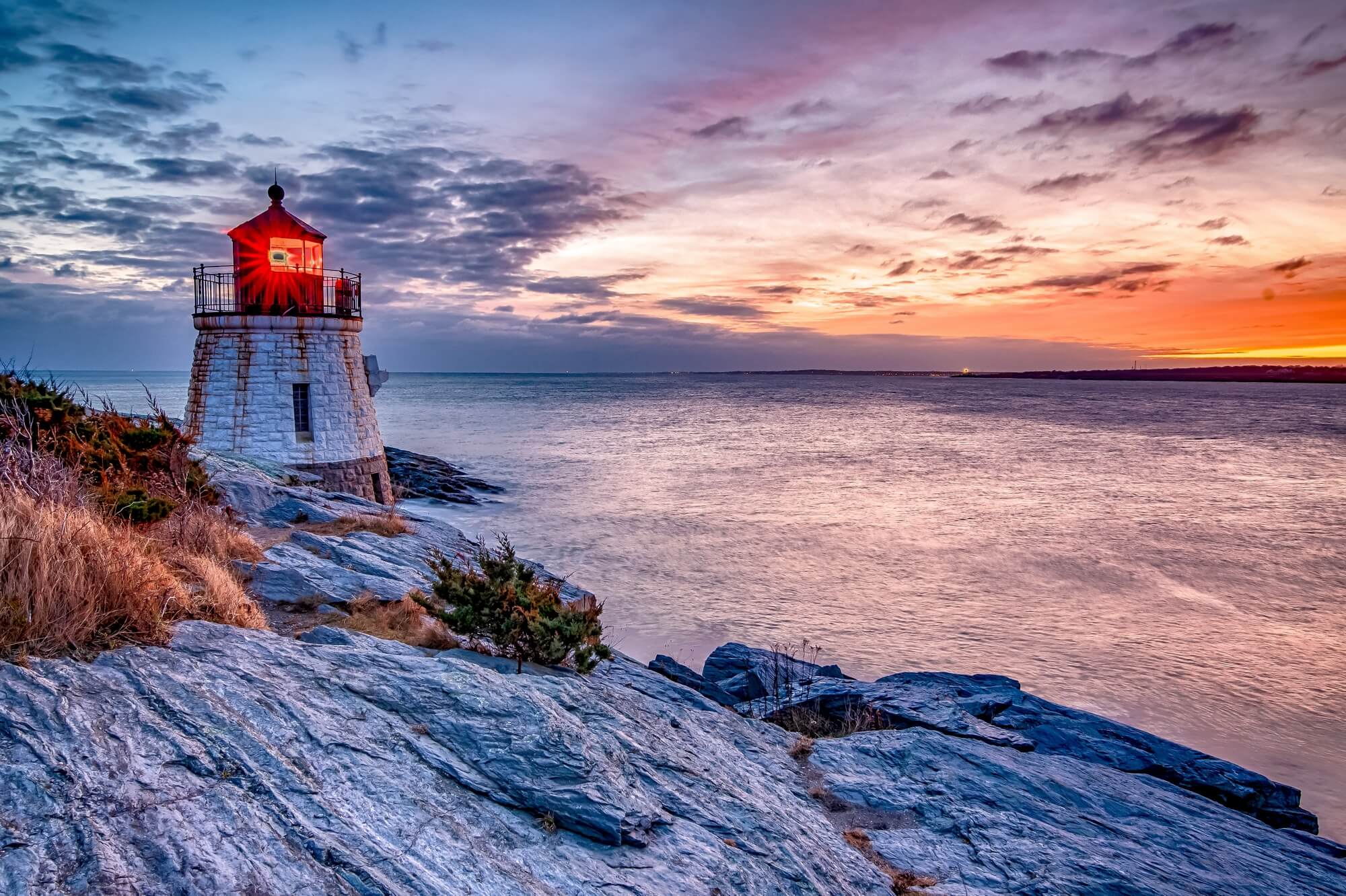
Rhode Island’s Kings County dated to 1729, and in 1781 the General Assembly renamed it Washington County, in the middle of the war. George Washington was alive, in command of the Continental Army, and being honored by a state legislature before the outcome was settled.
The towns of North Kingstown and South Kingstown kept their royal-sounding names, so the old title survives at the town level even though the county moved on. That mixed result shows how selective the renaming was, even inside one small state.
Tryon County in North Carolina Disappeared

North Carolina had its own Tryon County, created in 1768 and named for Governor William Tryon, who crushed the Regulator movement at the Battle of Alamance in 1771. In 1779 the legislature abolished it and divided the territory into Lincoln and Rutherford counties.
Lincoln honored General Benjamin Lincoln, while Rutherford honored General Griffith Rutherford, a militia leader from the area. Replacing a governor associated with the Regulator defeat with two Revolutionary generals was a pointed statement about whose memory the backcountry wanted preserved.
Both county names remain on North Carolina maps today, while Tryon survives only as the label of a small town.
Fincastle County Split Into Three
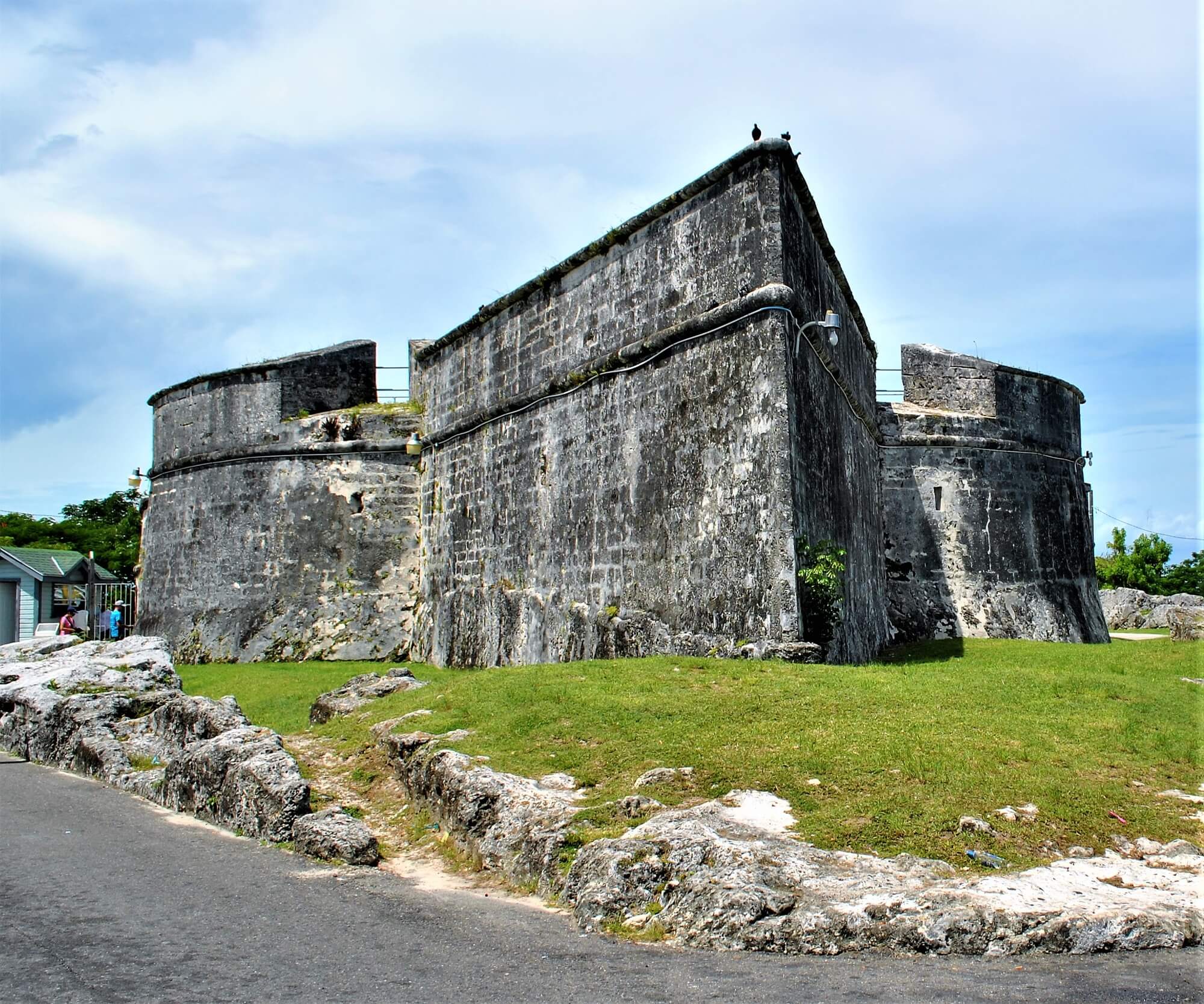
Fincastle County, Virginia, was named for Viscount Fincastle, the son of Lord Dunmore, and it covered an enormous western frontier. In December 1776 the legislature dissolved it and created Kentucky, Montgomery, and Washington counties in its place.
Those three names looked toward the new nation, with the last two honoring a fallen general and the commander of the army. The town of Fincastle survived the purge and is still the seat of Botetourt County, so the royal title lingers on one courthouse square.
Kentucky County later became the state of Kentucky, which means a frontier carved out of a royal namesake produced one of the Union’s states.
St. John Parish Became Liberty County
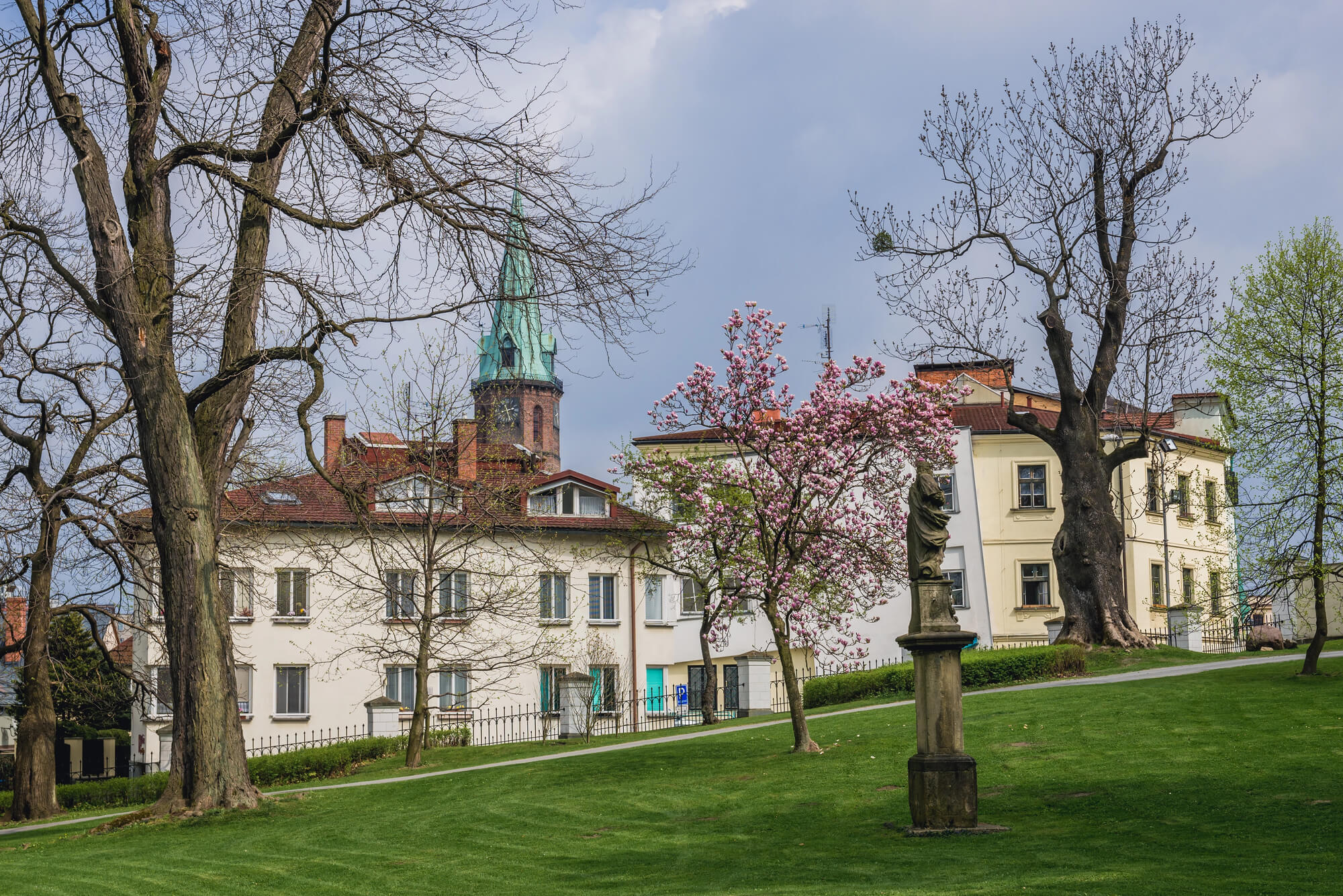
Georgia had organized its coastal settlements into Anglican parishes, and St. John Parish included the Congregational community at Midway, a hotbed of early resistance. Georgia’s constitution of 1777 replaced the parish system with counties, and St. John became Liberty County.
The name recognized the district’s reputation for early support of the American cause. Liberty County stands out because it was named for an ideal instead of a person, and the title was a deliberate reward for a community that had pushed hard for independence.
The county title has never changed since.
Fort William and Mary Became Fort Constitution
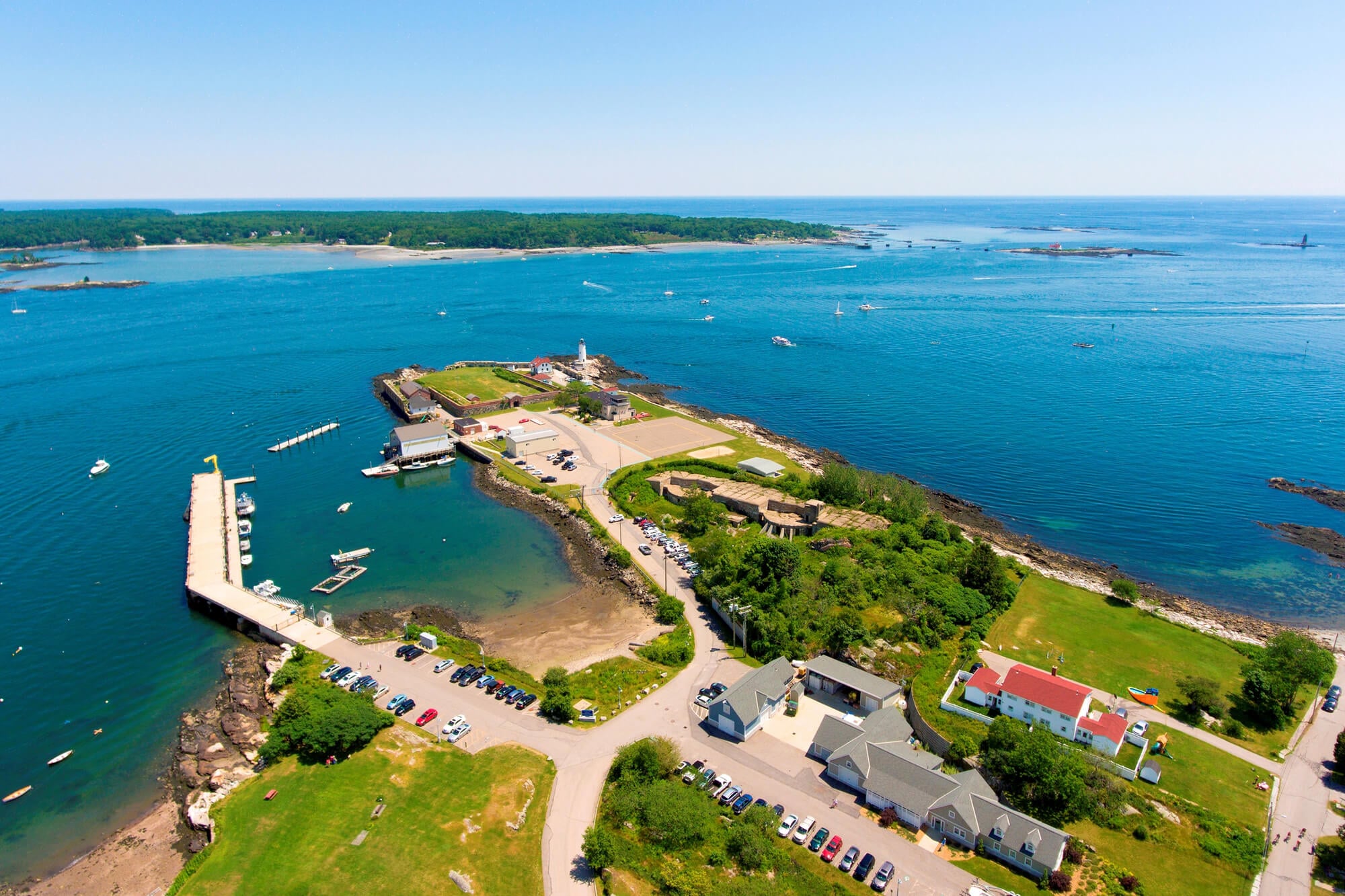
Fort William and Mary sat at the mouth of the Piscataqua River in New Castle, New Hampshire, and in December 1774 colonists seized its gunpowder and cannon, months before the fighting at Lexington and Concord. The fort carried the names of the joint monarchs William III and Mary II until it was renamed Fort Constitution in 1791, after the federal Constitution took effect.
The new title honored a legal document instead of a ruler. Few forts have moved from a royal couple to a founding charter so cleanly.
Castle William Became Fort Independence
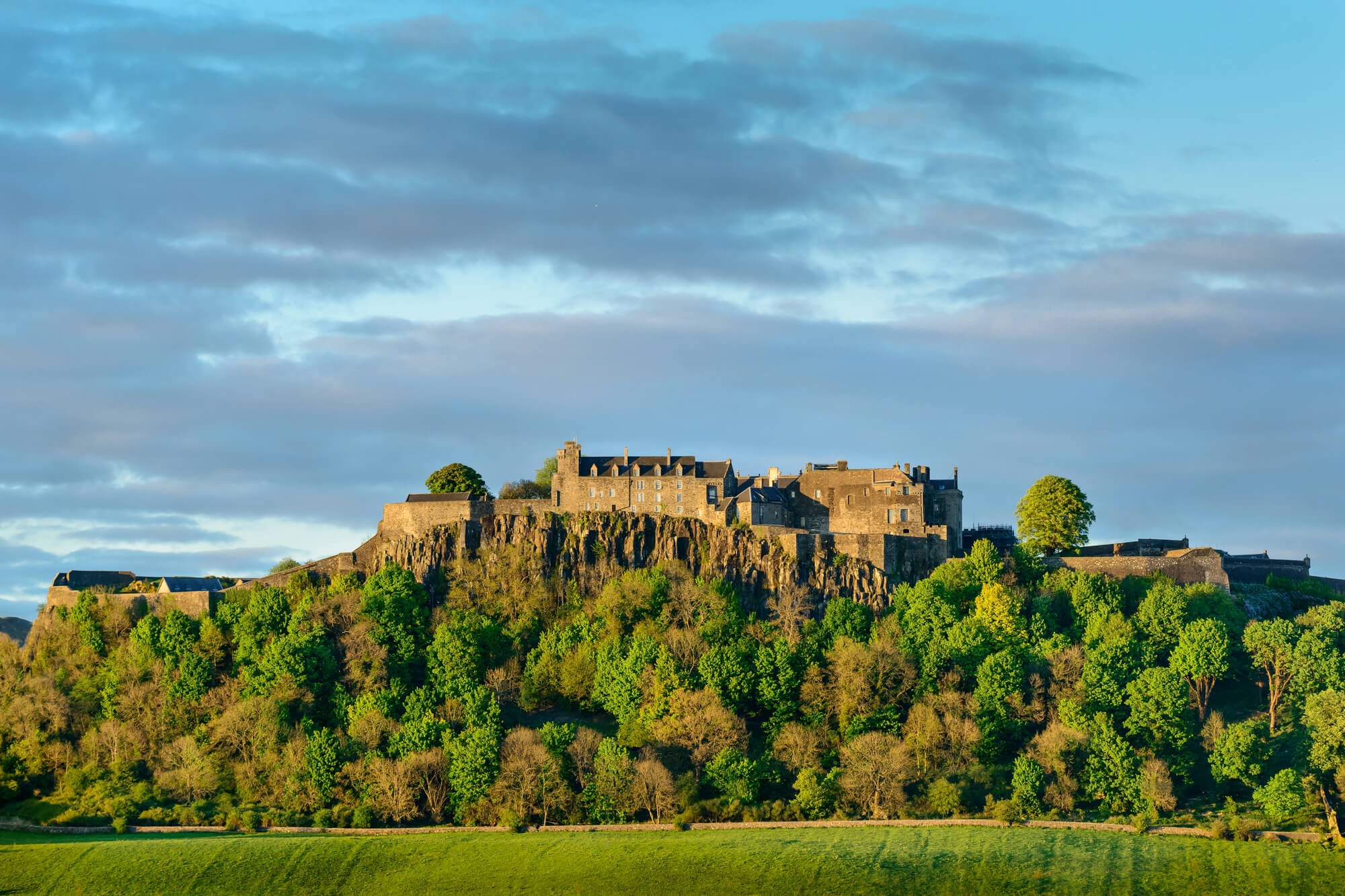
Castle William was the main fortification guarding Boston Harbor from Castle Island, and British forces wrecked its defenses when they evacuated the city in March 1776. The fort was later rebuilt, and in 1797 Massachusetts gave it the name Fort Independence.
The new name was a declaration in stone, affixed to the very post that had once protected royal customs officials. The island is now connected to the mainland and remains a popular place to watch ships and planes pass over the harbor.
Few visitors strolling the causeway realize the star-shaped fort behind them once bore a title chosen to please a king.
Fort Stanwix Became Fort Schuyler
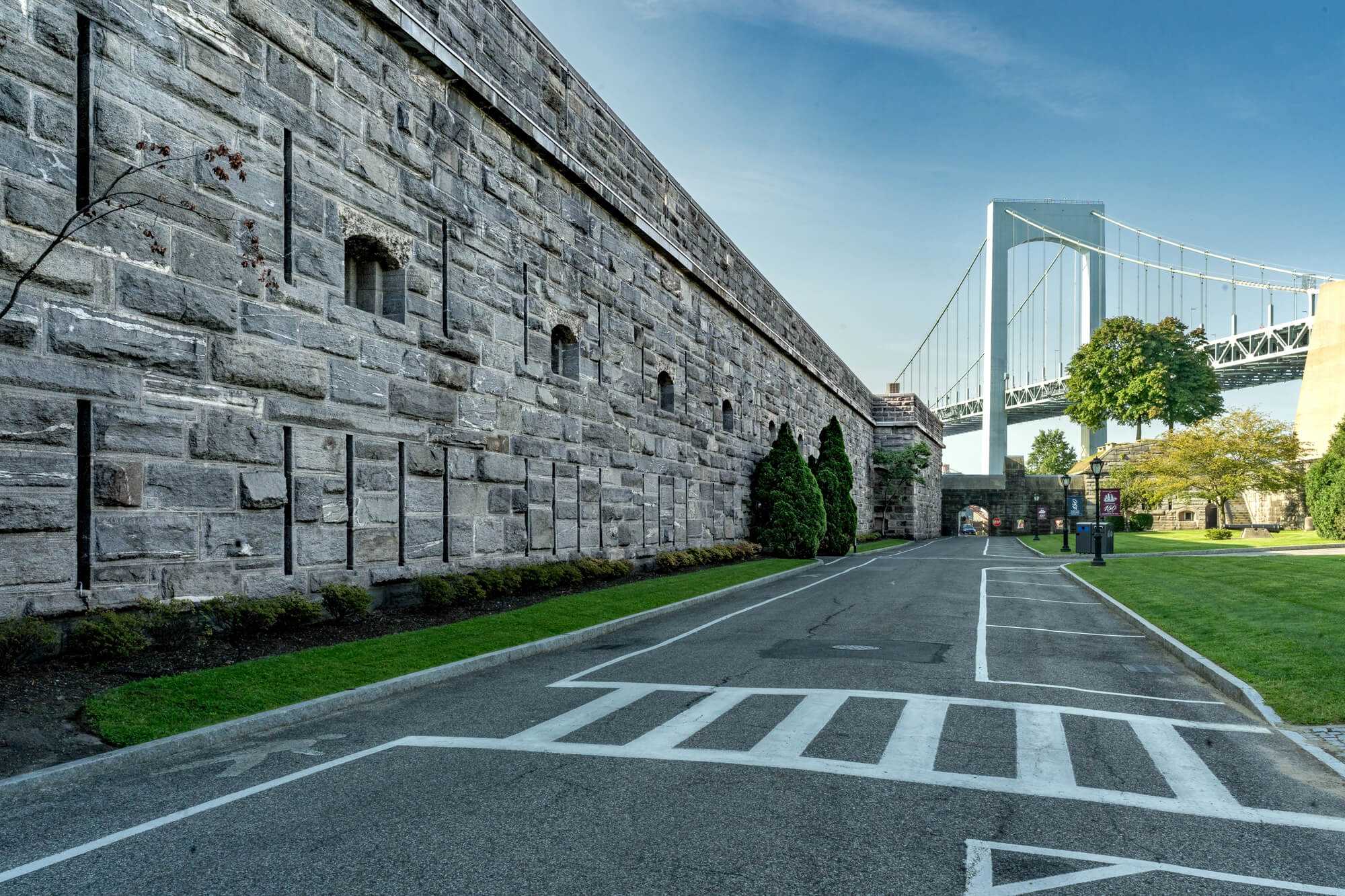
Fort Stanwix was built in 1758 near the Mohawk River carrying place and honored British General John Stanwix. In 1776 the Continental garrison renamed it Fort Schuyler, after Major General Philip Schuyler, a wealthy Albany landowner who commanded the Northern Department.
The fort withstood a siege in the summer of 1777 and became a symbol of the northern campaign. Both names are still used for the site, which sits in the heart of present-day Rome, New York, where a reconstruction operates as a national monument.
Fort Sullivan Became Fort Moultrie
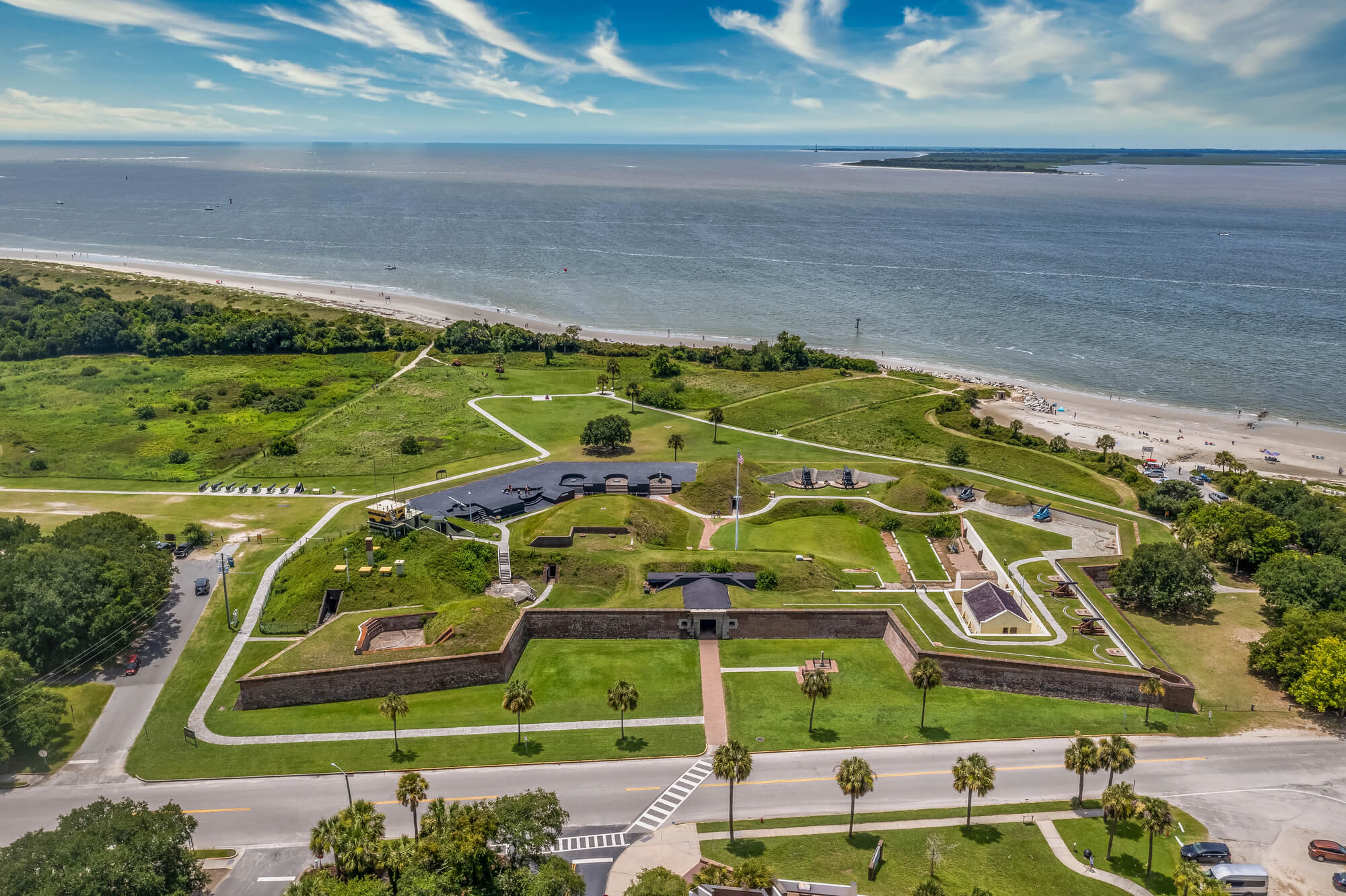
On Sullivan’s Island at the entrance to Charleston harbor, defenders built a fort of palmetto logs and sand that absorbed British cannon fire on June 28, 1776. The post had been called Fort Sullivan, but after the battle it was renamed Fort Moultrie in honor of Colonel William Moultrie, who commanded the garrison.
Moultrie was a planter and militia officer, and the victory made his name nationally known. The fort remains a federal historic site, and the soft palmetto trunks remain the best-known detail of the story.
The Federal City Became Washington
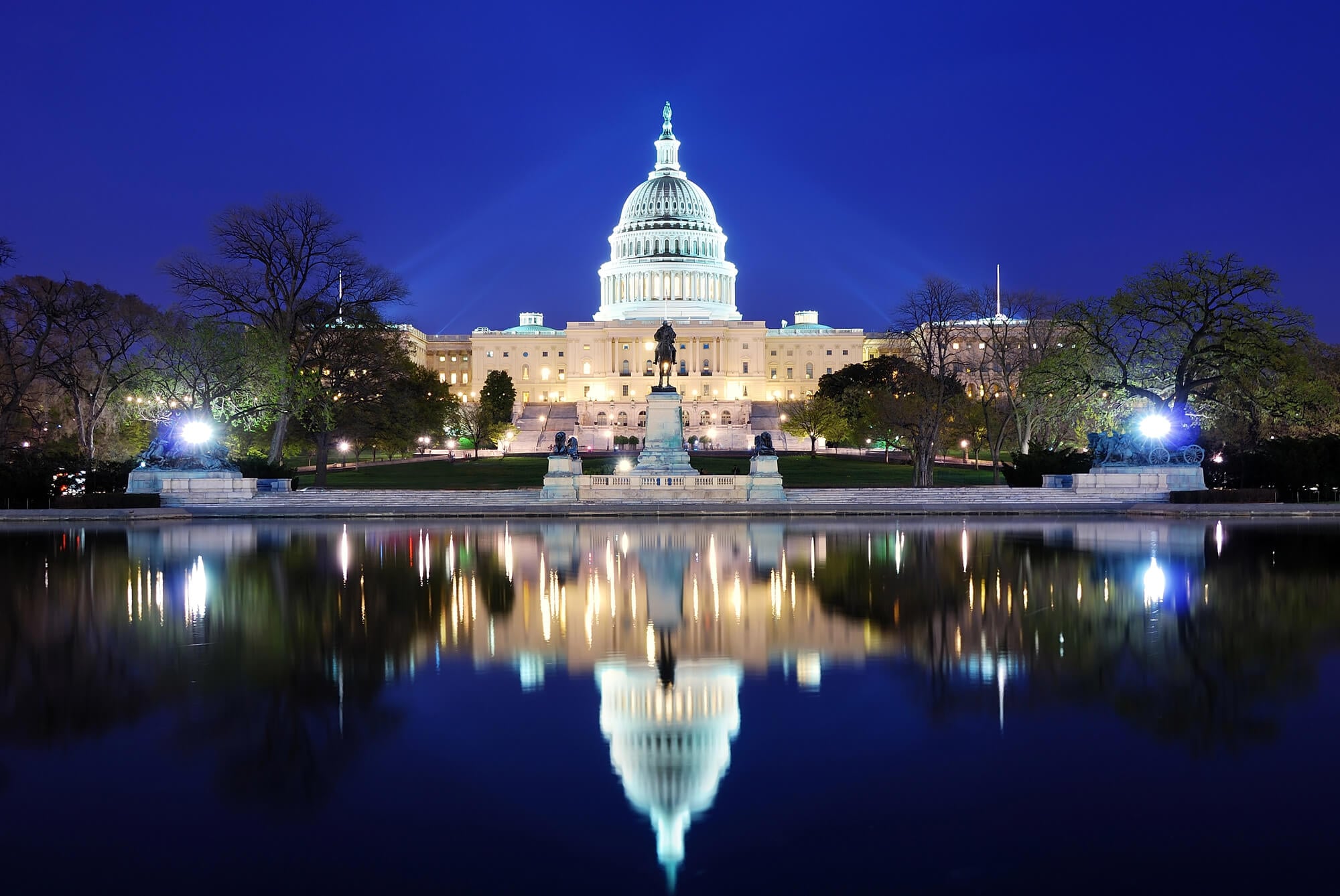
When Congress and the president chose a permanent capital on the Potomac, the project was usually called the Federal City. In September 1791 the three commissioners overseeing it, Thomas Johnson, David Stuart, and Daniel Carroll, named the city Washington and called the surrounding territory Columbia.
President Washington was alive and in office, which made the honor unusual. The older generic label faded gradually, while Columbia lives on in the name of the District of Columbia.
Both names now sit side by side in the official title of the federal territory, products of a single autumn decision.
New Hampshire Grants Became Vermont
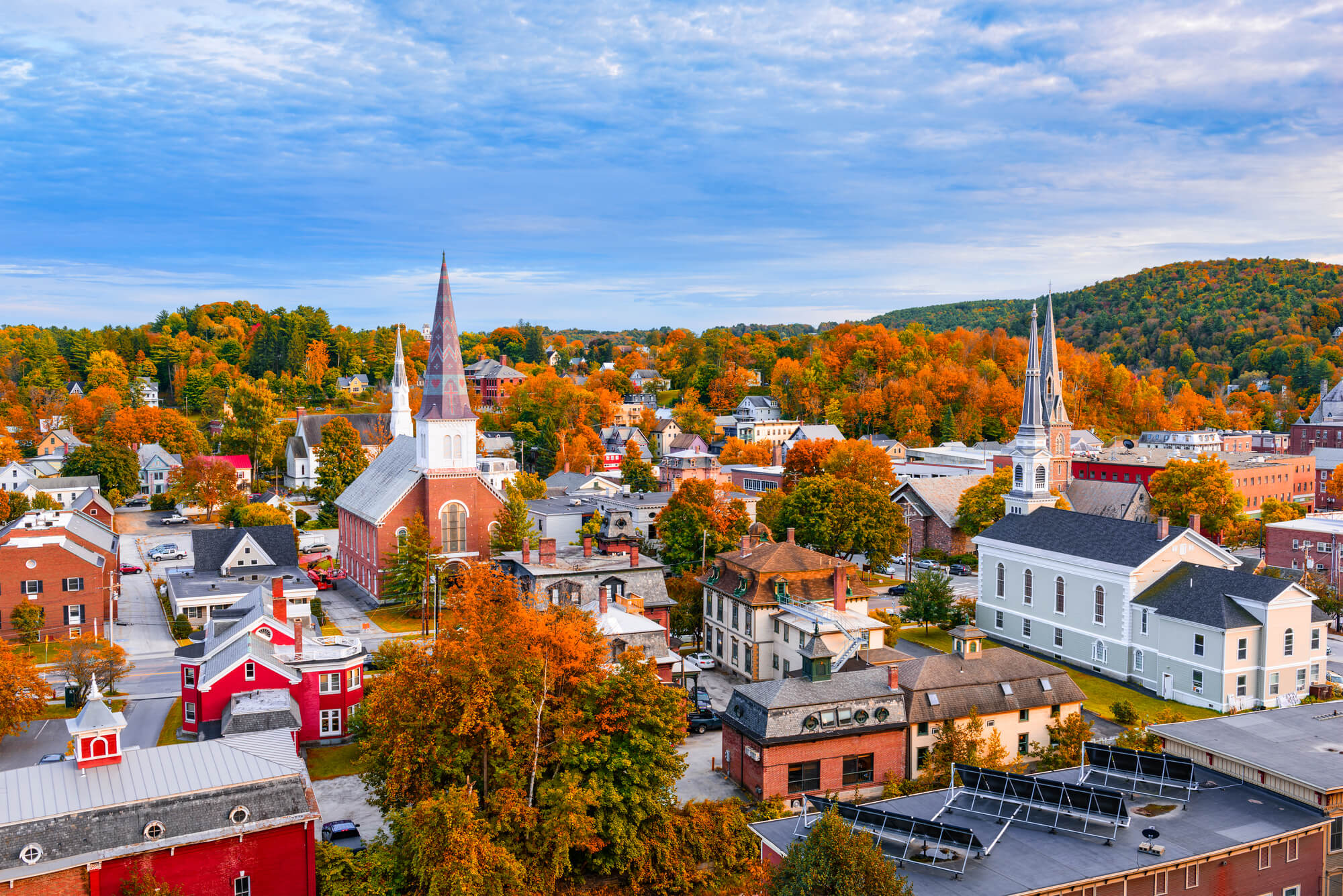
Settlers in the contested territory between New York and New Hampshire were governing themselves by 1777. In January of that year, delegates at Westminster declared independence for the region under the name New Connecticut.
Within months the name was changed to Vermont, taken from French words meaning green mountains. The territory operated as an independent republic for years before joining the Union as the fourteenth state in 1791.
Few place names changed so completely while the territory was still claiming the right to exist. The shift from a Connecticut label to a French-derived one also signaled a wish to stand apart from every neighbor.
Crown Street Became Liberty Street
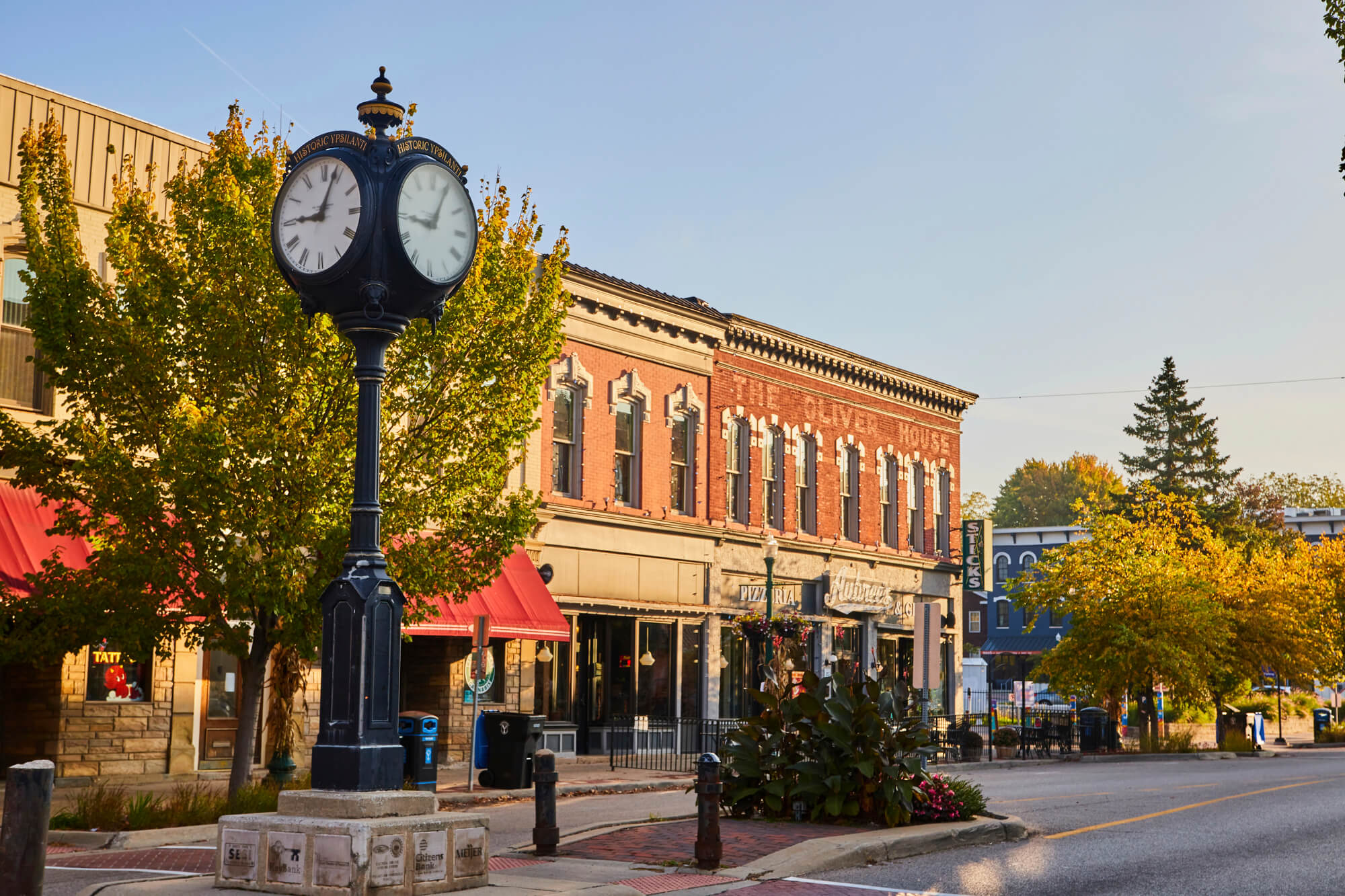
Lower Manhattan once had a Crown Street, a straightforward tribute to royal authority, and after the war it was renamed Liberty Street. British forces left New York on November 25, 1783, a date later marked as Evacuation Day.
The city then began replacing names that smelled of monarchy with ones that suited the new republic. Liberty Street remains in the Financial District today, running near the site of the World Trade Center, and its name is a small reminder that the neighborhood’s streets once carried tributes to royalty.
College of Philadelphia Became a State University
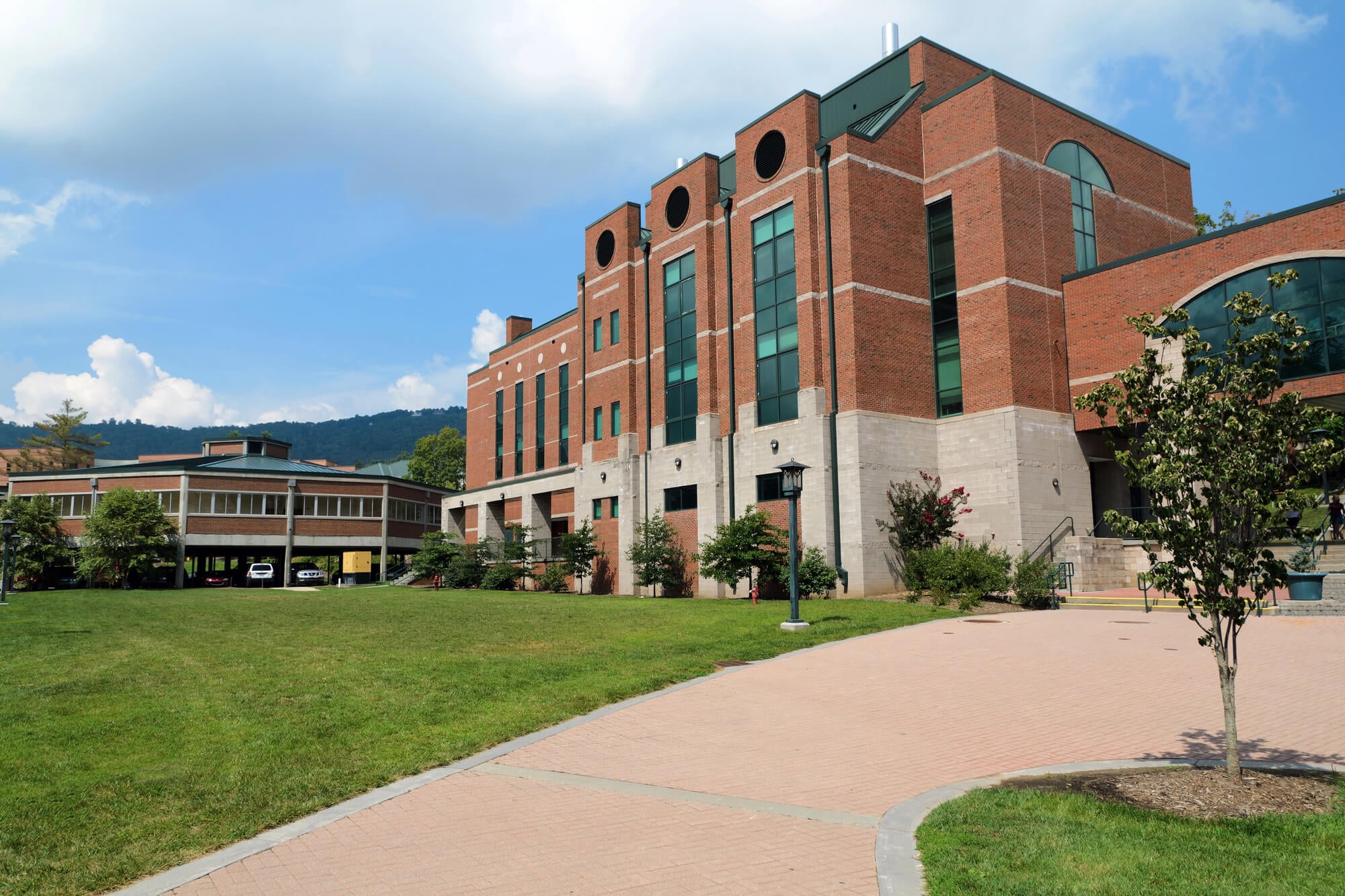
The College of Philadelphia was founded in the 1750s and had a provost, William Smith, who was an Anglican clergyman suspected of royalist leanings. In 1779 the Pennsylvania legislature revoked the college’s charter, installed new trustees, and created the University of the State of Pennsylvania.
The old college was revived in 1789, and in 1791 the two institutions were merged into the University of Pennsylvania. Few schools have changed names and governing bodies as many times in so short a span.
The university now counts its history from the 1740s, a claim that depends on treating the college and the state university as one continuous institution.
Patriotism Written Onto the Map
The pattern across these places is that the Revolution did not replace one monarchy with another. It replaced royal personalities with patriots, ideals, and the plain business of government.
Courts, states, liberty, independence, and constitutions moved onto street signs, counties, and fortress gates. Even when a new name honored a general, it was usually a general who had died or fought in the cause.
The changes were also uneven. Charlotte, North Carolina, kept a queen’s name, North and South Kingstown kept their monarch, and Fincastle survived on a courthouse square.
Some names were too embedded in daily life to uproot, which meant independence left behind a patchwork of old and new labels that Americans still use every day without noticing.
More from Go2Tutors!

- 27 Silver Dollars and Half Dollars Worth Keeping
- 28 Restaurant Menu Items Nobody Orders Anymore
- 17 Places Built in Seemingly Impossible Spots
- 27 Vintage Rings Worth More Than They Look
- 25 Restricted Sites Tourists Can’t Enter
Like Go2Tutors’s content? Follow us on MSN.