16 Strange Foods Considered Delicacies in Europe
Europe’s culinary landscape extends far beyond croissants and pasta. Across the continent, certain foods that might raise eyebrows elsewhere are treasured traditions, passed down through generations and celebrated in fine restaurants.
These dishes tell stories of resourcefulness, cultural identity, and the human capacity to transform the seemingly unpalatable into something extraordinary. From fermented fish that smells like a chemical accident to cheese that moves on its own, European delicacies often challenge our assumptions about what constitutes good food.
Yet these aren’t novelty items or tourist traps — they’re genuine cultural treasures with devoted followings and complex preparation methods.
Surströmming
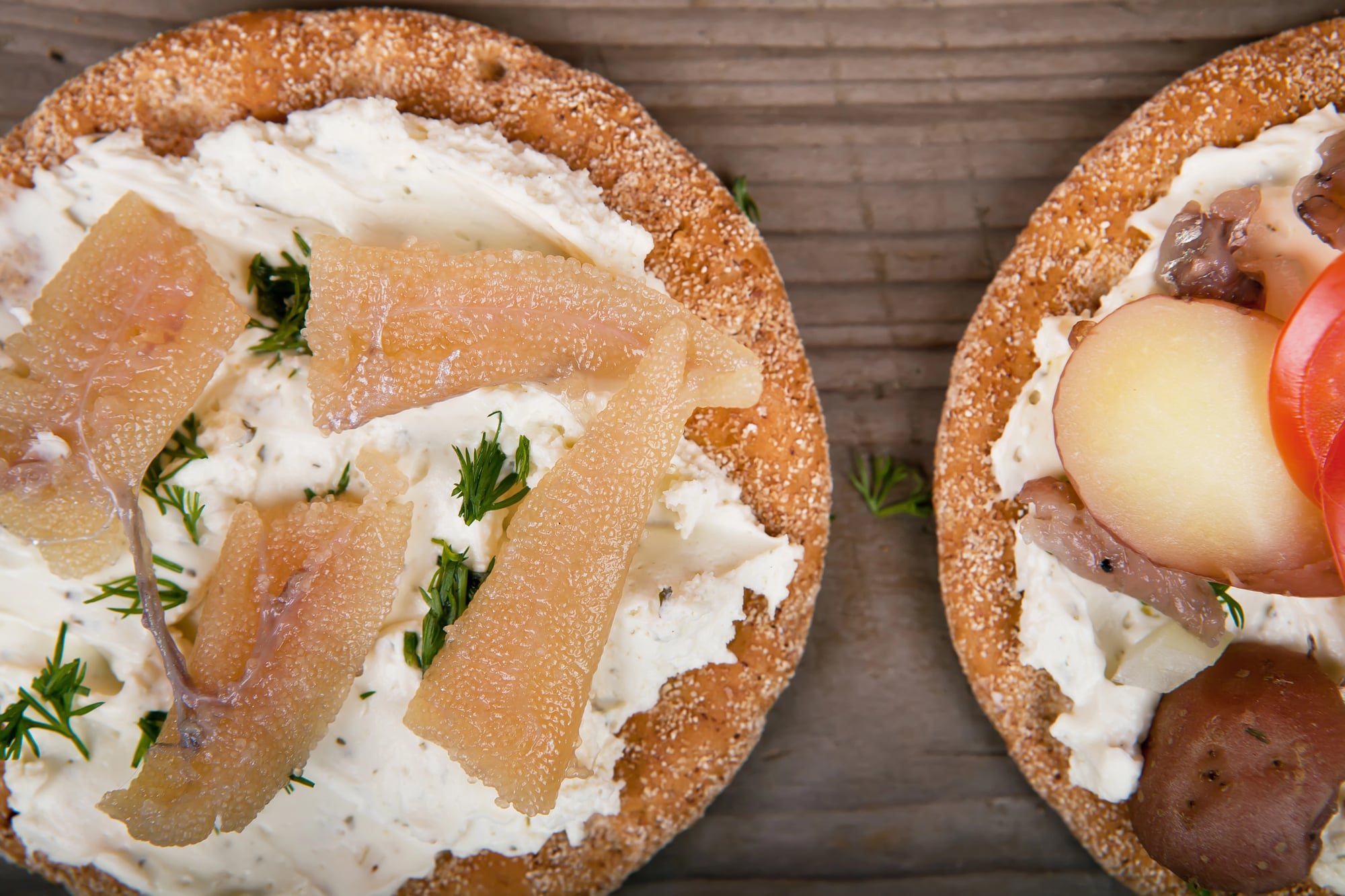
Swedish fermented herring makes grown adults gag from twenty feet away. The smell hits like a physical force — imagine rotting fish mixed with ammonia and vinegar, then multiply that by ten.
Swedes eat this stuff on crackers with onions and potatoes. They genuinely enjoy it.
Casu Marzu
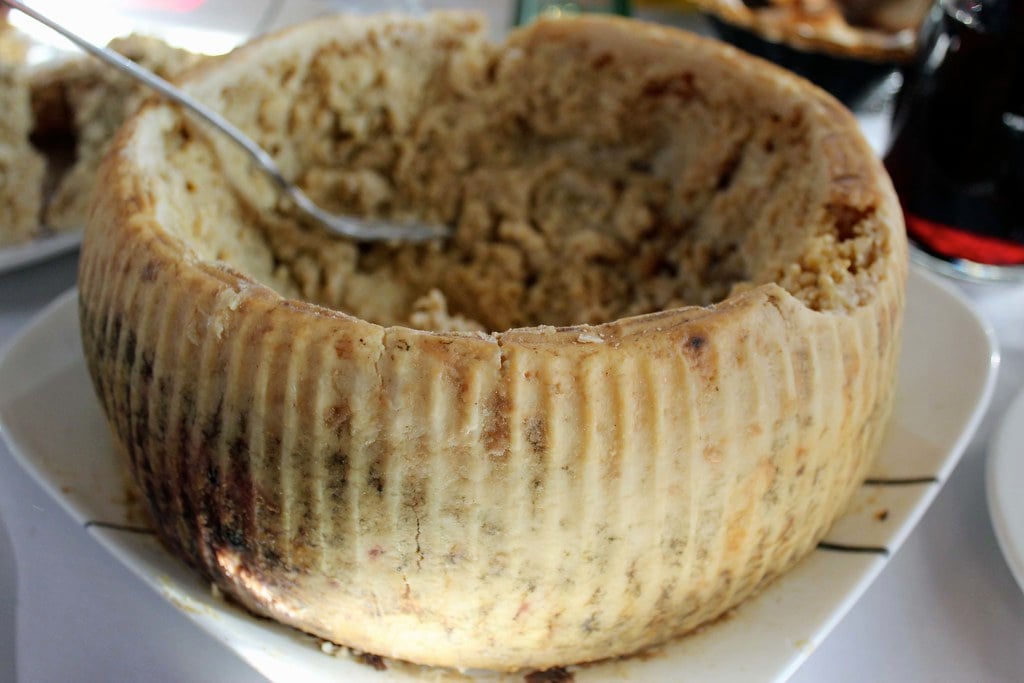
This Sardinian cheese contains live maggots. Not accidentally — deliberately.
The cheese flies lay their eggs inside, the larvae hatch and eat their way through the cheese, and locals consider it ready when it’s crawling with them. The maggots jump when disturbed (which is why some people eat it with their eyes closed), and removing them before consumption is considered an insult to the cheese.
The European Union has banned its commercial sale, but that hasn’t stopped Sardinians from making it in their basements and serving it at family gatherings. And here’s the thing about tradition: it doesn’t care what outsiders think, it just continues, generation after generation, like a river that’s carved its own path and refuses to change course.
The cheese itself — once you get past the obvious concerns — supposedly delivers a sharp, intense flavor that burns slightly on the tongue, though most people never make it past watching the surface move. But for those who grew up with it, casu marzu represents something deeper than food: it’s identity, heritage, the taste of home that can’t be replicated anywhere else on earth.
Morcilla
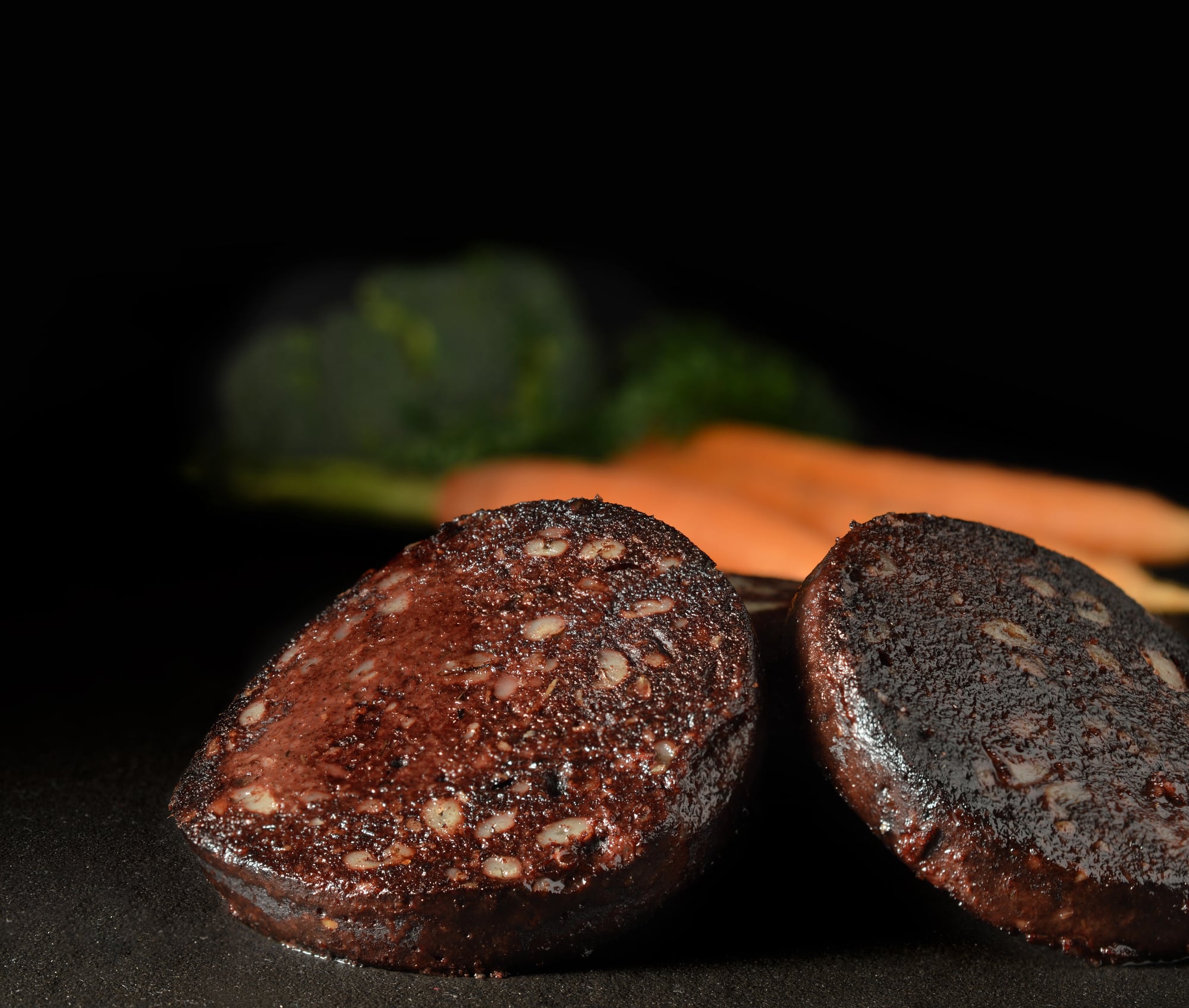
Spanish blood sausage turns pig’s blood into something resembling chocolate cake. Different regions add rice, onions, or pine nuts.
The texture varies from creamy to grainy depending on the recipe. Most first-time eaters forget what they’re consuming after the first bite.
Tête de Veau
French calf’s head requires a butcher willing to special order and a cook who doesn’t flinch at eyeballs. The brain gets served alongside the cheek meat and tongue.
Traditional preparation involves removing the eyes but leaving everything else intact. High-end Parisian restaurants charge premium prices for this dish, treating it like foie gras or truffles.
Hákarl
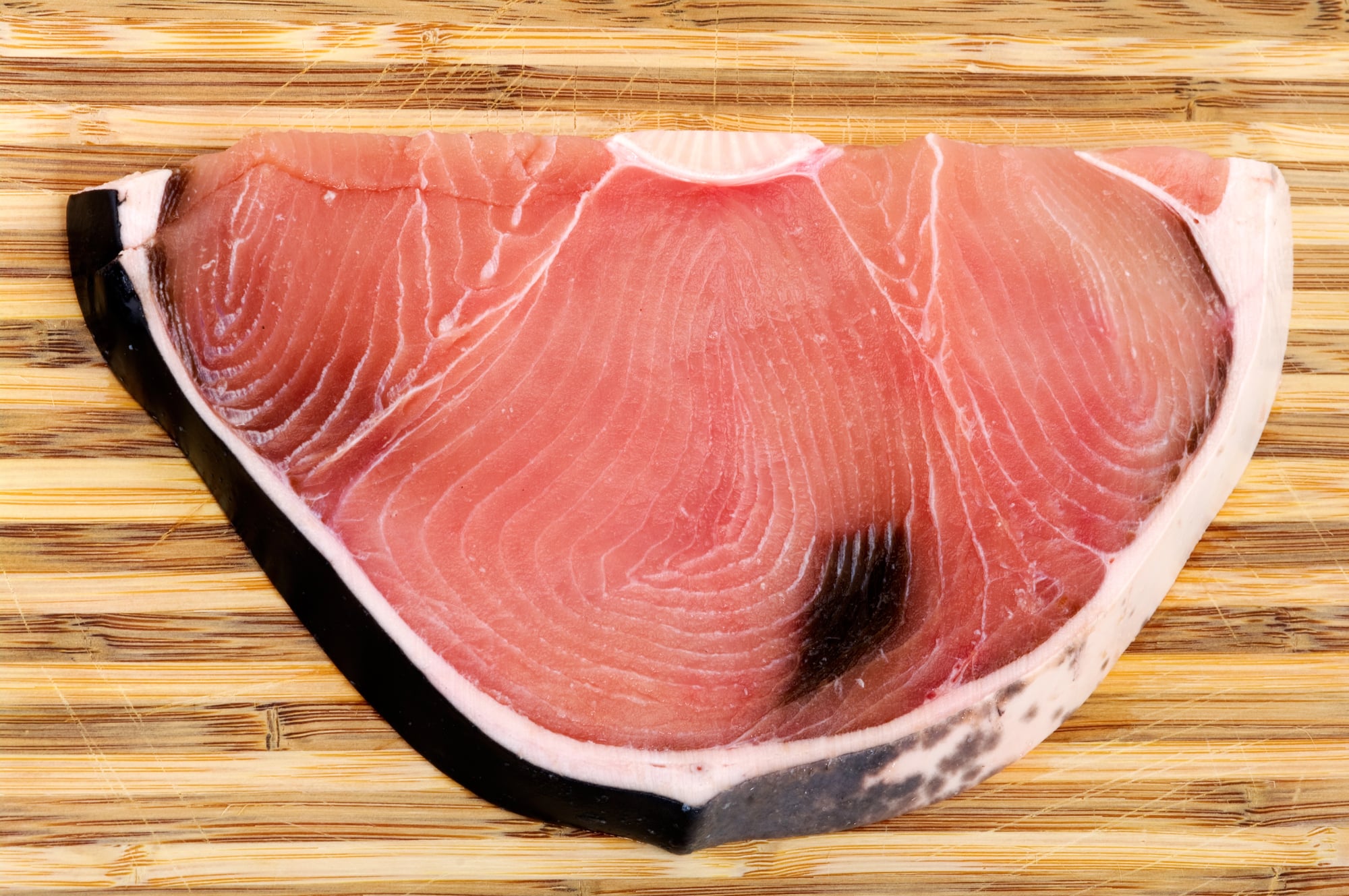
Icelandic fermented shark tastes like being punched in the face by the ocean itself. The Greenland shark is naturally toxic when fresh, so Icelanders bury it underground for up to three months, then hang it to dry for another two to four.
What emerges barely qualifies as food by most standards — it’s more like chewing on fishy-tasting rubber that burns your throat and makes your eyes water. And yet there’s something almost mystical about the whole process, this ancient alchemy that transforms poison into sustenance, death into nourishment.
Icelanders serve it during their midwinter festival, paired with brennivín (a caraway-flavored spirit that presumably helps kill whatever’s left of your taste buds). The ritual matters more than the flavor: gathering in the darkest month, sharing something that connects them to their Viking ancestors, proving once again that humans will find community in the strangest places.
Escargot

French snails crawl out of gardens and onto dinner plates. The preparation involves purging them for days, then drowning them in garlic butter and herbs.
The texture resembles chewy mushrooms. Parisians pay restaurant prices for something they could harvest from their own backyards.
Black Pudding
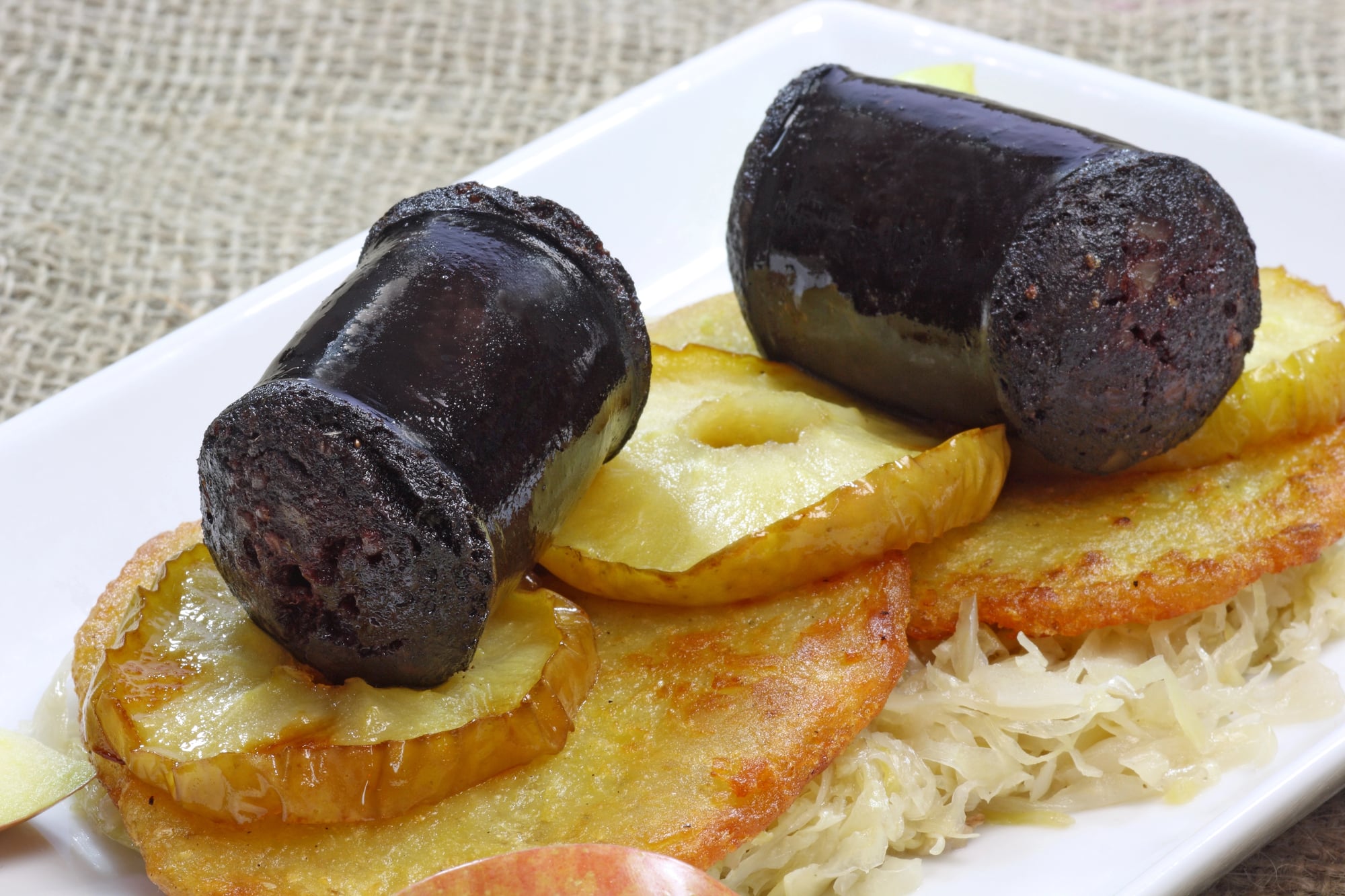
British blood sausage proves that resourcefulness trumps squeamishness every time. Pig’s blood, fat, and oatmeal get stuffed into casings and fried until crispy.
The result tastes nothing like what the ingredients suggest — rich, savory, almost chocolatey. Full English breakfasts wouldn’t be complete without it, and the Irish version adds its own regional variations.
Scots take their black pudding seriously enough to hold competitions. Different regions guard their recipes like state secrets.
Some add barley instead of oats, others include specific spice blends passed down through families. The key lies in getting the blood-to-fat ratio exactly right — too much blood and it becomes grainy, too much fat and it falls apart in the pan.
Lamprey
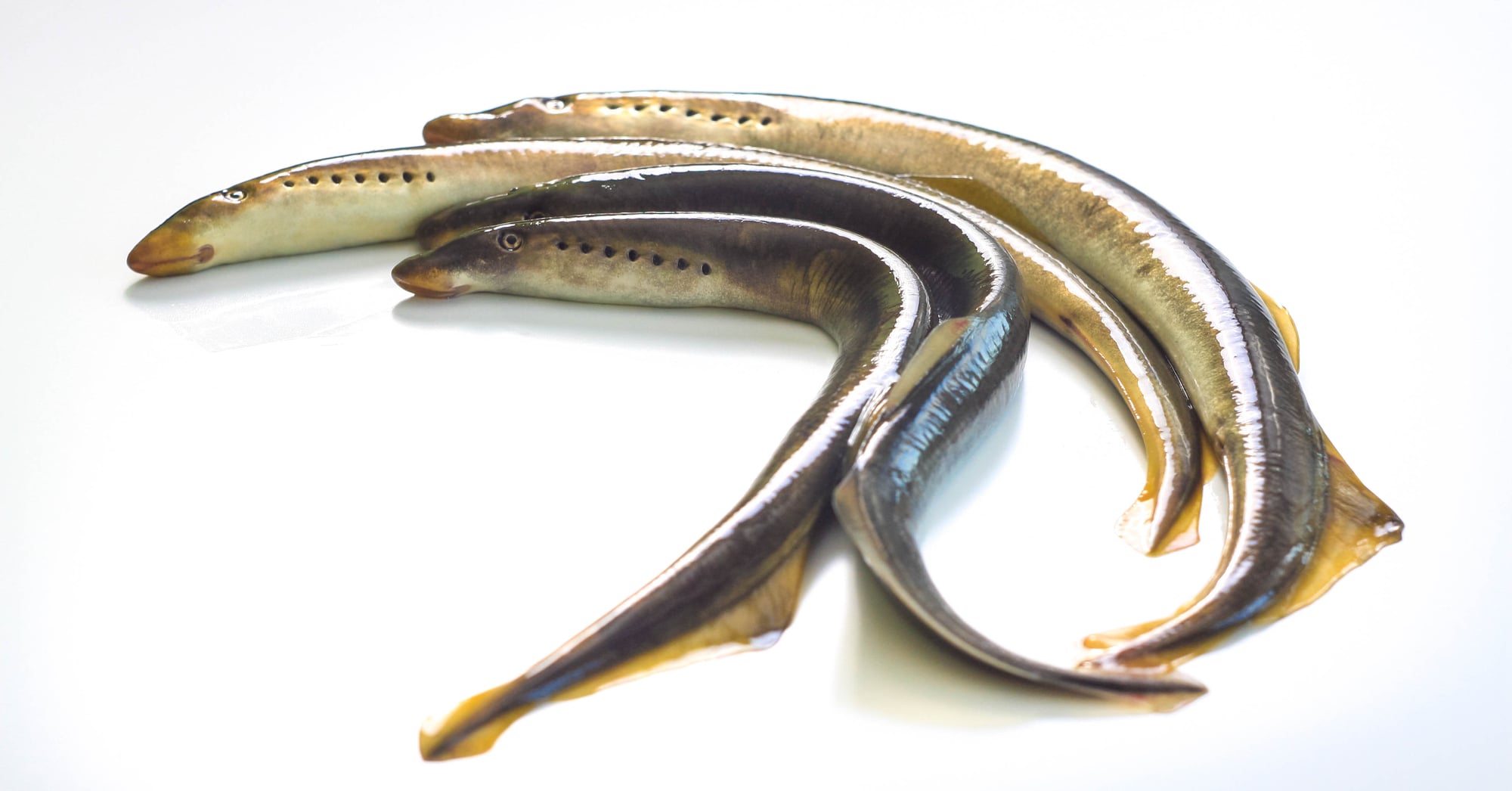
Portuguese lampreys look like prehistoric nightmares but taste like rich, fatty fish. These eel-like creatures latch onto larger fish with circular mouths full of rows of teeth.
Traditional preparation involves marinating them in red wine and garlic before grilling. The Portuguese city of Montemor-o-Velho holds an annual lamprey festival where locals compete to prepare the most elaborate dishes.
Sweetbreads
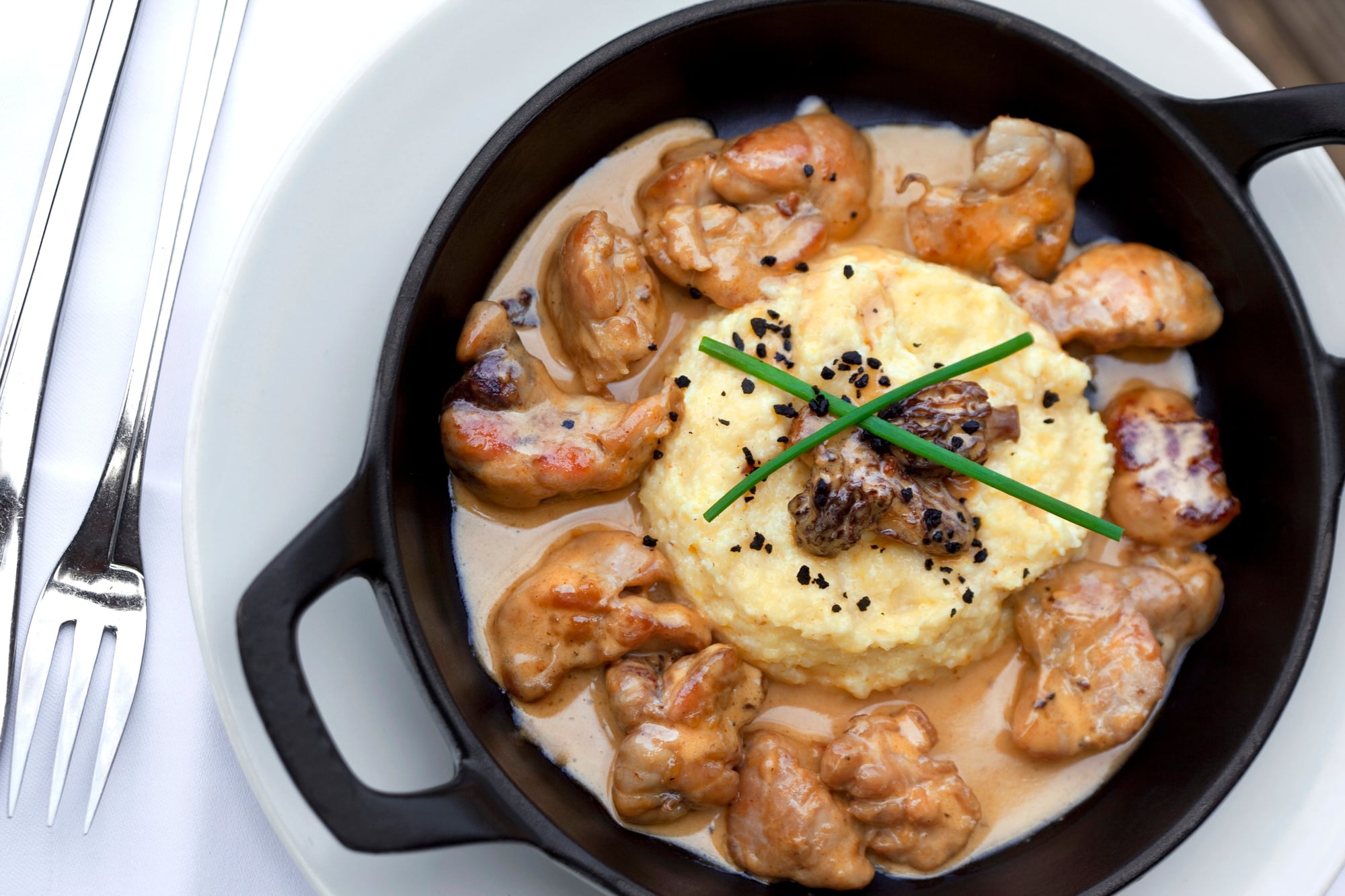
French chefs transform calf thymus glands into restaurant-worthy dishes. The name deliberately obscures what you’re actually eating — there’s nothing sweet about them, and they’re definitely not bread.
Proper preparation requires soaking, blanching, and careful sautéing to achieve the right texture. When done correctly, they’re creamy on the inside with a golden crust.
Stargazy Pie
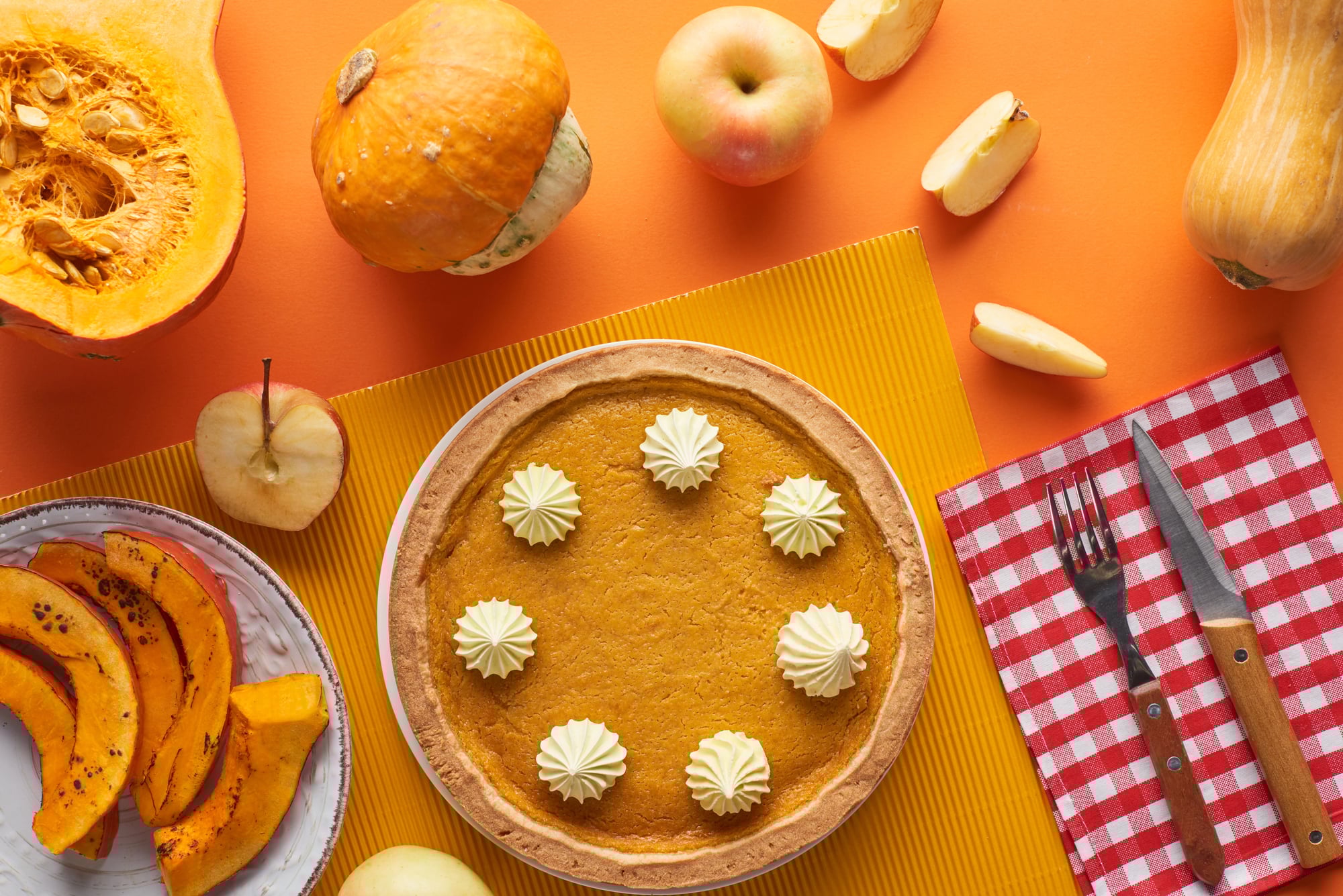
This Cornish pie features fish heads poking through the crust, staring at the sky. The pilchards get baked whole with their heads deliberately arranged to emerge from the pastry.
Local legend claims it honors a fisherman who saved the village from starvation, but the visual effect remains unsettling regardless of the backstory. The pie appears during the annual festival in Mousehole, where locals gather to celebrate their maritime heritage and eat something that looks like it’s watching them back.
Children either love it or refuse to go near it — there’s no middle ground when your dinner is making eye contact. But beneath the theatrical presentation lies solid comfort food: flaky fish, creamy sauce, proper pastry that’s been perfected over generations of coastal cooking.
Tripe
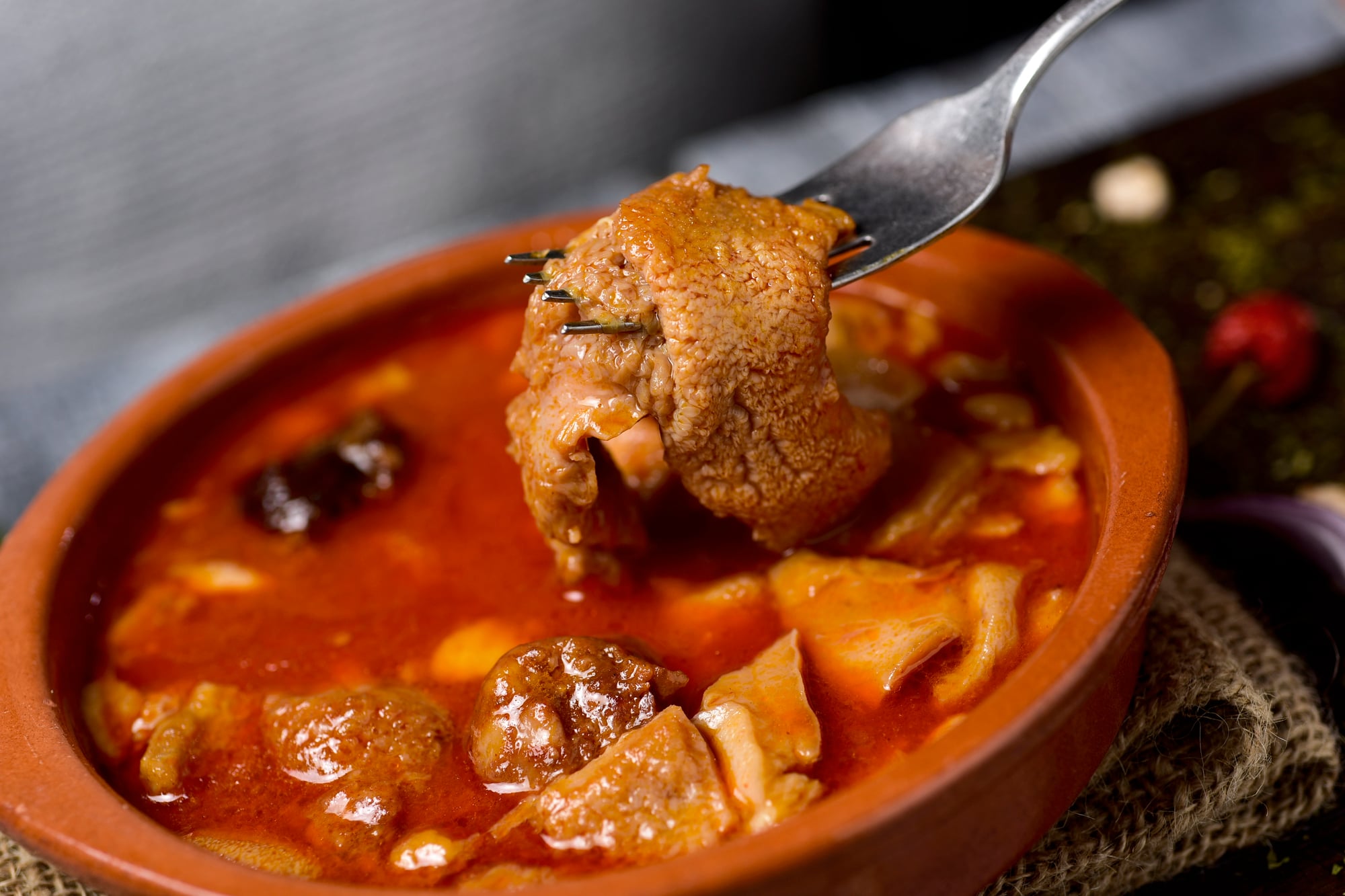
Italian trippa turns cow stomach lining into comfort food. The preparation process takes hours of cleaning, boiling, and slow cooking in tomato sauce.
Different regions add white beans, vegetables, or specific herb combinations. When prepared correctly, the texture becomes tender and slightly chewy, absorbing whatever flavors surround it.
Anguille au Vert
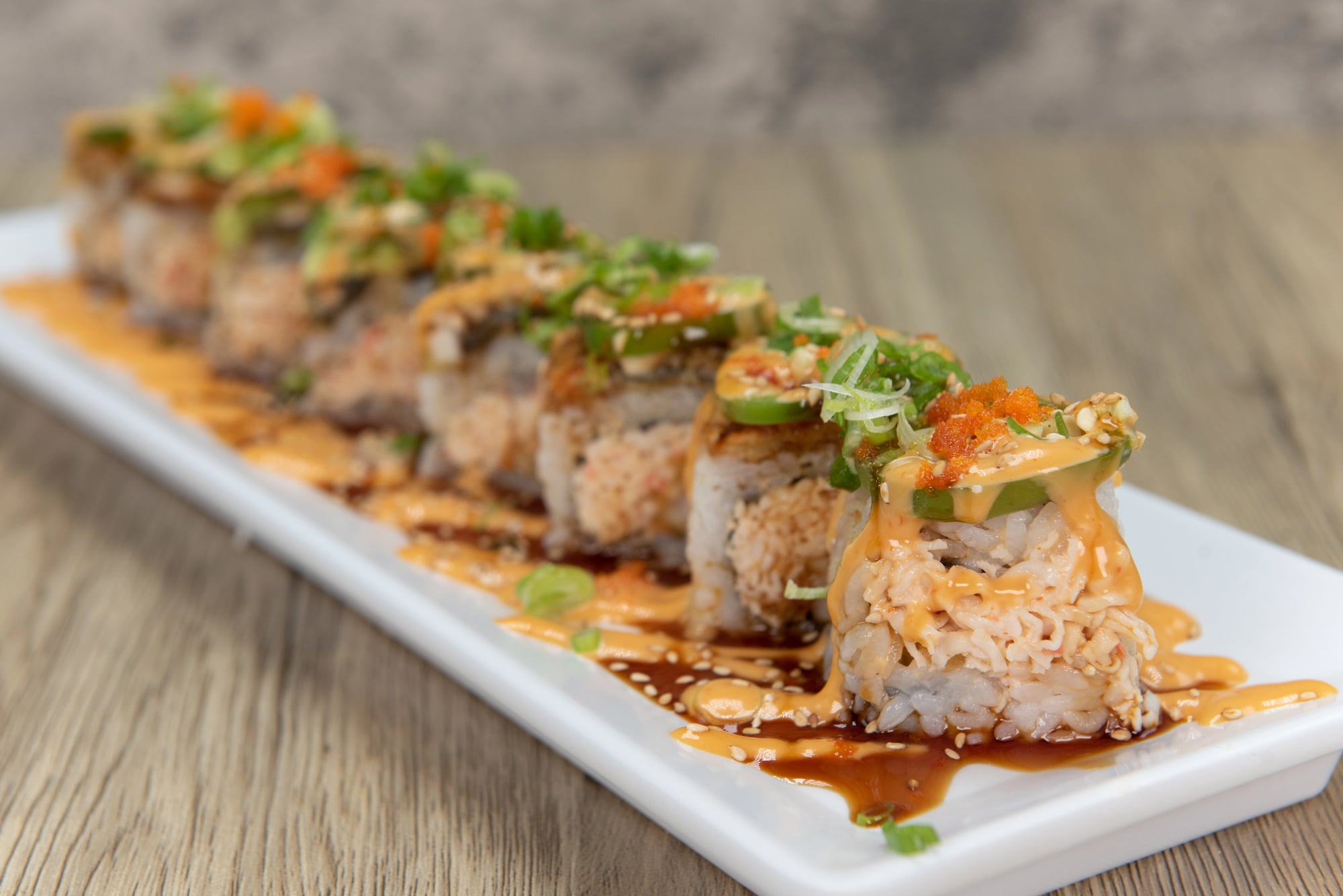
Belgian eels swimming in green herb sauce challenge both texture preferences and visual expectations. The eels get cooked in a bright green mixture of parsley, chervil, sage, and other herbs that turns the entire dish an unnatural color.
Traditional preparation requires keeping the eels alive until the last possible moment, then chopping them into segments that continue moving in the pan. The herbs provide a fresh, almost medicinal flavor that cuts through the richness of the eel meat, creating something that tastes much better than it looks — though that’s not exactly a high bar to clear.
Andouillette

French andouillette sausage contains pig intestines stuffed inside more pig intestines. The smell hits before you see it — barnyard mixed with funk that clings to your clothes and follows you home.
This isn’t food for tourists or the faint-hearted. French charcutiers take pride in their andouillette, earning certifications and awards for achieving the perfect balance of texture and flavor.
Different regions prepare it differently, but all versions maintain that distinctive aroma that either repels completely or becomes oddly addictive. Restaurants that serve it properly often display certificates proving their authenticity.
Locals eat it grilled with mustard and consider it a test of culinary sophistication.
Tête Fromagée
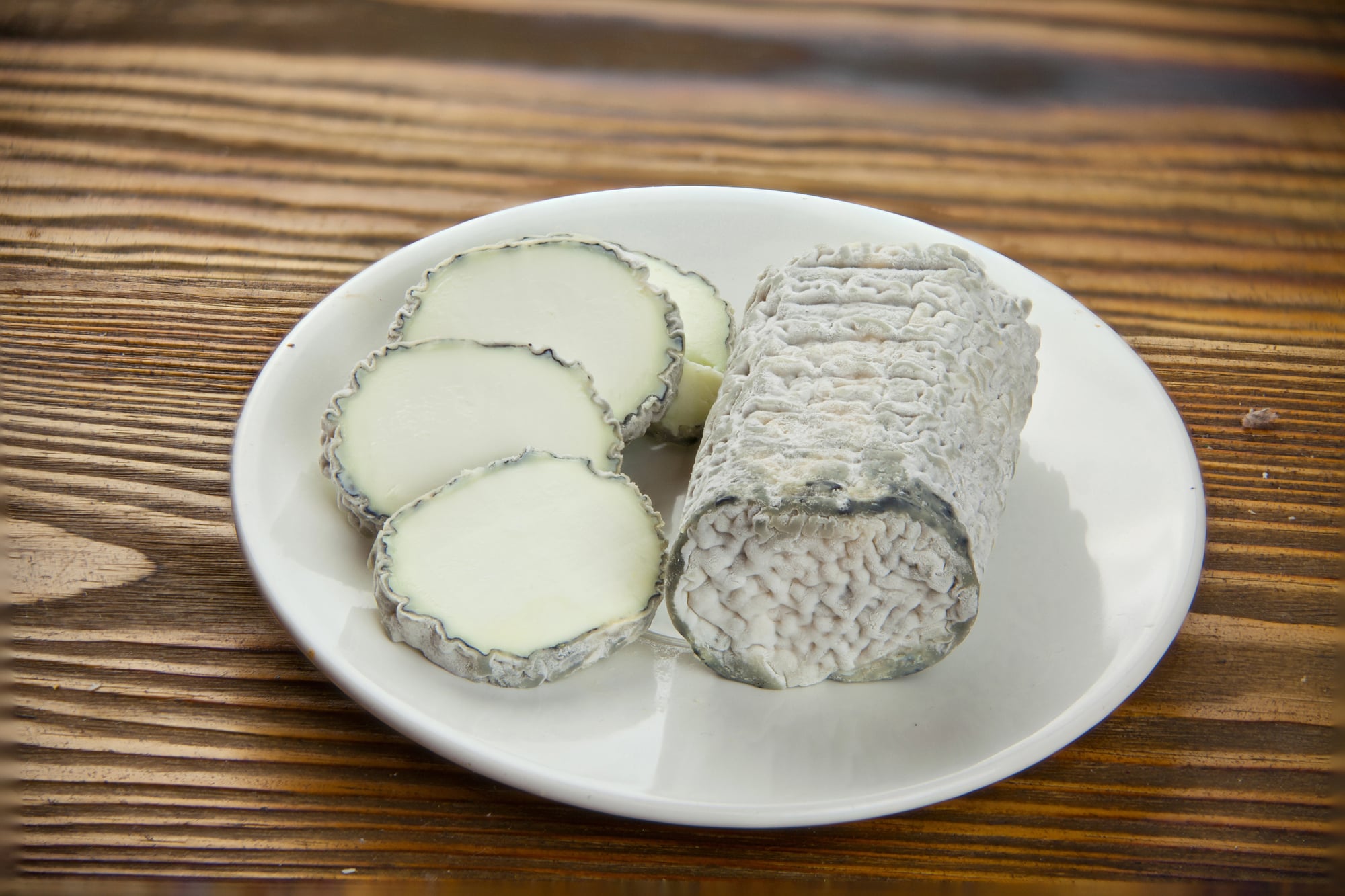
Belgian head cheese contains no cheese and displays more head parts than most people want to contemplate. Pig heads get boiled until the meat falls off, then mixed with the cooking liquid and pressed into loaf form.
The gelatin from boiling bones holds everything together, creating a sliceable product that reveals bits of ear, snout, and other identifiable features.
Smalahove
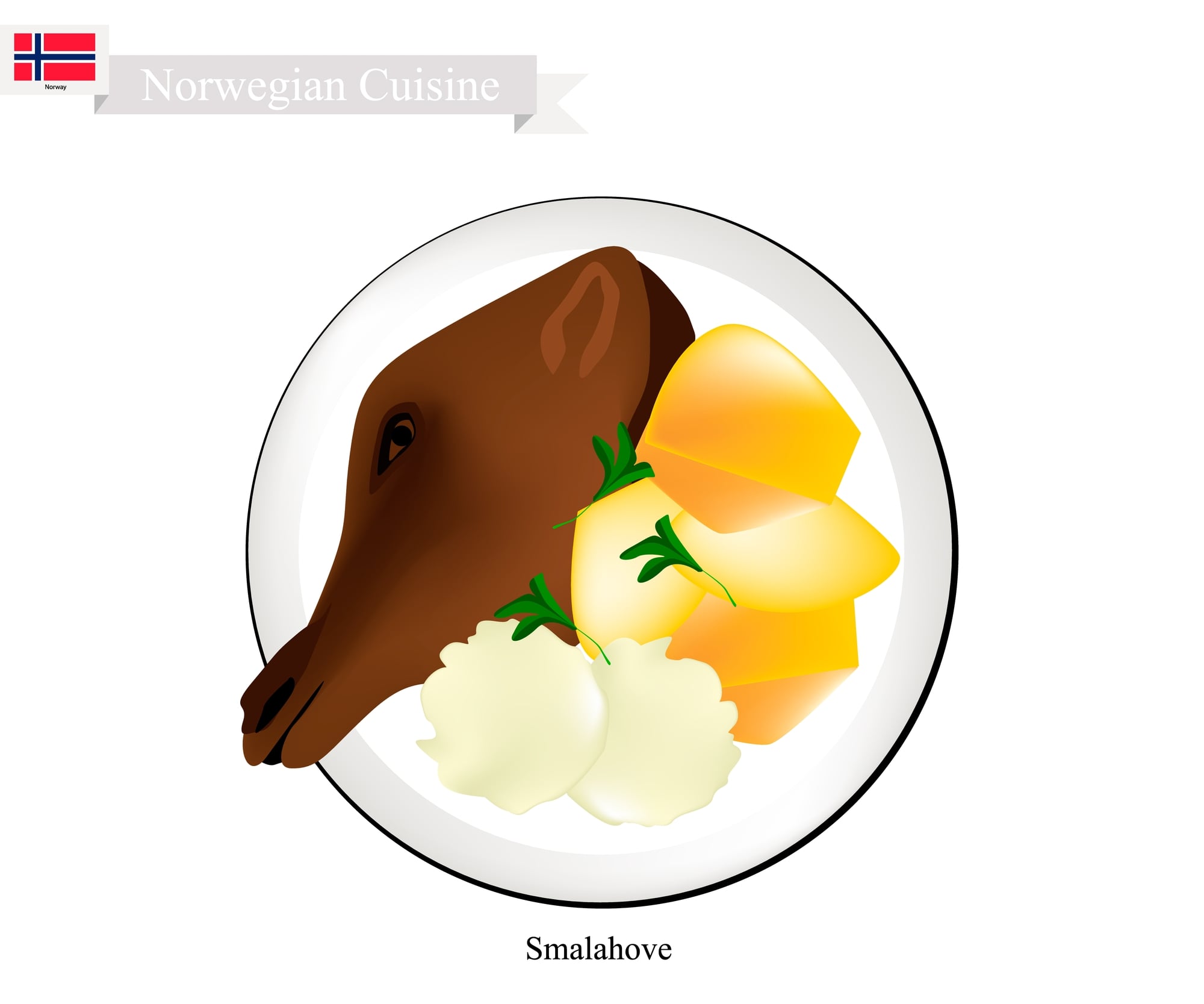
Norwegian sheep’s head gets served whole, often with the brain scooped out and eaten first. Traditional preparation involves smoking and boiling until tender.
Diners work their way around the skull, eating cheek meat, tongue, and whatever else remains attached. The dish appears primarily during winter months when fresh ingredients become scarce.
Reindeer Heart

Scandinavian reindeer heart gets grilled rare and sliced thin like steak. The texture resembles dense, slightly grainy beef with a mineral taste that reflects the animal’s diet of arctic lichen and moss.
Sami people consider it the choicest part of the reindeer, reserved for special occasions and honored guests. The heart arrives at the table still pink in the center, often accompanied by cloudberries or lingonberries that provide sweetness against the organ meat’s intensity.
Unlike other organ meats that require extensive preparation to become palatable, reindeer heart tastes clean and straightforward — no funk, no off flavors, just concentrated meat essence that speaks to something primal about eating what the animal used to survive.
A Matter of Perspective
Food tolerance isn’t about sophistication or cultural superiority — it’s about what feels normal. These European delicacies seem strange only from outside their cultural context.
Within their home regions, they represent tradition, resourcefulness, and community identity just as surely as hamburgers represent American fast food culture. The difference lies not in the inherent strangeness of the ingredients, but in familiarity and expectation.
More from Go2Tutors!

- The Romanov Crown Jewels and Their Tragic Fate
- 13 Historical Mysteries That Science Still Can’t Solve
- Famous Hoaxes That Fooled the World for Years
- 15 Child Stars with Tragic Adult Lives
- 16 Famous Jewelry Pieces in History
Like Go2Tutors’s content? Follow us on MSN.



