Why Pillows Evolved Into Sleep Technology
Ever tried to sleep without a pillow? It’s pretty uncomfortable, isn’t it? But here’s something that might surprise you — the first pillows weren’t designed for comfort at all. They were basically stone blocks meant to keep bugs out of your ears.
That simple survival tool has transformed into something pretty incredible. Today’s pillows can monitor your heart rate, adjust their temperature, and even wake you up at the perfect moment in your sleep cycle.
It’s like your grandmother’s feather pillow got a PhD in sleep science.This remarkable journey from stone blocks to smart technology tells an amazing story about human ingenuity and our relentless pursuit of better sleep.
Every innovation along the way reveals something profound about how we’ve come to understand rest, comfort, and what our bodies actually need to recharge.Here’s how pillows became the sophisticated sleep technology we rely on today.
Ancient Survival Needs Created the First Pillow
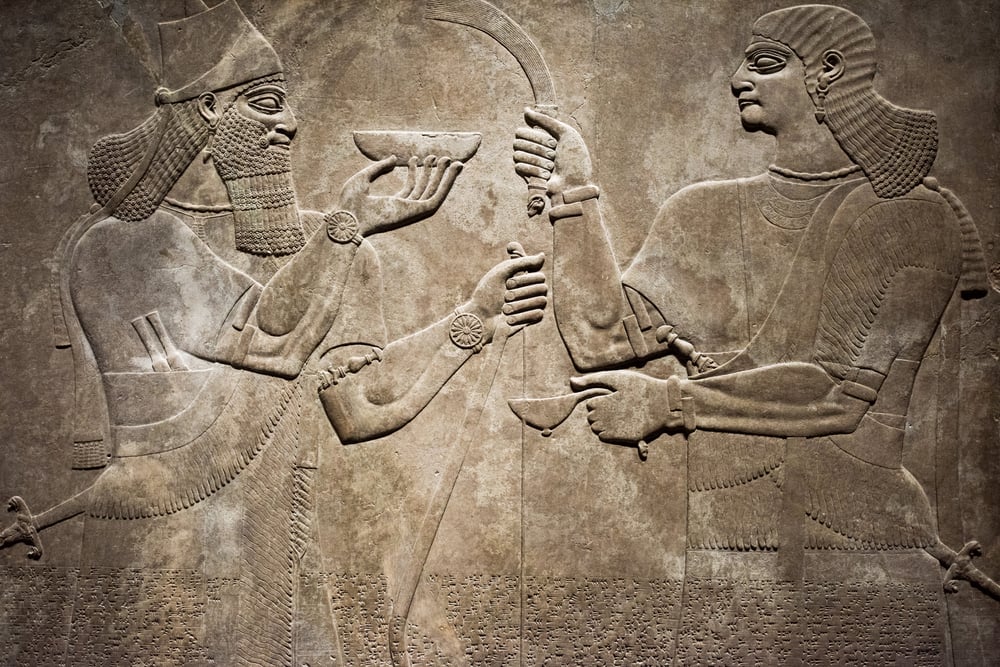
Around 7,000 BCE in Mesopotamia, people realized that sleeping with their heads elevated had practical benefits — it kept insects and vermin from crawling into their mouths, noses, and ears during the night. These curved stone bolsters served a practical purpose for the wealthy, who could afford such luxury items.
The concept was simple: raise your head off the ground to create a barrier against unwanted nighttime visitors. It wasn’t about comfort — it was about surviving the night without waking up to bugs in uncomfortable places.
Egyptian Headrests Introduced Spiritual Protection

Ancient Egyptians took the pillow concept and added layers of meaning that went far beyond pest control. Made of wood, stone, or ivory, Egyptian headrests consisted of a flat base and stem attached to a curved cradle to raise the user’s head.
The head was believed to be the seat of spiritual life, so protecting it during sleep became a sacred duty. Stone headrests were often engraved with protective imagery, such as the god Bes, whose fearsome appearance was thought to drive away evil spirits.
Pharaoh Tutankhamun was buried with eight headrests, showing just how important these protective pillows were considered for the afterlife.
Like Go2Tutors’s content? Follow us on MSN.
Climate Control Drove Design Innovation

Egyptian headrests weren’t just about spiritual protection — they solved real environmental challenges. The elevation provided by these pillows allowed air currents to flow under the head and cool the sleeper in Egypt’s hot climate.
Ancient peoples discovered that lifting the head off the sleeping surface created natural ventilation, making rest more comfortable in extreme temperatures. This principle of temperature regulation through design would resurface thousands of years later in modern cooling technologies, proving that good ideas have staying power.
Different Cultures Developed Unique Solutions
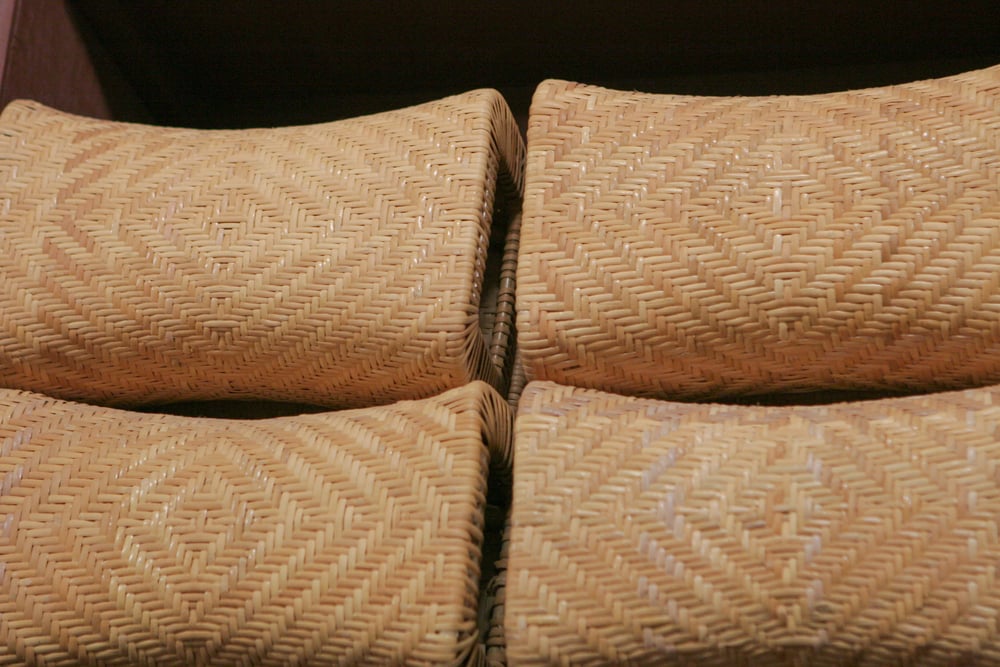
While Egyptians preferred elevated headrests, other cultures took completely different approaches based on their specific needs. The Chinese developed porcelain and bamboo pillows that promoted neck alignment while staying cool.
In Japan, curved wooden headrests helped preserve elaborate hairstyles — comfort was secondary to maintaining appearances. Ethiopian and Swaziland cultures still use headrest-style pillows today, showing that these ancient designs continue to meet real needs in appropriate climates and cultural contexts.
Greeks and Romans Introduced Soft Comfort

The ancient Greeks and Romans revolutionized pillow design by introducing the concept of soft comfort rather than just functional elevation. They developed pillows made from cotton, reeds, or straw, with the wealthy enjoying the luxury of pillows filled with soft down feathers.
This marked a fundamental shift in pillow purpose — from survival tool to comfort enhancement. For the first time in history, people began expecting their sleep surface to feel good, not just serve a practical function.
Like Go2Tutors’s content? Follow us on MSN.
Medieval Europe Made Pillows Status Symbols
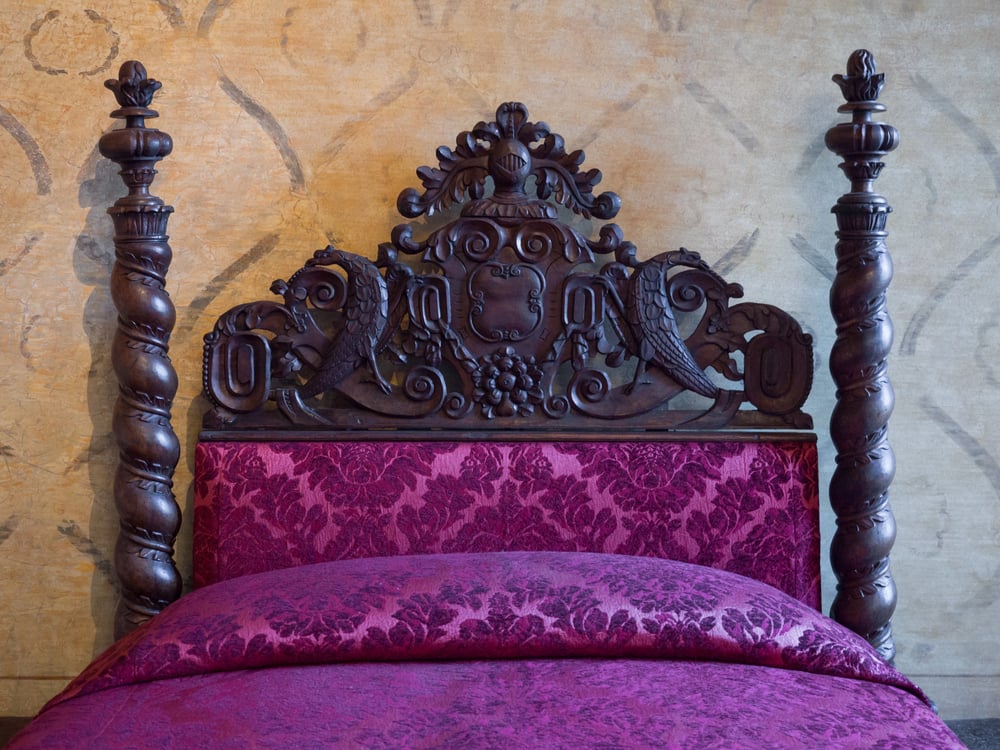
During medieval times, European pillows became elaborate displays of wealth and artistry. Decorative feathers and intricate embroidery turned pillows into status symbols that doubled as art pieces.
The wealthy commissioned pillows with elaborate designs that showcased their social position while they slept. This period established the connection between pillow quality and social status that still influences luxury bedding markets today.
Industrial Revolution Democratized Pillow Access
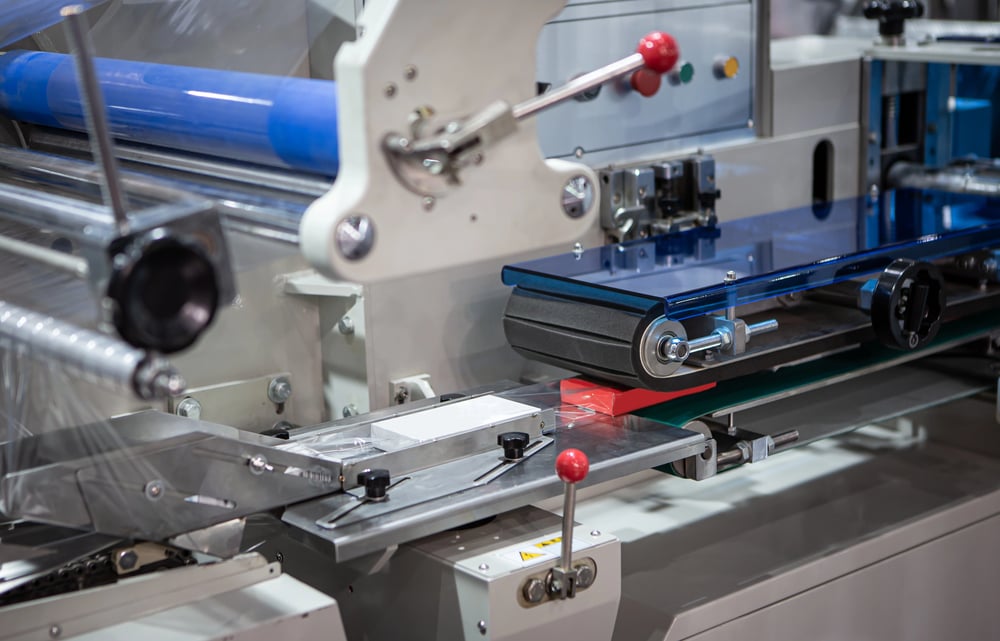
The Industrial Revolution transformed pillows from luxury items to household necessities that ordinary people could afford. Mass production techniques made it possible to manufacture pillows efficiently, while new materials and filling options expanded beyond expensive down feathers.
Cotton batting, synthetic materials, and various fabric options became available to working-class families. This democratization of comfort meant that good sleep became a right rather than a privilege.
Sleep Science Revealed the Importance of Spinal Alignment

As medical understanding of sleep physiology advanced, researchers discovered that proper spinal alignment during sleep was crucial for health and comfort. This led to the development of ergonomic pillows designed to support the natural curve of the neck and maintain proper head positioning.
Cervical pillows, contour pillows, and orthopedic designs emerged as people realized that pillow shape was just as important as pillow softness. The focus shifted from just comfort to actual health benefits.
Like Go2Tutors’s content? Follow us on MSN.
Memory Foam Brought Space-Age Technology to Bedrooms
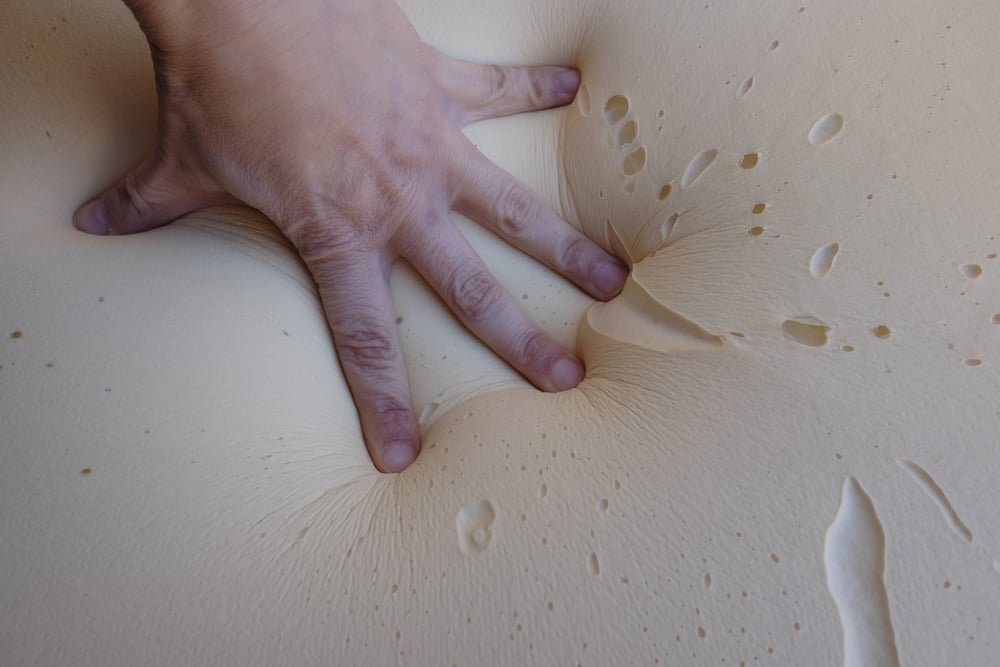
NASA’s development of memory foam in the 1960s eventually revolutionized pillow design decades later. This temperature-sensitive material could conform to individual head and neck shapes, providing customized support that adapted to each sleeper’s unique needs.
Memory foam pillows offered unprecedented pressure relief and support, introducing the concept that pillows could actively respond to user needs rather than remaining static. This marked the beginning of truly personalized sleep technology.
Cooling Technologies Addressed Temperature Regulation
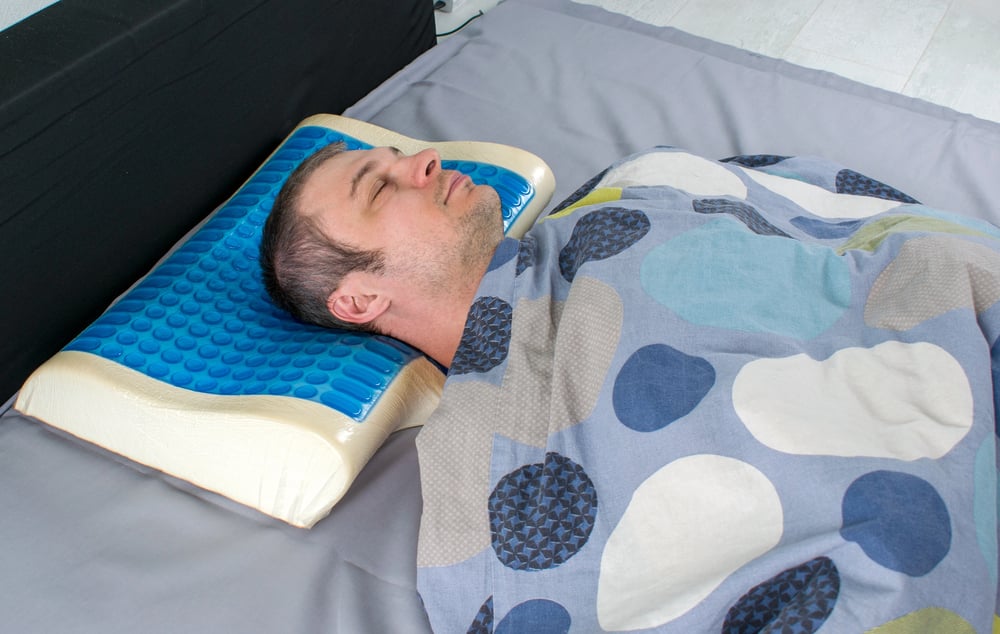
Modern pillow manufacturers rediscovered the ancient Egyptian principle of temperature control, but with sophisticated materials and engineering. Cooling gel inserts, phase-change materials, and specialized fabrics now actively regulate pillow temperature throughout the night.
Some pillows feature dual-sided designs — one side for cooling, another for standard comfort. These innovations acknowledge that temperature regulation is crucial for deep, restorative sleep.
Smart Sensors Turned Pillows Into Health Monitors

Today’s smart pillows represent the ultimate evolution of sleep technology, featuring embedded sensors that monitor breathing patterns, heart rate, body temperature, and sleep positions. These devices can detect snoring, track sleep quality, and even identify potential health issues like sleep apnea.
The data collected helps users understand their sleep patterns and make informed decisions about improving their rest. Modern smart pillows essentially transform your bedroom into a sleep laboratory.
Like Go2Tutors’s content? Follow us on MSN.
From Stone to Smart: The Never-Ending Quest for Perfect Sleep
This incredible journey from ancient stone headrests to AI-powered sleep technology reveals something beautiful about human nature — we never stop trying to improve our most fundamental needs. What started as protection from insects evolved into spiritual guardianship, then comfort enhancement, and finally into sophisticated health monitoring systems.
Each innovation along the way reflects our growing understanding of sleep’s importance to health, productivity, and overall well-being. Today’s smart pillows represent thousands of years of accumulated wisdom about what bodies need for restorative rest, combined with cutting-edge technology that would seem magical to our ancestors.
The next time you rest your head on your pillow, remember — you’re experiencing the culmination of humanity’s 9,000-year quest for the perfect night’s sleep. From protecting ancient sleepers from bugs to monitoring modern sleep patterns, pillows have evolved into some of the most sophisticated technology in our homes.
And the best part? This incredible journey of innovation continues every night, one dream at a time.
More from Go2Tutors!

- 16 Historical Figures Who Were Nothing Like You Think
- 12 Things Sold in the 80s That Are Now Illegal
- 15 VHS Tapes That Could Be Worth Thousands
- 17 Historical “What Ifs” That Would Have Changed Everything
- 18 TV Shows That Vanished Without a Finale
Like Go2Tutors’s content? Follow us on MSN.