27 Household Products Once Sold as Medicine
A surprising number of items in the average kitchen and bathroom began life behind a pharmacy counter. Pharmacists mixed the syrups, pressed the lozenges and wrote the labels, and the labels promised relief from headaches, weak nerves, bad digestion and worse.
Customers bought them as remedies long before anyone thought of them as groceries.
Then the claims began to disappear. Some faded after the Pure Food and Drug Act of 1906, while others changed as later laws restricted false or misleading therapeutic claims.
Still others simply faded when the public decided the product tasted good enough to buy without a diagnosis.
Coca-Cola as a Headache Tonic
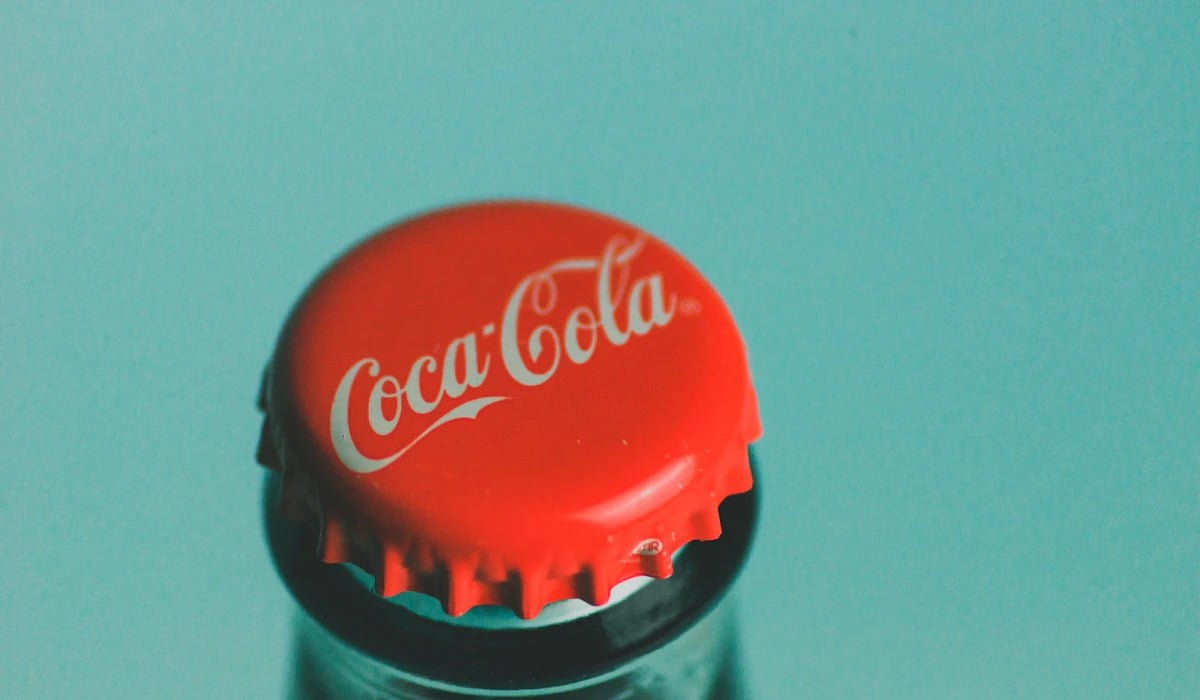
John Pemberton, an Atlanta pharmacist, sold his new syrup at Jacobs’ Pharmacy in 1886 as a tonic for common ailments rather than simply a refreshment. Early advertising recommended the drink for headaches, nervous exhaustion and general fatigue, and it was poured at the soda fountain alongside other tonics of the day.
Asa Candler bought the business and gradually shifted its marketing toward refreshment and enjoyment. By the early twentieth century, Coca-Cola was increasingly promoted as a beverage rather than a remedy.
The pharmacy origin survives in the company’s own history pages.
Pepsi-Cola Named for Dyspepsia

Caleb Bradham ran a drugstore in New Bern, North Carolina, and in 1893 he mixed a fountain drink his customers called Brad’s Drink. He renamed it Pepsi-Cola in 1898, choosing a name inspired in part by dyspepsia, the term for indigestion.
Bradham believed the drink could aid digestion and boost energy. The medical framing did not last long.
After bankruptcy in the 1920s and new ownership, the brand sold itself on price, famously offering twelve ounces for a nickel in the 1930s. The stomach remedy had become a bargain soda, and the old claim became a trivia answer.
Lithiated Lemon-Lime Soda That Became 7 Up
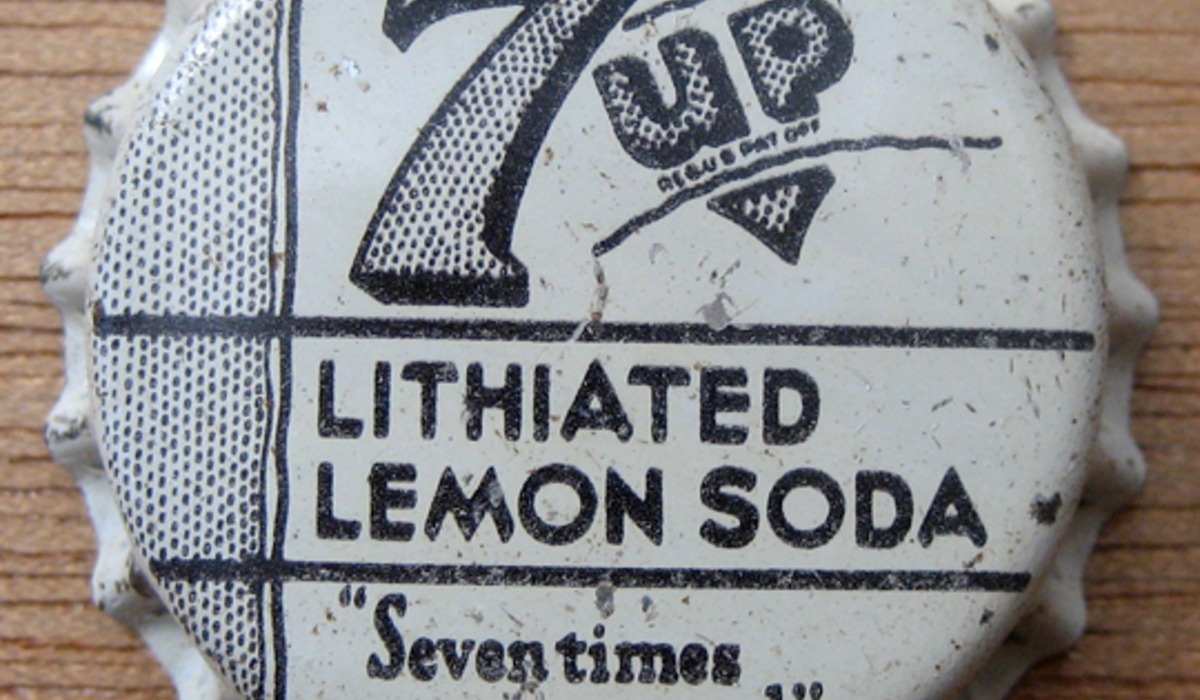
Charles Leiper Grigg launched his drink in St. Louis in 1929 under the name Bib-Label Lithiated Lemon-Lime Soda, and the key word was lithiated.
The formula contained lithium citrate, a compound once used in medical preparations and promoted in some products for its supposed mood-stabilizing effects. Early promotion leaned on that supposed benefit.
The name shrank to 7 Up within a few years, but the lithium stayed in the bottle until the late 1940s, when concerns about lithium in beverages led to its removal. From then on, the drink sold as a mixer and a plain refresher.
The current formula shares nothing with the original beyond the lemon-lime flavor and the brand name.
Dr Pepper as a Brain Tonic
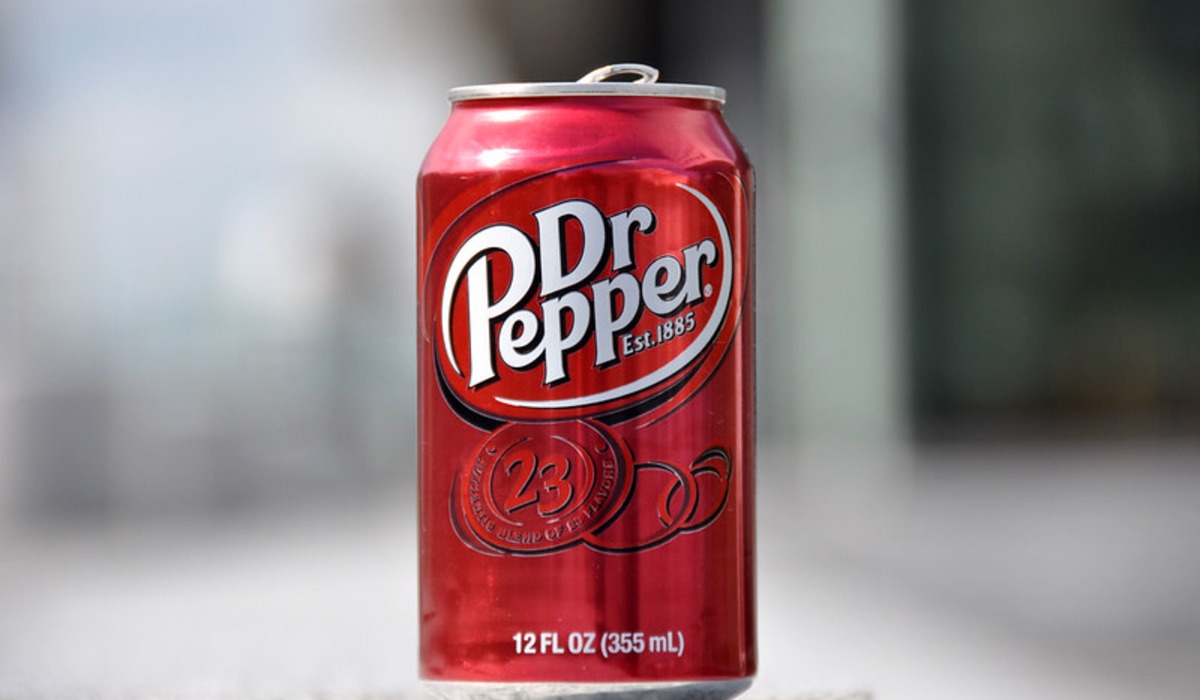
Charles Alderton, a pharmacist at Morrison’s Old Corner Drug Store in Waco, Texas, blended the drink in 1885. Early advertising associated Dr Pepper with energy and well-being, and the “Dr” in the name borrowed the authority of the profession even though the drink was named by drugstore owner Wade Morrison after a doctor he knew.
The medical angle faded through the early twentieth century as the company competed with other colas on taste. A 1920s campaign urged customers to drink one at ten, two and four o’clock for energy, which was a nutrition pitch rather than a cure.
The period after “Dr” was dropped from the brand’s logo in the 1950s.
Hires Root Beer and Health-Giving Herbs
Charles Hires, a Philadelphia pharmacist, introduced his root beer extract at the Centennial Exposition of 1876 and sold it as a packet of dried roots, barks and herbs to be brewed at home. Advertising in the 1880s and 1890s described it as a pure and healthful drink, and some ads went further and called it the greatest health-giving beverage in the world.
Temperance campaigners briefly objected to the word beer, and Hires answered with claims about its harmlessness and reports from chemists. By the 1900s, the product was bottled and sold primarily as a soft drink, and the herbal remedy talk was retired.
Moxie Nerve Food
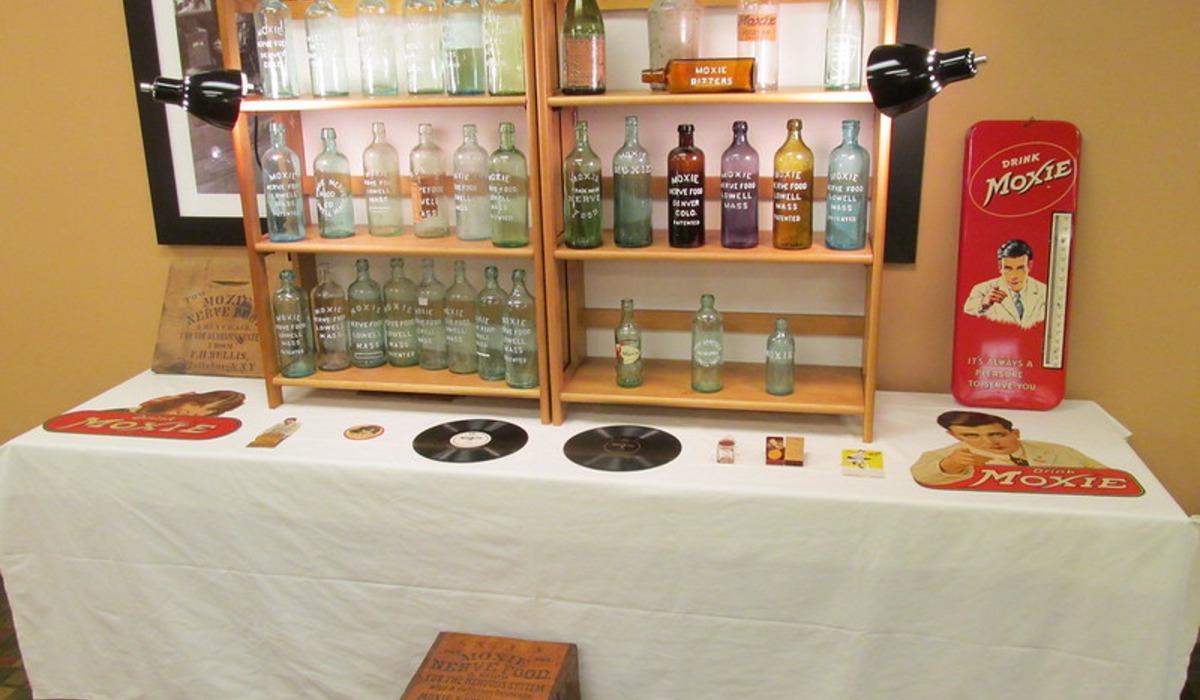
Augustin Thompson of Lowell, Massachusetts, introduced Moxie as a medicinal product in 1876, selling it in bottles as a cure for nervousness, loss of appetite and a long list of other complaints. He claimed the key ingredient came from a rare South American plant, though that claim has not been substantiated.
The drink was carbonated in the 1880s and became a fountain favorite across New England. As Moxie evolved into a soft drink, its medicinal claims faded, and it carried on as a bitter beverage.
Maine named it the official state soft drink in 2005, a long way from its patent medicine days.
Tonic Water for Malaria Protection
Tonic water earned its name honestly. The bitter ingredient is quinine, derived from cinchona bark, and British colonists in India in the nineteenth century took quinine to help prevent malaria.
Mixing it with sugar and carbonated water made the dose easier to swallow, and Schweppes began selling Indian Tonic Water in the 1870s. Modern tonic contains far less quinine than a typical medicinal dose, and the United States Food and Drug Administration limits quinine in carbonated beverages to 83 parts per million.
Today, tonic water is sold as a mixer, not as malaria prevention.
Angostura Bitters for Sailors’ Stomachs
Johann Siegert, a German doctor serving as surgeon general in Simón Bolívar’s army, developed his aromatic bitters in 1824 in the Venezuelan town of Angostura. He intended the blend as a stomach remedy for soldiers and later sold it to sailors who swore by it against seasickness.
The business moved to Trinidad in 1875, and by then the bitters were finding their way into cocktails in Britain and the United States. Over the twentieth century, the medicinal pitch faded and the oversized label became a bar fixture instead of a pharmacy item.
The recipe remains secret, and the company now markets the product as a flavoring for food and drinks.
Ginger Ale From a Detroit Pharmacy
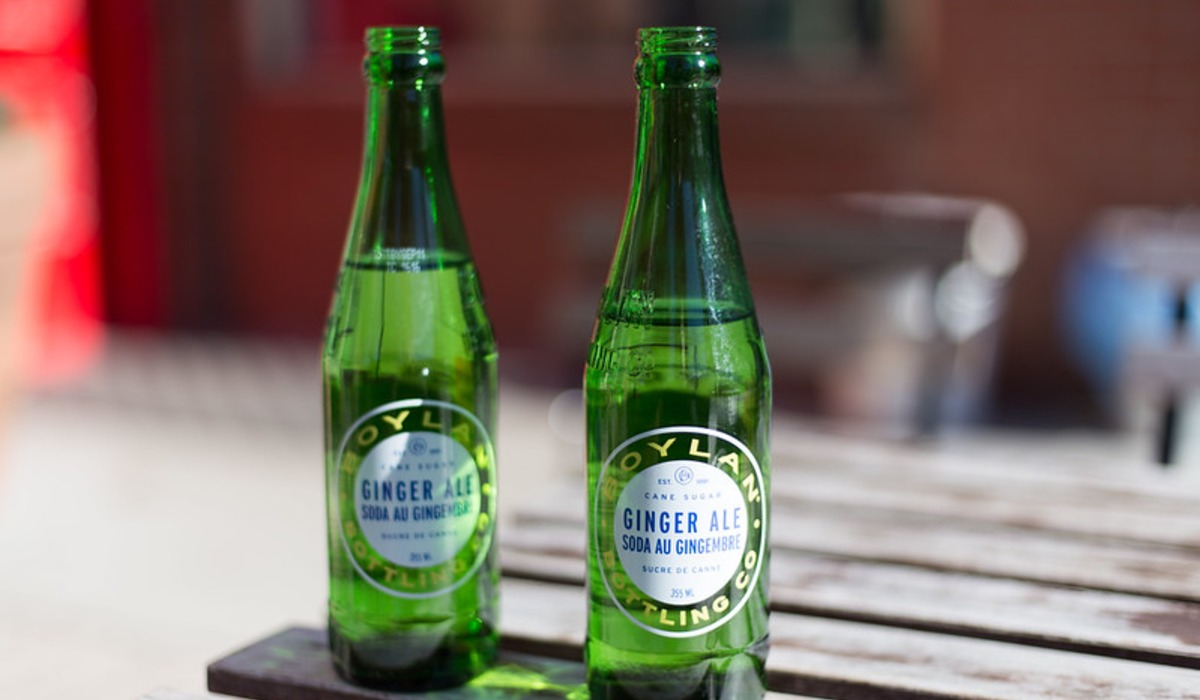
James Vernor, a Detroit pharmacist, is credited with developing his ginger ale in the late nineteenth century, and ginger-based sodas were sold at American drugstores for decades afterward as a drink thought to settle upset stomachs. Ginger had a long reputation for easing nausea, and fountain operators poured ginger ale for customers who felt queasy.
Canada Dry, created by Toronto pharmacist John McLaughlin, took the drink mainstream in the early twentieth century and sold it as a pale, dry mixer rather than a remedy. The stomach-soothing reputation lingers in home medicine cabinets, but modern ginger ale is a soft drink, not a medical treatment.
Graham Crackers and Moral Digestion

Sylvester Graham, a Presbyterian minister from Connecticut, preached in the 1830s that coarse, unsifted wheat flour would cure the ills of an overfed nation. His followers baked plain Graham bread and Graham crackers as part of a bland diet intended to promote health and curb cravings of every kind.
The crackers were sold in health-minded stores as part of a reform regimen, and Graham boarding houses served them with cold water. Later manufacturers kept the name and dropped the sermon.
By the time Nabisco sold them nationally in the twentieth century, the crackers were sweetened with honey and sugar and used mostly for s’mores and pie crusts.
Kellogg’s Corn Flakes From the Sanitarium
John Harvey Kellogg ran the Battle Creek Sanitarium in Michigan, where patients followed a bland vegetarian diet meant to calm the nerves and improve digestion. The flaked cereal he and his brother Will developed in 1894 was a sanitarium food, served to patients as a healthful alternative to heavy breakfasts.
Will Kellogg founded the Battle Creek Toasted Corn Flake Company in 1906 and, against his brother’s wishes, added sugar to make the flakes sell to healthy people. The therapeutic framing fell away as the box went national.
Today’s cereal is sold on taste and convenience, with no mention of the sanitarium diet.
Grape-Nuts and the Appendicitis Claim
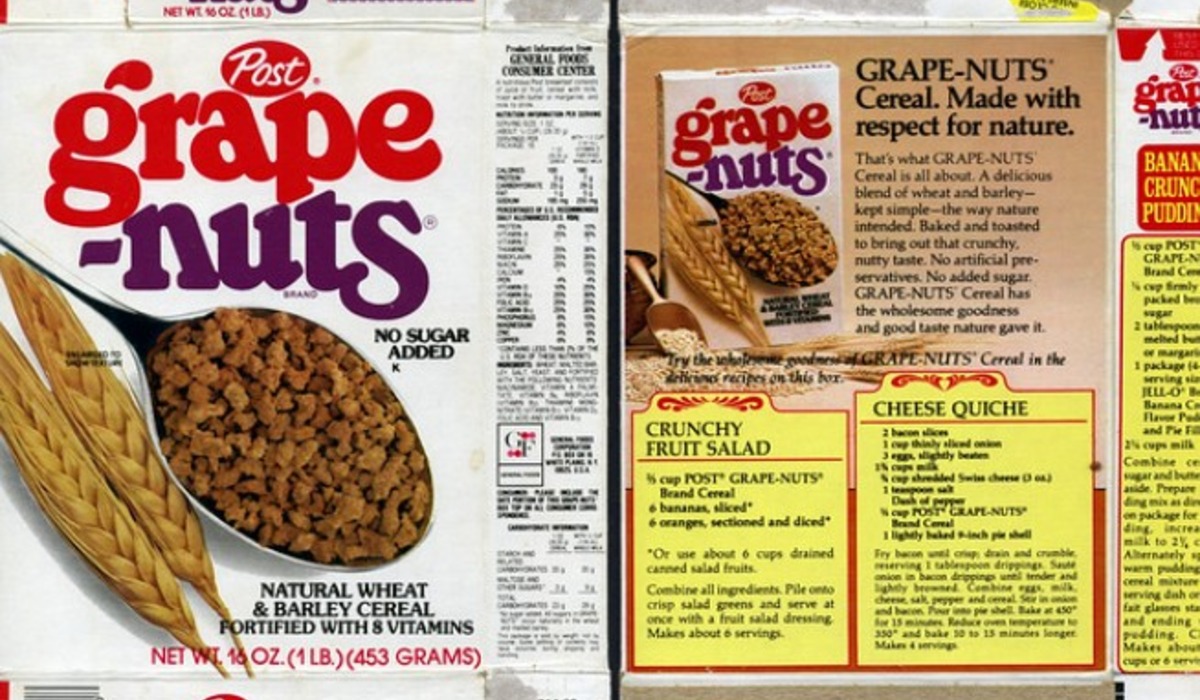
C.W. Post, a former patient at the Battle Creek Sanitarium, introduced Grape-Nuts in 1897 and advertised it with the slogan “There’s a Reason.”
His early ads went much further than most cereal boxes, making extravagant health claims and suggesting the cereal could help with serious ailments. Claims linking it to appendicitis and other diseases drew criticism, including from Collier’s Weekly in 1910.
Over the following decades, the health language was pared back under pressure from regulators and medical opinion. The cereal survives as a crunchy wheat and barley product, promoted for fiber and little else.
Postum as a Nerve-Saving Coffee Substitute
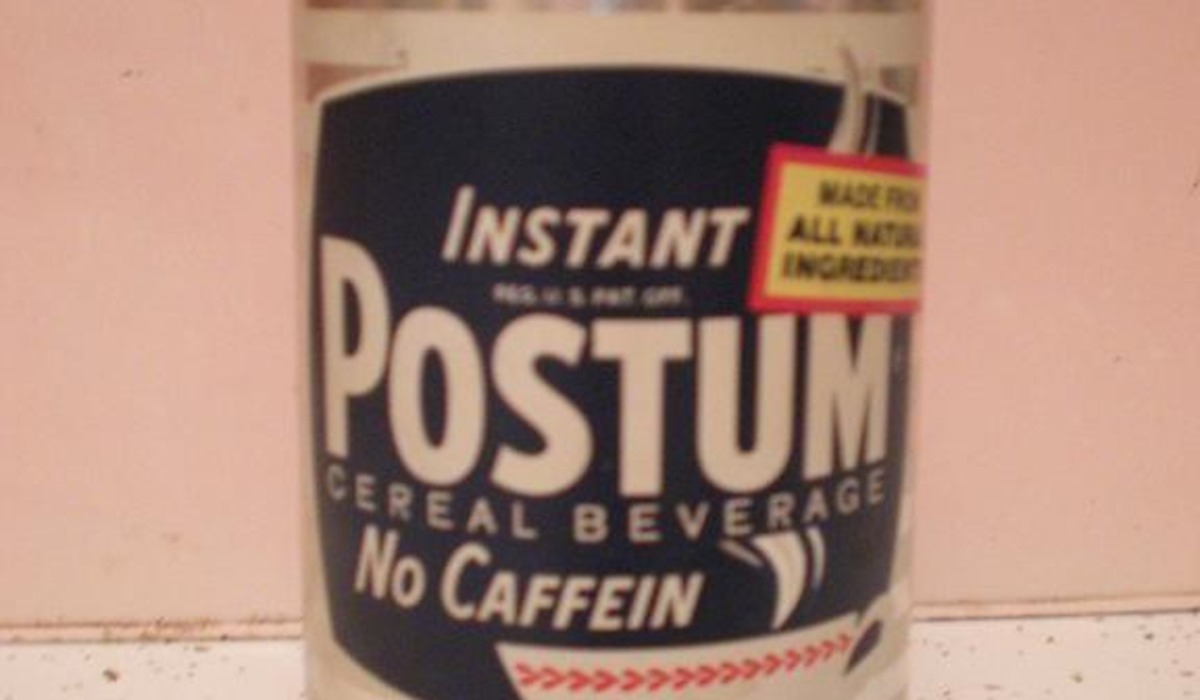
Post’s other 1895 creation was Postum, a roasted grain beverage sold as a healthful replacement for coffee. The ads of the early 1900s attacked coffee as a cause of nervousness, poor digestion and sleeplessness, and presented Postum as the cure for what the company called “coffee nerves.”
The campaign ran for decades, and the Federal Trade Commission eventually challenged advertising that implied coffee caused disease. The brand was discontinued by Kraft in 2007 and revived by a smaller company in 2013.
Current packaging describes it as a caffeine-free hot drink and makes no claims about anyone’s nerves.
Listerine as a Surgical Antiseptic
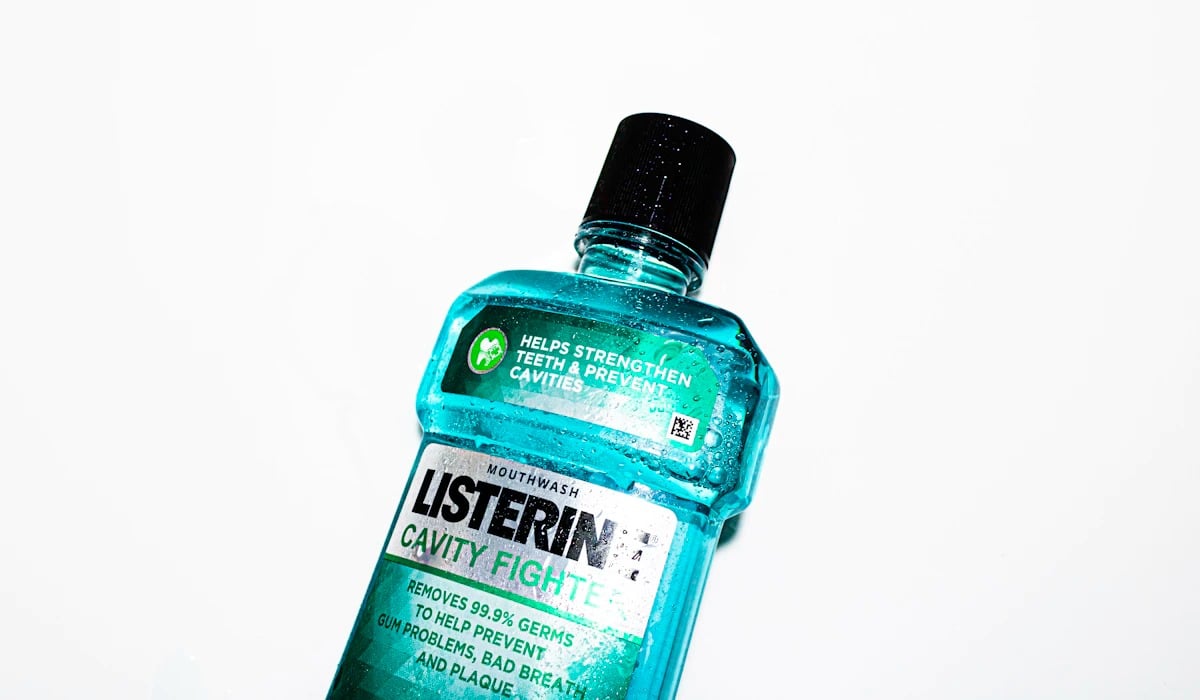
Joseph Lawrence and Jordan Lambert formulated Listerine in St. Louis in 1879 as a surgical antiseptic, naming it after Joseph Lister, the pioneer of sterile surgery.
Over the following decades, it was sold to dentists and promoted for other uses, including as a floor cleaner and a dandruff treatment. The 1920s campaign that popularized the word halitosis turned it into a mouthwash and made the company rich.
The company also made claims about preventing colds and sore throats, which later drew regulatory scrutiny. The bottle still sells as a mouthwash, but the broader cure claims are gone.
Vaseline Jelly as a Cure-All
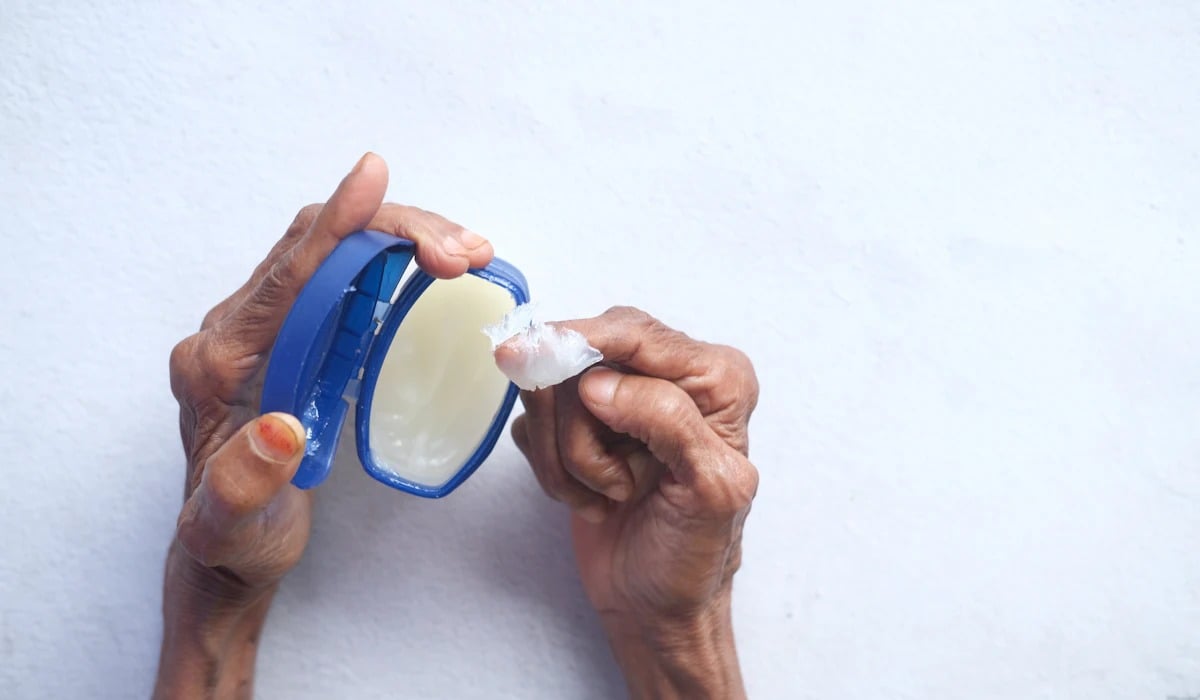
Robert Chesebrough, a chemist from Brooklyn, noticed oil workers in Pennsylvania using a waxy residue on cuts and burns, and in 1870 he began selling a refined version as Vaseline. He promoted it as a product for wounds, burns and chapped skin, and legend holds that he ate a spoonful every day.
Early labels and advertisements suggested it for a range of uses, from skin care to hair care. Vaseline became a household staple as a skin protectant, although it was never a cure for every ailment.
Modern packaging focuses on protecting and moisturizing skin, rather than promising a cure-all.
Vicks VapoRub as a Croup and Pneumonia Salve
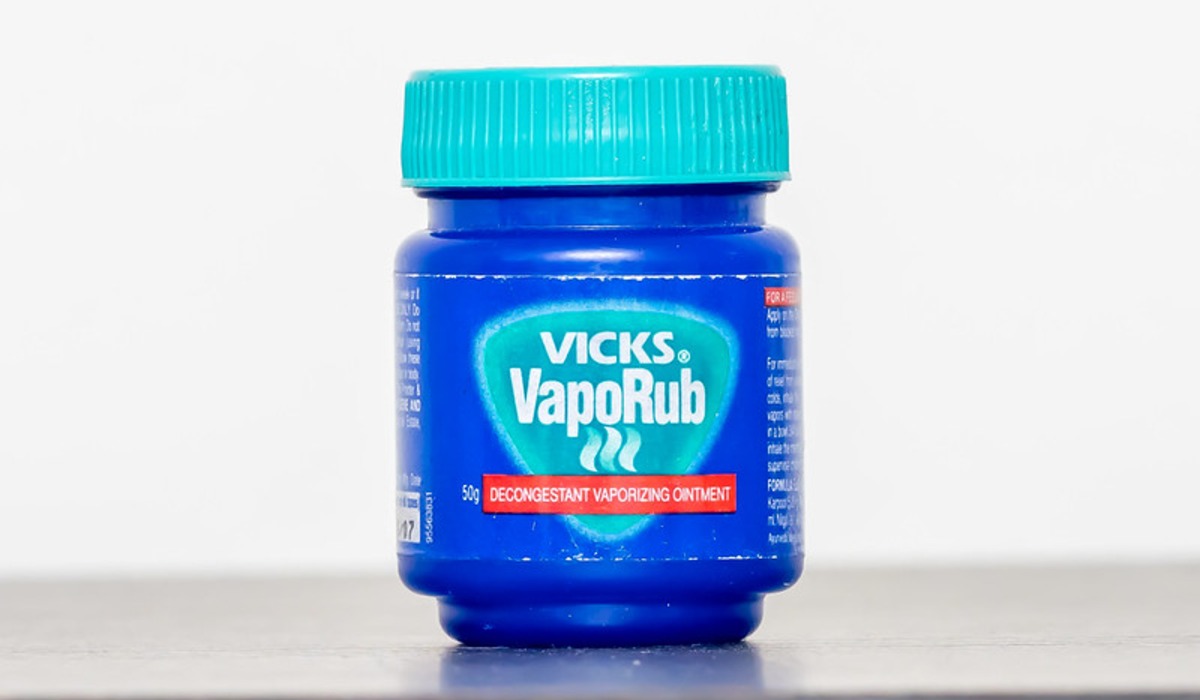
A Greensboro, North Carolina, pharmacist created a menthol and camphor ointment in the 1890s and sold it as Vick’s Croup and Pneumonia Salve, a name that promised treatment of two serious illnesses. The product was renamed Vicks VapoRub around 1912, and sales climbed sharply during the influenza pandemic of 1918.
Over time, its claims narrowed as drug regulations and medical standards changed. The pneumonia promise disappeared, and the label today describes a topical cough suppressant for temporary relief of coughs and minor aches.
It remains a drugstore product, but one with a far humbler job than its original name suggested.
Altoids for Intestinal Discomfort
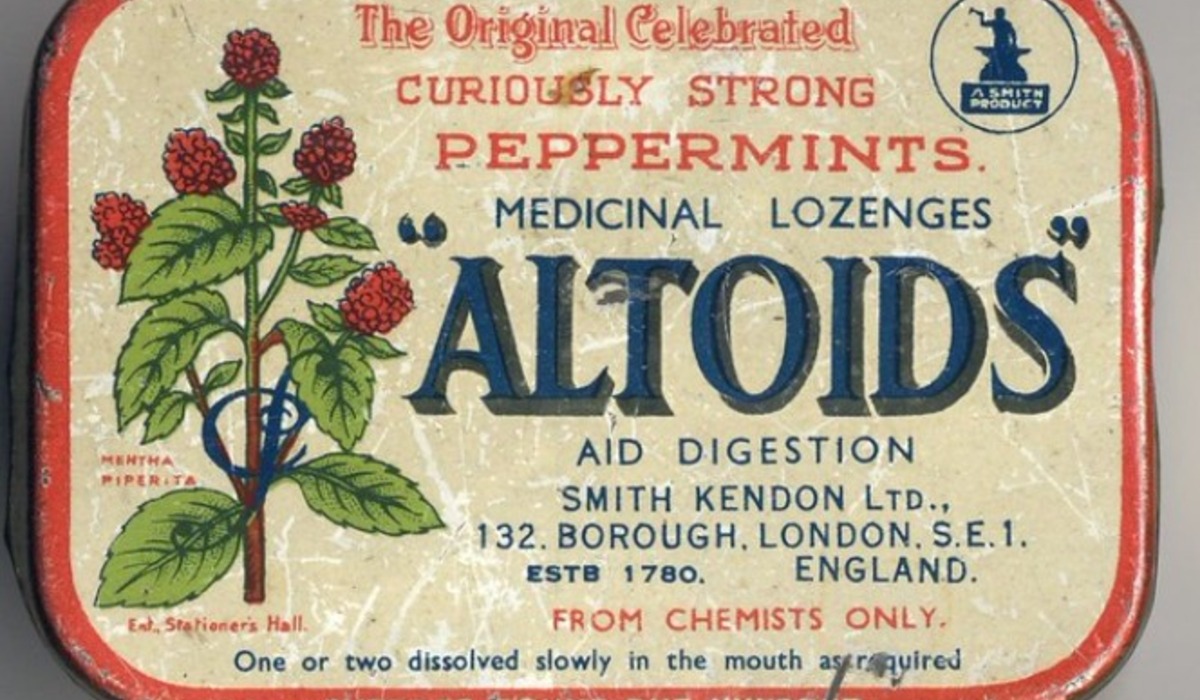
Smith and Company of London introduced the peppermint lozenges that became Altoids in 1780, and they were sold at apothecaries as a remedy for intestinal discomfort. The strong peppermint oil was the supposed medicine, and the little lozenges sat alongside powders and tinctures rather than sweets.
The “Curiously Strong” slogan came much later, and the red-and-white tin dates from the twentieth century. By then, the product was marketed as a breath mint, and the digestive language had been dropped.
Mars now owns the brand and makes the mints in Tennessee, with no suggestion that they treat anything.
Necco Wafers From an Apothecary Lozenge
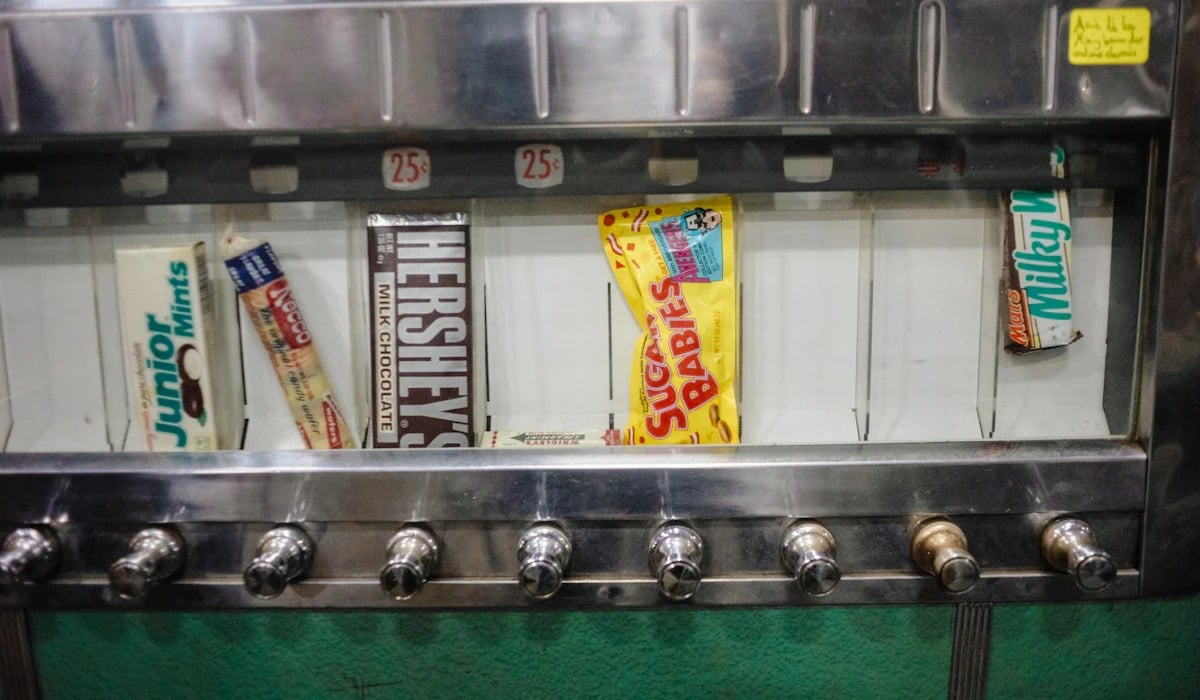
Oliver Chase, a Boston pharmacist, invented a lozenge-cutting machine in 1847 to speed up the production of lozenges sold in apothecaries. His machine turned out uniform discs so quickly that he founded a candy business around it, and the wafers later sold under the Necco name descended from those early lozenges.
The lozenges were part of a market in which sugary preparations could be sold as both confections and remedies. As the New England Confectionery Company grew in the late 1800s, the wafers became plain candy with flavors such as clove and wintergreen.
The brand changed hands in 2018, and the wafers are now sold as candy rather than medicine.
Smith Brothers Cough Drops
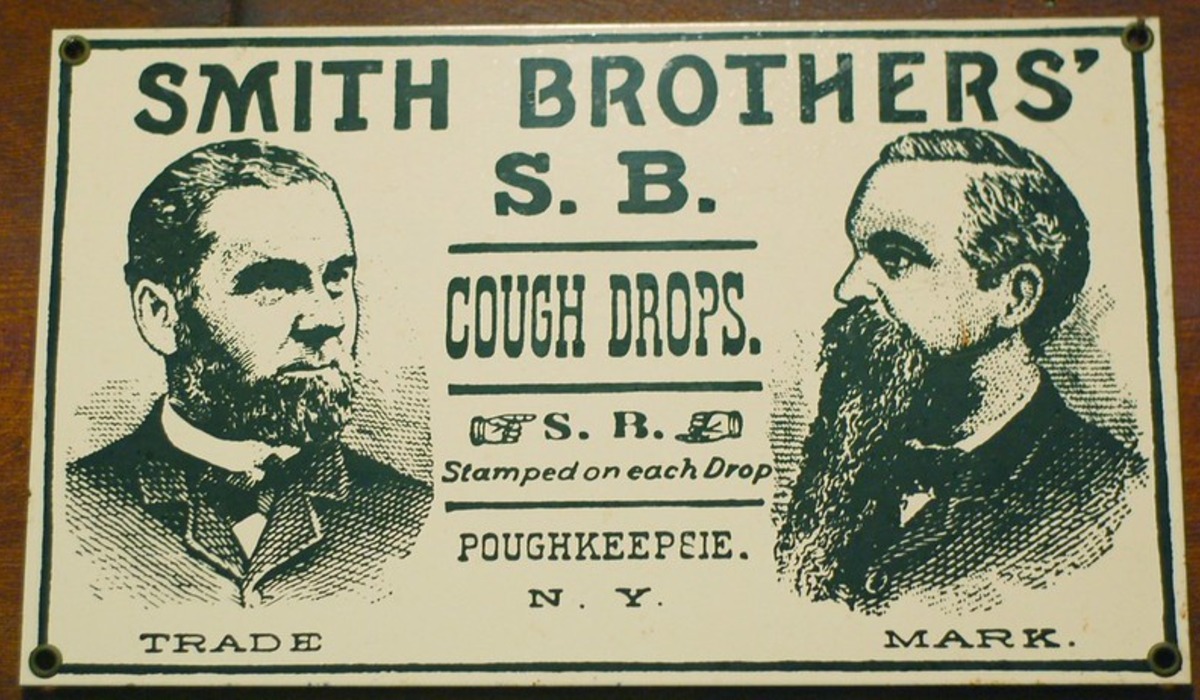
James Smith, a restaurant owner in Poughkeepsie, New York, began selling a cough candy in 1852, and his sons William and Andrew built it into Smith Brothers cough drops. The bearded brothers appeared on the box with the words “Trade” and “Mark” under their portraits, a design that became one of the most recognized in American packaging.
The drops were sold as a remedy for coughs and colds, and competing counterfeiters prompted the trademark. Modern cough drops are regulated according to their ingredients and claims, which are limited to specified forms of relief.
The brand has passed through several owners and is marketed mainly on nostalgia.
Marshmallows From Marsh Mallow Root

The original marshmallow was a medicine made from the root of the marsh mallow plant, Althaea officinalis, which was boiled for its soothing sap and given for sore throats and coughs. French confectioners in the mid-nineteenth century whipped the root extract with sugar and egg whites into a soft lozenge sold in pharmacies.
The plant extract was slow to prepare, and by the late 1800s, makers replaced it with gelatin. That change turned a throat remedy into a confection with no medicinal ingredient from the marshmallow plant.
The modern bag of marshmallows keeps the plant’s name and little else, and no one buys them for a cough.
Ketchup Tomato Pills
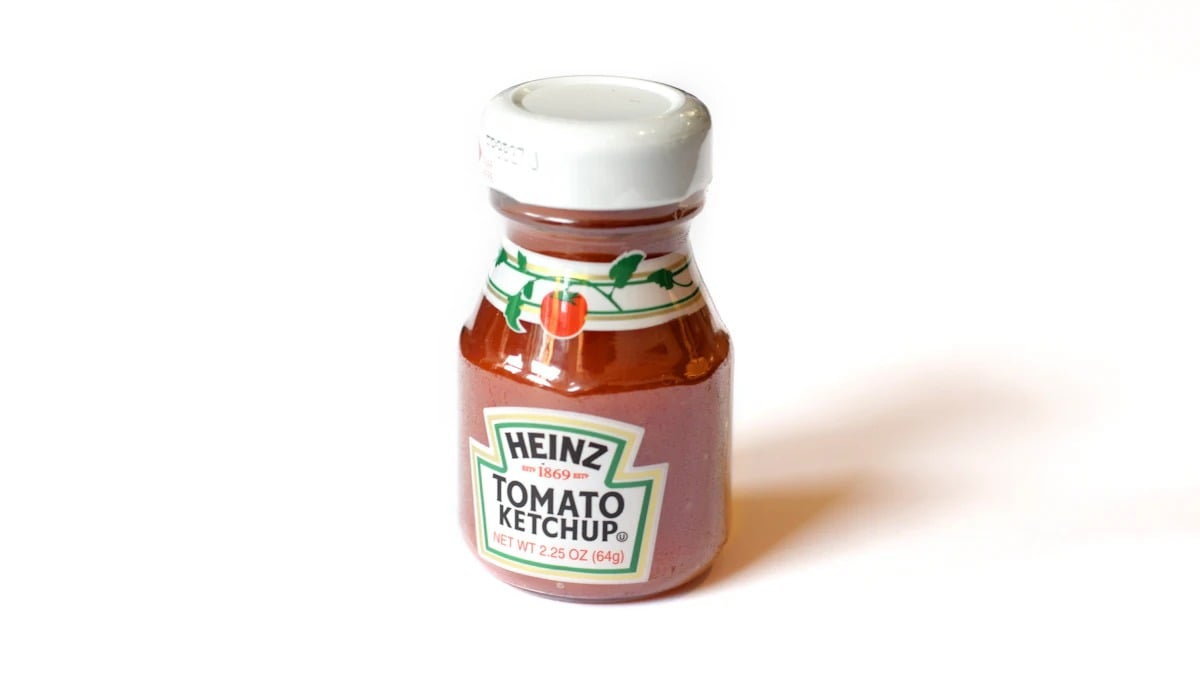
In 1834, Dr. John Cook Bennett of Ohio announced that tomatoes could cure diarrhea, indigestion, jaundice and other ailments, and he published recipes for tomato ketchup as a health food.
Entrepreneurs soon compressed tomato extract into pills, and Archibald Miles sold his Compound Extract of Tomato in the late 1830s as a substitute for calomel. Rival makers accused each other of fraud, and the pill craze collapsed by the 1850s.
Ketchup went back to being a condiment, and Heinz began selling its bottled version in 1876 with no medical claims. The tomato’s reputation as a cure vanished long before the Pure Food and Drug Act.
Horlicks Malted Milk for Infants and Invalids

William and James Horlick, English brothers working in Chicago, patented their malted milk powder in 1883 and marketed it as a food for infants, invalids and the elderly. Doctors recommended it for patients who could not digest ordinary milk, and polar explorers packed it because it was light and nourishing.
The product was carried on expeditions by Robert Falcon Scott and Richard Byrd, which the company used in advertising. Over the twentieth century, it became a bedtime drink in Britain and India, sold on comfort and energy rather than medicine.
Current packaging describes a malted hot drink and makes no health treatment claims.
Ovaltine From a Swiss Laboratory
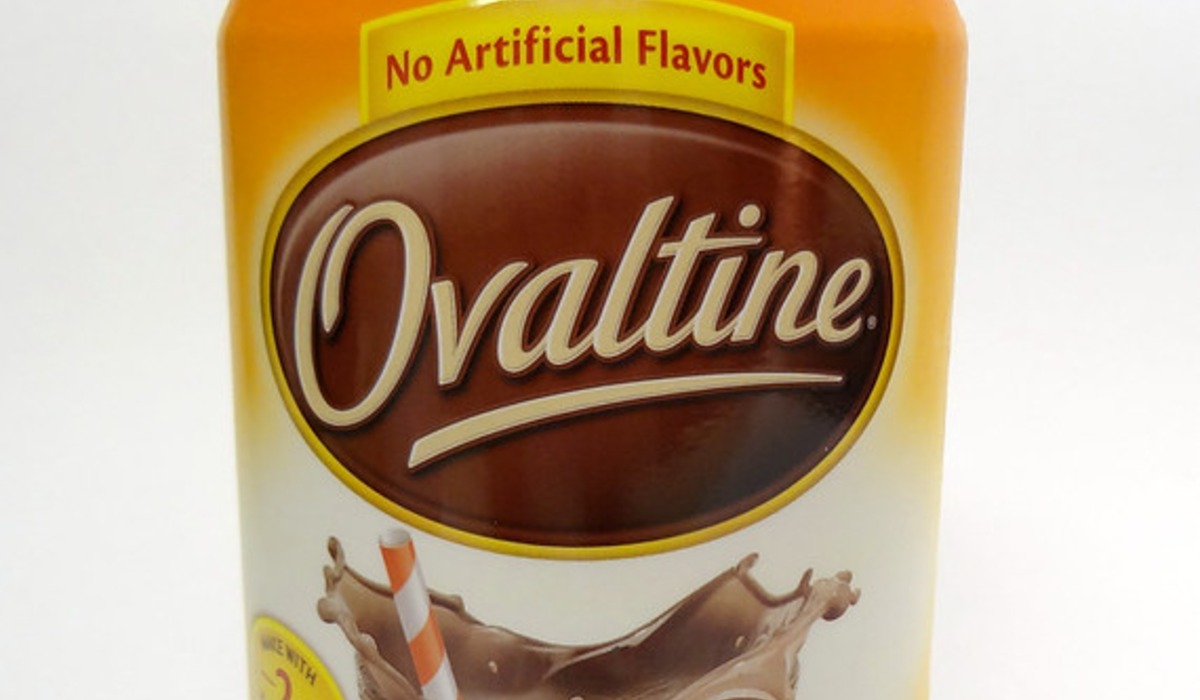
Albert Wander, a chemist in Bern, Switzerland, developed Ovomaltine in 1904 as a fortifying tonic made from malt, milk, eggs and cocoa. It was sold in pharmacies and promoted as a strengthening drink for the weak, the sick and the overworked.
The name became Ovaltine in English-speaking markets, and British advertising in the 1930s pitched it as a sleep aid and a builder of healthy children. The medical pharmacy framing gave way to breakfast-table marketing after World War II, and the product became a household beverage.
Today, it is sold alongside cocoa mixes, and the tonic claim has been reduced to more general claims about nutrition.
Lucozade for Recovery From Illness
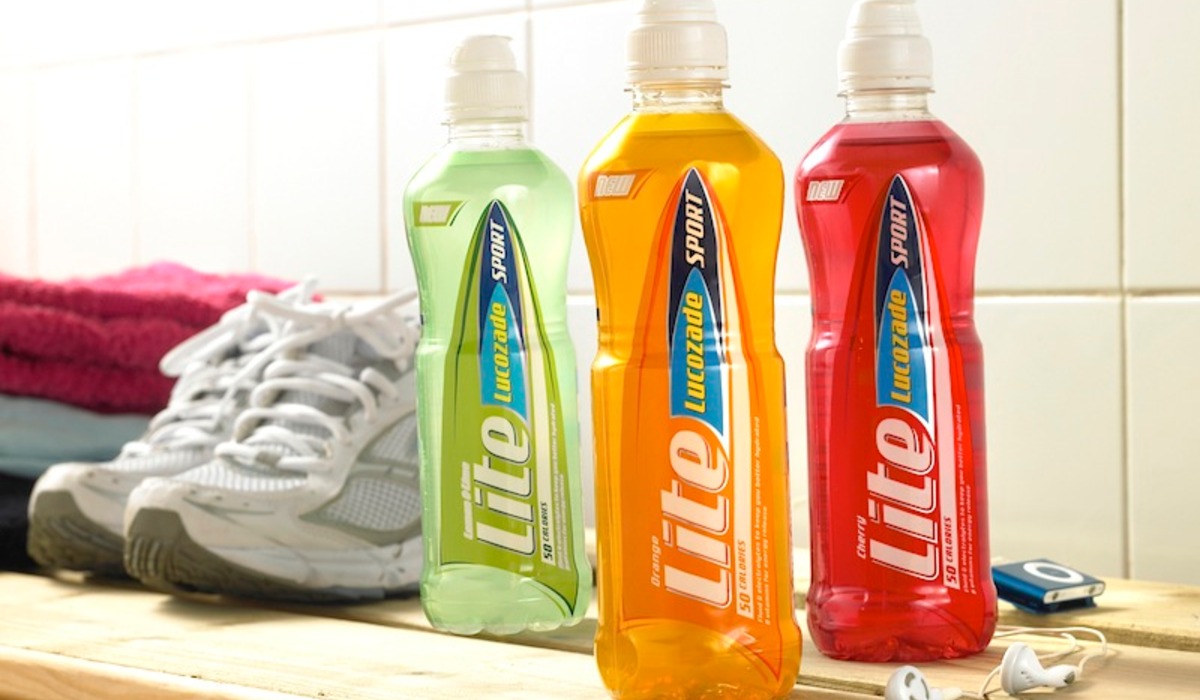
A glucose drink developed for clinical use in the early 20th century became the product later known as Lucozade. It was sold as Glucozade in 1927 and renamed Lucozade in 1929.
For decades, it was marketed as a drink to help people recover from illness, and its glass bottle wrapped in orange cellophane became a fixture at British hospital bedsides. The slogan “Lucozade aids recovery” helped cement that association.
In 1983, the brand abandoned the sickroom image and relaunched as an energy drink for athletes with the line “Lucozade replaces lost energy.” The pharmacy origin is now a footnote in a sports marketing story.
Jägermeister as a Digestive Aid
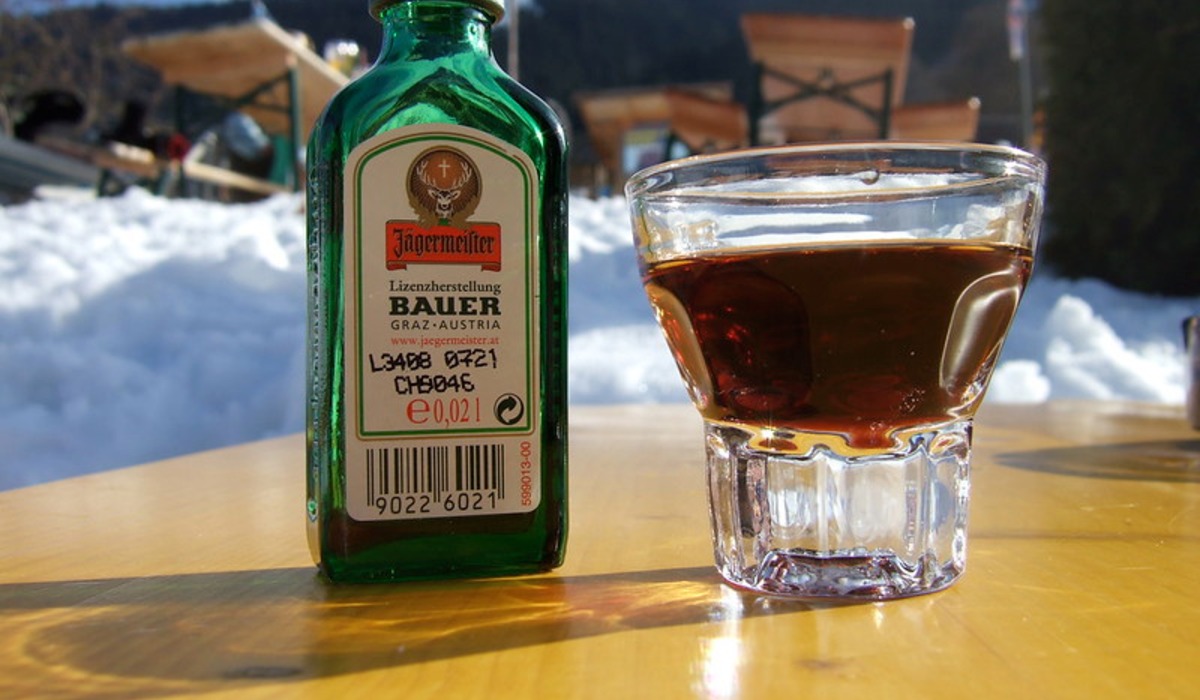
Curt Mast, whose family business was a vinegar factory and wine shop in Wolfenbüttel, Germany, developed Jägermeister in 1934 as a herbal liqueur made from dozens of botanicals. Like other European herbal liqueurs, it fits into a long tradition of bitter drinks consumed after meals as digestifs.
That tradition sometimes overlapped with folk remedies, but it does not mean every such liqueur was sold as a medicine. Modern alcohol labeling rules in Germany and the United States restrict health claims, and the brand’s current image rests on cold shots and rock concerts.
The stag on the label refers to a hunting tradition rather than any cure.
Fernet-Branca and the Epidemic Years
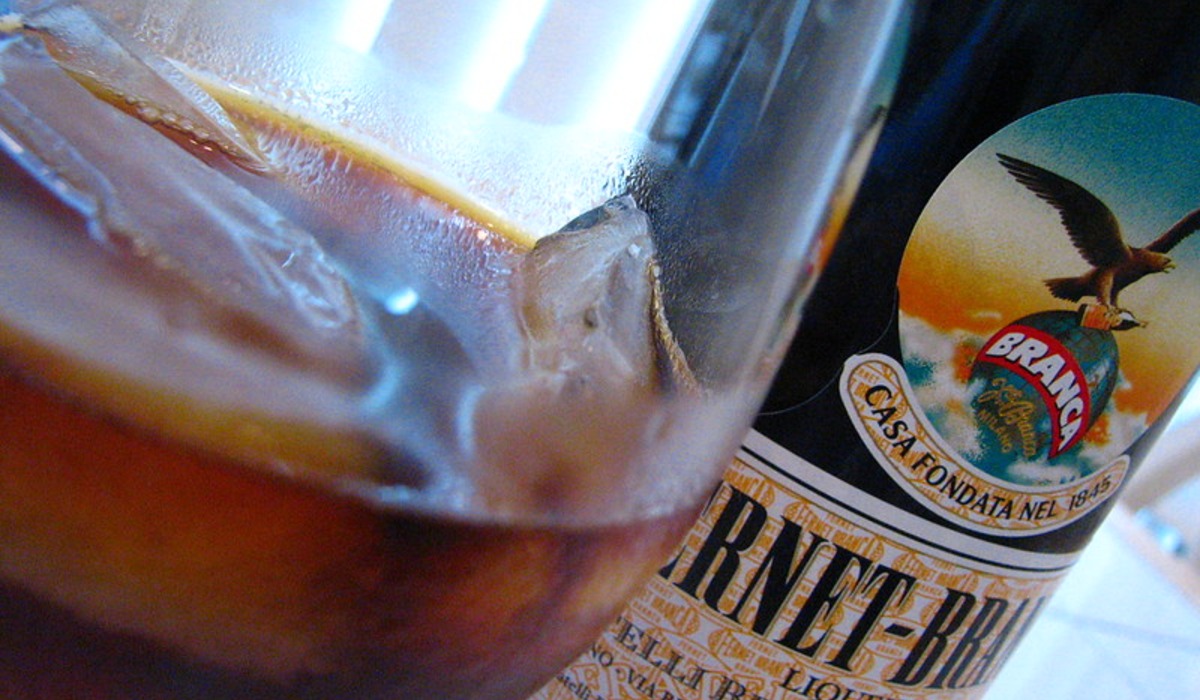
Bernardino Branca began producing Fernet-Branca in Milan in 1845, and the bitter herbal liqueur was promoted as a remedy for epidemic disease, fever and stomach complaints. The company’s early marketing leaned on testimonials and the medicinal bitterness of ingredients such as myrrh, saffron and gentian.
During Prohibition in the United States, some alcoholic beverages were legally available through pharmacies for medicinal purposes, although Fernet-Branca’s specific sales history during that period should be verified before making a definitive claim. Later labeling laws stripped away the therapeutic claims, and Fernet-Branca became a bartender’s handshake in San Francisco and Argentina.
The recipe remains a secret, and the label now focuses on the drink itself.
Bag Balm From a Vermont Dairy Barn
Bag Balm originated in Vermont in 1899 as a salve for the cracked udders of dairy cows. John L.
Norris acquired the rights to market it, and the green tin with the cow on the lid became familiar on farms. Farmers’ families soon discovered it worked on their own cracked hands, and the product developed a second life for human skin.
Modern packaging separates the two uses, and the human version is sold as a skin moisturizer rather than a treatment for unrelated illnesses. The company still operates in Vermont, and the lanolin-based recipe has changed little.
Pharmacies Where the Grocery Store Was Born

The pattern repeats across nearly every entry. A pharmacist or a doctor mixed something palatable, gave it a medical purpose and sold it over the same counter as the powders and tinctures.
As regulations tightened and advertising standards changed, many products shed exaggerated cure claims while keeping their familiar names and customers.
That is how a tonic became a bar staple and an infant food became a bedtime drink. The medicine in these products was often as much in the marketing as in the ingredients, and the marketing was easy to change.
What survived was the habit of buying them, which turned out to be stronger than any promise on the label.
MORE FROM GO2TUTORS!

- The Romanov Crown Jewels and Their Tragic Fate
- 13 Historical Mysteries That Science Still Can’t Solve
- Famous Hoaxes That Fooled the World for Years
- 15 Child Stars with Tragic Adult Lives
- 16 Famous Jewelry Pieces in History
Like Go2Tutors’s content? Follow us on MSN.