27 Things About September Most People Don’t Realize Are Historically Significant
September carries more weight than its reputation as a quiet transition month suggests. Behind the return to school schedules and the first cool mornings sits a string of calendar quirks, near-misses, and turning points that rarely get their own headline.
Its Name Is a Leftover From a Calendar That No Longer Exists
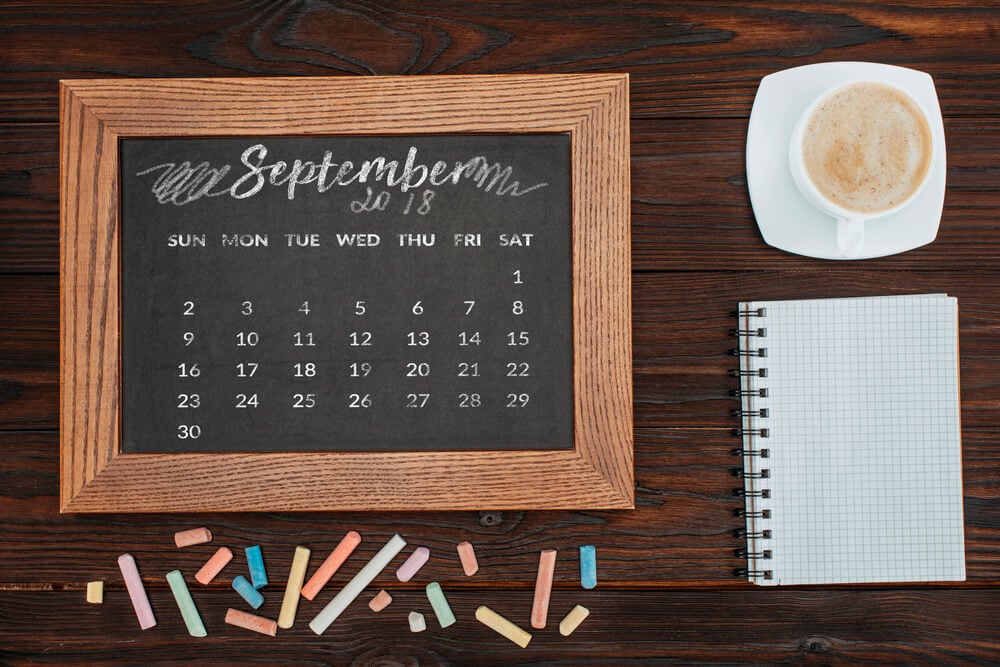
September comes from the Latin “septem,” meaning seven, because it was the seventh month in the original Roman calendar, which began in March. When Julius Caesar’s calendar reform added January and February to the front of the year, September slid to ninth place but kept a name that no longer matched its position, a mismatch that has lasted more than two thousand years.
The Harvest Moon Doesn’t Always Belong to September
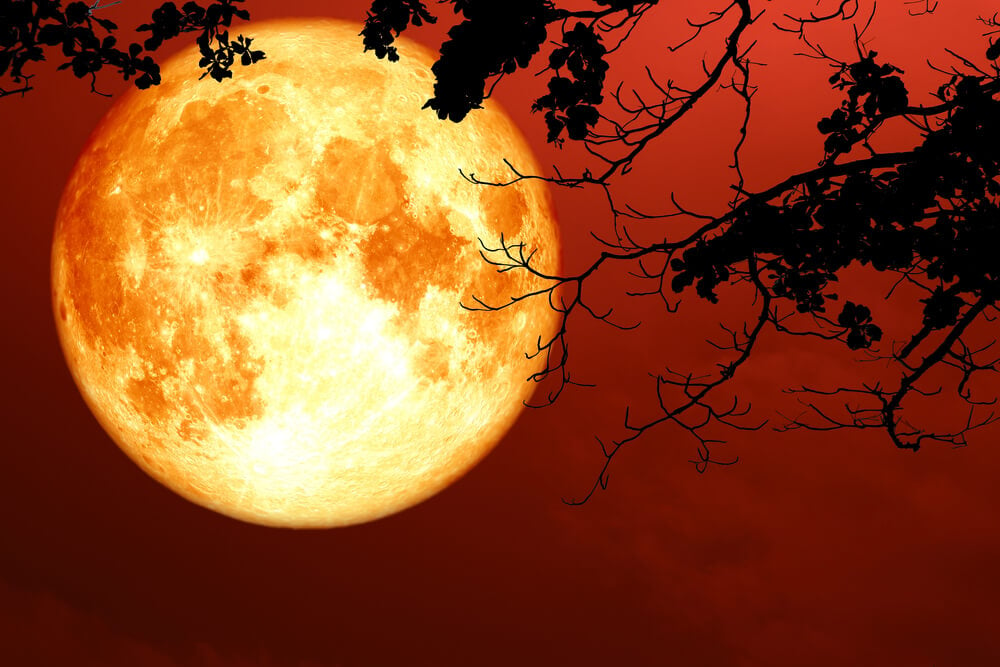
The Harvest Moon is defined as the full moon closest to the autumnal equinox, which usually falls in September but occasionally lands in early October instead. Farmers once relied on its early moonrise, which comes up close to sunset several nights in a row, to keep working the fields after dark during the final push of the harvest.
Wall Street Traders Have a Name for September’s Bad Reputation
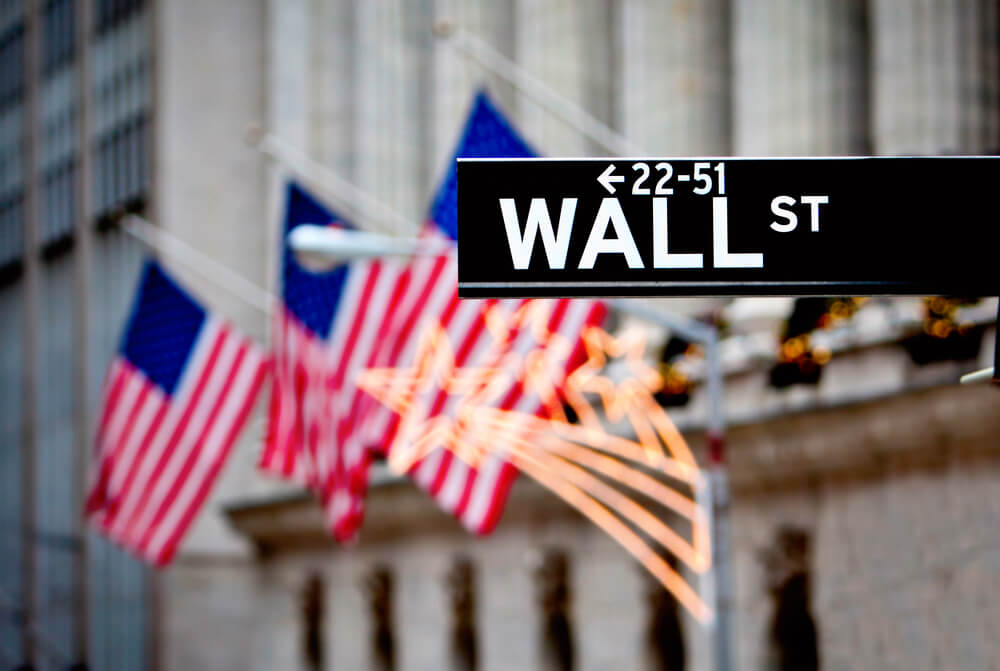
Market analysts have tracked what they call the September effect for decades, a documented tendency for major US stock indexes to post their weakest average monthly returns of the year during September. No single explanation fully accounts for the pattern, and some years break from it completely, but the historical average has held up across long stretches of market data.
More Babies Arrive in September Than in Any Other US Month
Federal birth data has repeatedly shown September edging out every other month for total US births, a pattern demographers generally trace back roughly nine months to the holiday season. Hospitals in many regions staff up for the resulting late-summer surge, and the pattern has held consistently enough across decades that it shows up as a small but reliable bump in annual birth charts.
Zodiac Season Splits the Month Almost in Half
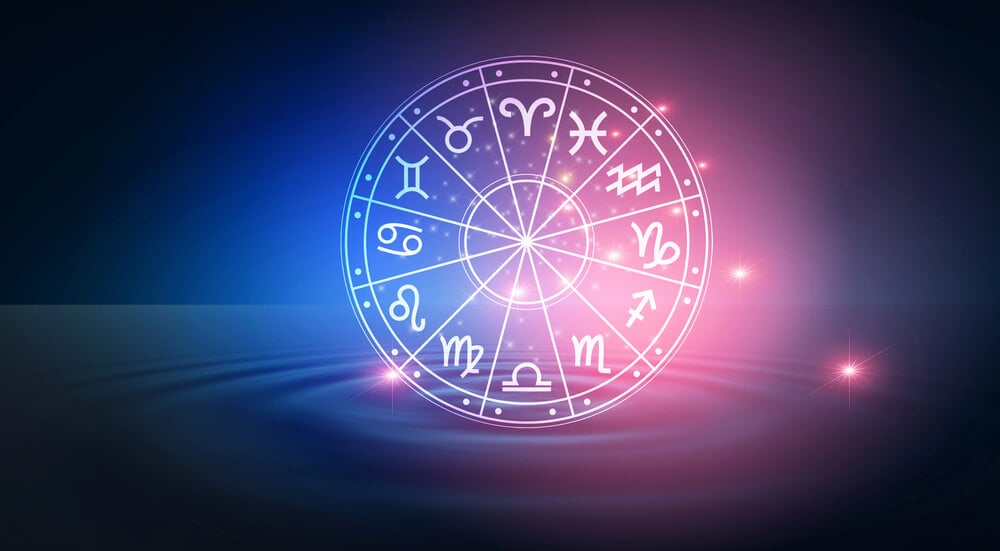
Anyone born in September falls under either Virgo or Libra, with the sign changing around September 22 or 23 depending on the year’s equinox timing. The month is one of only a handful where the zodiac boundary lines up closely with a genuine astronomical event rather than an arbitrary calendar date.
The Sapphire Didn’t Become September’s Stone by Accident

Sapphire was formally assigned as September’s birthstone by the American National Association of Jewelers in 1912, part of a broader push to standardize birthstone lists that had varied wildly by region and era before then. Ancient traditions had already linked blue stones to September, but the 1912 list is the version that stuck commercially.
Monarch Butterflies Begin Their Longest Migration Leg
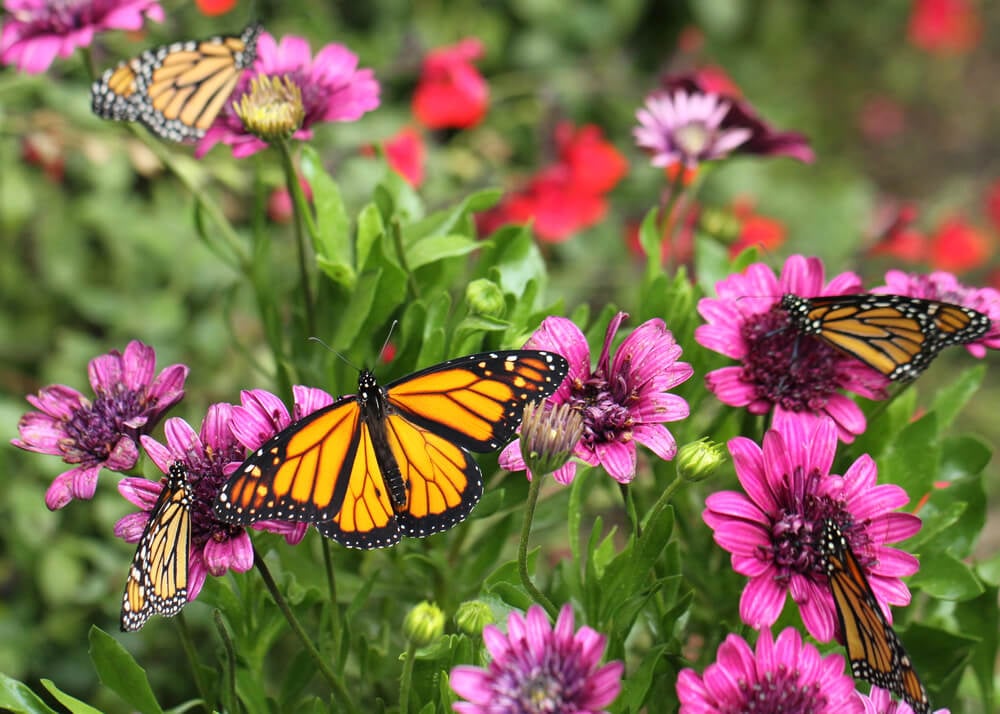
Monarch butterflies east of the Rockies begin their multigenerational push toward central Mexico in September, riding thermals and prevailing winds across distances that no individual butterfly completes twice. The monarchs making this specific journey live far longer than the summer generations before them, sometimes eight months instead of a few weeks.
Constitution Week Predates Most People’s School Memories
Congress designated September 17 to 23 as Constitution Week in 1955, commemorating the day delegates signed the document in Philadelphia in 1787. Federal law actually requires that schools receiving federal funds provide some form of educational programming about the Constitution on or near September 17 each year.
Hurricane Season Peaks Almost Exactly at the Midpoint
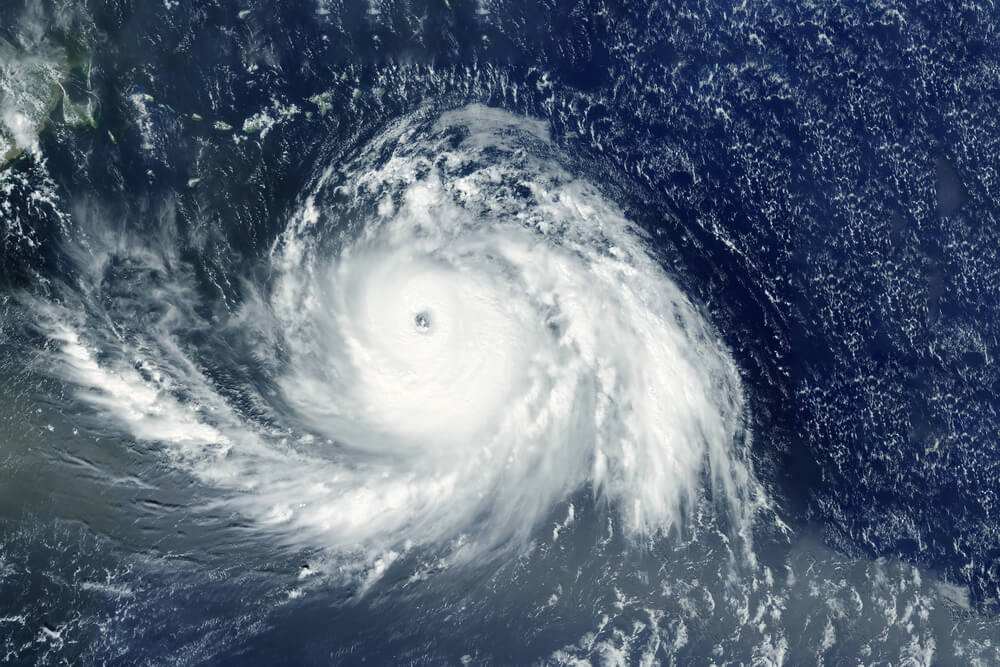
The Atlantic hurricane season runs from June through November, but its statistical peak lands on September 10, a date meteorologists mark every year on seasonal outlook charts. Warm ocean temperatures accumulated over the summer combine with low wind shear to make mid-September the window when storms are most likely to form and intensify.
The First Labor Day Parade Predates the Federal Holiday by Over a Decade
Roughly ten thousand workers marched through New York City on September 5, 1882, in what is generally credited as the first Labor Day parade, organized by the Central Labor Union. Congress did not make Labor Day a federal holiday until 1894, and only after the Pullman Strike made labor unrest impossible for lawmakers to ignore.
Oktoberfest Almost Always Opens in September
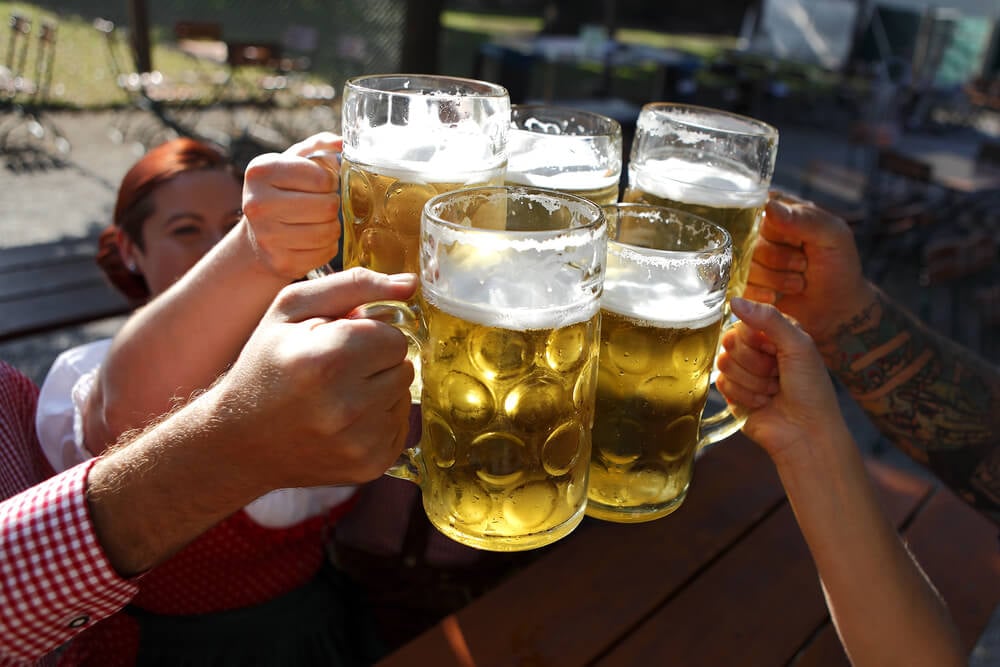
Despite the name, Munich’s Oktoberfest traditionally opens in the second half of September and runs into the first days of October, a schedule set in the nineteenth century to take advantage of warmer, longer evenings. American versions of the festival, largely divorced from the original timing, often run the celebration entirely within September.
The Global Fashion Calendar Turns on a September Hinge
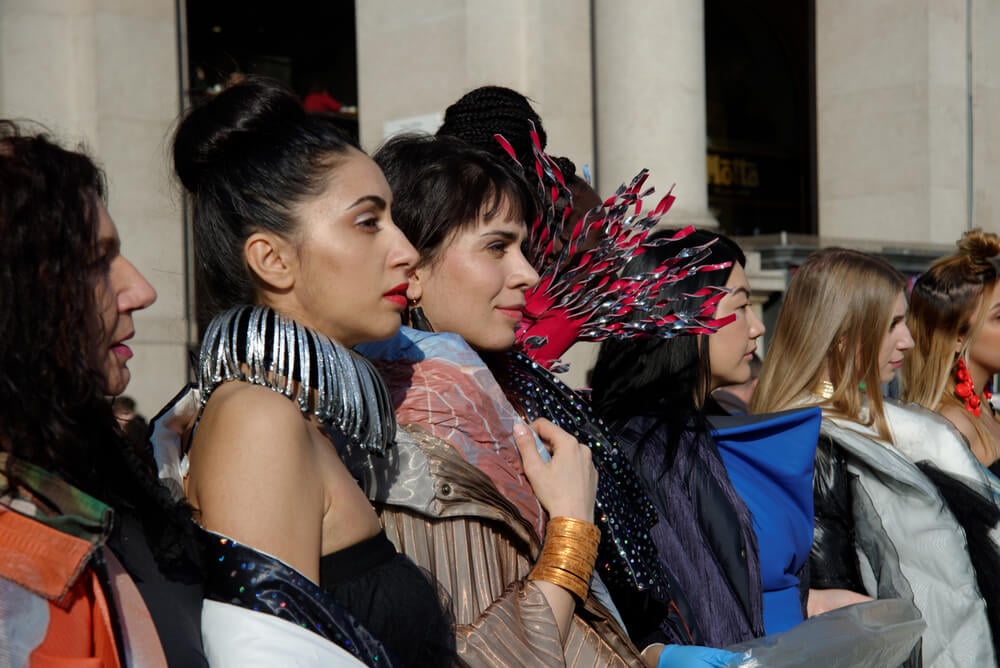
New York Fashion Week has been scheduled for September since its earliest incarnations in the mid-twentieth century, a slot chosen so buyers and press could preview the following spring’s collections a full six months ahead of retail delivery. London, Milan, and Paris fashion weeks follow immediately afterward in a tightly sequenced monthlong circuit that effectively sets the direction of mainstream clothing design worldwide.
The Month Contains an Entire Preparedness Campaign
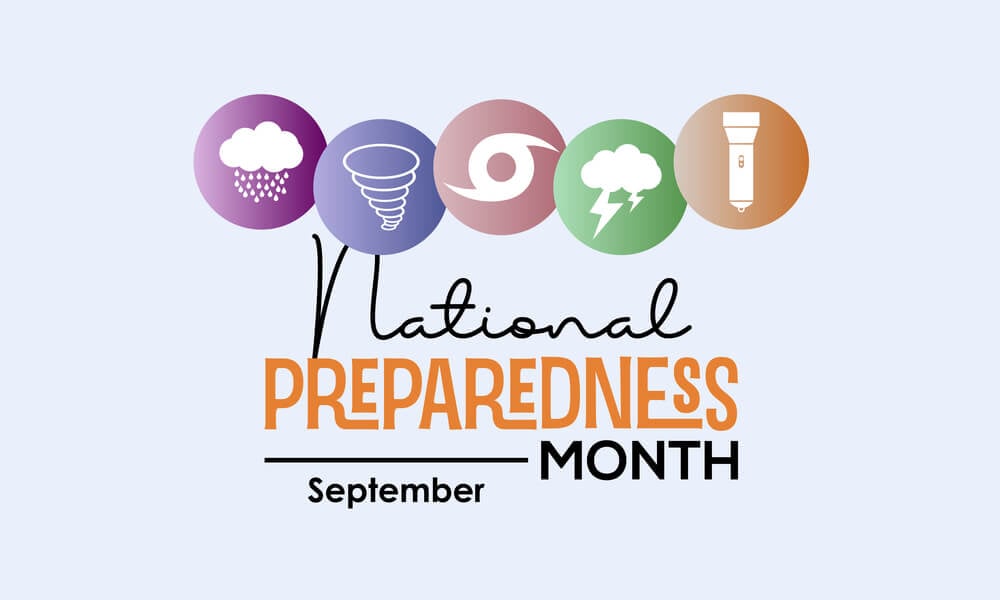
The Department of Homeland Security designated September as National Preparedness Month in 2004, timed deliberately to sit in the heart of hurricane season and shortly after the anniversary of the September 11 attacks. Emergency planners use the month to push public messaging about disaster kits and evacuation routes before autumn storm activity intensifies further.
The School Calendar Still Runs on a Farm Schedule That Vanished Decades Ago
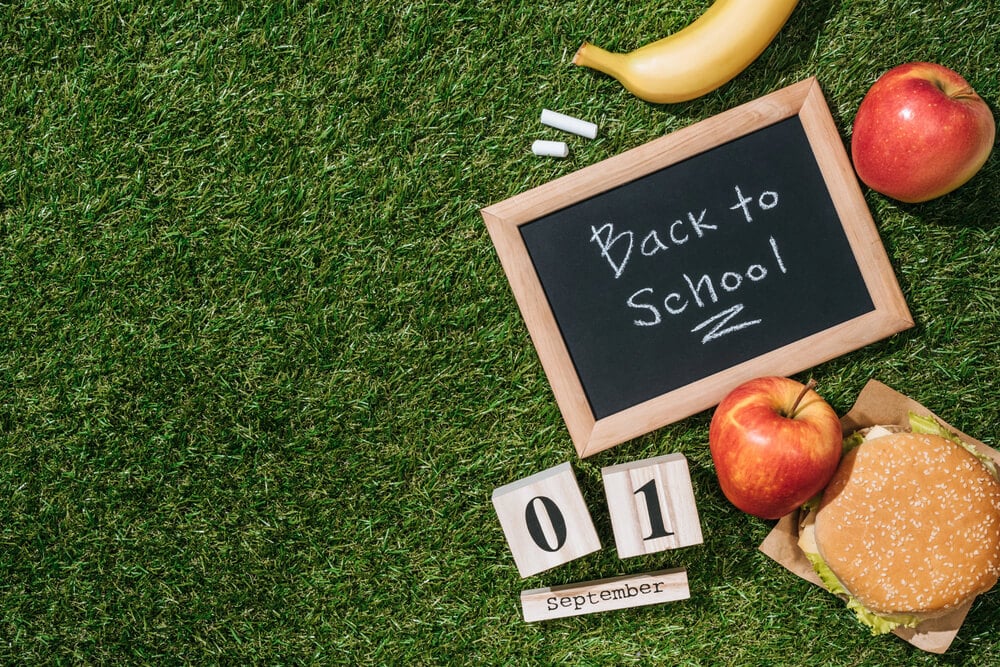
The long-standing belief that American schools take summer off so children could help with harvest work does not match most regions’ actual farm calendars, since the truly labor-intensive harvest season falls later, closer to September and October. Historians of education trace the modern school calendar instead to nineteenth-century urban reformers who wanted a uniform break during the most disease-prone weeks of summer.
A Fictional Letter About Santa Claus Became a September Institution

The New York Sun published its editorial “Is There a Santa Claus?” on September 21, 1897, responding to eight-year-old Virginia O’Hanlon’s letter asking whether Santa was real. The line “Yes, Virginia, there is a Santa Claus” became one of the most reprinted sentences in American newspaper history, all from a piece that ran months before the holiday it addressed.
Major League Rosters Legally Change Shape in September
Under rules that shaped the sport for decades, teams could expand their active rosters from September 1 onward, letting late-season call-ups from the minor leagues get major league playing time before the postseason. The league scaled the expansion back sharply in 2020, capping active rosters at a smaller number than the old September tradition allowed.
The Autumnal Equinox Doesn’t Actually Split Day and Night Evenly
Despite its reputation for delivering exactly twelve hours of daylight and twelve of darkness, the September equinox produces a slightly longer day than night almost everywhere on Earth because of atmospheric refraction bending sunlight and the way sunrise and sunset are measured from the edge of the sun rather than its center. The truly equal day, called the equilux, actually falls a few days later at most latitudes.
Television’s Biggest Awards Show Has Long Called September Home
The Primetime Emmy Awards have been held in September for most of the ceremony’s history, timed to close out one broadcast season and hand off attention to the fall premiere lineup arriving on networks weeks later. Cable and streaming competition eventually forced a second Creative Arts ceremony onto the calendar, but the marquee telecast has stayed anchored to its original September slot.
September Is Stacked With Official Observances Nobody Requested
The month carries an unusually dense cluster of federally and privately designated observances, including National Preparedness Month, National Chicken Month, and National Piano Month, layered on top of Labor Day and Constitution Week. Most of these designations trace back to industry trade groups petitioning Congress or a sitting president decades ago, and the list has only grown longer with each passing year.
Penicillin’s Discovery Happened by September Accident

Alexander Fleming noticed mold contaminating a bacterial culture plate in his London laboratory in September 1928, and observed that the mold appeared to be killing the surrounding bacteria. He did not immediately grasp the full medical implications, and it took over a decade and a separate team of researchers to turn the observation into a usable antibiotic.
September Once Marked the Legal Beginning of the American Fiscal Year
Before 1976, the federal government’s fiscal year began on July 1, but Congress shifted it to October 1 to give lawmakers more time to complete the budget process, making late September the annual deadline crunch it remains today. Government agencies still describe the final days of September as the period when unspent funds must be obligated or lost.
A Comet Once Triggered a Real September Panic
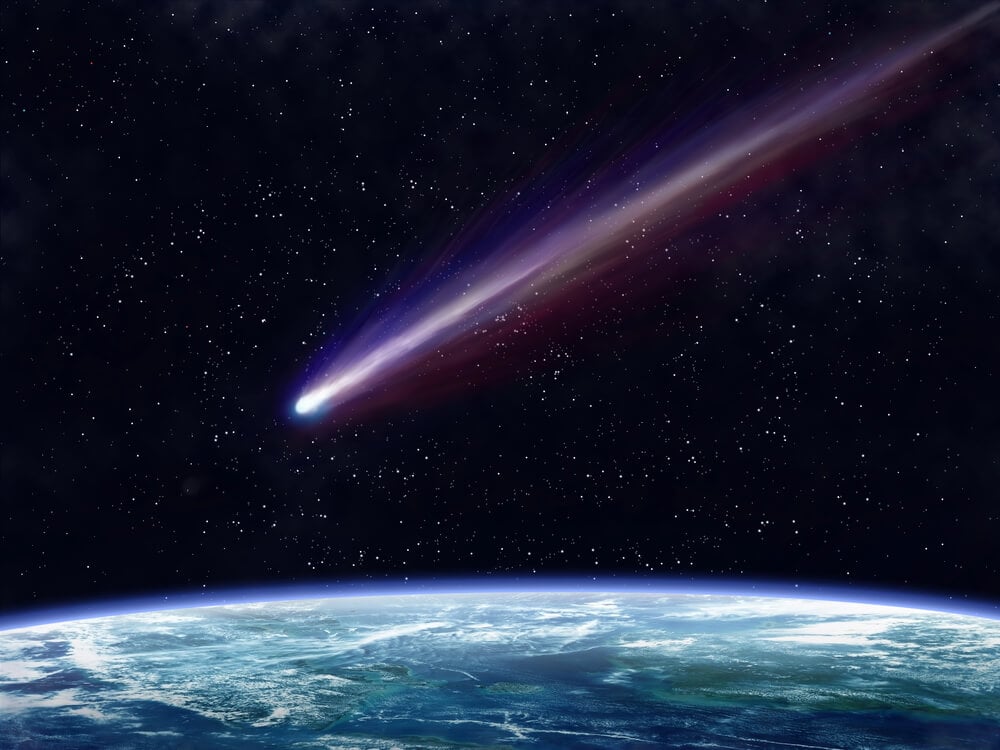
The Great Comet of 1882 became so bright that observers reported seeing it in broad daylight in September of that year, a genuine rarity in comet-watching history. Some newspapers of the era ran sensational coverage suggesting the comet posed a danger to Earth, feeding a wave of public anxiety that had little basis in the actual astronomy.
The Word “Equinox” Comes From a September Observation the Romans Got Wrong
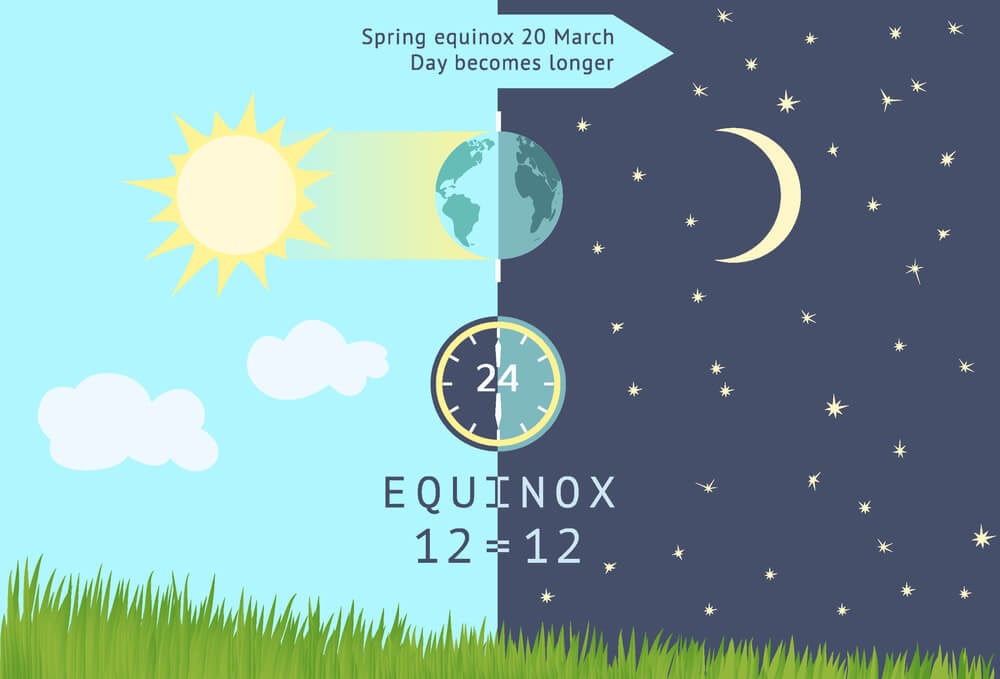
Ancient Roman observers noticed the near balance of day and night around the September crossing point and coined the term from the Latin for “equal night,” but their calendar tracking was imprecise enough that the true equinox date drifted across centuries until later reforms corrected it. Modern instruments can now pin the moment to the exact second.
Grape Harvest Season Quietly Reshapes Entire Regional Economies
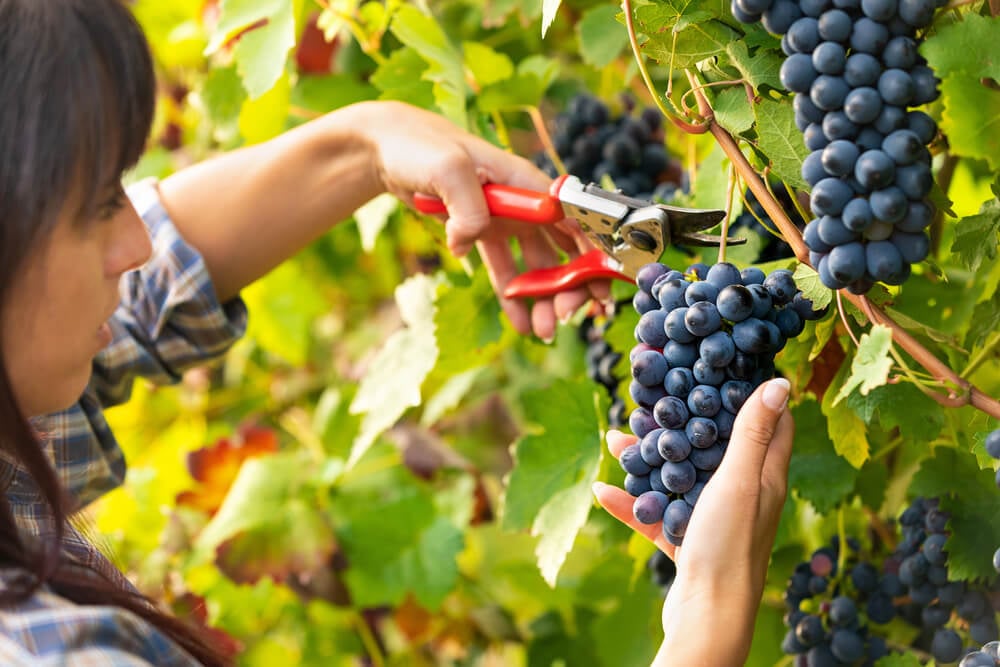
Wine regions across California, Oregon, and much of Europe treat September as crush season, when grapes are picked at exact sugar levels that can shift the harvest date by days depending on that year’s weather. Entire local economies, from seasonal labor markets to trucking schedules, bend around a harvest window that can open or close within a matter of days.
Daylight Disappears Faster in September Than in Any Other Month
Because the sun’s path across the sky changes most steeply near the equinoxes, the rate at which daylight shrinks each day peaks in September in the Northern Hemisphere, often losing two to three minutes of daylight per day at midlatitudes. That pace is noticeably faster than the daylight loss people notice in December, even though the days feel shortest closer to the winter solstice.
Allergy Season Hits Its Hardest Stretch in September

Ragweed pollen counts across much of the United States peak in September, driven by the plant’s late-summer flowering cycle and often made worse by the dry, breezy conditions typical of early fall. Allergists report September as one of the busiest months of the year for seasonal allergy complaints, rivaling or exceeding the spring pollen season that gets far more public attention.
The NFL’s Season Opener Has Crept Earlier Into September
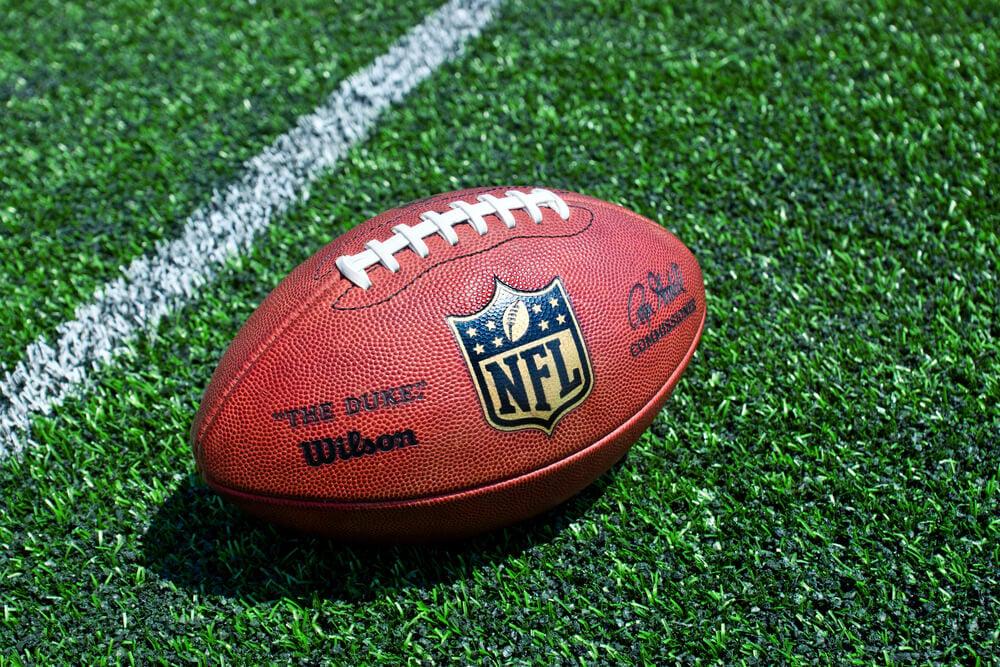
The league’s kickoff game has shifted progressively earlier over the decades as the regular season expanded, now regularly landing in the first week of September rather than the later opening dates common in past decades. Broadcast scheduling and playoff structure changes have driven most of the shift, packing an already crowded September sports calendar even tighter.
Not the Ending You Expect
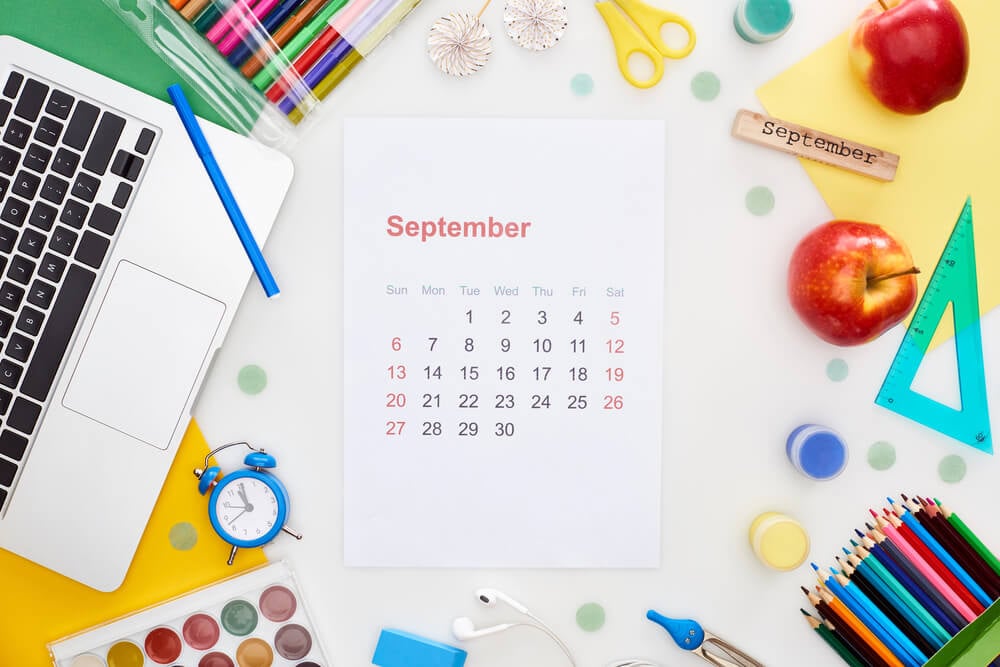
September resists the tidy story most people assign to it, the month of pencils and pumpkin flavoring and not much else. What actually fills the month, from a comet once mistaken for a threat to a stock market pattern traders still argue about, suggests it has quietly done more work than its calendar position implies.
It is easy to let a transitional month blur past unnoticed, sandwiched between summer’s end and autumn’s arrival. The details collected here argue for the opposite approach, treating September not as a pause between seasons but as a recurring stage where calendars, discoveries, and quiet habits keep landing with unusual frequency.
More from Go2Tutors!

- The Romanov Crown Jewels and Their Tragic Fate
- 13 Historical Mysteries That Science Still Can’t Solve
- Famous Hoaxes That Fooled the World for Years
- 15 Child Stars with Tragic Adult Lives
- 16 Famous Jewelry Pieces in History
Like Go2Tutors’s content? Follow us on MSN.