26 Chocolate Bars Shoppers Can No Longer Buy
Every tuck shop queue has a ghost in it. You stand there with a few coins, scanning the shelf, and your hand reaches for a wrapper that hasn’t existed for twenty years.
The muscle memory outlived the product.
Chocolate bars vanish for boring reasons. Sales dip, a factory line gets repurposed, a company merges with another and somebody in a boardroom trims the range.
But you don’t remember the spreadsheet. You remember the sound of the wrapper, the price on the corner-shop sticker and the friend who always bought the same one.
Some of the bars below were global names. Others lived in one country for a few years and then quietly left.
A handful came back, and those get an honest mention, because a comeback is part of the story. If you grew up in South Africa, a few of these will feel familiar from imported shelves, and others will sound like rumours from overseas cousins.
Either way, the shelf you remember is gone. Here is what used to sit on it.
1. Marathon (UK)
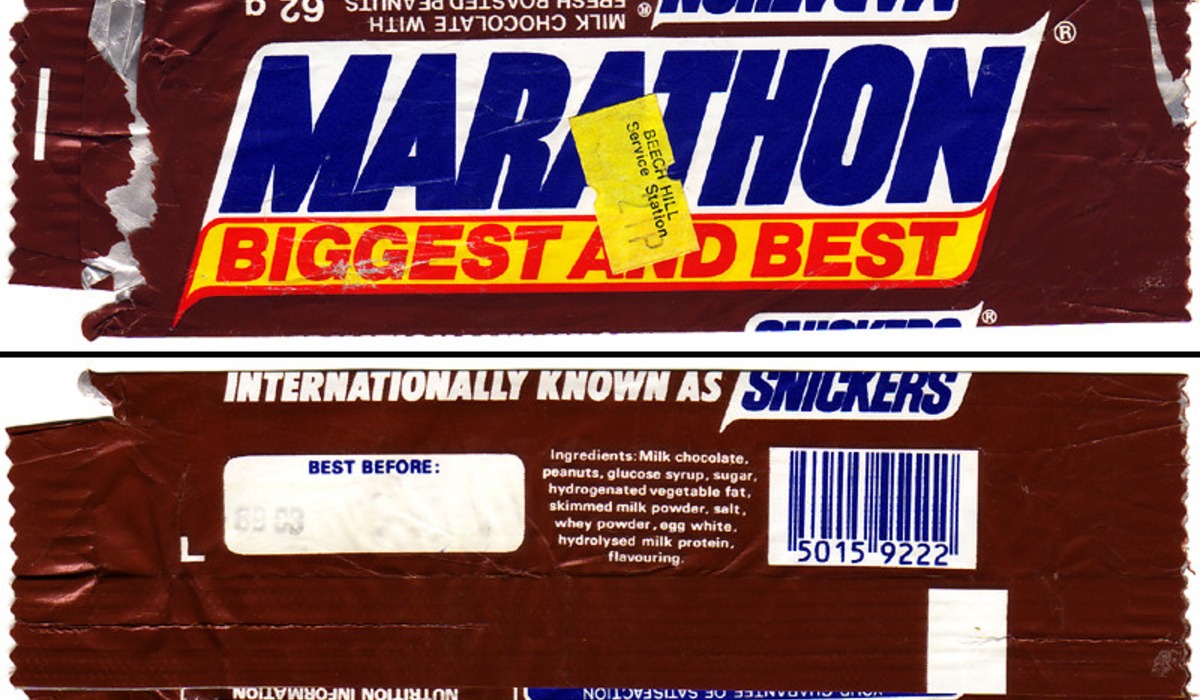
The bar is still here. The name is not.
For decades British shoppers bought Marathon, a slab of nougat, caramel and peanuts in milk chocolate, and nobody questioned it. Then in 1990 Mars switched the UK name to Snickers to match the rest of the world.
The recipe barely changed. The outrage did not care.
People who were children at the time still call it Marathon out of pure stubbornness, and you have probably met one of them at a braai, correcting someone mid-bite.
It counts here because a name is part of what you buy. Marathon sounded like effort and stamina.
Snickers sounds like a joke. Same bar, different personality.
2. Spira
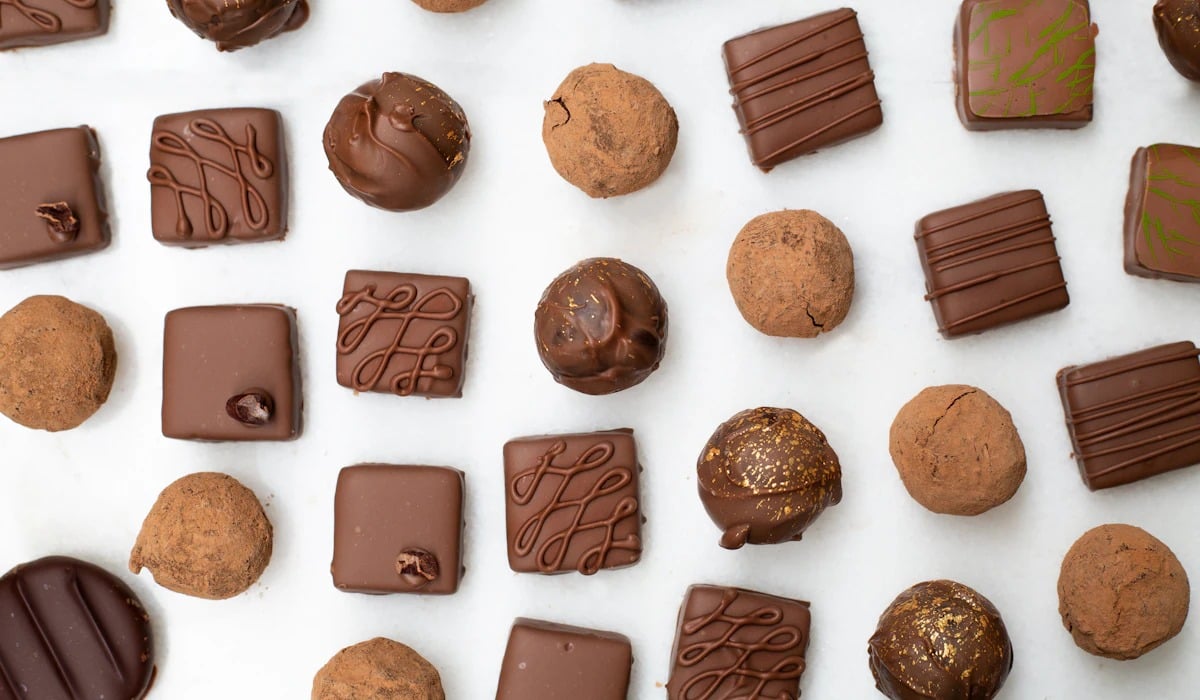
Cadbury’s Spira looked like nothing else on the shelf. Two long, twisted tubes of Dairy Milk, hollow in the middle, with a ridged spiral running down the outside.
You could bite one end and absorb air through it if you were young and badly behaved.
It launched in 1989 and survived until 2005. The texture was the selling point.
The chocolate shattered in a way a flat slab never does, and the thin walls melted fast on your tongue.
Fans have pushed for its return ever since. Cadbury has not budged.
3. Aztec
Cadbury built Aztec in 1967 as a direct shot at the Mars bar. Nougat, caramel, milk chocolate.
The packaging leaned on Aztec imagery, which felt exotic to a 1960s shopper and slightly baffling to anyone today.
It never beat Mars. By 1978 Cadbury had given up and pulled it.
Then, in 2008, the company brought Aztec back as a limited run, mostly to cash in on nostalgia after the Wispa revival worked so well. The return was short.
The original lasted about eleven years, and the encore lasted a fraction of that.
The lesson Aztec teaches is simple. Copying the market leader rarely wins you the market.
It just makes you the second-best version of someone else.
4. Texan
Rowntree’s Texan was a chewy nougat-and-toffee bar wrapped in milk chocolate, and it took ages to eat. That was the whole point.
The adverts featured a cartoon cowboy who refused to give up his bar, with the line “Sure is a mighty chew.”
You didn’t nibble a Texan. You worked at it, jaw aching, while the rest of the class finished their snacks and went outside.
For kids watching their pocket money, a bar that lasted longer felt like better value, and that logic sold plenty of them.
Nestlé eventually withdrew it after taking over Rowntree. Dentists probably didn’t mourn.
Everyone else did.
5. Fuse
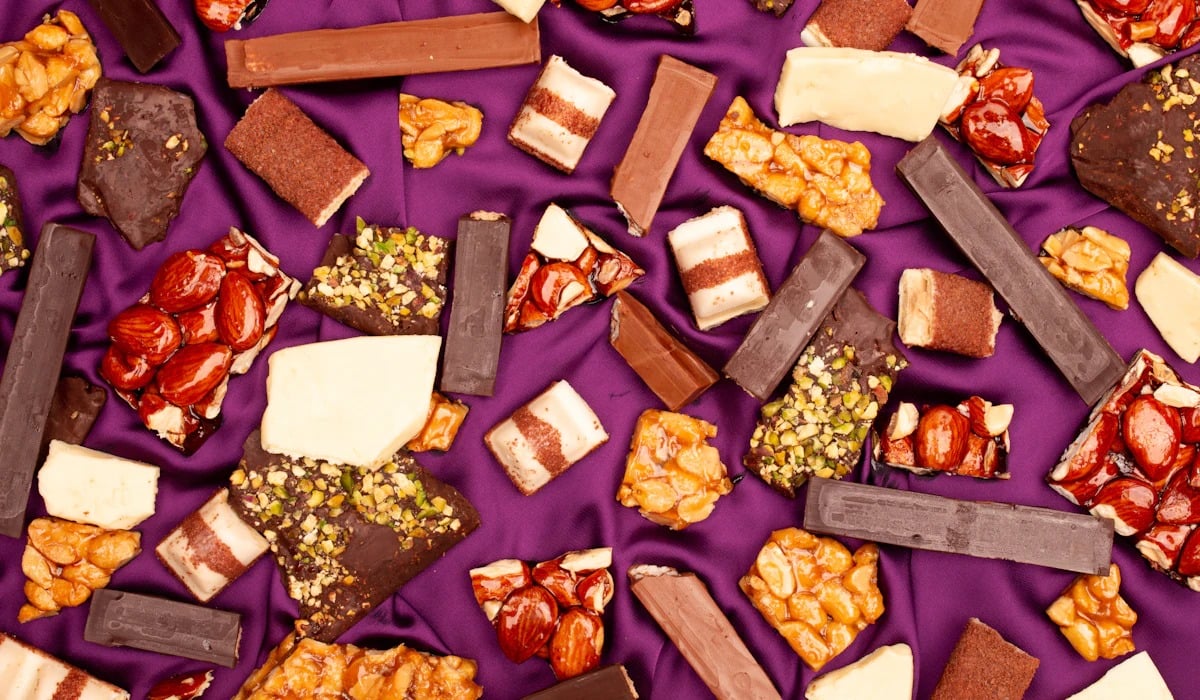
Fuse arrived in 1996 with one of the biggest launches Cadbury ever ran. The bar mixed peanuts, raisins, crisped rice and cornflakes, all bound together in Dairy Milk.
It was half chocolate bar, half cereal snack, and it sold in enormous numbers in its first weeks.
The novelty wore off. By 2006 Fuse was gone.
What’s interesting about Fuse is how modern it looks in hindsight. Shoppers now buy granola bars and protein bars stuffed with nuts and grains.
Fuse got there early, just with a lot more sugar.
6. Wispa (the original run)
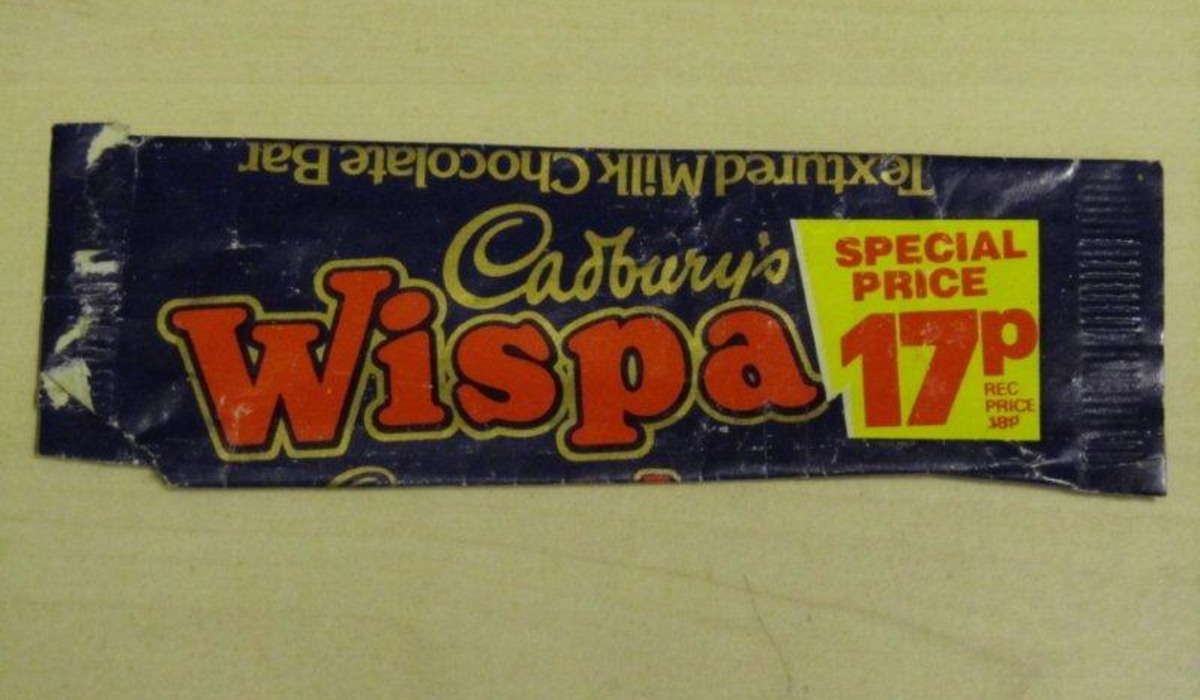
Wispa earns a spot here with an honest note: it came back. But its first life ended, and that ending started a movement.
Cadbury launched the aerated bar nationally in the UK in 1983. It was light and bubbly inside, smooth on the outside, and it sold well for years.
In 2003 Cadbury pulled it to make room for a Dairy Milk bubbly variant. Fans did not accept this.
Online campaigns grew loud enough that Cadbury brought Wispa back as a limited edition in 2007. It sold out so fast that the company restored it permanently in 2008.
Wispa matters because it proved that shoppers can win. If you’ve ever signed a petition for a lost snack, this is the bar that made you believe it would work.
7. Secret
Nestlé’s Secret was a 1990s oddity. Instead of a solid coating, the bar wore a delicate lattice of chocolate threads over a soft, mousse-like centre.
It looked handmade, almost fragile, and it broke if you so much as glanced at it in your schoolbag.
That fragility was part of the problem. It didn’t travel well, and the price sat higher than most everyday bars.
It disappeared before the decade ended. People who tried it describe it with a slightly dreamy look, as if it was never real at all.
8. Cabana
Rowntree’s Cabana went tropical. Coconut, glacé cherries and caramel, covered in milk chocolate, sold in a bright wrapper that promised a beach holiday for the price of a snack.
It never found a big enough audience. Coconut bars split people down the middle, and adding cherries narrowed the crowd further.
Cabana faded out after a short run, and Bounty kept the coconut lane largely to itself.
You either remember it fondly or you don’t remember it at all. There is no middle ground with Cabana.
9. Fry’s Five Centres
Fry’s Chocolate Cream is one of the oldest bars still in production. Five Centres was its ambitious sibling.
Each bar split into five segments, and each segment held a different fruit-flavoured fondant: strawberry, raspberry, lime, orange and pineapple.
You could eat your favourite first or save it for last. That small choice made the bar feel like a game.
Siblings negotiated trades. Friends swapped the lime for the raspberry.
Fry’s discontinued Five Centres in 1992. The plain Chocolate Cream soldiered on, and the fruit flavours went with it.
If you have a parent or grandparent who grew up in Britain, ask them about it. Watch their face change.
10. Dime
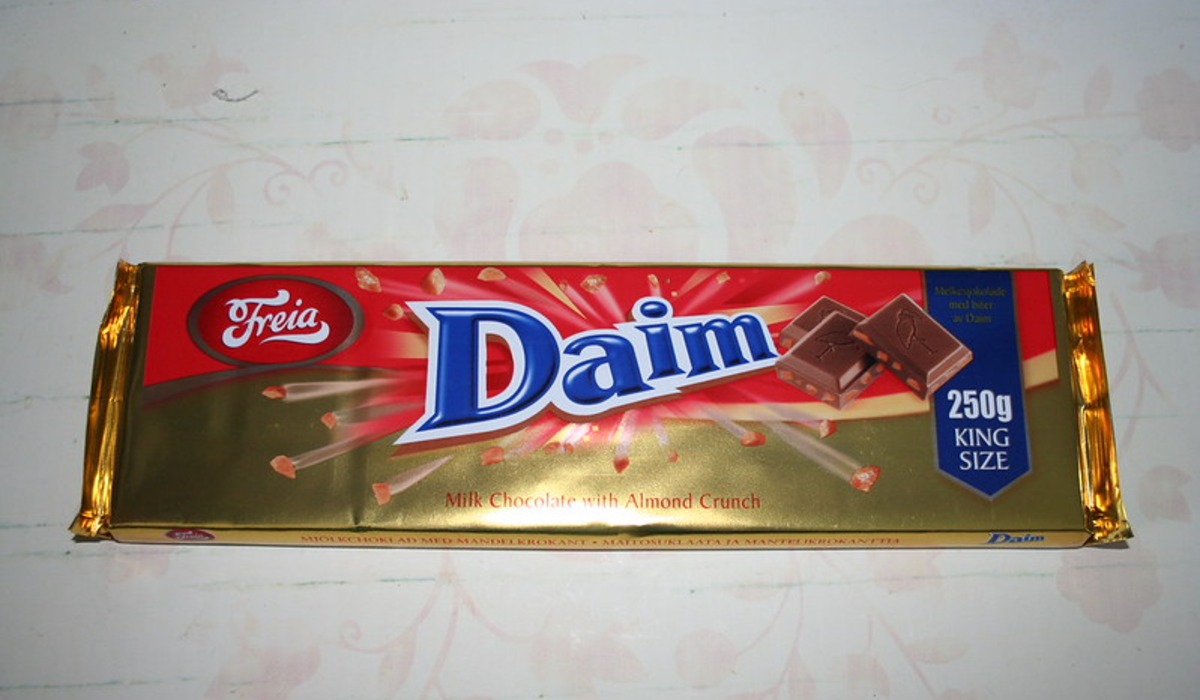
Another name change. In the UK and Ireland, the crunchy almond-caramel bar from Sweden was sold as Dime for years.
In 2005 it became Daim, the name the rest of Europe already used.
The bar itself stayed the same, a thin snap of buttery caramel in milk chocolate. But Dime had a ring to it, and it sounded like pocket money.
Shoppers grumbled, then adjusted, then forgot. Mostly.
11. Marathon (US)
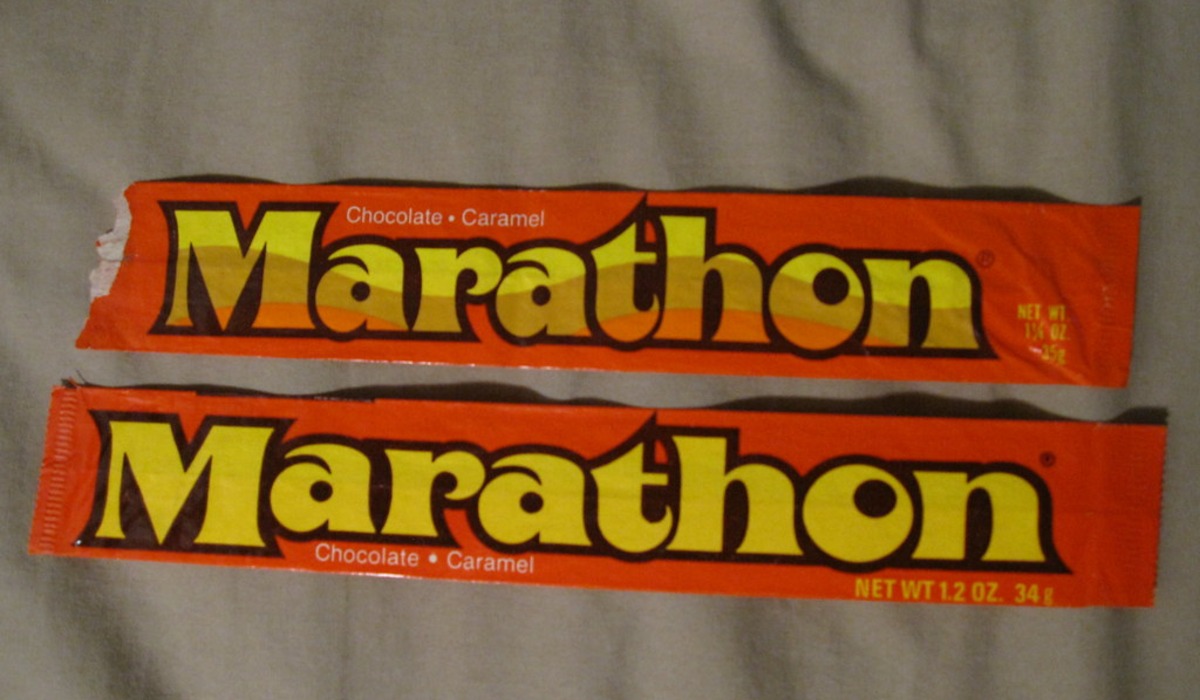
Here’s the confusing part. The United States had its own Marathon bar, and it had nothing to do with the British one.
Mars launched it in 1973 as a long braid of caramel wrapped in a thin coat of milk chocolate.
The wrapper printed a ruler along its edge to prove how long the bar was, about eight inches. Kids measured things with it.
Teachers confiscated it. The caramel was firm enough that you could stretch a piece out like a rope before it snapped.
Mars dropped it in 1981. British shoppers still have Curly Wurly, a close cousin in shape, but the American original never returned.
What you lost with Marathon was the drama. A bar you could measure.
A bar that fought back.
12. Bar None
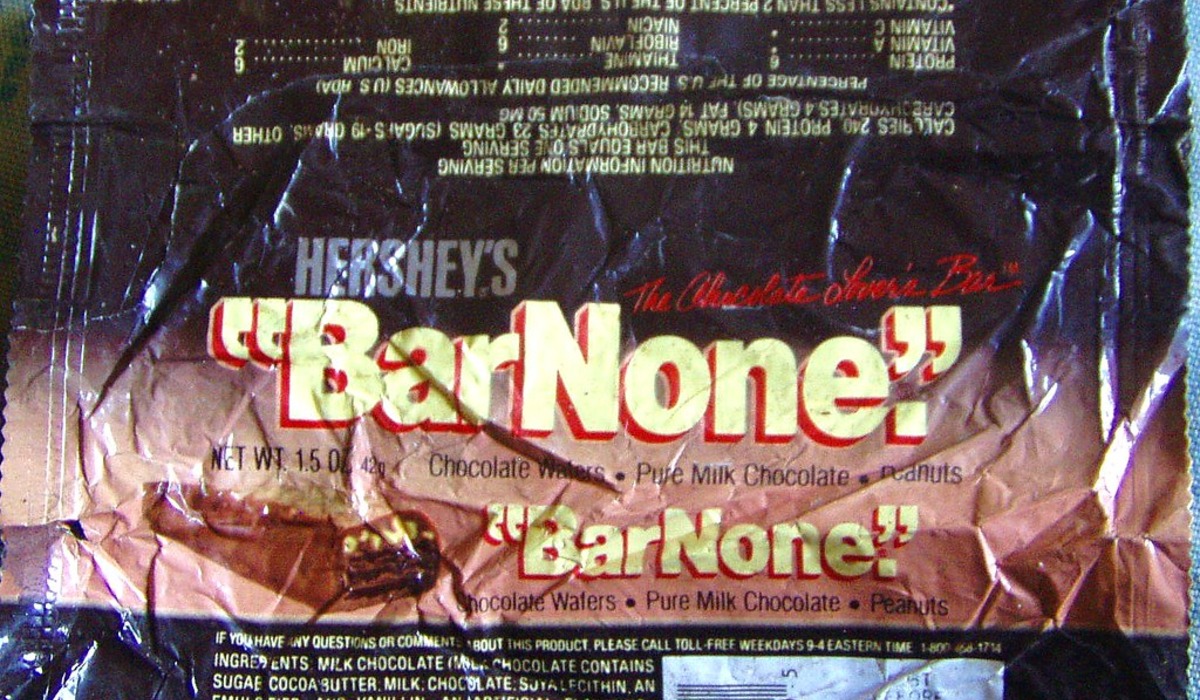
Hershey introduced Bar None in 1987, and it was a heavy hitter. Chocolate wafers, chocolate cream filling, chopped peanuts and a milk chocolate coating, all in one dense slab.
The early adverts sold it as the bar for people who wanted more chocolate than any regular bar would give them.
In the early 1990s Hershey reworked it, splitting it into two pieces and adding caramel. Fans felt the change watered down what made it special.
Sales slid, and the bar disappeared by the end of the decade.
Bar None still turns up on “bring this back” lists every year. Its name was almost a dare.
In the end, plenty of other bars beat it.
13. Reggie!
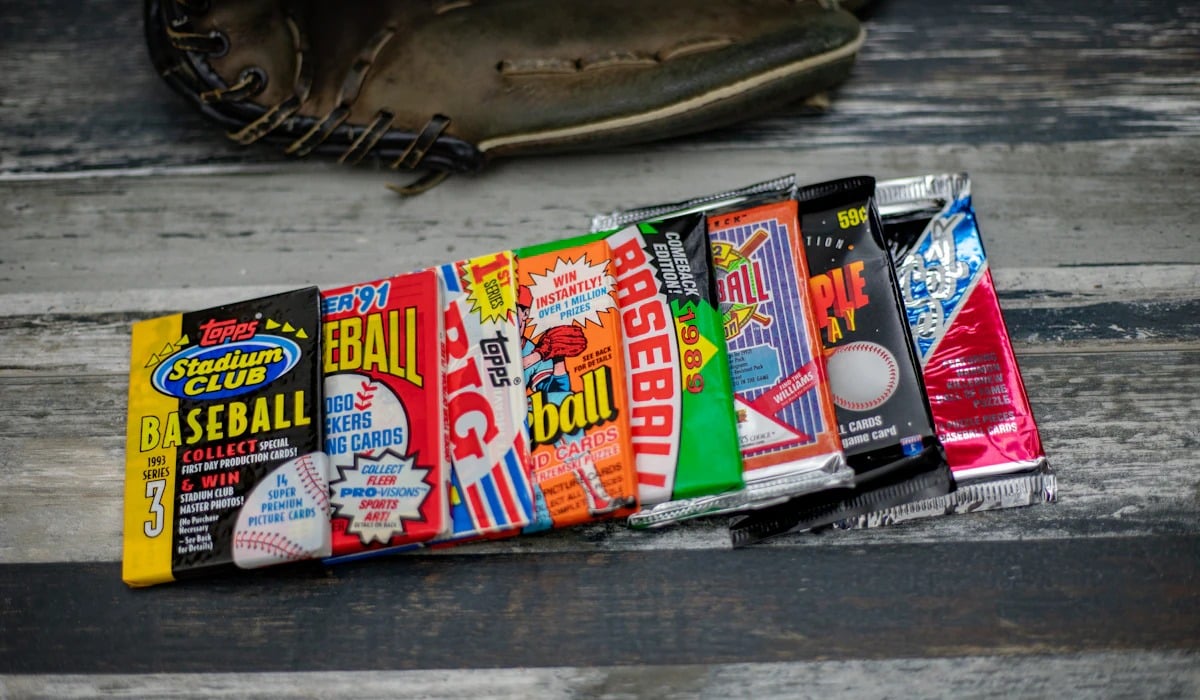
Few athletes get a chocolate bar named after them. Baseball star Reggie Jackson did.
The Reggie! bar launched in 1978, a round disc of peanuts and caramel in chocolate, sold on the back of Jackson’s fame with the New York Yankees.
At the bar’s first home game giveaway, fans celebrated a Jackson home run by throwing their free bars onto the field. That story has outlived the bar itself.
Production stopped around 1980. A short-lived revival appeared in 1993.
Then the name went back to the record books, where Jackson’s statistics remain far more famous than his snack.
14. PB Max
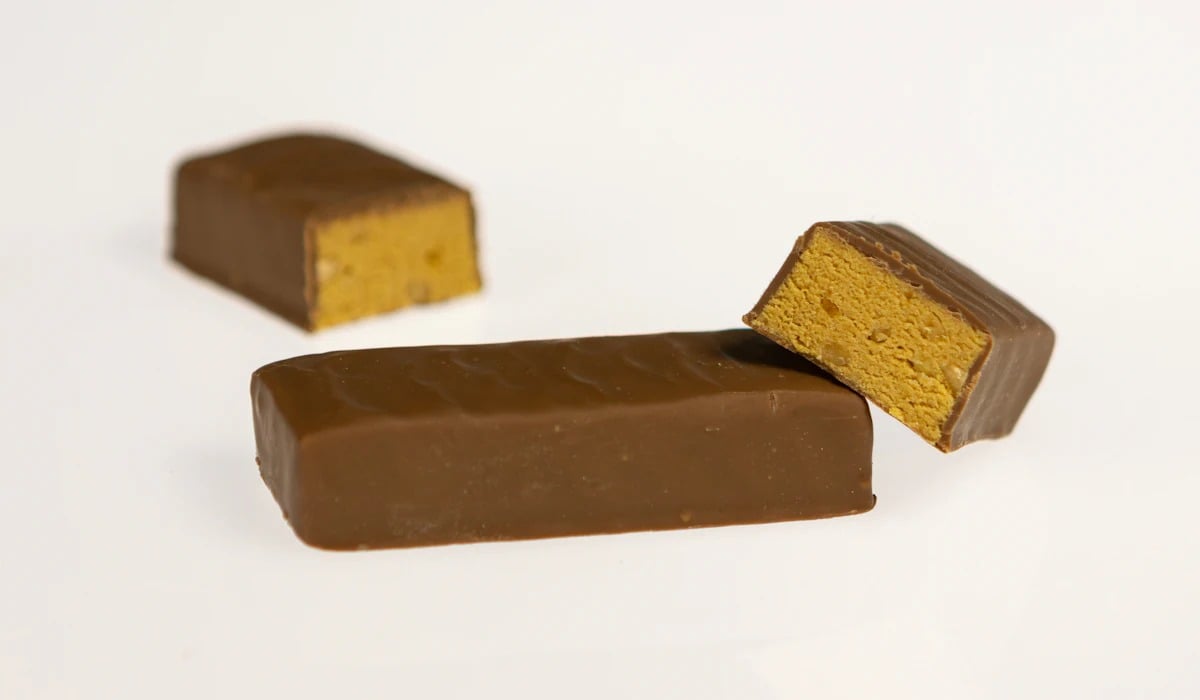
PB Max was a square of peanut butter sitting on a whole-grain cookie, covered in milk chocolate. Mars launched it around 1990, and it built a loyal following fast.
The peanut butter was thick and salty, the base crunchy, and the whole thing felt more like a dessert than a snack.
Mars dropped it in 2004. The bar was still selling decently, which made the decision feel stranger to fans.
A widely repeated story claims the Mars family simply disliked peanut butter. Nobody has ever proved that, but it gets told at parties anyway, because it’s more fun than “portfolio review.”
If you liked Reese’s but wanted something with more bite, PB Max was your bar. Nothing has quite replaced it.
15. Forever Yours
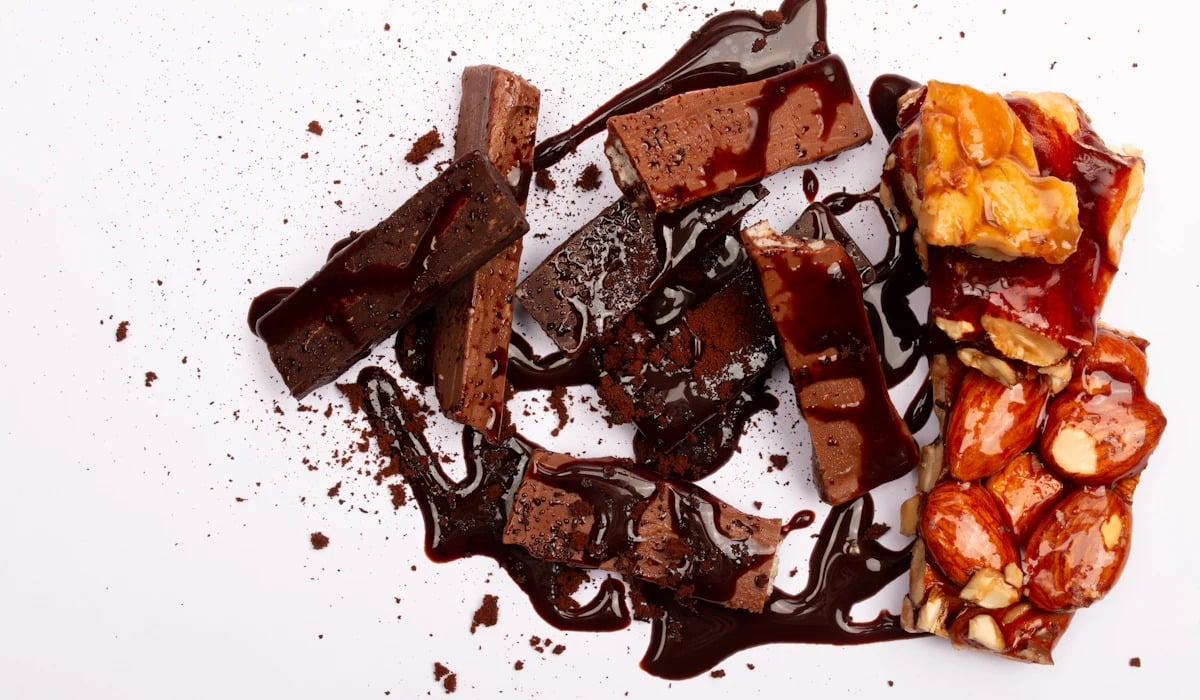
Mars made Forever Yours from the 1930s onwards in the US. It was essentially a Milky Way with dark chocolate and vanilla nougat in place of the milk chocolate and chocolate nougat.
Lighter in the middle, darker on the outside.
Mars dropped it in 1979. Letters poured in.
Ten years later, in 1989, the company brought the recipe back as Milky Way Dark, which later became Milky Way Midnight.
So the bar returned. The name never did.
Forever Yours turned out to be a promise with an expiry date.
16. Milky Way II
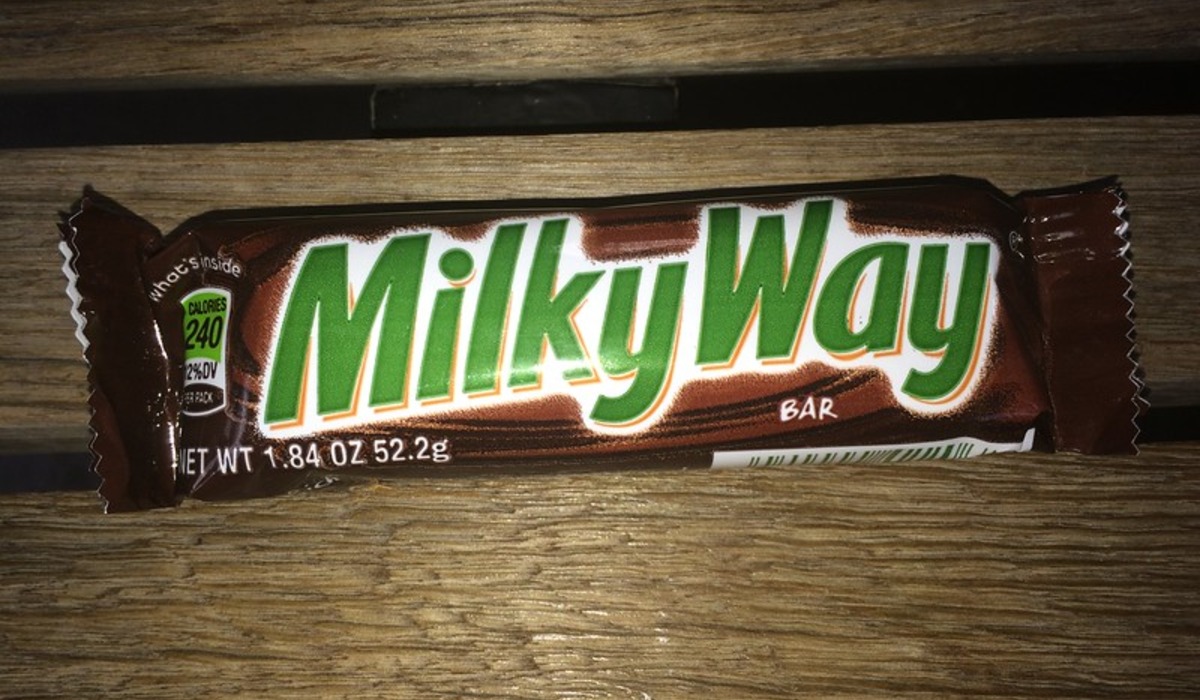
In the 1980s, America discovered the word “lite.” Mars responded with Milky Way II, a reduced-calorie version of its classic bar, launched in the second half of the decade.
It didn’t work. People buying a Milky Way wanted a Milky Way, not a compromise.
The bar faced questions over its calorie claims and quickly left the market.
A diet chocolate bar is a hard sell. You’re asking people to feel virtuous about the one thing they buy to stop feeling virtuous.
17. Alpine White
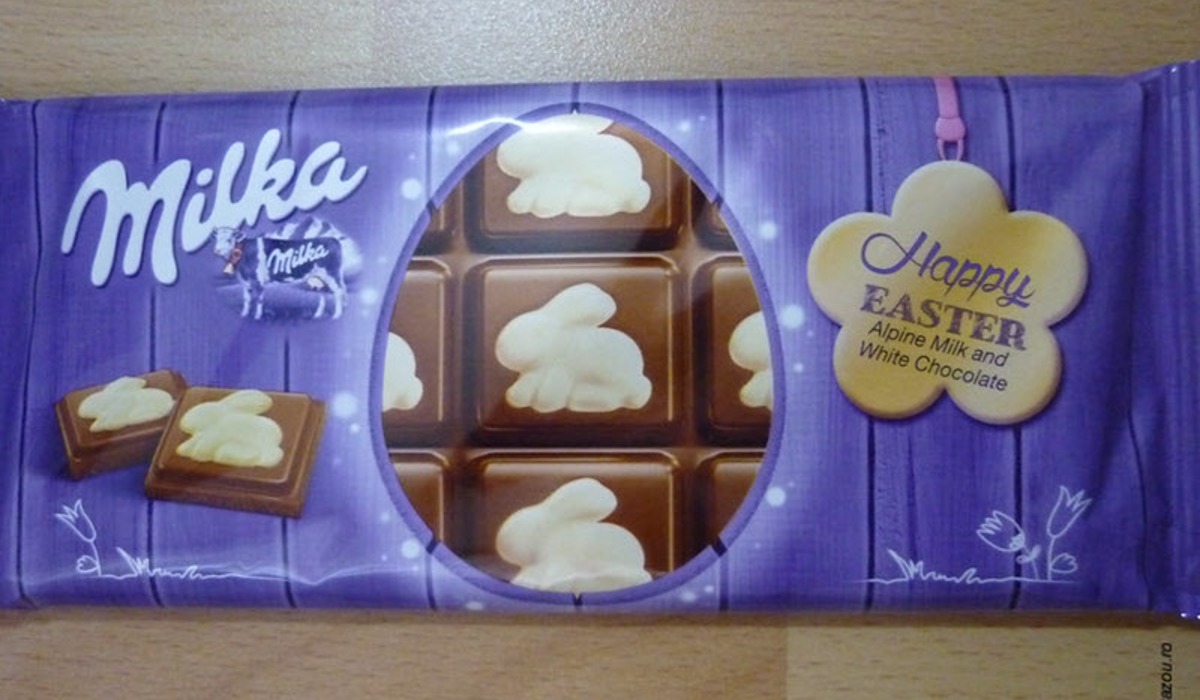
Nestlé’s Alpine White arrived in the US in the mid-1980s and helped make white chocolate a mainstream treat there. It came studded with almonds, and the adverts leaned on snowy mountain imagery and a soft, sophisticated tone.
For a while it was everywhere. Then white chocolate stopped being new, and the bar faded during the 1990s.
Fans still mention it whenever someone claims white chocolate isn’t real chocolate. They have a point to prove, and Alpine White was their proof.
18. Swoops
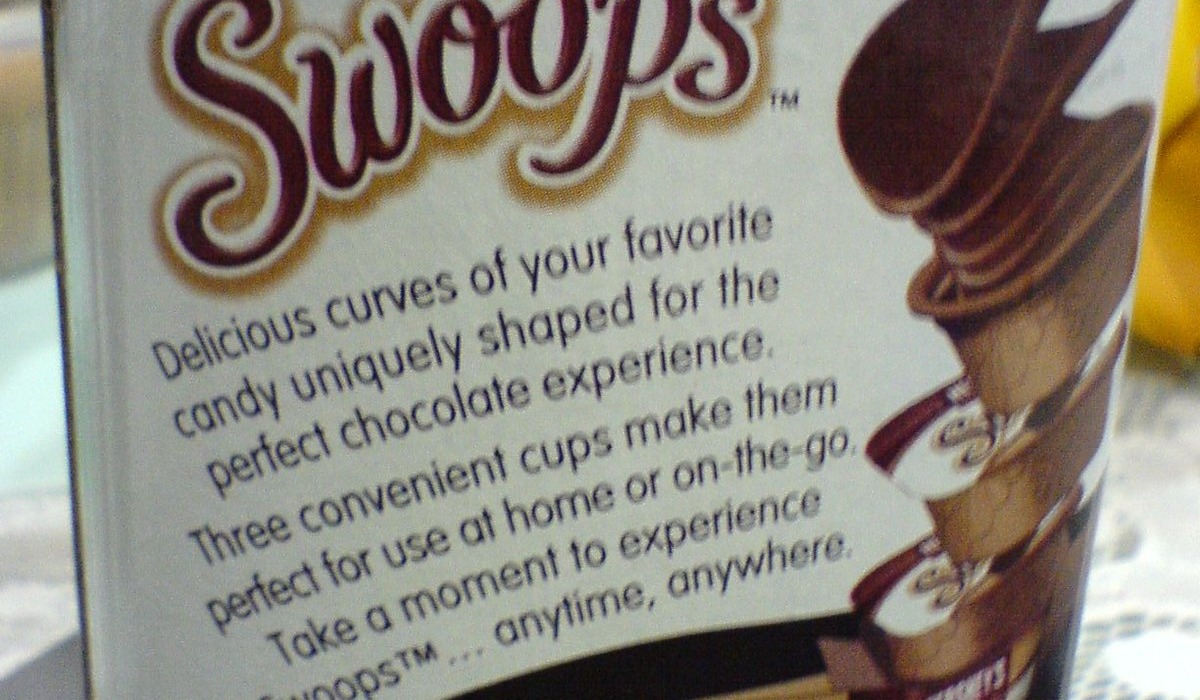
Hershey tried something odd in the early 2000s. Swoops were thin, curved slices of chocolate stacked in a tube, shaped exactly like Pringles.
Reese’s, Almond Joy and York versions all appeared.
The idea was that you could eat a slice at a time and save the rest. In practice, the slices broke, melted and stuck together.
The packaging confused people who weren’t sure whether they’d bought chips or chocolate.
Swoops vanished within a few years. Clever shapes don’t save a product if nobody can work out when to eat it.
19. Wonka Exceptionals
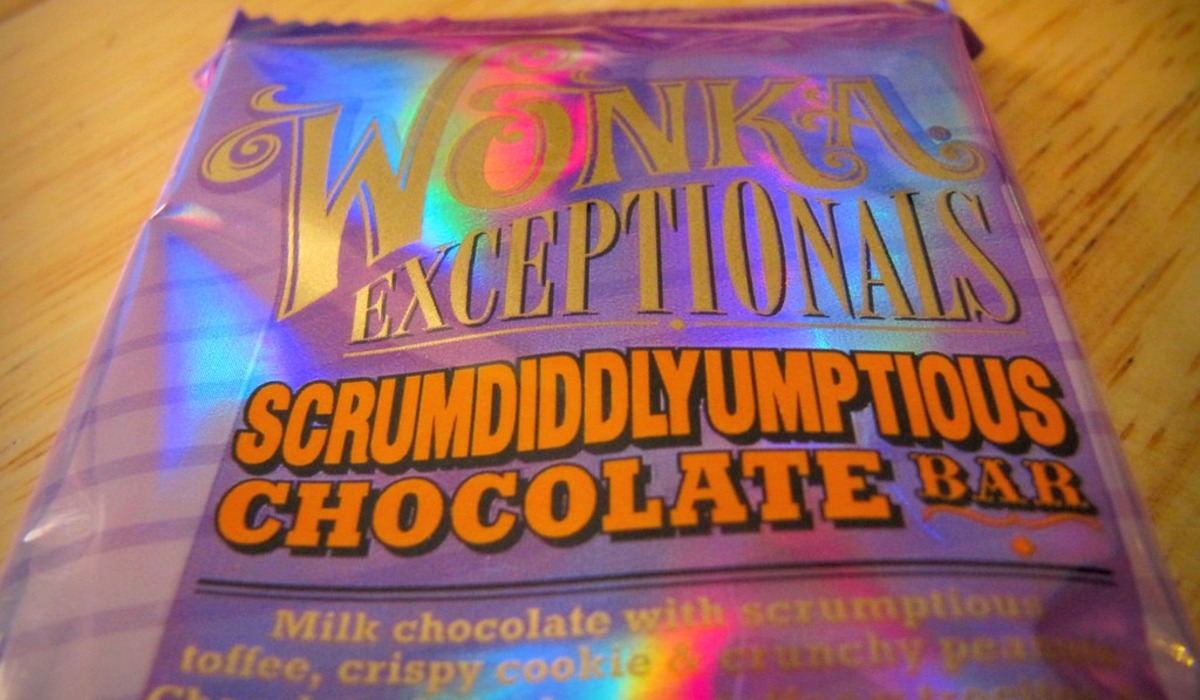
The Wonka brand spent years trying to turn a fictional chocolate factory into a real one. Around 2010, Nestlé launched the Wonka Exceptionals range, a set of premium bars with names like Scrumdiddlyumptious, wrapped to look like they came straight from the story.
Fans of the book wanted magic. What they got was decent chocolate at a higher price.
The line didn’t last long. The gap between a story and a shelf turned out to be bigger than any golden ticket.
20. Polly Waffle
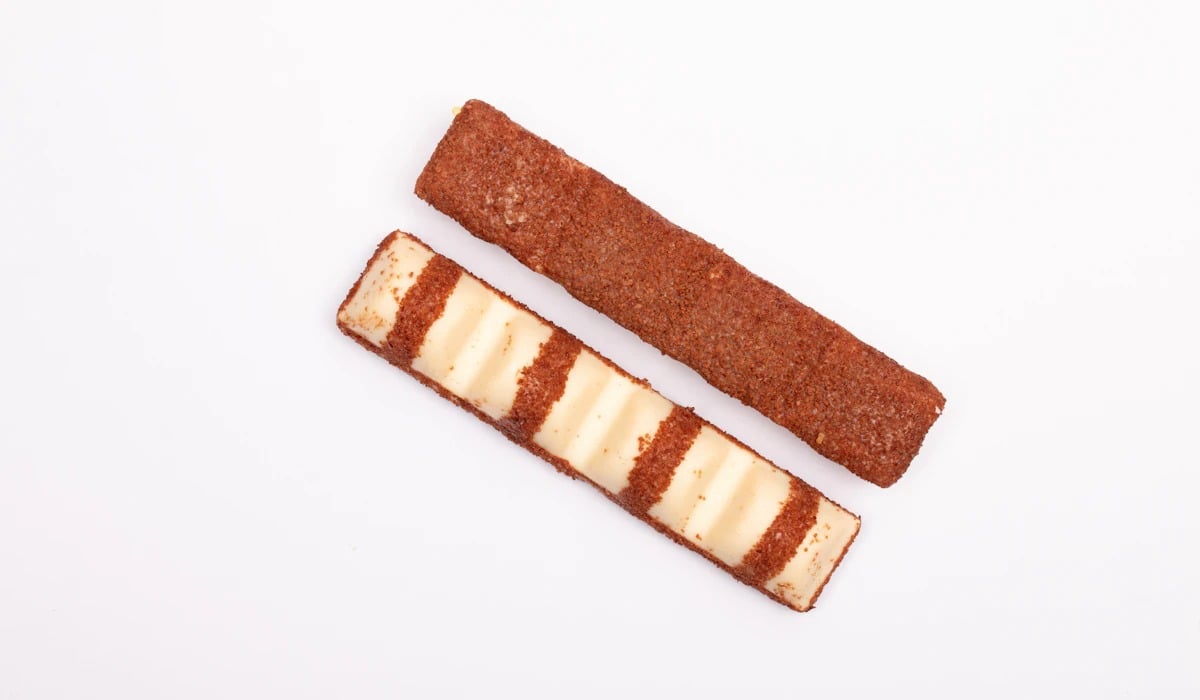
Australians mourned this one loudly. Polly Waffle was a wafer tube filled with marshmallow and coated in chocolate, first made in 1947.
Nestlé discontinued it in 2009, citing poor sales.
People didn’t let go. Petitions and social media campaigns kept it alive for years.
Eventually a new owner bought the brand and brought it back in a reworked form, which counts as a happy ending with fine print. The modern bar differs from the original, and longtime fans will happily tell you exactly how.
21. Banjo
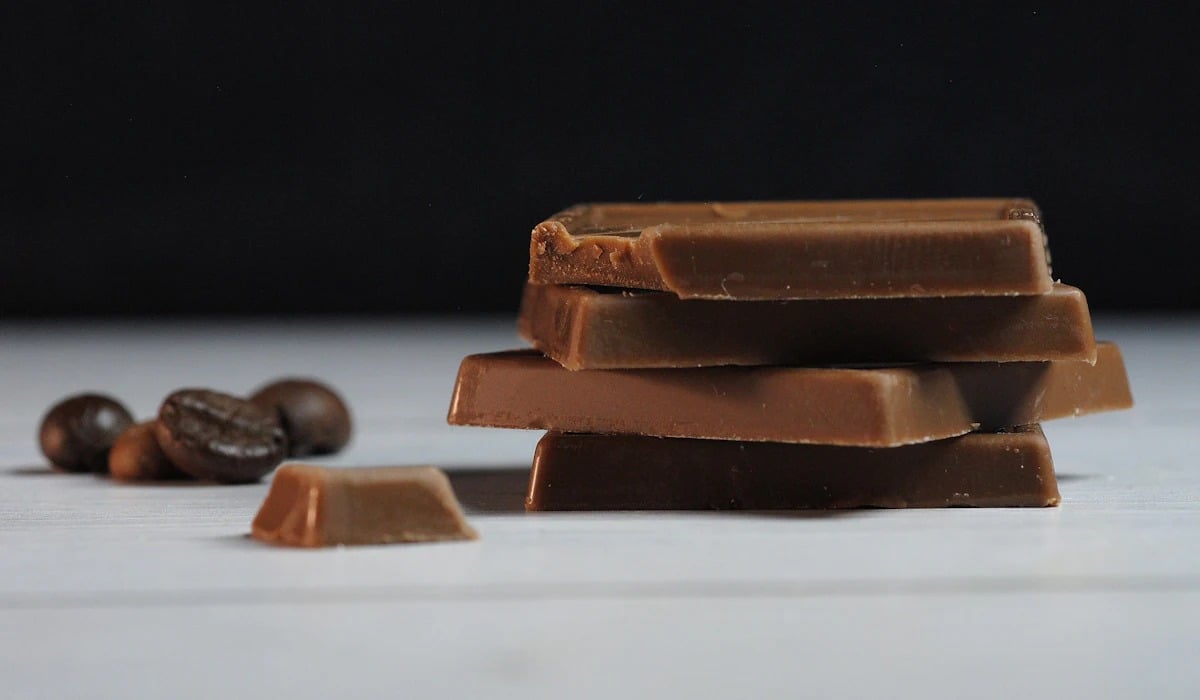
Mars sold Banjo in the UK during the 1970s and into the 1980s. It came as a twin bar, two wafer fingers wrapped in chocolate, and it shipped in both peanut and coconut versions.
It was a lunchbox bar, the kind a parent bought in a multipack and rationed through the week. Kit Kat already owned the wafer-finger space, and Banjo never broke through.
It slipped off shelves without much noise.
Sometimes a bar disappears because it failed. Sometimes it disappears because another bar simply got there first.
22. Pyramint
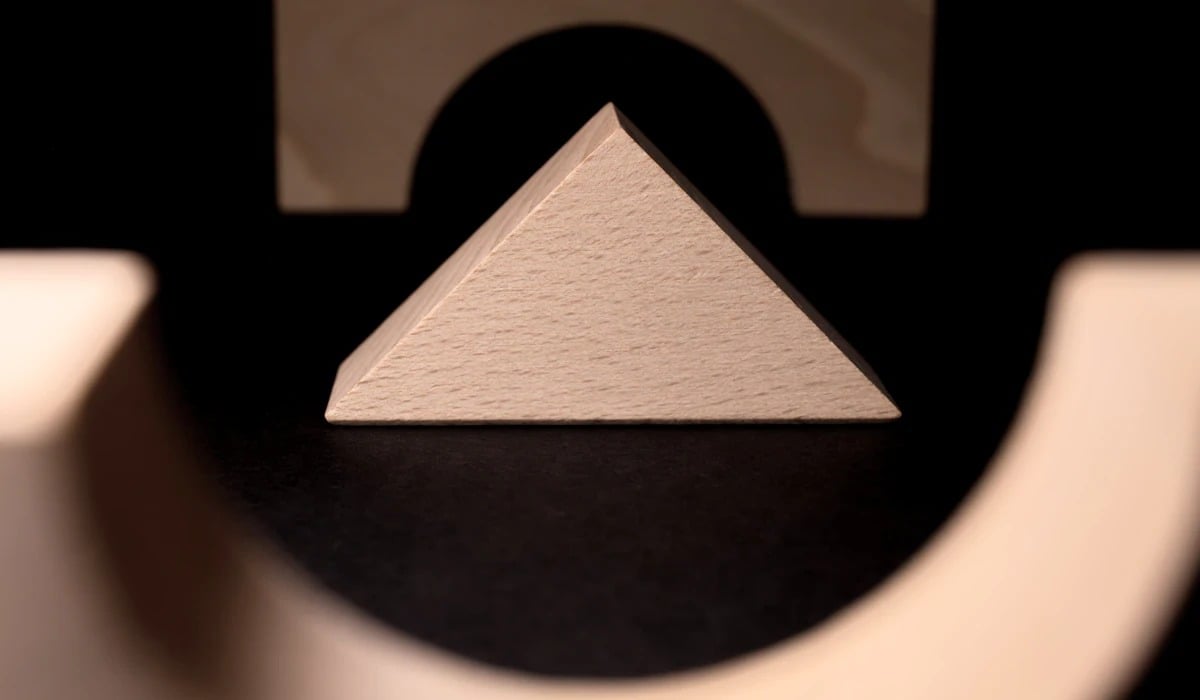
Terry’s made Pyramint in the 1980s, and the shape was the selling point. A tall dark chocolate pyramid filled with mint fondant, sold in a bright green wrapper.
It looked like a small monument and tasted like an after-dinner mint that had moved to the snack aisle.
The bar didn’t last long into the 1990s. Dark chocolate and mint have always had a smaller following than milk and caramel, and the pointed shape packed badly into boxes.
People still bring it up decades later, which says plenty about how memorable a bar can be without selling well.
23. Old Jamaica
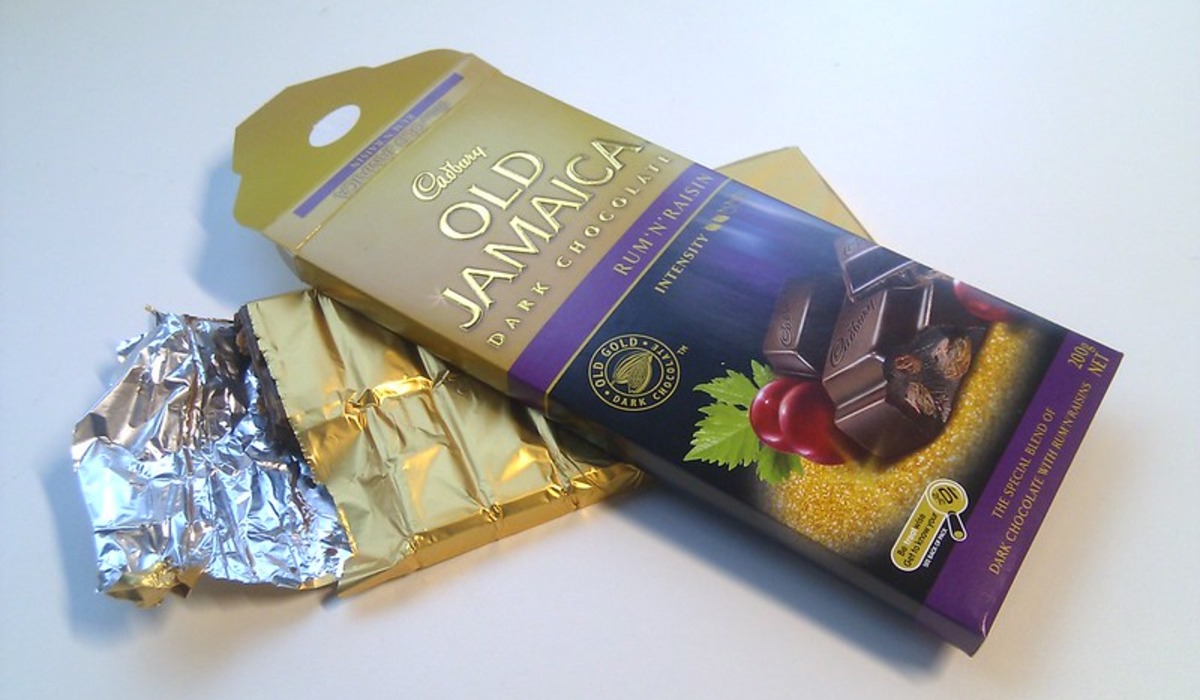
Cadbury’s Old Jamaica was a dark chocolate bar flavoured with rum and studded with raisins. It aimed squarely at adults.
The wrapper was dark, the tone grown-up, and the flavour carried a warm rum flavouring that made it feel like a treat for after the children went to bed.
It eventually left the range. Fruit-and-nut lovers still had Dairy Milk Fruit & Nut, but that’s not the same thing, and Old Jamaica fans know it.
Rum and raisin now lives mostly in ice cream tubs.
24. Kudos
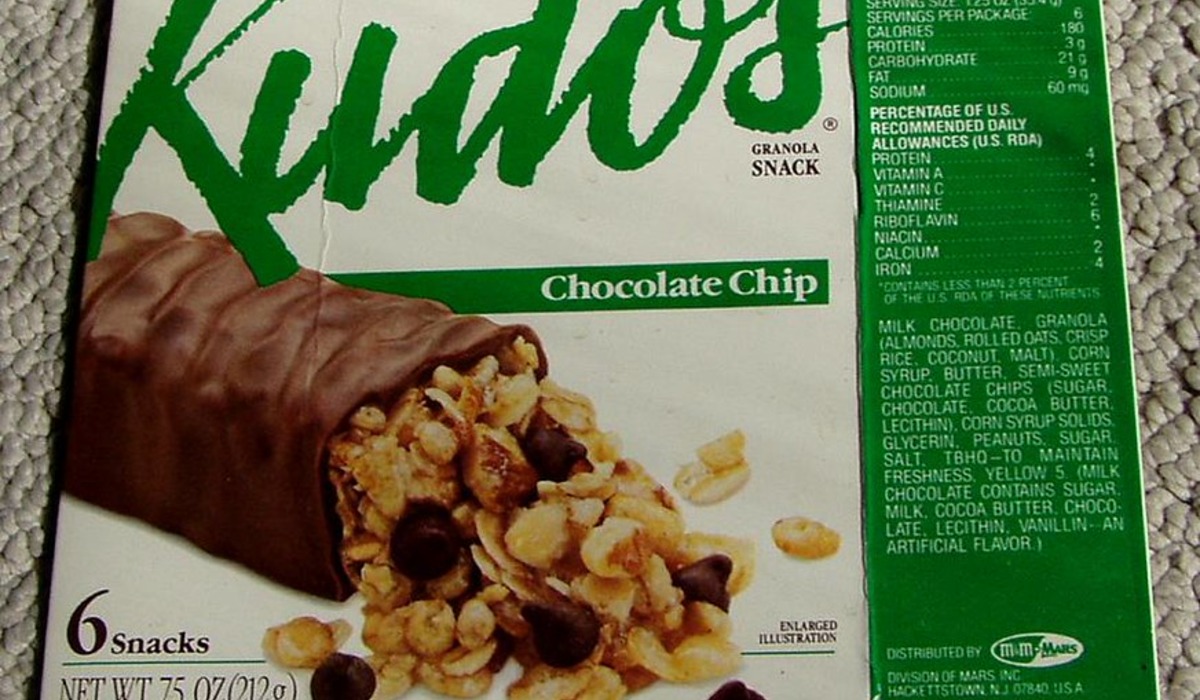
Mars sold Kudos in the US from 1986. It sat in the space between a granola bar and a candy bar, with oats and grains on the inside and chocolate on the outside.
Some versions came with chocolate chips, peanut butter or M&M’s mixed in.
Parents bought it because it looked healthier than a Snickers. Kids ate it because it tasted like a Snickers’ cousin.
Everyone won, at least for a while.
The grain-bar market got crowded. Brands with cleaner labels and lower sugar moved in, and Kudos started to look like what it really was, a sweet treat in a health-food costume.
Mars discontinued it in 2017.
You can still find plenty of chocolate-dipped granola bars today. None of them carry the same name.
25. Caravelle
Peter Paul made Caravelle, a bar of caramel and crisped rice coated in milk chocolate. The company was better known for Mounds and Almond Joy, and Caravelle sat in their shadow for most of its life.
Peter Paul passed through several corporate owners in the 1970s and 1980s. Somewhere along that chain, Caravelle lost its place, and it vanished in the late 1980s.
Shoppers who remember it compare it to a Nestlé Crunch with extra caramel, which is high praise for a bar most people never tried.
26. Crispello
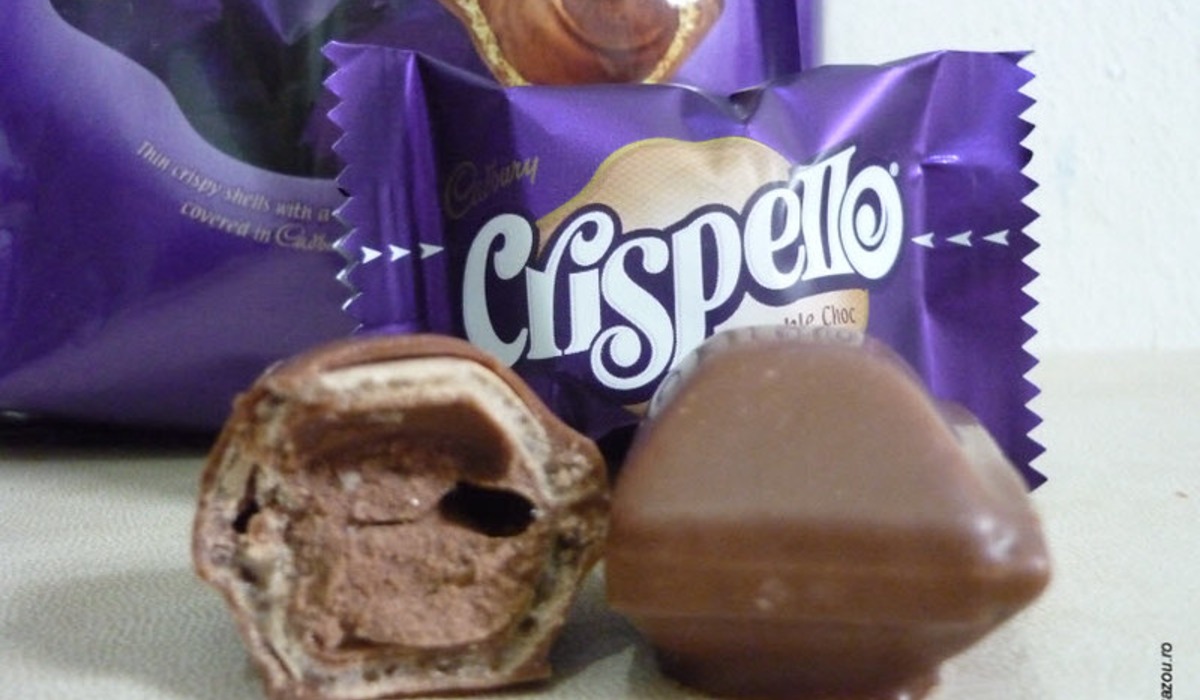
Cadbury launched Crispello in the UK in 2012. It came as three light, crispy wafer shells filled with a smooth chocolate cream and coated in milk chocolate, and it targeted shoppers who wanted something smaller and lighter than a full bar.
It quietly dropped off shelves a few years later. Crispello is the newest bar on this list, which proves something uncomfortable.
You don’t need decades of history to become a memory. You just need a quiet quarter and a product manager with a red pen.
The Wrapper in the Back of Your Memory
Chocolate bars don’t die in public. There is no farewell tour, no final press release with flowers.
One week your café sells them, the next week the slot holds something else, and you only notice months later when your hand reaches for an empty space.
That’s why these bars stick so hard. They weren’t luxury items.
They were part of an ordinary afternoon: a school trip, a long drive, the walk home from the corner shop with exactly enough change. Losing one feels small until you realise you lost the afternoon too.
If you want to chase one down, you have a few real options. Search specialist import shops and online retailers for the bars that returned, like Wispa or the reworked Polly Waffle.
Join a nostalgia group on social media, where former employees and collectors share old wrappers and sometimes home recipes that come surprisingly close. And if a bar you love still exists today, buy it more often than you think you need to.
Sales numbers are the only petition a chocolate company really reads.
Somewhere, in a kitchen drawer in Durban or a shoebox in Manchester, an unopened wrapper sits slowly turning grey. Nobody will ever eat it.
Nobody will ever throw it out either.
MORE FROM GO2TUTORS!

- The Romanov Crown Jewels and Their Tragic Fate
- 13 Historical Mysteries That Science Still Can’t Solve
- Famous Hoaxes That Fooled the World for Years
- 15 Child Stars with Tragic Adult Lives
- 16 Famous Jewelry Pieces in History
Like Go2Tutors’s content? Follow us on MSN.