27 Inventions Rejected Before Becoming Standard
Hindsight makes every good idea look obvious. Of course people wanted photocopiers, jet engines and search engines, so it is hard to imagine anyone turning them down.
Plenty of smart, experienced people did exactly that. Companies passed on patents, governments ignored letters and professional bodies laughed inventors out of the room.
The rejections below were not made by fools, which is what makes them worth studying before you dismiss the next strange idea that lands on your desk.
The Telephone and Western Union
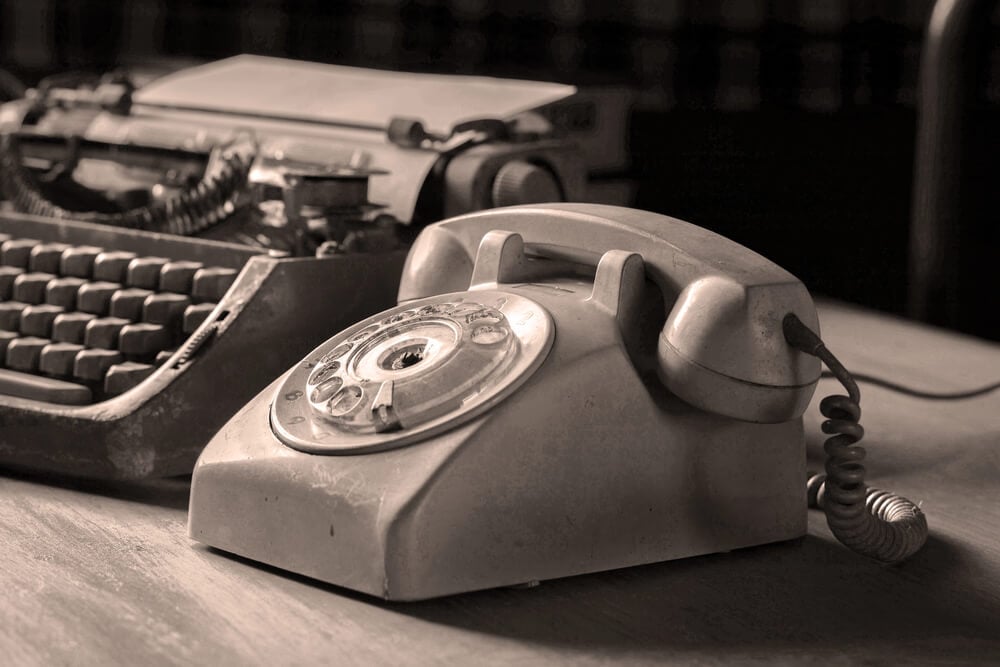
In the 1870s Alexander Graham Bell’s backers offered his telephone patents to Western Union, the dominant telegraph company, reportedly for 100,000 dollars. Western Union declined.
It saw the telegraph as the serious business of communication and the telephone as a curiosity. Within a few years the telephone had overtaken the telegraph, and Western Union found itself fighting in court over the technology it could have owned.
The Forks of Europe
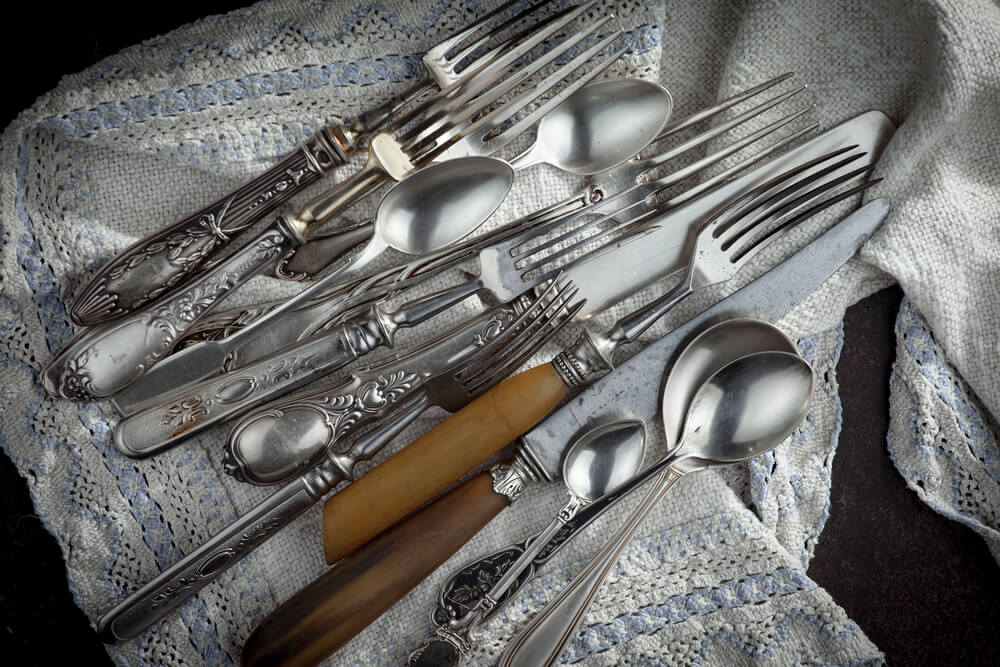
When the English traveler Thomas Coryat returned from Italy in the early seventeenth century, he brought back the habit of eating with a fork. His countrymen found it ridiculous and fussy, and he was mocked for his foreign manners.
For generations many English diners regarded the fork as an affectation. Today it is hard to picture a place setting without one.
Jonas Hanway’s Umbrella
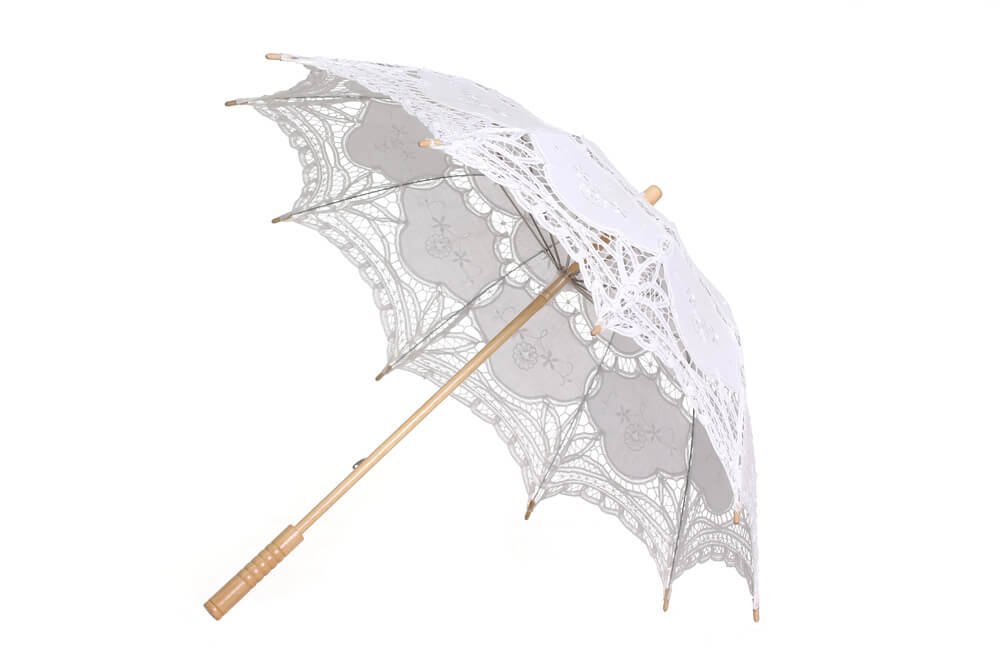
In the 1750s the English merchant Jonas Hanway began carrying an umbrella through the streets of London. At the time, umbrellas were seen as feminine accessories, and a man carrying one was jeered at.
Coach drivers, who made money when people wanted to stay dry, were said to be especially hostile. Hanway kept at it for about thirty years, and by the end of his life umbrellas were common among London men.
Jenner’s Smallpox Vaccine

In 1797 Edward Jenner submitted a paper to the Royal Society describing how cowpox could protect against smallpox. The society declined to publish it and reportedly advised him not to risk his reputation.
Jenner gathered more cases and published the work himself the following year. Vaccination spread rapidly, and smallpox was declared eradicated in 1980.
Fulton’s Steamboat and Napoleon
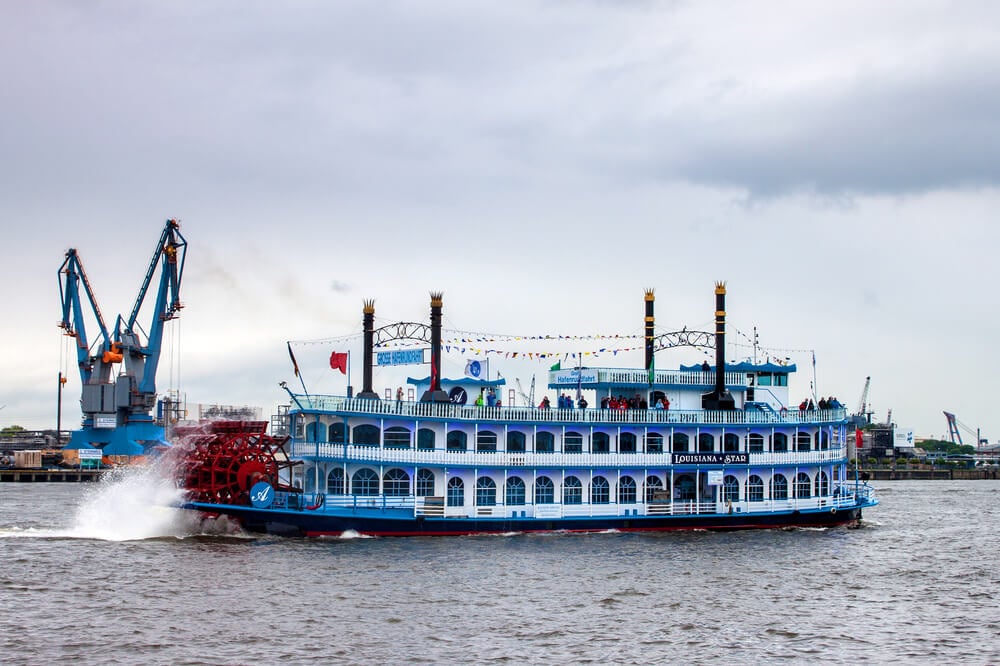
Robert Fulton spent several years in France around 1800 trying to interest the French government in his inventions, including a submarine and a steamboat. French officials lost interest in the submarine after trials, and his steamboat demonstrations on the Seine did not win official backing.
Fulton returned to the United States. His steamboat Clermont began regular service on the Hudson River in 1807, and steam power soon changed river transport around the world.
Nitrous Oxide Anesthesia

In 1845 the dentist Horace Wells tried to demonstrate nitrous oxide as an anesthetic at Massachusetts General Hospital in Boston. The patient cried out during the procedure, and the audience of students and doctors dismissed the demonstration as a failure.
A year later, a demonstration of ether at the same hospital succeeded and changed surgery forever. Nitrous oxide went on to become standard in dentistry, but Wells never saw his idea vindicated.
Alternating Current

In the 1880s Thomas Edison built his electrical business around direct current and fought hard against alternating current, promoted by George Westinghouse and based on Nikola Tesla’s patents. Edison’s camp warned the public that alternating current was deadly.
The so-called war of the currents ended with alternating current winning because it could be sent efficiently over long distances. The power in almost every wall socket today is alternating current.
Marconi’s Wireless Telegraph
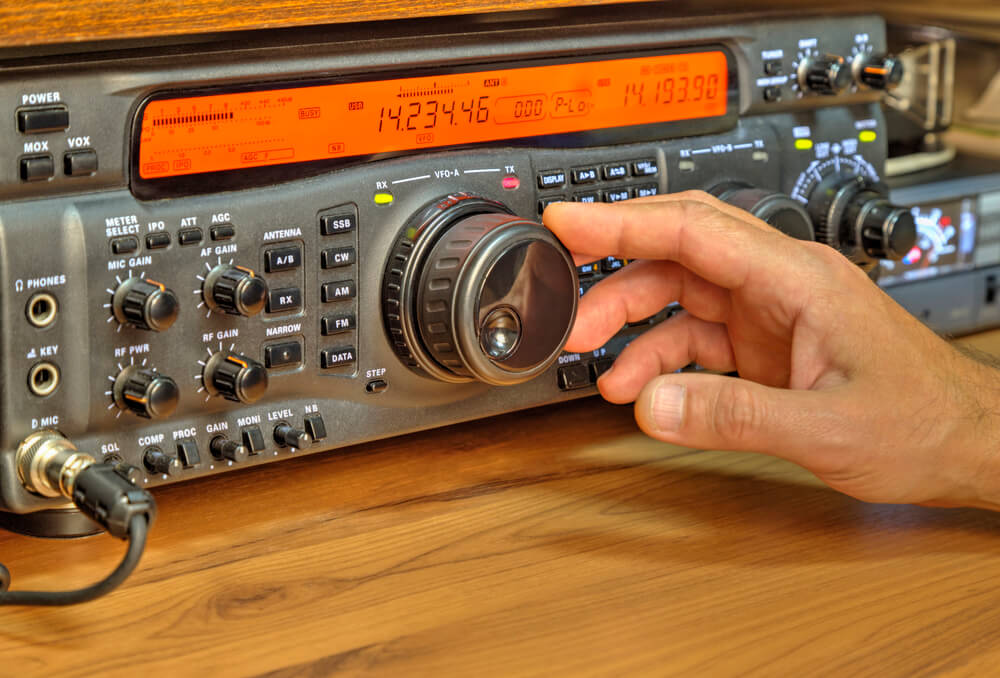
As a young man, Guglielmo Marconi reportedly wrote to the Italian Ministry of Posts and Telegraphs describing his wireless telegraph experiments. He received no useful response.
In 1896 he moved to Britain, where the Post Office took an interest and helped him develop the system. Wireless communication became essential for ships and later for broadcasting, and Marconi shared the Nobel Prize in Physics in 1909.
The Wright Brothers’ Airplane

After their first powered flights in 1903, Orville and Wilbur Wright tried to sell their airplane to the US Army. Military officials turned them down several times, skeptical of claims that a flying machine actually worked.
The brothers spent years negotiating with governments in Europe as well. The Army finally signed a contract in 1908, and within a decade military aircraft had become standard equipment.
Cardiac Catheterization
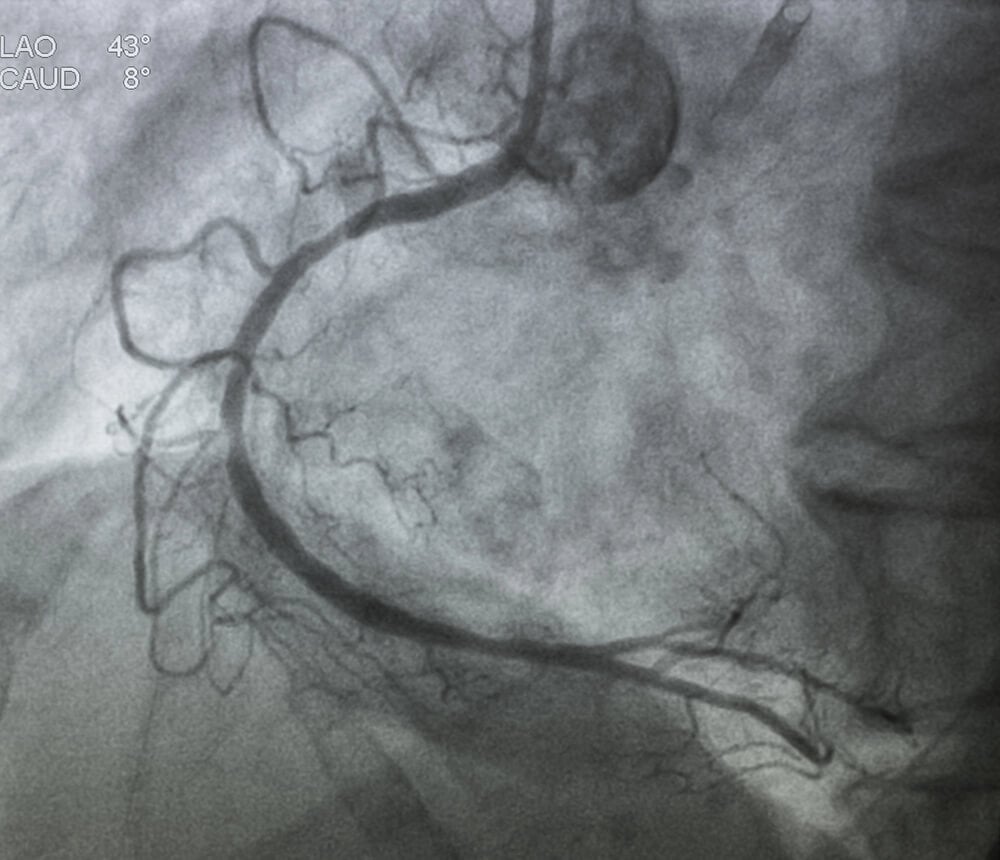
In 1929 a young German doctor named Werner Forssmann inserted a catheter into a vein in his own arm and pushed it into his heart, then walked to the X-ray department to prove it. His superiors were unimpressed, and he was treated as a reckless eccentric.
He gave up cardiology and practiced as a urologist. In 1956 he shared the Nobel Prize in Medicine for work that had made cardiac catheterization a standard procedure.
Frank Whittle’s Jet Engine

Frank Whittle, a young Royal Air Force officer, patented a design for a jet engine in 1930. The Air Ministry showed little interest, and when his patent came up for renewal in 1935, he could not afford the five-pound fee and let it lapse.
Private investors eventually backed him, and his engine flew in 1941. By then Germany had already flown its own jet aircraft, developed independently.
The Intraocular Lens
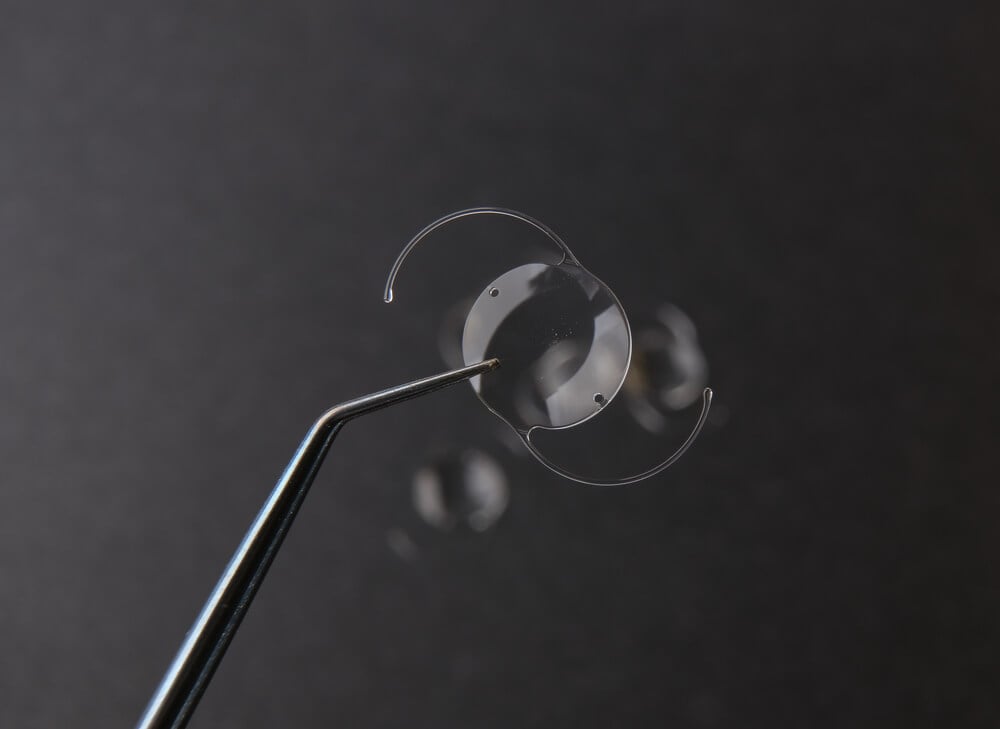
The British eye surgeon Harold Ridley implanted the first artificial lens into a cataract patient at St Thomas’ Hospital in London in 1949. His idea came from noticing that fragments of plastic canopy in the eyes of wounded pilots did not cause harmful reactions.
Many ophthalmologists attacked the procedure as dangerous. Decades later it became one of the most common operations in the world, and Ridley was knighted in 2000.
Xerography
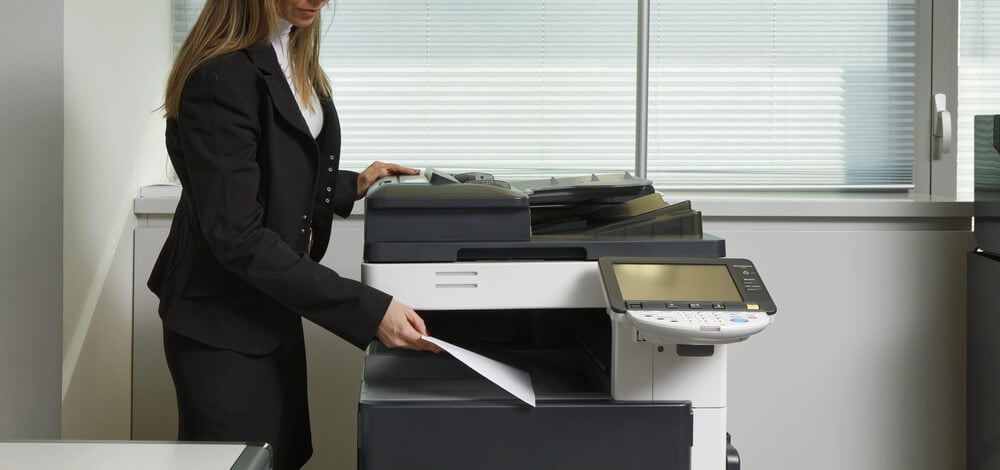
Chester Carlson invented the dry copying process he called electrophotography in 1938. Over the next several years he tried to sell the idea to more than twenty companies, including IBM, General Electric and Kodak, and all of them passed.
A nonprofit research institute in Ohio finally agreed to develop it. The Haloid Company, later renamed Xerox, launched the first successful office copier in 1959.
Seatbelts at Ford

In 1956 Ford offered a safety package that included seatbelts and padded dashboards. The company promoted it, but buyers showed little interest and many dealers found it hard to sell safety.
A saying from the era summed it up as Ford sells safety while Chevrolet sells cars. Seatbelts later became mandatory, and the industry that once found them hard to market now advertises safety as a main feature.
Container Shipping

Malcolm McLean shipped 58 containers from Newark to Houston on the tanker Ideal X in 1956, launching modern container shipping. Ports, dockworkers’ unions and traditional shipping lines resisted the idea for years, since it threatened jobs and required costly new infrastructure.
McLean kept pushing, and the shipping container proved so efficient that the system spread around the world. Almost everything in a supermarket has spent time inside a steel box because he refused to take no for an answer.
The Airbag

Engineer John Hetrick patented a design for a car airbag in 1953, and other inventors followed with their own designs. Carmakers resisted for decades, arguing about cost, reliability and liability.
The fight over airbag rules dragged through courts and regulatory agencies for years. Airbags only became mandatory in American passenger cars in the late 1990s and are now standard around the world.
The Barcode
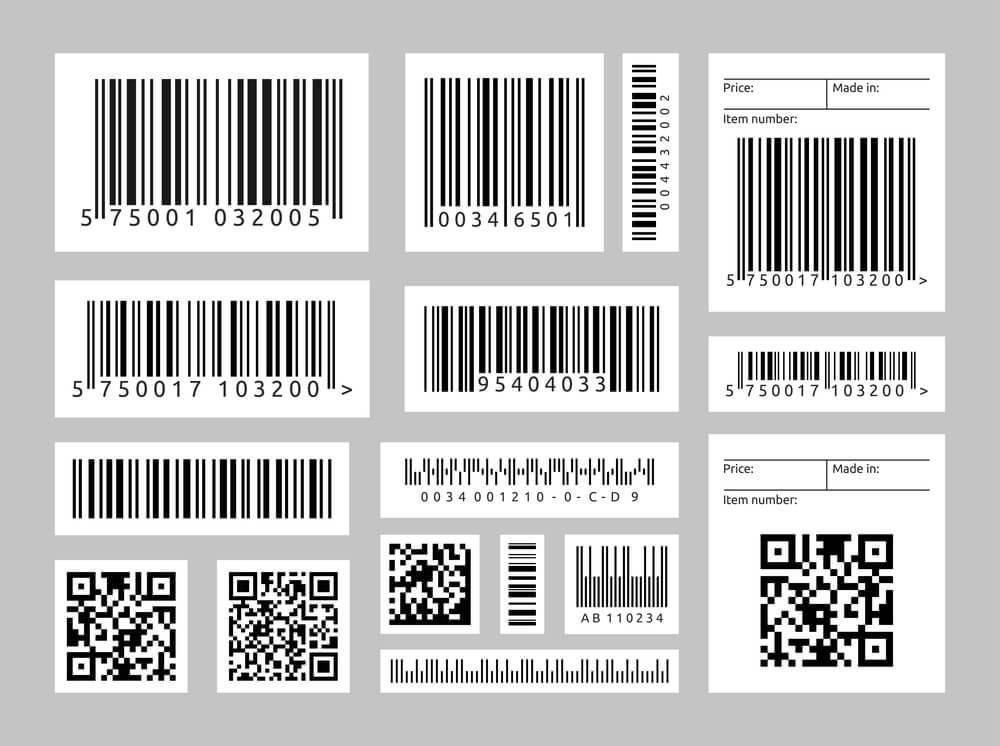
Norman Joseph Woodland and Bernard Silver patented a bullseye-shaped barcode in 1952. For years, the technology to read it cheaply did not exist, and retailers were not ready to adopt it.
It took two decades and the arrival of affordable lasers and computers before an industry group adopted the rectangular Universal Product Code. The first product scanned at a store checkout was a pack of Wrigley’s chewing gum in Ohio in 1974.
Packet Switching and AT&T
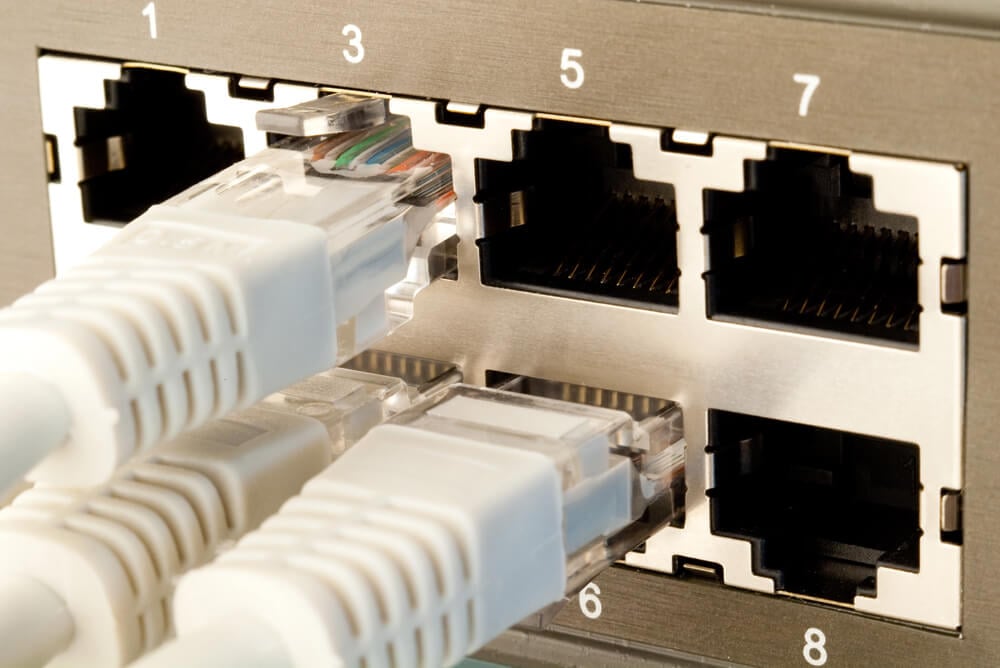
In the early 1960s Paul Baran at the RAND Corporation proposed a communications network that would break messages into small blocks and route them independently. He took the idea to AT&T, which dismissed it, insisting that its telephone network did not work that way.
Other researchers, including Donald Davies in Britain, developed the concept independently. Packet switching became the foundation of the internet.
The Post-it Note

In 1968 3M scientist Spencer Silver created an adhesive that stuck lightly and could be peeled off without leaving a mark. Nobody at the company could think of a use for it.
In 1974 his colleague Art Fry realized it could keep bookmarks in place in his hymn book. Early test marketing still failed, and the product only took off after free samples were handed out in Boise, Idaho, in 1978, leading to a national launch in 1980.
The Xerox Alto
In 1973 researchers at Xerox’s Palo Alto Research Center built the Alto, a computer with a graphical interface, windows, a mouse and networking. Xerox’s leadership did not see it as a product worth selling to the mass market.
Visitors from Apple toured the lab in 1979 and took the ideas to heart. The Macintosh, and eventually Windows, turned the graphical interface into the standard way people use computers.
The Digital Camera at Kodak
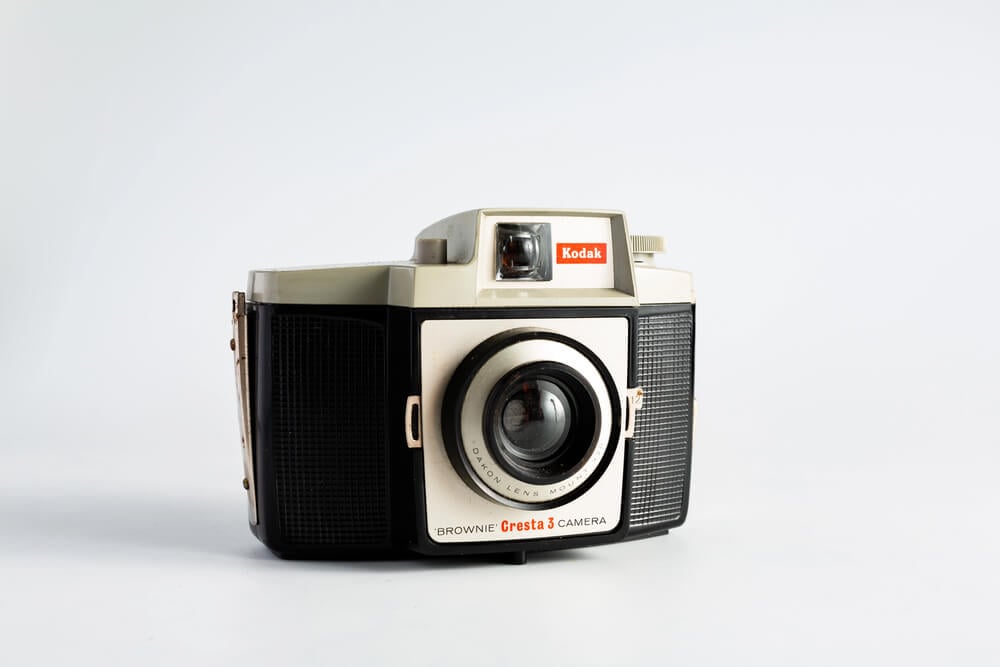
In 1975 Kodak engineer Steven Sasson built the first digital camera. It weighed about 3.6 kilograms, recorded images at 0.01 megapixels and took 23 seconds to save a single picture to cassette tape.
Kodak executives were wary of a technology that could undermine their film business. The company shelved the idea while competitors developed it, and Kodak filed for bankruptcy protection in 2012.
Laparoscopic Surgery
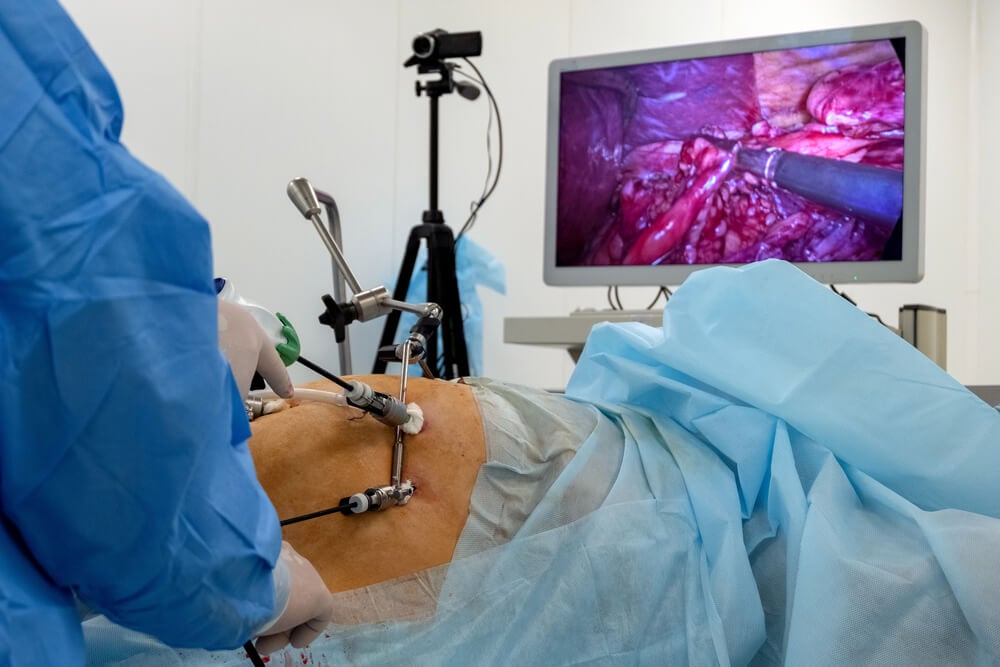
In 1980 the German gynecologist Kurt Semm performed the first laparoscopic appendectomy, removing an appendix through small incisions with the help of a camera. Many of his colleagues were outraged, and he later said some even suggested he should have a brain scan.
His work was rejected by journals and criticized at conferences. Minimally invasive surgery is now the standard approach for many operations, reducing pain and recovery time.
The Dyson Vacuum Cleaner
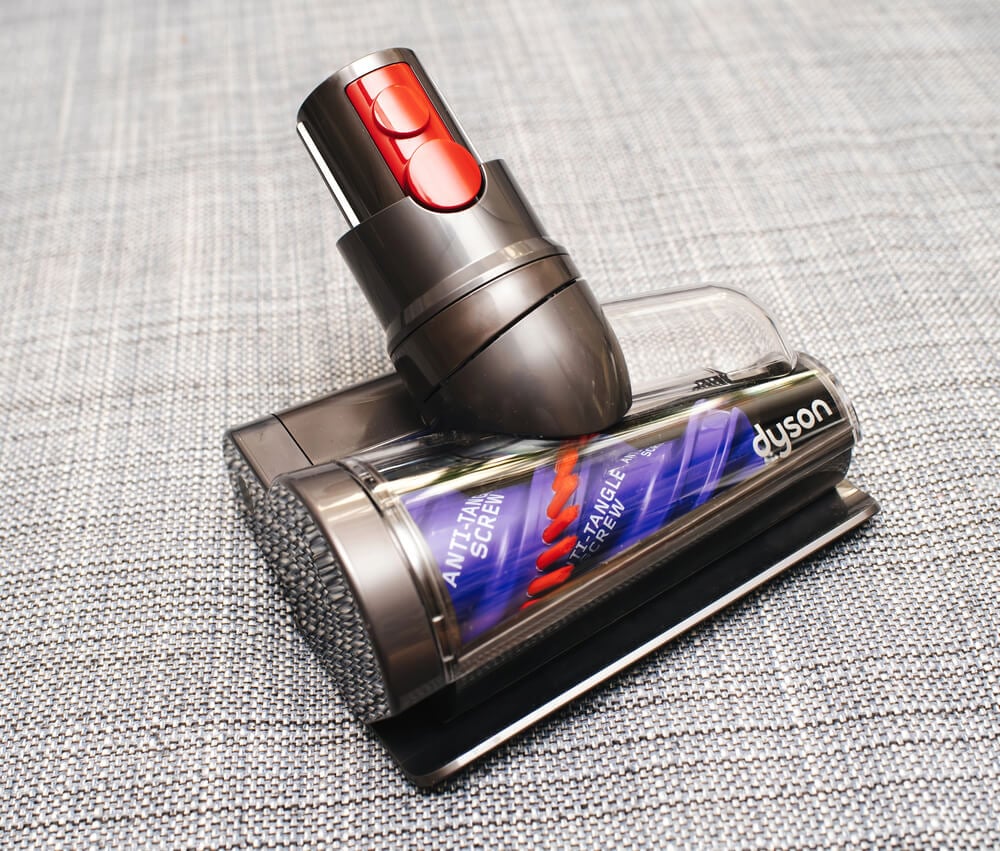
James Dyson built 5,127 prototypes of his bagless cyclonic vacuum cleaner between 1979 and 1984. He tried to license the design to major manufacturers, but they turned him down, partly because they made money selling replacement bags.
He launched the machine in Japan, where it sold as a luxury item, and then produced his own model in Britain in 1993. Bagless vacuum cleaners are now sold by nearly every major brand.
The Blue LED

Engineers had been trying for decades to make a bright blue light-emitting diode, which was needed for white LED lighting and full-color displays. At the Japanese company Nichia, Shuji Nakamura kept working on the problem even after he was told to stop.
He demonstrated a bright blue LED in 1993. Nakamura shared the 2014 Nobel Prize in Physics with Isamu Akasaki and Hiroshi Amano, and LED lighting now fills homes and streets around the world.
Screw Caps on Wine

The Stelvin screw cap for wine bottles was developed in the 1960s and tested by winemakers in the 1970s. Consumers rejected it, associating screw caps with cheap wine.
In 2000 a group of winemakers in Australia’s Clare Valley decided to bottle their Riesling under screw caps anyway, and New Zealand producers soon followed. Today the vast majority of New Zealand wine is sealed with screw caps.
Google and Excite
In 1999 Larry Page and Sergey Brin offered to sell their search engine to Excite for about 750,000 dollars. Excite’s chief executive turned them down.
Google went on to dominate web search and became one of the most valuable companies in the world. Excite faded within a few years.
Netflix and Blockbuster
In 2000 Netflix co-founders Reed Hastings and Marc Randolph met Blockbuster executives and proposed a partnership, with Netflix running Blockbuster’s online operation. They reportedly offered to sell the company for 50 million dollars.
Blockbuster turned them down. By 2010 Blockbuster had filed for bankruptcy, while Netflix went on to transform how people watch movies and television.
The Cost of Saying No

Every rejection on this list made sense at the time it was made. The telephone did look like a toy compared with the telegraph, early digital cameras were slow and blurry, and early airbags raised real safety questions.
The people saying no were usually looking at the product in front of them, not at where it might go. That is the real lesson. New ideas rarely arrive fully formed, and they tend to threaten someone’s existing business, habits or reputation.
Before rejecting the next strange proposal, it is worth asking whether you are judging what it is or what it could become.
More from Go2Tutors!

- 27 Silver Dollars and Half Dollars Worth Keeping
- 28 Restaurant Menu Items Nobody Orders Anymore
- 17 Places Built in Seemingly Impossible Spots
- 27 Vintage Rings Worth More Than They Look
- 25 Restricted Sites Tourists Can’t Enter
Like Go2Tutors’s content? Follow us on MSN.