Classic Cars From Movies Now Worth Millions
Some are symbols of sophistication or rebellion, while others define an era.
Decades after their original release, these devices now have two distinct lives: they are movie icons and investment-grade collectibles that command high prices at auction.
Here’s a closer look at the movie cars that combined Hollywood fantasy and luxury reality, and are currently worth millions of dollars.
Aston Martin DB5 – The “James Bond Car”
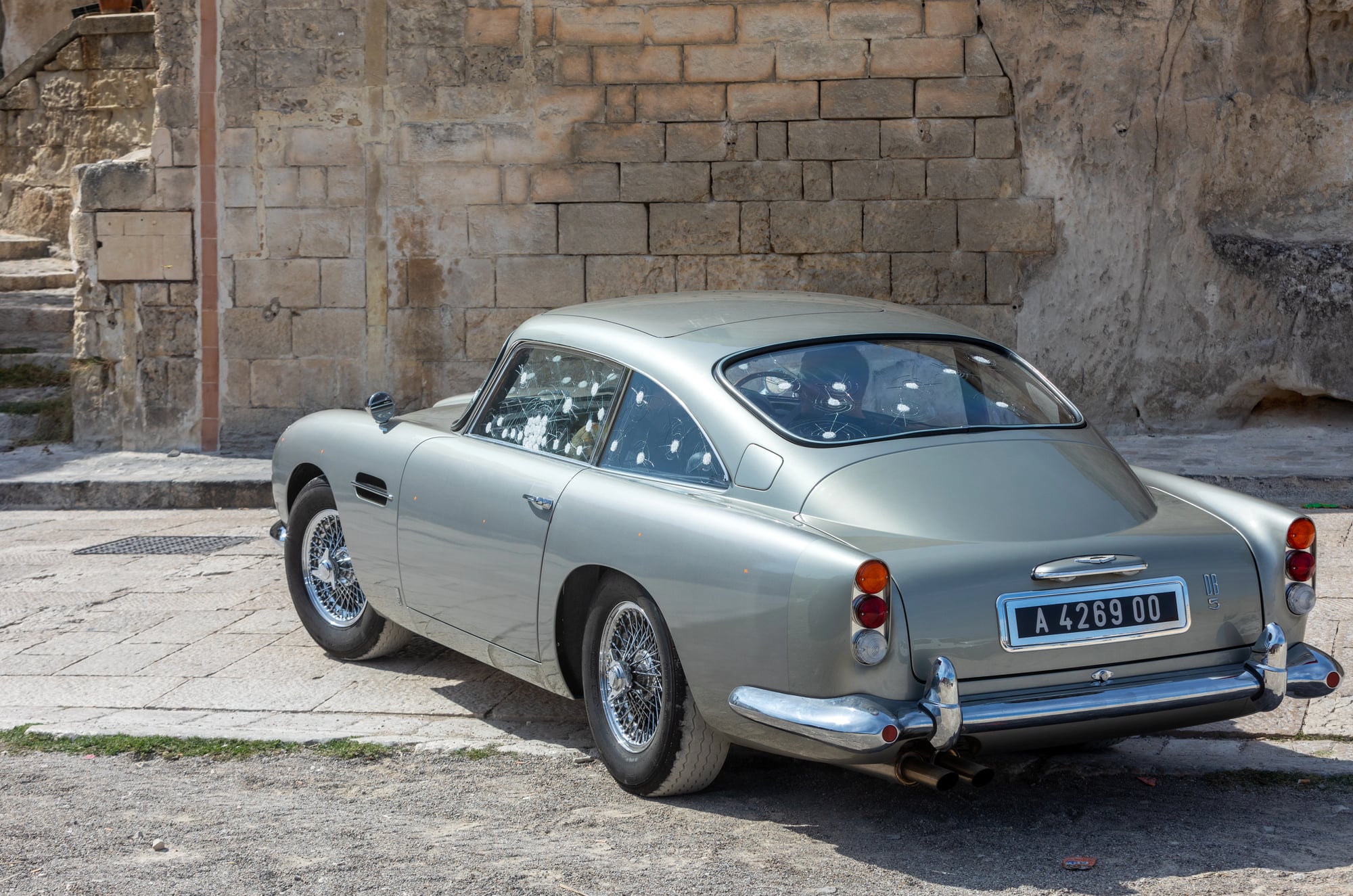
There aren’t many cars that have ever captivated people as much as the Aston Martin DB5.
It was first made public in 1963, but it wasn’t until Goldfinger (1964) that it made its cinematic debut, where it became the quintessential representation of British cool and sophisticated danger.
With its rotating license plates, hidden weapons, and ejector seat on screen, it came to represent James Bond.
Two DB5s were actually outfitted with all the equipment needed for Goldfinger and Thunderball.
Although it was constructed to the same specifications, the car that brought $6.385 million at auction in 2019 was a promotional model rather than one that was used for filming.
The fact that even regular DB5s, devoid of the Bond gadgets, frequently fetch seven-figure prices solidifies the vehicle’s status as “the most famous car in the world.”
Collectors aren’t just buying a car—they’re acquiring a piece of global cinematic history.
The DB5 has become proof that elegance, espionage, and timeless design can combine into something truly priceless.
Ford Mustang GT 390 – Bullitt (1968)
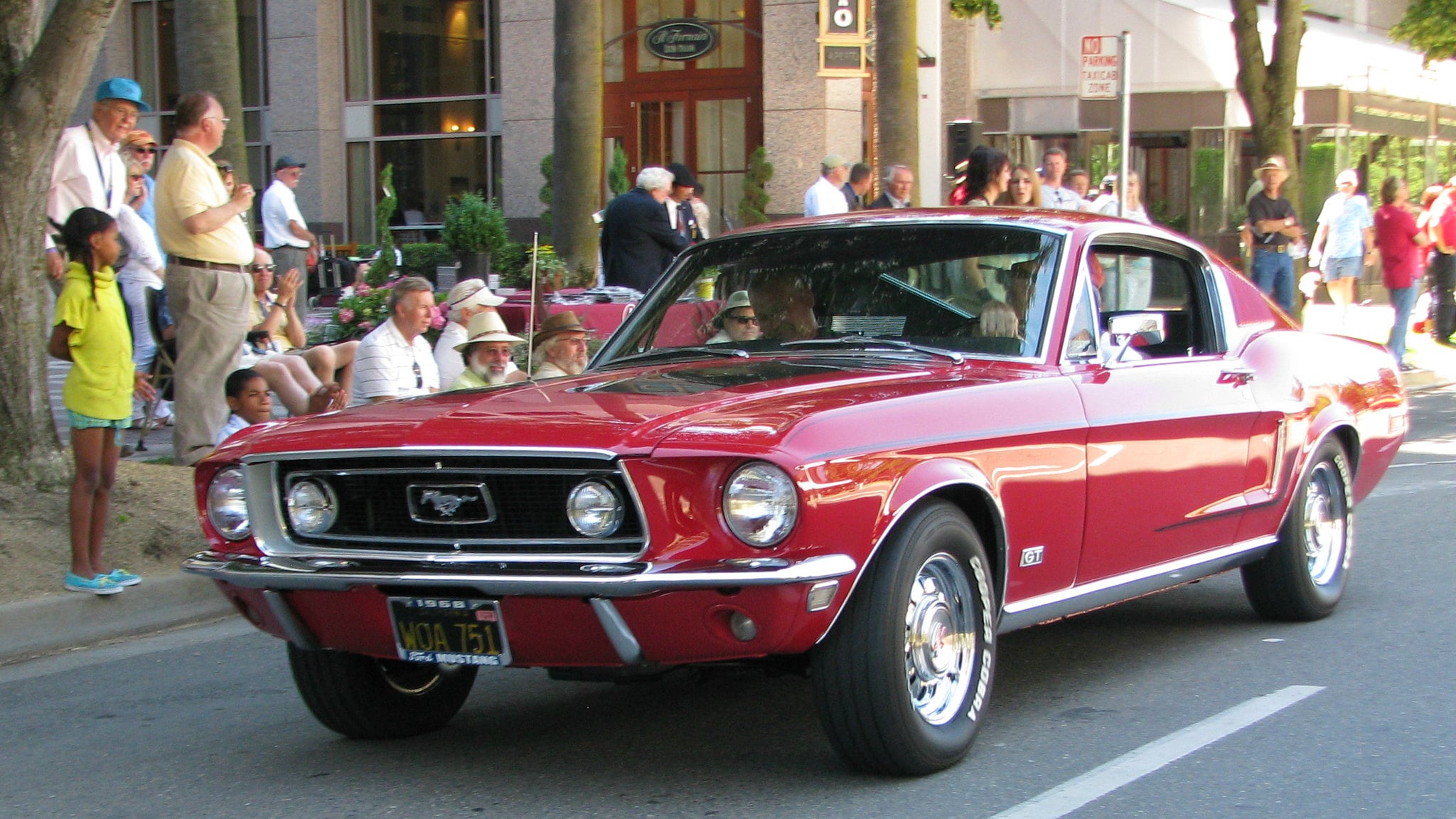
When Steve McQueen took the wheel in Bullitt, he redefined the movie car chase.
The Highland Green 1968 Ford Mustang GT 390 that tore through the hills of San Francisco remains one of the most thrilling pieces of automotive cinema ever filmed.
Only two original Mustangs were used for production.
One served as the primary “hero” car, enduring punishing stunts, and was thought lost for decades.
Rediscovered in Mexico in 2017, it resurfaced remarkably intact.
In January 2020, the car sold at Mecum Kissimmee for $3.74 million, setting a record for any Mustang.
Its appeal lies not in polish but in authenticity—the dents, scratches, and worn paint all tell the story of cinema’s most visceral chase.
It’s more than a machine; it’s a time capsule of grit, style, and cinematic adrenaline.
DeLorean DMC-12 – Back to the Future (1985)
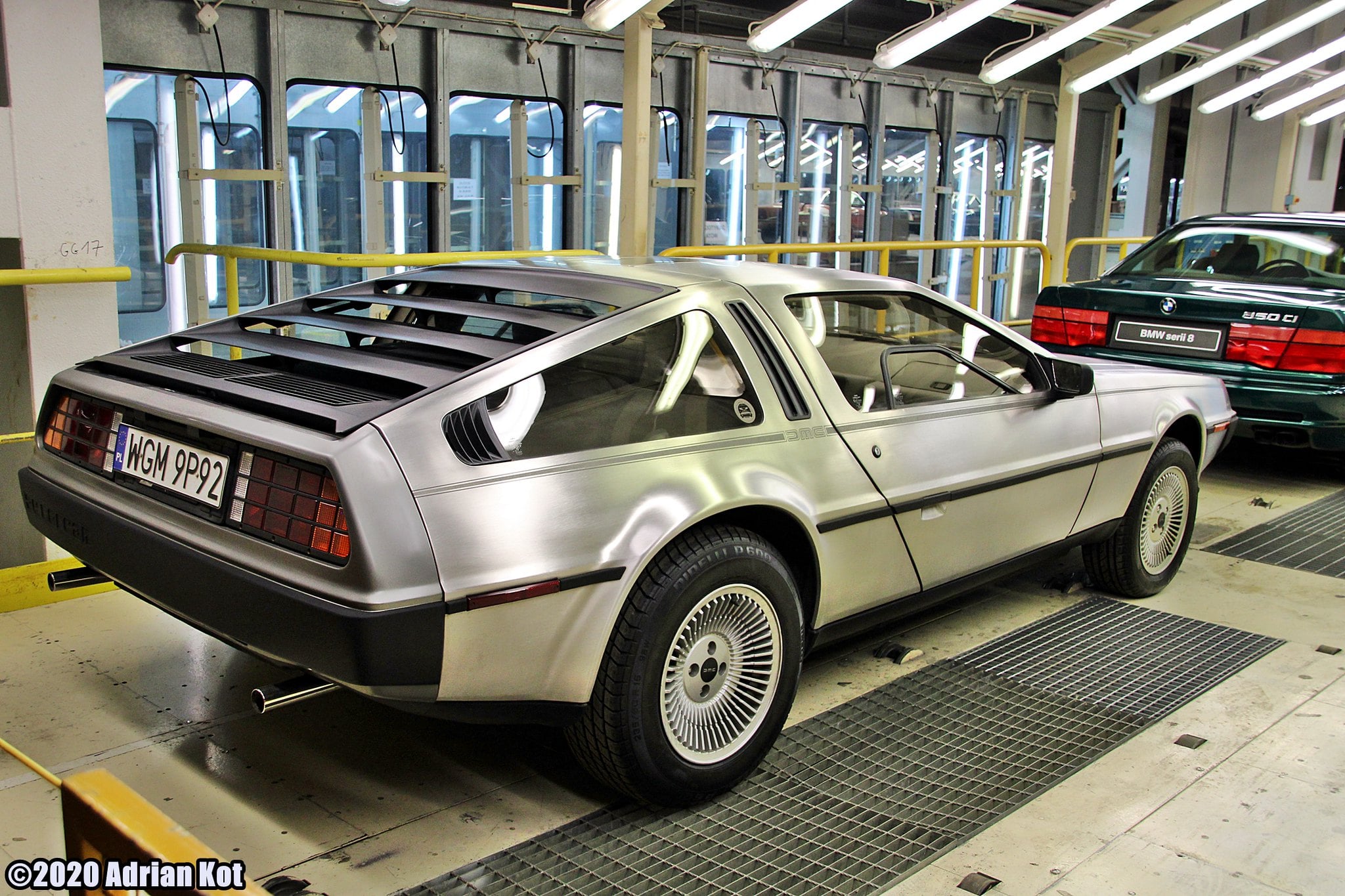
When the gull-wing doors of the DeLorean opened in Back to the Future, a stainless-steel sports car became a time machine—and a cultural monument.
Built between 1981 and 1983, the DMC-12 was a commercial failure turned global icon, forever linked to Marty McFly and Doc Brown.
Three primary DeLoreans were used during filming, each modified for specific effects.
One of those cars sold in 2021 for $541,200 through a Profiles in History auction.
The car’s futuristic design, combined with the emotional pull of the films, has made surviving models and replicas highly desirable collectibles.
Ironically, a car once mocked for its flaws has achieved cinematic immortality.
The DeLorean’s real-world collapse contrasts beautifully with its on-screen legacy—a reminder that some machines find their destiny not in production numbers, but in imagination.
Ferrari 250 GT California Spyder –Ferrari 250 GT California Spyder – Ferris Bueller’s Day Off (1986)

In Ferris Bueller’s Day Off, a teenage rebel “borrows” his friend’s father’s Ferrari 250 GT California Spyder for one unforgettable joyride.
When it crashed through a glass window, car enthusiasts everywhere winced in collective horror.
But here’s the twist—the film didn’t use a real Ferrari.
The on-screen cars were replicas built by Modena Design & Development on modified MG chassis.
The genuine Ferrari 250 GT SWB California Spyders are among the most valuable classics in existence, selling for $15–20 million depending on provenance.
That price tag reflects both scarcity and beauty.
The film turned the car—real or not—into a generational symbol of freedom, rebellion, and luxury.
Even the replicas now fetch hundreds of thousands, proof that cinema can elevate imitation into legend.
1967 “Eleanor” – Gone in 60 Seconds (2000)

When Nicolas Cage’s Memphis Raines whispered “Eleanor,” he wasn’t referring to a woman—he was naming his unattainable automotive obsession: a customized 1967 Mustang Fastback, built to mimic a Shelby GT500 but distinct in design.
For the remake, 11 Eleanors were built for filming, including three fully functional “hero” cars used for close-up driving sequences.
One of those sold in 2013 for $1.07 million, and others remain in private collections.
With its silver paint, black racing stripes, and aggressive stance, Eleanor became one of the most replicated and litigated movie cars in history.
Even with the legal wrangling surrounding its likeness, Eleanor remains one of Hollywood’s most famous automotive creations—a perfect blend of style, muscle, and myth.
Toyota Supra Mk IV – The Fast and the Furious (2001)

Few anticipated that The Fast and the Furious would spark a global revolution in car culture when it debuted in theaters in 2001.
It was powered by Paul Walker’s Brian O’Conner and featured an orange 1994 Toyota Supra Mk IV with a huge rear wing and a Bomex body kit.
For a new generation of enthusiasts, the car became a symbol due to its accessibility and screen presence.
One of the hero Supras sold for $550,000 at Barrett-Jackson Las Vegas in 2021, securing its status as one of the most valuable movie cars of the twenty-first century.
The Supra’s rise from tuner favorite to collector’s prize reflects a generational shift in what “classic” means.
It’s no longer just about European exotics—it’s about emotional connection, culture, and community.
The Minis – The Italian Job (1969)
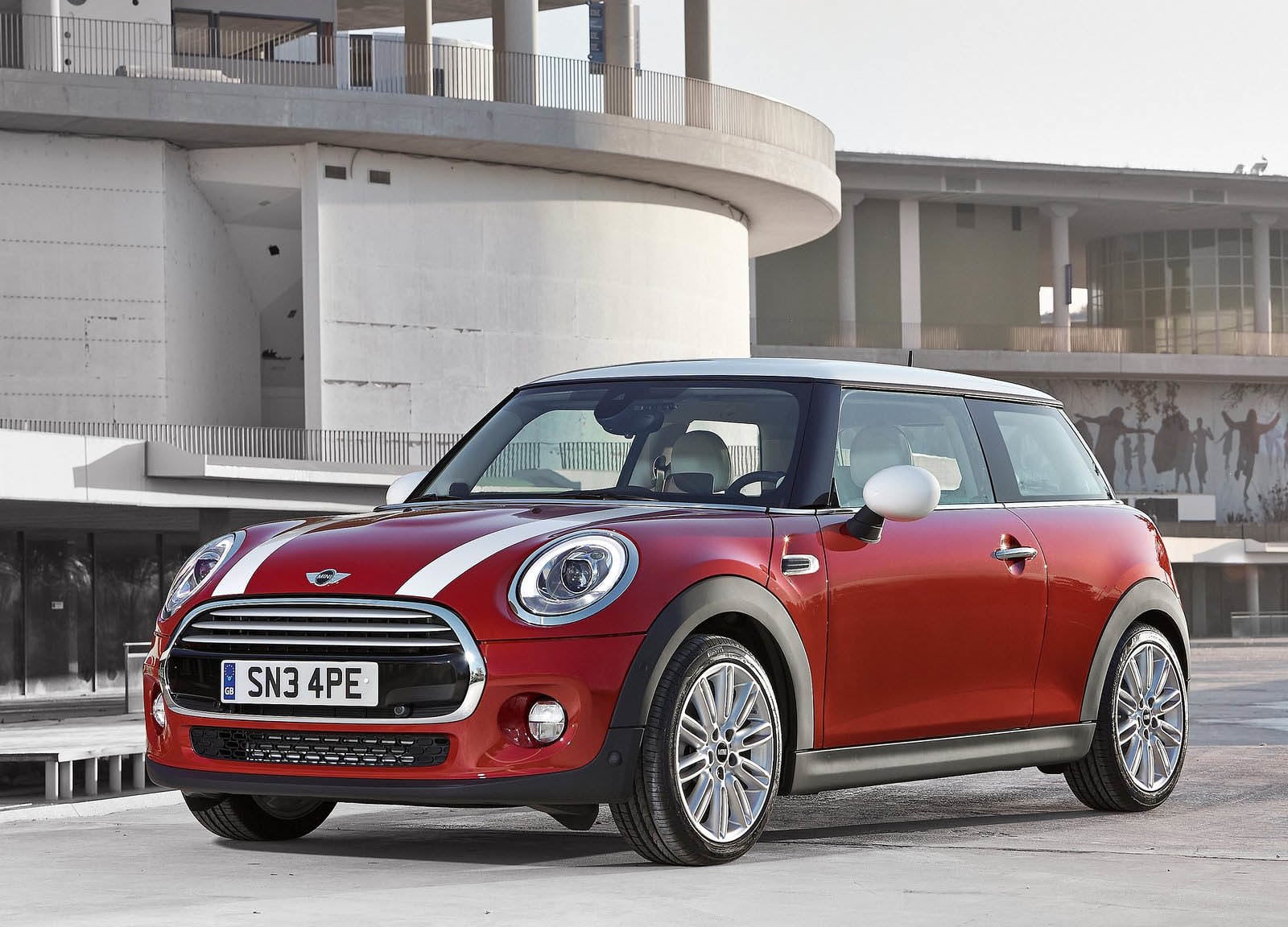
Before CGI and digital trickery, The Italian Job delivered its chaotic chase scenes the old-fashioned way: precision driving and pure nerve.
Three BMC Mini Coopers—painted red, white, and blue—stole both gold and the spotlight, zipping through Turin’s narrow streets, staircases, and even sewers.
The film elevated the Mini from a practical city car to a pop culture icon.
Most of the cars used in filming were destroyed or dismantled, though a few verified originals survive and occasionally appear in museums or auctions for six-figure sums.
The movie’s influence didn’t fade—it helped revive interest in the brand decades later.
When BMW reintroduced the MINI in the 2000s, it leaned directly on the nostalgia and charisma born from this 1969 classic.
The Batmobile – 1966 TV Series

Before the sleek machines of modern superhero films, there was the one that started it all: the 1966 Batmobile, built by George Barris in just 15 days from the 1955 Lincoln Futura concept car.
Its bubble canopy, exaggerated fins, and jet-style exhaust made it instantly recognizable and irresistibly camp.
In 2013, the original Batmobile sold at Barrett-Jackson Scottsdale for $4.62 million, confirming its place as one of the most beloved and valuable television props ever built.
It wasn’t just a car—it was an embodiment of 1960s optimism, design flair, and childhood imagination.
Every Batmobile since owes its existence to Barris’s masterpiece, but none have captured the same magic.
It’s both art and artifact, a superhero fantasy brought to life on four wheels.
Why These Cars Endure
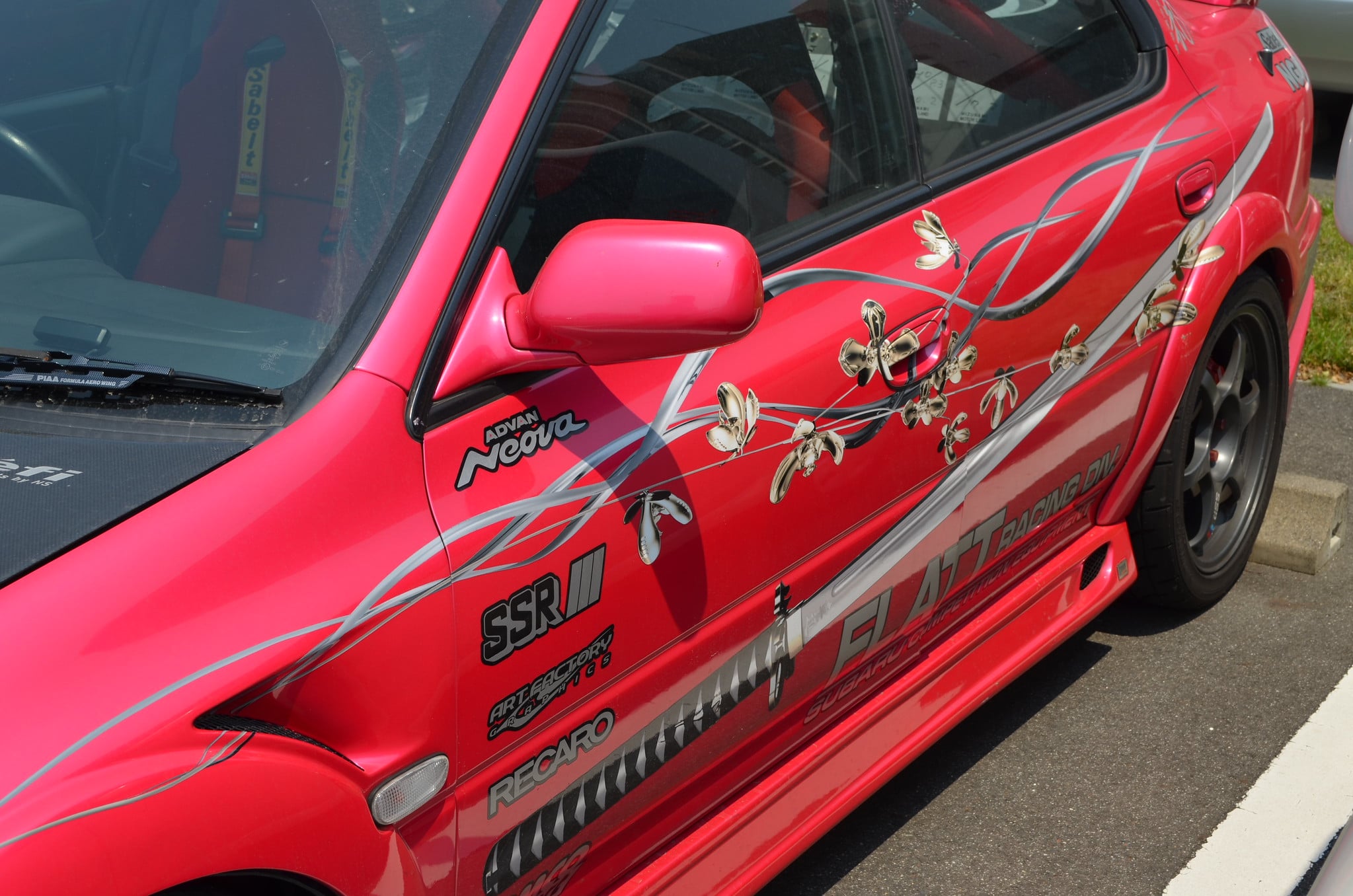
More profound than engineering or horsepower, movie cars are vehicles of emotion.
They bring back memories of our past selves, our dreams, and our first on-screen encounters.
Their high ideals are not only about originality or artistic ability, but also about identity and memory.
In an age where technology is advancing faster than people can keep up, these cars act as touchstones of permanence.
They bridge the gap between storytelling and craftsmanship by fusing cinematic illusion with mechanical reality.
These vehicles have all outlived their usefulness and become actual artifacts.
Whether they are parked in a private collection or racing down a track at a charity event, they show that the magic of a movie doesn’t disappear when the credits roll—it just changes.
Perhaps that’s why their stories are worth millions of dollars, not their metal or engines.
Each one portrays a period when the ordinary became extraordinary and when mythology was fashioned from machines via cinema.
Long after the cameras have stopped rolling, these cars continue to feed the dreams of all those who have ever fallen in love with the road—or the movies.
More from Go2Tutors!

- The Romanov Crown Jewels and Their Tragic Fate
- 13 Historical Mysteries That Science Still Can’t Solve
- Famous Hoaxes That Fooled the World for Years
- 15 Child Stars with Tragic Adult Lives
- 16 Famous Jewelry Pieces in History
Like Go2Tutors’s content? Follow us on MSN.