27 Old Hair Styling Tools With Collector Interest
For most of the twentieth century, a good hairstyle depended on heat, hardware, and patience. Salons and kitchens alike were filled with tools that looked more like workshop gear than beauty supplies.
Collectors now hunt for these pieces at estate sales and flea markets. Condition decides value in this field, and original boxes, cords, and paperwork can matter as much as the tool itself.
Marcel Iron
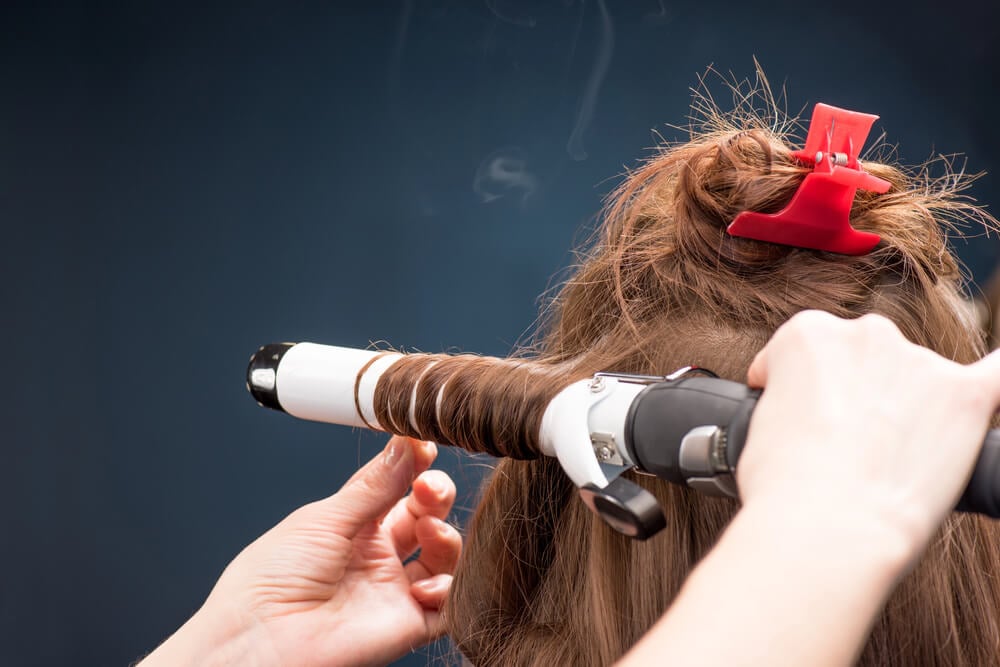
Marcel Grateau, a Paris hairdresser, introduced a heated iron in 1872 that produced deep waves in the hair. The Marcel wave remained in fashion for more than 50 years.
Irons from the era have wooden handles and long metal barrels, and they were heated over a flame before use. Wooden handles that stayed intact and barrels free of rust are the markers of a good example.
Stove-Heated Curling Tongs
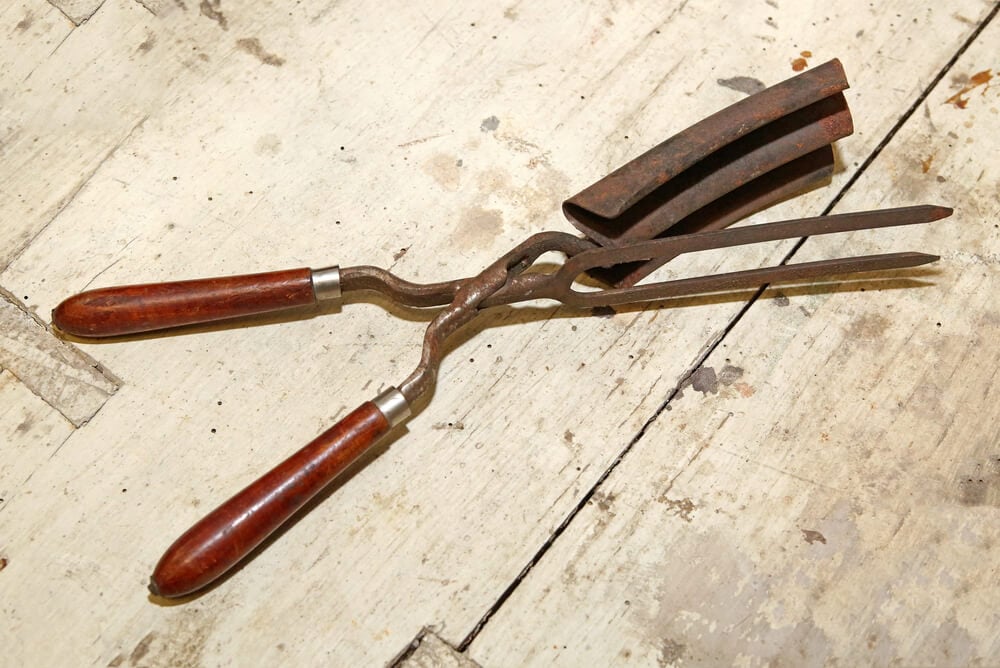
Before electricity reached every home, curling tongs were heated on a stove or over a small lamp. Stylists tested the heat on a scrap of paper, and a scorch mark meant the iron was too hot.
Mistakes could singe hair in seconds. Tongs with straight springs and clean barrels are easiest to sell.
The Hot Comb
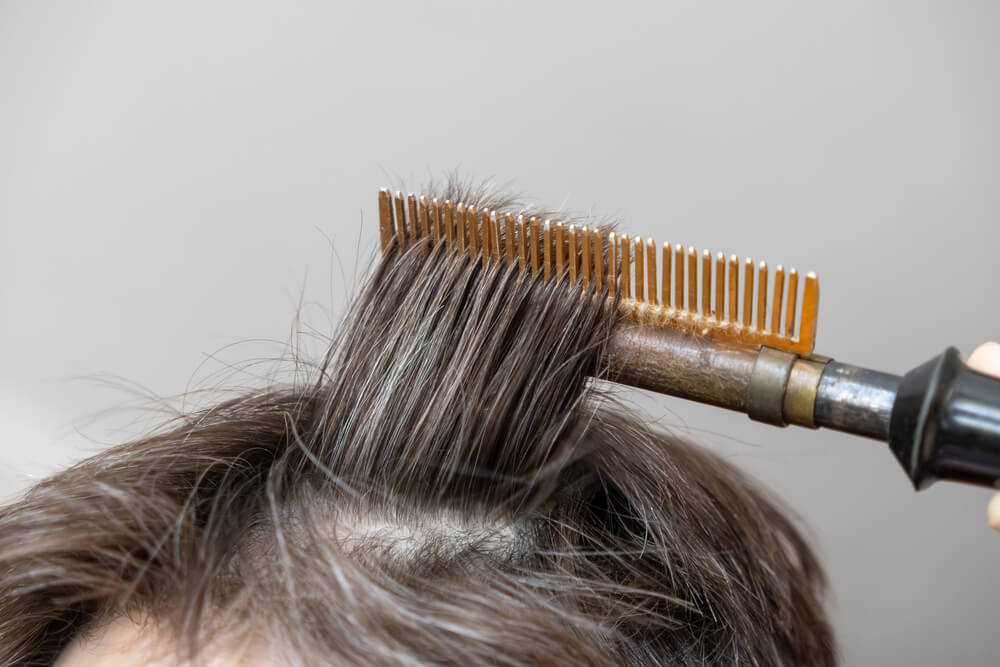
The hot comb was a thick metal comb with a wooden handle, heated on a stove and drawn through hair to smooth and straighten it. It became a fixture in homes and in beauty shops that served Black customers.
The teeth could burn skin if used carelessly, and generations learned to handle them with care. Combs with intact handles and unbent teeth are the most collectible.
Early Flat Irons
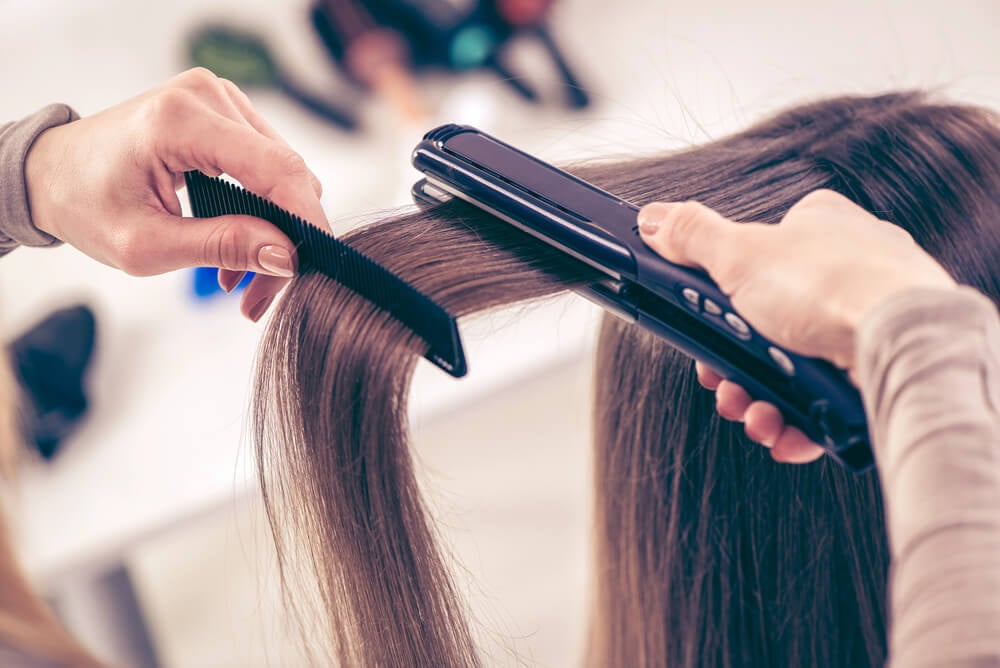
An Indianapolis teacher named Ada Harris filed a patent for a hair straightener in 1893, and Isaac K. Shero patented a clamp-style heated straightener in 1909. Shero was long given credit as the first inventor, though Harris came first.
The irons were two hinged metal plates heated over a flame. Pieces with clear patent markings are prized.
Nessler Permanent Wave Machine
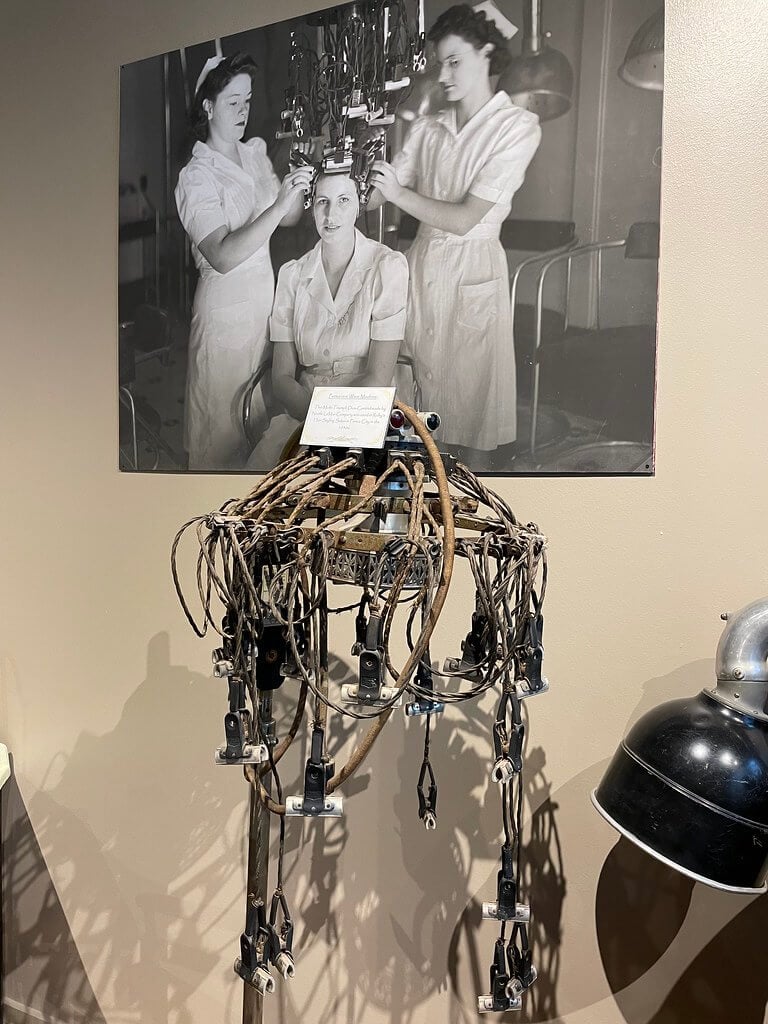
Karl Nessler, a German hairdresser working in London, unveiled his permanent wave machine in 1906, and he received a patent for an improved model in 1909. The machine hung from the ceiling and used heavy brass cylinders heated by electricity.
Early attempts burned hair and scalp, and Nessler’s own wife served as a model for later tests. Surviving machines are rare and look more like industrial equipment than beauty gear.
Eugene Permanent Wave Machine
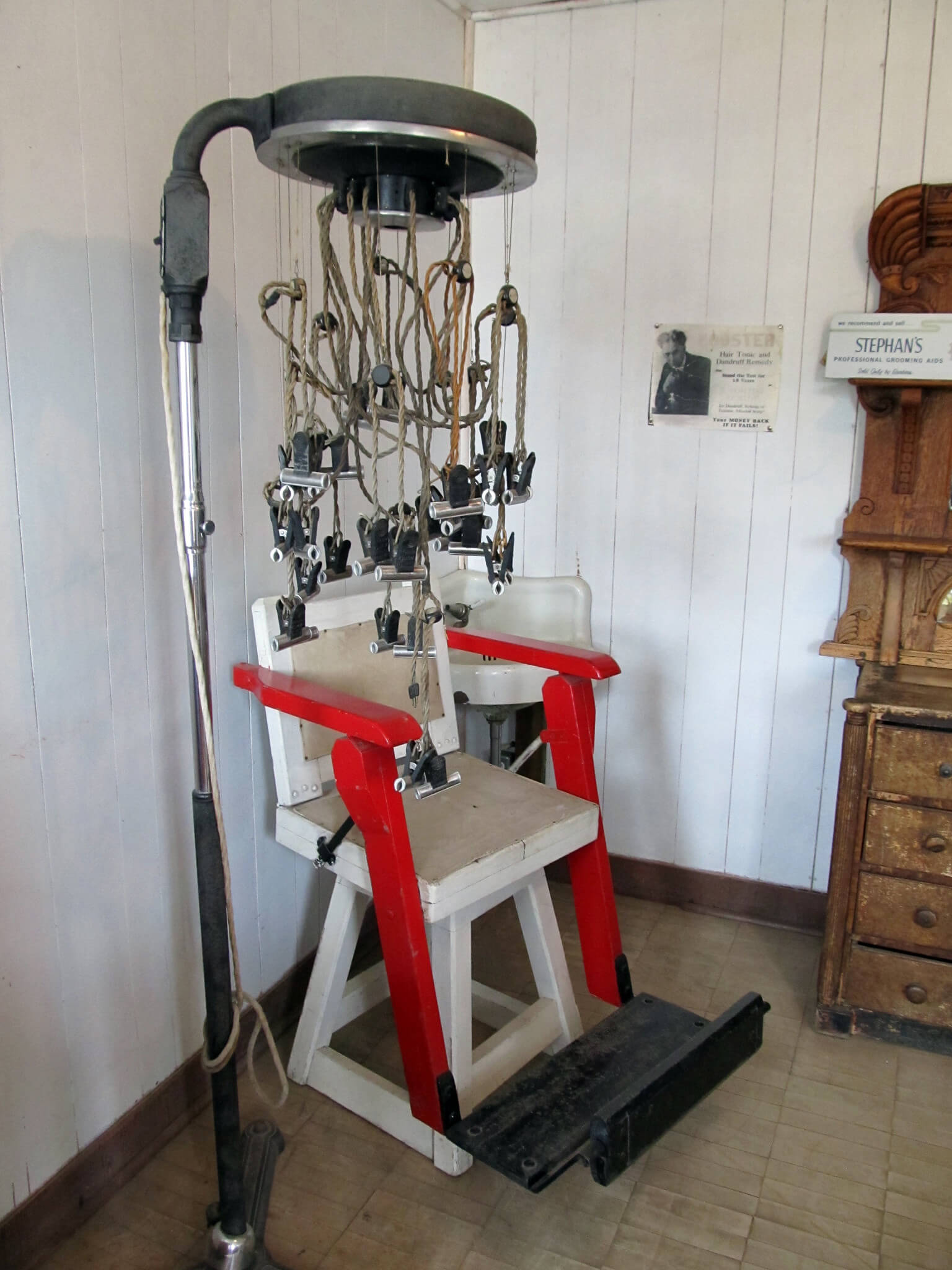
Eugene, a rival to Nessler, challenged him in the United States with machines that used wires and metal cylinders hanging above the client’s head. Advertisements from the 1920s show clients wearing a thicket of cords.
Salons promoted the wave as a Christmas gift. Original heaters, clamps, and cords are what collectors want to find intact.
Joyner Permanent Wave Machine
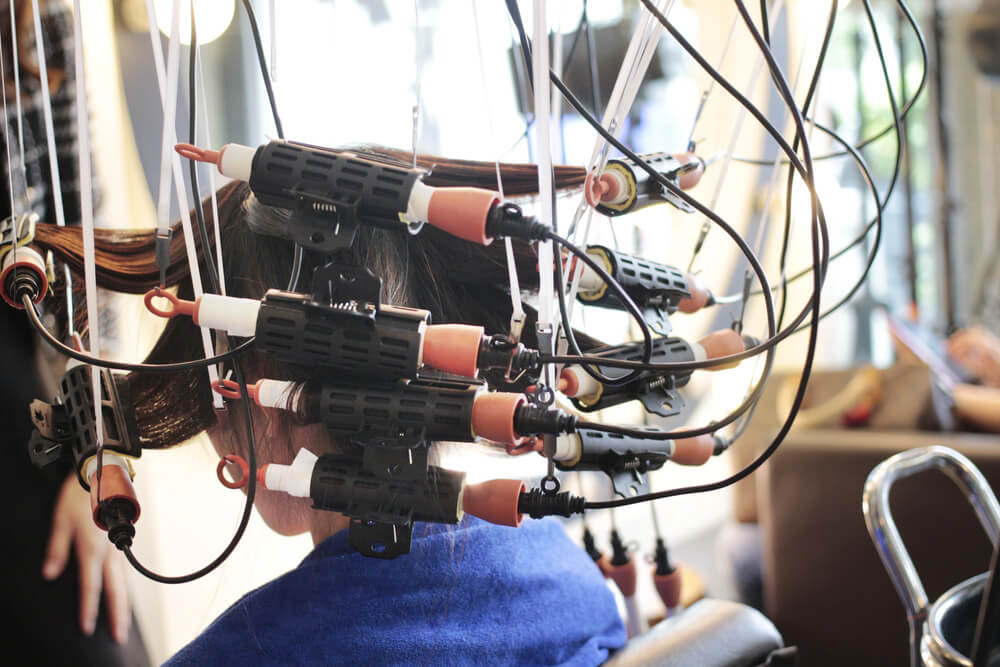
Marjorie Joyner, a stylist in Chicago, received a patent in 1928 for a permanent wave machine that worked on several hair types, including very curly hair. Her design used rods in a hood to set curls while the client sat.
She was among the first Black women to receive a U.S. patent. Original patent papers and early advertisements are the strongest pieces of evidence.
Godefroy’s Hooded Dryer
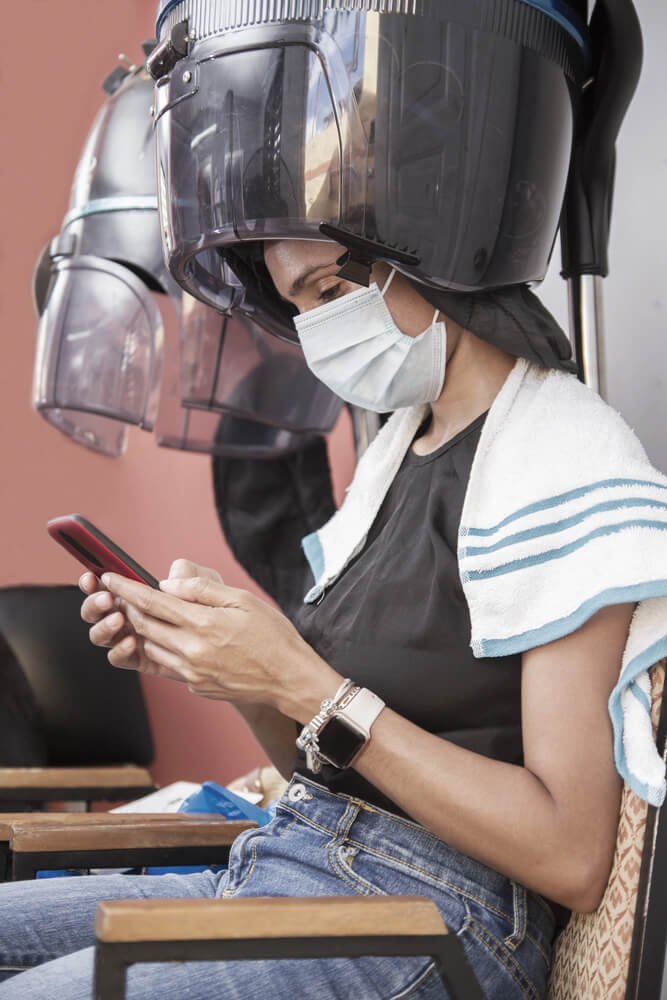
In 1890, French hairdresser Alexandre-Ferdinand Godefroy patented an early hair dryer that looked nothing like the handheld versions that followed. Clients sat beneath a hood, and heated air flowed over their hair.
Some records give the date as 1888. Early patents and illustrations are the main surviving evidence.
Salon Hood Dryers

Rows of hooded dryer chairs made the beauty parlor a place to sit and talk. Each dome hummed with warm air while customers read magazines under the hum.
Midcentury models came in pastel colors and chrome. Dryers with working motors and clean enamel are collectible, while rusted units are hard to sell.
Toni Home Permanent Kit
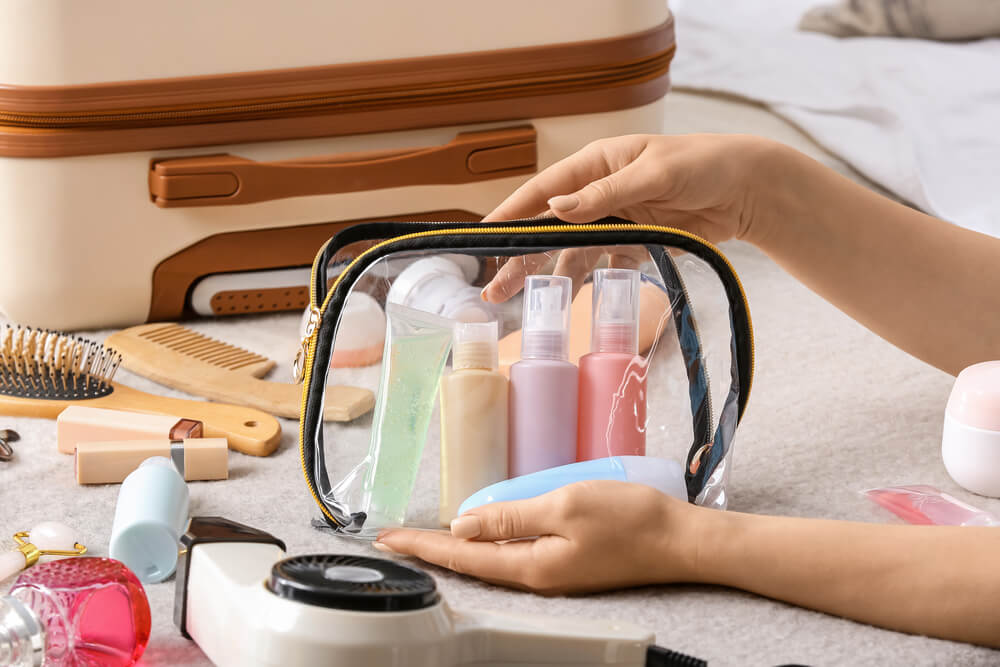
Gillette bought the Toni company in 1948 and rode the success of the Which Twin Has the Toni campaign, which asked readers to tell a home permanent from a salon wave. The kit contained curlers, waving lotion, and a neutralizer.
Ads promised a result as lovely as a salon permanent at a fraction of the price. Unopened kits with original boxes are the most prized.
Toni Spin Curlers
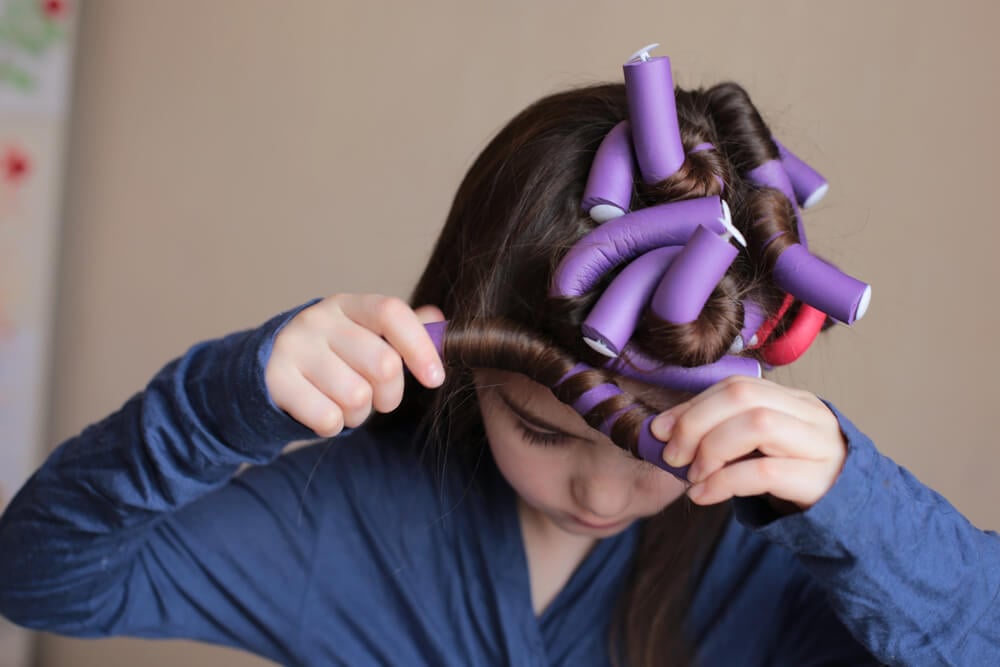
Toni’s Spin curlers promised no rubber bands, since the user would grip, spin, and lock the curler in place. A smaller Midget version handled necklines.
The design made home curling easier and quicker. Complete sets with their original cards are far scarcer than loose curlers.
Bobby Pins
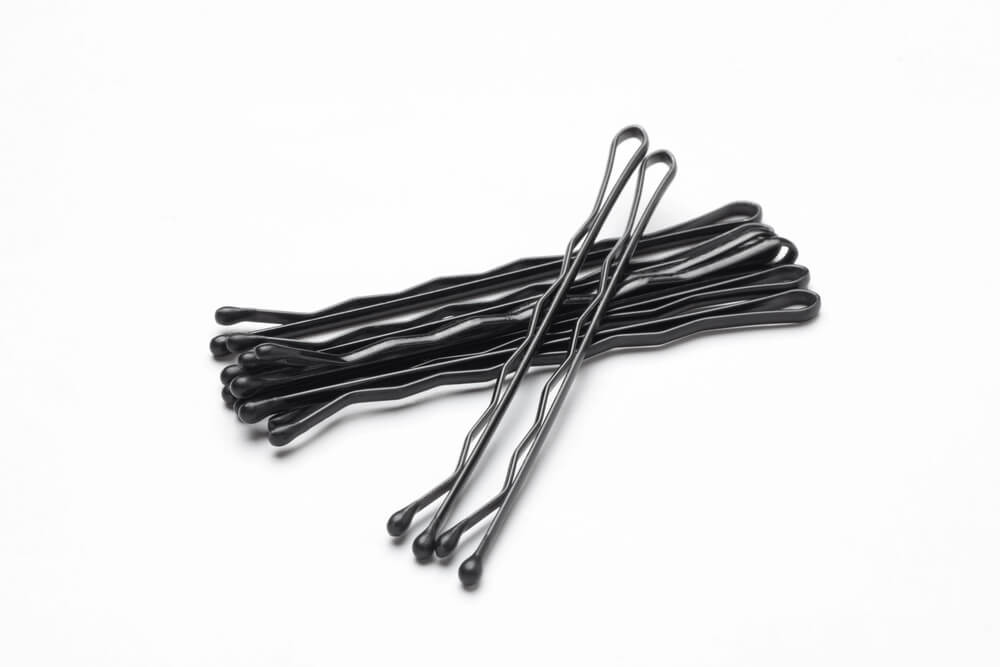
Bobby pins rose with the bobbed haircuts of the 1920s, and the name is usually tied to that fashion. Their crimped legs gripped hair without a tie, and they held a curl overnight.
Cards of pins with period artwork are fun to find. Rust spots and bent legs are the usual flaws in old tins.
Finger Wave Clamps
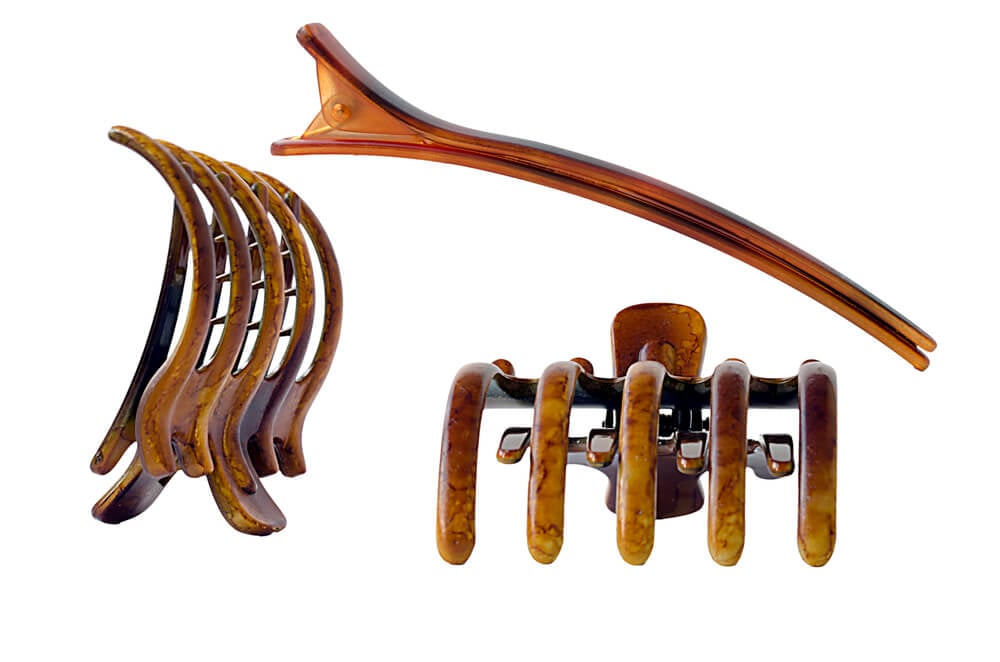
Finger waves of the 1920s and 1930s were molded by hand and comb in S-shaped ripples, then set with small metal clips until the hair dried. The clips left faint grooves that stylists learned to hide.
Sets of clamps come in tins with the maker’s name. Rust and missing pieces lower value.
Hot Rollers
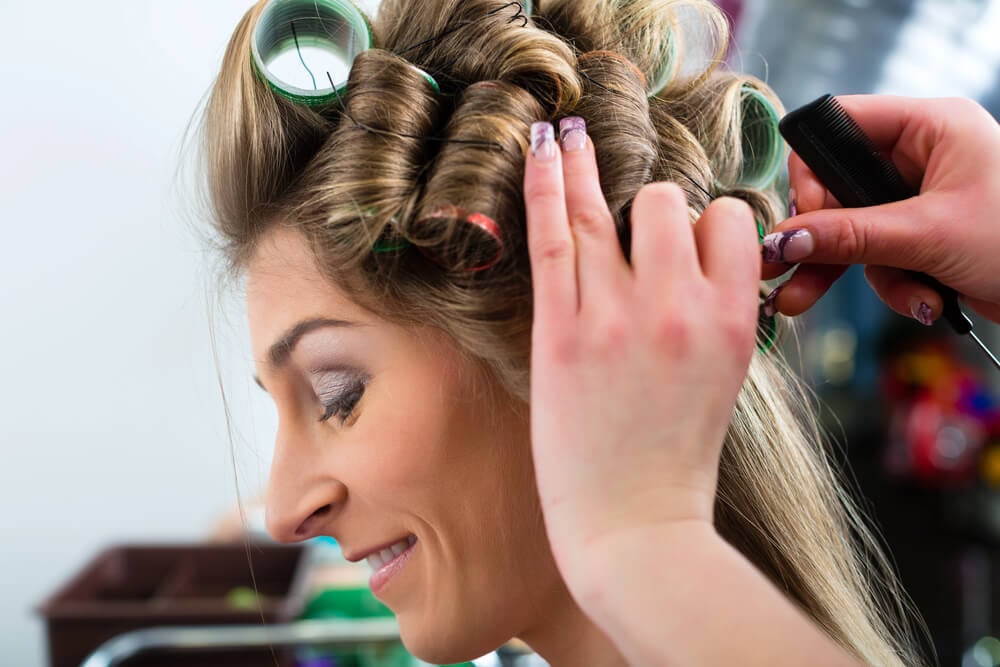
Hot roller sets arrived with a base that heated cylinders, which were wrapped with hair and pinned in place. They cut setting time to minutes instead of hours, which made them a hit.
Many were later replaced by sleeker designs. Complete sets with working bases and original clips are valuable.
Sponge Rollers
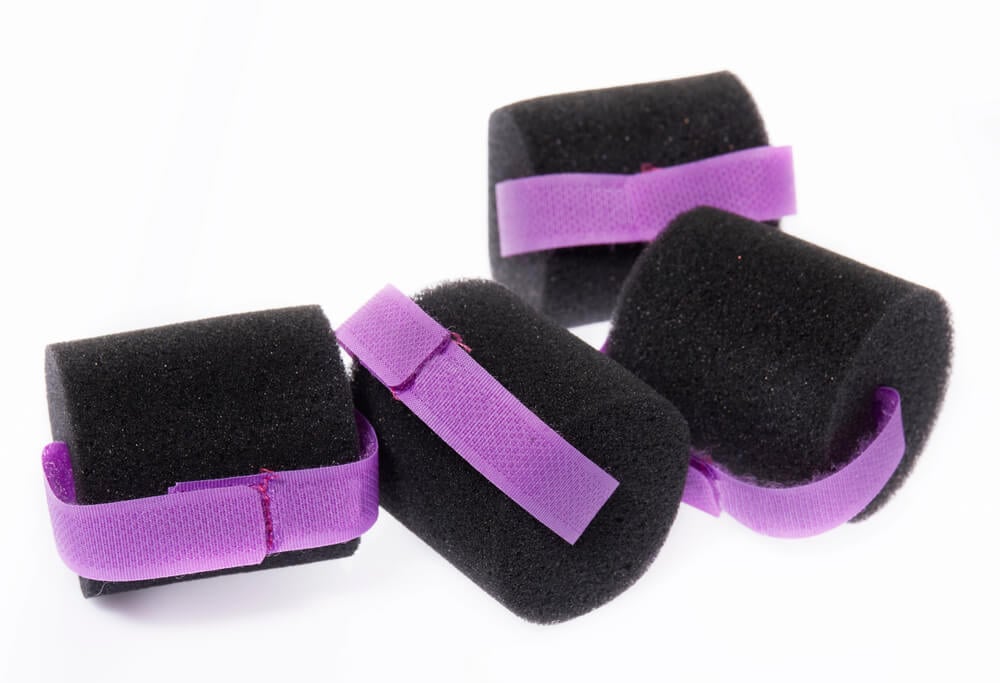
Soft foam rollers with plastic snap closers let women sleep in curls. They were light and flexible, and they came in bright colors.
Kids’ sleepovers often involved a lineup of sponge rollers. Unopened packs with graphics from the era are worth looking for.
Wahl Electric Clippers
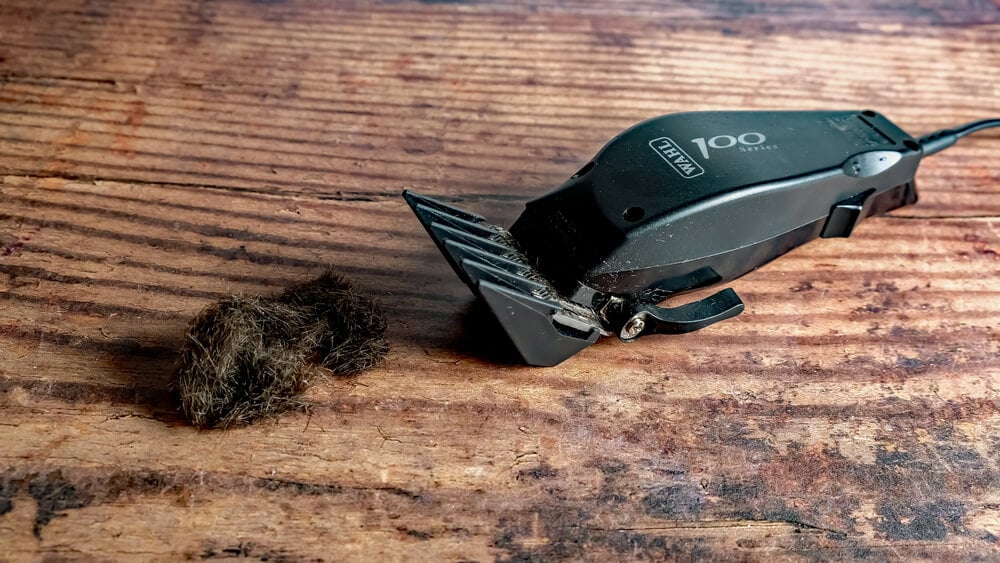
Leo J. Wahl applied for patents on an electromagnetic hair clipper on October 14, 1919, in Sterling, Illinois. He had first built a vibrating massager for his uncle, and barbers who saw it asked for something that cut hair.
The resulting clipper reshaped the barbershop. Early Wahl models with legible markings are sought after.
Oster Hand Clippers
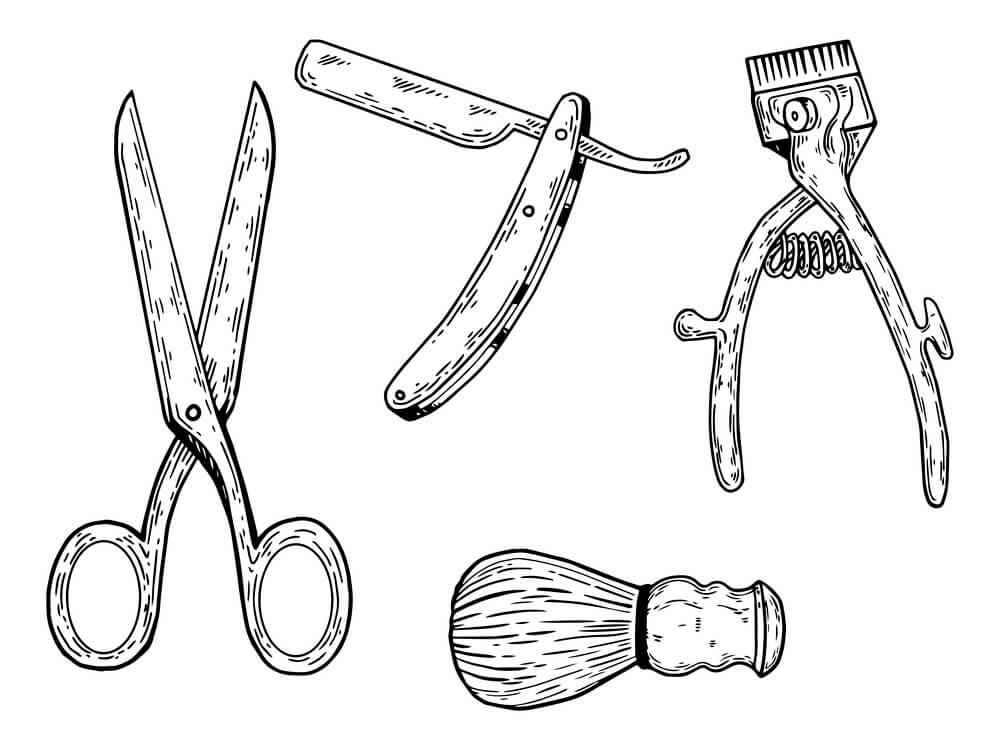
John Oster saw an opportunity in 1924 to market a hand-operated clipper designed for cutting women’s hair. A motor-driven clipper followed in 1928, and Sunbeam acquired the company in 1960.
The early hand clippers are heavy and simple. Intact springs and clean blades are what collectors want.
Oster Classic 76
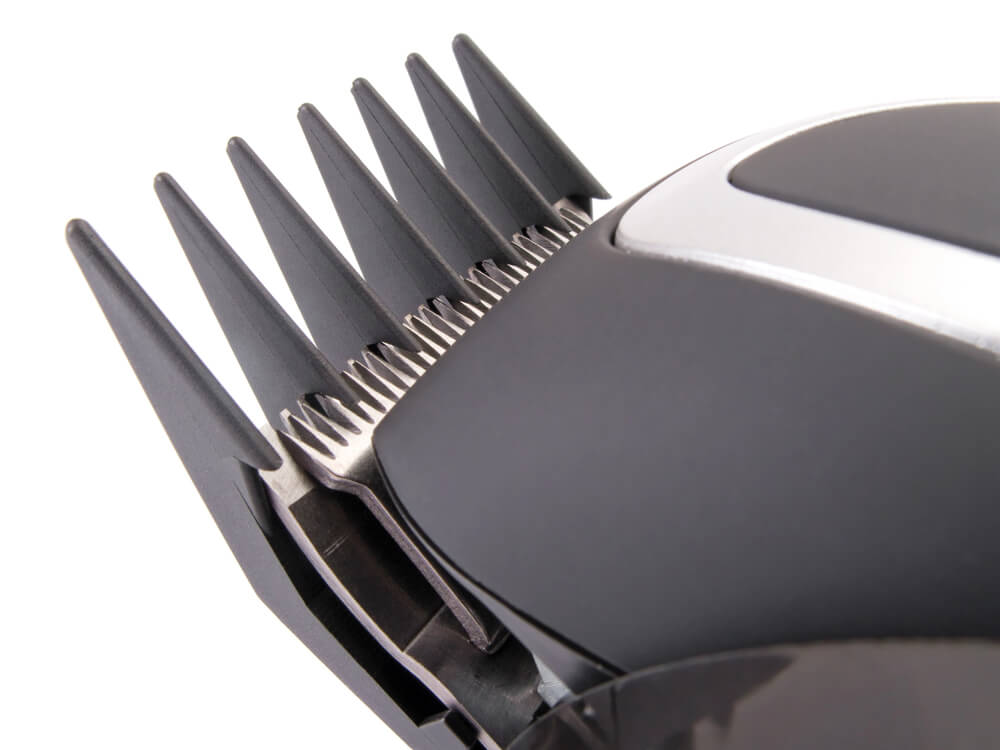
The Oster Classic 76 is a durable clipper with a universal motor and detachable blades, a favorite of barbers for decades. It comes with a nine-foot cord and a break-resistant case.
Vintage examples show wear on the cord and switch. Units with original boxes and blade guards are the best finds.
Straight Razor and Strop
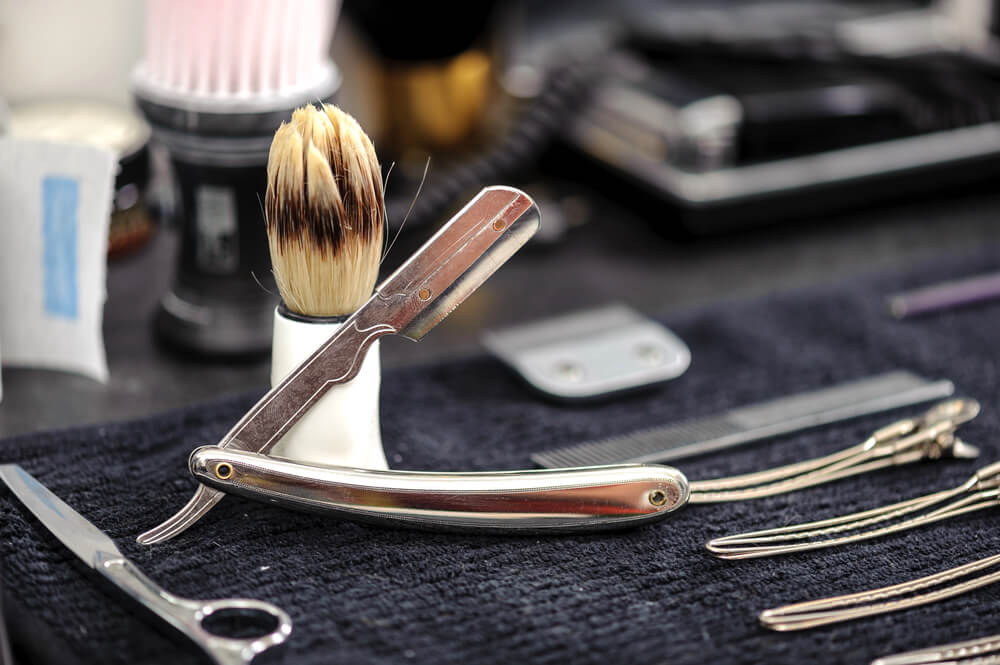
Barbers kept straight razors sharp by stropping them on leather, a rhythmic routine that customers watched while waiting. The razor trimmed necks and sideburns after the clippers had done the main work.
Handles in bone, celluloid, or wood show the maker’s style. Blades with chips or pitting are less valuable than clean ones.
Koken Barber Chair
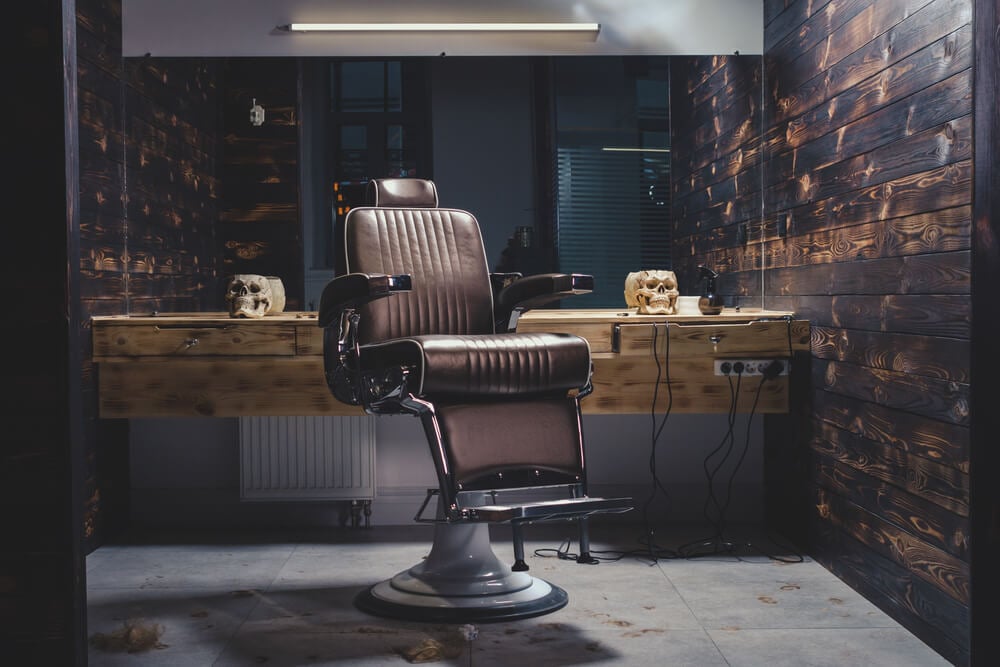
The Koken Barbers’ Supply Company of St. Louis was a major maker of barber chairs. Barbershops treated the chair as a centerpiece, and the nickel-plated parts gleamed under the lights.
Surviving chairs are large and costly to move. Intact upholstery and unpitted metal are rare.
Celluloid Combs

Celluloid combs imitated tortoiseshell at a fraction of the price, and they came in colors and patterns for every taste. The material is highly flammable and can warp or crumble with age.
Many decorative combs held hair up in elaborate styles. Combs with all their teeth and no warping are worth far more than damaged ones.
Boar-Bristle Brushes
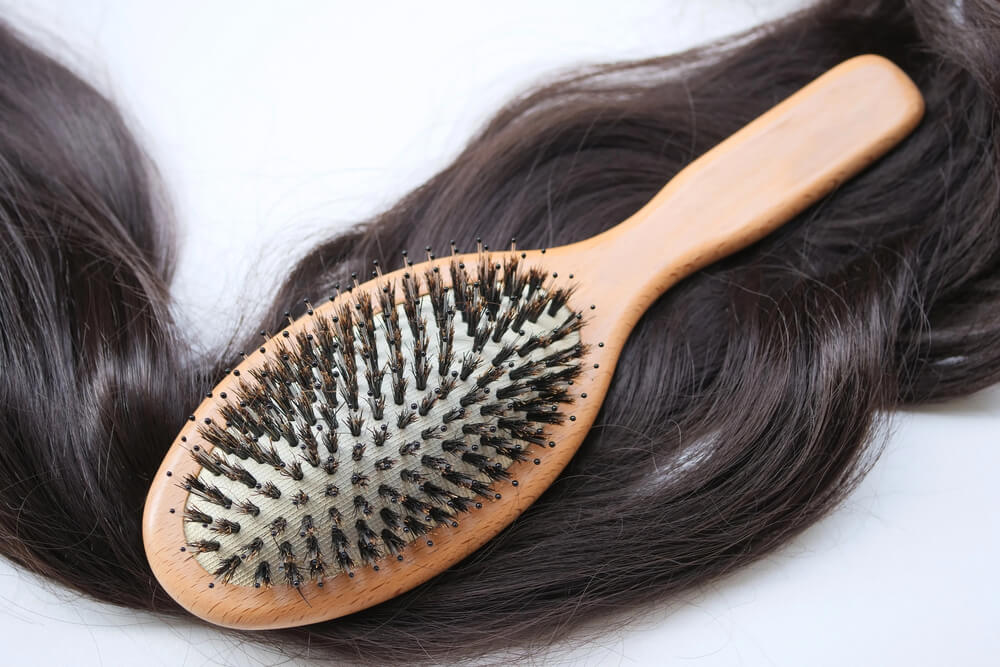
Natural boar-bristle brushes spread scalp oils through hair and added shine. They were often sold in dressing-table sets with a mirror and comb, and handles came in celluloid, wood, or silver.
Bristles that haven’t thinned and handles that haven’t cracked are the key to value. Matched sets in original boxes are especially appealing.
Hair Receivers
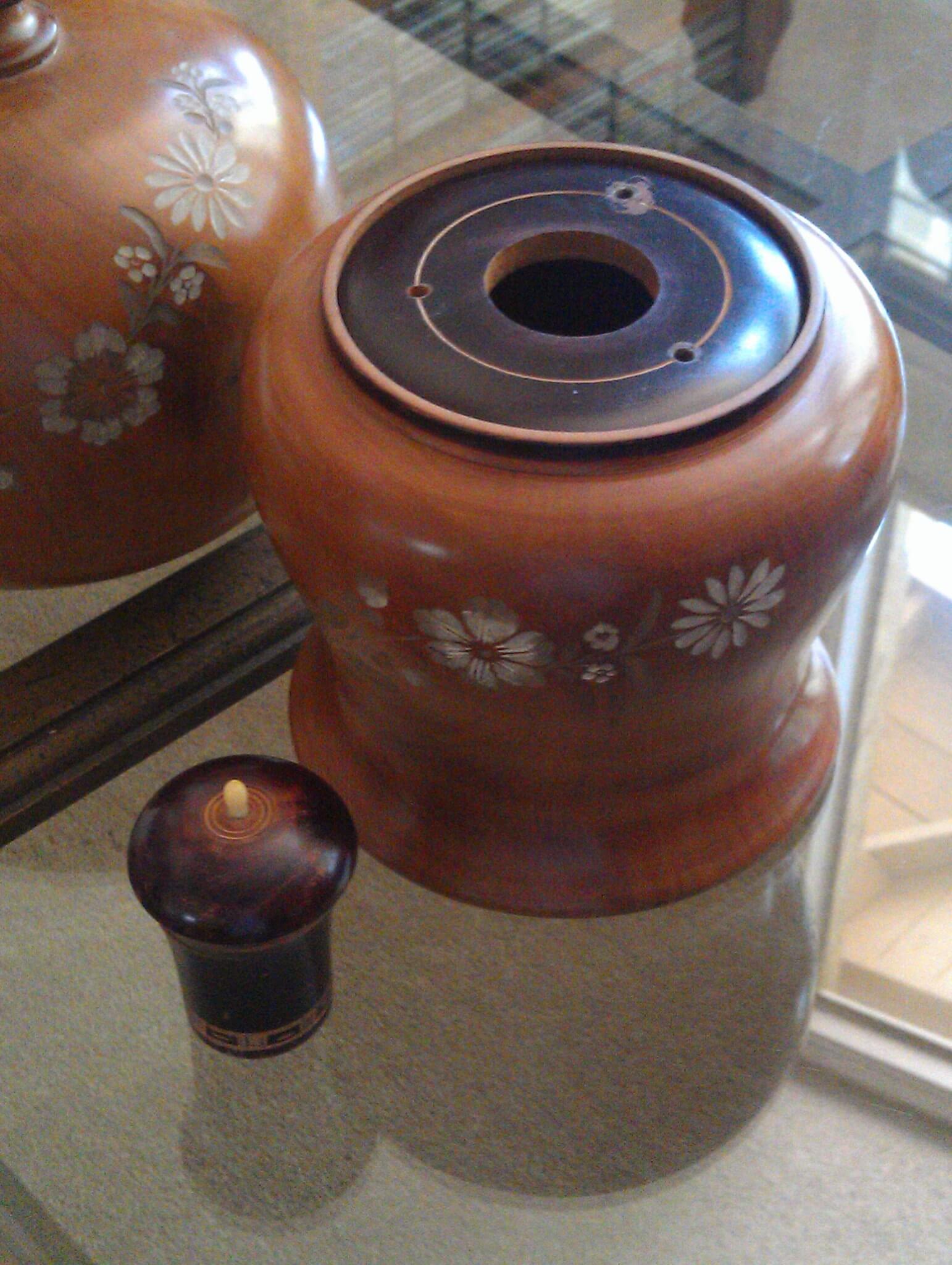
A hair receiver was a small lidded jar for a dresser top, where women saved hair removed from brushes. The collected hair was used to stuff pads that added volume to updos.
The jars came in glass, china, and silver. Lids that fit and intact decoration are what collectors look for.
Afro Picks With Fist Handles
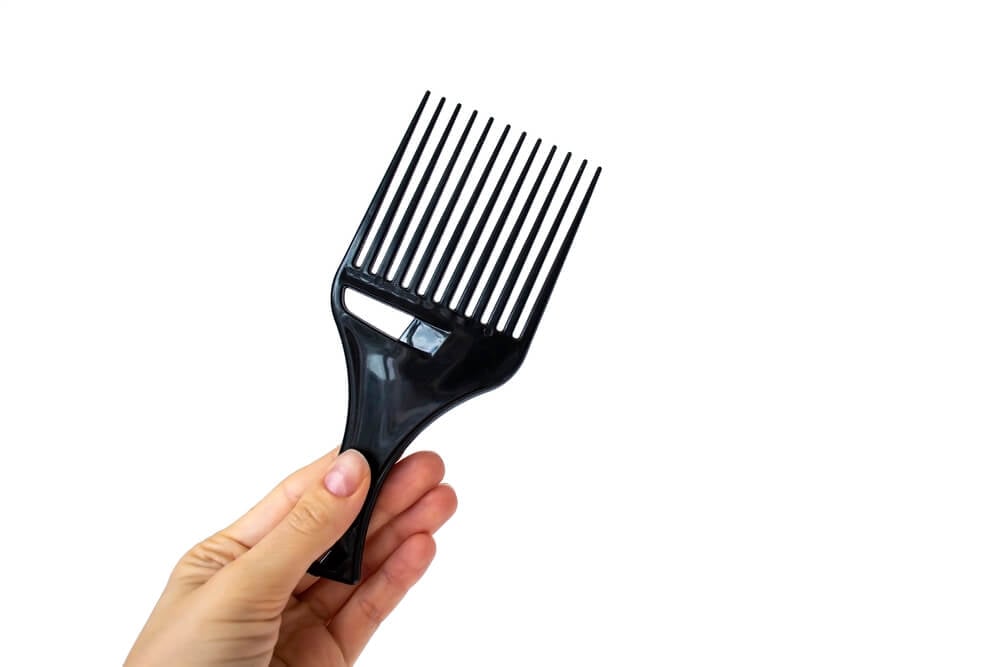
Afro picks with a raised-fist handle became a symbol of the Black Power movement in the 1960s and 1970s. The long metal or plastic teeth lifted and shaped natural hair, and the handle made a statement of pride.
Pieces from the era turn up in family drawers. Original packaging and clear markings raise interest.
Rat-Tail Combs
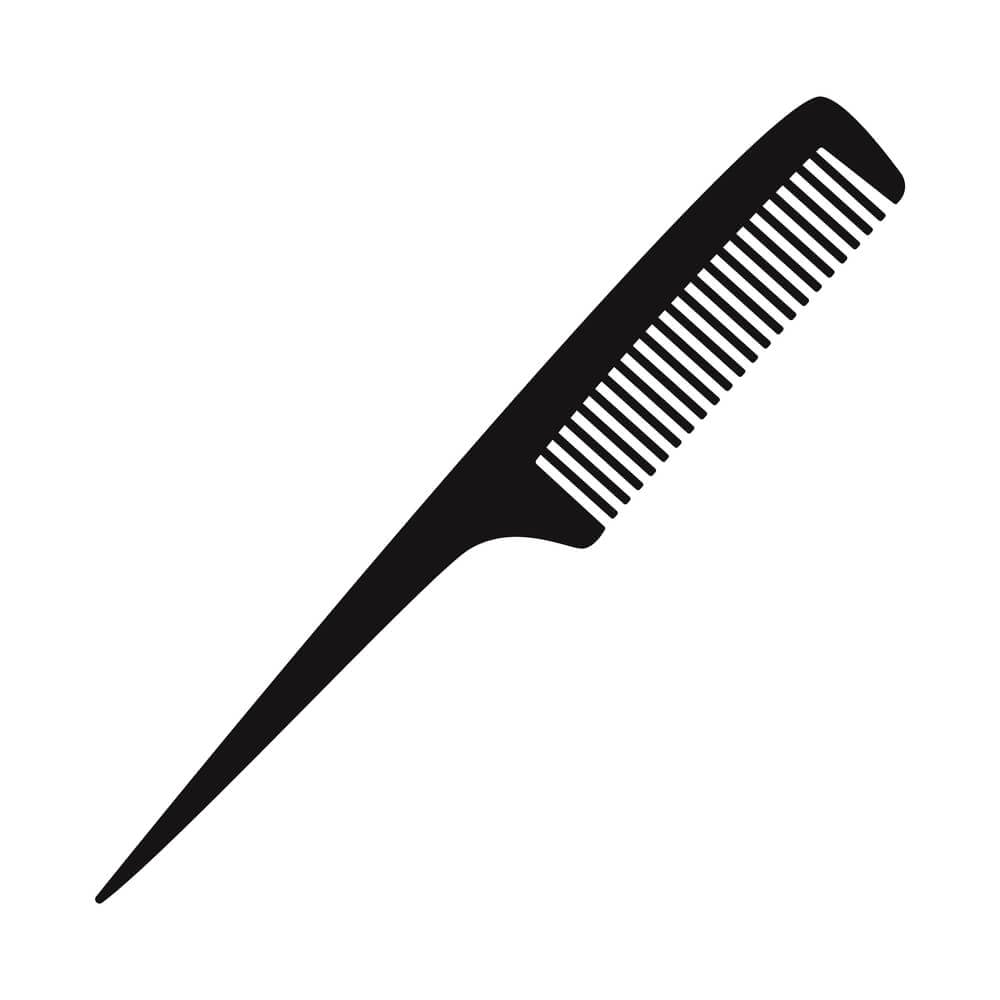
A rat-tail comb had a slim pointed handle used to part hair and tease it into the tall styles of the 1960s. Stylists could draw clean lines for sections, and the tail doubled as a roller pick.
The comb sat in nearly every salon station. Combs with straight tails and full teeth are easy to find, but ones with original packaging are not.
Hair Crimpers
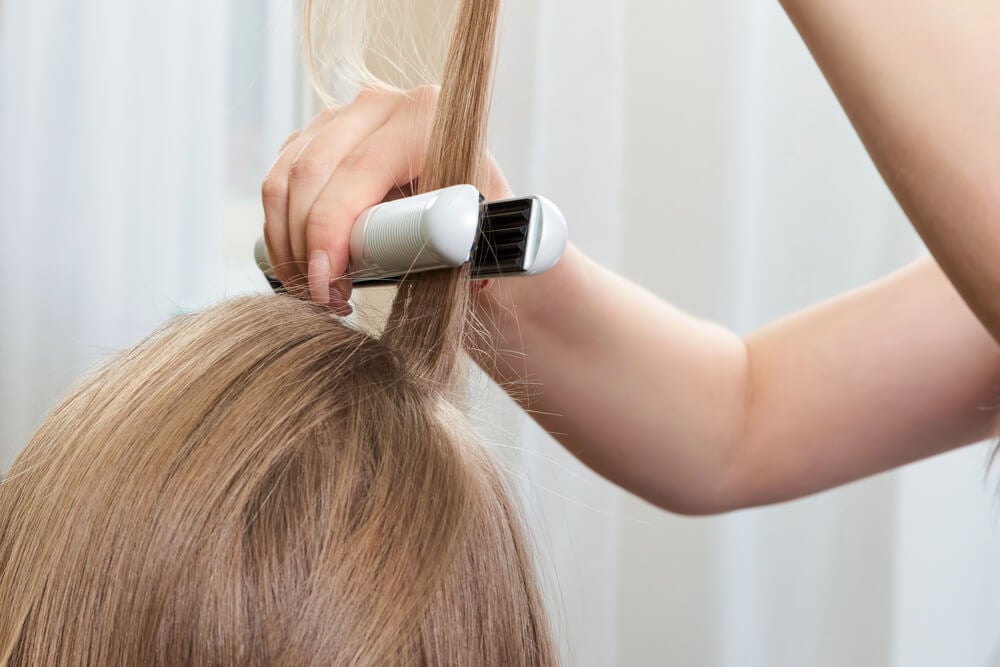
Hair crimpers pressed hair between ridged plates, leaving rows of zigzag waves that defined the look of the 1980s. The tools were heated and clamped section by section, and a full head took patience.
Their popularity faded when straight hair came back. Working units with their original boxes are collected by fans of the decade.
Thinning Shears
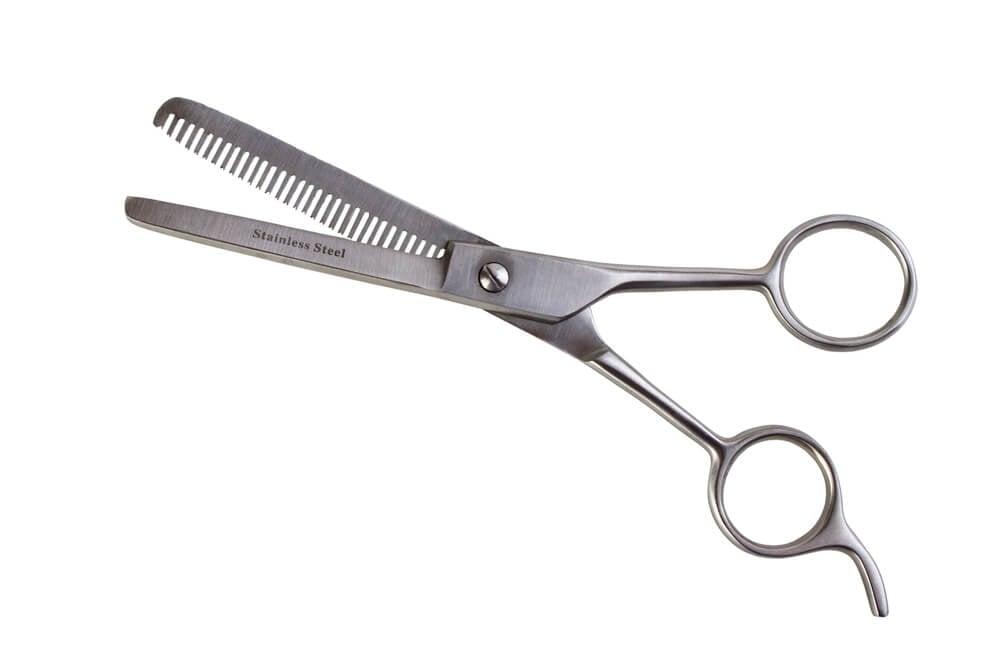
Thinning shears have a row of teeth on one or both blades, which remove bulk without leaving a blunt line. Barbers used them to blend layers and soften edges.
Old pairs carry the maker’s mark and a tidy tang. Blades with nicks and loose screws lower the value.
Heat, Hardware, and the Beauty Parlor
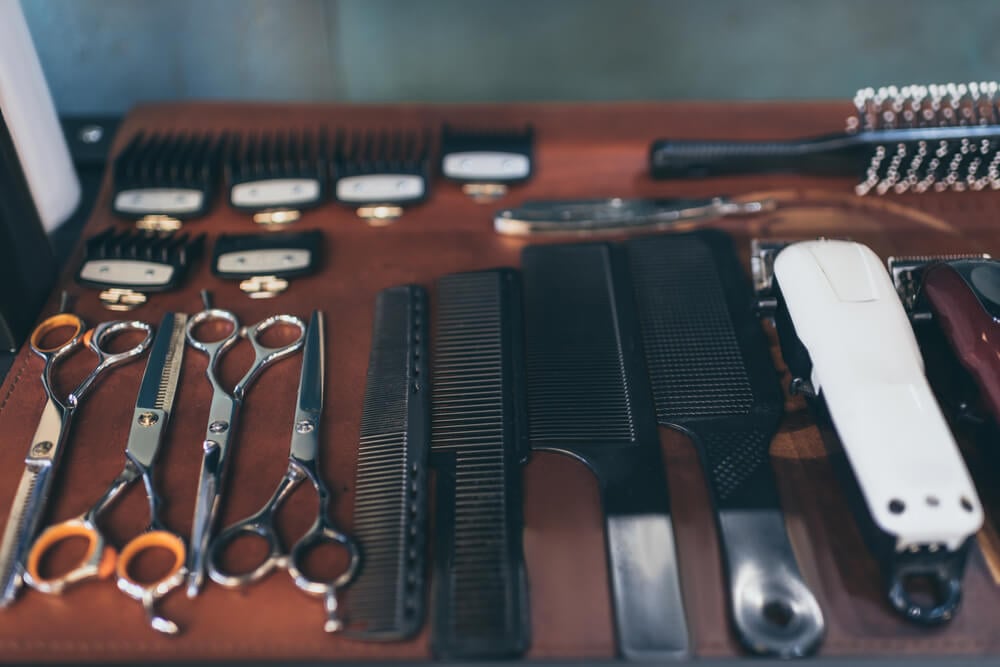
These tools show how much effort went into a hairstyle. Heat, chemicals, and metal were handled with skill, and mistakes had consequences.
Collectors admire the craftsmanship as much as the nostalgia. They also reflect a world where hair care was a social event.
Salons and kitchens alike were places for conversation, and the tools were part of the ritual. Every iron, clip, and comb carries a bit of that shared experience.
More from Go2Tutors!

- 27 Silver Dollars and Half Dollars Worth Keeping
- 28 Restaurant Menu Items Nobody Orders Anymore
- 17 Places Built in Seemingly Impossible Spots
- 27 Vintage Rings Worth More Than They Look
- 25 Restricted Sites Tourists Can’t Enter
Like Go2Tutors’s content? Follow us on MSN.