32 Vintage Keychains With Advertising and Character Designs
Before phones held everything, a keychain was a pocket-sized billboard that went wherever its owner did. Gas stations, cereal makers, and cartoon studios all understood that a metal tag or plastic figure rattling beside a house key could buy years of brand loyalty for pennies.
The designs below follow the mascots and characters that earned that spot, from oil-company dinosaurs to a coin-purse cat. Collectors should keep in mind that condition drives desirability more than age does, since worn enamel, cracked plastic, and missing rings can sharply reduce what a piece is worth.
Sinclair’s Dino the Apatosaurus
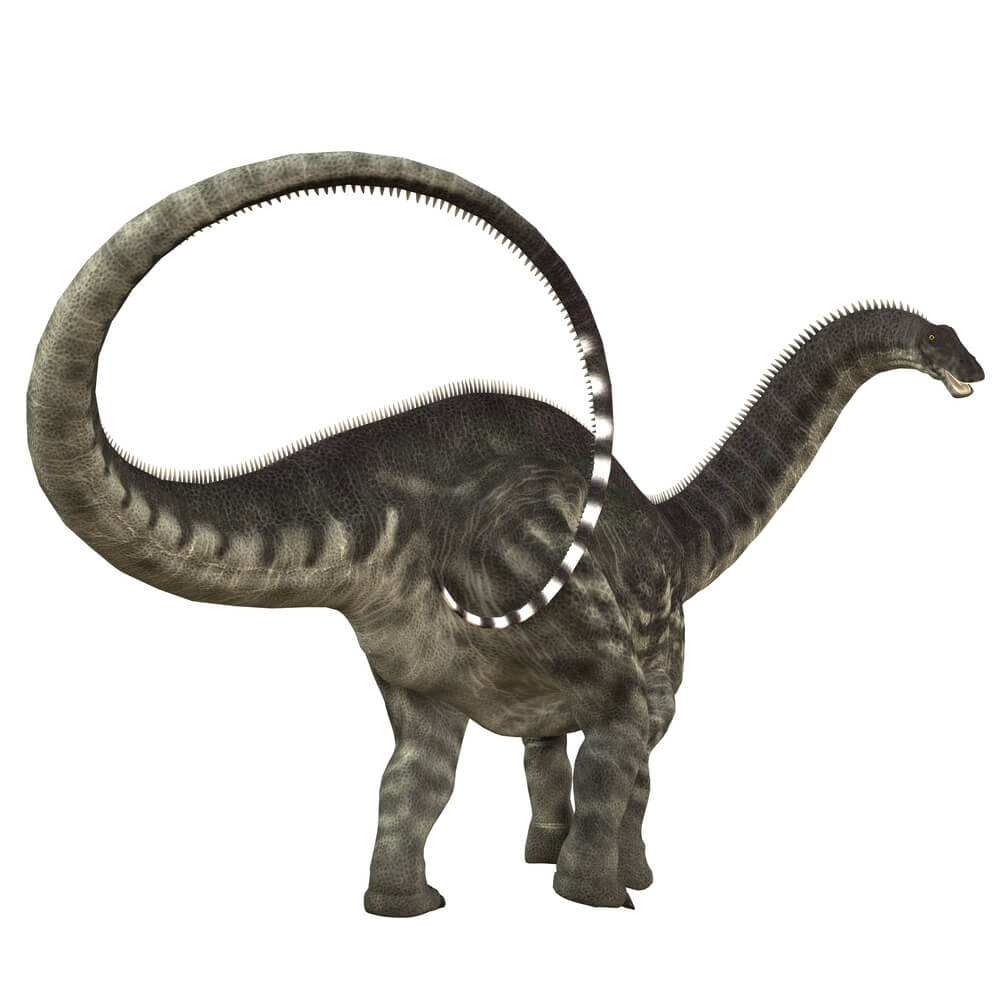
The green dinosaur on Sinclair Oil giveaways began as a Chicago World’s Fair attraction, where the company displayed life-size dinosaur models in 1933 and 1934. Dino returned for the 1964 and 1965 New York World’s Fair, a fair that drew roughly 50 million visitors, and the Dinoland exhibit counted among its most popular stops. After the fair closed, the models toured shopping centers and service stations, keeping the brand’s reptile in front of customers for years.
Texaco’s Fire Chief

Texaco introduced Fire Chief gasoline in 1932, naming it for an octane rating of 66 that topped what the government required for fire engines. The company hired vaudeville comic Ed Wynn to star in a radio show of the same name that spring, and dealers soon ordered millions of toy fire-chief helmets to hand out. A keychain bearing the Fire Chief badge recalls the first years of the Depression, when a free trinket could still move a tank of premium fuel.
Esso’s Tiger in the Tank
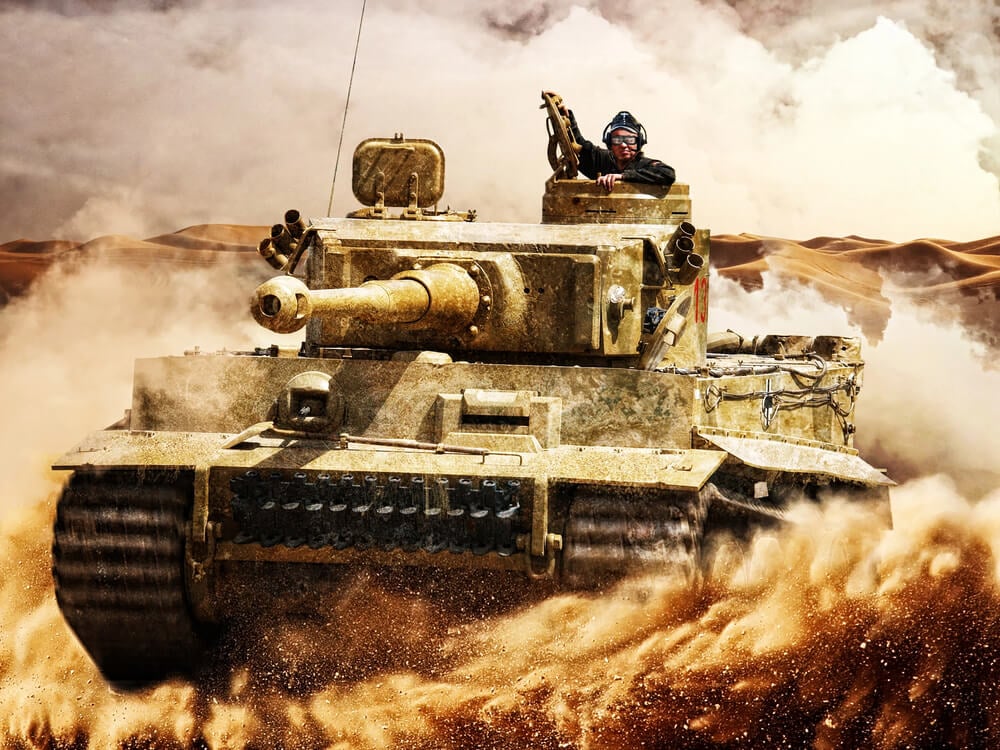
A Chicago copywriter coined “Put a Tiger in Your Tank” in 1959, but the campaign exploded across the United States in 1964, when Time magazine dubbed it the Year of the Tiger along Madison Avenue. Stations offered tiger tails that drivers attached to the rear of their cars, turning ordinary sedans into rolling advertisements. The striped cat turns up on promotional items from that era, and most collectors prize pieces with bright, unfaded orange.
Mobil’s Flying Red Horse
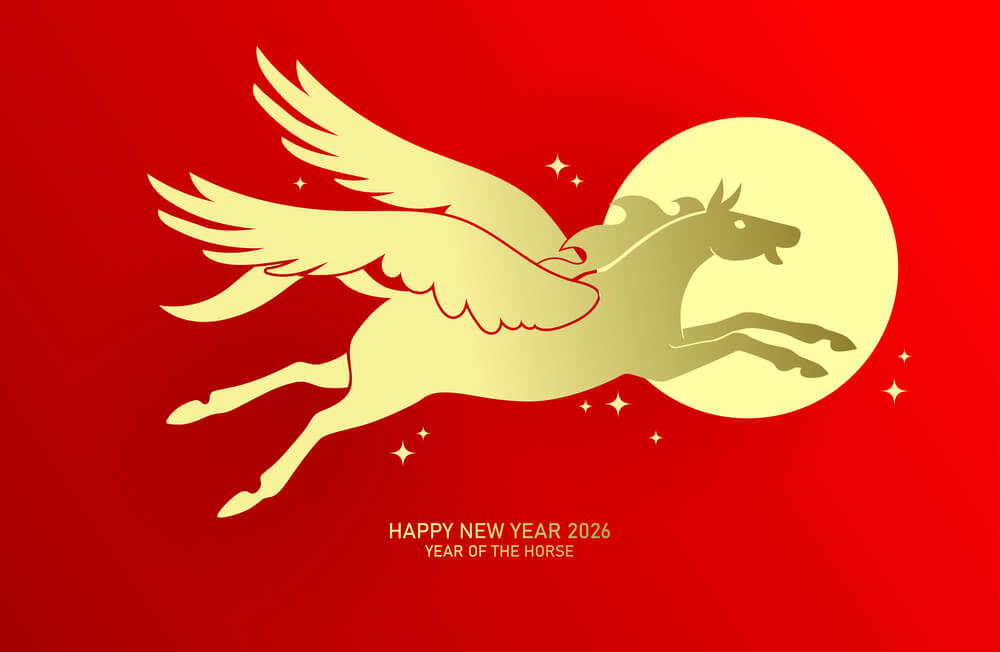
Pegasus, the winged red horse, gave Mobil one of the most recognizable emblems in American gasoline. The company kept the horse as a signature even after the 1999 merger that created ExxonMobil, and it still glows on station signs today. Older Pegasus tags are sought by oil-company collectors who prize crisp red enamel and an intact ring.
Michelin’s Bibendum
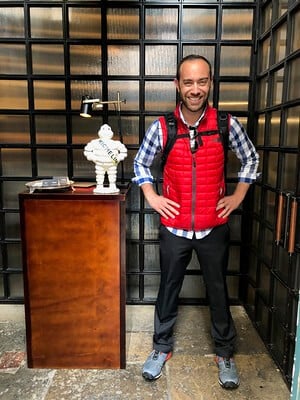
The figure built from stacked tires first appeared on an 1898 poster for the French tire maker Michelin, and he has been rolling across advertising ever since. His marshmallow-like body made him easy to render in molded plastic, so he became a natural subject for promotional trinkets. More than a century after his debut, the Michelin Man still turns up in American collections of automotive memorabilia.
Mr. Peanut of Planters

In 1916, a schoolboy named Antonio Gentile won a Planters contest with a sketch of a peanut with arms and legs. A commercial artist later added the top hat, monocle, and cane that made the character look like a Gilded Age gentleman. That dapper legume has appeared on tins, jars, and giveaways ever since, and his small, detailed face makes him a favorite subject for keychain makers.
The Campbell’s Kids
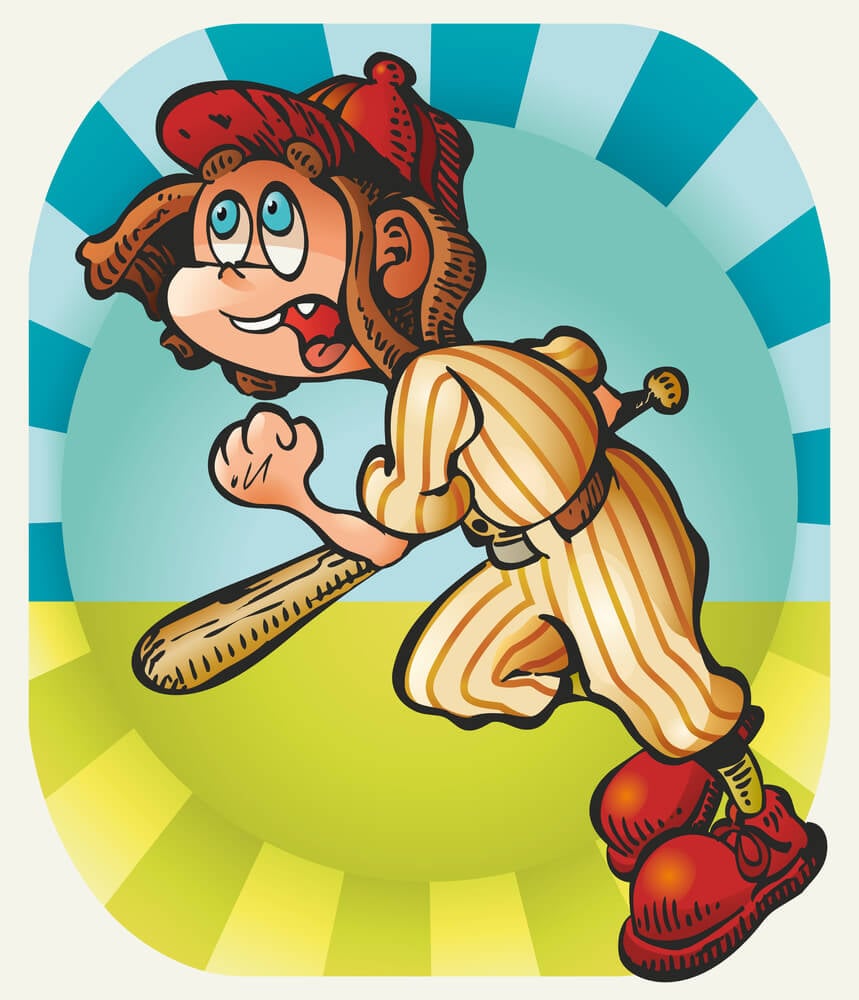
Illustrator Grace Drayton introduced the rosy-cheeked Campbell’s Kids in 1904 advertisements for the soup company. Their round faces and chubby cheeks made them instantly recognizable, and the pair stayed on cans, dolls, and premiums for generations. Early celluloid and tin examples of the Kids are among the more demanding pieces for collectors to find in good shape.
The Morton Salt Girl

The Morton Salt girl, a child carrying an umbrella while salt pours behind her, first appeared in 1914 beside the slogan “When it rains it pours.” The line referred to the way the company’s salt resisted clumping in damp weather. A small enameled version of the umbrella girl makes a charming reminder of how a single pantry item turned a package design into a household icon.
Reddy Kilowatt the Electric Servant
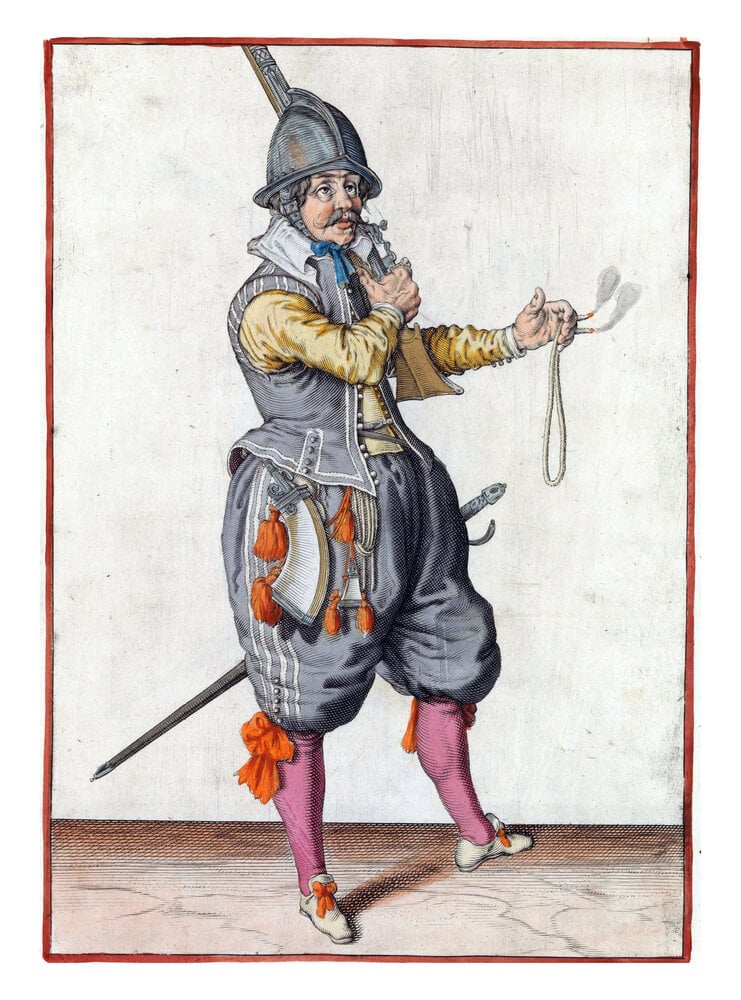
Reddy Kilowatt made his first published appearance on March 14, 1926, in a Birmingham News advertisement for the Alabama Power Company. Ashton B. Collins Sr., the utility’s commercial manager, created the lightning-bolt figure to make electricity feel friendly, and the character first appeared in three dimensions at the Alabama Electrical Exposition that year. The two oldest surviving Reddy neon signs still hang at Alabama Power offices in Attalla and Abbeville, and small Reddy trinkets are popular with utility-history collectors.
Elsie the Cow of Borden
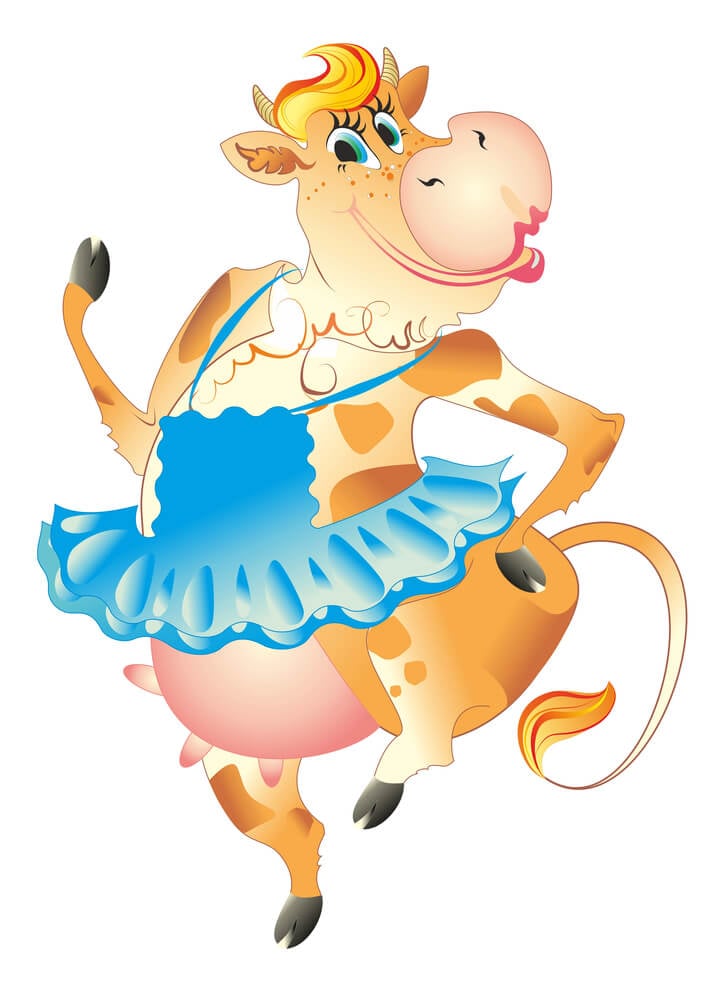
Borden introduced Elsie in 1936 as a cartoon cow in magazine advertisements, and by 1939 she had her own campaign. A real Jersey cow was chosen to play her at the 1939 New York World’s Fair, where Borden showed off a Rotolactor, a rotating milking parlor. In 1940, Elsie rode a private railroad car to Hollywood to appear in the film Little Men, and her calf, Beulah, was born along the way.
Elmer the Bull of Borden
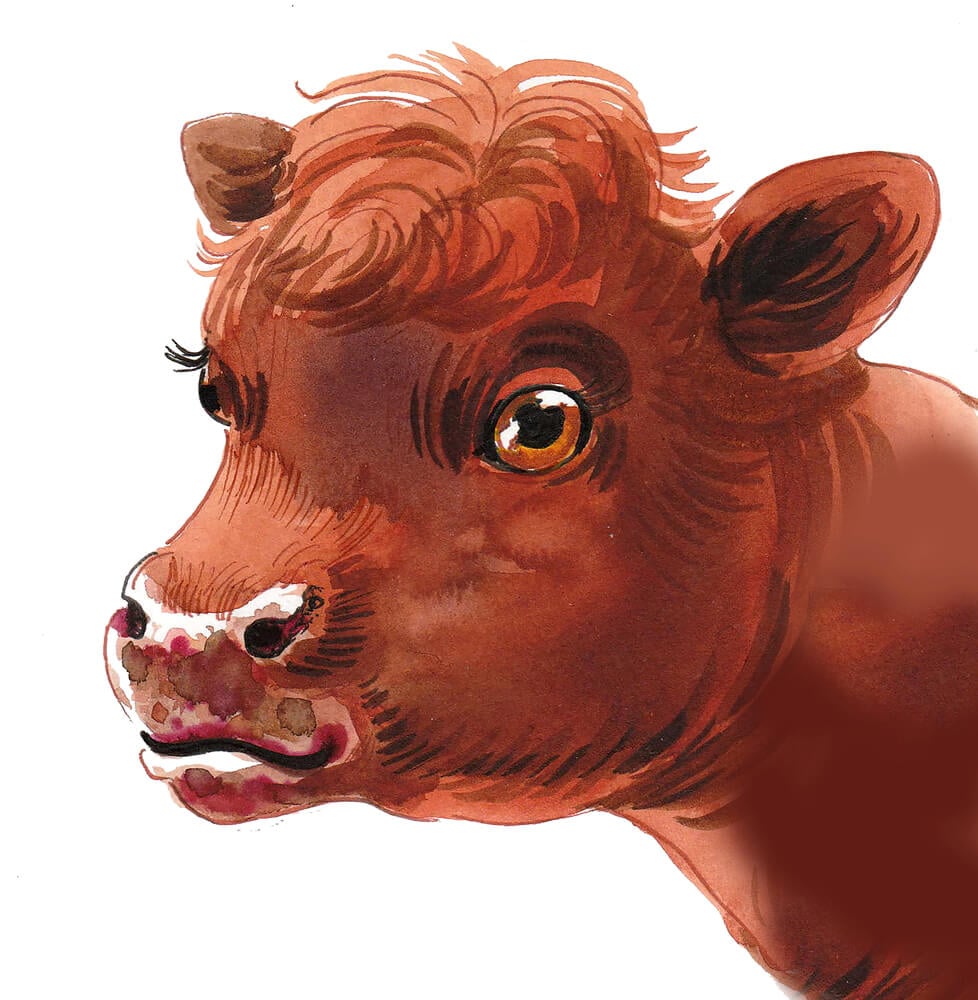
Elmer the Bull began as Elsie’s mate in Borden’s dairy advertising, and during World War II he went to work as the spokesbull for the company’s glue products. That second career carried the character into classrooms and craft drawers, where his face still sits on the familiar white bottle. The pairing of Elsie and Elmer shows how one company’s mascots could be redeployed as the product line changed.
The Jolly Green Giant

The Green Giant name began as a brand for large peas from the Minnesota Valley Canning Company, and a towering figure in a leafy tunic was added in the late 1920s to sell them. The character grew into one of the best-known faces in American canned vegetables. Keychain versions of the Giant tend to show his leafy outfit in vivid green, which fades easily and affects condition.
Poppin’ Fresh the Pillsbury Doughboy
The Pillsbury Doughboy was born in 1965, when Leo Burnett copywriter Rudy Perz imagined a living dough figure popping out of a can of refrigerated dough. His first commercials aired that November, and Pillsbury eventually used him in more than 600 spots. In 1972 the company launched a seven-inch vinyl Poppin’ Fresh doll that proved so popular an entire family of dolls followed.
Charlie the Tuna of StarKist
Charlie the Tuna debuted in 1961, created by Tom Rogers of the Leo Burnett agency to sell StarKist. The joke was that Charlie kept trying to prove his good taste, only to be rejected because the company wanted tuna that tasted good, and the phrase “Sorry, Charlie” entered everyday speech. In 1977 he replaced the fisherman with the earring on StarKist cans, making him the brand’s face on shelves.
Bob’s Big Boy
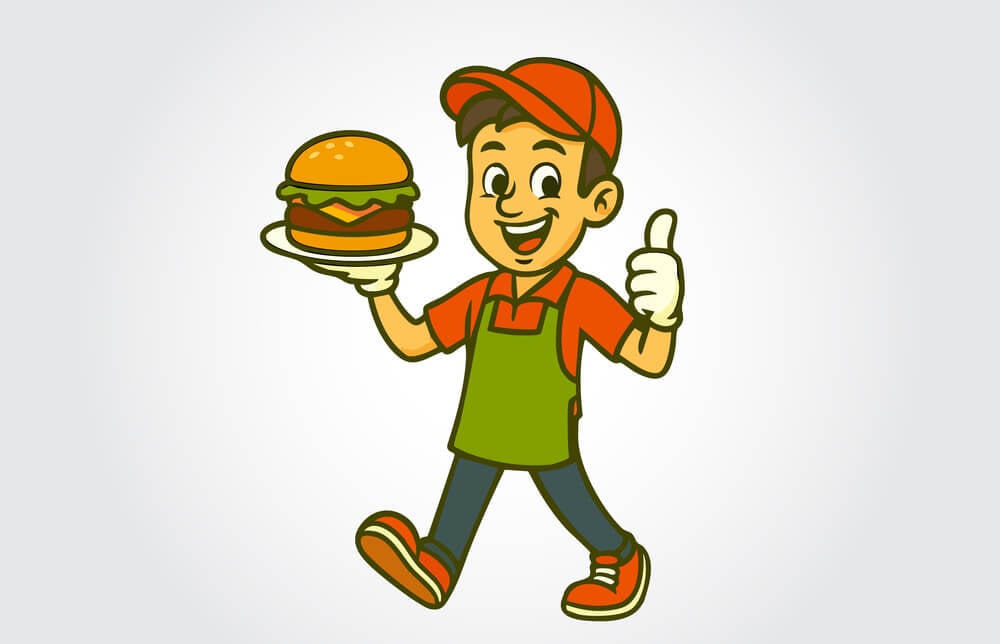
Bob Wian opened a 10-stool hamburger stand in Glendale, California, in 1936, after selling his car to make the down payment. He soon built a double-decker burger on a bun sliced into three layers, and the name Big Boy came from a chubby six-year-old customer named Richard Woodruff. The pompadoured, checkered-overalls boy holding a burger became the face of a chain whose statues stood in front of restaurants.
Mr. ZIP of the Post Office

Mr. ZIP debuted at a postmasters’ convention in October 1962 and was rolled out publicly when ZIP Codes began on July 1, 1963. The Post Office Department put him on buttons worn by 50,000 window clerks, on the uniforms of 125,000 letter carriers, and on the sides of mail trucks. He was retired in 1986 after the nine-digit ZIP+4 system arrived, which makes any Mr. ZIP piece a snapshot of a very specific era of postal history.
Hello Kitty
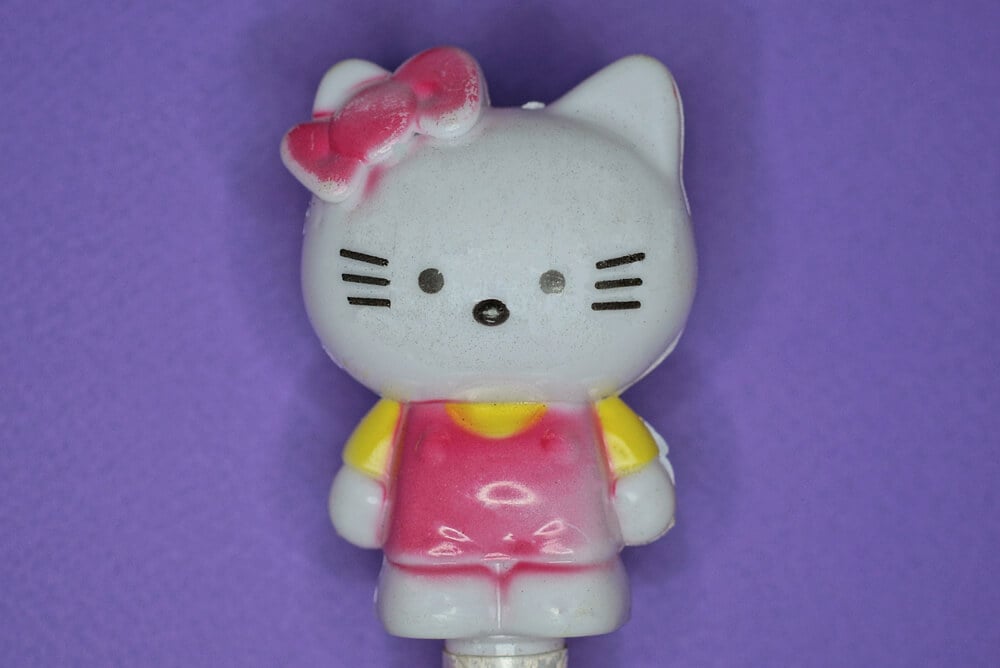
Sanrio created Hello Kitty in 1974, and the character first appeared on a vinyl coin purse in Japan in 1975, where she sat between a bottle of milk and a goldfish bowl. Sanrio’s sales increased sevenfold after her launch, and she reached the United States in 1976 when the company opened a Gift Gate store in San Jose, California. Her mouthless face made her easy to print on small items, and keychains from the late 1970s and 1980s are favorites among character collectors.
Nipper the RCA Victor Dog

Painter Francis Barraud’s portrait of his late brother’s dog Nipper, head cocked at a phonograph horn, became the trademark of the Victor record label and later RCA Victor. The image sold records, radios, and eventually television sets under a single, instantly legible symbol. Small Nipper figures and charms show up among record-store giveaways and are cherished by audio collectors.
Smokey Bear
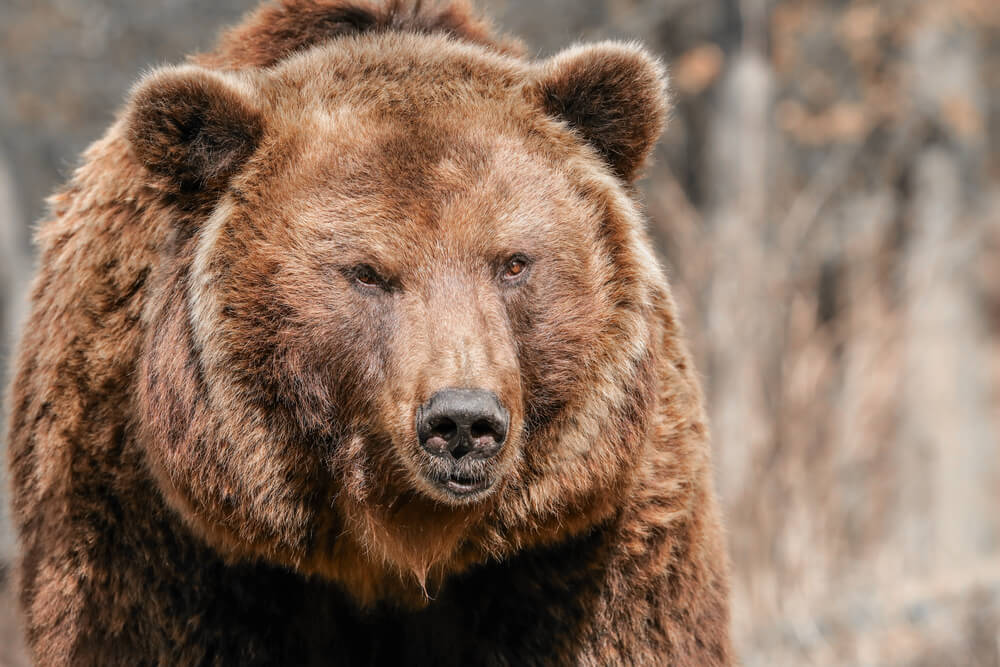
Smokey Bear arrived in 1944 as a wildfire-prevention figure created for the Forest Service’s advertising campaign. In 1950, a real bear cub rescued from a fire in New Mexico took on the name and went to live at the National Zoo. The ranger-hatted bear has appeared on pins, patches, and keychains for generations, and he remains one of the most successful public-service mascots ever created.
Tony the Tiger
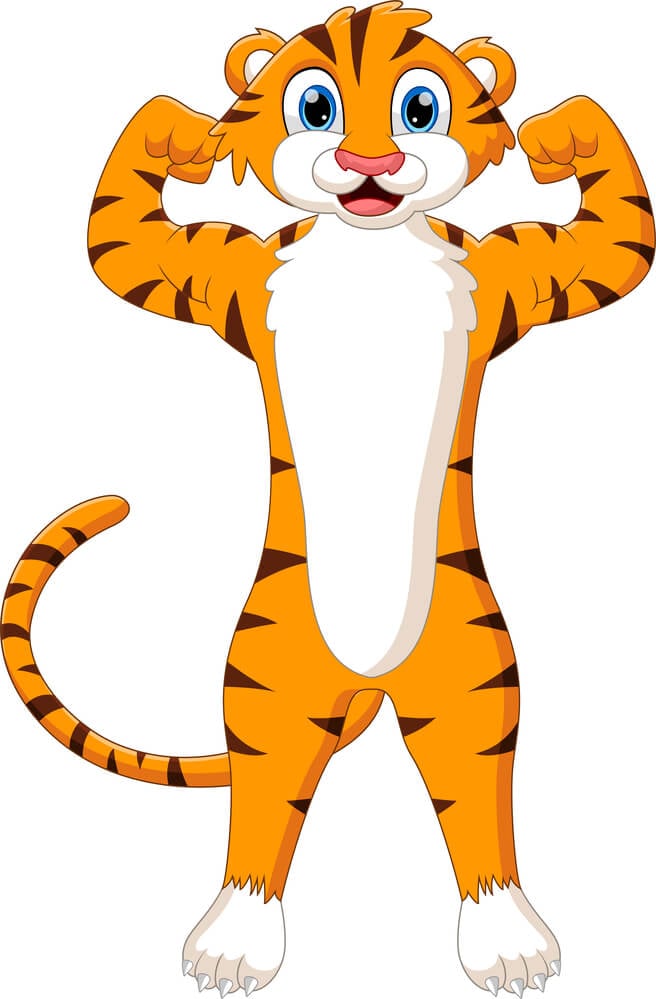
Tony the Tiger arrived in 1952 on boxes of Kellogg’s Sugar Frosted Flakes and quickly became the cereal’s confident, deep-voiced spokesman. His grin and bold orange-and-black stripes made him an obvious choice for premiums tucked into cereal boxes.
Cereal keychains and prizes from the 1950s and 1960s are often small, thin plastic, so surviving examples with sharp printing are scarce.
Snap, Crackle, and Pop
The three elves began appearing on Rice Krispies boxes in the 1930s, and their names came from the sound of the cereal in milk. Illustrator Vernon Grant gave the trio their early look, with pointed caps and cheerful faces.
Their small size made them well suited to premiums, and complete sets of the three are the goal for most collectors.
Popeye the Sailor

Popeye made his first appearance on January 17, 1929, in E.C. Segar’s comic strip Thimble Theatre. He was initially a minor character, but readers adored the squinting, spinach-eating sailor, and he soon took over the strip.
His simple, strong silhouette made him a natural for metal tags and enameled charms throughout the twentieth century.
Felix the Cat
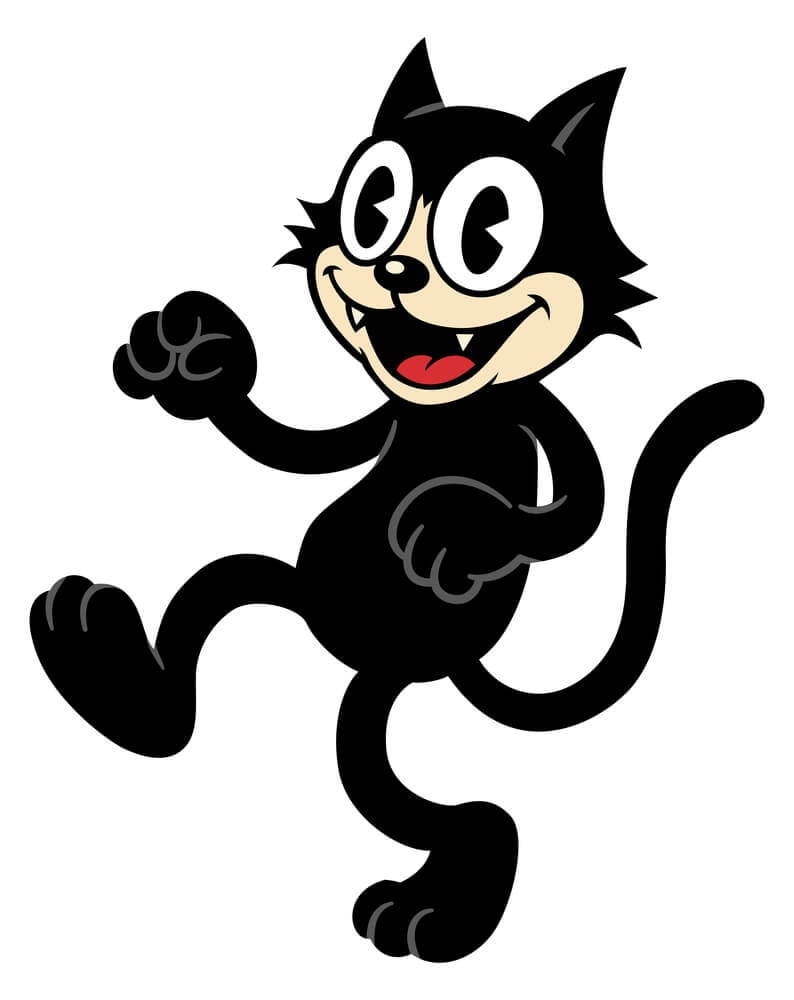
Felix the Cat emerged from the Pat Sullivan studio in 1919, and his black body and wide grin made him one of the earliest cartoon stars. He appeared on merchandise years before sound cartoons took over, and the character’s famous walk with hands clasped behind his back became a trademark.
Vintage Felix items are cherished by collectors for their simple, graphic charm.
Betty Boop
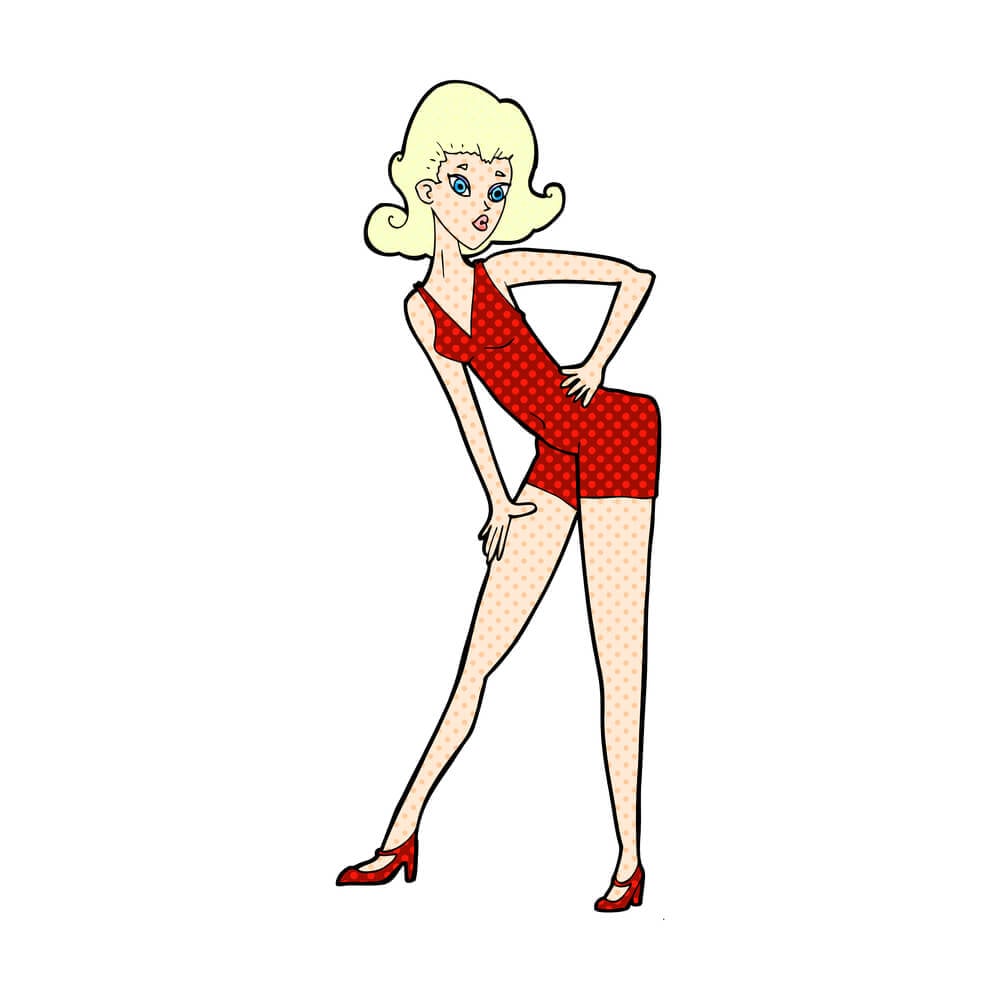
Betty Boop debuted in 1930 in the Fleischer Studios cartoon Dizzy Dishes, where she began life as a singing dog-like character before evolving into the curl-wearing flapper. Her big eyes and spit curl made her a Depression-era sensation and a favorite for merchandise.
Small figural pieces of Betty from the 1930s and 1940s are scarce, and collectors insist on good condition.
Snoopy of Peanuts
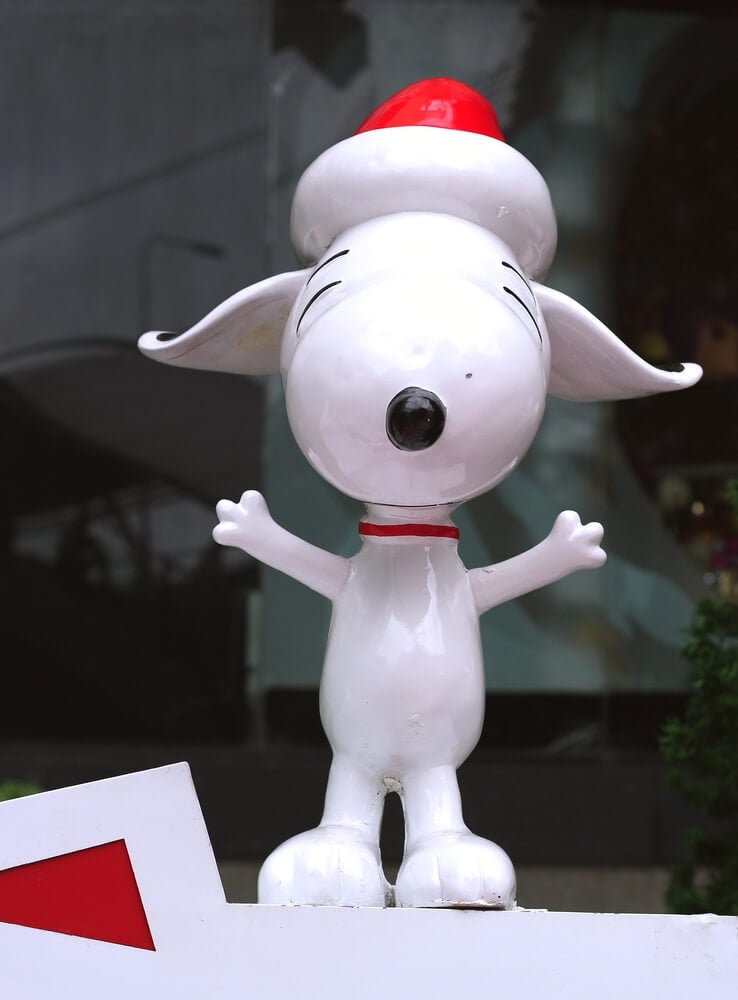
Charles Schulz’s Peanuts strip debuted on October 2, 1950, and Snoopy appeared two days later. The beagle began as a straightforward pet and grew into a daydreaming fighter pilot and novelist.
Snoopy has appeared on countless keychains and charms, and the character’s friendly, rounded shape suits small molded designs.
Woody Woodpecker

Walter Lantz introduced Woody Woodpecker in 1940 in the short Knock Knock, and the bird’s manic laugh became his calling card. The character’s sharp beak and crest of red feathers made for strong, graphic designs.
Early Woody pieces are tied to the Lantz studio’s golden age and tend to command interest from animation fans.
Bugs Bunny
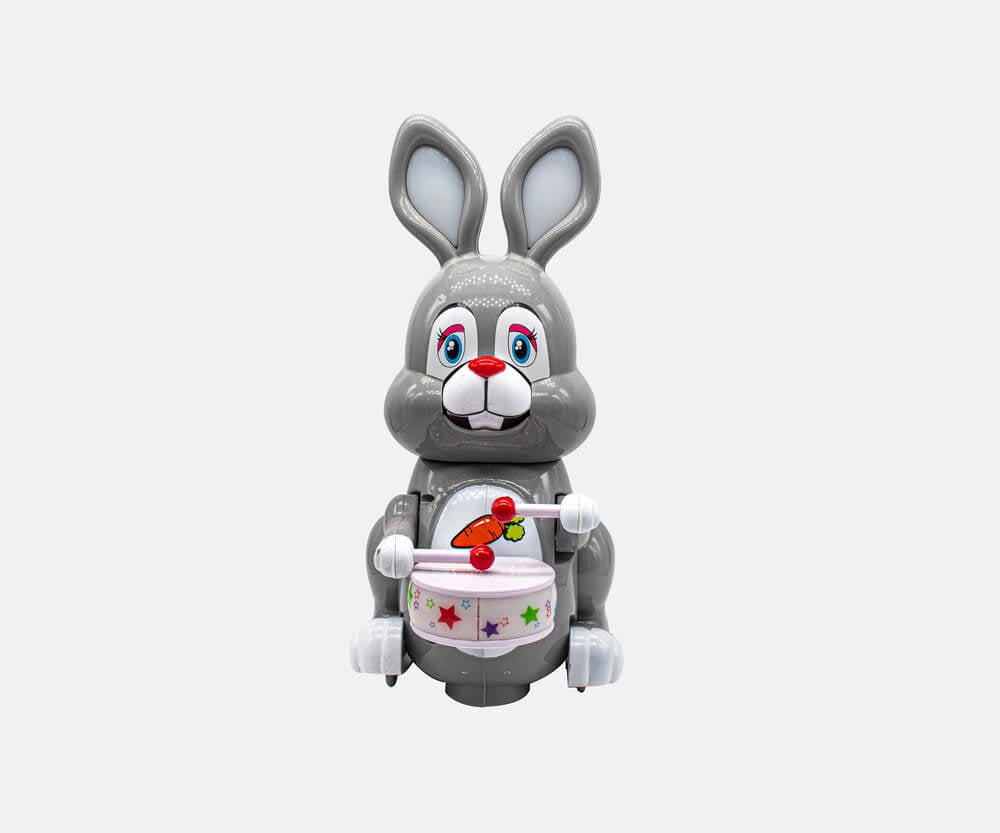
Bugs Bunny’s definitive debut came in A Wild Hare, released July 27, 1940, which set the template for the carrot-chewing, wisecracking rabbit. Warner Bros. quickly built him into its leading character, and licensed merchandise followed.
Keychains and charms from the 1940s and 1950s are small, brightly colored, and vulnerable to paint loss, so unscratched pieces stand out.
Mickey Mouse
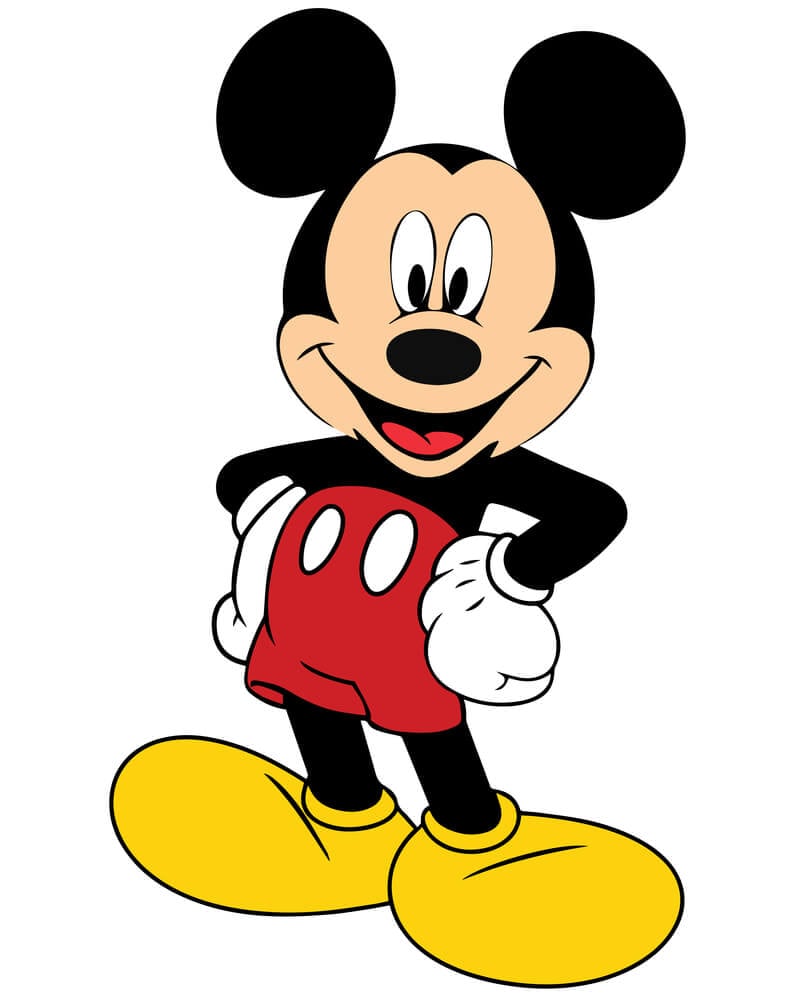
Mickey Mouse made his public debut in Steamboat Willie, released on November 18, 1928, the first Mickey cartoon with synchronized sound. His round ears and simple shapes were designed to be easily reproduced, which made him ideal for everything from watches to pocket charms.
Pre-war Mickey pieces are the most desirable, and condition separates the extraordinary from the ordinary.
Pac-Man
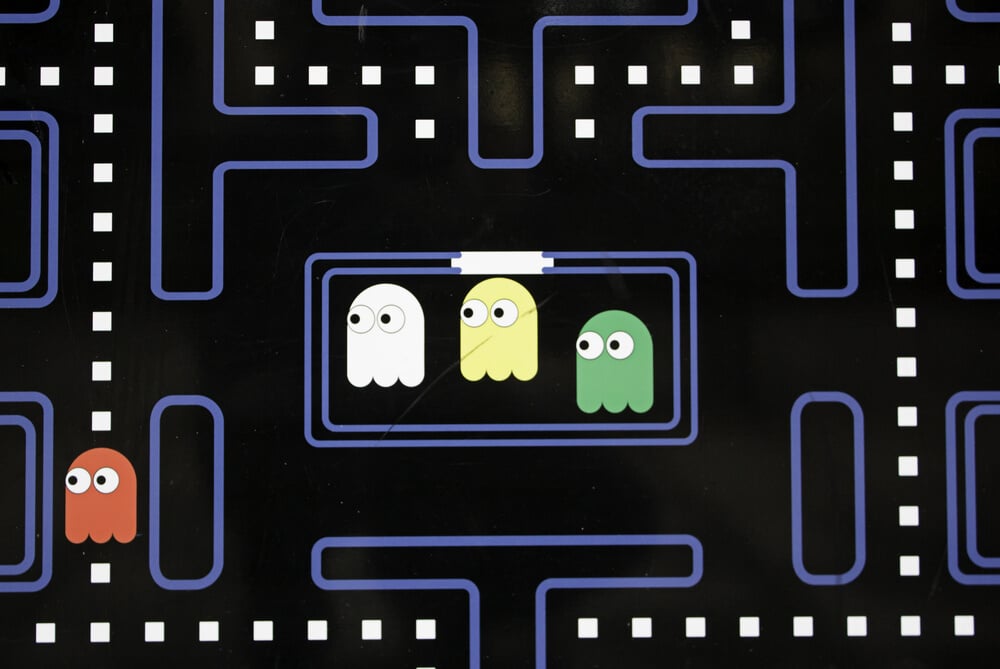
Namco released Pac-Man in Japan in May 1980, and the game reached American arcades later that year through Midway. The round yellow character, designed by Toru Iwatani, was easy to recognize and simple to stamp onto small objects.
Pac-Man keychains, tied to the early 1980s craze, are common in worn condition but harder to find in pristine form.
Bazooka Joe
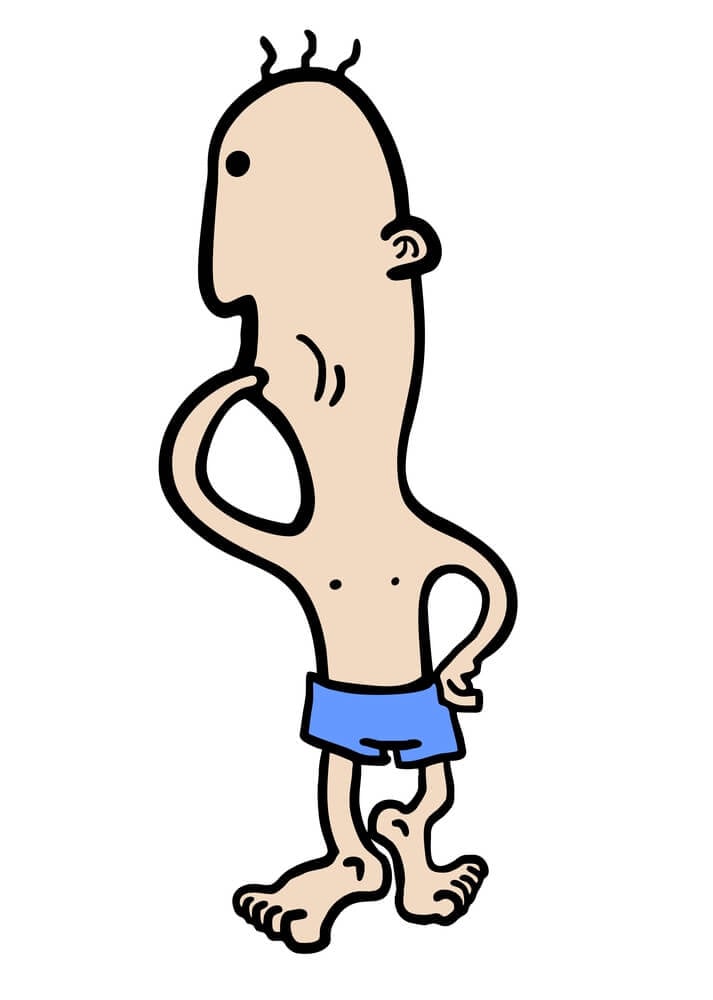
Topps launched Bazooka Joe in 1953, tucking a tiny comic strip starring an eye-patched kid into each wrapper of Bazooka bubble gum. The character’s patch and checkered shirt made him easy to spot, and the comic became a kid’s habit alongside the gum.
Collectors seek the premiums and mail-away items tied to the strip.
Speedy Alka-Seltzer
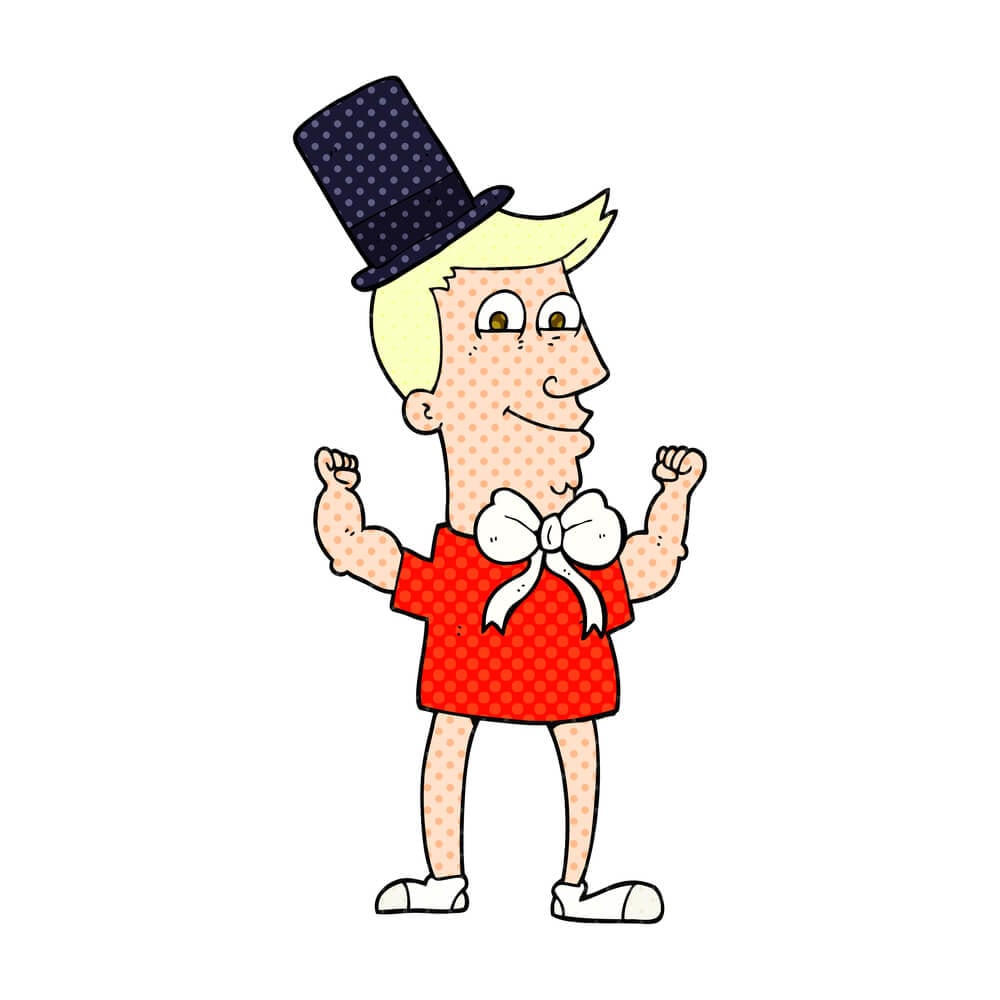
Speedy Alka-Seltzer debuted in 1951 in advertising for Miles Laboratories, with a body made of a fizzing tablet and a hat of the same material. The character turned an unglamorous remedy into a cheerful cartoon.
Because Speedy was tied to a drugstore product, many surviving pieces were handed out with a purchase, and the ones that survive tend to be small plastic items.
Miss Chiquita Banana
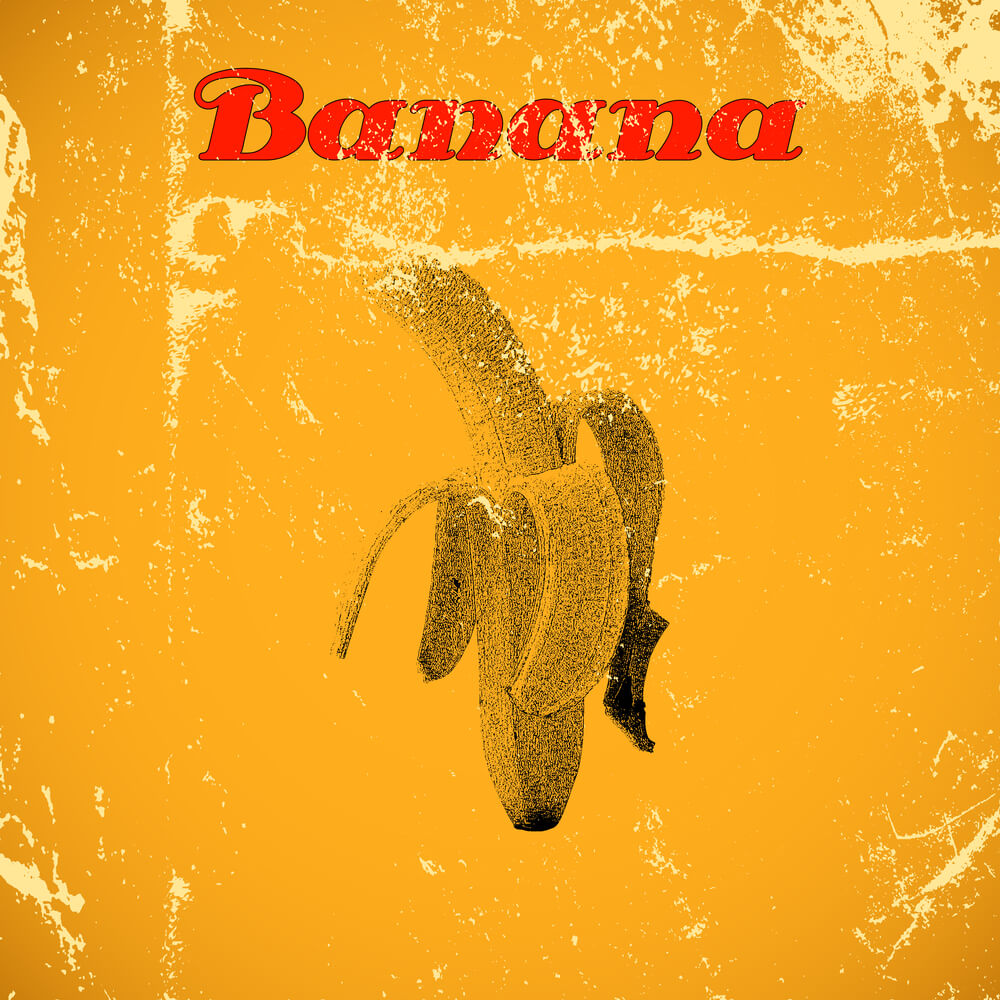
Miss Chiquita Banana arrived in 1944 as a singing banana woman in a jingle that taught Americans not to keep bananas in the refrigerator. The United Fruit Company used the character to sell its bananas on radio and in print.
Her tropical hat and bright colors made her an instant favorite, and she remains a symbol of 1940s advertising ingenuity.
When a Pocket Becomes a Billboard
Taken together, these keychains reveal how advertisers learned to turn everyday objects into brand ambassadors. A mascot only worked if it was simple enough to shrink, durable enough to survive years of pocket wear, and charming enough that an owner kept it long after the promotion ended.
The characters that lasted did so because their designs held up in miniature. That is also why condition remains the central measure for collectors.
A bright, unscratched piece with its original card or box tells a story of care, while a worn survivor tells a story of use. Both have a place on a shelf, but the first will almost always be the harder find.
More from Go2Tutors!

- 27 Silver Dollars and Half Dollars Worth Keeping
- 28 Restaurant Menu Items Nobody Orders Anymore
- 17 Places Built in Seemingly Impossible Spots
- 27 Vintage Rings Worth More Than They Look
- 25 Restricted Sites Tourists Can’t Enter
Like Go2Tutors’s content? Follow us on MSN.