17 American Water Towers Preserved in Historic Photos
Long before anyone worried about skyline views, American cities hid their plumbing inside Gothic turrets, Corinthian columns, and French Romanesque shafts. A standpipe tower was a practical device that steadied water pressure, but the people who built them often dressed the machinery in brick, limestone, and ornament.
Many of these structures survive because the Historic American Buildings Survey and the Historic American Engineering Record sent photographers to document them. The towers below range from famous city landmarks to quiet rural and military structures that exist, in part, because someone pointed a camera at them.
Chicago Water Tower
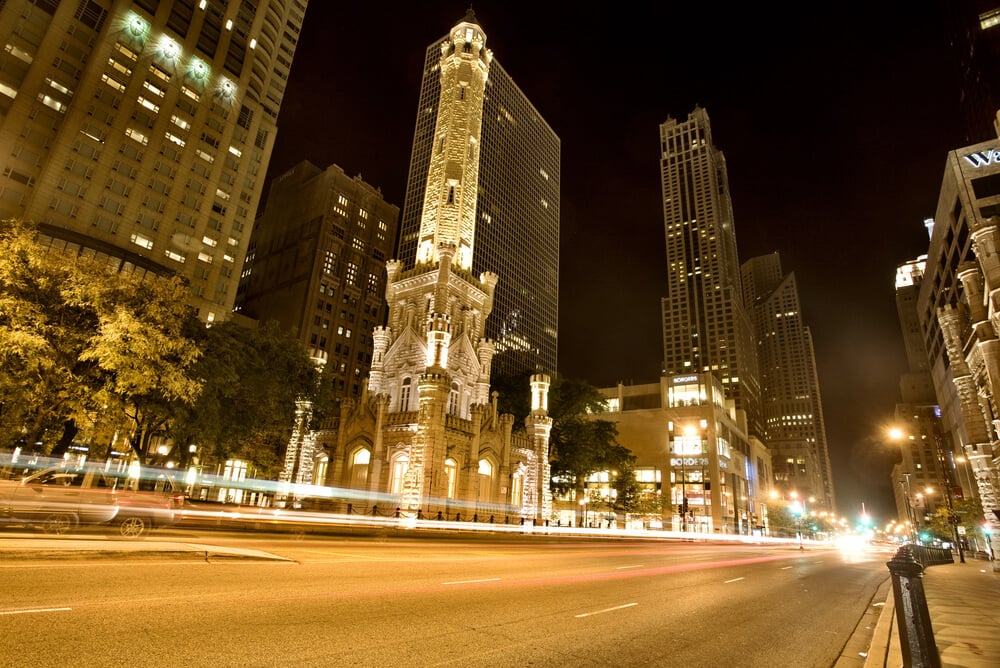
The Chicago Water Tower was built in 1869 and designed by architect William W. Boyington. It survived the Great Chicago Fire of 1871 and has since become a recognized symbol of the city.
The limestone tower covers a 138-foot standpipe and rises 154 feet, and the Historic American Buildings Survey has recorded it as one of the best-known water towers in the country.
Louisville Water Tower
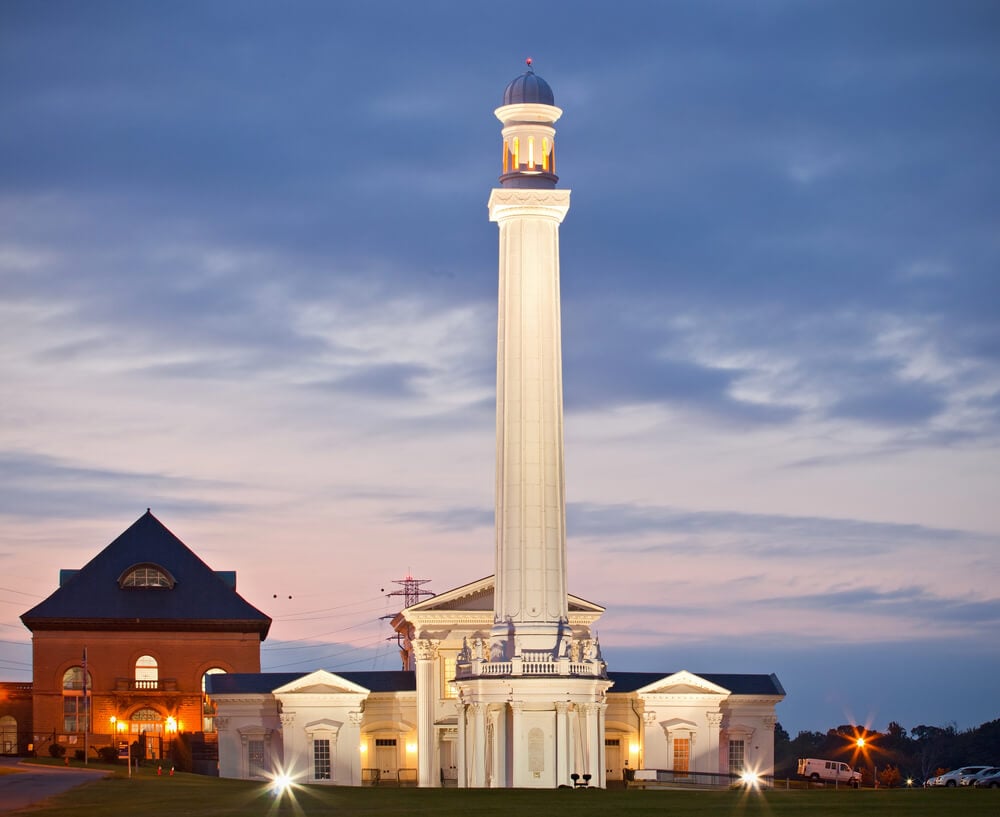
The Louisville Water Tower, near the riverfront east of downtown, is described as the oldest ornamental water tower in the world, built in 1860 before the more famous Chicago tower. It rose after outbreaks of waterborne disease and typhoid had given Louisville the nickname “graveyard of the west,” when polluted local water sickened residents.
A tornado destroyed the tower in 1890, and it was rebuilt, so the structure seen in historic photographs is a survivor of both disease and weather.
Grand Avenue Water Tower
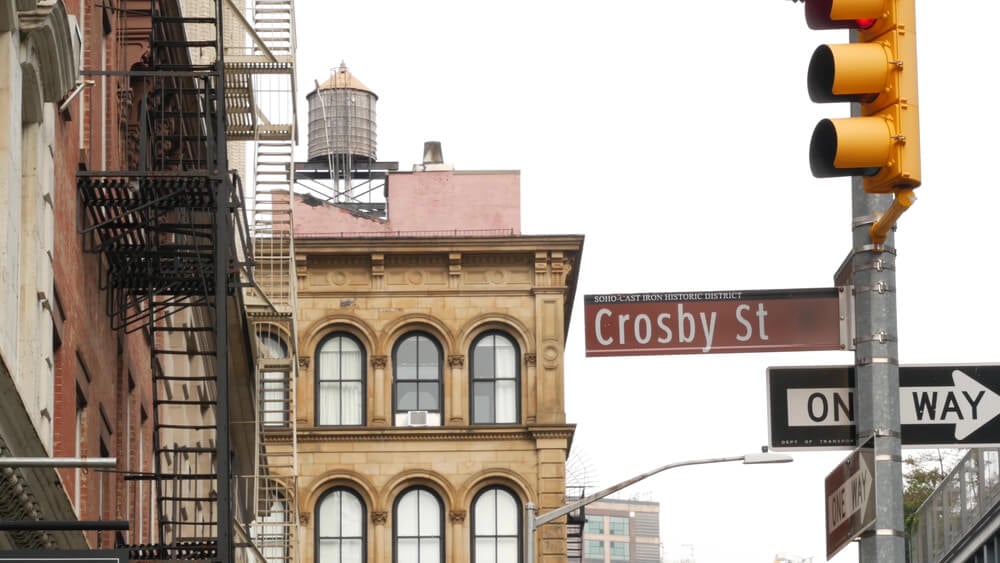
The Grand Avenue Water Tower in St. Louis was built in 1871 by architect George I. Barnett, and it is the oldest of the city’s three remaining standpipe towers. Its brick shaft was designed as a giant Corinthian column with a cast-iron capital, and it has been billed as the tallest free-standing Corinthian column in the world.
Known as Old White, it was retired in 1912, and photographer Jack E. Boucher documented it in 1986.
Bissell Street Water Tower
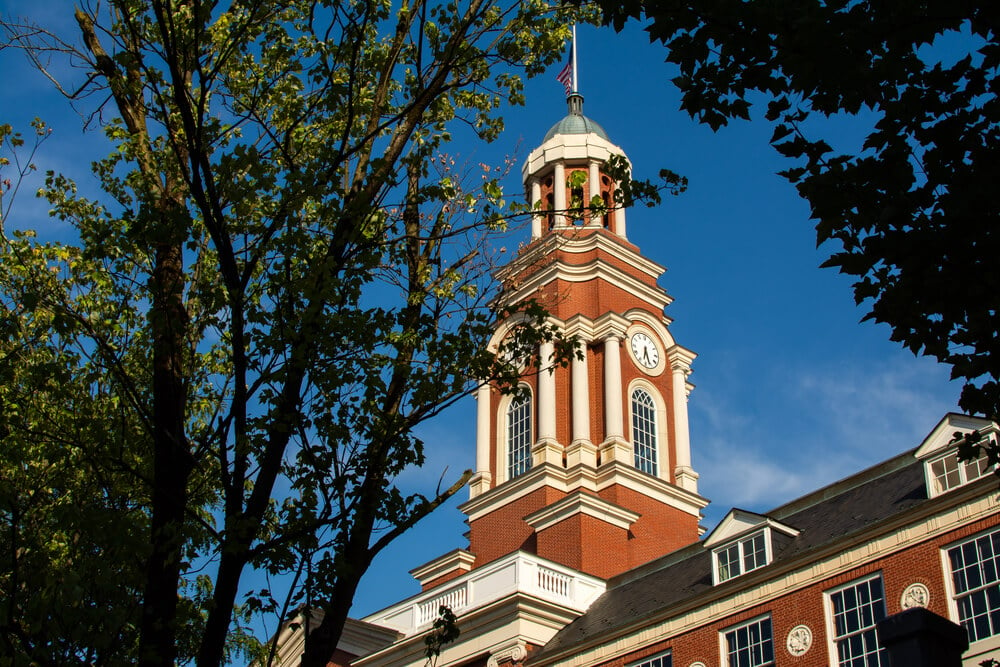
Completed in 1886, the Bissell Street Water Tower in St. Louis is the tallest of the city’s three remaining standpipes at 194 feet. Locals call it the Old Red tower, and it served until 1912 before being restored in the 1970s.
It stands near the Bissell Point plant, the city’s first water treatment facility, and it belongs to a group of just seven standpipe towers that survive nationwide.
Compton Hill Water Tower
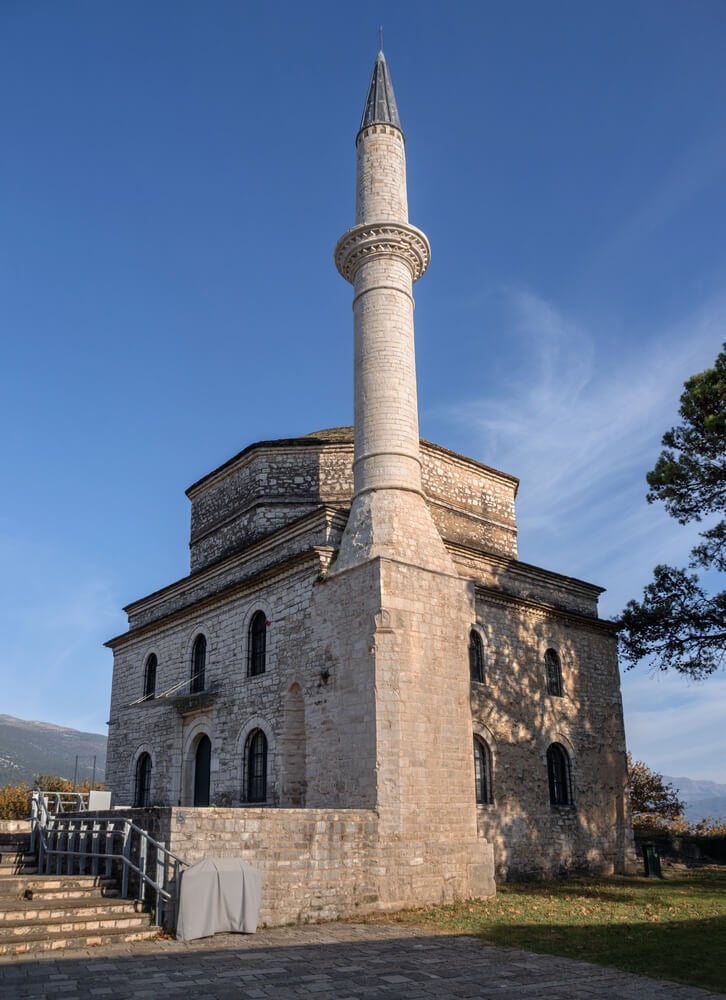
Architect Harvey Ellis designed the Compton Hill Water Tower in 1898 as a French Romanesque shaft of rusticated limestone, buff brick, and terra cotta, rising 179 feet. The ornamental tower was built at a cost of $48,000 to camouflage a 130-foot iron standpipe, which regulated pressure in the city’s system.
During the 1904 World’s Fair, as many as 5,000 people visited the tower, and it was retired in 1929 before a renovation finished in 1999.
North Point Water Tower, Milwaukee
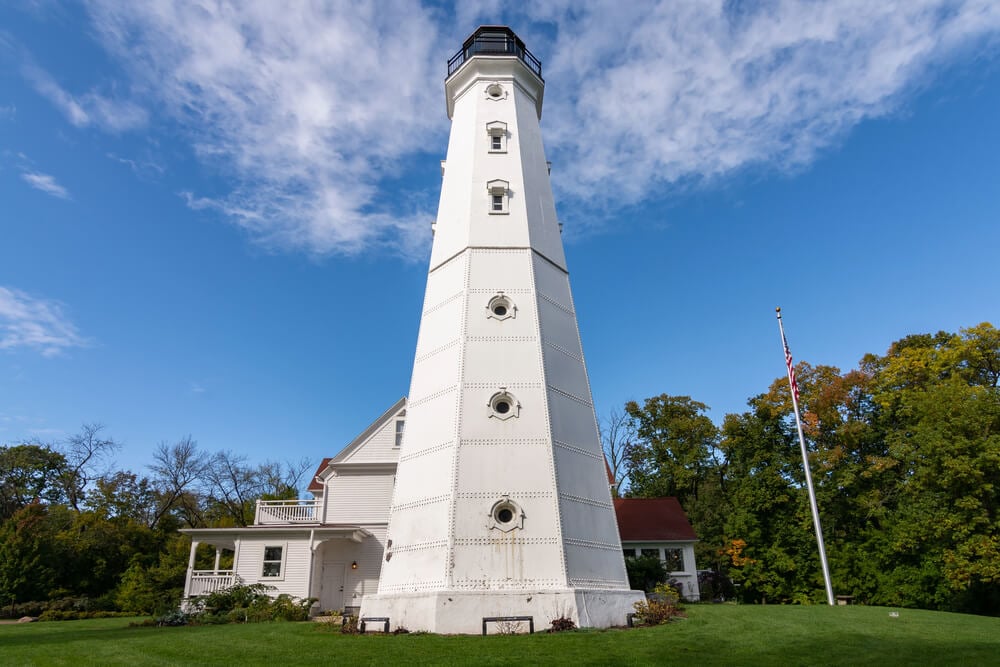
Charles A. Gombert designed Milwaukee’s North Point Water Tower in the Victorian Gothic style and built it in 1873 and 1874 at a cost of $50,892. The 175-foot tower is made of cream-colored limestone and houses a wrought-iron standpipe that relieved pressure from the city’s steam-powered pumps.
It stands four years younger than Chicago’s tower but 21 feet taller, and it was named a Milwaukee landmark in 1968.
Western Springs Water Tower
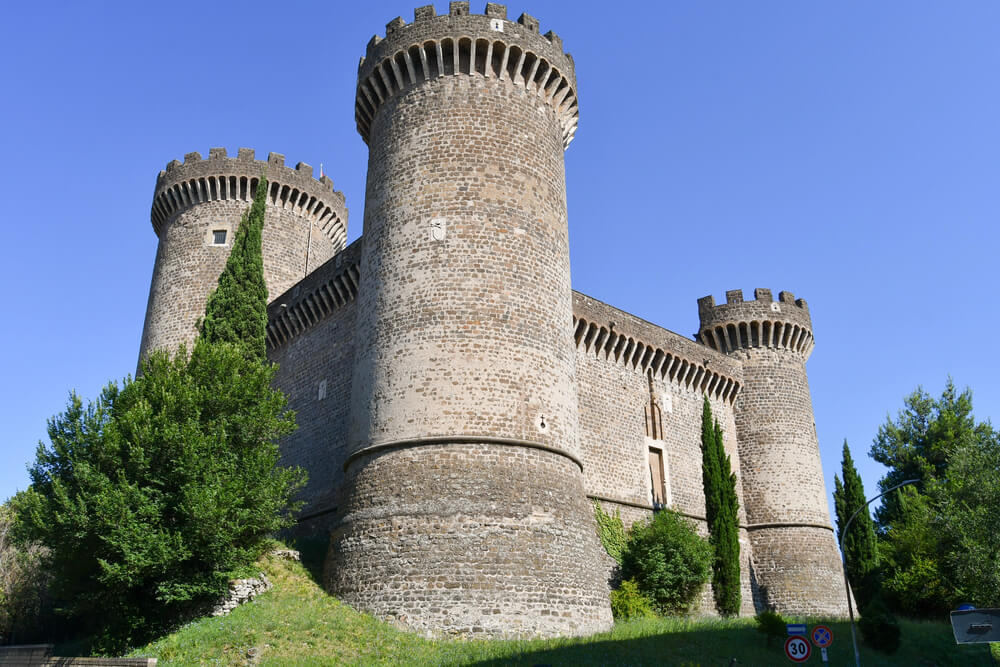
The Western Springs Water Tower in Illinois was built in 1892 on a triangular plot of land donated by Charles and Ruth Collins. Brothers Edgar and Benezette Williams designed the village’s water system, and the tower required 156 carloads of stone from the Chicago and Naperville Stone Company.
The entire water works project, including the sewer system, cost $79,119.10, and the tower became the village’s icon.
Thomas Hill Standpipe, Bangor
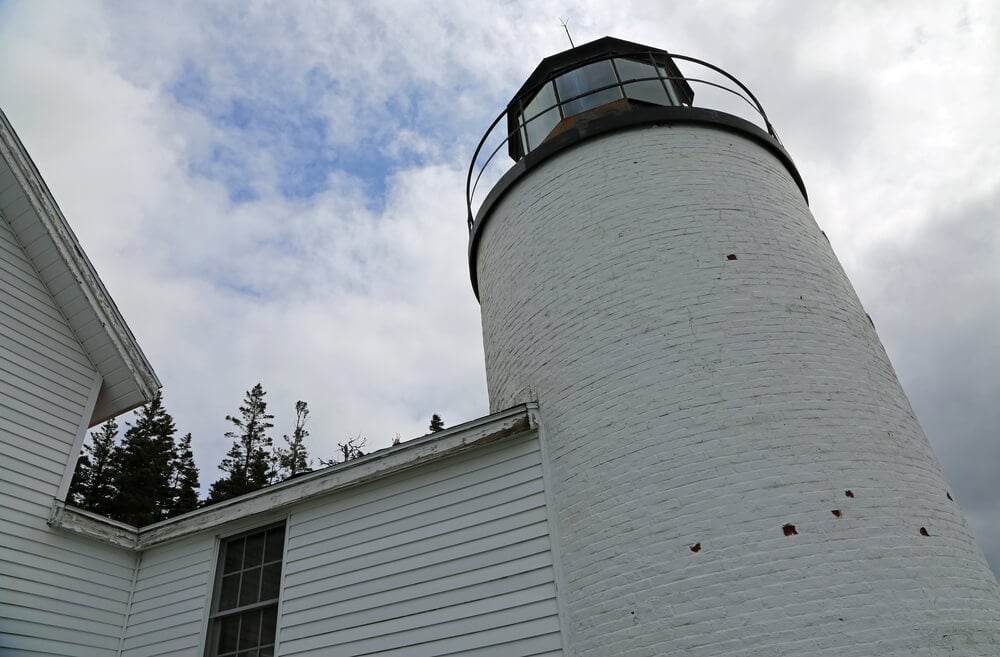
Bangor, Maine, built its Thomas Hill Standpipe in 1897 as a 50-foot standpipe, later enclosed in a wooden tower 110 feet tall. A historical table of early standpipes lists it as still in service, which makes it a working survivor among structures that mostly ended their careers a century ago.
Its wooden outer shell gives it a look very different from the masonry towers of the Midwest.
Rockford Water Tower, Wilmington
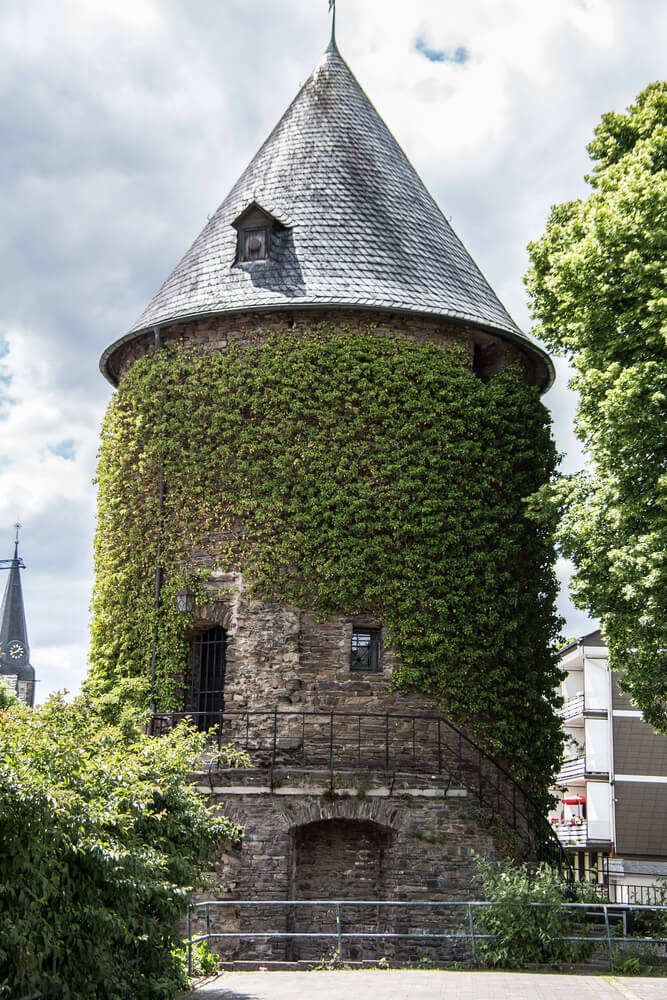
The Rockford Water Tower sits in Rockford Park in Wilmington, Delaware, and it was built with ironwork from the Edge Moor Iron Company. The Historic American Engineering Record documented the structure, and it is listed on the National Register of Historic Places.
Its setting in a city park gives it a different character from the tall industrial towers found in downtown districts.
Townsend Water Tower, Delaware
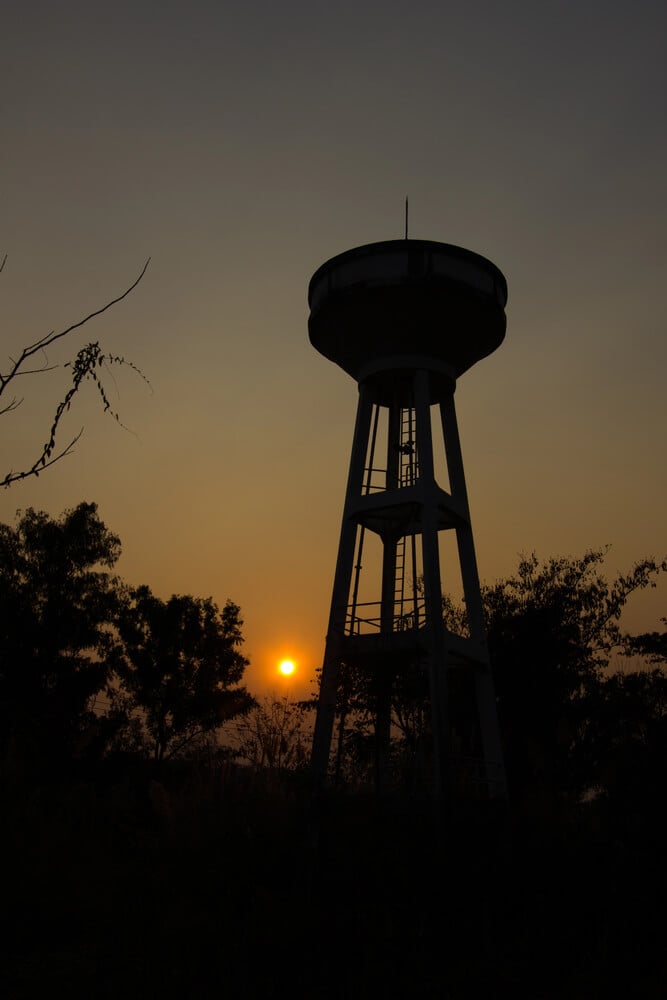
The Townsend Water Tower on Lattomus Avenue in Townsend, Delaware, is documented under Historic American Engineering Record survey number HAER DE-24 with five photographs and six data pages. It, along with an associated building, counts as a contributing structure to the Townsend National Register Historic District.
The tower shows how a small town’s utilities could become part of its protected historic fabric.
John B. Lindale Farm Water Tower, Magnolia
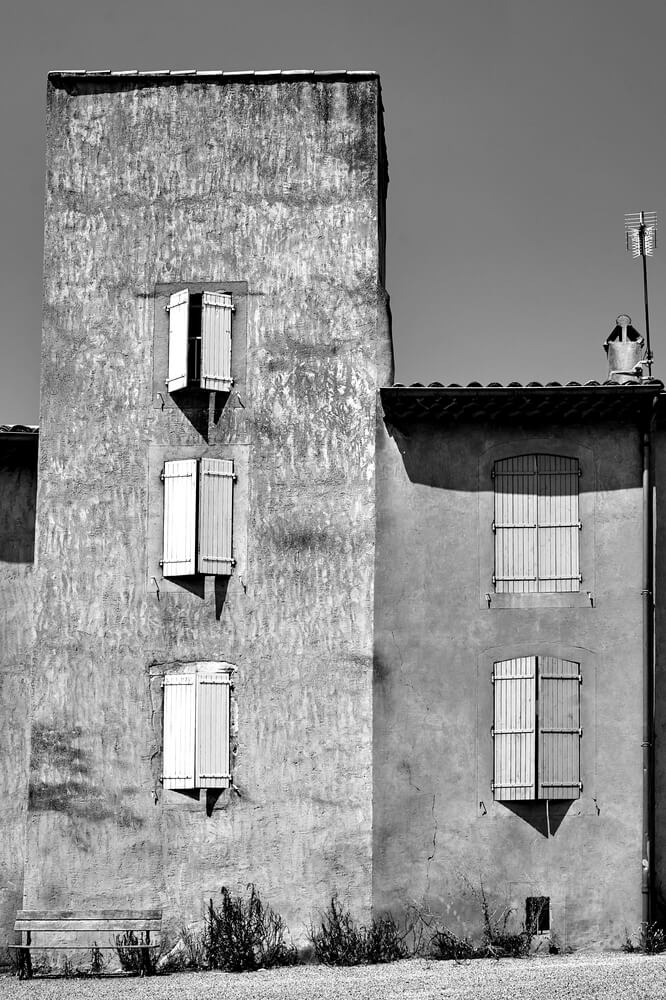
The water tower at the John B. Lindale Farm stands at 24 South Main Street in Magnolia, Delaware. It was documented by the Historic American Buildings Survey as a part of the farm complex.
The listing is a reminder that water towers were not only civic structures but also tools of rural farm life.
Rabideau Civilian Conservation Corps Camp Water Tower
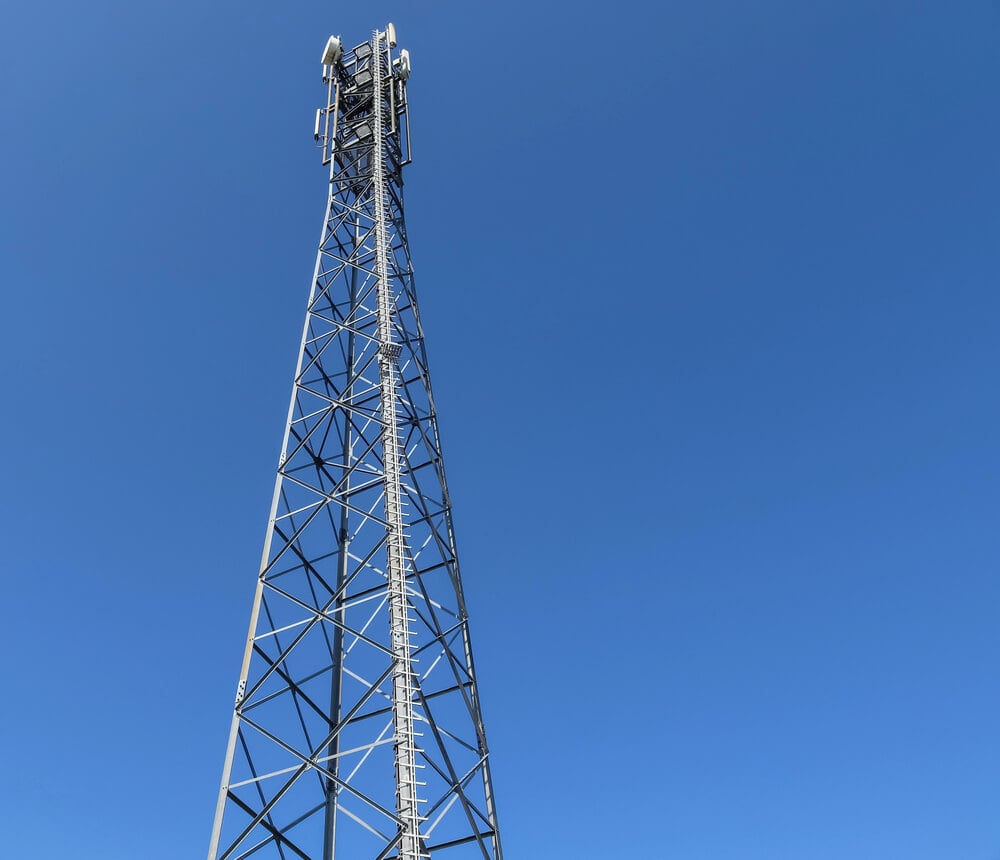
The water tower at the Rabideau Civilian Conservation Corps Camp near Blackduck, Minnesota, is recorded as Building No. 15-A in survey HABS MN-147-N. The camp was later used by the University of Illinois as a summer field school from 1946 to 1972.
Its survey places a small, utilitarian tower among the barracks and work buildings of a Depression-era relief camp.
Southern Pacific Depot Water Tower, San Jose
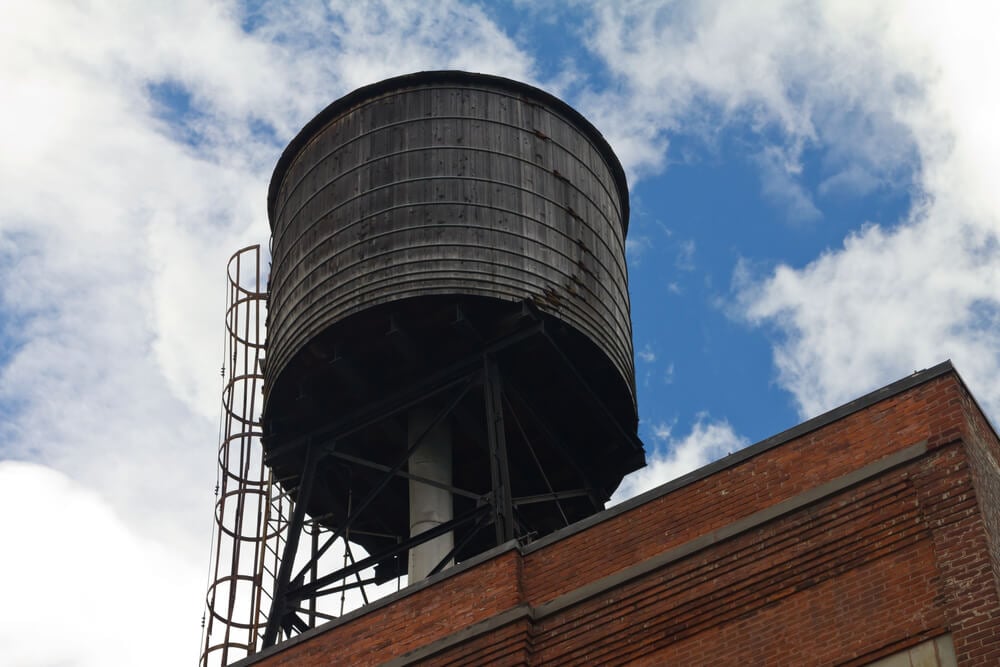
The water tower at the Southern Pacific Depot at 65 Cahill Street in San Jose, California, dates to 1935 and is also known as the Diridon Station water tower. The Historic American Engineering Record documented it with 13 photographs and 19 data pages, an unusually thorough record for a single tower.
Railroad water towers once stood along steam-era routes, and this one is a rare survivor of that infrastructure.
County Road 2750 East Water Tower, DePue
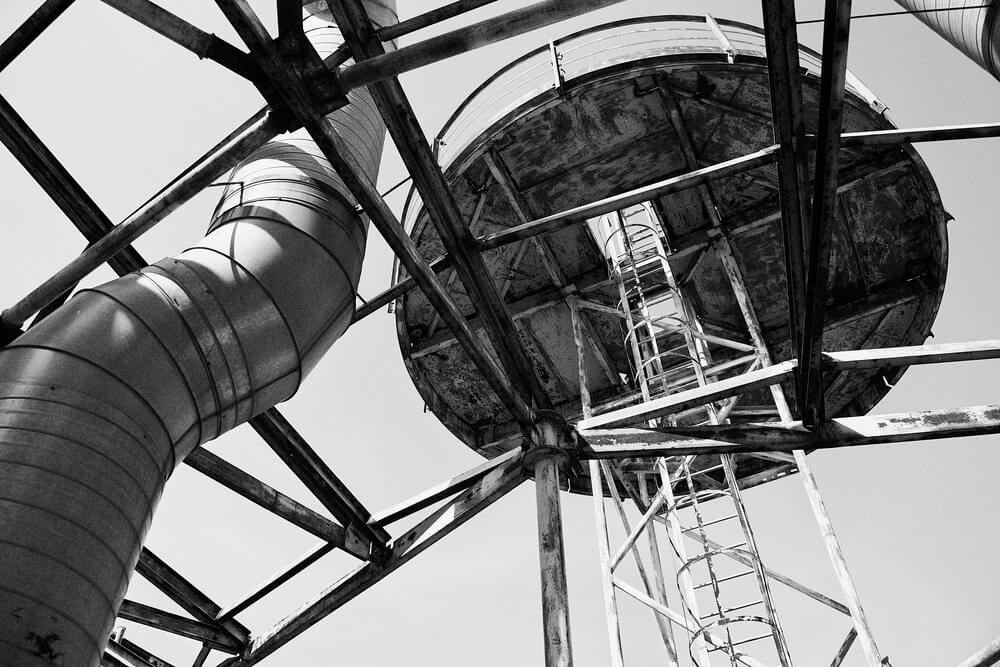
A water tower on County Road 2750 East in DePue, Illinois, was built by the Chicago Bridge & Iron Company and recorded by the Historic American Engineering Record. Photographer Dirk Matthews documented the structure for the survey.
Chicago Bridge & Iron was a prolific builder of steel tanks and towers, so the tower is a representative example of an industrial design.
Ohio River Lock and Dam 53 Water Tower
The water tower at Ohio River Lock and Dam 53, in Olmsted, Illinois, was recorded by the Historic American Engineering Record. The photographer was Travis N. Fulk, and the U.S. Army Corps of Engineers was the responsible agency.
It reminds viewers that river infrastructure came with its own support structures, including towers to supply water to crews and equipment.
Lawson Water Tower, Scituate
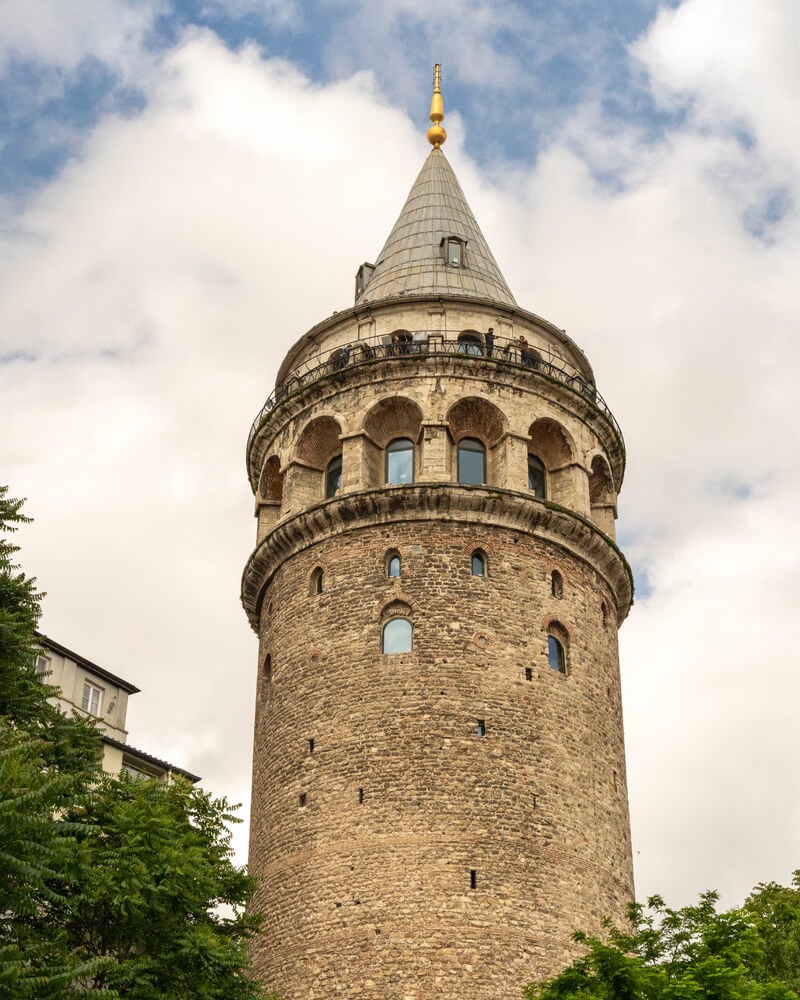
The Lawson Water Tower on First Parish Road in Scituate, Massachusetts, is named for financier Thomas Lawson. Photographer Jack E. Boucher recorded the structure for the Historic American Buildings Survey, and the survey includes two pages of photo captions.
The tower shows that private estates sometimes built their own landmark towers as well.
The Wooden Tanks of New York
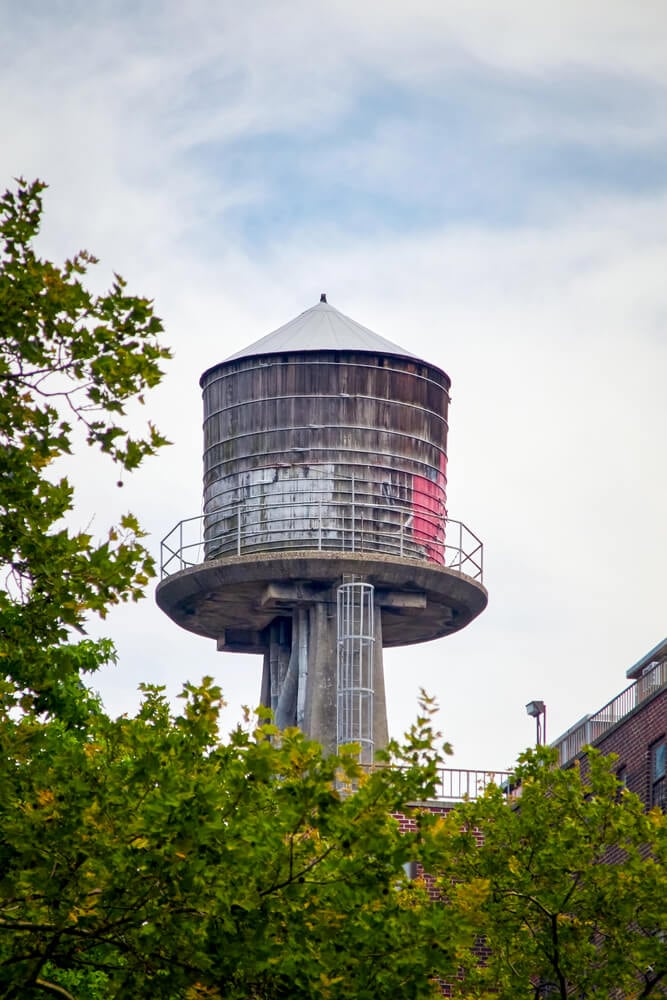
New York’s rooftop wooden water tanks are the everyday descendants of the great standpipe towers. City water pressure climbs only about six stories by itself, so taller buildings rely on gravity from cedar or redwood barrels on the roof to push water down.
The Rosenwach Tank Company traces its roots to barrel maker William Dalton, who began on the Lower East Side in 1866, and Isseks Brothers opened in 1890.
Ornament as Infrastructure

These towers show a moment when engineers and architects believed even a pressure-regulating pipe deserved a handsome shell. The ornate examples of St. Louis, Milwaukee, and Chicago tell of civic pride, while the humble towers of Delaware, Minnesota, and California show how utilities spread into farms, camps, and railyards.
The photographs matter because they capture details that weather, demolition, and neglect can erase. Preservation of the survivors depends on the same civic attention that built them. Restoration campaigns have returned several of the grandest standpipes to public view, while the quieter towers often rely on a survey and a few photographs to keep their memory alive.
Either way, a camera has become part of the structure’s long life.
More from Go2Tutors!

- 27 Silver Dollars and Half Dollars Worth Keeping
- 28 Restaurant Menu Items Nobody Orders Anymore
- 17 Places Built in Seemingly Impossible Spots
- 27 Vintage Rings Worth More Than They Look
- 25 Restricted Sites Tourists Can’t Enter
Like Go2Tutors’s content? Follow us on MSN.