27 Old Halloween Customs That Seem Strange Now
Halloween once asked a lot more of people than a costume and a porch light. Girls peeled apples in one long strip to learn a husband’s initial, boys hauled farm gates into the river, and entire families sat in silence over a meal laid for the dead.
Most of these customs have faded or changed considerably, and a few survive in revived traditions and regional folklore in Scotland, Ireland and rural America. Read together, they show a holiday that was about more than scares: it also involved fortune, mischief and the thin line between neighbors and strangers.
Souling for Soul Cakes
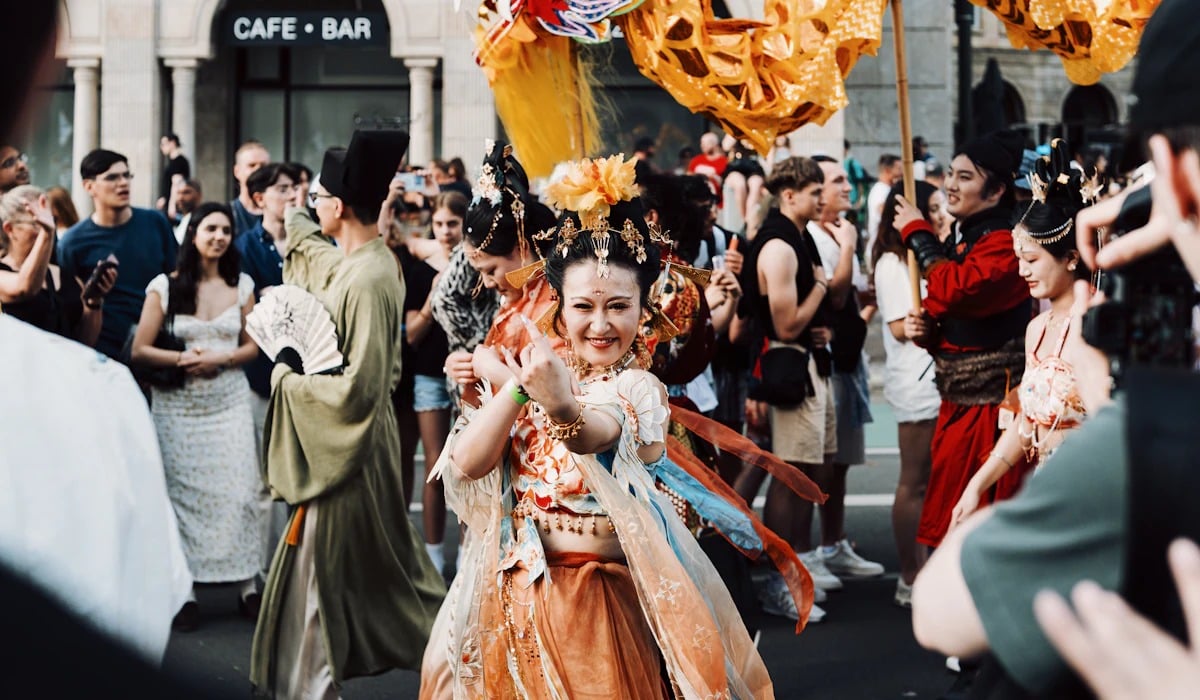
In parts of England, the poor went door to door on All Souls’ Day and the evening before it, singing for small spiced cakes and promising to pray for the household’s dead in exchange. The custom was associated with areas including Cheshire and Shropshire, where souling songs sometimes opened with a plea for an apple or two and settled for pears if apples ran short.
A soul cake was marked with a cross and often baked with currants and nutmeg. In some traditions, each cake eaten was believed to release a soul from purgatory, which made the transaction a serious one for both giver and taker.
The practice continued in some communities into the early 20th century, although its popularity varied by region.
Guising With a Mandatory Performance
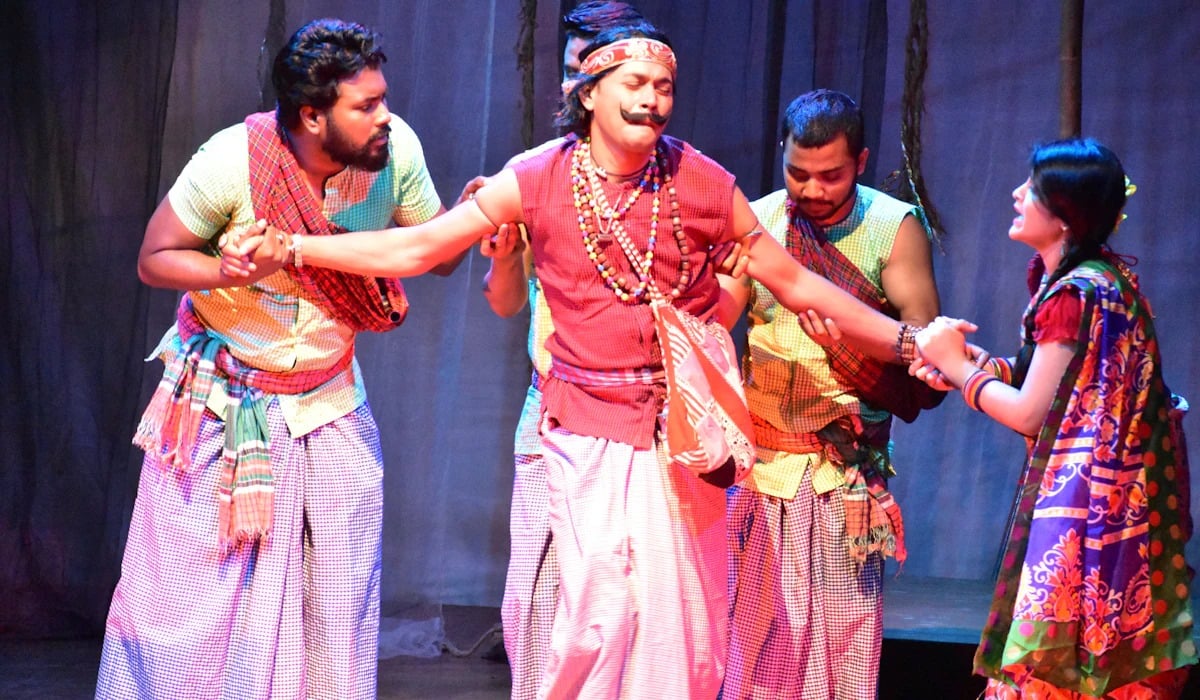
Scottish children did not simply knock and hold out a bag. They went guising, which meant arriving in disguise and earning their reward with a song, a poem, a joke or a trick before anything was handed over.
Disguises were part of the tradition, although beliefs about hiding one’s identity from spirits were not universal explanations for the practice. Rewards could include nuts, apples or coins rather than wrapped candy.
Guising was recorded in Scotland in the 19th century and was among the traditions that influenced Halloween customs in North America. In Scotland, the tradition of performing for treats remains associated with guising, although practices differ among households and communities.
Lanterns Carved From Turnips
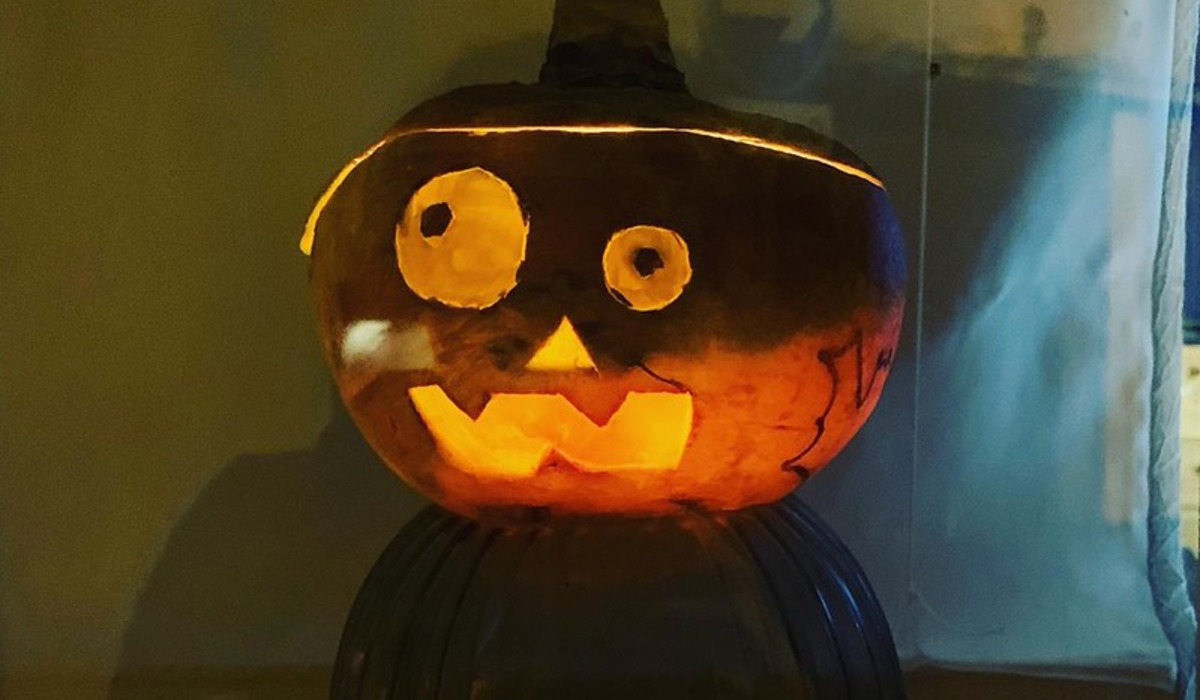
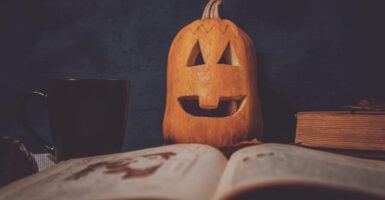
Before pumpkins took over, people in Scotland and Ireland hollowed out turnips and mangel-wurzels, cut a face into the skin and set a candle inside. The scraped flesh was hard and the work was slow, which is why old turnip lanterns look pinched and furious rather than cheerful.
Known in Scotland as neep lanterns, they were carried by guisers or set on windowsills and gateposts as part of Halloween traditions associated with spirits and the supernatural. Irish immigrants found the North American pumpkin easier to carve, and the turnip version became less familiar in North America.
Historic turnip lanterns survive in museum collections, including at the National Museum of Ireland.
Midnight Mirrors and a Lone Candle
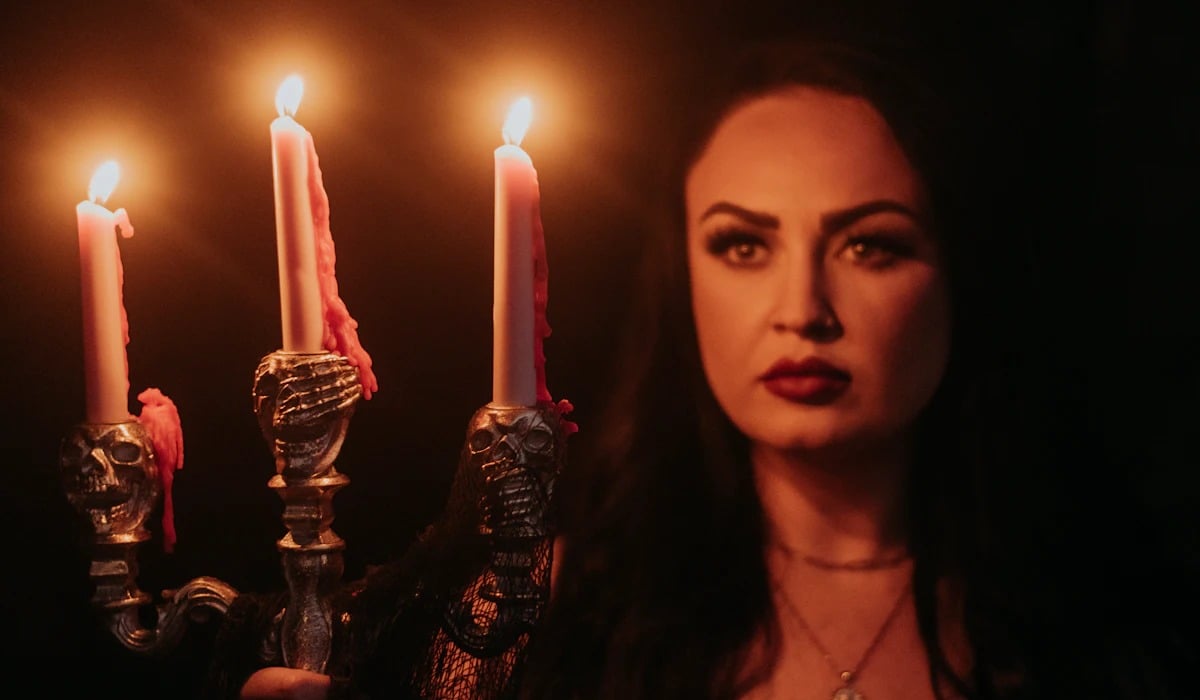
A young woman hoping to see her future husband would take a candle into a dark room at midnight on Halloween, stand before a mirror and eat an apple or comb her hair while watching the glass. The face of the man she would marry was supposed to appear over her shoulder.
Some versions of the superstition warned that seeing a skull instead foretold death before marriage. Postcard publishers of the early 1900s popularized images of the ritual, usually with a smiling suitor in the reflection.
The ritual appears in accounts of traditional Halloween divination, including Robert Burns’s 1785 poem Halloween, which describes several attempts to glimpse the future. Similar mirror rituals also appeared in early 20th-century descriptions of Halloween parties.
Apple Peels Thrown Over the Shoulder
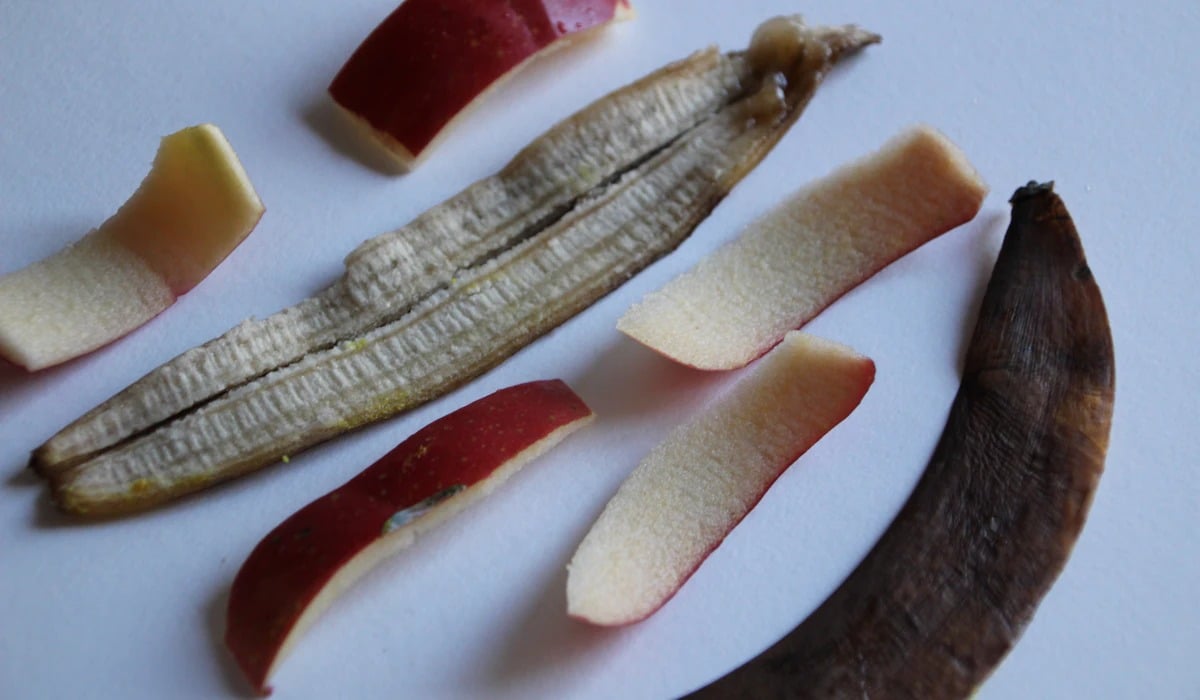
The apple peel test required one unbroken strip of skin, pared carefully from an entire apple with a sharp knife. The peeler then threw the strip over the left shoulder and read whatever letter it formed on the floor as the initial of a future spouse.
The result was interpreted as a playful omen rather than a reliable prediction. Ruth Edna Kelley’s The Book of Hallowe’en, published in 1919, lists the custom among the apple charms practiced in Scotland and known in New England.
The test was popular in folklore accounts because it was cheap, quick and easy to repeat until the peel finally produced an initial the thrower liked.
Nuts Burning Side by Side on the Hearth
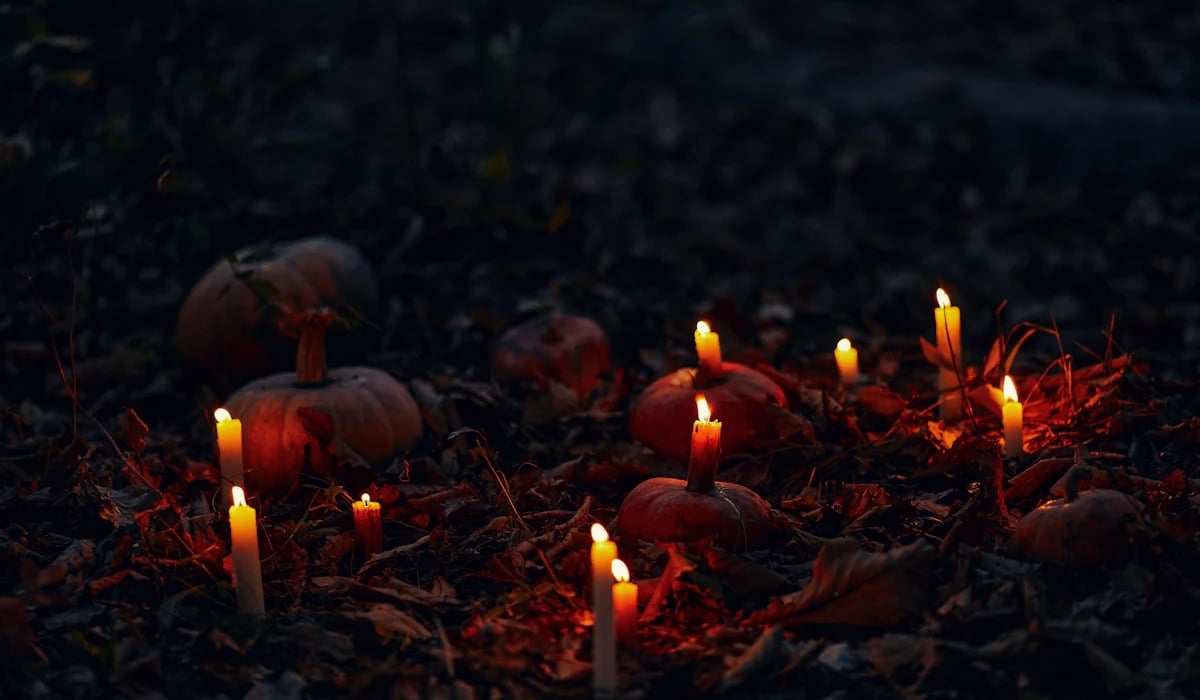
Across northern England and Scotland, Halloween went by the name Nutcrack Night in some districts, and the hearth was the center of the evening. Couples placed two nuts, usually hazelnuts or chestnuts, together on the grate and watched how they burned.
Nuts that glowed quietly together meant a steady marriage, while a nut that cracked and jumped away foretold a quarrel or a fickle partner. Burns described nut-based divination in 1785, and similar practices appeared in later accounts of Halloween folklore.
Many families reportedly named each nut aloud before setting it down.
Pulling Kale Stalks Blindfolded
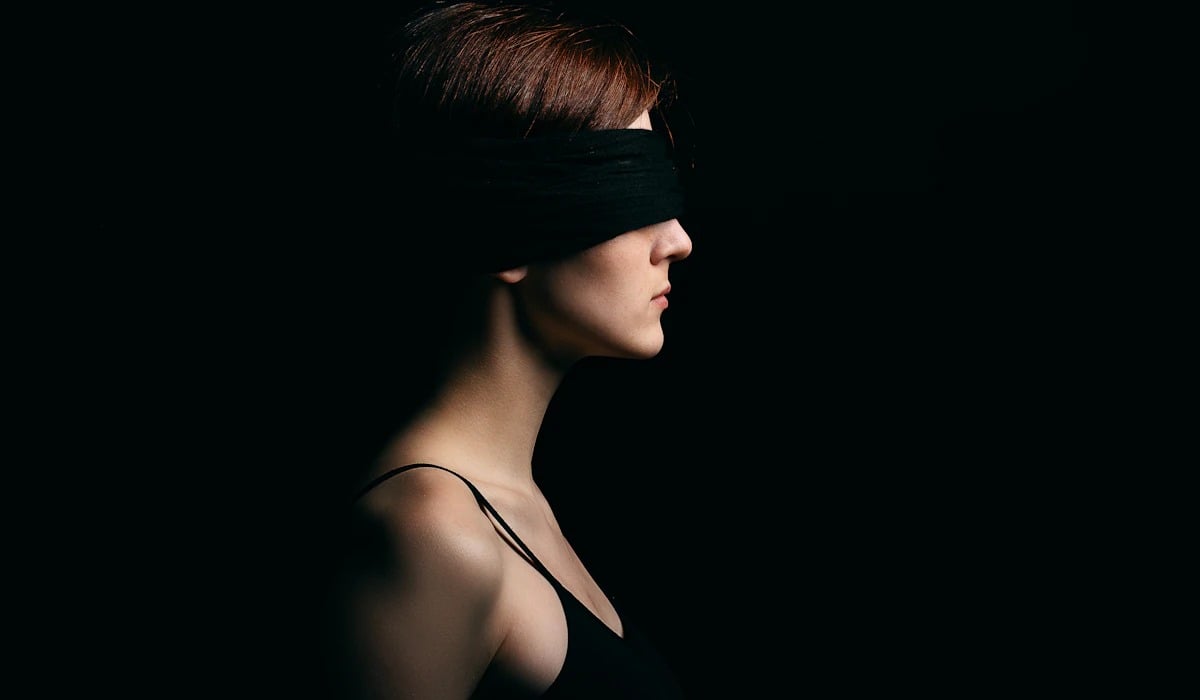
Burns opened his Halloween poem with young people sneaking out to a kale yard, closing their eyes and pulling the first stalk their hands found. The stalk was then read like a profile of a future partner.
A tall, straight stalk meant a tall spouse, a crooked one a bent or sickly match, and a lump of soil clinging to the root meant money would come with the marriage. The taste of the heart, sweet or bitter, revealed temperament.
The stalks were hung over the door, and the first person to walk under each one was sometimes associated with the identity of a future match. Versions of this divination custom were recorded in Scottish folklore, with related traditions found elsewhere in the British Isles.
Three Dishes and a Blindfold
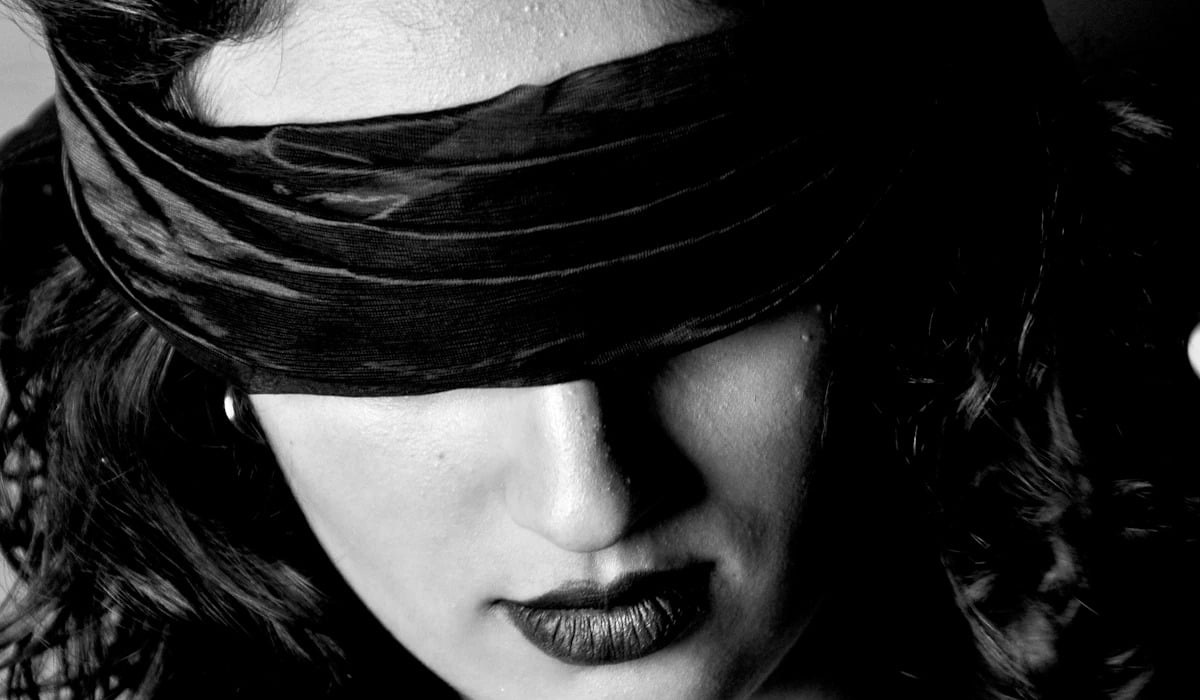
Scottish households were said in some folklore accounts to set out three dishes on the hearth, one holding clean water, one holding dirty water and one left empty. A blindfolded person dipped a hand into one of them and learned their marital fate.
Clean water meant marriage to a maiden or bachelor, dirty water meant marriage to a widow or widower, and the empty dish meant no marriage at all. The dishes were shuffled after each dip and each player was allowed three tries.
Burns described a related three-dish divination ritual in 1785, and similar customs appear in later Scottish and English folklore collections.
Cabbage Night in New England
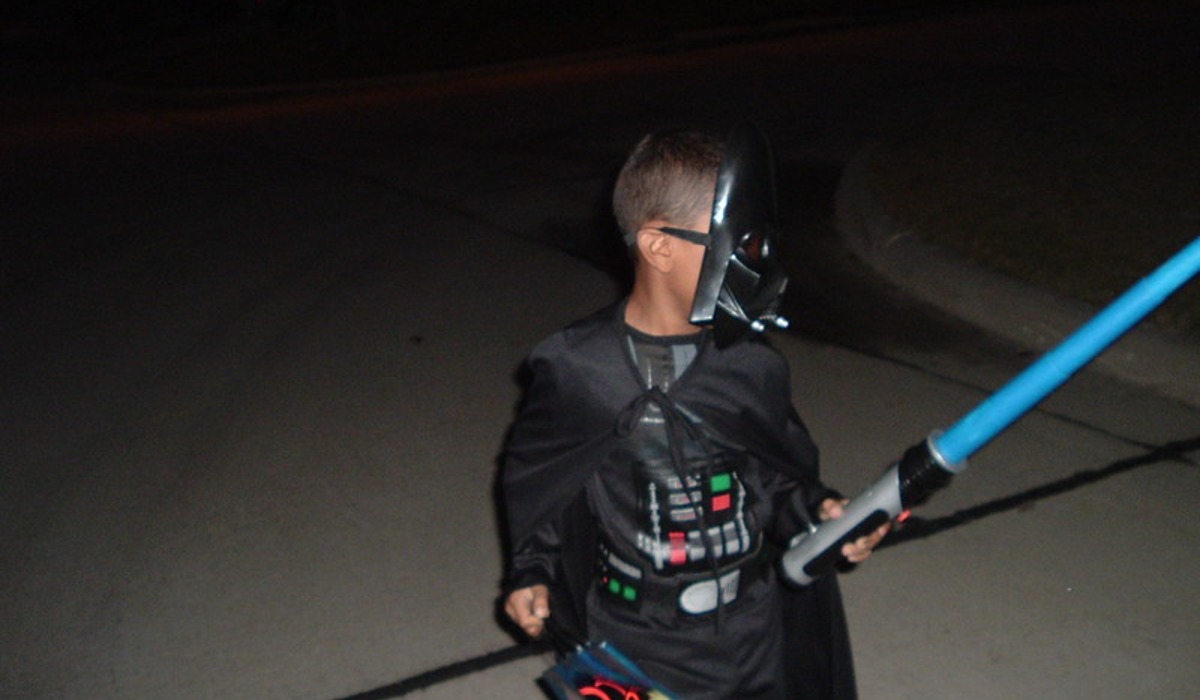
Across Vermont, parts of New York and northern New Jersey, the night before Halloween was Cabbage Night, and it was not about eating cabbage. Children and teenagers sometimes took cabbages and other produce from gardens and threw them at doors, porches and windows after dark.
Newspapers in the 1890s were already complaining about Halloween-related vandalism. The name is sometimes linked to Scottish kale-pulling traditions, but its exact origin is uncertain.
In some New Jersey towns, the same night is still called Cabbage Night or Goosey Night, though pranks vary and may involve items other than produce.
Outhouse Tipping on Mischief Night

Rural America before indoor plumbing had one notorious Halloween prank: tipping over an outhouse, sometimes with someone still inside. Groups of boys roamed farm country after dark looking for privies, wagons and anything else that could be moved or knocked flat.
Stories from rural communities describe property owners guarding their outbuildings or moving objects to discourage pranksters. The damage was serious enough that some towns organized parades and parties in the early 20th century to channel Halloween mischief into supervised activities.
The custom became less common as indoor plumbing spread, although stories about it remain part of local histories across the Midwest.
Soaping Every Window on Main Street
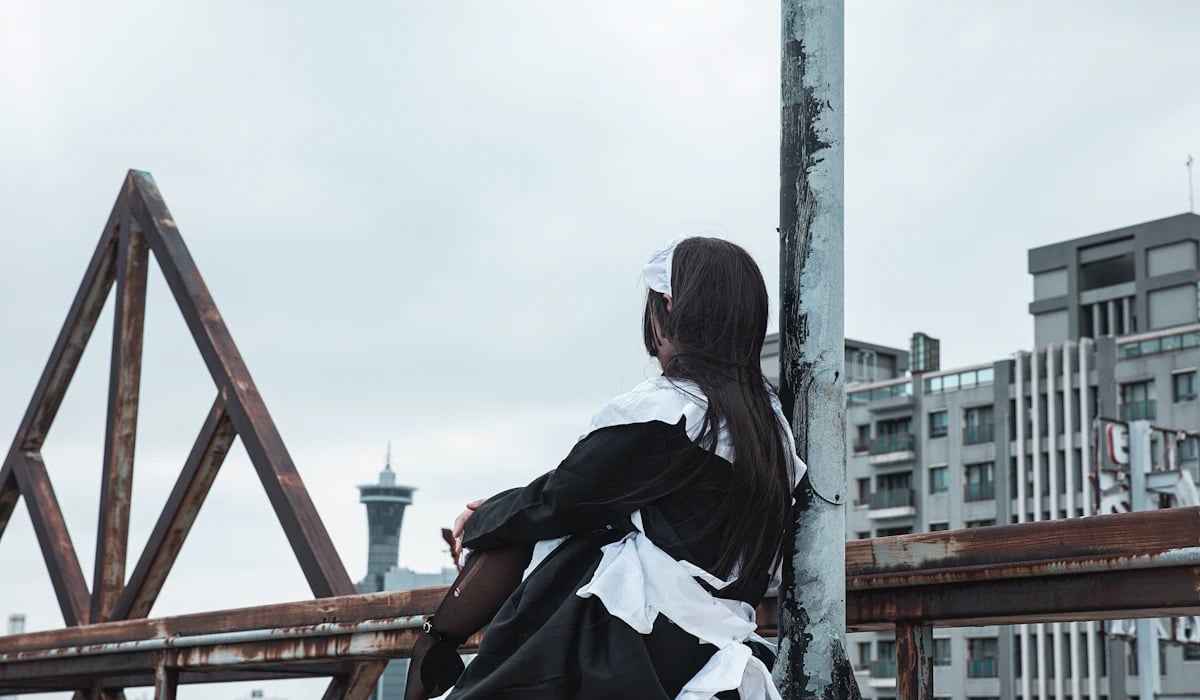
For decades, one familiar American Halloween prank involved a bar of soap rubbed across shop windows, car windshields and house glass. Soap was cheap, left a stubborn film and could take considerable effort to remove.
Storekeepers in the 1920s and 1930s sometimes hired boys to guard their windows overnight, while others simply left the lights on and sat inside. Some newspapers advised merchants to soap their own windows first, hoping to discourage pranksters from targeting them.
The practice continued in some places into the mid-20th century, alongside other forms of Halloween vandalism.
Tick-Tacks on the Windowpane
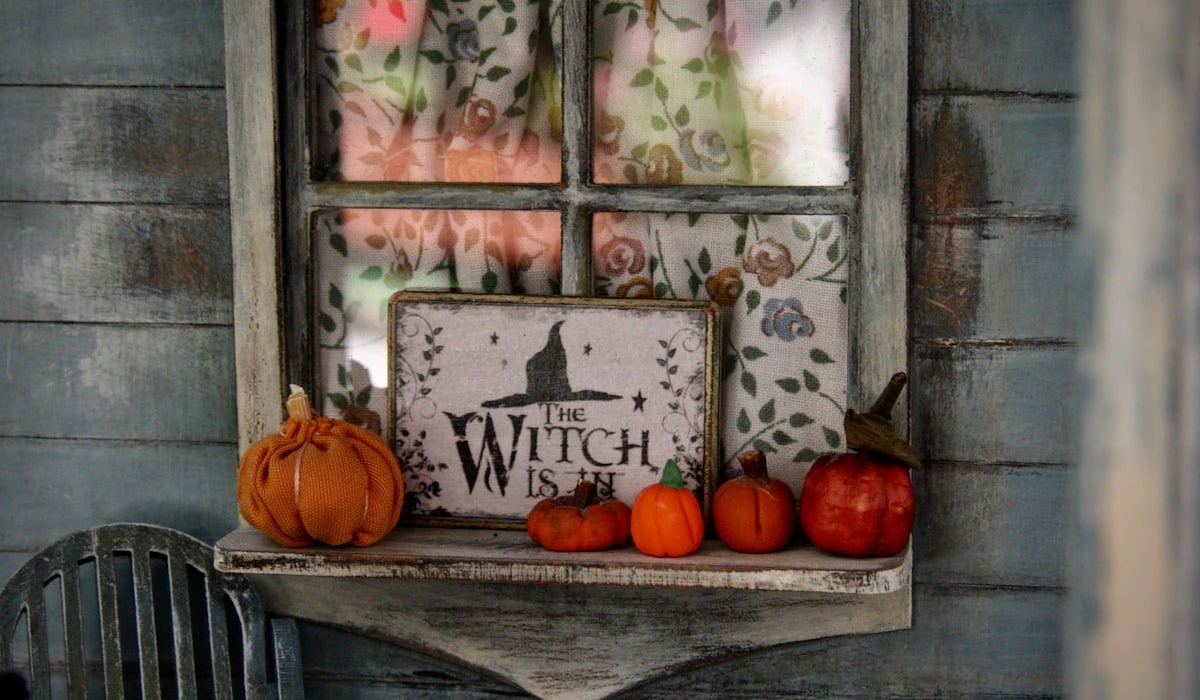
A tick-tack was a homemade noisemaker built from an empty thread spool, a nail and a length of string. Notches were cut into the spool rims, the nail served as an axle, and the string was wound tight.
Pressed against a window and yanked, the spool rattled against the glass with a noise that sounded like someone trying to break in. Boys in the 1890s and early 1900s sometimes used tick-tacks to frighten households before running away.
Historical newspaper accounts and descriptions of traditional pranks mention such noisemakers, although their designs could vary.
Gates Lifted Off Their Hinges
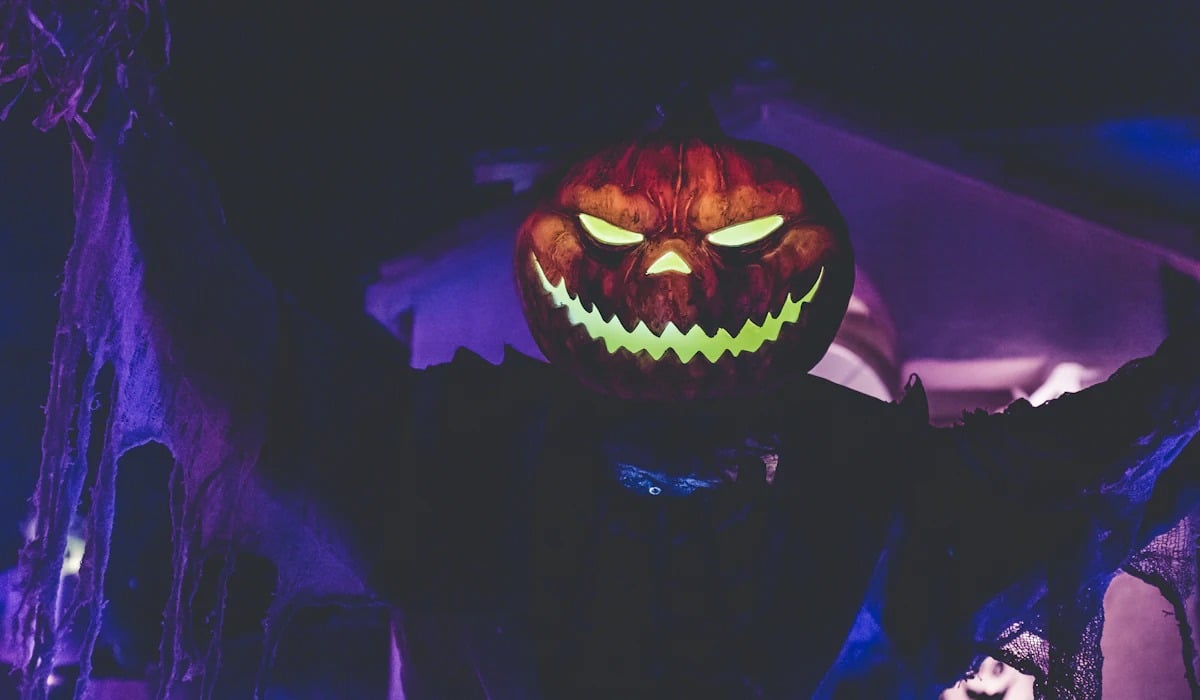
Gate Night was the name for the night before Halloween in parts of the Midwest and Canada, and the gates were the point. Farm gates were unhooked and hidden in haystacks, hauled to the schoolhouse roof or dumped in the nearest creek.
The next morning, farmers spent hours finding their fences and retrieving livestock that had wandered out overnight. In Anoka, Minnesota, Halloween vandalism and other pranks were among the problems associated with the holiday before the town organized a civic celebration in 1920.
The custom was common enough in some farming communities that residents reportedly removed or secured gates ahead of Halloween.
Dumb Supper for the Dead
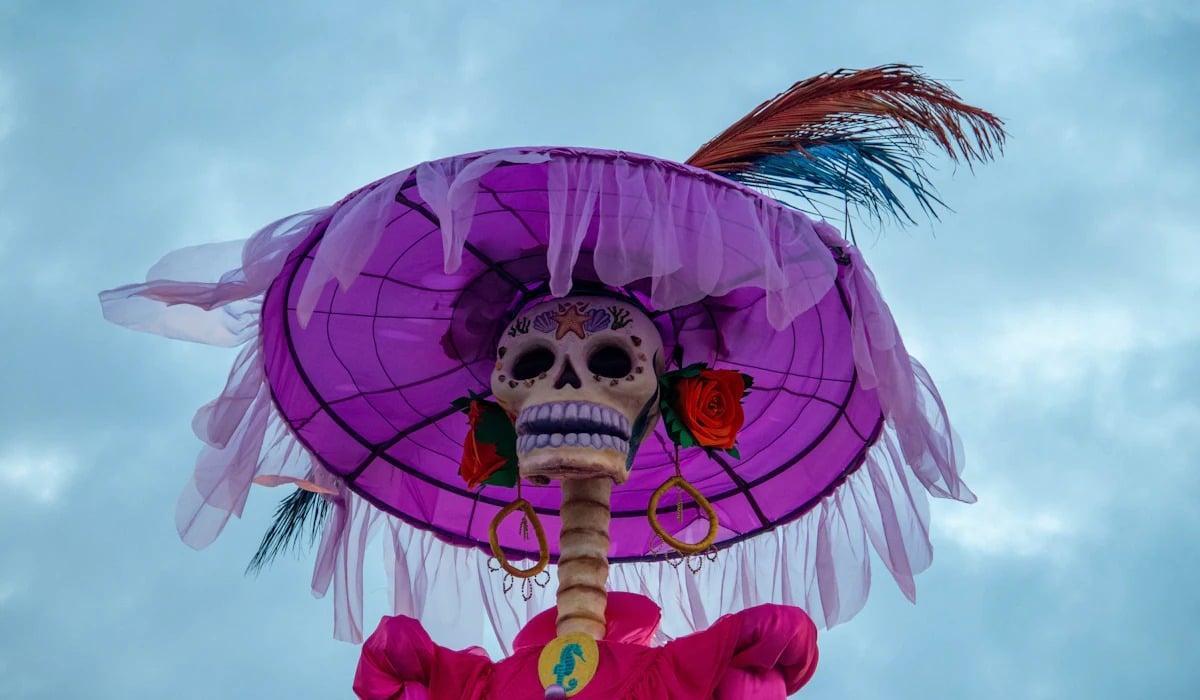
The dumb supper was a Halloween meal eaten in complete silence, with an empty place set for a spirit or for a future husband. In some accounts from Appalachia and the Ozarks, young women prepared the meal backward, walking in reverse and setting the table from the wrong side, then waited at midnight for an apparition to take the empty chair.
Any word spoken broke the spell. Folklore collections describe silent meals and attempts to glimpse a future spouse, but details vary among accounts and locations.
The custom has been linked to traditions from Britain and Ireland, although the history of each regional version is difficult to establish precisely.
Colcannon With Charms Buried Inside
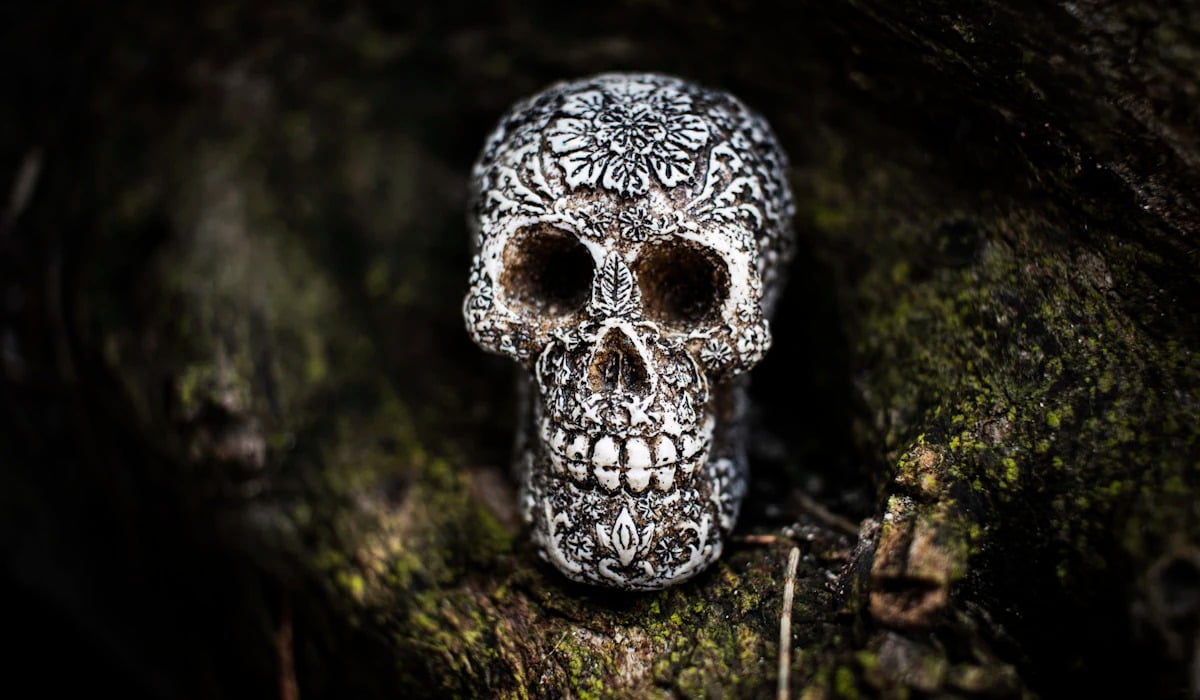
In Ireland, Halloween dinner has traditionally included colcannon, a dish of mashed potatoes and kale or cabbage, and the cook might stir small objects into it before serving. A ring foretold marriage within a year, a thimble meant a life of spinsterhood, a button meant bachelorhood and a coin meant wealth.
Diners picked through their plates carefully, since the charms were real metal. Girls sometimes filled a stocking with a spoonful of the first serving and hung it on the front door, believing the first man to enter would be their husband.
The dish is still eaten in Ireland each October, though the practice of hiding charms in the food is less common and varies by household.
Barmbrack and the Hidden Ring
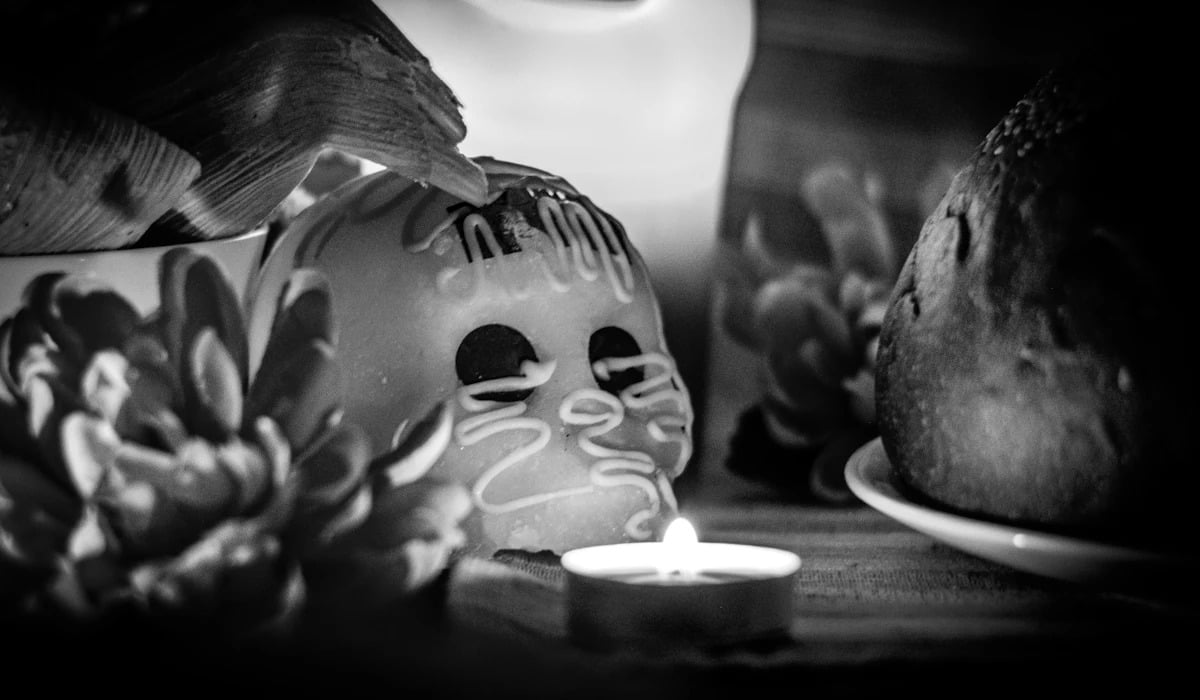
Barmbrack is a yeasted Irish fruit bread, and at Halloween it doubled as a fortune-telling device. The baker hid a ring, a pea, a stick, a coin and a scrap of cloth inside the dough, each wrapped in paper.
The ring meant marriage within the year, the pea meant no marriage, the stick meant an unhappy marriage or quarrels, the coin meant good fortune and the cloth meant poverty. Commercial bakeries in Ireland still sell Halloween bracks with traditional charms, including rings, in some versions, though the less welcome tokens have mostly been dropped.
For a century, the loaf has been associated with the anticipation of discovering one’s fortune at the table.
Dennison Bogie Books and a House Full of Crepe Paper
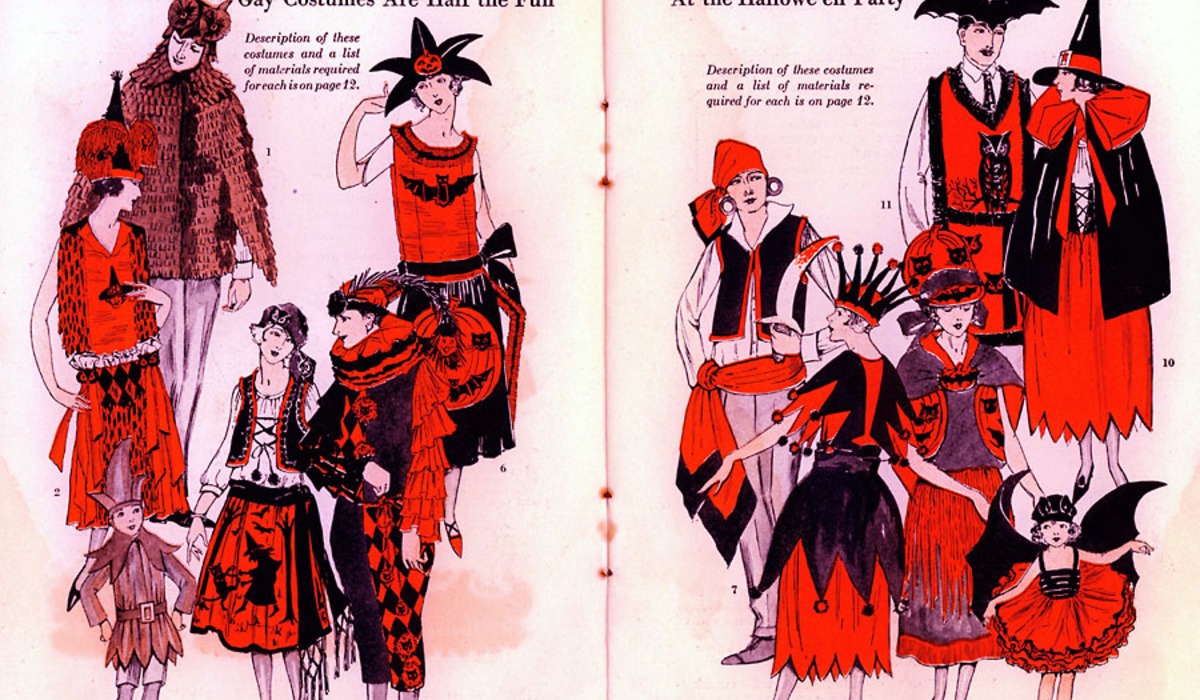
The Dennison Manufacturing Company of Framingham, Massachusetts, published a Halloween guide called the Bogie Book beginning in 1909, with further editions and related guides appearing into the 1930s. The booklets showed hosts how to turn an entire parlor into a haunted grotto using the company’s orange and black crepe paper, with instructions for paper costumes, lampshades, table runners and cutout witches.
Families spent evenings in October cutting and pasting decorations that would be pulled down a week later. The Bogie Books are now collector items, and originals can sell for substantial sums depending on edition, rarity and condition; individual copies have been listed for several hundred dollars.
Anoka’s Civic Halloween of 1920
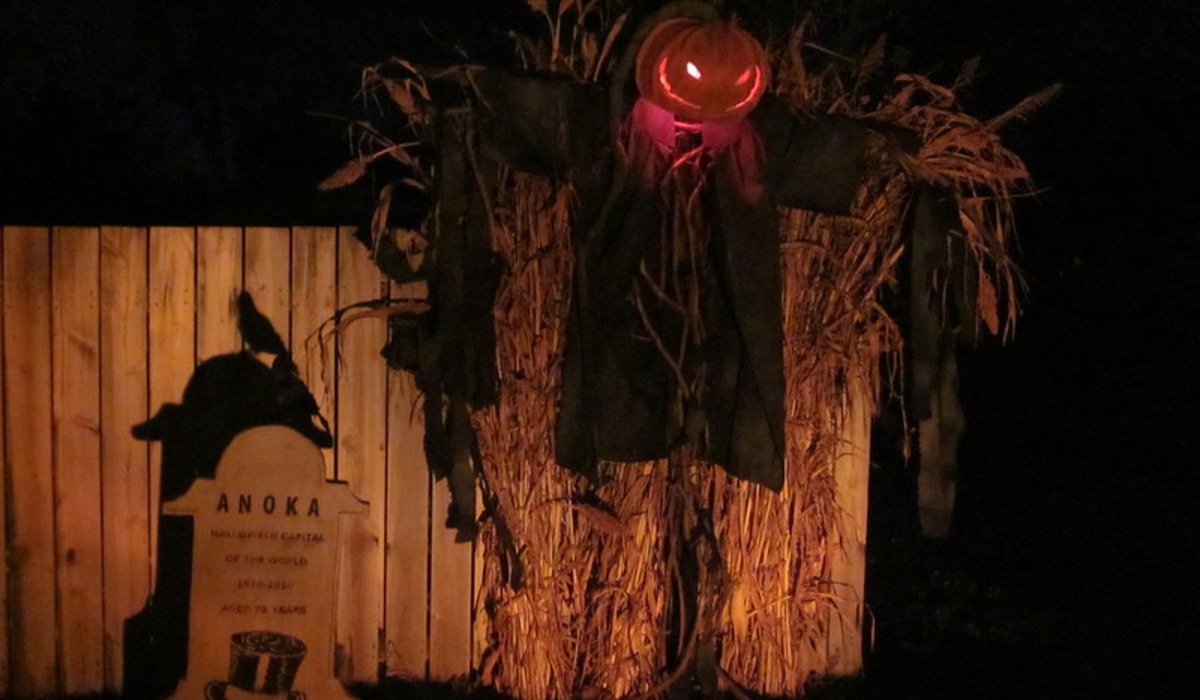
After years of Halloween pranks and property damage, residents of Anoka, Minnesota, organized a town-wide Halloween celebration in 1920 to keep young people occupied. The program included a parade, costumes, bonfires and a party, with bags of candy, popcorn and peanuts handed out by the town.
The idea was simple: give children something official to do and the pranks might decrease. The celebration became an annual community tradition, and Anoka has called itself the Halloween Capital of the World since 1937.
The town’s Halloween festivities include parades and other community events each October.
Hiawatha’s Halloween Frolic
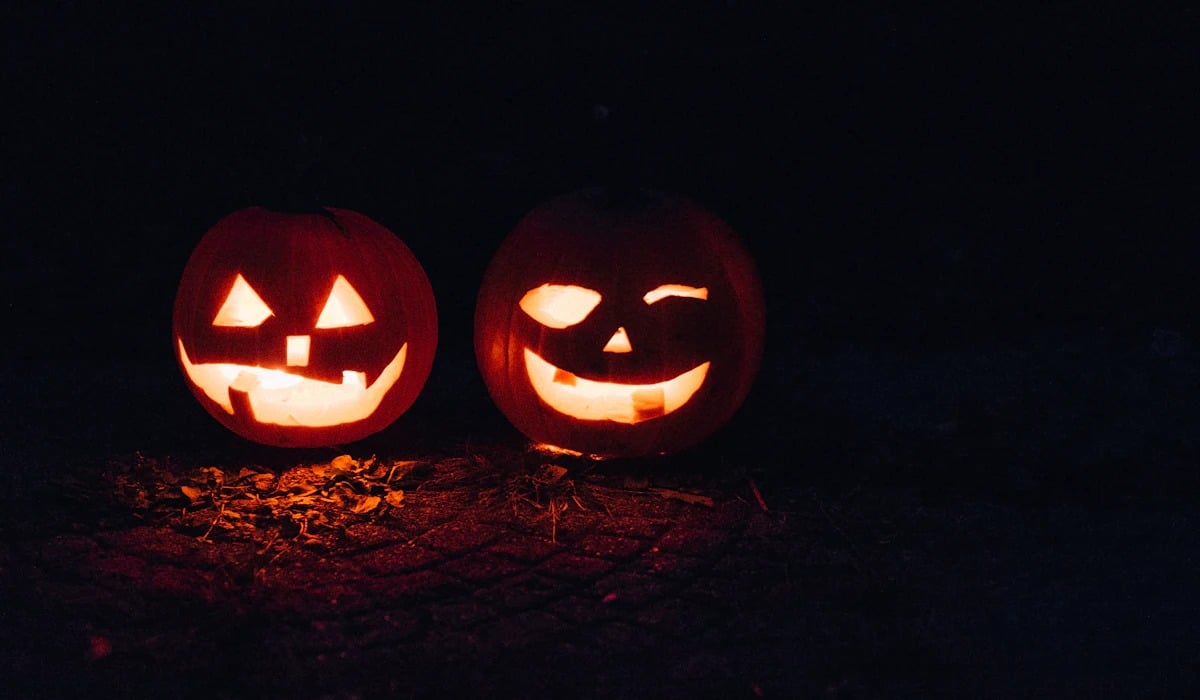
Elizabeth Krebs, a garden club president in Hiawatha, Kansas, was tired of finding her flowerbeds trampled every November 1. In 1914, she organized a party with a band and costumes to keep the town’s youth occupied, and when the pranks continued anyway, she expanded it the next year into a parade with prizes.
The Hiawatha Halloween Frolic developed into a long-running community celebration. The parade still runs through the town’s main street, with costumes, floats and other festivities.
Krebs is remembered locally for the idea that organized fun could offer an alternative to punishment for Halloween mischief.
Households That Refused the First Trick-or-Treaters
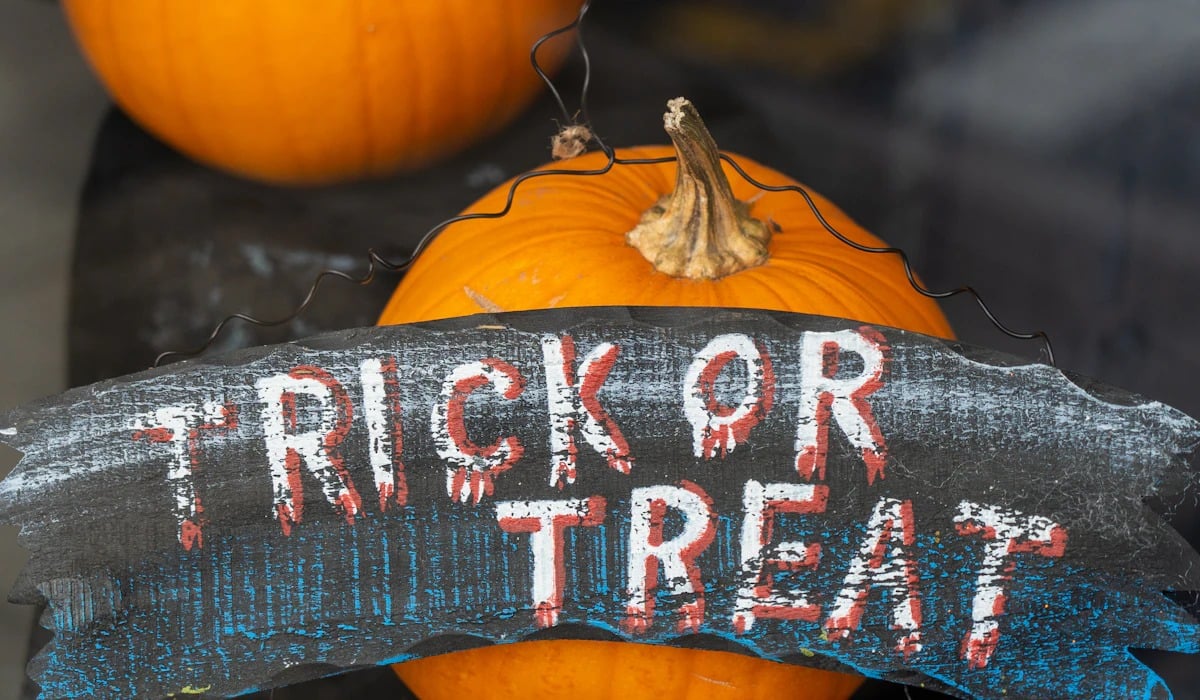
Trick-or-treating as a phrase appeared in print in Blackie, Alberta, in 1927, in an early example often cited in histories of the custom. The practice spread gradually through Canada and the United States over the following decades.
Many adults in the 1930s regarded it as extortion by children and said so in newspaper letters. Some householders turned off the lights, others lectured the callers on begging, and a few reported the practice to the police.
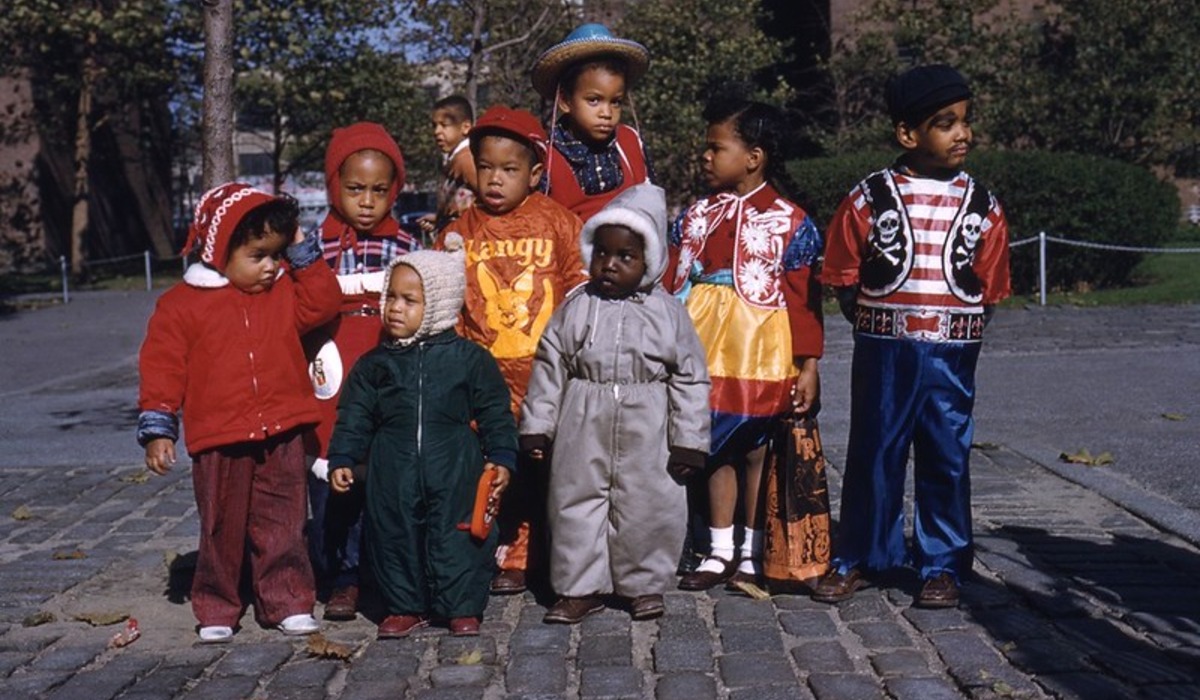
Sugar rationing during the Second World War limited access to candy and affected Halloween celebrations. By the postwar period, trick-or-treating was becoming increasingly established in many American communities, helped by popular media and organized neighborhood events.
Sowing Hemp Seed at Midnight
One of the eeriest rituals in Burns’s 1785 poem sent a young person out alone at midnight to scatter hemp seed across a field or behind a barn. The sower walked backward, dragging a harrow or a rake, and recited a rhyme asking the future spouse to come and pull the crop.
Looking over the shoulder, the sower expected to see a figure following and gathering the hemp. In the poem, the attempt ends badly when the sower is frightened by a pig.
The episode is part of Burns’s account of Halloween divination, which records a variety of folk beliefs and rituals. Related charms were recorded in Scottish and northern English folklore and later repeated in descriptions of Halloween traditions.
Hilltop Bonfires That Had to Be Relit
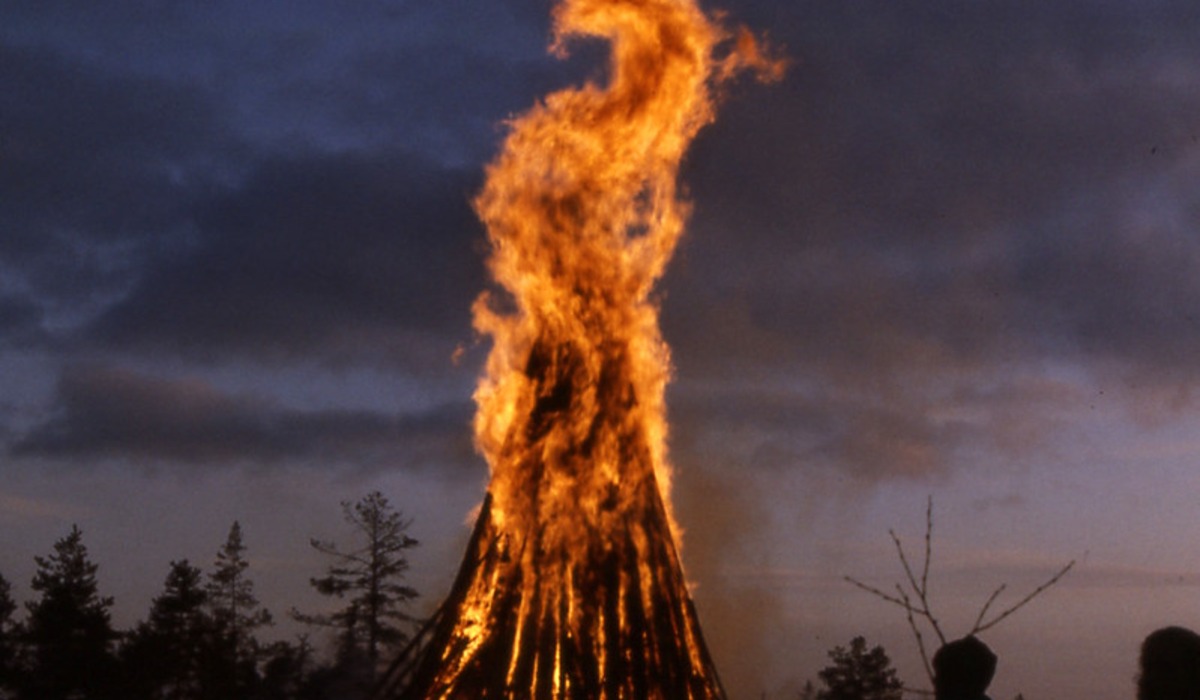
In the Scottish Highlands, Halloween bonfires were lit in some communities, and in certain districts traditions involved relighting household fires from a communal blaze. Boys gathered fuel for weeks beforehand, and families sometimes walked around the fire as part of the ceremony.
In Wales, where a bonfire was called a coelcerth, some accounts describe people placing marked stones in the embers and checking them at dawn. A missing stone was interpreted as a warning of death within the year.
The fires declined in some areas during the 19th century, while other British fire traditions continued on different dates, including Bonfire Night on November 5.
Bell Ringing Through the Night for Souls
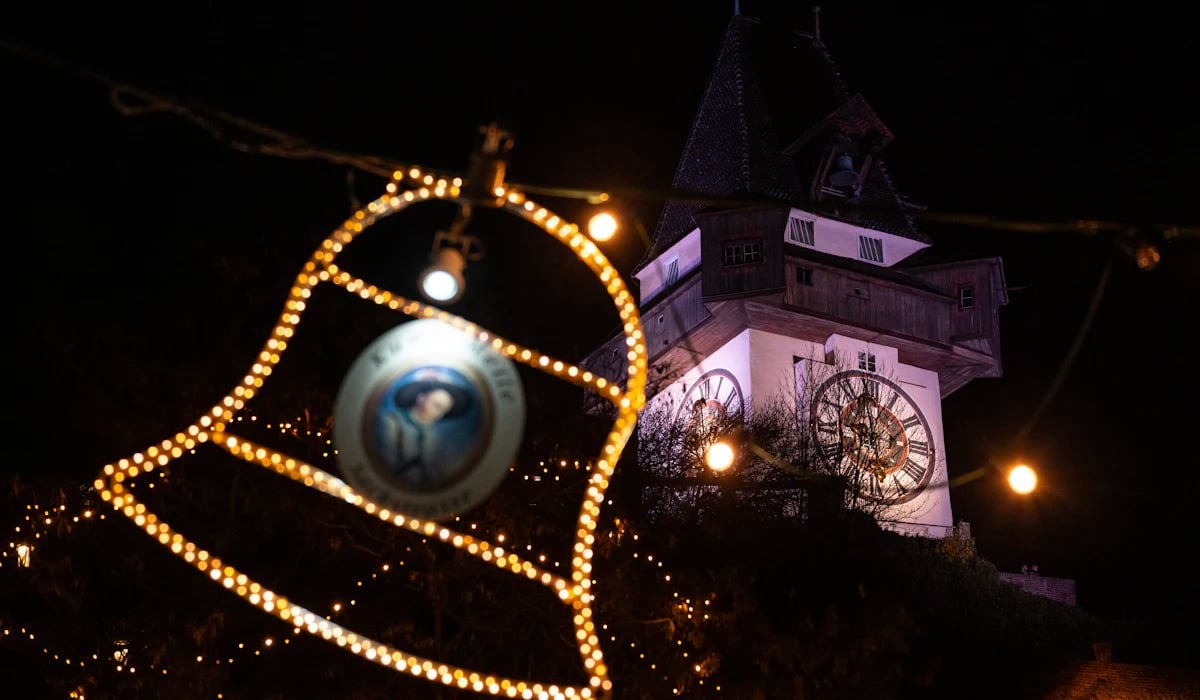
In parts of medieval and early modern England, church bells were rung in connection with All Souls’ Day and prayers for the dead. The ringing was restricted in some places during the English Reformation because of its association with Catholic practices, but local observance varied.
Records from the period indicate that traditional religious practices did not disappear everywhere at the same time. The vigil was one way some communities marked the season before modern Halloween costumes and parties became widespread.
The changing religious and social roles of the holiday helped shape the varied Halloween customs that followed.
Apple Ducking as a Marriage Omen
Ducking for apples in a tub of water was associated with fortune-telling as well as later Halloween party games. In Scotland and Ireland, each apple could represent a potential partner, and the person who caught one with their teeth might be said to marry within the year.
Some households marked the apples with initials or placed the caught apple under a pillow for dreams of a future spouse. Burns included the practice in his 1785 poem under the name of dooking.
The fortune-telling meaning gradually gave way to the game itself in many American Halloween parties during the 20th century.
Dressing Up as a Hobo
For much of the 20th century, a hobo costume was an inexpensive option for American Halloween celebrations: an old coat, a smudge of soot on the cheeks, a bandanna on a stick and patched trousers. The Great Depression made the figure familiar on many railroad lines, and children copied what they saw.
The costume appeared in school photos and newspaper costume contests during the mid-20th century. It required nothing bought and could be assembled in ten minutes from a father’s closet.
Today, the costume can be seen as a caricature of homelessness and poverty, making it less suitable for some modern celebrations.
Costumes Sewn From Feed Sacks
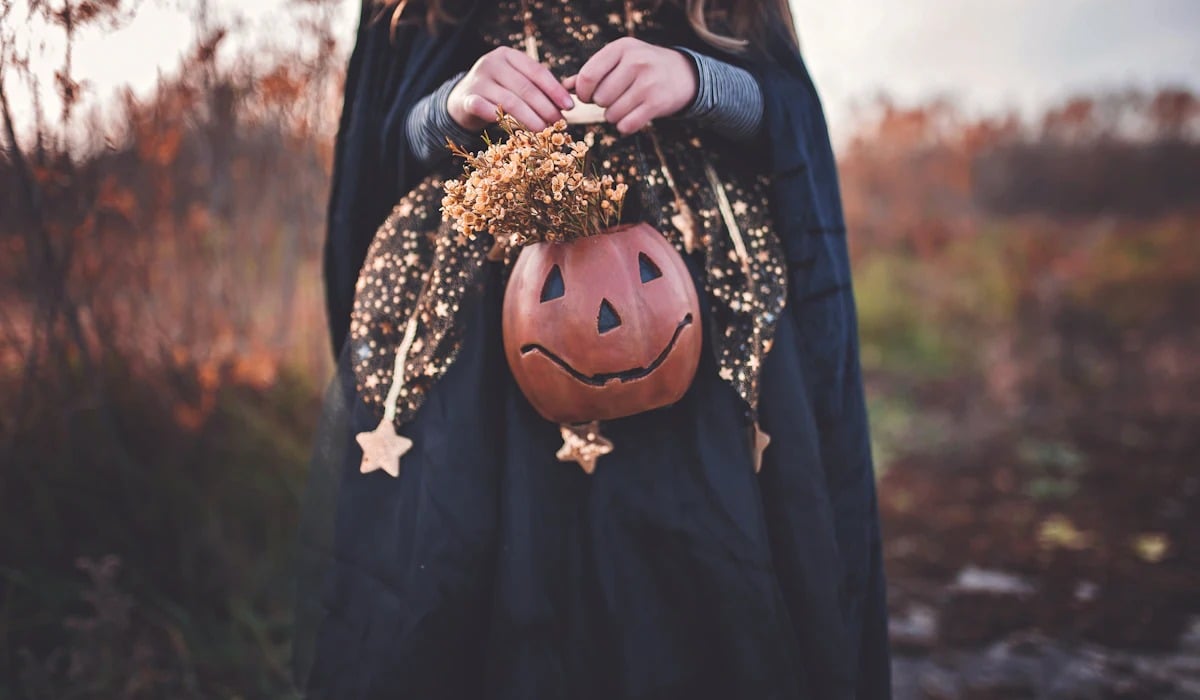
Before mass-produced costumes became widely available, many children wore whatever a parent could sew or improvise. Flour and feed sacks were a common source of fabric, and mills in the 1920s and 1930s began printing their cotton sacks in patterns so the cloth could be reused for clothing.
A ghost was a sack with eye openings cut out, a witch was a black dress and a paper cone, and a clown was assembled from available fabric and household materials. State historical societies and museum collections preserve examples of homemade costumes and other garments made from reused textiles.
Masked Dances for Grown Adults
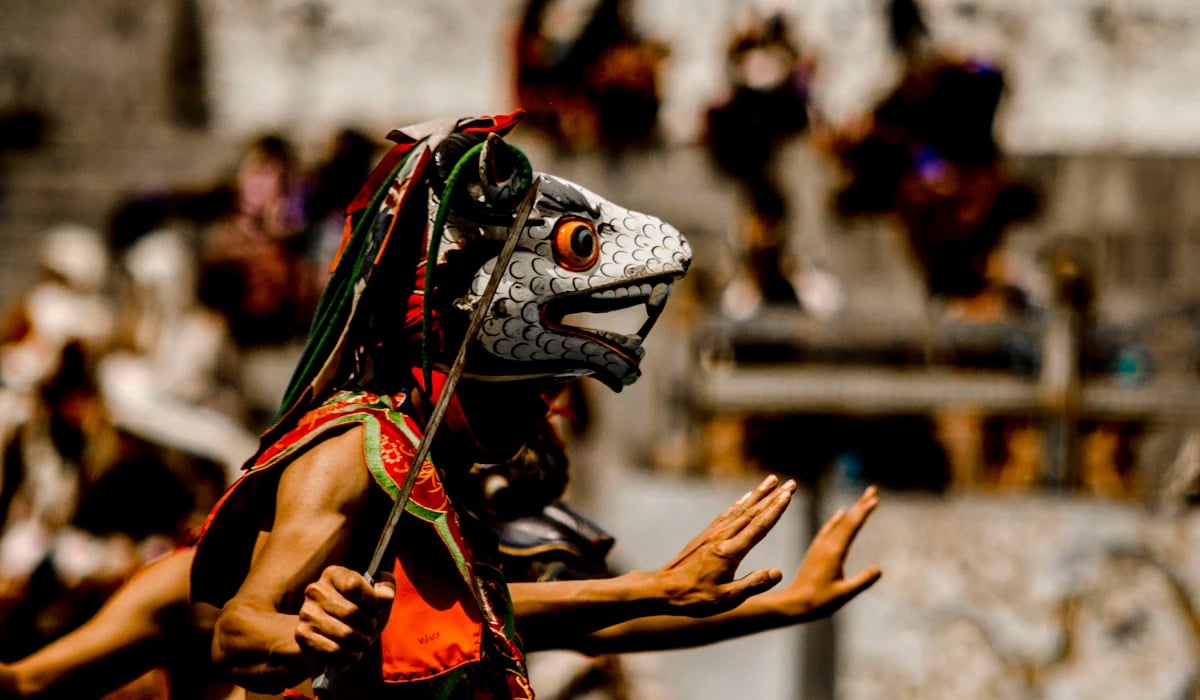
During the 1920s and 1930s, Halloween in American towns was a holiday for adults as well as children. Hotels, fraternal lodges and country clubs held masked dances with orchestras, prizes for costumes and midnight unmaskings.
Newspapers printed the names of prize winners and described costumes in detail. Guests arrived as pirates, clowns and Harlequins, and the dancing lasted past midnight.
The Dennison Bogie Books devoted pages to adult parties with dim lighting and fortune-telling corners. The adult dance became less central to mainstream Halloween celebrations in many communities after the Second World War, although adult costume parties continued and remain popular today.
Turnips and the Shape of a Holiday
Taken together, these customs show a Halloween built around two questions: who a person would marry, and what could be gotten away with after dark. The fortune-telling half belonged to young women and the hearth, while the mischief half belonged to boys and the open road.
Candy and store-bought costumes eventually became more prominent, changing how many people celebrated the holiday. The organized parades of Anoka and Hiawatha also reflected efforts to channel mischief into community events.
What remains is a holiday with the edges sanded off. The turnip lantern became a pumpkin, the guiser’s song became a doorbell, and the dumb supper became a horror movie on the couch.
The changes reflect how Halloween has adapted over time, rather than a simple replacement of one set of traditions by another. A hundred years ago, some Halloween celebrations still centered on the dead, the unmarried and the unsupervised.
MORE FROM GO2TUTORS!

- The Romanov Crown Jewels and Their Tragic Fate
- 13 Historical Mysteries That Science Still Can’t Solve
- Famous Hoaxes That Fooled the World for Years
- 15 Child Stars with Tragic Adult Lives
- 16 Famous Jewelry Pieces in History
Like Go2Tutors’s content? Follow us on MSN.