Historic Photos of Commercial Kitchens Before Refrigeration
Before mechanical refrigeration, a restaurant or hotel kitchen won or lost its battle with time every day. Cooks relied on ice cut from frozen ponds, salt, brine, canned goods, and the speed of the railroad to keep food from spoiling.
The images and records below show how large kitchens worked, from the lakes where ice was harvested to the railroad dining cars that carried a galley across the country. Together they trace a food system built on cold that had to be cut, shipped, and stored by hand.
Cutting Ice at Rockland Lake

Rockland Lake in New York’s Hudson Valley supplied ice to New York City, and the Knickerbocker Ice Company consolidated its harvesters in 1855. In 1836, New York’s first luxury hotel listed Rockland Lake ice on its menus, which helped make the brand the most sought-after in the region. Edison’s company filmed the harvest in a six-minute movie in 1902, and operations ceased at the lake in 1924.
Frederic Tudor, the Ice King
Boston entrepreneur Frederic Tudor launched the American ice trade by shipping New England ice to warm ports, with his first shipload leaving in 1806. His first voyage to Martinique lost money, and the ice that survived the three-week trip was sold directly from the ship’s hold. He later built an icehouse in Charleston, South Carolina, where customers paying $10 a month in advance could reserve regular supplies.
Sixty Tools for Cutting Ice
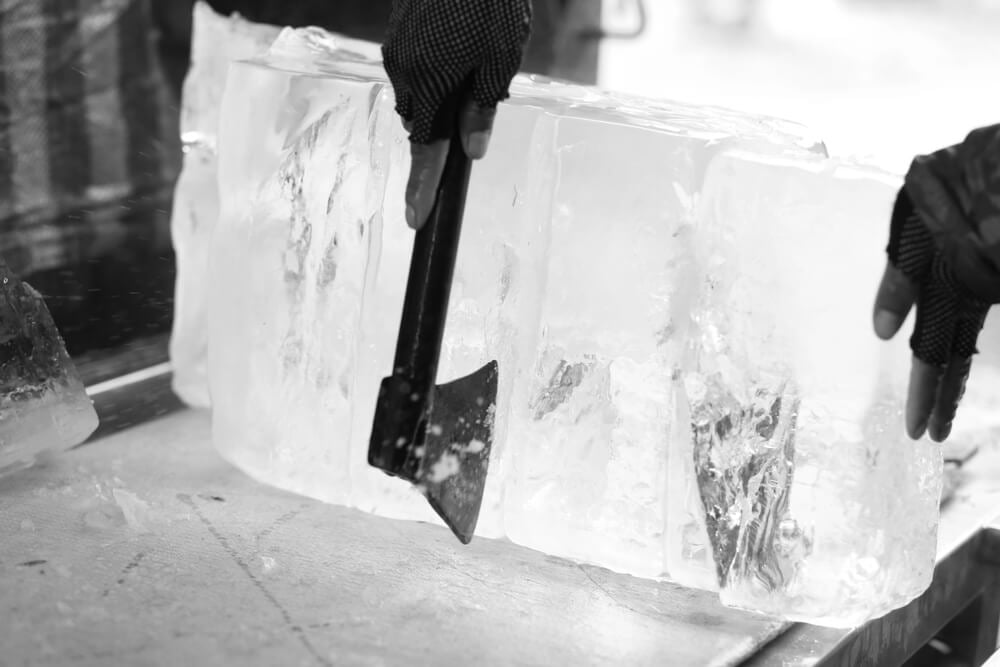
Harvesting ice in the 1800s required as many as 60 different tools, including horse-drawn implements. A marker plow with a guide kept lines parallel, and workers used chisels, hooks, saws, sieves, break-off bars, and tongs to separate and move the blocks. Photographs of ice fields show crews working in rows across frozen ponds, turning winter into a commodity.
Ice on the Big Blue River
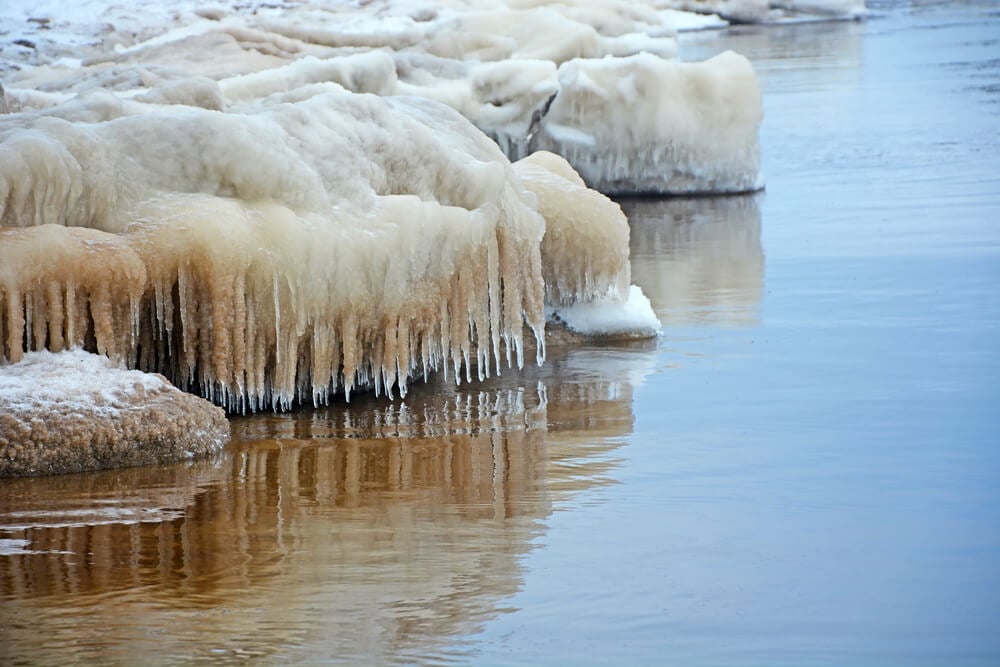
In eastern Nebraska, a company called Crete Mills began harvesting ice from the Big Blue River in 1890. It shows that the ice trade was not limited to New England and the Hudson Valley, since any cold river could become a source of ice.
Charles Morse, the Ice King of New York
By the time Greater New York was consolidated in 1898, businessman Charles Morse controlled all the ice coming into the city. The press gave him the nickname Ice King, a title earlier held by Tudor. His grip on the supply showed how essential ice had become for the city’s kitchens and how dependent they were on a single seller.
The Iceman and the Icebox
— Photo by Anaisia29
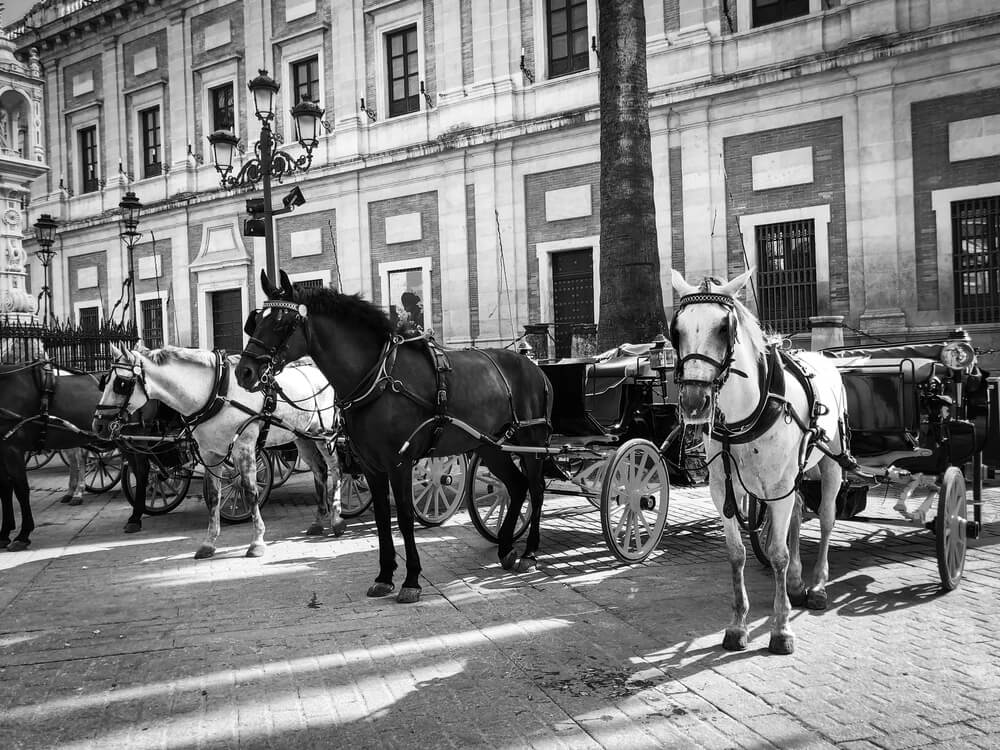
After the icebox arrived in the mid-1800s, vendors began selling ice door to door from horse-drawn wagons. Home cooks and small restaurants relied on the iceman for daily deliveries to keep food fresh. The wagons became a familiar sight, and a block of ice was a household staple.
Delmonico’s Pastry Shop
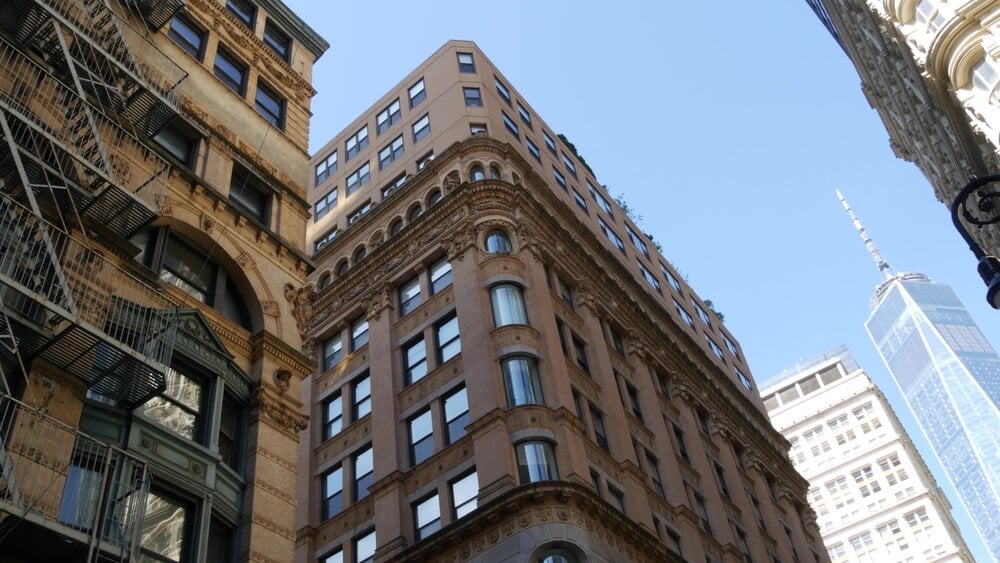
Delmonico’s first opened in 1827 in a rented pastry shop at 23 William Street in lower Manhattan. Brothers Giovanni and Pietro Delmonico had come from the Swiss canton of Ticino, and their establishment was known for scrupulous cleanliness. It became the most famous restaurant in the country until the turn of the century.
The Delmonico’s Kitchen in 1902
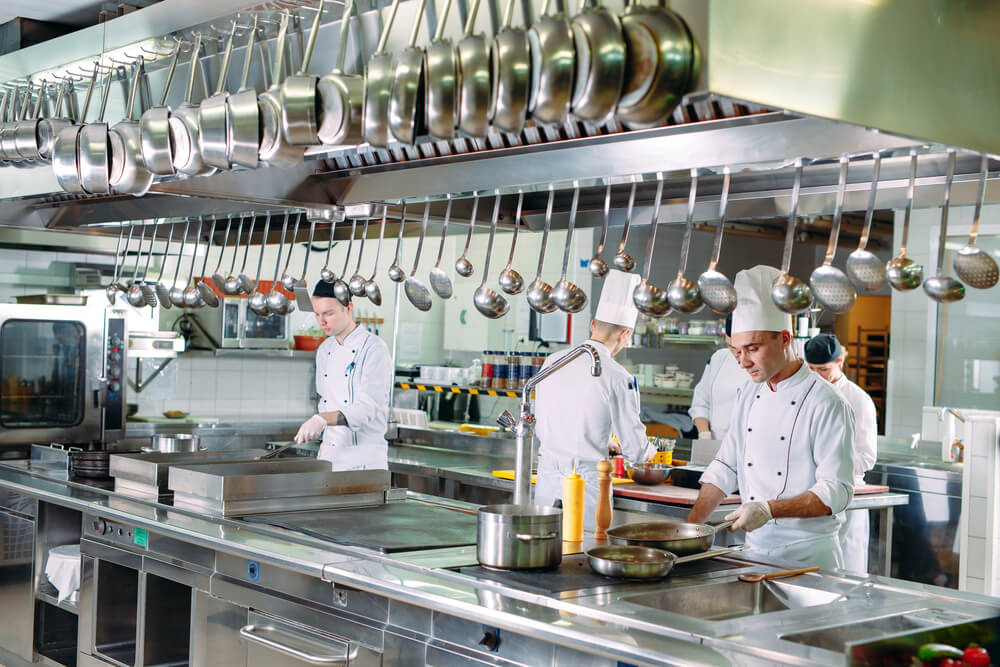
A photograph of Delmonico’s kitchen taken in 1902 shows pastry chefs preparing pièces montées, elaborate decorative centerpieces, for a banquet. Chef Charles Ranhofer, who ran the kitchen from 1862 to 1896, included about 3,500 recipes in his cookbook The Epicurean. The photograph captures a kitchen where ice and skill were used to create spectacular presentations.
George Pullman’s Hotel Car
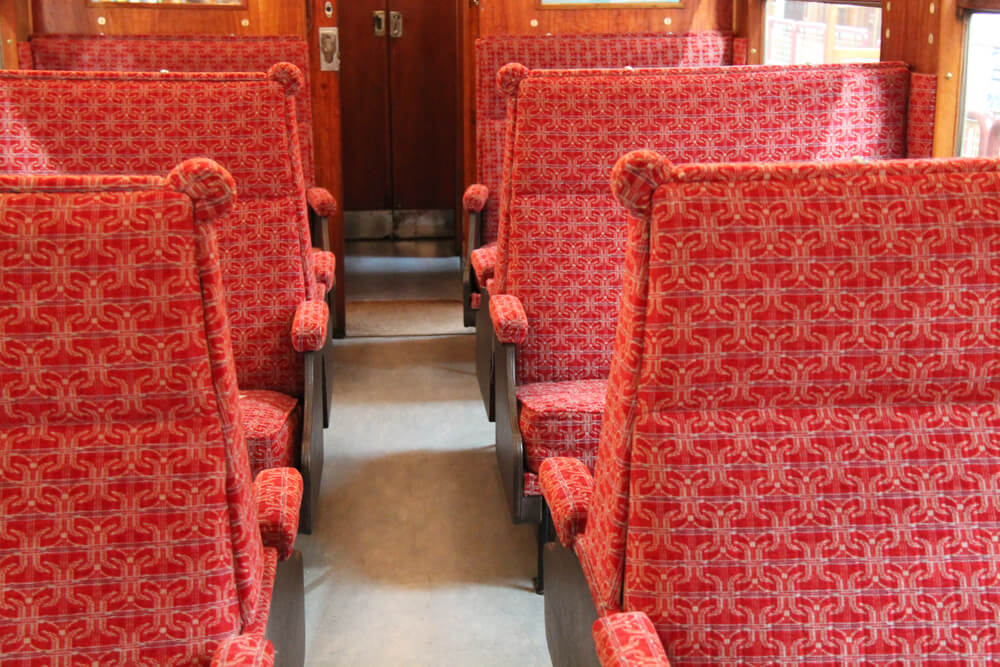
In 1867, George Pullman introduced the President, a sleeper car with an attached kitchen, which he called a hotel on wheels. The food rivaled the best restaurants of the day, and the car showed that a kitchen could travel. It was the first step toward the dining car.
The Pullman Delmonico of 1868
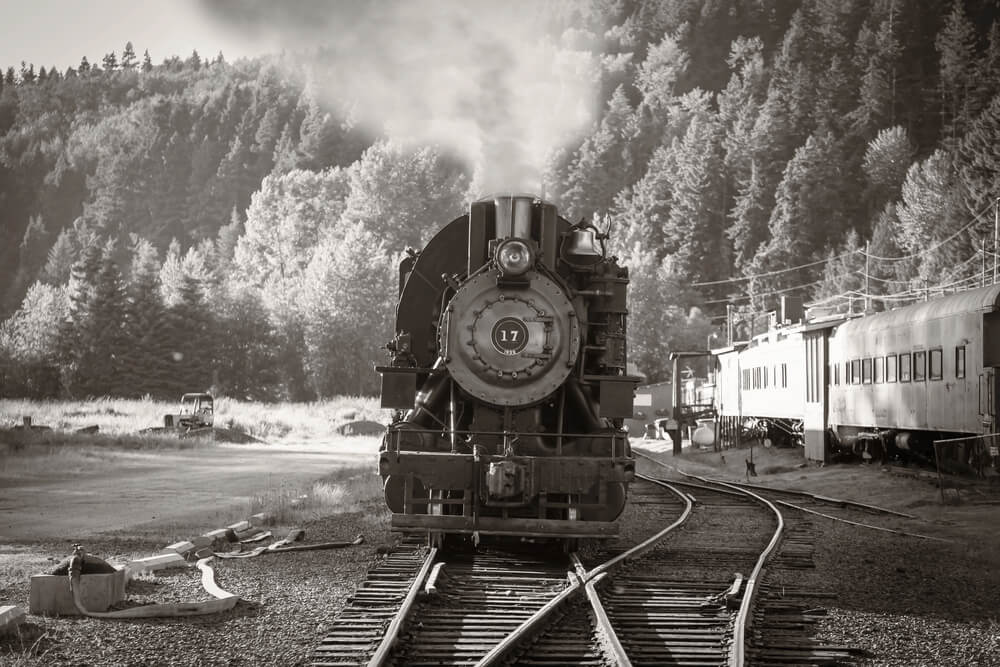
A year later, Pullman launched the Delmonico, the first car devoted entirely to dining, named for the New York restaurant. Built at a cost of about $20,000, it had a kitchen between two dining rooms. By the 1880s, the standard design placed the kitchen at one end and a 36-seat dining area at the other, served by about twelve cooks and waiters.
Fred Harvey’s Topeka Lunchroom
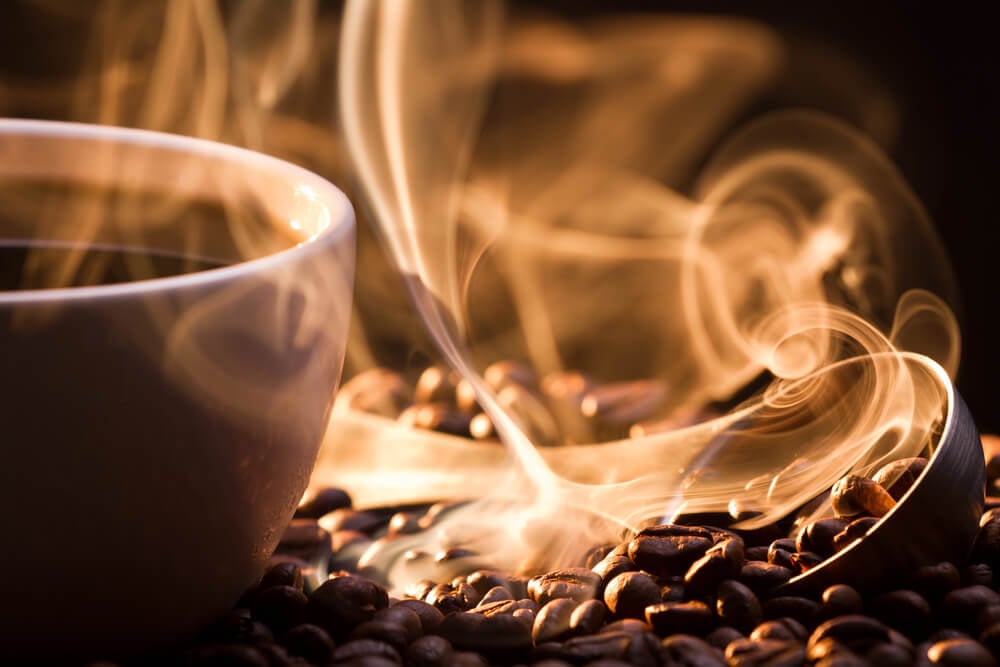
In January 1876, Fred Harvey opened a 20-seat lunchroom in the Santa Fe depot at Topeka, Kansas, after the Burlington line declined his idea. He shipped in specially roasted coffee and fresh ingredients, and he focused on cleanliness, service, and reasonable prices. Two years later he opened his first hotel in Florence, Kansas, beginning a chain of eating houses along the railroad.
The Harvey House Kitchen Crew
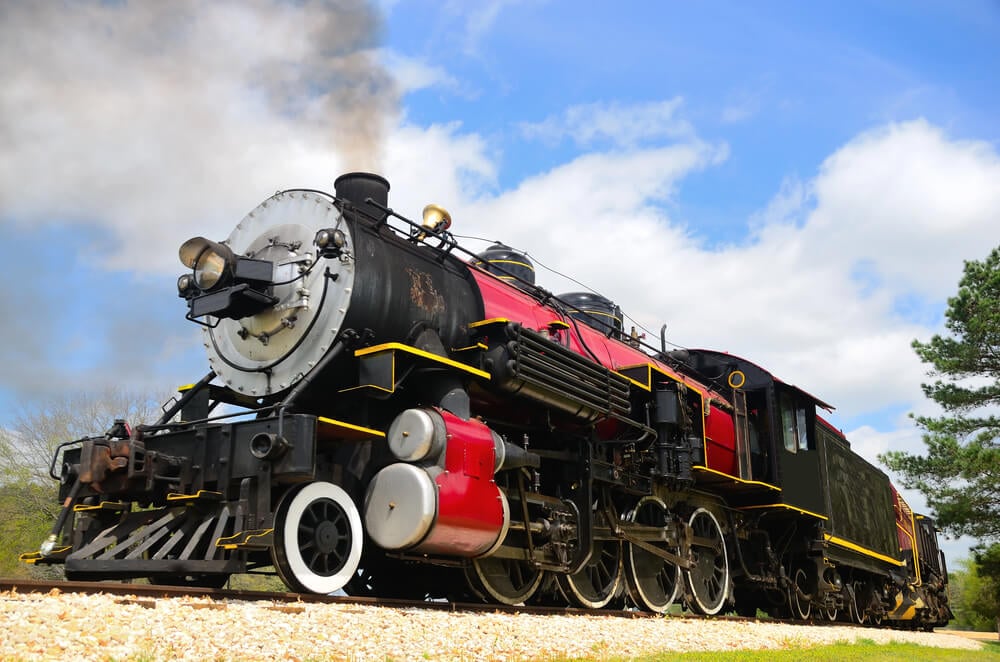
Trains stopped to refuel and take on water about every 100 miles, and Harvey placed his restaurants at those stops. Each Harvey House employed a chef, assistant chefs, a butcher, pantry girls, busboys, a housemaid, and 15 to 30 waitresses. Roughly 5,000 Harvey Girls went west to work, and in 1888 the company ran its first dining car on a Chicago to Kansas City service.
Swift’s Ice-Cooled Railcar
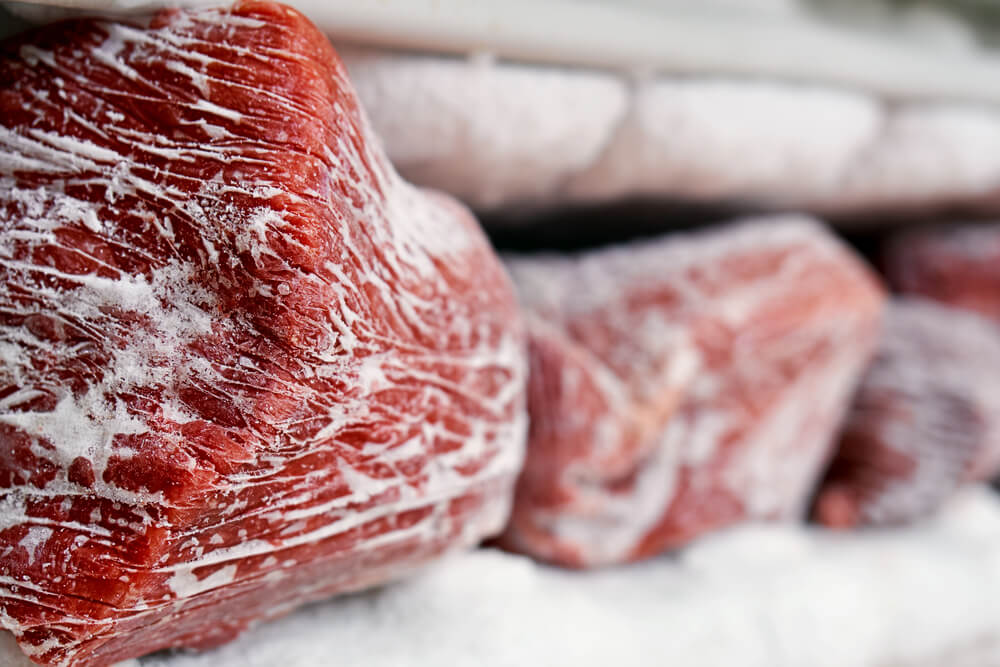
In 1878, meat packer Gustavus Swift hired engineer Andrew Chase to design a ventilated, well-insulated car with ice in a compartment at the top so that chilled air could flow downward. The first of these units were delivered in 1880, and the Swift Refrigerator Line grew until it owned 7,000 cars by 1920. A photograph shows a Swift car with sides of beef hanging inside while an inspector looks on.
The Chicago Union Stock Yards
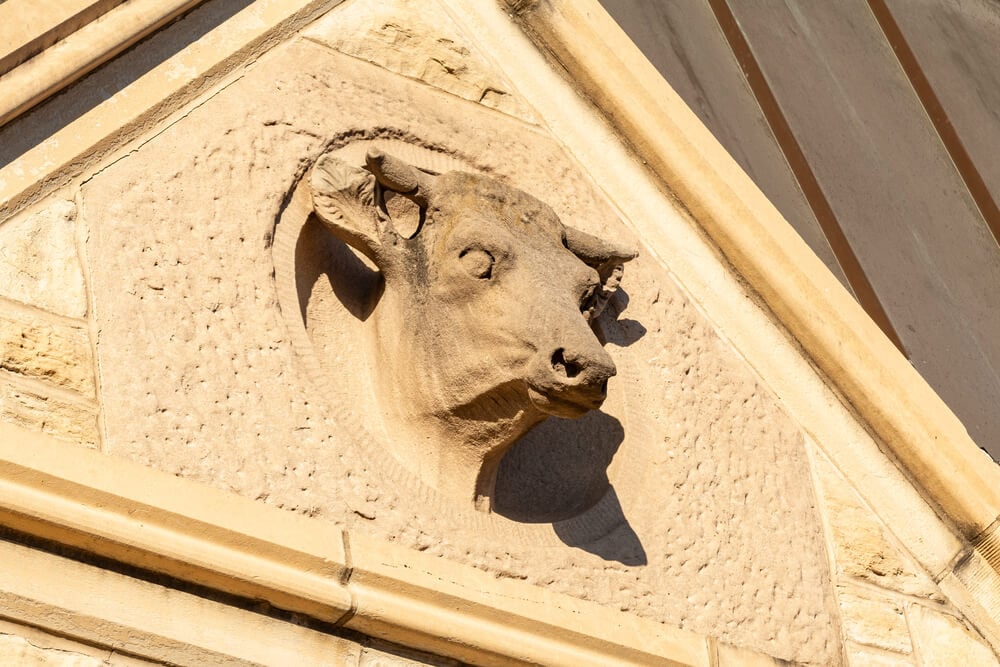
The Union Stock Yards opened on Christmas Day, 1865, and Chicago won the title of Porkopolis during the Civil War. Meat packers worked in Packingtown, west of the yards, and cured pork in salt before the arrival of mechanical refrigeration. By 1900, dressed beef was as important a trade as pork packing.
Cincinnati’s Barreled Pork
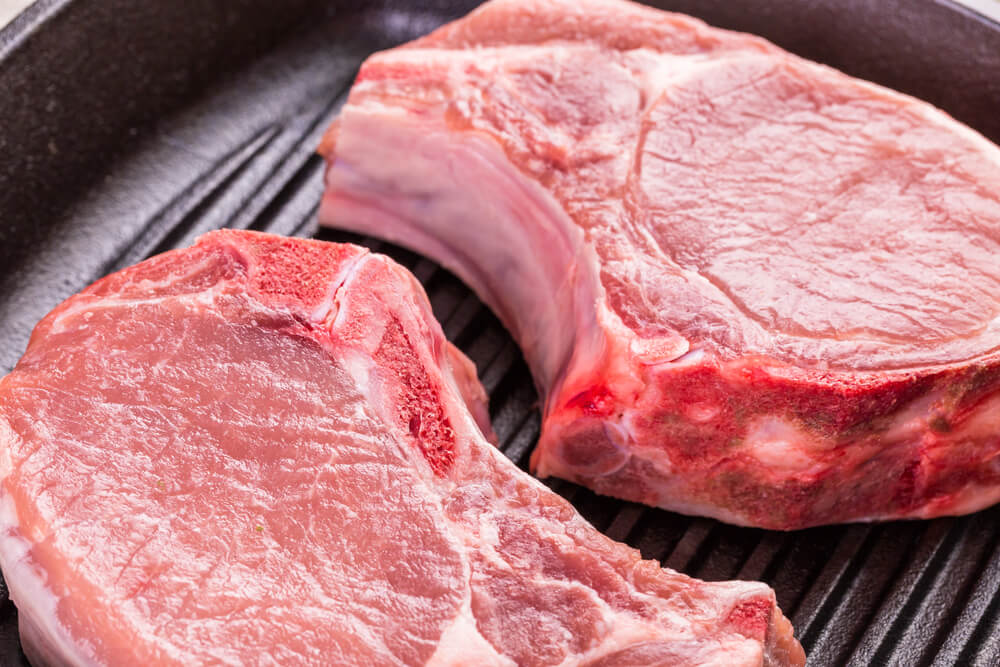
Cincinnati packers shipped barreled pork and lard down the Mississippi River, devising better ways to cure pork with salt. They used lard components to make soap and candles, wasting little. Cincinnati had led all other cities in pork processing by 1840, which earned it the nickname Porkopolis before Chicago took it.
Gail Borden’s Condensed Milk
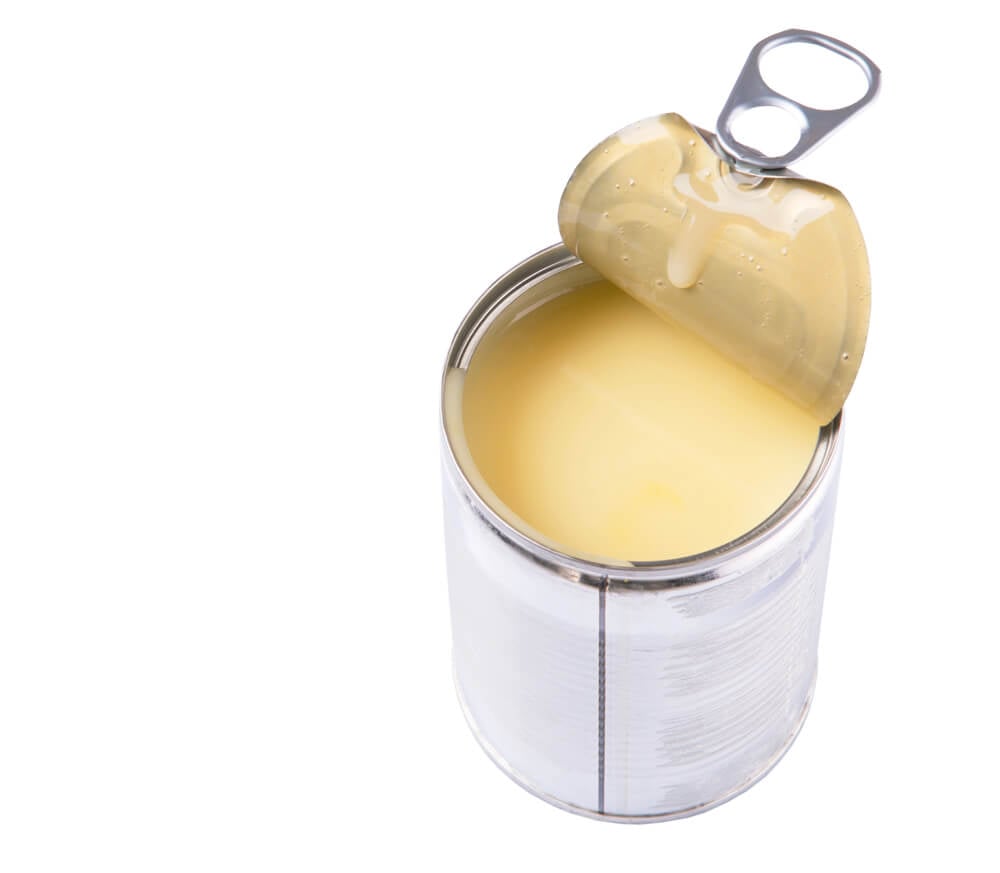
Gail Borden Jr. received a patent on August 19, 1856, for a process of concentrating milk in a vacuum, and his Eagle Brand condensed milk could last for years without refrigeration. Borden required farmers who sold him milk to wash udders, sweep barns, and scald and dry their strainers every morning and night. Civil War orders from the Union Army pushed the company to expand.
Ice Cream Made With Ice and Salt
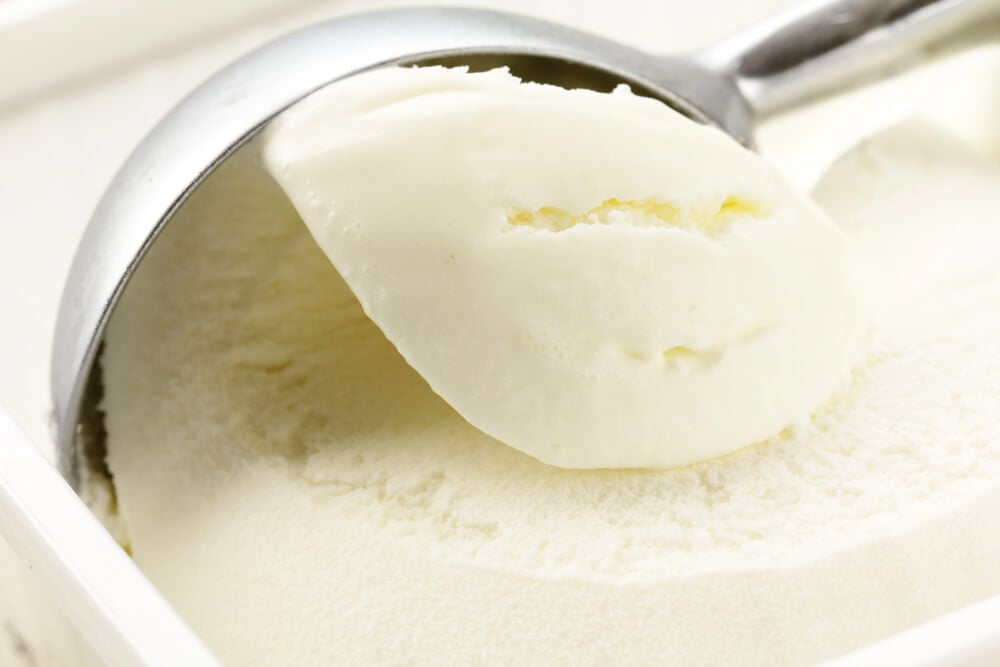
A Victorian cookbook of 1883, Ice-Cream & Cakes, described freezing desserts by packing a mold in a mixture of ice and salt. A recipe for pineapple water-ice said to bind the lid with a strip of buttered muslin and freeze it very hard, which would take two or three hours. The method shows how a pastry kitchen could produce frozen desserts without a machine.
The Pantry of the 1880s
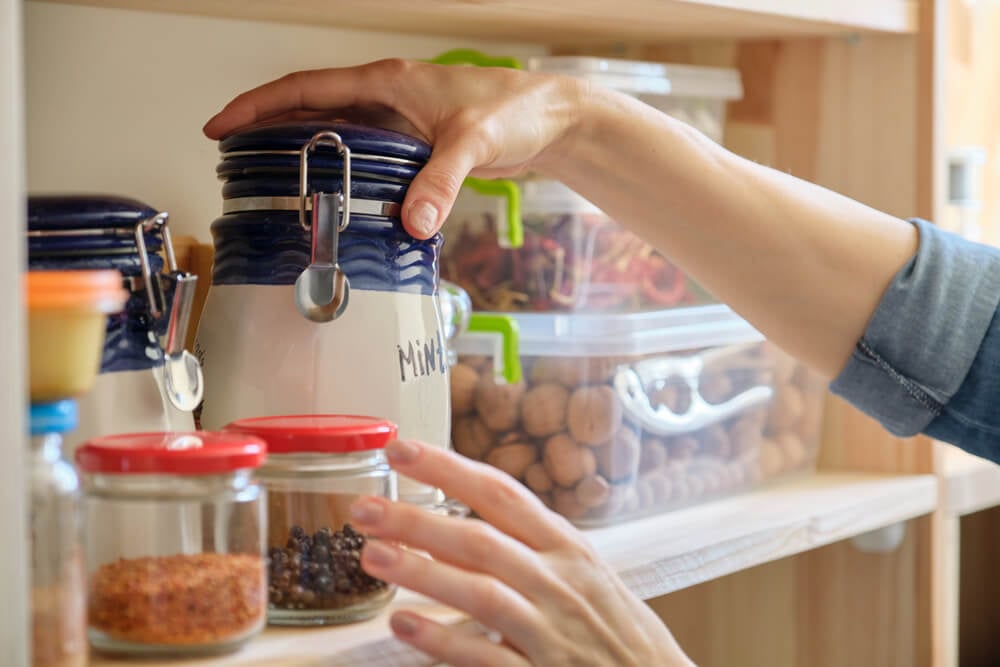
By the 1880s, new foods such as malted milk, evaporated milk, and Aunt Jemima pancake flour began to appear in pantries. Ice-making plants began to replace the ice-cutting industry, and the self-service restaurant arrived. The decade shows kitchens in transition, with old ice crews and new factories overlapping.
The Weight of Winter
A kitchen without refrigeration was a kitchen tied to the calendar, the weather, and a network of icehouses, railcars, and barrels. The photographs show how much labor stood behind a single meal, from ice cutters on a frozen lake to cooks in a banquet kitchen. They also show a system so dependent on seasonal luck that a warm winter could threaten a city’s supply.
Mechanical refrigeration ended that dependence, and the ice trade faded from daily life. Yet the old methods left lasting marks, from the dining car’s galley to the habit of preserving food with salt and sugar. The kitchens of the ice age are a reminder of how much ingenuity went into keeping food safe.
More from Go2Tutors!

- 27 Silver Dollars and Half Dollars Worth Keeping
- 28 Restaurant Menu Items Nobody Orders Anymore
- 17 Places Built in Seemingly Impossible Spots
- 27 Vintage Rings Worth More Than They Look
- 25 Restricted Sites Tourists Can’t Enter
Like Go2Tutors’s content? Follow us on MSN.