13 Oil Boomtown Life Captured in Historical Photos
Oil booms built towns almost overnight and emptied them nearly as fast. A farm field would produce a gusher, and within weeks thousands of drillers, merchants, and gamblers arrived to crowd the same ground.
The scenes below range from the first Pennsylvania well in 1859 to the California derrick forests of the 1920s. Each place left its own mark on the landscape, with derricks, tents, and rail yards appearing in a matter of months.
Titusville and the Quiet First Well
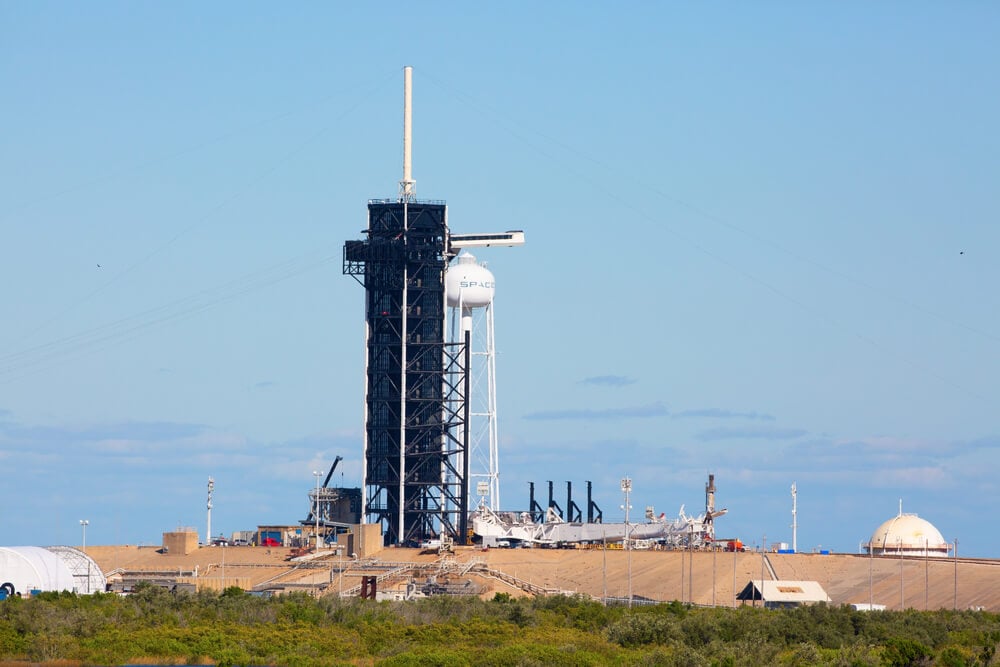
The oil era in Pennsylvania began in 1859, when a well at Titusville produced only about 20 barrels a day with the help of a pump. Nothing about it looked like a gusher, and the scale was modest by later standards.
Yet it opened the commercial petroleum industry, and the contrast with what came later is striking: the first Spindletop gusher would spew 75,000 to 100,000 barrels a day.
The Lucas Gusher at Spindletop
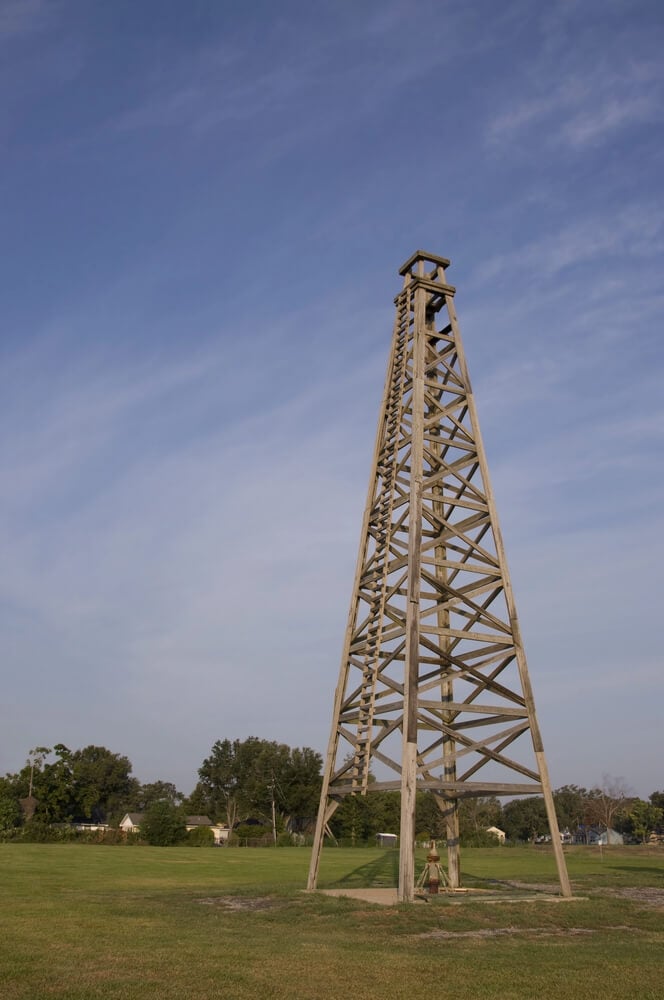
On January 10, 1901, a well at Spindletop near Beaumont, Texas, blew oil over 150 feet into the air from a depth of 1,139 feet. It flowed at roughly 100,000 barrels a day for nine days before a Christmas tree valve assembly brought it under control.
Up to 50,000 people came to watch, and Beaumont grew from about 8,000 residents to 60,000 within a year. Texas had produced only 836,000 barrels in all of 1900, so one well could match the state’s yearly output in about nine days.
The Lakeview Gusher at Maricopa
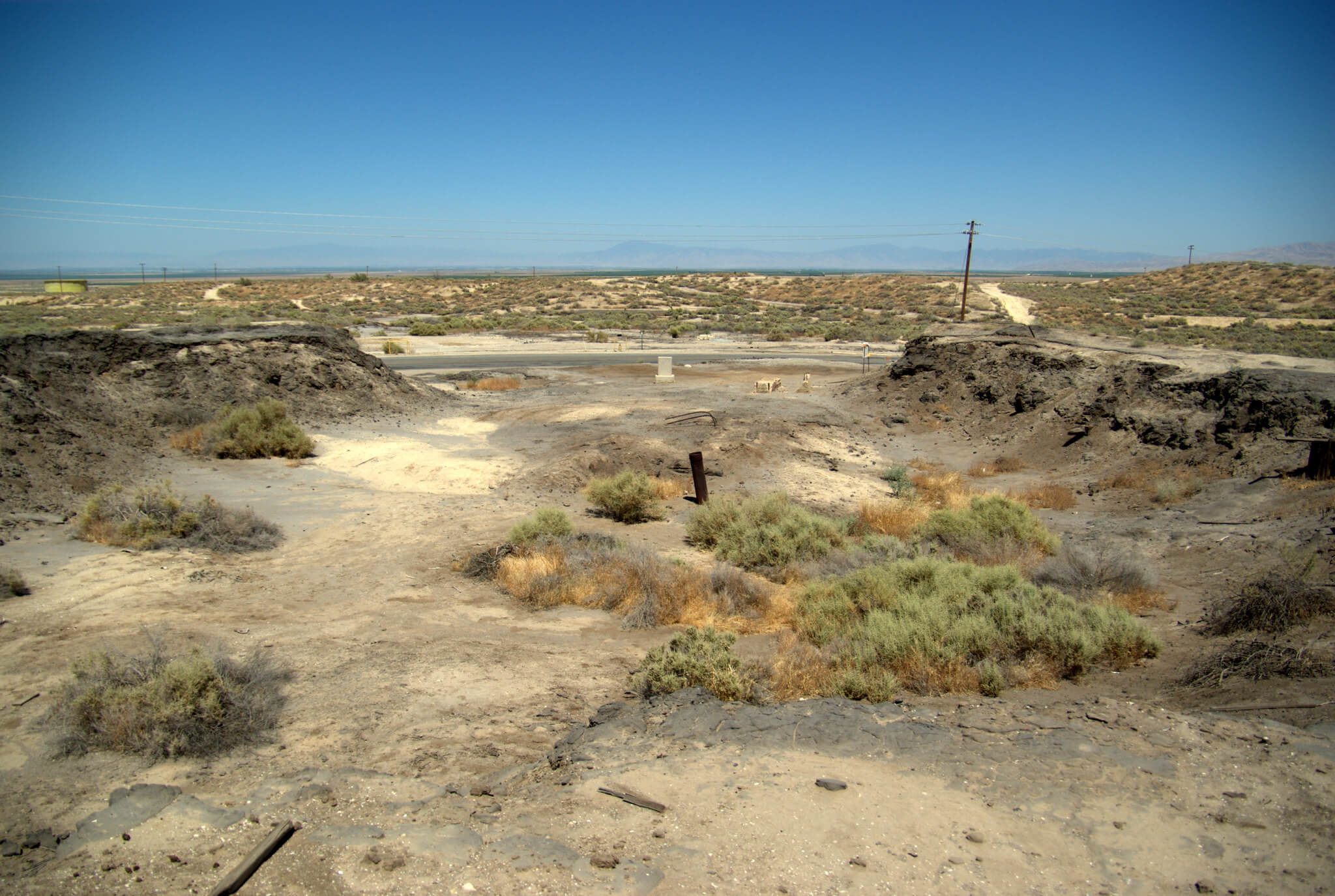
California’s Lakeview Gusher No. 1 blew in on March 14, 1910, near Maricopa in Kern County, initially at 18,000 barrels a day and later peaking near 100,000. The well, taken over by the Union Oil Company, produced nine million barrels over about 18 months and destroyed its derrick.
Workers built sandbag dams and dikes to contain the flood of dark crude, and it never caught fire. Maricopa itself took its name from an Arizona exploration company that laid out a camp there in 1901.
Roaring Ranger
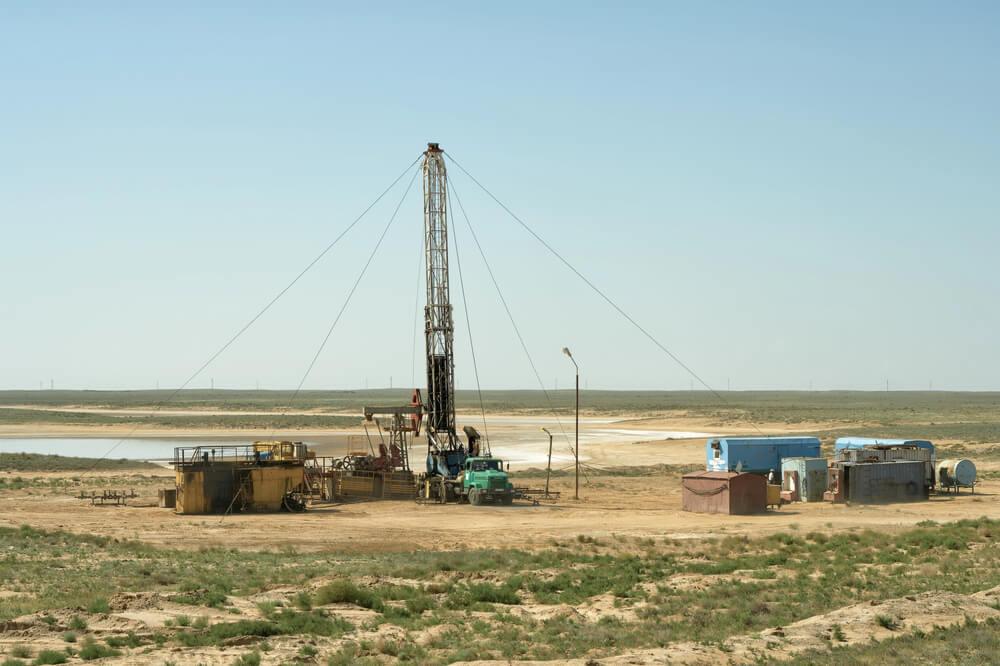
The discovery well at Ranger, Texas, came in during October 1917 on the McCleskey farm, after drillers had spudded it on July 2. Ranger’s population swelled from fewer than 1,000 to more than 30,000, mostly men.
The railroad reportedly unloaded more freight there than at any other station along its line, including Fort Worth, Dallas, and New Orleans.
Cisco and the First Hilton Hotel
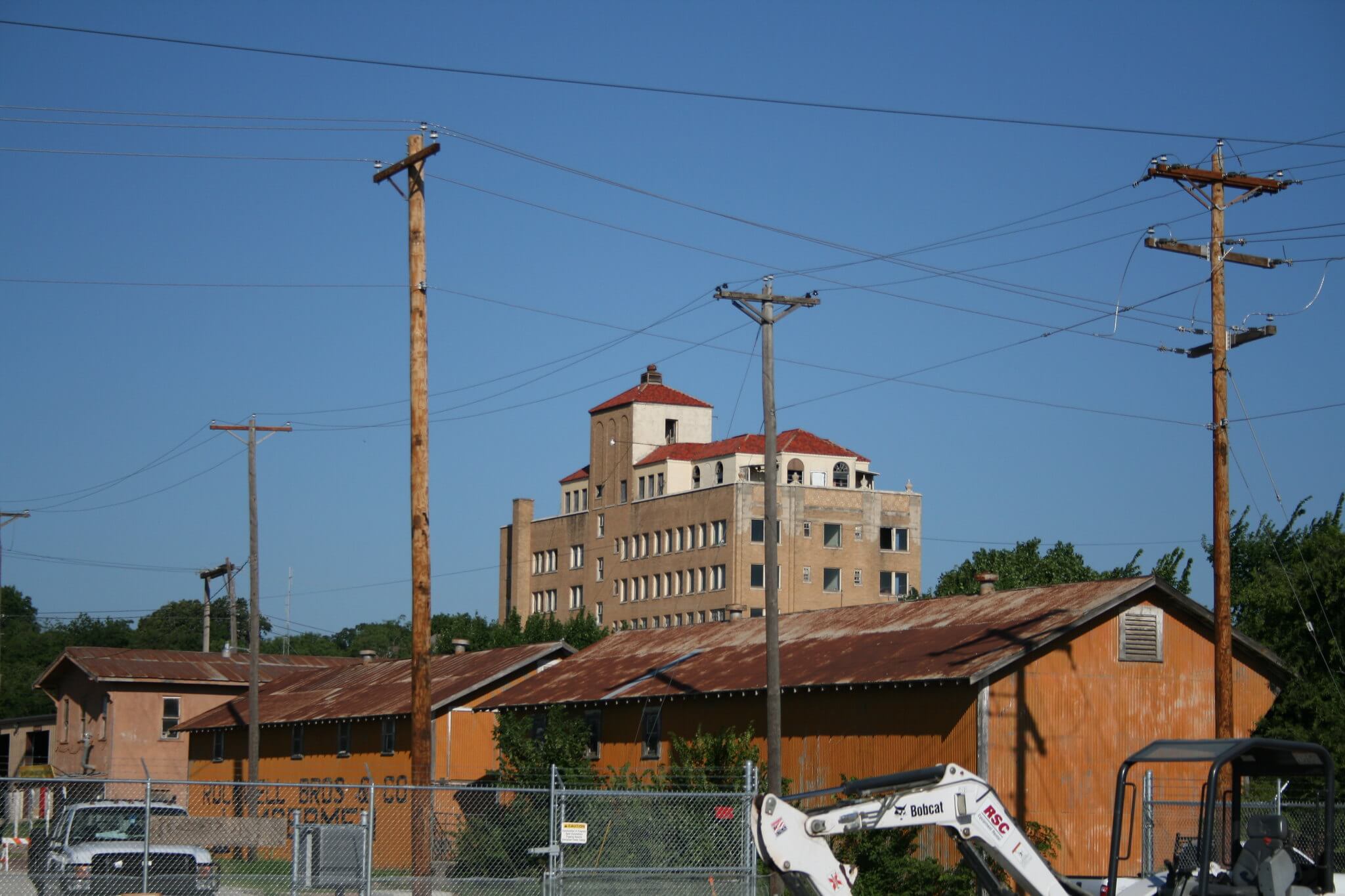
Conrad Hilton visited the Ranger area intending to buy a bank, but the crowds of oilfield workers changed his mind. He bought his first hotel in nearby Cisco instead.
The decision became a famous footnote to the Ranger boom and a reminder that fortunes were made housing the workers as well as drilling for oil.
Burkburnett and the Boom Town Film
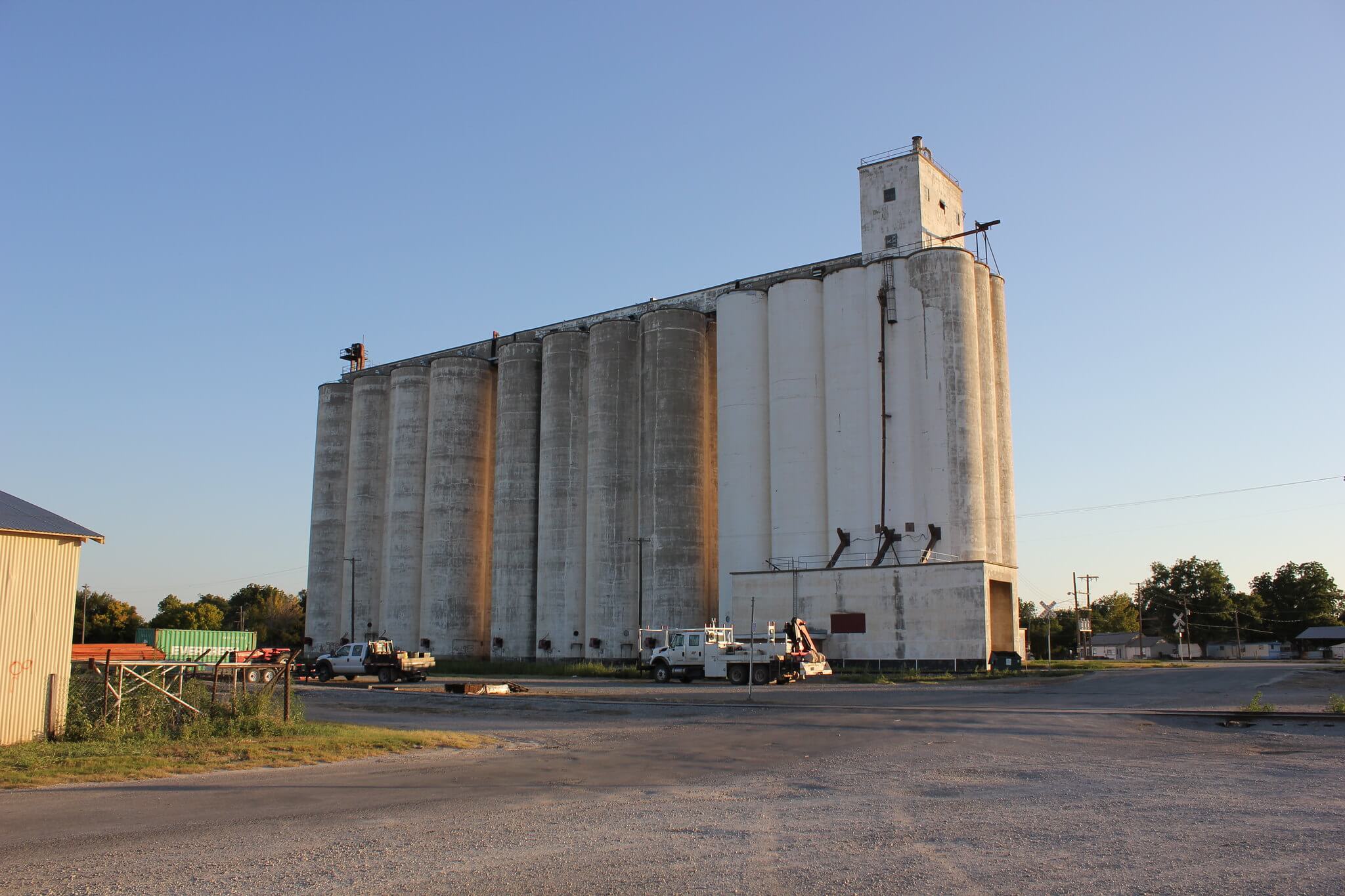
The Fowler No. 1 well at Burkburnett came in on July 28, 1918, producing 3,000 barrels a day along the Red River. Within three weeks, 56 rigs were operating, and by the end of 1918 the population had swelled to 8,000, with a line of derricks two miles long greeting new arrivals.
Twenty trains ran daily between Burkburnett and Wichita Falls. The boom later inspired the 1940 MGM film Boom Town, though by 1939 the actual town’s population had fallen below 3,500.
Electra’s Earlier Strike

Electra, Texas, was one of the earliest big North Texas fields, with a shallow oilfield discovery in 1911 that predated Ranger in 1917 and Burkburnett in 1918. Together the three helped make North Texas a worldwide leader in petroleum production.
Electra later became known as the Pump Jack Capital of Texas.
Borger’s Rough Birth
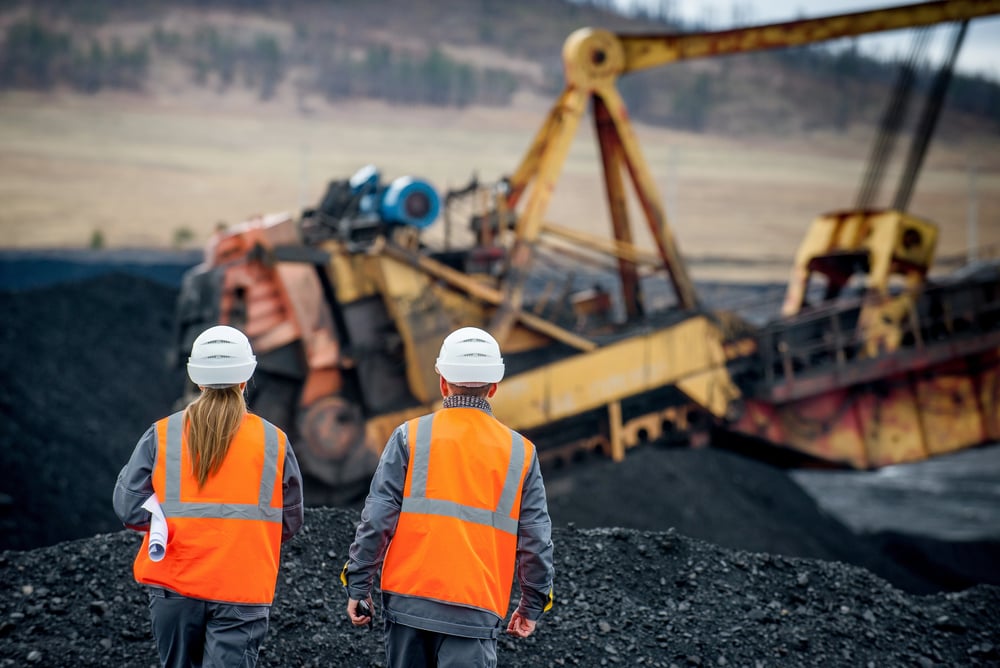
A. P. “Ace” Borger founded Borger, Texas, in February 1926, and its population is estimated at between 10,000 and 20,000 within its first year. The town earned a reputation for violence along with places like Kiefer, Oklahoma, though most injuries and deaths came from dangerous work around heavy equipment and explosions rather than from fighting.
Black-and-white photographs from towns like these show raw wood, angular steel, and rows of tired workers staring into the camera.
Amarillo and the Panhandle
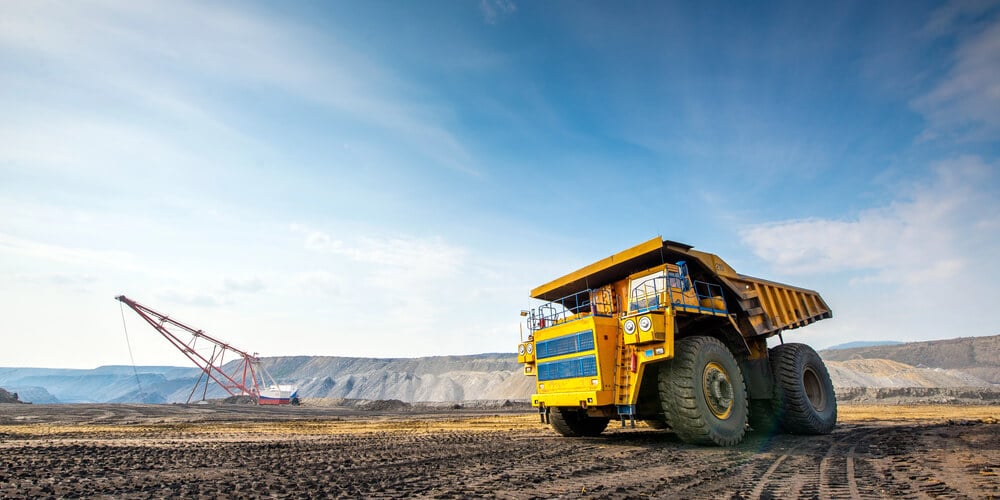
The Panhandle field’s boom pushed Amarillo’s population from 15,494 in 1920 to 43,142 in 1930. Much of the regional growth, however, happened in new settlements like Borger and in older shipping points such as Panhandle.
The numbers show how oil money spread through an entire region rather than a single town.
Kilgore Becomes a Tent City
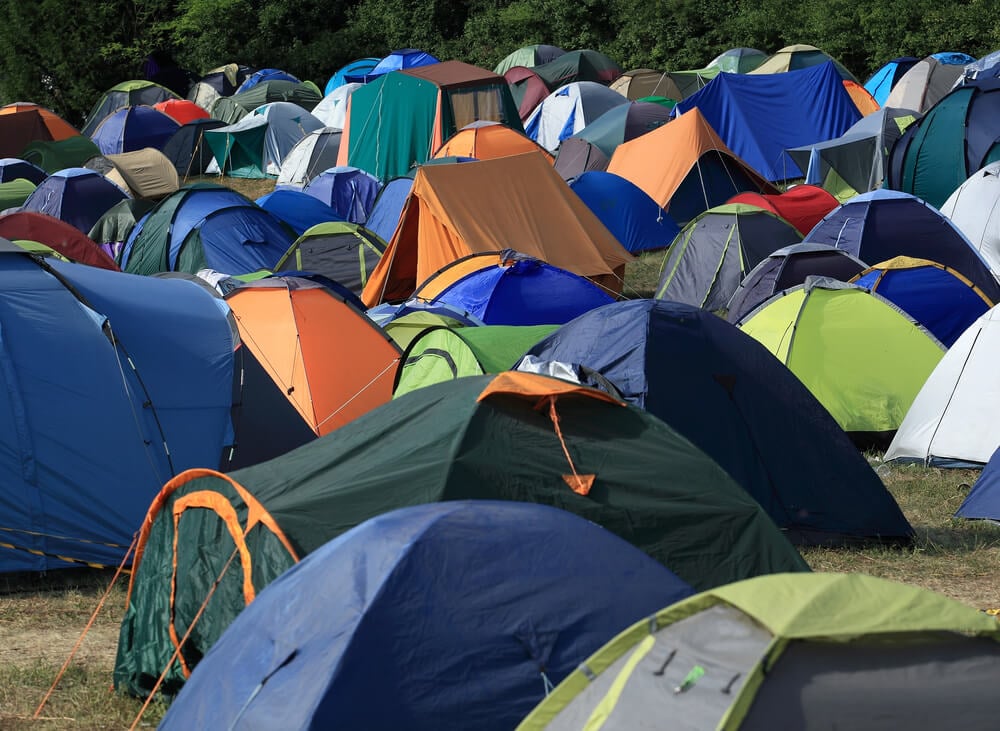
Kilgore, Texas, had only about 700 residents in early 1930. After wildcatter Columbus M. “Dad” Joiner’s discovery in the area on October 3, 1930, workers called boomers poured in, and the town became a tent city.
By December its population was reported at about 10,000, and within six years it reached about 12,000. Beer was illegal, but law reportedly all but disappeared for a while.
Signal Hill and Porcupine Hill
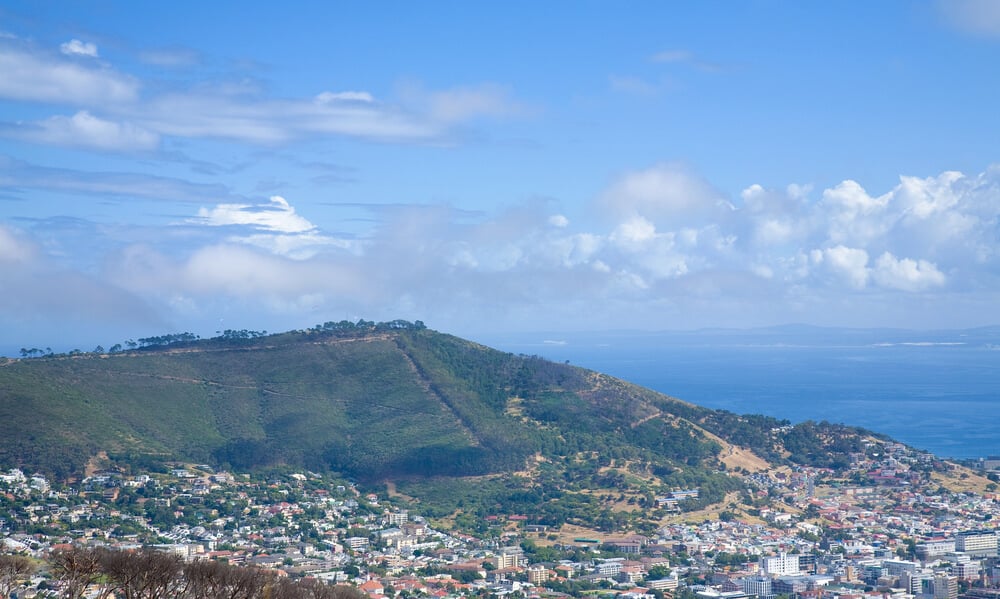
Shell’s Alamitos No. 1 well on Signal Hill, California, erupted on June 23, 1921, shooting oil about 114 feet in the air. The hill soon bristled with about 270 wooden derricks operated by 37 companies, earning the nickname Porcupine Hill.
Derricks crowded so close to Sunnyside Cemetery that graves reportedly produced royalty checks for next of kin. Between 1913 and 1923 Hollywood used the derricks as film backdrops, and by 1923 the field produced roughly 260,000 barrels of oil a day.
Summerland’s Offshore Piers
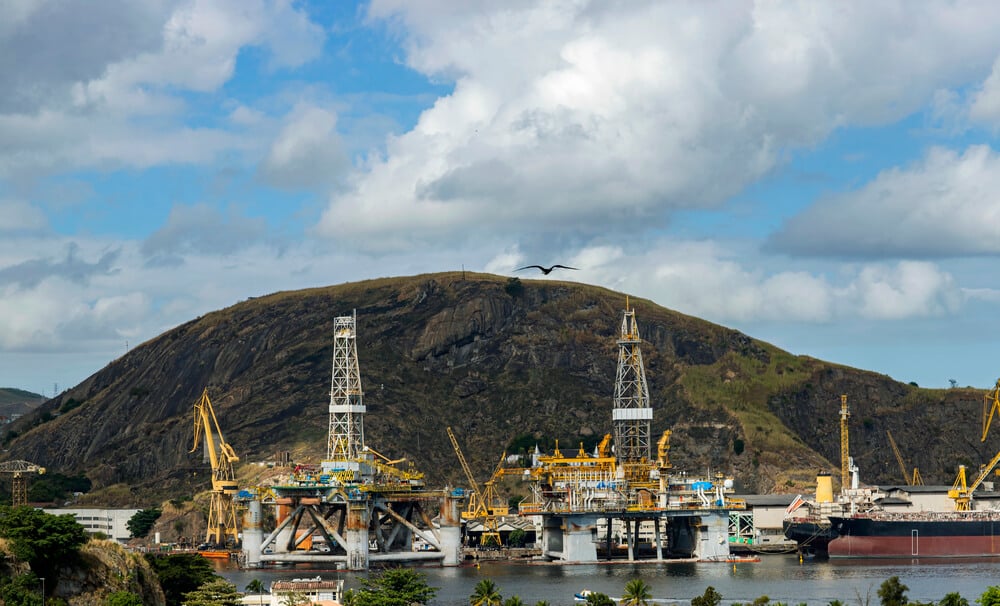
East of Santa Barbara at Summerland, derricks stood on piers that stretched out into the Pacific, drilling for oil beneath the surf. The first offshore wells in the world were drilled from piers there beginning in the 1890s.
The sight of oil rigs rising directly from the surf was unlike any other oil scene in California.
Wink Burns Out Fast
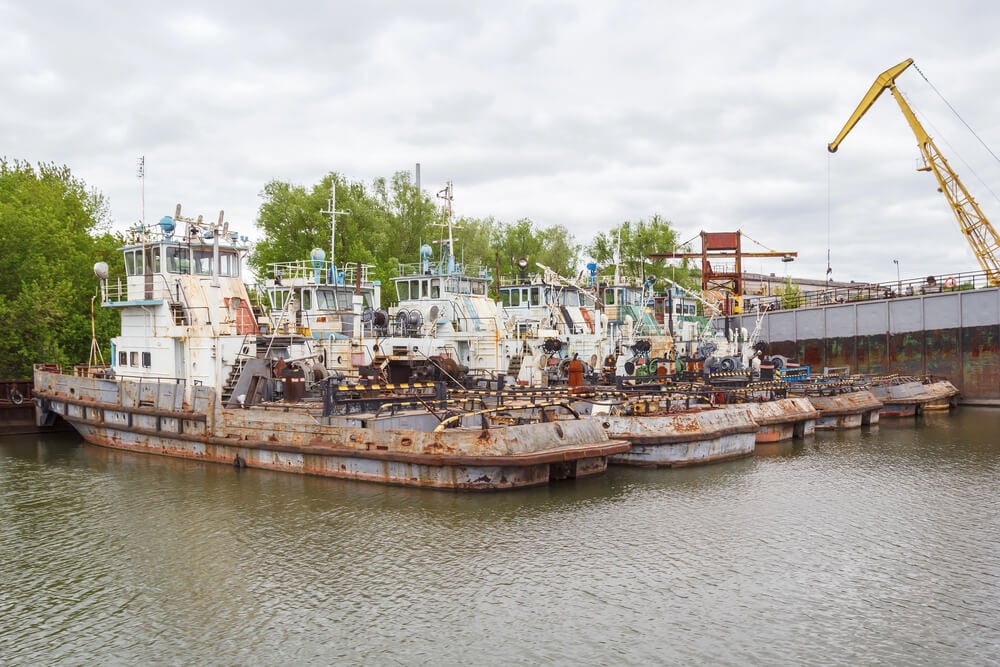
The West Texas boom at Wink ran its course in less than two years, and the exodus of the population ended an uncontrolled situation. The speed of the collapse was typical of oil towns, where thousands could arrive and leave within months.
Wink shows that the boom was often the shortest chapter in a town’s story.
Towns That Followed the Derricks
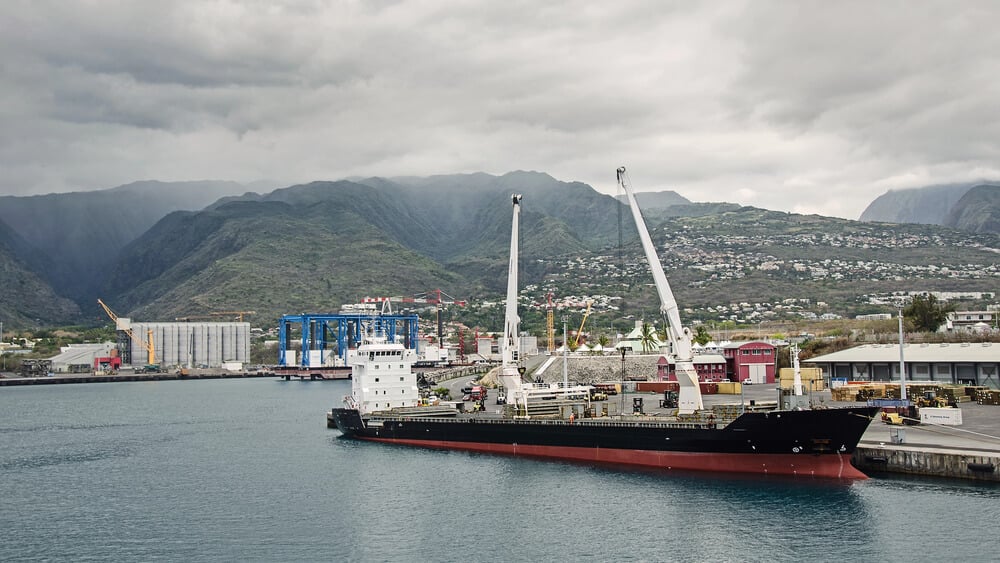
An oil boomtown was built for a single purpose, and when the gusher slowed, the purpose disappeared. Tents, rail yards, and rows of derricks could rise in weeks, and the buildings that followed often looked temporary because they were.
Yet some of these places endured as real communities, and their photographs have become the standard picture of how oil money reshaped the American landscape. The images preserve a world defined by speed, risk, and sudden fortune.
More from Go2Tutors!

- 27 Silver Dollars and Half Dollars Worth Keeping
- 28 Restaurant Menu Items Nobody Orders Anymore
- 17 Places Built in Seemingly Impossible Spots
- 27 Vintage Rings Worth More Than They Look
- 25 Restricted Sites Tourists Can’t Enter
Like Go2Tutors’s content? Follow us on MSN.