Unexpected Twists in Famous Court Cases
Not all court cases turn out as planned. Sometimes a conviction that seemed so certain is overturned years later, or a defendant who everyone believed to be guilty gets away with it.
These unexpected developments have the power to alter legal precedent, shift public opinion, or leave people perplexed about the true nature of justice. This is a list of 14 surprising developments in well-known court cases that shocked the country and altered the path of legal history.
O.J. Simpson’s Acquittal
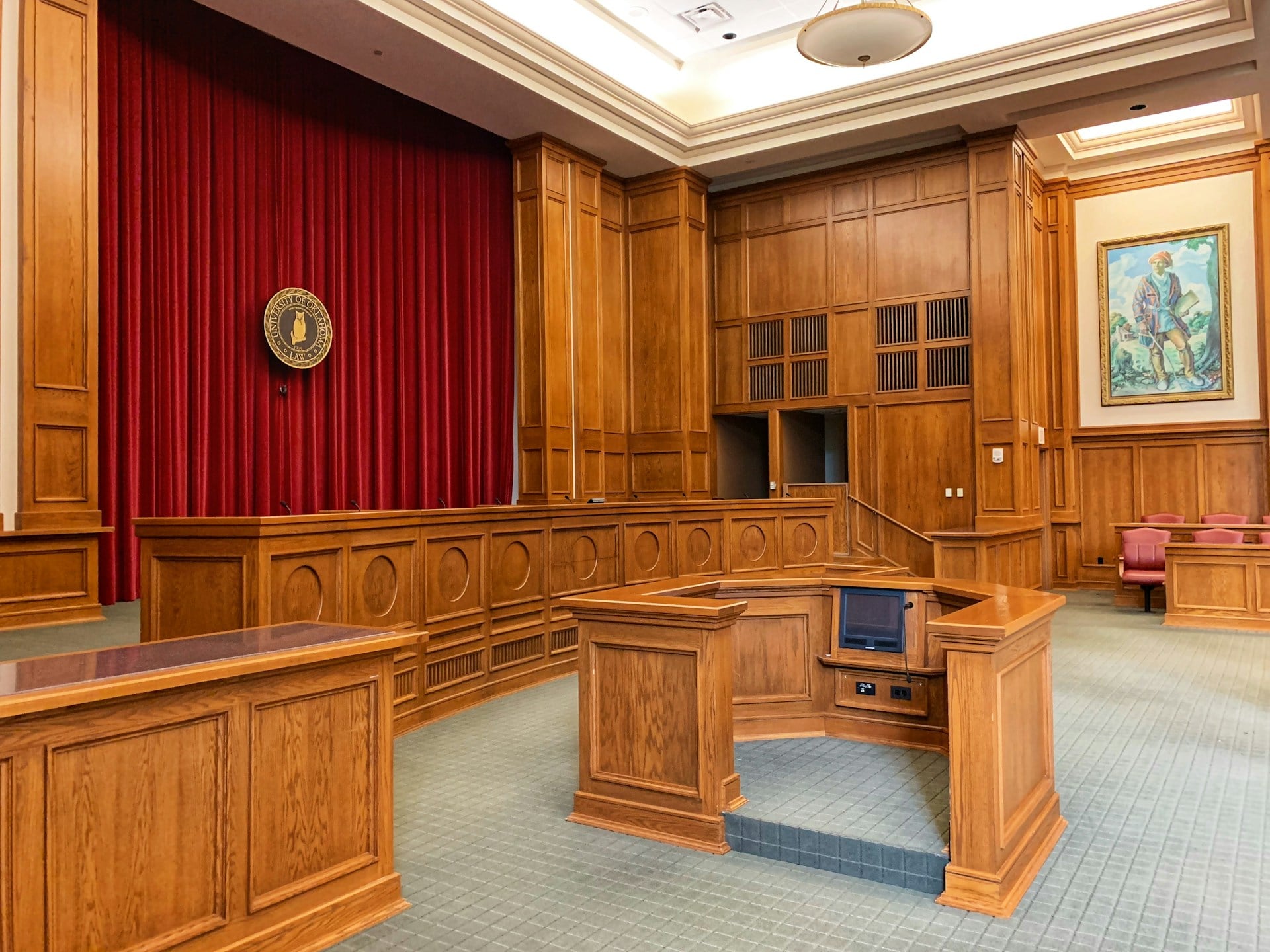
The 1995 murder trial of former NFL star O.J. Simpson ended with one of the most shocking verdicts in American history. Despite what many considered overwhelming evidence linking him to the deaths of his ex-wife Nicole Brown Simpson and her friend Ronald Goldman, the jury found him not guilty on October 3 after less than four hours of deliberation.
The case exposed deep racial divisions in how Americans viewed the justice system, with the verdict celebrated by some and condemned by others.
Casey Anthony Walks Free
When Casey Anthony went on trial in 2011 for allegedly killing her two-year-old daughter Caylee, the nation expected a guilty verdict. Anthony had waited a month before reporting Caylee missing and told bizarre, shifting stories about a fictional nanny and a job she never had.
After weeks of testimony and media frenzy, the jury acquitted her of murder and manslaughter charges on July 5, convicting her only of four misdemeanor counts of lying to police—a decision that left prosecutors and the public absolutely stunned.
Lizzie Borden’s Surprising Verdict
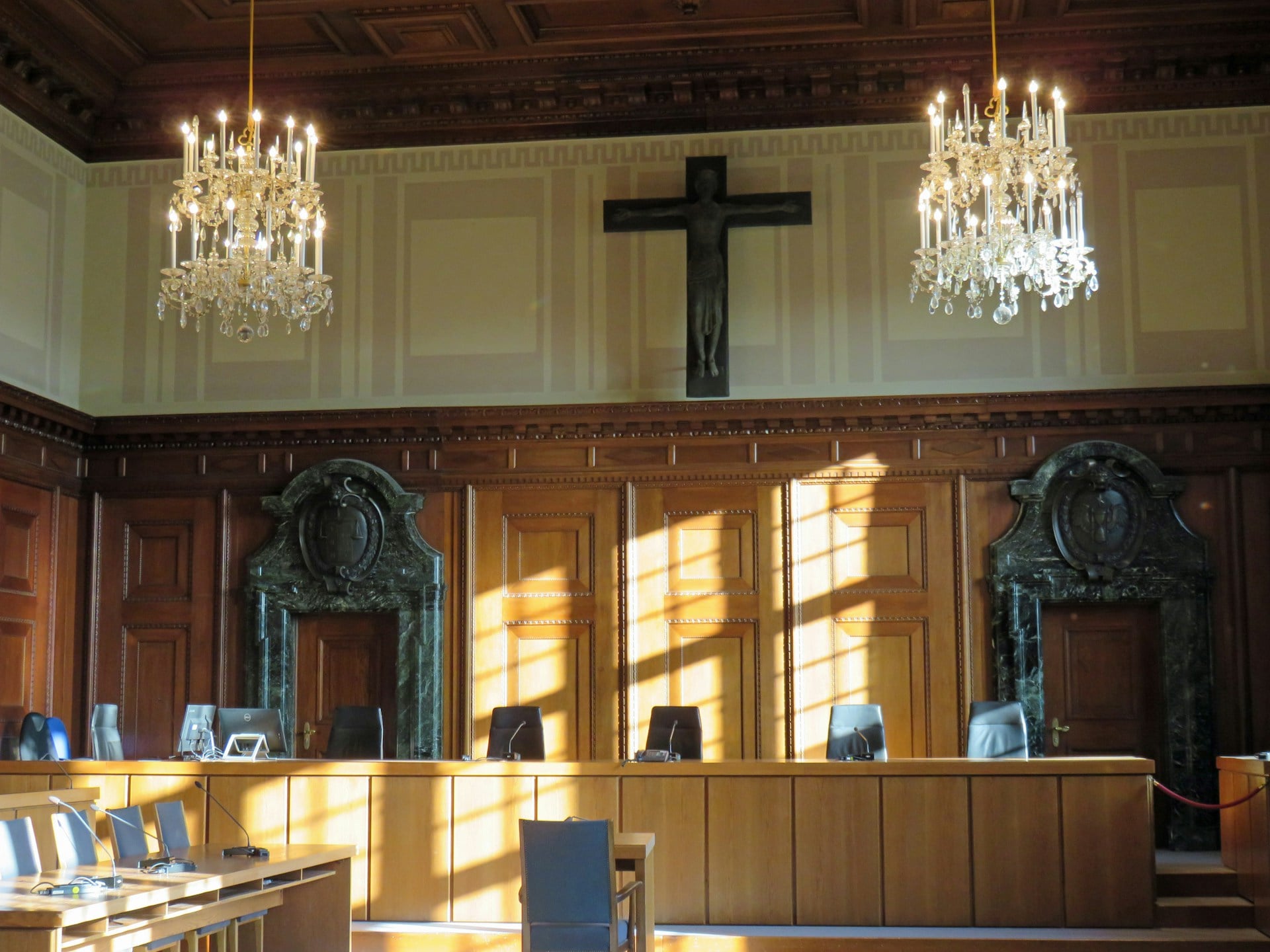
The 1893 trial of Lizzie Borden for the ax murders of her father and stepmother in Fall River, Massachusetts seemed like an open-and-shut case to many observers. Tensions had run high in the Borden household, and Lizzie gave contradictory answers during questioning that raised serious suspicions.
Despite the circumstantial evidence pointing in her direction, the jury found her not guilty in June, though public opinion has largely considered her guilty ever since.
The Scopes Trial Gets Overturned
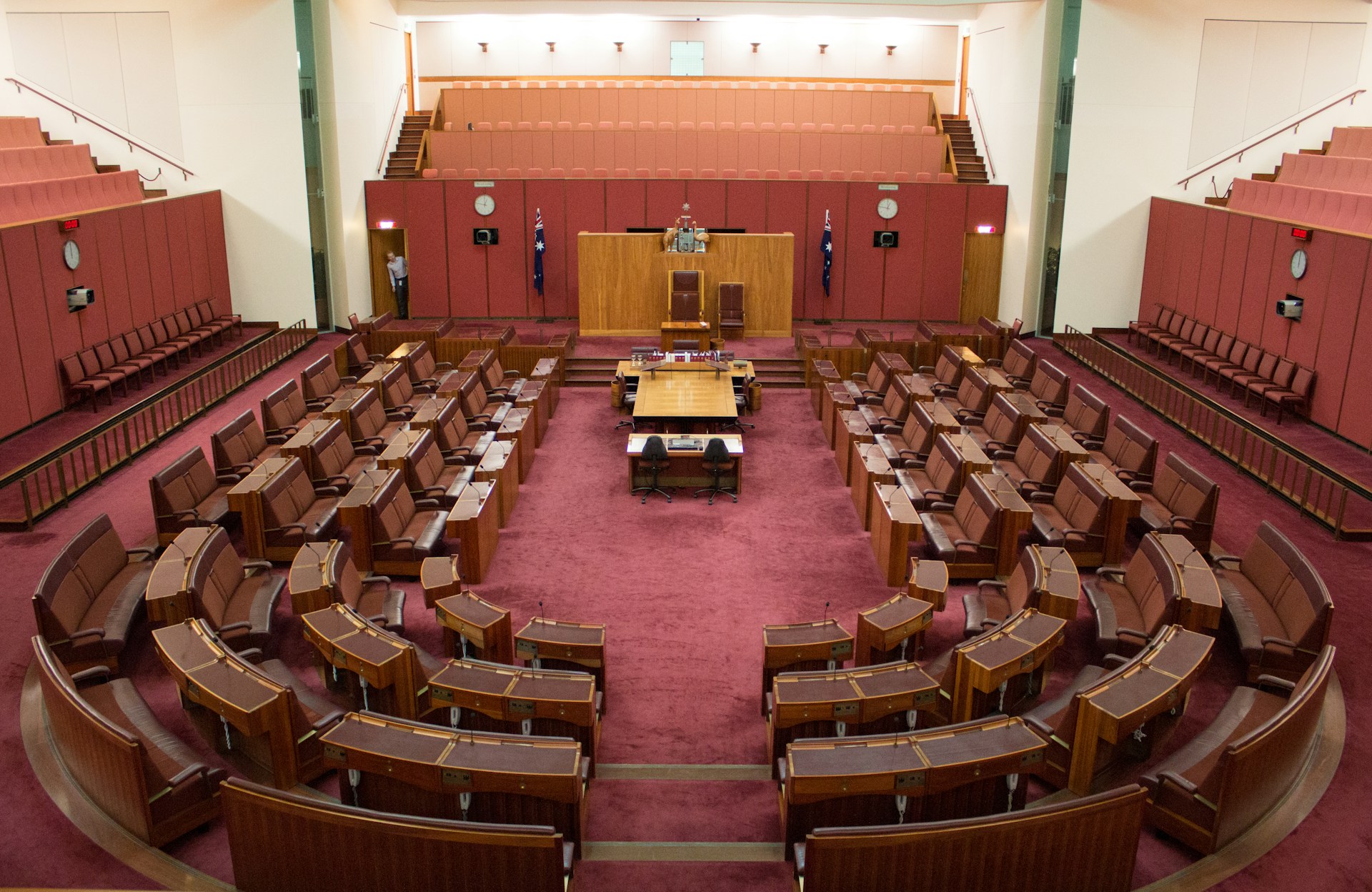
John T. Scopes was found guilty on July 21, 1925 for teaching evolution in a Tennessee classroom, violating the Butler Act in what became known as the Scopes Monkey Trial. The case drew national attention with famous attorney Clarence Darrow defending Scopes and William Jennings Bryan assisting the prosecution.
Two years later, the Tennessee Supreme Court overturned the conviction on a procedural technicality—the judge rather than the jury had set the fine—though the anti-evolution law itself remained untouched and on the books for decades.
Harvey Weinstein’s Conviction Reversed
In April 2024, a New York appeals court overturned Harvey Weinstein’s 2020 conviction in a decision that shocked the #MeToo movement. The court ruled that the trial judge had made improper decisions, including allowing testimony about allegations that weren’t part of the charges against him.
Weinstein faced the possibility of a retrial in New York, though his separate 2022 Los Angeles conviction for 16 years remained in place.
Rodney King Officers Acquitted
The 1992 acquittal of four Los Angeles police officers charged with using excessive force against Rodney King sparked riots that lasted three days. A bystander had videotaped the beating, and many Americans assumed the visual evidence would guarantee convictions when the verdict came down on April 29.
When the jury found the officers not guilty on state charges, Los Angeles erupted in anger and disbelief, though two of the officers were later convicted on federal civil rights charges in 1993.
George Zimmerman Found Not Guilty
The 2013 trial of George Zimmerman for the fatal encounter with 17-year-old Trayvon Martin in Florida became a national flashpoint. Zimmerman claimed he acted in self-defense under Florida’s controversial stand-your-ground law, while civil rights groups and much of the public demanded justice for Martin.
The jury’s not guilty verdict on July 13 for both second-degree murder and manslaughter sparked protests across the country and intensified debates about race, justice, and self-defense laws.
Supreme Court Reverses Bob McDonnell
Former Virginia Governor Bob McDonnell saw his 2014 corruption conviction unanimously overturned by the Supreme Court on June 27, 2016. McDonnell had been convicted of accepting gifts and loans in exchange for promoting a dietary supplement company, but the high court ruled in McDonnell v. United States that his actions didn’t meet the legal definition of official acts.
The decision opened the floodgates for reversals of other high-profile corruption cases and narrowed the definition of political bribery nationwide.
Brown Overturns Plessy
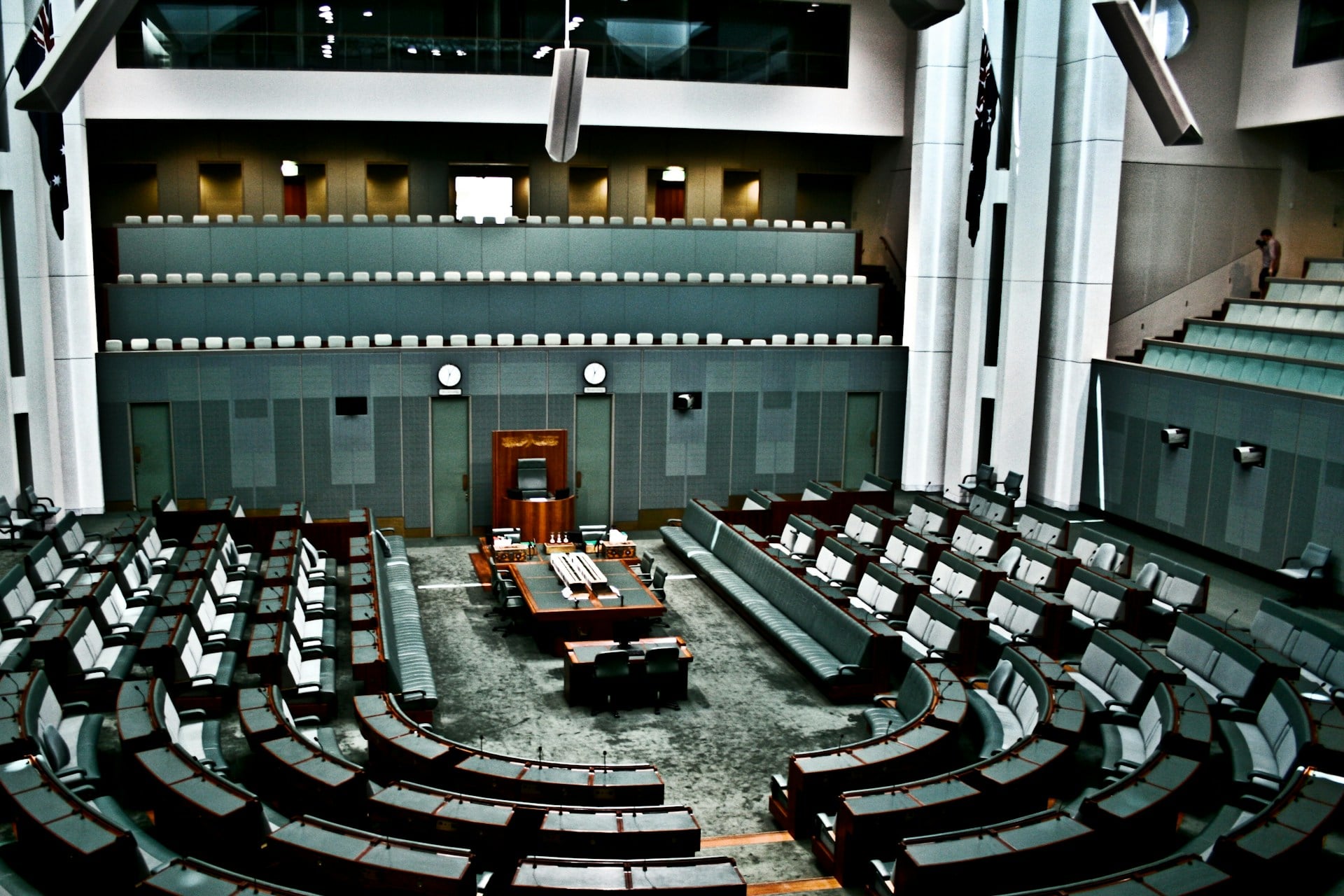
On May 17, 1954, the Supreme Court’s Brown v. Board of Education decision reversed the 58-year-old precedent set by Plessy v. Ferguson. The original 1896 ruling had established the ‘separate but equal’ doctrine that legalized racial segregation across America.
When the Court unanimously declared that segregated public schools violated the Equal Protection Clause of the Fourteenth Amendment, it laid the groundwork for the entire civil rights movement and fundamentally reshaped American society.
Gideon Gets His Lawyer
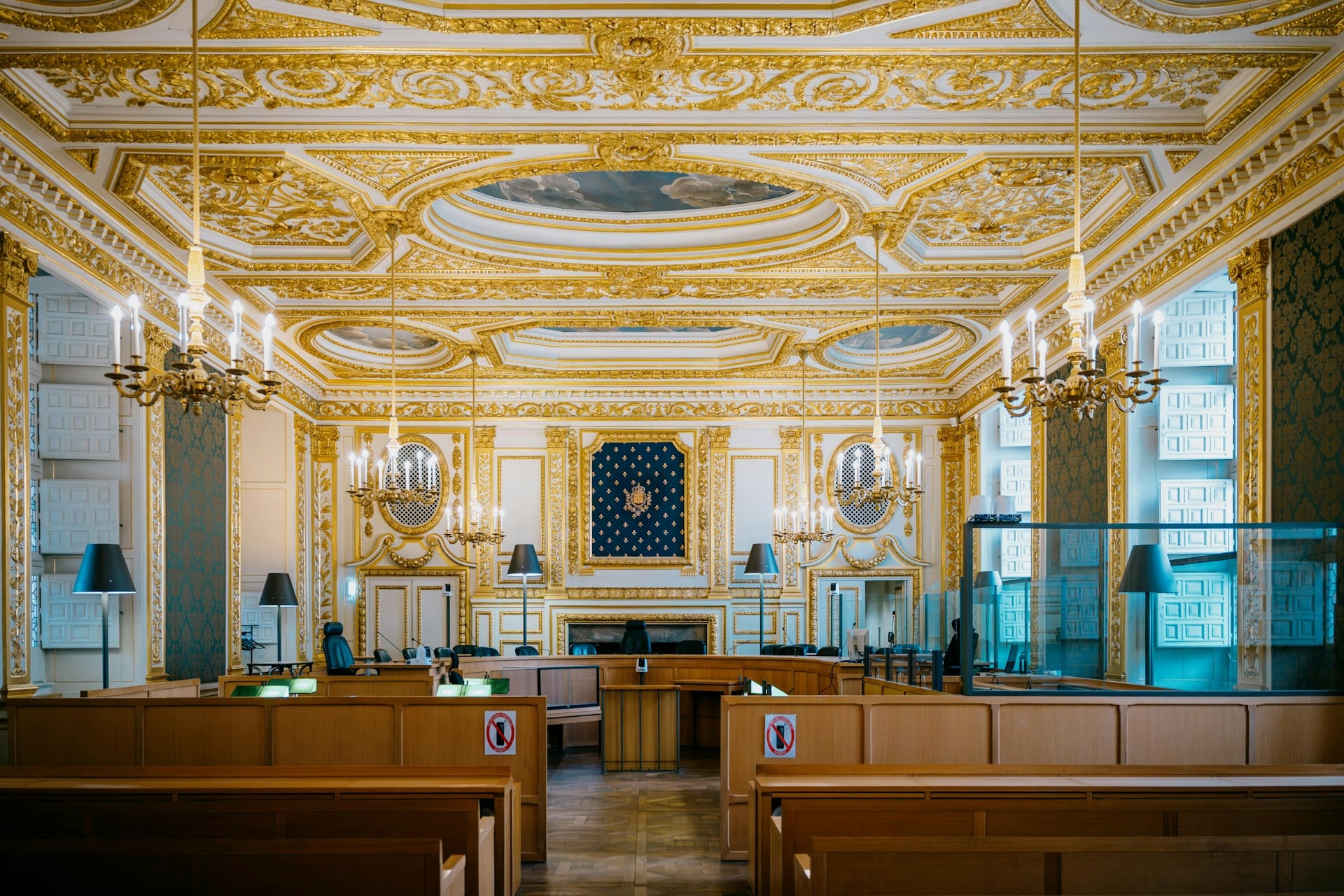
Clarence Earl Gideon was convicted of breaking into a pool hall in 1961 because Florida wouldn’t provide him with a lawyer for his defense. The Supreme Court had previously ruled in Betts v. Brady in 1942 that states didn’t have to provide counsel for poor defendants in all cases.
In 1963, the Court completely reversed course in Gideon v. Wainwright, unanimously declaring that the Sixth Amendment guaranteed legal representation for anyone facing felony charges—a twist that revolutionized the American justice system.
Anthony Graves Freed After 18 Years
Anthony Graves spent 12 years on death row in Texas for a 1992 murder he didn’t commit, based largely on perjured testimony from the actual killer. In 2006, a federal appeals court overturned his 1994 conviction after discovering that the prosecutor had intentionally hidden evidence showing the key witness had recanted before testifying.
Graves spent another four years in solitary confinement awaiting retrial before all charges were finally dismissed in 2010, with prosecutors admitting he was innocent after 18 years.
Lawrence Reverses Bowers
The Supreme Court’s 2003 decision in Lawrence v. Texas completely reversed its own 1986 ruling in Bowers v. Hardwick. In the earlier case, the Court had upheld laws criminalizing private intimate conduct between consenting adults of the same gender.
Just 17 years later, the justices ruled 6-3 that such laws violated the Fourteenth Amendment’s Due Process Clause, declaring that the government had no legitimate interest in regulating private conduct between consenting adults.
Ray Krone’s Bite Mark Evidence Fails
Ray Krone was convicted and sentenced to death in 1992 for murdering a bar manager, with prosecutors relying heavily on bite mark evidence that supposedly matched his teeth. The forensic odontology seemed convincing at trial, but DNA testing in April 2002 proved Krone was innocent and identified the real killer, Kenneth Phillips.
This twist exposed serious flaws in bite mark analysis and contributed to growing skepticism about certain types of forensic evidence.
Same-Gender Marriage Gets Green Light
In 1972, the Supreme Court dismissed Baker v. Nelson with a single sentence, ruling that legalizing same-gender marriage wasn’t even a substantial federal question worth considering. For over 40 years, that dismissive one-liner stood as precedent against marriage equality.
Then on June 26, 2015, the Court handed down Obergefell v. Hodges, ruling 5-4 that the Constitution guaranteed same-gender couples the right to marry—a complete reversal that reflected massive shifts in public opinion and legal thinking.
When Justice Takes Unexpected Turns
These cases serve as a reminder that courtrooms are dynamic settings where evidence, public opinion, and established legal precedent can all intersect in ways that no one can completely predict. While cases that appear hopeless can occasionally result in stunning victories, a seemingly certain verdict can be overturned due to a technicality.
The complexities of well-known trials have influenced American law and society, demonstrating that justice is not always served by a straight line. Depending on which side of the argument you’re on, these unexpected results may indicate the system’s shortcomings or show it functioning as intended.
More from Go2Tutors!

- The Romanov Crown Jewels and Their Tragic Fate
- 17 Halloween Costumes Once Considered Taboo
- Famous Hoaxes That Fooled the World for Years
- 15 Child Stars with Tragic Adult Lives
- 16 Famous Jewelry Pieces in History
Like Go2Tutors’s content? Follow us on MSN.



