30 Famous Explorers and What They Found
Stand at Cape Point on a windy afternoon and look south. The ocean runs all the way to Antarctica with nothing in between.
Now picture yourself on a wooden ship no longer than five minibus taxis parked nose to tail, with no reliable way to measure longitude, rotting food in the hold and no idea what lies past the next headland. That was the job description for most of the people on this list.
Explorers get remembered as heroes, villains or both, often depending on who tells the story. Many of them reached places other people already called home, and that gets an honest mention below.
But each of them also came back with something new, a route, a map, a species, a shipwreck, a view of the Earth from above, that changed what the rest of the world knew.
Xuanzang and the Road to India
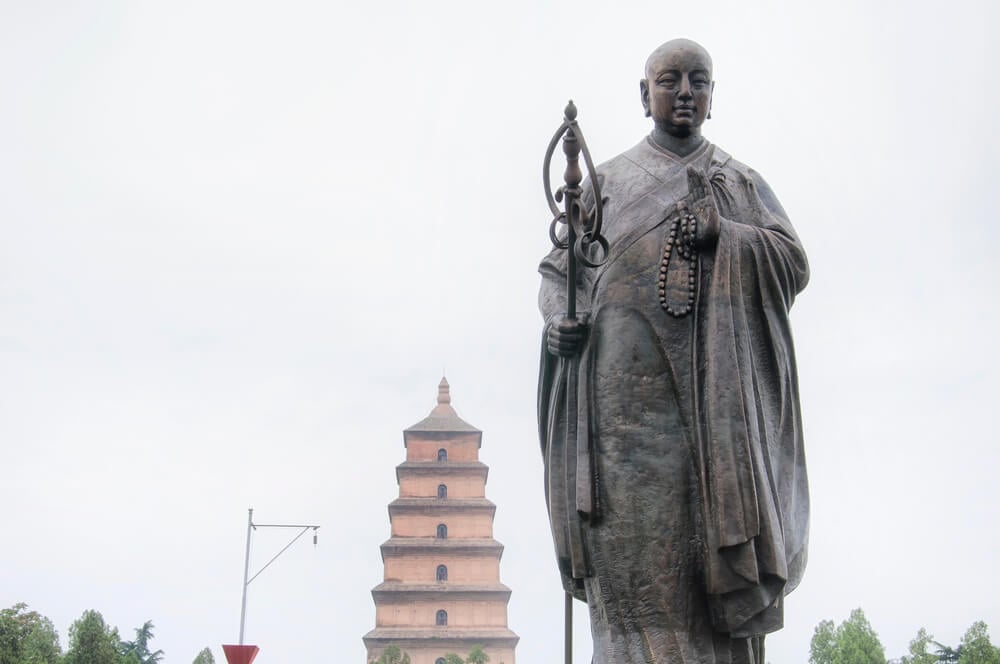
In 629 CE a Chinese monk named Xuanzang slipped out of the Tang empire without permission. He wanted original Buddhist texts, not the patchy translations available at home, so he walked to India to get them.
The trip took about 16 years. He crossed deserts and the Pamir mountains, studied at Nalanda and returned in 645 with hundreds of manuscripts.
His travel record later guided archaeologists to Buddhist sites across India and Central Asia, more than a thousand years after he wrote it.
Leif Erikson and Vinland
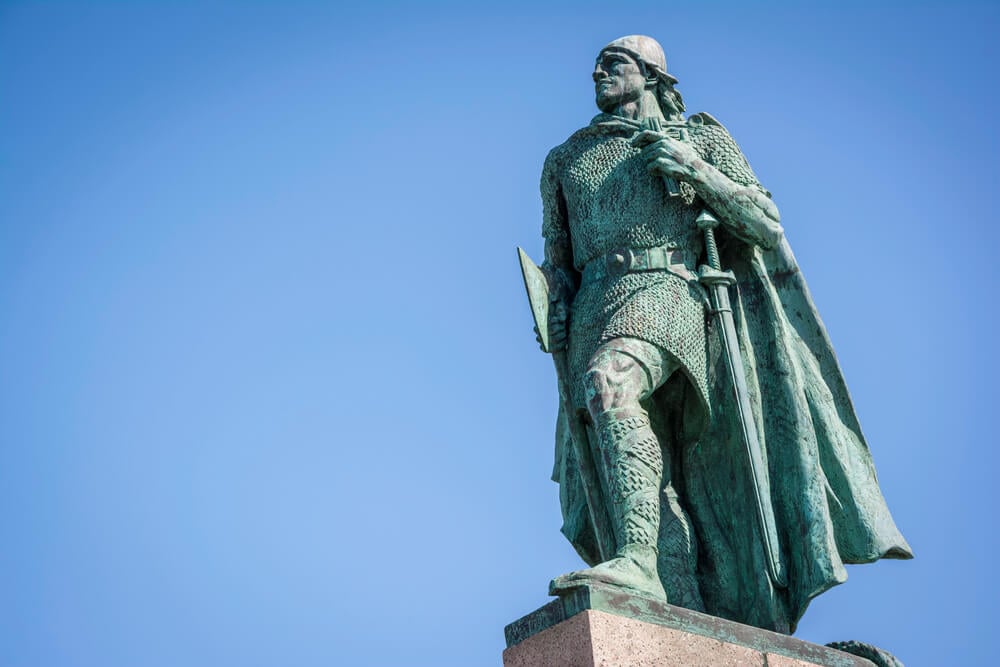
Around the year 1000, the Norse explorer Leif Erikson sailed west from Greenland and reached a coast he called Vinland. For centuries the story lived only in Icelandic sagas, and plenty of historians treated it as legend.
In 1960 Helge Ingstad and Anne Stine Ingstad found Norse buildings at L’Anse aux Meadows in Newfoundland, Canada. A 2021 study of tree rings in wood cut with metal tools pinned Norse activity there to the year 1021.
That means Europeans set foot in the Americas nearly 500 years before Columbus. The sagas were right all along.
Marco Polo and the Court of Kublai Khan
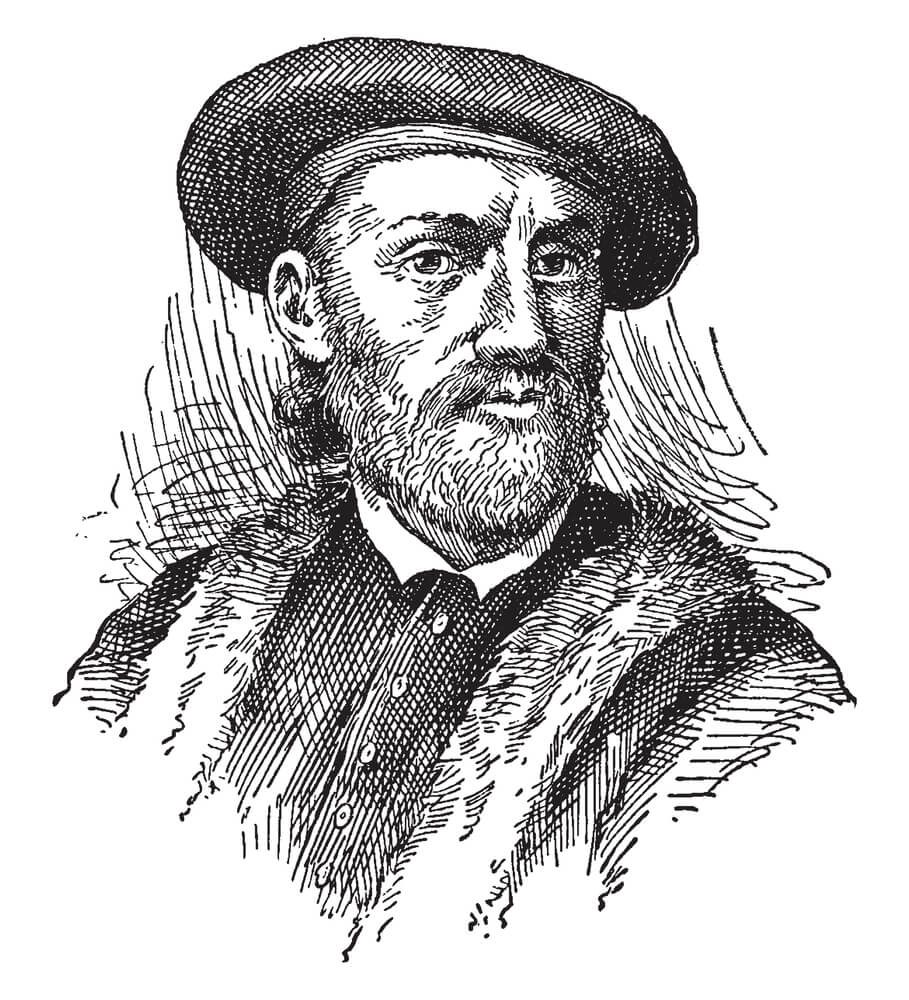
Marco Polo left Venice in 1271 as a teenager, travelling with his father and uncle along the Silk Road. He did not return for about 24 years.
He served Kublai Khan, the Mongol ruler of China, and described paper money, black stones that burned like logs, which was coal, and a relay postal system.
Here is the strange part. Polo never wrote his book himself. He dictated it to a writer of romances named Rustichello of Pisa while both men sat in a Genoese prison around 1298. Two centuries later, Christopher Columbus owned a copy full of notes in the margins.
Ibn Battuta, the Traveller Who Outwalked Them All
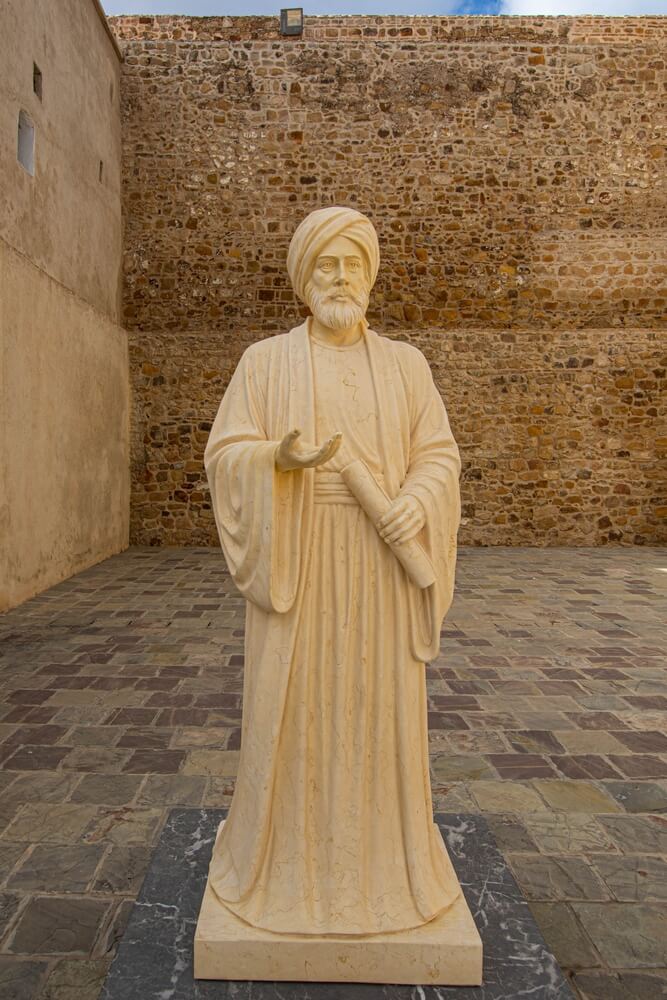
Born in Tangier, Morocco, in 1304, Ibn Battuta left home at 21 to make the pilgrimage to Mecca. He kept going for nearly three decades.
He worked as a judge in Delhi, sailed down the East African coast to Kilwa, reached China and, late in life, crossed the Sahara to the Mali Empire.
Scholars estimate he covered around 120,000 kilometres, far more than Marco Polo. His account, the Rihla, shows the Islamic world at its height. If your picture of medieval history begins and ends with European castles, his book fixes that quickly.
Zheng He and the Treasure Fleets
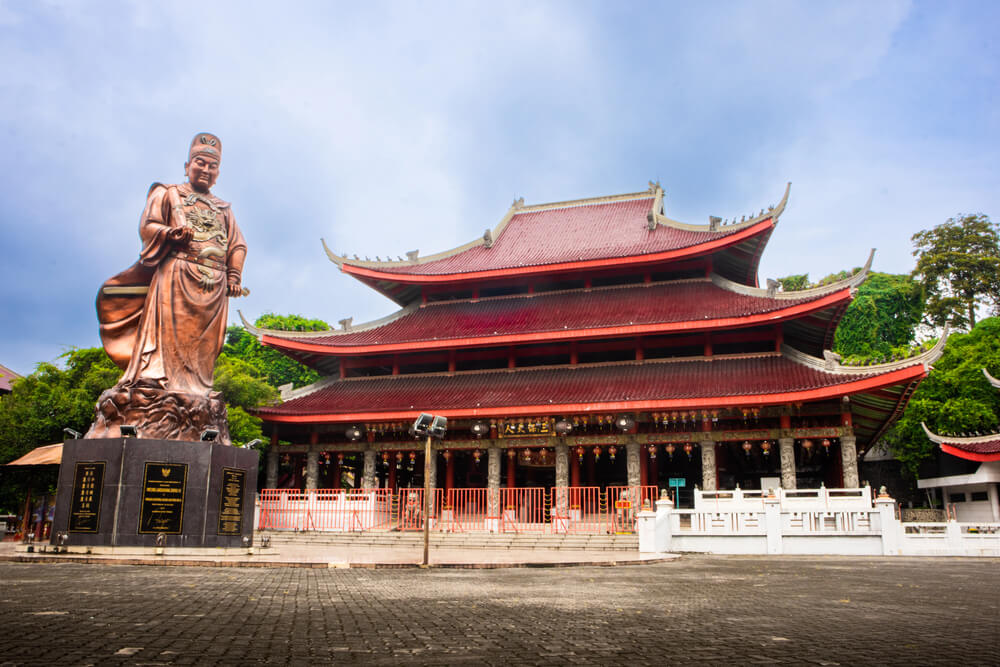
Between 1405 and 1433, the Ming admiral Zheng He commanded seven enormous voyages across the Indian Ocean. His fleets included hundreds of ships and tens of thousands of men.
The fleets visited Southeast Asia, India, Arabia and the East African coast, including Malindi in present-day Kenya. One famous result was a giraffe that arrived at the Ming court in 1414, where officials greeted it as a qilin, a creature of good fortune.
Then later Ming rulers turned inward and the voyages ended. Decades later, Portuguese sailors coming the other way around Africa found an Indian Ocean with no Chinese fleet in sight.
Bartolomeu Dias Rounds the Cape
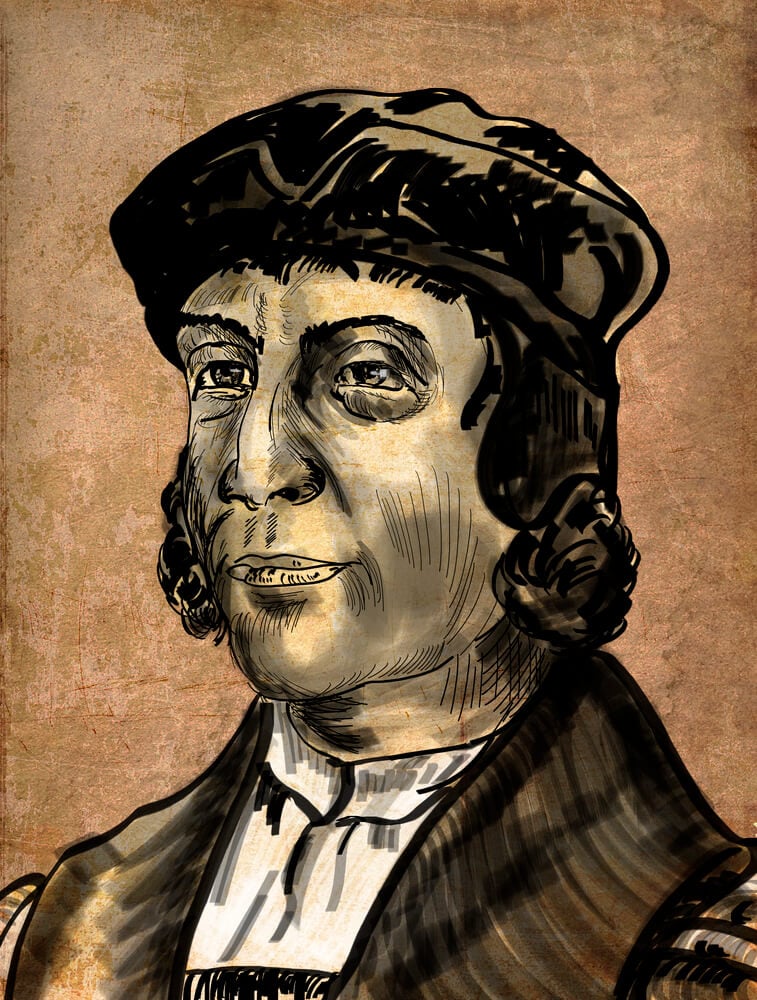
In August 1487, Bartolomeu Dias left Lisbon with two caravels and a supply ship. His orders were to find the southern end of Africa.
A storm blew his ships far south for days. When Dias turned east and found only open water, he swung north and hit the coast.
In February 1488 he landed at a bay the Portuguese called Aguada de São Brás. You know it as Mossel Bay.
Dias pushed on as far as Kwaaihoek, near the mouth of the Bushmans River in the Eastern Cape, where he raised a stone pillar called a padrão. His exhausted crew forced him to turn back, and on the way home he finally saw the cape he had passed in the storm.
He named it the Cape of Storms. King John II renamed it the Cape of Good Hope.
Dias proved that a sea route around Africa to the Indian Ocean existed. He never got to use it fully. In 1500 he died when his ship went down in a storm near the same cape. The Bartolomeu Dias Museum in Mossel Bay holds a full-size replica of his caravel, sailed from Portugal in 1988 for the 500th anniversary. Stand on its deck and you will wonder how anyone crossed an ocean in something so small.
Christopher Columbus and the Wrong Continent
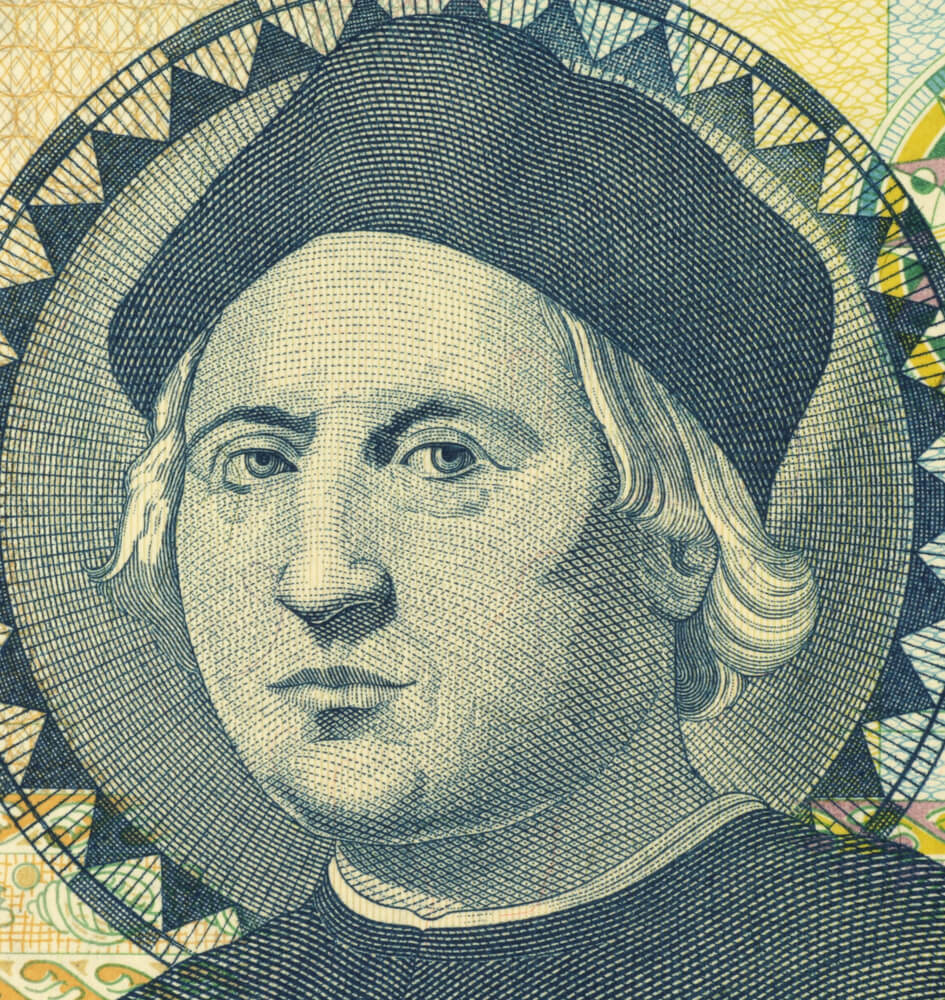
In October 1492, Columbus reached an island in the Bahamas, after sailing west from Spain with three ships. He was looking for Asia. He believed until his death in 1506 that he had found it.
What he actually found was a pair of continents unknown to Europe and home to millions of people. His arrival brought conquest and disease that devastated the Taíno people of the Caribbean within a generation.
It also started the exchange of crops, animals and people between the hemispheres that historians call the Columbian Exchange. That exchange is why you can buy mielies at a South African roadside stall today.
Vasco da Gama and the Coast Called Natal
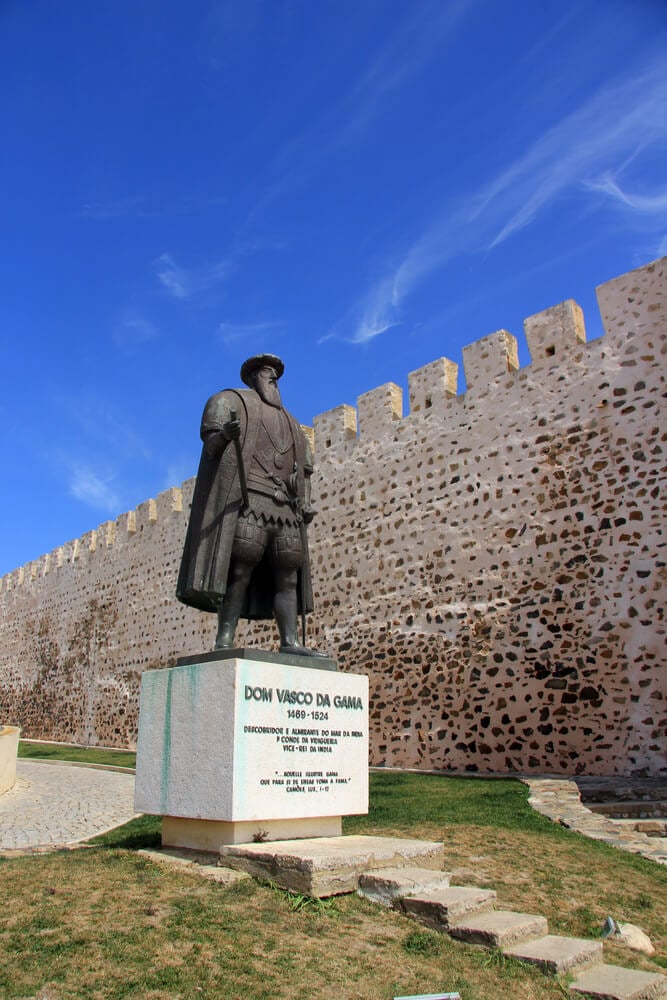
Vasco da Gama finished what Dias started. He left Lisbon in July 1497, rounded the Cape in November and kept going up the east coast of Africa.
On Christmas Day 1497, his fleet sailed past a stretch of coast he named Natal, from the Portuguese word for Christmas. The name lives on in KwaZulu-Natal.
At Malindi, da Gama took on an experienced pilot who guided the fleet across the Indian Ocean to Calicut in India, which they reached in May 1498. For the first time, Europe had a direct sea route to the spice trade. The Cape became the hinge of global shipping, which explains a great deal about why Cape Town exists at all.
Vasco Núñez de Balboa Sees Another Ocean
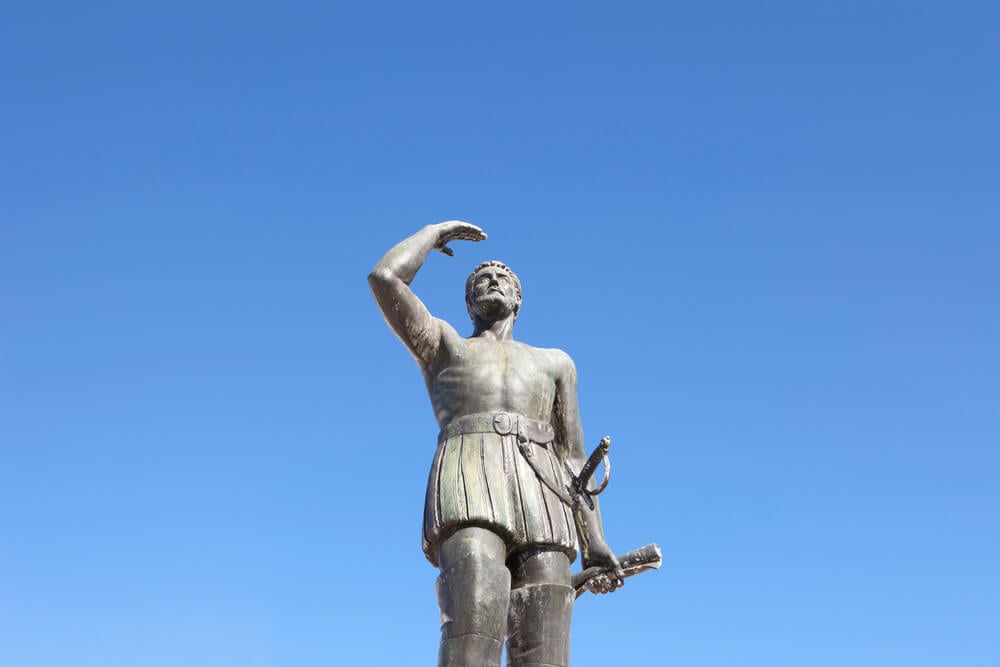
In September 1513, the Spanish adventurer Balboa crossed the narrow Isthmus of Panama with a party of Spaniards and local guides. From a peak in the Darién mountains, he became the first European to see the Pacific from the Americas.
He called it the South Sea. Six years later, a rival governor had him executed.
Ferdinand Magellan and the First Lap of the Planet
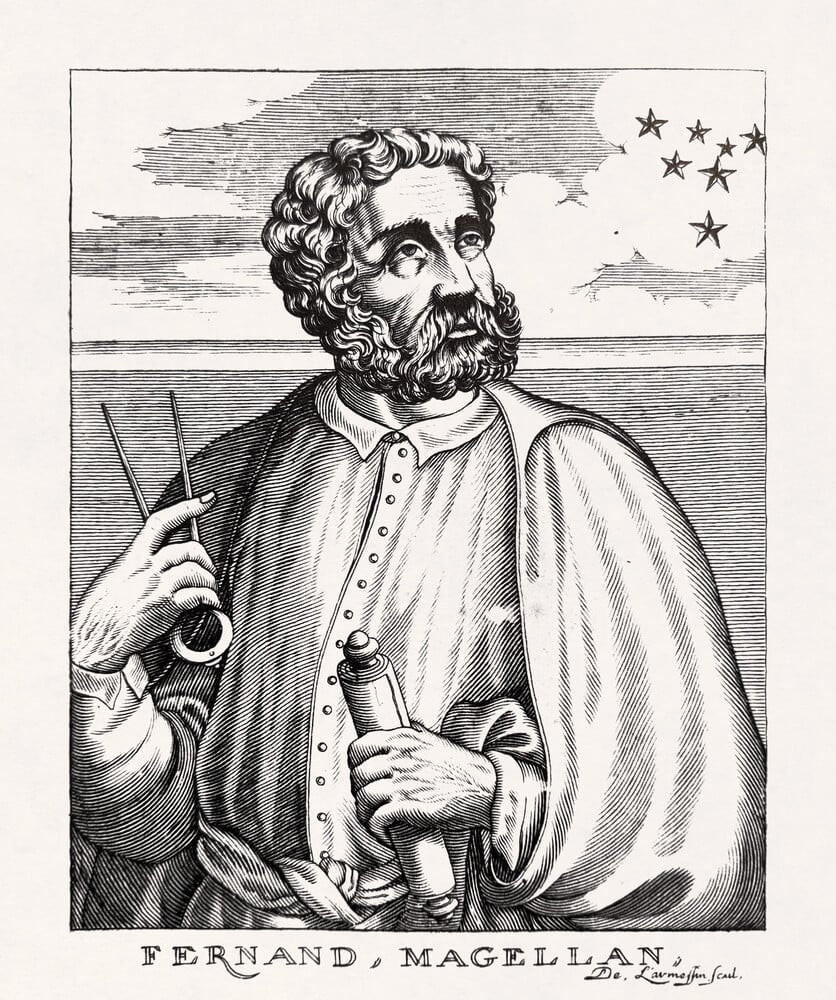
Magellan left Spain in 1519 with five ships and around 270 men, planning to reach the Spice Islands by sailing west. In 1520 he found a passage through the tip of South America, now called the Strait of Magellan.
The ocean beyond seemed so calm that he named it the Pacific.
The crossing took months, and the crew ate leather and sawdust.Magellan himself died in 1521 in a battle on Mactan in the Philippines, fighting the forces of a local leader named Lapulapu, who is still celebrated there today.
Juan Sebastián Elcano took command of what was left. In 1522, a single ship, the Victoria, limped back to Spain with 18 survivors.
They had sailed around the world. They also brought back a puzzle.
Their ship’s log was a day behind the calendar in Spain, which was the first practical evidence of the problem the International Date Line now solves.
Jacques Cartier and the Word Canada
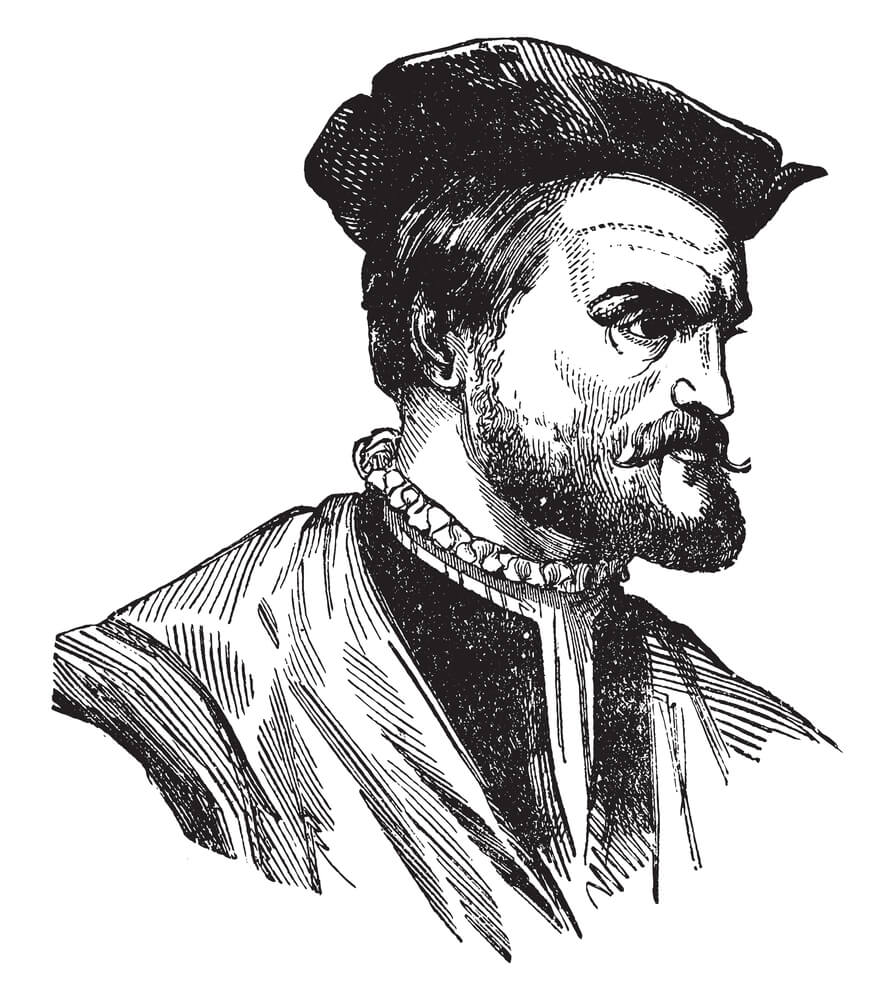
French navigator Jacques Cartier made three voyages to North America between 1534 and 1542. He sailed up the St Lawrence River as far as present-day Montreal.
His lasting find is a word. Local guides used kanata, meaning village or settlement, to describe the area.
Cartier applied it to the whole region, and a country eventually took the name.
Francisco de Orellana Down the Amazon
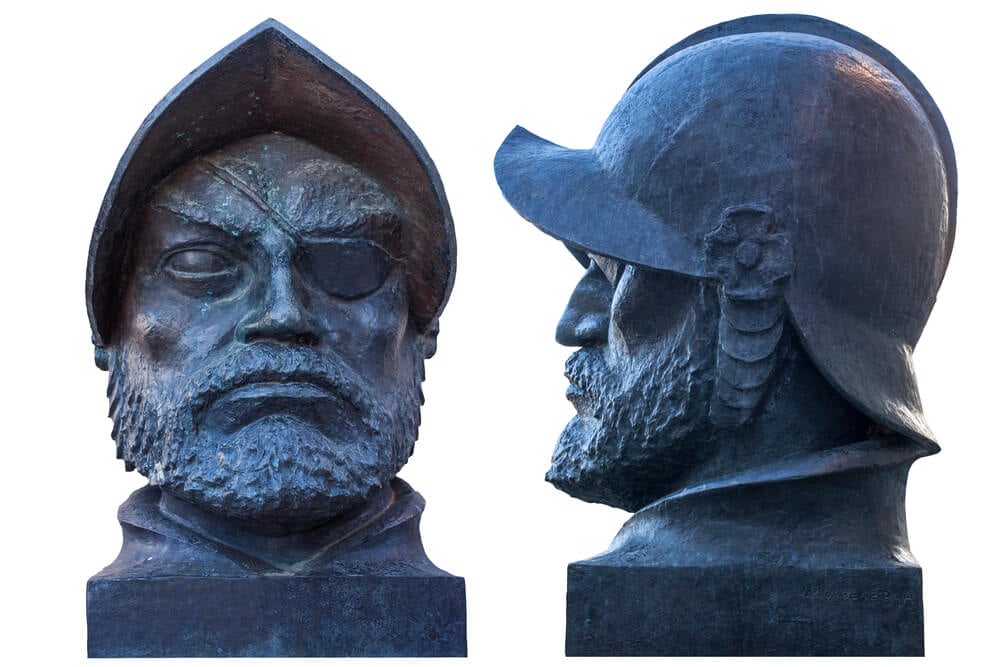
In 1541, Francisco de Orellana was part of a Spanish expedition searching for a fabled land of cinnamon in the forests east of the Andes. Short of food, he took a boat downstream to find supplies.
He never came back up. The current carried them about 4,800 kilometres, all the way to the Atlantic, which they reached in 1542. They were the first Europeans to travel the length of the river. Reports of women warriors gave the river its name, after the Amazons of Greek myth.
Henry Hudson and the Bay That Kept Him
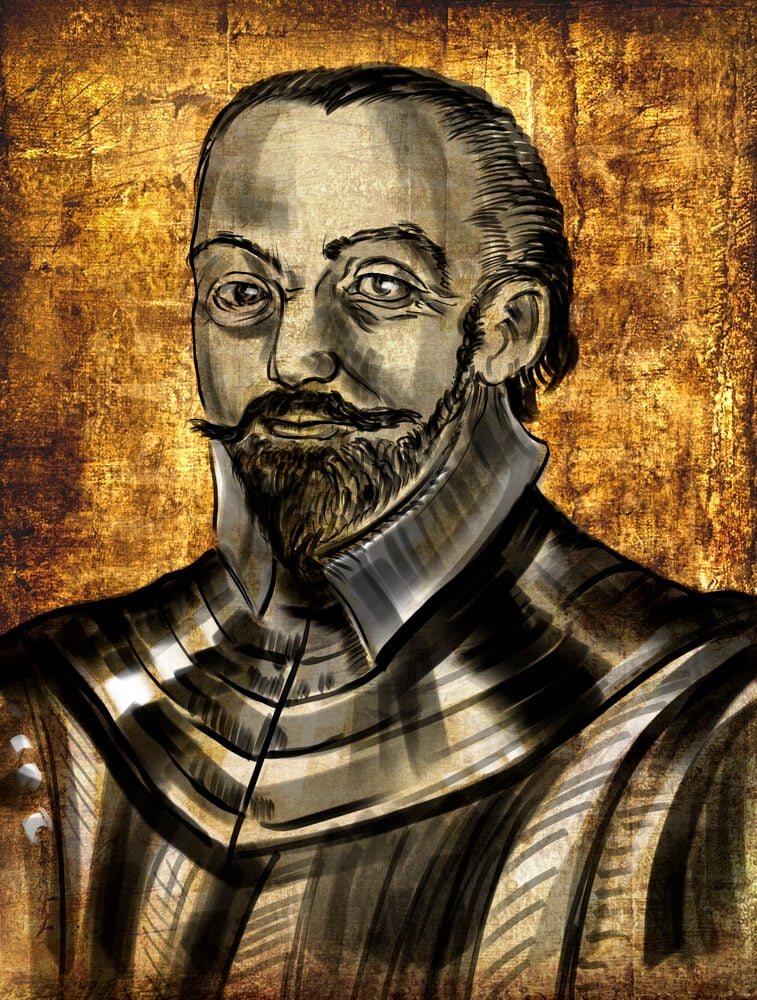
Henry Hudson was looking for a shortcut to Asia over the top of the world. He never found it, because it was not there in any useful form.
In 1609, sailing for the Dutch East India Company, he explored the river that now bears his name, opening the way for the Dutch settlement that became New York. In 1610 he entered the huge inland sea now called Hudson Bay.
After a hard winter trapped in the ice, his crew mutinied in 1611 and set Hudson, his young son and several loyal men adrift in a small boat. No one ever saw them again.
Abel Tasman Misses Australia
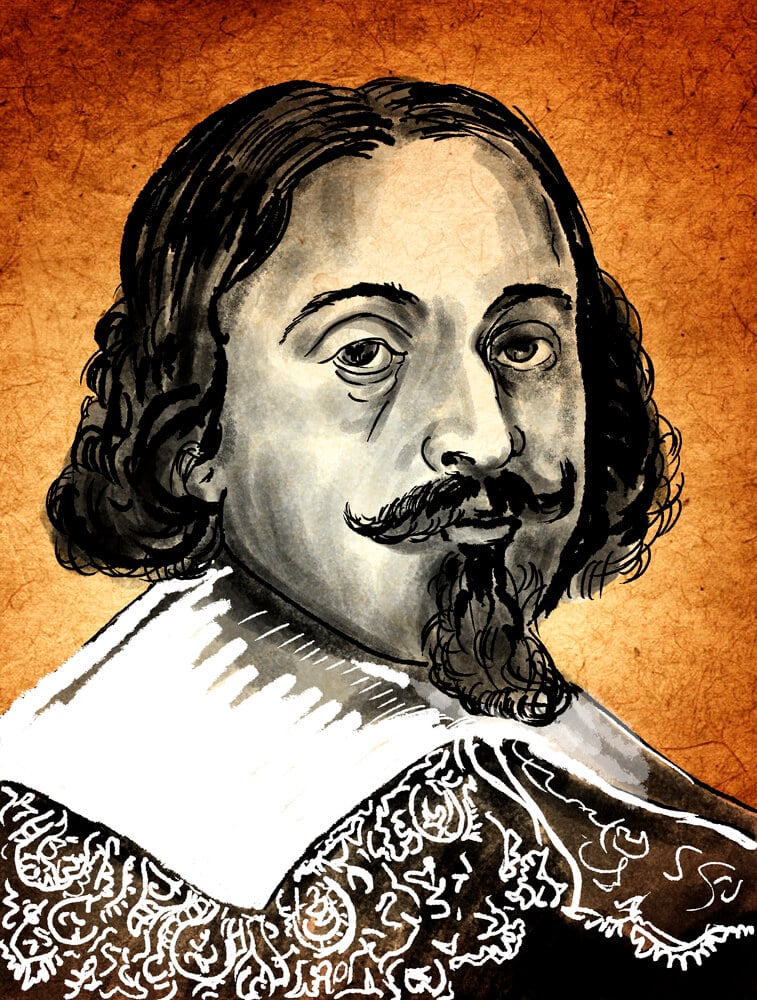
Sailing from Batavia, now Jakarta, for the Dutch East India Company in 1642, Abel Tasman reached an island he named Van Diemen’s Land. It is now Tasmania.
He then sailed east and became the first known European to reach New Zealand.
A deadly clash with Māori at Golden Bay ended that visit before he landed.
The odd thing is what he did not see. Tasman sailed right around Australia without sighting its mainland.
James Cook Charts the Pacific
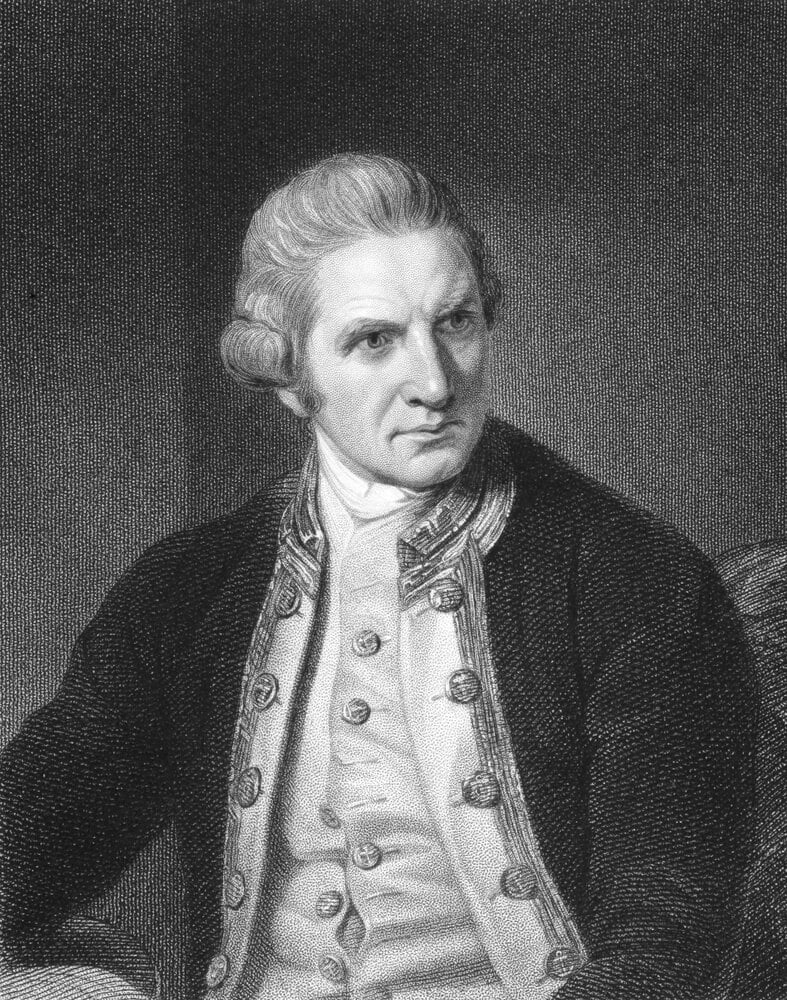
Captain James Cook led three Pacific voyages between 1768 and 1779, and he mapped more of the Earth’s surface than almost anyone before him.
On the first voyage aboard the Endeavour, he observed the transit of Venus from Tahiti in 1769, charted the coastline of New Zealand and in 1770 reached the east coast of Australia at Botany Bay. On the second, in 1773, his ships became the first recorded to cross the Antarctic Circle.
His ships stopped repeatedly at Table Bay to resupply, so the Cape played its part too.
He was killed in 1779 at Kealakekua Bay in Hawaii after a confrontation with local people. His arrival in Australia and New Zealand marked the start of colonisation that indigenous communities still reckon with.
Alexander von Humboldt Sees Nature as One System
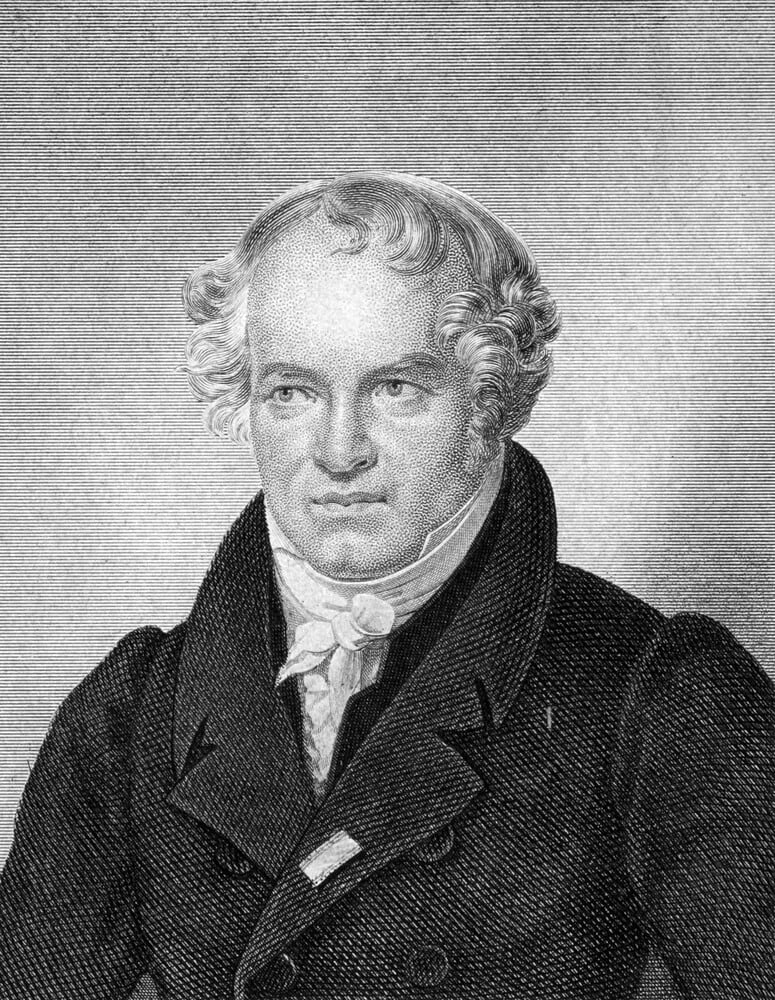
The Prussian naturalist Alexander von Humboldt spent 1799 to 1804 travelling through South America, Cuba, Mexico and the United States with French botanist Aimé Bonpland.
In 1802 he climbed high up Chimborazo in Ecuador, then believed to be the tallest mountain on Earth, and set an altitude record for the time. Looking down its slopes, he noticed how plant zones changed with height in the same way they changed with distance from the equator.
That idea sits behind modern ecology. He also warned that cutting forests changed local climates. A young Charles Darwin packed Humboldt’s books for the voyage of the Beagle.
Mungo Park and the River That Flowed the Wrong Way
Scottish surgeon Mungo Park set out in 1795 to find the Niger River in West Africa. Europeans did not even know which direction it flowed.
After robbery, illness and months held captive, he reached the Niger at Ségou in present-day Mali in July 1796. He saw it flowing east. That simple fact overturned years of European guesswork.
He returned in 1805 to trace the river to its end and died at the Bussa rapids in present-day Nigeria.
Lewis and Clark Cross a Continent
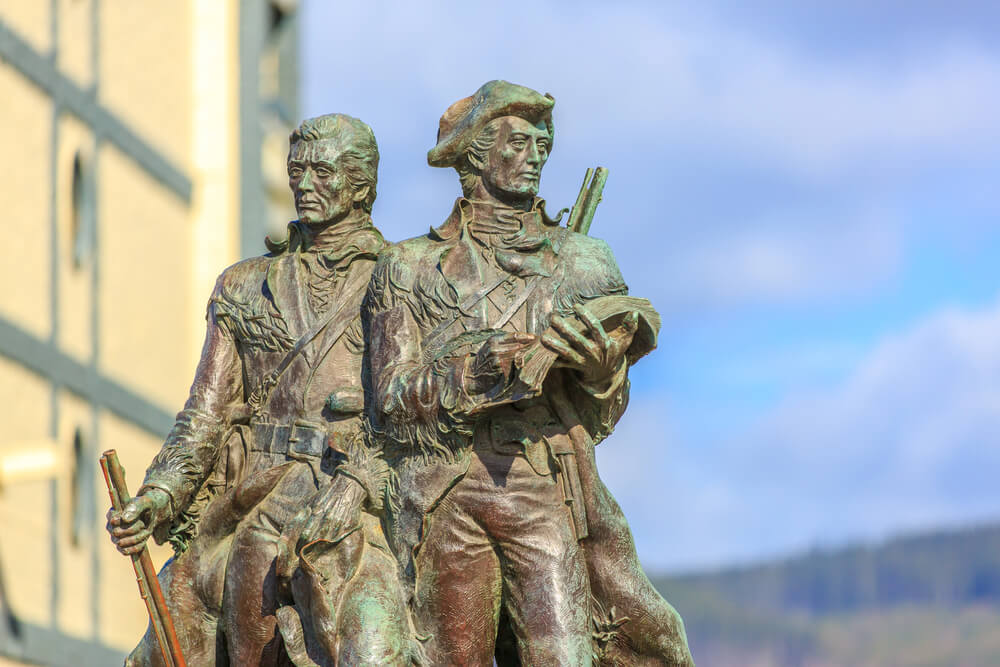
In 1804, President Thomas Jefferson sent Meriwether Lewis and William Clark west from near St Louis with a group called the Corps of Discovery. Their job was to find a route to the Pacific.
They reached the Pacific coast at the mouth of the Columbia River in late 1805 and returned in 1806. Along the way they recorded scores of plants and animals unknown to science, including the grizzly bear, and drew maps that guided American expansion for decades.
They did not do it alone. Sacagawea, a young Lemhi Shoshone woman, travelled with them carrying her infant son.
Her help with the Shoshone secured the horses they needed to cross the Rocky Mountains. York, a man enslaved by Clark, made the full journey too.
David Livingstone and the Smoke That Thunders
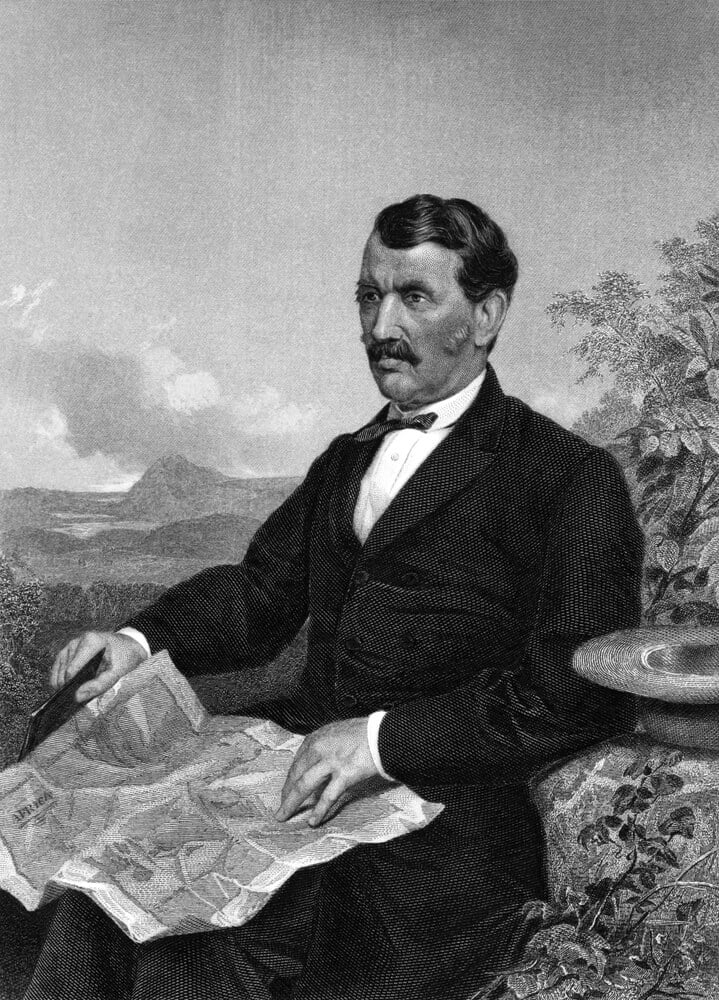
David Livingstone’s African story starts in South Africa. The Scottish missionary arrived in Cape Town in 1841 and travelled to the mission at Kuruman, in what is now the Northern Cape.
From there he pushed north. Between 1853 and 1856 he crossed the continent from Luanda on the Atlantic to Quelimane on the Indian Ocean, the first European known to do so.
In November 1855, local guides took him by canoe to a great waterfall on the Zambezi that the Kololo people called Mosi-oa-Tunya, the smoke that thunders. He named it Victoria Falls.
He died in 1873 in present-day Zambia. His companions Chuma and Susi buried his heart there and carried his body more than 1,500 kilometres to the coast.
He lies in Westminster Abbey, but the most moving part of his story belongs to the two men who refused to leave him behind.
John Hanning Speke and the Source of the Nile
In 1858, British army officer John Hanning Speke left his ailing travel partner Richard Burton and headed north alone. He reached a huge lake, named it Lake Victoria and declared it the source of the Nile.
Burton thought he was wrong, and the two men fell into a bitter public feud. Speke returned in 1862 and found the point where the Nile flows out of the lake at Ripon Falls near Jinja in Uganda.
He turned out to be largely correct, although local people around the lake had known its geography all along.
Henry Morton Stanley Finds a Missing Man and a River
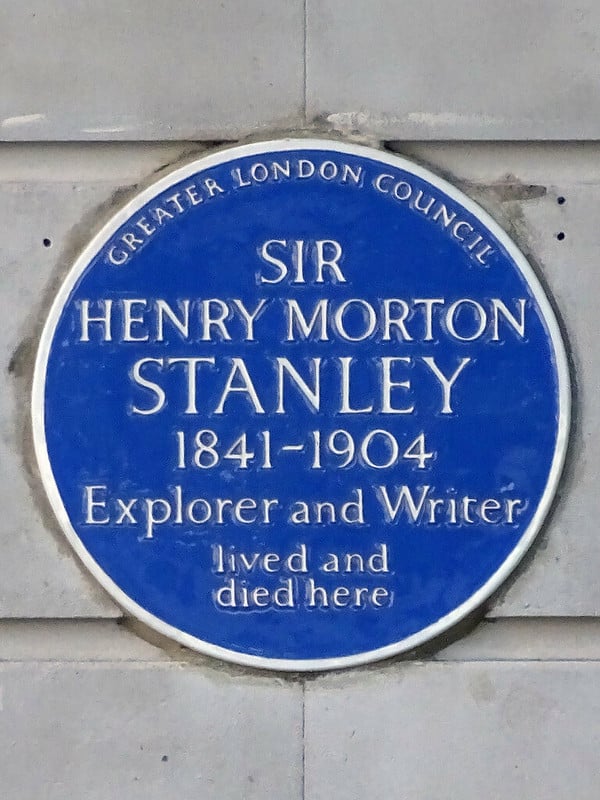
Journalist Henry Morton Stanley was sent by the New York Herald to find Livingstone, who had not been heard from in years. In November 1871 he tracked him down at Ujiji on Lake Tanganyika.
His bigger achievement came next. Between 1874 and 1877 he travelled across Central Africa and followed the Congo River all the way to the Atlantic, mapping it for European readers for the first time.
His later work carries a dark shadow. Stanley helped King Leopold II of Belgium establish control over the Congo, which became a regime of forced labour and mass killing. Any honest account of Stanley holds both stories at once.
Mary Kingsley Paddles Into West Africa
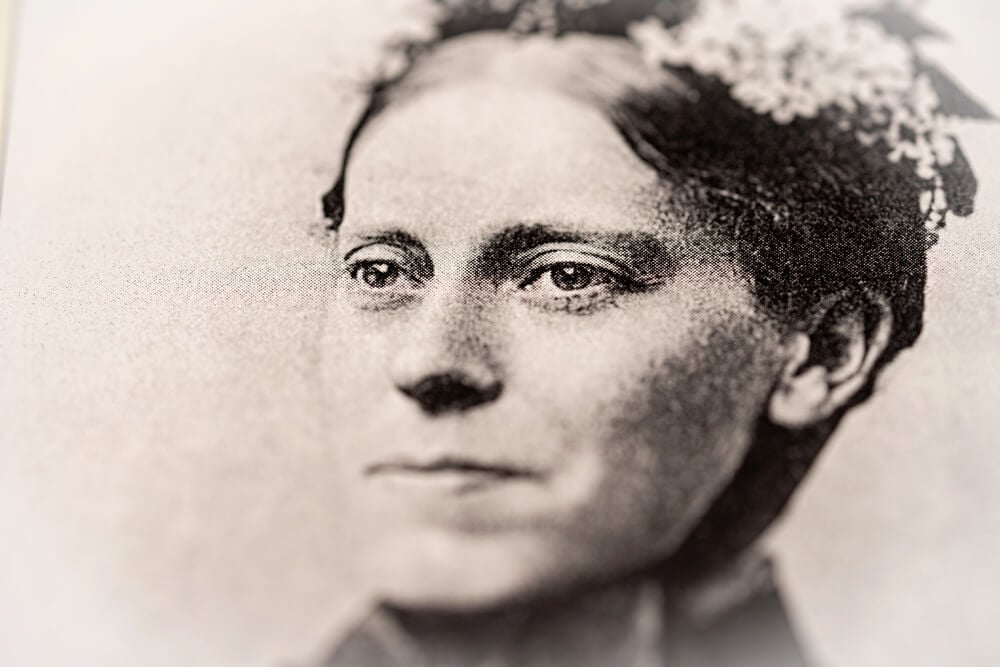
Mary Kingsley spent most of her life caring for her parents in London. When they died in 1892, she bought a ticket to West Africa.
On her second trip, in 1894 and 1895, she paddled up the Ogooué River in Gabon, waded through swamps in a long skirt, and climbed Mount Cameroon by a route no European had taken before. She brought back fish species new to science.
She came to South Africa during the Anglo-Boer War and nursed Boer prisoners at Simon’s Town, where she died of typhoid in 1900 at the age of 37. At her request, she was buried at sea off the Cape coast.
Matthew Henson at the Top of the World
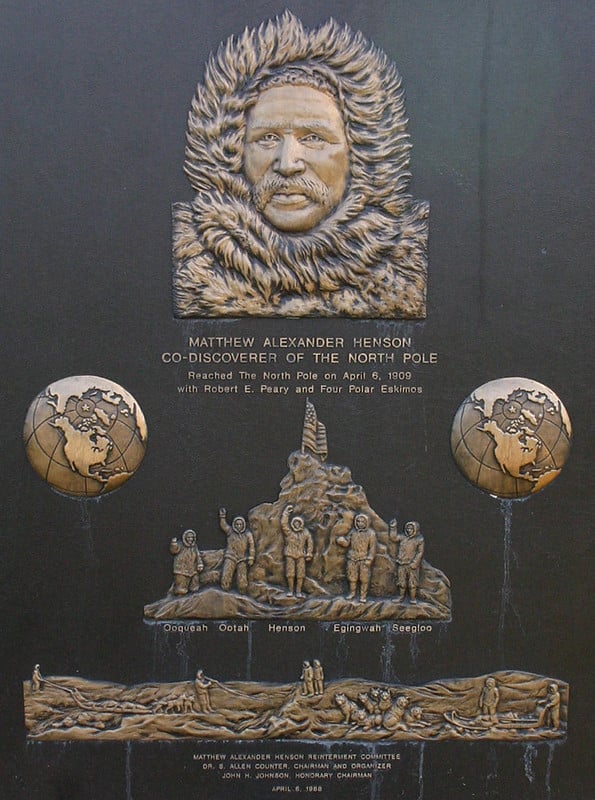
In April 1909, Robert Peary’s expedition announced that it had reached the North Pole. Peary got the credit. Matthew Henson, the African American explorer who had worked beside him for about two decades, got very little.
Henson was the expedition’s most skilled member. He spoke Inuktitut and handled the dog teams, and by his own account he reached the camp at the pole before Peary did.
Whether anyone reached the exact pole is still debated. Henson’s role is not.
In 1988 he was reburied with honours at Arlington National Cemetery, beside Peary.
Roald Amundsen Wins the Race South
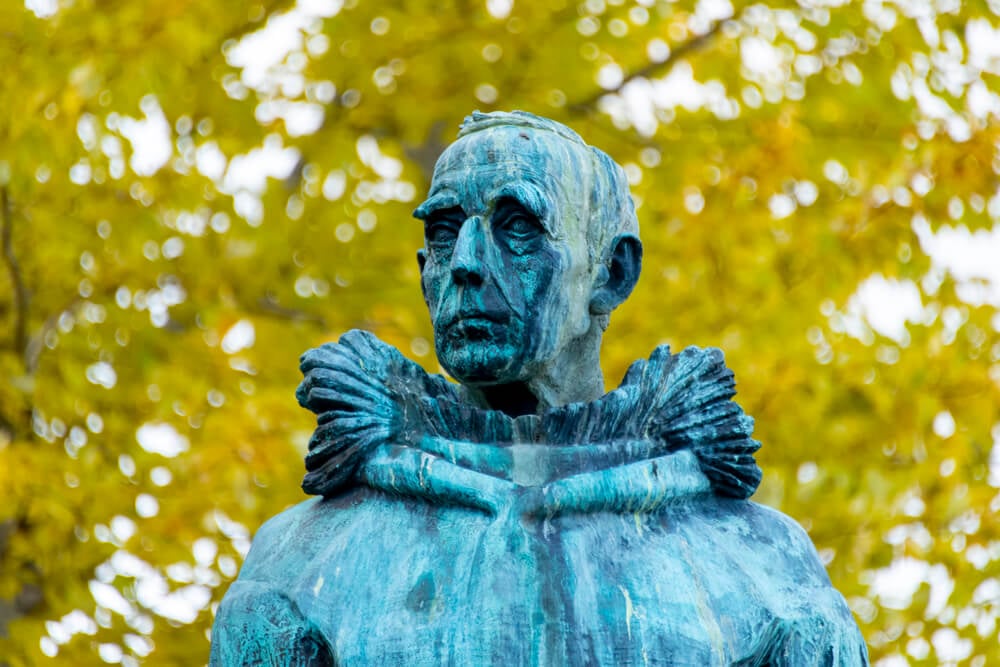
Norwegian explorer Roald Amundsen made his name first in the Arctic, becoming the first to sail through the Northwest Passage between 1903 and 1906.
Then he turned south. On 14 December 1911, using skis and dog sledges and a route he planned with obsessive care, Amundsen’s team became the first people to reach the South Pole. Robert Falcon Scott’s party arrived on 17 January 1912 to find a Norwegian tent already there, and all five died on the return journey.
Amundsen had studied how Inuit people dressed and used dogs, and he copied them. Preparation beat bravery.
Ernest Shackleton and the Ship Found Off Antarctica
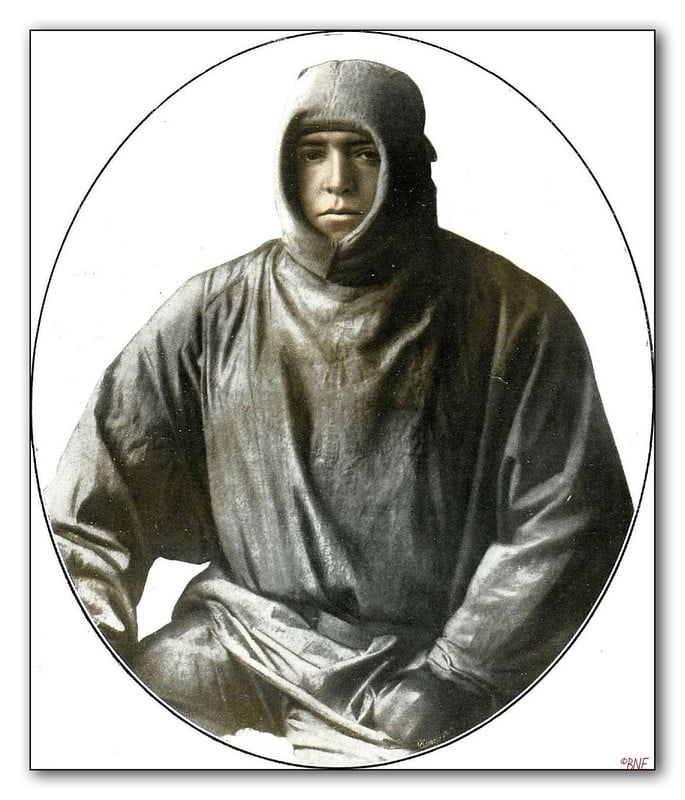
Shackleton’s Endurance expedition set out in 1914 to cross Antarctica on foot. It never got close.
Pack ice in the Weddell Sea trapped the ship in early 1915, and in November of that year the ice crushed it and it sank.
What followed is one of the great survival stories. The 28 men camped on the ice, then rowed lifeboats to Elephant Island.
Shackleton and five others sailed a small open boat about 1,300 kilometres to South Georgia, then crossed its mountains on foot to a whaling station. Every man on the expedition survived.
The ship itself stayed lost for more than a century. In March 2022, the Endurance22 expedition found the wreck about 3,000 metres down, with the name still clear on the stern.
The search operated from the South African polar vessel SA Agulhas II, sailing out of Cape Town. So a story that began with a lost ship ended with a South African crew helping to find it.
Edmund Hillary and Tenzing Norgay on Everest
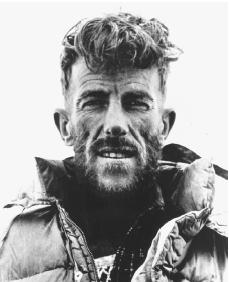
At 11:30 on the morning of 29 May 1953, New Zealand beekeeper Edmund Hillary and Sherpa mountaineer Tenzing Norgay stood on the summit of Mount Everest, the highest point on Earth.
For years both men refused to say who stepped up first. They insisted they had arrived as a team. Tenzing later wrote that Hillary went first.
The summit itself was the discovery. It proved humans could survive and climb at that height. Hillary spent decades building schools and clinics for Sherpa communities in Nepal.
Jacques Cousteau Opens the Sea
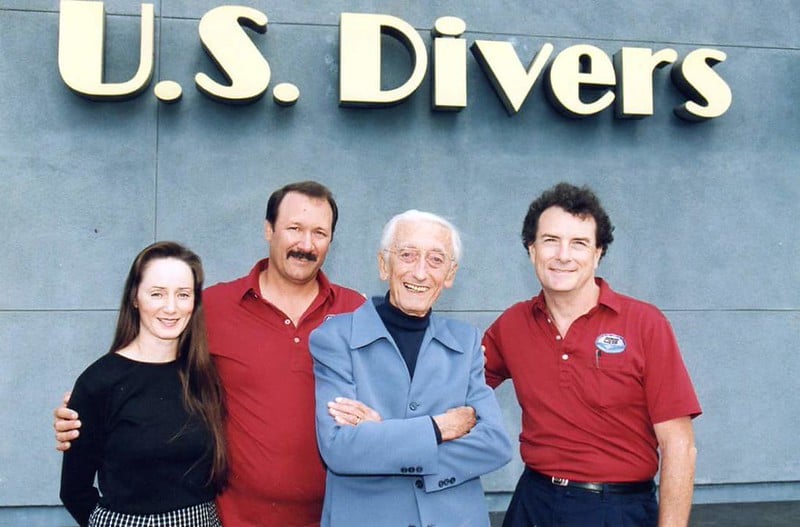
In 1943 French naval officer Jacques Cousteau and engineer Émile Gagnan developed the Aqua-Lung, the first practical open-circuit scuba system.
His documentary The Silent World, made with Louis Malle aboard the ship Calypso, won the top prize at Cannes in 1956. If you have ever snorkelled at Sodwana Bay or gone diving off the Cape Peninsula, you are using the descendant of his equipment.
Yuri Gagarin Sees the Whole Earth
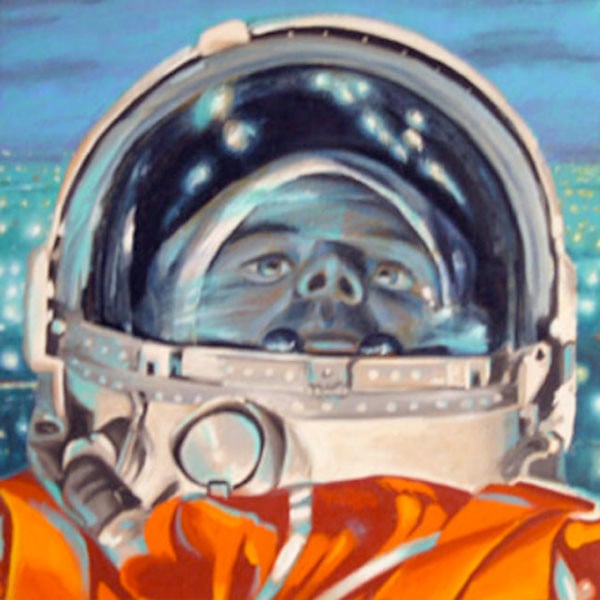
On 12 April 1961, Soviet pilot Yuri Gagarin lifted off in Vostok 1 and became the first human to travel into space. He completed one orbit of the Earth in about 108 minutes.
Gagarin found the most basic answer of all. A human could survive launch, weightlessness and re-entry. Every space mission since has built on that short flight.
Neil Armstrong on the Moon
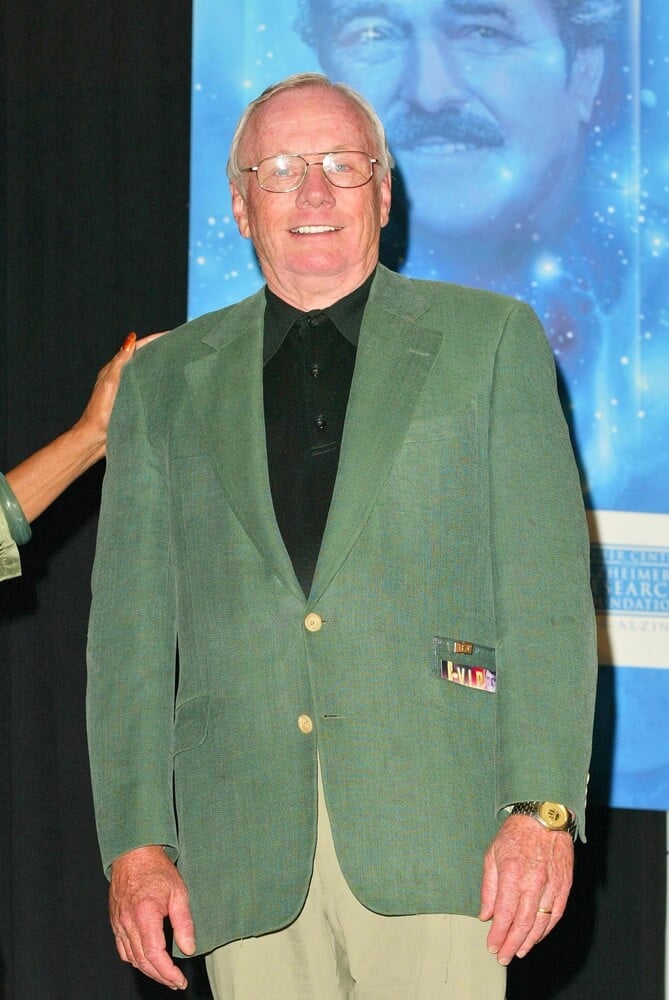
On 20 July 1969, Neil Armstrong stepped from the Apollo 11 lunar module onto the Sea of Tranquillity. Buzz Aldrin followed soon after, while Michael Collins circled overhead in the command module.
They spent about two and a half hours walking on the surface and brought back roughly 21.5 kilograms of rock and soil. Those samples helped scientists work out how the Moon formed.
Hundreds of millions watched on television. South Africa had no national television service yet, so most South Africans followed it on the radio.
Robert Ballard and Life at the Bottom of the Sea
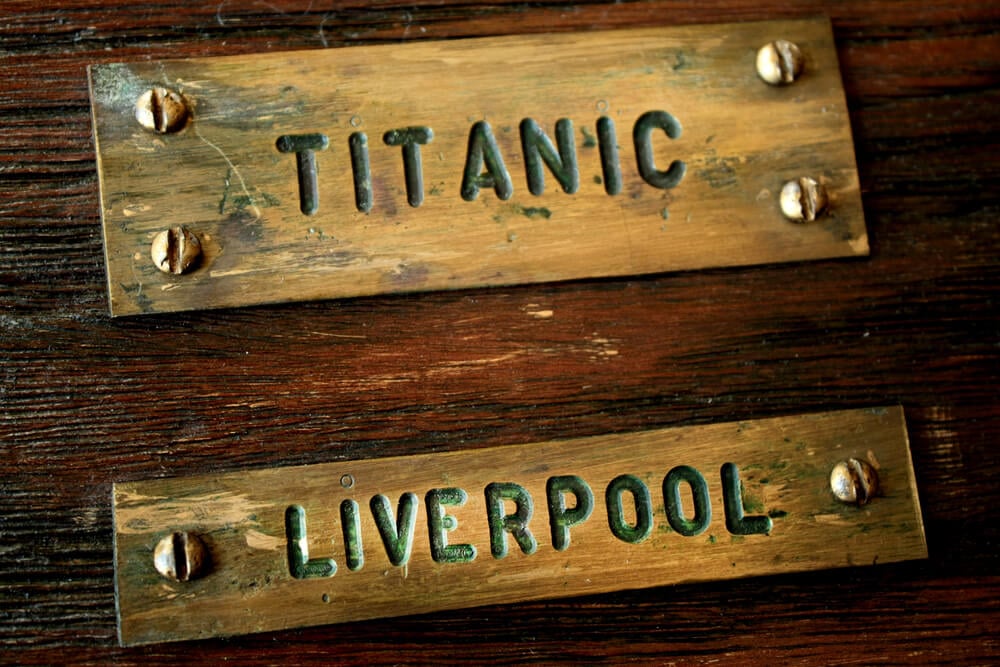
Most people know Robert Ballard as the man who found the Titanic. In September 1985, working with French researcher Jean-Louis Michel, his team located the wreck almost 4,000 metres down in the North Atlantic, using a towed camera system.
His more important find came earlier. In 1977 Ballard was part of the expedition that used the submersible Alvin to explore hydrothermal vents on the Galápagos Rift.
Around these vents of superheated, mineral-rich water, the team found thriving communities of giant tubeworms, clams and crabs. They lived in total darkness, powered by bacteria that draw energy from chemicals rather than sunlight.
Biologists had assumed all life depended on the Sun. Those vents proved otherwise and changed how scientists think about where life began.
That find never got the headlines the Titanic did. It mattered far more.
Past the Edge of the Map
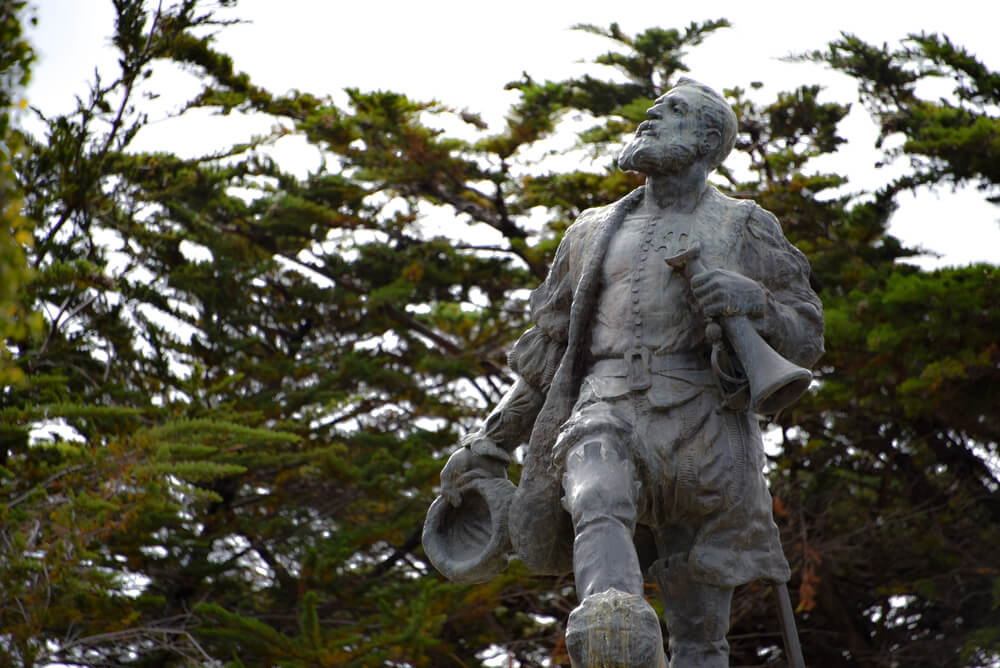
Look back over these 30 names and a pattern shows up. Very few of them found what they set out to find. Columbus wanted Asia.
Hudson wanted a shortcut. Shackleton wanted to cross a continent. Orellana went downstream for food.
What they actually brought home was something nobody expected, and often something other people already knew well.
That last part is worth holding onto. The Khoikhoi herders watching Dias’s ships at Mossel Bay were not discovered.
Neither were the boatmen who paddled Livingstone to the falls. Exploration has always been a meeting, and the best explorers on this list were the ones who listened.
Next time you drive the Garden Route or stand at Cape Point, look at that horizon for a moment the way Dias’s crew must have. Cold, frightened and far from home, with no idea what they had just passed.
The edge of the known world used to sit just off the South African coast. Now it sits at the bottom of the ocean and on the surface of Mars.
Someone will go there next, and they probably will not find what they are looking for either.
More from Go2Tutors!

- The Romanov Crown Jewels and Their Tragic Fate
- 13 Historical Mysteries That Science Still Can’t Solve
- Famous Hoaxes That Fooled the World for Years
- 15 Child Stars with Tragic Adult Lives
- 16 Famous Jewelry Pieces in History
Like Go2Tutors’s content? Follow us on MSN.