27 Photographs Released Long After They Were Taken
Photography freezes moments in time, yet the release of that moment into public view often comes decades after the shutter clicked. Photographers captured images of vanishing cultures, scientific breakthroughs, and historical events that remained locked away in archives, personal collections, or institutional vaults.
Sometimes censorship delayed publication; sometimes photographs simply got lost and forgotten. When these images finally emerge, they offer unfiltered glimpses into eras typically mediated by official narratives and sanitized textbooks.
Each image carries the weight of years—decades of waiting to tell its story.
Charles W. Cushman’s Golden Gate Bridge (Color Photography, 1938)

In the 1990s, photo historian Rich Remsberg discovered thousands of color photographs from hobbyist Charles W. Cushman in boxes headed for the trash. The collection, separated from its larger archive, contained one of the first known color photographs of the freshly painted Golden Gate Bridge.
The photographs spanned three decades and showed American life in color during an era typically depicted only in black and white, fundamentally altering how historians visualize mid-twentieth-century America.
Nikola Tesla’s Colorado Springs Laboratory (Double-Exposure, 1899)

A famous double-exposure photograph shows inventor Nikola Tesla inside his Colorado Springs laboratory during high-voltage experiments in 1899. Electrical sparks surround his chair while laboratory equipment fills the frame in a dramatic illustration of early electrical research.
The image circulated for decades in scientific circles before becoming widely known, documenting experimental methods that predated modern photography of laboratory work.
First Underwater Photography (Louis Boutan, 1890s)

The first underwater image using early diving equipment, captured by Louis Boutan in the 1890s, remained a technical marvel for decades before its significance was fully appreciated. The photograph demonstrated that image-making below the ocean’s surface was possible, opening entire new photographic frontiers.
Original prints from this era remain extraordinarily scarce.
Daguerreotype of Abraham Lincoln (Rare Variants, Pre-Presidential)
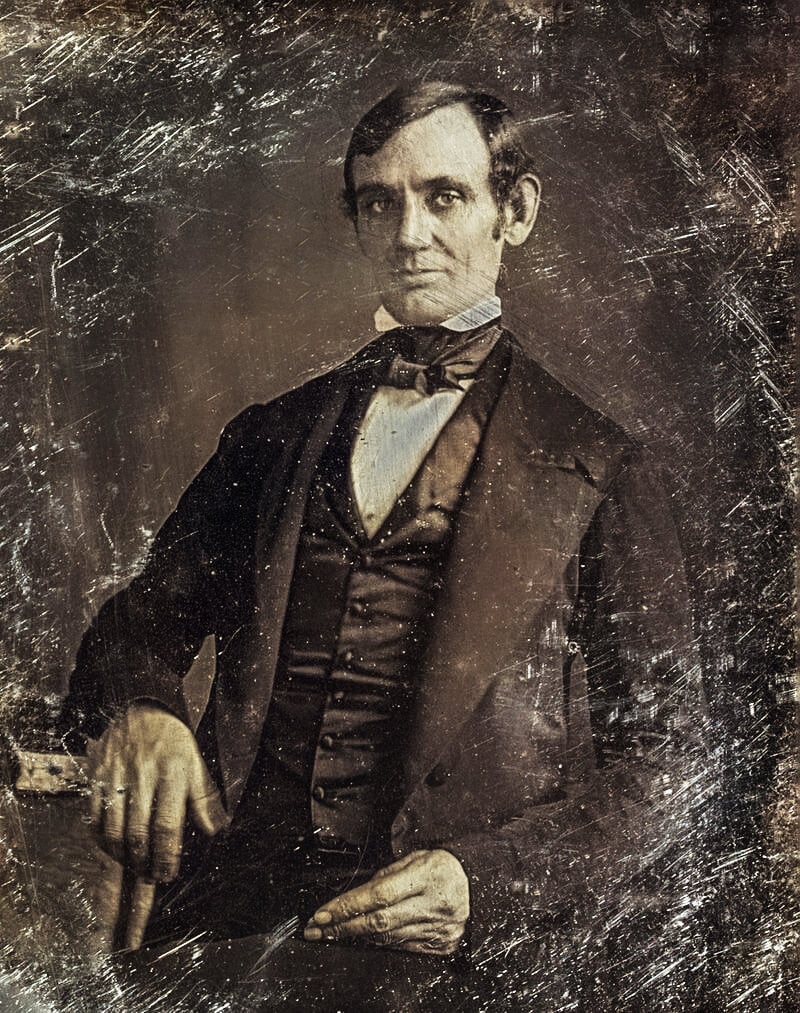
Photo by Jim Griffin, via Flickr. Licensed under Public Domain Dedication (CC0)
Certain daguerreotypes of Abraham Lincoln as a young man or during his early political career remain exceptionally rare and were not widely circulated until decades after production. These pre-presidential images, existing in only a handful of examples, offer unguarded glimpses of Lincoln before the presidency transformed him.
Each discovered example generates scholarly attention.
Lewis Hine’s Child Labor Photography (1908-1918, Full Archive)
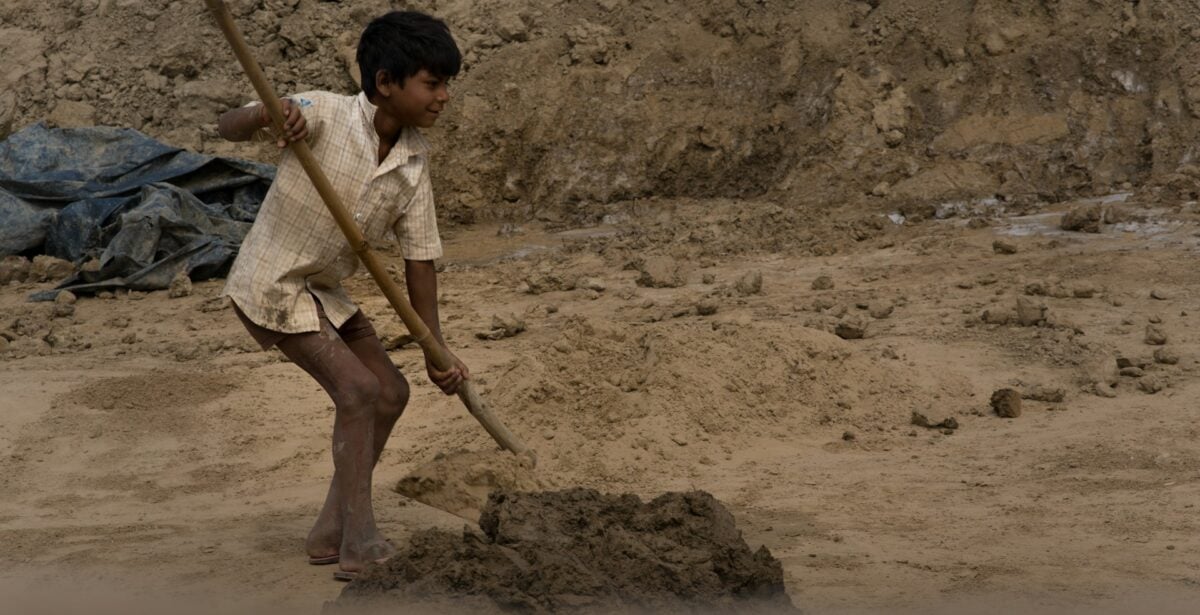
Photographer Lewis Hine, hired by the U.S. National Child Labor Committee in 1908, documented children working in mills, mines, and factories. While some of his most iconic images achieved publication, the full scope of his archive—thousands of negatives—only became widely accessible decades later.
These photographs provided documentary evidence that drove child labor reform legislation, yet many frames remained unpublished during Hine’s lifetime.
Dorothea Lange’s “Migrant Mother” Outtakes (Full Collection, 1936)
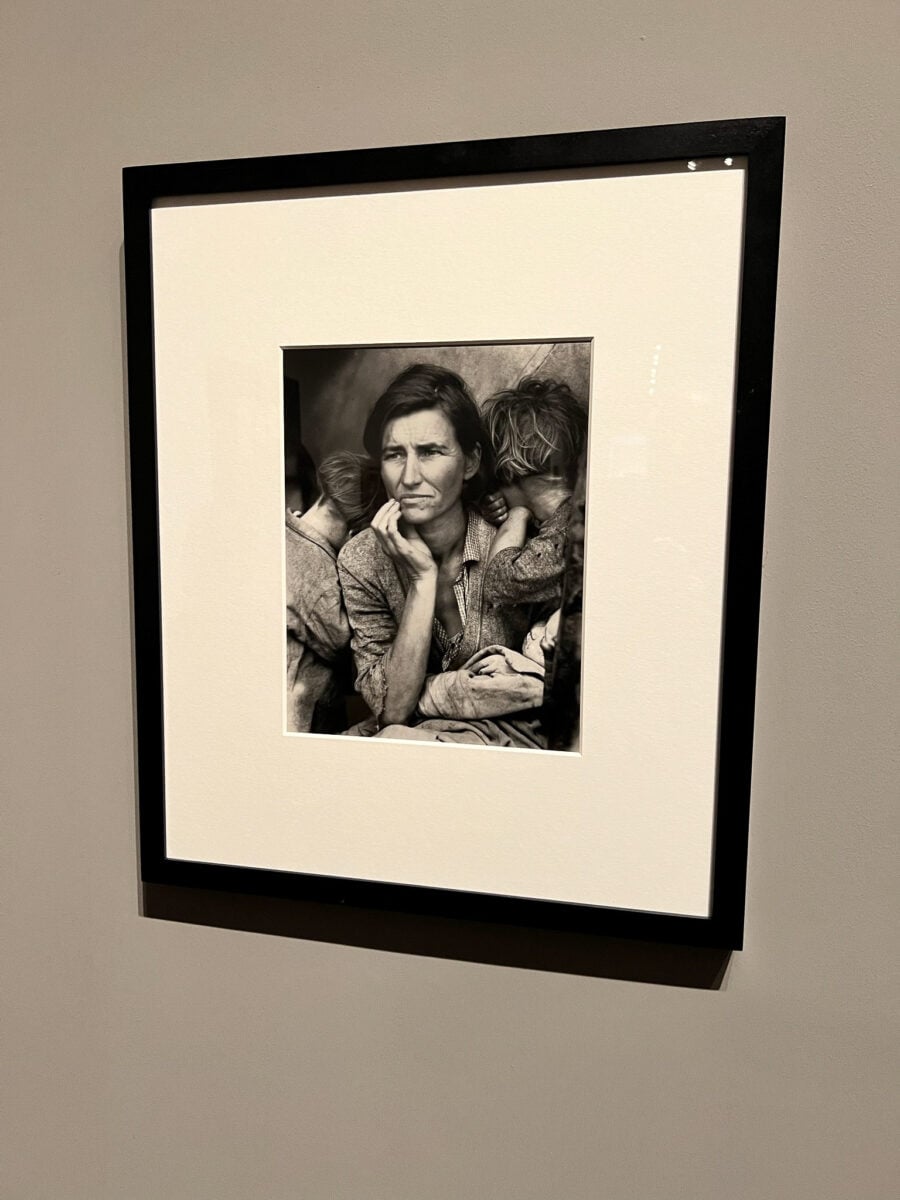
While Dorothea Lange’s “Migrant Mother” achieved iconic status during the Great Depression, the full contact sheets and outtakes from that shoot remained partially unknown for decades. Additional frames from the session, showing the mother’s expressions and the photographer’s process, surfaced gradually in archives.
Lange’s identification of the subject remained unknown to the public for decades.
Joe Rosenthal’s Iwo Jima Flag Raising (Additional Frames, February 1945)
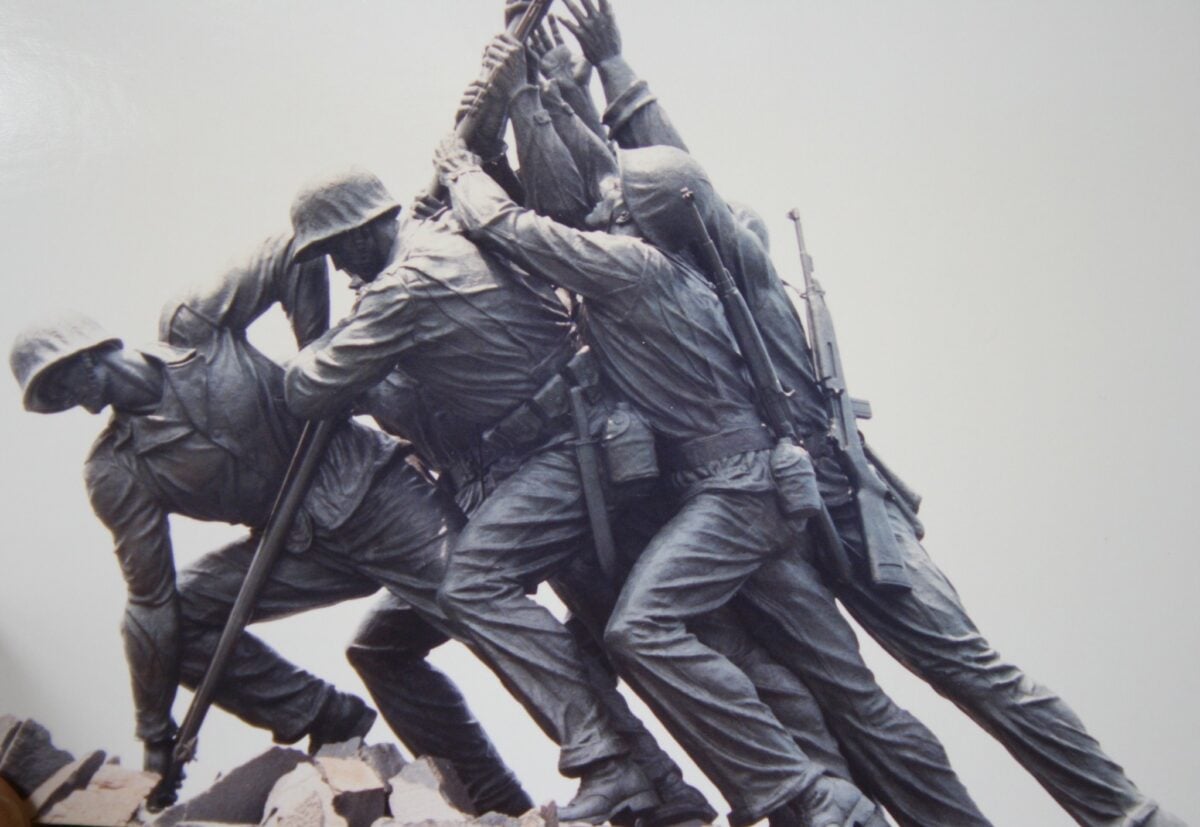
Photo by Gary Todd, via Flickr. Licensed under Public Domain Dedication (CC0)
The iconic photograph of flag-raising on Mount Suribachi exists as part of a complete sequence taken by Joe Rosenthal on February 23, 1945. While the most famous frame achieved instant fame, additional frames from the sequence—showing the soldiers’ faces, the effort involved, and the moments before and after—circulated less widely.
Rosenthal’s complete contact sheets reveal the photographic process behind the icon.
Alfred Eisenstaedt’s Times Square Kiss (Multiple Angles, August 1945)
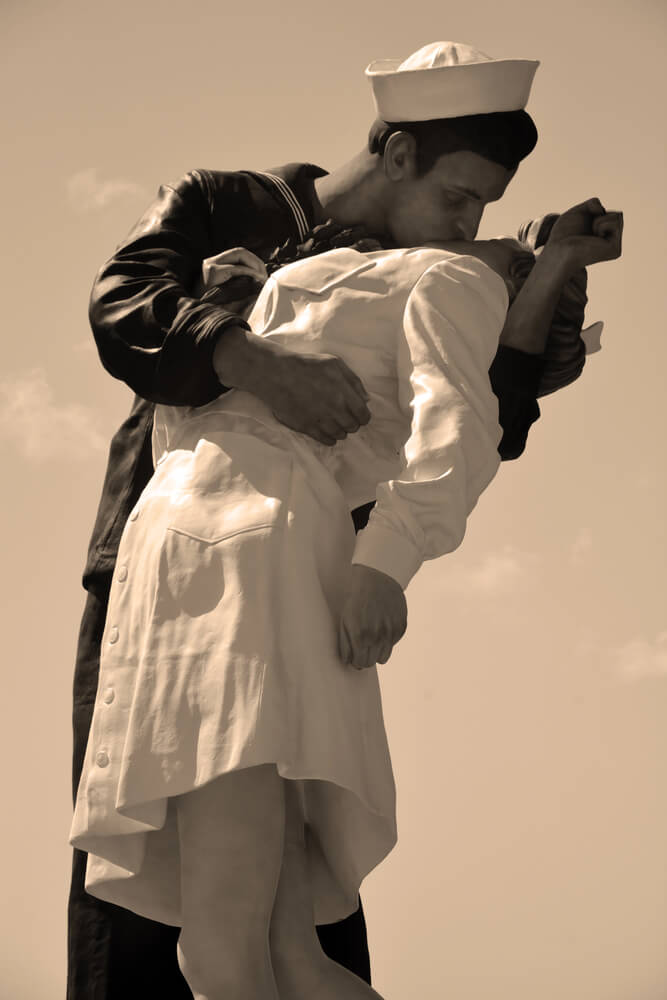
The famed photograph of a sailor kissing a white-clad woman in Times Square on August 14, 1945, achieved iconic status, but Navy photographer Victor Jorgensen captured the same moment from a different angle. This alternate photograph, less famous and reproduced less frequently, remained in archives for decades before broader circulation.
The existence of multiple angles from the same instant complicates the photograph’s historical narrative.
Soviet Life Photography Collections (Western Access, Post-1990)
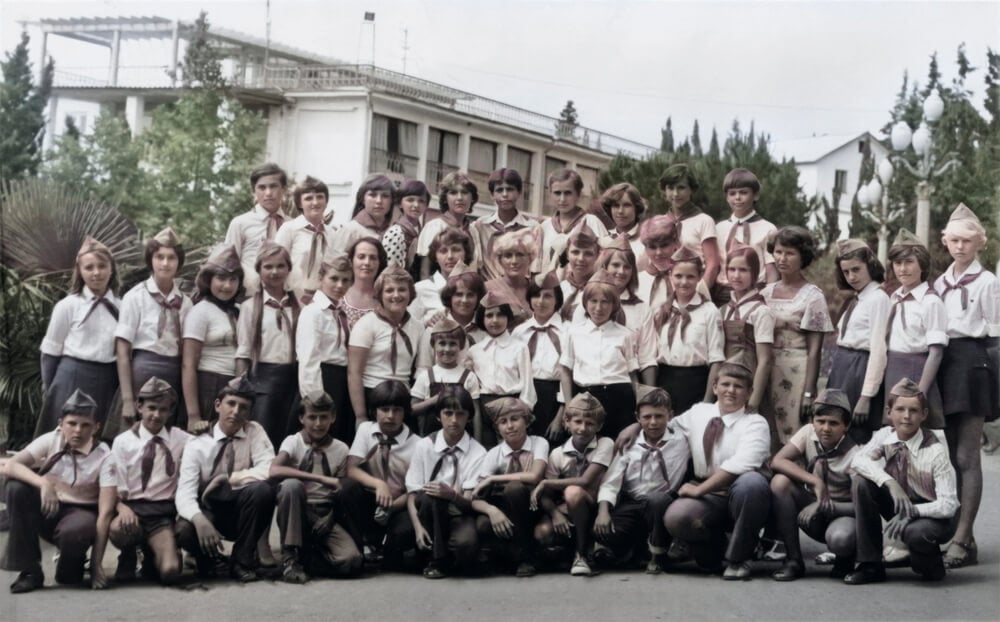
Photographs documenting Soviet daily life, taken by state photographers for domestic publications, remained largely unknown to Western audiences until after the Soviet Union’s collapse. These images, showing mundane Soviet existence alongside propaganda imagery, surfaced in archives during the 1990s and 2000s.
Western scholars gained access to comprehensive visual documentation of Soviet life that had existed but remained restricted.
D-Day Invasion Photography (Combat Footage, June 6, 1944)
The most iconic photographs from the D-Day invasion—taken by war photographers during the initial landing at Normandy—were released selectively during and immediately after the war. Complete contact sheets, outtakes, and frames from lesser-known photographers remained in military archives for decades.
The full visual record of that invasion only became accessible to researchers and historians in the late twentieth century.
Nazi Concentration Camp Photography (Newly Discovered Frames, Post-1945)
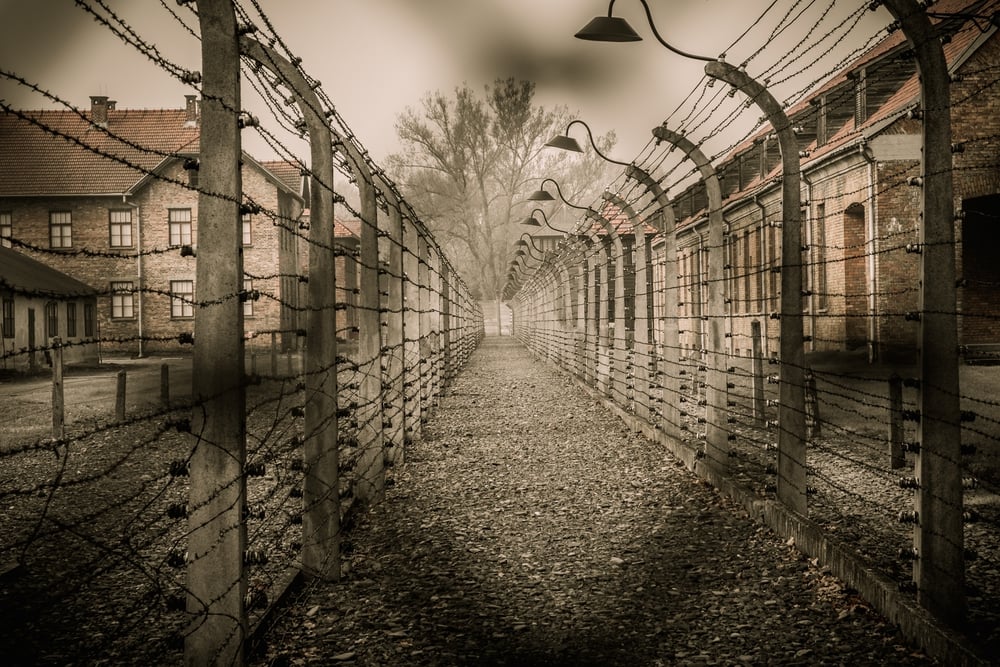
Photographs taken by Allied troops liberating concentration camps, captured by military photographers, circulated selectively during and after the war for propaganda purposes. Additional photographs—sometimes more graphic, sometimes offering different angles on the liberation—remained in archives or private hands for decades.
Newly discovered photographs continue to surface from family collections or institutional repositories.
Pearl Harbor Photographs (Complete Sequence, December 7, 1941)

Military photographers documenting the Pearl Harbor attack captured images immediately after the bombing. While iconic photographs of the USS Arizona and battleship row circulated during the war, additional frames from military photographers remained classified or restricted.
Complete sequences showing damage assessment and rescue efforts circulated more widely only after decades.
Korean War Photography (Combat Conditions, Lesser-Known Photographers)
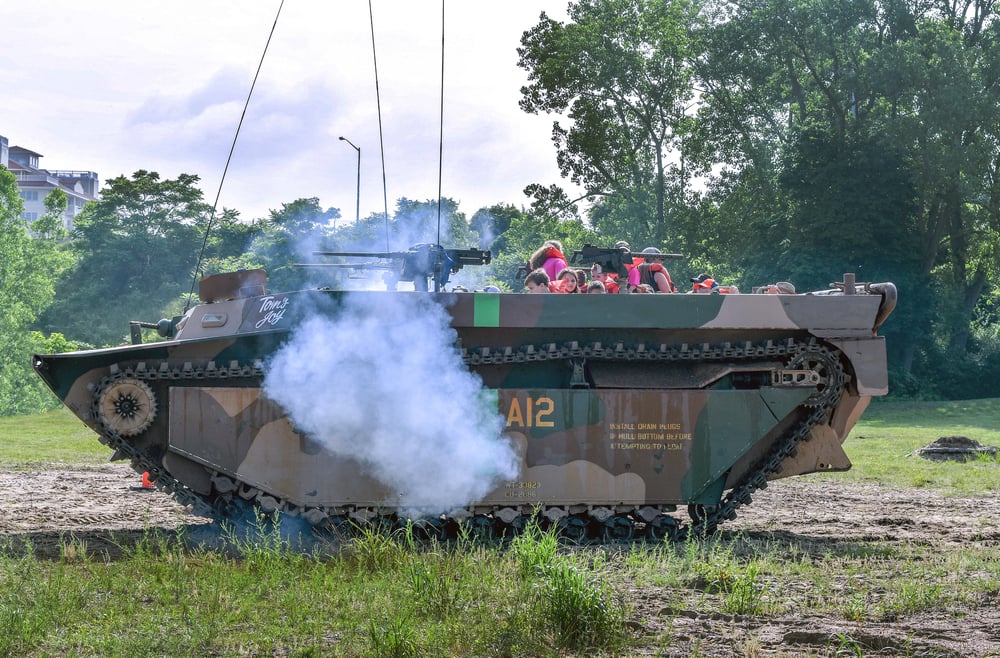
While some Korean War photographers achieved recognition, the work of lesser-known military and civilian photographers remained in archives for decades. These photographs, showing conditions that military censors restricted from publication, offered uncensored views of combat that postwar audiences rarely saw.
Archives have gradually released collections that offer more complete perspectives.
Vietnam War Combat Photography (Official Restrictions, Post-War Release)
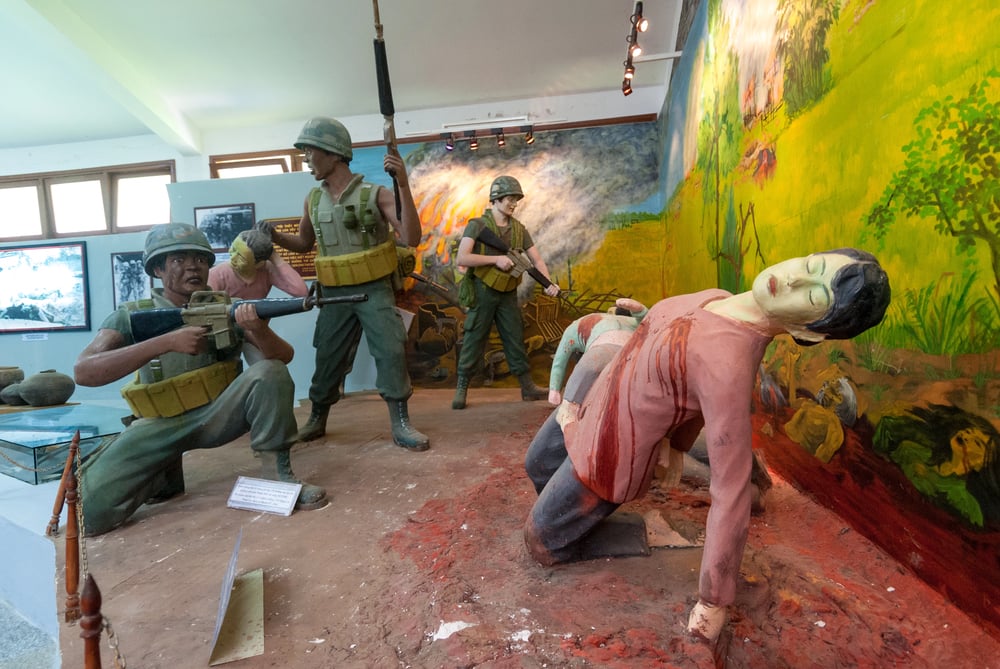
Military photographers captured combat conditions in Vietnam, but official restrictions limited publication of certain photographs during the war and immediately after. Photographs showing American casualties, civilian damage, or controversial military operations circulated slowly.
Researchers and archivists accessing military collections have gradually brought these images into broader circulation.
Civil Rights Era Photographs (Comprehensive Archives, Varied Sources)
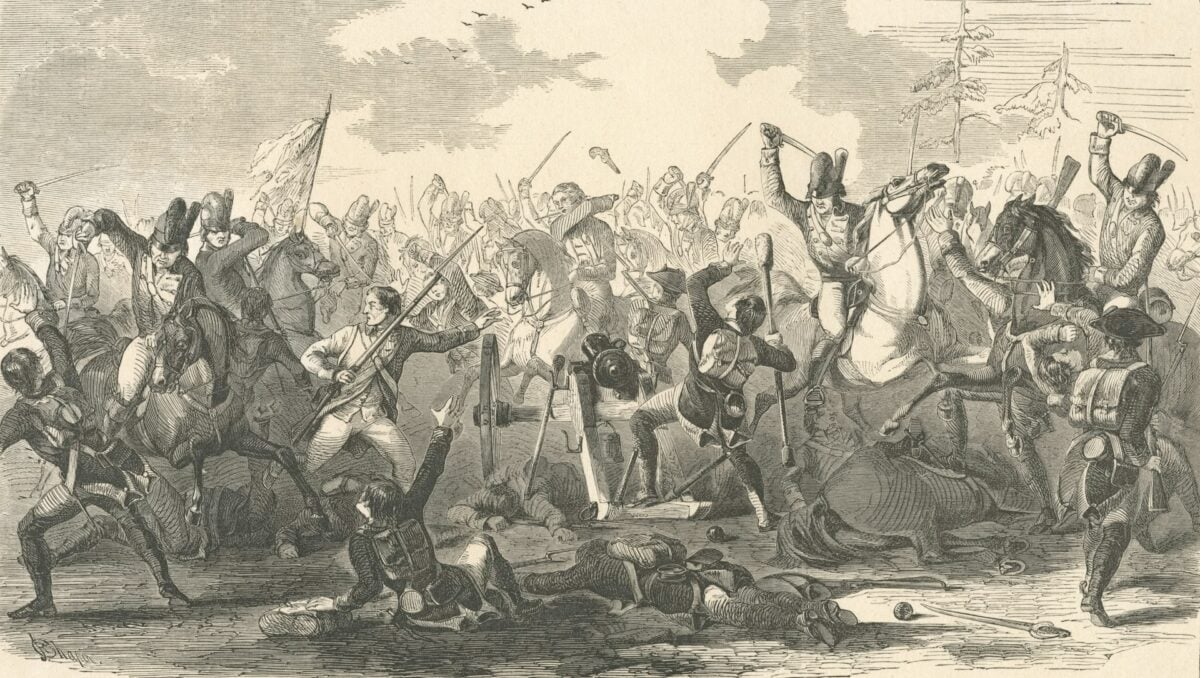
While iconic civil rights photographs by professional photographers like Ernest Withers achieved recognition, the comprehensive photographic record of the movement—including images by lesser-known photographers and amateur documentarians—remained partially archived. Complete collections documenting protests, marches, and daily life during the civil rights era have gradually surfaced from institutions and private collections.
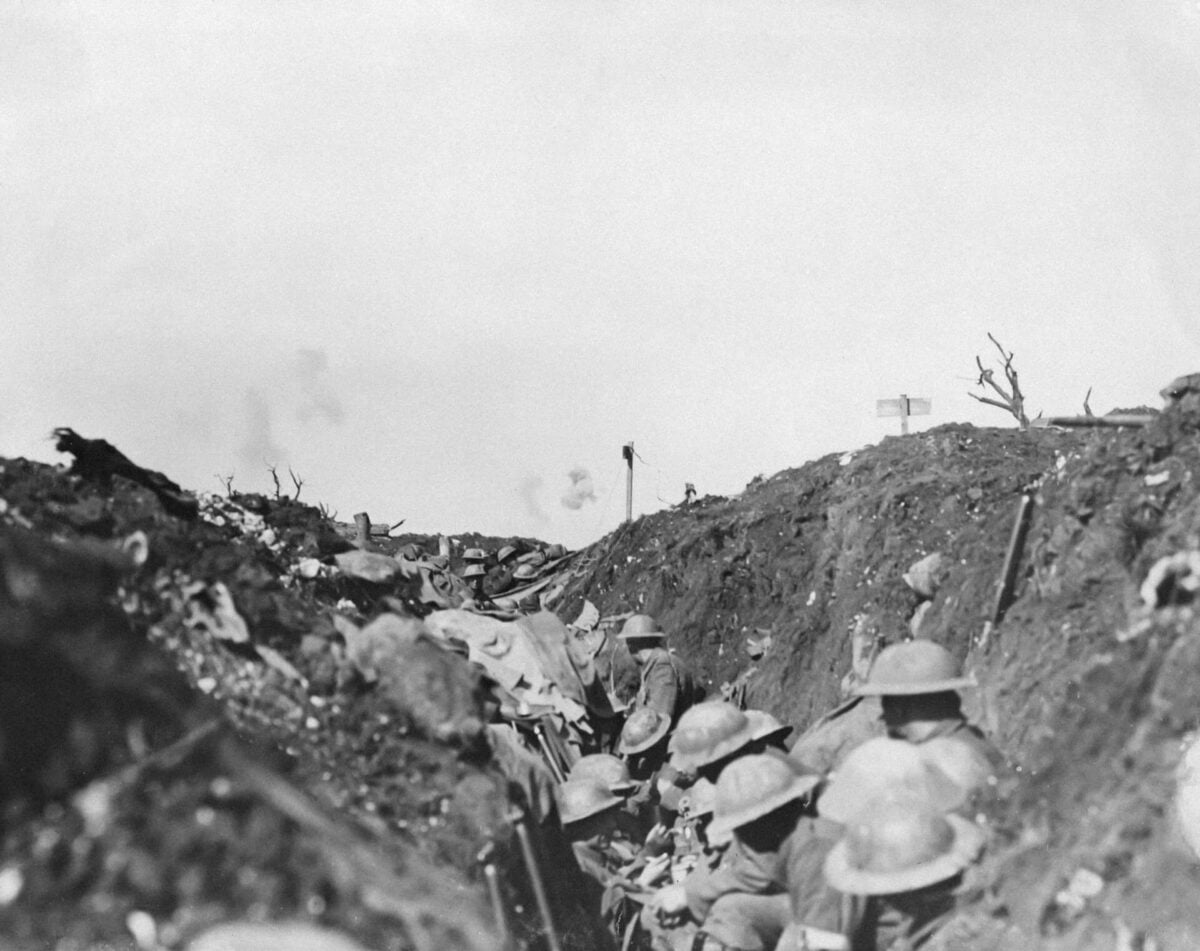
World War I Photography (Trench Life, 1914-1918)
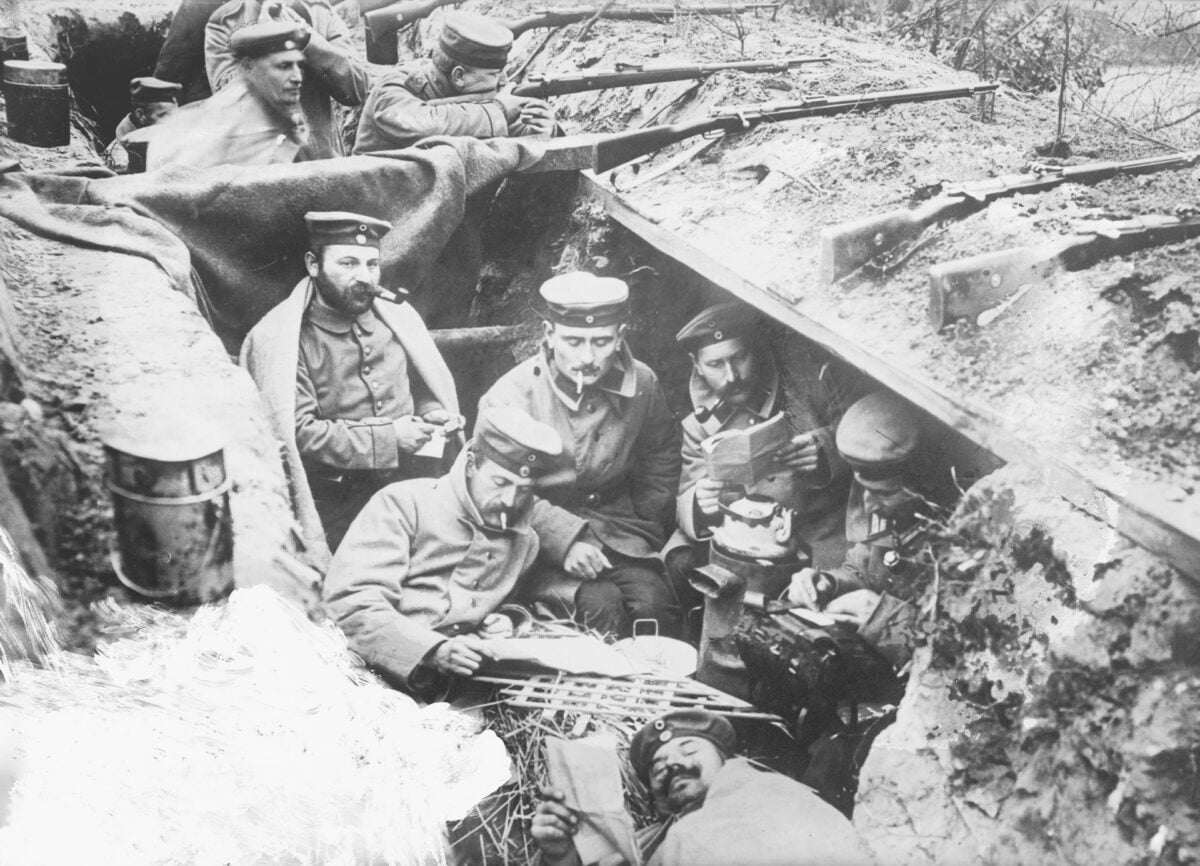
Official war photographers documented World War I, but the vast archive of military photography—showing trench conditions, soldier life, and battle preparations—remained partially inaccessible for decades. Complete collections, housed in military archives, gradually became available to researchers and the public.
The comprehensive visual record challenges the iconic photographs that dominated public memory.
Moon Landing Photographs (Complete NASA Archive, 1969)
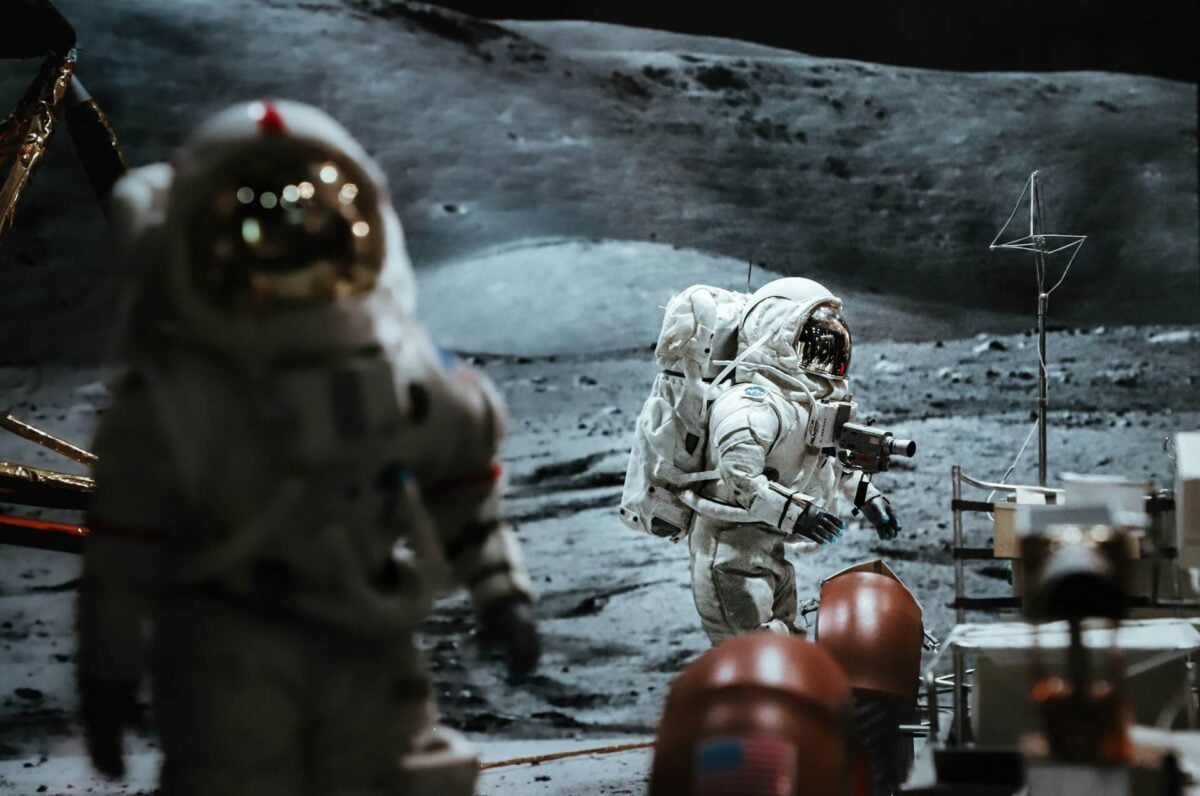
While the most iconic lunar photographs from Apollo 11 circulated immediately after the mission, NASA’s complete archive—thousands of frames—remained less accessible to general audiences. High-resolution digital scans of the full photographic record became widely available only decades later.
Professional photographers and fine art institutions continue to rediscover frames from the lunar archive.
Hindenburg Disaster Photography (Complete Sequence, 1937)
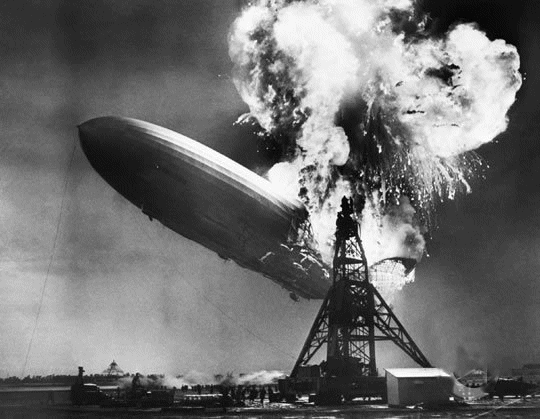
Multiple photographers documented the Hindenburg disaster on May 6, 1937, but the most famous frames circulated repeatedly while others remained less known. Complete sequences showing the moment of impact, the fire’s progression, and rescue efforts surfaced gradually in archives.
The full photographic record reveals details that single iconic images obscure.
Nagasaki and Hiroshima Photographs (Japanese Archives, Post-War Release)
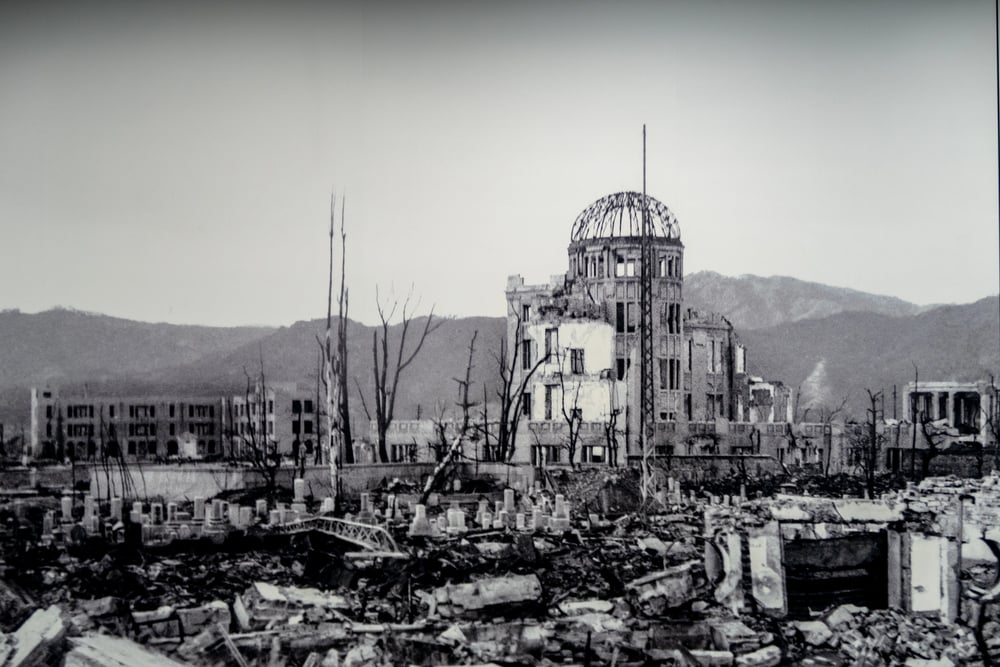
Japanese photographers documented the aftermath of the atomic bombings, capturing damage and human suffering from the local perspective. American military photographers also documented the sites in the weeks after the bombing.
These photographs remained restricted for decades, and comprehensive collections became available to broader audiences only as Cold War tensions eased.
The Zapruder Film (Complete Footage, JFK Assassination, 1963)
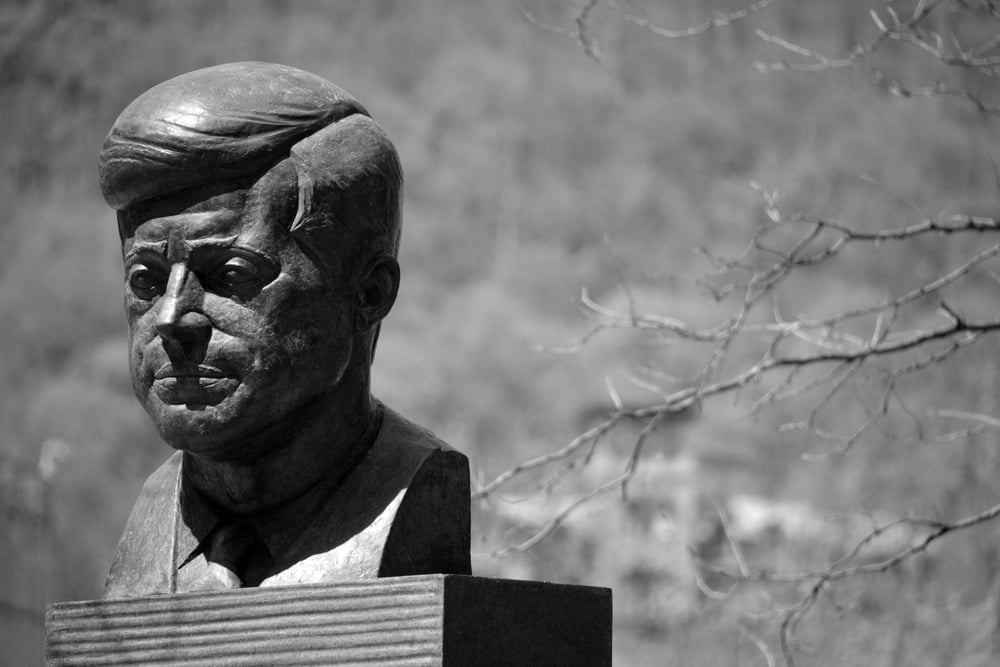
Abraham Zapruder’s amateur film of the Kennedy assassination remained controversial and restricted for years, with complete frames withheld from public view. The full footage only became widely accessible decades after the assassination, allowing researchers to analyze details previously hidden.
Still photographs extracted from the film continue to generate discussion.
Apollo 13 Crisis Photography (Command Module Damage, 1970)

Photographs showing the interior damage to Apollo 13’s command module after the oxygen tank explosion remained partly restricted for security reasons. While some images of the crippled spacecraft circulated, comprehensive photography documenting the damage only became widely accessible decades later.
The full visual record demonstrates the extent of the crisis the astronauts faced.
Space Shuttle Challenger Debris Recovery Photography (Post-Disaster, 1986)
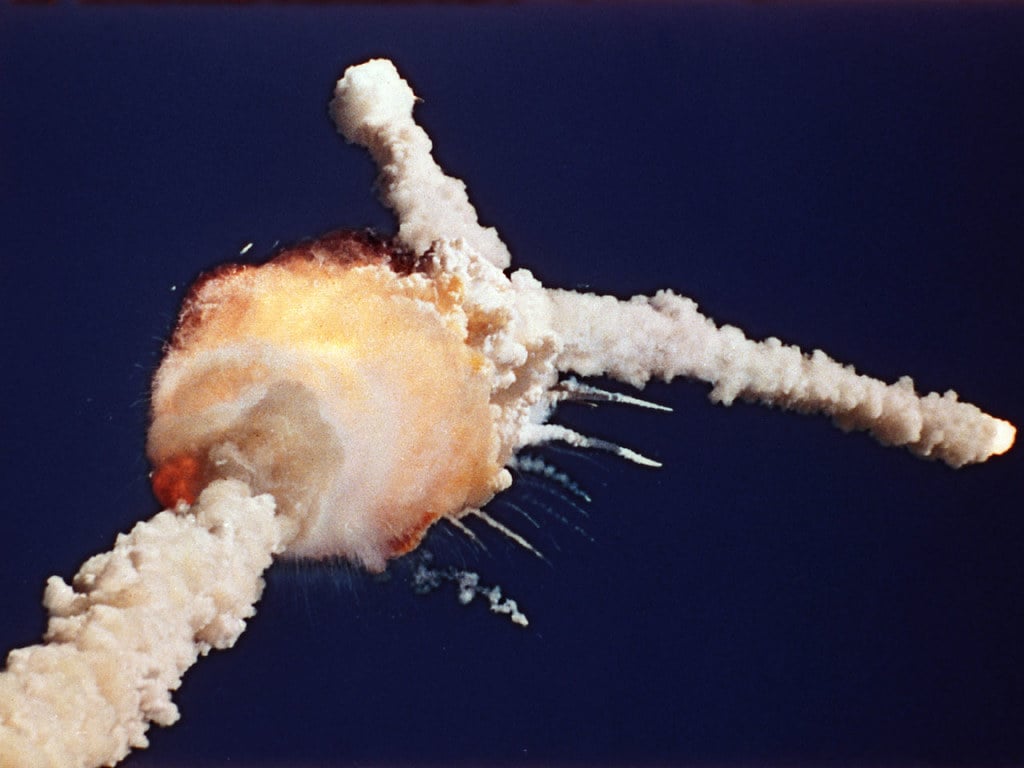
Photographs documenting the recovery of Challenger debris after the shuttle disaster remained restricted for years due to the sensitive nature of the investigation. While official investigations released selected imagery, comprehensive photographic documentation circulated more widely only after years had passed.
These images provided visual documentation of the investigation process.
Three Mile Island Nuclear Incident Photography (Crisis Documentation, 1979)
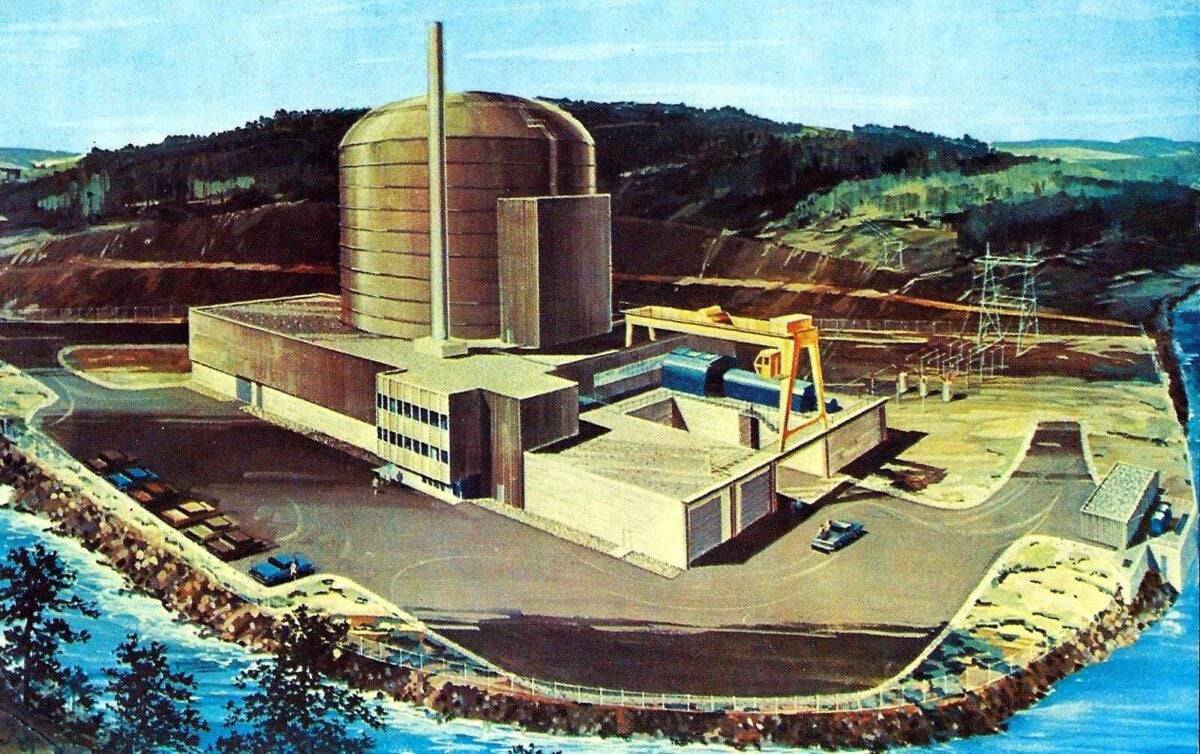
Photographs showing damage and emergency response at Three Mile Island after the nuclear incident remained partly restricted during the immediate crisis. While some images circulated for news coverage, comprehensive photographic documentation of the incident became more accessible only decades later.
The complete visual record offers perspectives on the accident’s scope.
Oklahoma City Bombing Photography (Immediate Aftermath, 1995)
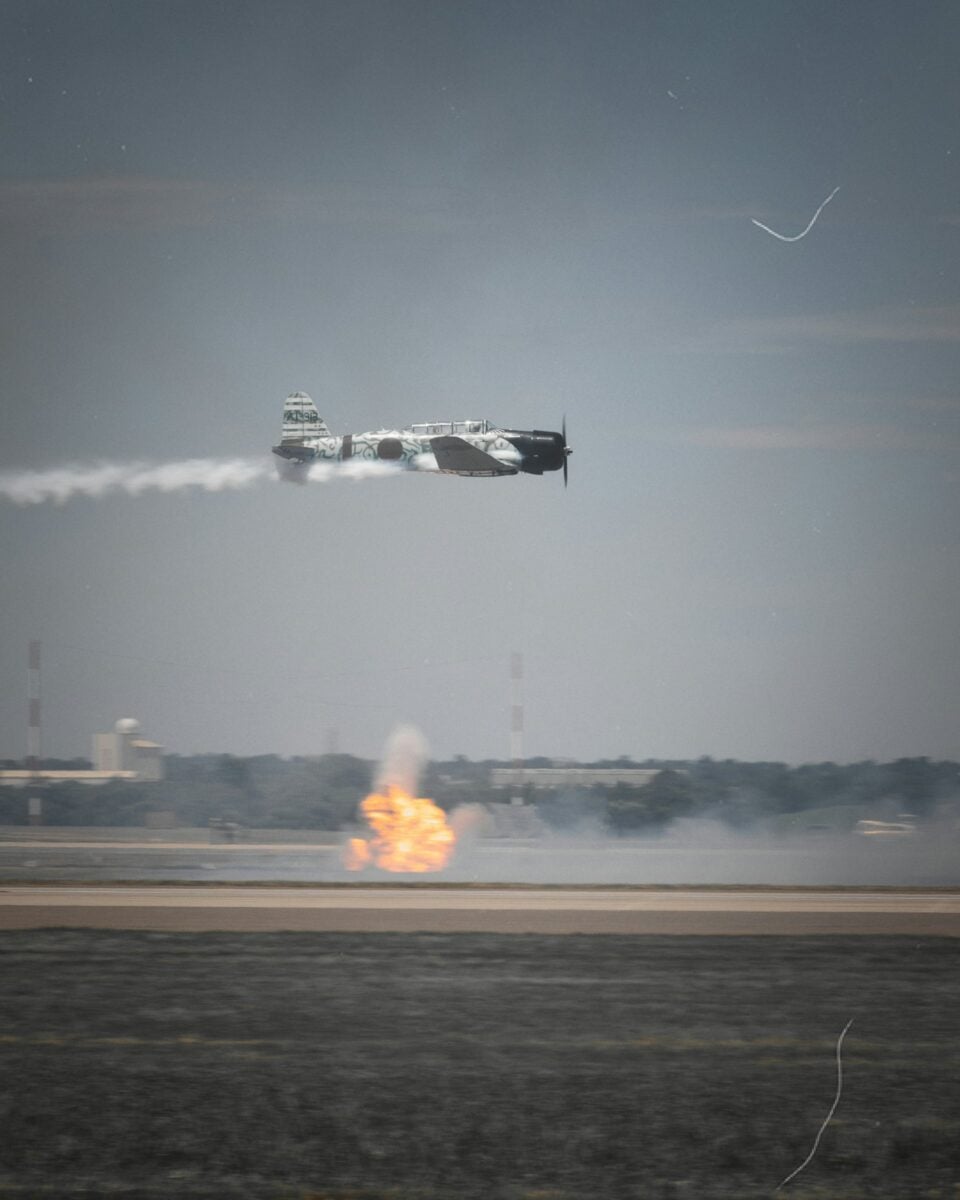
News photographers and official documentarians captured the immediate aftermath of the Oklahoma City bombing on April 19, 1995. While the most dramatic photographs circulated immediately, less prominent images showing rescue efforts and damage assessment circulated more slowly.
Archives have gradually compiled comprehensive photographic records of the disaster.
9/11 Photography (Complete Archival Records, 2001)
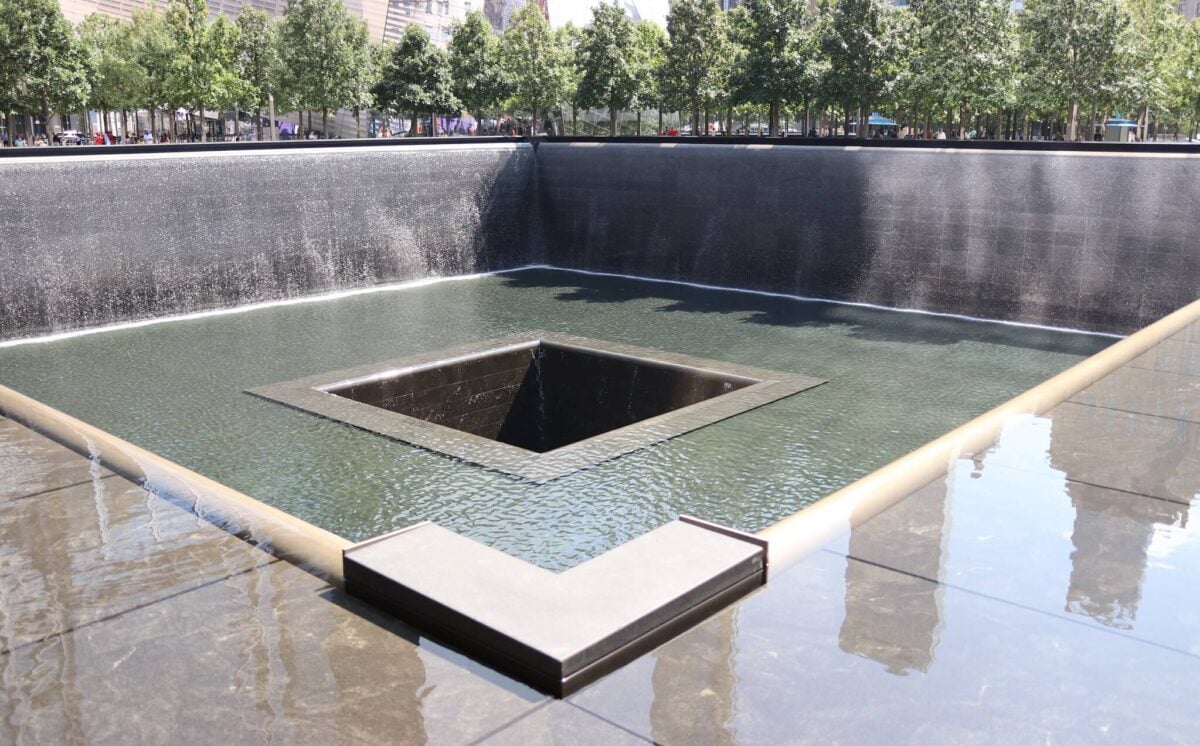
Photo by Elvert Barnes, via Flickr. Licensed under CC BY-SA 2.0
Professional photographers and photojournalists documented the September 11 attacks and their aftermath, creating a vast archive. While iconic photographs circulated immediately, comprehensive collections—including photographs too graphic for immediate publication—remained restricted.
Years passed before full archival access became available to researchers and institutions.
Hurricane Katrina Photography (Comprehensive Coverage, 2005)
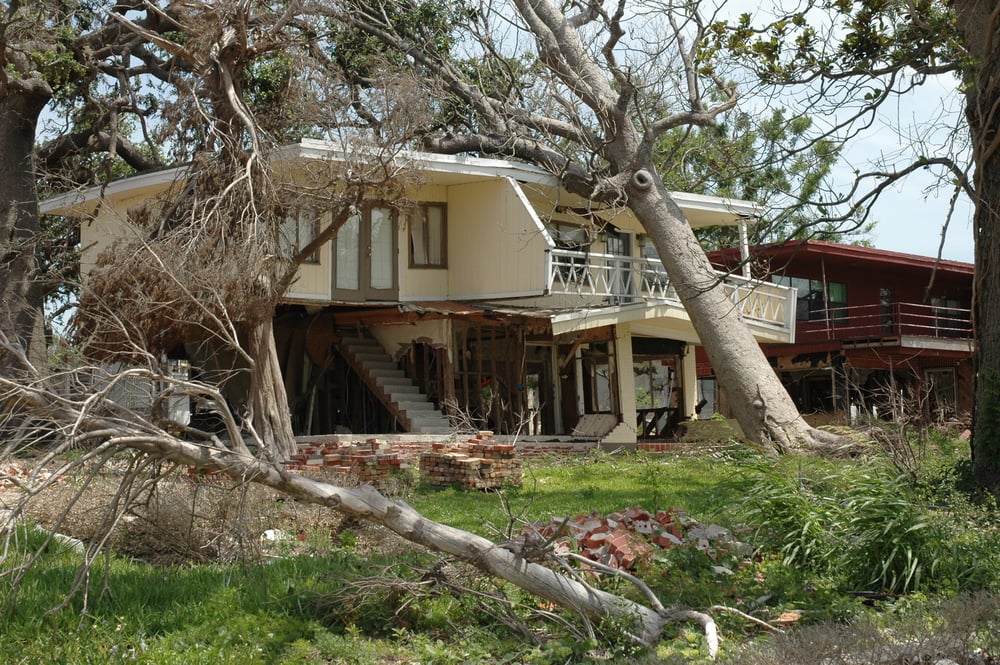
News photographers and documentary photographers captured Hurricane Katrina’s destruction and the humanitarian crisis that followed. While the most impactful photographs circulated during the crisis, comprehensive archival collections and lesser-known documentary photographs circulated more slowly.
Years passed before the full photographic record became widely accessible.
Rwanda Genocide Photography (Documentary Records, Post-1994)
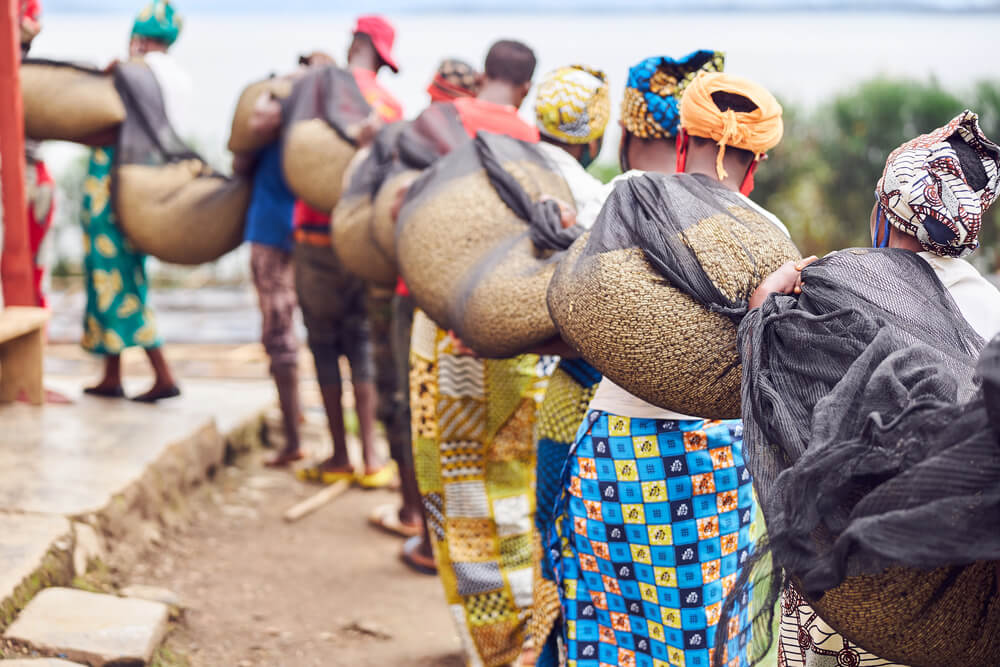
Photographers documenting the Rwandan genocide captured images restricted from publication during and immediately after the crisis. While some photographs circulated in news outlets and human rights reports, comprehensive archival records only became more widely accessible as time passed.
The full photographic documentation remains sensitive and restricted in many contexts.
The Weight of Delayed Truth
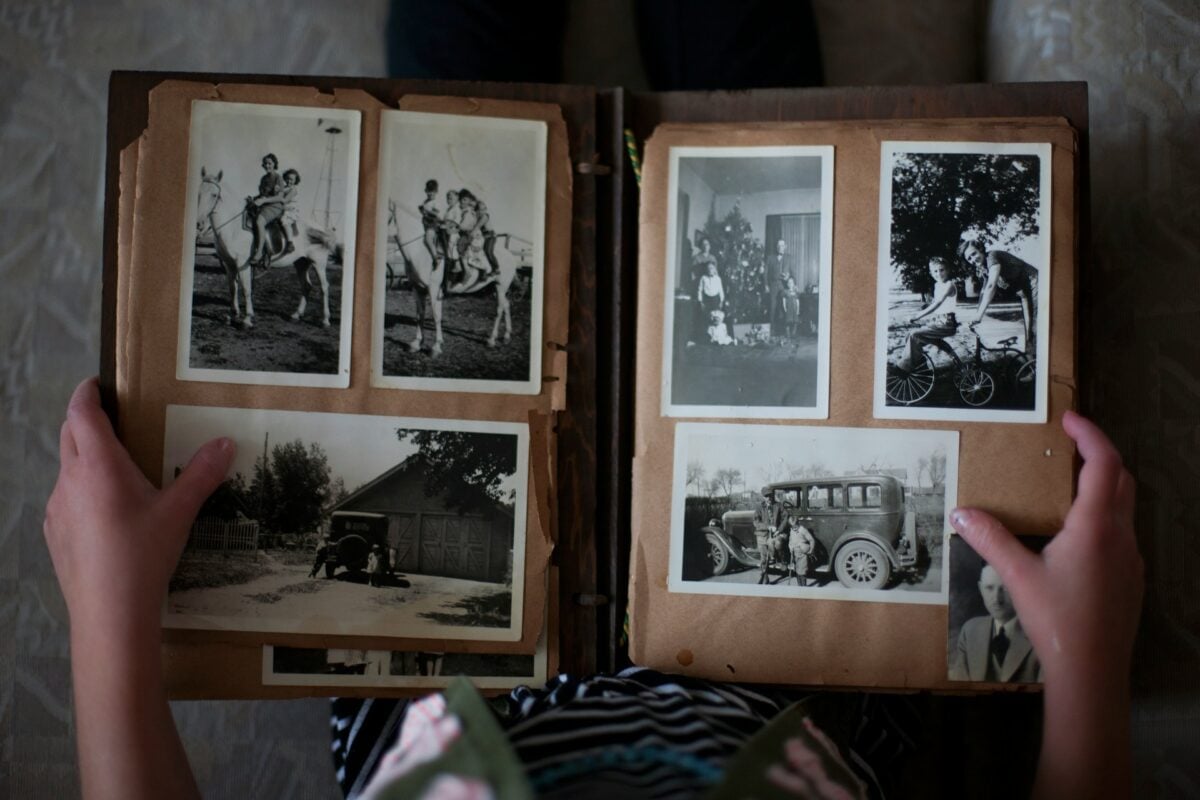
Photographs possess an authority that text cannot match; they offer evidence of what actually existed before the lens. Yet that authority rests partly on what viewers see and what remains hidden.
The photographs released decades after capture often complicate rather than simplify the narratives surrounding them. A photograph withheld serves a purpose as surely as one immediately published.
The stories’ photographs shift as archives open, as institutional restrictions ease, and as viewers bring new eyes to frames previously unseen.
More from Go2Tutors!

- The Romanov Crown Jewels and Their Tragic Fate
- 13 Historical Mysteries That Science Still Can’t Solve
- Famous Hoaxes That Fooled the World for Years
- 15 Child Stars with Tragic Adult Lives
- 16 Famous Jewelry Pieces in History
Like Go2Tutors’s content? Follow us on MSN.