Monumental Dams Across the Globe
What stands behind a river’s changed path? Dams – built not for show but to hold back force after force.
These hulking barriers stop flows that once ran free, turning valleys into still pools bigger than some lakes. Hidden shifts begin: water stays where it used to rush, species adapt or vanish, land transforms without fanfare.
Time bends near these concrete giants, their effects stretching decades ahead.
Big dams came about when people trusted engineers more than ever. Back then, leaders thought managing rivers was the key to wealth, peace, and progress.
Power supply, farming needs, safety from floods – these goals folded together under one massive effort. Years passed.
The concrete giants stood taller than before – not just proof of skill, but reminders of what gets lost when nature is reshaped by huge human plans.
Big dams stopped being just about holding rivers. Instead, they started shaping economies, quietly guiding national plans.
Where water used to move without limits between countries, it now follows rules set hundreds of miles away. These massive structures control more than flow – they shape towns, shift power between governments, force people to rethink limited resources.
What stands out about certain massive dams around the world isn’t only height or power production. It’s how deeply they’ve shaped regions over time.
Some changed entire landscapes overnight. Others redirected rivers that had flowed for centuries.
A few became symbols of national ambition. Their impact often stretches far beyond electricity.
Entire communities shifted because of them. Not all effects were planned.
Still, these structures mark turning points in development history.
Three Gorges Dam
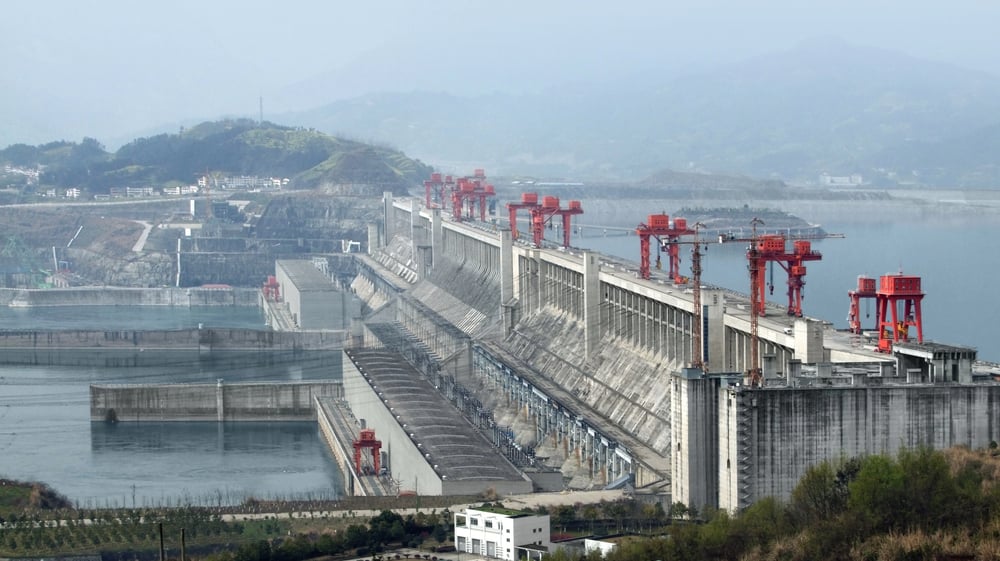
Three Gorges Dam is widely regarded as the most powerful hydroelectric dam ever constructed. Stretching more than 1.4 miles across the Yangtze River, it represents one of the largest engineering undertakings in modern history.
The dam was designed to achieve several objectives at once. It generates enormous amounts of electricity, reduces catastrophic flooding downstream, and improves navigation along one of the world’s busiest rivers.
These gains reshaped China’s energy landscape and reduced reliance on coal across vast regions. Still, the cost was immense.
Entire communities were relocated, historic sites were submerged, and river ecosystems were permanently altered. The Three Gorges Dam stands as a reminder that monumental ambition produces equally monumental consequences.
Itaipu Dam
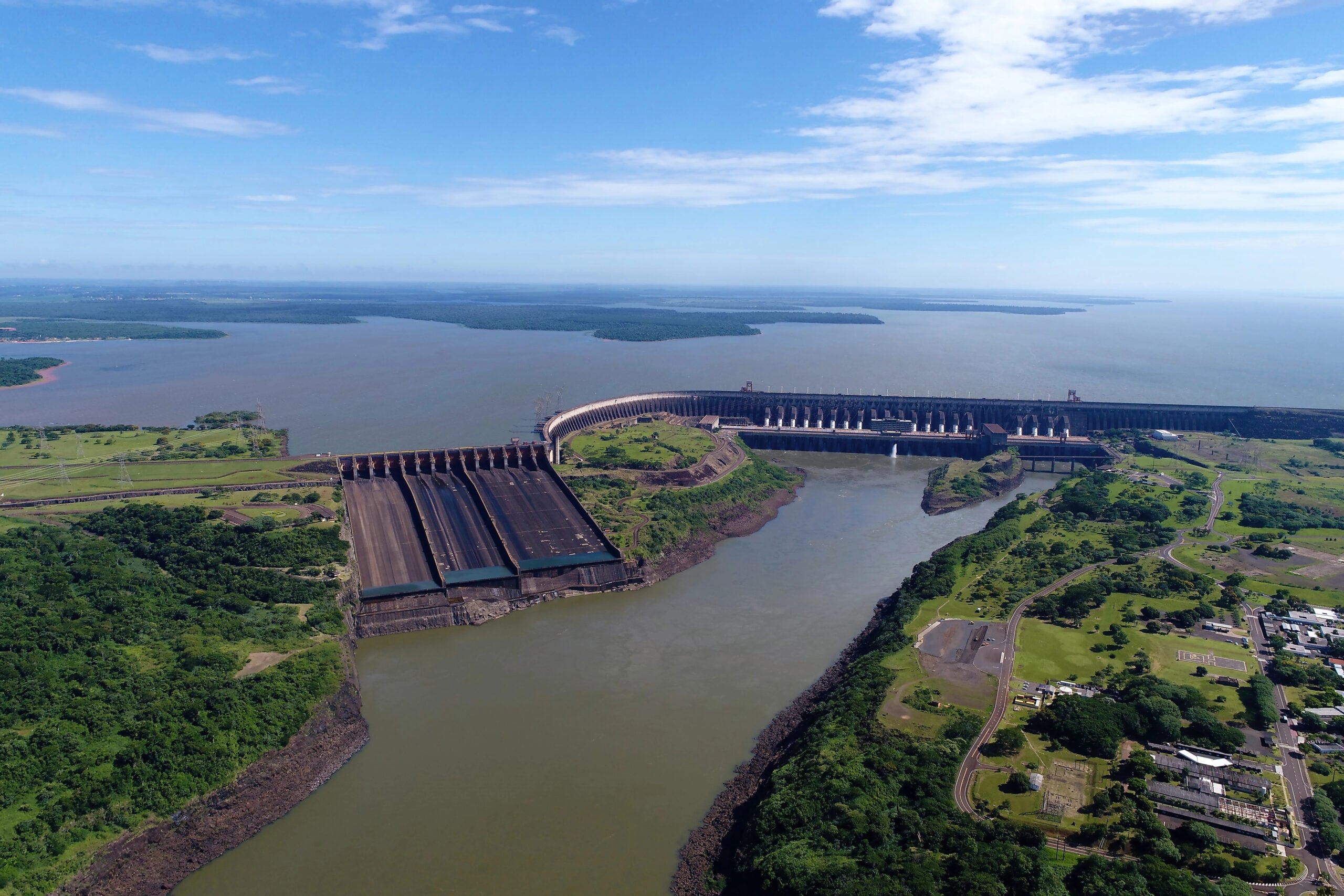
Itaipu Dam straddles the border between Brazil and Paraguay and remains one of the most productive hydroelectric facilities ever built. For many years, it generated more electricity annually than any other dam in the world.
What makes Itaipu especially significant is its political context. The dam emerged from a rare binational agreement, binding two countries to shared management of a single resource.
Its electricity became central to Paraguay’s economy while supporting Brazil’s growing power needs. At the same time, the reservoir flooded vast areas of natural habitat and displaced communities.
Itaipu illustrates how monumental dams can function simultaneously as engines of cooperation and agents of irreversible environmental change.
Hoover Dam
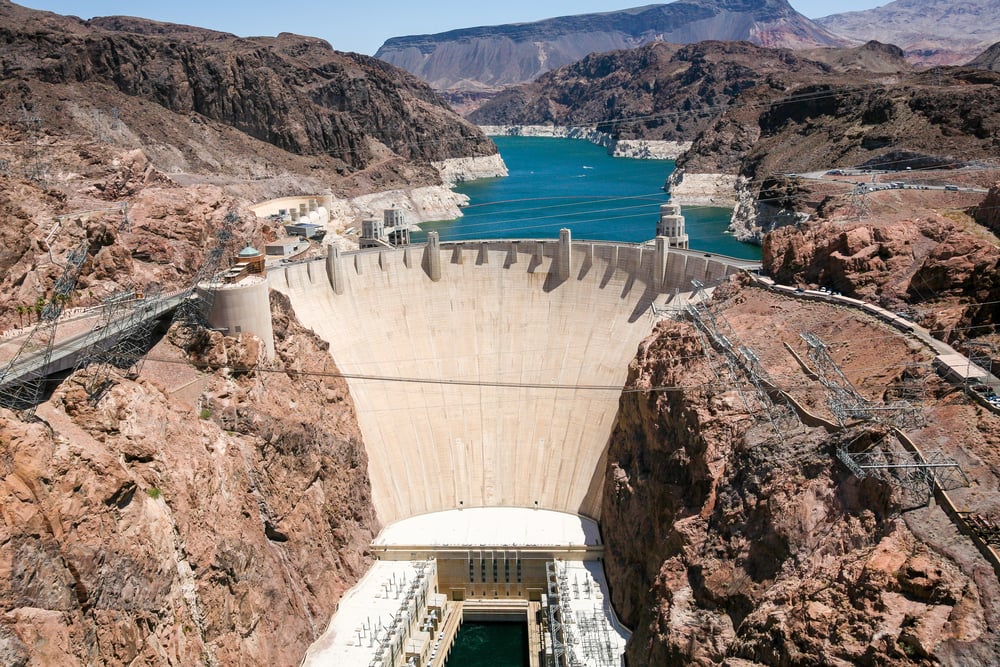
Hoover Dam remains one of the most recognisable dams in the world. Rising 726 feet above the Colorado River, it was a defining achievement of early twentieth-century American engineering.
Constructed during the Great Depression, the dam symbolised employment, progress, and national resolve. It enabled the growth of cities across the southwestern United States by providing water storage and electricity at unprecedented scale.
Lake Mead, formed by the dam, became a cornerstone of regional water security. Still, long-term drought and declining reservoir levels have exposed the limits of assumptions made nearly a century ago.
Hoover Dam reflects an era when engineering promised permanence in a world that continues to shift.
Aswan High Dam
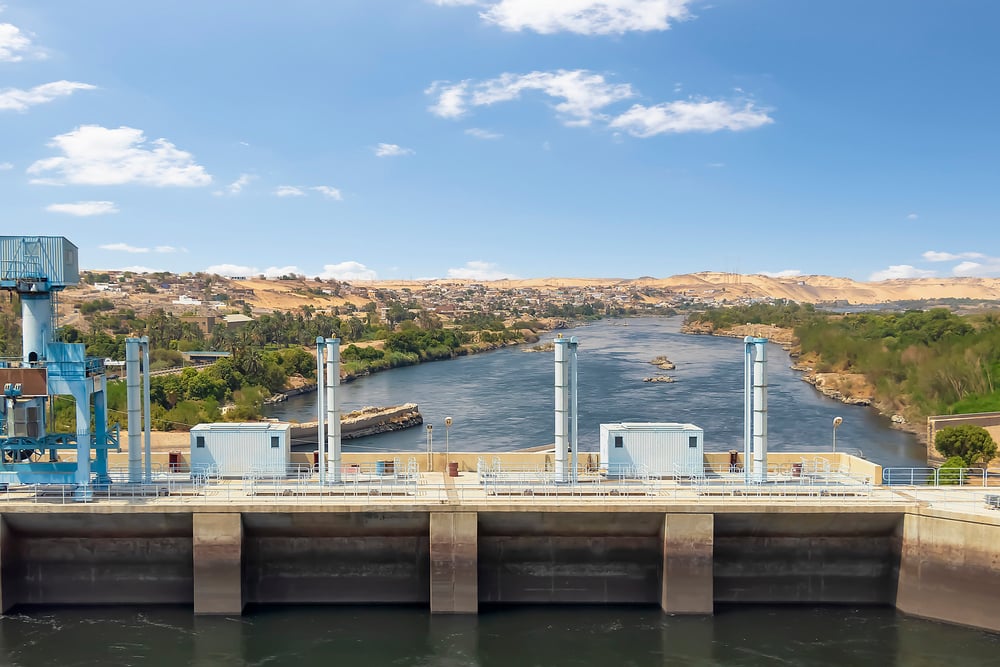
Aswan High Dam transformed Egypt’s relationship with the Nile. Completed in the 1970s, it was built to regulate flooding, support agriculture, and generate electricity for a rapidly growing population.
The dam succeeded in stabilising water supply and enabling year-round irrigation, ending the cycle of destructive floods and droughts. Yet this control came at a cost.
The natural flow of nutrient-rich silt was disrupted, reducing soil fertility downstream and increasing reliance on artificial inputs. Lake Nasser, created by the dam, submerged ancient settlements and altered regional ecosystems.
The Aswan High Dam shows how control over nature often replaces one set of risks with another.
Tarbela Dam
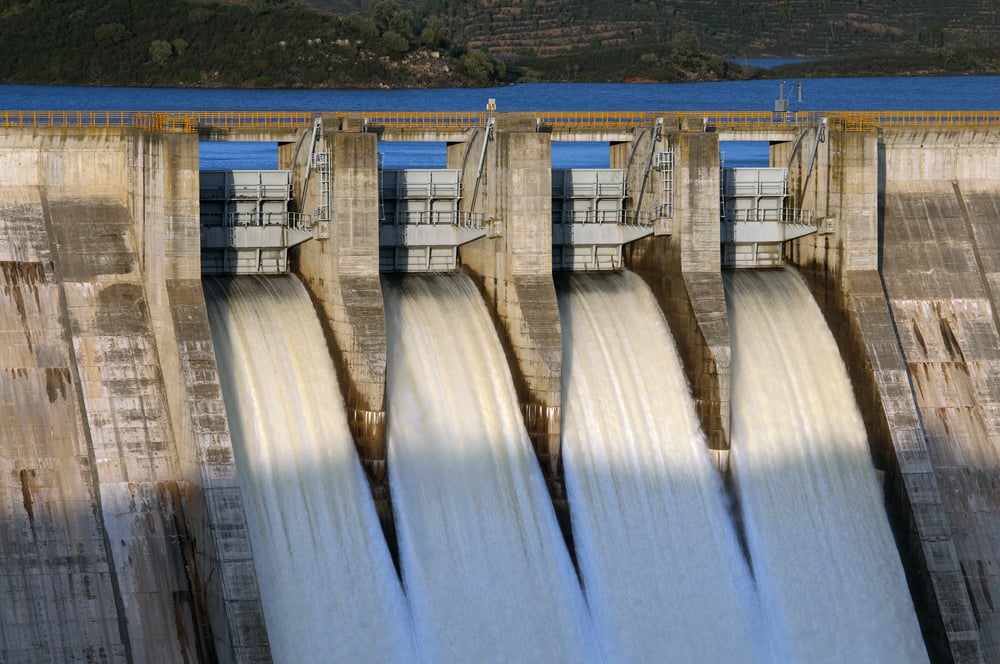
Tarbela Dam is one of the largest earth-filled dams in the world and a cornerstone of Pakistan’s water and energy infrastructure. Spanning nearly 9,000 feet, it plays a vital role in irrigation and hydroelectric production.
Built in a region shaped by extreme seasonal variation, the dam helps regulate water flow for millions of acres of farmland. Over time, sediment accumulation has reduced storage capacity, requiring continual adaptation and investment.
Tarbela demonstrates that monumental dams are not static achievements. They are systems that demand constant attention to remain effective as conditions evolve.
Nurek Dam
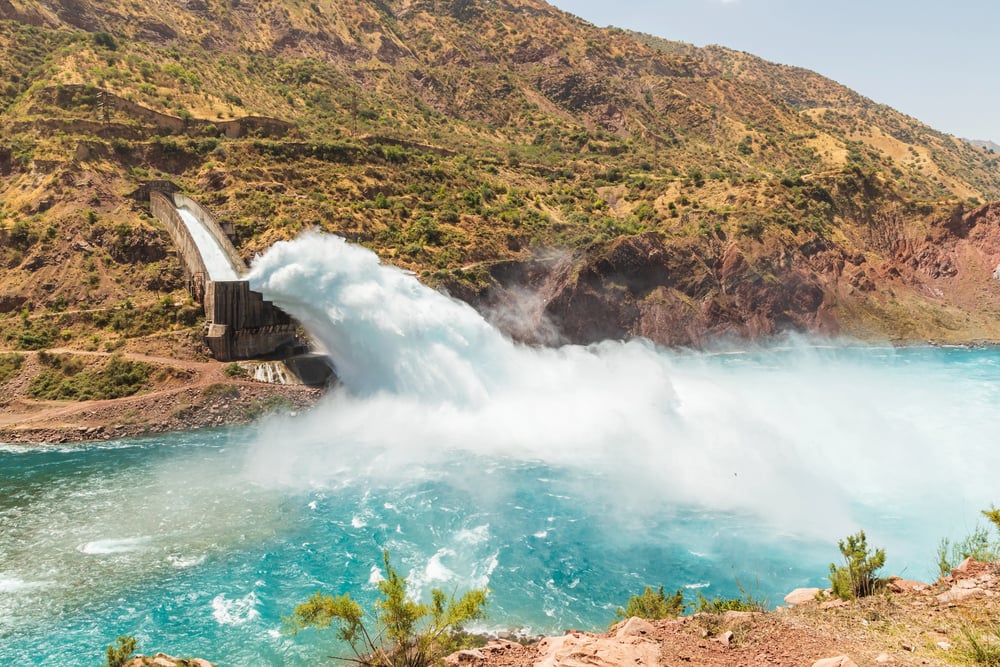
Nurek Dam stands as one of the tallest dams ever built, rising approximately 984 feet above the riverbed. For decades, it held the title of the tallest dam in the world, a distinction that underscored the ambition behind its construction.
Completed during the Soviet era, Nurek was designed to support large-scale hydroelectric production in a mountainous region with limited fossil fuel resources. Its reservoir reshaped the surrounding valley, altering microclimates and seasonal water flow.
Today, the dam remains central to Tajikistan’s energy system, particularly during winter months. Nurek demonstrates how monumental dams often outlive the political systems that built them, becoming permanent fixtures in national infrastructure.
Guri Dam
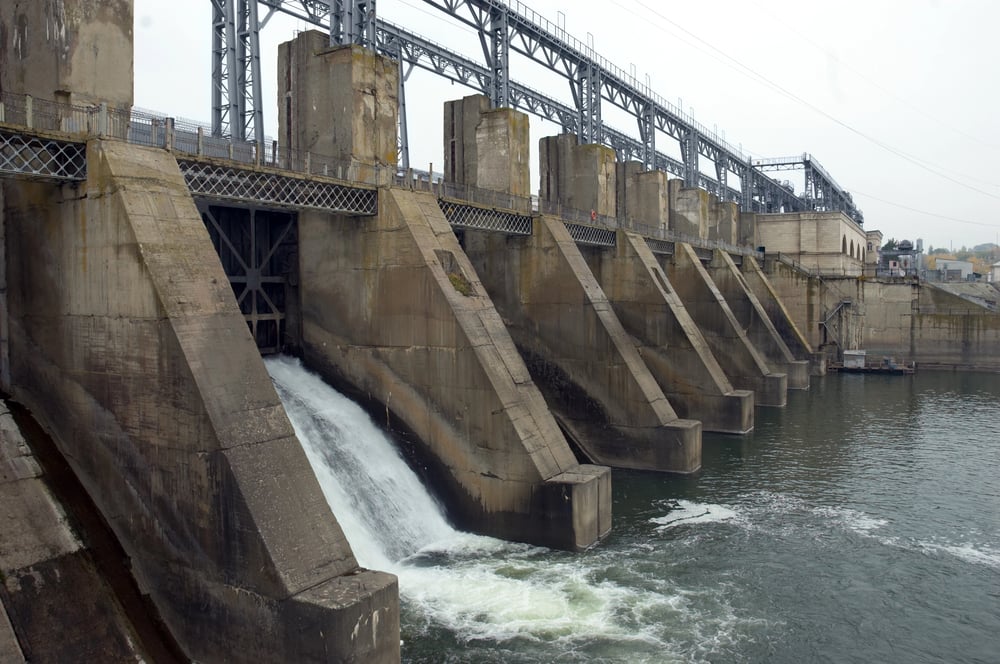
Guri Dam rises more than 530 feet and once supplied the majority of Venezuela’s electricity. Its sheer height and output made it a central pillar of national development.
The dam’s reservoir flooded enormous tracts of rainforest, creating a landscape of submerged trees and scattered islands. Its heavy dependence on consistent rainfall also introduced vulnerability.
During prolonged dry periods, reduced generation exposed the risks of overreliance on a single massive source of power. Guri highlights how monumental infrastructure can amplify instability when environmental assumptions fail.
Grand Ethiopian Renaissance Dam
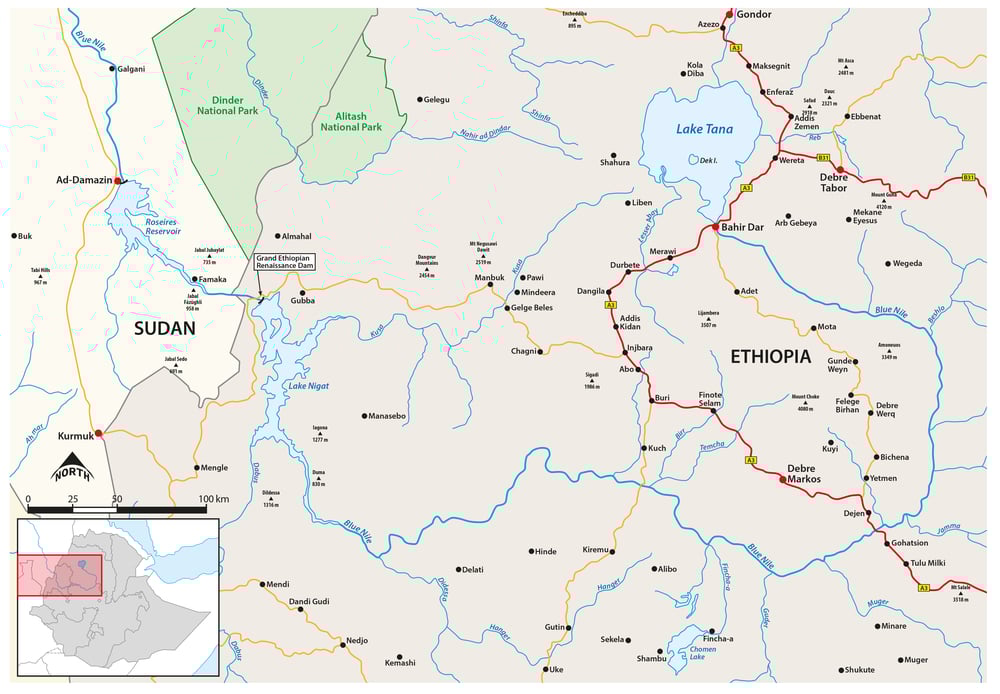
Grand Ethiopian Renaissance Dam is among the most politically sensitive dam projects of the modern era. Designed to support Ethiopia’s development and energy independence, it has reshaped regional discussions about water security.
Situated on the Blue Nile, the dam has raised concerns downstream regarding long-term river flow and data transparency. Its true legacy will depend not only on engineering performance, but on sustained cooperation between nations that share the river.
This project illustrates how monumental dams today are as much diplomatic instruments as they are physical structures.
Daniel-Johnson Dam
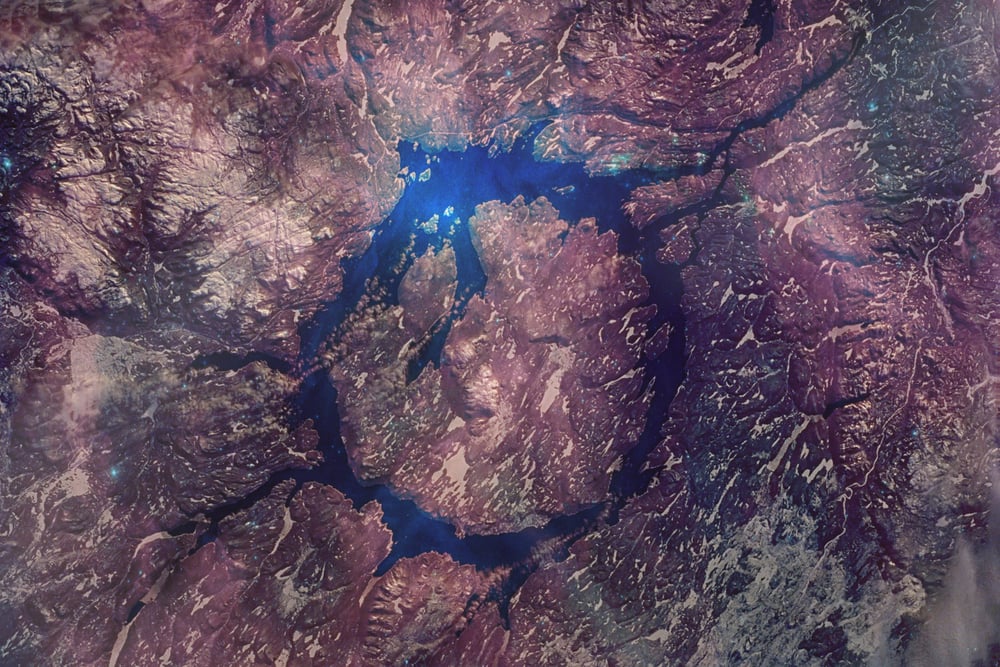
Daniel-Johnson Dam, also known as Manic-5, is one of the largest multiple-arch buttress dams ever constructed. Its sweeping curved design sets it apart from traditional gravity dams.
Built in a remote region of Quebec, the dam supports large-scale hydroelectric production while showcasing architectural ambition. Its reservoir created a striking ring-shaped lake that remains visible from space.
Daniel-Johnson demonstrates that monumental dams can also be expressions of design ingenuity, blending aesthetics with structural strength.
The Trade-Offs of Monumental Dams
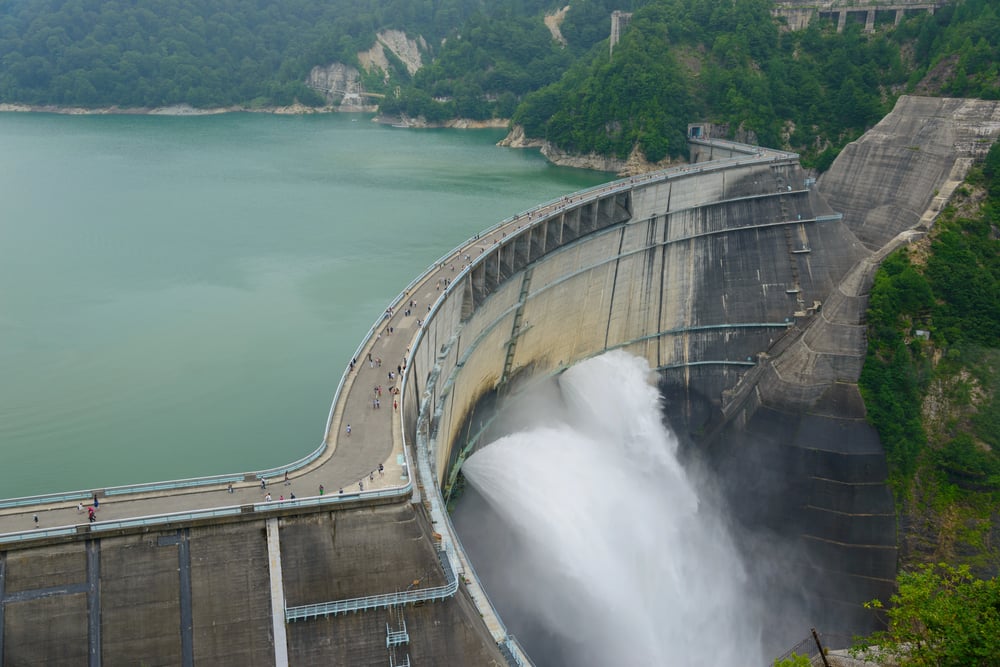
As dams increased in size, their benefits expanded alongside their risks. Massive reservoirs provide reliable power, flood control, and agricultural stability, but they also displace communities and disrupt ecosystems on a scale smaller projects rarely approach.
Changes in sediment flow, water temperature, and river chemistry can affect regions hundreds of miles downstream.
At the same time, monumental dams often underpin national development strategies. They deliver renewable energy and long-term economic benefits that decentralized systems may struggle to match.
The challenge lies in managing these structures responsibly over decades, especially as climate variability increases. Scale magnifies both success and failure, leaving little room for error.
Why These Dams Still Matter
Standing tall, those huge dams show how people once trusted big machines to change their future. At times, jumping in fast seemed better than waiting, even if it meant moving mountains.
Size alone used to stand for success, proof that going bigger meant moving forward.
Now people see these buildings more clearly. Not just their gains matter, yet their effects too.
With climate pressures growing, cities question old designs – dams stand as solid warnings. What lasts isn’t about height or mass, rather harmony, thinking ahead, staying flexible when the blueprints fade.
More from Go2Tutors!

- The Romanov Crown Jewels and Their Tragic Fate
- 13 Historical Mysteries That Science Still Can’t Solve
- Famous Hoaxes That Fooled the World for Years
- 15 Child Stars with Tragic Adult Lives
- 16 Famous Jewelry Pieces in History
Like Go2Tutors’s content? Follow us on MSN.



