Petrified Forests You Can Walk Through
There’s something almost eerie about walking among trees that turned to stone millions of years ago. These aren’t fossils hidden behind museum glass.
They’re massive trunks scattered across the ground, some still standing upright, their bark and growth rings preserved in crystallized silica. The wind blows, the sun beats down, and you’re surrounded by an ancient forest that stopped growing before dinosaurs went extinct.
Petrified forests exist on nearly every continent, and many of them welcome visitors with hiking trails that wind directly through fields of fossilized wood. Some require nothing more than a pair of comfortable shoes.
Others demand a guide or a lengthy drive down unpaved roads. All of them offer the strange pleasure of touching something that was alive hundreds of millions of years ago.
Petrified Forest National Park, Arizona
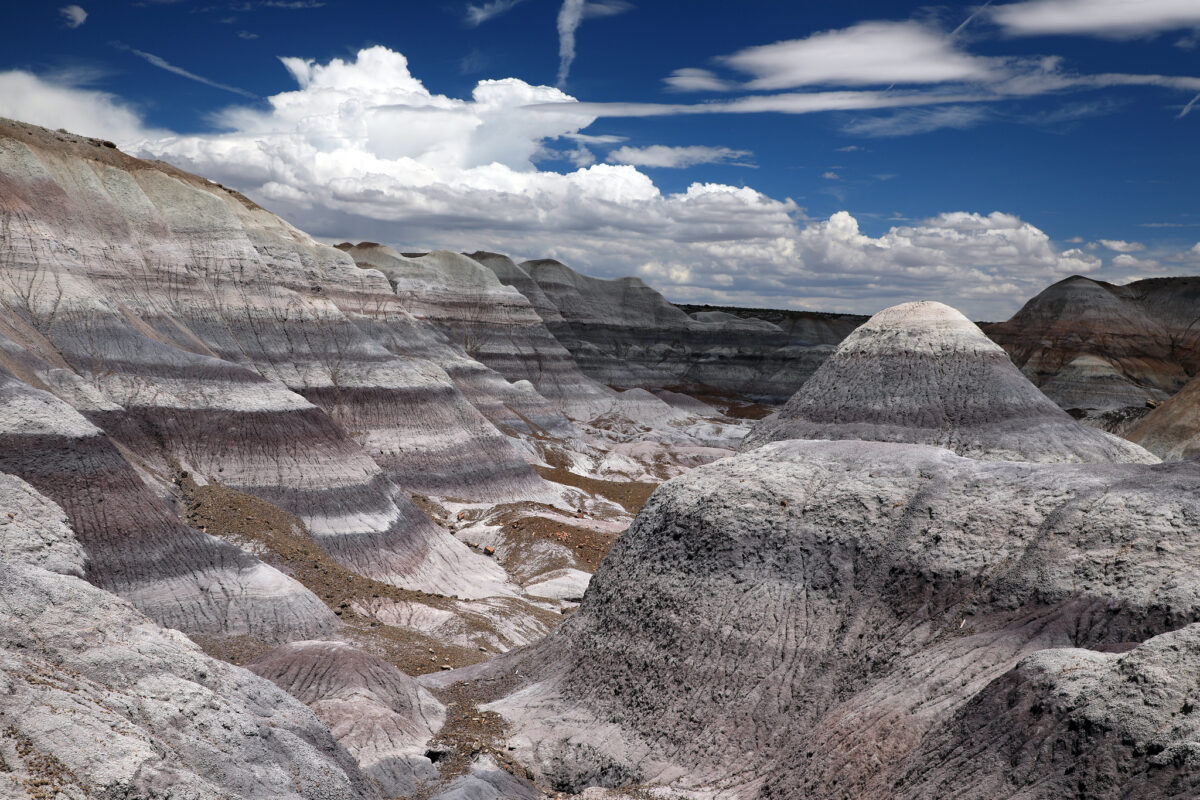
The most famous petrified forest in the world sits in northeastern Arizona, straddling Interstate 40 near the small town of Holbrook. The park contains one of the largest concentrations of petrified wood anywhere on Earth, with logs scattered across 146 square miles of painted desert.
A 28-mile road runs through the park, connecting viewpoints and trailheads. You can see plenty from your car, but walking gets you close enough to appreciate the details.
The Crystal Forest Trail is a popular 0.75-mile paved loop that takes you through a deposit of colorful petrified logs, many broken into sections that reveal crystalline interiors of purple, red, and yellow. The Blue Mesa Trail drops into badlands of gray and purple clay studded with petrified wood.
It’s about a mile long and feels like walking on another planet. For a quieter experience, try the Jasper Forest Trail.
It’s a 2.3-mile out-and-back along an old 1930s road where the path has mostly disappeared, leaving you alone with the fossils and the wind.
Lesvos Petrified Forest, Greece
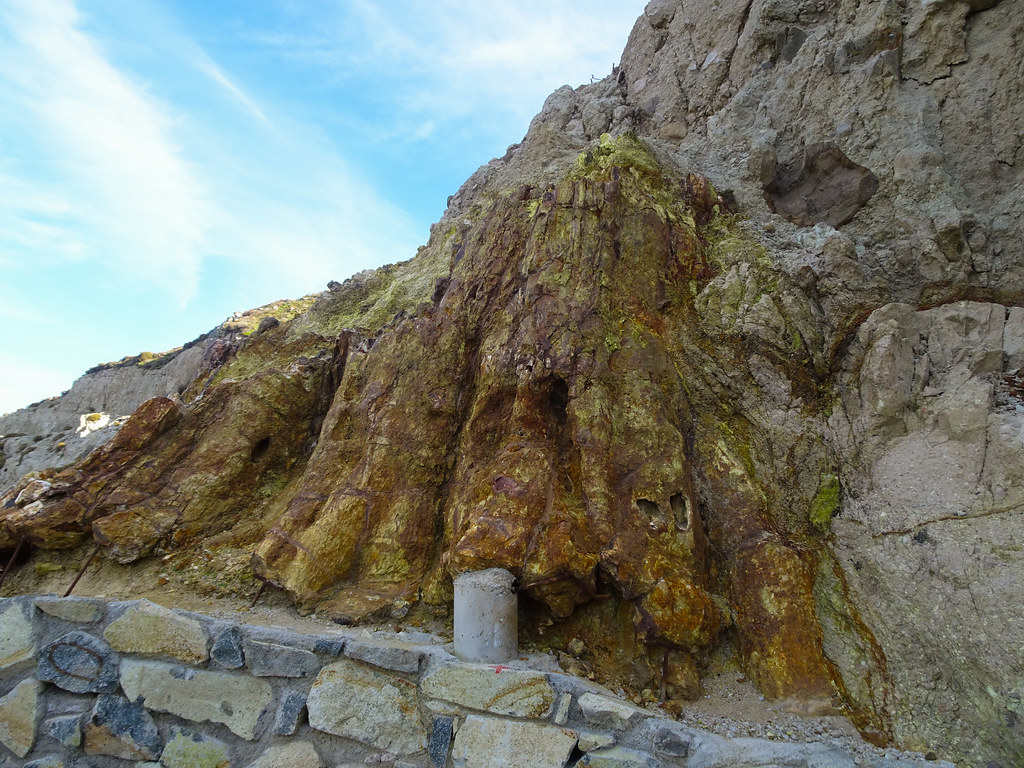
On the Greek island of Lesvos (also spelled Lesbos), volcanic eruptions 20 million years ago buried an entire subtropical forest. What remains is one of the most impressive petrified forests in the world, with standing trunks still rooted where they grew.
The main park at Bali Alonia offers 4 kilometers of walking trails through clusters of fossilized sequoia trees. Some trunks stand over 7 meters tall.
One measures 13.7 meters in circumference, making it the thickest standing petrified tree known. The colors range from deep red to green to black, depending on which minerals replaced the original wood.
A network of paths called “Lava Paths” connects the various fossil-bearing sites across the western part of the island. You can hike from park to park, following trails that wind through this prehistoric landscape.
The Natural History Museum in the village of Sigri provides context before you head out.
La Leona Petrified Forest, Argentina
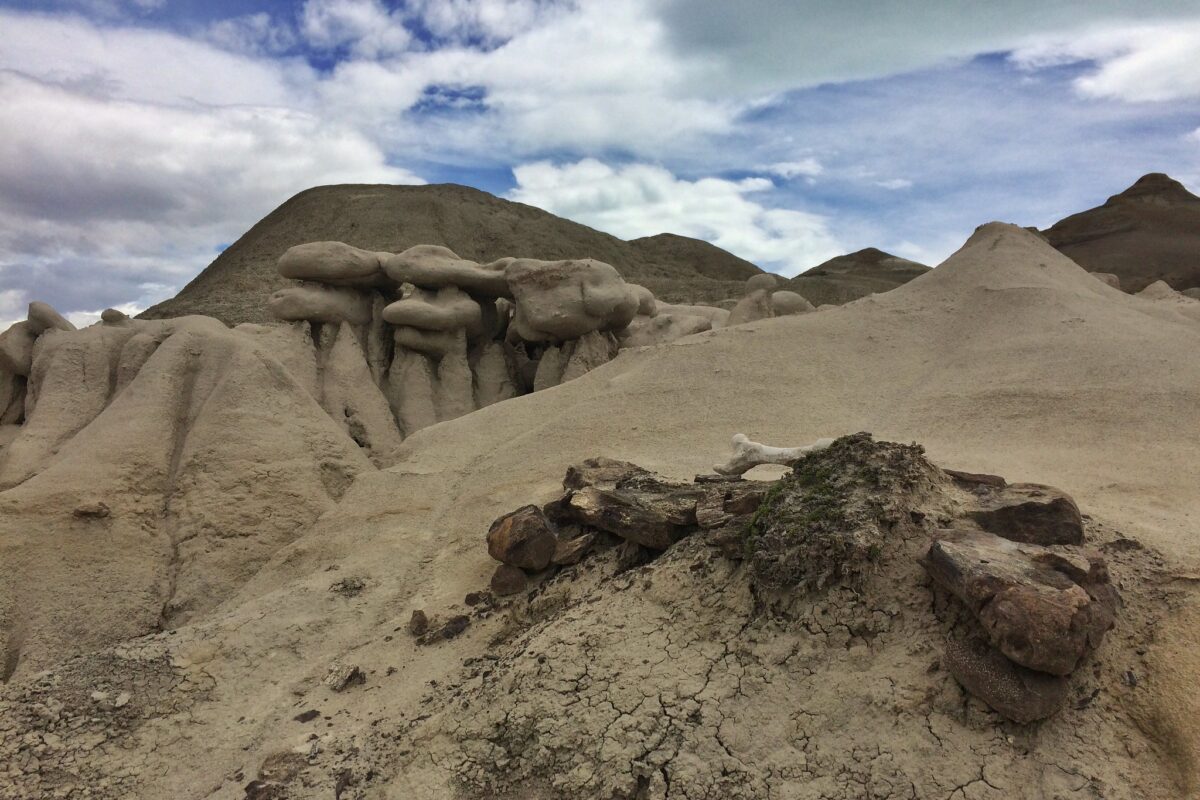
Halfway between El Calafate and El Chalten in Patagonia, a depression in the steppe holds 70-million-year-old petrified tree trunks and dinosaur fossils. The landscape looks lunar, with eroded clay hills in shades of gray and tan.
Petrified logs jut from the soil like they sprouted from the earth just yesterday. Getting there requires joining a guided tour, as the site sits on private land.
The hike takes about three hours and includes some steep sections over loose soil. Along the way, you’ll see tree trunks over a meter in diameter and, occasionally, fossil bones from creatures that haven’t walked this ground in tens of millions of years.
The guides serve lunch in the canyon, protected from the Patagonian wind. It’s a full-day excursion from El Calafate, but anyone who makes the trip describes it as a highlight of their visit to the region.
Ginkgo Petrified Forest State Park, Washington
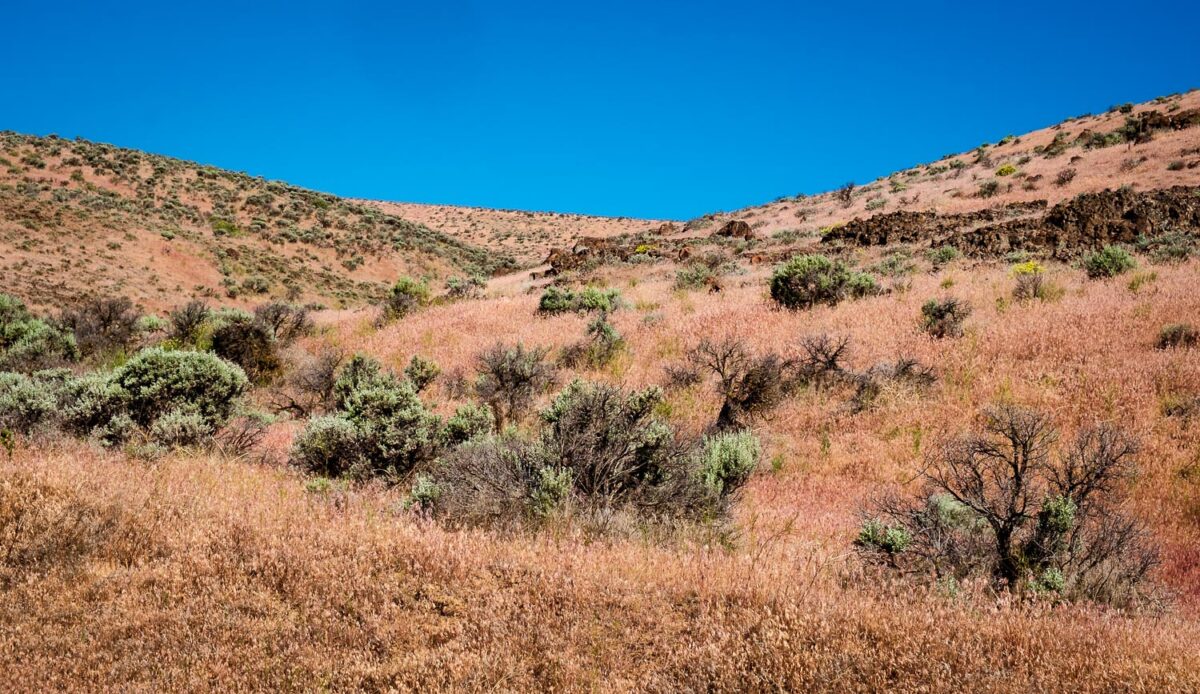
Central Washington doesn’t look like a place where ancient forests would survive. The landscape is dry, windy, and mostly barren.
But about 15 million years ago, lava flows swept across the region and buried trees that grew near an ancient lake. The Trees of Stone Interpretive Trail weaves through an exposed section of this prehistoric forest.
The 1.25-mile loop passes more than 20 petrified logs in their original positions, protected by cages to prevent souvenir hunters from chipping away at them. The specimens include ginkgo, Douglas fir, spruce, walnut, and elm.
The park sits just off Interstate 90 near the town of Vantage, making it a convenient stop for road-trippers crossing the state. The Civilian Conservation Corps built the trailside museum in the 1930s, and it remains a good place to learn about the fossilization process before you walk among the logs themselves.
Florissant Fossil Beds National Monument, Colorado
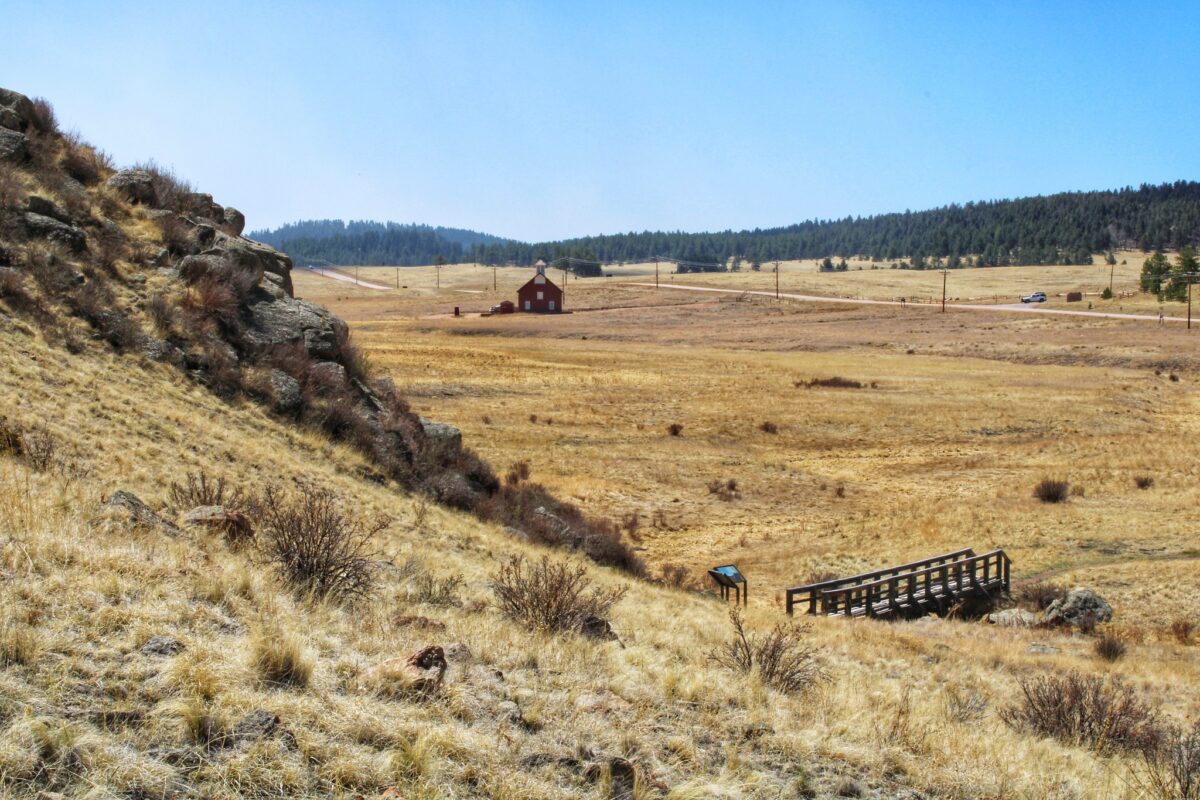
About an hour west of Colorado Springs, in a quiet mountain valley at 8,400 feet elevation, stand some of the largest petrified tree stumps on the planet. The stumps belonged to giant redwoods that grew here 34 million years ago, before volcanic eruptions buried the valley in ash and mud.
The Petrified Forest Loop trail is an easy 1.1-mile walk past five massive stumps. The largest, called the Big Stump, measures 12 feet in diameter.
Look closely and you can still see the marks from broken saw blades, remnants of an 1893 attempt to cut the stump into pieces for the Chicago World’s Fair. The monument also preserves thousands of delicate fossil insects and plants, visible only at the visitor center.
But the stumps are the main attraction, and you can stand next to them and imagine what the forest looked like when these giants were alive.
Sarmiento Petrified Forest, Argentina
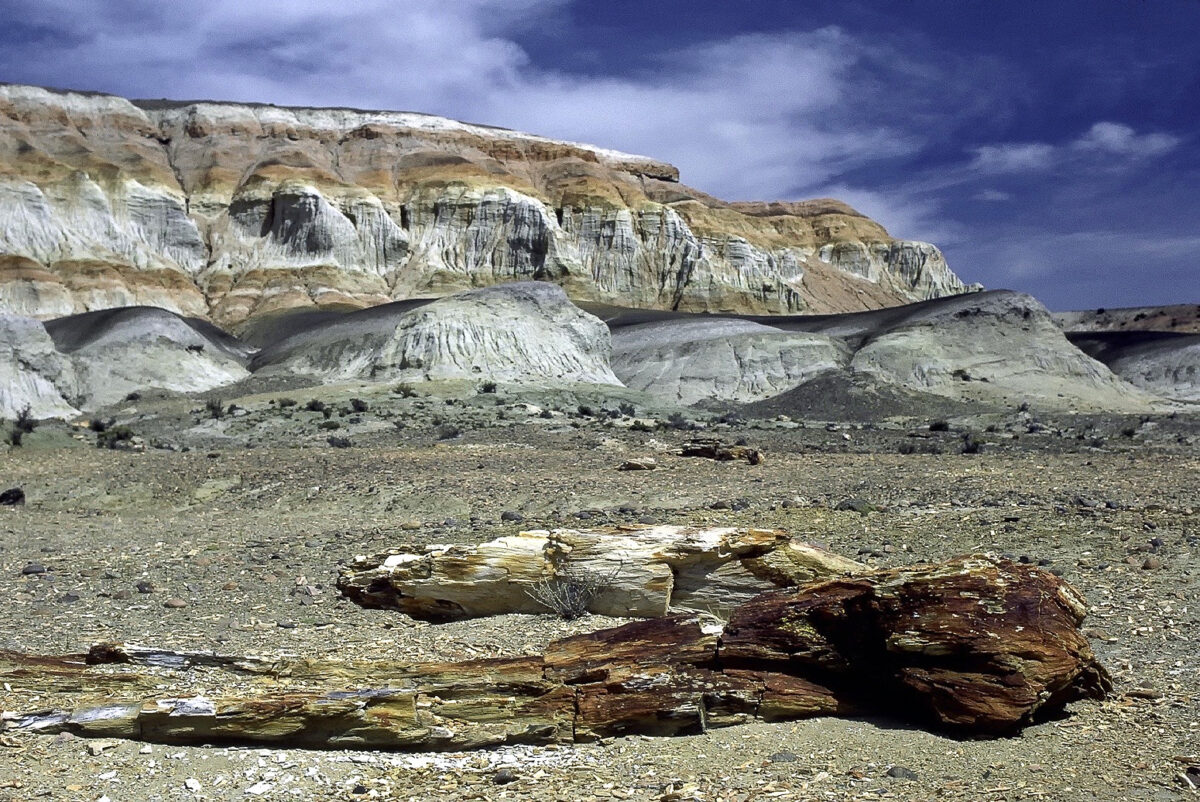
In the south-central Chubut province of Argentina, about 30 kilometers from the town of Sarmiento, lies another spectacular petrified forest. This one dates back 65 million years, to a time when Patagonia was warm, wet, and covered in lush vegetation.
The protected natural area covers 300 square kilometers and includes a designated walking circuit that takes about an hour to complete. Along the trail, you’ll see palm trees and conifers turned to stone, their colors ranging from brown to red to yellow.
The surrounding landscape, known locally as the Moon Valley, adds to the otherworldly atmosphere. A park ranger accompanies all visitors.
The rule against removing petrified wood is strict, with fines and potential jail time for anyone caught taking even a small piece.
Damaraland Petrified Forest, Namibia
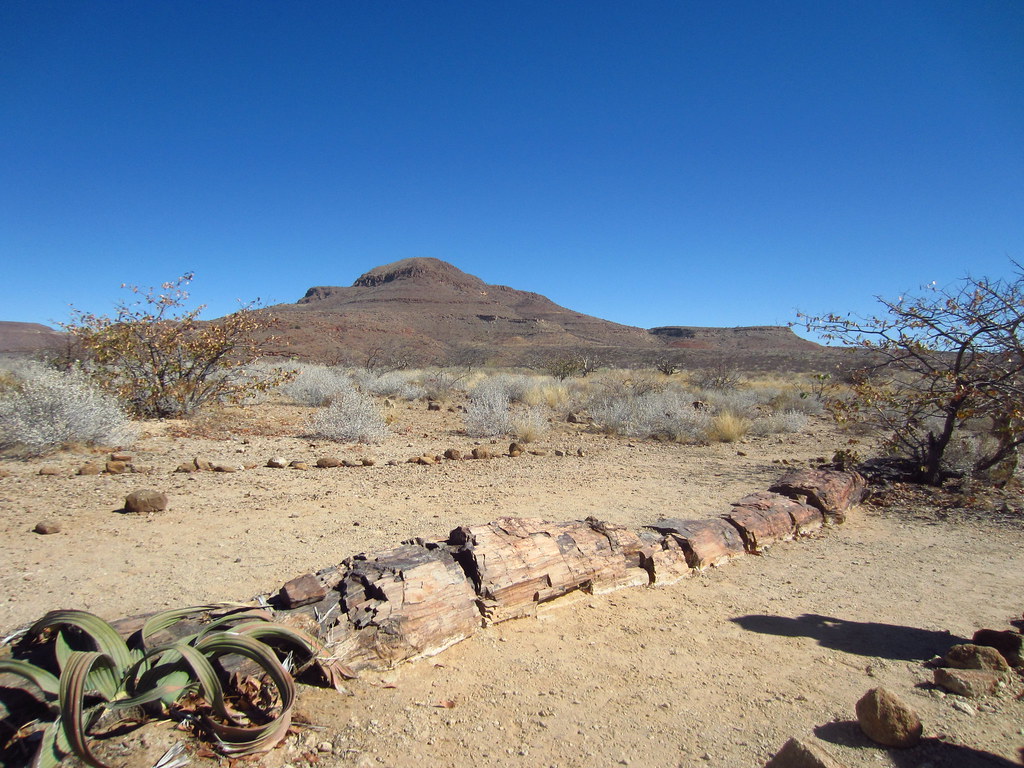
In the northern reaches of Namibia, about 40 kilometers west of the town of Khorixas, ancient tree trunks lie scattered across the open desert. These logs are roughly 280 million years old, making them among the oldest petrified trees you can visit anywhere.
Scientists believe the trunks weren’t local. A massive flood at the end of an ice age carried them here from elsewhere on the Gondwana supercontinent, then buried them in sand and mud that prevented decay.
About 50 individual trees are visible today, some measuring 34 meters long and 6 meters in circumference. A guide leads all visitors along an 800-meter path through the site.
The walk takes about 40 minutes and includes explanations of the fossilization process and the unusual plants that grow in this environment, including specimens of Welwitschia, Namibia’s national plant.
Bosques Petrificados National Park, Argentina
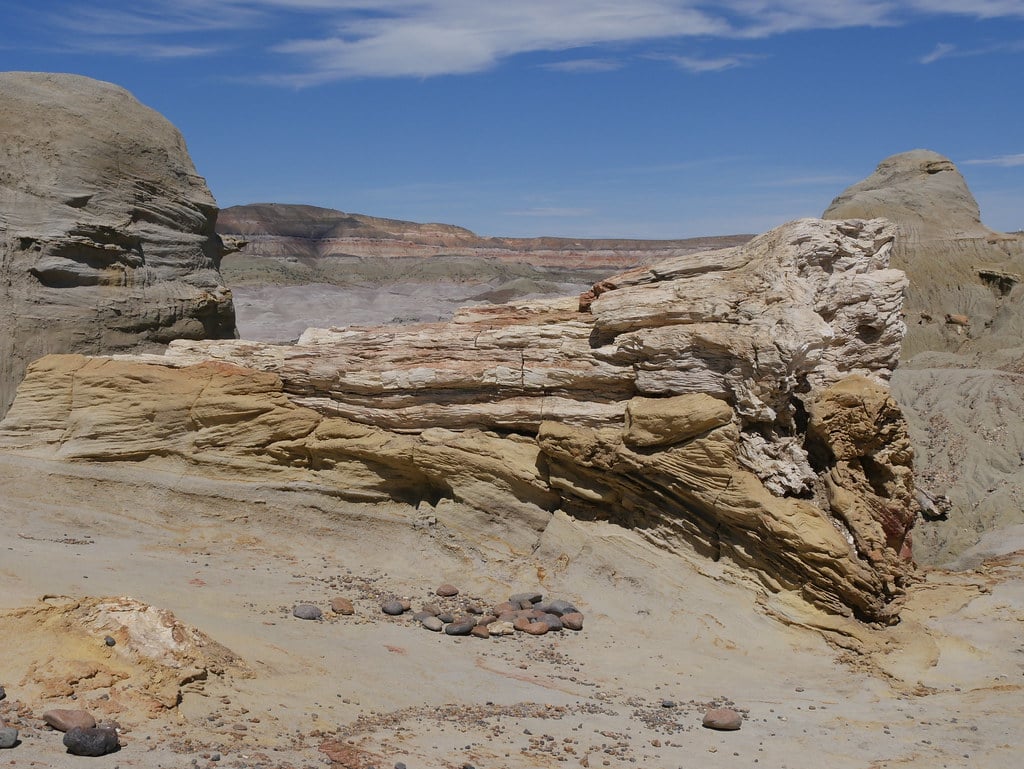
In the remote Patagonian steppe of Santa Cruz province, this national park protects the largest petrified trees on the planet. Some logs measure over 30 meters long and 3 meters thick.
They date to the Cretaceous period, when volcanic activity and the rise of the Andes killed off the forests that once covered this now-barren landscape. The park lies far from any populated area, requiring a long drive on dirt roads from either Puerto Deseado or Caleta Olivia.
But visitors who make the journey find themselves walking among giants, their fossilized remains preserved in one of the most isolated corners of South America. A paleontological path guides you through the deposits, with signs explaining how this forest grew, died, and turned to stone.
Watch for rheas, guanacos, and Patagonian foxes as you walk.
Mississippi Petrified Forest
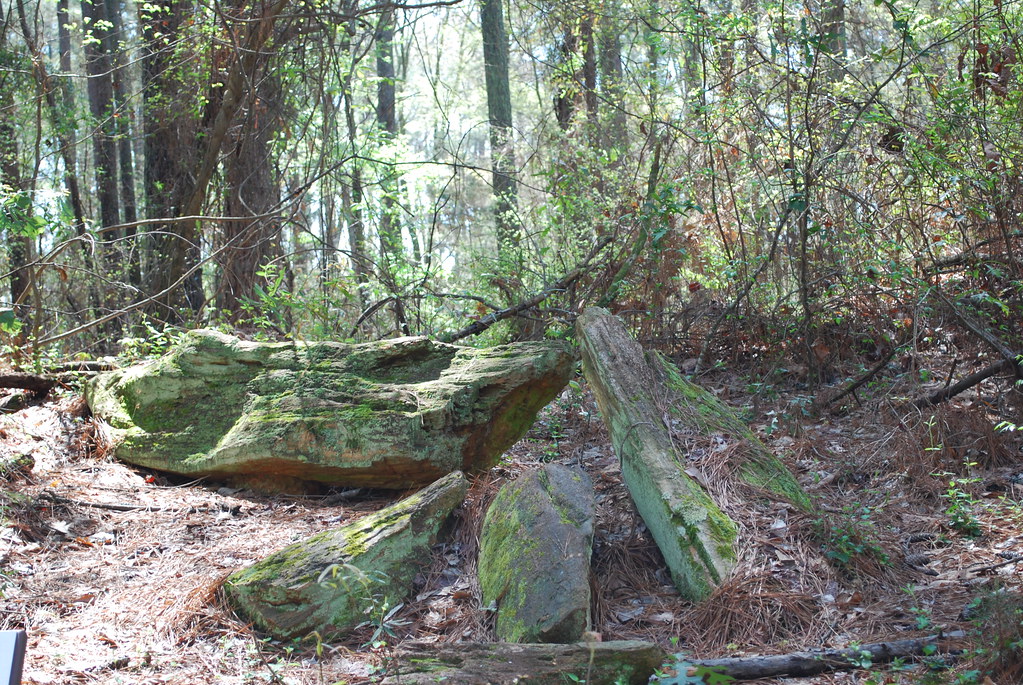
Near the town of Flora, Mississippi, an unusual site awaits: the only petrified forest in the eastern United States. The logs here are about 36 million years old and were exposed over time by erosion.
A marked trail leads visitors past petrified logs and through a small museum with additional specimens. The setting is quite different from the western desert parks.
Here, you’re walking through a humid Southern landscape where petrified wood emerges from forested hillsides rather than barren plains.
John Day Fossil Beds National Monument, Oregon
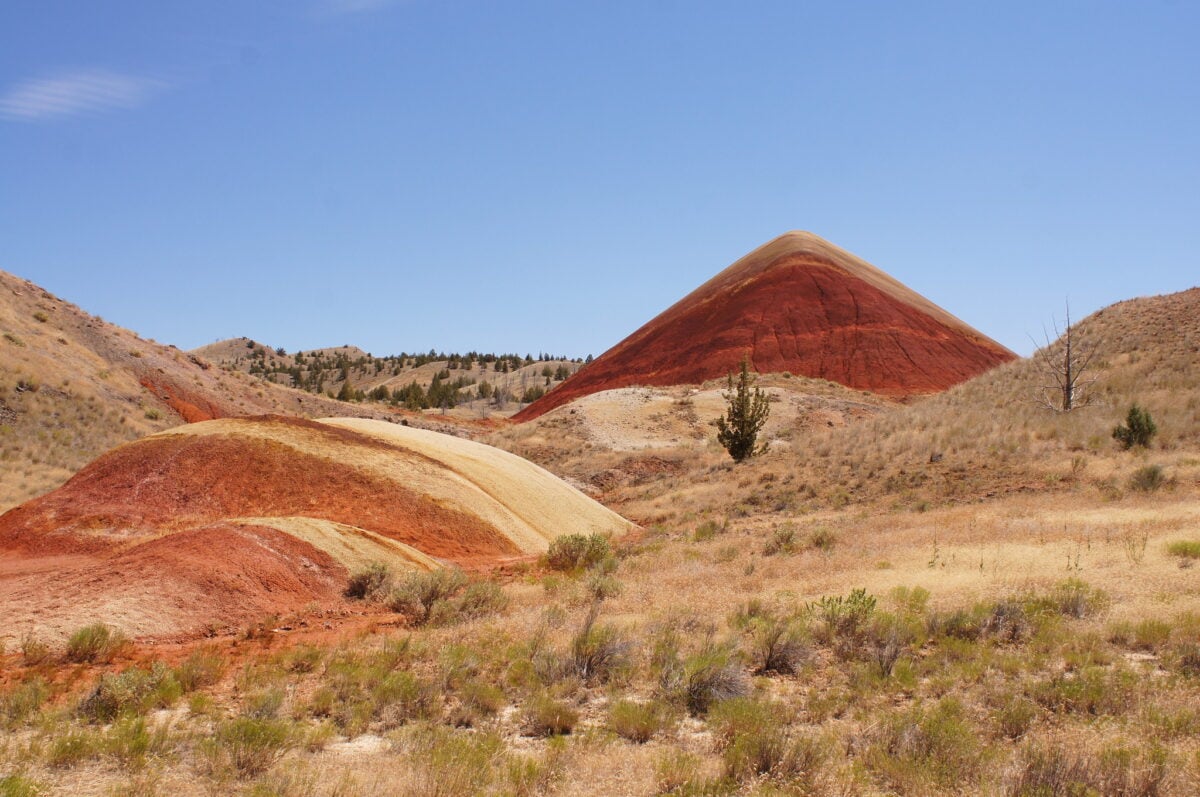
While not strictly a petrified forest, the Clarno Unit of John Day Fossil Beds contains the remains of an ancient tropical forest embedded in mudflow deposits. Petrified logs protrude from the cliffs, and short trails lead you past fossilized wood and the remains of plants and animals from 44 million years ago.
The site receives far fewer visitors than many national monuments, making for a peaceful walk through Oregon’s high desert. The Clarno Arch Trail and Trail of Fossils together cover less than a mile but pack in plenty of geological interest.
Bisti/De-Na-Zin Wilderness, New Mexico
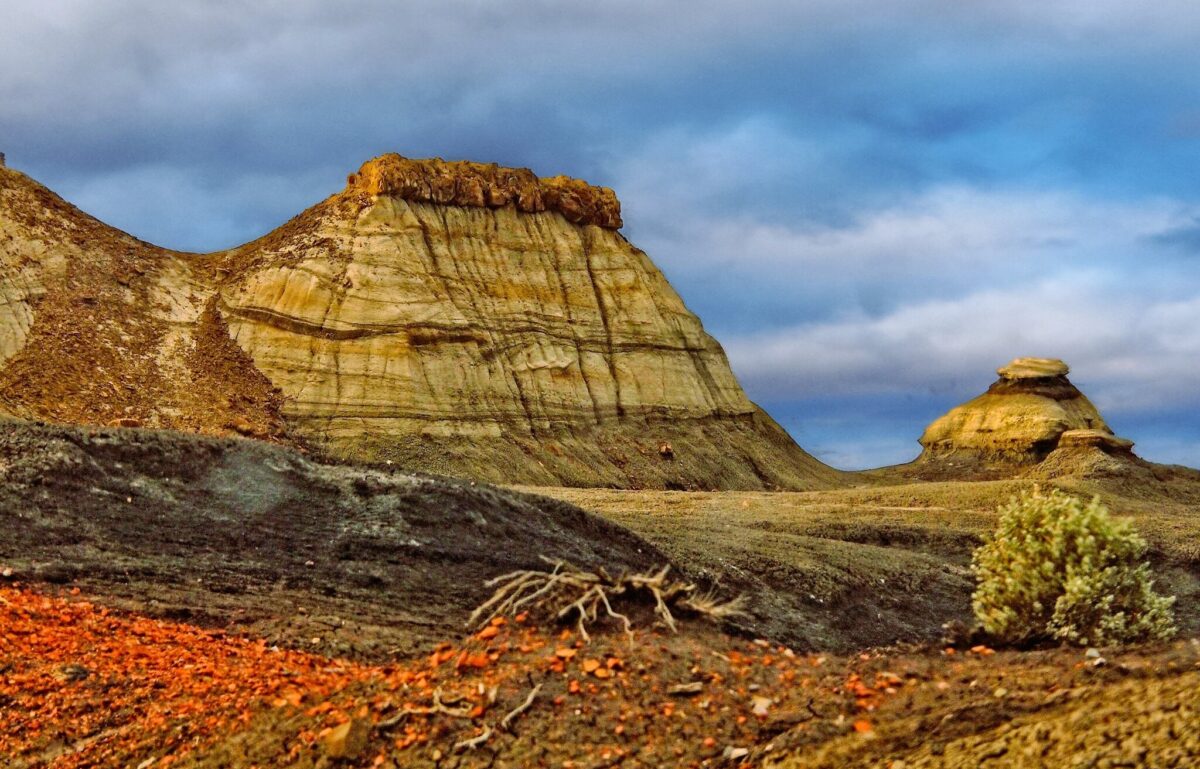
This remote wilderness area in northwestern New Mexico contains scattered petrified logs among its famous hoodoos and badlands. There are no marked trails.
You navigate by GPS or simply by wandering, finding your own way through an eroded landscape that looks like something from a science fiction film. The petrified wood here appears in chunks and fragments rather than intact logs, mixed among the clay hills and strange rock formations.
It’s not the densest concentration of fossils you’ll find, but the setting makes up for it. You’ll likely have the place entirely to yourself.
Escalante Petrified Forest State Park, Utah
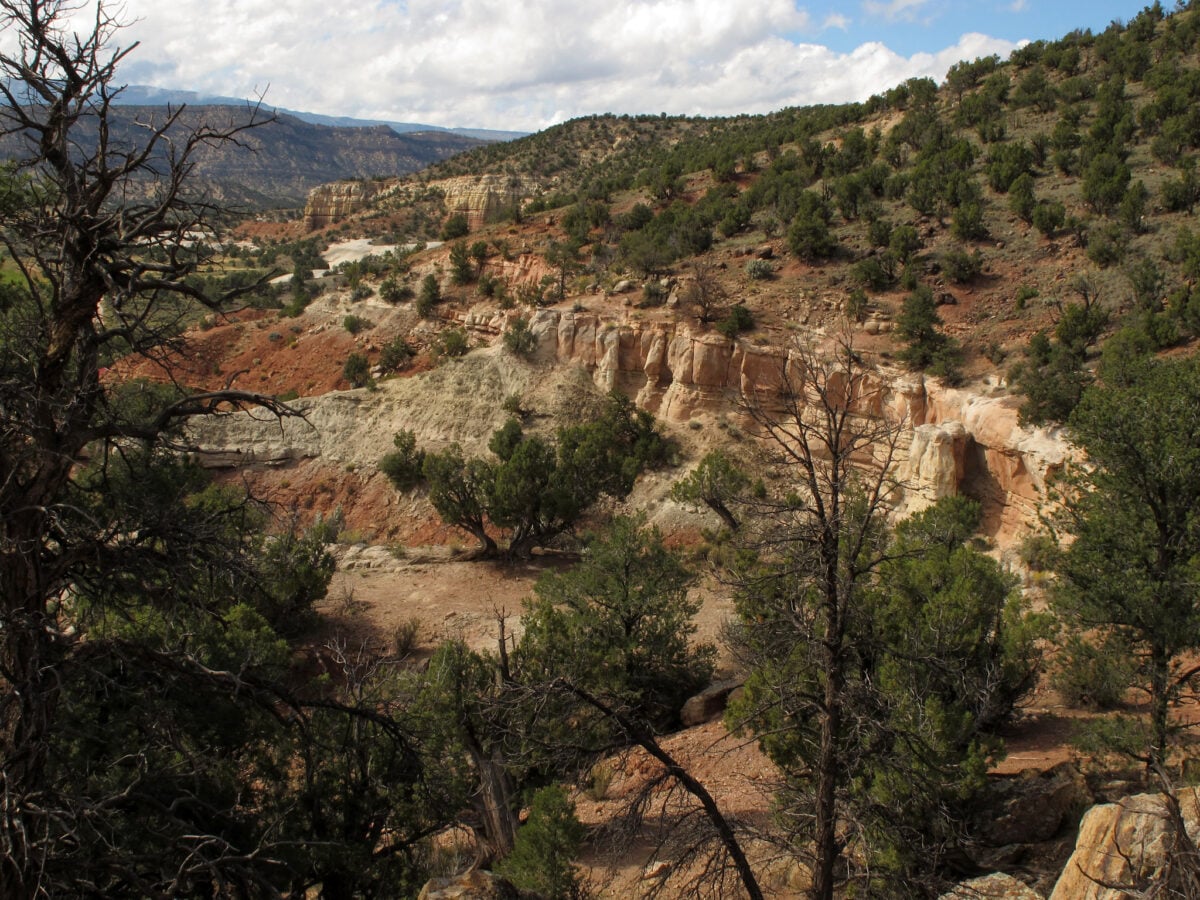
In the small town of Escalante, southern Utah, a state park protects a colorful deposit of petrified wood from the late Triassic period. The 0.75-mile loop trail climbs through pinyon-juniper forest to reach logs scattered across a hillside, many displaying vibrant reds, oranges, and yellows.
The park offers camping and access to the nearby Wide Hollow Reservoir, making it a convenient base for exploring the surrounding canyon country. The petrified forest itself provides a gentler alternative to the more strenuous hikes in Grand Staircase-Escalante National Monument.
Curio Bay Petrified Forest, New Zealand
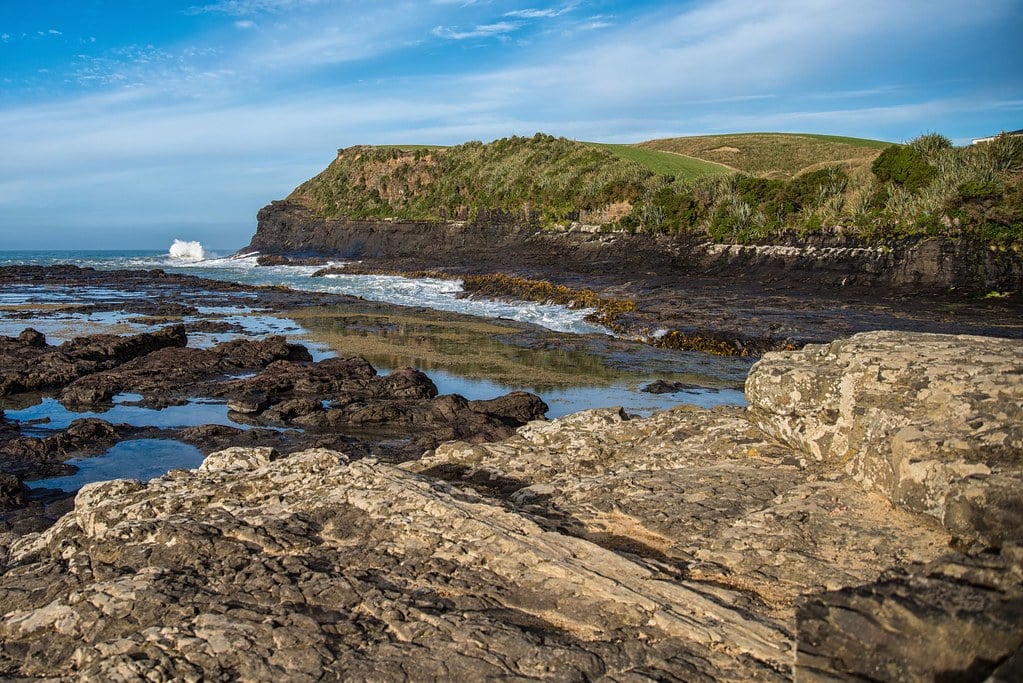
On the southern coast of New Zealand’s South Island, at a remote beach in the Catlins region, a 180-million-year-old forest emerges from the tidal zone. At low tide, you can walk directly among the fossilized stumps and fallen logs of a Jurassic-era forest.
The site sits adjacent to a colony of yellow-eyed penguins, making it possible to combine two very different wildlife experiences in a single visit. Check the tide tables before you go.
At high tide, the forest disappears beneath the waves.
Walking Where Time Stopped
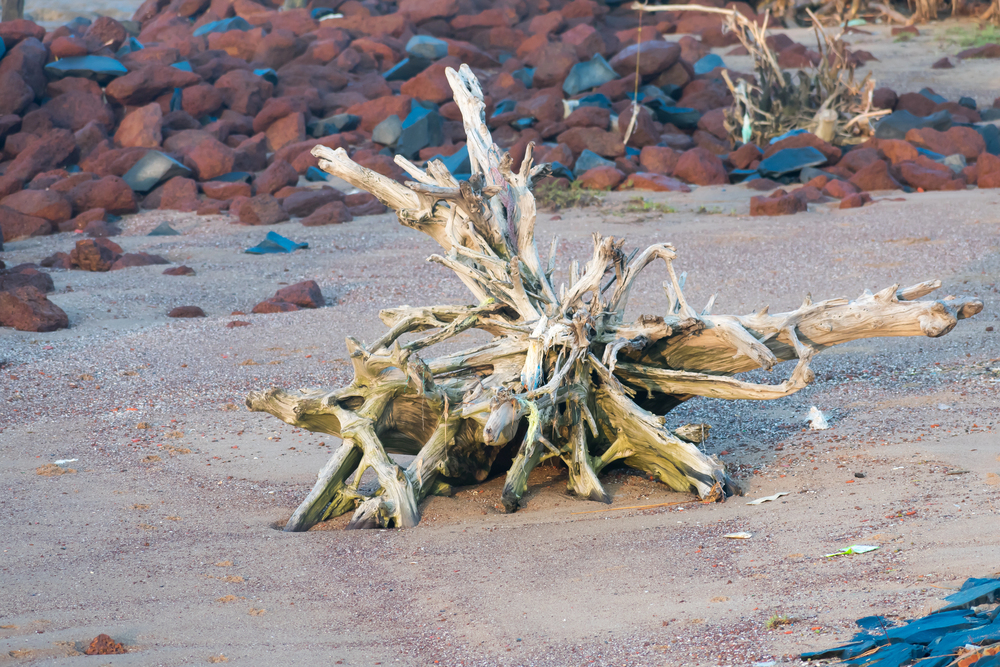
Standing among petrified trees, you feel the strangeness of deep time in a way that museum exhibits can’t quite capture. These logs were part of living forests when the continents had different shapes and different names.
They absorbed sunlight and grew rings during years that no human being ever witnessed. Now they sit in deserts and badlands, their wood replaced by minerals but their forms preserved down to the texture of bark.
You can touch them. You can walk among them.
And for a little while, you can imagine what the world looked like when these trees were alive.
More from Go2Tutors!

- The Romanov Crown Jewels and Their Tragic Fate
- 13 Historical Mysteries That Science Still Can’t Solve
- Famous Hoaxes That Fooled the World for Years
- 15 Child Stars with Tragic Adult Lives
- 16 Famous Jewelry Pieces in History
Like Go2Tutors’s content? Follow us on MSN.