27 Popsicle and Frozen Treat Brands Kids Loved
The jingle of a truck turning onto the street could empty a house in under a minute. Kids bargained for coins, sprinted to the curb, and stood in the heat deciding between flavors as if the choice mattered for years.
Some of those treats are still in the freezer aisle, and some exist only in the memories of people now old enough to buy them in bulk. Either way, each one carried a small piece of childhood summer.
Popsicle and the Porch Soda Story
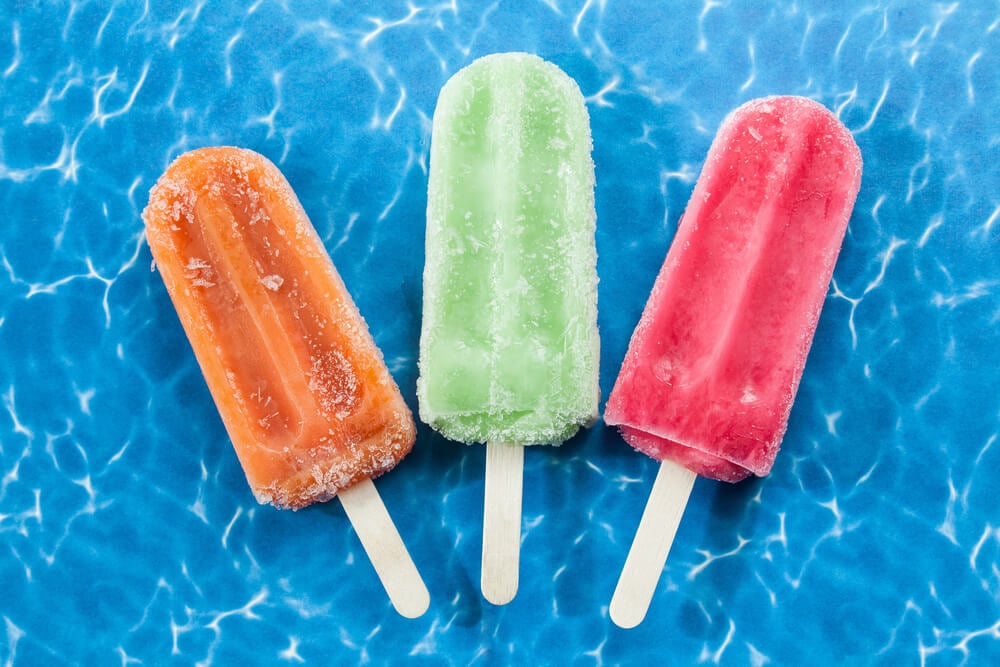
The Popsicle traces back to 1905, when 11-year-old Frank Epperson of San Francisco left a cup of soda powder, water, and a stirring stick on his porch overnight. A cold night froze the mixture solid, and he pulled it out by the stick the next morning.
Epperson’s own children later called the treat “Pop’s ‘sicle,” and he patented it in 1923. The name stuck so well that plenty of people still call every frozen stick a Popsicle, no matter who made it.
Fudgsicle, the Chocolate Pop With a Missing Letter
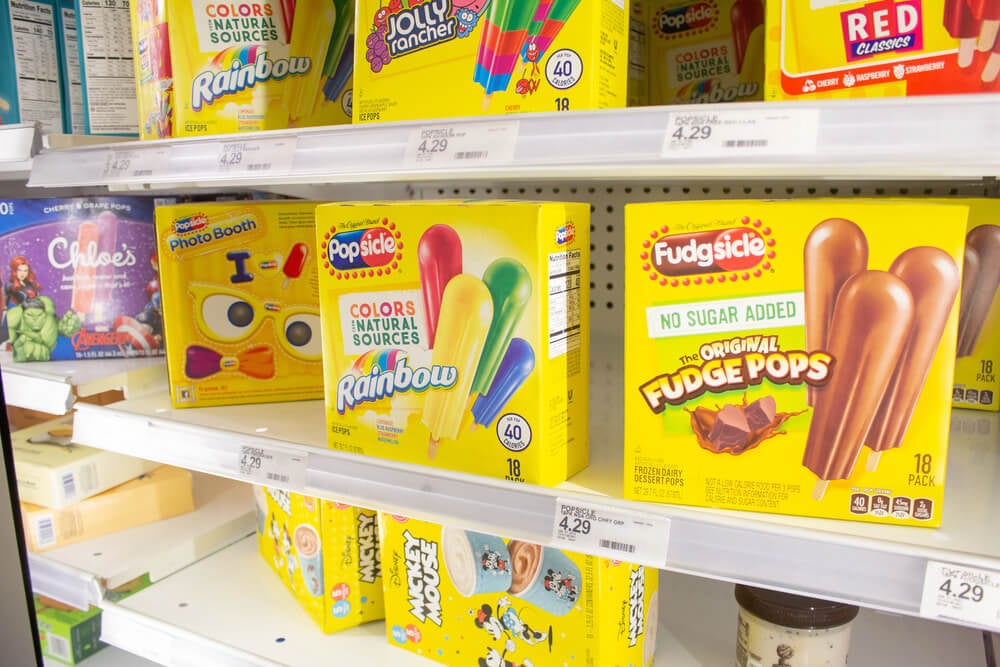
The Fudgsicle is a chocolate fudge pop on a stick, and its name is spelled without the extra e that so many people add. Unlike a water-based fruit pop, it has a creamy, milky texture that sits somewhere between ice cream and pudding.
That dense, dark flavor made it the pick for kids who wanted dessert instead of a flavored ice. It has been sold in boxes of fudge pops for generations, and the chocolate stain on a kid’s chin is practically part of the product.
Creamsicle and the Orange-and-Vanilla Combination
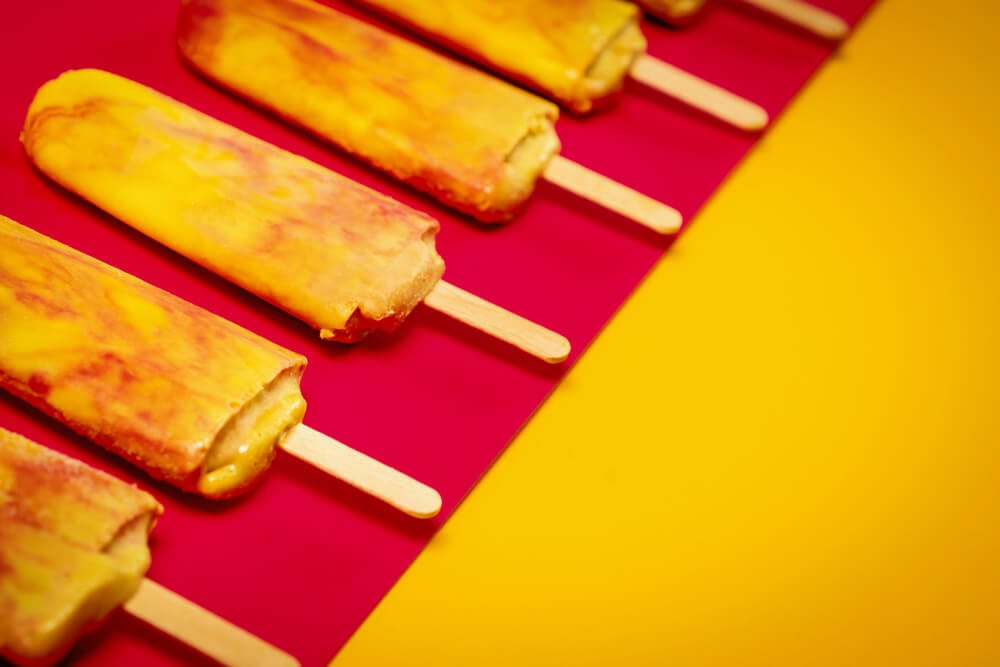
The Creamsicle wraps a shell of orange ice around a core of vanilla ice cream, and the two flavors blend as the shell melts. The combination tastes like an old-fashioned soda fountain float, which is why orange cream has since turned up in sodas, candies, and even cakes.
The first bite is tangy and icy, and the last is pure vanilla. Few frozen treats change character so neatly from first bite to last.
Good Humor and the Sound of the Bell
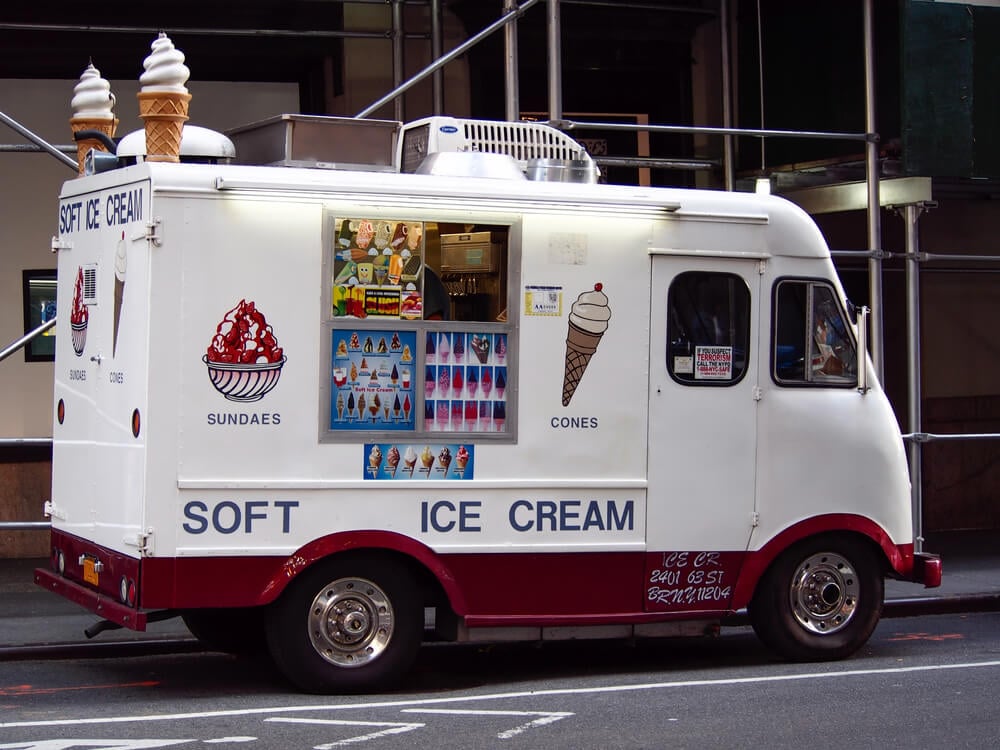
Good Humor was founded by Harry Burt of Youngstown, Ohio, who sold ice cream coated in chocolate and mounted on a wooden stick. The company put its bars on white trucks driven by uniformed drivers who rang bells to announce their arrival.
The sight of the “Good Humor man” became a fixture of American neighborhoods in the middle of the 20th century. The brand still sells bars under the same name, including the Strawberry Shortcake and Chocolate Eclair favorites.
Bomb Pop and the Red, White, and Blue Stripes
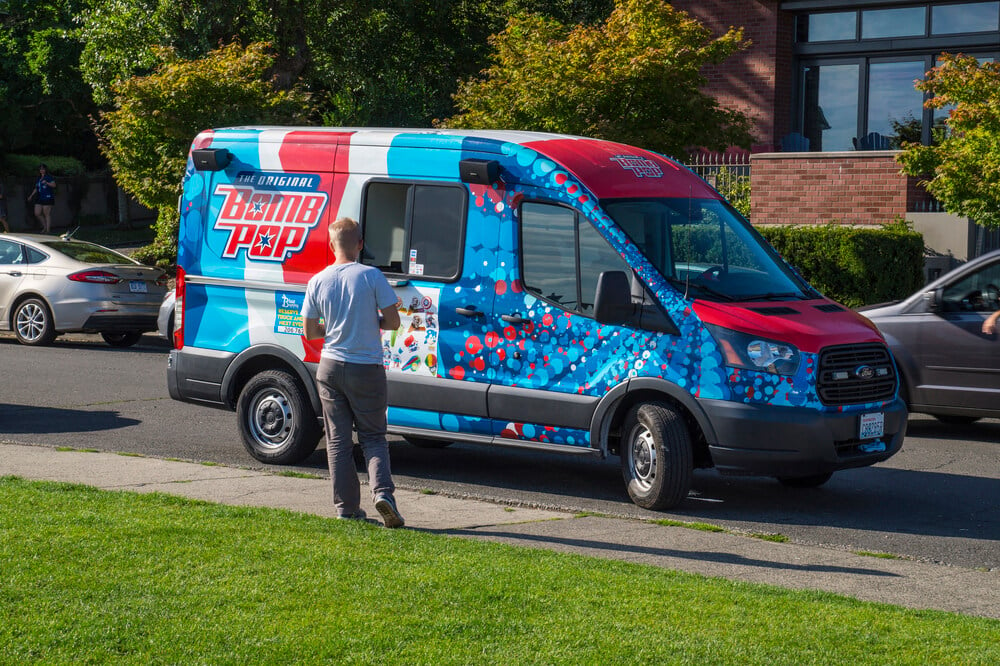
The Bomb Pop is shaped like a rocket, with a pointed tip and three stacked layers of cherry, lime, and blue raspberry. Those colors made it a natural pick for Fourth of July cookouts and pool parties.
The blue raspberry layer is the one that dyes tongues, and kids compared the damage with friends afterward. A few bites in, the lime and cherry layers always seem to melt faster than the blue.
Choco Taco and the Waffle Shell Shaped Like Dinner
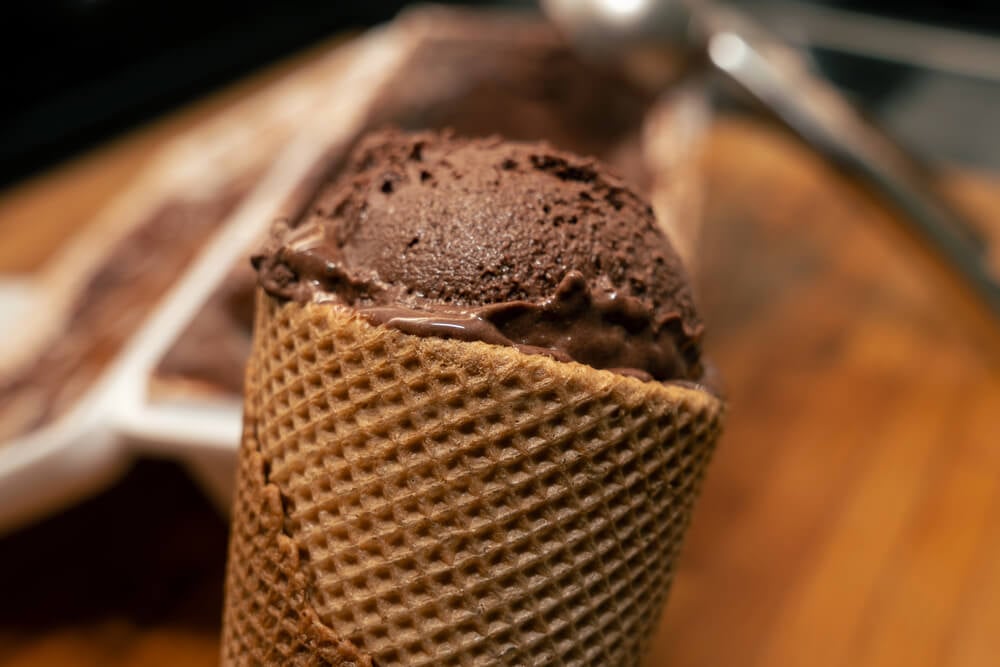
The Choco Taco was a scoop of vanilla and fudge ice cream tucked into a taco-shaped waffle shell, coated in chocolate, and dusted with peanuts. Alan Drazen of the Jack & Jill ice cream company in Philadelphia is credited with creating it in the 1980s, and it became an ice cream truck staple for roughly four decades.
Klondike announced in July 2022 that it was discontinuing the treat, citing supply issues. The announcement set off more public mourning than most product retirements ever receive.
Drumstick and the Chocolate Cone Plug
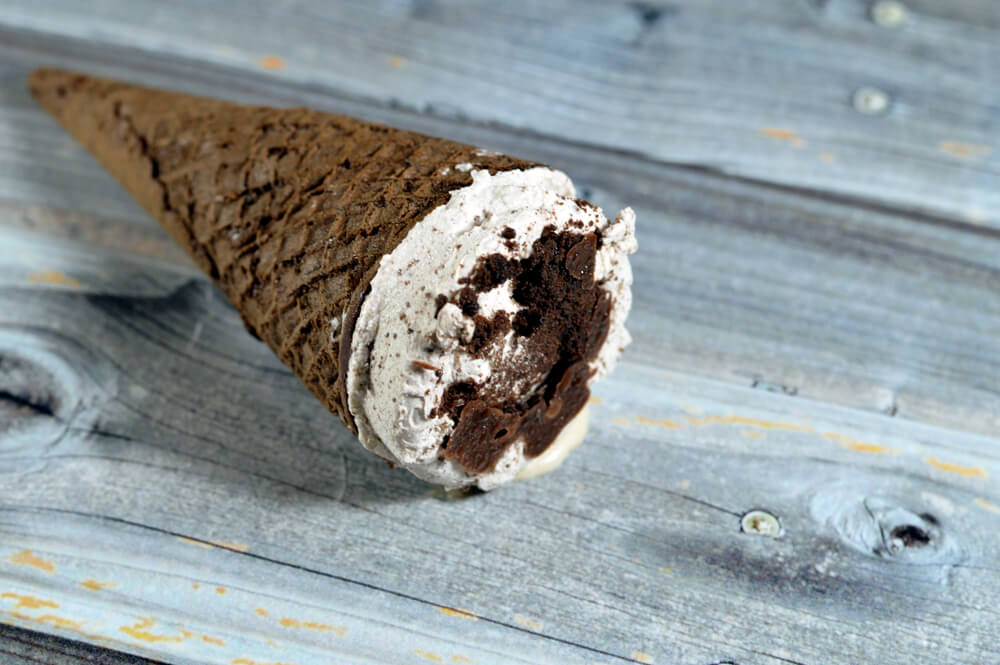
The Drumstick is a sugar cone filled with vanilla ice cream, dipped in chocolate, and sprinkled with peanuts. It was invented in 1928 by a Fort Worth, Texas, ice cream maker named Isaacs and was named for its resemblance to a chicken drumstick.
A small plug of chocolate at the bottom of the cone catches the last drips and keeps the cone from going soggy. That final chocolate bite is the part many kids saved for last.
Klondike Bar and the Slogan That Would Not Quit
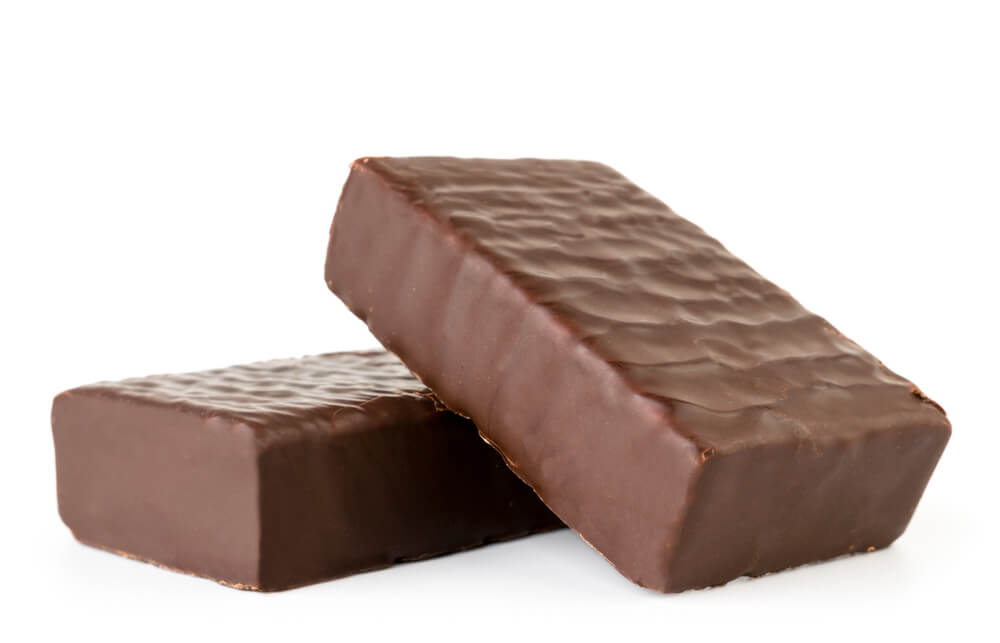
The Klondike Bar is a square of vanilla ice cream coated in chocolate and wrapped in silver foil. It came out of Isaly’s, a dairy company in Youngstown, Ohio, in the 1920s, and was named after the Klondike gold rush.
Its advertising line asking what you would do for one became a pop culture catchphrase. The bar is still a freezer-aisle staple, and the foil wrapper still has to be peeled off carefully if you want to catch every flake of chocolate.
Eskimo Pie, Patented in 1922
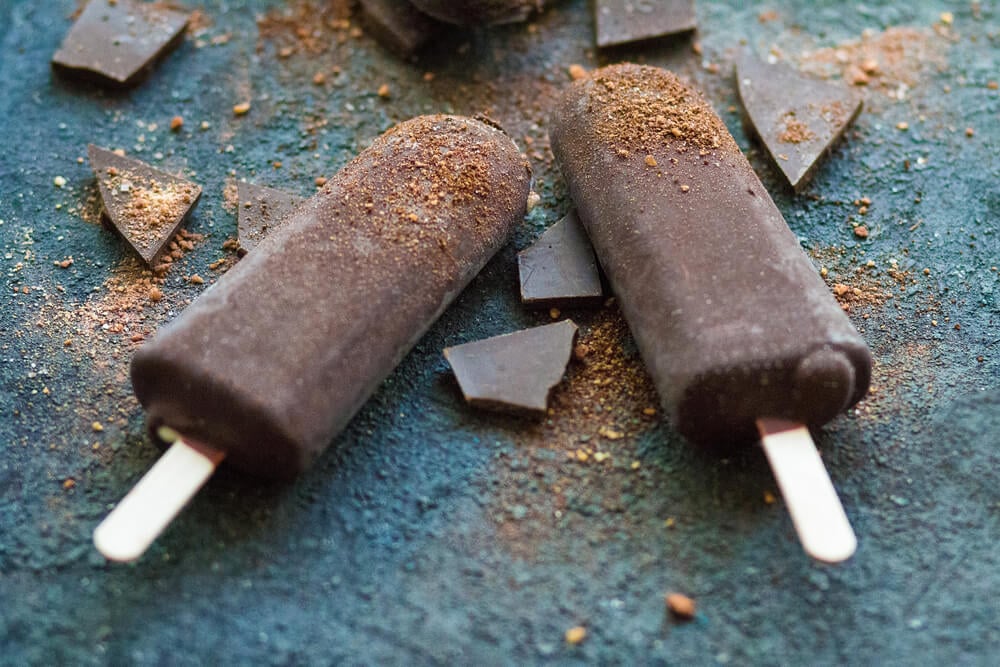
The Eskimo Pie came from Christian Kent Nelson, a schoolteacher turned candy store owner in Onawa, Iowa, who noticed a boy unable to choose between ice cream and a chocolate bar. Nelson experimented until he got melted chocolate to stick to a block of ice cream, and the result was a chocolate-coated bar of ice cream.
He patented it in 1922 and partnered with candy maker Russell Stover to sell it nationally. In 2021 the brand was renamed Edy’s Pie.
Flintstones Push-Ups and the Orange Sherbet Tube
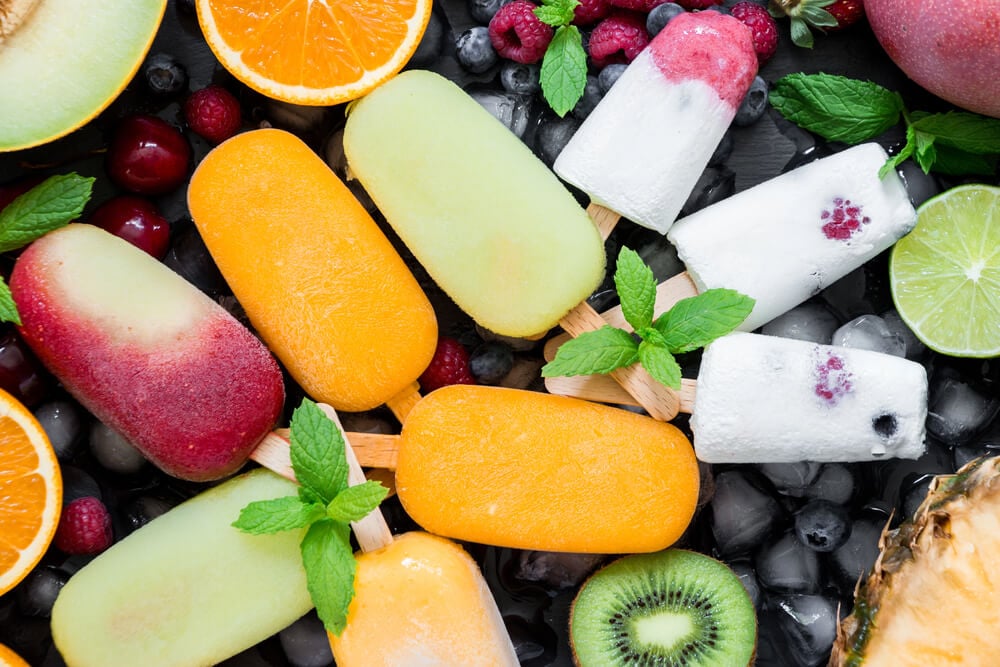
Flintstones Push-Ups packed orange sherbet into a cardboard tube with a pushable base, so kids could nudge the treat upward as they ate. Because the sherbet stayed inside the sleeve, it was neat enough to eat in the back seat of a car.
Cartoon faces of Fred Flintstone and his neighbors on the wrapper made it feel like a collectible as much as a snack. The Push-Up format was so popular that it spawned plenty of imitators.
Fla-Vor-Ice and the Plastic Sleeve Wars
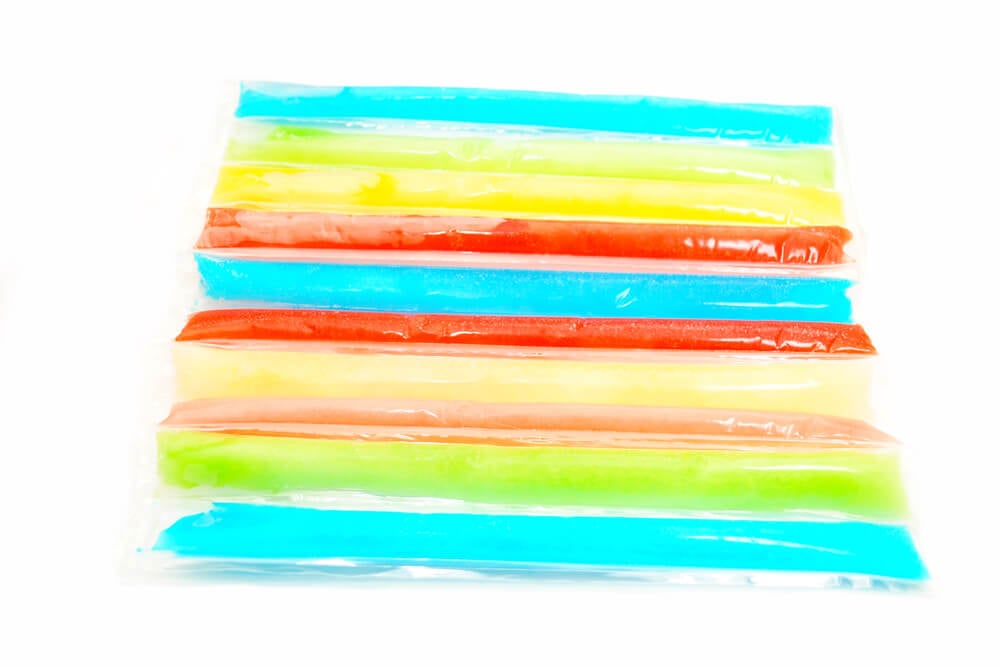
Fla-Vor-Ice is a freezer pop sold as long, narrow plastic sleeves of sweet liquid that families freeze at home. It is made by Jel Sert, an Illinois company, and the sleeves came in a box with bright fruit flavors like blue raspberry and orange.
Kids tore or snipped the top of the sleeve and squeezed the ice upward as it melted. A good freezer pop could survive a hot afternoon, and a bad one dripped through the plastic before the last bite.
Otter Pops, the Rival in the Plastic Sleeve
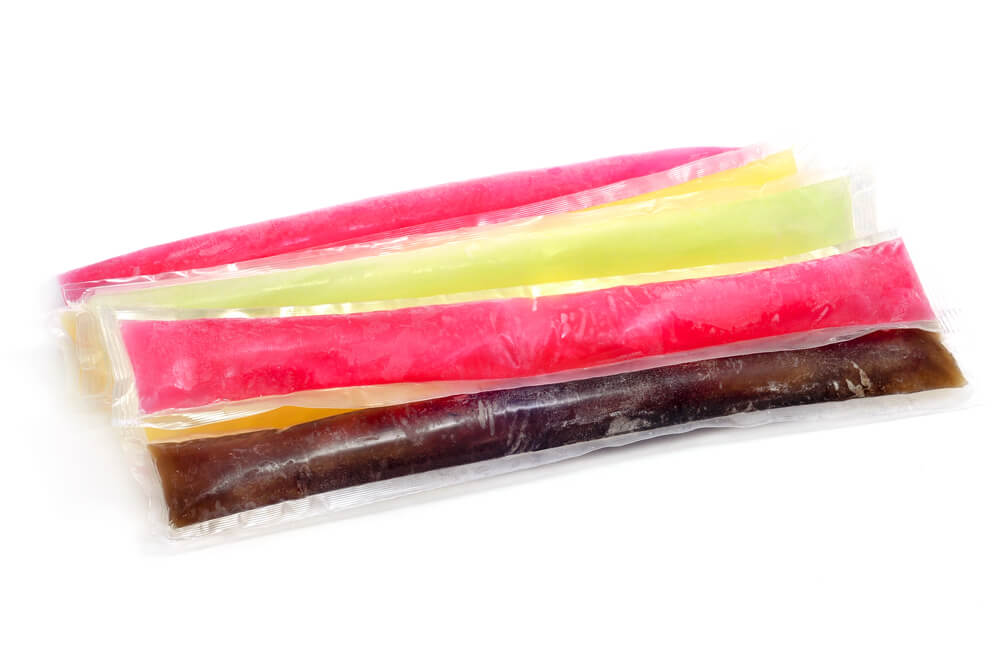
Otter Pops are made by the same company as Fla-Vor-Ice, but they turned their sleeves into cartoon characters. The cast includes Alexander the Grape, Louie-Bloo Raspberry, Little Orphan Orange, Sir Isaac Lime, Poncho Punch, and Strawberry Short Kook, all drawn as otters.
Kids memorized the names like trading cards. Cutting the corner of the sleeve was a ritual, and every kid had a favorite flavor they traded away only under pressure.
Dairy Queen Dilly Bar, the Chocolate-Dipped Soft Serve
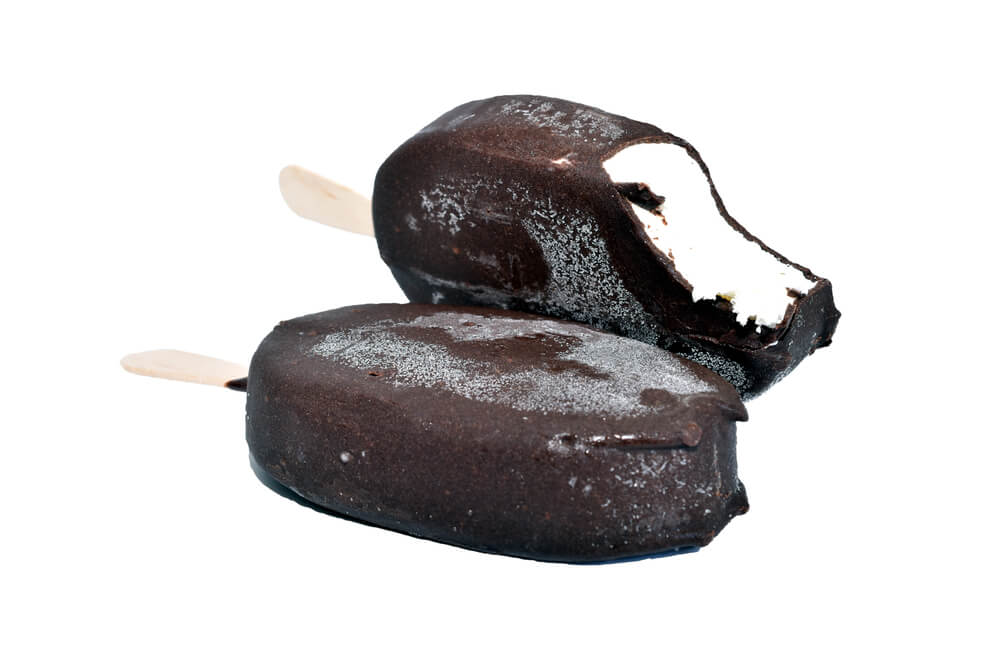
The Dilly Bar is a stick of soft serve dipped in a chocolate shell that hardens within seconds. Dairy Queen introduced it in the mid-1950s, and part of the fun is watching the dip from the counter.
The thin shell cracks cleanly in the first bite and releases a dense center of vanilla. Cherry and other dipping coatings have come and gone, but the classic chocolate version has stayed on the menu for decades.
The Mickey Mouse Bar, Ears Included
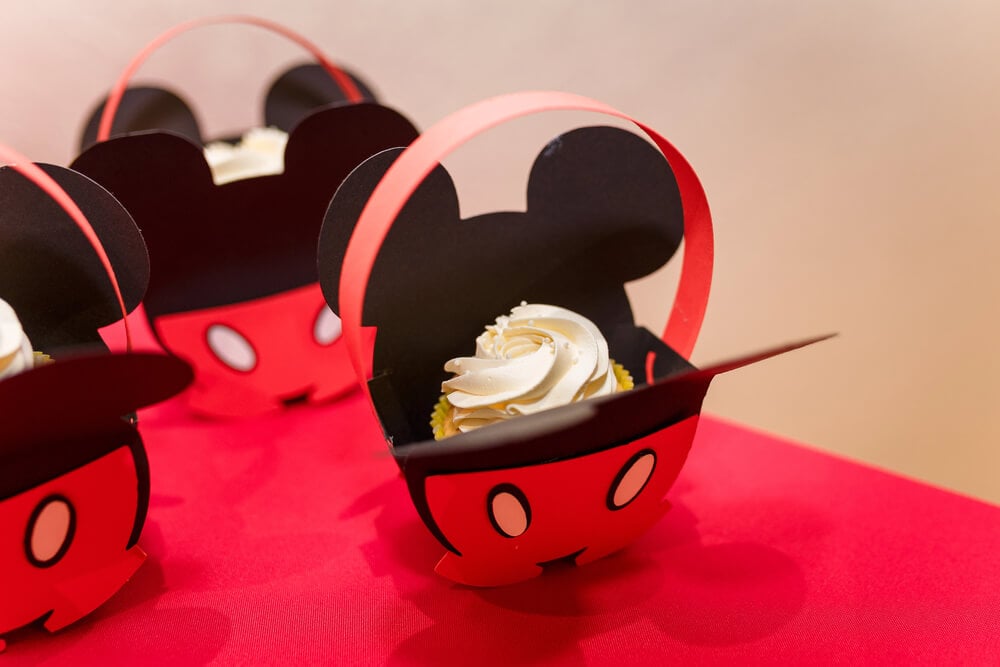
The Mickey Mouse bar is a frozen vanilla treat shaped like Mickey’s head, with a chocolate coating and a pair of round ears. Kids had to decide whether to bite the ears off first or save them.
The bar has been sold at Disney parks for decades, and it is also sold in grocery freezers as a take-home version. Even the plain wooden stick makes the bar feel more like a toy than a dessert.
Chipwich, the Cookie Sandwich on Wheels
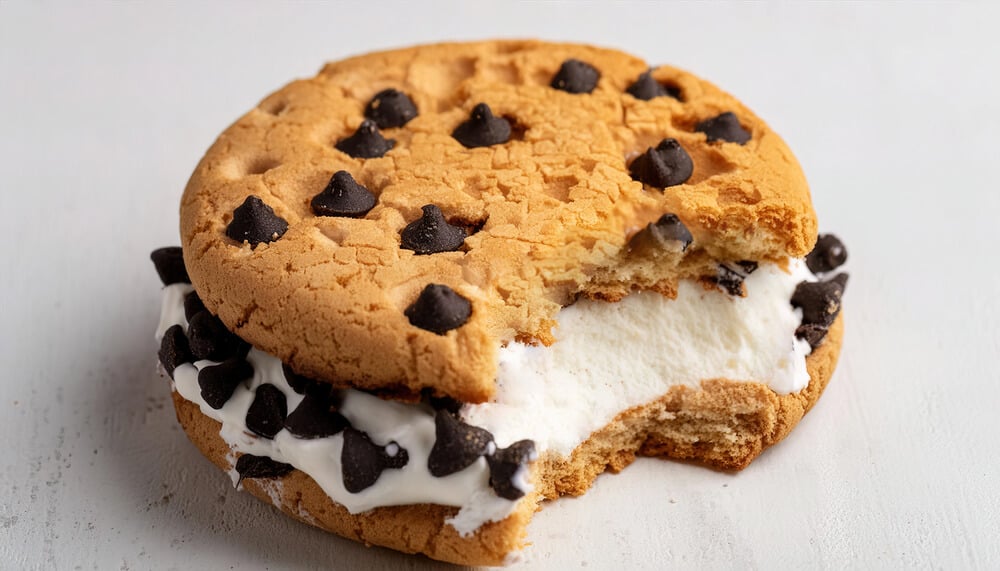
The Chipwich is vanilla ice cream pressed between two chocolate chip cookies with mini chocolate chips rolled around the edge. Richard LaMotta began selling it in 1981 from carts in New York City, where vendors wore matching uniforms and lined up on busy corners.
The sandwich grew into a national brand and was sold in grocery freezers. Its handheld size made it the first thing kids reached for when the cart bell rang.
Dippin’ Dots, the Ice Cream of the Future
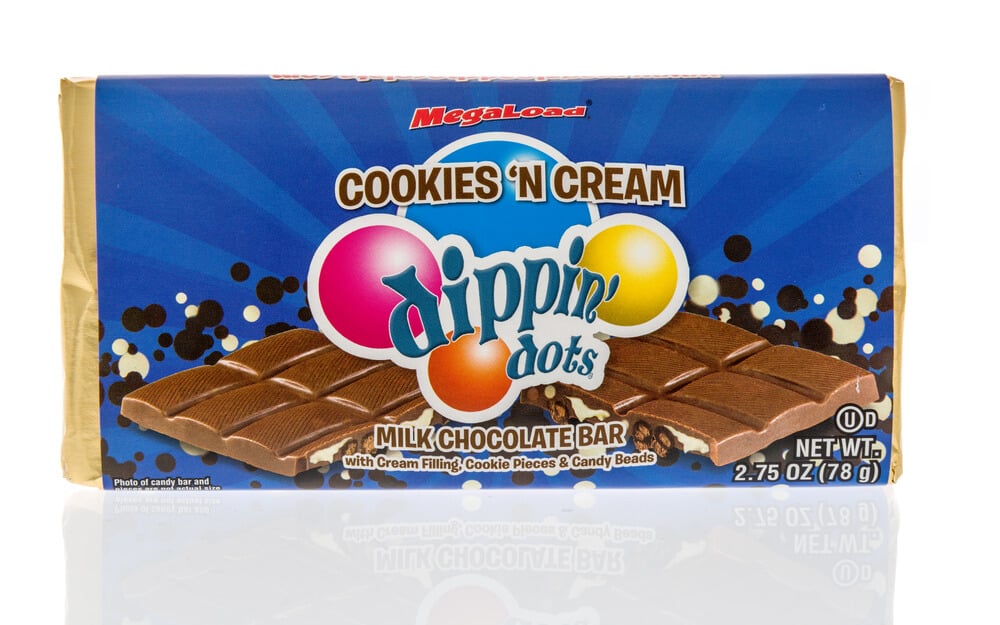
Dippin’ Dots are tiny beads of ice cream flash frozen in liquid nitrogen, and they were invented by microbiologist Curt Jones in Kentucky in the late 1980s. The beads must be stored at about minus 40 degrees Fahrenheit, much colder than ordinary ice cream, which is why they were sold at amusement parks, stadiums, and arenas rather than in standard freezers.
Kids loved that each scoop behaved like sprinkles, rolling around in the cup instead of melting into a single lump. The company later faced bankruptcy and then recovered, and the beads are still a mall and theme park fixture.
Slurpee and the 7-Eleven Cup
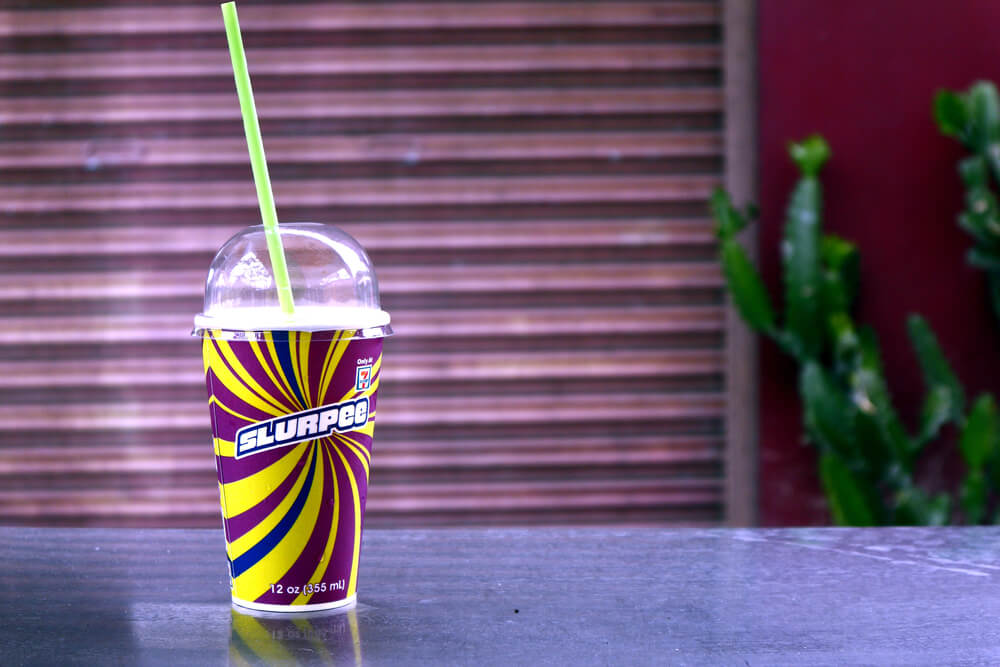
The Slurpee grew from a machine invented by Omar Knedlik, a Kansas restaurant owner who noticed that soda bottles left in a freezer turned slushy. 7-Eleven licensed the machine in the 1960s and renamed the frozen drink after the sound a kid makes when sipping through a straw.
Every July 11, the stores celebrate “7-Eleven Day” with free Slurpee giveaways. The brain freeze that follows a big gulp is as much a part of the experience as the flavor.
Slush Puppie, the Cup With a Creator
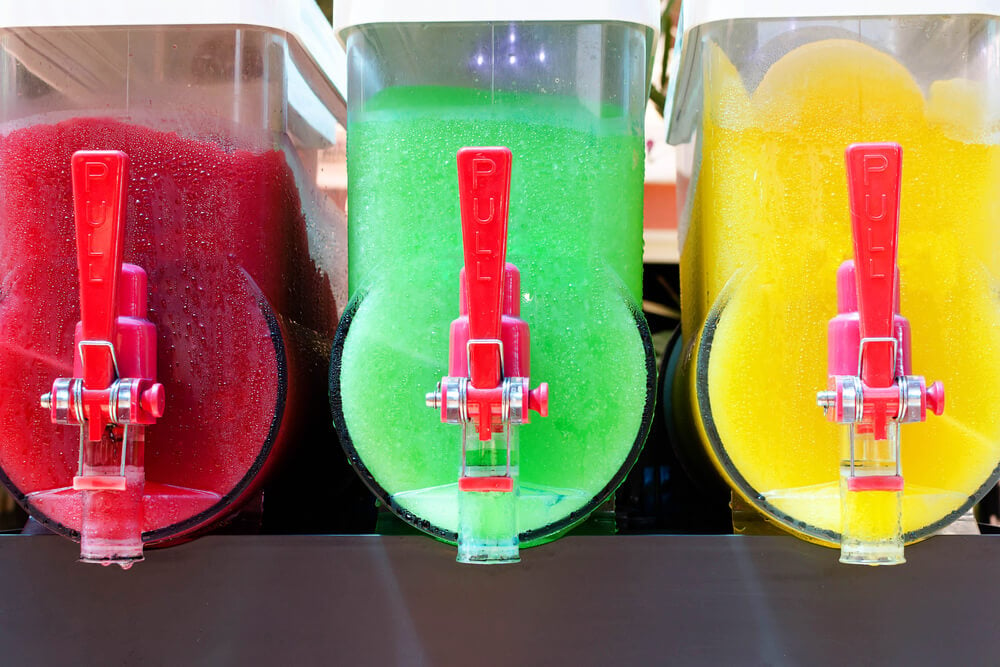
Slush Puppie is a frozen slush drink created in Cincinnati by Will Radcliff, and the brand grew out of a frozen drink machine he built himself. The cups feature a cartoon puppy mascot, and the flavors were bright and sugary.
For many kids, a Slush Puppie meant a snack bar at a community pool or a stop at a school fair. The drink melted quickly on a warm day, so the real trick was drinking it fast enough to finish before the cup went soft.
Cornetto, the Italian Cone
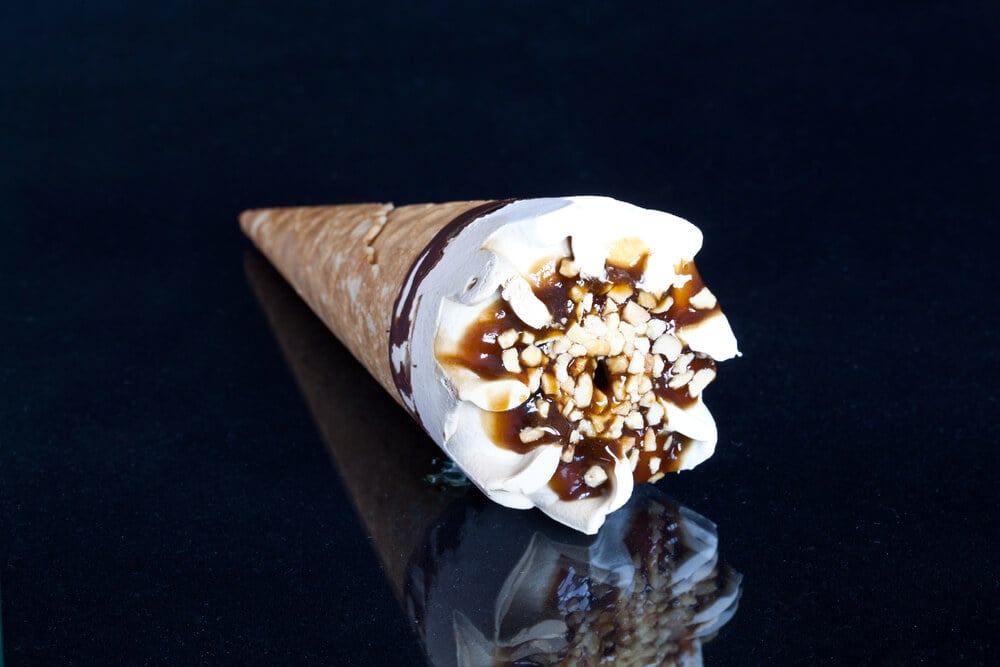
Cornetto means “little horn” in Italian, and the cone was introduced in Italy in 1959. It is lined on the inside with a thin layer of chocolate to keep the wafer crisp, and the tip holds a plug of chocolate.
It spread across Europe and into dozens of other countries under the Unilever umbrella. Filmmaker Edgar Wright even named his comedy trilogy after the treat, with a different Cornetto flavor appearing in each film.
Magnum, the Grown-Up Bar Kids Wanted
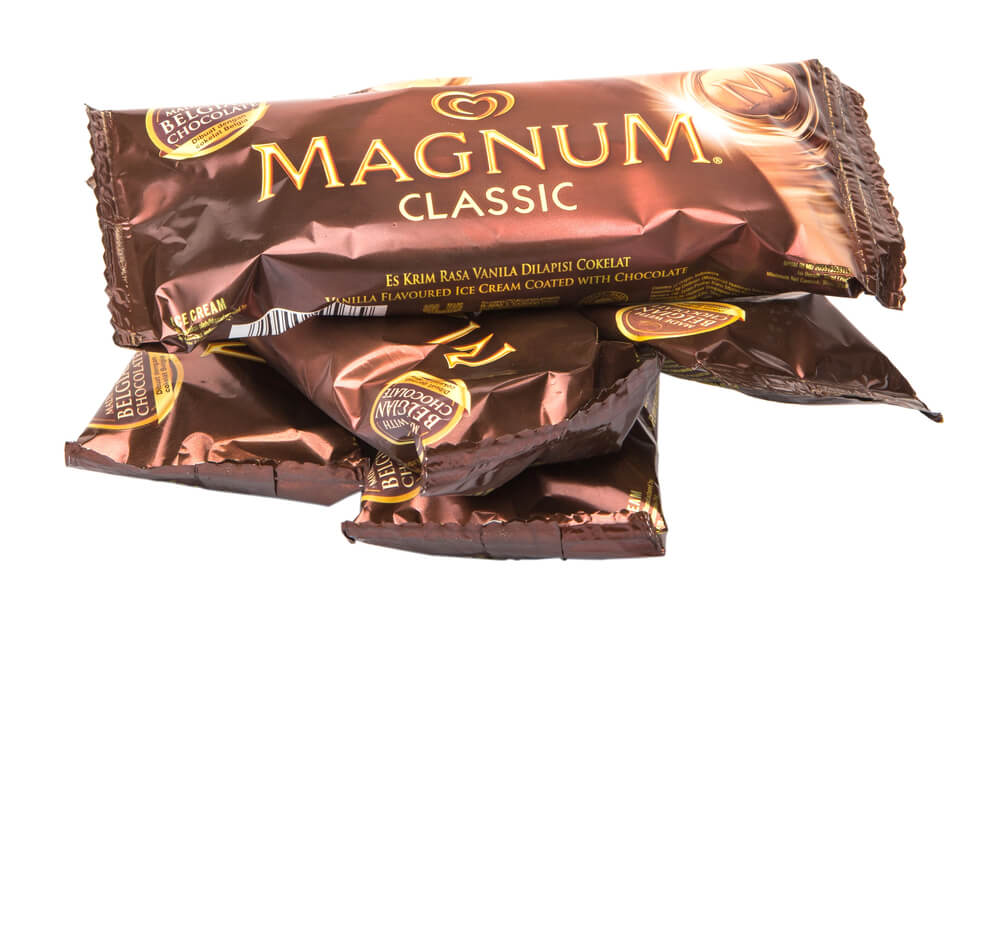
Magnum is a vanilla ice cream bar with a thick chocolate shell that cracks audibly with the first bite. The brand was introduced in the late 1980s and is sold by Unilever as Wall’s in the United Kingdom and Good Humor in the United States.
Its heavy chocolate coating made it feel more like a premium candy bar than a typical novelty. Kids looked at it as a promotion from regular ice pops, and many saved up allowance to afford one.
Paddle Pop, the Aussie Favorite
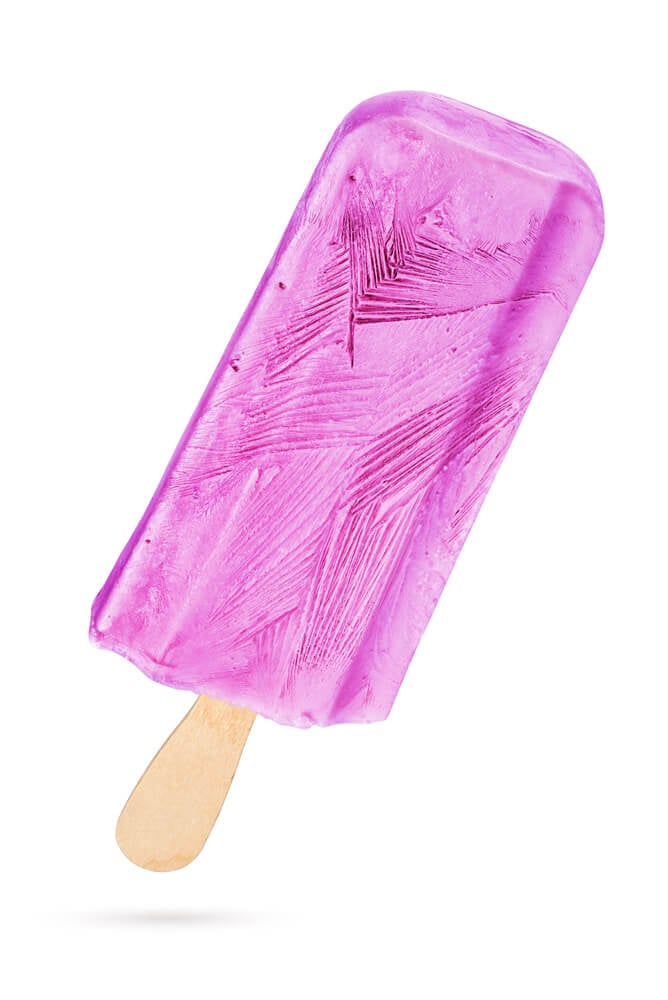
Paddle Pop is an Australian ice cream on a stick made by Streets, a company that grew out of a small family business in the Wollongong area. The brand is known for its Paddle Pop Lion mascot and a rainbow flavor with stripes of color.
Chocolate, banana, and caramel varieties filled out the lineup. Generations of Australian kids grew up with the stick, and the lion cartoon spread to other countries, including Indonesia.
Carvel, the Soft Serve Pioneer
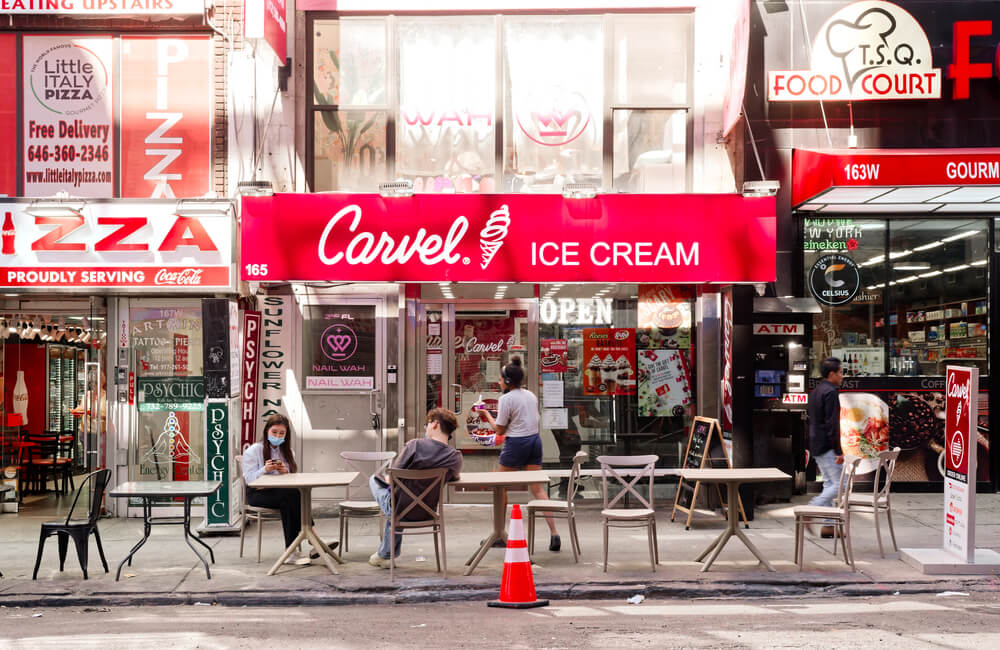
Carvel was founded by Tom Carvel, who is said to have sold his first soft ice cream after his truck broke down in Hartsdale, New York, in the 1930s and his melting stock had to be sold quickly. The company became known for Flying Saucer ice cream sandwiches and for novelty cakes shaped like Fudgie the Whale and Cookie Puss.
Chocolate crunchies, the crumbly layer in the middle of its cakes, made them a birthday party favorite for kids in the Northeast. Carvel’s cakes still show up at celebrations in the same way they did decades ago.
Baskin-Robbins, the 31 Flavors
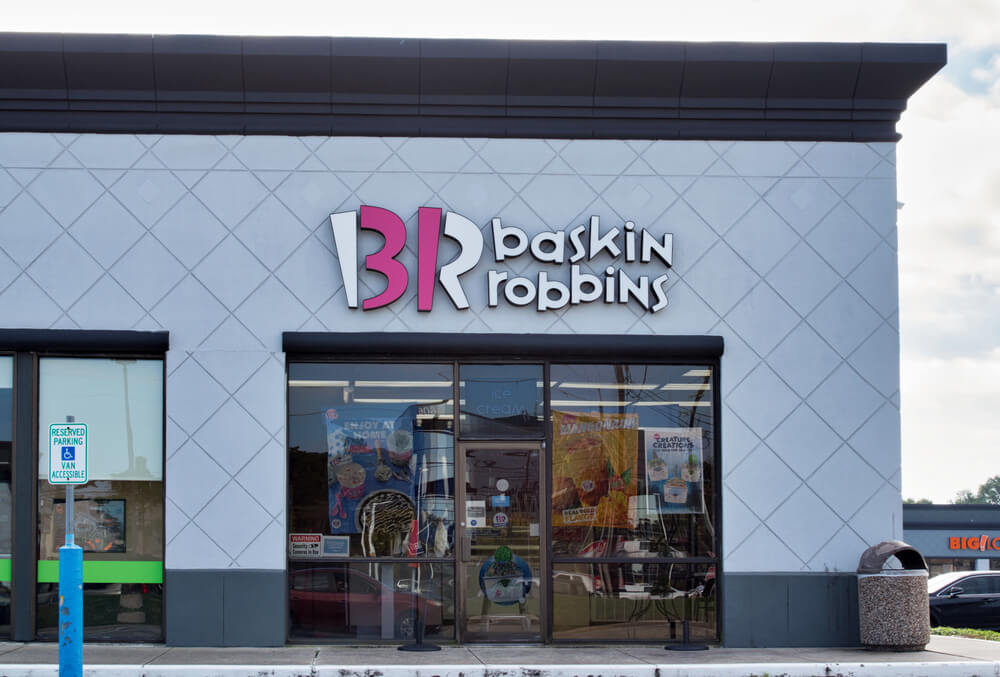
Baskin-Robbins opened in Glendale, California, in 1945, founded by brothers-in-law Burt Baskin and Irv Robbins. The shop’s signature idea was 31 flavors, one for every day of the month, long before most ice cream parlors offered more than a few choices.
Staff handed out tiny pink plastic spoons so kids could sample flavors before committing to a scoop. That sampling policy meant a single visit could stretch into a long, sticky decision.
It’s-It, San Francisco’s Cult Sandwich
It’s-It is an ice cream sandwich made of vanilla ice cream between two oatmeal cookies and dipped in dark chocolate. It was created in 1928 by George Whitney at Playland at the Beach, the old San Francisco amusement park by the ocean.
The oatmeal cookies give it a chewier texture than most sandwiches, and the thin chocolate coating holds it together. It is still beloved on the West Coast, and flavors such as mint and cappuccino have joined the original.
Viennetta, the Fancy Dessert on the Table
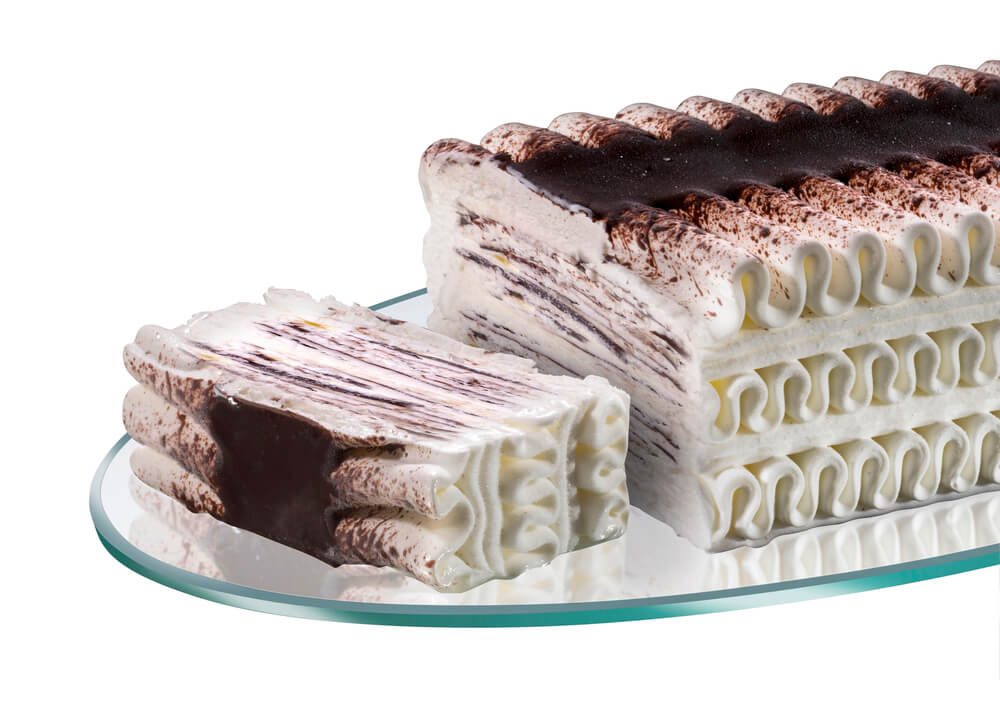
Viennetta is a layered ice cream dessert from Wall’s, launched in 1982, with thin ribbons of chocolate between sheets of ripple vanilla ice cream. The ruffled top and glossy chocolate layers made it look more like a bakery cake than a freezer item.
Families brought it out for special dinners, and the satisfying crunch of cutting through the brittle chocolate was half the appeal. Slices were always carved thin so everyone at the table got a piece.
Dole Whip, the Pineapple Swirl at Disney
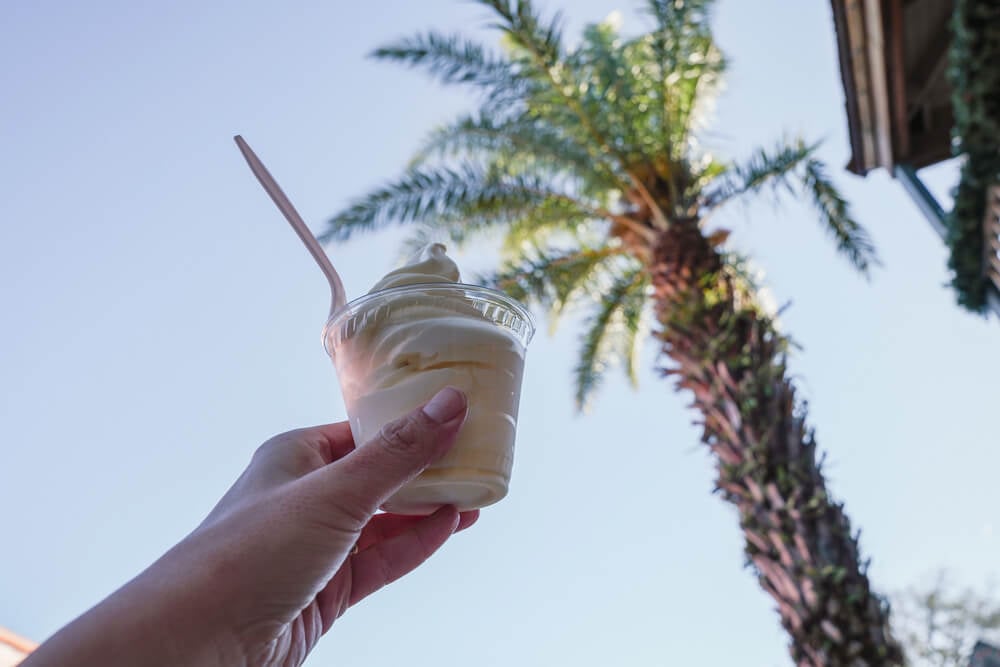
Dole Whip debuted in 1984 at the Enchanted Tiki Room at Disneyland. The dairy-free pineapple soft serve is made from a powder mixed with water and served in a swirl in a cup or a cone.
It can also be turned into a float with pineapple juice poured over it. The bright, tangy flavor is nothing like heavy chocolate or vanilla, which is a big part of why kids at the parks remember it so well.
Good Humor Strawberry Shortcake Bar, the Crumb Coat
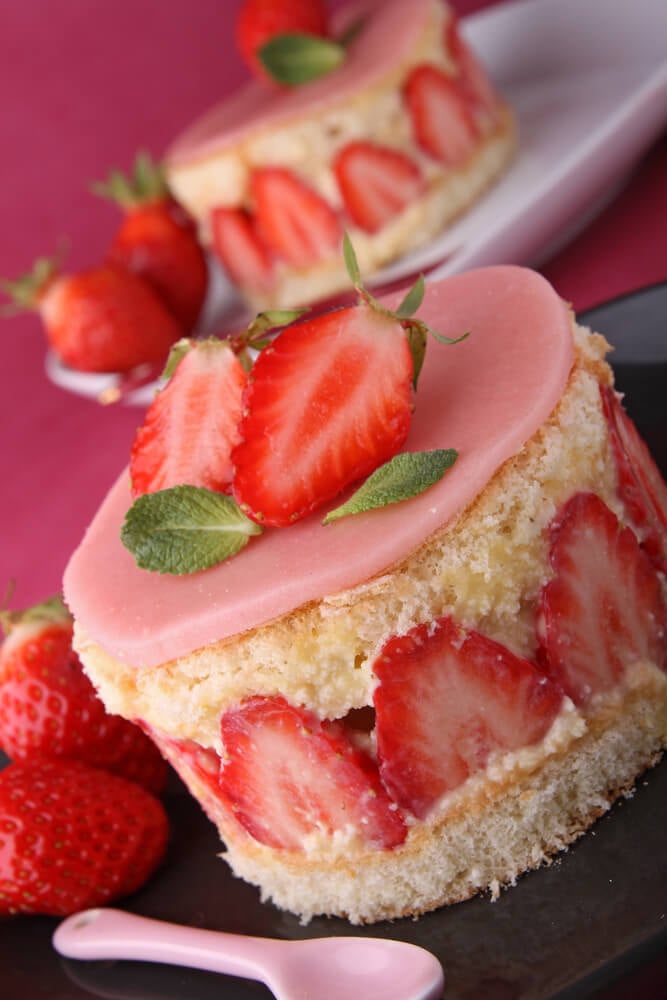
The Good Humor Strawberry Shortcake bar is a strawberry ice cream bar with a coating of yellow cake crumbs. The crumble is the entire point, because each bite combines creamy ice cream with a soft, sweet shortbread-style crunch.
It is still sold in boxes in grocery freezers and from ice cream trucks. Kids who ate one usually left a trail of crumbs on the sidewalk behind them.
What the Freezer Case Remembers
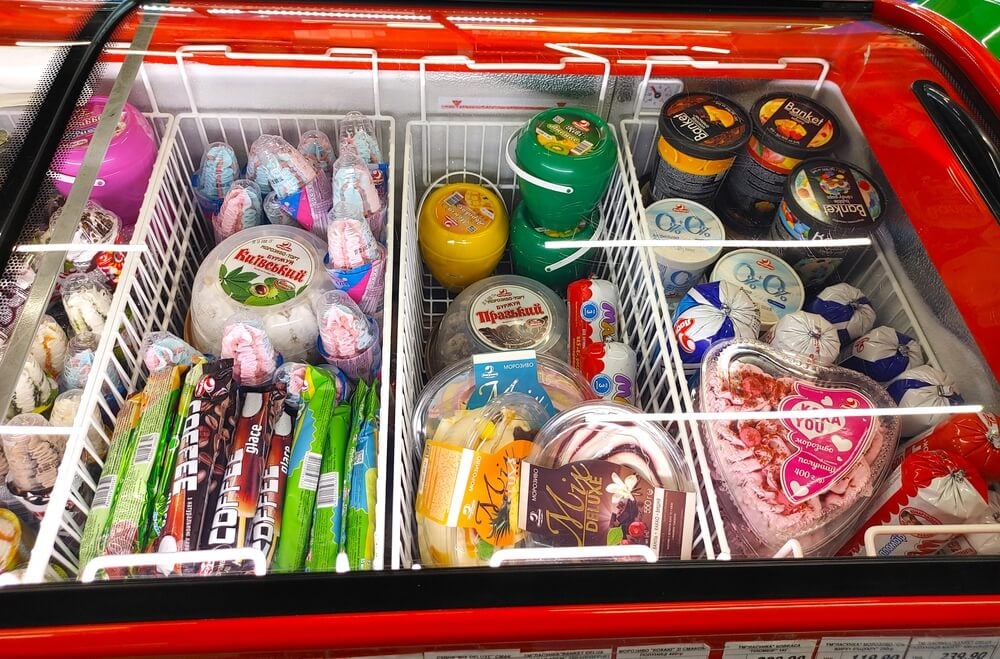
Frozen treats stay in memory because they marked days that had no other plan. A coin, a bell, and a decision about which wrapper to peel were enough to organize an afternoon.
Whether the brand lasted for a century or vanished after a single summer, the ritual stayed the same.
Brands come and go, and some, like the Choco Taco, leave with the entire country watching. Others, like Dippin’ Dots, survive hard times and return.
The treats kids loved were rarely the most refined, but they were the ones that tasted like freedom.
More from Go2Tutors!

- 27 Silver Dollars and Half Dollars Worth Keeping
- 28 Restaurant Menu Items Nobody Orders Anymore
- 17 Places Built in Seemingly Impossible Spots
- 27 Vintage Rings Worth More Than They Look
- 25 Restricted Sites Tourists Can’t Enter
Like Go2Tutors’s content? Follow us on MSN.