30 Objects Archaeologists Pull From Ancient Rubbish Pits
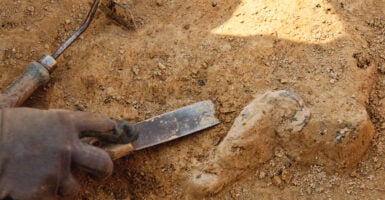
The things people threw away often tell archaeologists more than the things they kept. Rubbish pits, middens, and cesspits trap everyday objects in conditions that preserve them far better than open ground, and the waterlogged or oxygen-starved layers inside can hold organic material intact for thousands of years. These 30 finds show how much history survives in what past civilizations considered garbage.
Broken Amphorae at Monte Testaccio
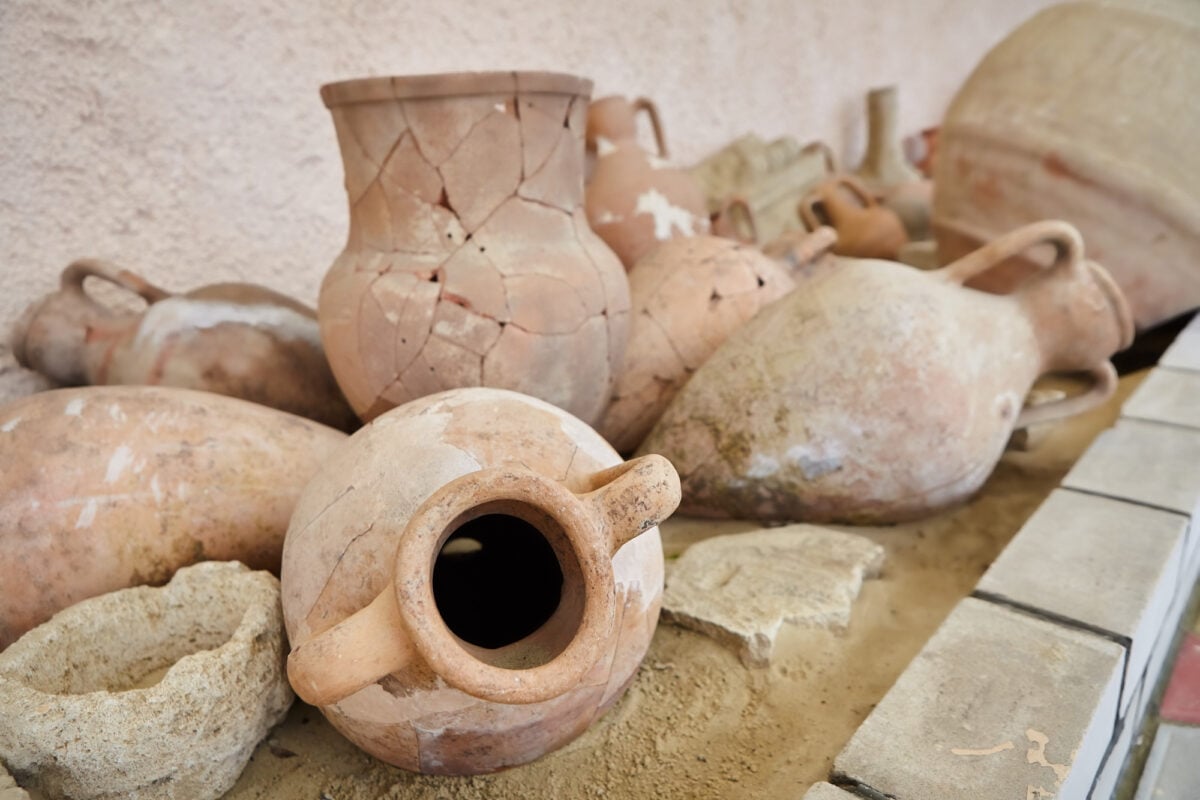
Rome’s Monte Testaccio is an entire artificial hill built almost exclusively from broken olive oil amphorae, discarded by the thousands over roughly two centuries by workers unloading shipments at the nearby river docks. Archaeologists have used the stamped makers’ marks on the fragments to trace specific oil producers and shipping routes across the Roman Empire in remarkable detail.
Oyster and Shellfish Middens Along the California Coast
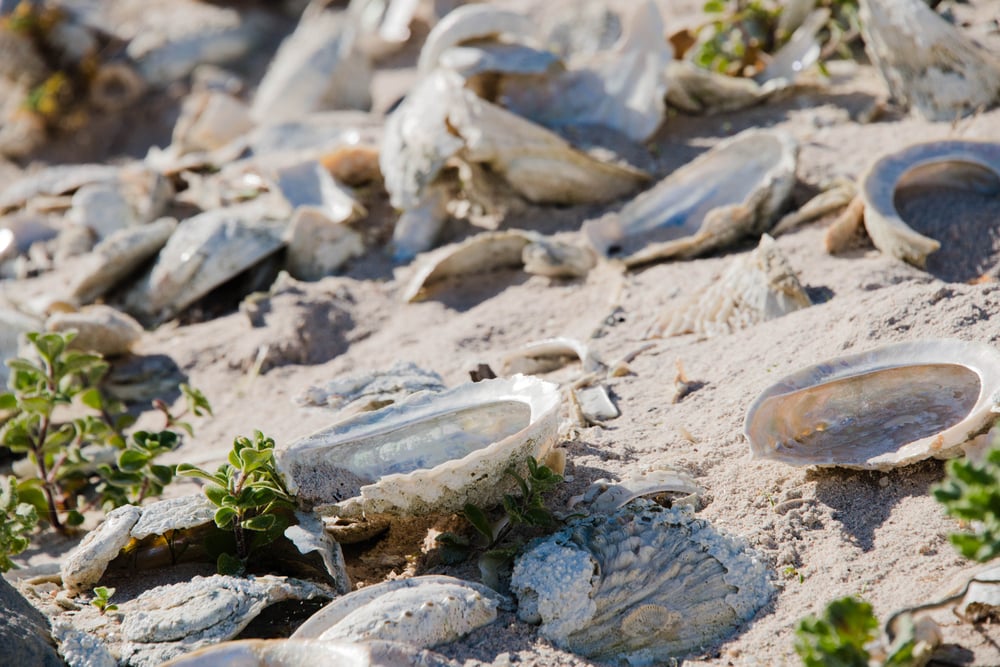
Coastal shell mounds like the Emeryville Shellmound, built up over centuries by Indigenous communities discarding oyster and mussel shells after meals, have given archaeologists detailed records of ancient diet, sea-level change, and seasonal settlement patterns. Some of these mounds grew large enough to be mistaken for natural hills before excavation revealed their true origin.
Preserved Leather Shoes at York’s Coppergate Dig
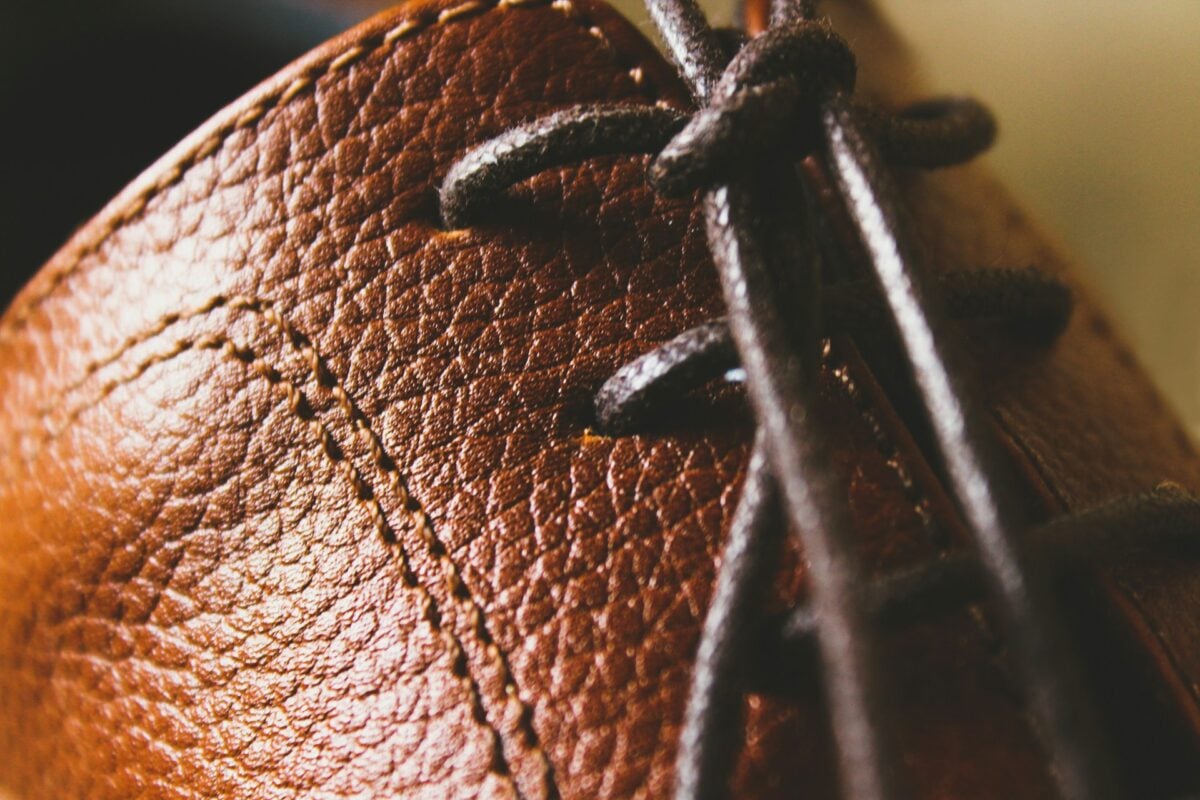
Excavations at Coppergate in York uncovered thousands of leather shoe and boot fragments discarded by Viking-age residents, preserved in waterlogged, oxygen-poor soil that kept the leather from decomposing. The sheer volume of footwear recovered let researchers reconstruct changing shoe styles across several centuries of the settlement’s history.
Vindolanda’s Discarded Writing Tablets
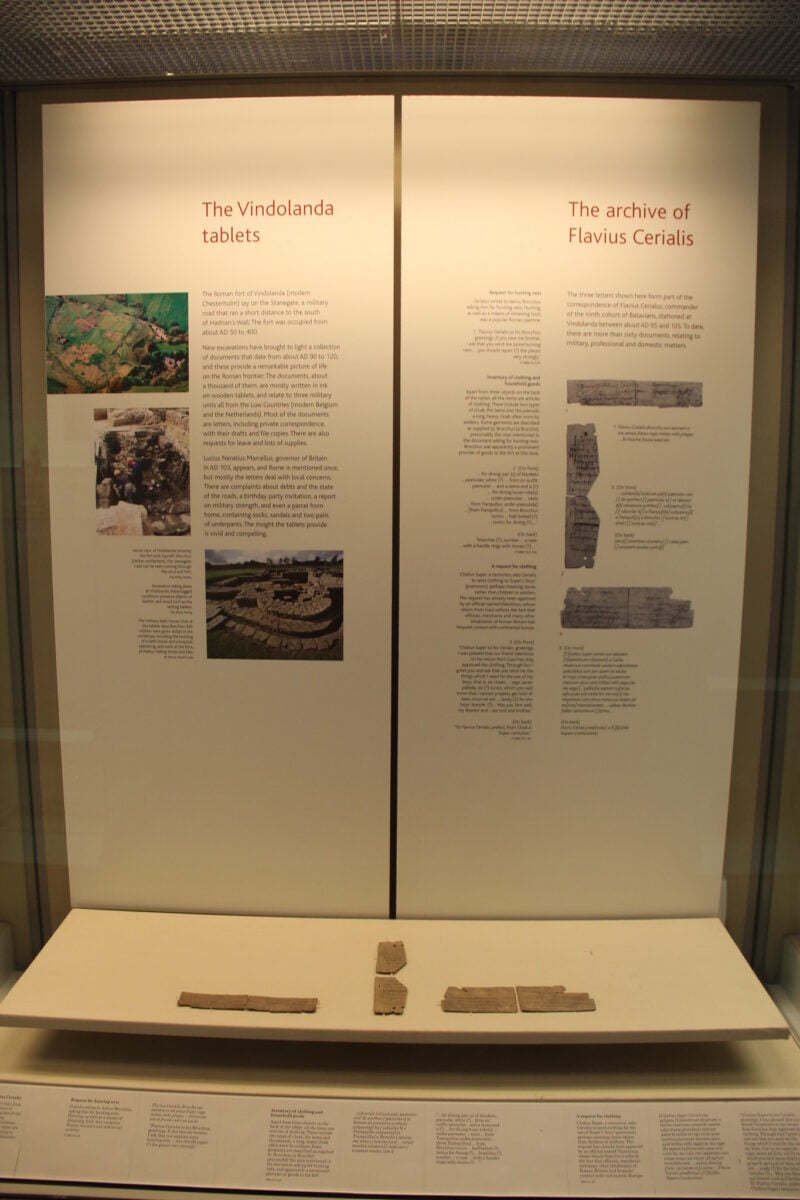
Near Hadrian’s Wall, the Roman fort of Vindolanda has yielded hundreds of thin wooden writing tablets, many found in waste layers where soldiers apparently discarded old correspondence and supply lists. The tablets, preserved by the site’s damp anaerobic soil, include everything from official military orders to a birthday party invitation between officers’ wives.
Oxyrhynchus Papyri From an Egyptian Town Dump
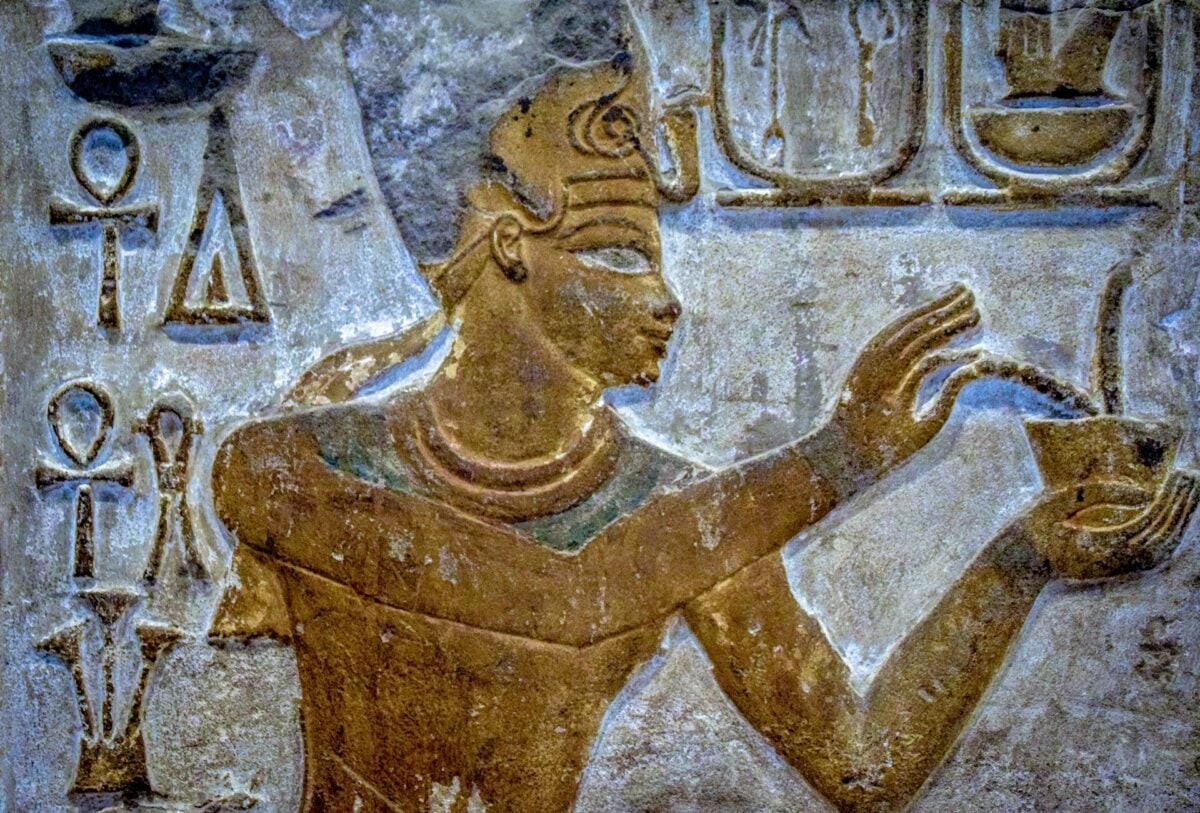
Thousands of ancient Greek and Egyptian papyrus fragments, including lost fragments of classical literature and everyday tax receipts, were recovered from an ancient rubbish mound outside the Egyptian town of Oxyrhynchus. The dry desert conditions preserved paper that would have rotted away almost anywhere else, turning a literal garbage heap into one of the richest textual archives from the ancient world.
Ostraca From the Workers’ Village at Deir el-Medina
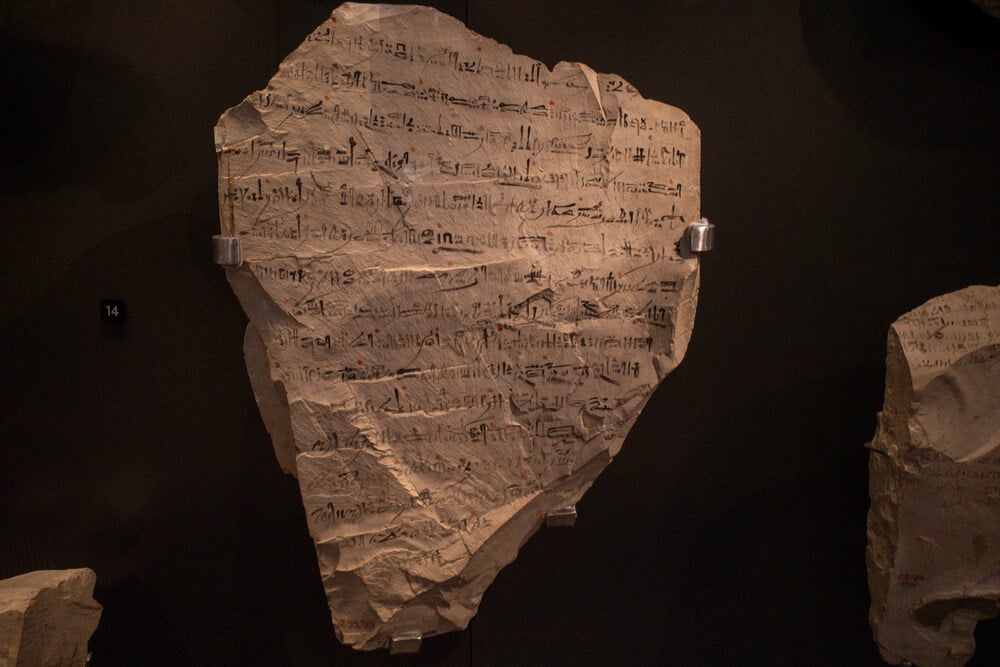
The artisans who built royal tombs in Egypt’s Valley of the Kings left behind enormous quantities of ostraca, broken pottery and limestone flakes used as scratch paper, discarded near their village at Deir el-Medina. These fragments recorded everything from work attendance to personal grievances, giving historians an unusually candid look at daily life among ordinary laborers rather than royalty.
Danish Kitchen Middens From the Mesolithic Era
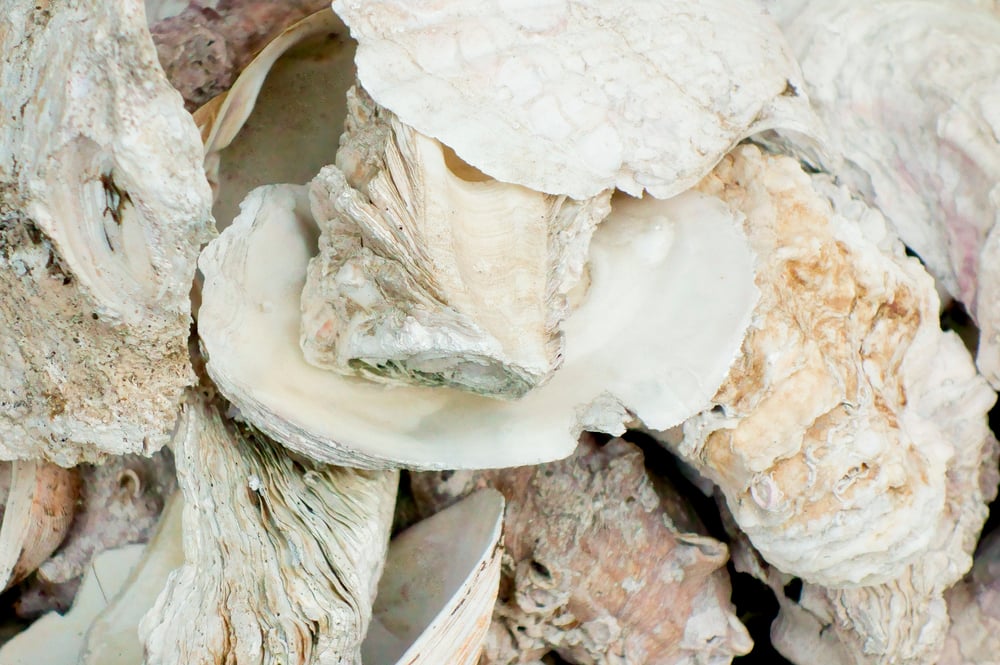
Denmark’s Mesolithic-era shell mounds, known locally as køkkenmøddinger or kitchen middens, contain layers of discarded oyster and mussel shells built up by hunter-gatherer communities over centuries. Analysis of the shells and bones within them has helped researchers track changing coastlines and diets in northern Europe thousands of years before farming arrived.
Coprolites From Ancient Latrines
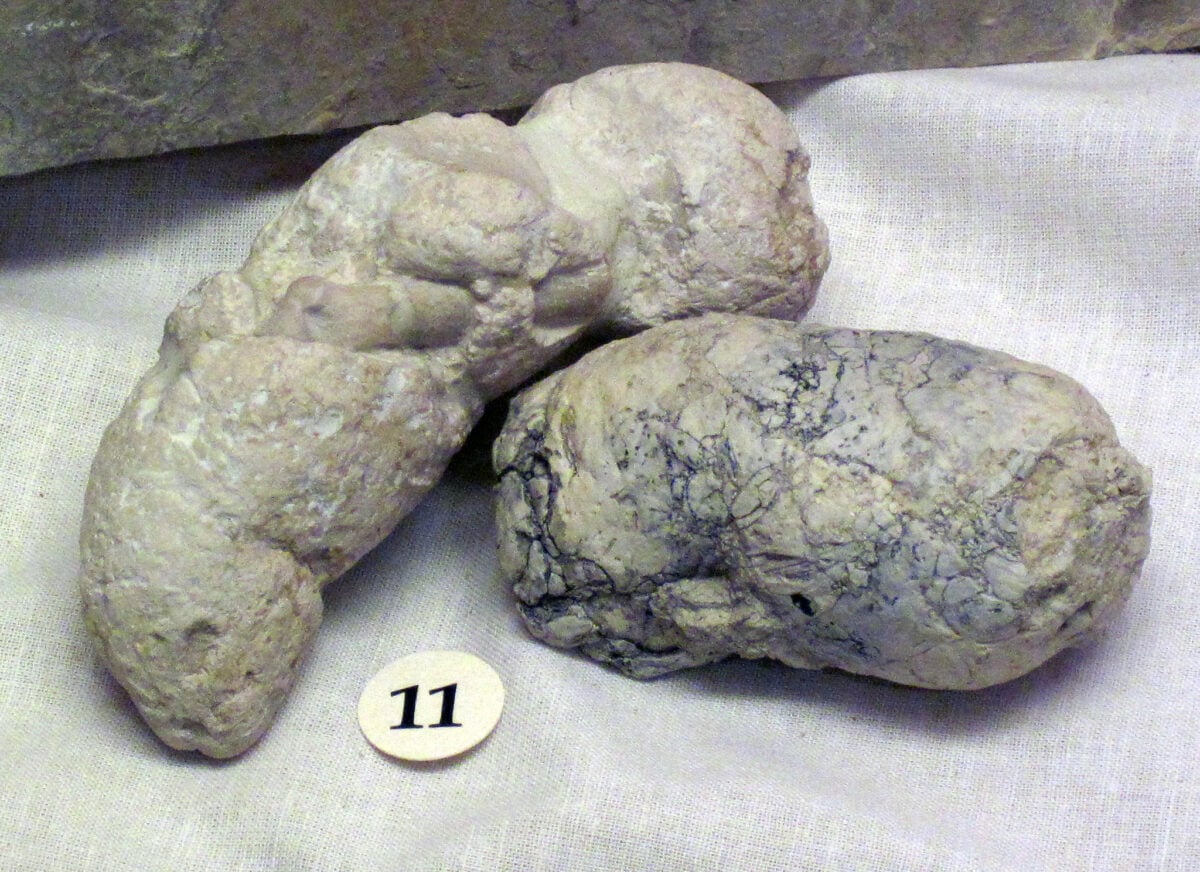
Preserved fecal material, known to archaeologists as coprolites, recovered from ancient latrine pits has revealed parasite eggs and undigested food fragments that offer direct evidence of past diseases and diets. Latrine deposits from Roman and medieval sites have shown surprisingly high rates of intestinal parasites even among relatively well-off households.
Bone and Antler Combs From Viking Middens
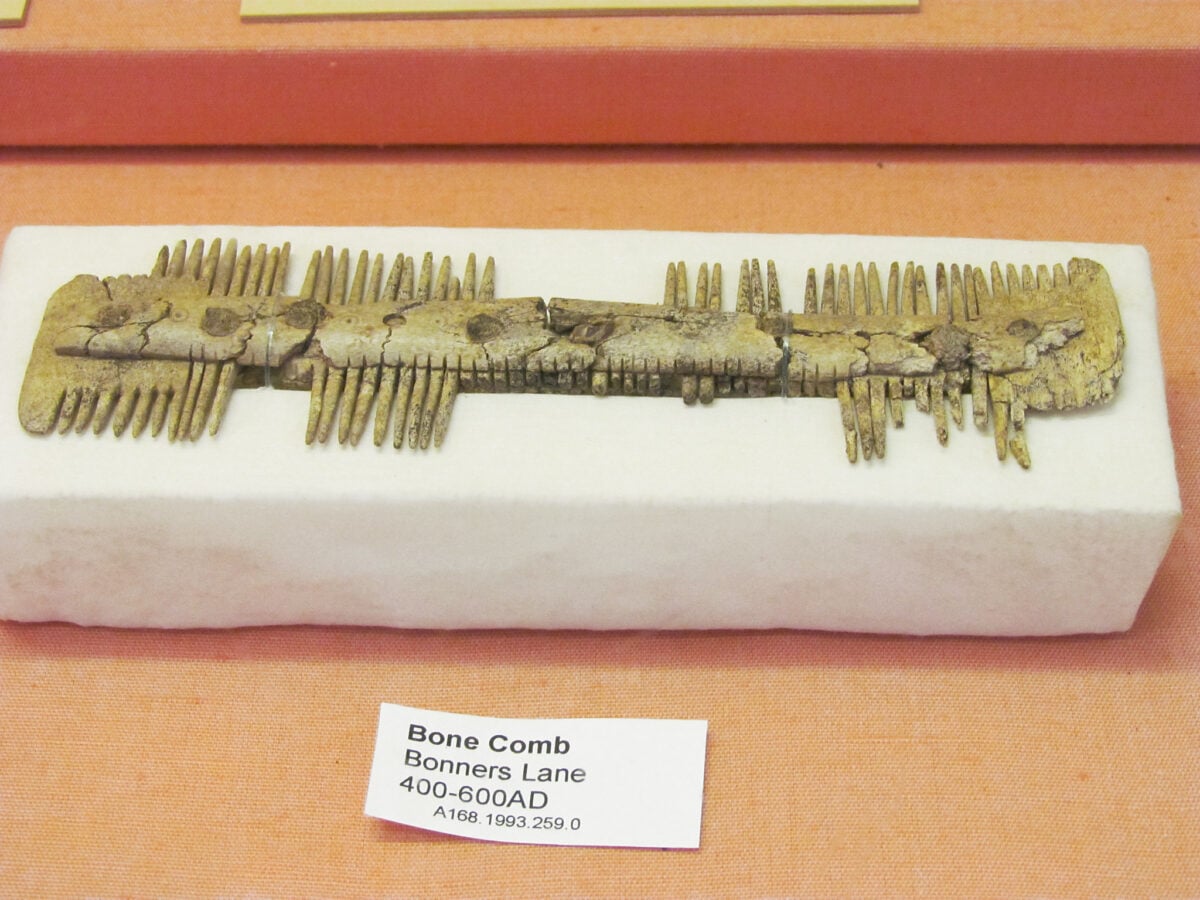
Viking-age settlements across Scandinavia and the British Isles have yielded large numbers of worn-out bone and antler combs from household waste deposits, some elaborately decorated despite their eventual disposal. The sheer quantity found suggests grooming combs were both common possessions and, once broken, unceremoniously discarded.
Roman Glass Fragments From Refuse Layers
— Photo by nrotteveel
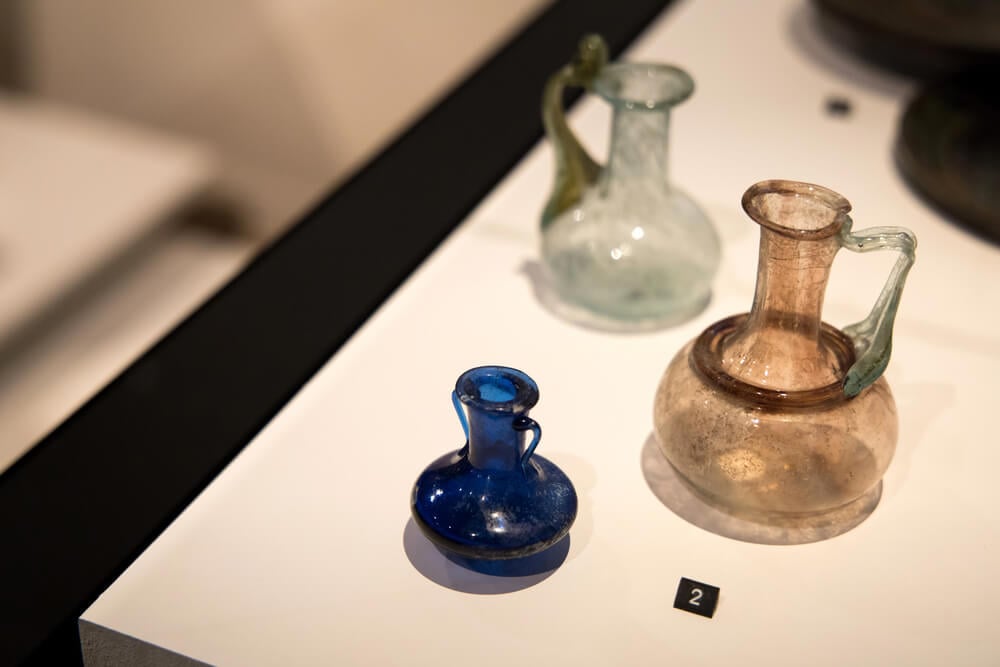
Broken drinking vessels and bottles, often surprisingly thin and finely blown, turn up regularly in Roman-era refuse layers across the former empire, including at sites in Britain, Gaul, and Italy. Chemical analysis of the glass composition has helped researchers trace specific production centers and trade networks that moved finished glassware over long distances.
Millstone Fragments From Discarded Grain-Processing Equipment
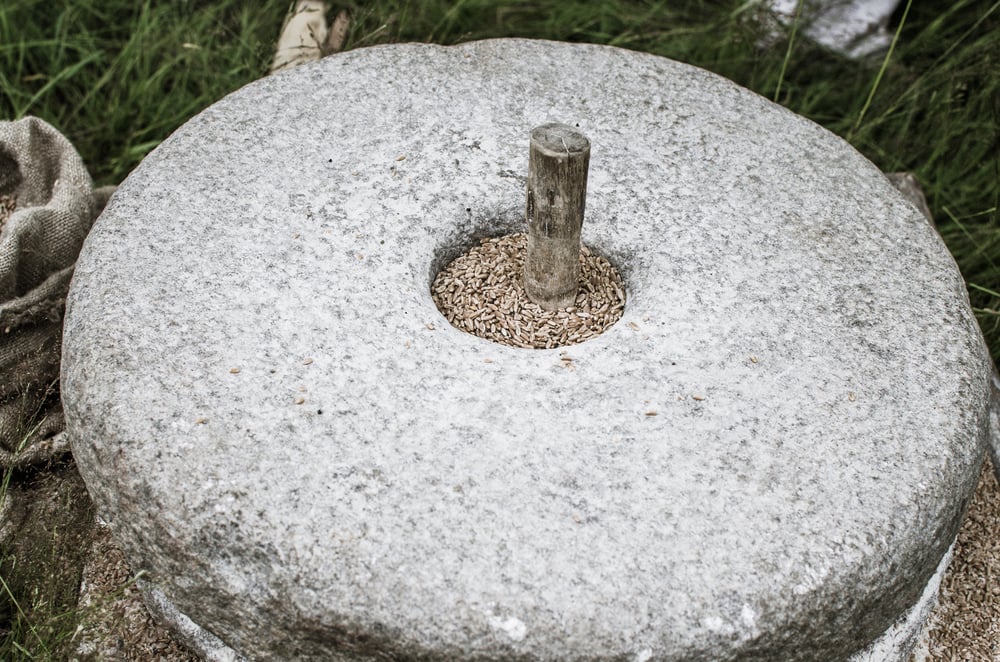
Worn-out millstones, too damaged to keep grinding grain effectively, were frequently tossed into nearby waste pits at settlements ranging from Iron Age Europe to Roman Britain. Their wear patterns give archaeologists a way to estimate how heavily a given site relied on grain processing and roughly how long individual stones remained in use.
Discarded Cobbler’s Offcuts From Medieval Workshops
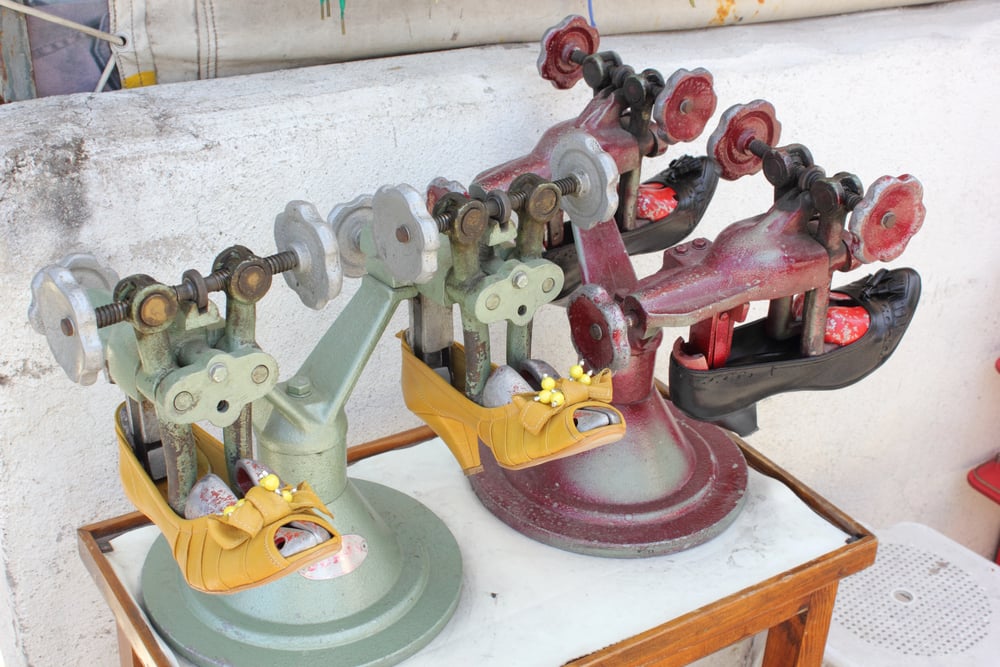
Medieval leatherworking waste pits, particularly in cities like London and Dublin, have preserved offcuts and trimmings from shoemaking workshops alongside the finished shoes themselves. These scraps have let researchers reconstruct the exact cutting patterns medieval cobblers used to get the most out of each hide.
Bone Fish Hooks and Needles
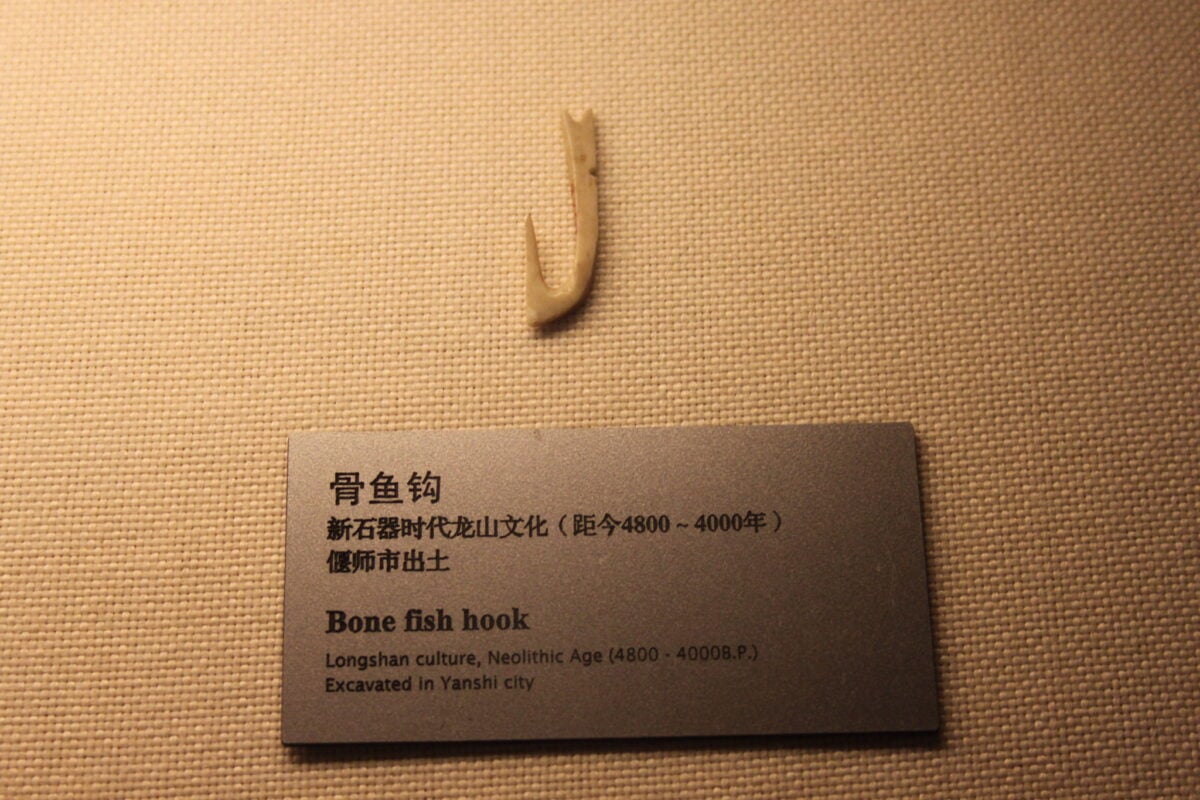
Small bone tools, including fish hooks and sewing needles, are common finds in coastal and riverside midden deposits from cultures ranging from ancient Scandinavia to precolonial North America. Their presence in waste layers, rather than burial sites, suggests these were everyday working tools rather than ceremonial objects.
Discarded Mosaic Tesserae From Renovated Roman Villas
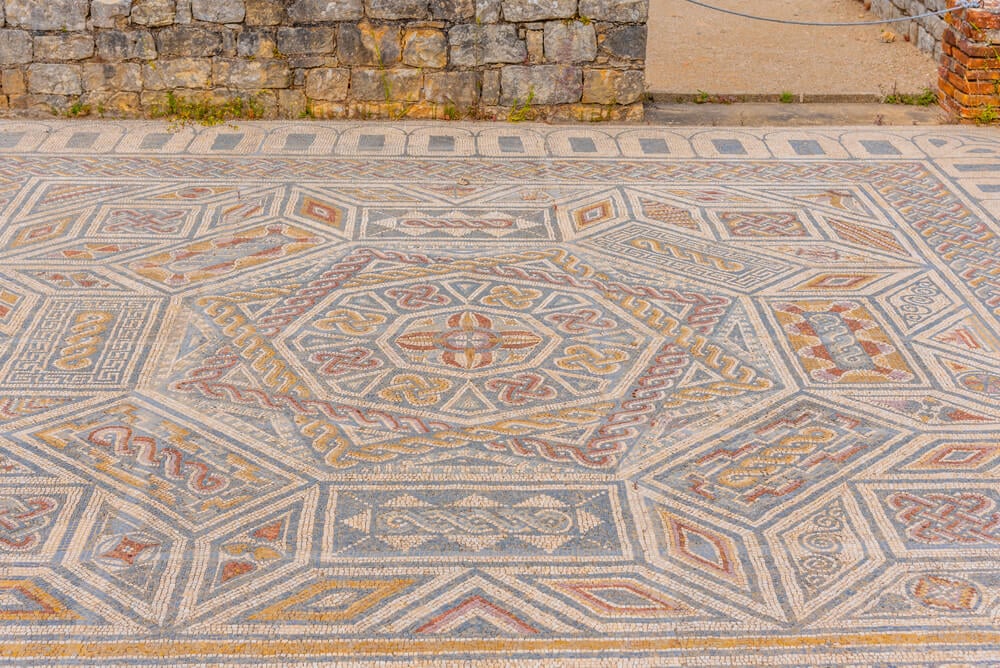
When Roman villa owners updated their floor mosaics, workers often dumped the leftover and damaged tesserae, the small colored tiles used in the designs, into nearby pits rather than reuse them. Archaeologists have used these discarded tile fragments to date renovation phases at villa sites with more precision than the visible floors alone would allow.
Feasting Deposits of Animal Bone
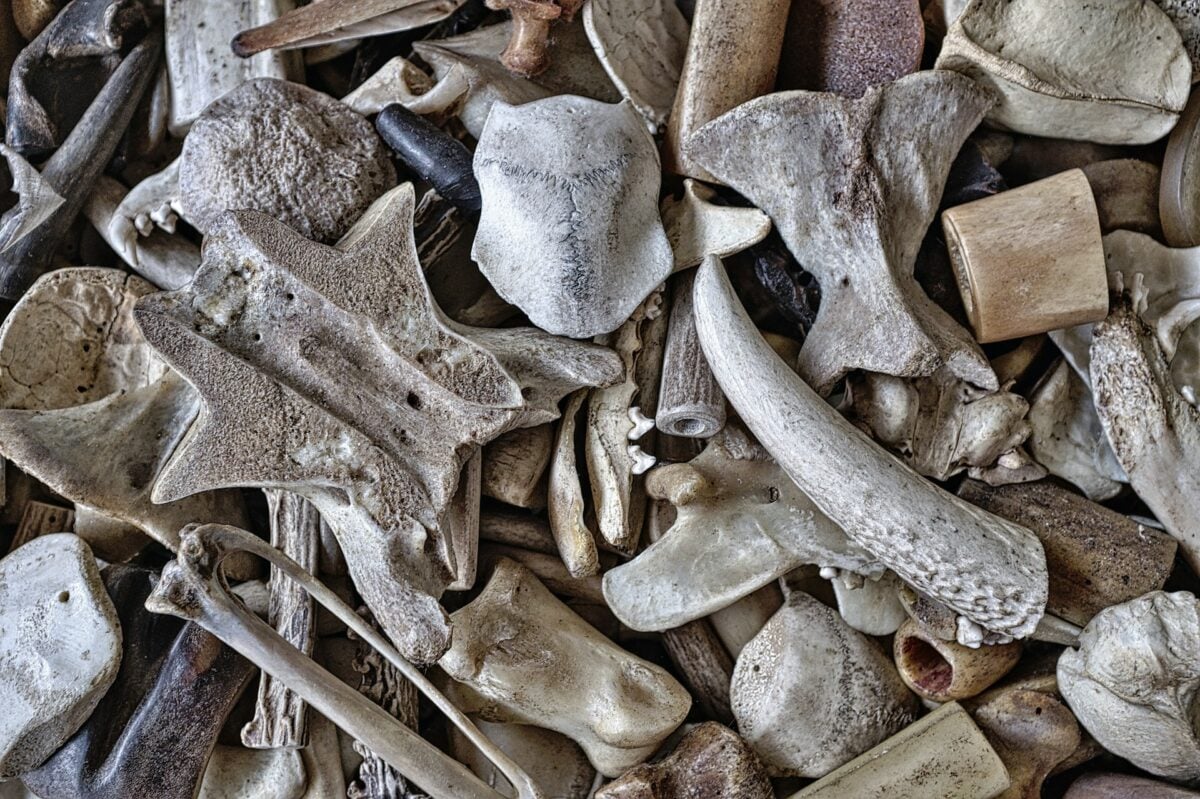
Large concentrated deposits of animal bone, often showing signs of a single intensive butchering and cooking event, have been identified at sites ranging from Stonehenge’s nearby settlement of Durrington Walls to medieval castle middens. These feasting deposits give archaeologists a rare snapshot of a specific communal event rather than the slow accumulation of ordinary daily meals.
Broken Glass Beads and Jewelry Fragments

Damaged glass beads and broken jewelry components appear regularly in domestic waste layers at trading settlements from Viking-age Scandinavia to West African coastal sites engaged in long-distance trade. Their presence in waste rather than burial contexts has helped researchers distinguish everyday trade goods from items reserved for funerary use.
Discarded Sandals and Rope From Near Eastern Sites
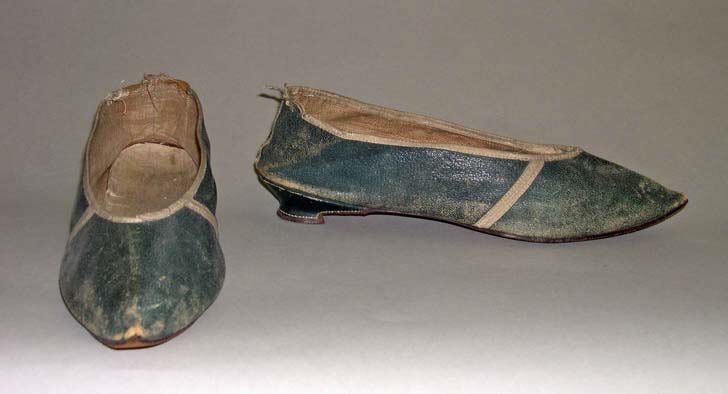
Woven plant-fiber sandals and worn rope, preserved by extremely dry conditions at sites across the ancient Near East, have turned up in refuse areas near settlements and work camps. Their construction techniques have given researchers insight into craft traditions that left almost no other physical trace.
Food Residue in Discarded Cooking Pots
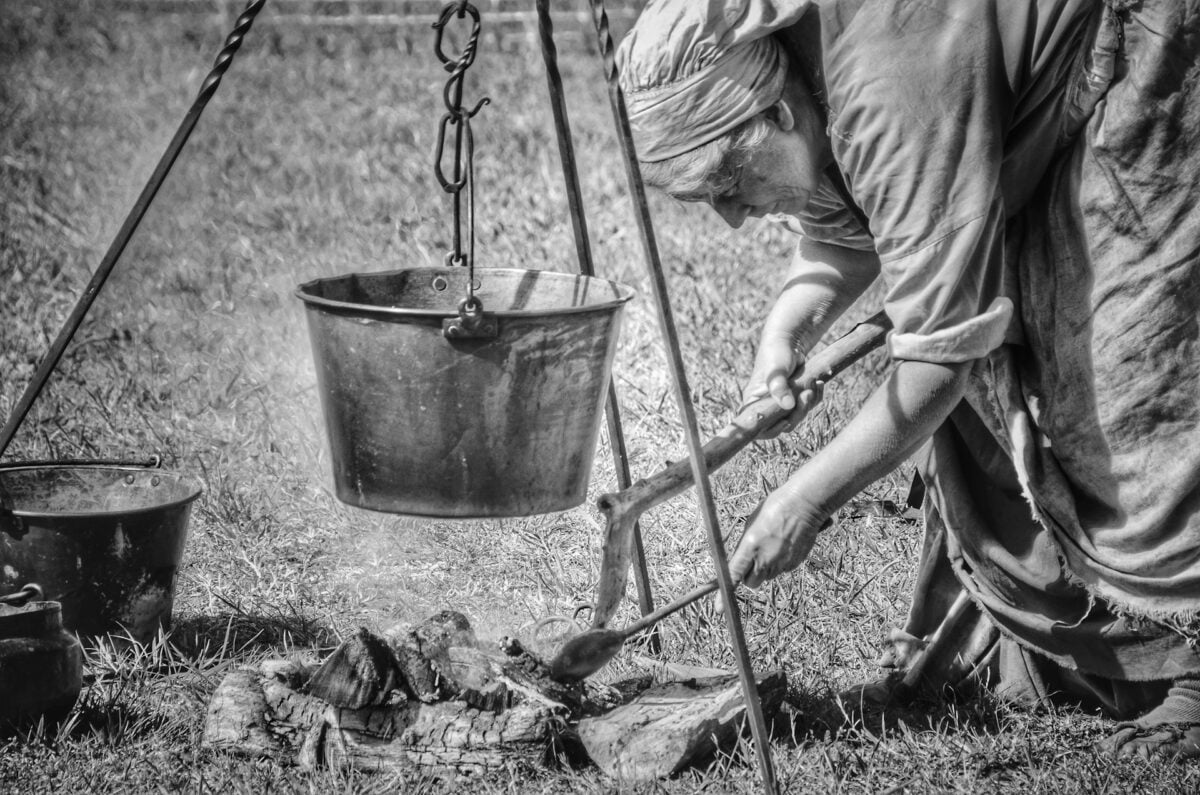
Chemical analysis of residue baked into the walls of broken cooking pots recovered from waste pits has let researchers identify specific foods, including dairy products, animal fats, and plant oils, cooked in vessels thousands of years old. This kind of residue analysis has pushed back the known dates for dairy consumption and other food practices at several prehistoric sites.
Nutshells and Seeds From Prehistoric Waste Layers
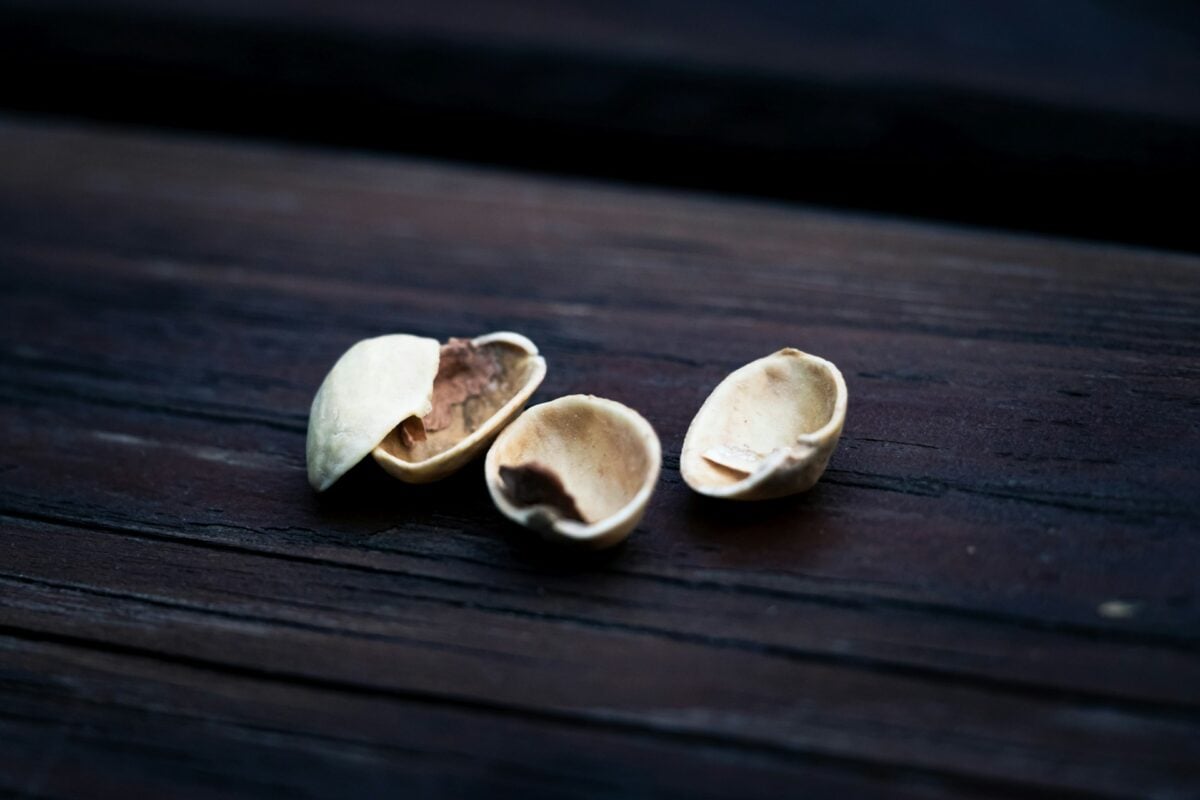
Charred nutshells and plant seeds, preserved by accidental burning and then discarded, are among the most common finds in prehistoric waste deposits and remain one of archaeology’s most reliable tools for reconstructing ancient diets and early farming practices. Their presence or absence at a given layer can help date the arrival of specific crops in a region.
Perforated Net Weights From Ancient Fishing Settlements
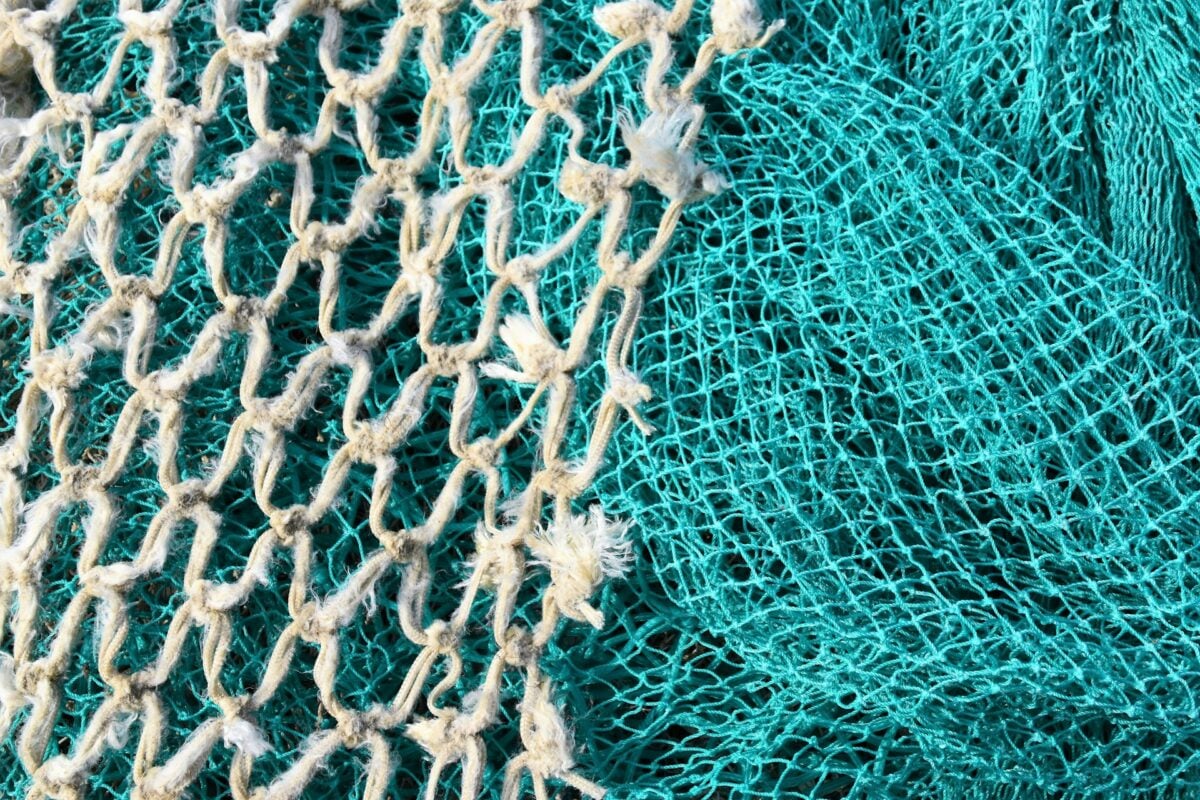
Stone and ceramic weights bored through the center to sink fishing nets are common finds in waste deposits near ancient coastal and riverside settlements from the Baltic to the eastern Mediterranean. Their sheer abundance at certain sites has helped confirm fishing’s importance to communities that left few other direct records of the practice.
Discarded Coins in Roman Cesspits
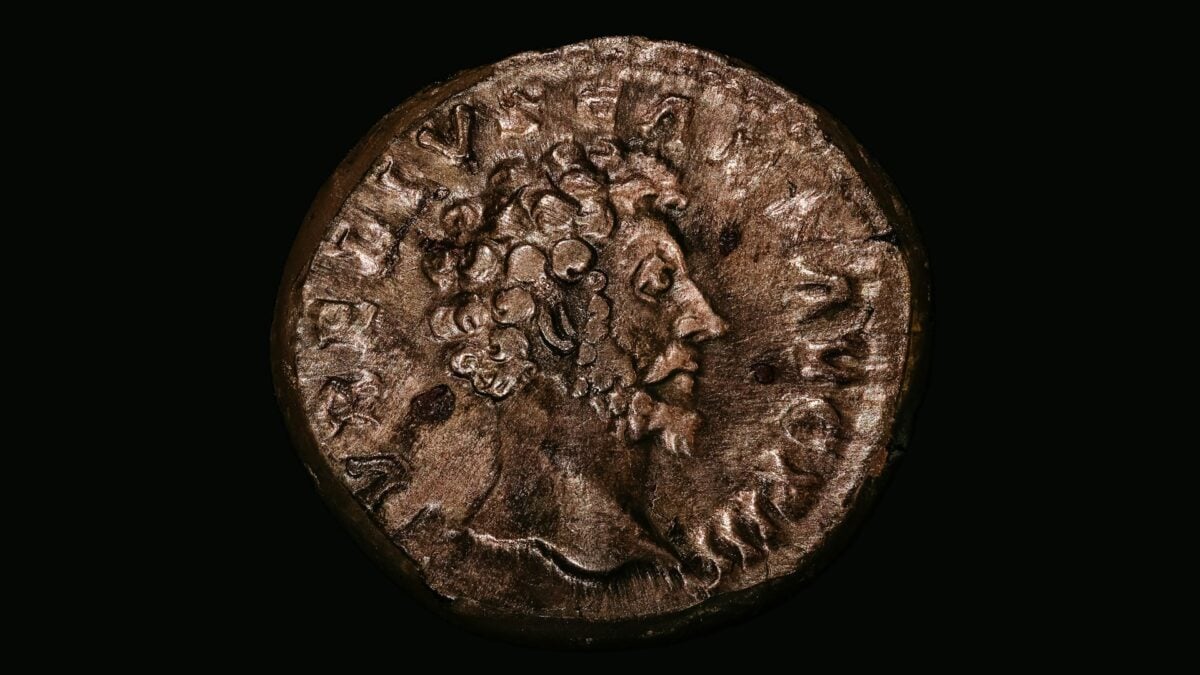
Coins accidentally dropped down Roman latrines and cesspits, rather than deliberately buried as hoards, have provided archaeologists with a different kind of dating evidence than coin hoards typically offer, since these losses reflect ordinary daily circulation rather than deliberate saving. Excavators at several Roman military and civilian sites have recovered coins clustered by mint date in exactly this way.
Broken Toys and Gaming Pieces
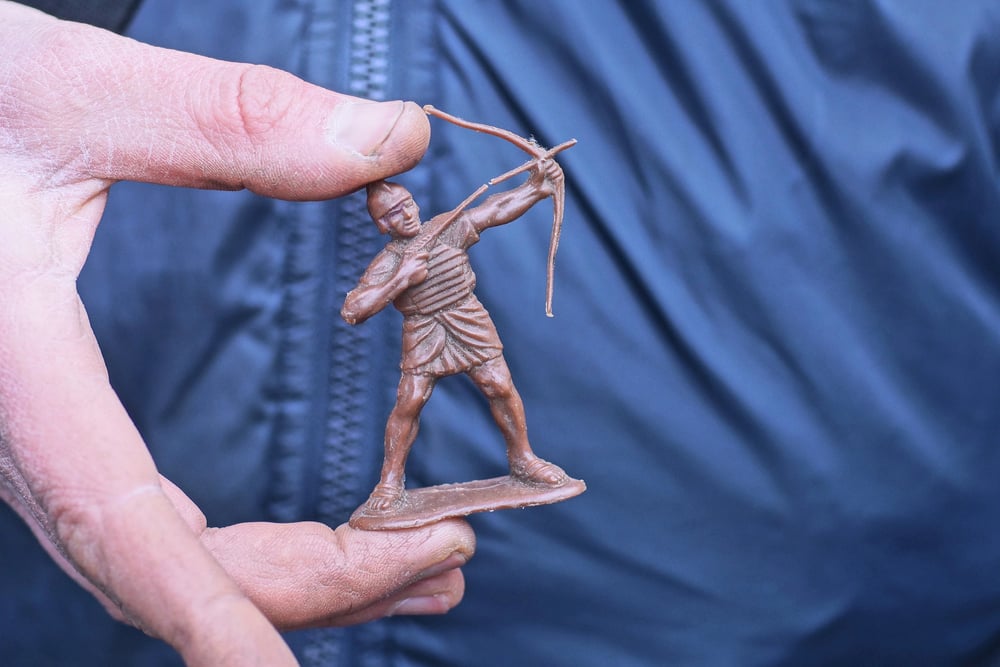
Small ceramic and bone gaming pieces, dice, and toy fragments turn up periodically in domestic waste layers at sites ranging from Roman Britain to medieval European towns, offering a rare glimpse into ancient leisure rather than survival. Their worn edges suggest many were played with extensively before being discarded as broken or lost pieces.
Pompeian Garum Producers’ Discarded Fish Remains
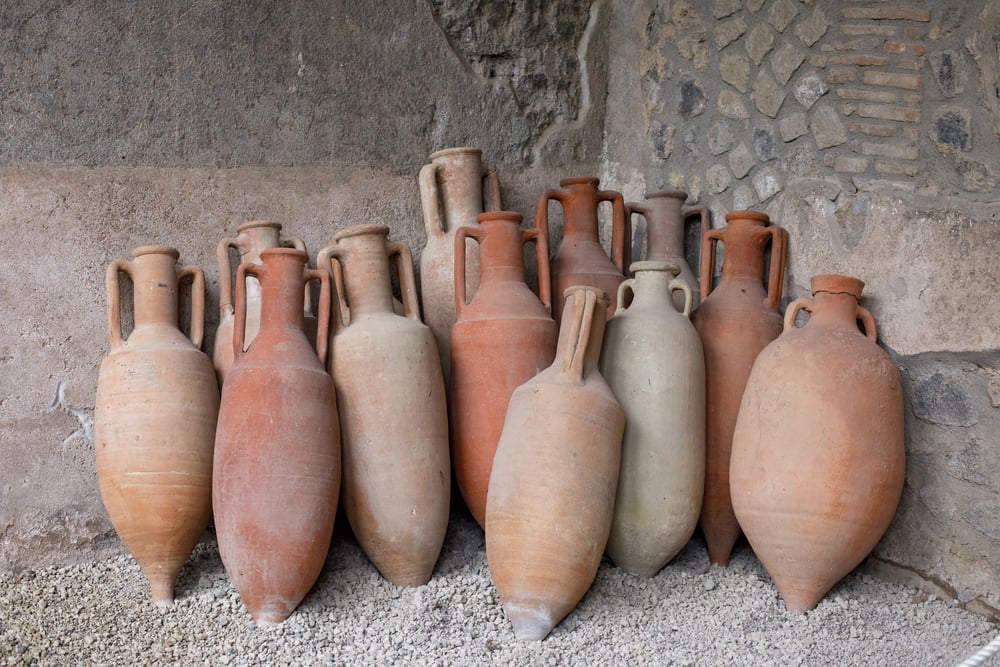
Waste pits near Pompeii’s fish-sauce production facilities have preserved concentrated fish bone deposits tied to specific garum-making workshops, letting researchers identify the particular species and preparation methods individual producers favored. Some of these deposits are detailed enough to distinguish one workshop’s recipe from a neighboring one.
Discarded Loom Weights From Textile Production
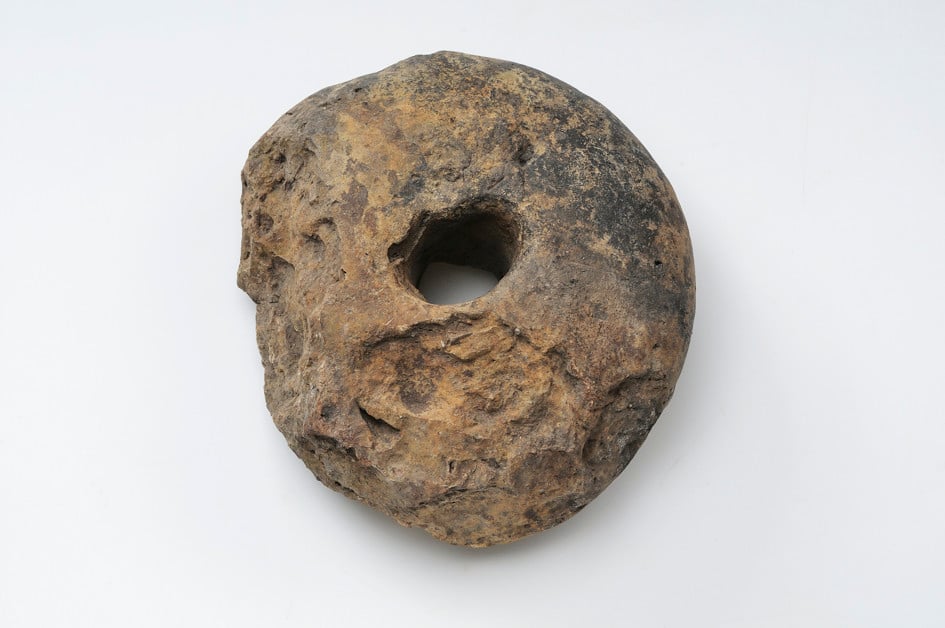
Ceramic loom weights, used to keep warp threads taut on upright looms, are frequently found broken and discarded in domestic waste areas at Iron Age and Roman sites across Europe. Their number and distribution at a given settlement has helped archaeologists estimate the scale of household textile production even where no actual cloth survived.
Egg Shells From Viking-Age Food Waste

Preserved eggshell fragments recovered from Viking-age midden deposits in York and elsewhere have let researchers identify which birds, chickens, geese, and wild species alike, contributed to the medieval diet. The shells survive far better than other food remains because of the same waterlogged, low-oxygen conditions that preserved the era’s leatherwork.
Broken Pottery Sherds Used for Site Dating
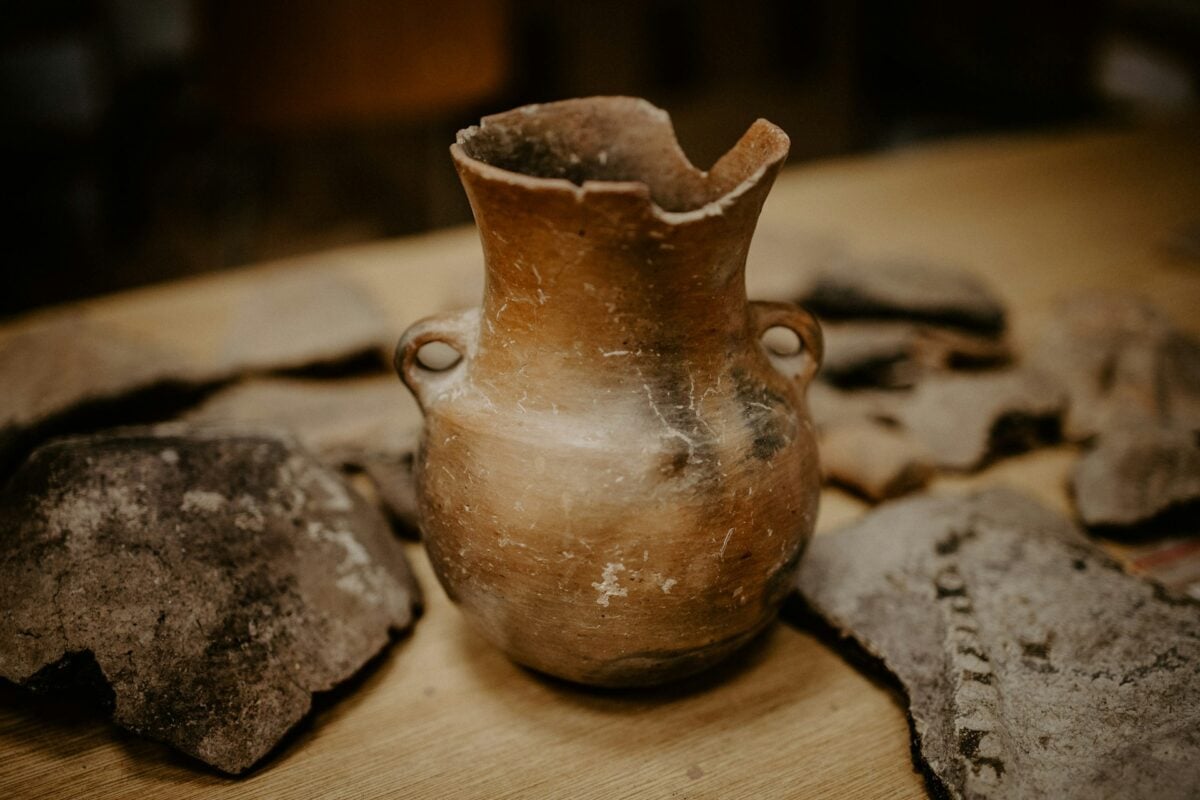
Pottery fragments remain one of the single most common finds in any ancient waste pit, and their changing styles over time let archaeologists date entire stratigraphic layers even when no other datable material survives. A single distinctive rim style or glaze pattern can sometimes anchor the age of an entire excavation trench.
Discarded Textile Fragments From London’s Medieval Pits
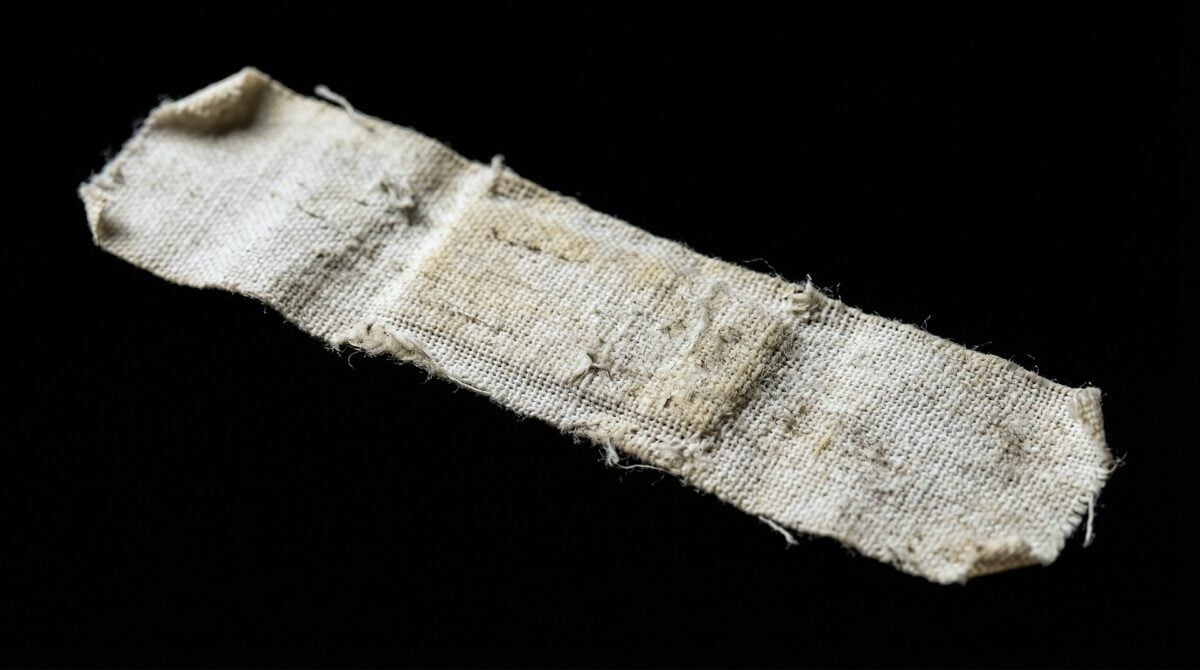
Waterlogged medieval waste pits in London have preserved wool and linen textile fragments that would have disintegrated in ordinary soil conditions, giving textile historians rare physical examples of weave patterns described only in written records elsewhere. Some fragments still carry traces of the dyes originally used to color them.
Papyrus Used as Packing Material in Egyptian Mummy Cartonnage
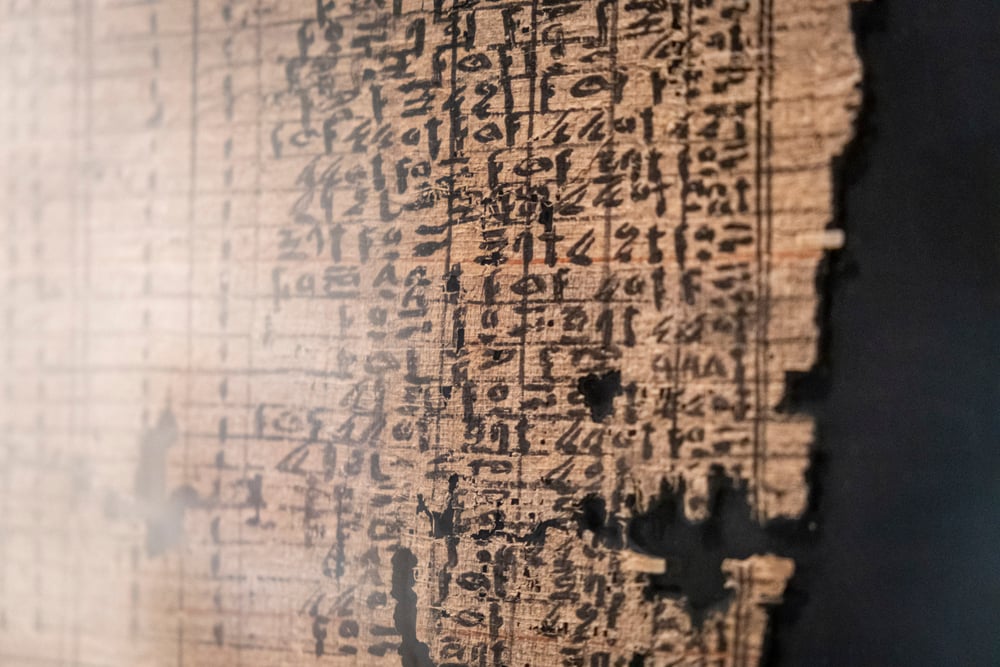
Beyond the discarded documents found at sites like Oxyrhynchus, ancient Egyptian embalmers sometimes recycled old papyrus scraps as stiffening material inside mummy cartonnage cases, effectively repurposing what amounted to household waste paper. Modern conservators carefully separating these layers have recovered otherwise-lost administrative and literary texts in the process.
Worn Grinding Stones From Prehistoric Settlements
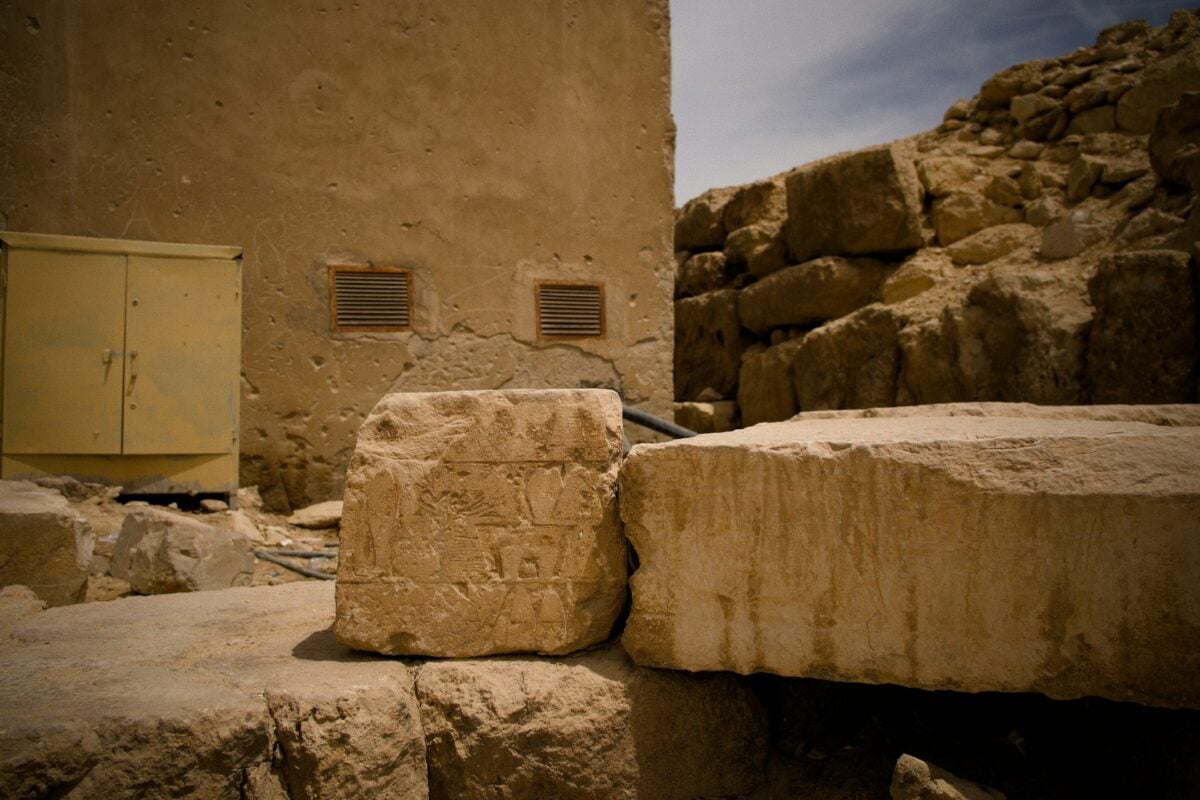
Small handheld grinding stones, used for processing grain and pigments, appear regularly in prehistoric waste deposits once too worn down to remain useful. Wear patterns on their surfaces have let researchers identify what specific materials, from wild grains to mineral pigments, past communities were processing on a daily basis.
Wine Amphorae Stamps Tracing Trade Networks
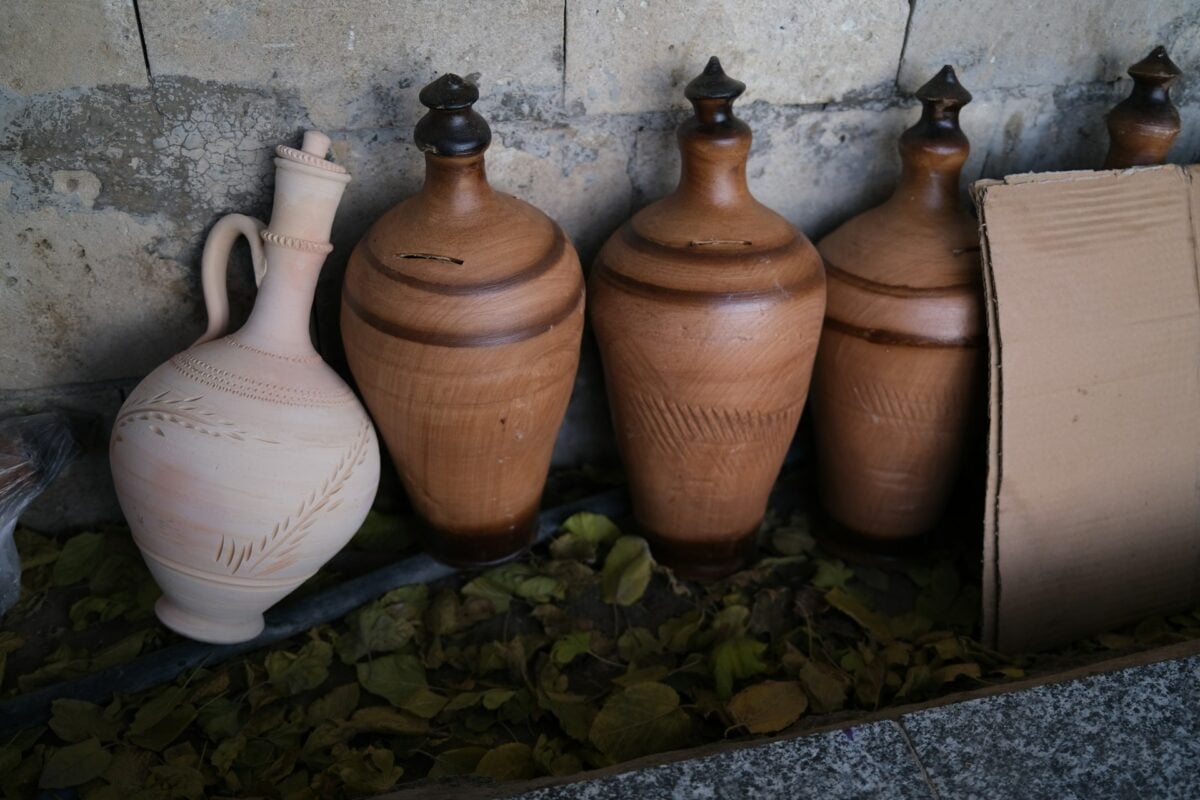
Beyond the sheer volume found at sites like Monte Testaccio, individual stamped amphora handles recovered from waste deposits across the Mediterranean have let historians trace specific wine and oil producers to particular regions and estates, sometimes even to named individual merchants. These stamps function almost like ancient shipping labels, preserved only because the containers themselves were eventually thrown away.
What the Trash Heap Remembers
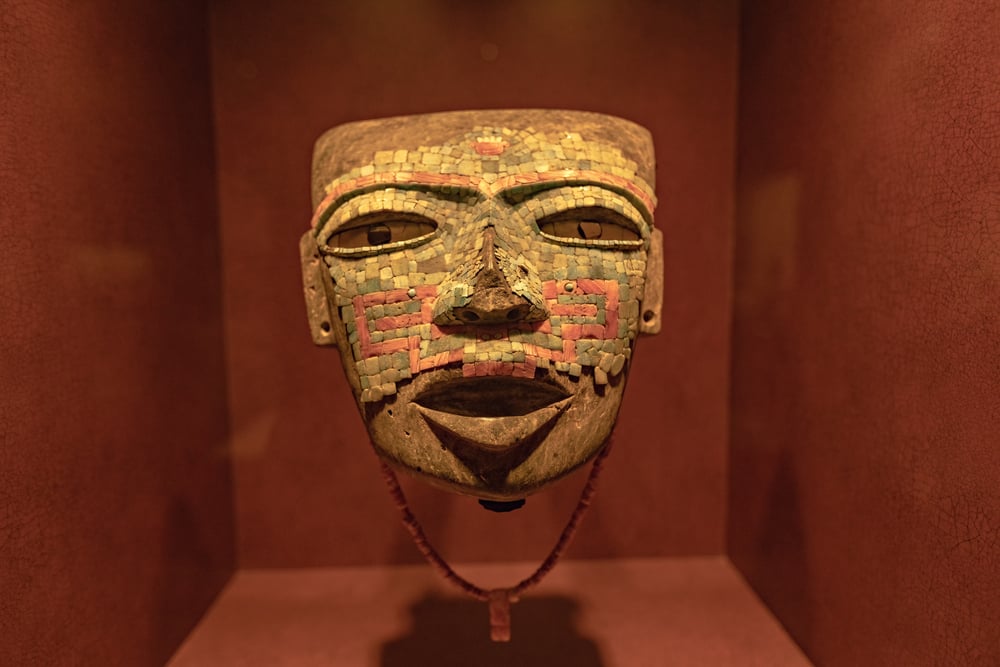
Waste deposits survive precisely because nobody thought they were worth protecting, which is exactly what makes them so useful centuries later. A grave or a temple was built to be remembered, curated, and interpreted for an audience, while a rubbish pit was simply where the unwanted things ended up, with no intention that anyone would ever look again.
That lack of curation is the real value. Middens and cesspits capture the texture of daily life, what people actually ate, wore, and used, rather than the version of themselves past civilizations wanted preserved. Archaeology’s most honest evidence, it turns out, tends to come from what everyone else was in a hurry to forget.
More from Go2Tutors!

- The Romanov Crown Jewels and Their Tragic Fate
- 13 Historical Mysteries That Science Still Can’t Solve
- Famous Hoaxes That Fooled the World for Years
- 15 Child Stars with Tragic Adult Lives
- 16 Famous Jewelry Pieces in History
Like Go2Tutors’s content? Follow us on MSN.