How Parenting in the ’90s Was Completely Different from Today
With every passing generation, parenting changes. Methods of raising children change with our growing knowledge of child development, changing societal standards, and technological developments. Though only separated by a few decades, the parenting practices of the 1990s seem practically incomprehensible when contrasted to those of today.
Here is a list of ways parenting in the ’90s differed dramatically from contemporary child-rearing practices.
Unsupervised Outdoor Play

Kids in the ’90s roamed neighborhoods freely until streetlights flickered on – an unspoken signal to head home for dinner. Parents back then expected children to navigate social hierarchies and resolve conflicts without adult mediation.
Modern parenting philosophy, however, rarely permits children out of visual range, with structured playdates replacing spontaneous neighborhood adventures – largely due to safety concerns amplified through constant news cycles and neighborhood alert apps.
Technology-Free Childhood

The typical ’90s home contained maybe one shared computer stationed in a common area, plus a family gaming console with limited titles. Natural technology boundaries existed simply because devices weren’t omnipresent.
Today’s children navigate a radically different landscape – one where screens exist in virtually every room. Parents now struggle with creating artificial limitations that didn’t need enforcement when technology itself was the limiting factor.
Analog Parenting Resources

When ’90s parents had questions about fever remedies or developmental milestones, they consulted dog-eared copies of parenting books or called relatives for advice – sometimes waiting days for answers. Information traveled at human speed, allowing trends to develop gradually.
Contemporary parents face the opposite challenge – immediate access to countless digital resources creates overwhelming information saturation, with contradicting expert opinions just a click away.
Less Intensive Academic Pressure
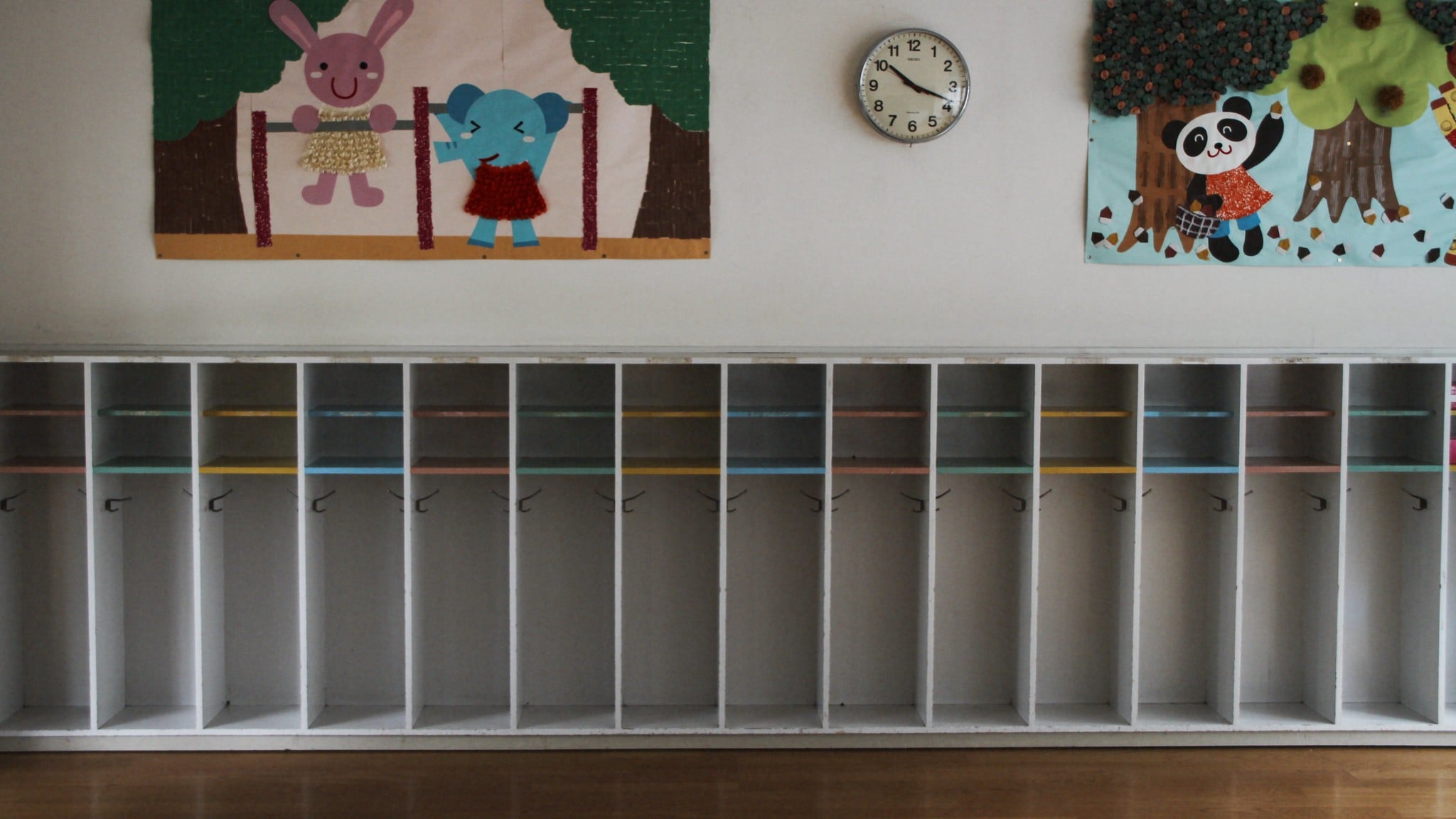
Kindergarten classrooms of the ’90s focused predominantly on social adaptation – learning to share, standing in line, and perhaps identifying letters through playful activities. Academic expectations intensified gradually throughout the school years.
The current educational climate, though, often pushes formal academics into preschool settings – with kindergartners expected to emerge as readers while parents anxiously monitor academic benchmarks previously reserved for older students.
Minimal Parent Involvement in Education

Alan Stanton / Flickr
Teachers in the ’90s had great freedom to interact with parents during planned conferences or when particular concerns called for conversation. Educational professionals were usually seen as authorities worthy of consideration on curricular choices.
Digital portals are fostering continuous connection in today’s educational environment; parents track assignments, grades, and behaviors in real-time and often challenge pedagogical strategies different from their own schooling background.
Hands-Off Approach to Friendship Dynamics
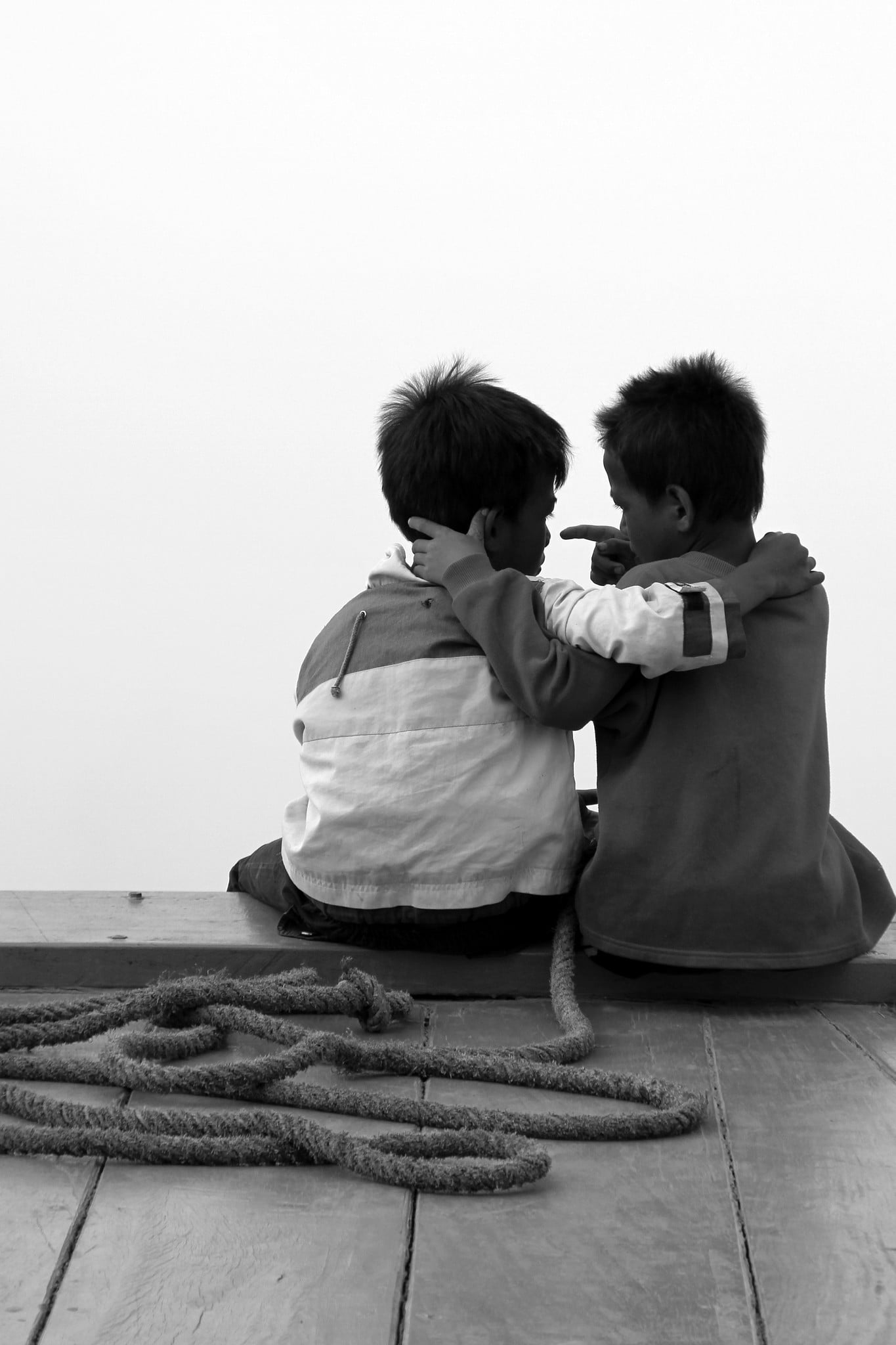
When friendship conflicts arose among ’90s children, parental advice typically amounted to “work it out yourselves” – treating social struggles as developmental opportunities rather than emergencies requiring adult intervention. Social skills developed through natural trial-and-error experiences with limited oversight.
Contemporary parents often function almost as friendship coaches – analyzing social dynamics, arranging compatible playdates, and sometimes intervening directly in children’s relationships through parent-to-parent communications.
Limited Documentation of Childhood

The ’90s parents captured milestone moments using film cameras – each photo representing actual expense and deliberate choice given limited exposures per roll. Special occasions merited documentation, while ordinary days went unrecorded.
Modern childhood unfolds under constant digital surveillance – with parents capturing hundreds of images monthly and curating their children’s digital presence across multiple platforms. The quantity versus quality dynamic has shifted dramatically in just one generation.
Less Scheduled Activities

Children during the ’90s typically participated in perhaps one sport per season – leaving substantial unstructured time for spontaneous play, casual neighborhood games, or even productive boredom that sparked creativity.
Contemporary childhoods often resemble miniature corporate calendars – packed with enrichment activities, competitive sports, specialized classes, and structured opportunities leaving little room for unplanned exploration or self-directed discovery.
Stranger Danger vs. Consent Education

Safety education for ’90s children centered primarily around stranger avoidance – with simplified messages about physical boundaries delivered at specific developmental stages. These conversations happened episodically rather than continuously.
Modern parents typically implement comprehensive body autonomy education beginning in early toddlerhood – teaching nuanced consent concepts that extend beyond danger scenarios into everyday interactions, including those with familiar adults and relatives.
Physical Discipline Acceptance

During the ’90s, spanking was a commonly accepted punishment method; most parents saw it as sometimes required even if studies were beginning to cast doubt on its efficacy. Public opinion usually favoured parental power to decide suitable disciplinary strategies free of outside criticism.
Modern parenting is more and more embracing neuroscience-informed discipline strategies that emphasize emotional control, natural consequences, and connection-based approaches while physical punishment runs increasing societal and sometimes legal limits.
Less Dietary Scrutiny

In the ’90s, food allergies appeared surprisingly rare, so parents could prepare regular lunches without thinking about possible allergens or nutritional best practices. Birthday parties included store-bought goodies eaten without ingredient study.
Parents today negotiate more complicated food issues including allergy awareness, environmental effect, nutritional density, and specialized eating philosophies that turn basic meal preparation into research-intensive tasks demanding significant knowledge and planning.
Minimal Safety Equipment

With rudimentary safety gear that appears sadly lacking by modern standards, kids negotiated ’90s childhoods. At most, bicycles had basic helmets; trampolines had no safety nets; playgrounds had metal equipment fastened over packed soil.
Substantial study today guides constantly changing safety criteria affecting anything from car seat technology to playground surface materials. Through several protective mechanisms, modern children encounter situations designed expressly to reduce damage risk.
Practical Parenting vs. Research-Based Approaches
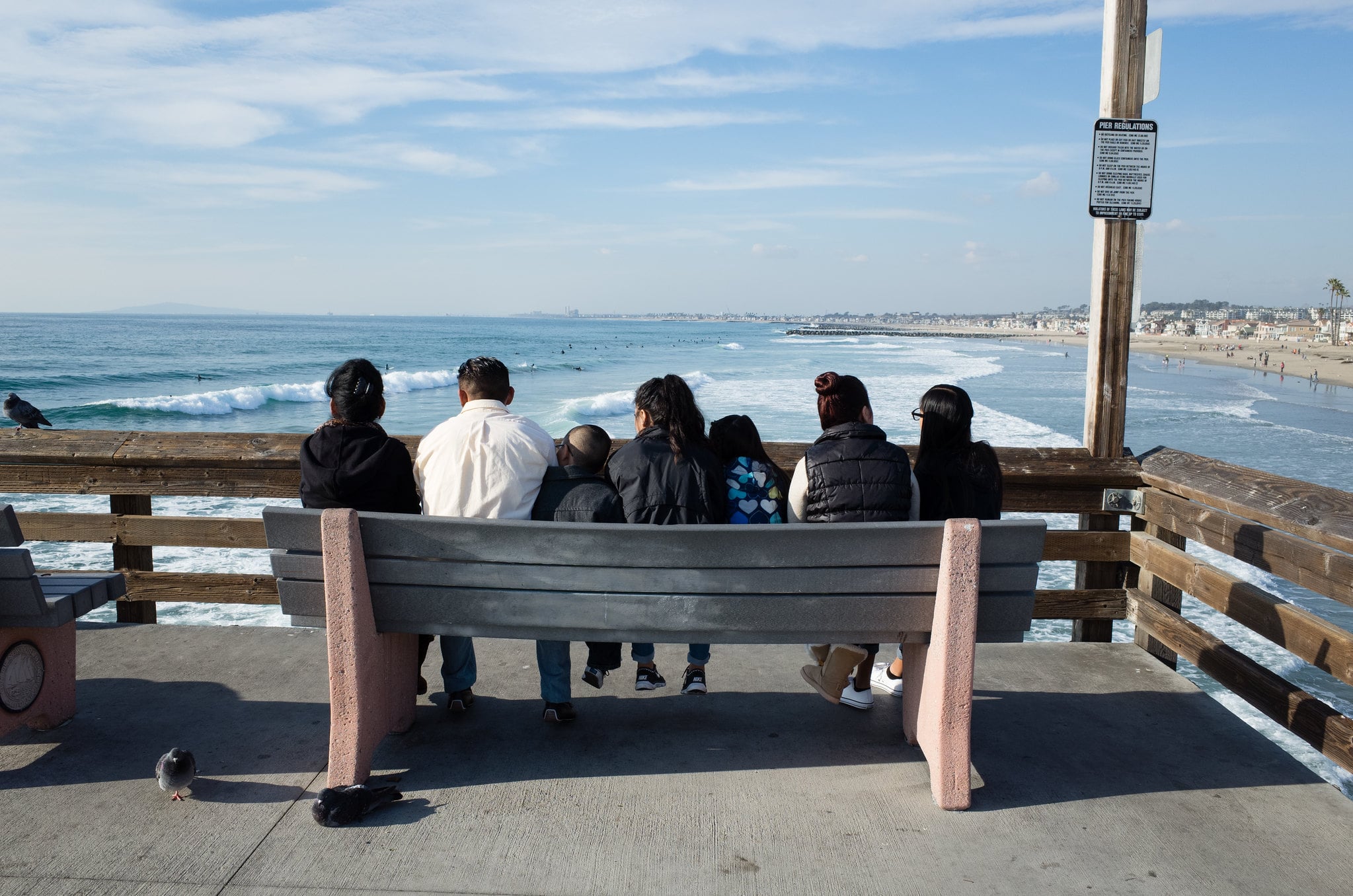
Parenting methods in the ’90s mostly depended on intuitive problem-solving and intergenerational knowledge transfer. Without too much worry about developmental psychology ideas, parents usually used methods that suited their particular families.
Often using research-based methods guided by brain development studies, attachment theory research, and evidence-based disciplinary strategies that may conflict with conventional practices handed down through generations, modern parenting reflects.
Gender-Specific Parenting

Raising boys versus girls in the ’90s typically followed distinctly different trajectories, with clearly delineated toy categories, clothing styles, and behavioral expectations divided along traditional gender lines. Parents rarely questioned these established patterns or considered the potential limitations they might impose.
Modern parenting increasingly embraces gender-expansive philosophies that allow children greater freedom in their interests, expression, and development regardless of biological sex, with intentional exposure to diverse role models and experiences.
Limited Parental Identity

Parenthood in the ’90s typically represented one significant aspect of adult identity rather than its defining characteristic. Adults maintained separate social connections, personal interests, and identities beyond their parental roles without facing criticism for doing so.
Today’s parenting culture often elevates child-rearing to an all-consuming identity, with parenting philosophy signaling core values and determining social affiliations. Modern parents frequently build entire social networks and personal brands around particular approaches to raising children.
The Parenting Pendulum Swings

Every generation evolves child-rearing techniques in reaction to perceived flaws in earlier ones, so unwittingly generating fresh problems for future parents to handle. ’90s parenting and modern techniques’ sharp contrast highlights more general societal changes in psychological awareness, safety consciousness, and technology access.
Across generations, parents share the same basic aim throughout these evolutionary changes: to raise children ready to negotiate their particular time in history and grow into healthy, competent individuals.
The differences between these eras highlight how profoundly our understanding of childhood continues to evolve. Neither generation perfected the parenting formula completely. Each approach carries distinct advantages alongside limitations, suggesting perhaps that future generations will continue refining these methods – incorporating lessons from both the hands-off independence of the ’90s and the informed intentionality of today’s approaches.
More from Go2Tutors!

- The Romanov Crown Jewels and Their Tragic Fate
- 13 Historical Mysteries That Science Still Can’t Solve
- Famous Hoaxes That Fooled the World for Years
- 15 Child Stars with Tragic Adult Lives
- 16 Famous Jewelry Pieces in History
Like Go2Tutors’s content? Follow us on MSN.



