27 Psychological Experiments That Changed How Scientists Understand Human Behavior
The experiments that transformed psychology rarely look glamorous in their description. A dog salivating at a bell sound. Rats pressing levers for food pellets. College students role-playing as prison guards and inmates.
Yet these mundane-seeming scenarios cracked open fundamental truths about human nature, learning, obedience, and social behavior that still shape how we understand ourselves. Each experiment was a moment when a researcher looked at a common assumption and asked: but how do I know that’s actually true?
The breakthrough comes not from complexity but from controlled simplicity—removing everything but the essential variables and watching what happens. These studies have been tested, challenged, replicated, and refined, and many have become the foundation of how we understand behavior, learning, and the human capacity for cruelty and kindness.
Pavlov’s Classical Conditioning Experiments—1890s

Ivan Pavlov’s dogs became the first bridge between physiology and behavior. By ringing a bell before presenting food, Pavlov demonstrated that organisms could be conditioned to respond to neutral stimuli.
After repeated pairings, the bell alone triggered salivation. The finding proved that learned responses weren’t magical—they were predictable and teachable, laying the foundation for behaviorism as a science.
Thorndike’s Law of Effect—1898
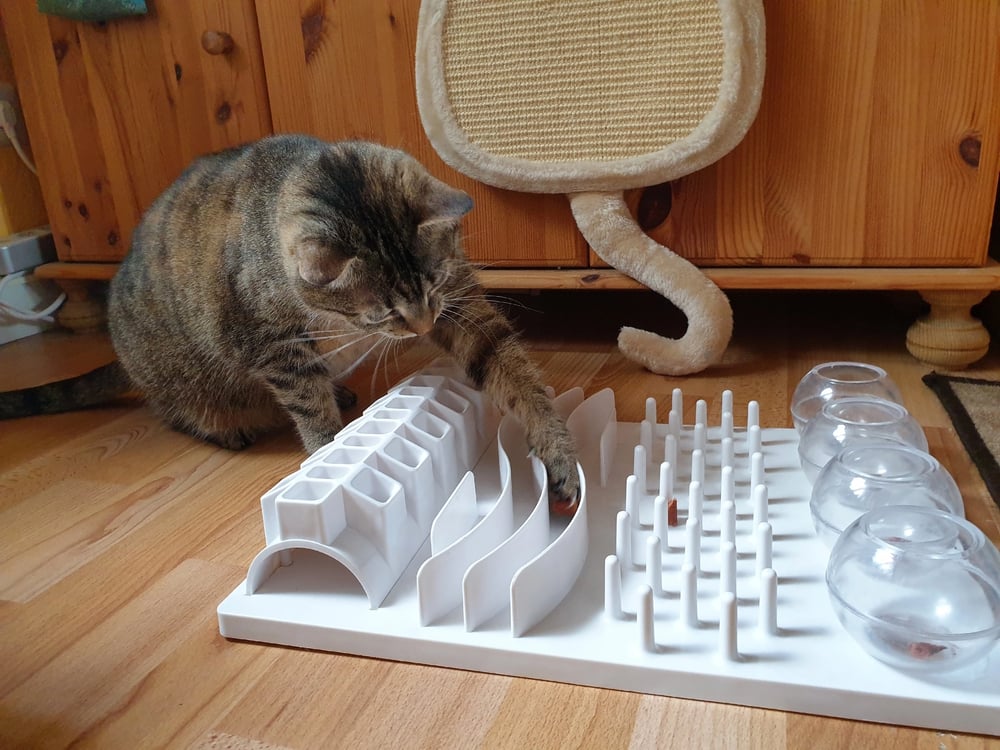
Edward Thorndike trapped cats in puzzle boxes and observed that those who accidentally opened the latch learned to solve it faster over repeated trials. The cats were reinforced by escape (food reward).
Thorndike formulated the law of effect: behaviors followed by positive consequences tend to repeat, while those followed by negative consequences diminish. This simple principle explained learning without requiring consciousness or understanding.
Little Albert Experiment—1920

John Watson and Rosalie Rayner conditioned an eleven-month-old child to fear white rats by pairing the rat with a loud, frightening noise. After repeated pairings, Albert cried at the sight of the rat alone—even generalized his fear to rabbits and fuzzy objects.
The experiment proved that emotional responses could be classically conditioned in humans and demonstrated how phobias might develop, though modern ethics boards would never permit it.
Harlow’s Attachment Studies—1950s
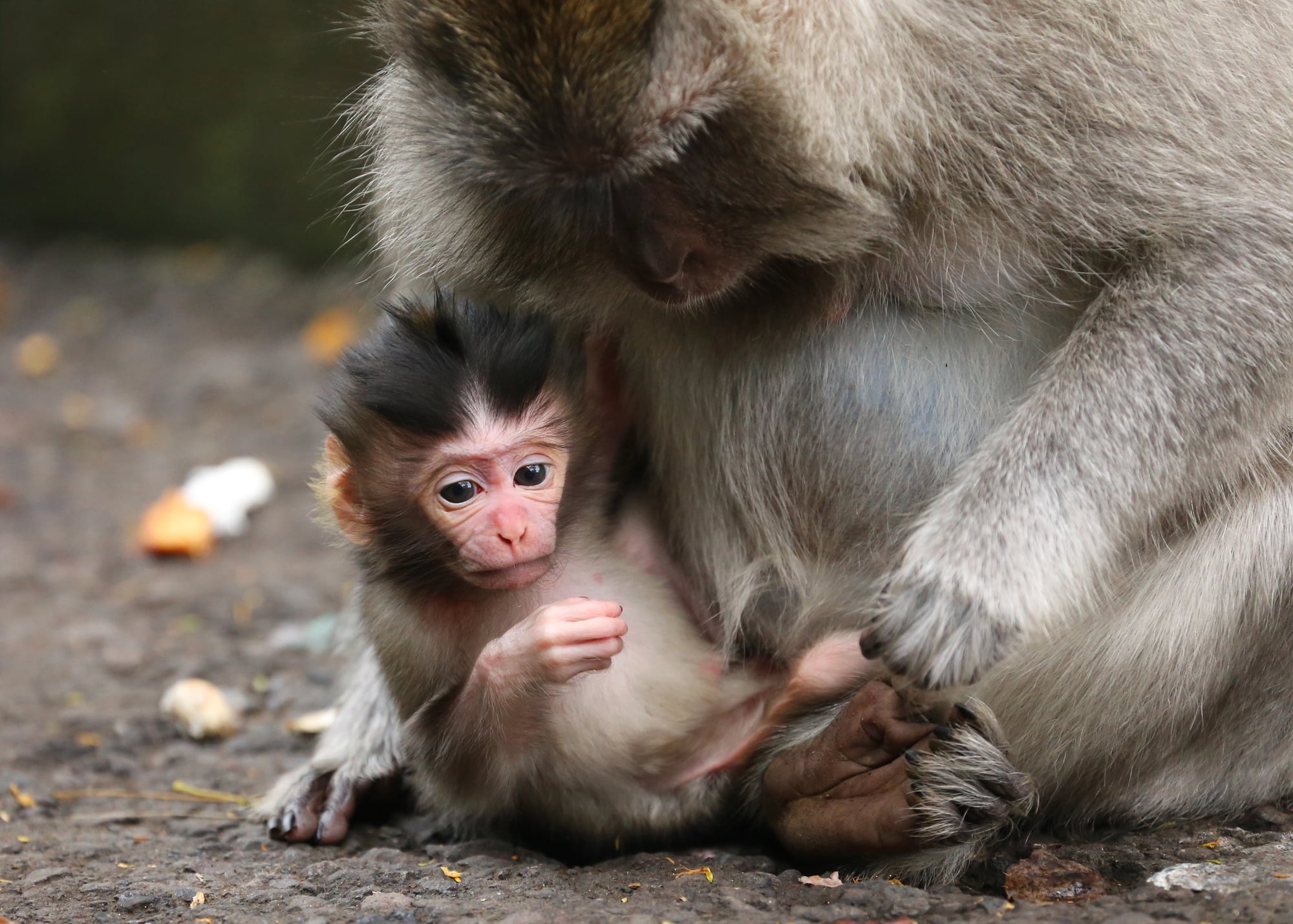
Harry Harlow separated newborn rhesus monkeys from their mothers and gave them access to two surrogate mothers: one made of wire that provided food, and one made of soft terry cloth that provided no food. The baby monkeys spent far more time clinging to the cloth mother, proving that contact comfort and emotional attachment matter more than nourishment alone.
The finding overturned behaviorist theories that predicted monkeys would prefer the food source.
Asch Conformity Experiments—1951

Solomon Asch had participants judge the length of lines in a simple matching task. Confederates (actors) deliberately gave wrong answers, and in many trials, real participants conformed to the group’s incorrect judgment.
About 75 percent of participants conformed at least once, and some did so repeatedly despite obviously wrong answers. The experiments revealed that people will abandon their own perception to match group consensus.
Skinner’s Operant Conditioning Chamber—1930s-1950s
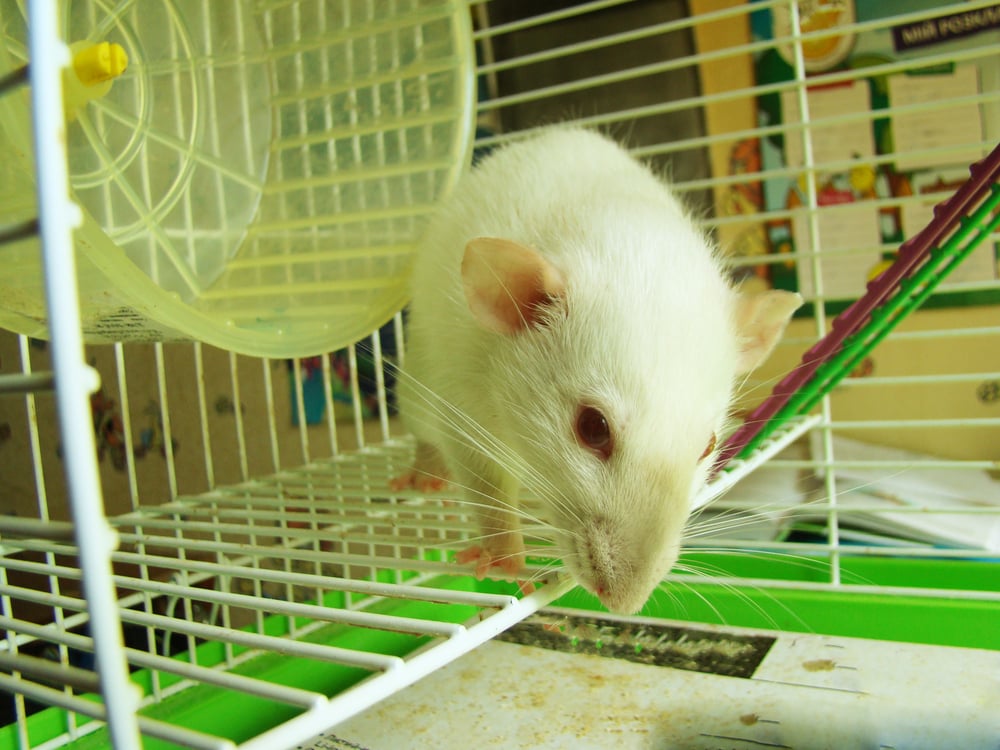
B.F. Skinner used “Skinner boxes”—controlled environments where animals could operate levers to receive rewards or avoid punishment. Through these experiments, Skinner demonstrated that behavior is shaped by consequences: reinforcement strengthens behavior, punishment weakens it, and different reinforcement schedules (fixed ratio, variable interval, etc.) produce different learning patterns.
The work provided the foundational principles for behavior modification and addiction.
Milgram Obedience Experiments—1961

Stanley Milgram had participants act as “teachers” who administered (fake) electric shocks to “learners” (actors) for incorrect answers. When the experimenter instructed them to continue despite the learner’s screams and pleas, 65 percent of participants administered shocks up to the maximum 450-volt level.
The experiments demonstrated that ordinary people will commit acts they believe are harmful when ordered by authority figures, challenging assumptions about human goodness.
Stanford Prison Experiment—1971
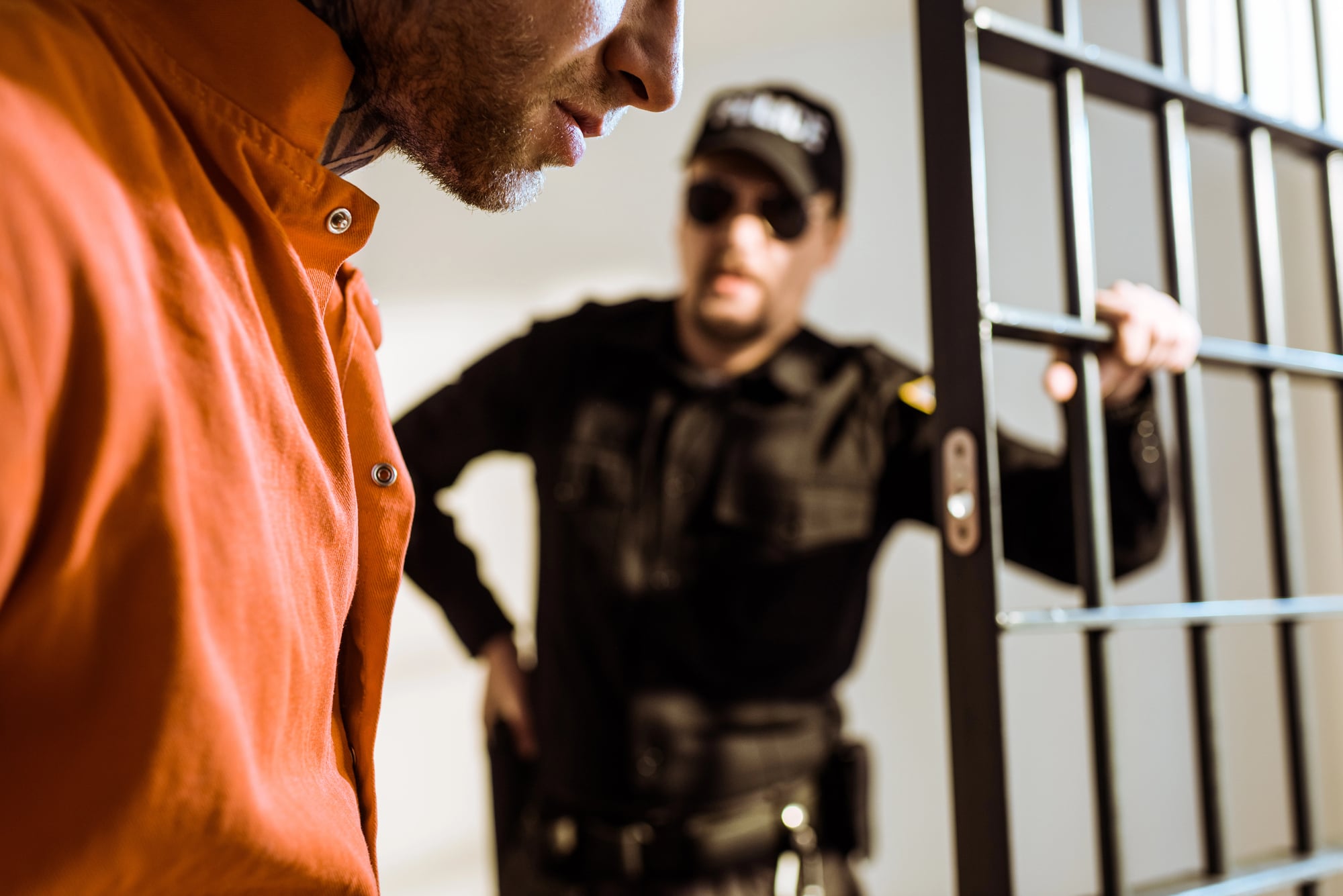
Philip Zimbardo randomly assigned college students to play either guards or prisoners in a mock prison. Within days, guards became abusive and sadistic while prisoners became passive and depressed.
Zimbardo shut down the experiment after six days, concerned for participants’ safety. The study illustrated how quickly people conform to social roles and how power dynamics can corrupt behavior, though later critics questioned how much the results reflected Zimbardo’s experimental design versus authentic human nature.
Bandura’s Bobo Doll Experiment—1961-1963

Albert Bandura had children observe an adult violently attack an inflatable Bobo doll. When left alone with the doll, children who witnessed the aggression replicated it, hitting and verbally abusing the toy at similar intensity.
Children in control groups showed no such aggression. The experiments provided evidence for social learning theory: aggressive behavior can be learned through observation and imitation without direct reinforcement.
Loftus and Palmer’s Misinformation Effect—1974

Elizabeth Loftus and James Palmer showed participants a filmed car accident and asked them how fast the cars were going. When the question said “hit,” participants estimated lower speeds; when it said “smashed,” they estimated higher speeds.
A week later, participants who heard “smashed” were more likely to falsely recall broken glass. The study demonstrated that post-event information can distort memory, with huge implications for eyewitness testimony reliability.
Rosenhan’s Pseudopatient Experiment—1973

David Rosenhan had eight mentally healthy people check into psychiatric hospitals complaining of hearing voices. They were all diagnosed with mental illness and kept for weeks despite acting completely normal.
Staff interpreted normal behaviors as symptoms, writing that a patient pacing out of boredom was evidence of anxiety. The experiment demonstrated how diagnostic labels bias perception and how institutions can dehumanize people once they’re labeled as mentally ill.
Sherif’s Robbers Cave Experiment—1954

Muzafer Sherif divided boys into rival camps at a summer camp, engineered conflict between them, then introduced superordinate goals (shared problems that required cooperation). Competition bred hostility; cooperation reduced it.
The study provided evidence that conflict arises from competing interests and resolves through interdependent goals, shaping decades of conflict resolution theory.
Latane and Darley’s Bystander Effect—1968

Bibb Latane and John Darley staged emergencies (smoke filling a room, a person having a seizure) while varying how many bystanders were present. The more bystanders present, the less likely anyone helped.
When alone, 85 percent of people reported the smoke; in groups of three, only 38 percent did. The experiments revealed that diffusion of responsibility and pluralistic ignorance prevent people from helping in group settings.
Mischel’s Marshmallow Experiment—1960s-1970s

Walter Mischel offered children a choice between one marshmallow now or two marshmallows if they waited. Children who waited longer showed better life outcomes decades later.
The study suggested that delayed gratification predicts success, though later research questioned whether the results were about self-control or socioeconomic factors affecting trust that rewards would actually be delivered.
Festinger’s Cognitive Dissonance Study—1959
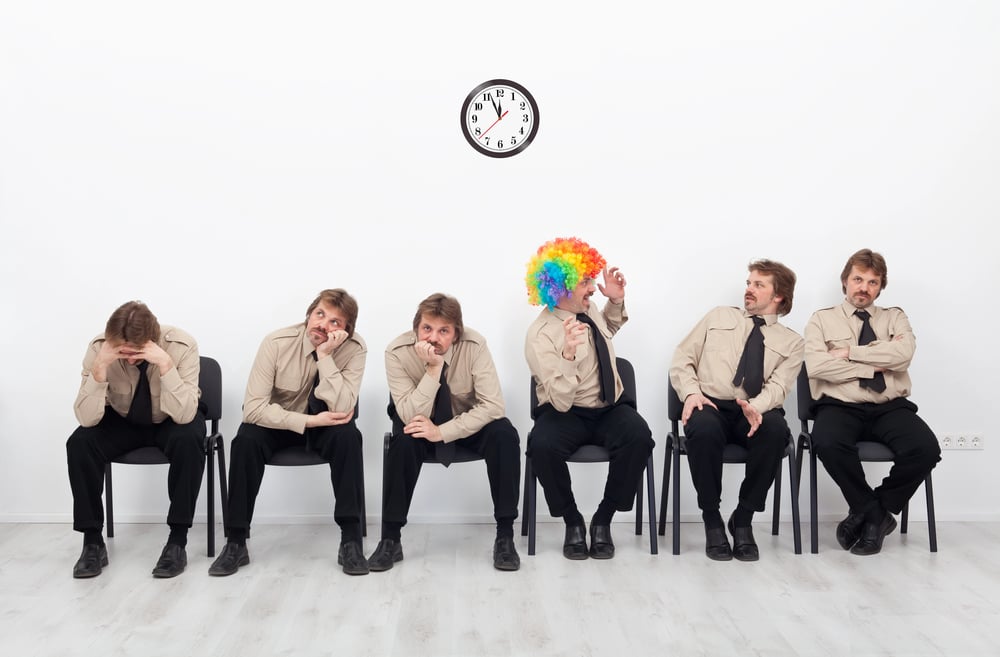
Leon Festinger had participants do boring tasks then paid them to tell incoming participants the tasks were interesting. Those paid only $1 (insufficient justification) changed their attitudes to match their behavior, deciding the tasks were genuinely interesting.
Those paid $20 didn’t, because the payment justified the lie. The experiment showed that people resolve inconsistency between beliefs and actions by changing beliefs, not because they’re logical but because cognitive conflict is uncomfortable.
Clark’s Doll Experiments—1939-1950
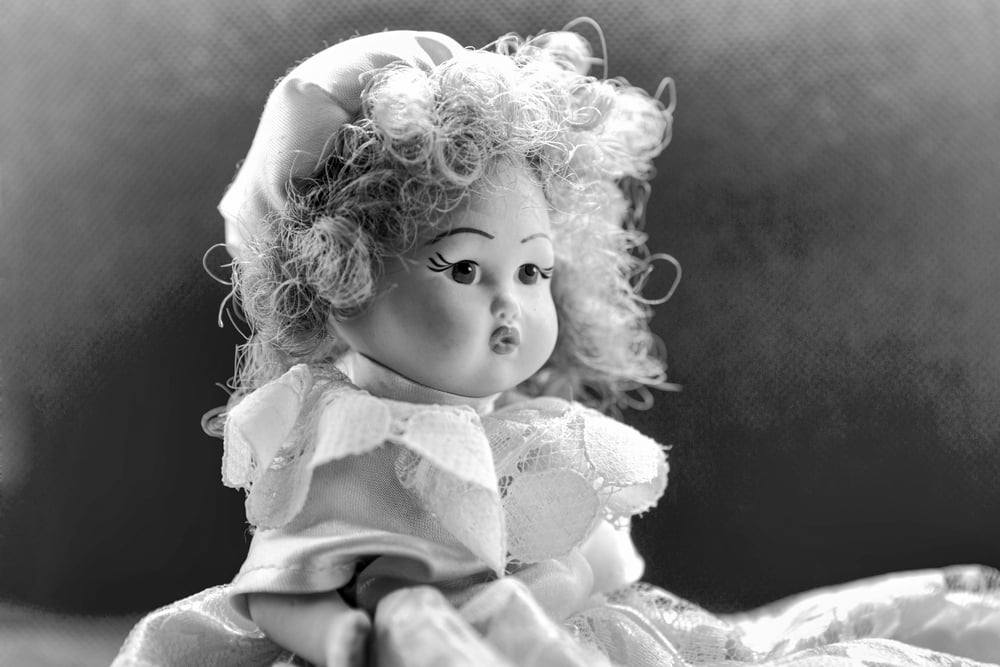
Kenneth and Mamie Clark showed black children black and white dolls and asked which doll was nicer, smarter, and prettier. Most children chose the white doll, revealing internalized racial prejudice and self-hate.
The studies were used as evidence in Brown v. Board of Education to demonstrate the psychological harm of segregation, making psychology directly relevant to civil rights.
Baddeley’s Working Memory Studies—1974 onward

Alan Baddeley identified the capacity limits of working memory by showing participants could hold about 7 random digits but only 5 random words. The phonological similarity effect (sequences of similar-sounding items are harder to remember) revealed that working memory relies on sound-based storage.
The work fundamentally changed cognitive psychology from viewing memory as a single entity to understanding its component systems.
Ebbinghaus’s Forgetting Curve—1885

Hermann Ebbinghaus memorized nonsense syllables and tracked how quickly he forgot them. He found that forgetting follows a predictable curve: rapid initial loss, then slower decline.
Reviewing material slows forgetting and resets the curve. The experiment provided the first quantitative understanding of memory decay and reinforcement, foundational to all later memory research.
Garcia’s Taste Aversion Study—1966
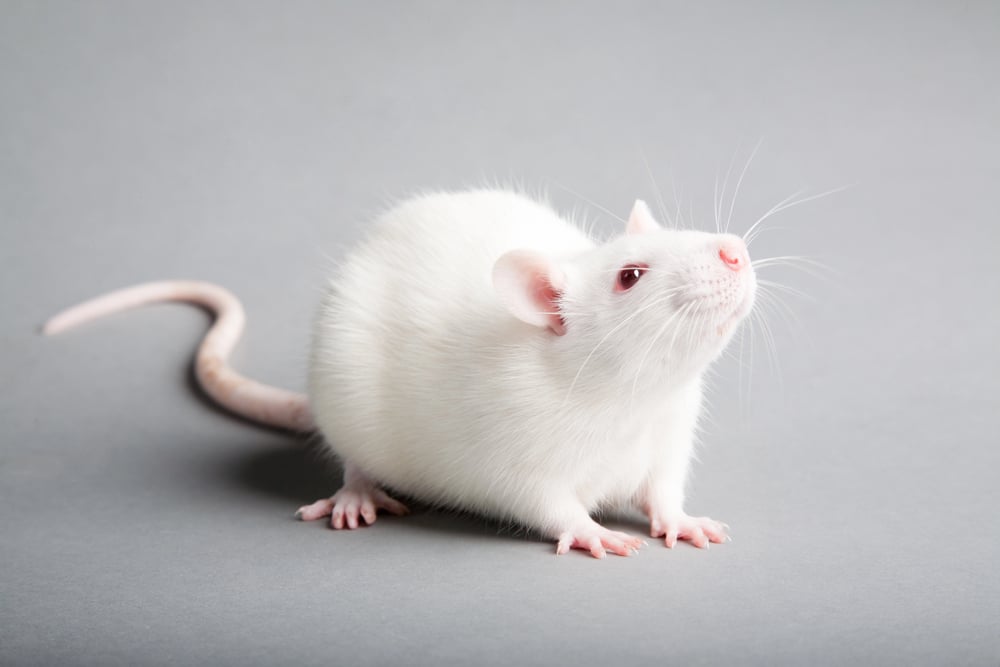
John Garcia paired flavored water with radiation-induced nausea. Rats who became ill after drinking the flavored water avoided it for months, even though Garcia and colleagues had established taste aversions in a single pairing, contradicting classical conditioning’s requirements for multiple pairings.
The finding revealed preparedness: some associations (taste-illness) form easily because evolution prepared animals for them.
Schachter and Singer’s Emotion Attribution—1962

Schachter and Singer gave participants injections of epinephrine (which produces physiological arousal) and told them various (false) reasons for their symptoms. When ambient conditions suggested anger or happiness, participants reported feeling those emotions despite identical bodily states.
The study showed that emotions aren’t purely physiological—cognition and context shape what we feel.
Ainsworth’s Strange Situation—1970s

Mary Ainsworth observed infants’ reactions to separation from and reunion with mothers. She identified secure, anxious-resistant, and anxious-avoidant attachment styles based on how infants responded to brief separations.
The procedure became a standard assessment tool and revealed that attachment quality in infancy predicts later social and emotional development.
Nyquist’s Implicit Association Test (IAT) Inspiration—1970s onward

Researchers like Anthony Greenwald developed implicit cognition measures showing that people hold unconscious biases (associations between groups and negative attributes) even when explicitly rejecting prejudice. The IAT revealed the gap between conscious values and automatic associations, suggesting prejudice isn’t purely conscious but roots in culturally absorbed stereotypes.
Bartlett’s Schema Study—1932

Frederic Bartlett had participants read “War of the Ghosts,” a Native American story, then recall it after delays. Participants systematically distorted the story to fit their own schemas (cultural knowledge structures), omitting unfamiliar elements and adding culturally expected details.
The study showed that memory is reconstructive, shaped by prior knowledge, not reproductive.
Darley and Batson’s Good Samaritan Study—1973
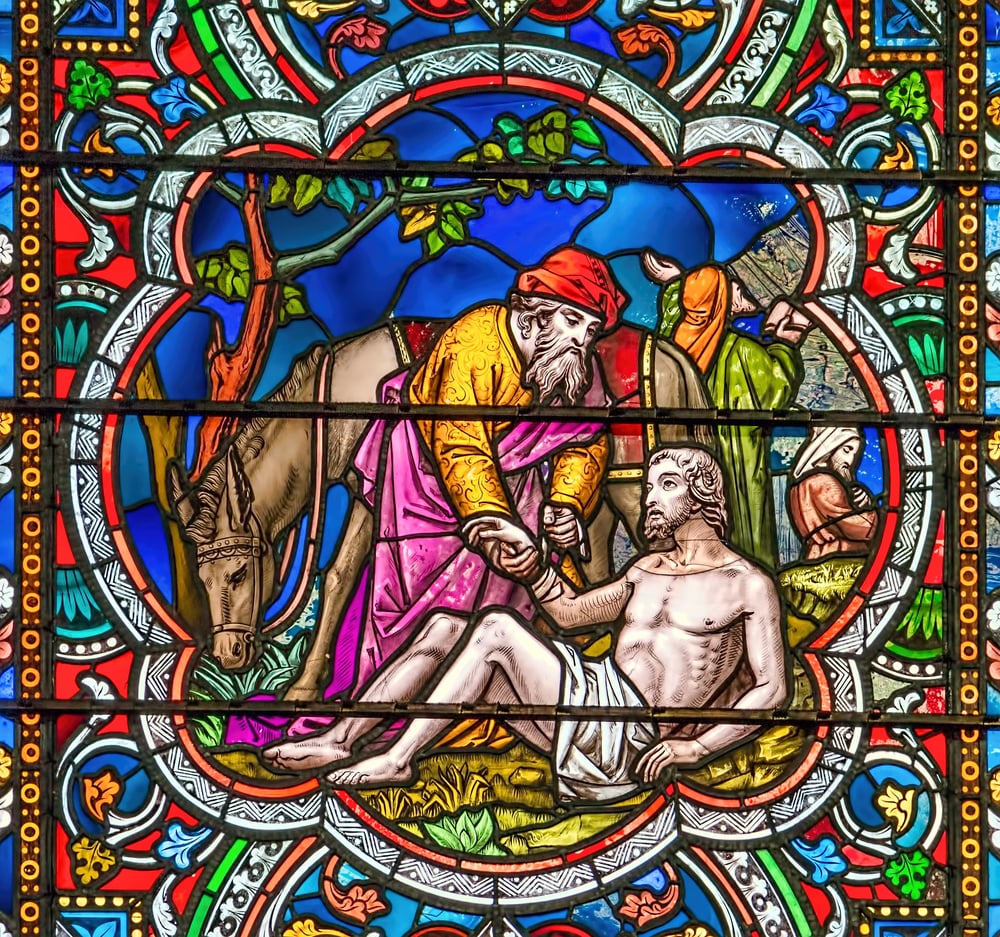
Darley and Batson sent theology students to give talks on the Good Samaritan parable. On the way, each encountered an actor slumped in an alley appearing to need help.
Those in a hurry walked past; those with time usually helped. The study revealed that circumstance matters more than what we explicitly believe about morality—time pressure predicted helping better than occupational focus on helping others.
Simons’s Invisible Gorilla—1999
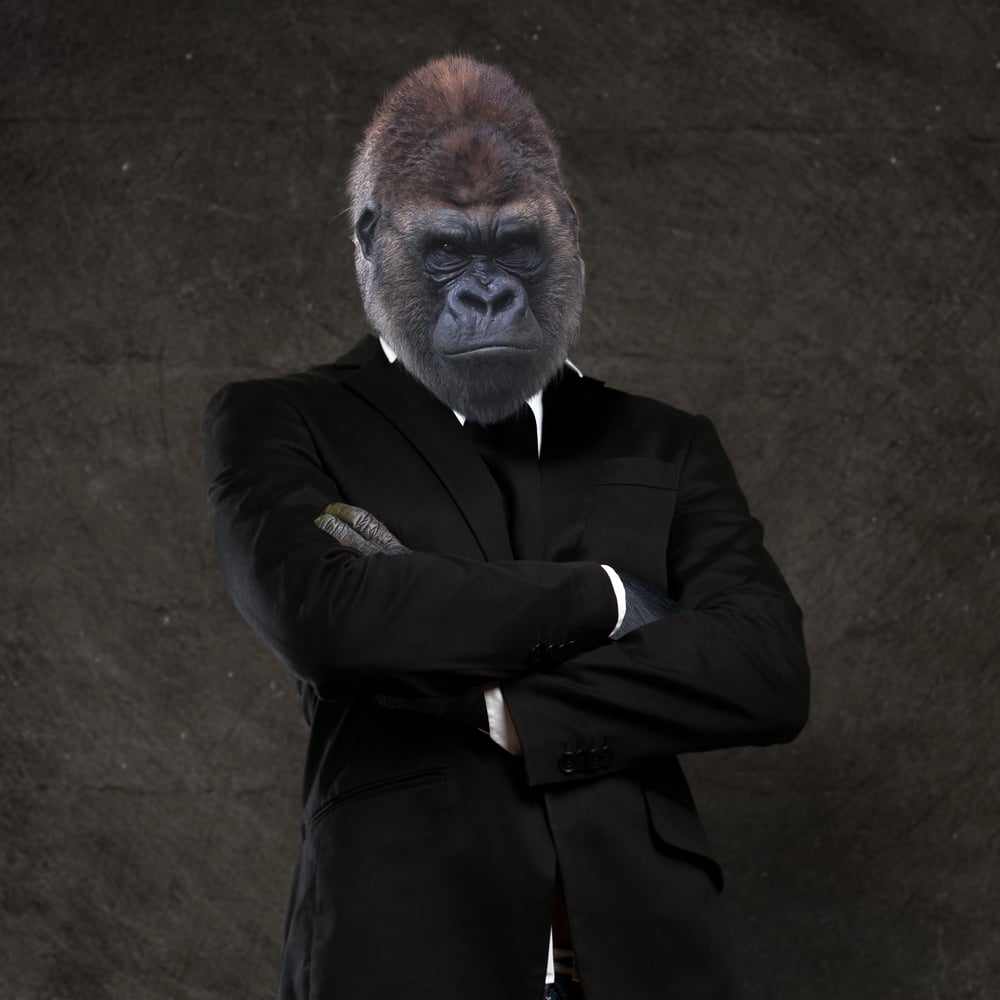
Christopher Simons had participants count basketball passes in a video. Half the participants missed a man in a gorilla suit walking through the scene because they focused on counting passes.
The experiment demonstrated inattentional blindness: we fail to see unexpected stimuli when attention is elsewhere, revealing the limits of conscious perception.
Kahneman and Tversky’s Anchoring Effect—1974
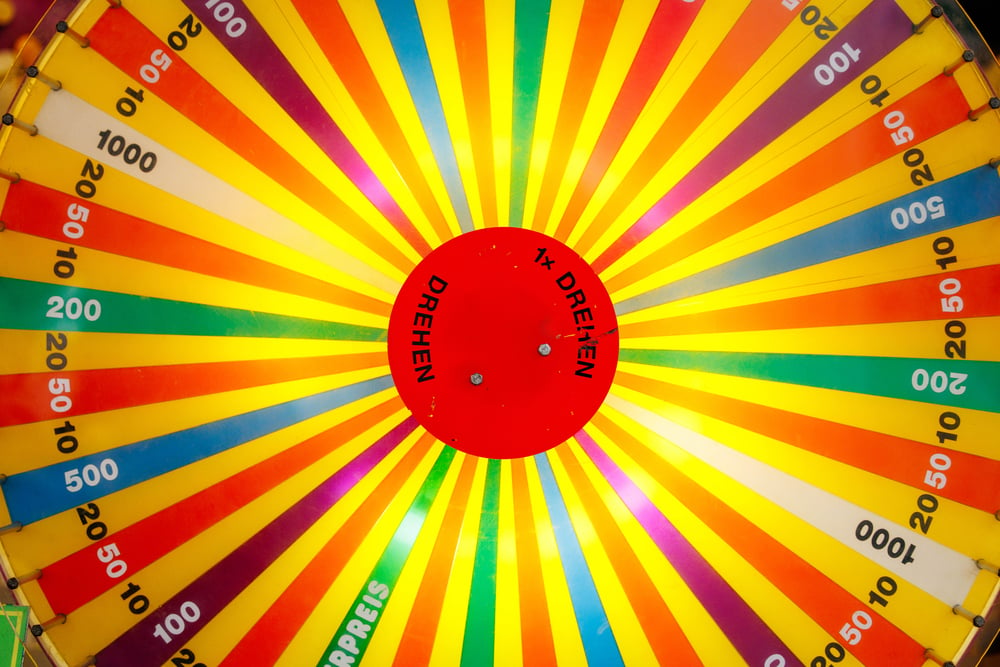
Kahneman and Tversky showed participants a spinning wheel (random number) then asked if the percentage of African nations in the UN was higher or lower than that number. The random number anchored estimates—high anchors led to higher estimates despite having no logical relevance.
The work demonstrated that even random information influences judgment, shaping behavioral economics.
Moscovici’s Minority Influence Study—1969

Serge Moscovici had confederate minorities consistently claim that a clearly blue color was green. Real participants didn’t publicly conform much, but many showed private attitude change and were influenced by the minority’s consistency.
The study revealed that minorities can change attitudes through consistent, unwavering positions, not just because majorities do.
When Experiments Change What We Know

These experiments succeeded not because they were elaborate but because they answered fundamental questions with clarity. What happens when we remove complexity and test a single idea?
The accumulated weight of these studies transformed psychology from speculation into empirical science, revealing patterns in human behavior that no individual would predict from introspection alone. Humans conform, obey, fear, learn, forget, and help in predictable ways once you control the variables and watch carefully.
More from Go2Tutors!

- The Romanov Crown Jewels and Their Tragic Fate
- 13 Historical Mysteries That Science Still Can’t Solve
- Famous Hoaxes That Fooled the World for Years
- 15 Child Stars with Tragic Adult Lives
- 16 Famous Jewelry Pieces in History
Like Go2Tutors’s content? Follow us on MSN.



