27 Sitcom Sets People Still Recognize
Certain rooms became more familiar than most people’s actual living rooms. A couch, a countertop, a particular shade of paint on a wall, and millions of viewers could tell exactly which show it belonged to before a single line of dialogue was spoken.
These sets did real work. They shaped blocking, comic timing, and even character relationships, and decades later they remain instantly identifiable, often preserved, replicated, or turned into tourist attractions in their own right.
The Friends Apartment And Central Perk
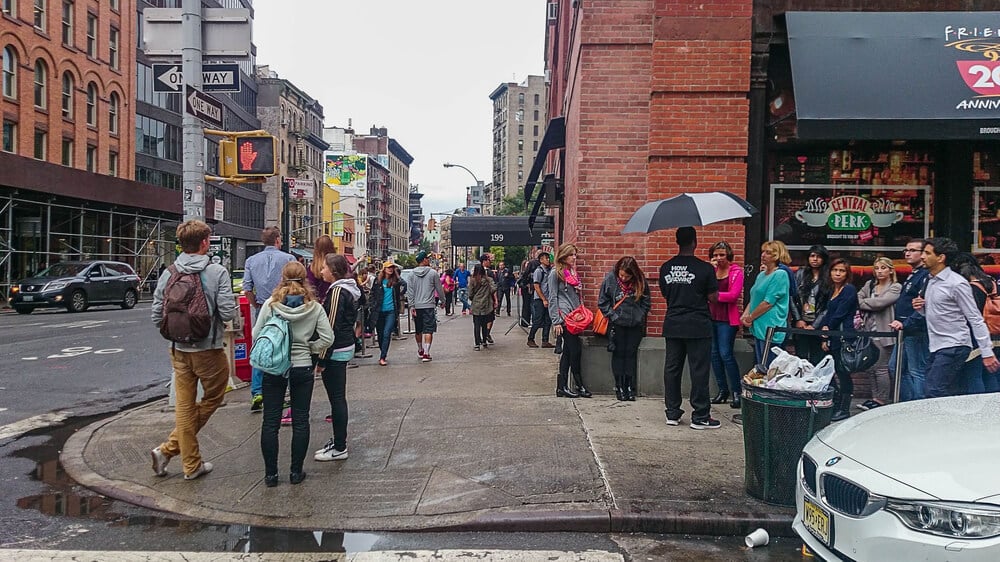
The purple-walled apartment shared by Monica and Rachel, along with the orange couch at Central Perk, has been rebuilt for museum exhibits, pop-up cafes, and anniversary specials in the decades since the show ended in 2004. The apartment’s peephole-frame mirror in the hallway became one of the most referenced background props in sitcom history.
The Cheers Bar
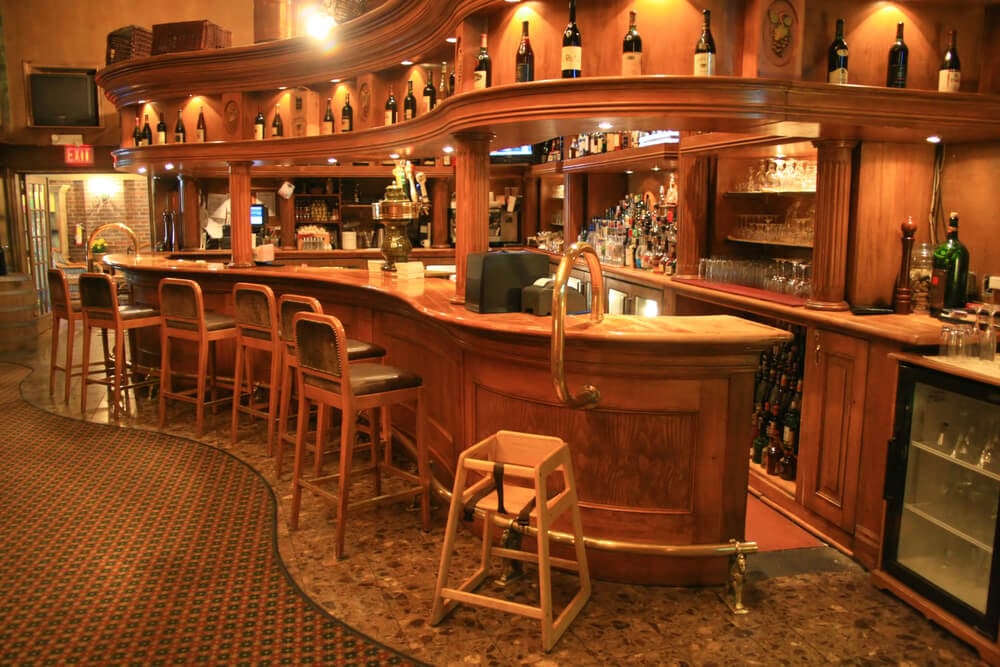
Modeled on a real Boston pub called the Bull & Finch Tavern, the “Cheers” set became so iconic that the actual pub was renamed Cheers Beacon Hill and still draws tourists today. The show’s interior set, however, was built entirely on a Paramount soundstage and never matched the real bar’s layout.
The Seinfeld Apartment
The apartment kitchen and living room, with its distinctive door-mounted peephole shot, has been recreated as a pop-up exhibit multiple times, including a widely attended installation in New York City in 2019. The refrigerator and kitchen counter arrangement remains one of the most parodied layouts in sitcom history.
The Golden Girls’ Lanai
The wicker furniture and rattan peacock chair on the show’s screened-in lanai became so associated with the series that reproductions are still sold decades later to fans recreating the look at home. The kitchen’s floral wallpaper and the front door’s stained-glass panel are nearly as recognizable as the cast itself.
The Brady Bunch Staircase
The split-level living room and its open staircase, along with the iconic nine-panel opening-credits grid, made the Brady house one of the most recognizable floor plans in television. HGTV purchased and renovated the actual exterior house used for filming in 2018, rebuilding much of the interior to match the studio set exactly.
The Fresh Prince Of Bel-Air Mansion
The Banks family’s grand foyer and curved staircase became a visual shorthand for television wealth, parodied and referenced across dozens of later shows. The mansion used for exterior shots is a real property in Los Angeles that has appeared in other productions since.
The Full House Living Room
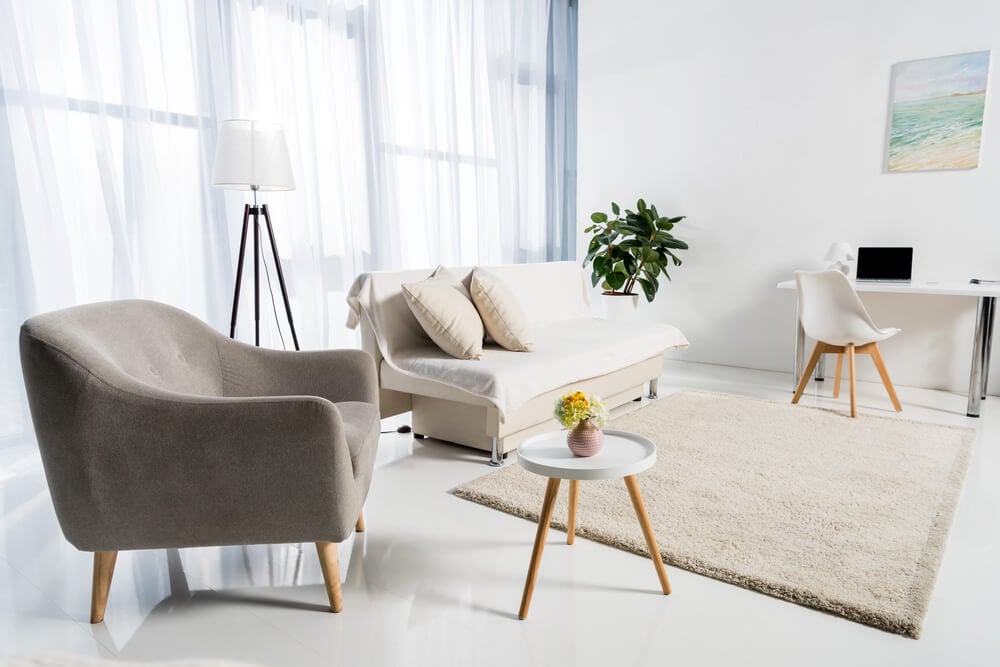
The Tanner family’s San Francisco living room, with its distinctive bay window and staircase, became so recognizable that the real Victorian house used for exterior shots turned into a regular stop on San Francisco tour routes. The interior, however, was always a soundstage build in Los Angeles.
The Office’s Dunder Mifflin Bullpen

The open-plan office layout, with Jim and Dwight’s facing desks and Michael Scott’s glass-walled office in the background, was built to mirror the real regional-office feel of a mid-sized paper company. The set’s conference room table alone appeared in hundreds of episodes across nine seasons.
The I Love Lucy Apartment
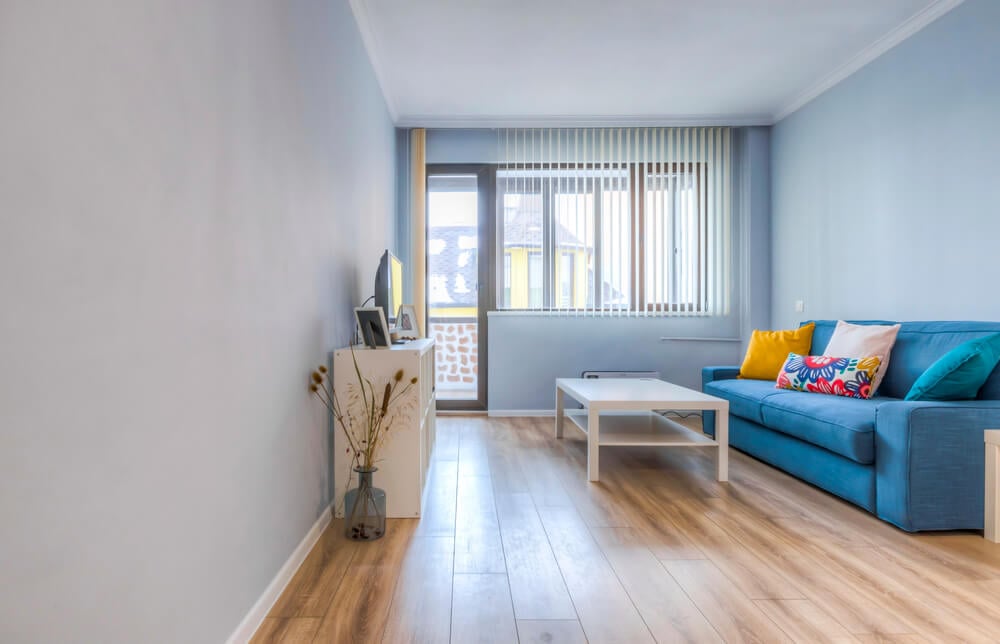
The Ricardos’ New York apartment set established many of the visual conventions later sitcoms would copy, including the three-camera live-audience format the show helped pioneer. The kitchen and living room layout has been referenced and rebuilt for tribute specials well into the streaming era.
The Roseanne Kitchen
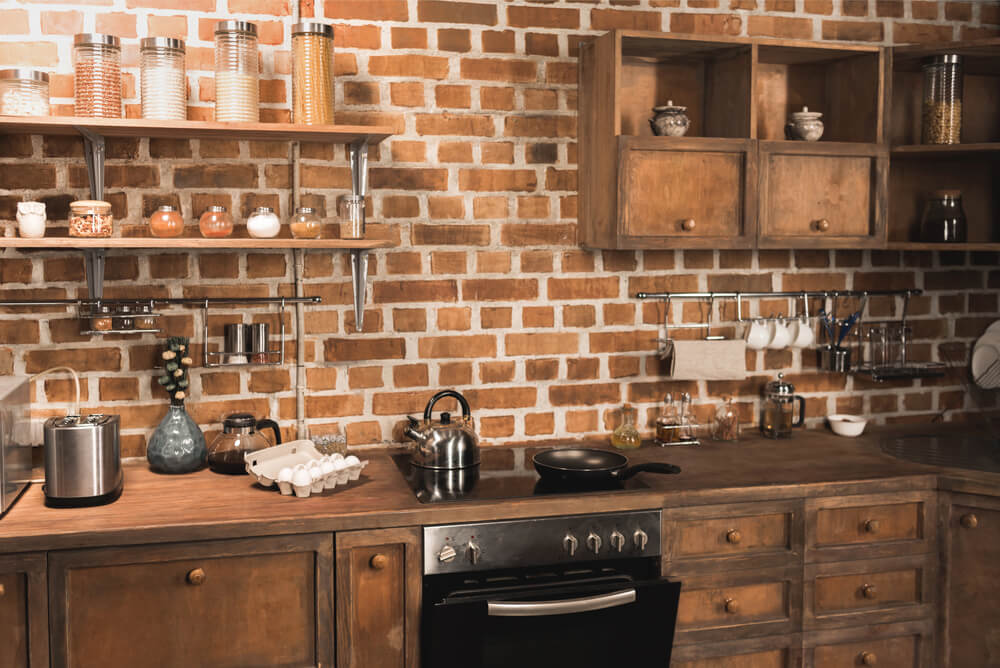
The cluttered, lived-in kitchen with its patterned wallpaper and crowded countertops was deliberately designed to look less polished than most sitcom homes of its era, reinforcing the working-class setting of the show. The set was rebuilt with minimal changes when the series returned in 2018.
The Sopranos Kitchen
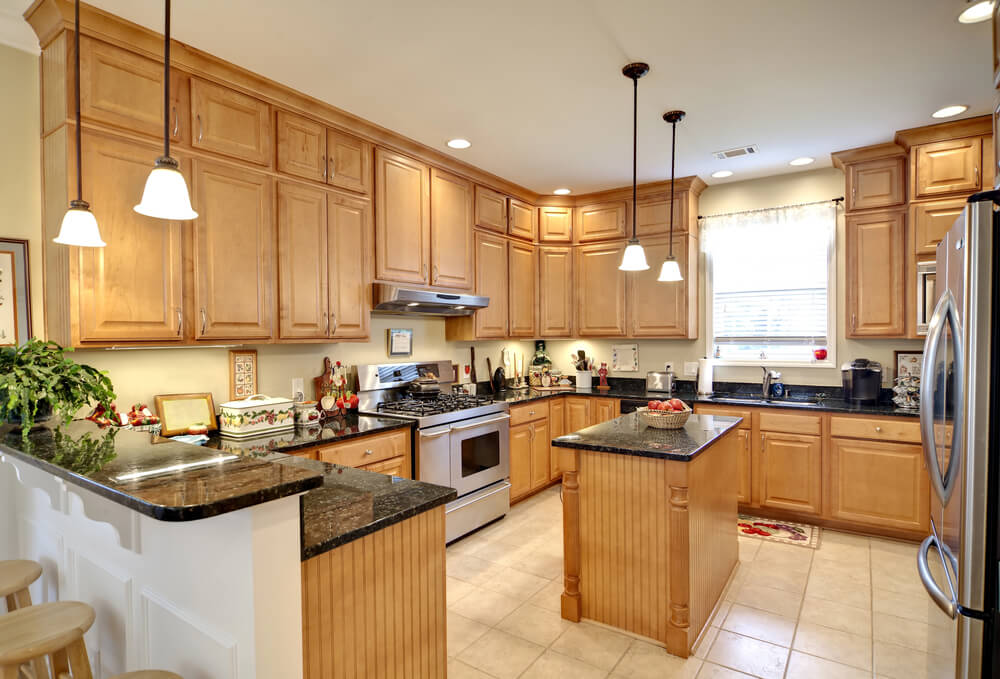
Though a drama rather than a comedy, the Soprano family’s suburban New Jersey kitchen has become such a pop-culture touchstone that its layout is frequently cited alongside sitcom sets in retrospectives about defining television rooms of the era. The adjoining backyard patio and pool area appeared in some of the show’s most quoted scenes.
The Bewitched Living Room
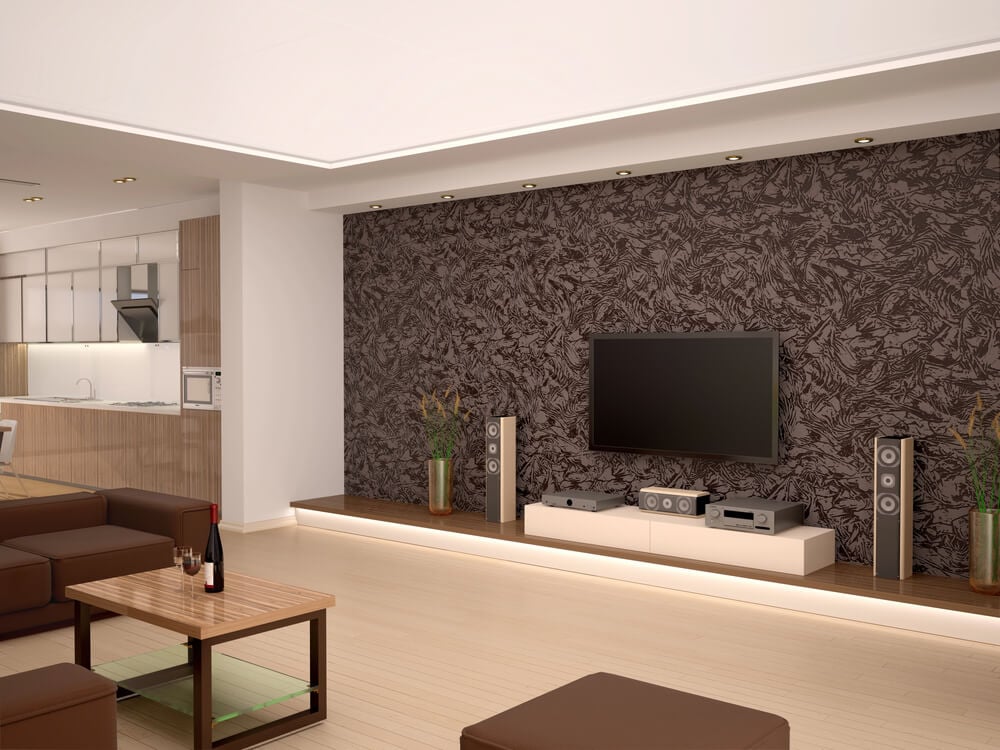
The Stephens family’s living room, with its distinctive stone fireplace, was one of the first sitcom sets built with mid-century modern furnishings that were considered stylish rather than dated at the time of filming. The house exterior used in later seasons still stands in a Los Angeles neighborhood.
The Diff’rent Strokes Penthouse
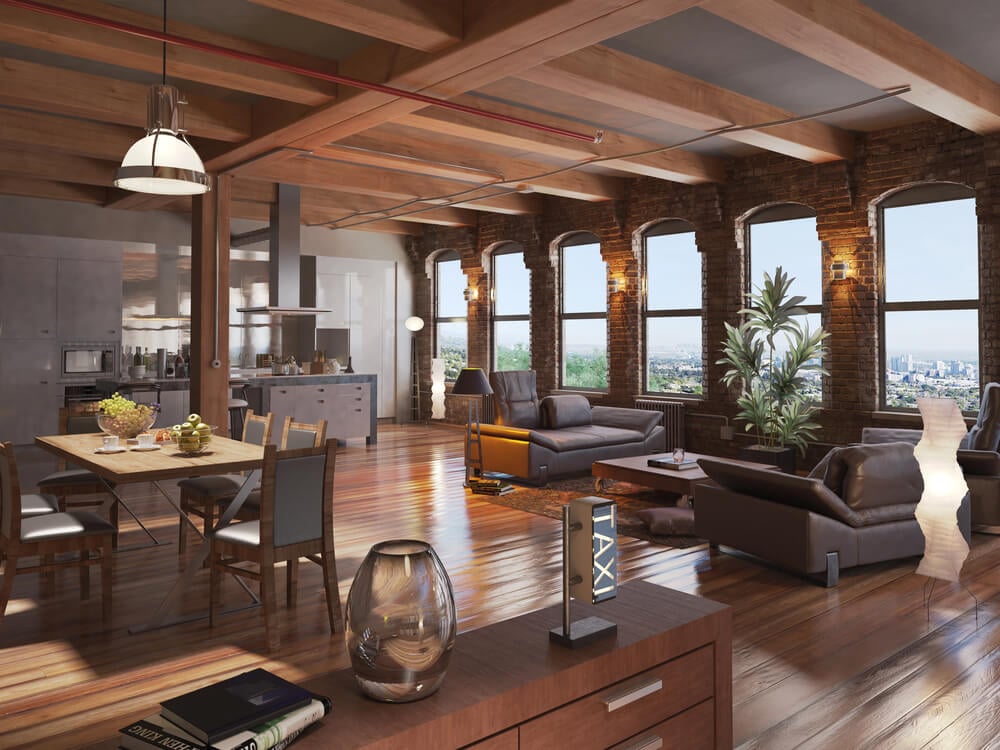
The Drummond family’s Manhattan penthouse, with its curved staircase and formal dining area, was built to visually signal old money in contrast to the show’s storyline about adopted children from a working-class background. The set’s living room couch became a recurring backdrop for the show’s more serious storylines.
The Married With Children Living Room

The Bundy family’s sparse, worn living room set, complete with a permanently sagging couch, was intentionally designed as a visual joke about the family’s stagnant finances. The set rarely changed decor across the show’s eleven-season run, reinforcing the family’s static circumstances.
The Happy Days Diner

Arnold’s Drive-In, the diner where much of the show’s teenage social life played out, became one of the most replicated 1950s-style set designs in television, later echoed by countless other period shows. The jukebox positioned near the counter became a recurring prop gag involving a character’s signature move to start it playing.
The Home Improvement Garage
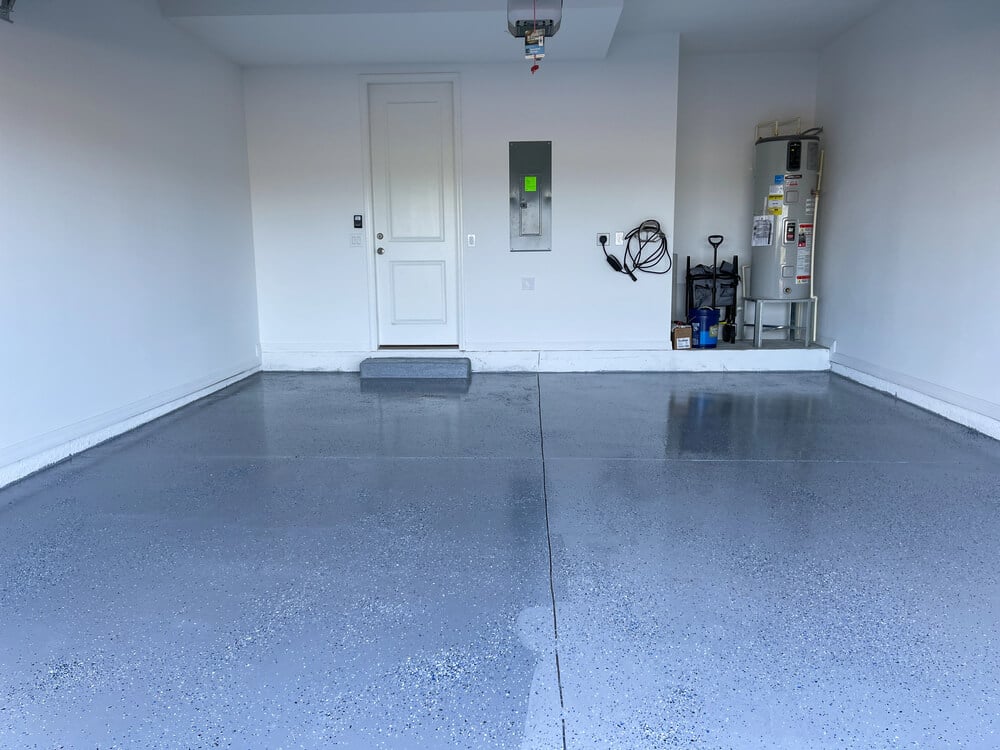
Tim Taylor’s workshop, complete with visible tool walls and a designated area for his television segment within the show, doubled as both a family space and a fictional show-within-a-show set. The backyard used for the “Tool Time” demonstrations was rebuilt multiple times to accommodate larger stunts.
The Frasier Apartment
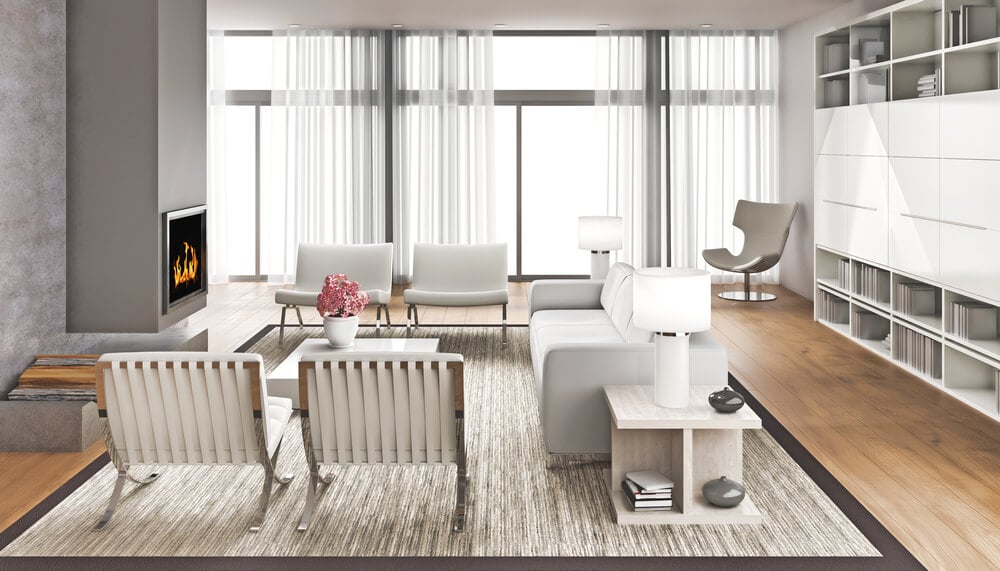
Frasier Crane’s high-rise Seattle apartment, with its Eames chair positioned prominently near the window, was designed to visually establish the character’s refined taste in contrast to his father’s recliner. The contrast between the two chairs became a recurring visual joke throughout the series.
The King Of Queens Basement
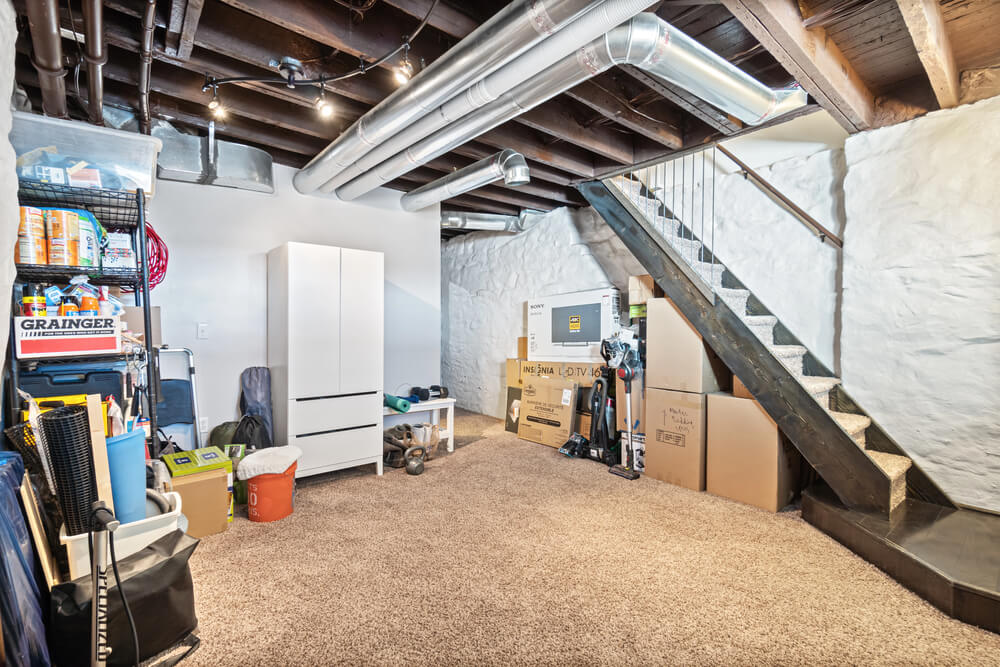
Doug and Carrie Heffernan’s cluttered basement, shared with Carrie’s father, became a visual shorthand for the show’s cramped, multigenerational household setup on Long Island. The basement’s exposed pipes and mismatched furniture reinforced the working-class setting central to the show’s humor.
The 3rd Rock From The Sun Living Room
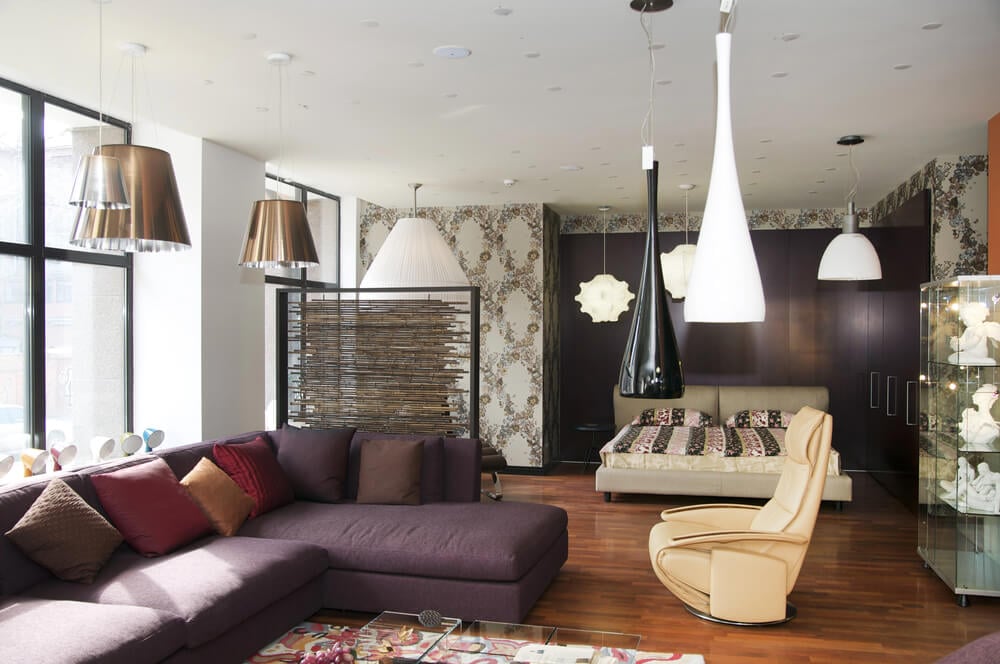
The Solomon family’s suburban living room, deliberately decorated with slightly mismatched furniture, reflected the show’s premise about aliens attempting to blend into ordinary human life without fully understanding the assignment. The house’s exterior was a standing set reused across several other productions.
The Sabrina The Teenage Witch Kitchen
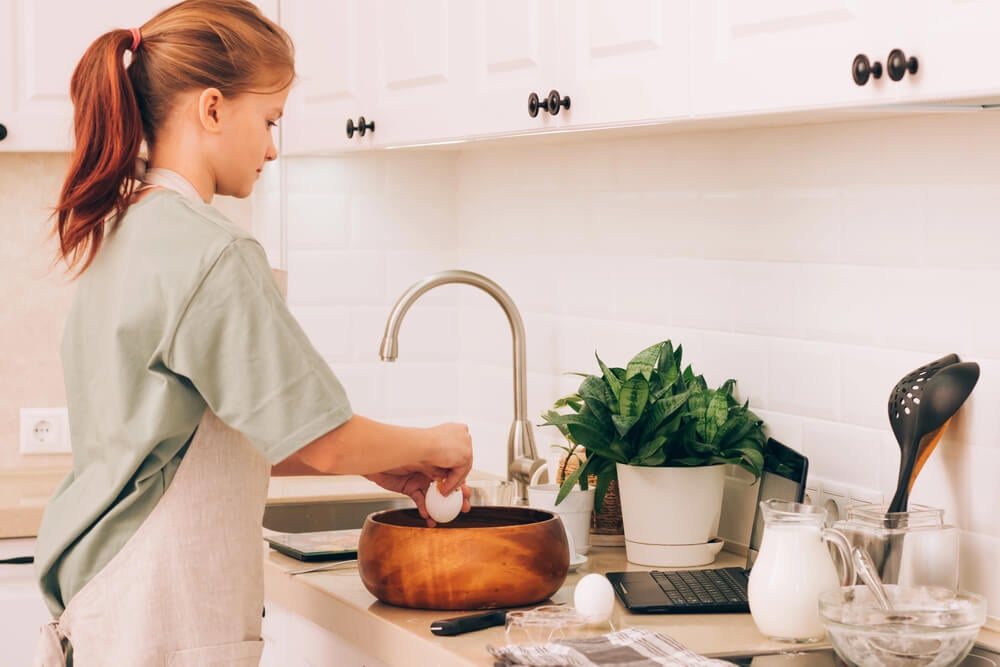
The Spellman house kitchen, home to the animated talking cat Salem, became one of the most recognizable sets in 1990s teen programming, largely due to the character’s frequent presence on the countertop. The linen closet, played for numerous portal-related gags, was rebuilt several times to accommodate different camera angles.
The Everybody Loves Raymond Kitchen
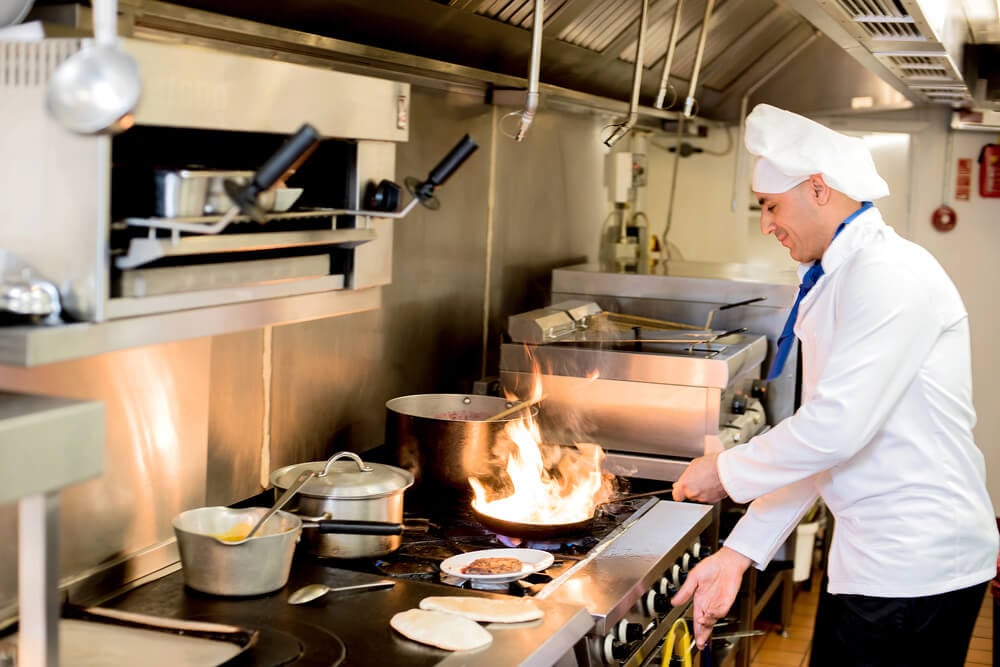
The Barone family kitchen, positioned to allow constant traffic between Ray’s house and his parents’ house across the street, was central to the show’s premise about overly involved in-laws. The layout was designed specifically to make quick scene transitions between the two households feel seamless.
The That ’70s Show Basement
The Forman family basement, with its distinctive circle of chairs, became the primary hangout set for the show’s ensemble cast and one of the most referenced teen-hangout spaces in sitcom history. The circular seating arrangement was a deliberate choice to keep every character visible during group scenes.
The Will And Grace Apartment
Grace’s Manhattan apartment, with its exposed brick and eclectic decor, was designed to reflect her career as an interior designer within the show’s fiction. The apartment set was rebuilt with updated furnishings when the series returned for a revival run beginning in 2017.
The Two And A Half Men Beach House
Charlie Harper’s Malibu beach house, with its open floor plan and prominent piano, established the show’s central setting for eight seasons before the character’s exit. The house’s pool and deck area became a recurring backdrop for many of the show’s outdoor scenes.
The Modern Family Households
The show’s three interconnected houses, filmed largely in real Los Angeles-area homes rather than a single soundstage, gave the series a documentary-style visual texture uncommon among traditional multi-camera sitcoms. The Pritchett-Tucker household’s modernist kitchen became especially recognizable due to its frequent use for group gathering scenes.
The Parks And Recreation Office

The Pawnee city government office, with its cluttered cubicles and prominently displayed town murals, was designed to look like an underfunded municipal department rather than a polished workplace. The murals, depicting exaggerated and violent moments from the town’s fictional history, became a recurring visual joke throughout the series.
The Community Study Room

Greendale Community College’s study room, centered around a long table, became the primary gathering set for the show’s ensemble and one of the more frequently referenced tables in 2010s comedy. The room’s proximity to a background dean’s office was used repeatedly for interruption-based sight gags.
What A Room Remembers
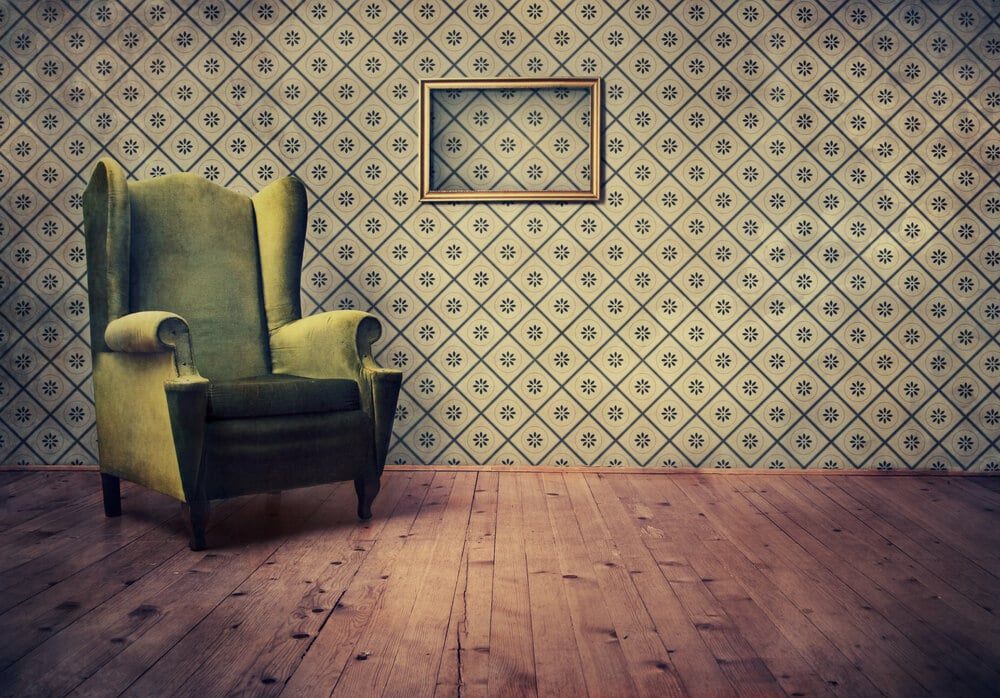
A set only becomes iconic once an audience has spent enough time inside it to memorize its corners. The couch, the counter, and the doorway stop being props and start functioning like characters in their own right, carrying the emotional weight of years of storylines.
That is why so many of these rooms outlive the shows that built them. Long after the plots fade from memory, people still recognize the furniture.
More from Go2Tutors!

- The Romanov Crown Jewels and Their Tragic Fate
- 13 Historical Mysteries That Science Still Can’t Solve
- Famous Hoaxes That Fooled the World for Years
- 15 Child Stars with Tragic Adult Lives
- 16 Famous Jewelry Pieces in History
Like Go2Tutors’s content? Follow us on MSN.