Space Race Events That Changed Technology
The competition between the United States and Soviet Union to dominate space exploration seemed like pure geopolitical theater. Two superpowers racing to plant flags and claim bragging rights. But the technological fallout from that rivalry touched nearly every aspect of modern life.
Engineers solving problems for spacecraft created solutions that ended up in hospitals, homes, and pockets worldwide. The race to reach the moon drove innovations that nobody planned for.
These weren’t side effects—they were fundamental shifts in what technology could do and how quickly humans could advance when properly motivated.
Sputnik Launched the Satellite Age
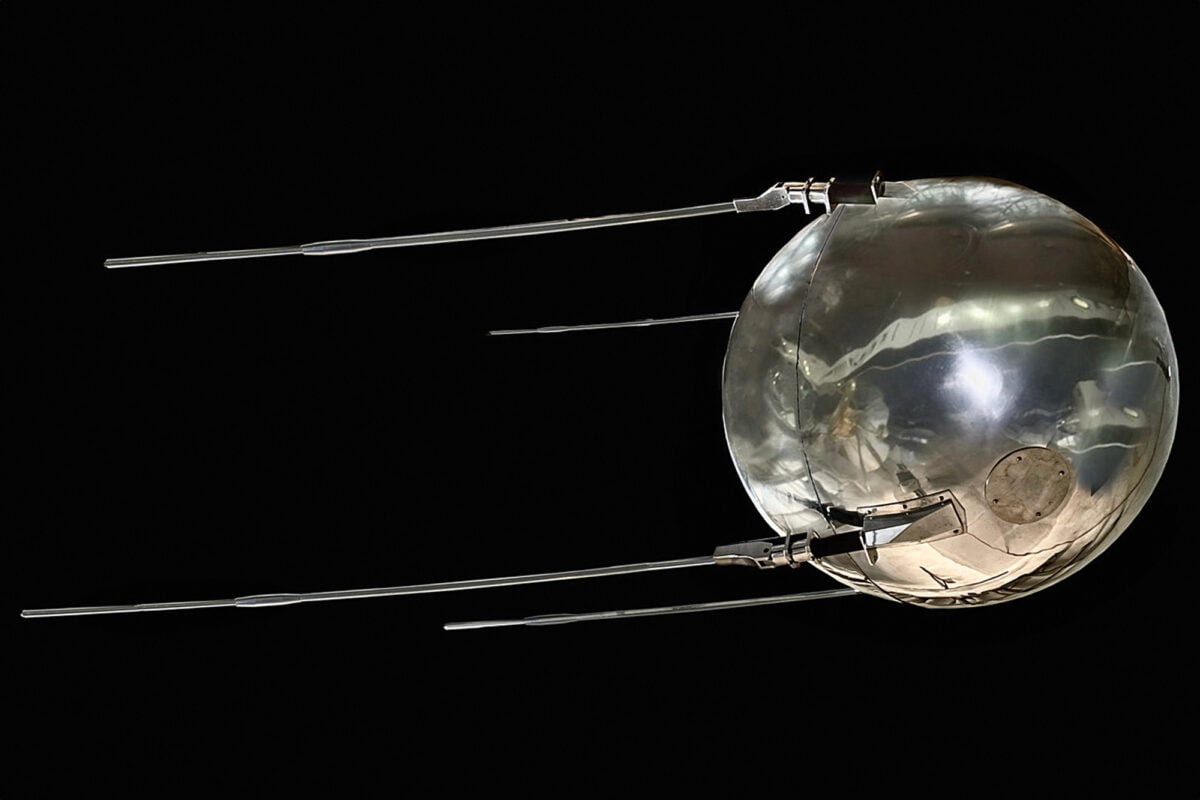
The Soviet Union shocked the world on October 4, 1957, when Sputnik 1 began orbiting Earth. The beach-orb-sized sphere transmitted radio signals that anyone with the right equipment could detect.
Americans heard those beeps as a challenge to their technological superiority. The panic that followed drove massive investments in science and engineering education.
But Sputnik did more than bruise American pride. It proved that artificial satellites could orbit Earth reliably. Within years, both nations launched satellites for communications, weather monitoring, and reconnaissance.
The concept of placing objects in orbit to serve practical purposes went from theoretical to routine. Today, thousands of satellites orbit Earth, providing GPS navigation, television broadcasts, internet connectivity, and climate data.
None of that happens without Sputnik demonstrating the basic feasibility of getting something into orbit and keeping it there.
The Space Race Forced Computer Miniaturization
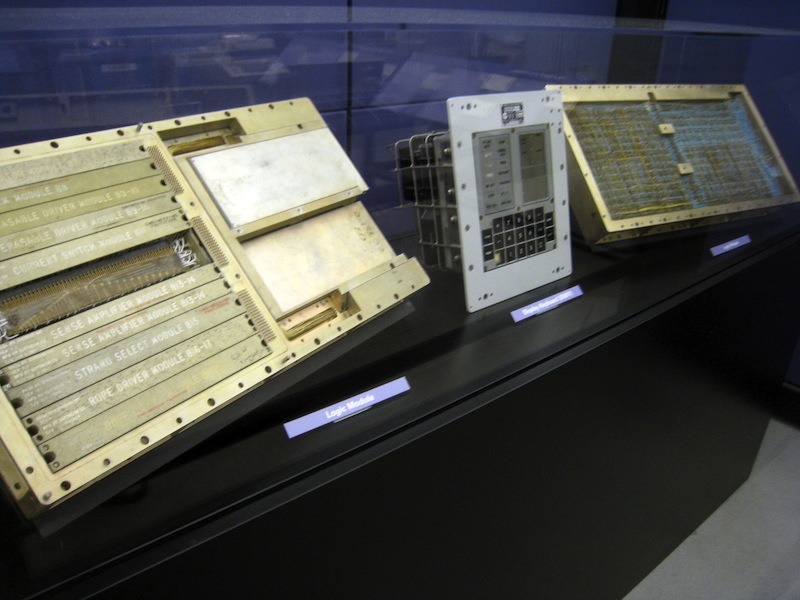
Early computers filled entire rooms and required dedicated cooling systems. The guidance computers for Mercury and Gemini missions couldn’t weigh tons or consume massive amounts of power.
NASA needed computers small and light enough to fit inside cramped spacecraft while reliable enough to function in space. The Apollo Guidance Computer represented a breakthrough in compact computing.
Engineers used integrated circuits—still experimental technology in the early 1960s—to shrink the computer’s size. NASA’s demand for these circuits helped drive their development and manufacturing at scale.
The investment lowered costs and proved the technology’s reliability. The semiconductor industry grew rapidly to meet space program needs, accelerating the development of the microprocessors that would eventually power personal computers, smartphones, and modern electronics.
Rocket Engineering Created Better Materials

Getting rockets into space required materials that could withstand extreme temperatures, intense vibrations, and the vacuum of space. Traditional materials failed under these conditions.
Engineers developed new alloys, ceramics, and composite materials to solve specific problems. Heat shields needed materials that could ablate—burn away in a controlled manner—to protect astronauts during reentry.
These materials found applications far beyond spacecraft. Heat-resistant alloys improved jet engines for commercial aircraft.
Composite materials became standard in everything from tennis rackets to building construction. The fire-resistant materials developed after the Apollo 1 tragedy, which killed three astronauts, influenced firefighting equipment and building codes.
Materials science advanced decades faster than it would have without the demanding requirements of space exploration.
Satellite Communications Connected the World
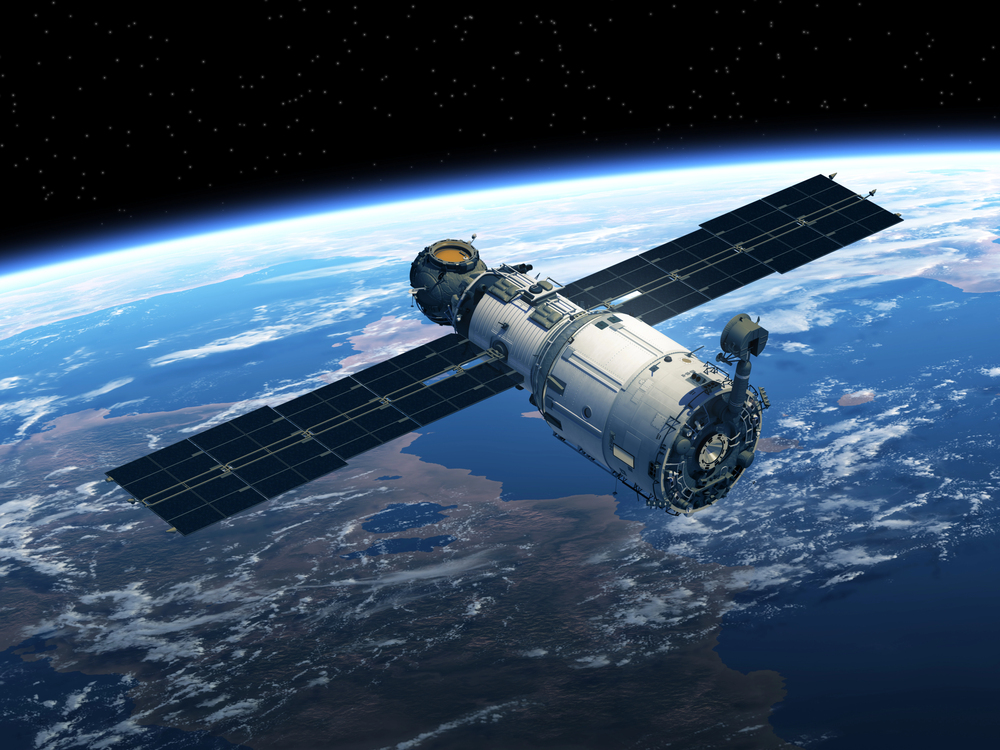
The first communication satellites in the early 1960s proved that signals could bounce off orbiting objects back to Earth. Early satellites were passive—they just reflected signals. Then came active satellites with receivers and transmitters.
Syncom 3, launched in 1964, provided the first television coverage of the Olympics broadcast globally. This technology transformed global communications. International phone calls became routine rather than rare events.
Television networks could broadcast live footage from anywhere on Earth. The infrastructure built for these early satellites evolved into the global telecommunications network.
Video calls, international banking, and real-time news coverage all depend on satellite technology that originated from the space race’s need to communicate with spacecraft and share data between continents.
GPS Grew from Military Navigation Needs

The space program demonstrated that precise navigation required knowing your exact position in three dimensions. Early satellite navigation systems served military purposes, helping submarines and aircraft determine their locations.
The technology evolved through the 1970s and 1980s as the military launched dedicated positioning satellites. The Global Positioning System became fully operational in 1995 and opened to civilian use.
Now GPS chips sit inside phones, cars, tractors, and shipping containers. Delivery drivers navigate unfamiliar neighborhoods.
Hikers avoid getting lost in wilderness areas. Farmers optimize planting patterns.
Emergency responders locate people in distress. The military navigation project born from space race technology became infrastructure that modern society depends on daily.
Weather Satellites Changed Forecasting Forever
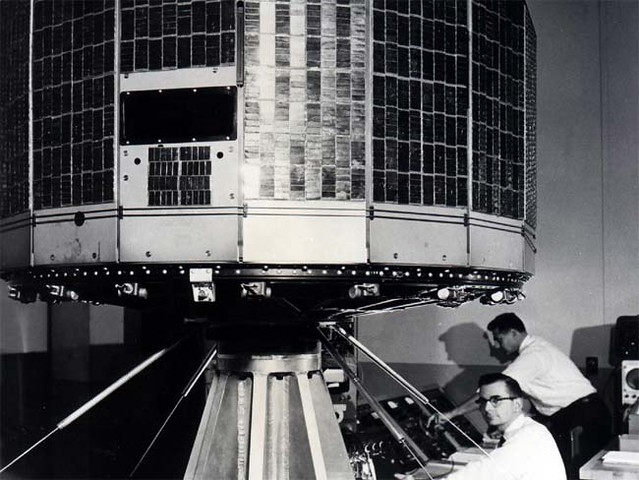
TIROS-1, launched in 1960, sent back the first television images of Earth’s weather patterns from space. Meteorologists could suddenly see storms developing over oceans, track hurricanes, and observe weather systems on a continental scale.
Before satellites, forecasters relied on scattered ground observations and pilot reports, leaving huge gaps in coverage. Space-based weather observation transformed forecasting from educated guessing to data-driven prediction.
Hurricane tracking became accurate enough to evacuate coastal populations days in advance. Agricultural planning improved with better seasonal forecasts.
Airlines routed flights around dangerous weather. Climate scientists gained the long-term data needed to track global patterns.
Every weather forecast you check on your phone draws from satellite data that traces back to those early space race experiments in orbital observation.
Medical Technology Advanced Through Space Research
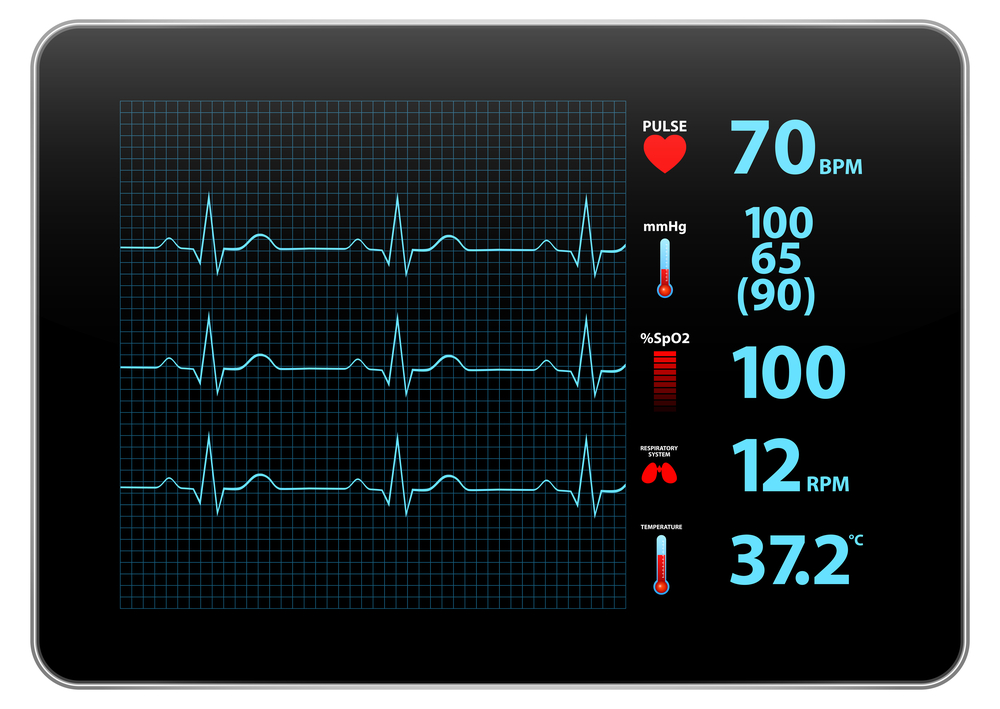
Keeping astronauts healthy in space required new medical monitoring equipment. Devices needed to be small, accurate, and able to transmit data remotely.
NASA funded research into sensors that could track vital signs continuously without interfering with work. These developments filtered into hospitals and emergency rooms.
Infrared ear thermometers came from technology developed to measure the temperature of stars. CAT scanners improved using digital image enhancement techniques created for space photographs.
Programmable pacemakers evolved from spacecraft power management systems. Portable medical devices that EMTs carry grew smaller and more reliable thanks to miniaturization driven by space program needs.
The connection isn’t always direct, but the push to monitor and maintain astronaut health accelerated medical device innovation.
Freeze-Dried Food Became Practical

Space missions needed food that weighed little, wouldn’t spoil, and required no refrigeration. Freeze-drying technology existed before the space race but wasn’t widely used.
NASA’s need for lightweight, shelf-stable food drove improvements in the process and made it commercially viable. Backpackers and campers benefit most obviously, but freeze-dried ingredients appear in instant coffee, soup mixes, and emergency food supplies.
The military adopted the technology for rations. Pharmaceutical companies use freeze-drying to stabilize vaccines and medications.
The space program didn’t invent freeze-drying, but it turned an obscure process into a practical preservation method with applications across multiple industries.
Memory Foam Found Its Way to Mattresses
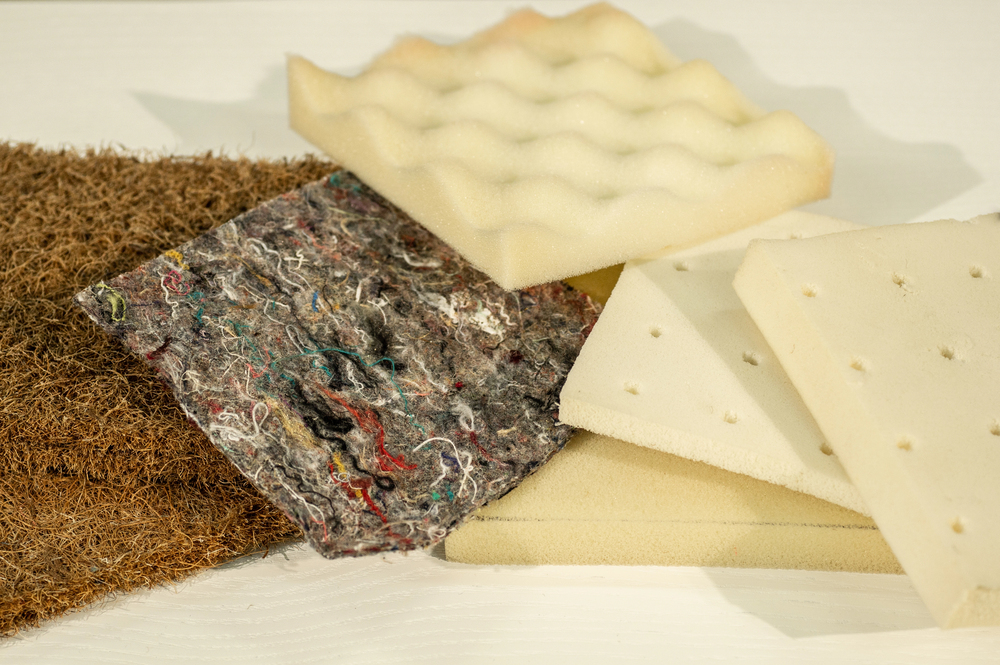
NASA developed temper foam in the 1970s to improve crash protection for pilots and astronauts. The material absorbed impact better than traditional foam and conformed to body shape.
The space program used it in seats and helmets. Then the technology became available for commercial licensing.
Mattress manufacturers discovered that the same properties that protected astronauts made for comfortable bedding. The foam conformed to sleepers’ bodies, reducing pressure points.
Medical facilities used it for patients confined to beds for long periods, reducing bedsores. Sports equipment manufacturers added it to helmets and protective gear.
A material designed to keep astronauts safe during intense G-forces ended up in millions of bedrooms.
Water Purification Systems Cleaned More Than Spacecraft
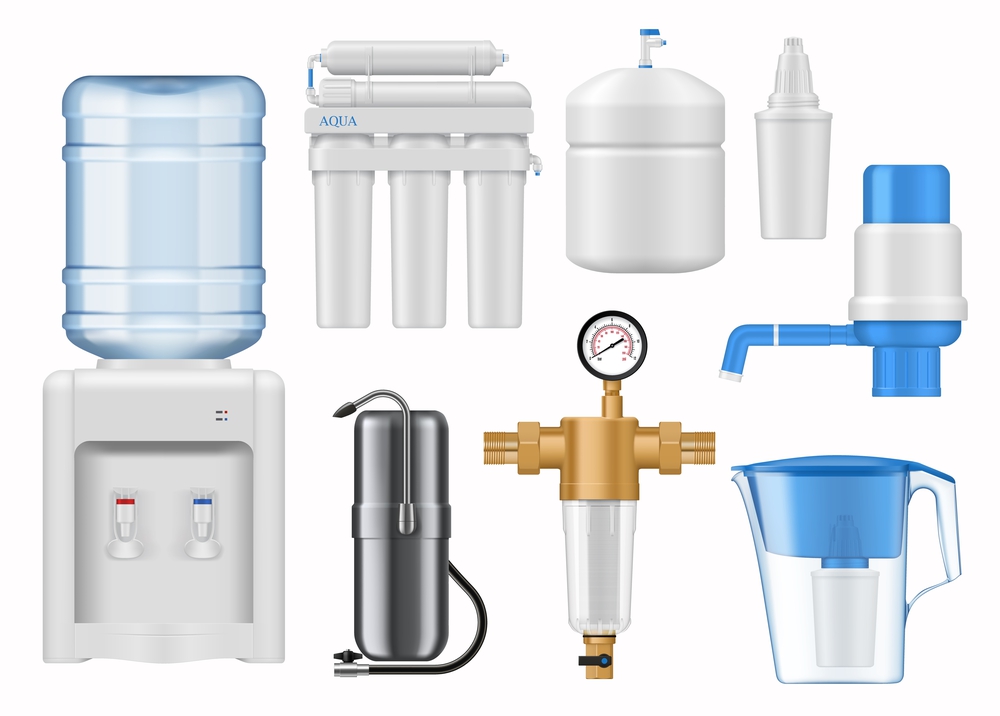
Spacecraft needed closed-loop systems to recycle water. Astronauts couldn’t carry enough water for long missions.
Engineers developed filtration systems that could remove contaminants and make water safe for drinking repeatedly. These systems had to work reliably in zero gravity with minimal maintenance.
The filtration technology found applications in areas with contaminated water supplies. Portable water purification systems used technology derived from spacecraft recycling.
Municipal water treatment plants adopted advanced filtration methods. Swimming pools and aquariums benefited from improved filtration designs.
The challenge of keeping astronauts hydrated in space created water purification methods that help provide clean drinking water in disaster zones and developing regions.
Robotic Arms Reached Beyond Earth
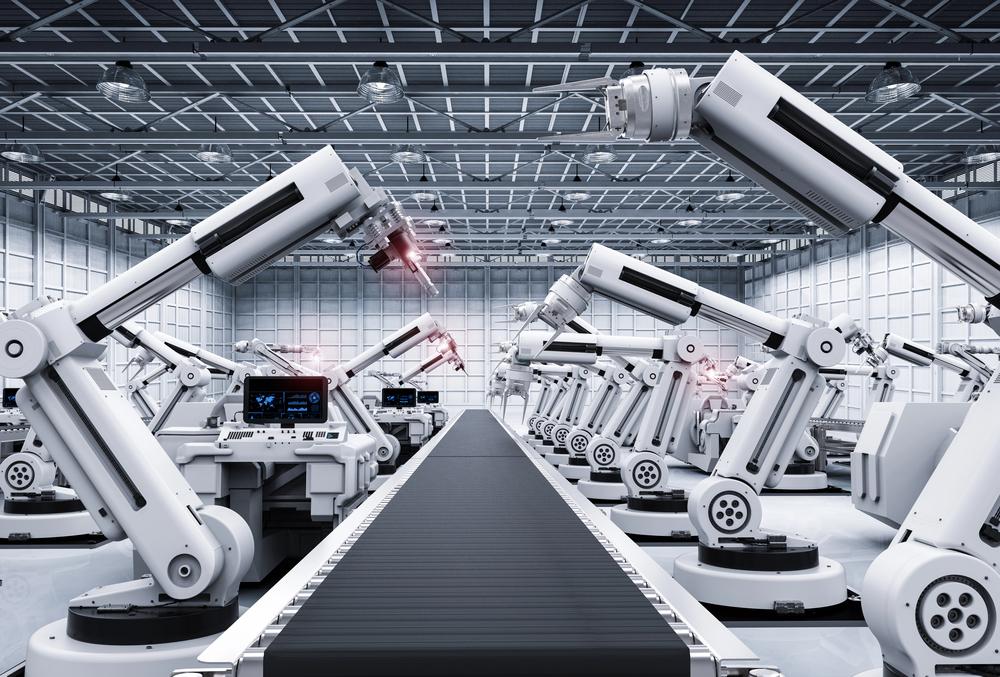
The space shuttle’s robotic arm, developed in the 1970s, could manipulate objects in the cargo bay with precision. Astronauts controlled the arm remotely to deploy satellites and conduct repairs.
The technology required solving problems of remote manipulation, force feedback, and spatial awareness in environments where humans couldn’t work directly. These robotic systems influenced surgical robots that let doctors perform minimally invasive procedures with enhanced precision.
Industrial robots borrowed control systems and sensor technology. Bomb disposal robots used similar remote manipulation concepts.
The robotic arms used in modern manufacturing often trace their design principles back to the systems developed for operating in the harsh environment of space.
Solar Panels Became Efficient and Affordable
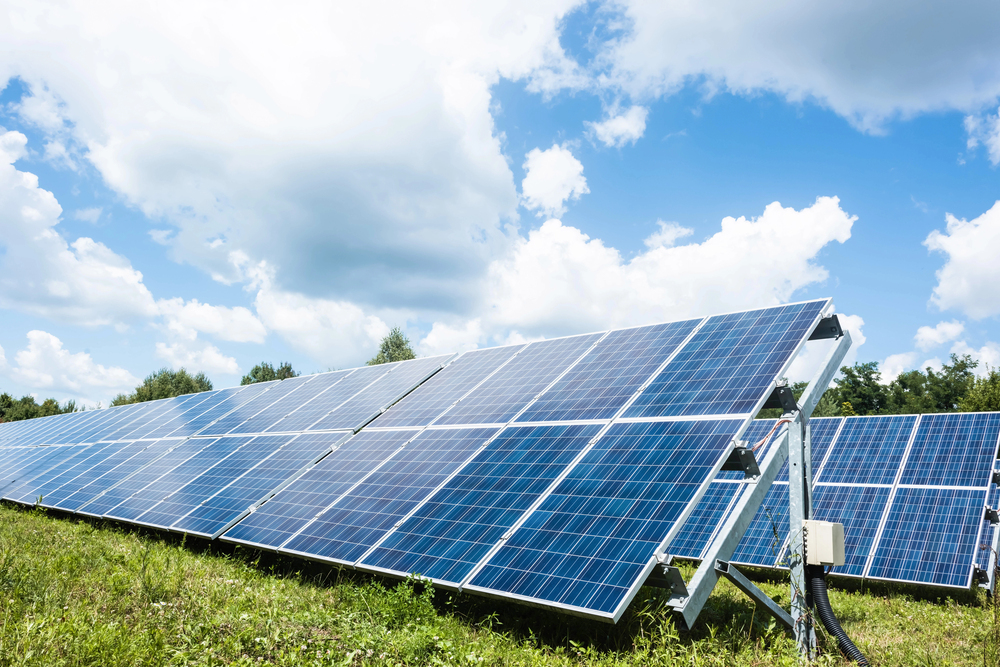
Spacecraft needed power that didn’t rely on fuel. Solar panels provided the solution, converting sunlight directly to electricity.
Early panels were expensive and inefficient. The space program needed better performance and was willing to pay premium prices during development.
That steady demand drove research into more efficient photovoltaic cells. Manufacturing processes improved.
Costs dropped as production scaled up. By the time environmental concerns made solar power attractive for Earth-based applications, the technology had already advanced significantly thanks to decades of space program investment.
Rooftop solar panels and solar farms owe their commercial viability partly to the research funded by the need to power satellites and space stations.
Cordless Tools Came from Moon Drills
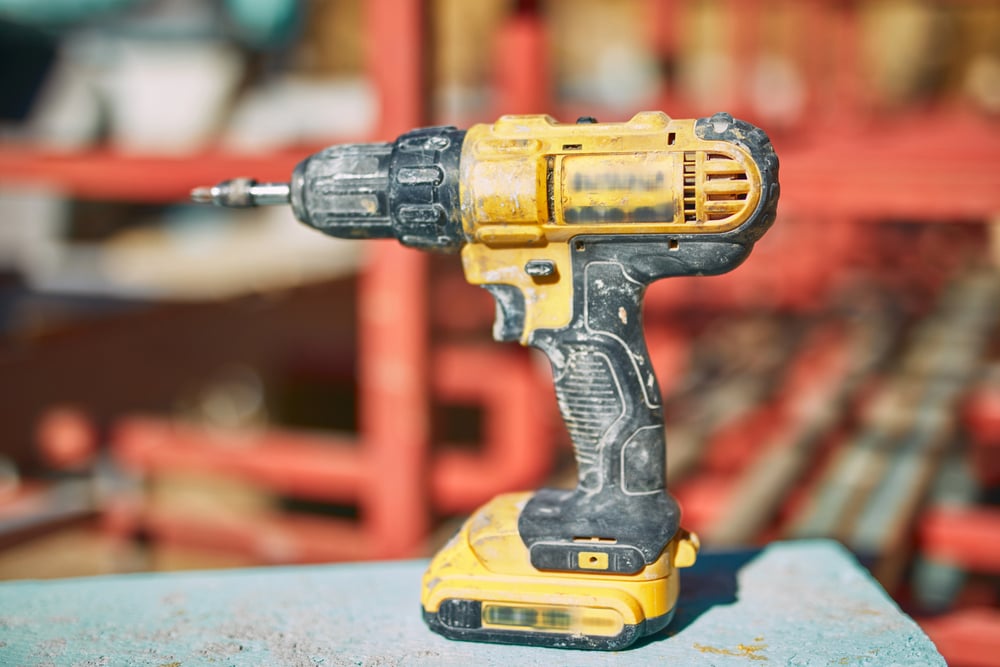
Apollo astronauts needed a portable drill to collect core samples from the lunar surface. The drill had to be lightweight, powerful, and operate without being plugged into anything.
Black & Decker developed battery-powered tools that met NASA’s requirements. The technology proved so successful that the company adapted it for consumer products.
Cordless drills, vacuum cleaners, and other battery-powered tools descended from that space program research. The ability to pack enough power into rechargeable batteries small enough to be practical came from solving the specific problem of giving astronauts usable tools on the moon.
Home improvement and professional construction changed as workers gained mobility without sacrificing power.
Scratch-Resistant Lenses Protected Eyes Better
NASA needed helmet visors that could withstand the harsh space environment without scratching or degrading. Researchers developed coating processes that made plastic lenses nearly as scratch-resistant as glass while remaining lightweight.
The technology found immediate applications in eyeglasses and safety equipment. People who wear glasses benefit from coatings that make lenses last longer and resist damage from daily wear.
Sports goggles, safety glasses, and motorcycle helmets use similar protective coatings. The technology that kept astronaut visors clear made eyewear more durable and practical for everyone.
A small innovation for space protection became standard for billions of people who need vision correction or eye protection.
Remote Sensing Revealed Earth’s Hidden Patterns
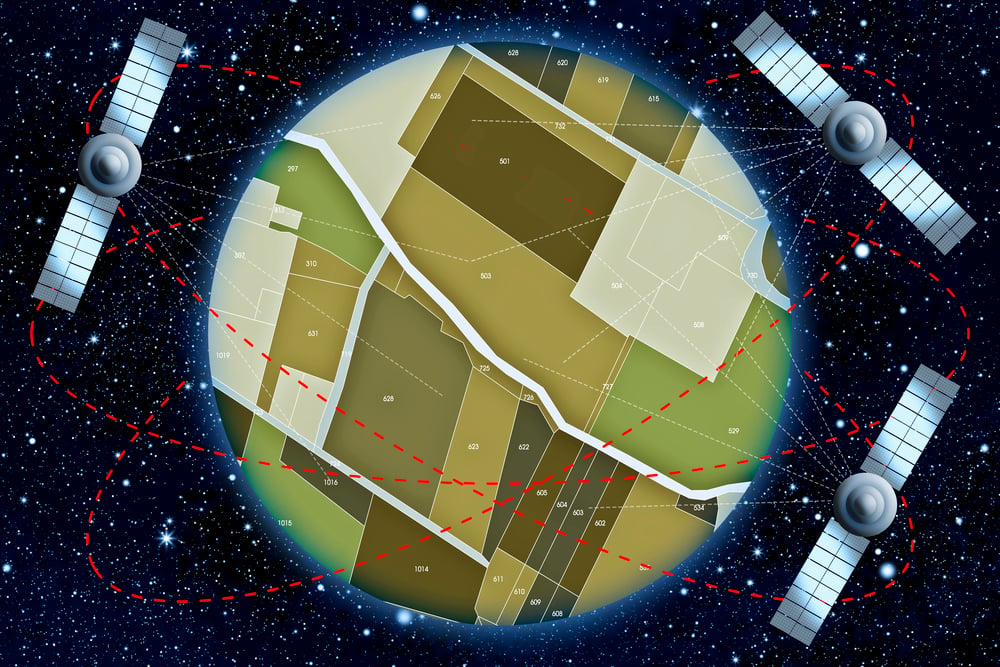
Satellites equipped with specialized sensors could detect wavelengths of light invisible to human eyes. These sensors revealed patterns in vegetation health, ocean temperatures, mineral deposits, and urban development.
Scientists developed techniques to interpret this data, creating detailed maps of Earth’s surface and tracking changes over time. Environmental monitoring, agricultural planning, and resource management all depend on remote sensing technology developed for space observation.
Farmers assess crop health from satellite data. Urban planners track city growth. Conservationists monitor deforestation and habitat loss.
Geologists locate mineral deposits. The ability to see Earth from space in multiple wavelengths provided information impossible to gather from the ground, changing how humans understand and manage the planet.
When Competition Drives Innovation Beyond Its Original Purpose
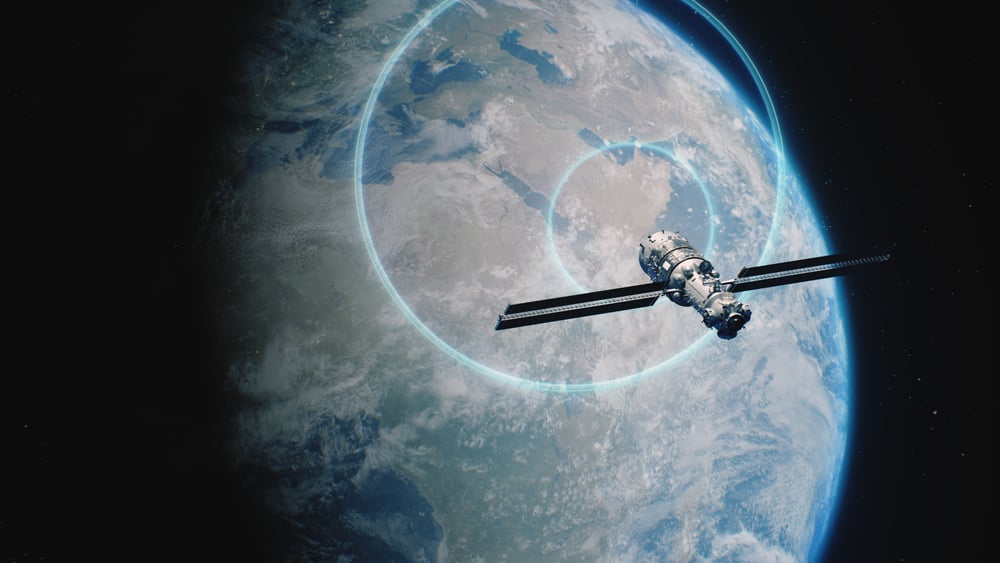
When the Soviet Union fell apart, the space race faded away. Yet machines kept reaching higher.
Countries once left out began building rockets of their own. Firms with no government ties started sending gear into orbit.
Rivalry moved from flags on moons to profits from orbits. Solving tough challenges in zero gravity keeps giving quiet gifts down here.
Phones in pockets, maps that talk, storm predictions, signals beamed from above – all trace back to a tense era when winning space felt like surviving war. Out here, old moon missions still shape how we build things today.
Because fresh problems pop up beyond Earth, clever fixes keep arriving – ones that slowly slip into regular routines without much notice.
More from Go2Tutors!

- The Romanov Crown Jewels and Their Tragic Fate
- 13 Historical Mysteries That Science Still Can’t Solve
- Famous Hoaxes That Fooled the World for Years
- 15 Child Stars with Tragic Adult Lives
- 16 Famous Jewelry Pieces in History
Like Go2Tutors’s content? Follow us on MSN.