Old Art Supplies Beyond Paintbrushes and Pencils
Brushes and pencils get the attention, but an old studio drawer holds stranger treasures: pigment grinders, glass mirrors, rub-down lettering, and steel pens with names stamped into the metal.
Collectors and artists both hunt for these tools. These 20 old supplies show how much of art-making once depended on gadgets most people have never seen.
Collapsible Metal Paint Tubes
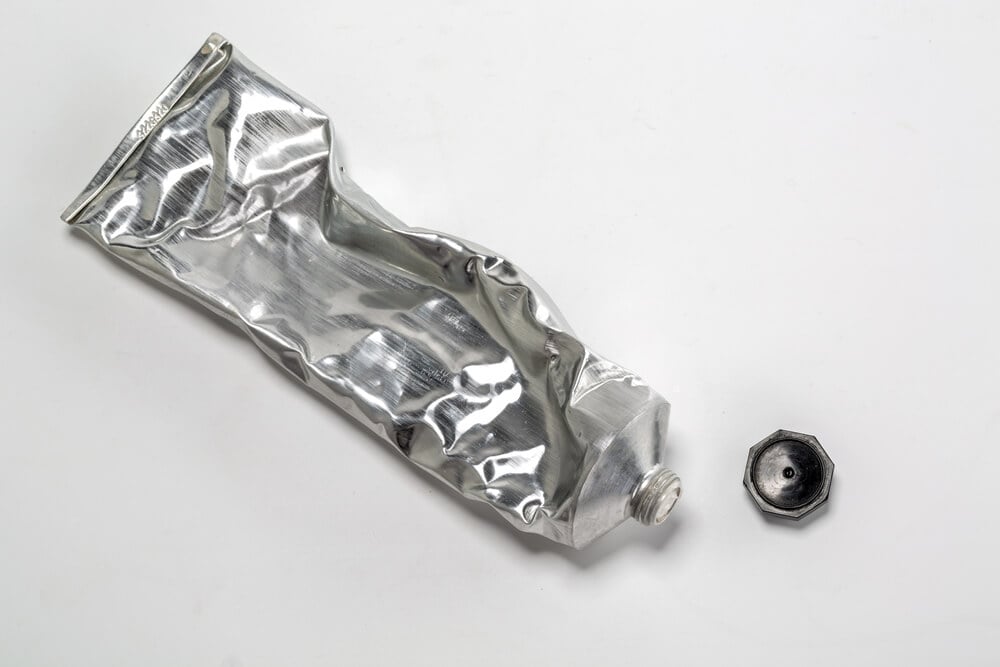
John Goffe Rand patented the collapsible tin tube in 1841, and it changed how painters worked. Before then, pigment was stored in pig bladders and carried awkwardly.
Old tubes with their original labels intact are prized, though dented or leaking examples sell for far less.
The Winsor & Newton Paint Box
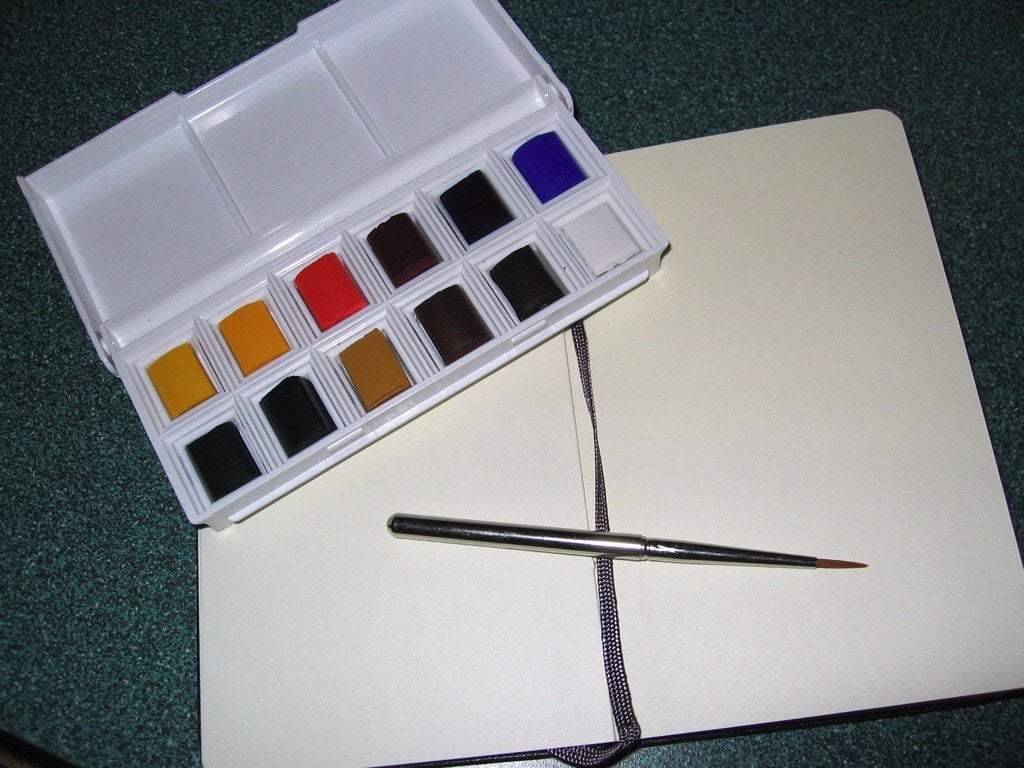
Winsor & Newton, founded in London in 1832, helped popularize moist watercolors in small pans. Their wooden and metal paint boxes folded open to reveal rows of colors and a built-in palette.
Condition matters, since dried pans and warped lids lower a box’s appeal.
Conté Crayons
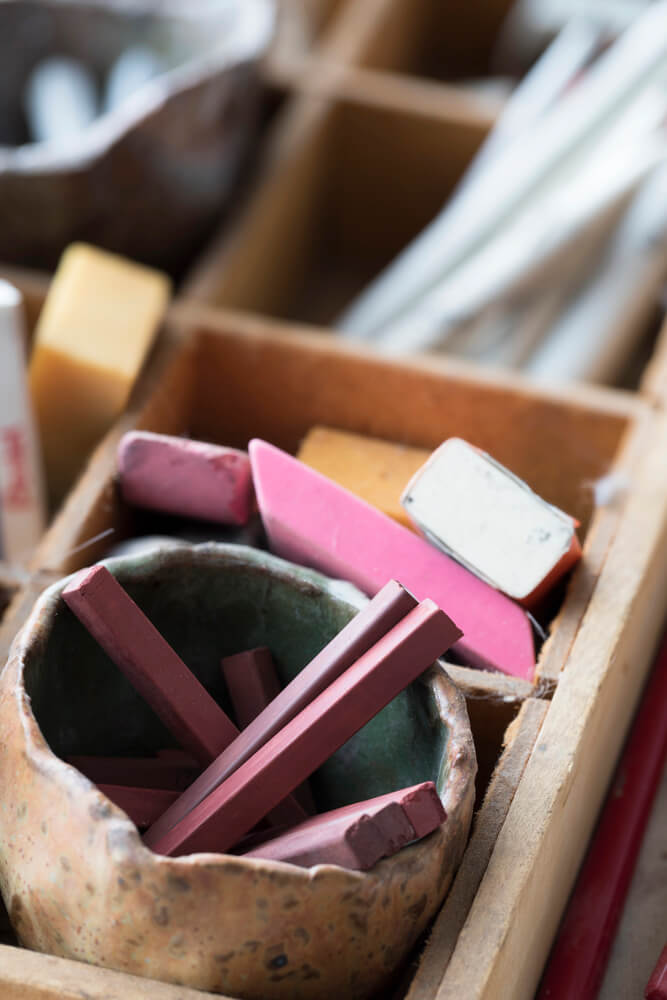
Nicolas-Jacques Conté developed his crayon in 1795, mixing graphite and clay at a time when the supply of English graphite was limited. The resulting sticks, in black, sanguine, and white, became a staple of academic drawing.
Old boxes with their original paper wrappers are a delight to find.
Vine Charcoal
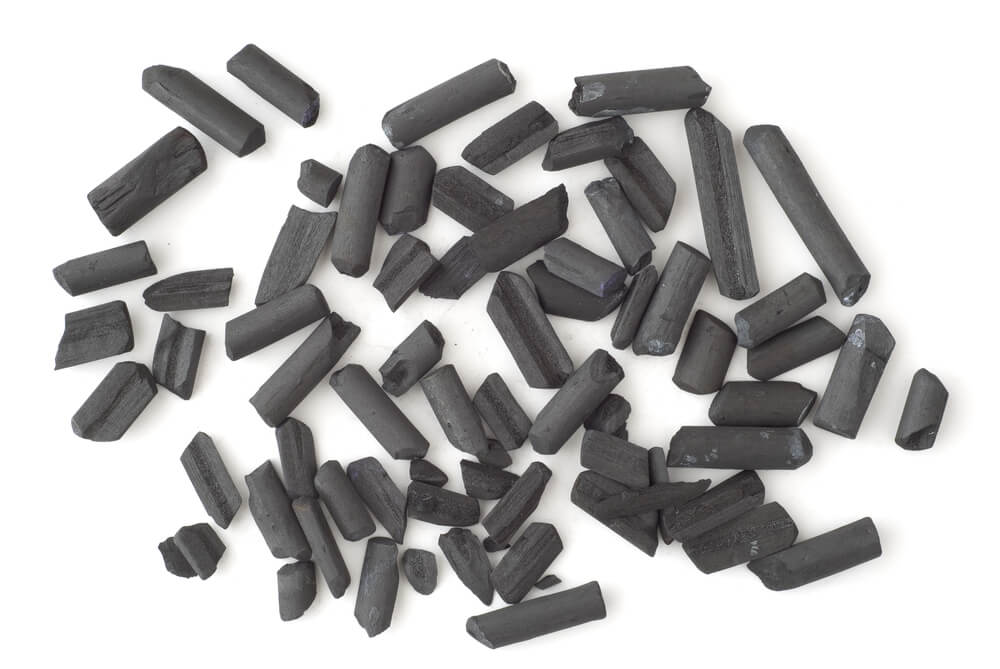
Sticks of charred willow or grapevine produce a soft, easily erased line. Artists used them for sketches, then fixed or wiped away the marks.
Old boxes of vine charcoal are fragile, and the sticks often crumble in transit.
The Mahlstick
A mahlstick is a long stick with a padded end, held across the canvas so the painter can rest a hand while doing fine work. Many were simple wooden dowels, while others were jointed to travel.
Few people recognize one in an antique shop.
The French Box Easel
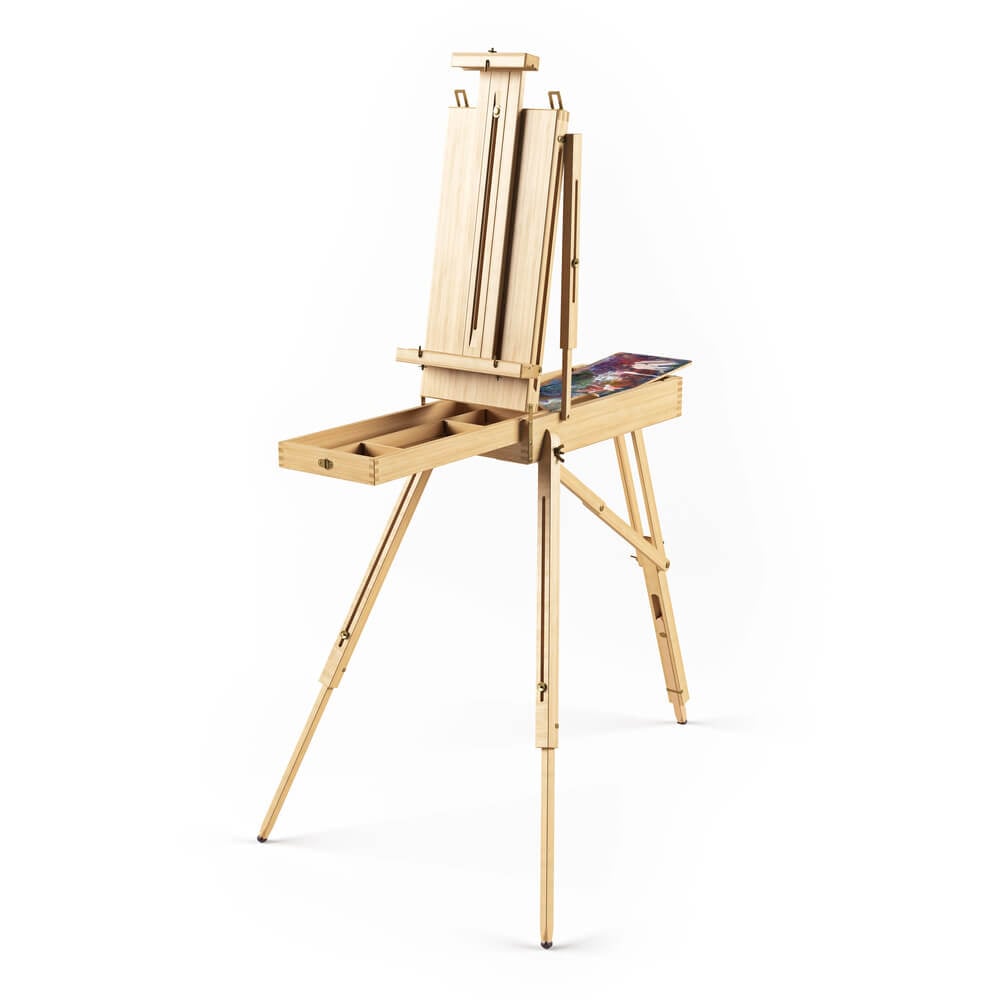
A French box easel packs a canvas, brushes, and a palette into a single wooden box with folding legs. Painters carried it outdoors to work on landscapes.
Old examples show splashes of dried paint, which collectors tend to see as character.
Steel Pen Nibs
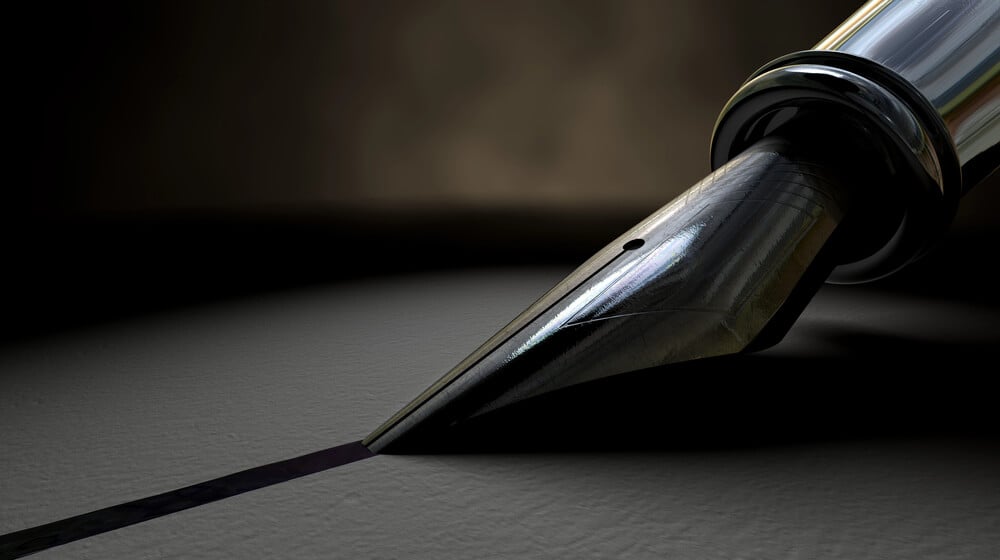
Joseph Gillott began mass-producing steel pens in Birmingham, England, in the 1830s, and the nibs spread across the world. Artists used them with ink to draw fine lines and cross-hatching.
Old tins of unused nibs, still shining, appear on auction sites.
Higgins India Ink
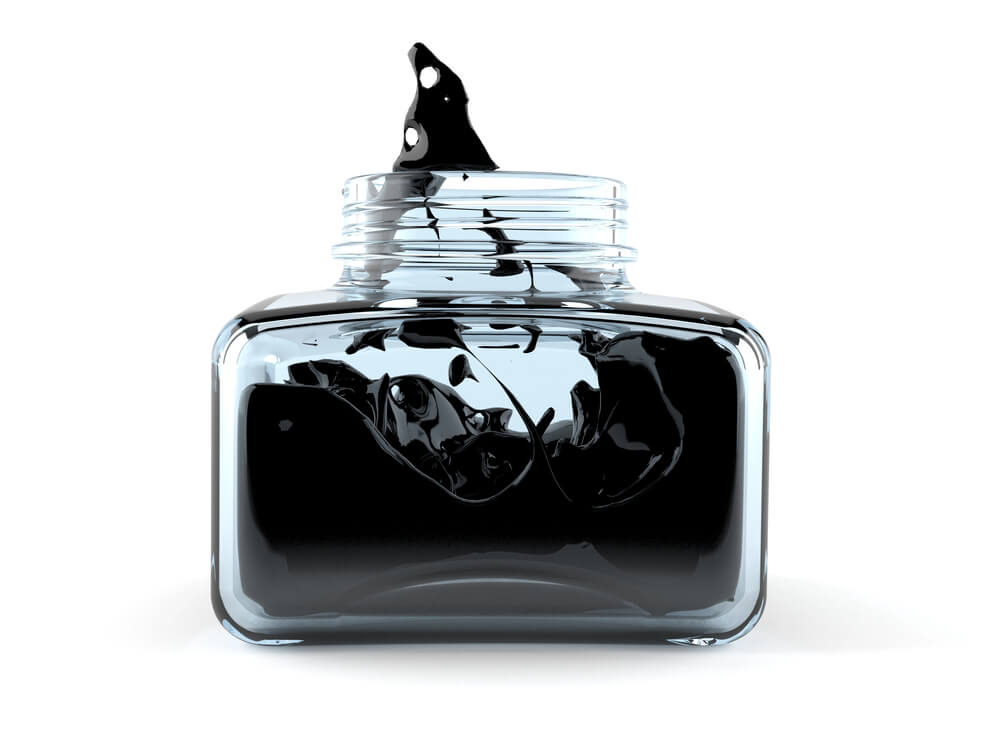
Charles M. Higgins began selling his waterproof black inks in the 1880s, and the brand became a studio staple. The bottles were small, with cork stoppers and paper labels.
Original bottles with a trace of dried ink inside tell their own story.
Rapidograph Pens
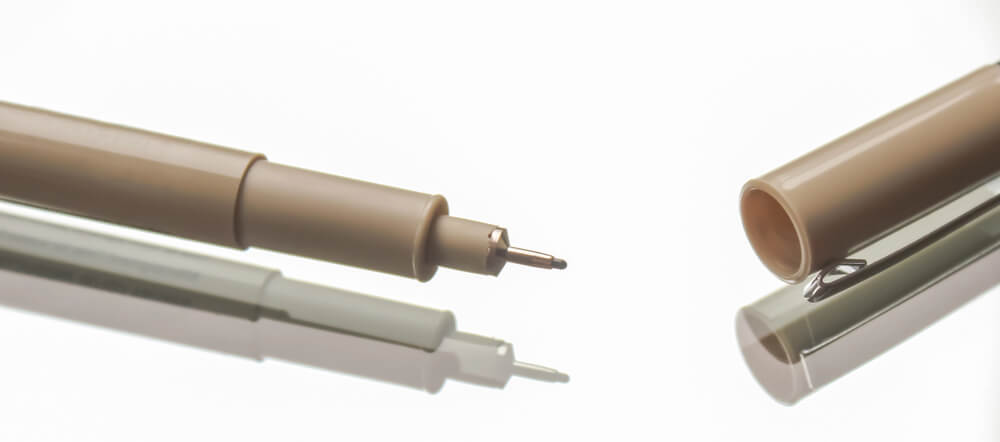
The Rapidograph, made by Koh-I-Noor, was a technical pen with a tubular tip that produced a line of constant width. Draftsmen and illustrators used it for decades, until finer markers came along.
A set in its original case, with every nib size, is the most desirable.
Kneaded Erasers
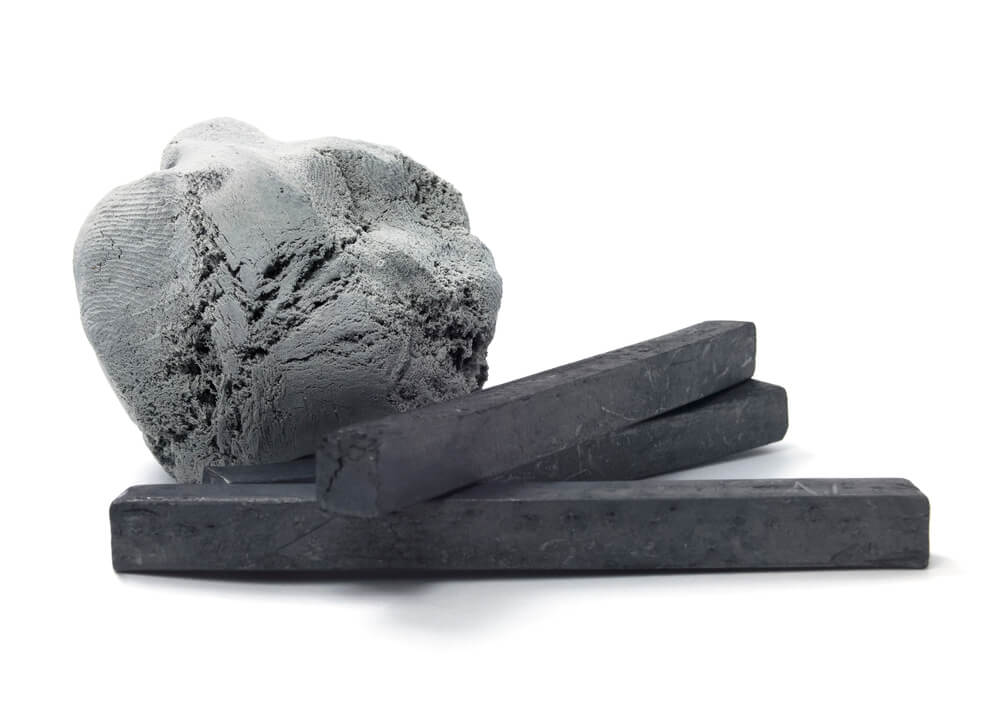
A kneaded eraser is a soft gray lump that can be pulled, pinched, and shaped into a point. Instead of rubbing away graphite, it lifts it from the paper, which makes it ideal for charcoal and pastel work.
Old ones stiffen and crumble with age, so a pliable survivor is a good find.
Letraset Rub-Down Lettering
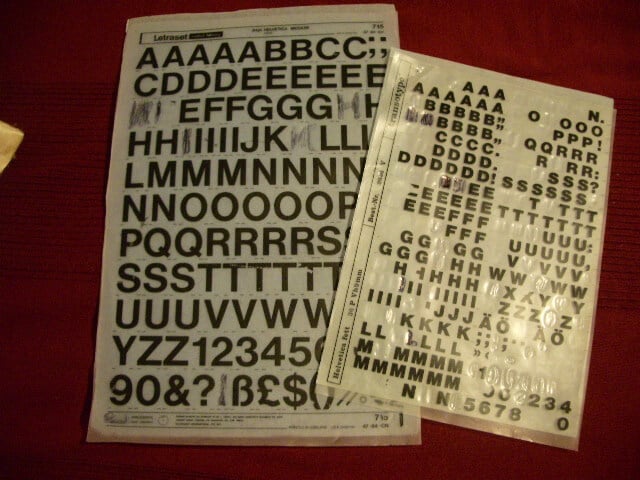
Letraset introduced dry-transfer lettering in 1959, and designers used it to apply type without a printer. A sheet of letters was rubbed with a stylus, and the type transferred to the page.
Sheets with unused alphabets are rare, because most were used until the common letters ran out.
Zip-A-Tone Shading Sheets
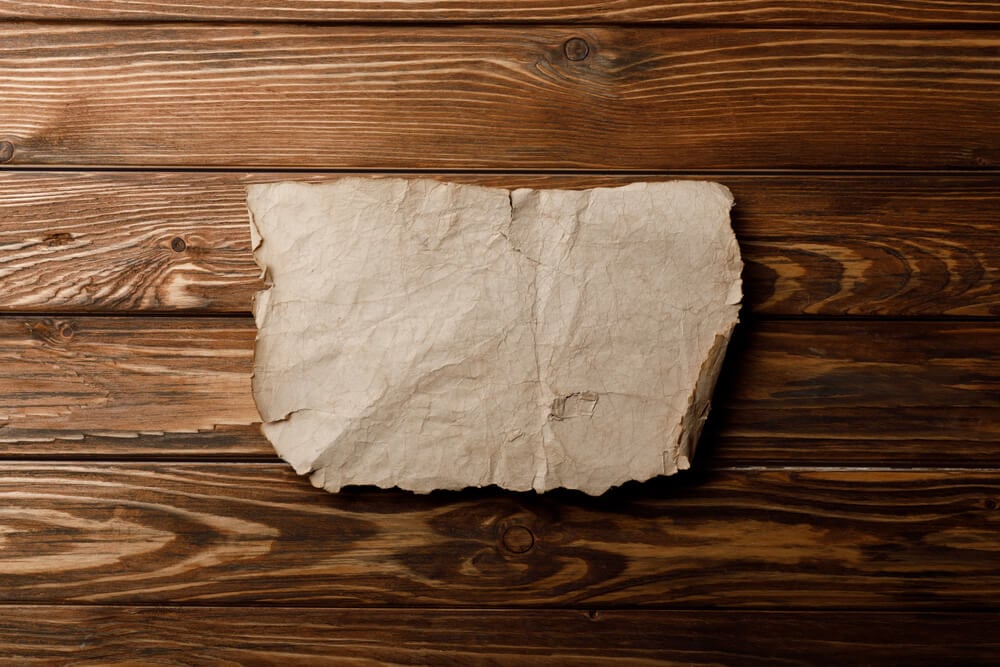
Zip-A-Tone sheets carried printed patterns of dots and lines on adhesive-backed film. Cartoonists and illustrators cut them to shape and pressed them onto a drawing to create gray tones.
Old sheets often yellow and lose their stickiness, which affects value.
French Curves
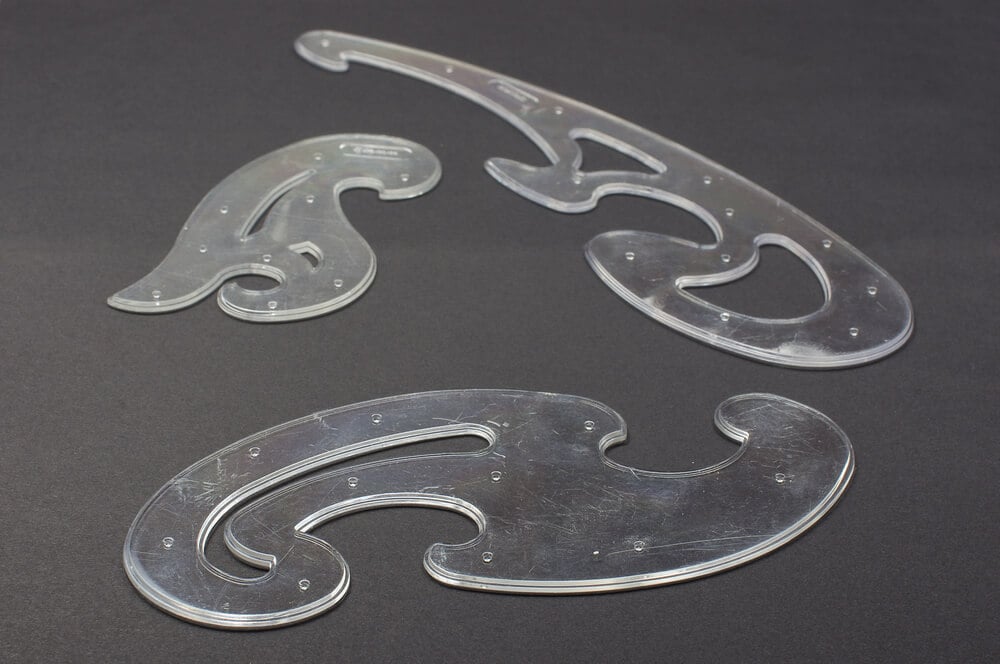
French curves are plastic or wooden templates with sweeping, irregular edges, used to draw smooth curves by hand. Draftsmen owned a set of several shapes.
Old examples, especially wooden ones, show wear along the edges.
The Pantograph
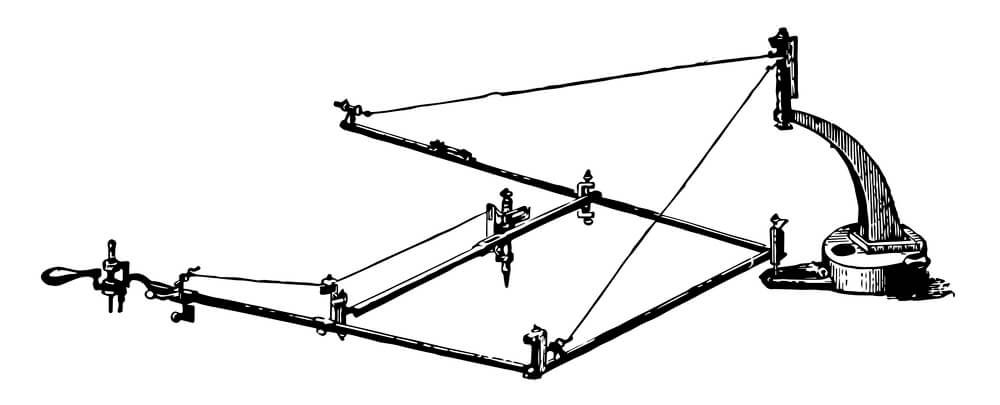
A pantograph is a jointed frame of rods that copies and scales a drawing as the user traces it. Christoph Scheiner described the device in the early 17th century.
Brass versions with a polished finish are among the more handsome relics in an old studio.
The Camera Lucida
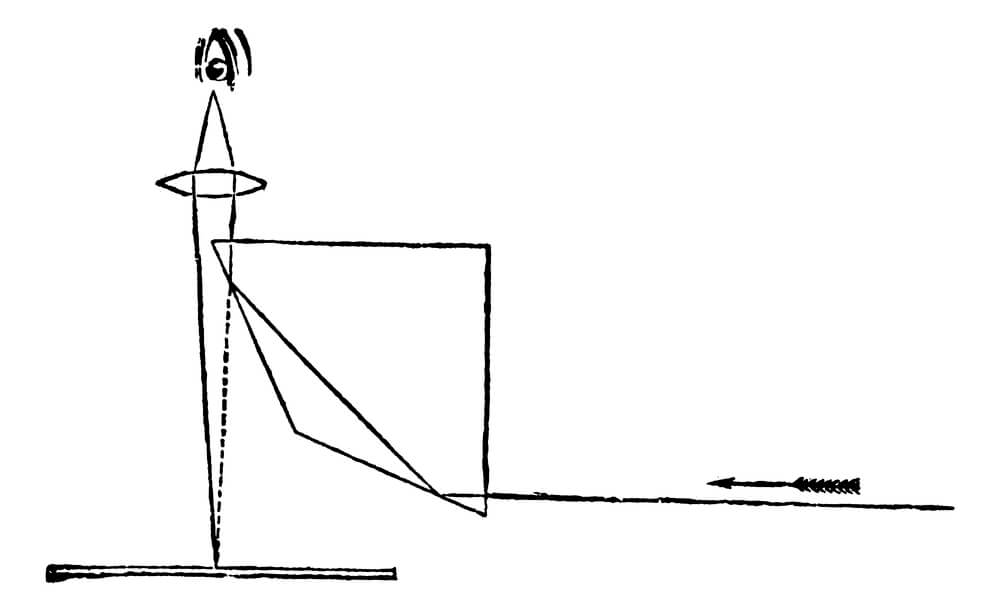
William Hyde Wollaston patented the camera lucida in 1807. It uses a prism to project the image of a scene onto paper, so the artist can trace it.
Complete sets with the original stand and prism are uncommon.
The Claude Glass
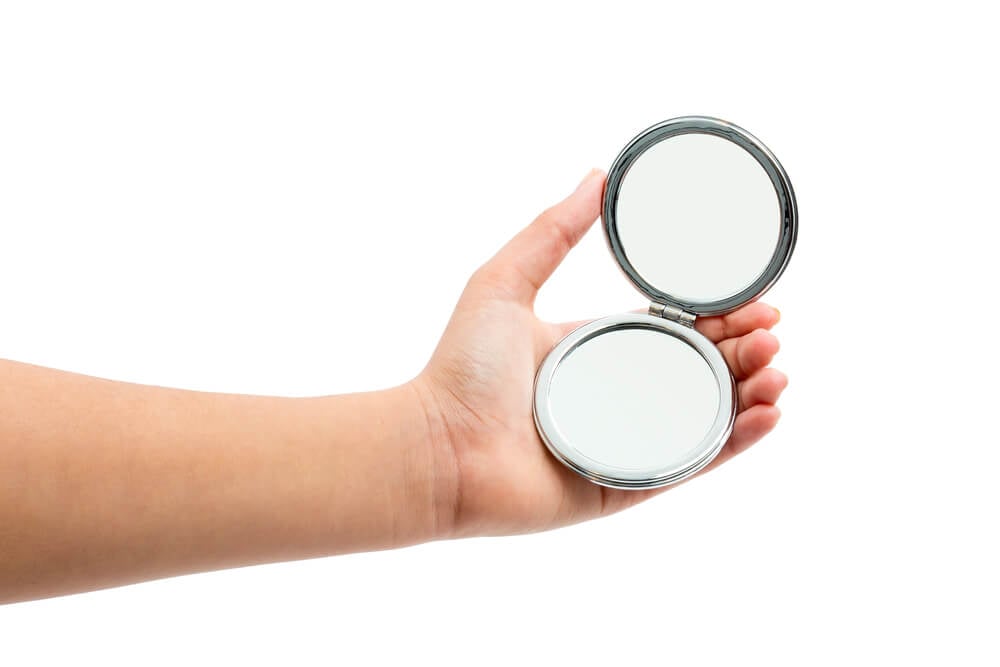
Eighteenth-century travelers carried small, dark, convex mirrors called Claude glasses, named for the painter Claude Lorrain. Held with the back to the view, the glass reflected a landscape in a tinted, softened frame.
Few survive, and the surviving ones are often scratched.
The Lay Figure
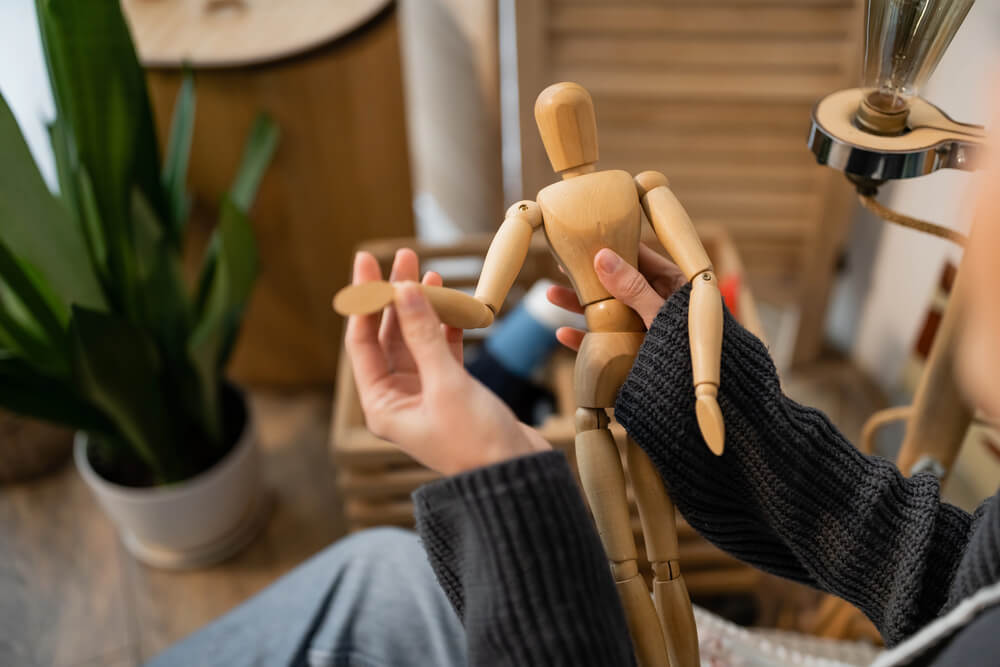
A lay figure is a jointed wooden mannequin that artists posed to study the folds of clothing and the arrangement of limbs. Some were life-size, while others fit on a desk.
Surviving pieces often show missing fingers and worn joints.
Paint-by-Number Kits
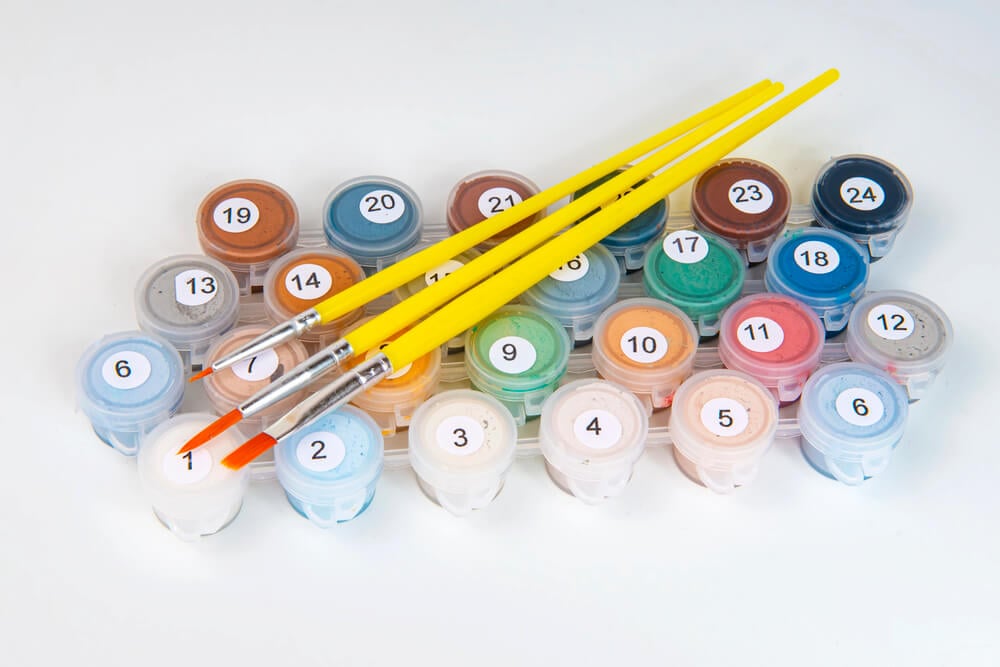
The Palmer Paint Company of Detroit, led by Max Klein with designer Dan Robbins, began marketing Craft Master paint-by-number kits in the early 1950s. The kits came with numbered canvases and tiny pots of paint.
Unopened kits in good condition are worth considerably more than finished pictures.
Early Crayola Boxes
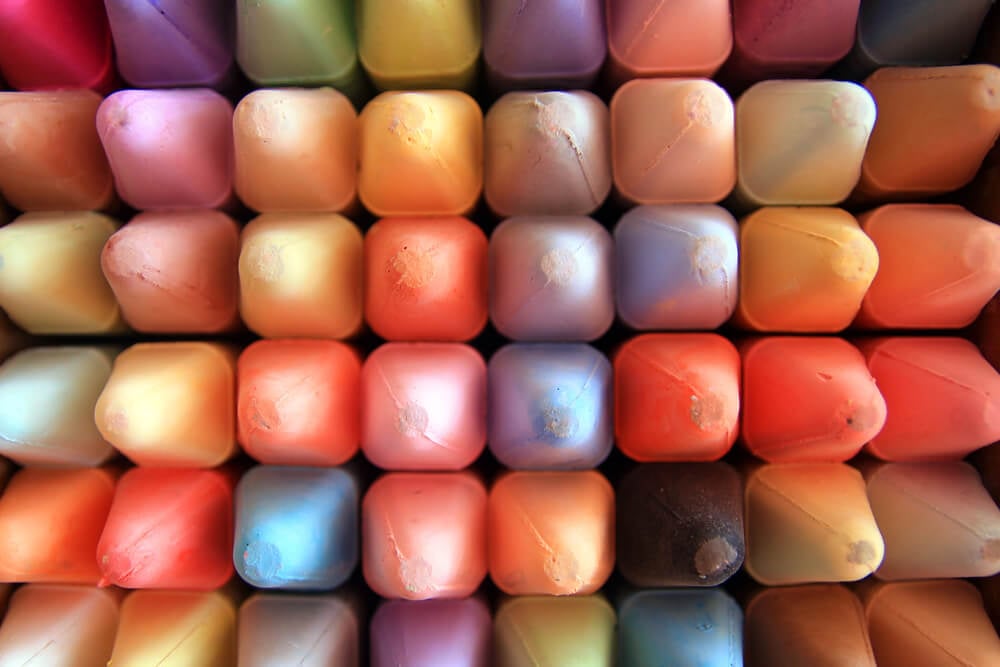
Binney & Smith introduced the first box of Crayola crayons in 1903, containing eight colors for a nickel. The wrapper and box design changed over the decades.
Boxes with all their crayons intact, unsharpened and unbroken, are the most desirable.
The Pigment Grinding Slab
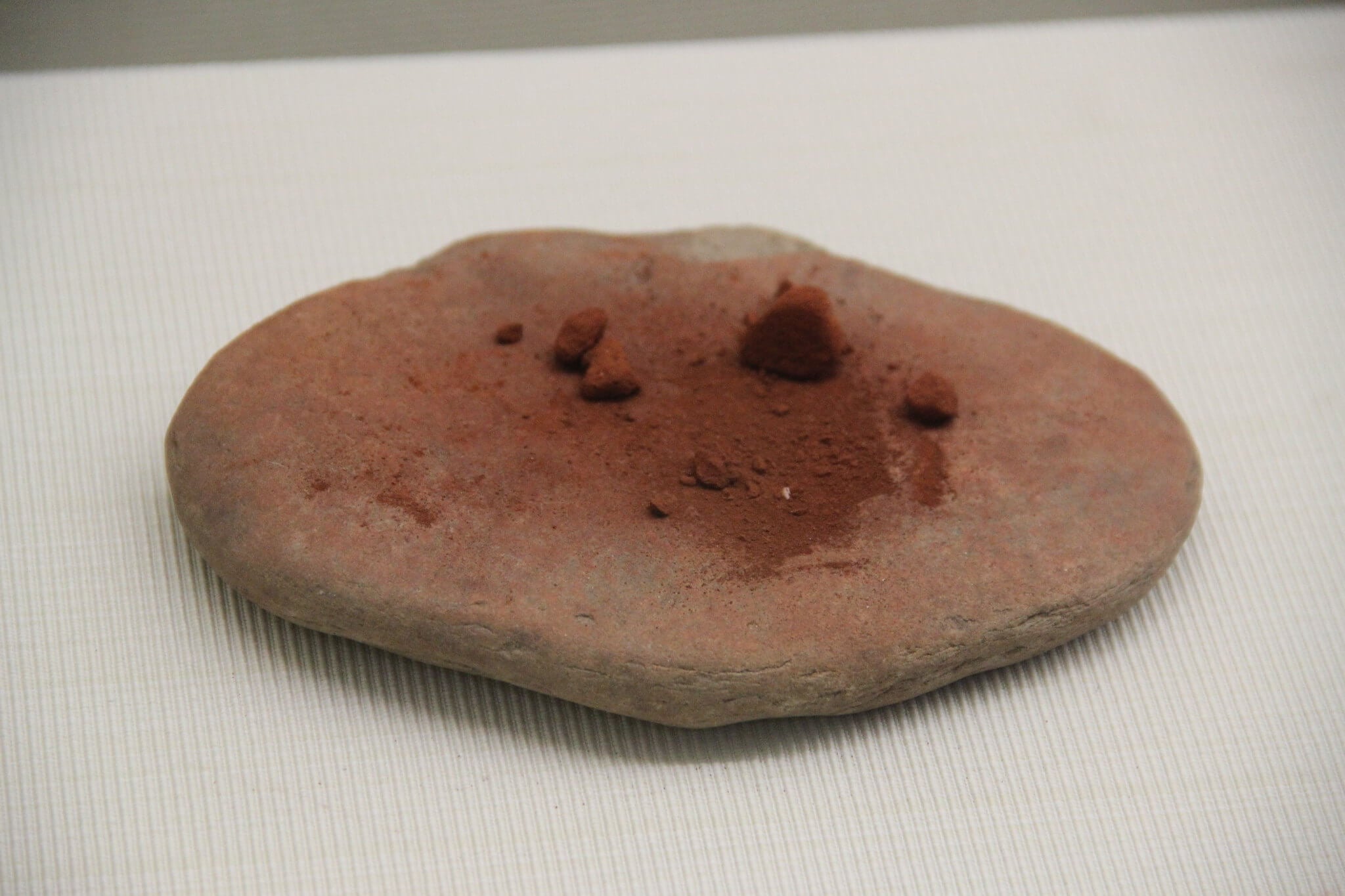
Before ready-made tubes became common, painters ground dry pigment with oil on a flat stone using a glass muller. The process produced paint as smooth as the artist’s patience allowed.
Old slabs, with a ring of stain and the muller beside them, are a reminder of how much labor once preceded the first brushstroke.
Tools That Taught a Hand
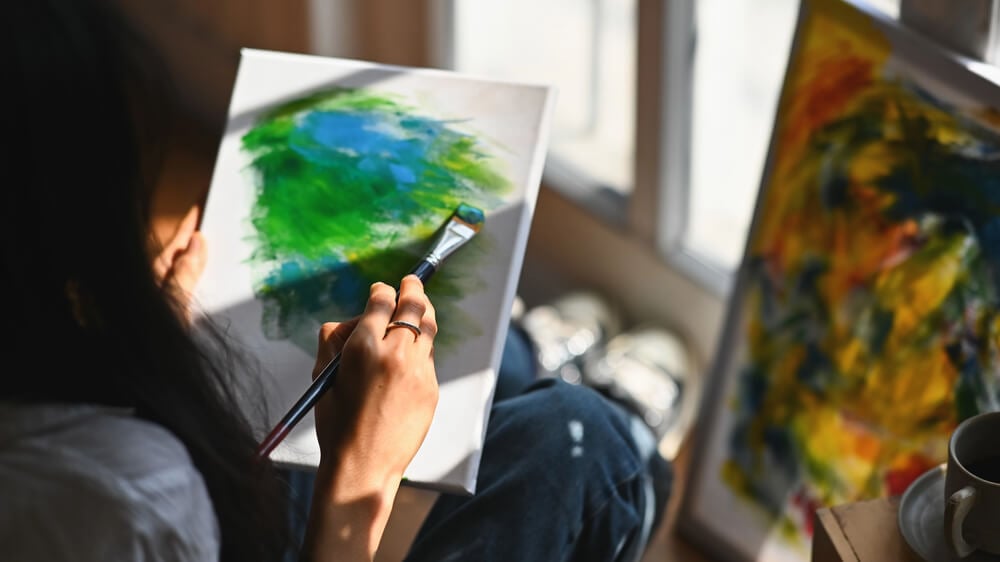
These supplies share a quality that modern equivalents often lack: they asked the user to take part. The painter ground the pigment, the draftsman set the curve, and the illustrator cut the shading sheet by hand.
Each step left a trace of effort in the finished work. Old tools also carry the memory of the people who used them.
A worn handle, a stained slab, and a stack of faded labels record the habits of a working life. That is what makes a drawer of old art supplies feel less like a pile of objects than a conversation across time.
More from Go2Tutors!

- 27 Silver Dollars and Half Dollars Worth Keeping
- 28 Restaurant Menu Items Nobody Orders Anymore
- 17 Places Built in Seemingly Impossible Spots
- 27 Vintage Rings Worth More Than They Look
- 25 Restricted Sites Tourists Can’t Enter
Like Go2Tutors’s content? Follow us on MSN.