Ancient Music Traditions That Shaped Modern Genres
Music today sounds fresh, almost like it popped outta studios and live shows just yesterday. Still, dig deep into any style and you’ll hit customs older than books or records – ancient stuff.
You won’t spot the links right away. Someone splicing loops in New York could feel totally different from a drum speaker in Ghana, but their rhythms come from the same tree, grown tall over ages.
African Polyrhythms in Jazz and Hip-Hop

African music traditions across the continent built complex rhythmic structures where multiple patterns play simultaneously, each maintaining its own pulse while interlocking with the others. Drummers in regions from West Africa to Central and East Africa developed these techniques over thousands of years, creating music where three beats might play against four, or five against seven, producing textures far more intricate than simple backbeats.
When enslaved Africans were brought to the Americas, they carried these rhythmic concepts with them. The music couldn’t be taken away, even when instruments were.
These polyrhythmic ideas survived, adapted, and eventually became foundational to jazz. Listen to a jazz drummer playing ride cymbal patterns over a walking bass line with piano comping in between—that’s polyrhythm at work, descendants of African drumming circles.
Hip-hop inherited these same principles. The breakbeat, that foundational element of hip-hop production, often works because it creates rhythmic complexity through layering.
When producers chop samples and layer drum patterns, they’re engaging with concepts that have African roots, even if they’ve never studied West African music theory. The DNA persists across centuries and continents.
Indian Raga in Psychedelic Rock
Indian classical music operates on principles fundamentally different from Western traditions. The raga system organizes melodies around specific note patterns, each associated with particular times of day, seasons, or emotional states.
Musicians spend decades mastering the subtle inflections that distinguish one raga from another, learning to evoke specific moods through carefully controlled improvisation. Western musicians discovered Indian classical music in the 1960s, with George Harrison’s sitar playing on Beatles tracks being the most famous example.
But the influence went deeper than just adding exotic instruments. The melodic approach, the emphasis on drone notes, the concept of extended improvisation around a theme—these ideas from raga practice reshaped how rock musicians thought about composition, even though Western “modal” music developed its own character distinct from actual raga performance.
Psychedelic rock particularly absorbed these concepts. The long instrumental passages, the modal scales, the hypnotic quality of certain guitar lines—these all reflect Indian classical influence.
Bands moved away from verse-chorus-verse structures toward something more exploratory, more meditative. That shift in thinking about what a song could be came directly from exposure to traditions where a single raga performance might unfold over an hour.
Gregorian Chant in Ambient and Electronic Music

Medieval monks developed Gregorian chant as a form of prayer, creating melodies that moved in smooth, wavelike patterns. Early chants lacked strong metrical rhythm, though later developments introduced more structured rhythmic modes.
The sound was designed for stone churches where reverberation times stretched to several seconds, so the music had to move slowly enough that echoes wouldn’t create cacophony. What emerged was ethereal, spacious, and deeply calming.
Ambient music pioneers in the 1970s and 80s found inspiration in these qualities. Brian Eno explicitly referenced the timeless, floating quality of chant when developing his ambient works.
The long tones, the absence of strong rhythm, the focus on texture and atmosphere rather than melody—these characteristics link ambient music directly to medieval sacred traditions. Electronic producers continue drawing from this well.
Synthesizers can sustain notes indefinitely, creating drones that echo the held tones in chant. The reverb-drenched productions, the slow harmonic progressions, the meditative quality—these aren’t just aesthetic choices but connections to a thousand-year-old tradition of music designed to alter consciousness and create contemplative space.
Blues and the Field Holler

Before the blues formally emerged, enslaved people in American fields developed call-and-response work songs and field hollers. These weren’t performances in any traditional sense but functional music that helped coordinate labor, pass time, and maintain humanity under brutal conditions.
The melodies used bent notes and sliding pitches that didn’t fit Western scales, reflecting African musical approaches preserved through oral tradition. These hollers contained essential elements that would influence the blues: the flattened thirds and sevenths that create that characteristic sound, the call-and-response structure, the emotional directness, the use of the voice as an instrument capable of sounds beyond what notation could capture.
When formerly enslaved people gained freedom and began to codify their music, these elements combined with other influences to develop the blues form, including the later-emerging twelve-bar structure. Every genre that descended from the blues—and that includes rock, soul, R&B, and more—carries forward connections to these work song traditions.
The guitar bends in rock music, the emotional rawness of soul singing—these trace back to people singing in fields, maintaining musical traditions that stretched back to Africa while creating something new in America.
Middle Eastern Maqam in Heavy Metal

The maqam system from Middle Eastern music defines scales and melodic progressions distinct from Western major and minor keys. Each maqam has its own character, its own rules about which notes to emphasize and how phrases should resolve.
The system dates back over a thousand years, documented in texts from the medieval Islamic world and likely much older in practice. Heavy metal guitarists discovered that certain scales inspired by maqam traditions created an intensity and exoticism that standard Western scales couldn’t match.
The harmonic minor scale, particularly popular in metal, shares characteristics with maqam scales. The phrygian dominant scale that shows up constantly in metal riffs draws from Middle Eastern musical tradition.
When metal guitarists play those fast, exotic-sounding runs, they’re often working within scales influenced by maqam practice, even though these Western adaptations aren’t identical to actual maqam structures. This isn’t just about borrowing scales.
The way maqam melodies build tension and release, the dramatic quality of the progressions, the emotional intensity—these qualities align perfectly with what metal tries to achieve. Bands like Nile explicitly incorporate Middle Eastern and North African musical elements, but even groups with no conscious connection to those traditions often stumble into similar territory because the scales themselves carry those characteristics.
Celtic Music in Folk and Country
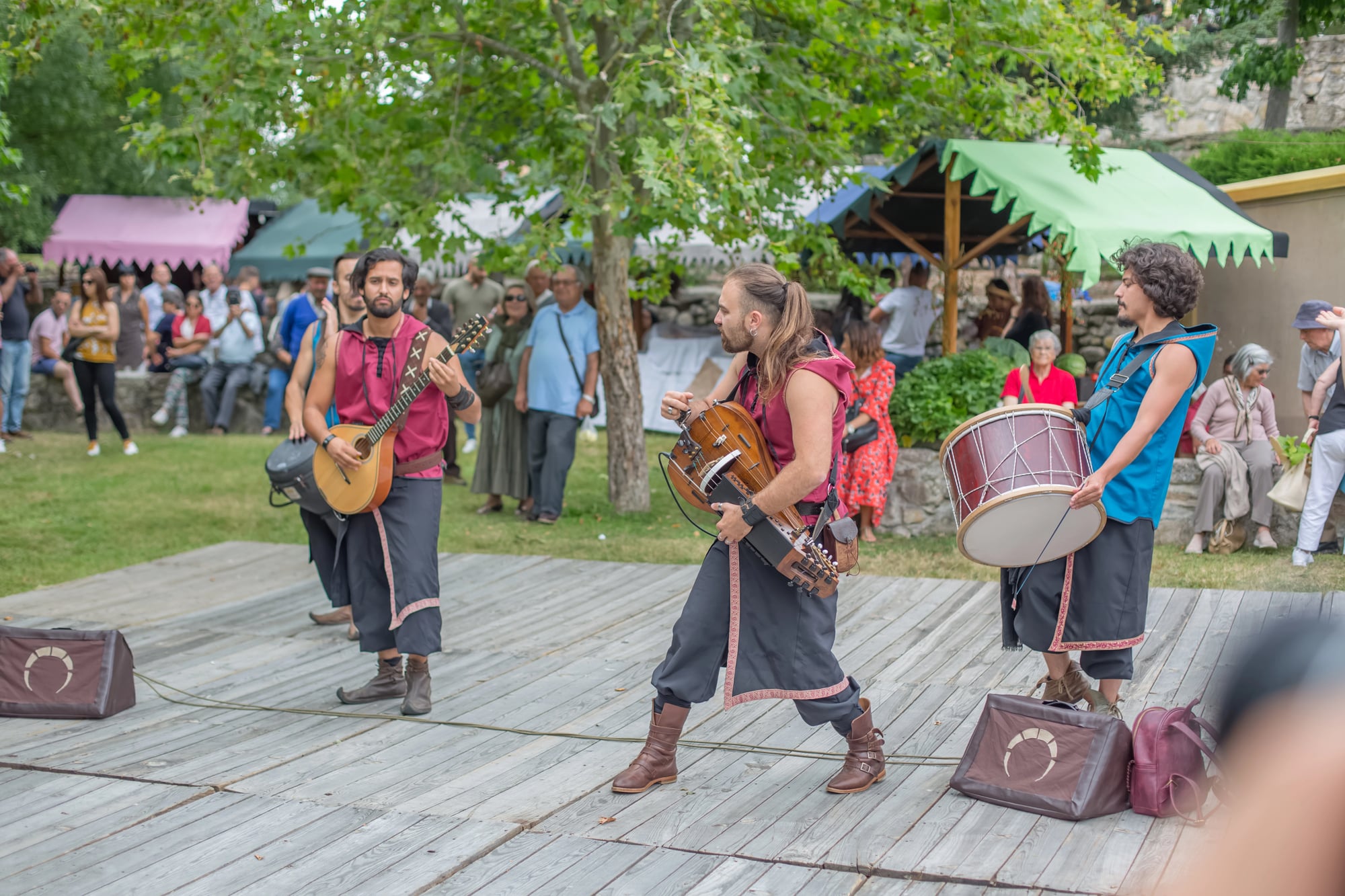
Celtic musical traditions from Ireland, Scotland, Wales, and Brittany stretch back millennia, with archaeological evidence of instruments and musical practices from the Iron Age. The music featured distinctive rhythmic patterns, particularly jigs and reels, along with melodic ornamentation—quick grace notes and trills—that became defining characteristics of the style.
When people from Celtic regions immigrated to Appalachia and other parts of North America, they brought these traditions. The music evolved in the new context, mixing with African American musical influences and other traditions, but the Celtic elements persisted.
The fiddle playing in Appalachian music uses ornamentation techniques similar to Irish traditional music. The rhythmic drive of bluegrass reflects multiple influences including Celtic reels.
Country music, which grew from these Appalachian roots, carries this mixed heritage. The melodic embellishments in country fiddle playing, the rhythmic patterns in the guitar work, even the storytelling approach to lyrics—these reflect Celtic bardic traditions alongside other influences.
Modern folk revival movements in the 1960s and again in the 2000s often reached back to Celtic sources, finding in those ancient traditions a perceived authenticity that contemporary music seemed to lack.
Flamenco and Latin Music

Flamenco emerged in Andalusia from a mix of influences—Moorish, Jewish, Romani, and Spanish Christian traditions blending over centuries. The complex rhythmic patterns called compás and the intricate footwork percussion drew from multiple sources, with some elements reaching back to older practices.
These various influences merged to create something distinctive. When Latin music developed in the Caribbean and Latin America, Spanish musical influence meant flamenco elements became part of the mix.
The rhythmic intensity, the passionate vocal delivery, the guitar techniques—these spread throughout Latin American music. You hear flamenco’s influence in rumba, in certain salsa styles, in Latin jazz.
Modern Latin pop still carries these elements forward. The percussive guitar styles, the dramatic vocal phrasing, the way rhythm and melody interlock—these aren’t just contemporary production choices but connections to traditions stretching back centuries.
When a reggaeton producer layers complex rhythms, there’s a thread connecting that work to flamenco compás, even if the connection is indirect and the sound has evolved dramatically.
Native American Flute in New Age

Native American flute traditions vary across different tribes and regions, with diverse approaches to scales, playing styles, and cultural contexts. The emphasis on individual expression within established forms, the connection between music and the natural world, and the meditative quality of playing are common threads.
These instruments and practices date back thousands of years, with flutes found at archaeological sites across the Americas. New Age music in the 1980s and 90s heavily featured Native American flute, sometimes played by actual Native musicians but often by others borrowing the sound.
The simplified melodies, the breathy tone quality, the slow tempos—these became shorthand for spirituality and connection to nature in New Age contexts, though this use often simplified complex traditions. This borrowing raised questions about cultural appropriation, particularly when non-Native musicians profited from sounds deeply tied to specific cultural practices.
But the influence went beyond just using the instrument. The emphasis on atmosphere over structure, the use of natural sounds, the meditative approach to listening—these concepts from various Native musical traditions shaped how New Age music was conceived.
The idea that music could be a tool for meditation or healing rather than entertainment connected to perspectives that many Native cultures held about music’s role in life.
Greek Modes in Western Music Theory

Ancient Greek music theory, particularly the modal system, became foundational to how Western music organized itself for over a thousand years. The Greeks identified different modes—Dorian, Phrygian, Lydian, and others—each built on different arrangements of intervals.
Medieval European musicians inherited and adapted this system, though the modern modes that share these names are actually different from the original Greek scales. These modes remained central to Western music until the major-minor key system became dominant in the Baroque period.
But they never disappeared entirely. Modal jazz in the 1950s and 60s represented a conscious return to thinking in modes rather than keys.
Rock guitarists often work in modal frameworks without necessarily knowing that’s what they’re doing. The Dorian mode became a favorite for rock improvisation, the Mixolydian mode dominated blues-rock.
Even in music that seems to follow major-minor tonality, modal influences persist. Musicians continue using these scales in contemporary pop, rock, and jazz, though the specific emotional associations have evolved over time and differ from what ancient Greeks attributed to their original modes.
Byzantine Chant in Orthodox and Eastern European Music

Byzantine chant developed in the Eastern Roman Empire, creating a tradition distinct from Western Gregorian chant. The music used modal systems similar to but different from those in the West, with ornate melodies featuring microtonal inflections—pitches that fall between the standard Western notes.
The tradition emphasized oral transmission and improvisation within established melodic frameworks. Eastern European folk music developed characteristics that include modal structures, vocal ornamentation, and the use of drone notes.
These elements in Balkan and Eastern European traditional music reflect multiple influences including centuries of Orthodox Christian practice. When these folk traditions reached the West through immigration, they brought those qualities with them.
Modern Balkan music, including forms that have crossed over to international audiences, carries these diverse influences. The complex ornamental singing, the quarter-tone inflections, the emotional intensity—these reflect various traditions that developed over centuries.
Electronic producers sampling Eastern European folk music often work with material that has roots in multiple historical sources.
Andean Panpipes in World Music Fusion
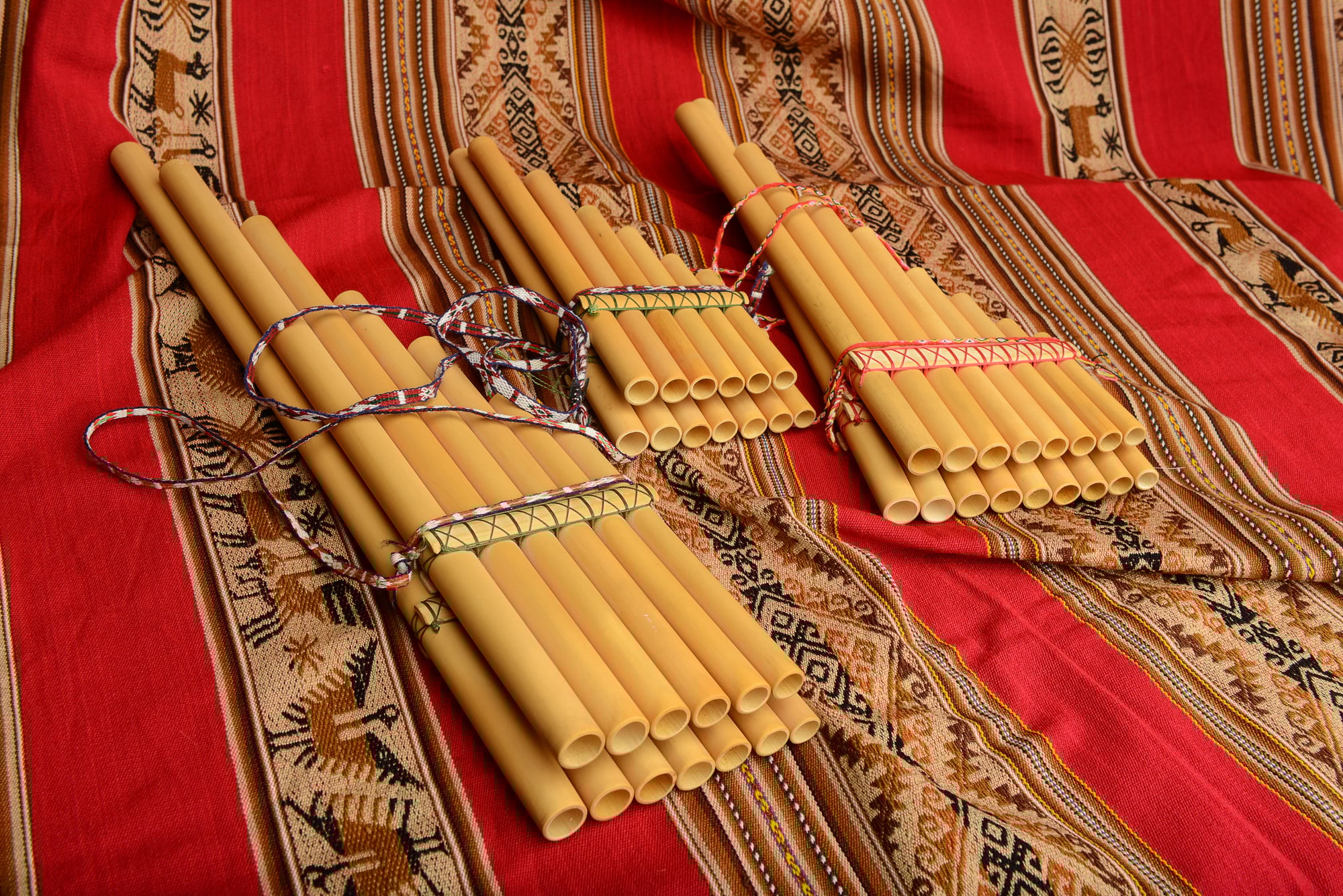
Andean peoples developed sophisticated musical traditions long before European contact, with panpipes—called zampoñas or sikus—being particularly central. In some traditions, particularly among the Aymara, these instruments required multiple players to produce complete scales, with different pipes distributed among ensemble members, creating an inherently communal form of music-making.
The practice dates back thousands of years, with ancient panpipes found at archaeological sites throughout the Andes. In the 1960s and 70s, Andean music reached international audiences through groups performing traditional and neo-traditional styles.
The distinctive sound of panpipes, often combined with charango and guitar, became associated with a certain type of world music. Street performers in cities worldwide began playing these instruments, sometimes with deep knowledge of the traditions, sometimes with only surface understanding.
The influence shows up less in direct quotation than in how musicians think about texture and timbre. The breathy, airy quality of panpipes influenced how synthesizer designers shaped patches meant to evoke “ethnic” or “world” sounds.
The communal aspect of traditional Andean ensemble playing informed certain approaches to world music fusion, where the goal was dialogue between traditions rather than one culture simply borrowing from another.
Where Old Rhythms Still Echo
Music doesn’t just appear out of thin air. Each new idea grows from earlier sounds, yet if you follow the trail backward, you eventually hit customs so ancient their roots vanish into forgotten times.
Those links aren’t pointless facts; instead, they show how music stays deeply personal – shared person to person, sound to sound, age after age. The old ways weren’t frozen in time.
Instead, they shifted – shaped by new inputs, blended here, lost bits there, often misread along the way. Yet their essence sticks around, since they point to basic truths on how music moves us.
A beat stacked in Tokyo or a string pulled slow in Nashville? Both join a chat that’s been going nonstop for ages.
Sure, terms differ now – but you’d still know the tongue if you heard it.
More from Go2Tutors!

- The Romanov Crown Jewels and Their Tragic Fate
- 13 Historical Mysteries That Science Still Can’t Solve
- Famous Hoaxes That Fooled the World for Years
- 15 Child Stars with Tragic Adult Lives
- 16 Famous Jewelry Pieces in History
Like Go2Tutors’s content? Follow us on MSN.