The Highest Paid Voice Actors In Animation History
Voice acting might seem like one of those dream jobs where you show up in pajamas, speak into a microphone for a few hours, and walk away with a paycheck. The reality involves more craft than most people realize, but for the actors who’ve managed to land iconic animated roles, the financial rewards can be staggering.
Some have turned cartoon characters into generational wealth, while others stumbled into cultural phenomena that changed their lives forever. The numbers behind these paychecks tell a story about how animation evolved from a niche industry into an entertainment juggernaut.
When beloved characters become household names, the voices behind them often become just as valuable as any Hollywood A-lister.
Nancy Cartwright

Bart Simpson has been causing trouble for over three decades, and Nancy Cartwright has been there for every “Don’t have a cow, man.” She earns around $300,000 per episode of The Simpsons, which adds up to roughly $7 million annually when the show is in production.
But the real money comes from the longevity (something that seemed impossible when the show first aired as shorts on The Tracey Ullman Show back in 1987), and now Cartwright sits on a fortune that most estimates put north of $80 million. Not bad for a character who was originally supposed to be a supporting player.
Dan Castellaneta
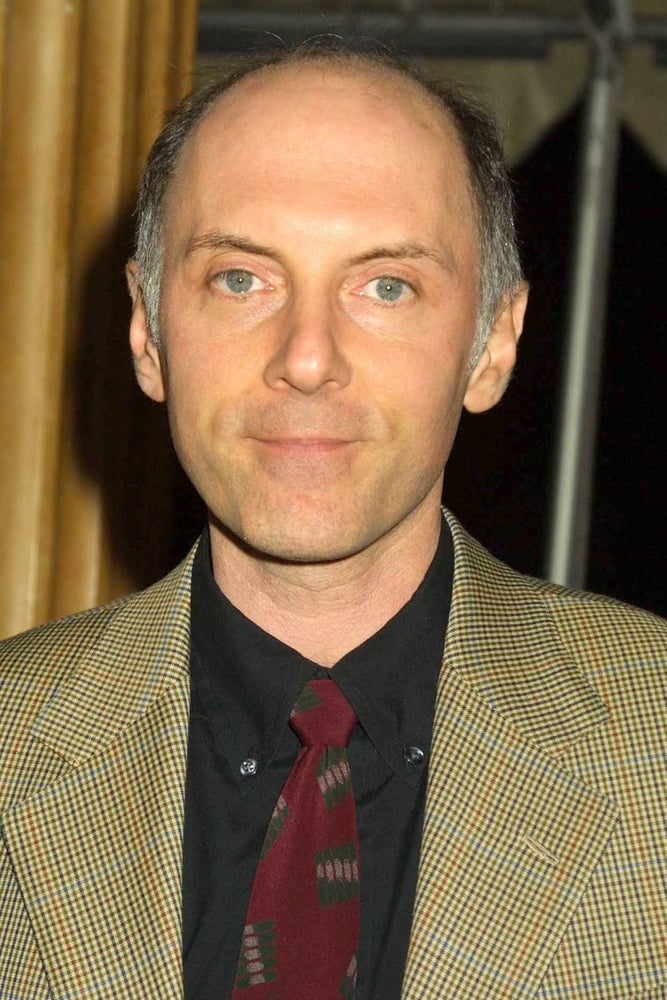
Playing Homer Simpson requires a very specific kind of vocal commitment — that signature “D’oh!” didn’t just happen by accident. Castellaneta matches Cartwright’s per-episode rate at $300,000, though his path to the role involved years of improv comedy and voice work that nobody remembers anymore (which is how most voice acting careers actually work: lots of forgotten commercial work punctuated by one role that changes everything).
Homer’s cultural impact means Castellaneta’s career became synonymous with one character, but when that character is arguably the most recognizable animated figure in television history, the trade-off seems fair enough.
Julie Kavner

There’s something quietly subversive about Marge Simpson’s voice — that perpetual patience masking barely contained exhaustion — and Julie Kavner has been perfecting it since the late 1980s. Her $300,000 per episode puts her in the same financial bracket as her Simpsons co-stars, but Kavner brings something different to the table: she’s notoriously private about the role, rarely does interviews about the show, and has managed to keep her personal life completely separate from her cartoon alter ego.
It’s a reminder that voice acting can offer a kind of fame that lets you disappear entirely when the recording session ends. The character becomes famous; the person gets to stay hidden.
Yeardley Smith

Lisa Simpson was never meant to be the breakout philosophical voice of The Simpsons, but Yeardley Smith’s performance turned an eight-year-old cartoon character into the show’s moral center. Smith earns the same $300,000 per episode as her castmates, though her journey to the role was different — she was actually performing on Broadway when she auditioned, and her natural speaking voice was already so close to Lisa’s that almost no vocal adjustment was required.
Sometimes the perfect casting choice is just a matter of finding someone who already sounds exactly like the character lives in their head.
Hank Azaria
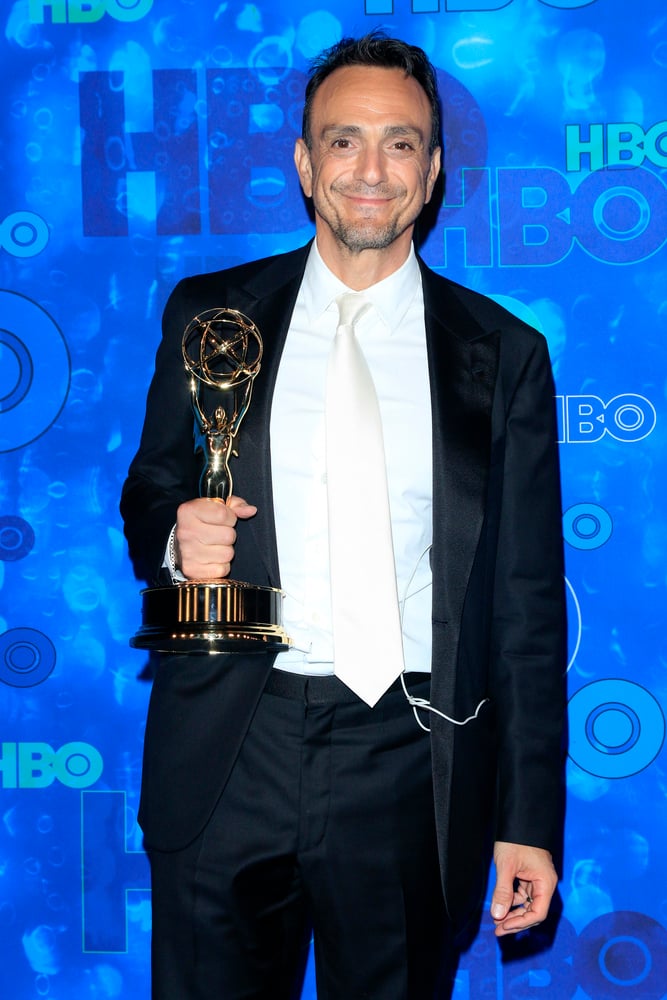
The math gets complicated when you’re voicing multiple characters on the same show. Hank Azaria handles Moe, Chief Wiggum, Apu, Comic Book Guy, and dozens of other Springfield residents, which means his $300,000 per episode represents something closer to a bargain for the producers (though probably not a bargain Azaria would complain about, considering his estimated net worth has climbed past $90 million).
But here’s what’s interesting about Azaria’s situation: he’s built a career on vocal flexibility rather than attachment to a single character, which means when controversies arise — as they did with Apu — he has other voices to fall back on. Diversification works in voice acting just like it works everywhere else.
Harry Shearer

Ned Flanders, Mr. Burns, Principal Skinner, and a dozen other Simpsons characters all share the same voice actor, though you’d never know it from listening. Harry Shearer’s vocal range is the kind of technical skill that other voice actors study, and his $300,000 per episode reflects not just his talent but his irreplaceability (the show literally cannot function without him, which gives him considerable leverage in contract negotiations).
Shearer also brings something else to the table: he’s been in the entertainment industry since the 1960s, so he understood the business side of voice acting long before most of his colleagues figured out they should be asking for royalties.
Tom Kenny

SpongeBob SquarePants represents a different kind of voice acting success story — one where the character’s popularity transcended television and became a genuine cultural phenomenon. Tom Kenny’s work as SpongeBob has earned him an estimated $50 million over the course of the character’s run, though the exact per-episode figures aren’t as public as The Simpsons cast (Nickelodeon tends to keep their financial arrangements quieter than Fox does).
Kenny’s approach to the character involves a relentless optimism that could easily become grating in less skilled hands, but somehow he’s managed to keep SpongeBob endearing for over two decades. And yet the voice takes a physical toll — Kenny has mentioned that performing SpongeBob for extended periods can strain his vocal cords in ways that more natural voices don’t.
Success in voice acting sometimes means accepting that your instrument might not last forever.
Billy West
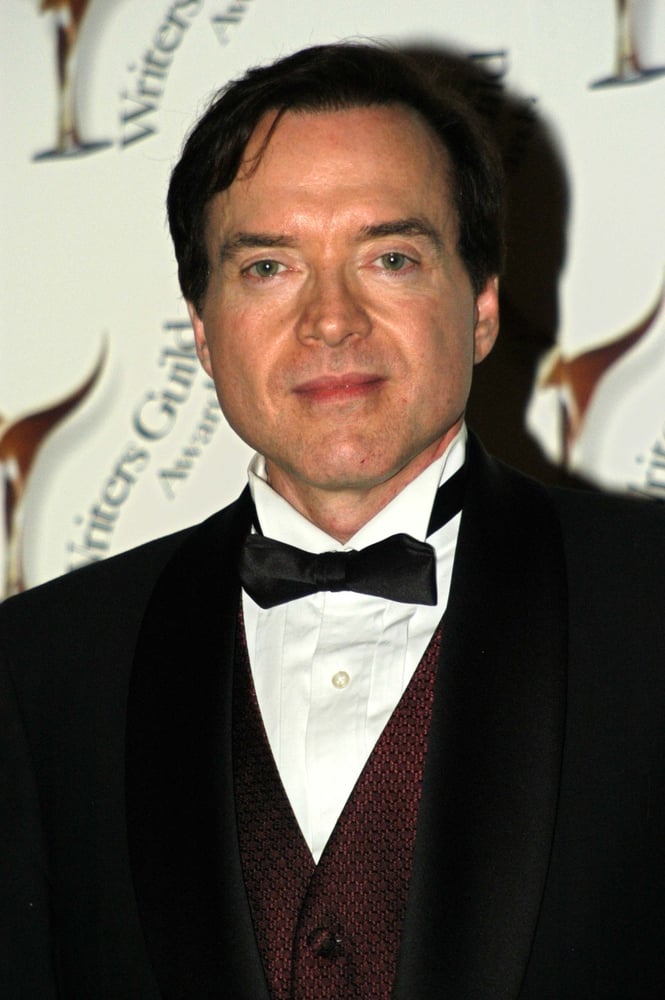
Futurama never achieved The Simpsons-level cultural dominance, but Billy West’s work as Fry (and Professor Farnsworth, and Dr. Zoidberg, and several other characters) represents a masterclass in vocal characterization. West reportedly earned around $85,000 per episode during Futurama’s original run, though his real financial success came from his earlier work as the voice of Bugs Bunny, Elmer Fudd, and other classic characters after Mel Blanc’s death (stepping into those roles required not just vocal skill but genuine courage — Blanc was a legend, and West had to make those characters his own without alienating fans who’d been hearing the original voices for decades).
His estimated net worth of around $30 million reflects a career built on versatility rather than a single breakout role.
John DiMaggio
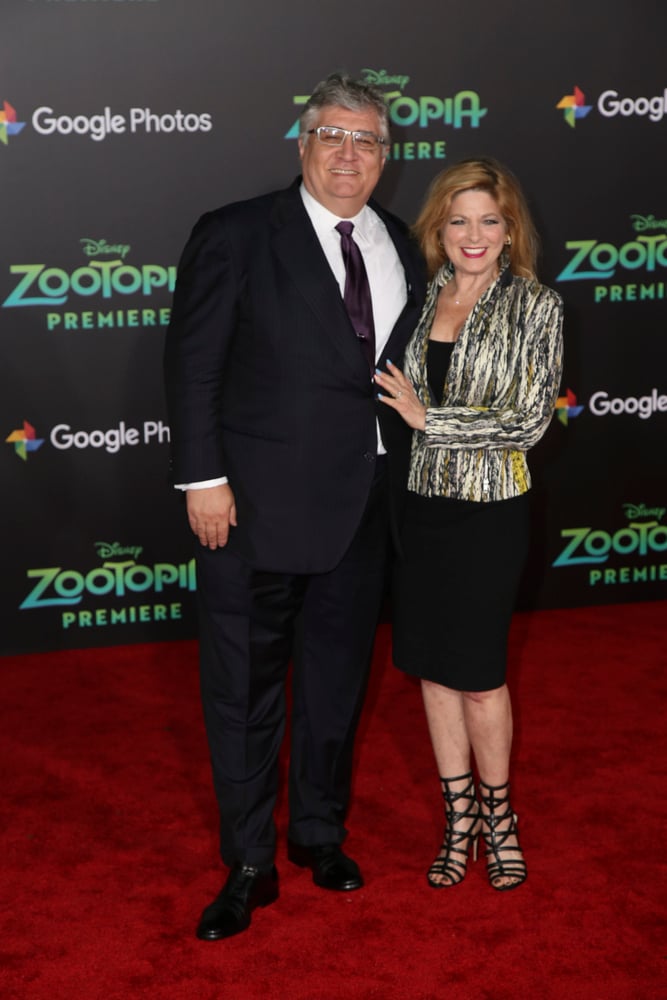
Bender from Futurama pays the bills, but John DiMaggio’s career shows how voice actors build wealth through volume rather than individual role salaries. His work spans dozens of animated series, video games, and commercials, with Bender serving as his most recognizable character rather than his only source of income.
DiMaggio reportedly earned around $85,000 per episode for Futurama, though he’s been strategic about building a brand around his voice work — he’s active on social media, does convention appearances, and has turned voice acting into a business rather than just a job. It’s a approach that more voice actors are adopting: treating their voices like a product that can be marketed across multiple platforms.
Maurice LaMarche

The Brain from Pinky and the Brain might not seem like a character that would generate serious money, but Maurice LaMarche’s performance turned a laboratory mouse into one of the most quotable characters in animation history. LaMarche’s career demonstrates how voice actors can find success by specializing in a particular type of character — his voice work tends toward intelligent, scheming, or sophisticated characters, and he’s become the go-to actor for roles that require that specific vocal quality.
His estimated net worth of $8 million might not match The Simpsons cast, but it reflects a career built on consistency and specialization rather than chasing breakout roles.
Tara Strong

Bubbles from The Powerpuff Girls, Twilight Sparkle from My Little Pony, and dozens of other characters have made Tara Strong one of the most prolific voice actors working today. Her success comes from range — she can voice characters from age 5 to 50, and her vocal flexibility has made her indispensable to multiple animated franchises.
Strong’s estimated net worth of around $10 million reflects a career strategy focused on staying busy rather than holding out for the perfect role, and she’s been smart about building a personal brand through social media and fan interactions. Voice acting used to be an anonymous profession, but Strong has shown how modern voice actors can build celebrity status while still doing the work.
Frank Welker

The numbers here get ridiculous. Frank Welker has been doing voice work since the 1960s, and his résumé includes Scooby-Doo, Fred Jones, Megatron, and literally thousands of other characters across decades of animated programming.
His estimated net worth approaches $40 million, making him one of the wealthiest voice actors in history, though his wealth comes from longevity rather than any single massive payday. Welker’s career spans the entire modern history of animation, and he’s worked consistently through every major shift in the industry (from Saturday morning cartoons to prime-time animation to streaming platforms, Welker has adapted to each new era while maintaining the same level of professionalism that made him indispensable in the first place).
Seth MacFarlane
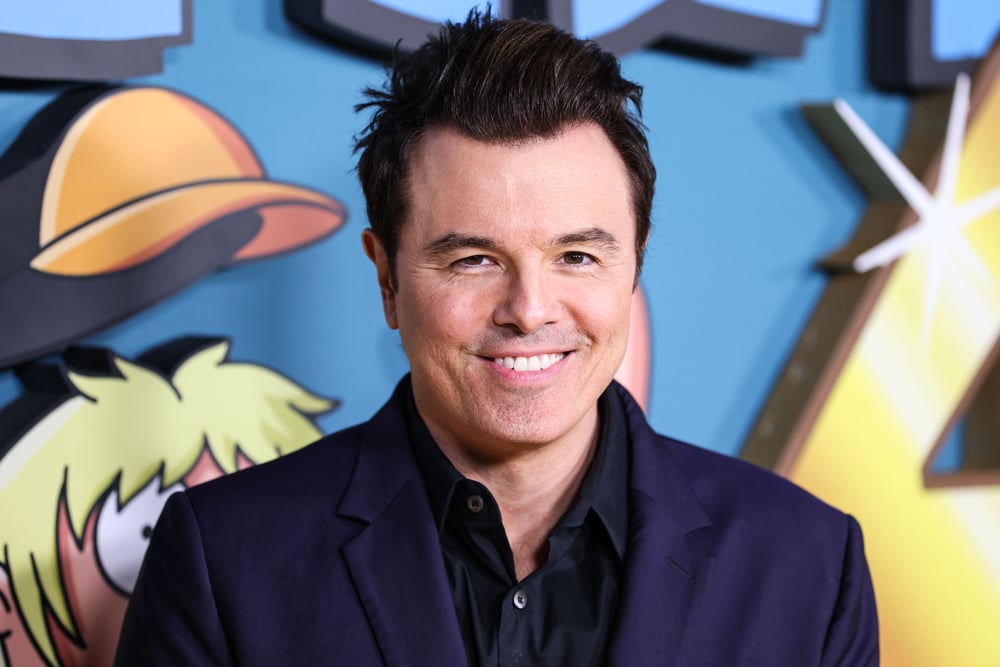
Family Guy, American Dad, and The Orville have made Seth MacFarlane one of the wealthiest people in animation, though his success comes from wearing multiple hats rather than just voice acting. MacFarlane voices Peter Griffin, Brian Griffin, and Stewie Griffin, among others, but he also created the shows, writes for them, and produces them.
His estimated net worth of $300 million makes him by far the wealthiest person on this list, though it’s worth noting that his wealth comes from ownership and creative control rather than just performance fees. MacFarlane represents a different model for voice acting success — one where the actor becomes the entire creative force behind the project rather than just one component of it.
Mike Judge
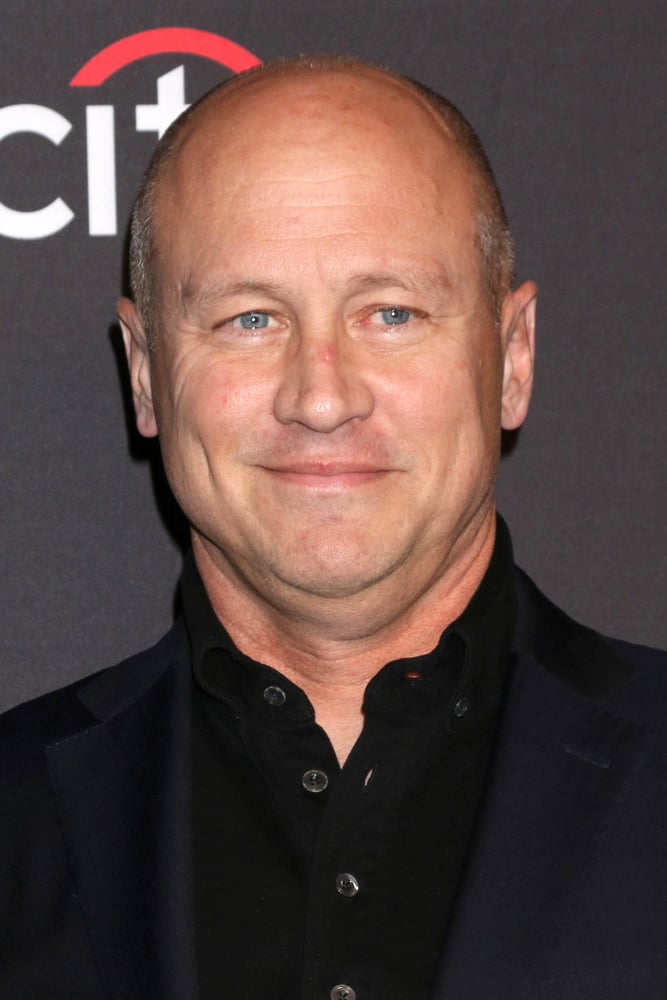
Beavis and Butt-Head never seemed like characters that would generate serious wealth, but Mike Judge’s creation has proven surprisingly durable across multiple decades and platform changes. Judge voices both title characters himself, and like MacFarlane, his real wealth comes from ownership rather than just performance — his estimated net worth of around $75 million reflects the value of creating characters that can be licensed, merchandised, and rebooted across multiple generations.
Judge also created King of the Hill and Silicon Valley, showing how voice actors can use their initial success as a launching pad for broader creative careers.
The Enduring Value Of A Voice

Animation has evolved into one of the most profitable sectors of entertainment, but the financial rewards still flow primarily to actors who can create characters that endure for decades rather than those who deliver single memorable performances. The highest-paid voice actors share a common trait: they’ve attached themselves to characters that became cultural fixtures rather than just popular shows.
Their paychecks reflect something beyond vocal talent — they represent the rare alchemy that happens when the right voice meets the right character at the right cultural moment, creating something that audiences want to hear for the rest of their lives.
More from Go2Tutors!

- The Romanov Crown Jewels and Their Tragic Fate
- 13 Historical Mysteries That Science Still Can’t Solve
- Famous Hoaxes That Fooled the World for Years
- 15 Child Stars with Tragic Adult Lives
- 16 Famous Jewelry Pieces in History
Like Go2Tutors’s content? Follow us on MSN.



